
General
Uhuru Kenyatta, African Leaders Inspire Youth at Guild Leaders’ Summit

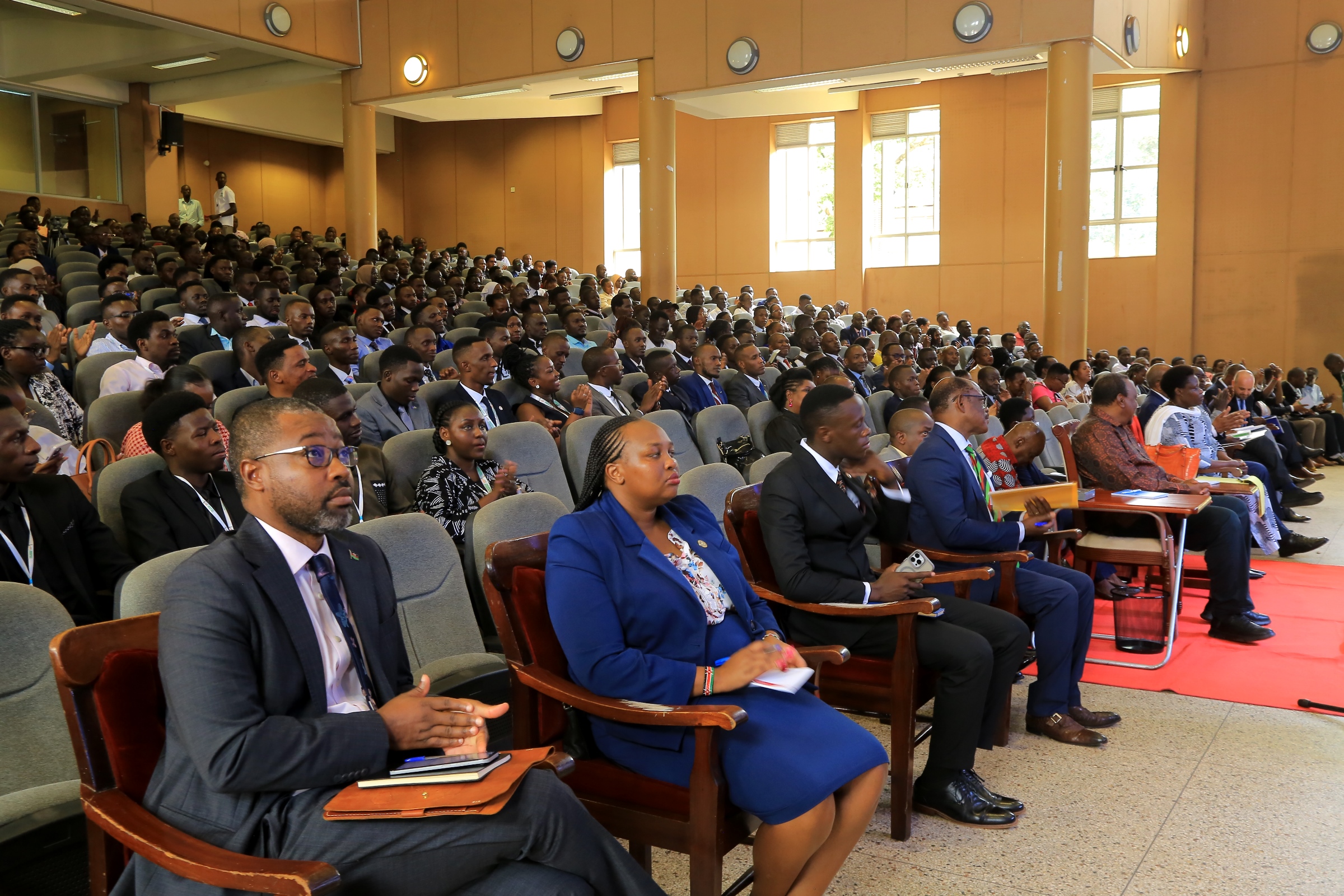
In a vibrant celebration of youth leadership and African unity, Makerere University hosted the Second Annual Guild Leaders’ Summit, an event that brought together high-profile dignitaries, student leaders, and international partners for a powerful dialogue on the future of the continent. The summit, organized by the Guild Presidents Leadership Academy, served as a rallying point for East Africa’s young leaders to confront Africa’s most urgent challenges—on their own terms and with their own solutions.
A Warm Welcome and Reflections on Makerere’s Legacy
The Vice Chancellor, Professor Barnabas Nawangwe, welcomed the distinguished guests, who included Former President Uhuru Kenyatta of Kenya, Uganda’s Vice President H.E. Jessica Alupo, former Prime Minister Rt. Hon. Ruhakana Rugunda, Justice Simon Byabakama, Hon. Mathew Rukikaire, and European Union Deputy Ambassador Mr. Guillaume Chartrain, among others.
In his address, Prof. Nawangwe reflected on Makerere’s deep historical ties to East Africa’s liberation and development movements. He reminded the audience that Makerere University has been a crucible for the continent’s leadership, stating:
“Jomo Kenyatta was the first person to receive a degree from Makerere when, in 1963, he was awarded an honorary doctorate by then Chancellor Julius Nyerere. All freedom fighters in East Africa studied at Makerere.”
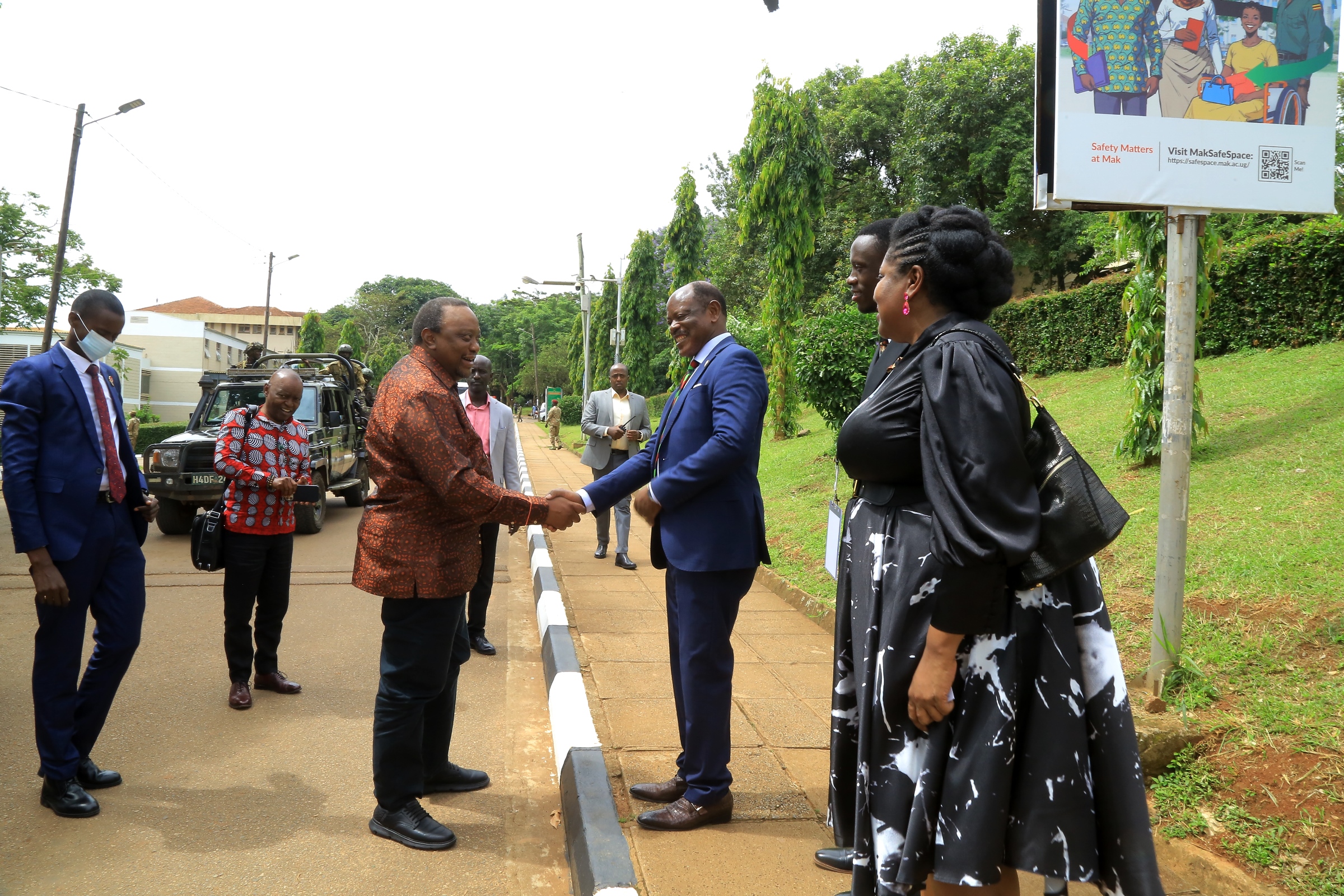
Building on this rich history, Prof. Nawangwe affirmed the university’s current mission to tackle pressing continental issues. “Today,” he said, “Makerere is committed to addressing Africa’s challenges—climate change, disease, poverty, food security, conflict resolution, and economic development. But we cannot do this alone.”
He echoed sentiments later shared by the keynote speaker, stressing that Africa must no longer depend on external interventions:
“Foreign agencies will not solve all Africa’s problems. It is our young people who must step forward and lead the change.”
Uhuru Kenyatta: “You Are the Last Line of Defence”
In a keynote address that resonated deeply with the students and delegates in attendance, Former President Uhuru Kenyatta issued a bold and urgent call to action for Africa’s youth.
“No one is coming to save us,” Kenyatta declared. “You are the last line of defence in the battle to rescue the heart and soul of Africa.”
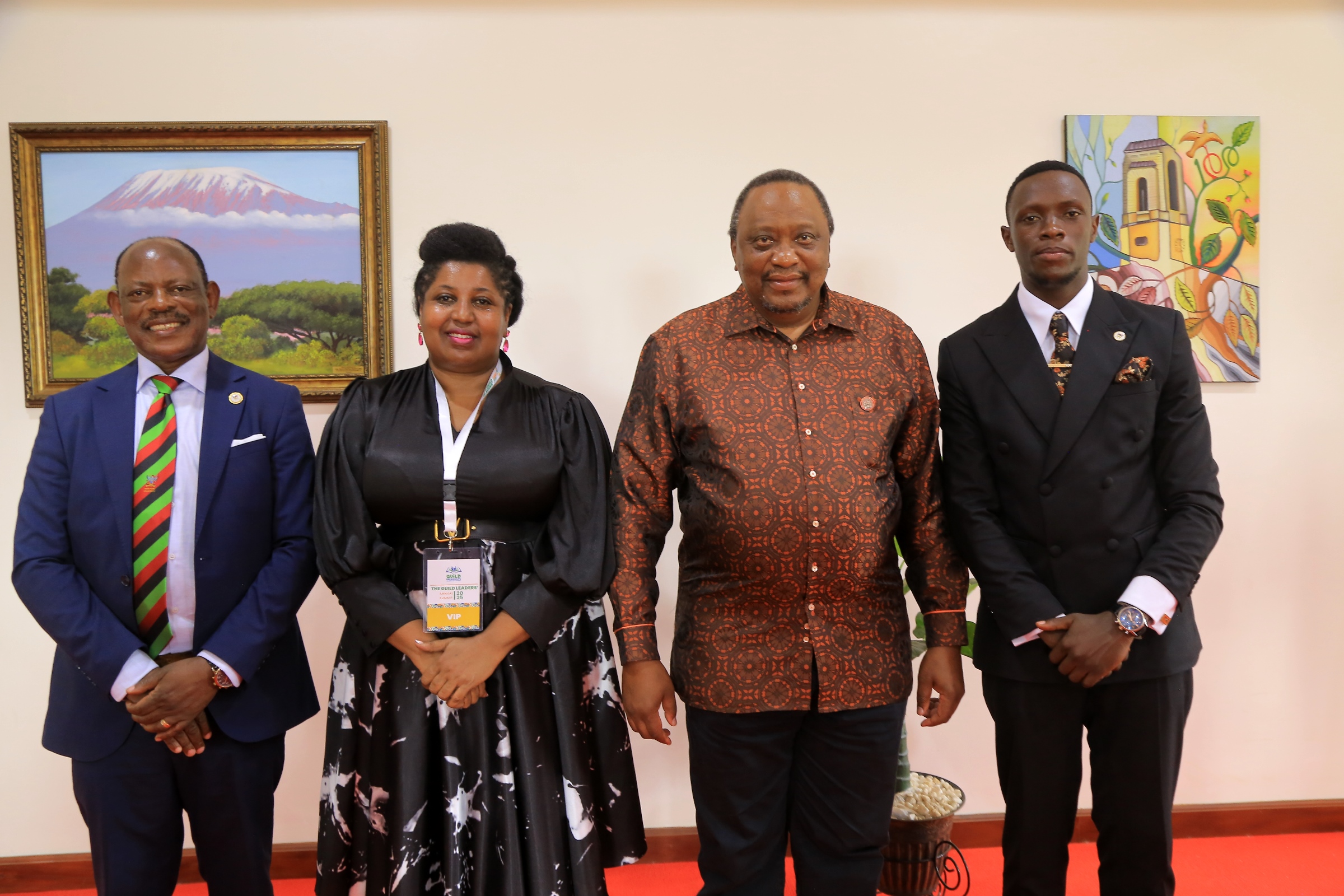
Positioning today’s youth as the heirs of the continent’s freedom fighters, Kenyatta described the current moment as a new “independence era”—not of political liberation, but of economic and intellectual sovereignty. He urged students to think critically about intra-African trade, which currently accounts for less than 2.5% of global commerce, and to advocate for the removal of internal barriers to trade, innovation, and mobility.
“You are the freedom fighters of this generation,” he said. “Universities must be incubators of change, and students must be the trustees of tomorrow’s Africa.”
Pan-Africanism, Leadership, and Action
Uganda’s Vice President H.E. Jessica Alupo encouraged students to take up the mantle of Pan-Africanism with unwavering commitment. She acknowledged that while the rhetoric of African unity is inspiring, real progress demands more than words:
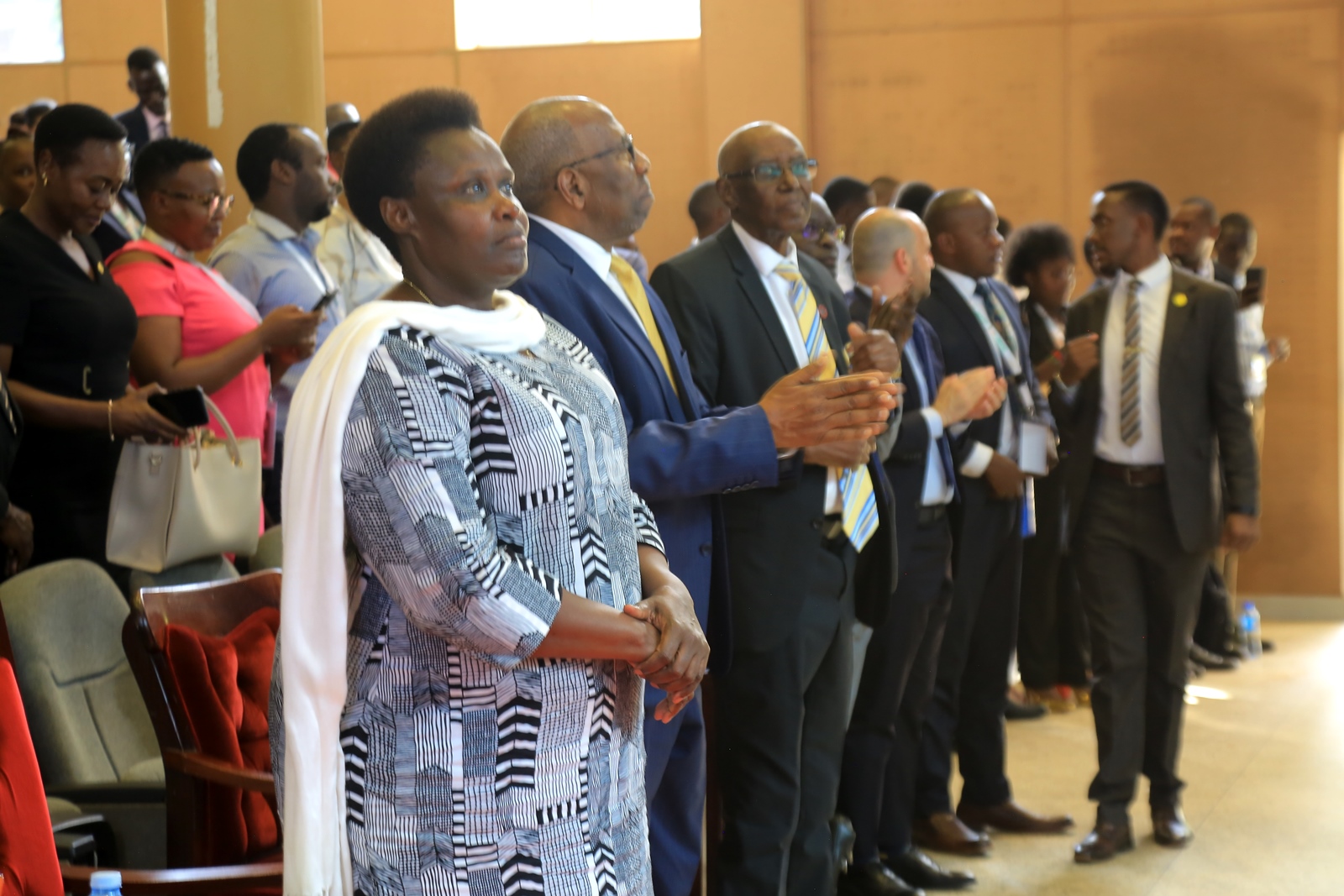
“You must embrace the spirit of Pan-Africanism. But it is easy to say these words—the challenge lies in collective implementation.”
She emphasized the importance of action-oriented leadership and urged the youth to harness their creativity, energy, and education for the benefit of the continent.
European Union’s Message: Leadership with Integrity
Representing Team Europe, the EU Deputy Ambassador to Uganda, Mr. Guillaume Chartrain, gave a passionate speech on the values of authentic leadership, integrity, and inclusive development. He praised Makerere University as a space where “intellectual ambition meets civic responsibility” and emphasized that leadership is not about prestige, but purpose:
“Be a leader because of what you want to be—not because of what you want to have,” he said.
Citing former Makerere alumni such as Julius Nyerere and Wangari Maathai, Chartrain called on students to model courage, resilience, and humility:
“True leadership emerges in moments of loss—when resilience, not triumph, becomes the measure of one’s character.”
The EU, he said, remains committed to supporting youth through programs like Erasmus+, the EU Youth Sounding Board, and partnerships with organizations like Faraja Africa Foundation and Restless Development. These initiatives empower youth not as symbols, but as active participants in shaping policy and governance.
The Legacy Continues
Throughout the summit, speakers highlighted the importance of legacy and long-term impact. They challenged young leaders to think not just about the present, but about the systems and institutions they will leave behind. In the words of Former President Kenyatta:
“Leadership is not about the next election. It’s about the next generation.”
The summit ended on a high note, with students invigorated and inspired to lead with purpose. As global support grows less predictable and Africa stands at a crossroads, the message from Makerere was clear: the future of the continent is in the hands of its youth. And as the Guild Leaders’ Summit demonstrated, they are ready.

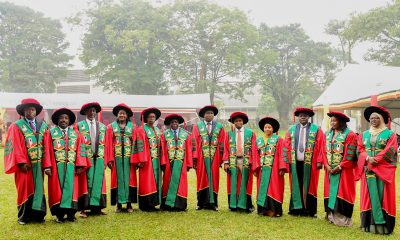


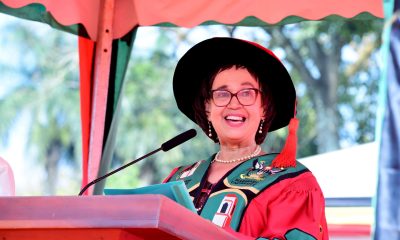





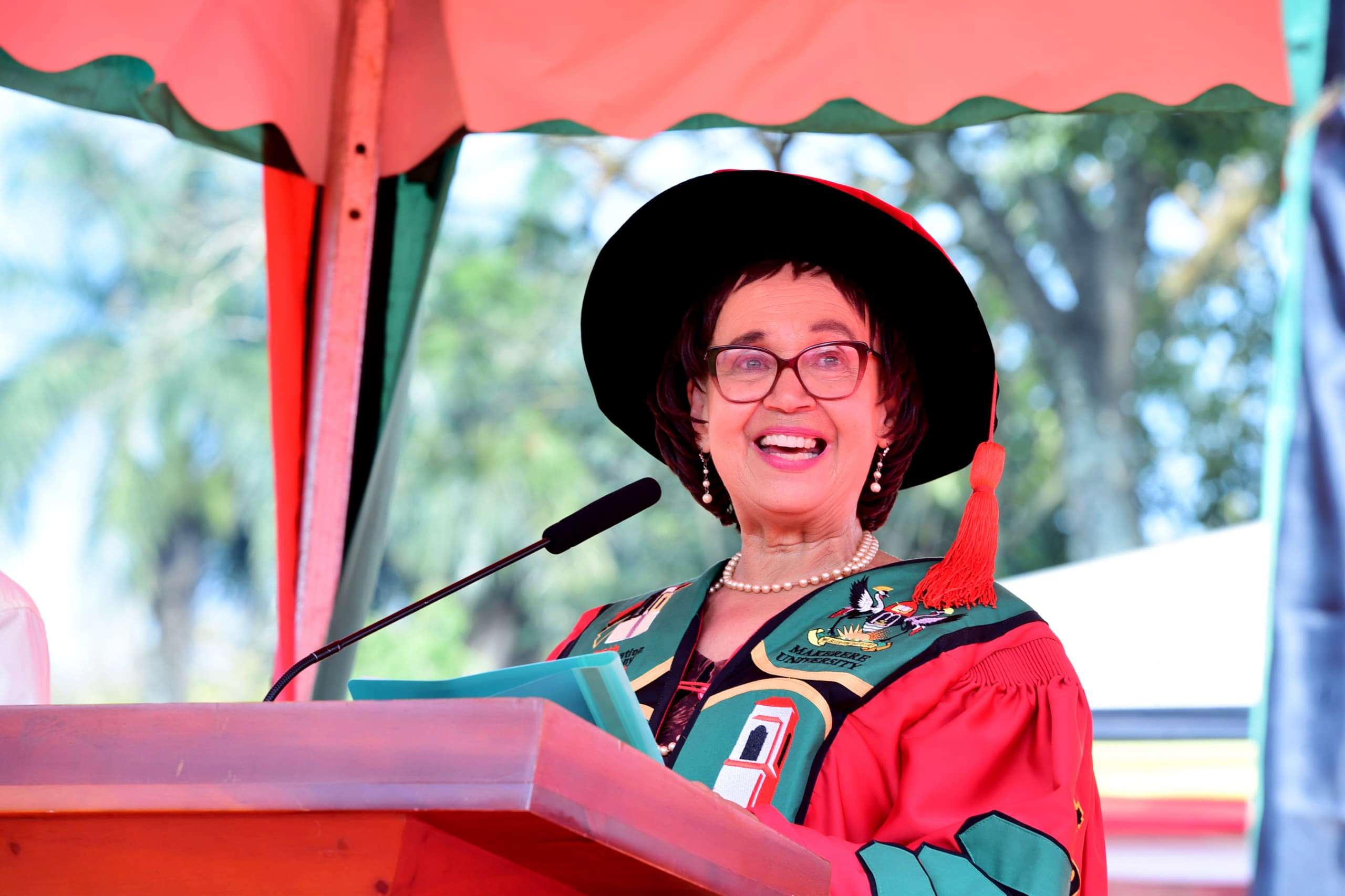
The Board Chairperson of the Makerere University Endowment Fund (MakEF), Dr. Margaret Blick Kigozi, has urged graduands in Health and Life Sciences to uphold professional ethics and serve humanity with diligence and compassion.
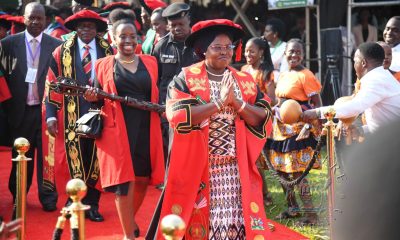
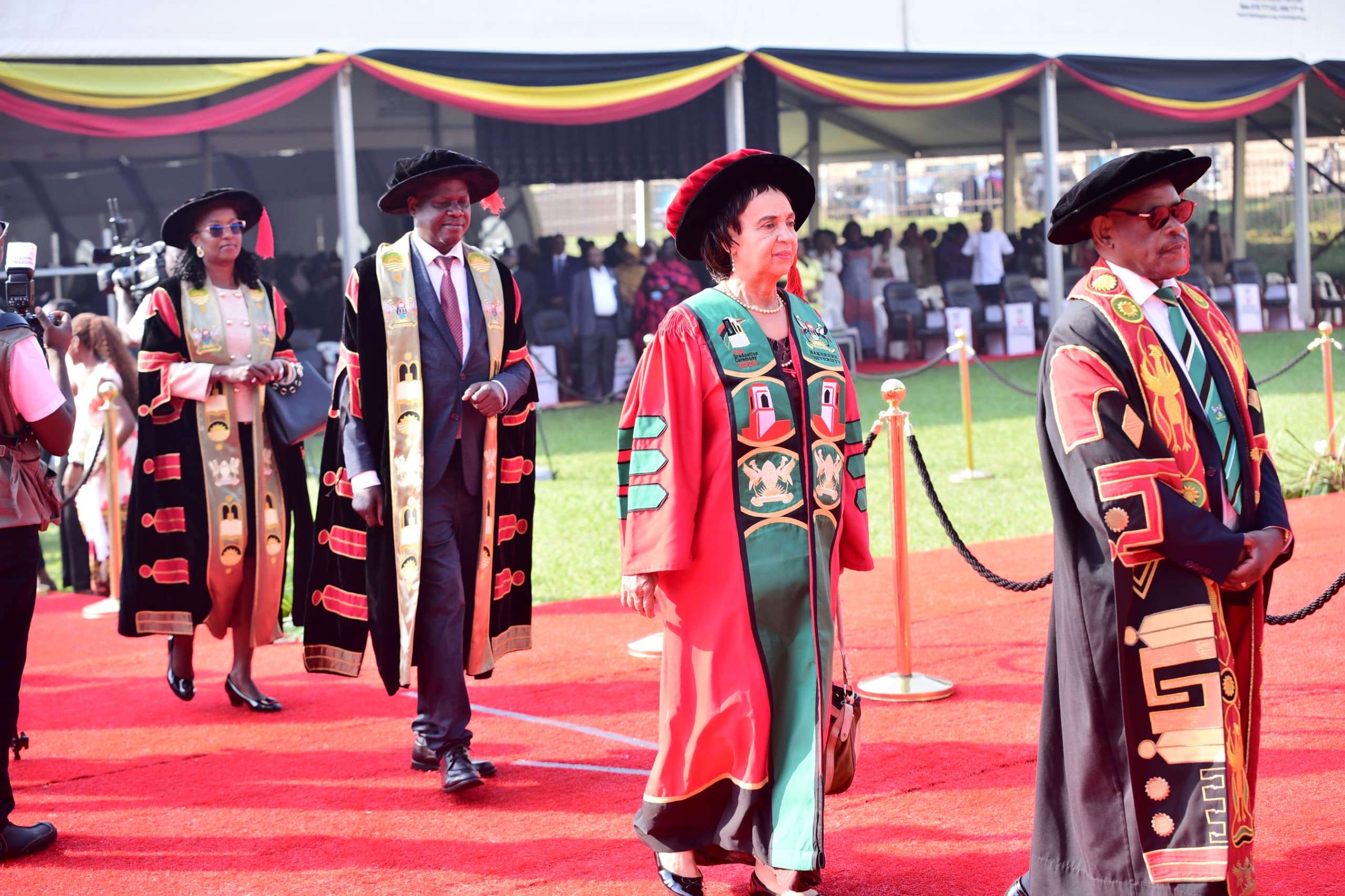
Her appeal came during the passing out of graduates from the College of Natural Sciences (CoNAS), the College of Veterinary Medicine, Animal Resources and Bio-Security (CoVAB), the College of Health Sciences (CHS) and the School of Public Health (SPH) on Day Two of the 76th Graduation Ceremony of Makerere University.
“Class of 2026, you are now part of the Makerere legacy. Wherever you go clinics, laboratories, farms, boardrooms, or classrooms, you carry this institution with you. Serve your patients with skill and compassion. Care for animals and communities responsibly. Question boldly and keep learning,” Dr Kigozi, said.
Delivering the commencement address, Dr. Kigozi lauded the graduates for their dedication to careers that directly impact lives and communities. She encouraged them to use their knowledge generously and exercise their power gently.
“Your education has trained you to ask better questions. Your humanity must guide the answers. Never forget that behind every chart, every case, every animal, every experiment, there is life. And life deserves care, patience, and dignity. Give every person you come in contact with care, patience and dignity,” Dr Kigozi, noted.
As the graduates embark on their professional journeys, Dr. Kigozi emphasized the importance of cultivating basic business acumen and financial literacy to ensure sustainability in their work.
“You do not need to become accountants but you must be able to read the essentials: understand simple financial statements, budgets and key metrics so you can judge whether a clinic, lab, or program is sustainable. You are encouraged to start your business. There are numerous investment opportunities in your areas of training. You can provide services to our people and create jobs,” Dr Kigozi, said.
She shared candidly how, when she first stepped into leadership, she realised she did not understand balance sheets or budgets well enough. So, she returned to Makerere for short courses to strengthen herself.
“A well-run Hospital, clinic or lab delivers better outcomes, attracts staff, and secures funding. Business savvy is not only about profit, it’s about sustainability and the freedom to serve ethically and effectively. Carry clinical skill with business sense so your work endures and grows,” Dr. Kigozi, noted.
Quoting renowned writer and producer Shonda Rhimes, creator of Grey’s Anatomy, who once reflected that succeeding in one area of life can sometimes mean falling short in another, Dr. Kigozi encouraged women graduates to intentionally balance professional ambition with family responsibilities.
“When one area thrives, another is often under strain. When Navio was graduating from school I had to manage the Presidential Investor Round Table on the same day as Executive Director Uganda Investment Authority. I chose my job and delegated his siblings to attend Navios graduation. I learnt from this. I choose family always after that thing you achieve once and keep forever,” Dr Kigozi, said.
In his speech, the Prof Barnabas Nawangwe, the Vice Chancellor, informed the congregation that Makerere’s ranking on all university ranking platforms has remained stable, placing Makerere among the top 10 African universities and within the top 4.5% globally.
“In the Times Higher Education global ranking, Makerere University made a formidable jump from the 1200-1500 bracket to the 800-1000 bracket. This was no mean achievement and I congratulate all members of the Makerere Community on this stellar performance,” Prof Nawangwe, said.
-

 Humanities & Social Sciences5 days ago
Meet Najjuka Whitney, The Girl Who Missed Law and Found Her Voice
-
 Health1 week ago
Uganda has until 2030 to end Open Defecation as Ntaro’s PhD Examines Kabale’s Progress
-
 General4 days ago
76th Graduation Highlights
-
 Agriculture & Environment1 week ago
Uganda Martyrs Namugongo Students Turn Organic Waste into Soap in an Innovative School Project on Sustainable Waste Management
-

 General1 week ago
Mastercard Foundation Scholars embrace and honour their rich cultural diversity