
General
President Museveni Reopens Makerere’s Main Building, Installs Dr. Kiyonga as Chancellor

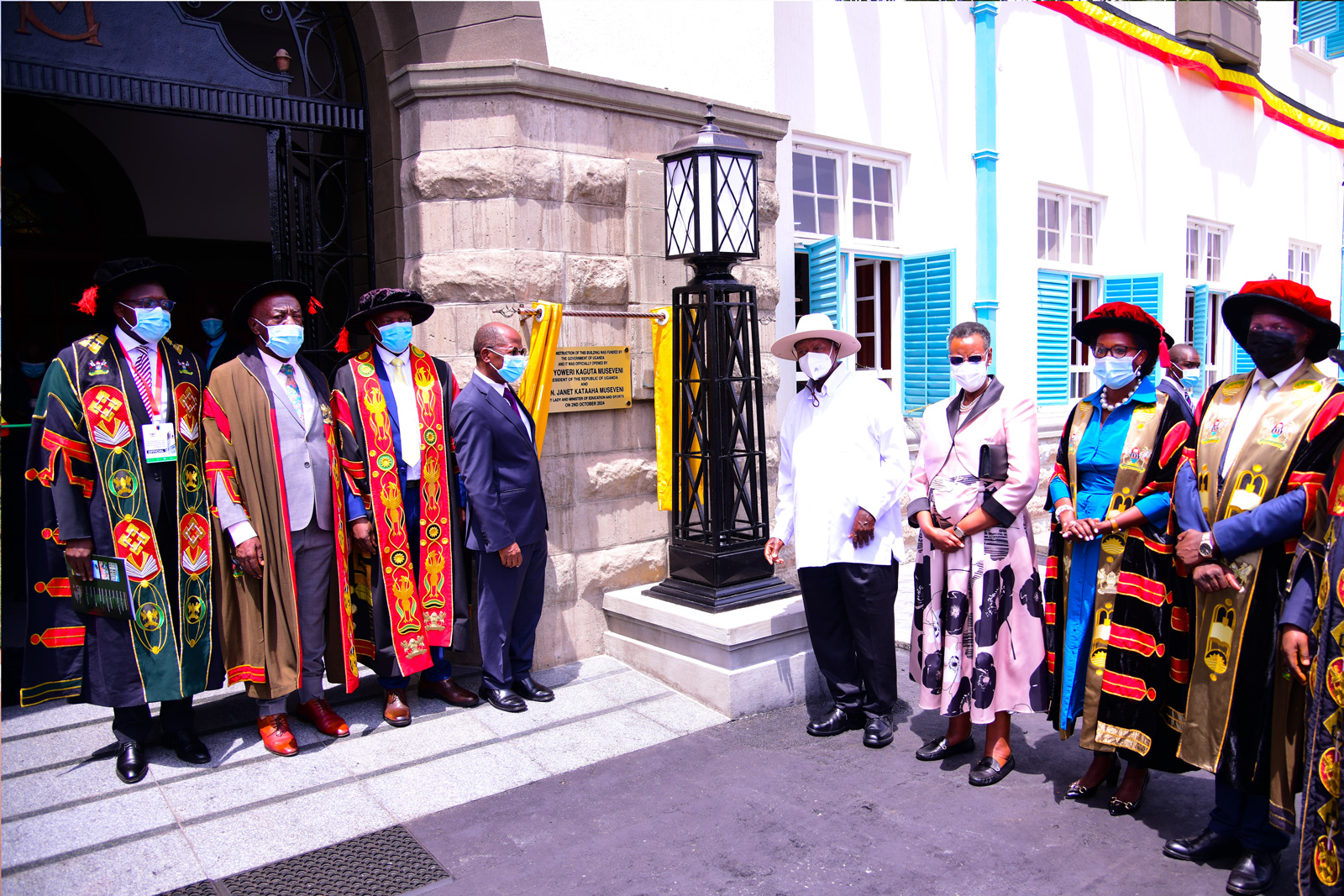
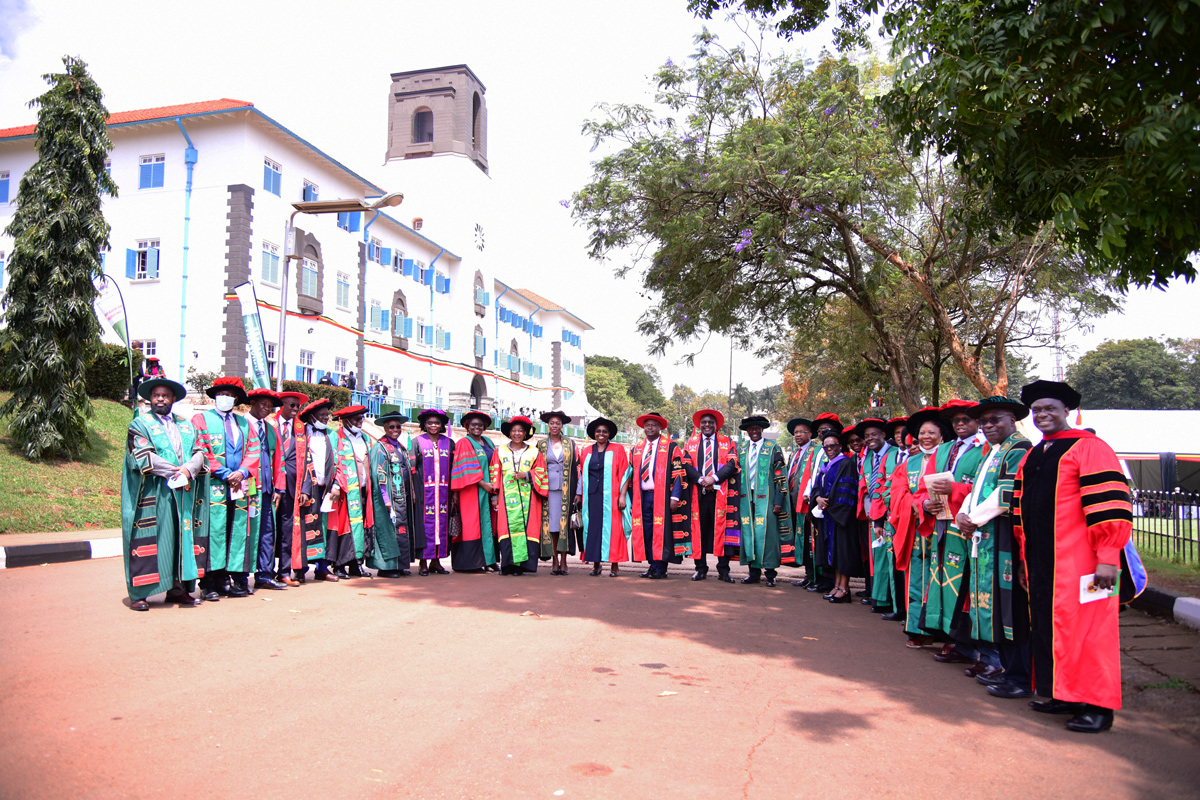
On 2nd October 2024, President Yoweri Kaguta Museveni officially opened the re-constructed Makerere University’s iconic Main Building, and installed Dr. Crispus Kiyonga as the new Chancellor.
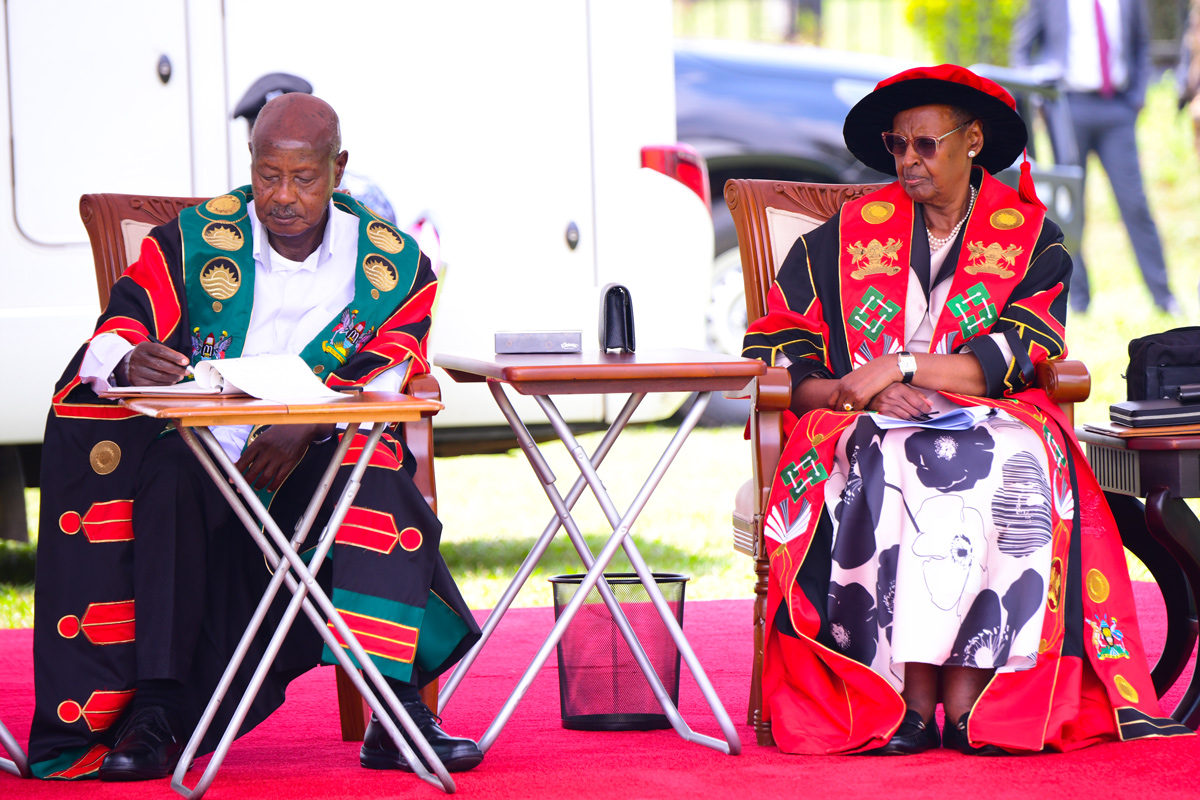
The event held at Makerere University’s Freedom Square, was presided over by President Museveni, the university’s Visitor, alongside First Lady, Hon Janet Kataaha Museveni, who is also the Minister of Education and Sports.
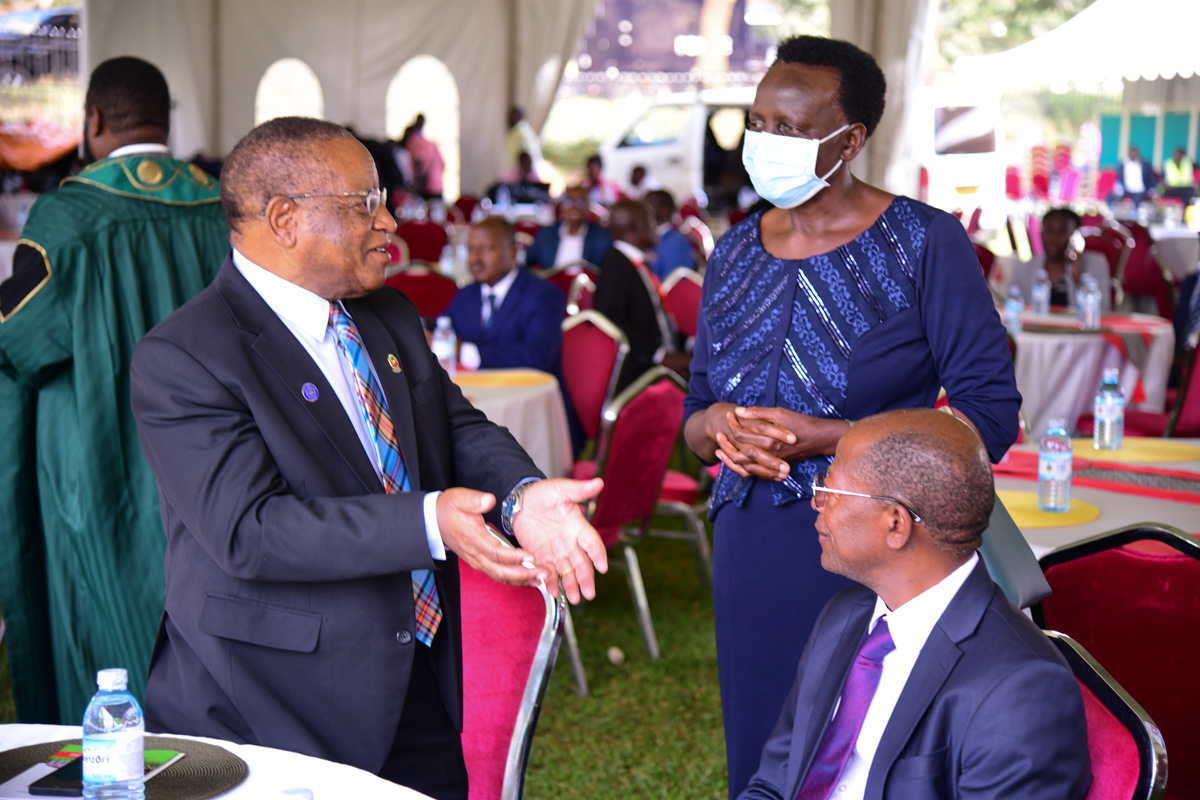
Several dignitaries attended the ceremony, including former Chancellors, Vice Chancellors, members of the University Council, administration, development partners, a delegation from the University of Bergen in Norway as well as alumni of Makerere University. The reopening of the main building comes four years after a disastrous fire that resulted from a short circuit destroyed the building in September 2020.
Speaking at the event, President Museveni congratulated the university for getting back the building which has been funded by the government of Uganda. He added that his initial concerns about the potential loss of student records, but he was relieved when he was reassured by the Vice-Chancellor Professor Barnabas Nawangwe that the records were safe.
“When this unfortunate incident happened, as Professor Nawangwe said, my main concern was the records of the students. For the building, we could construct a new one, and we have constructed it,” he said.
The reconstruction preserved the building’s historic exterior while modernizing the interior to enhance safety and accessibility. Traditional wooden floors were replaced with tiles and terrazzo, and pathways for persons with disabilities were added. The building also features more durable concrete walls, fire detection and fighting equipment, and a restored bell that rings every hour.
President Museveni also congratulated the university on appointing Dr. Crispus Kiyonga as Chancellor, succeeding Prof. Ezra Suruma. He praised Dr. Kiyonga as a longstanding and key figure in the National Resistance Movement (NRM).
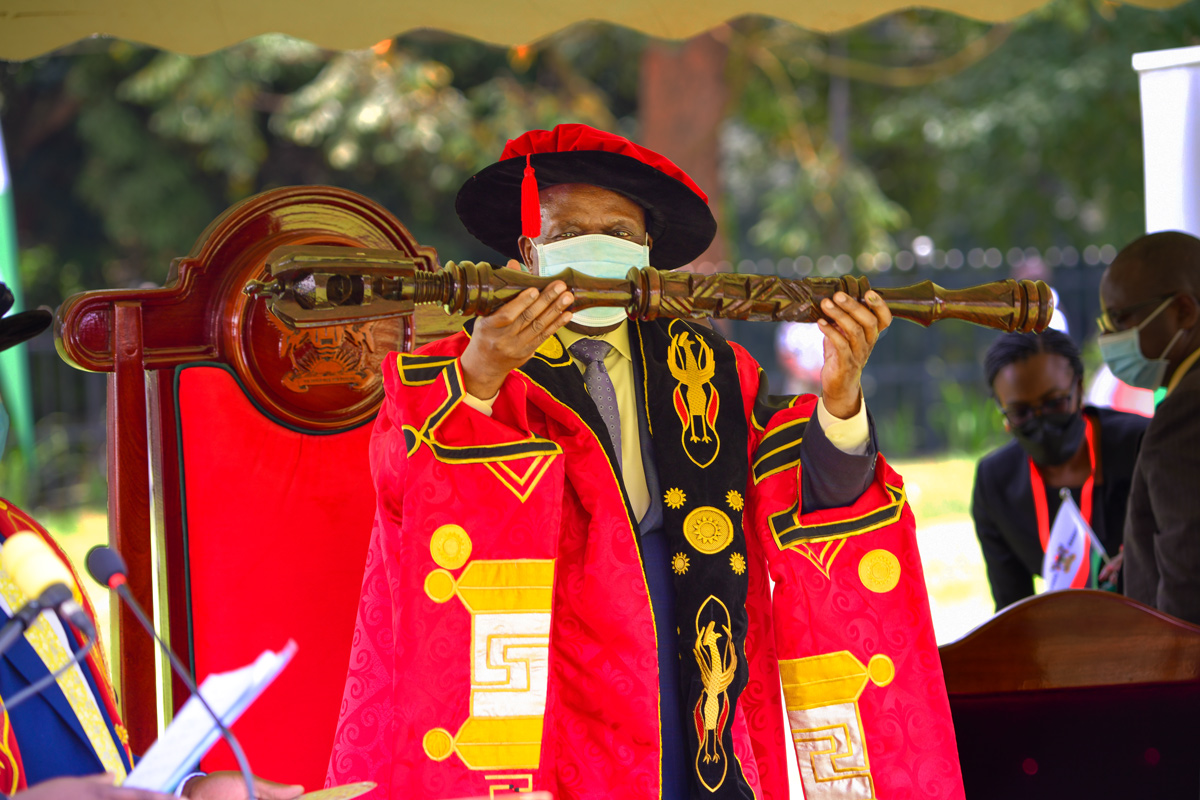
“Secondly, I want to congratulate you on having a new chancellor, in the person of Dr. Crispus Kiyonga. He is an outstanding cadre and leader of the NRM. He is a member of the central executive committee and has been very active in our efforts since 1980 when we were involved with UPM, so I congratulate him and I congratulate the University,” The President said.
The President explained the fundamental role of some disciplines at Makerere University such as Food Science and Quantitative economics. He also underscored the relevance of science disciplines to national development.
Hon. Janet Museveni, the Minister of Education thanked President Museveni for his swift response when Makerere’s ivory tower was destroyed by the fire. She also commended the President for providing funds for the renovation of the students’ halls of residence.
“On behalf of the education sector, I thank you, Your Excellency, for your immediate directive to fund the restoration of the iconic building and other critical projects at Makerere including the students’ residences following a request from the University Council. Your timely intervention, Mr. President underscores your unwavering support for the higher education sector and Makerere University in particular,” she said.
Dr. Kiyonga expressed gratitude for his appointment and emphasized his commitment to strengthening ties between the university, government, and the broader community. He promised to work closely with Vice Chancellor, Prof. Nawangwe and other stakeholders to align Makerere University’s research with Uganda’s development agenda.
Mrs. Lorna Magara, the Chairperson of the University Council, thanked the government for funding several projects at Makerere, including the restoration of the main building, the construction of the new building for the Law School, and the renovation of halls of residence.
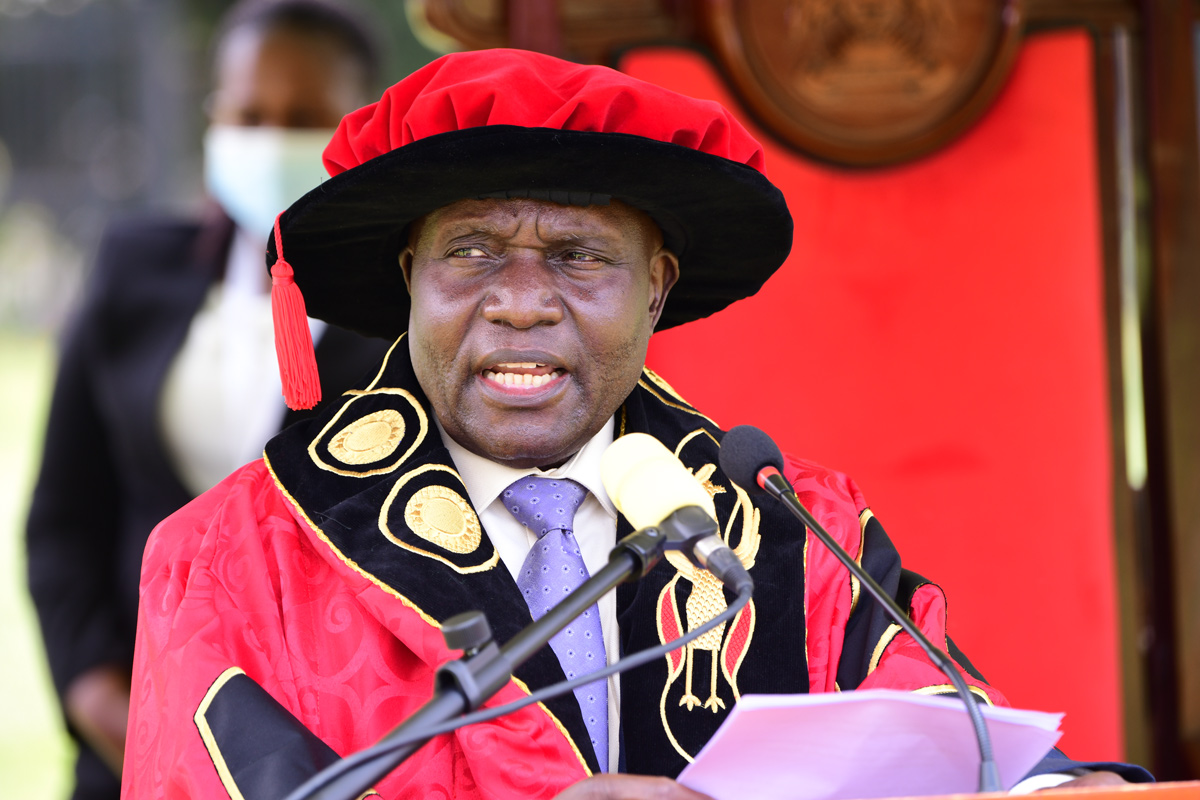
“The restoration of the main building strongly symbolizes the government’s commitment to investing in Makerere University and indeed the education sector. In addition to the main building, the government has generously funded several infrastructural projects including the construction of the School of Law new building, the school of dentistry, the renovation of Lumumba Hall, the wall around the university, and several others,” she said.
“We extend our heartfelt appreciation to the ministry of finance, planning and economic development for implementing the president’s directive and providing the necessary funding for these critical projects,” she said.
The Vice Chancellor, Prof. Nawangwe, thanked the President for swiftly approving the release of funds for the restoration of the building after he had presented the case to the Cabinet.
He also highlighted that the basement of the restored building will be reserved for a museum, and the university hopes to host the Luweero War Memorial Museum in this space.
When Prof. Henry Alinaitwe and I, came to the Cabinet to explain the cause of the fire, you guided the Cabinet to immediately approve the release of the 21 billion shillings that were required to reconstruct the building. Your excellency and Mama Janet, this afternoon, we have just re-opened the reconstructed main building, and the building is entirely funded by the government of Uganda,” he said.
The Vice-Chancellor also used the opportunity to request the President that the government provides Makerere University with a road maintenance unit under the National District Road Maintenance Program.
He explained that such a unit would allow engineering students to gain practical experience by maintaining university roads and those in nearby communities. This initiative, he added, would contribute to producing well-trained engineers who could strengthen the construction industry in Uganda.
“We wish to enhance the training of our engineers through advanced technical and business development skills so that they can compete with international firms. We therefore request for your support, Your Excellency to consider Makerere University in form of a district for the allocation of a road maintenance unit as part of the district road maintenance unit program,” he requested.
“With this unit we would be able to train our students by maintaining the university’s roads and the roads of the surrounding communities. The ultimate aim is to produce engineers who will build strong constructing firms for our country. I pray that this proposal is given consideration in the next financial year budget.”
In response, President Museveni welcomed the idea and offered his support, agreeing that it would provide valuable practical learning for Makerere’s students.
“Regarding the road unit, that is a very good idea, I will definitely support that so that you can have your own road unit to teach your engineers how to make roads and how to build practically. I totally agree with that,” President Museveni said.
The Vice Chancellor appreciated the Mastercard Foundation for the support extended to Makerere University when the Main Building was gutted by a fire. “I received the first international call, from Reeta Roy, President of the Mastercard Foundation, who in a very short statement said: We are going to support you with one million dollars to help you recover the student records. Indeed, the seed sown by the Mastercard Foundation has transformed Makerere into one of the most digitalised universities,” he said.
The Guild President, Lubega Vincent Nsamba acknowledged the President for providing funds for the reconstruction of the main building, but most importantly providing funds to renovate the different halls of residence.
“I thank you for the funds that have been contributed to the reconstruction of the main building, but most importantly and particularly to the renovation of halls of residence. They have completed Lumumba hall and they are now at Mary Stuart,” he said.
“We extend a vote of appreciation for recognizing that need and providing funds to cater for that. This has not only contributed to the welfare of the students, and has also improved their academic life on Campus,” he added.









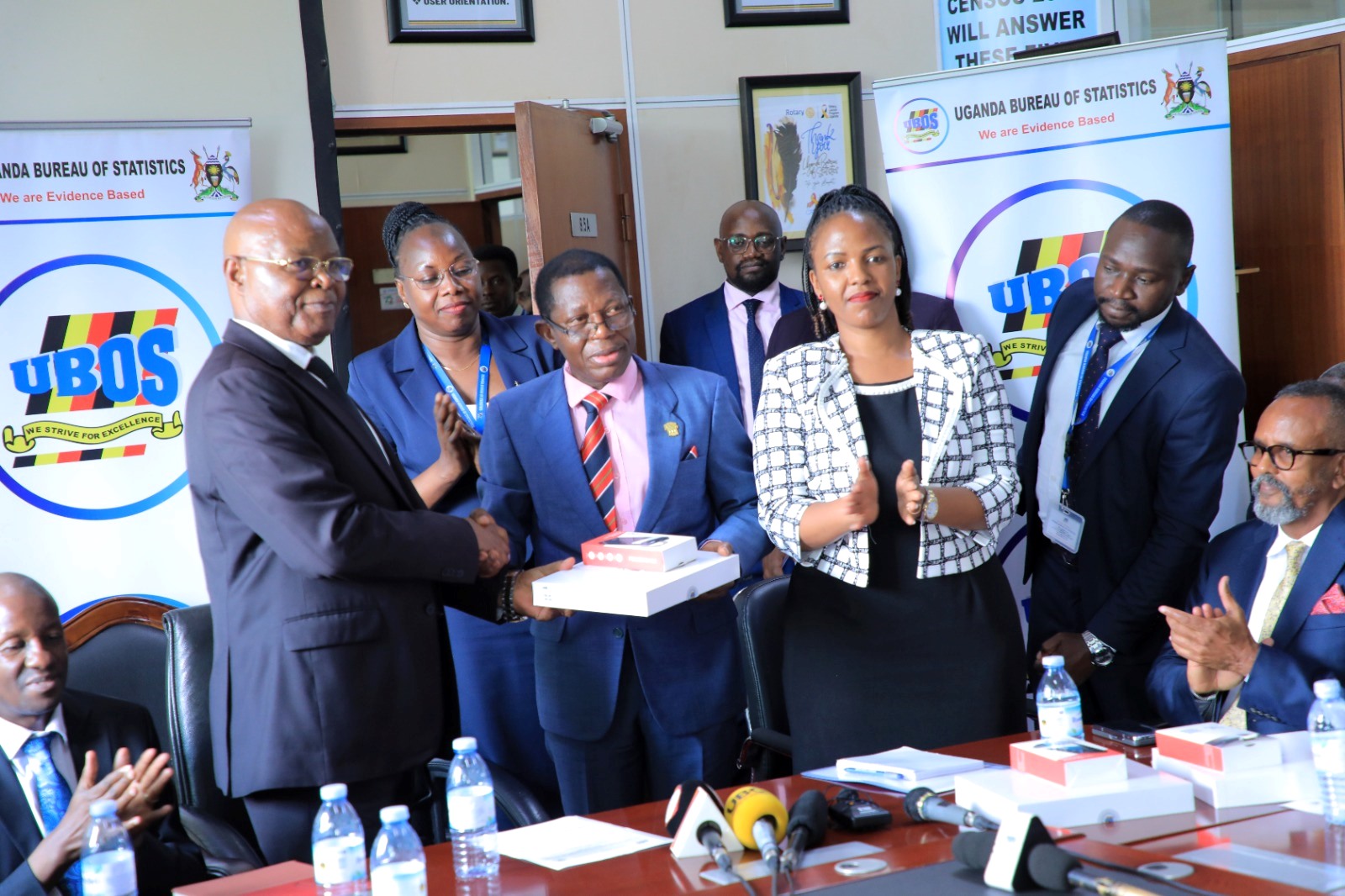
Makerere University has received 700 digital tablets from the Uganda Bureau of Statistics (UBOS), aimed at enhancing statistical research, teaching, and data-driven decision-making across the institution.
The donation was made on June 30, 2025, as part of UBOS’ broader initiative to distribute a total of 3,025 tablets to ten government-funded institutions of higher learning. The handover ceremony was attended by Makerere’s Acting Deputy Vice Chancellor for Academic Affairs, Prof. Buyinza Mukadasi and Mr. Simon Kizito, the Deputy University Secretary among other Vice Chancellors and accounting officers.
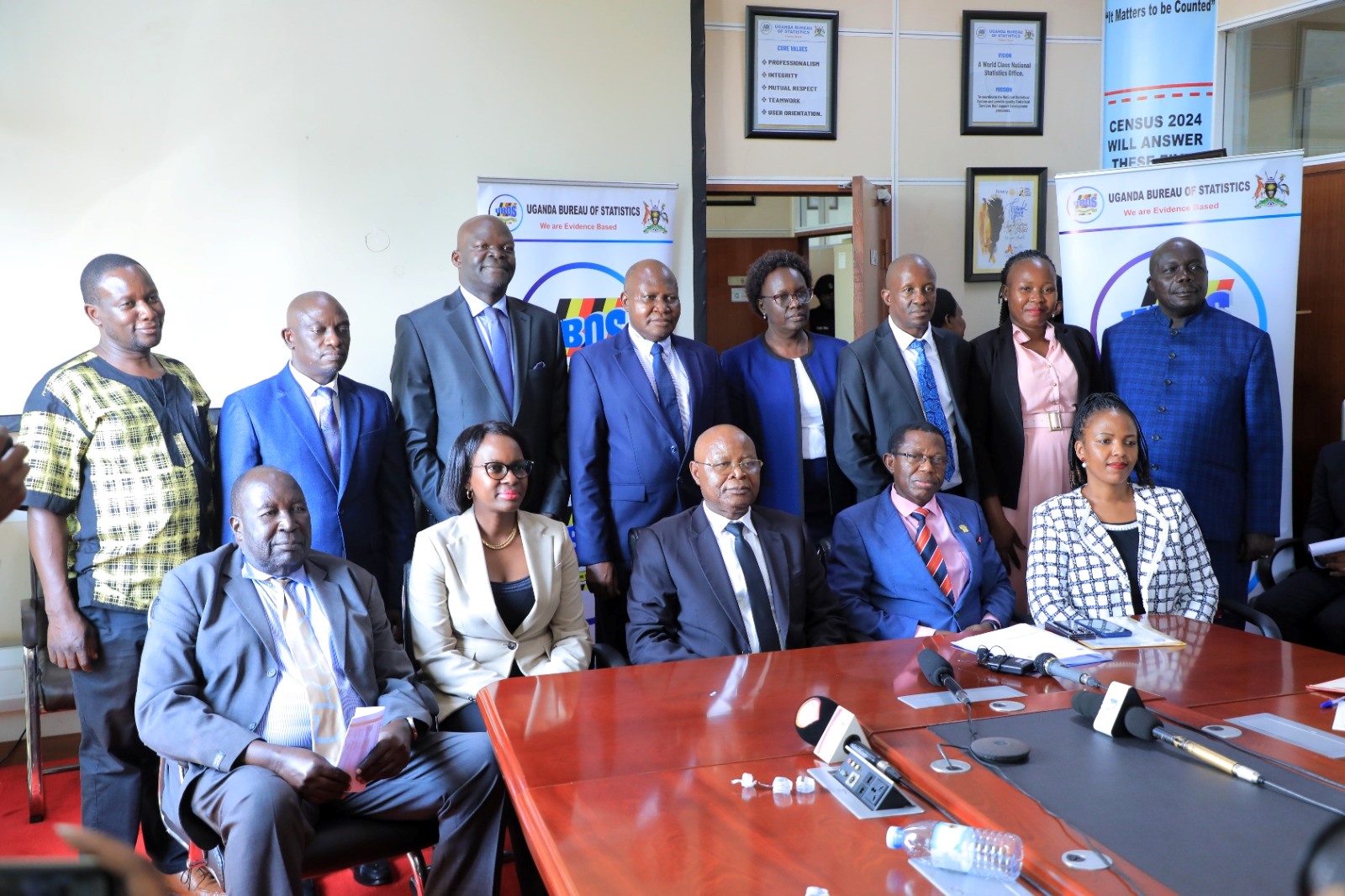
Dr. Allen Kabagenyi, a UBOS Board Director, who coordinated the distribution of the tablets to the respective 10 Public universities, underscored the significance of inter-institutional collaboration in fostering a data-literate and innovative generation. “This initiative is a testament to the power of partnerships between public institutions. In a country like Uganda, with one of the youngest populations globally, equipping our future leaders with the right tools is critical to achieving both national and global development goals,” she remarked.
The tablets had initially been procured and deployed during the recently concluded National Population and Housing Census. UBOS Executive Director Dr. Chris Mukiza explained that their redistribution marks the beginning of the Bureau’s post-census utilization strategy.
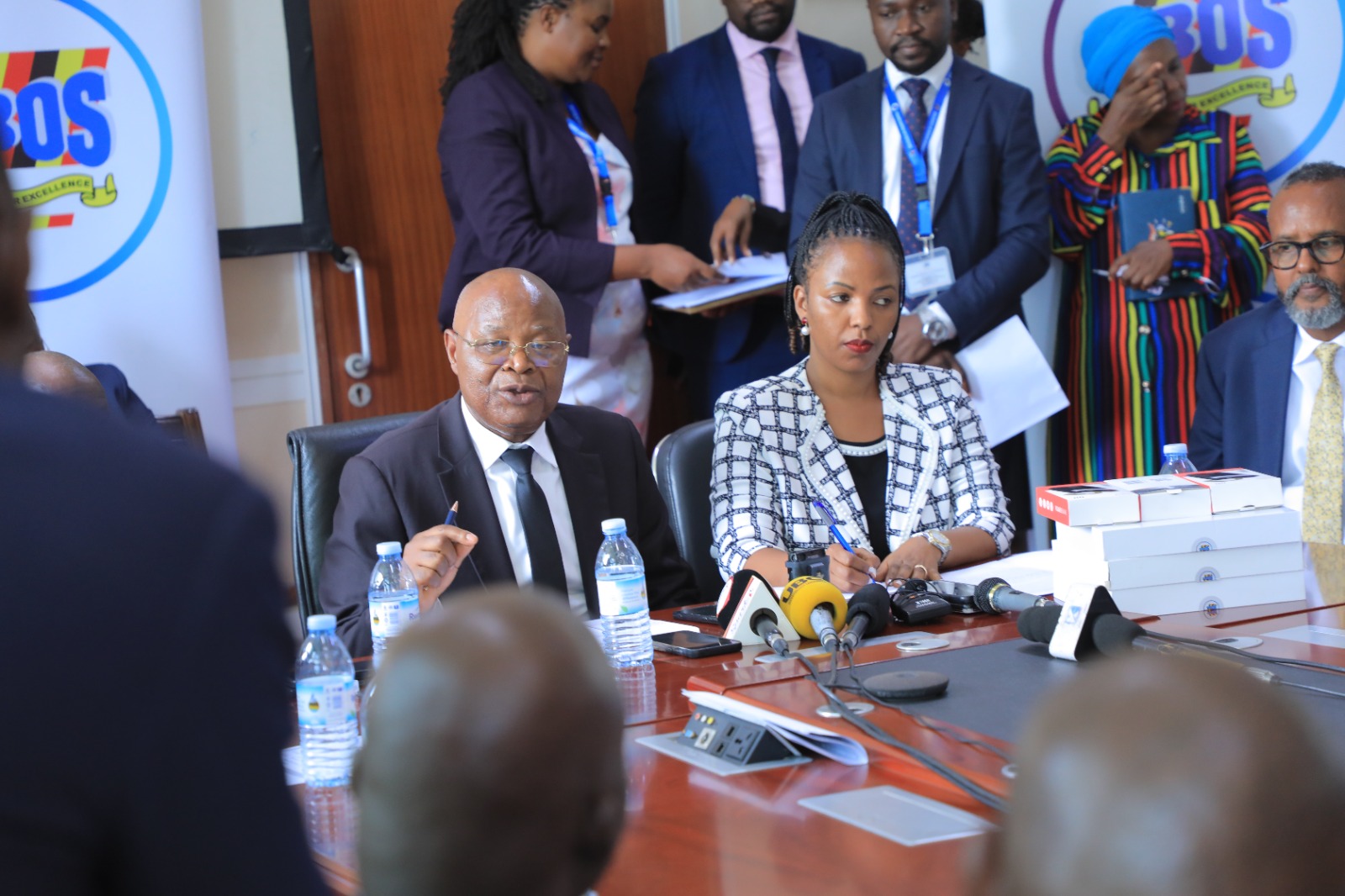
“We acquired 120,000 tablets to conduct the census, and as we committed earlier, we are ensuring that these resources continue to serve the country even after the census,” said Dr. Mukiza. “Our expectation is that these tablets will strengthen data collection, teaching, and research in universities and higher institutions. We want to see a culture where statistics are not only produced but also actively used to influence development outcomes.”
Dr. Mukiza encouraged academic institutions to take full advantage of the extensive data available at UBOS, emphasizing that greater use of statistical resources will translate into more impactful research and policy interventions.
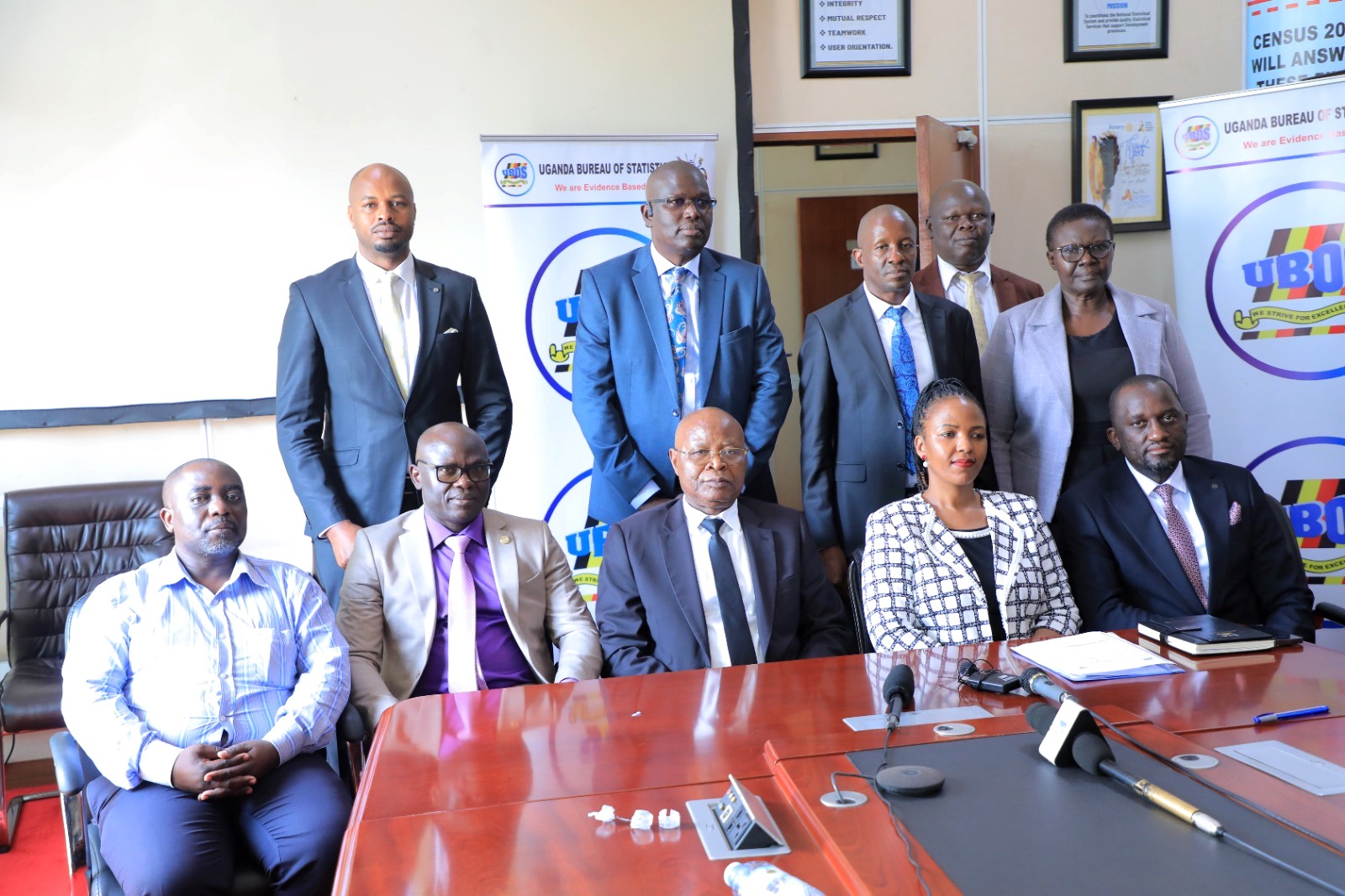
During the same event – cultural institutions also received tablets.
With this donation, Makerere University is well-positioned to further empower students and researchers in statistical analysis, evidence-based planning, and innovation-driven teaching.
-
 General4 days ago
Mature Age Scheme Exam Results for 2025/2026
-
 General1 week ago
Freshers’ Joining Instructions 2025/2026
-
 General1 week ago
Mastercard Foundation Board pays its inaugural visit to Makerere University
-
 General1 week ago
UVCF Makes Case for HEAC Programme
-
 General2 weeks ago
Call For Expression of Interest: MURBS MIS Requirements Gathering