
General
Makerere Hosts the 2024 Campus France Education Fair

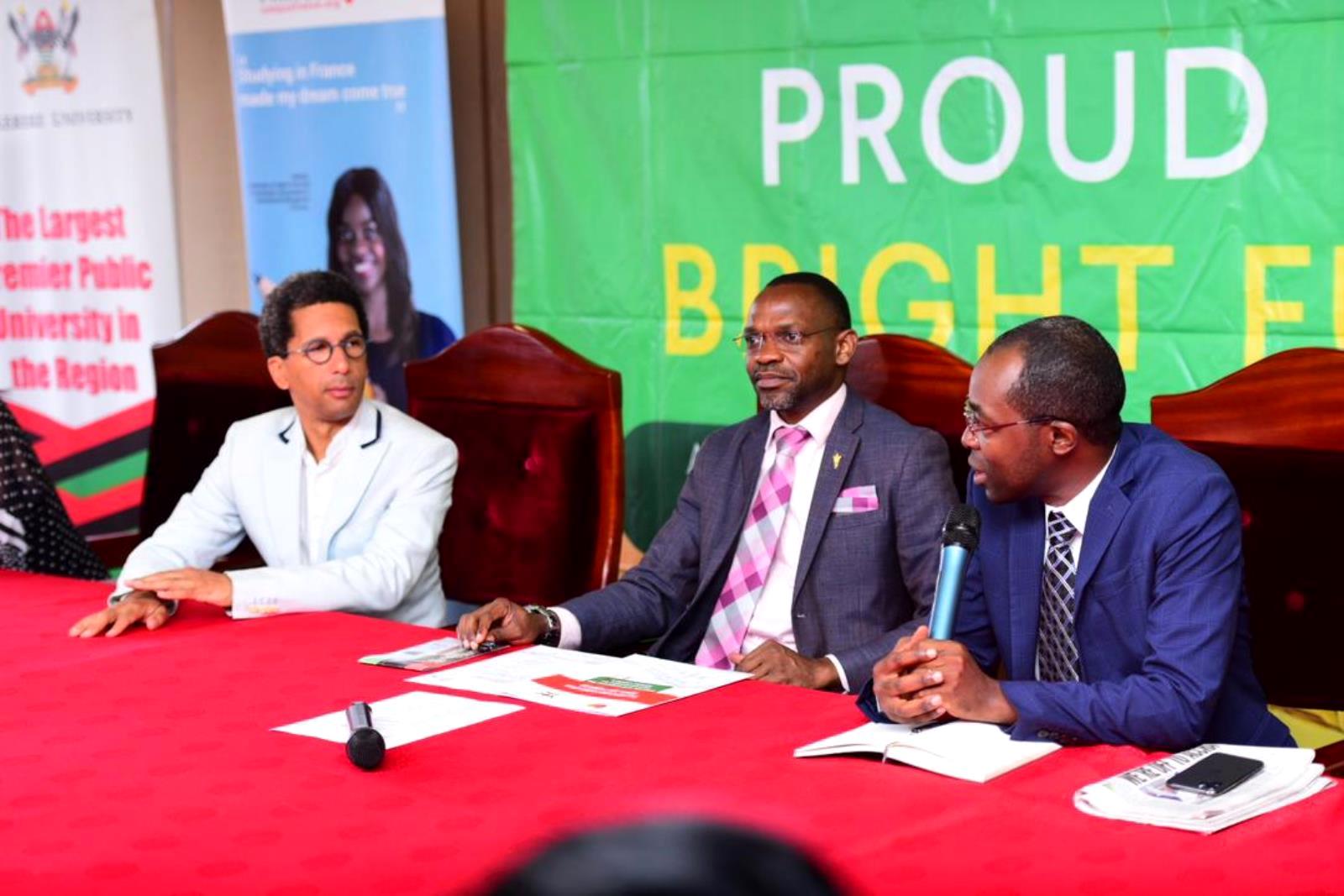
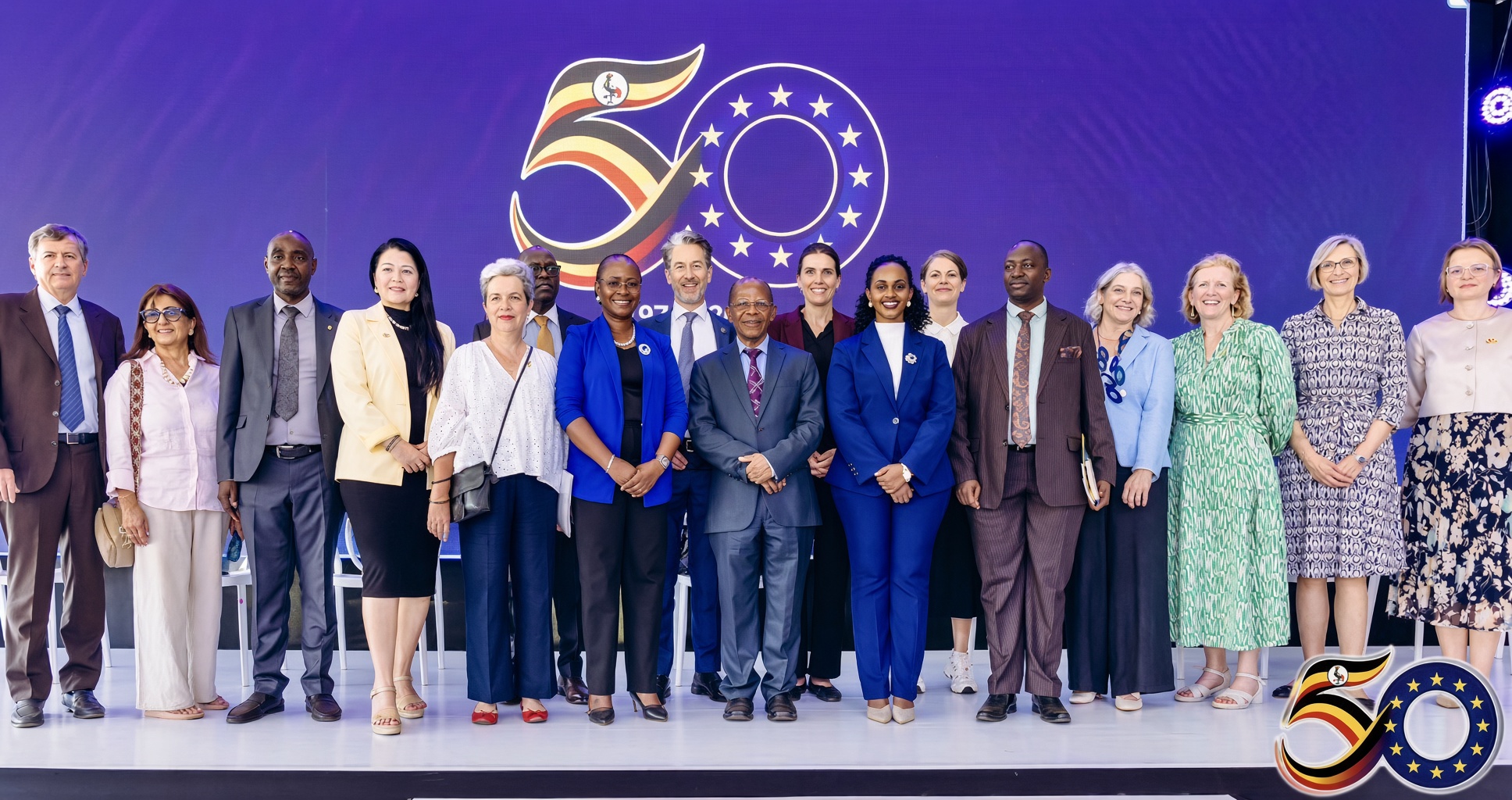
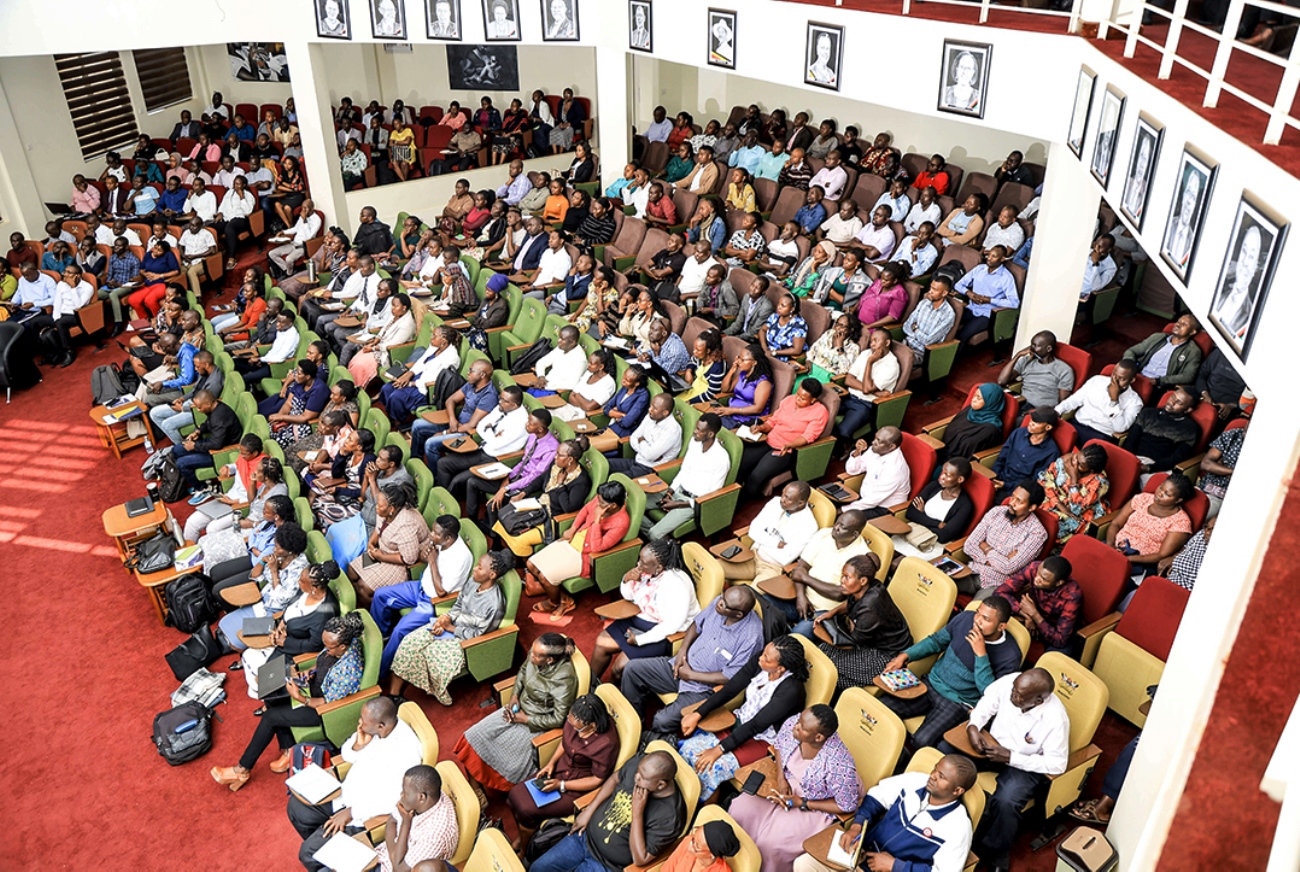
On 7th March 2024, Makerere University hosted the second edition of the French Study and Campus Fair under the theme: unlocking opportunities in the vibrant world of French education and employment. The one-day event was organized by the French Embassy in Uganda, in conjunction with Makerere University as the host. The event that was structured in three moderated sessions attracted the participation of eight French Universities and more than twelve Ugandan Universities including; Kyambogo University, Uganda Christian University, Mbarara University of Science and Technology, Islamic University in Uganda, Clarke International University, Uganda Management Institute, Cavendish University, Kampala International University, and the International University of East Africa among others.
In his welcome remarks, the Acting Vice-Chancellor Prof. Umar Kakumba welcomed the delegation and thanked the French Ambassador, H.E. Xavier Sticker, for his unwavering passion in strengthening cooperation between Ugandan and French Universities, especially in the areas of education, research, and innovation. He further noted that the participation of the eight French Universities was a perfect demonstration of opportunities that will facilitate the movement of students between the two countries.
“I am pleased that we are gathered here today at a time when Makerere recently took a new strategic direction that will see it become a research-led University in the region and the world. In so doing, the University developed and passed a comprehensive policy on the internationalisation of our Academic programmes. The fruits of these efforts are being supported through the existing programs like the Erasmus+ Mobility Programme hosted at our International Relations Office” Prof. Kakumba said.
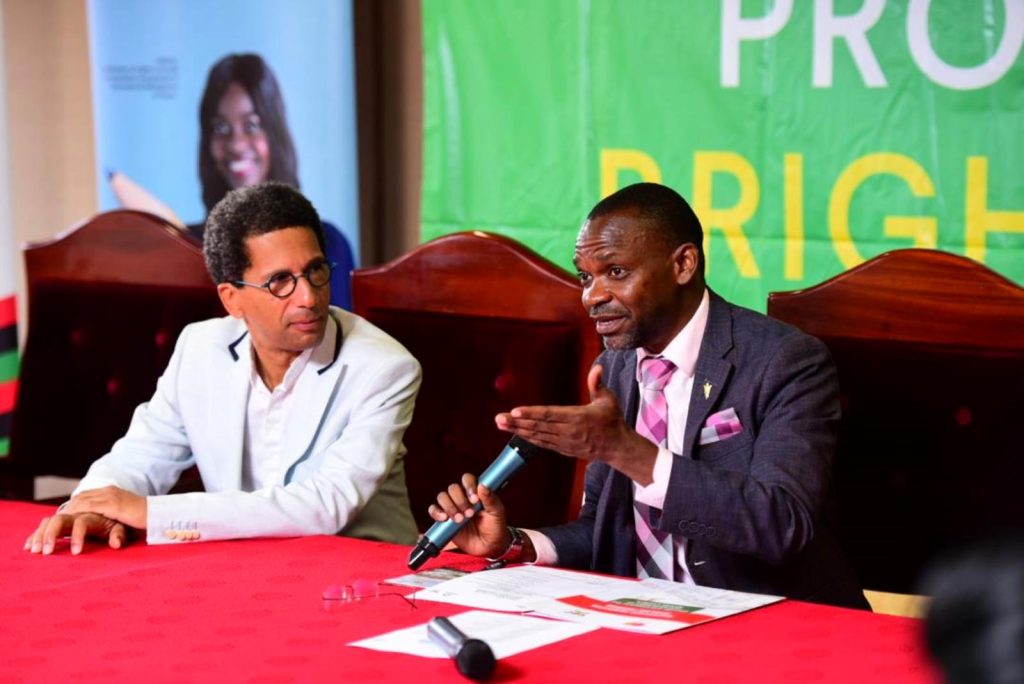
To highlight the achievements of Makerere University in its journey of 100 years, Prof. Kakumba shared with the audience a five-minute video clip, featuring the Vice-Chancellor, Prof. Barnabas Nawangwe narrating major breakthroughs in research, technology, innovation and teaching.
Speaking at the event, H.E. Xavier Sticker commended and appreciated the Makerere University Management, for their continued support to activities of the Embassy such as hosting the Career Fair. He noted that the presence of representatives from the various universities in Uganda and France was a definite sign of more collaborations and partnerships to come. He challenged the French schools in Kampala to seek more partnership opportunities with Ugandan universities.
“As the French Embassy in Uganda, I wish to commend the eight French universities and the higher education institutions of Uganda that have come here today. This means that for Ugandan students, job applicants, and people who are interested in exploring international avenues in building their career, today is the day of those opportunities,” Ambassador Xavier Sticker said.
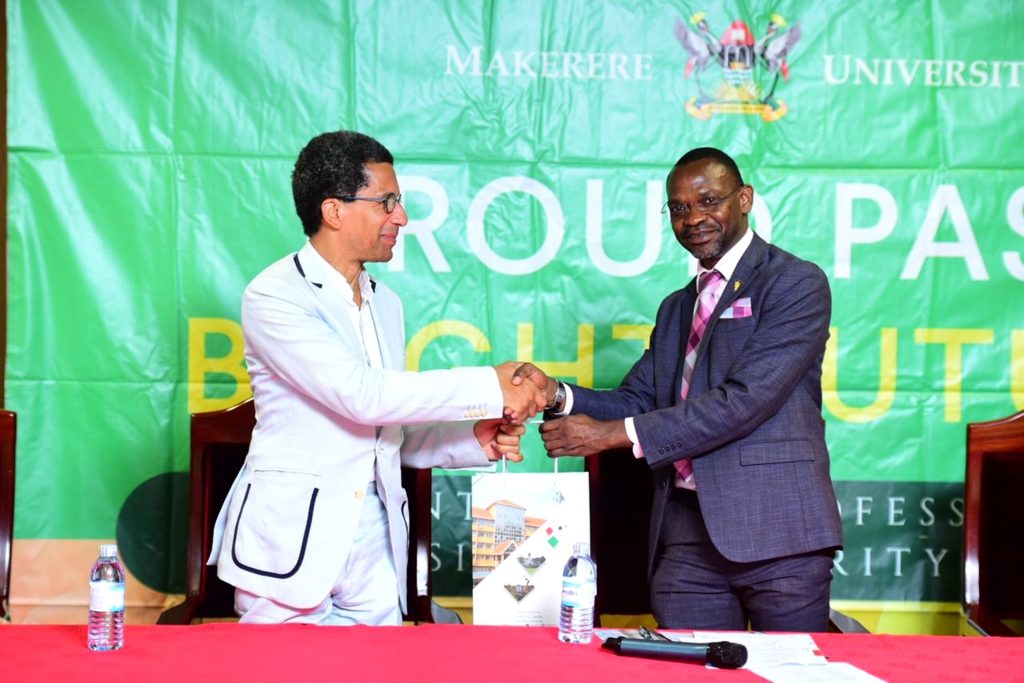
He added that the Embassy will assist in availing information on all the internship opportunities and graduate training programs for Ugandan students, especially those who are interested in pursuing education in France.
In the realm of university collaboration and partnerships, France has welcomed more than 4,000 students this year, marking a significant milestone in international education partnerships. However, the statistics reveal that only a modest number of 69 students from Uganda have participated in the French higher education network across 74 public universities. Despite this, France stands out for its distinctive grande écoles, which offer specialized education paths to many African Universities.
Representing the Ministry of Education and Sports of the Republic of Uganda, the Spokesperson Dr. Mugimba Dennis reiterated that the Ministry is intentional in supporting research efforts in Higher Education. He added that Makerere University has benefited significantly from the Government’s research and innovations fund allocations. He encouraged the representatives of other Universities present to prioritize postgraduate research programmes that will in the long run address skills shortages, especially in STEM fields and their sub-specialties like medicine and agriculture.
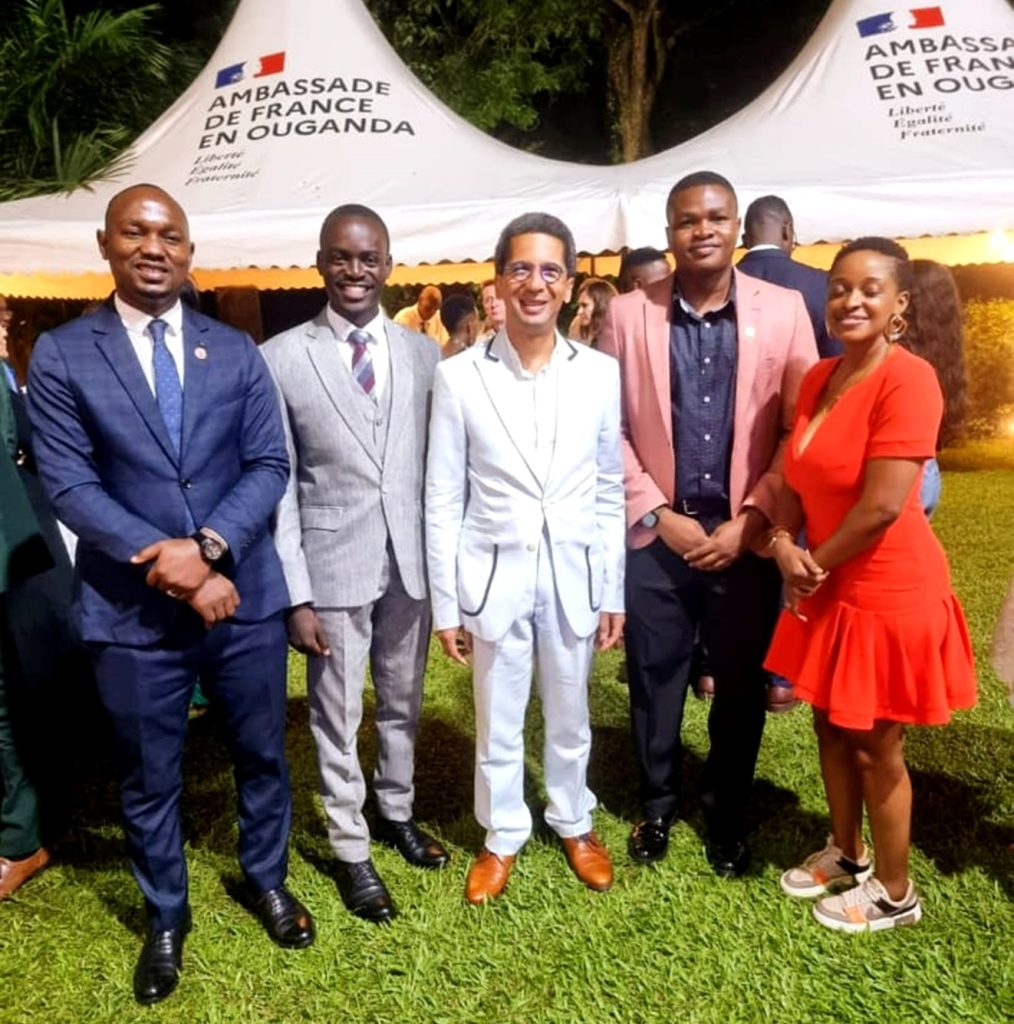
The 2024 Campus France Education Fair was concluded with a dinner organized and hosted by the French Ambassador at his residence in Nakasero. Participants from the Academia, France Alumni Association in Uganda, and members of Diplomatic Missions in Uganda, graced the event.








General
Makerere University and Xiangtan University Advance Strategic Partnership in Chemical Engineering

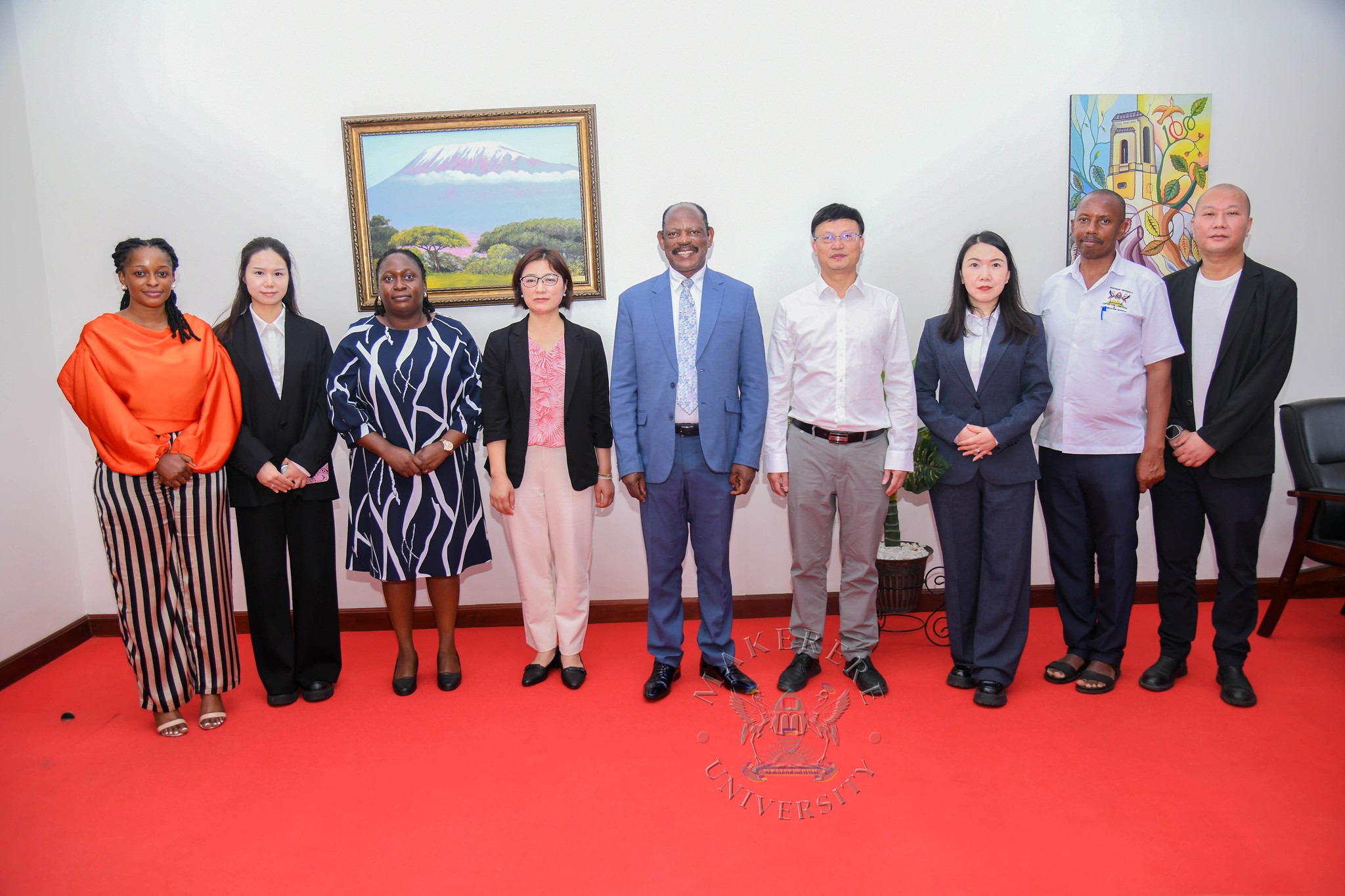
Makerere University and Xiangtan University are set to update their close to 20-year academic partnership, with a new focus on launching a joint Master’s degree program in Chemical Engineering and expanding student and staff exchange initiatives.
The commitment was reaffirmed during a recent visit by a delegation from Xiangtan University to Makerere University headed by Professor Dingyu Ou, in the company of Mr. Tang Fei and Professor Gilbert Gumshabe, the Chinese and Ugandan Directors of the Confucius Institute at Makerere University respectively.
While addressing the delegation, Professor Nawangwe highlighted that this initiative is part of a broader strategy to diversify academic offerings and contribute to national development through training in Chemical Engineering. Through this new initiative, the University will better prepare graduates for the petrochemical industry and support the country’s industrial growth.
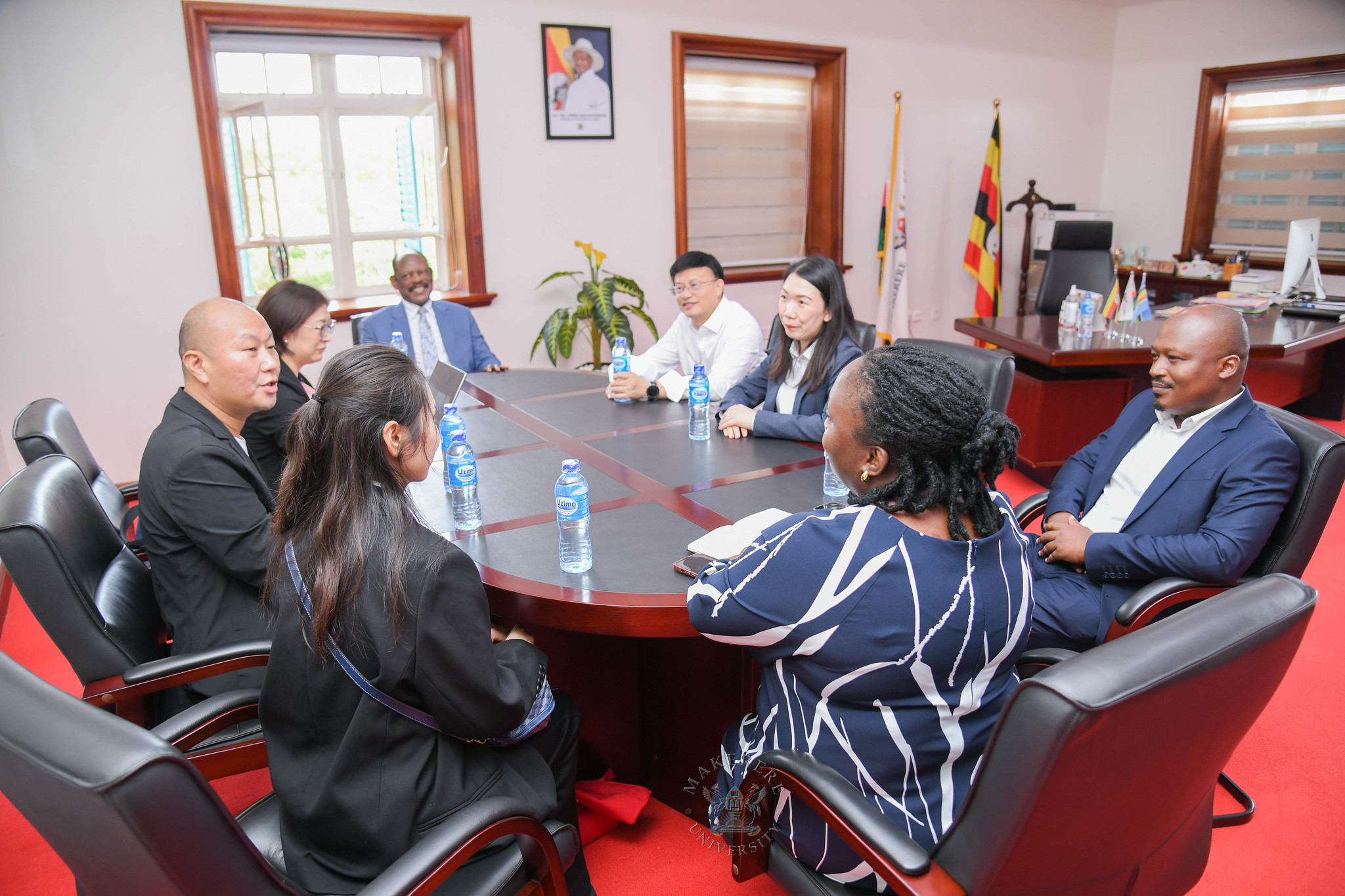
The Vice Chancellor appreciated that the proposed collaboration aims to address Uganda’s growing need for industrial expertise, particularly as the country develops its petroleum sector. The two universities here are working toward a 1+2 training model, which will enable Makerere students to gain practical experience and access advanced laboratory facilities at Xiangtan University.
Professor Nawangwe further reiterated that “our relationship with the people of China, not just for Makerere but also for a big part of Uganda, has been opened wider by the establishment of the Confucius Institute, considering that many other collaborations like one being discussed now have come through this collaboration.”
The head of the Xiangtan delegation, Professor Dingyu Ou, expressed appreciation for the meeting, and acknowledged the history between the institutions. “As mentioned, we have a very long relationship and a very stable friendship between our two universities.”
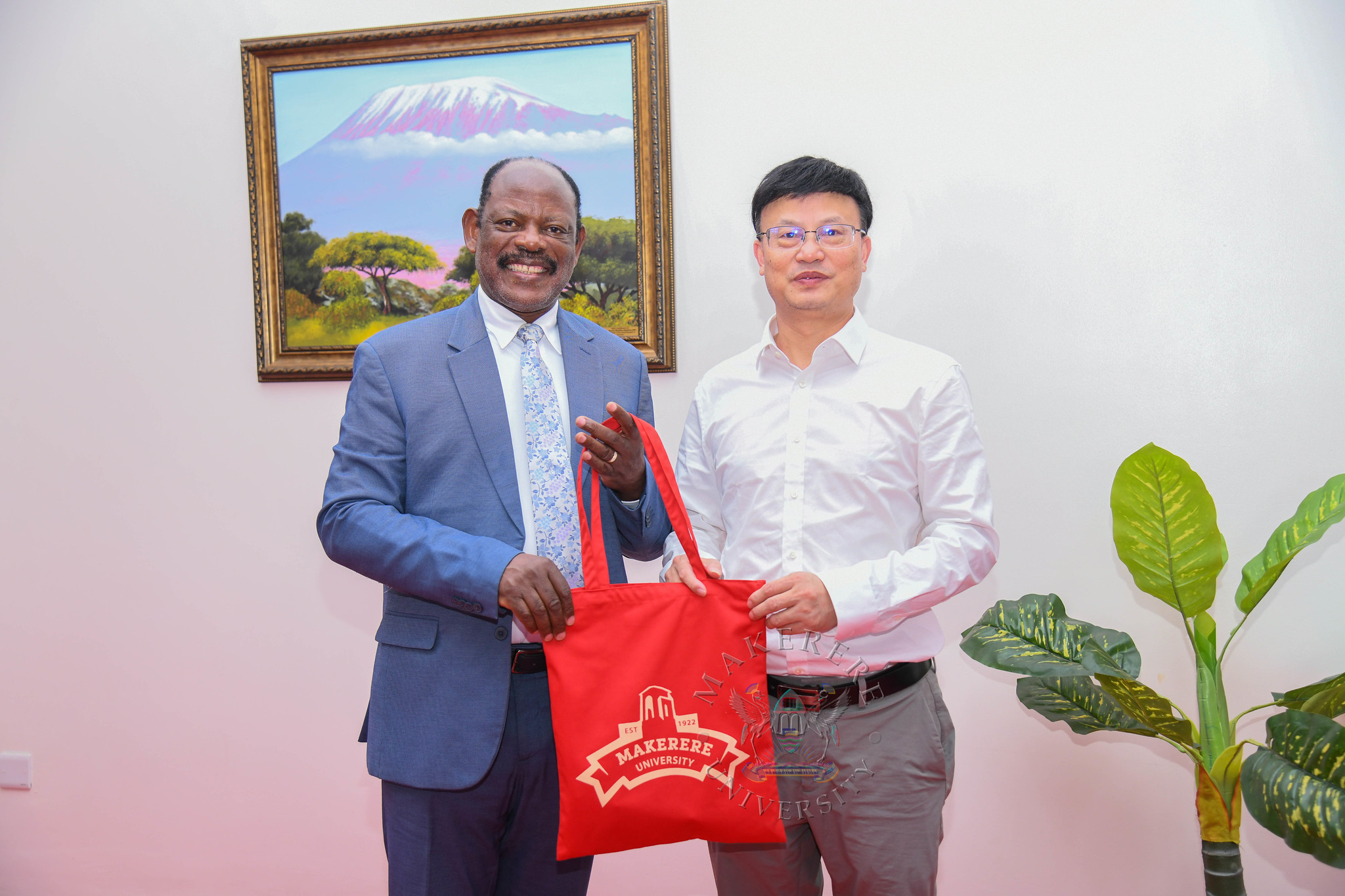
Professor Ou extended appreciation for the support provided to the Confucius Institute at Makerere, the care shown to his colleagues, and looked forward to the successful start of the Chemical Engineering collaboration.
Assuring the delegation of Makerere’s readiness for the collaboration, Ms. Hawa Ndagire Kajumba the Lead, Partnerships and Stakeholder Engagement, Makerere University Advancement Office, aligned with the Vice Chancellor’s emphasis of University goal to have both theory and practice imparted to the students.
She said “the curriculum of the university and Uganda as a whole is moving towards competence-based education training to ensure students are equipped to demonstrate those skills in the actual field, particularly regarding petroleum exploration.”
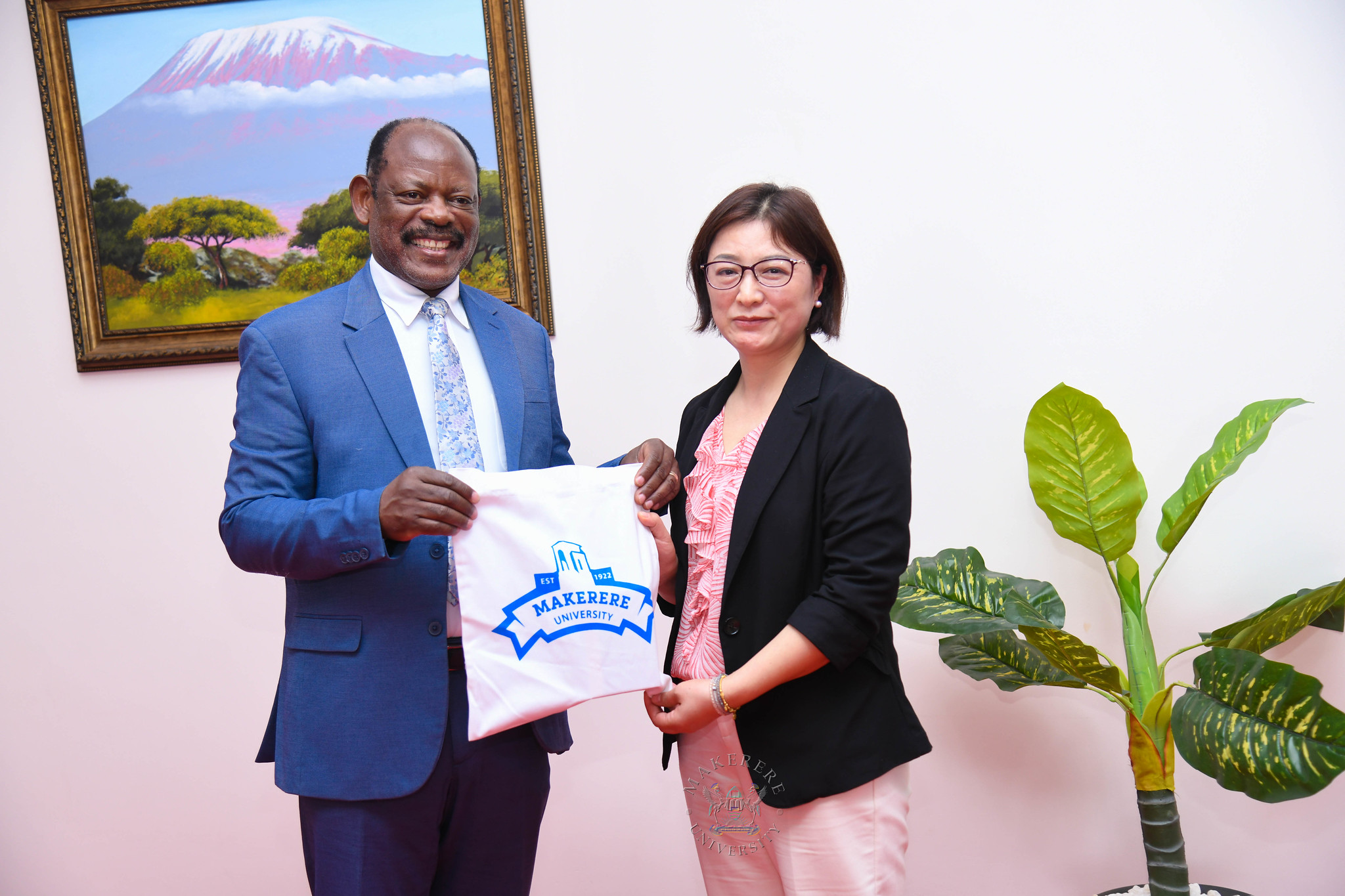
Ms. Ndagire Kajumba also emphasised a shift in strategy for the partnership office, saying, “we are moving away from just signing MOUs that collect dust, and moving towards those that are more collaborative to benefit our faculty and students, just like this one.”
Professor Gilbert Kumushabe aligned his remarks with those of the Vice Chancellor and Ms. Ndagire Kajumba, and described the method used at Xiangtan University as “actually competence-based teaching.”
Based on his recent visit, Prof. Gumoshabe shared that students in China are divided into groups with dedicated teachers to perform practical, hands-on work beyond the theoretical lecturers. He expressed gladness that the same was being adopted for the Ugandan context.
Both institutions are now working to finalise the specific agreements for the joint degree and exchange programs. Beyond academic training, the collaboration will advance cultural and professional exchange.
-
 General2 weeks ago
Statement on Concerns Circulating Regarding a Member of Academic Staff
-
 General7 days ago
Timothy Khabusi: From Barefoot Walks to shaping Uganda’s Eye health Future
-
 General2 weeks ago
Beyond Map Size: Africa’s Agency Should Not Be Funded by Other People
-
 General2 weeks ago
Press Statement: Incident Involving Death of a Student at Makerere University
-
 Health1 week ago
Uganda’s HIV Treatment Gains Bring the Youth Gap into Focus