
Health
METS Newsletter August 2023









Health
NIH/Fogarty Director Visits MakCHS, Underscores Impact of Research Training and Health Partnerships


On 5th August 2026, Makerere University College of Health Sciences (MakCHS) hosted the Director of the NIH Fogarty International Center (FIC), Dr. Steven Schiff, for a visit highlighting the College’s research, training and institutional partnerships supported through the National Institutes of Health (NIH)/Fogarty International Center.
The visit included engagements at MakCHS and Mulago National Referral Hospital, bringing together College leadership, Directors of teaching hospitals affiliated with MakCHS, research investigators and trainees. In attendance were Dr. Joseph Kagaayi who represented the Dean of the Makerere University School of Public Health, Dr. Elias Kumbakumba, Dean of the School of Health Sciences at Mbarara University of Science and Technology (MUST) and Dr. Cissy Kityo Mutuluuza, Executive Director, Joint Clinical Research Centre (JCRC).
A key focus of the visit was the impact of D43 research training programmes supported by NIH/FIC. Principal Investigators presented examples of how the programmes have strengthened research capacity, developed new scientific expertise, supported postgraduate training and contributed to health research and policy in Uganda.
Welcoming Dr. Schiff, Professor Bruce Kirenga, Principal-MakCHS provided an overview of the College, its history, academic programmes, research priorities and extensive network of teaching and research sites. The College, Uganda’s premier centres for health professional education, currently brings together four schools: the School of Medicine, School of Biomedical Sciences, School of Health Sciences, School of Dentistry, alongside a range of research centres and specialised programmes.
Professor Kirenga highlighted the growing breadth of research at MakCHS, including infectious diseases, non-communicable diseases, translational medicine, population health, mental health, digital health, implementation science, biomedical sciences, genomics, bioinformatics and data science.

| CURRENT D43 PROJECTS AT MAKCHS | ||
| No. | Award Title | Principal Investigator |
| 1 | Reducing the Impact of Rheumatic Heart Disease across the Life Span: The Impact Program | Prof. Nelson Sewankambo |
| 2 | Enhancing Research capacity for Sickle Cell Disease and related NCDs across the Lifespan in Uganda. “Enrich Project” | Prof. Sarah Kiguli |
| 3 | Scaling Up advanced genomics and bioinformatics Research training in paediatric HIV/AIDS in Uganda – SURGE | Dr. Kyobe, Samuel |
| 4 | Training in Malaria Epidemiology, Translational Research, and Implementation Science to Strengthen Malaria Policy and Control in Uganda | Prof. Moses Robert Kamya |
| 5 | Strengthening behavioral and social science research capacity to address overlapping stigma, social and psychological challenges among people with HIV in Uganda | Prof. Moses Robert Kamya |
| 6 | Training in non-communicable diseases epidemiological, data science and Implementation Science research to strengthen evidence-based interventions, policy and control in Uganda | Assoc. Prof. Bruce James Kirenga |
| 7 | Building Implementation Science Capacity at Makerere University to Strengthen the Response to the HIV/AIDS Epidemic in Uganda | Prof. Moses Robert Kamya |
| 8 | Training in Malaria Epidemiology, Translational Research, and Implementation Science to Strengthen Malaria Policy and Control in Uganda | Prof. Moses Robert Kamya |
| 9 | Harnessing Health Data Science capacity to strengthen evidence-based interventions, policy and response to the HIV/AIDS Epidemic in Uganda (H-DATA) | Prof. David Patrick Kateete |
From research training to real-world impact
Presentations from D43 Principal Investigators demonstrated how sustained NIH/FIC investment has supported researchers at different stages of their careers while contributing to evidence that can inform health programmes and policy.
In malaria research, trainees have been involved in studies examining the effectiveness of interventions such as insecticide-treated bed nets and the immunological consequences of reduced malaria transmission. Researchers are also investigating how malaria risk and immunity change when transmission is interrupted, generating evidence that can help inform strategies for sustaining the gains made through malaria control.
The implementation science portfolio provided another example of research translating into measurable health outcomes. One study examining enhanced counselling and peer support among young people living with HIV in south-western Uganda reported improvements in HIV-related outcomes, demonstrating the potential of locally-led research to strengthen service delivery.
Researchers in behavioural and social sciences have also been supported to investigate mental health and other health outcomes, illustrating the multidisciplinary nature of MakCHS research and the importance of combining biomedical, clinical and social science approaches.
Building capacity in specialised and emerging fields
The presentations also showcased the role of NIH/FIC-supported programmes in creating expertise in areas that were previously limited or unavailable within Uganda.
A programme focused on HIV research among pregnant women, children and adolescents has supported postgraduate and short-course training in areas including clinical trial design, pharmacokinetics, biostatistics, behavioural science, regulatory and ethical considerations, and implementation science.
Other programmes have contributed to the development of expertise in bioinformatics, genomics and data science, including the establishment and strengthening of postgraduate programmes. Researchers are increasingly applying artificial intelligence and machine learning to complex biomedical and HIV datasets, with the goal of generating evidence that can be translated into policy and practice.
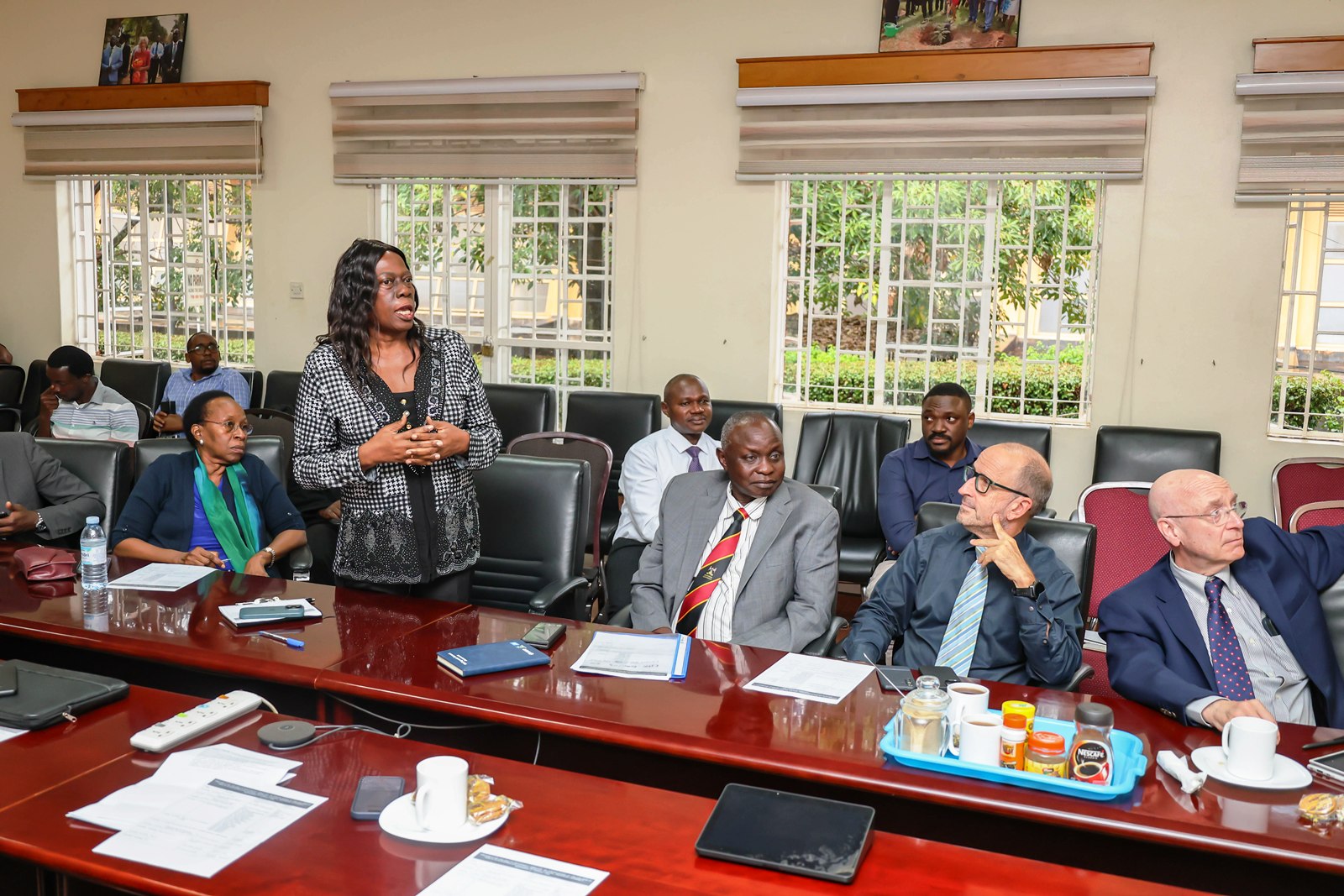
Dr. Cissy Kityo Mutuluuza, Executive Director of the JCRC highlighted emerging work in gene and cell therapy under the NIH/FIC supported project Building Gene Therapy Capacity in Uganda implemented at JCRC. She explained that the programme includes efforts to establish sustainable research and training capacity for HIV cure research in Uganda. The programme brings together institutions in Uganda and international partners, with an emphasis on developing locally relevant expertise, infrastructure and research capability.
Strengthening institutions and developing future leaders
Beyond individual research projects, speakers emphasised the broader institutional impact of Fogarty-supported training.
Over the years, NIH/FIC-supported collaborations have contributed to the development of postgraduate programmes, research laboratories, specialised scientific disciplines and networks of researchers across Uganda. Trainees have progressed into academic and research leadership positions, with some becoming professors, programme leaders and advisors contributing to national health initiatives.
The programmes have also supported short courses, mentorship, international research placements and collaborations designed to enable Ugandan scientists to develop advanced skills and return to strengthen research and training at home.
Presenters stressed the importance of moving beyond individual training to building institutions capable of sustaining research programmes, mentoring future scientists, managing complex studies and translating findings into health interventions.
Research serving Uganda’s health system
The visit also underscored the close relationship between MakCHS research and Uganda’s health system. Researchers and faculty contribute to national programmes in areas including HIV, tuberculosis, malaria, vaccines, maternal and child health and other public health priorities.
Evidence generated through research has helped inform national guidelines, programmes and policy discussions, while College researchers and teaching hospitals continue to provide expertise during public health emergencies and disease outbreaks.
The speakers noted that partnerships such as those supported by NIH/FIC are most valuable when they create lasting local capacity — enabling Ugandan institutions and scientists to generate and use evidence to address the country’s health priorities.
A partnership built on shared learning
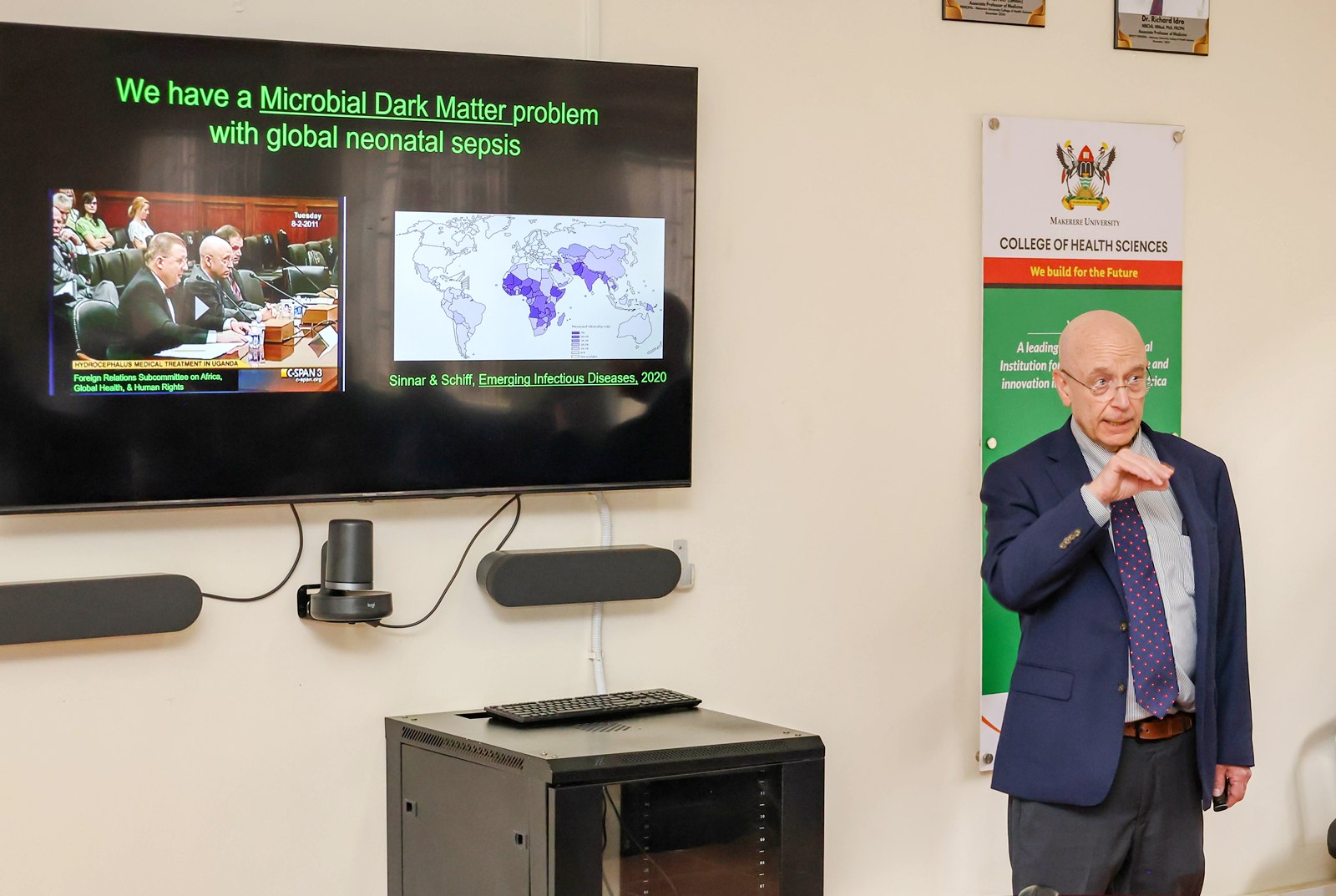
In his engagement with the College, Dr. Schiff reflected on the longstanding relationship between NIH/Fogarty-supported programmes and Ugandan researchers. He acknowledged the depth of expertise and experience that has developed through years of collaboration and emphasised the value of partnerships that support scientific exchange and capacity building in both directions.
Dr. Schiff noted that the presentations demonstrated impact of the partnerships which extends well beyond the number of people trained. Investments in researchers have helped establish new academic programmes, strengthen laboratories and research infrastructure, expand multidisciplinary collaborations and create a growing generation of scientists able to lead research in Uganda and internationally.
The visit therefore provided an opportunity not only to showcase ongoing work, but also to reflect on the evolution of research capacity at MakCHS and its contribution to Uganda’s health priorities.
As MakCHS continues to expand its research portfolio into emerging areas such as artificial intelligence, genomics, precision medicine, translational science and advanced therapeutics, the College reaffirmed the importance of strategic partnerships in developing the people, systems and infrastructure needed to turn scientific discoveries into improved health outcomes.
Health
AFRHiCARE Shares Evidence and Co-Creates Solutions to Strengthen Uganda’s First-Referral Hospitals

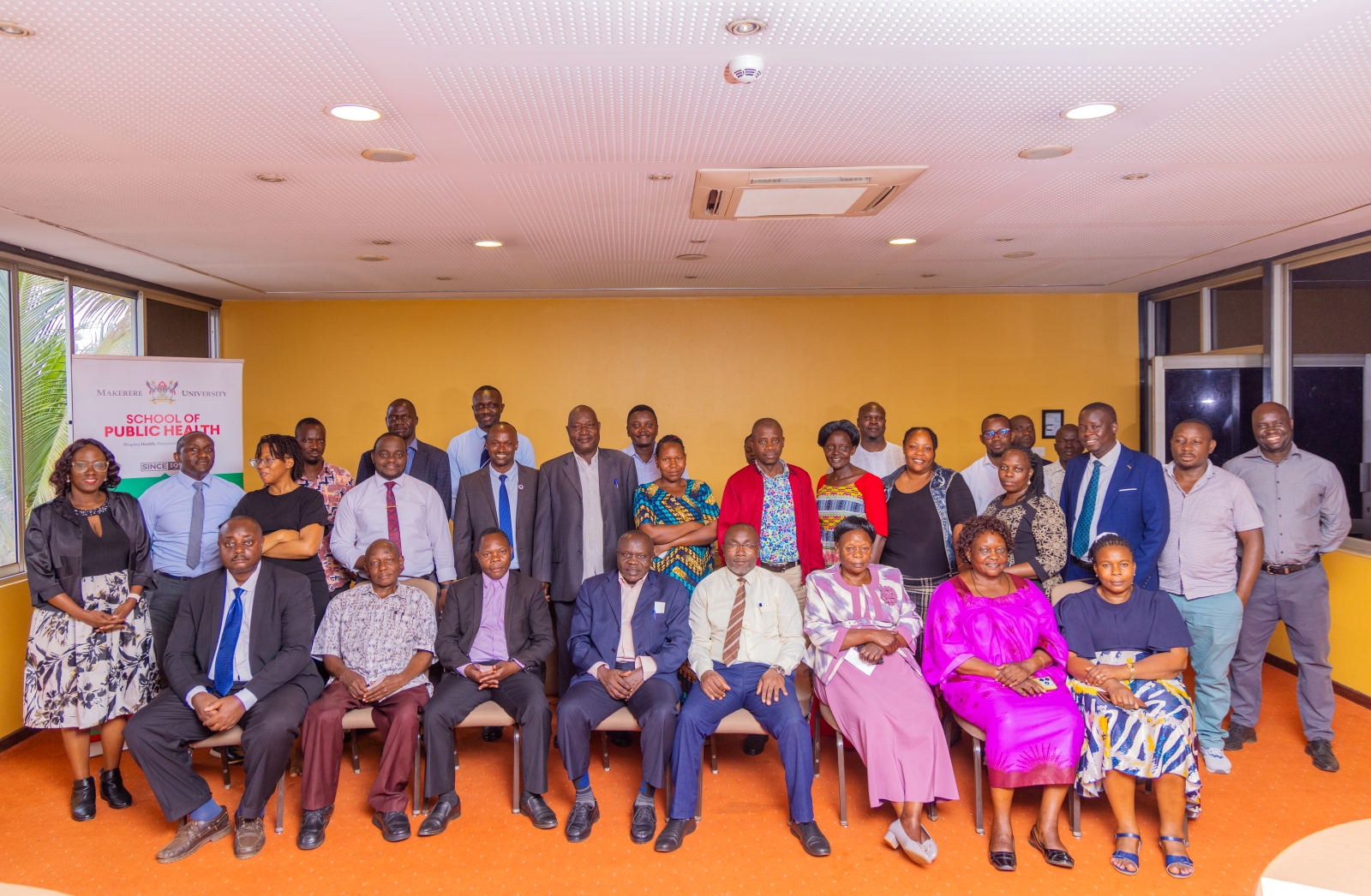
The Future of Africa’s First Referral Hospitals: Innovation and Care (AFRHiCARE) research initiative on August 13, 2026 brought together stakeholders from five first-referral hospitals in Uganda to review research findings, reflect on persistent challenges and identify practical solutions to strengthen hospital performance and quality of care.
Funded by the Wellcome Trust through a 2023–2029 Discovery Award, AFRHiCARE is a partnership between Makerere University, the University of the Witwatersrand, the KEMRI-Wellcome Trust Research Programme and the University of Oxford. The initiative seeks to generate evidence to inform the future development of first-referral hospitals, with a focus on service delivery, health workforce dynamics, leadership, management, governance and technology.
In Uganda, the study is being implemented at Kawolo Hospital, St. Joseph’s Hospital Naggalama, Adjumani Hospital, Kiryandongo Hospital and Masindi Hospital. The hospitals play a critical role within the Primary Health Care (PHC) system, linking lower-level health facilities to higher-level referral services.
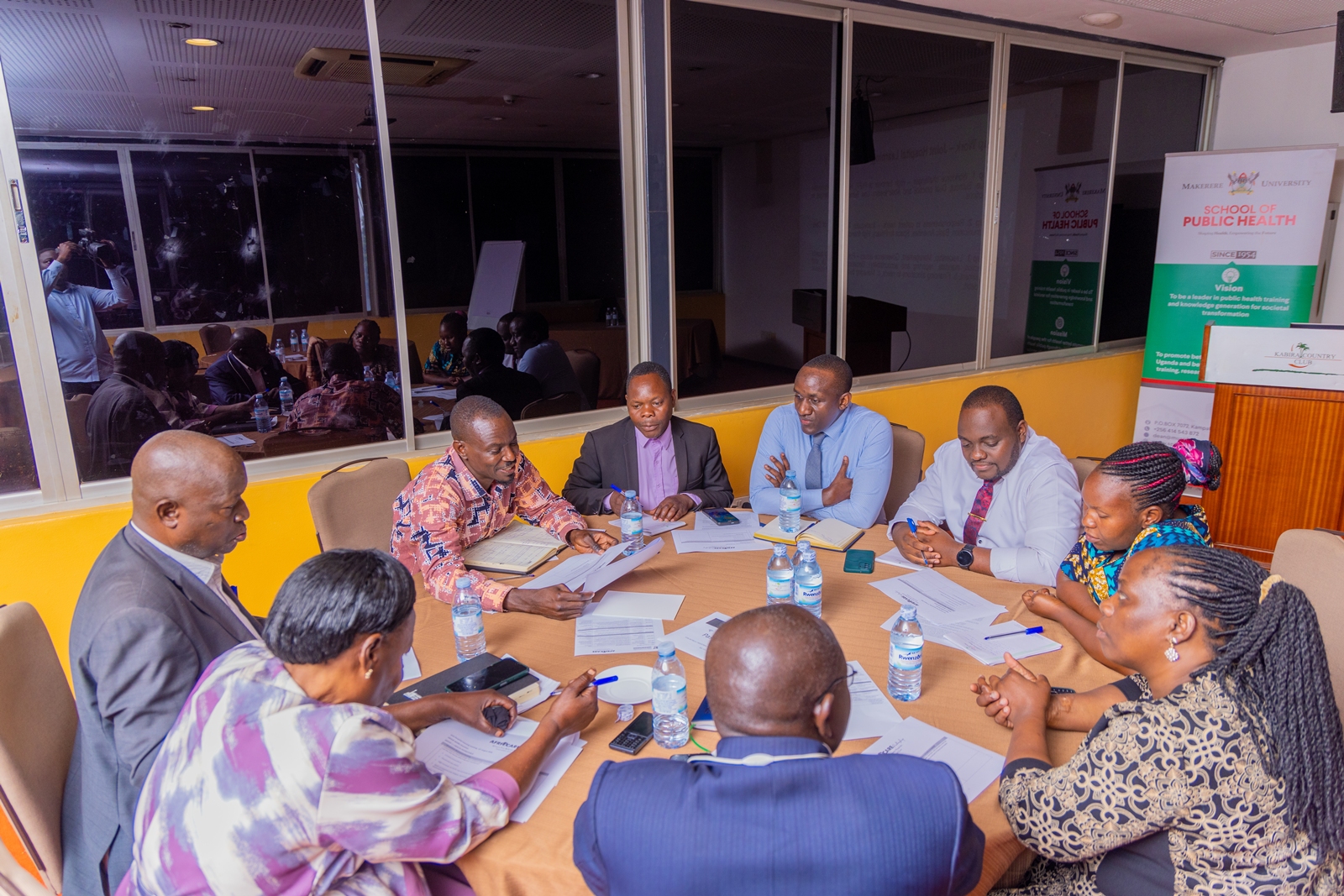
The stakeholder meeting provided an opportunity for the participating hospitals and other stakeholders to move beyond receiving research findings to interrogating the evidence, sharing experiences and identifying actions that can be implemented at hospital, district and national levels. This approach is central to AFRHiCARE, which uses stakeholder engagement to promote cross-learning and support hospitals to develop quality improvement actions.
Evidence from the health workforce
One of the key areas presented was the status of the health workforce across the five hospitals. The first-round assessment surveyed 609 frontline health workers. It examined staffing, job satisfaction and professional quality of life.
The findings show a significant staffing gap. Against the 2023 staffing norm of 343 staff, all five hospitals were operating at less than half of the recommended level. Masindi Hospital had the largest gap, operating at 37.6% of the norm, while Adjumani, Kiryandongo, Kawolo and Naggalama were at 48.1%, 48.7%, 44.9% and 44.6%, respectively.
However, the findings suggest that staff retention is relatively good in the public hospitals. The main challenge appears to be recruitment and filling vacant positions rather than widespread staff turnover.
Health workers identified promotion, workload and salary as the lowest-rated aspects of their jobs across the five hospitals. Overall job satisfaction ranged from 59% in Masindi to 71% in Naggalama.
Despite these challenges, the findings reveal strong commitment among health workers. Compassion satisfaction was high, with many reporting pride in their work. At the same time, workload emerged as a major concern.
Strong relationships among colleagues were also identified as a key strength, suggesting that teamwork and peer support remain important sources of resilience within the hospitals.
Strengthening hospitals within the health system
Speaking during the dissemination, Dr. Raymond Tweheyo, Co-Principal Investigator and Research Manager for AFRHiCARE Uganda, noted that first-referral hospitals have often been neglected in critical areas, including staffing, financing, infrastructure, leadership, management and governance.
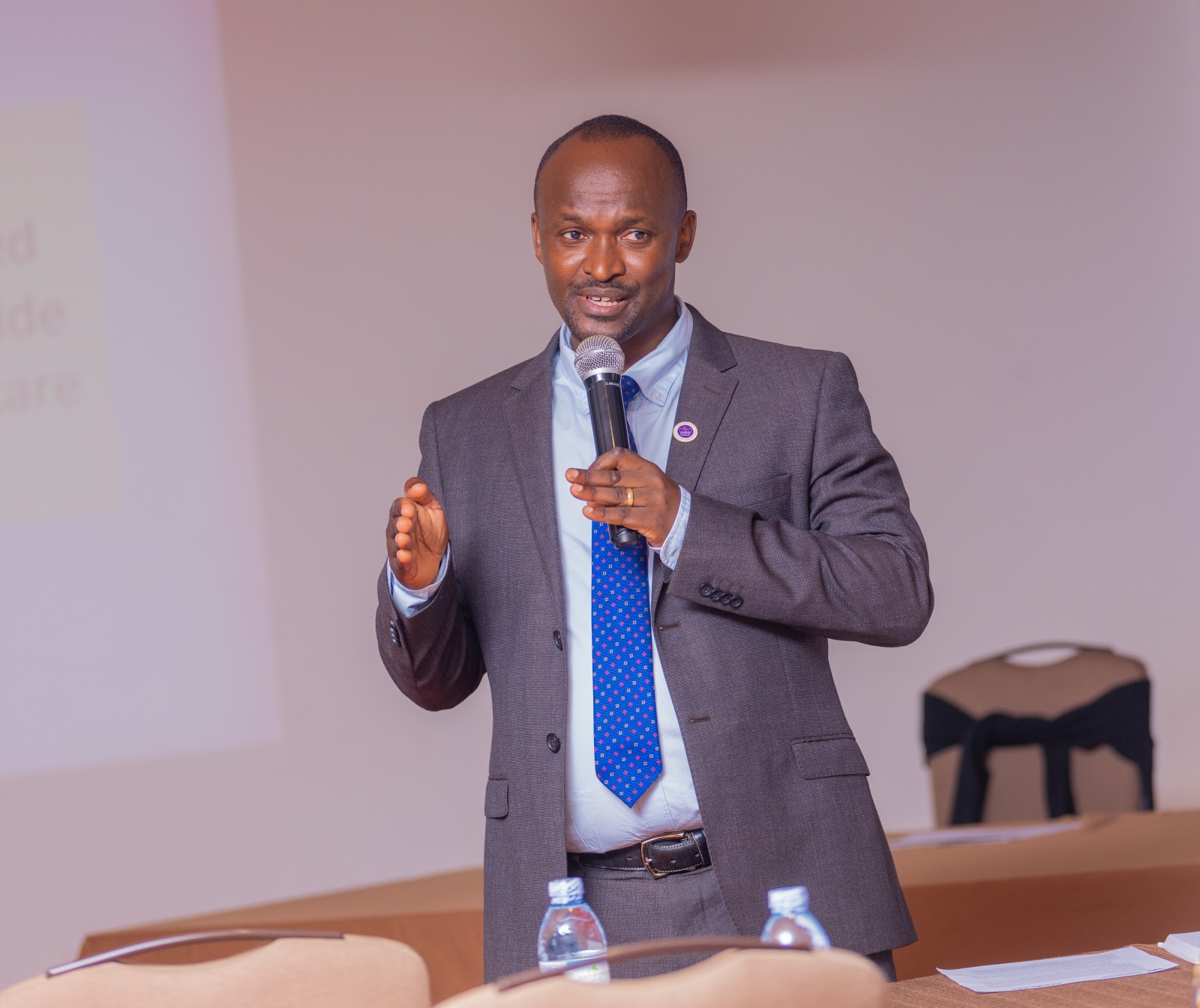
He said these gaps affect hospitals’ ability to deliver services effectively and respond to the needs of the communities they serve.
Dr. Tweheyo re-echoed a message from the Principal Investigator, Professor Frederick Ssengooba, on the importance of situating the district hospital at the apex of the PHC network. This perspective recognises that challenges experienced at district hospitals may be linked to weaknesses elsewhere in the health system.
For example, weak referral systems, shortages of health workers and capacity challenges at lower-level facilities can increase pressure on first-referral hospitals. Addressing these problems therefore requires system-level solutions involving multiple actors.
The AFRHiCARE protocol similarly identifies persistent challenges around resource constraints, service delivery, workforce wellbeing, leadership and management, governance, technology and the ability of hospitals to meet changing community needs.
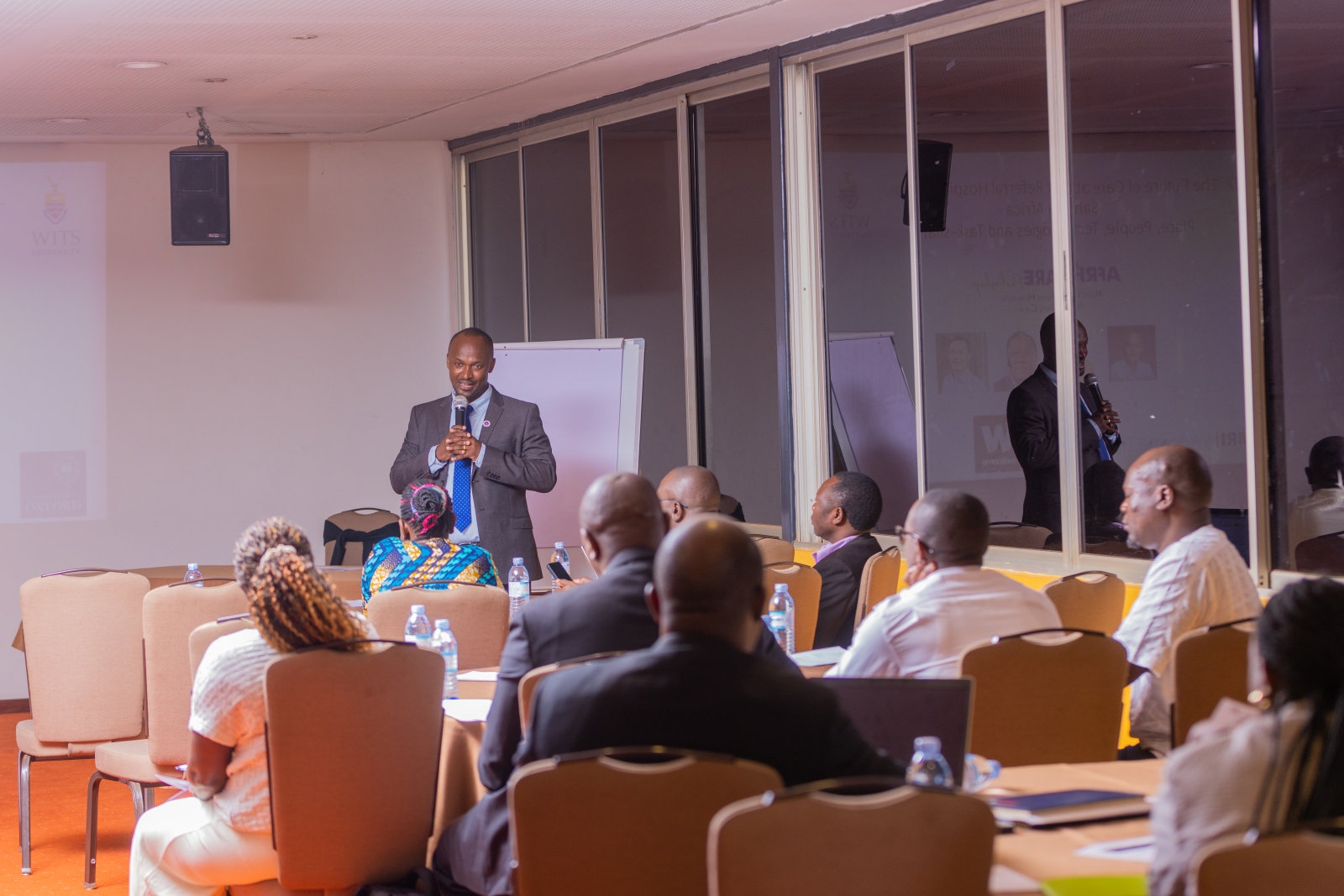
From research to action
Participants discussed priorities including filling critical staffing gaps, improving transparency and equity around promotion, addressing excessive workloads, strengthening referral systems and reducing the pressure created when patients bypass lower-level facilities. The meeting also considered which challenges can be addressed by hospitals and which require action from district authorities and the Ministry of Health.

The Makerere University School of Public Health (MakSPH) has formally transitioned leadership of the Department of Disease Control and Environmental Health, with Dr. David Musoke taking over from Dr. Esther Buregyeya, who served as Head of Department for more than nine years.
The handover marked both an appreciation of Dr. Buregyeya’s tenure and a renewed call for the Department to strengthen its position as a leading centre for Environmental Health, Occupational Health, Disease Control and Prevention.
Dr. Buregyeya, who took over the leadership of the Department in January 2017 and served until May 2026, described her tenure as a period of significant growth in teaching, research, community engagement and staff development. She emphasised that the achievements were a result of shared leadership and the collective efforts of Department members, School leadership and partners.

Among the key milestones during her tenure was the strengthening of the Department’s academic portfolio. The Department completed the review of the Bachelor of Environmental Health Science curriculum and supported the development of the Master’s programme in Environmental and Occupational Health. It also contributed to the development of the PhD by coursework and expanded online learning materials and short-course offerings, including training in Water, Sanitation and Hygiene and Occupational Health and Safety.
The Department also made progress in strengthening its laboratory capacity. With support from the School leadership, equipment was procured for the Environmental Health laboratory, which is currently based at Kasangati. The Department has also benefited from equipment donated through partnerships.
Another significant achievement highlighted during the handover was the development of human capacity. Several staff and research associates have pursued doctoral training, strengthening the Department’s pool of researchers and future academic leaders. Dr. Buregyeya noted that building this capacity was essential to ensuring continuity and preparing the next generation of faculty.
Dean commends leadership and mentorship
The Dean of MakSPH, Prof. Rhoda Wanyenze, commended Dr. Buregyeya for her leadership and credited the Department with developing a strong culture of mentorship and nurturing young professionals.
Prof. Wanyenze noted that although Disease Control is one of the School’s original departments, its membership has remained relatively young, with many emerging professionals being mentored and supported to grow within the School. She particularly applauded the Department for attracting and retaining talented Environmental Health graduates and for creating opportunities for research associates to contribute to the School’s work.
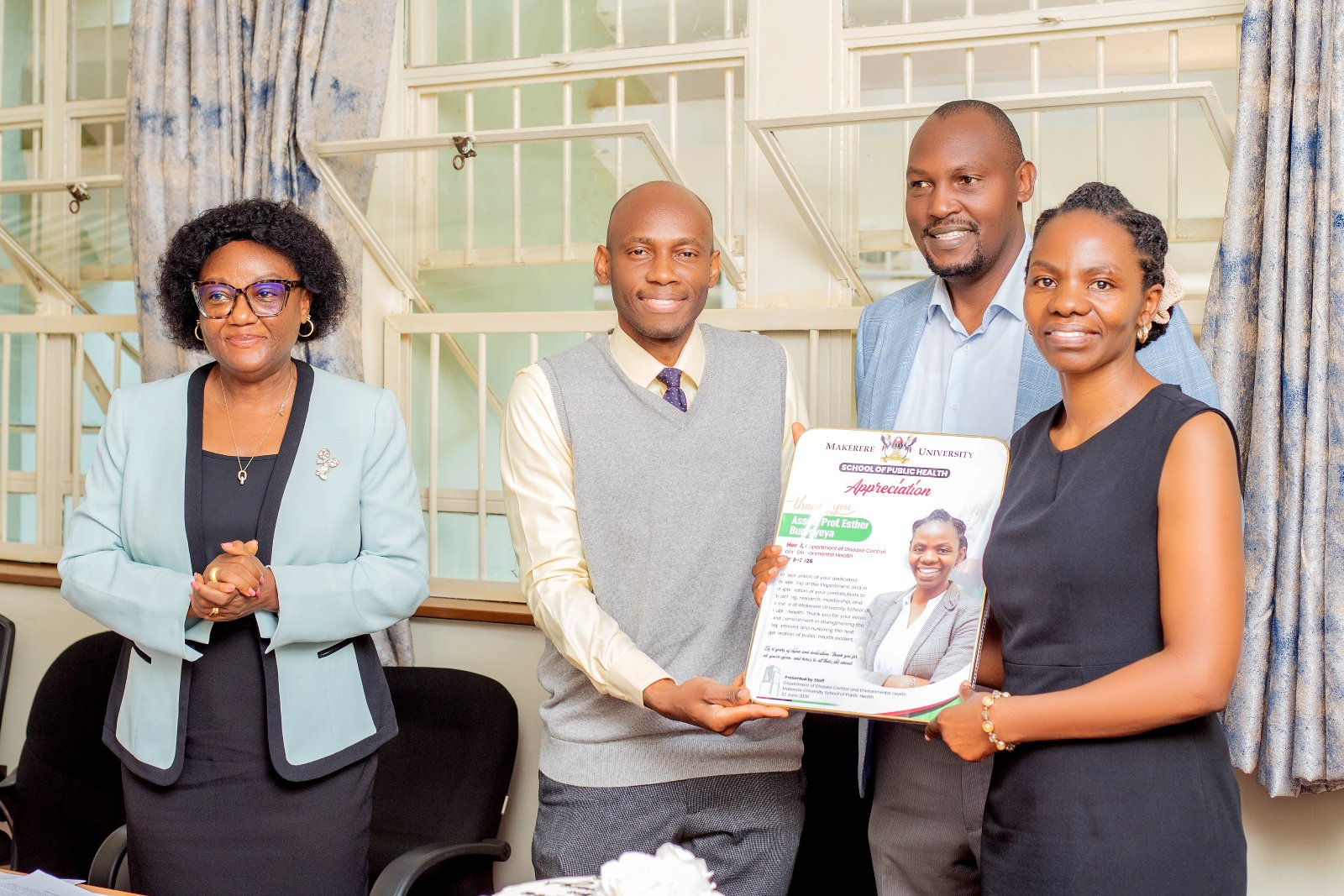
She also welcomed the establishment of the Master’s programme in Environmental Health, describing Environmental Health as an important frontier for public health. She challenged the Department to consider developing a PhD pathway in Environmental Health and to build a coordinated research agenda examining the links between the environment, infectious diseases, non-communicable diseases and broader health systems.
Prof. Wanyenze further called for greater investment in Occupational Health, noting the importance of workplace health, mental health, physical health and occupational safety, particularly as Uganda’s informal sector continues to grow. She also urged the Department to strengthen entomology and related research in vector-borne diseases.
A new chapter under Associate Professor David Musoke
Receiving the responsibility, Associate Professor David Musoke described his appointment as both an honour and a homecoming. He completed his Bachelor’s degree in Environmental Health at Makerere and later worked in the Department of Health Policy, Planning and Management before returning to Disease Control, where he has spent much of his professional career.
Assoc. Prof. Musoke paid tribute to Dr. Buregyeya, whom he described as a mentor and an example of shared leadership. He noted that during her tenure, the Department had grown from having a single undergraduate programme to developing a Master’s programme, contributing to PhD training and expanding its research portfolio into new and emerging areas. He also recognised the growth of early-career researchers, many of whom have progressed through doctoral training and into academic roles.
He pledged to build on these achievements while working closely with Department members, the Dean and other School departments. He also acknowledged the confidence placed in him by colleagues during the selection process and committed to working collectively to advance the Department.
A call to define the Department’s future
While celebrating the Department’s achievements, Prof. Wanyenze challenged the new leadership to develop a clear strategic agenda that distinguishes and strengthens the Department’s areas of expertise.

Prof. Wanyenze urged the Department to take forward the urban health agenda, particularly in light of Uganda’s rapid urbanisation and the emerging challenges associated with waste management, environmental health and the delivery of preventive health services in urban settings.
She further called for deliberate investment in people, infrastructure, research and partnerships. In particular, she encouraged the Department to use the new School infrastructure to develop a laboratory and to strategically support PhD training in areas where expertise is currently limited.
“You don’t have to carry this burden alone. There are people who can support the growth of the department,” Prof. Wanyenze said in encouraging the new leadership to build on the expertise already within the Department.
The handover concluded with the formal transfer of responsibility, followed by a presentation to Dr. Buregyeya in appreciation of her service and a cake-cutting ceremony bringing together the outgoing and incoming Heads of Department and members of the Department.
-

 General3 days ago
Undergraduate Admission Lists 2026/2027
-
 Humanities & Social Sciences2 weeks ago
Makerere University Awards Certificates to First Cohort of Critical Thinking and Social Intelligence
-
 General6 days ago
Call For Applications: ACT-PREP 15 PhD and 10 Postdoctoral Research Fellowships
-

 Health2 weeks ago
Call For Applications: Mak-BSSR Postdoc, PhD, Master’s Fellowship-level Training 2026
-

 General1 week ago
Makerere Charges New PhD Scholars to Produce Knowledge That Transforms Africa