
Research
CESH Training Opportunity: Tools for Action









Agriculture & Environment
Makerere University, City Stakeholders Agree on Priority Actions to Address Waste Management & Flooding in Kampala’s Informal Settlements

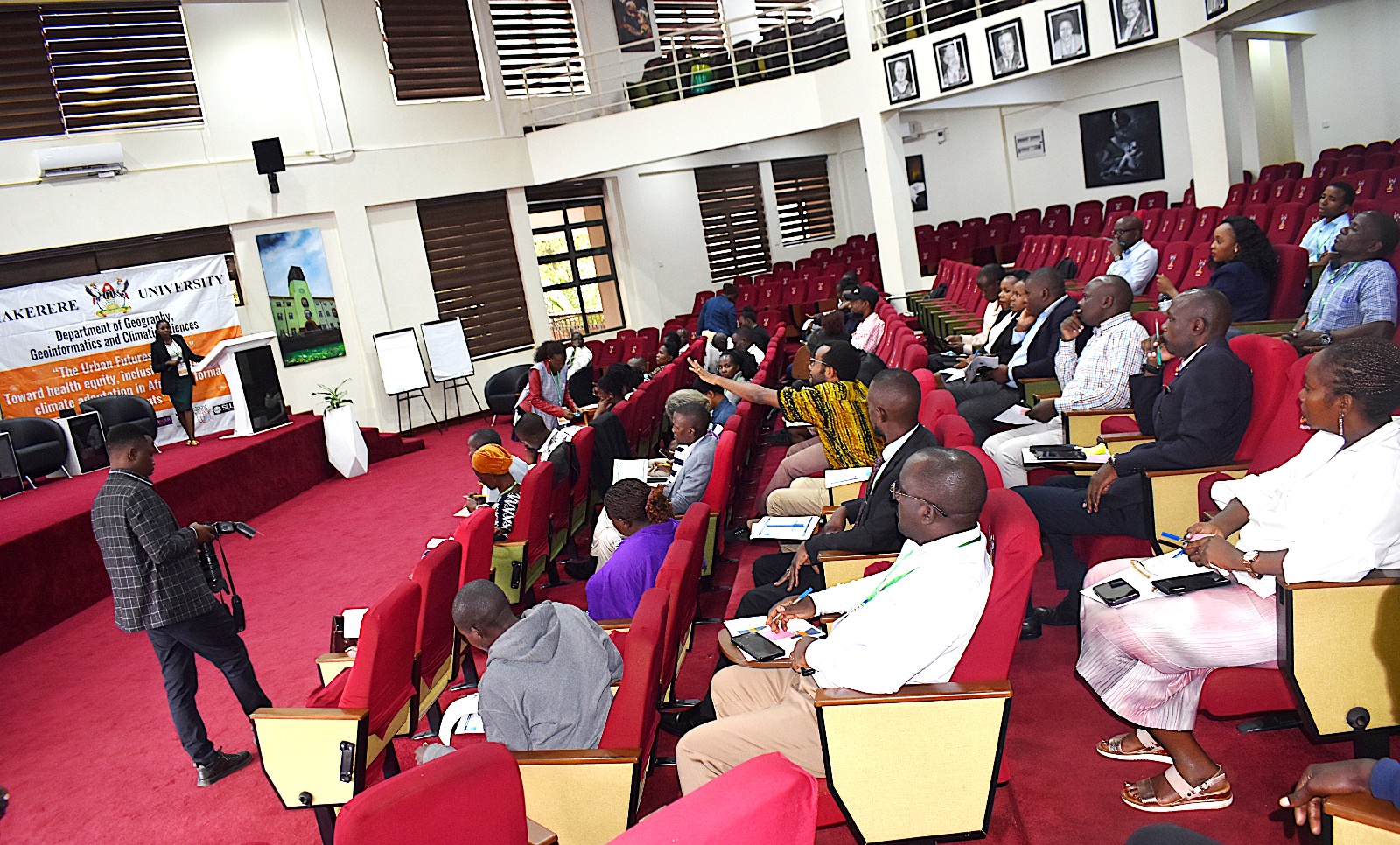
*****The fourth Kampala co-design workshop under the Urban Futures Project identified priority interventions in waste collection, drainage maintenance, recycling and community engagement. Stakeholders also outlined responsibilities and measures to guide implementation and ensure accountability.
Validation, Prioritization and Action Planning
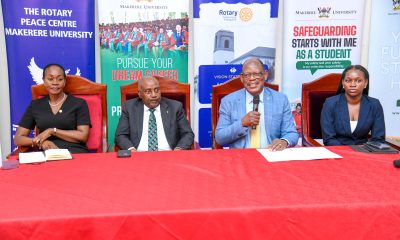
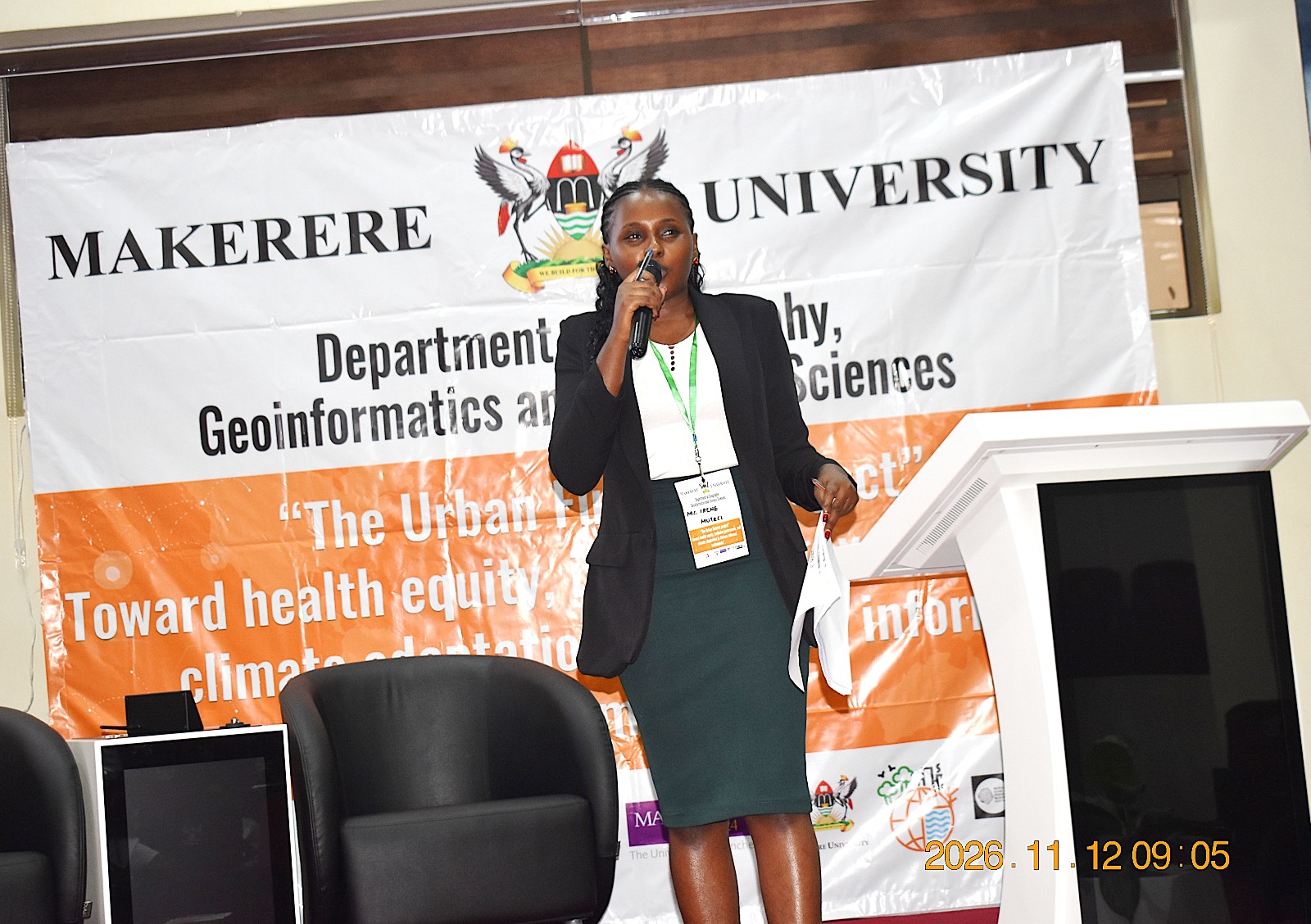
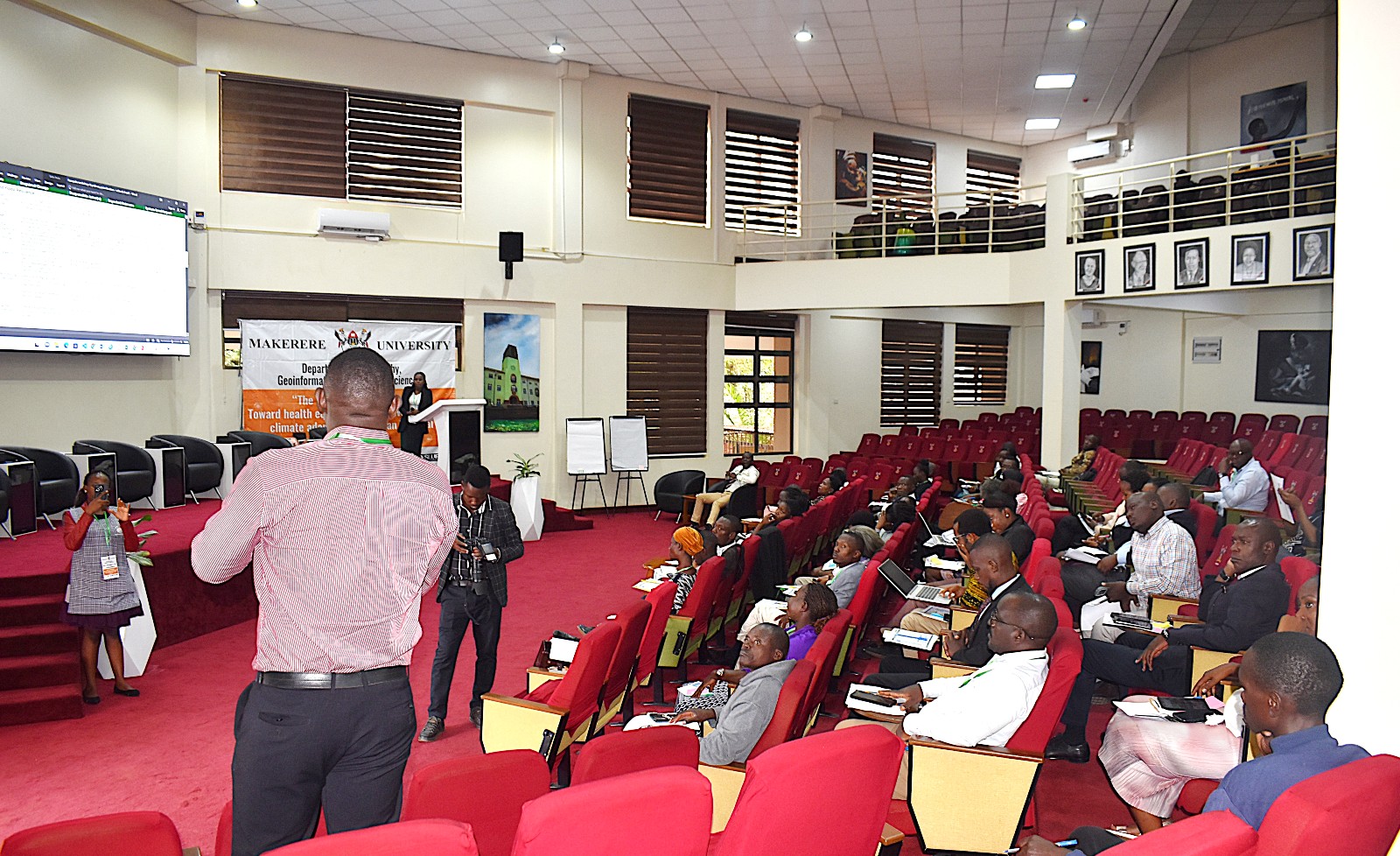
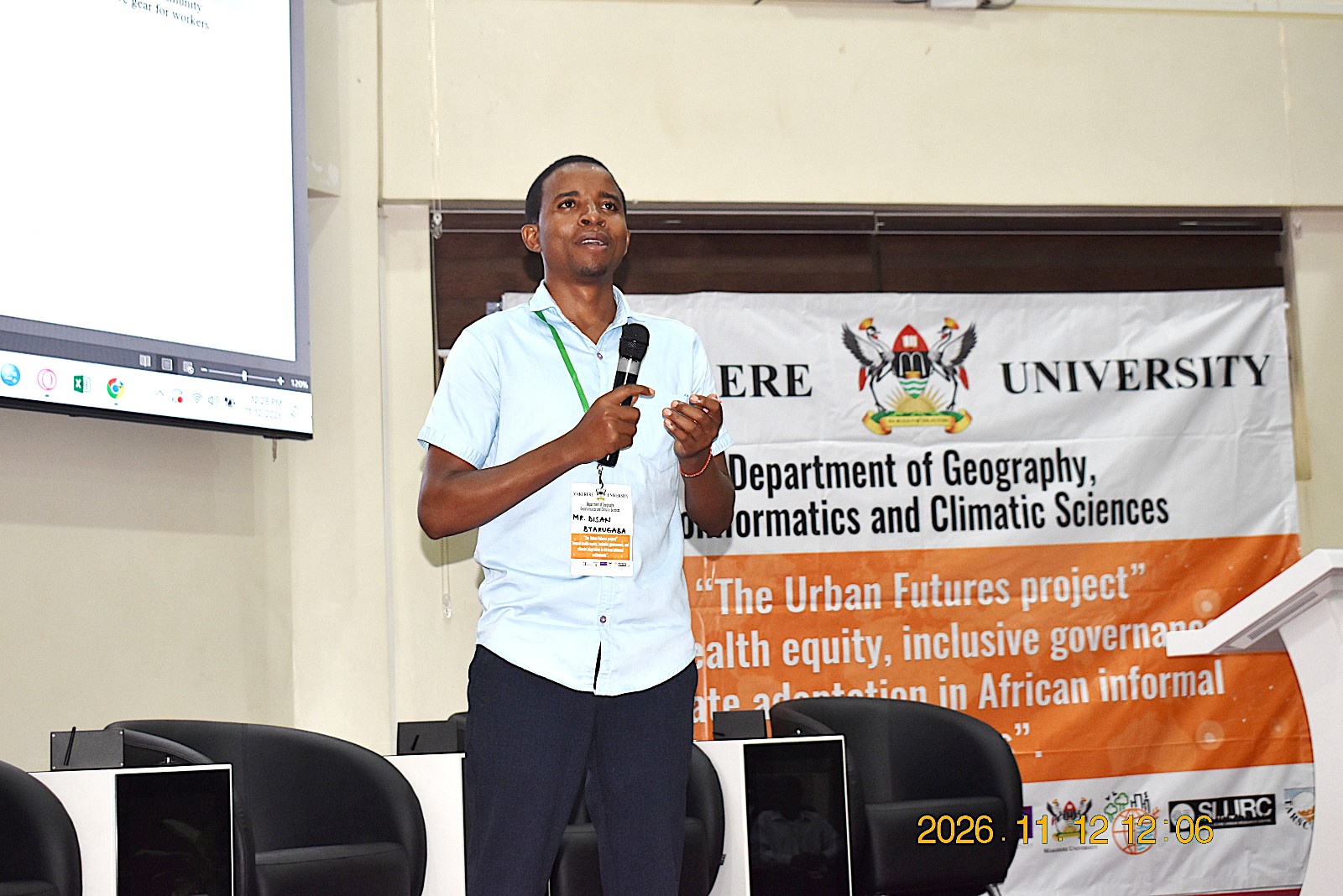
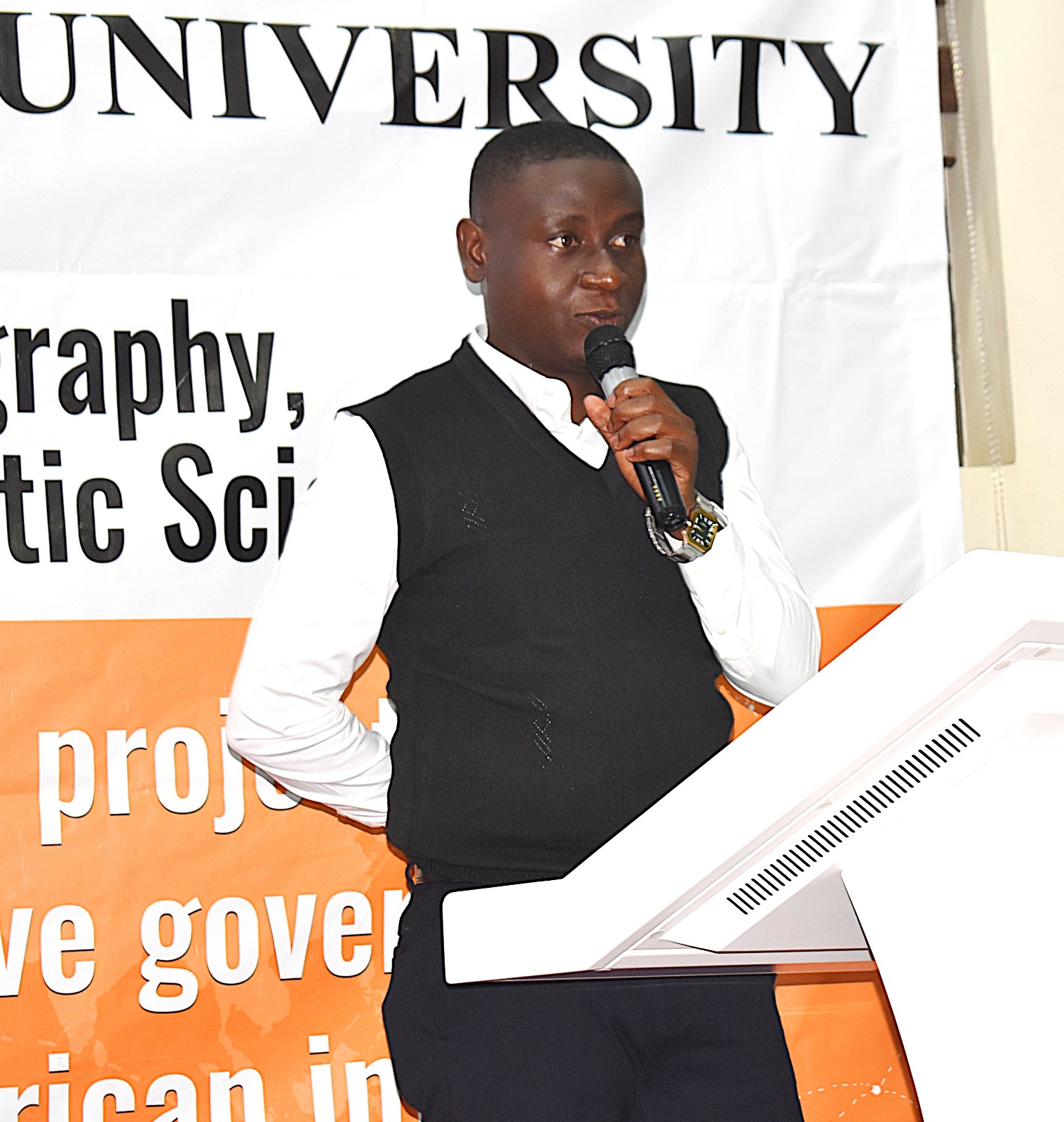
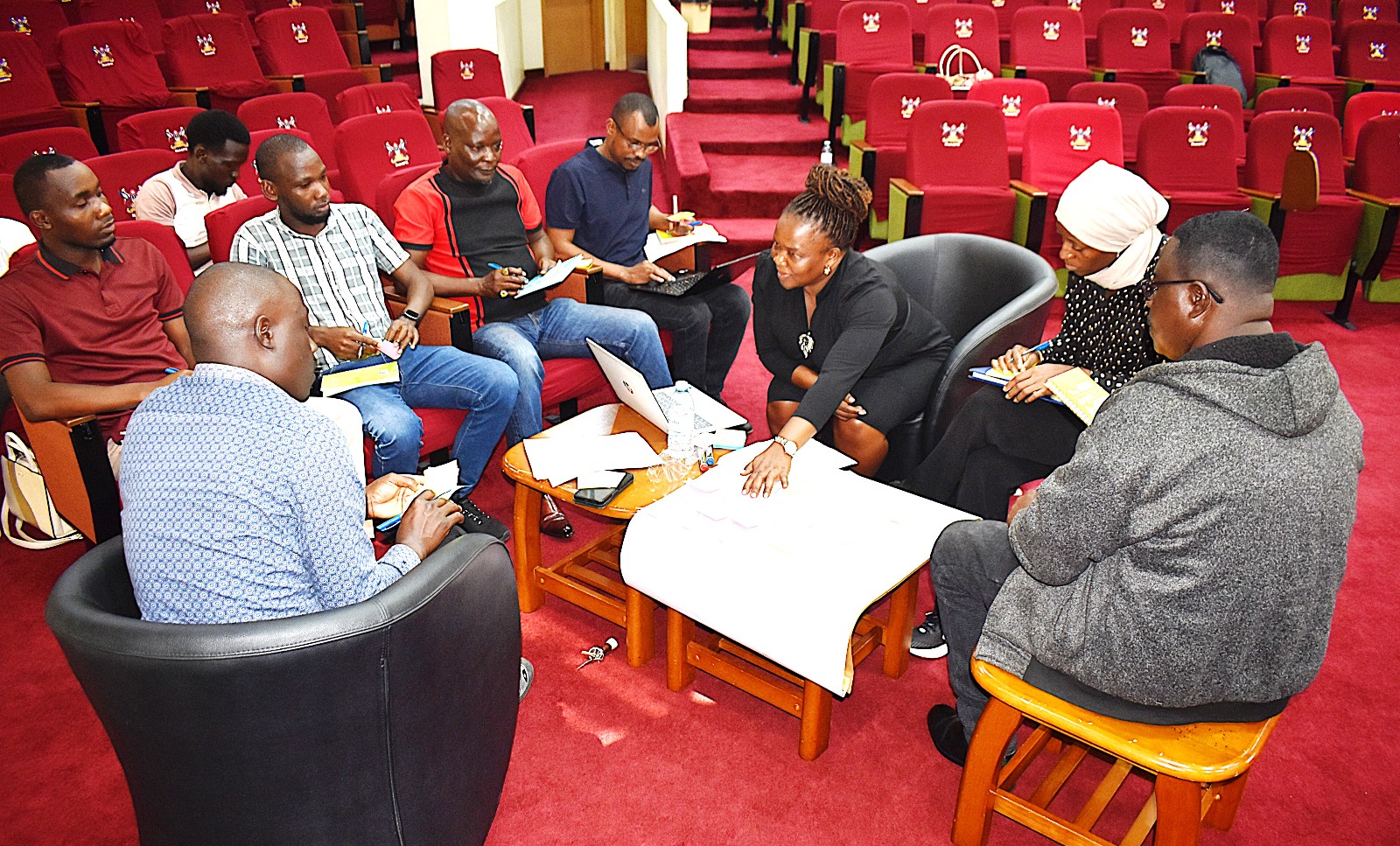
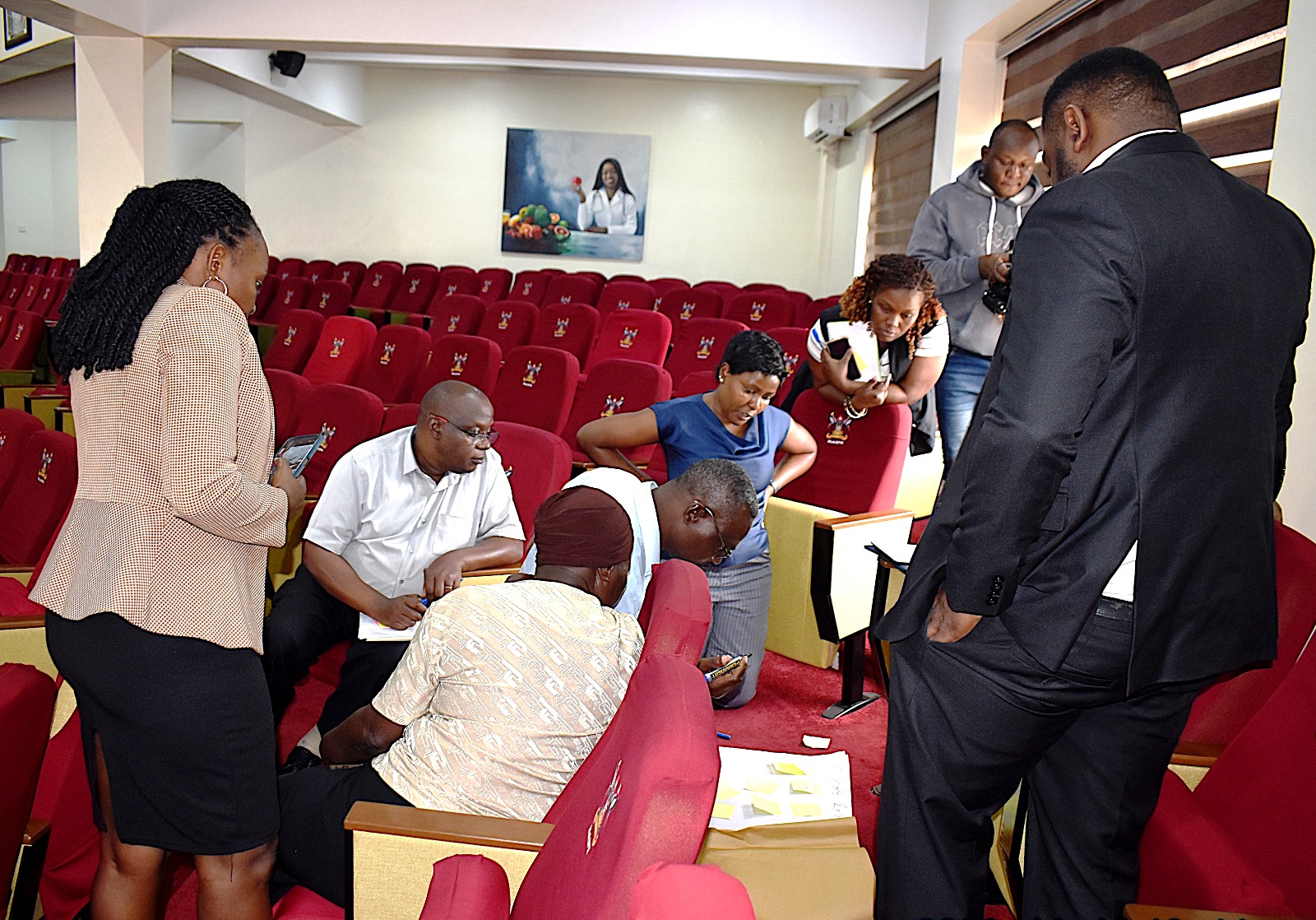
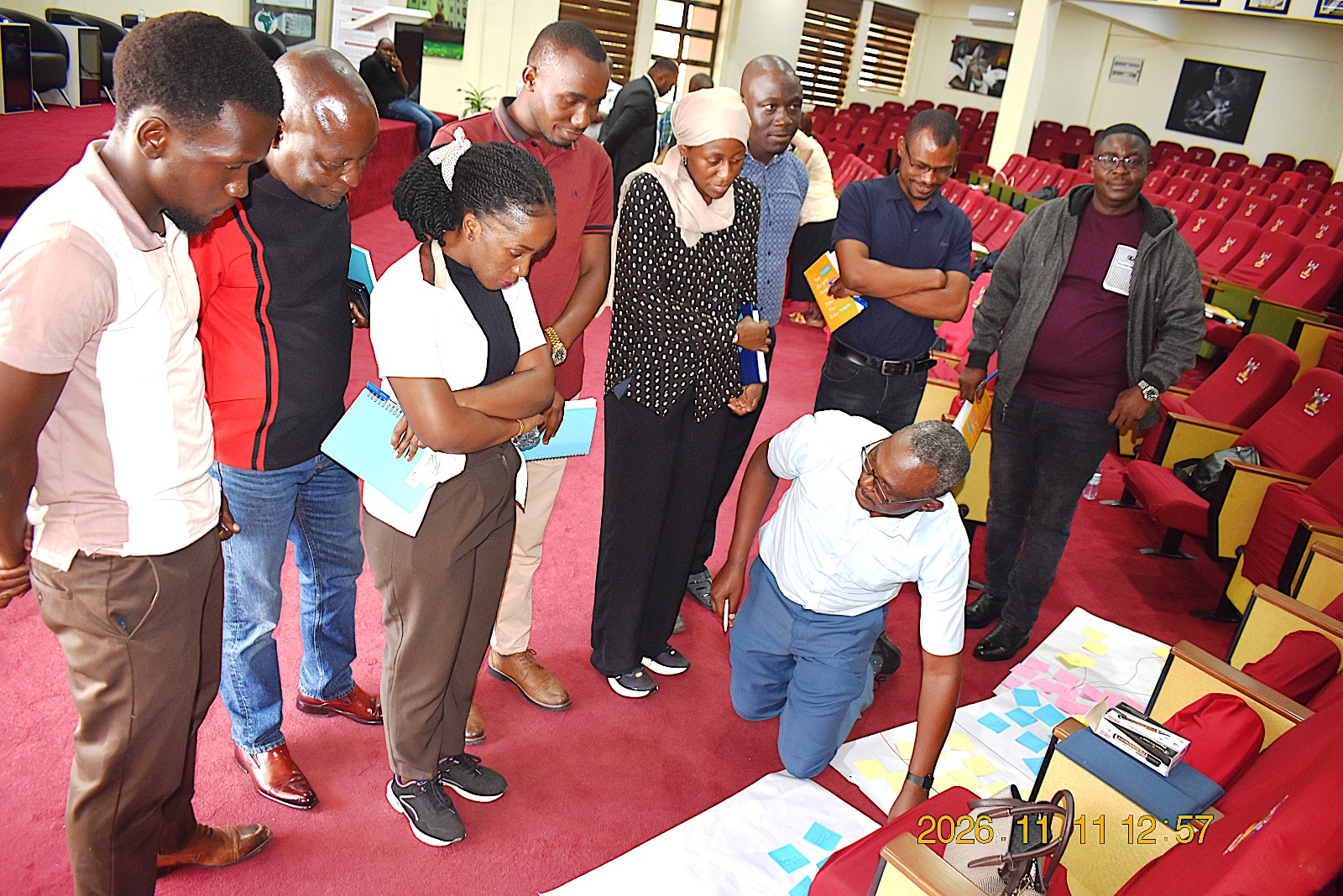
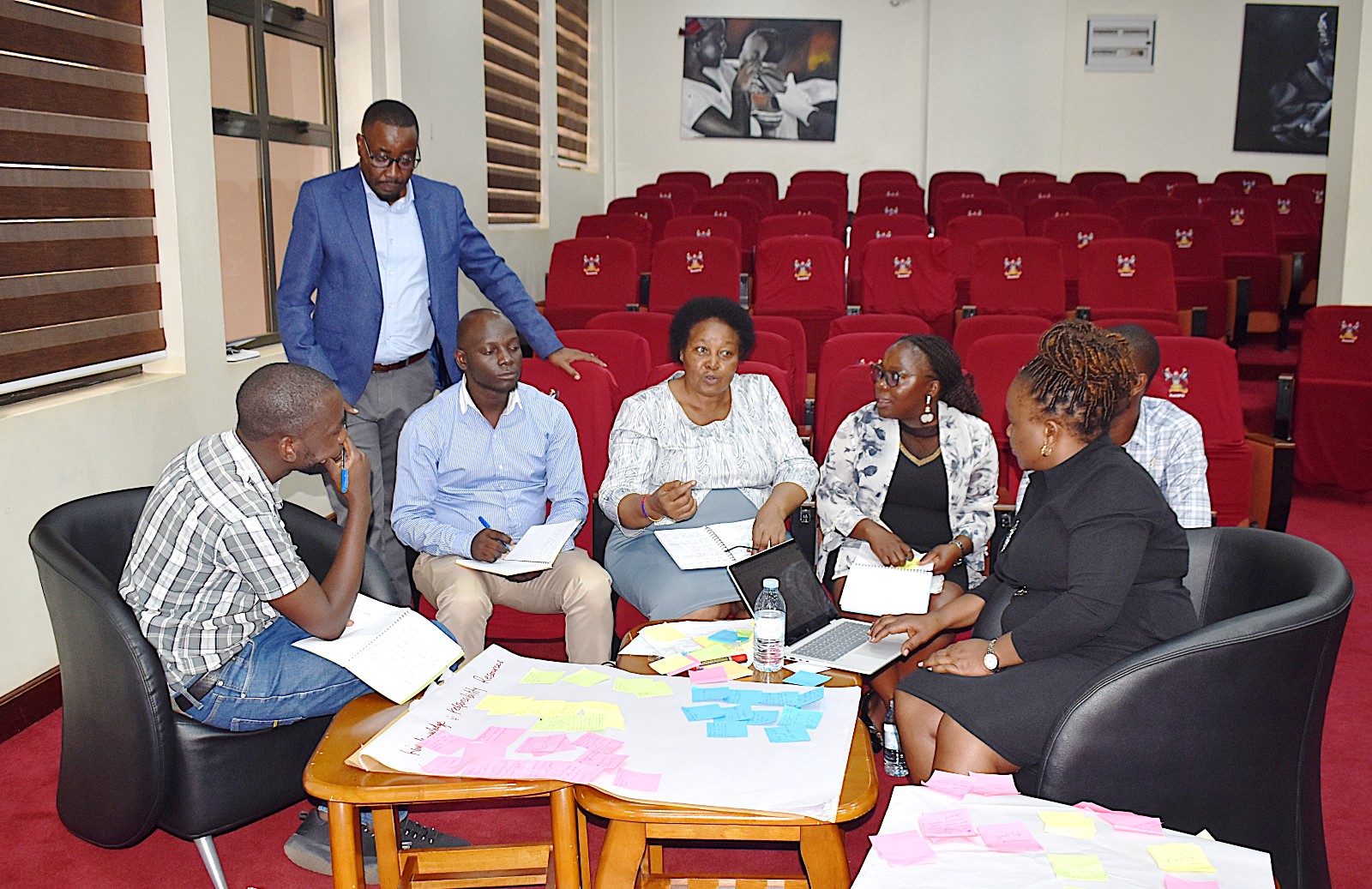
Makerere University, through the Urban Action Lab (UAL), on Thursday, 12th November 2026, convened the fourth Kampala Co-Design Workshop to validate and prioritize interventions for improving waste management, drainage systems and flood resilience in four informal settlements in Kampala.
Held under the Urban Futures Project, the workshop brought the co-design process to its final stage, focusing on translating previously identified challenges and proposed solutions into actionable interventions, with clear responsibilities, resource requirements and mechanisms for monitoring progress.
The project focuses on Bwaise, Makerere Kivulu, Acholi Quarters and Kikubamutwe, where challenges related to poor waste management, inadequate drainage, flooding and environmental degradation affect public health, livelihoods and community wellbeing.
Coordinated by Dr. Paul Mukwaya Isolo, Head of the Department of Geography, Geo-Informatics and Climatic Sciences at Makerere University, the Urban Futures Project seeks to advance health equity, inclusive governance and climate adaptation in African informal settlements through research and collaborative action.
The workshop built on three earlier engagements. The first, held on 1st October 2026, brought communities together to develop an initial systems map of the challenges affecting their settlements. The second engaged city-level stakeholders to validate and enrich the map, while the third, held on 5th November 2026, explored intervention pathways and opportunities for change.
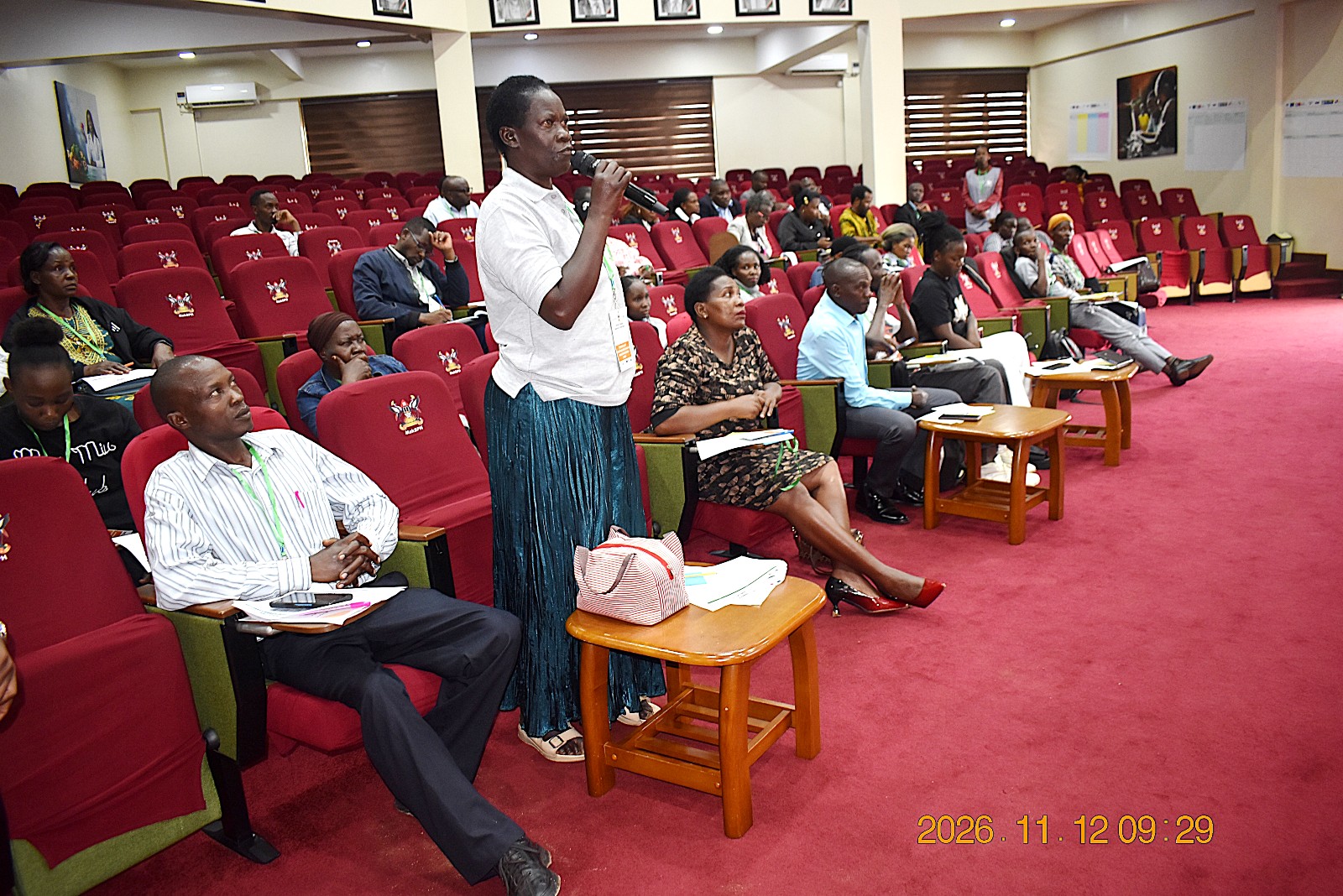
The fourth workshop consolidated these discussions through resource mapping, validation and ranking of proposed interventions, action planning, stakeholder commitments and the development of monitoring, evaluation and accountability arrangements.
Four Priority Pathways Identified
Stakeholders identified four interconnected pathways for addressing the challenges: improving waste collection and governance; drainage maintenance and flood resilience; recycling and the circular economy; and community engagement and behaviour change.
1. Strengthening Waste Collection and Governance
Under the first pathway, stakeholders prioritized better coordination of waste collection services and stronger enforcement of environmental regulations. They observed that waste collectors sometimes operate in communities without involving local leaders, while weak enforcement undermines compliance with existing environmental rules.
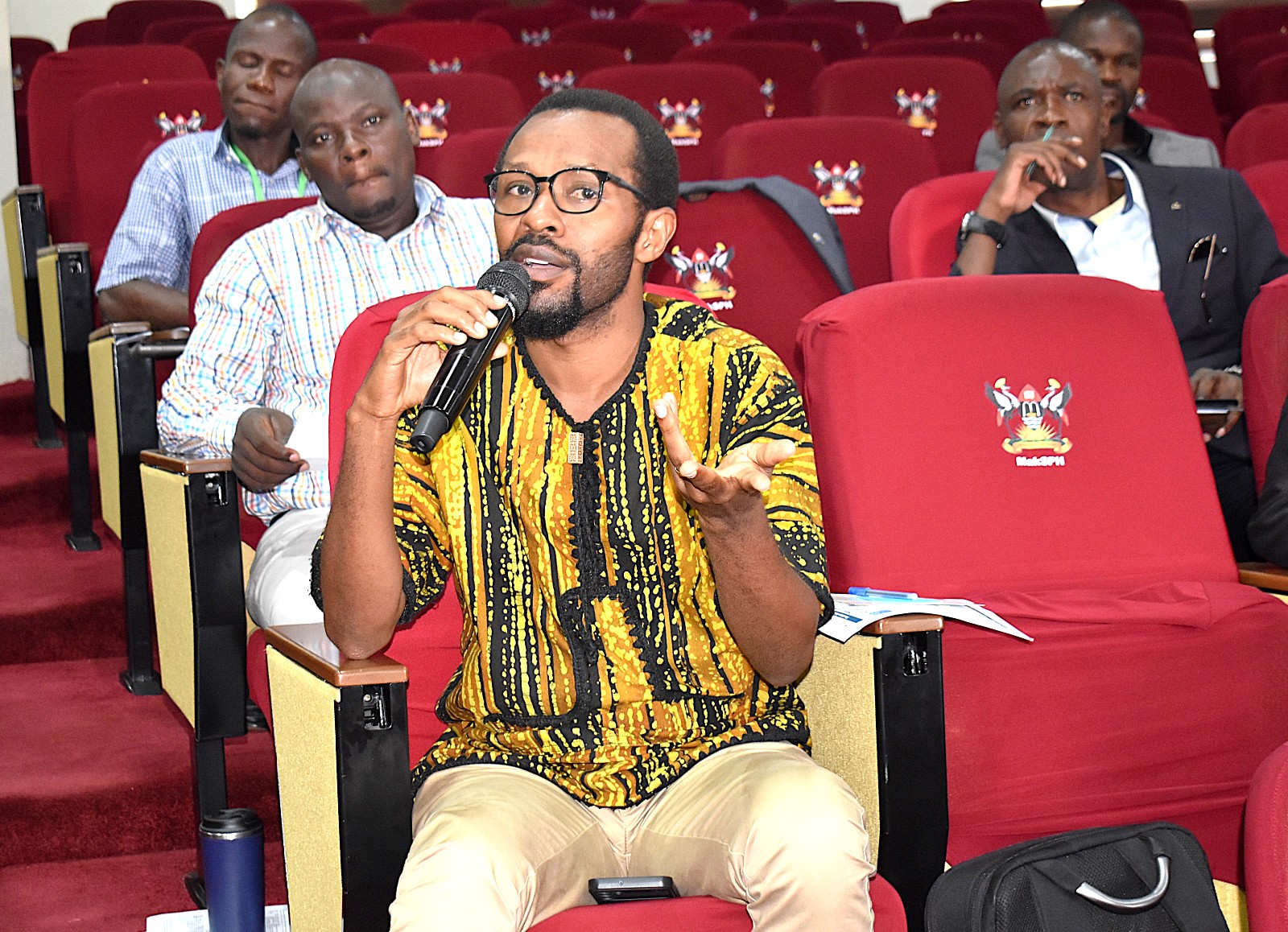
Proposed measures included involving Local Council leaders and community-based waste collectors in planning and monitoring collection services, strengthening community policing and surveillance, enforcing by-laws, and conducting continuous public sensitization. Stakeholders also called for greater accountability in waste management funding and improved coordination between the Kampala Capital City Authority (KCCA), the National Environment Management Authority (NEMA), local governments and service providers.
2. Improving Drainage Maintenance and Flood Resilience
The second pathway focused on drainage maintenance and flood resilience. Stakeholders prioritized controlling unregulated drainage construction and keeping drainage channels clear of waste. They noted that unplanned developments, encroachment on drainage reserves, poor maintenance and waste accumulation obstruct water flow and increase flood risks.
Proposed actions included enforcing approved physical development plans, regular desilting of drainage channels, community monitoring of drainage infrastructure, and publicizing the drainage master plan. Participants also proposed sensitizing communities, strengthening local by-laws and introducing strict penalties for encroachment and other practices that obstruct drainage systems.
The discussions further highlighted the need for government intervention to protect drainage reserves, including acquiring land and compensating affected property owners where necessary. The use of artificial intelligence to identify encroachment was also proposed.
3. Promoting Recycling and the Circular Economy
The third pathway, recycling and the circular economy, addressed the limited knowledge and practice of sorting waste at household level. Stakeholders prioritized practical education and skills development in waste separation, alongside support for household sorting initiatives.
Proposed interventions included mapping recycling centres, promoting responsible consumption, reducing single-use materials and encouraging reuse. Participants also called for greater support for community-based organizations involved in waste collection and recycling, including opportunities for smaller organizations to participate in service delivery.
4. Strengthening Community Engagement and Behaviour Change
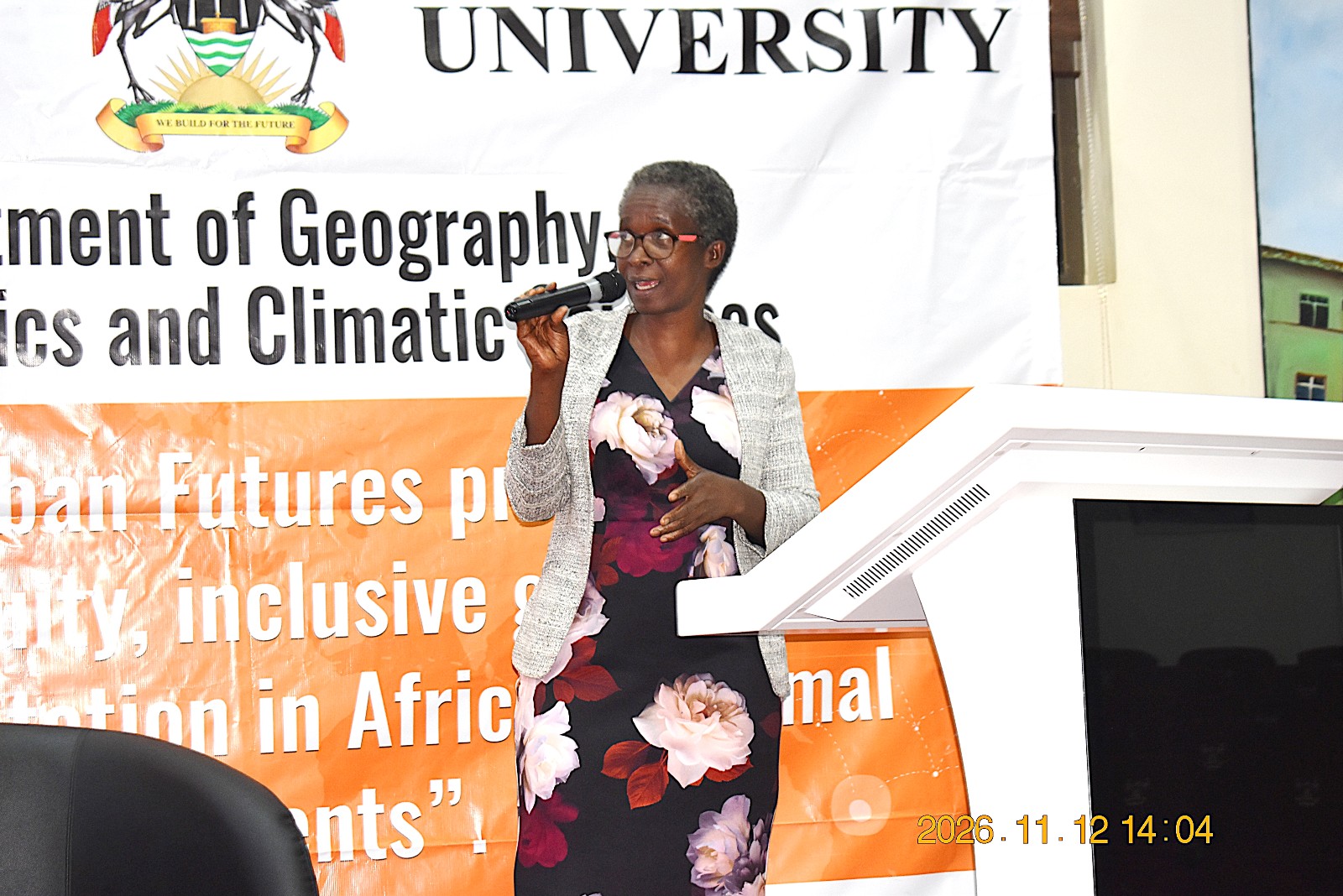
The fourth pathway focused on community engagement and behaviour change. Stakeholders identified continuous community sensitization, community ownership of cleanliness initiatives and wider stakeholder involvement as priorities.
They emphasized the need to engage local and religious leaders, schools, community-based organizations, civil society organizations, waste collectors and other influential actors in promoting responsible waste disposal. Providing communities with cleaning tools and strengthening participation in collective cleaning activities were also highlighted as important measures for building local ownership.
Resource Mapping and Implementation Arrangements
To support implementation, participants undertook a resource-mapping exercise to identify existing capacities, community assets, resource gaps and opportunities for funding and partnerships.
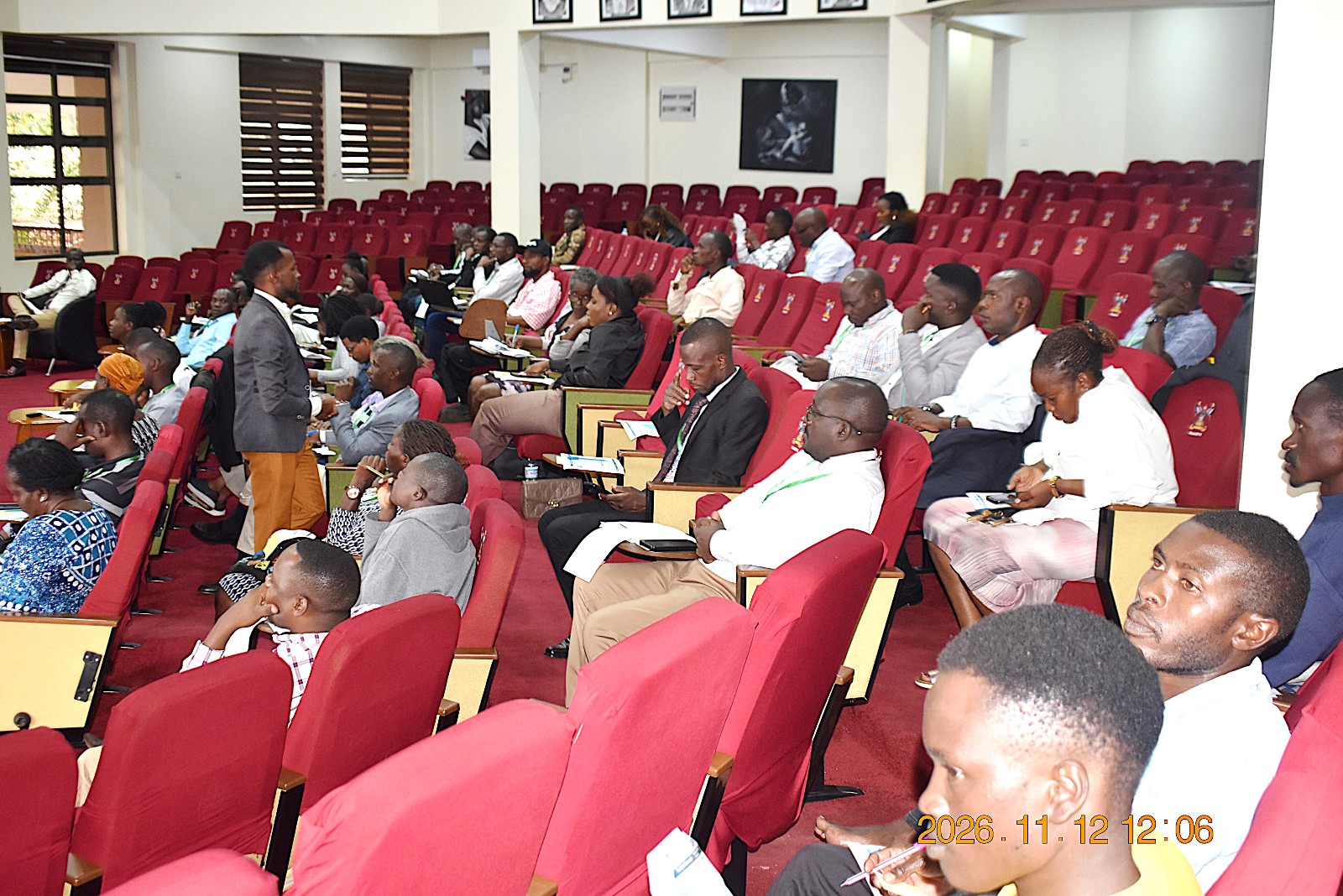
Existing resources identified included KCCA’s personnel, equipment, budget allocations, waste receptacles and landfill facilities; private waste collectors’ trucks and human resources; and the technical expertise and community mobilization capacity of organizations involved in recycling and waste management.
Other assets included local leadership structures, community-based organizations, Village Health Teams (VHTs), religious and traditional leaders, schools, civil society organizations, recycling centres and local media.
However, participants identified gaps in funding for community sensitization and inadequate protective equipment for waste management workers. They proposed mobilizing resources from the central government, development partners, the private sector, NGOs and academic institutions. Potential partnerships included collaboration between KCCA, research institutions and the Ministry of Water and Environment.
Strengthening Monitoring, Evaluation and Accountability
The workshop also considered how progress on the proposed interventions would be monitored and evaluated to ensure accountability and sustained implementation.
For waste collection, proposed indicators included the frequency of collection, door-to-door monitoring and the use of collection schedules maintained at Local Council level. Participants proposed monthly stakeholder reviews, incentives and penalties to encourage compliance with waste management requirements.
For drainage, monitoring would focus on blockages, silt accumulation and structural damage to drainage channels. Local leaders, VHTs, community members and road network actors were identified as important in monitoring drainage conditions. Participants also proposed appointing community focal persons to oversee drainage channels and conduct monthly reviews at division level.
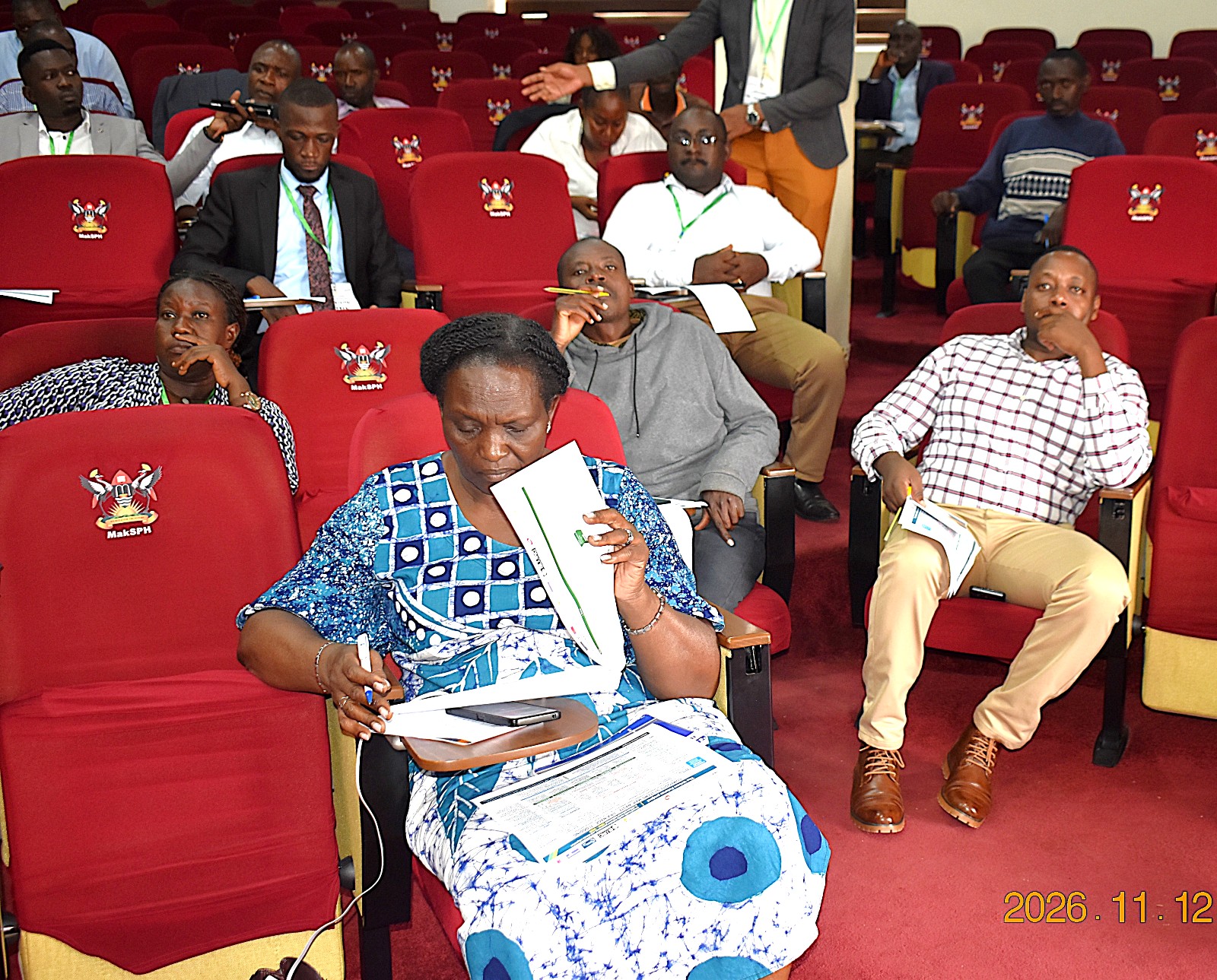
Community participation would be assessed through sensitization activities, community clean-ups and the involvement of women, children and local environmental champions. For recycling, proposed indicators included the volume and weight of recovered materials, the number of recycling innovations and the number of products made from recyclable materials.
These measures were intended to provide a basis for tracking implementation, identifying challenges and strengthening coordination among responsible institutions and communities.
Connecting Waste Management, Drainage and Community Wellbeing
The discussions were informed by a composite systems map developed through the project, which illustrates how population growth, urban development, governance, waste generation, drainage infrastructure and community behaviour interact to influence flooding and vulnerability in the four settlements.
The map highlights how inadequate waste collection, high service costs and improper disposal contribute to blocked drainage channels, while unplanned development and encroachment on drainage reserves further increase flood exposure.
It also illustrates the wider consequences of these challenges, including waterborne diseases, respiratory infections, damage to homes and infrastructure, disruption of livelihoods and increased vulnerability among low-income households, children, older persons and people with disabilities.
The proposed intervention pathways therefore seek to address not only the immediate challenges of waste accumulation and flooding but also the institutional, economic and behavioral factors that sustain them.
From Co-design to Collective Action
The process also provided an opportunity to identify areas for continued stakeholder coordination and advocacy, particularly the need for improved waste management services and increased government investment in drainage infrastructure and environmental management.
Through the Urban Futures Project (2024–2029), the Urban Action Lab and its partners are working to strengthen collaboration between communities, researchers, government institutions and other stakeholders in developing evidence-informed approaches to urban challenges.
The workshop was coordinated by Ms. Irene Mutesi Nakayenga, Mr. Disan Byarugaba, Mr. Hakimu Sseviiri, and Ms. Karen Helmy Ademun, researchers with the Urban Action Lab.
Pictorial:
https://drive.google.com/drive/folders/1O7G3y7H8Tisy2Wd7f-zeI6eNBlQPpDGm?usp=sharing
Agriculture & Environment
Makerere Launches Programme to Strengthen Resilience of Vulnerable Communities to Climate Change
Compiled by Hasifa Kabejja & Esther Joy Nabanoba
*****The Climate Resilience in Diverse African Contexts (CLIMARES) programme brings together African and Dutch universities to connect community knowledge, scientific research and practical action on climate-related challenges.
Launch of the CLIMARES Programme in Uganda
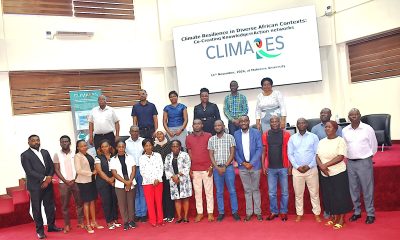
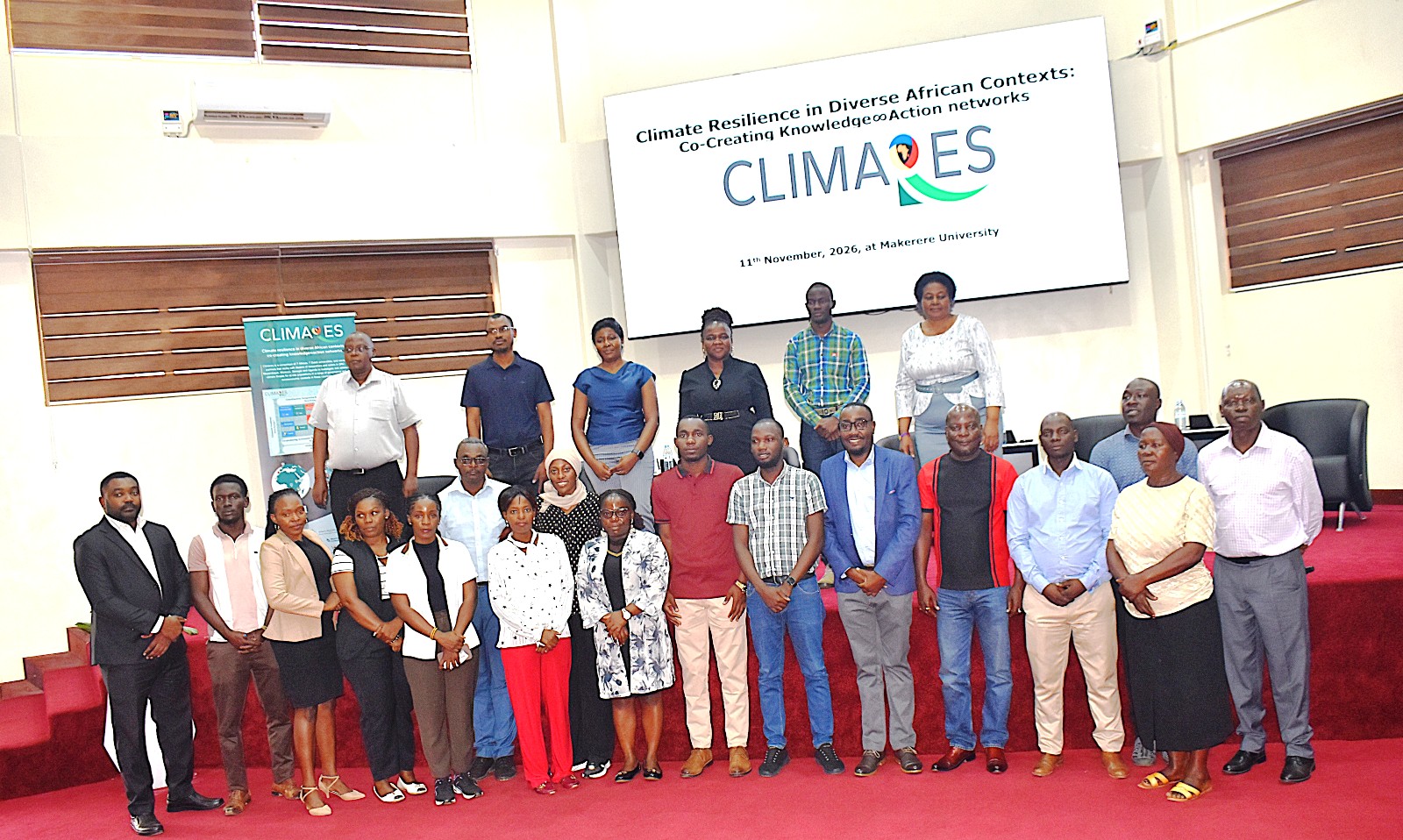
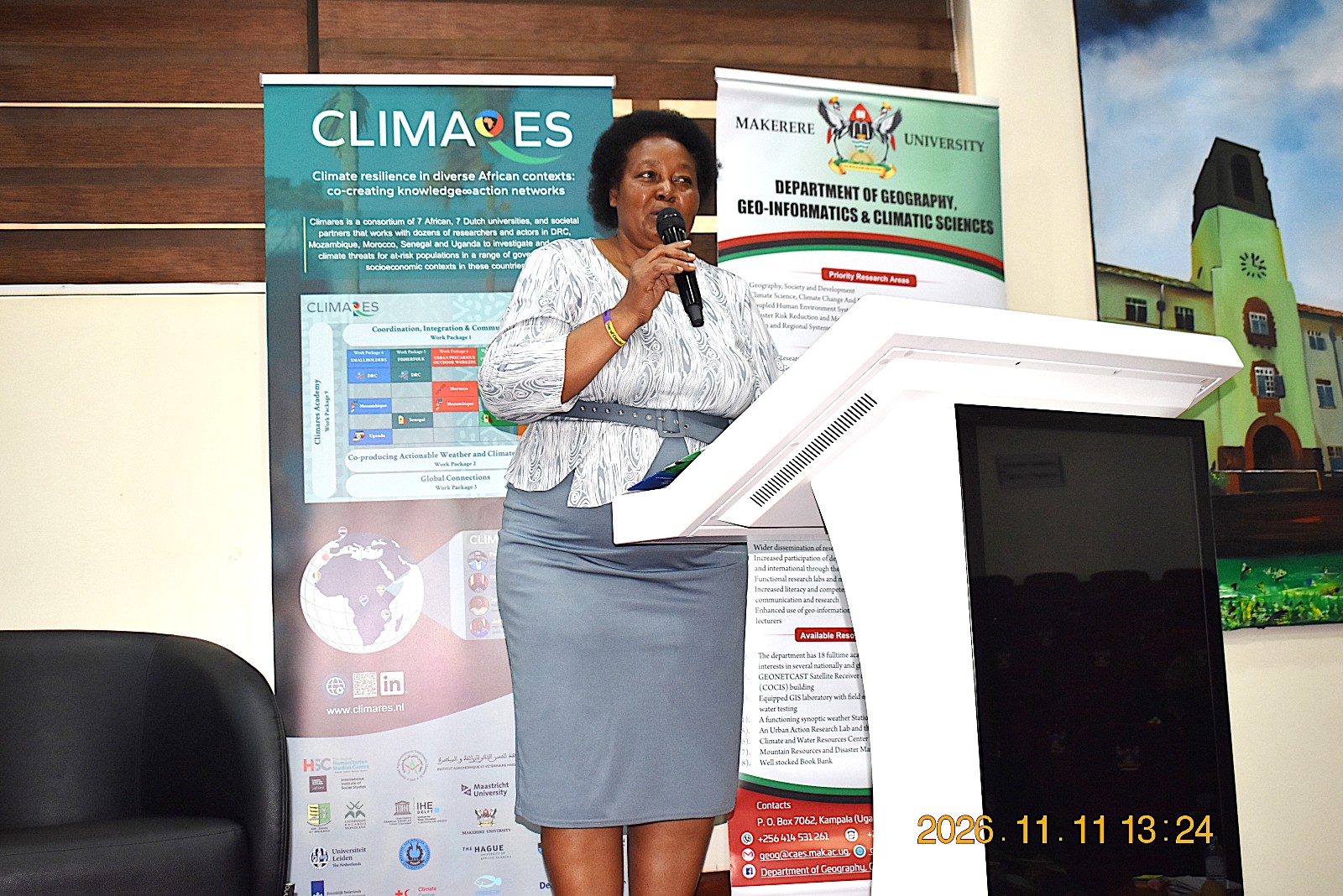
Makerere University on Wednesday, 11th November 2026, launched the Climate Resilience in Diverse African Contexts (CLIMARES) programme, an international research initiative aimed at strengthening the resilience of vulnerable populations facing climate-related threats and other intersecting challenges across five African countries.
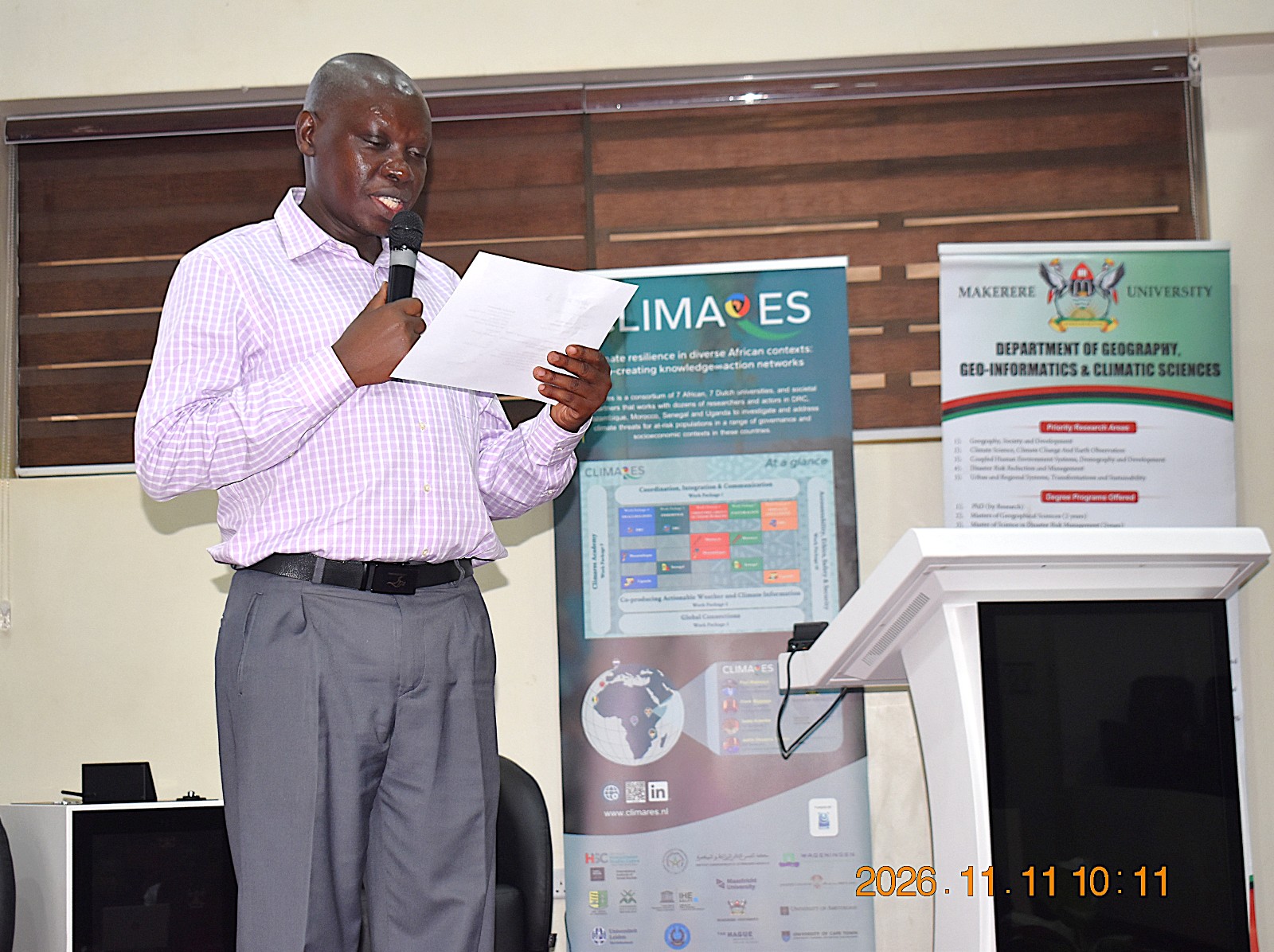
Held under the theme “Climate Resilience in Diverse African Contexts: Co-Creating Knowledge-Action Networks,” the launch provided an opportunity to introduce the programme’s research priorities, highlight Uganda’s contribution and engage stakeholders on how scientific research and community knowledge can inform responses to climate change.
About the Programme
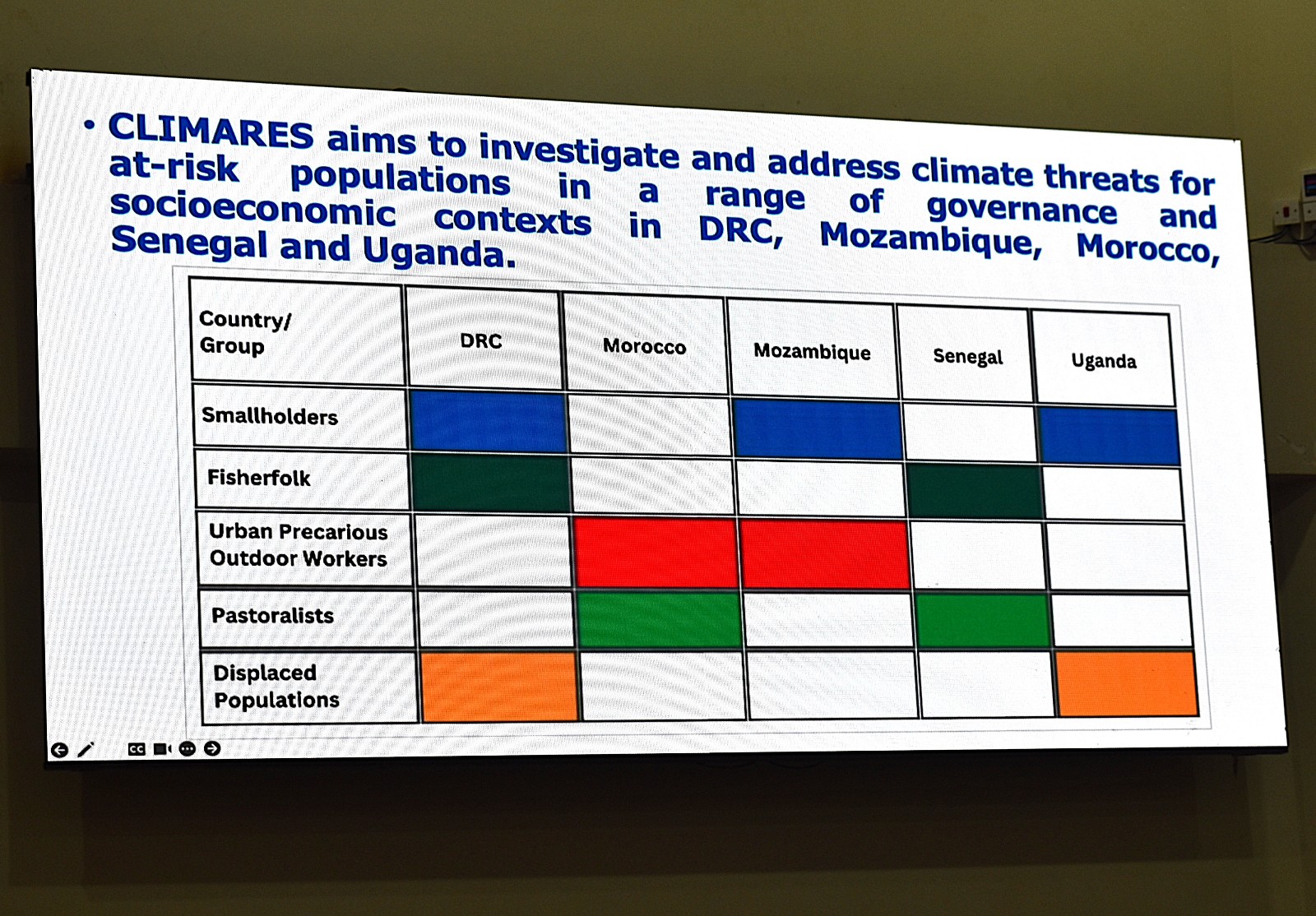
Funded by the Dutch Research Council (NWO), CLIMARES is a consortium of seven African universities, seven Dutch universities and societal partners working with researchers and other actors in the Democratic Republic of Congo (DRC), Mozambique, Morocco, Senegal and Uganda.
The programme seeks to understand how climate-related threats affect different population groups within diverse governance and socioeconomic settings, while supporting the development of context-specific strategies to strengthen their resilience.
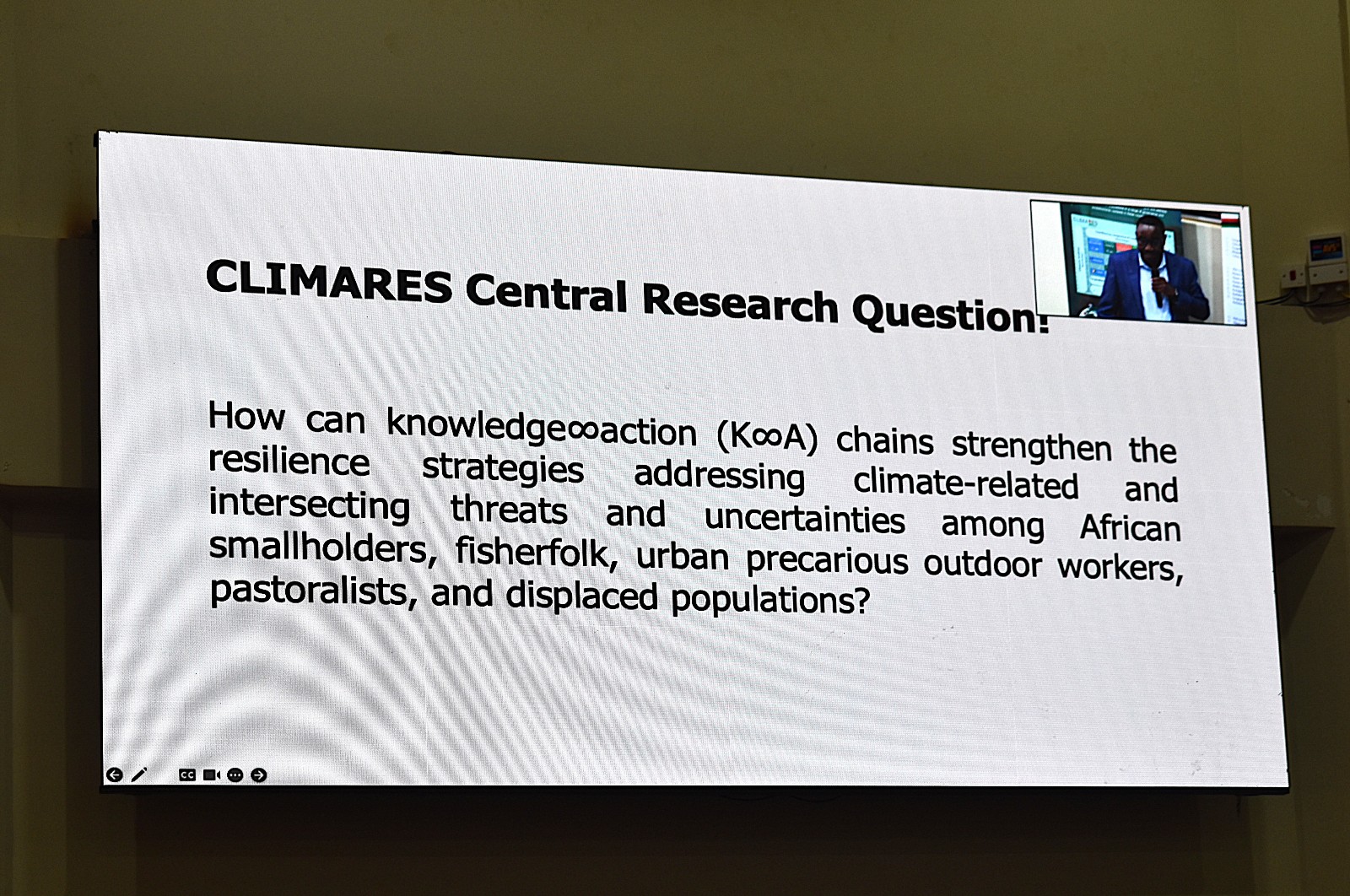
At the centre of the initiative is the question of how Knowledge-to-Action (K∞A) networks can strengthen resilience strategies in response to climate-related and intersecting threats and uncertainties affecting African smallholder farmers, fisherfolk, precarious outdoor workers in urban areas, pastoralists and displaced populations.
The programme’s focus on these groups recognizes their heightened exposure to climate-related risks, the vulnerability of their livelihoods and the limited attention often given to their experiences and perspectives in climate research and decision-making. Although they constitute a significant proportion of African populations, their knowledge and voices are not always adequately reflected in the development of adaptation interventions.
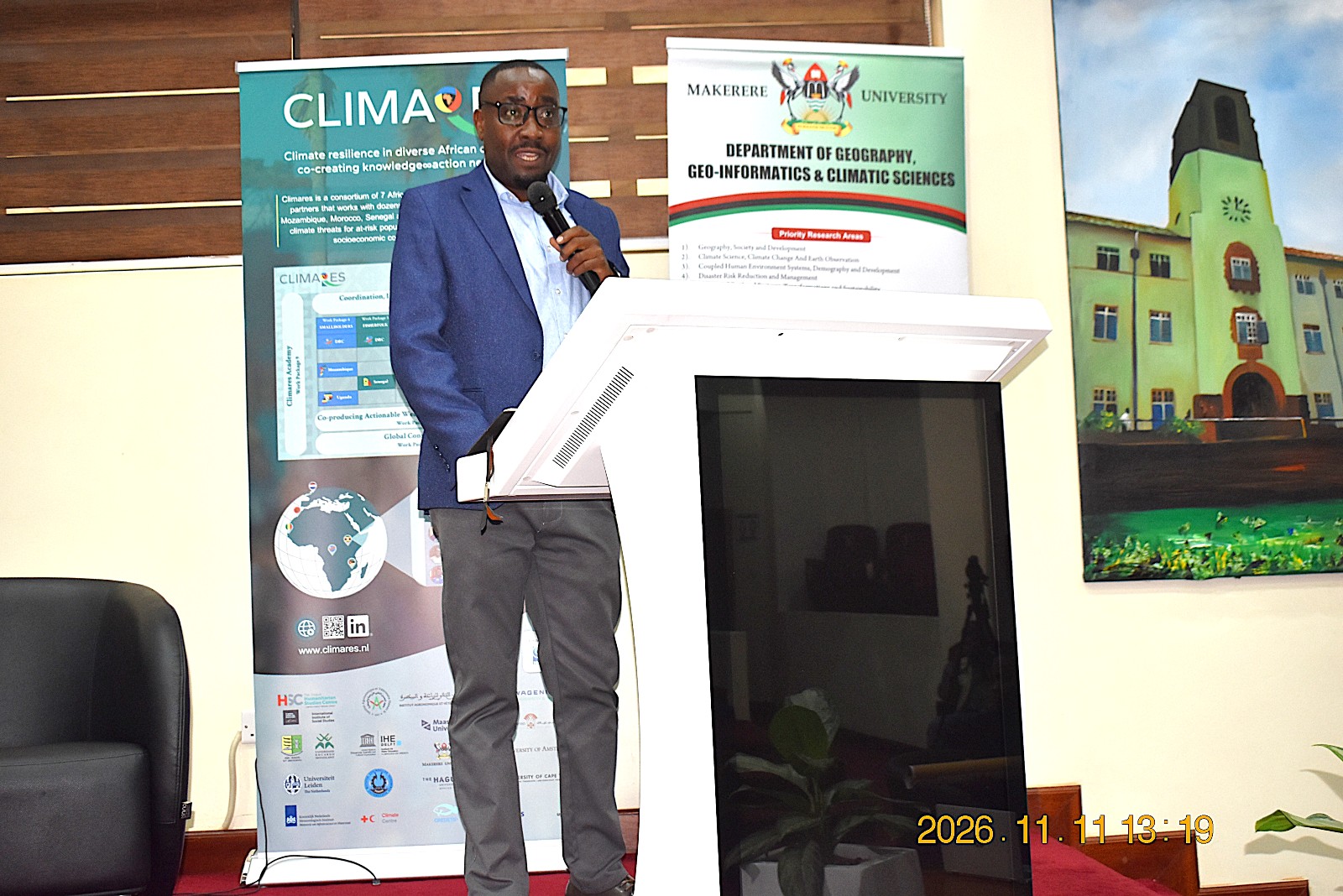
Through CLIMARES, researchers seek to improve understanding of how changing weather patterns and climate change affect these communities and how their experiences can inform appropriate responses.
Uganda’s Contribution to the Programme
At Makerere University, the programme is coordinated by Prof. Frank Mugagga and Dr. Paul Mukwaya Isolo of the Department of Geography, Geo-Informatics and Climatic Sciences, who lead research on climate resilience among smallholder farmers and displaced populations, as well as initiatives to strengthen climate information and multi-hazard forecasting.
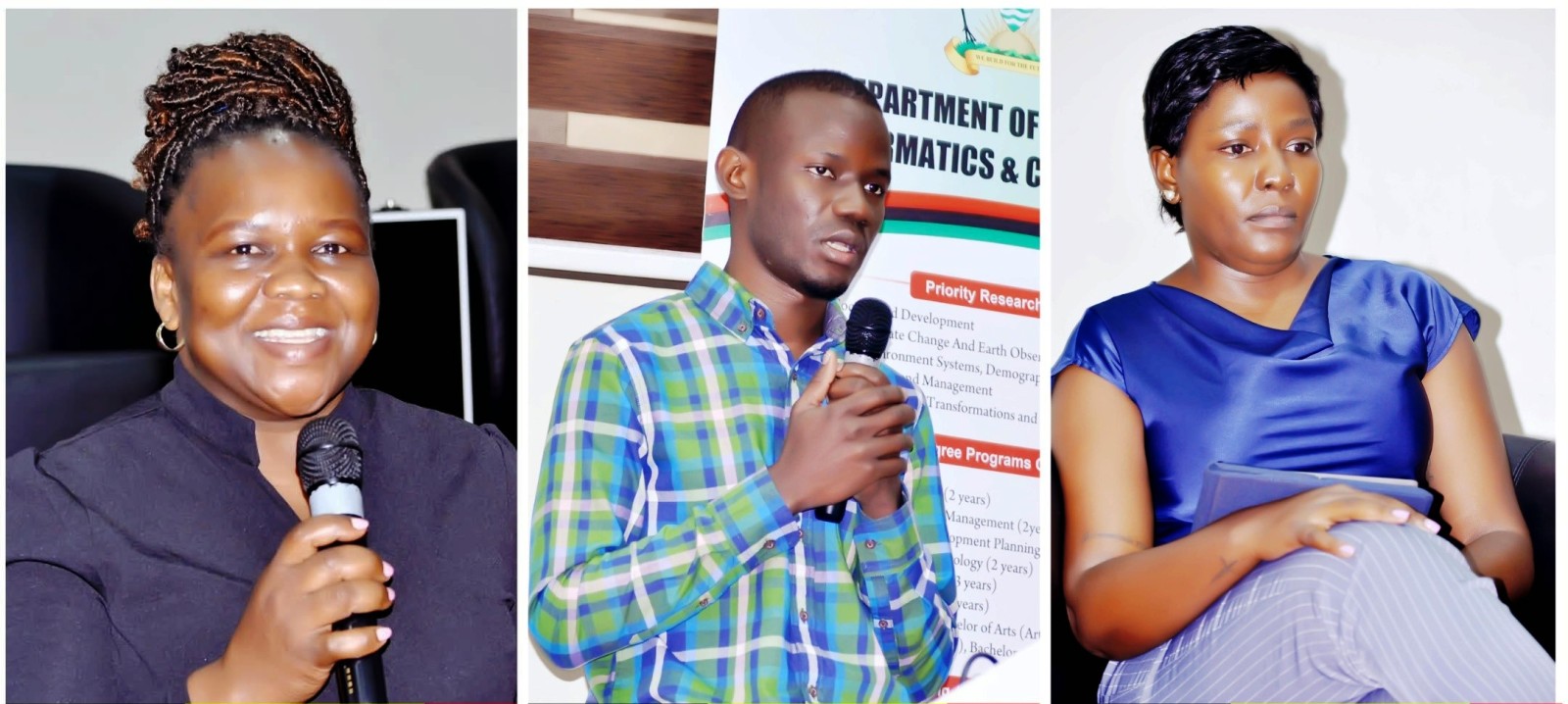
The country’s research activities are organized under three work packages, each addressing a distinct but interconnected aspect of climate resilience.
Work Package 4: Climate Resilience, Coffee Production and Youth Livelihoods
Coordinated by Prof. Frank Mugagga, Work Package 4 examines climate-related challenges and innovation strategies among smallholder farmers engaged in cash crop production, particularly coffee cultivation. The research is being undertaken by PhD candidate Judith Okuonzia Tomma under a double-degree arrangement between Makerere University and Wageningen University and Research (WUR).
With Kamuli District in Eastern Uganda as the research site, the study intends to examine household experiences, youth agency, adaptation practices and the relationship between coffee production and livelihood resilience.
The research also seeks to understand the conditions under which coffee can provide a meaningful and viable livelihood for young people, particularly in communities facing climate stress, uncertainty over household incomes and pressure on land and soil resources.
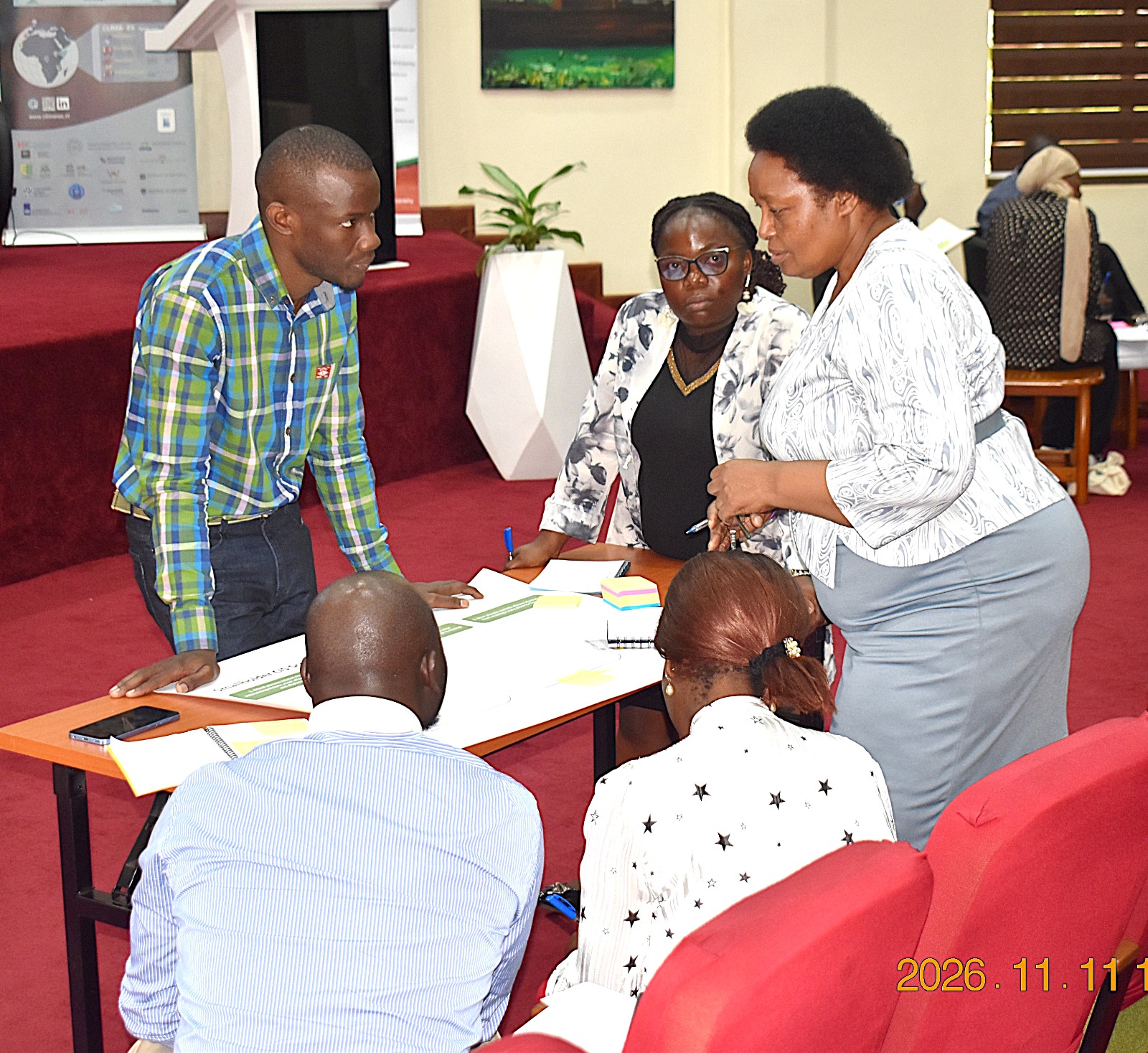
An important element of this work is the establishment of a Knowledge-to-Action network that connects farmers and young people with researchers, government institutions, the private sector and development partners.
The network is intended to provide a platform for sharing experiences, reflecting on research findings and identifying opportunities for collaboration. By bringing together local knowledge and scientific expertise, the initiative seeks to explore approaches to youth-inclusive coffee production and integrated livelihoods.
Work Package 8: Everyday Climate Adaptation among Displaced Populations
Work Package 8 will explore the links between displacement and climate vulnerability, focusing on how internally displaced persons experience and respond to environmental hazards in their daily lives. Coordinated by Dr. Paul Mukwaya Isolo, the research will be undertaken by PhD student Teddy Kisembo under a double-degree arrangement between Makerere University and the International Institute of Social Studies (ISS), Erasmus University Rotterdam.
Her study, titled “Everyday Climate Adaptation Among Internally Displaced Persons in Kasese District, Uganda,” will investigate how internally displaced persons experience and respond to climate-related hazards, particularly where limited settlement options may expose them to environmental risks.
The study will examine how access to and control over land, tenure security, social relationships and external interventions shape the adaptation options available to displaced communities. It will also consider how gender, age, ethnicity, social class, marital status and displacement history influence access to resources, participation in decision-making and capacity to respond to climate-related risks.
In addition, the research will assess the extent to which the knowledge and perspectives of displaced populations are recognized and incorporated into institutional decision-making and climate adaptation interventions.
Work Package 2: Co-Producing Actionable Weather and Climate Information
Work Package 2, coordinated by Dr. Confidence Doku, focuses on the co-production of actionable weather and climate information. It is linked to the PhD research of Ronald Ssembajwe of Wageningen University and Research (WUR), who is investigating the development of multi-hazard impact forecasting frameworks to support vulnerable populations.
The work seeks to strengthen the generation and communication of relevant weather and climate information to support communities and other stakeholders in anticipating and responding to multiple hazards.
Together, the three work packages connect climate information, community experiences and institutional engagement to strengthen understanding of vulnerability and support more informed adaptation strategies.
CLIMARES-Supported PhD Students Present Planned Studies at National Launch
A key highlight of the national launch was the presentation of planned research by the three PhD students supported through CLIMARES. The presentations offered participants an opportunity to engage with the proposed studies, examine their relevance and provide constructive feedback to guide the researchers as they advance their work.
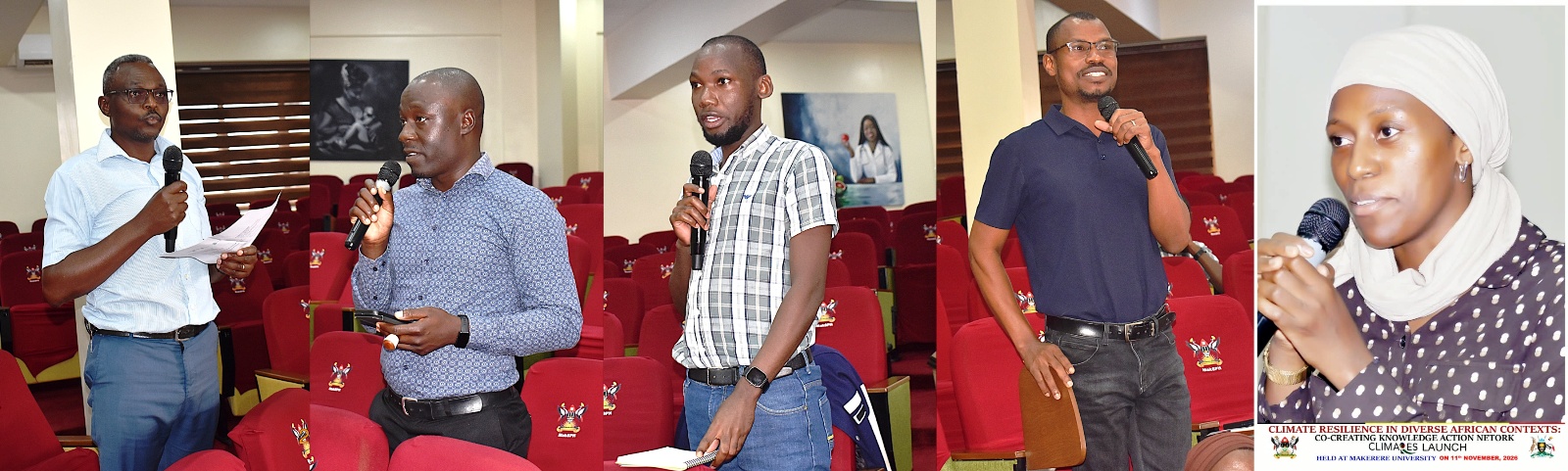
Judith Okuonzia Tomma, Teddy Kisembo and Ronald Ssembajwe outlined their respective research areas, highlighting the questions their studies seek to address and their relevance to climate resilience in vulnerable communities.
The presentations prompted discussions on research approaches, community engagement and the potential application of findings. Participants offered perspectives to help the students refine their research questions and methodologies while strengthening the relevance of their work to the communities and stakeholders concerned.
Community Participation at the Centre of Research
The students’ research reflects CLIMARES’ broader approach of combining scientific investigation with the experiences and knowledge of affected communities. Beyond generating academic knowledge, the programme adopts an action-research approach that positions communities as active contributors to knowledge generation and the identification of solutions.
A central element of this approach is the establishment and strengthening of Knowledge-to-Action networks involving affected communities, researchers, government institutions, civil society organizations, private-sector actors and development partners. Through these networks, the programme seeks to facilitate knowledge exchange, strengthen collaboration and examine how research findings and community experiences can inform institutional decisions and practical interventions.
In Kamuli, for example, the network will connect farmers and young people with technical experts and institutions to explore climate adaptation, coffee production and livelihood opportunities. Similarly, in Kasese, the research will examine how different actors engage with displaced communities and whose knowledge informs decisions on climate adaptation.
By examining these interactions, CLIMARES seeks to strengthen the connection between research, community priorities and decision-making, ensuring that the experiences of affected populations contribute to the development of context-specific responses.
Strengthening Climate Research and International Collaboration
The programme’s community-centred approach is complemented by its international research partnership, which provides opportunities to examine climate resilience across different African contexts. Through collaboration among seven African universities, seven Dutch universities and societal partners, CLIMARES brings together expertise and experiences from Uganda, the Democratic Republic of Congo, Mozambique, Morocco and Senegal.
This comparative approach creates opportunities for knowledge exchange across countries while recognizing that adaptation strategies must respond to the specific circumstances and priorities of affected communities.
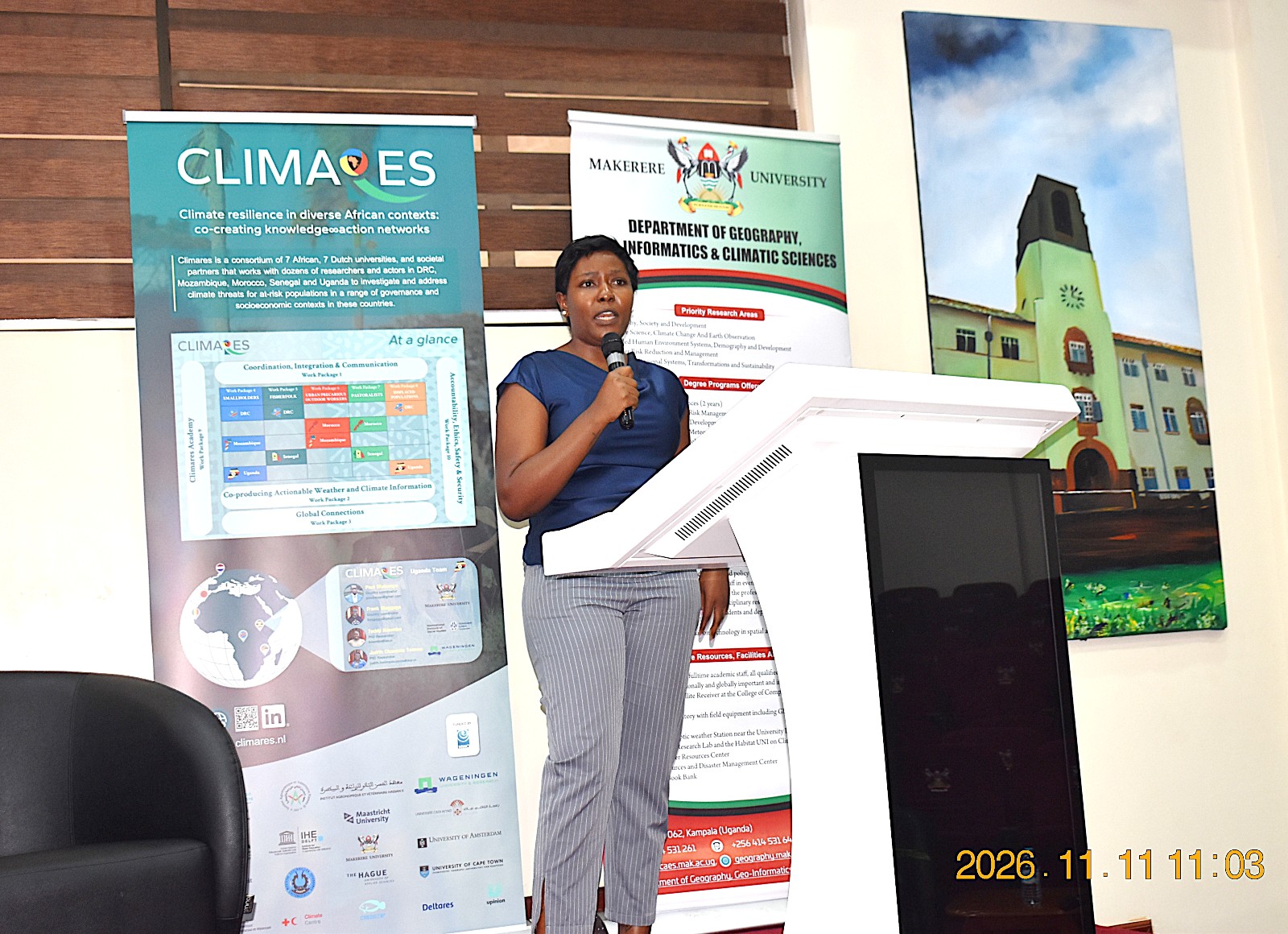
Remarks and Appreciation by the project team
For Makerere University, participation in CLIMARES provides opportunities to strengthen interdisciplinary research, doctoral training and international partnerships while generating evidence to inform climate resilience strategies in Uganda.
In his closing remarks, Prof. Frank Mugagga thanked participants for their active engagement, emphasizing that CLIMARES is a co-creation process that relies on input from stakeholders rather than assumptions about community needs and priorities. He noted that stakeholder perspectives are essential to shaping the research and ensuring that its outcomes respond to the realities and experiences of the communities concerned.
He appreciated the funders and partners for the support and collaboration, and reaffirmed Makerere University’s commitment to working with stakeholders to advance research and generate evidence that informs inclusive and effective climate resilience interventions.
Appreciation and Guidance from Climate Action Network Uganda
Speaking on behalf of the National Coordinator, Climate Action Network Uganda, Ms. Susan Musubire commended the project team for the progress made and its contribution to global efforts to address climate change. She congratulated the PhD students on their proposed research, underscoring its potential to generate knowledge that informs climate resilience initiatives.
She encouraged them to integrate key cross-cutting issues, including gender considerations, climate finance, access to land and natural resources, as well as modelling and simulation, into their research.
She emphasized the need to examine how gender influences vulnerability and access to adaptation opportunities, how climate finance can support communities in responding to climate-related risks, and how access to land and other natural resources shapes livelihoods and adaptive capacity.
She also highlighted the importance of modelling and simulation in understanding climate risks, forecasting potential impacts and assessing possible adaptation scenarios. She noted that incorporating these dimensions would enable the students to generate comprehensive, evidence-based findings that inform policy and decision-making and support practical climate resilience interventions.
Pictorial of the event:
https://drive.google.com/drive/folders/1kXZ9BXSqRqzqtWbWTAInnDRi7mPhFoI_?usp=sharing
General
Advancing Makerere university’s Research Visibility and Impact: DRIP Spearheads Institutional ORCID Adoption
The Directorate of Research, Innovations and Partnerships (DRIP) has conducted a series of training sessions aimed at equipping graduate students, researchers, and research administrators with the knowledge and practical skills needed to effectively use the Open Researcher and Contributor ID (ORCID). These trainings are designed to strengthen researchers’ professional identities, enhance publication tracking, and improve the visibility and recognition of their research outputs.
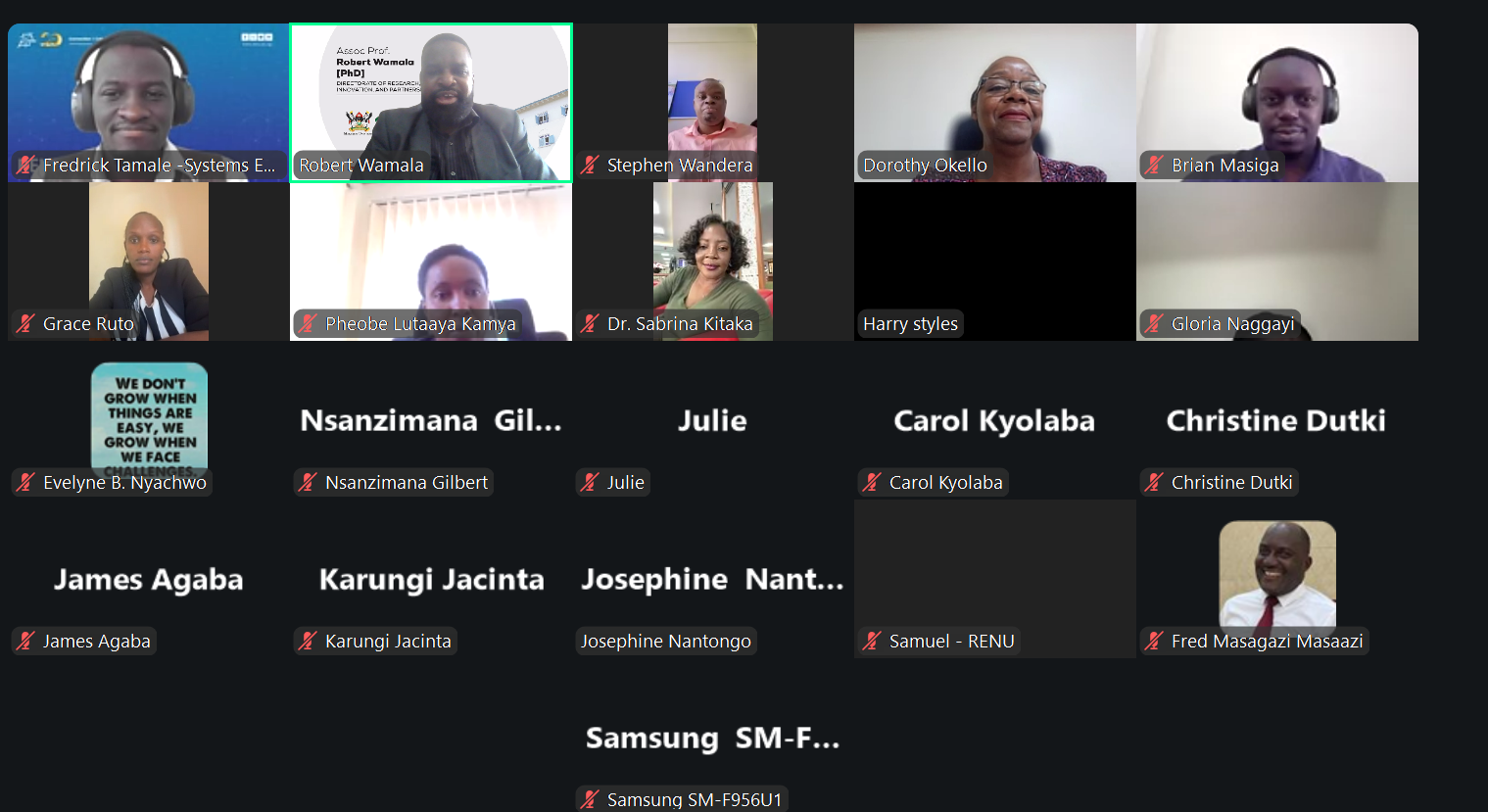
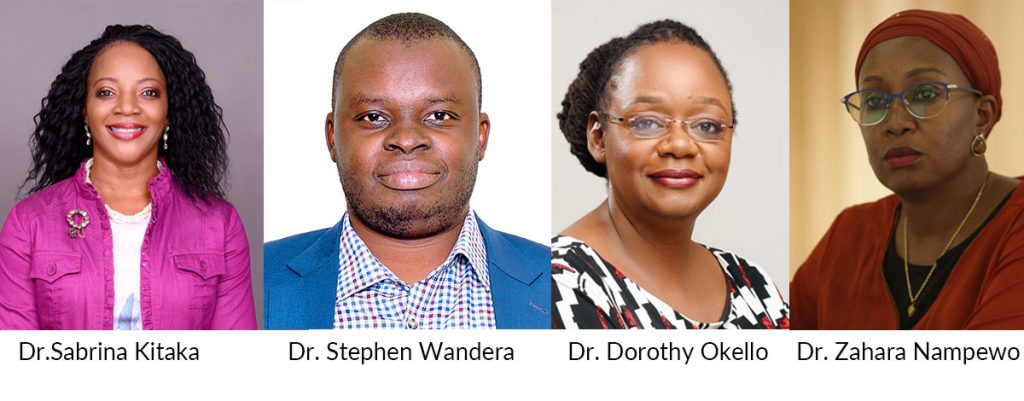
On 11th November 2026, DRIP held an online engagement with Makerere Research Innovations Fund (Mak-RIF). The engagement was attended by Grants Management Committee(GMC) and (Mak-RIF) Secretariat staff. The GMC members in attendance included Chairperson Prof. Fred Masagazi Masaazi, Vice Chairperson Dr. Sabrina Kitaka, Dr. Zahara Nampewo, Dr. Dorothy Okello, Dr. Stephen Wandera and Prof. Robert Wamala. The members were sensitized on individual and institutional registration, and benefits of ORCID adoption in research administration.
The successful drive towards strengthening ORCID adoption at Makerere University has greatly benefited from the strategic leadership and unwavering commitment of Prof. Sarah Sali, Deputy Vice Chancellor (Academic Affairs). Her leadership and institutional support have been instrumental in positioning ORCID adoption as a strategic University priority, recognising its importance in strengthening researcher identification, enhancing the global visibility of Makerere’s research outputs, improving publication tracking and reinforcing institutional research management. Her commitment to embedding ORCID within the University’s academic and research systems provides an important foundation for building a more visible, accountable and globally connected research community. DRIP sincerely appreciates her visionary leadership and continued support towards advancing Makerere University’s research excellence and impact.
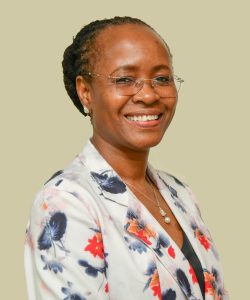
Prof. Sarah Sali, Deputy Vice Chancellor Academic Affairs
The Deputy Coordinator (Mak-RIF) Mrs. Phoebe Lutaaya Kamya speaking on behalf of Mak-RIF secretariat commended DRIP – the organisers of the online workshop and pledged support to the integration of ORCID in Mak-RIF’s processes. Mrs. Kamya looked forward to the training which was to help improve their operations in administering the research fund. Other members of MaKRIF secretariat included Evelyne Nyachwo, Grace Ruto, Gloria Nagayi, Karungi Jancita, Julie Nabirye, among others.
In his remarks, the Director Quality Assurance Officer, Dr. Cyprian Misinde acknowledged the importance of ORCID and called on all researchers to embrace the tool for their own benefit and to improve the evaluation of institutional research ranking.
“Being a research-led institution, we are ranked, and our ranking is partly based on research we do. So, if our research is not known, then we lose credit and it affects our position internationally”, Dr. Misinde noted.
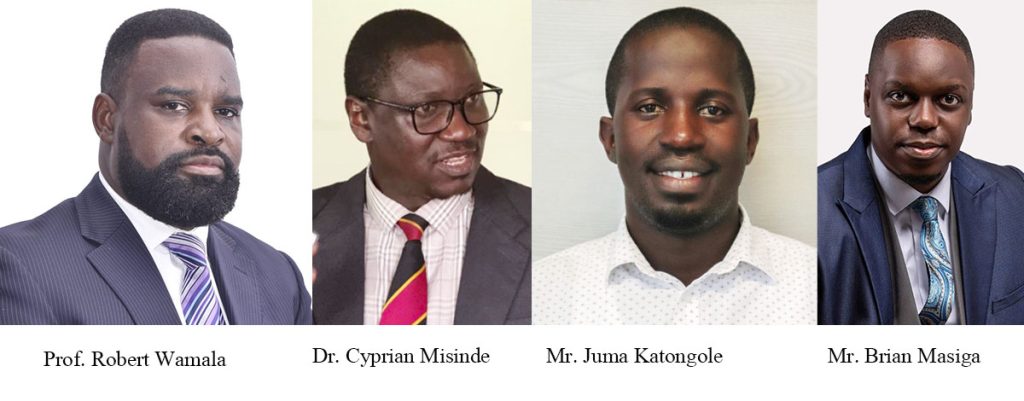
Mr. Brian Masiga speaking on behalf of the Research and Education Network for Uganda (RENU), praised Prof. Robert Wamala and his team at DRIP for their efforts towards improving the research ranking of Makerere University most especially in research outputs.
“ORCID is one of those digital identifiers that is sort of like a CV that tracks the work that has been done by the researcher over a period of time”, Mr. Masiga said.
During the training, Prof. Robert Wamala presented a report which was previously discussed by the University Central Management on research outputs. The report showed that there were only 24% of academic staff who could be identified by ORCID. It is by this revelation that management resolved to sensitise staff and also to ensure that all systems at Makerere University are integrated with ORCID. Prof. Wamala assured the participants that the requirement for ORCID registration in research management was to ease Mak-RIF’s work in tracking research identities against outputs.
“The biggest importance towards the University is that Makerere University can actually validate and affiliate that a professor who claims to come from Makerere University is actually from Makerere University. Once these ORCIDs are generated and given through a hub and managed by Mak-RIF, Mak-RIF doesn’t have to ask people for their publications, these publications are automatically fetched into a hub”, Prof. Robert Wamala reported.
Mr. Tamale Fredrick from RENU delivered a presentation on the registration, use and benefits of ORCID to both the institution and the researcher. He explained that it was possible to integrate research done before a researcher obtained the ORCID other than creating a new identity profile.
Mr. Juma Katongole, Deputy Chief – Directorate of ICT Support(DICTS) reported that they had commenced the integration of ORCID in some of the institutional information systems like Research Information Management System (RIMS)- a systems that tracks postgraduate students’ research, and Makerere University Human Resource Management System (e-HRMS) which manages university staff records.
Mr. Katongole commended the partnership with RENU that working the Uganda OSHID Consortium they were able to integrate the systems and report appropriately.
“Because this information belongs to a staff or a researcher, they can always revoke permission. However, we follow data acquisition guidelines. Our role is to connect and synchronize. Since there is a bit of change management required, I’m happy that Prof. Wamala has gone around orienting stakeholders”, remarked Mr. Katongole.
Dr. Stephen Wandera contributing to the discussion, was glad for university’s resolve to leverage the ORCID platform for research identification and journaling.
“We could encourage staff members to make sure that they have created the profiles with the Web of Science, and many others. We need to make sure that as scientists, we are located and positioned properly in the global space”, Dr Steven Wandera reported.
Dr. Wandera said that through ORCID registration, the university will have better rankings and the contribution as individual researchers and institutions are properly allocated.
Dr. Sabrina Kitaka, supplementing on the engagement, commended the initiative and the benefits towards the university and the research ecosystem.
Dr. Zahara Nampewo and others confirmed having an ORCID but may require further assistance on how to tag their publications. Similar to the views of other GMC members, Dr. Zahara Nampewo and Dr. Dorothy Okello thanked DRIP for organizing the training.
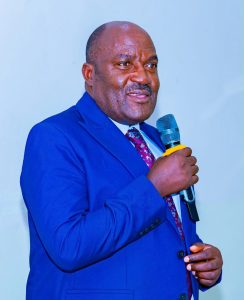
In his closing remarks, Chairperson MAKRIF, Professor Fred Massagazi Masaazi said that the topical conversation on the development was very important and the benefits of ORCID was evident and relevant to MAKRIF. He was delighted that Mak-RIF staff had joined the discussion. Prof. Masagazi Masaazi pledged support of MAKRIF in advancing Makerere University’s Research Visibility and Impact by championing ORCID adoption through MAKRIF.
-

 General1 week ago
NOTICE: Online Applications for Government Sponsorship for Programmes Offered at Public Universities & Other Tertiary Institutions 2027/2028 AY
-
 General2 weeks ago
Update On Payment of Endowment Fund Fees
-
 General2 weeks ago
Makerere Marks 2026 International Day of Persons with Disability – Lord Mayor Balimwezo Delivers Keynote
-
 Health2 weeks ago
Mayuge Study Finds NCD Risks Emerging in Adolescence, and Shows Early Action Can Help
-
 Agriculture & Environment1 week ago
Zambia readies to host the 22nd RUFORUM AGM in the Capital Lusaka