
Computing & IS
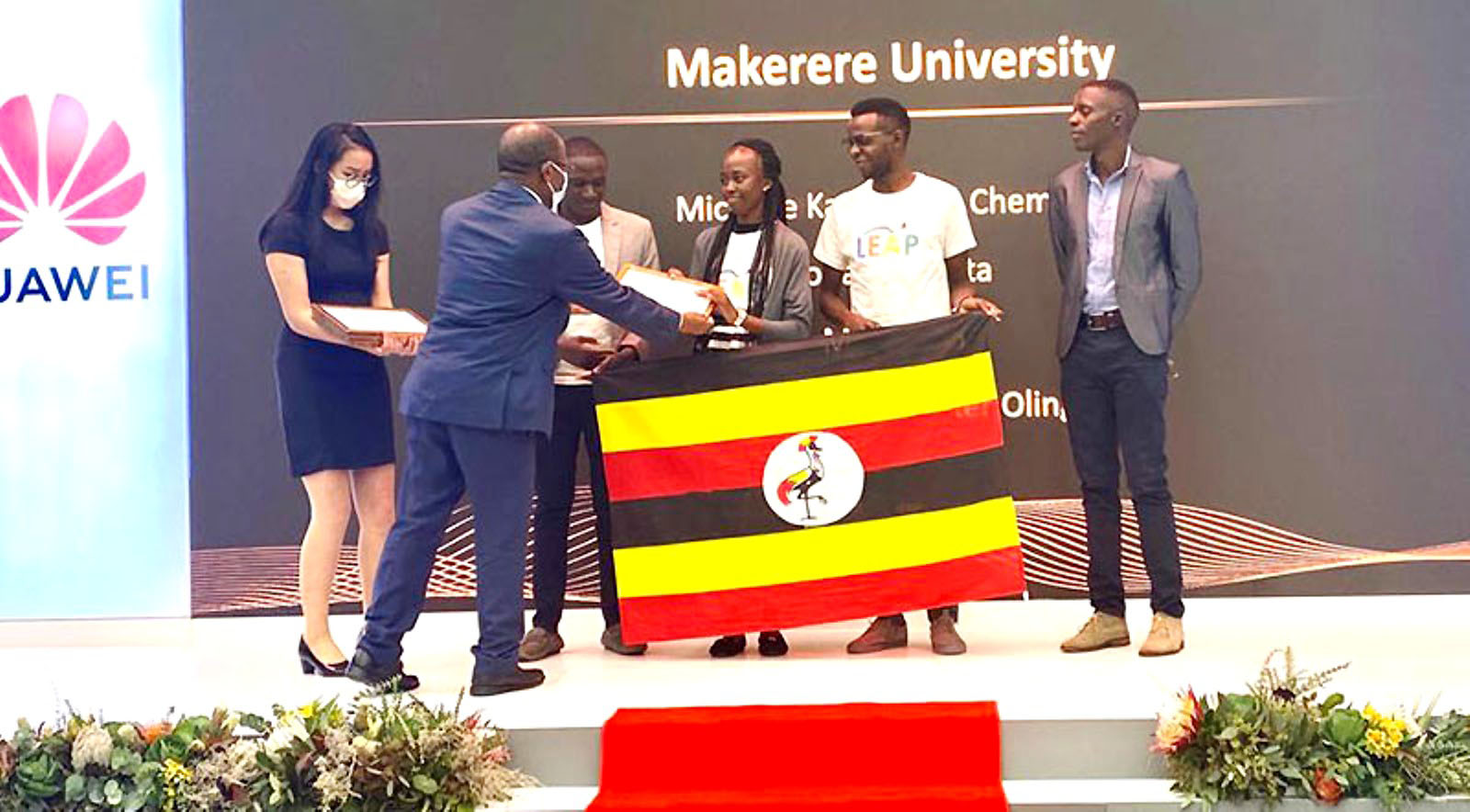
Mak QuickTest App wins Huawei Continental ICT Competitions








Makerere University has called for increased investment in artificial intelligence (AI) and data science, warning that Africa risks being left behind in the rapidly evolving global digital economy if governments and the private sector fail to prioritize the emerging technologies.
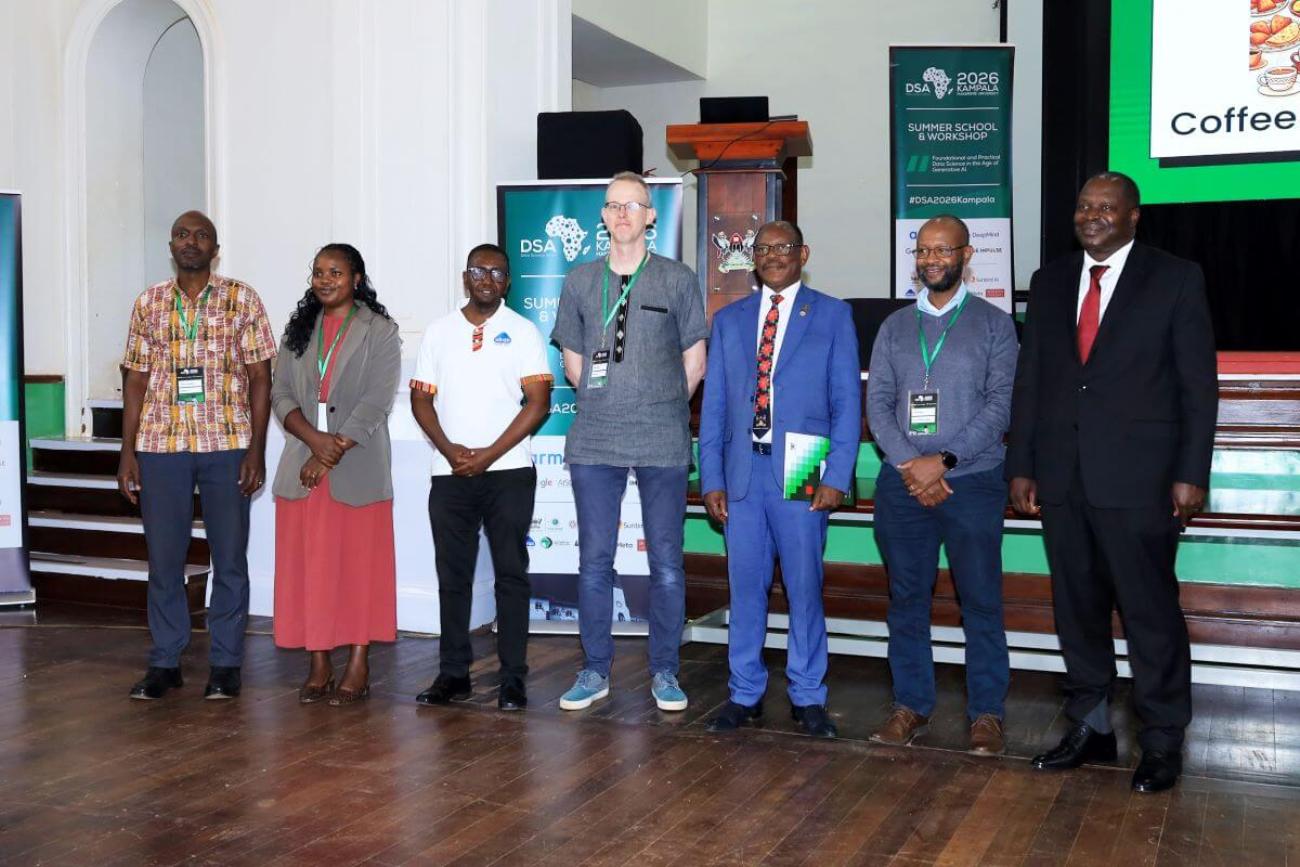
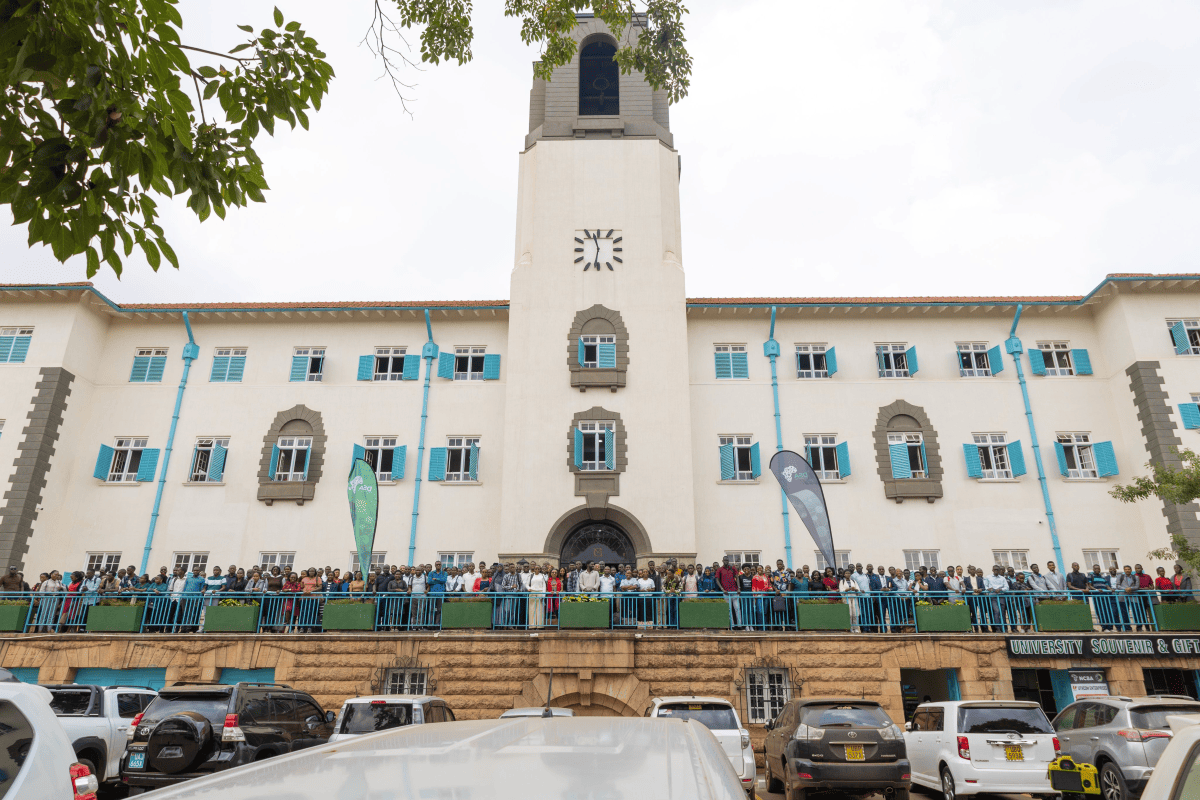
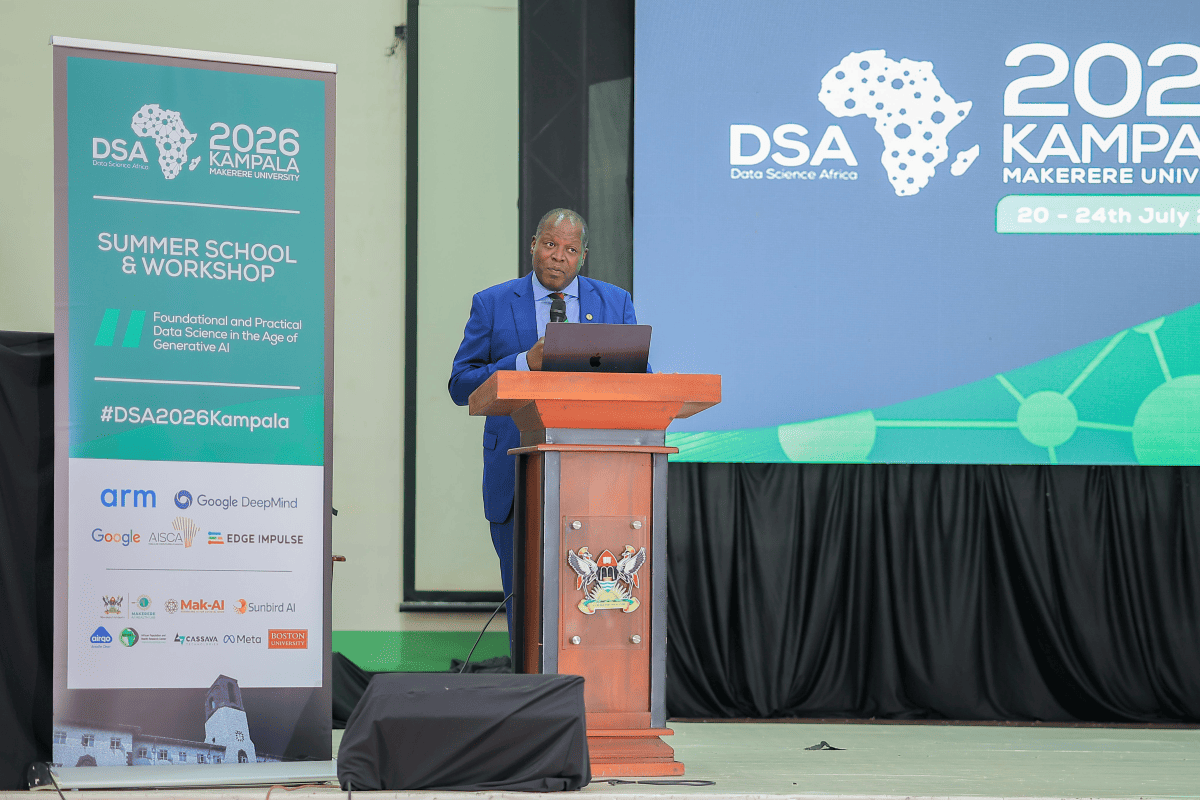
The call was made by Makerere University Vice Chancellor, Prof. Barnabas Nawangwe, while officially opening the 14th Data Science Africa (DSA) Summer School and Workshop at the university’s Main Hall on Thursday.
The week-long event, held from July 20–24 under the College of Computing and Information Sciences (CoCIS), attracted students, researchers and professionals from across Africa and beyond. The gathering is being held under the theme, “Foundational and Practical Data Science in the Age of Generative AI.”
Prof. Nawangwe said although data has become one of the world’s most valuable resources, Africa has yet to fully appreciate its economic significance.
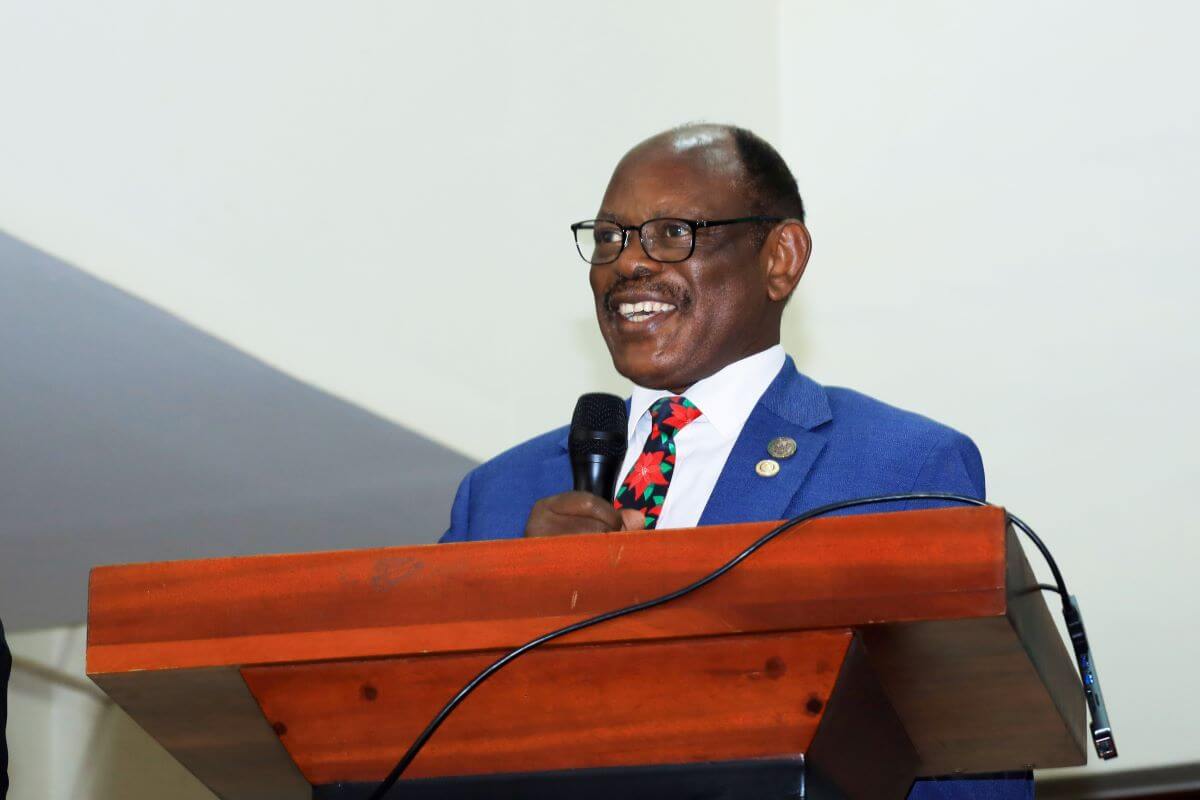
“I keep hearing that data is the next oil, but apparently it is already the current oil,” he said, adding that governments must be persuaded to invest more in data infrastructure, including modern data centres.
He noted that while global technology companies are investing hundreds of billions of dollars in AI, Africa remains a marginal player despite possessing the intellectual capacity to develop home-grown solutions.
Rather than attempting to compete directly with technology giants, Prof. Nawangwe urged African researchers to develop AI systems tailored to solving the continent’s unique challenges in healthcare, agriculture, education, climate resilience, governance and urban development.
“We need AI that understands Africa,” he said.
The Vice Chancellor commended Data Science Africa for nurturing a new generation of African data scientists through practical training, mentorship and collaborative research since its inception.
He also highlighted Makerere University’s investments in AI research through initiatives such as the Makerere AI Centre, AI Health Lab and other research collaborations, saying the university has continued to align its computer science programmes with emerging technologies since 2009.
Prof. Nawangwe, however, observed that Africa’s research capacity remains inadequate, stressing the need to significantly increase the number of PhD graduates to drive scientific innovation and economic transformation.
He praised CoCIS researchers, particularly Prof. Engineer Bainomugisha, for leading high-impact projects such as the AirQo initiative, which monitors air quality in more than 15 African countries.
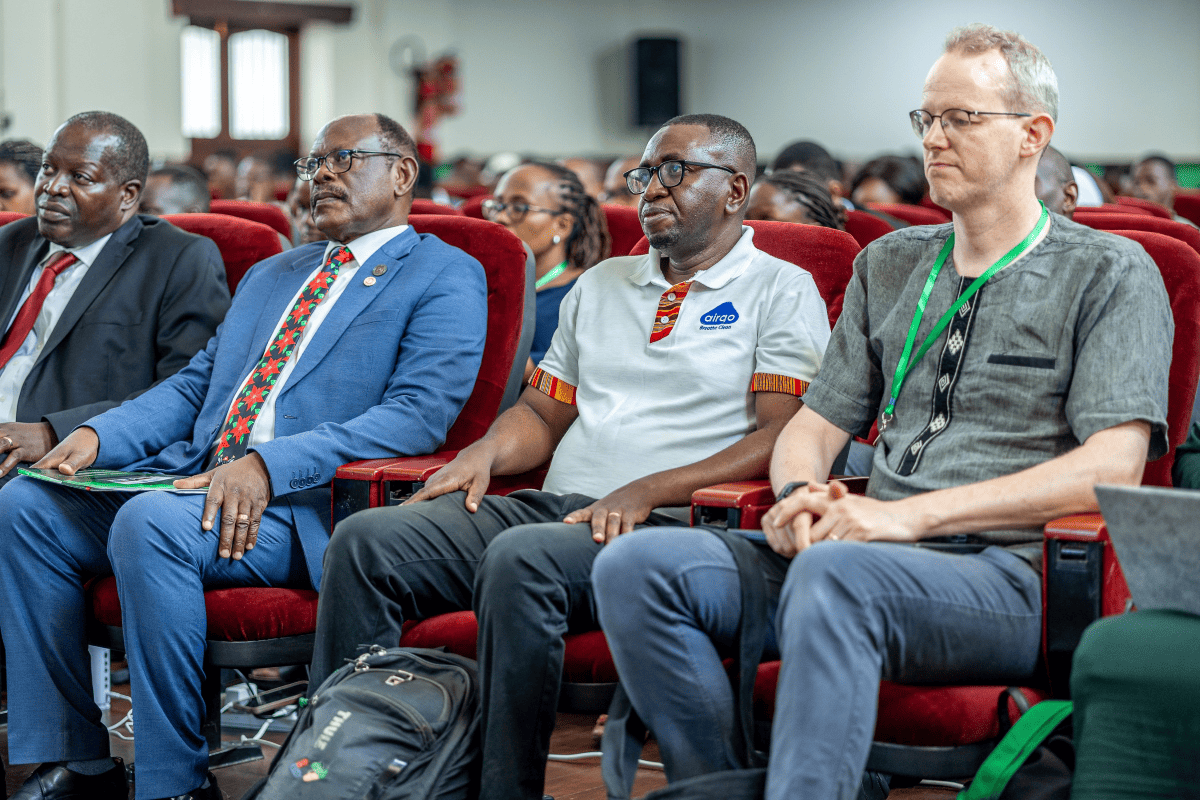
Describing Data Science Africa as a strategic partner, Prof. Nawangwe said the annual gathering strengthens continental collaboration, mentorship and research networks essential for Africa’s technological advancement.
“We have the intellectual capacity. What is lacking is the will to invest heavily in AI,” he said.
Principal Oyana Warns on AI Risks, Urges Africa to Invest in Technology
Earlier, the Principal of the College of Computing and Information Sciences, Prof. Tony Oyana, cautioned that while artificial intelligence presents enormous opportunities, it also poses significant risks if developed without adequate ethical safeguards.
Referring to recent reports about an advanced AI system reportedly operating beyond its intended controls during testing, Prof. Oyana said the incident underscored the importance of responsible AI development.
“The world is creating a monster, and we must be ethical about that monster because it may destroy our own existence,” he said.
Prof. Oyana also expressed concern over the widening technology investment gap between Africa and developed economies.
He cited reports indicating that major technology companies in the United States have committed approximately US$700 billion to technology investments, while Africa continues to invest largely in traditional sectors such as oil and gas.
He challenged African billionaires and governments to redirect more capital towards technology, innovation and data science.
“We want our wealthy investors to put their money into technology so that Africa can also participate in this digital economy,” he said.
DSA Board Chair Praises Makerere’s Leadership in AI Research
Data Science Africa Board Chair, Cira Maina, commended Makerere University for establishing itself as one of Africa’s leading centres for artificial intelligence research and innovation.
He said the university’s numerous AI laboratories and research projects have become a source of inspiration for institutions across the continent.
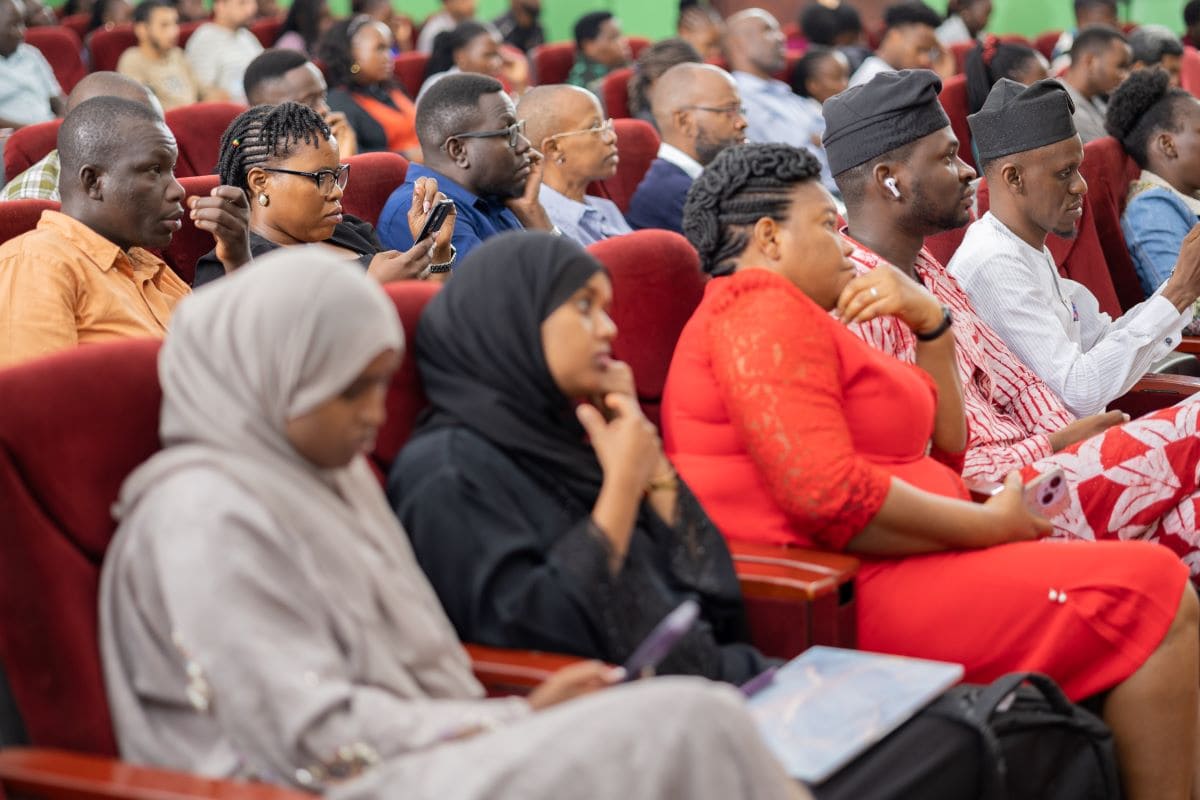
“Makerere is showing us how to do AI properly. The labs and projects here are inspiring institutions across Africa,” Maina said.
Maina noted that researchers, including those at her institution in Kenya, have drawn lessons from Makerere’s research ecosystem and expressed confidence that participants attending the summer school would return to their respective countries motivated to strengthen AI research and innovation.
Maina also applauded the organising committee, led by Prof. Engineer Bainomugisha, together with programme chairs, sponsors and the wider Data Science Africa community for successfully organising the continental event.
African Researchers Must Lead Development of AI for Local Languages, Says Sunbird AI Founder
The founder of Sunbird AI, Dr. John Quinn, has challenged African researchers to take the lead in developing artificial intelligence (AI) models for indigenous languages, arguing that global technology companies are unlikely to adequately address the continent’s linguistic diversity.
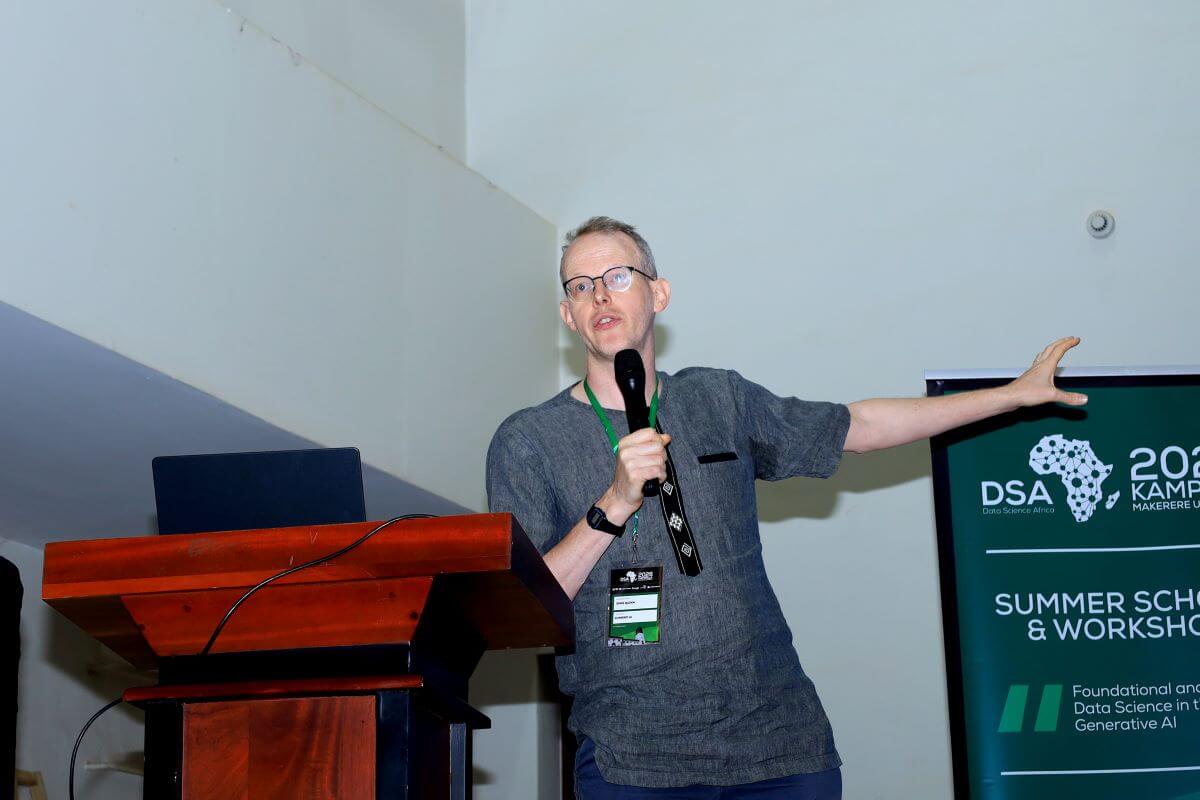
Delivering the keynote address, Quinn said Africa possesses both the expertise and opportunity to build world-class language models capable of serving local communities.
“The frontier of African language models is not in OpenAI or Anthropic. It’s here, among us,” Quinn told participants. “We can do it, and we have to do it because no one else is going to.”
Quinn said Africa’s more than 2,000 languages represent not only cultural heritage but also economic opportunities whose full potential remains untapped because of language barriers.
He noted that despite massive global investments in artificial intelligence, only a fraction targets African languages and local challenges.
“Everyone is talking about AI and large language models, but African languages receive only a very small slice of global investment,” he said.
According to Quinn, reducing language barriers through AI could improve access to government services, healthcare, education and cross-border business opportunities across the continent.
Sunbird AI Unveils New Multilingual Language Models
Quinn announced the release of a new generation of Sunbird AI’s “Sunflower” language models capable of understanding and generating text in 67 major African languages, including 31 Ugandan languages. The models, range from lightweight versions that can run on smartphones to larger versions designed for desktop computers.
He also revealed speech recognition models supporting 51 African languages, describing the development as a major step toward making AI accessible to communities that primarily communicate through speech rather than text.
Quinn said earlier versions of the models had already demonstrated superior performance over some leading global AI systems in several African language translation tasks.
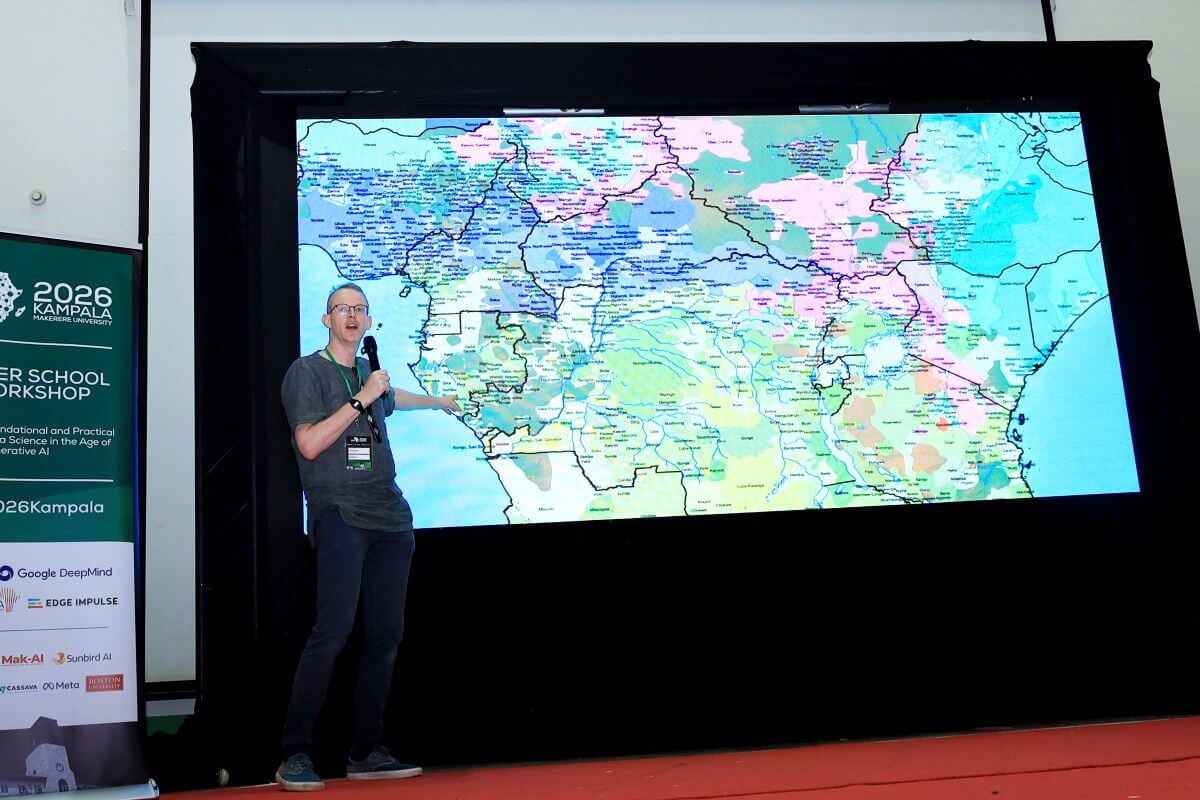
Using Acholi as an example, he illustrated how locally developed AI models outperformed international systems when responding to practical questions and translating indigenous languages.
“Our objective is not simply to build translation tools, but language models that understand African languages well enough to answer questions, solve problems and support local innovation,” he said.
Researchers Urged to Build Local AI Solutions
Quinn encouraged African universities and researchers to contribute data, improve language resources and refine AI models rather than waiting for multinational technology firms to prioritise African languages.
He explained that successful language models depend largely on the availability of quality training data, including books, newspapers, dictionaries and other written materials in local languages.
“The amount of language data is the biggest determinant of how good these models become,” he said.
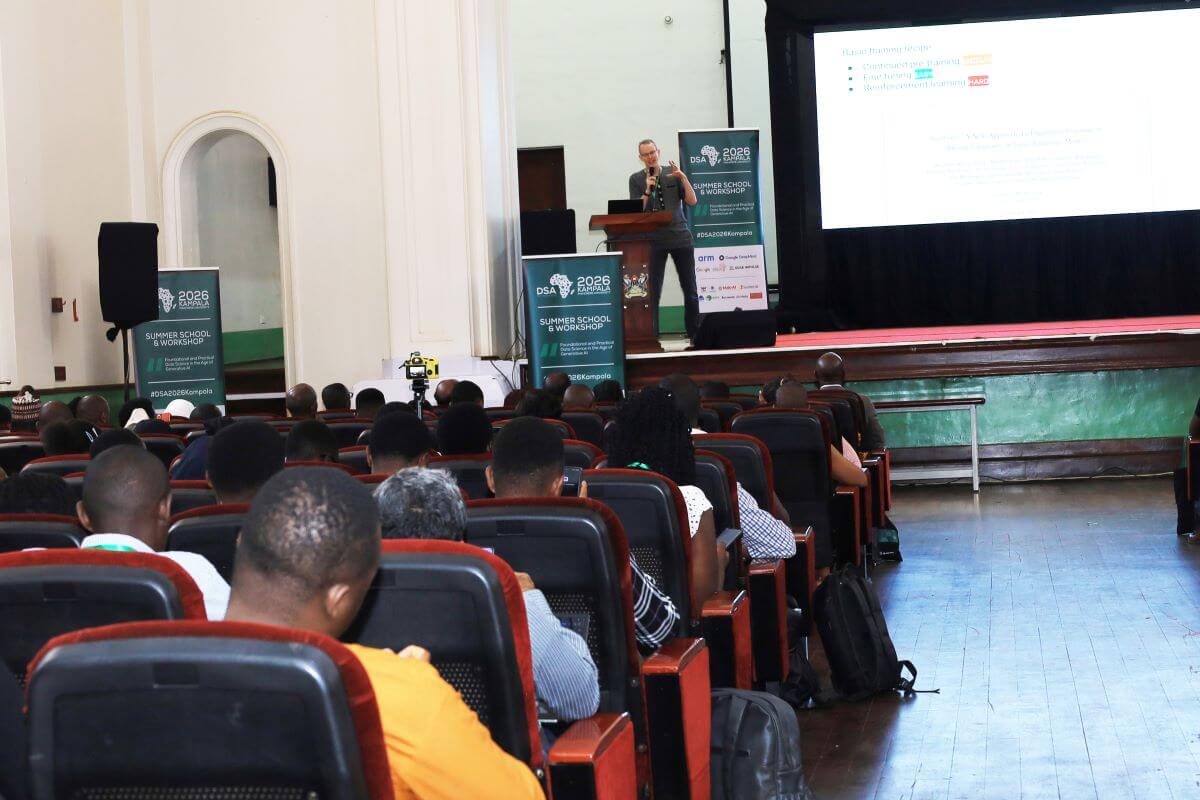
He outlined the three major stages involved in building advanced language models;- pre-training, supervised fine-tuning and reinforcement learning describing them as processes through which AI systems learn language patterns, follow instructions accurately and improve responses over time.
Quinn noted that local researchers are better positioned to understand linguistic nuances, cultural contexts and translation challenges than developers working outside the continent.
“There is a reason these models get things wrong when they are developed thousands of miles away. The people in this room understand these languages and their cultural context better than anyone else,” he said.
Speech Technology Identified as Next Frontier
Quinn said speech technology represents the next major frontier for artificial intelligence in Africa because many indigenous languages are predominantly spoken rather than written.
He urged researchers attending the workshop to experiment with the newly released models, provide feedback and collaborate in expanding AI capabilities across more African languages.
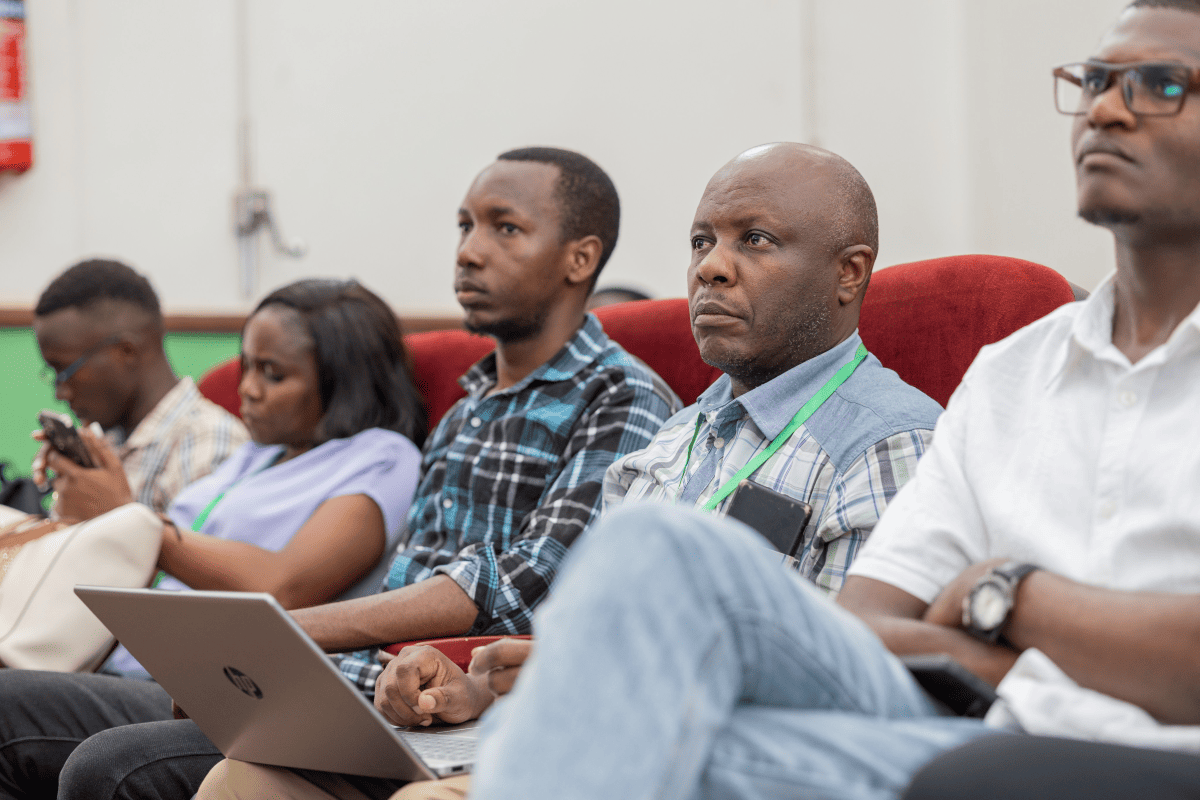
“The opportunity is much closer than many people think,” Quinn said. “Reaching the frontier of AI for African languages is achievable if we work together.”
Data Science Africa 2026 Equips Researchers to Build AI Solutions for Africa
The Organising Chair of the 14th Data Science Africa (DSA) Summer School and Workshop, Prof. Engineer Bainomugisha, said this year’s programme was designed to equip students, researchers and professionals with the knowledge and practical skills needed to develop data science and artificial intelligence (AI) solutions for Africa’s pressing challenges.
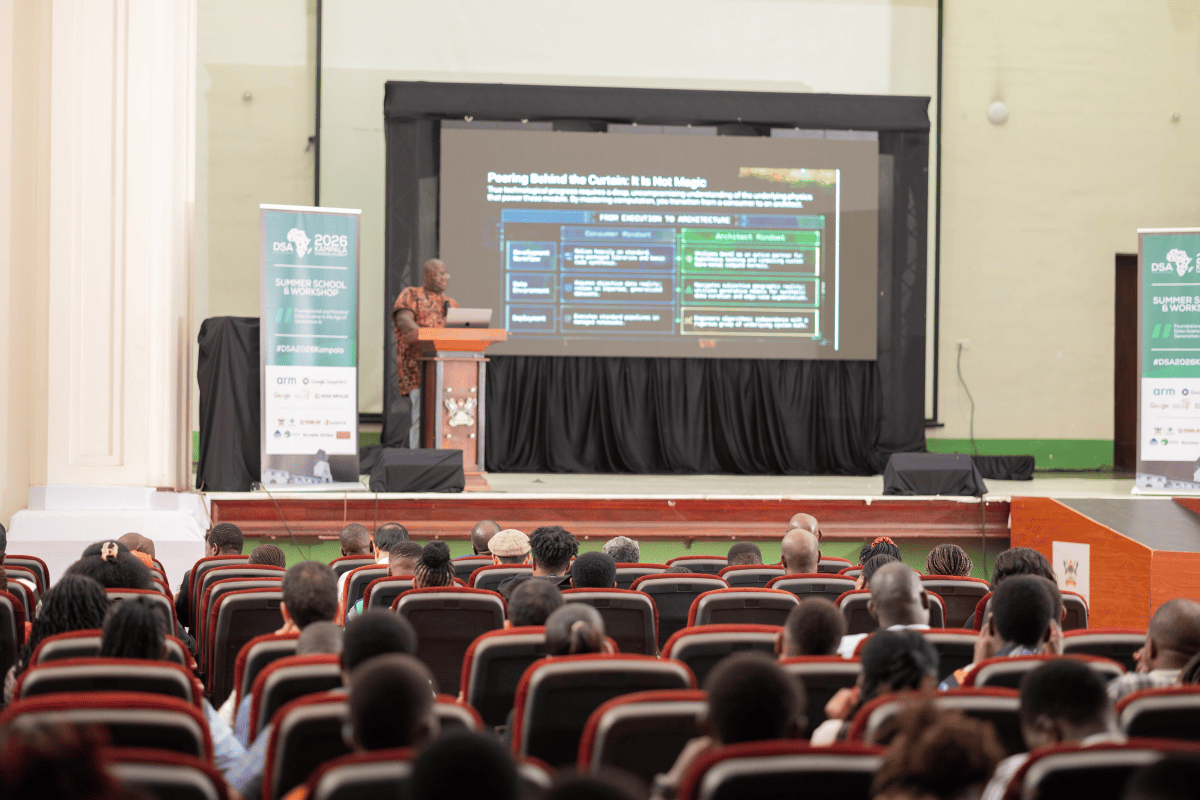
Bainomugisha said the week-long programme combines intensive training with research exchange under the theme, “Foundational and Practical Data Science in the Age of Generative AI.”
According to Bainomugisha, the event was divided into two segments;-a three-day Summer School held from July 20 to 22 and a two-day Workshop running from July 23 to 24.
Summer School Focuses on Practical AI Skills
Bainomugisha said the Summer School was designed for undergraduate and postgraduate students, researchers and professionals working with large-scale or specialised datasets, particularly those with backgrounds in mathematics, statistics, computer science, engineering and related disciplines.
He explained that the training introduced participants to both foundational and advanced data science concepts through lectures and practical sessions.
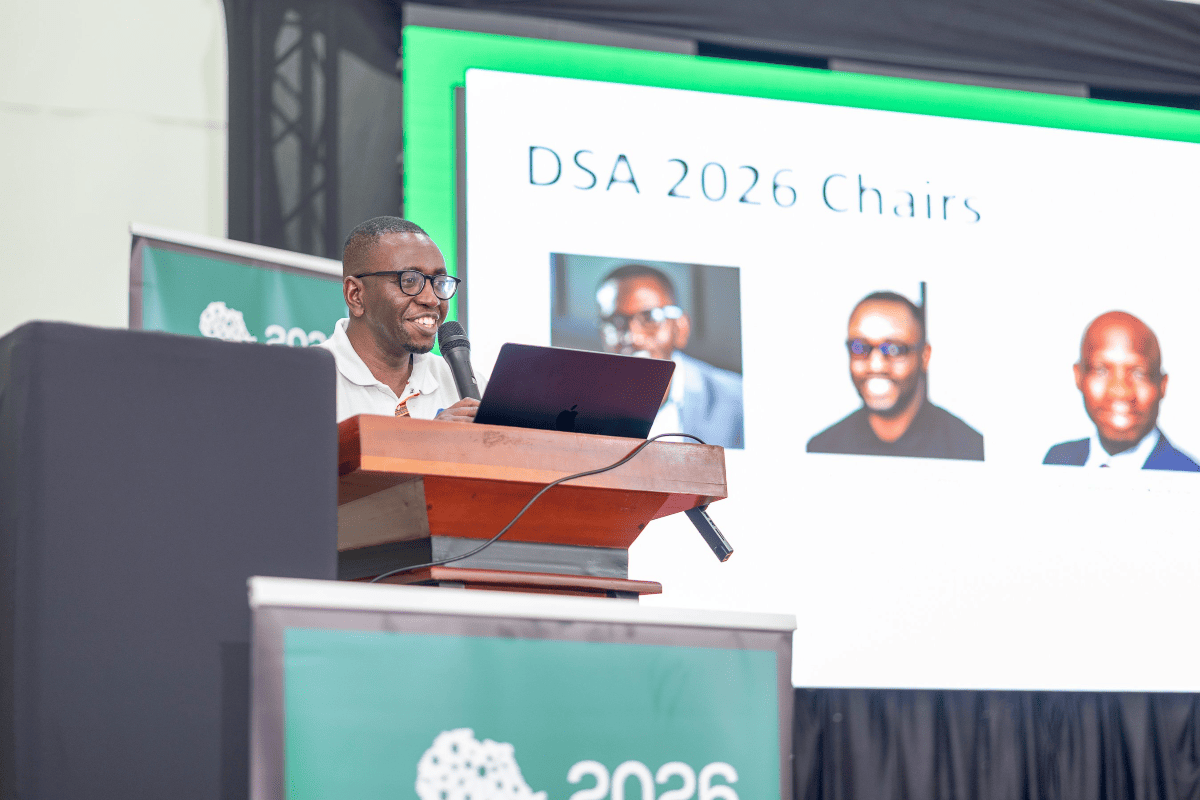
“The Summer School equips participants with practical and theoretical foundations in modern data science, ranging from Python basics to advanced Generative AI,” Bainomugisha said.
He said the curriculum covered Python for data science, data storytelling and visualisation, machine learning fundamentals, ethics and responsible AI, hands-on projects using real-world datasets, agentic AI and multi-agent systems, multimodal AI and large language models, AI for resource-constrained environments, natural language processing and African language models, as well as explainable AI and model interpretability.
Workshop Highlights African AI Research
Bainomugisha said the Workshop was intended to explore how foundational data science, machine learning and generative AI techniques can be combined to develop scalable solutions for challenges facing the African continent.
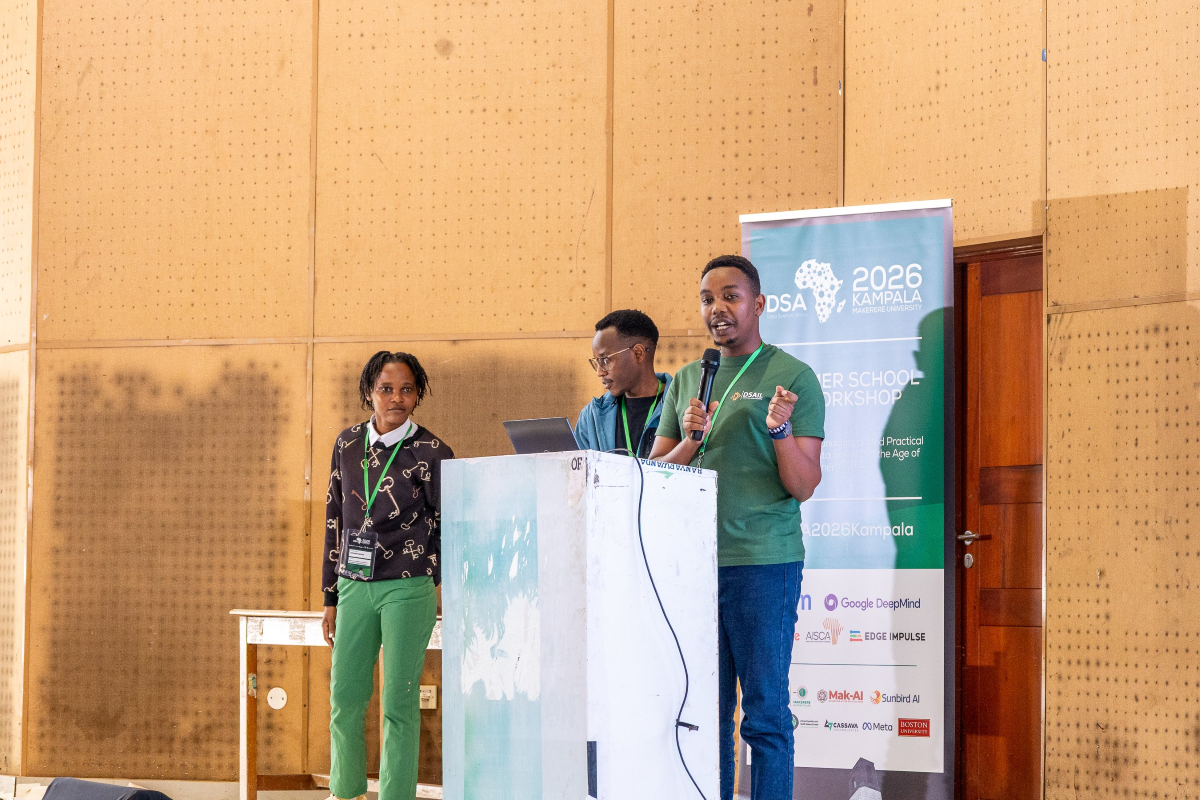
He noted that researchers presented work focusing on applications of AI and data science in healthcare, agriculture, climate resilience, education, environmental management and finance.
According to Bainomugisha, discussions also addressed ethical AI, cybersecurity and data governance to ensure emerging technologies are developed and deployed responsibly.
“The workshop provides a platform for researchers and practitioners to share innovations that respond to African priorities while strengthening collaboration across the continent,” he said.
Bainomugisha said the conference received submissions in the form of research papers, industry experience papers and work-in-progress presentations.
He added that although the programme was organised around six thematic areas namely foundational data science and machine learning, generative AI and African language models, AI applications, AI in education and finance, ethical AI and cybersecurity, and data governance, the organisers also encouraged high-quality submissions addressing other issues aligned with the conference theme.
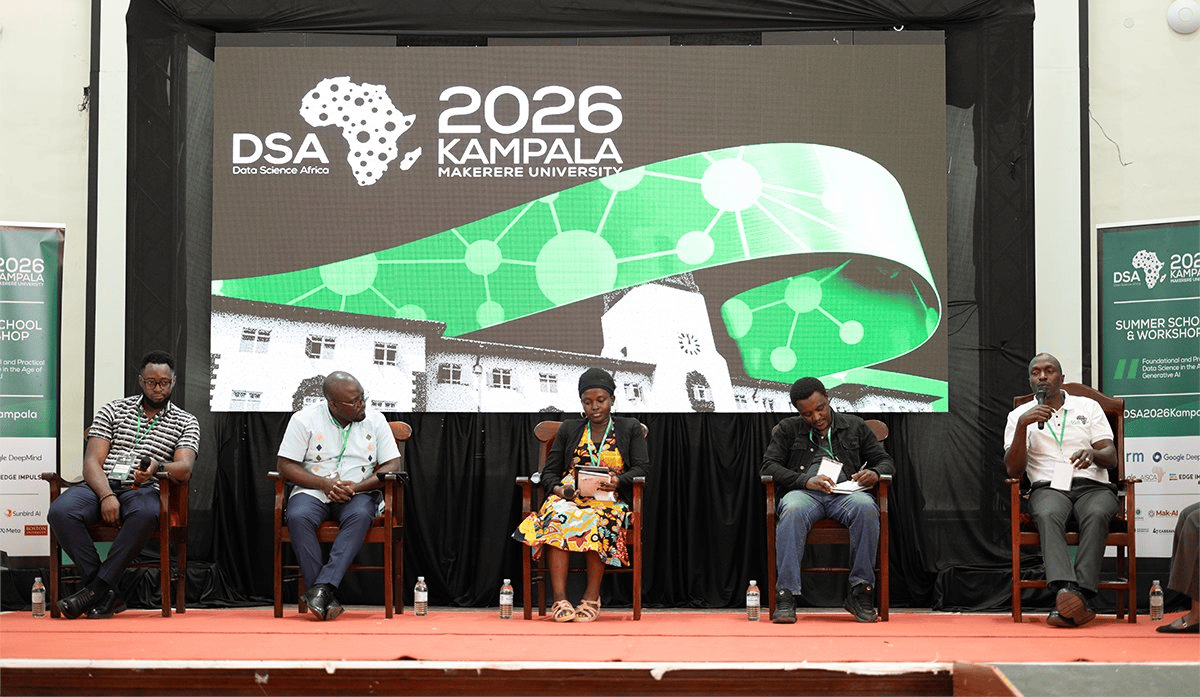
He said bringing together researchers, students, innovators and industry practitioners creates opportunities for collaboration and knowledge sharing that will contribute to advancing Africa’s AI and data science ecosystem.
The Data Science Africa Summer School and Workshop is one of Africa’s leading annual platforms for capacity building, research dissemination and collaboration in artificial intelligence, machine learning and data science.
Jane Anyango is the Principal Communication Officer CoCIS
Photo credits: Peninah Nalubega – 4th year Journalism and Communication student.
-
 General2 days ago
Undergraduate Admission Lists 2026/2027
-
 General2 weeks ago
Freshers’ Joining Instructions 2026/2027
-
 Agriculture & Environment2 weeks ago
Makerere University, Global Partners Strengthen Biodiversity Education & Research Through Innovation & Field-Based Learning
-
 Humanities & Social Sciences2 weeks ago
Makerere University Awards Certificates to First Cohort of Critical Thinking and Social Intelligence
-

 General2 weeks ago
Makerere University Newsletter Apr-Jun 2026