
Humanities & Social Sciences
CHUSS Annual Report 2021













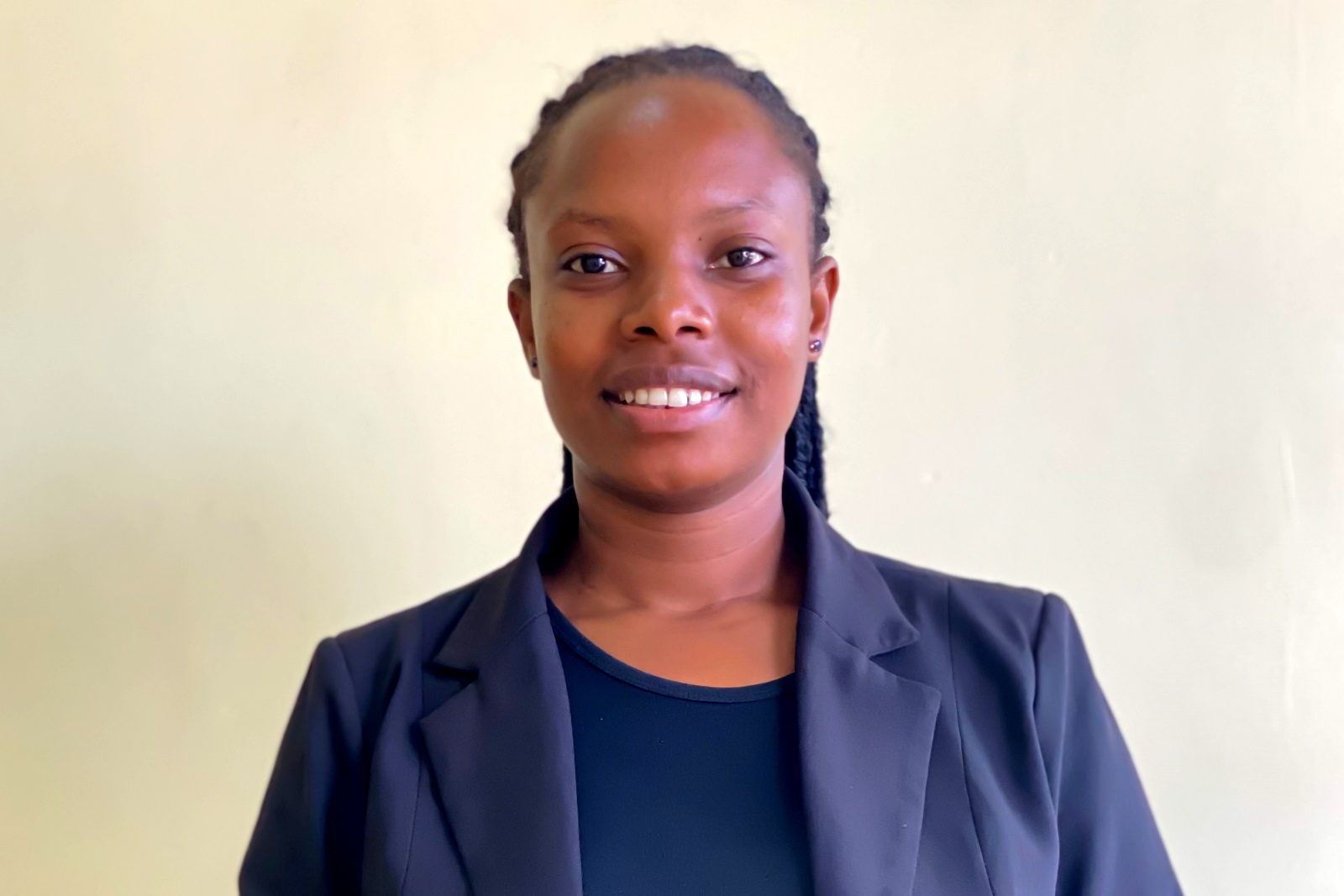
On the morning of Friday, February 27, when the academic procession winds its way across Makerere University’s Freedom Square for the last day of the 76th Graduation Ceremony, Whitney Najjuka will walk into history with a number beside her name: 4.46.
At Makerere, that number means First Class Honours. It means the Vice Chancellor’s List. It means she graduates as the only First-Class student in Journalism and Communication this year. But numbers, as Whitney has learned, rarely tell the full story.
Born on March 27, 2002, in Nabbingo, Kyengera Town Council, to Margaret Kusemererwa and Fred Kasirye, dreamt she would do Law, one of the disciplines, prestigious, almost inevitable next steps for a student who had excelled in secondary school. She had done everything correctly. Studied hard. Scored well. Followed the script.
But Makerere University had other plans. She missed the pre-entry mark, but found her name under Journalism and Communication, another prestigious course offered by the Journalism and Communication Department at Makerere University.
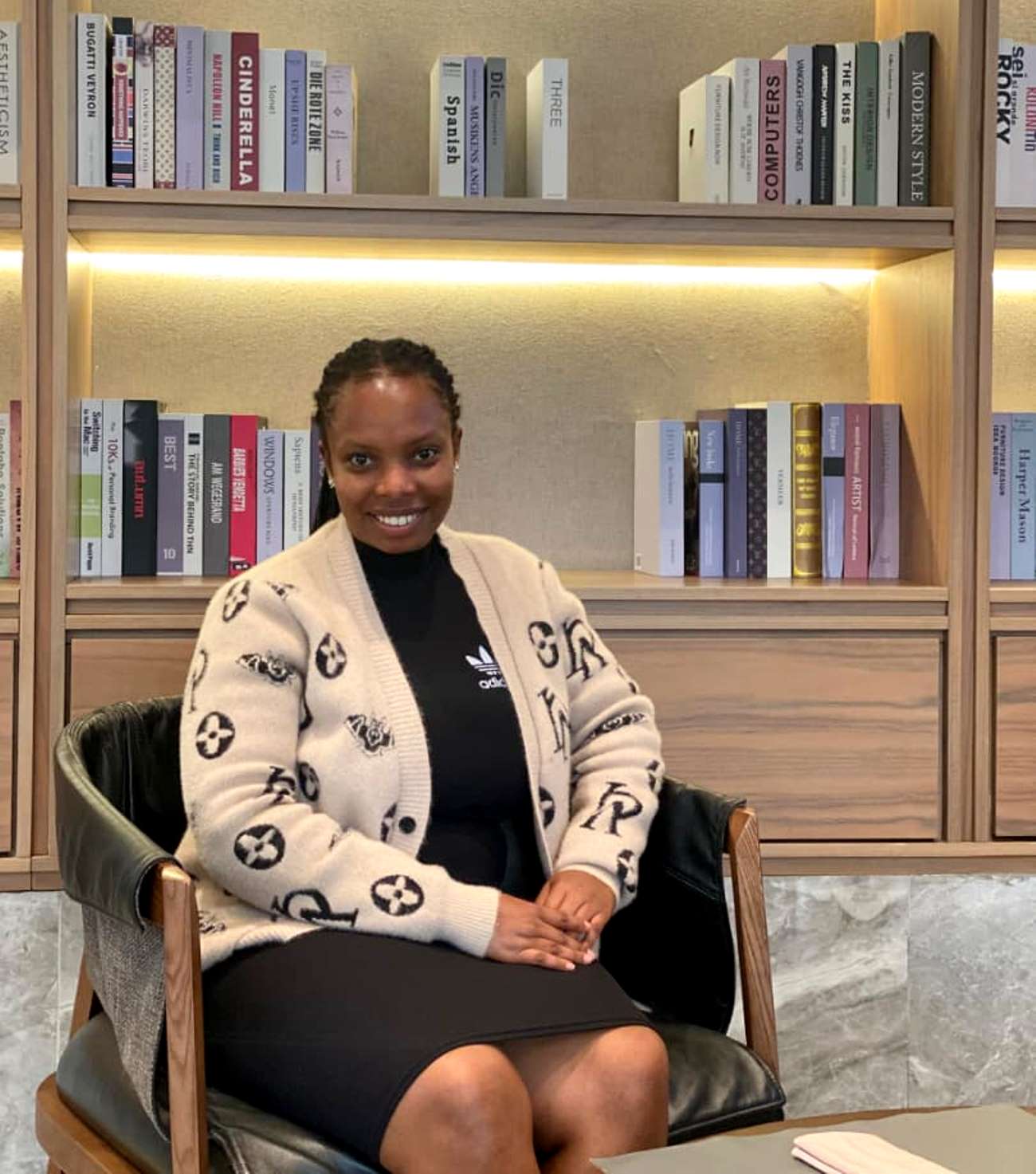
Najjuka began her academic journey at Muto Primary School in Buwama, earning 8 aggregates in the Primary Leaving Examination, a performance that positioned her strongly for secondary school.
She would later join St. Lucia Hill School, Namagoma, where she earned 20 aggregates at O-Level and 17 points in History, Luganda, and Divinity at A-Level.
Missing her dream course, Law, felt at first, like a detour. But Whitney was encouraged by Sanyu Christopher, her uncle, and she settled for a government-sponsored slot in the Bachelor of Journalism and Communication at Makerere, which she had applied for before.
She entered uncertain. But she graduates transformed.
The Pivot That Became a Purpose
Whitney speaks of her early university days with candor. She did not arrive at the Department of Journalism and Communication with a burning childhood ambition to be a journalist, but because another door had closed.
Then, Social and Behavior Change Communication happened. Applied Strategic Communication happened. She began to see media not as headlines and microphones, but as architecture, shaping how societies think, argue, and act.
The turning point came in her third year. The Female Journalist Foundation published her story on Sexual Gender-Based Violence (SGBV) and its emotional toll on survivors. What startled her was not its publication but the reaction. Comments flooded in. Debates ignited, especially about the role of men in combating GBV.
“I realized media doesn’t just report,” she says. “It frames how society views a crisis.”
Her voice, once tentative, had entered a national conversation.
The Discipline Behind 4.46
At Makerere University, a First Class CGPA is not built on brilliance alone but on ritual.
Whitney’s ritual began with showing up, on time, every time. She treated lectures as appointments with her future self. She refused to confine her learning to the syllabus. While attending workshops at the Aga Khan Graduate School of Media and Communication and obtaining external certifications, she sought and was open to mentorship through the Public Relations Association of Uganda (PRAU).

She wanted theory anchored in practice. And then there was the commute.
From Nabbingo, a hill in Wakiso District, some 18.6 km to Kampala, where the Makerere Main campus is situated, and back, nearly 20 hours a week dissolved into Kampala traffic. Two-hour journeys before 8:00 a.m. lectures. Dust. Noise. Headaches. She learned to manage energy the way others manage time. Fatigue became a tutor in resilience.
“I had to be intentional with every remaining hour,” she says. “Excuses were not an option.”
Learning to Practice Communication
If classrooms taught her analysis, presentations taught her courage. Pitching projects, defending research, and standing before peers quick to critique forced her to think on her feet. She was no longer simply studying communication; she was practicing it.
In 2024, the AGMES Fellowship at the Aga Khan Graduate School of Media and Communication pushed her further. She received funding to produce a capstone project on the mental impact of gender-based violence on survivors. She identified sources, conducted interviews, handled trauma with care, and worked with professional editors.
The Communication, she learned, is logistics and ethics as much as eloquence.
The Future She Sees
Whitney is optimistic about Uganda’s media landscape. The digital shift, she believes, has democratized influence. Young communicators are no longer confined to legacy newsrooms or offices.
Yet she sees a gap in the absence of structured research on sustainable, ethical, profitable independent media ventures in Uganda. Her ambition is not only to practice communication, but to study it. To produce data-backed frameworks that help young Ugandans transition from graduates to media entrepreneurs.
She wants to make the impact scalable.
What Remains
As the only First-Class graduate in her cohort, she is careful not to mythologize herself. “Success isn’t brilliance alone,” she says. “It’s a daily commitment when nobody is watching.”
Even before graduation, Whitney had stepped into the industry through a mentorship internship at Capital One Group (COG EA Ltd), a strategic marketing communications agency operating across East Africa.
At Capital One Group, we spoke to Paul Mwirigi Muriungi, the Managing Director and Head of Strategy, who spoke of Najjuka as a progressive and intentional young professional who approaches her work with curiosity, maturity, and responsibility.
“Her attitude is exemplary. She is teachable, receptive to feedback, and eager to grow. While technical skills can be taught, character, work ethic, and mindset determine long-term success, qualities that Whitney consistently demonstrates. Given her academic excellence and professional application, we believe she has a bright future both at Capital One Group and within the wider communications industry. She represents the kind of talent the profession needs: thoughtful, adaptable, and committed to excellence.
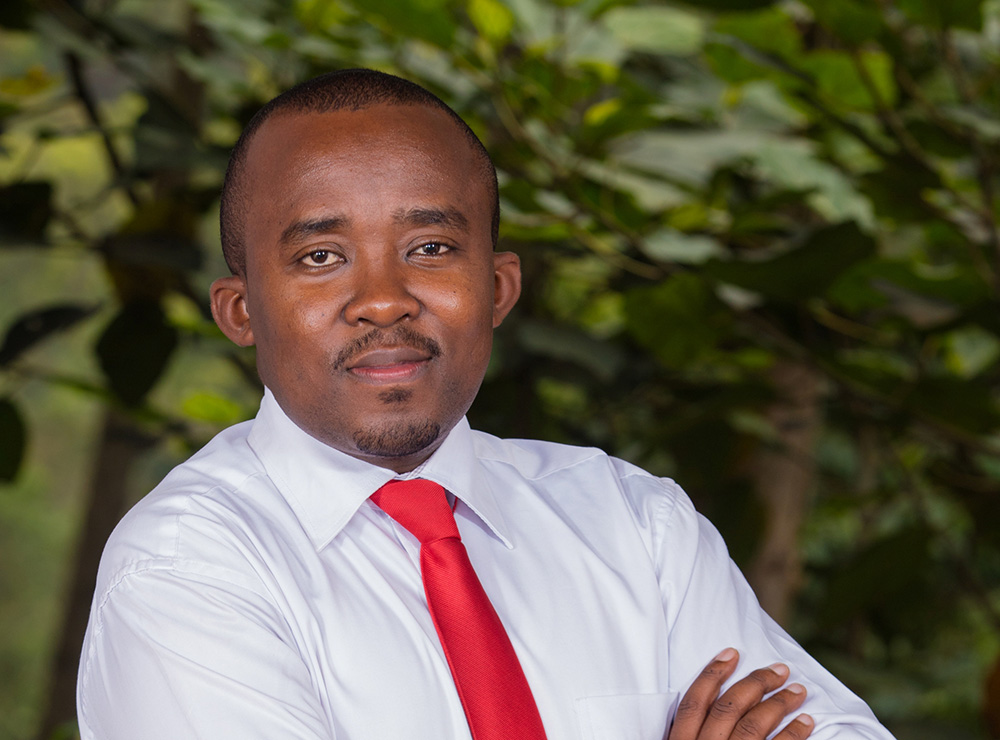
“We look forward to seeing her next chapter unfold,” says Mwirigi.
Najjuka’s gaze extends beyond her own trajectory. She speaks of what the Department could become. Furnished and equipped with industry-standard equipment, newsroom simulations, and deeper investment in data journalism as prayers. Her excellence is not self-congratulatory, but it is forward-looking.
“The University should support the Department to procure industry-standard equipment. Access to high-quality cameras, sound booths, and updated editing software like Adobe Creative Suite is critical to our learning environment,” she says.
Adding that, “We need a newsroom simulation, a physical or digital space where students work under real-time deadlines to produce content for the public. That would prepare us for industry and even strengthen the University’s own media platforms.”
In an era defined by metrics, algorithms, and digital traceability, data journalism is no longer a niche skill but a sine qua non of credible reporting. “There should also be more focus on data journalism and search engine optimization. These are no longer optional skills. Students would benefit immensely from stronger training in these areas.”
Dr. Aisha Nakiwala, the Head, Department of Journalism and Communication, says the faculty are very proud that she is graduating with a First Class—the only one in this year’s cohort.
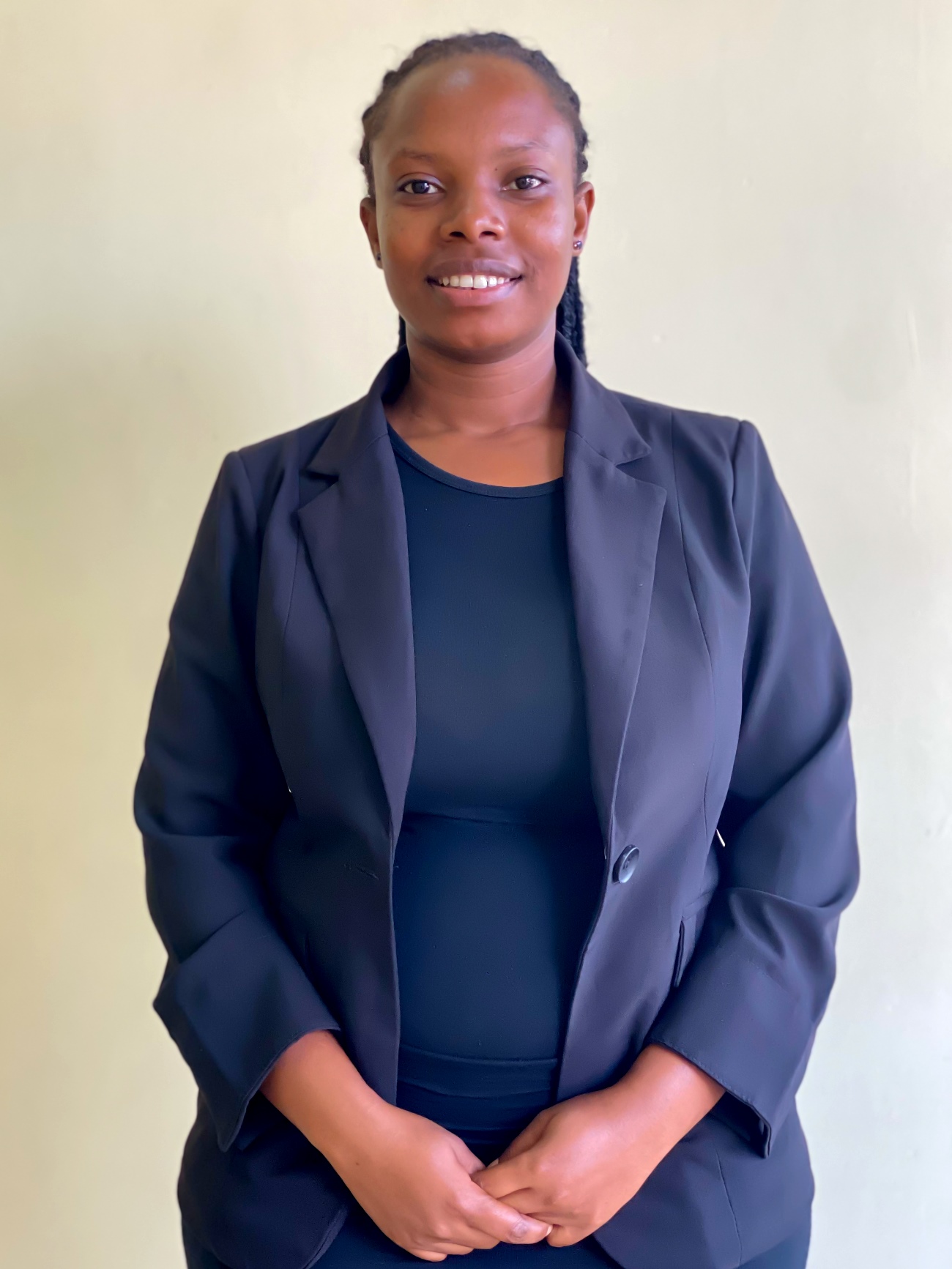
“This achievement reflects not only exceptional intellectual ability but also discipline, resilience, and sustained dedication to the highest standards over four years. Graduating with first-class honors is no small feat; it requires consistent outstanding performance.
“Her accomplishment sets a powerful example for continuing students and reaffirms our department’s commitment to nurturing excellence. We are confident she will make meaningful contributions to the communication profession and society at large,” says Dr. Nakiwala.
On graduation day, applause will crest and recede. The gowns will fold back into wardrobes. The transcripts will be filed away in cabinets. But something quieter will endure; a young woman from Nabbingo who once missed her Law mark, who spent 20 hours a week on the road, who discovered that storytelling is power, and who now walks into Freedom Square not by accident, but by intention.
Life, as she has come to understand it, lives on.
-
 General5 days ago
Applications for Admission to Undergraduate Programmes 2026/27
-
 General1 week ago
Admission List to Bachelor of Education External (BED) 2026/27 -Government Sponsorship
-
 General2 weeks ago
Makerere University Kicks Off Semester Two Examinations Amid High Student Expectations
-
 Agriculture & Environment1 week ago
Makerere University, Uganda Red Cross Society Sign MoU to Advance Research, Training & Humanitarian Action
-
 General2 weeks ago
How to deal with Examination Fever