
Humanities & Social Sciences
Mak initiates the “Zadok Adolu- Otojoka Music Excellence Award”

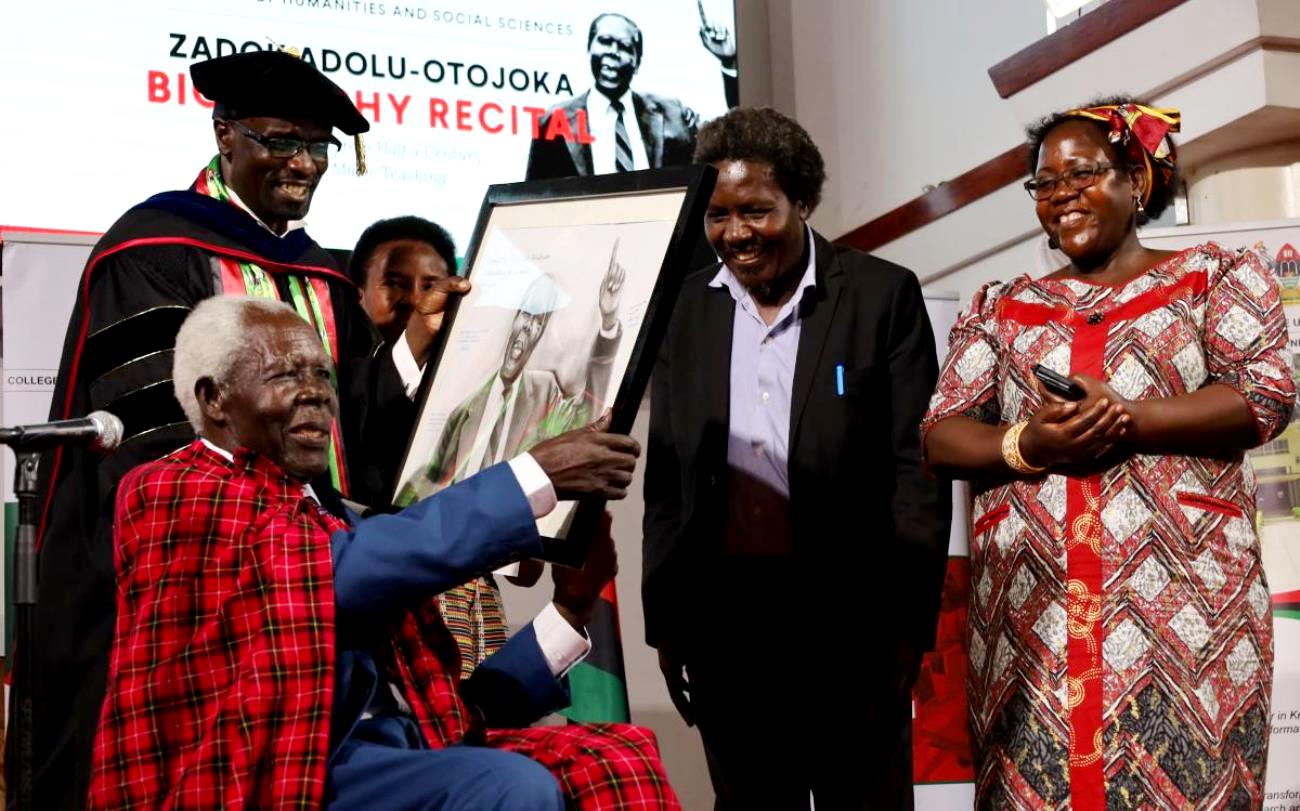
Makerere University College of Humanities and Social Sciences (CHUSS) through the Department of Performing Arts and Film has initiated the establishment of “Zadok Adolu- Otojoka Music Excellence Award”. This award will be given to the best performing students of music education and performance.
The initiative was disclosed by Dr. Milton wabyona while presenting a keynote and biography recital in honor of Prof. (Emeritus) Zadok Adolu- Otojoka as part of the activities to celebrate the 100 years of Makerere University’s service to humanity.
Over 600 thousand shillings was collected in thanksgiving as seed to kick start the, “Zadok Adolu- Otojoka Music Excellence Award”.
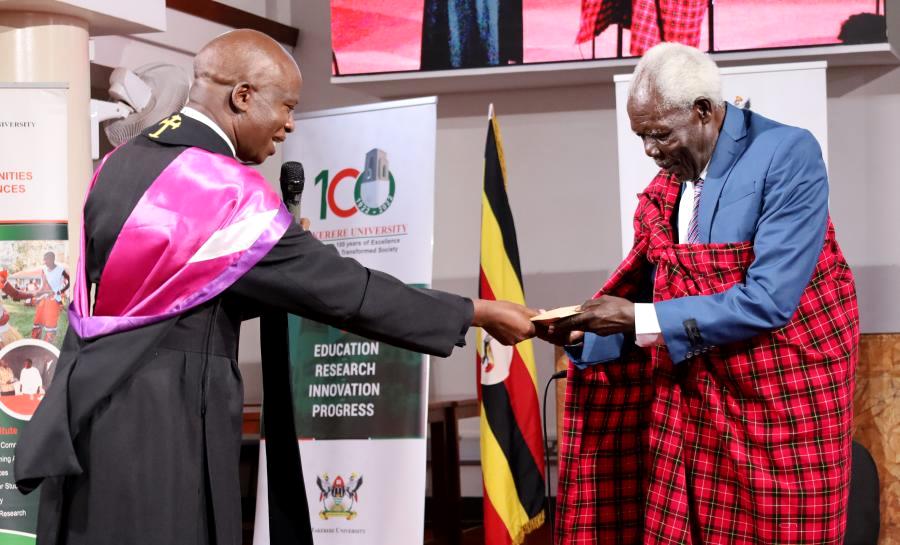
The function held on 31st March 2022 at St. Francis Chapel was graced by the Vice Chancellor represented by the Principal CHUSS Associate Prof. Josephine Ahikire, the Chaplain St Francis Chapel Rev. Onesmus Asiimwe, Makerere University staff and students, distinguished musicians and teachers, the alumni and the Zadok Adolu- Otojoka’s family from Serere district.
Adolu-Otojoka was honored for his invaluable and monumental contribution to academia through musical arts presentations exploring through the 52-years of his professional music teaching with a view of learning and understanding the trends, as well as predicting the future of the music education discipline in Uganda.
Zadok Adolu-Otojoka is one of the highly celebrated icons of music education and professional music performance in Uganda and East Africa. Educated in Uganda and in the United States, Adolu-Otojoka has taught music at all levels of the formal education pyramid in East Africa, with the most distinguished acclaim.
At the peak of his teaching career in Uganda, he served as Head of Department of Music, Dance and Drama (now Performing Arts and Film) at Makerere University in the mid- to late-1990s. At Makerere, he was particularly famous for his charismatic conducting of the university anthem and the mesmerizing leadership of the academic procession during graduation ceremonies.
Adolu-Otojoka is also revered for his extra-ordinary talent in both Western and African musical art forms and passion for the music profession, in which he excelled and mentored generations.
The biography recital was based on the article: “Zadok Adolu-Otojoka and Music Education in Uganda: An Oral History” by Milton Wabyona, published on January 27, 2022, in the American Journal of Historical Research in Music Education. The purpose of this recital was to highlight some of the senior educator’s experiences, approaches and recommendations presented in his oral history.
The recital repertoire focused on some of Adolu-Otojoka’s favorite works, particularly, those highlighted in his oral history as well as recitations of select sections of his life story. The performance forces included some of Adolu-Otojoka’s former students, acquaintances, professional musicians and music faculty alongside current music students from Makerere University.
In his keynote address, Dr. Milton Wabyona who was the Author and Conductor said “Adolu-Otojoka’s recital provides valuable inspiration for the young music education discipline in Uganda as well as insights regarding multicultural music education perspectives.
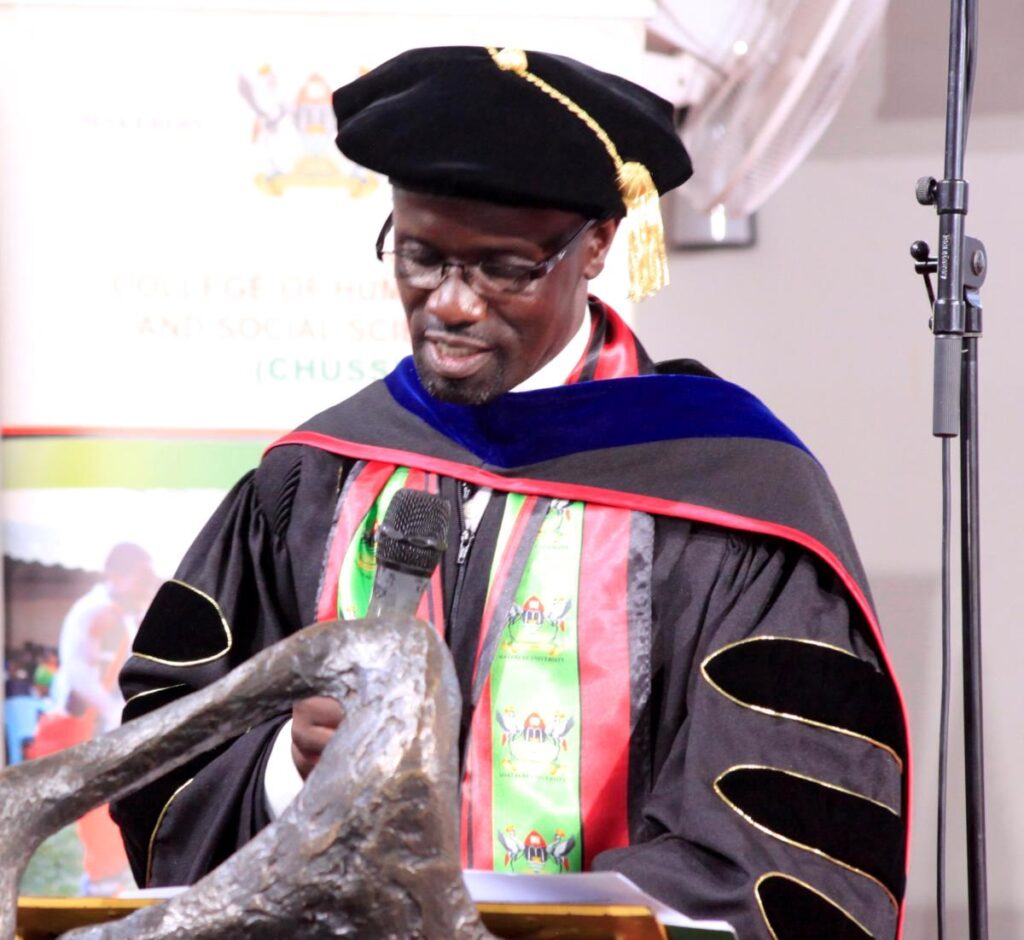
“Through such initiatives, we hope to ensure that legacies of exemplary individuals are kept active, but most importantly the ideals and values they lived for can continue to shape life in our society,’ Dr. Wabyona said thanking the Principal CHUSS for the resolute support for the recital and for sanctioning to honor Prof. Zadok Adolu- Otojoka as part of the activities to mark Makerere@100 years.
Citing the words of the American writer, William Arthur Ward, Dr. Wabyona said, the contents, character and intentions in the recital are all inspired by the life of Zadok Adolu –Otojoka, the music teacher and performer, to help the academia ponder upon the music profession.
“American writer, William Arthur Ward wrote: The mediocre teacher tells. The good teacher explains. The superior teacher inspires”. It is my hope that through this recital, we’ll all have a fair ground base to classify the man we are celebrating here today, but also reflect upon our professional careers as teachers”. Dr. Wabyona stated.
Zadok Adolu- Otojoka was described as prolific in all the three disciplines of music dance and drama. As a dancer, Adolu was the artistic director of the national dance troupe, the Heartbeat of Africa of the 1970’s which produced the likes of Stephen Rwangyezi of Ndere troupe. He also featured in several stage dramas alongside some Uganda’s celebrated actress Prof. Rose Mbowa and acted in television series, “Teeth and Tears” directed by Prof. Patrick Mangeni, the current Dean School of Liberal and Performing Arts.
As teacher, Adolu- Otojoka was praised as one who always set his students for success irrespective of their abilities or previous education or other background and only focused on potential, a virtue that inspired remarkable levels of confidence among his students as they felt secure under him.
Although he was extremely talented and one of the most accomplished professional, he was applauded for having remained an incredibly humble human being who only used his advantages to inspire, demonstrate and facilitate learning for his students.
His willingness to support students at every possible opportunity was strongly mentioned by those who studied under him as a highly inspiration approach that worked for him. Adolu was described as one who always taught, demonstrated, mentored and supported students far and beyond the academic obligations. He was also said to be amazingly humorous and shared lot of stories especially of his personal experiences.
Regarding the future of education in Uganda, Adolu-Otojoka recommends a vibrant and deliberate music performance culture at all levels involving both students and teachers in Uganda’s education curriculum.
He underscores the importance of methodological focus on music teacher preparation systems as what is needed to meaningfully transform Uganda’s music education on reason that, “the quality of an education system cannot exceed the quality of its teachers.
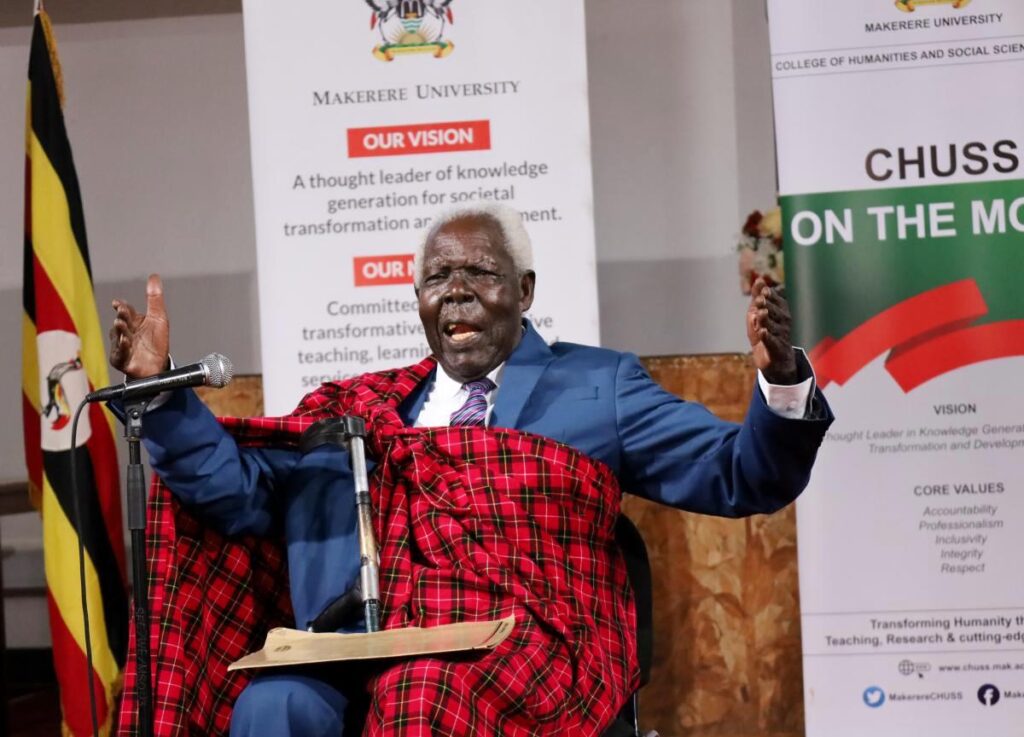
Adolu paid tribute to individuals and groups that helped him grow up and serve the way he did including students, maternal uncles who were composers, missionaries and friends who encouraged him, the culture and youth ministry of the time including cows and goats he herded while reading notations in the bush.
Adolu paid special gratitude to his immediate family especially for standing the test of time, remaining home and toiling while away on 5year study in the US.
“I will never forget the class of 1999 of Wabyona and others who are overseas. This was the biggest class I had in teaching in music and they were the best. I thank Wabyona and the whole group who felt it fit to give to me an honor. I will not forget the school, department, music, dance and drama.
I have seen something quite different and creative and of a high class. Whatever has happened, whoever has participated, thank you for giving me this honor while I am living. I am very humbled.
There is nothing you can do if you don’t become keen about what you do. Young men and women, if you are aspiring to do something, do it with one heart and labour to make a difference and you will make it”, Adolu appreciated and advised.
Adolu also extended his appreciation to Makerere University management and the current Vice chancellor for allowing and facilitating the function to happen
Demand for an honorary doctorate for Zadok Adolu-Otojoka
The former Secretary General UNESCO, Uganda National Commission Augustine Omare Okurut tabled a special request to Makerere University to bestow an Honorary Doctorate upon Prof. Zadok Adolu-Otojoka for his distinguished services as a great man whom God has given chance to serve.
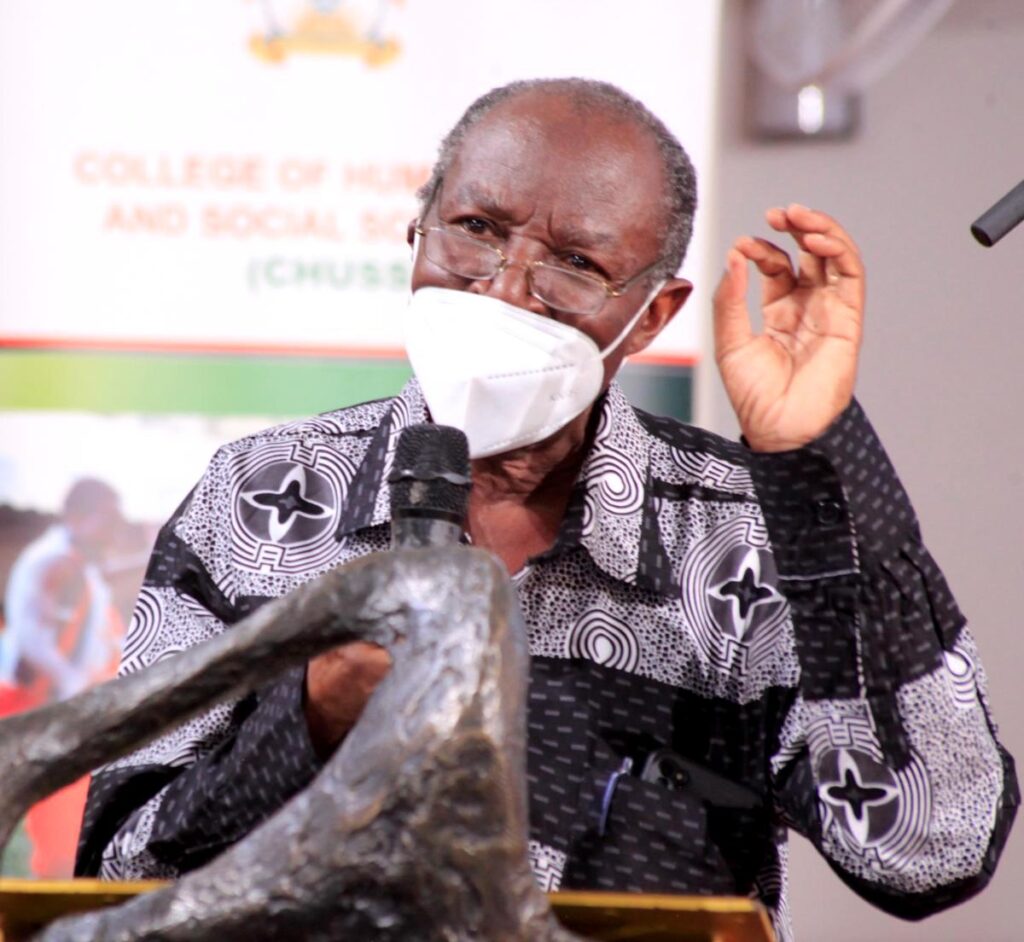
Mr. Okurut recounted how together with Adolu performed during the 21st anniversary celebrations for the national theatre in 1980, the national competition in the promulgation of the 1995 constitution and in the formation of the anthem for Busitema university besides his administrative service and tertiary teaching.
Okurut said, Adolu was on high demand in the field of culture administration and held multiple positions simultaneously, He reported that in 1971 Adolu was appointed as culture officer in the Ministry of Culture and Community Development and grew in ranks to Principal Culture Officer ending his portfolio as Deputy Commissioner for culture in 1989.
“Even in this capacity, Adolu-Otojoka cherished opportunities to participate in musical arts performances and their related education perspectives”.
Within three years of his appointment to the Culture office in Uganda, Adolu-Otojoka was appointed as in charge of Culture affairs for the East African Community in Nairobi from 1974 to 1977. This regional assignment according to Okurut included serving as coordinator and artistic advisor for East Africa FESTAC Festival of Arts and culture that was held in Nigeria in 1977- a position that provided him excellent continental platform to showcase his art performance credentials.
Mak to initiate an online Doctoral Professorship for Zadok Adolu-Otojoka
Speaking on behalf of the Vice Chancellor, the Principal CHUSS Associate Prof. Josephine Ahikire described the day’s event as great saying, the Dean School Liberal and Performing Arts will handle the request to bestow an Honorary Doctorate upon the celebrated music teacher, performer and mentor.
“Today was really a great day for Makerere as we celebrate 100 years of building for the future and transforming lives. We honor Prof. Zadok Adolu-Otojoka.
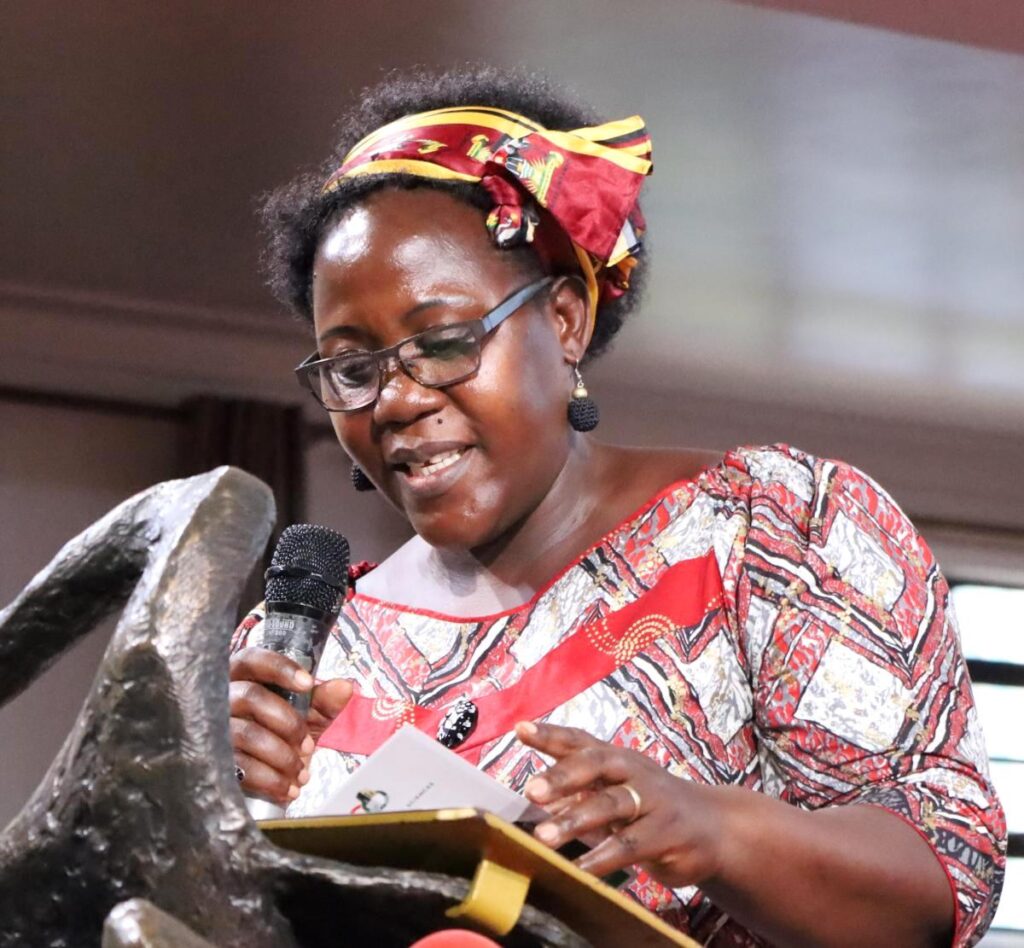
Prof. Ahikire congratulated Dr. Milton Wabyona for successfully initiating and implementing the idea of honouring Prof. Adolu-Otojoka as part of Mak @100.
“It is a pleasure to see our students perform this high level and wow!. Our teachers, the way you are modelling our students is commendable. As Principal CHUSS, CHUSS is the soul and PAF is the spirit.” She added.
She also hailed the family of Prof. Zadok Adolu-Otojoka especially the women for standing by him throughout his musical career, noting that if the family arena is shaken, the person is shaken.





Humanities & Social Sciences
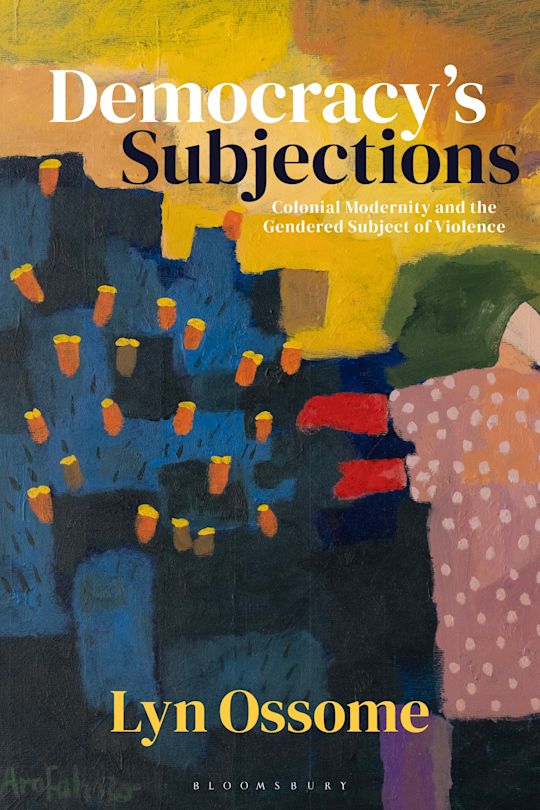
MISR Director Assoc. Prof. Lyn Ossome Publishes New Book, Democracy’s Subjections

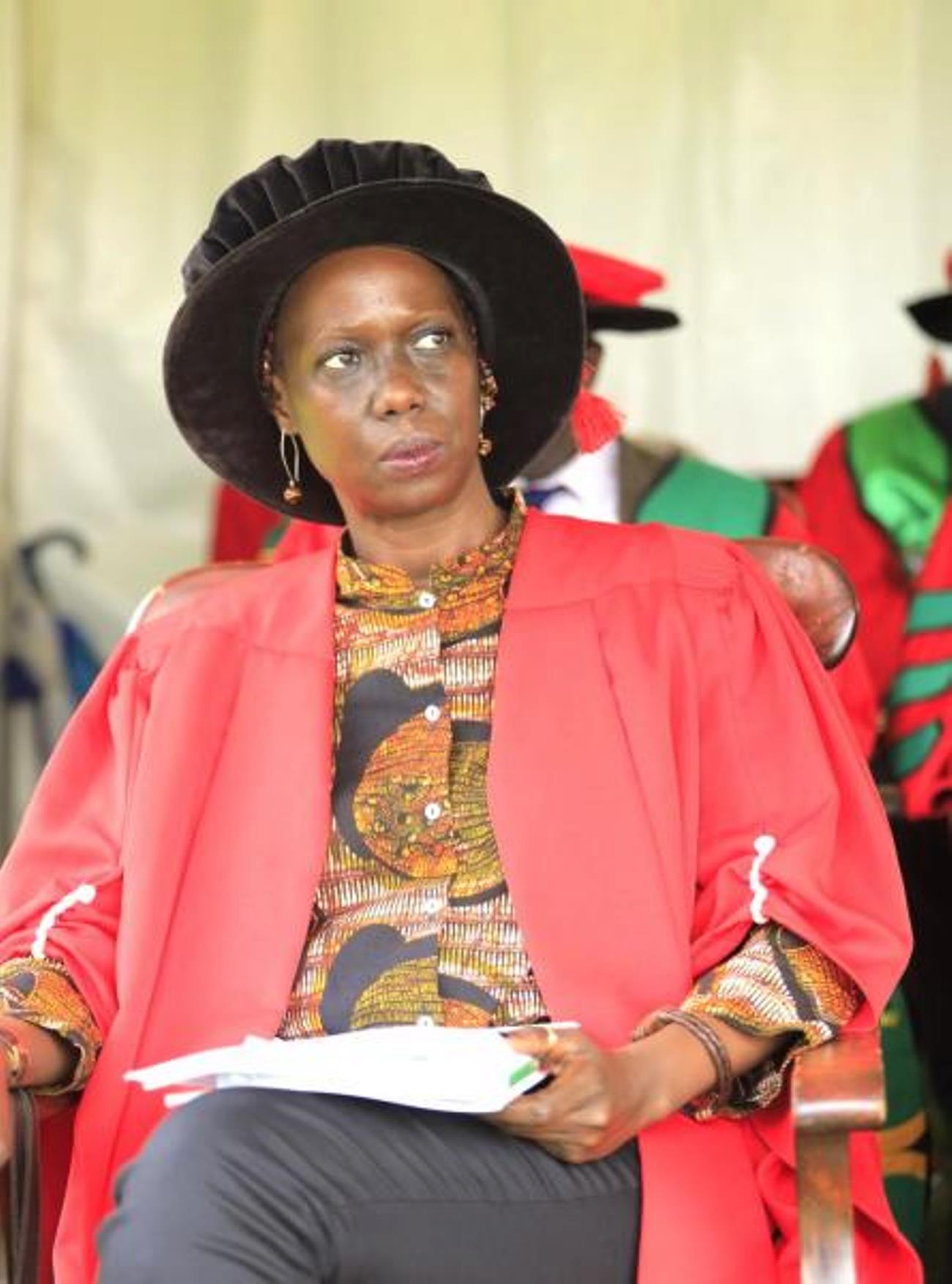
We are pleased to announce the publication of a new book by the Director, Makerere Institute of Social Research (MISR), Assoc. Prof. Lyn Ossome titled Democracy’s Subjections: Colonial Modernity and the Gendered Subject of Violence. It was published by Bloomsbury Academic.
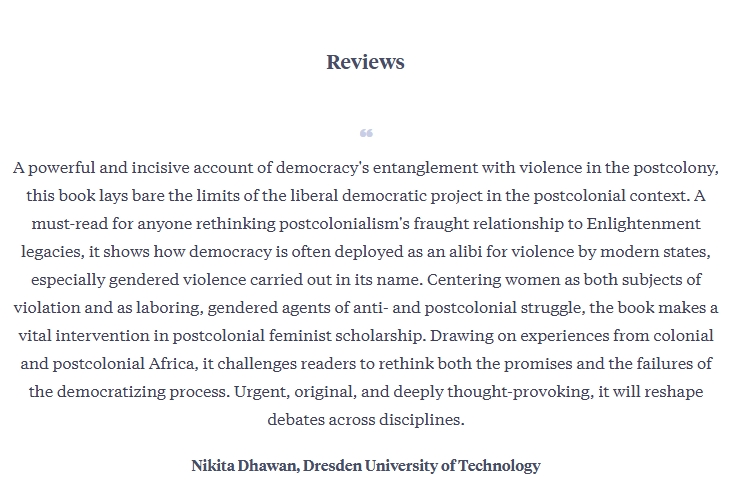
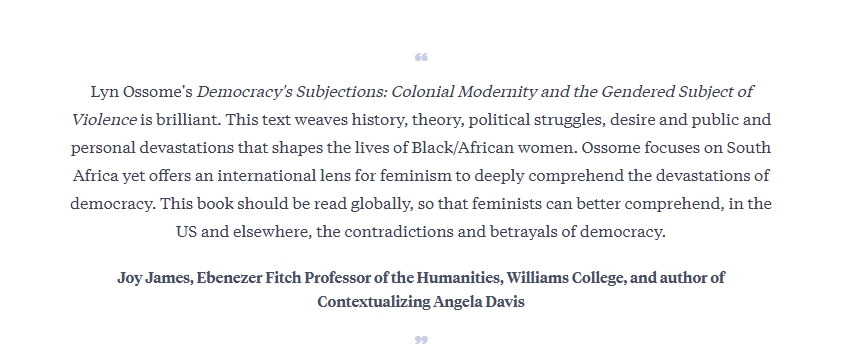
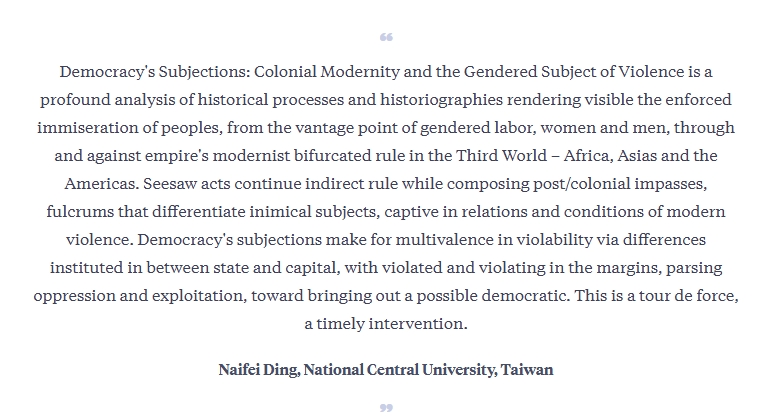
In this ground-breaking study, Lyn Ossome offers an authoritative, interdisciplinary theory of how postcolonial capitalist democracies reproduce the gendered forms of violence essential to colonial rule.
Through an interdisciplinary methodology traversing political studies, feminist political economy, historical and literary studies, Ossome shows how postcolonial, capitalist democracies in Africa, like their colonial antecedents, use various identity-markers to determine whose rights and bodies are violable, to what extent, and whether and how the violated have a right to resist. The book critically reflects on the dilemmas and contradictions produced by the colonial encounter and its subjugative orders for the postcolonial democratizing state, interrogating why the failures of democratic institutions target gendered, labouring bodies. Through evidence gathered from colonial archives in Kenya, Zimbabwe, and South Africa, as well as through critical comparisons of two artistic responses to gender-based violence and rape in South Africa and India, Ossome offers a trenchant critique that, beyond the contexts analysed, is relevant across the postcolonial Global South.
The Makerere University community heartily congratulates Assoc. Prof. Lyn Ossome on this new milestone!
Book cover
Reviews
Humanities & Social Sciences
Prof. Walakira takes over as CHUSS Deputy Principal, pledges research-driven leadership
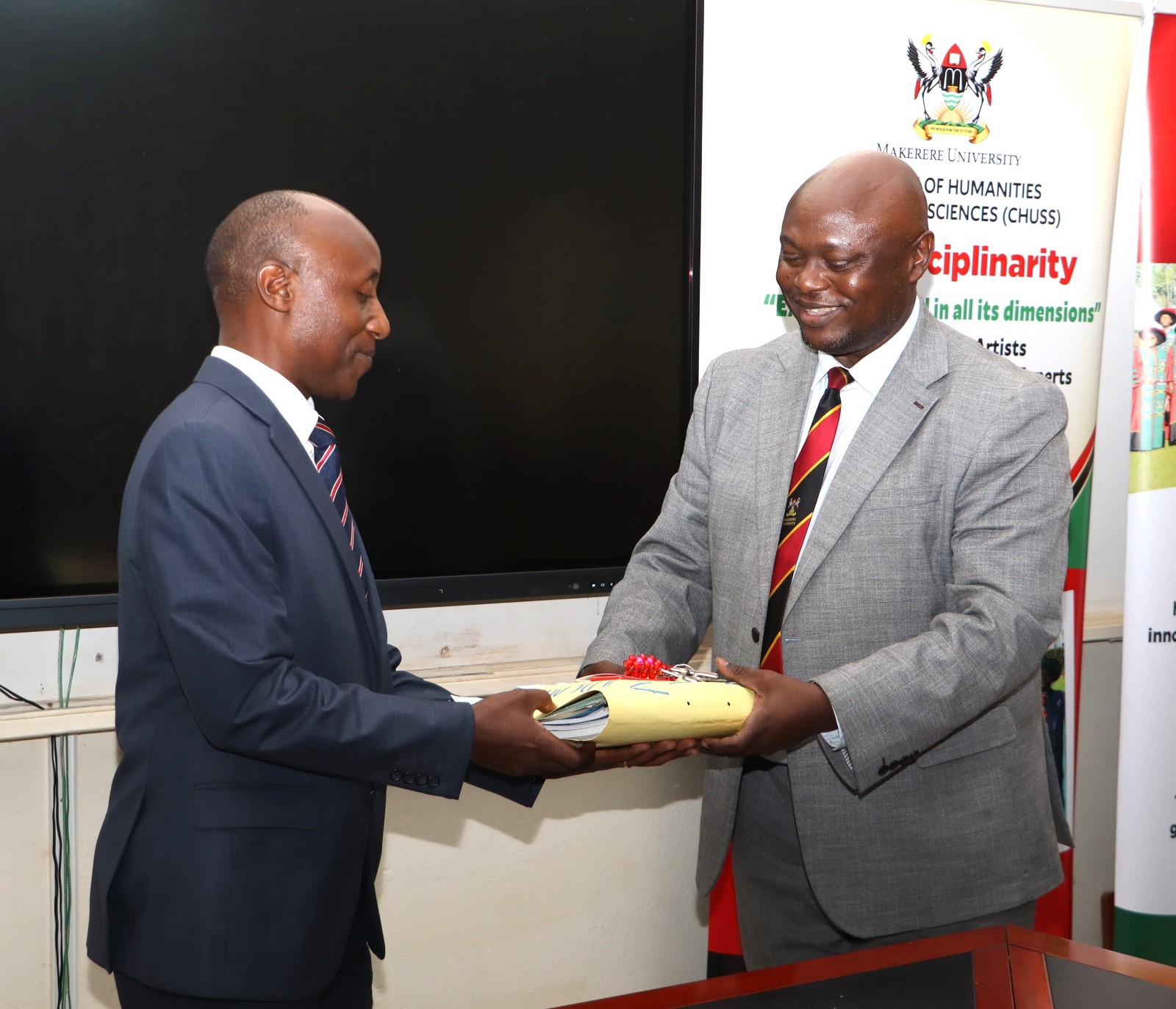
New Deputy Principal Prof. Eddy Joshua Walakira has pledged to build on the existing foundations at Makerere University’s College of Humanities and Social Sciences (CHUSS), with a focus on strengthening research, innovation, partnerships and the college’s income-generating capacity.
Prof. Walakira made the pledge on Monday, September 14, 2026, after officially taking over as Deputy Principal of CHUSS from Associate Prof. Eric Awich Ochen, who completed his four-year tenure after assuming office in April 2022.
The handover ceremony, held at the CHUSS Smart Room, brought together the College Principal, Associate Prof. Helen Nambalirwa Nkabala, deans, heads of departments, academic, administrative and support staff, as well as representatives from the Directorate of Internal Audit.
Walakira said he was taking over at a time when CHUSS had established a strong foundation and pledged to work with the Principal and staff to take the college to greater heights.
“I’m coming in with a lot of hope, a lot of courage and a lot of optimism because the foundations are already in place and the structures are already in place,” Walakira said.
He said his immediate priority would be to understand the needs of the different schools and departments and develop practical interventions, particularly in research, innovation and partnerships.
The incoming Deputy Principal said he intends to undertake a tour of CHUSS schools and departments to assess their research, innovation and partnership needs. said the exercise would help management identify existing capacities, gaps and opportunities that could be developed into practical plans for the college.
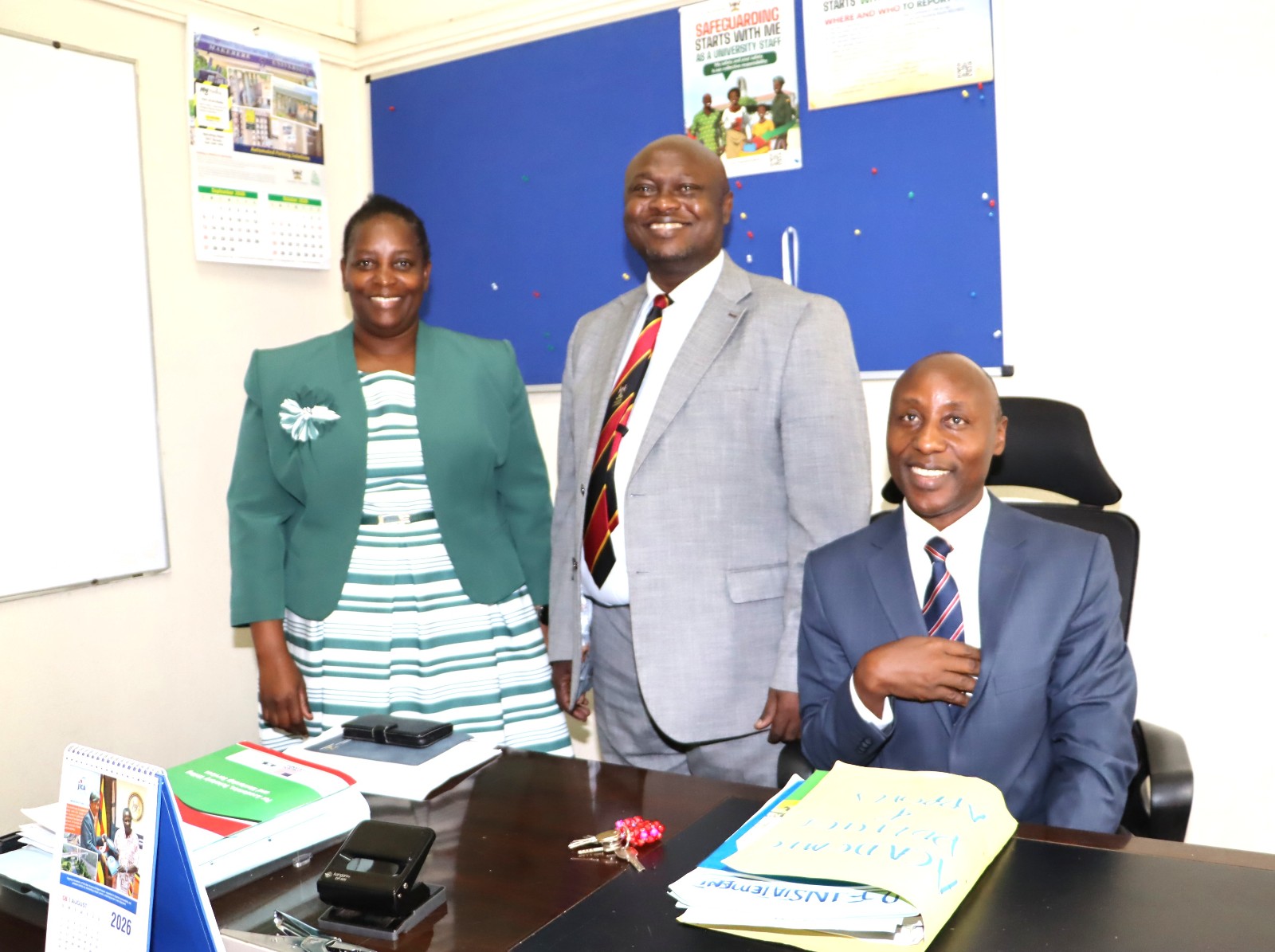
“My thinking is that we are going to form the best team ever that has led CHUSS,” he said, stressing that the college has the human and institutional capacity to become a leading unit within the University.
Walakira said CHUSS should make greater use of the networks and partnerships already established by its academic units, arguing that these could provide opportunities for research collaboration, innovation and resource mobilisation.
He also challenged departments that have faced long-standing equipment shortages to explore sustainable solutions rather than relying entirely on external funding.
“If the Department of Journalism for the last 20 years is still crying about equipment, I don’t think that is a good song. There must be a way out from within,” Walakira said. He pledged to work closely with Principal Nambalirwa Nkabala and other college leaders to identify opportunities for strengthening research capacity, publication and partnerships.
Walakira pledges loyal and collaborative leadership
Walakira pledged to work closely with the Principal, deans, heads of departments and staff while respecting University policies and structures. He said his leadership approach would be based on humility, consultation and practical problem-solving.
“My pledge, first of all, is to be loyal and humble to my boss and, above all, to serve in the fear of the Most High and to respect the rules, the principles and the structures of the University,” he said.
Walakira said he would seek to strengthen existing research groups and explore opportunities for the college to generate more resources internally. He urged staff to embrace a collective vision and work together to address challenges facing the college.
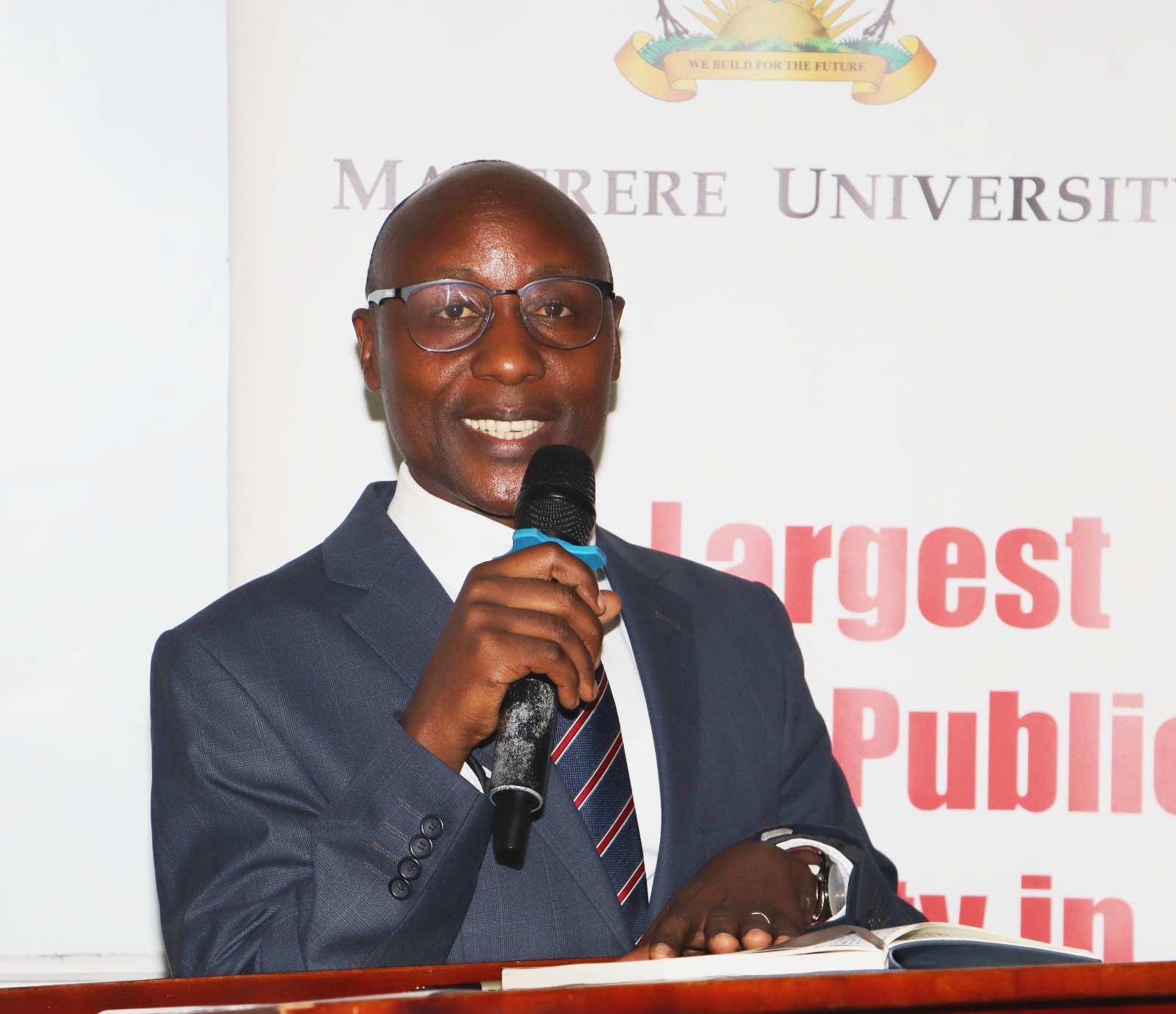
He expressed confidence that CHUSS could become a leading college within Makerere University if its existing human resource and institutional capacity were effectively harnessed.
“We have people who can work in leadership, but we have to develop a collective vision. We have to respect and accept the capabilities that we have, and also accept to work together to address the challenges that confront us,” he said.
Assoc. Prof. Ochen highlights four years of academic and research gains
In his handover report, outgoing Deputy Principal Prof. Eric Awich Ochen highlighted progress made during his four-year tenure, including improvements in teaching and learning, academic programme development, research, internationalisation, staff capacity building and digitalisation.
Ochen said he assumed office in April 2022, in the immediate aftermath of the COVID-19 pandemic, and worked under two College Principals—Prof. Josephine Ahikire and Associate Prof. Helen Nambalirwa Nkabala.
He attributed the achievements recorded during his tenure to collective efforts by the Principal, deans, heads of departments and staff.
“Whatever I did in the office of the Deputy Principal for the last four years has been in the best interest of the students. I tried to act in good faith,” Ochen said.
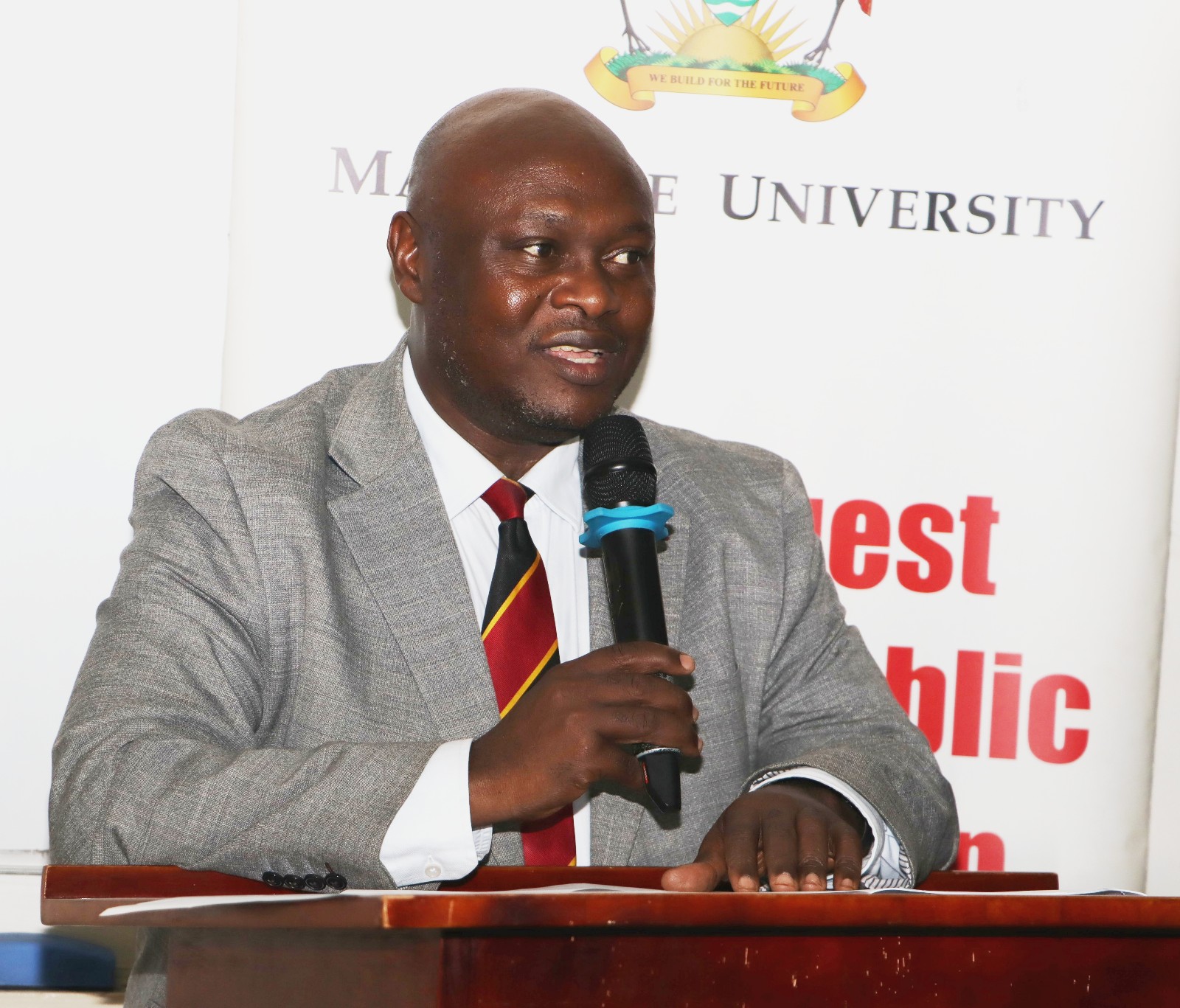
He acknowledged that leadership involves mistakes and said one of his major lessons had been the importance of consultation before making decisions.
Ochen advised his successor to maintain close consultation with the Principal, particularly when dealing with issues requiring clarification.
Ochen reported that the college had developed and revised several academic programmes during his tenure, including postgraduate programmes in French language studies, African languages and anthropology.
He said several existing programmes had also undergone accreditation and urged deans and heads of departments to begin preparations early for programmes due for re-accreditation.
He warned that delays in accreditation could disrupt student admissions and programme delivery, citing previous cases where some programmes were temporarily affected.
The outgoing Deputy Principal also highlighted efforts to revive and establish scholarly journals within CHUSS, including journals in history, peace, humanities, literature and communication.
He called for greater regularity in journal publication and continued digitisation to improve the visibility and accessibility of the college’s scholarly output.
Ochen said CHUSS had also made progress in modernising teaching and learning through the adoption of digital academic management systems.
He noted that staff had transitioned from the Academic Information Management System to ACMIS for the management and uploading of students’ results.
Timetable coordinators had also been trained to upload teaching timetables and workloads electronically.
The college also installed smart interactive screens in several lecture rooms, which Ochen said had improved the teaching environment and supported blended learning.
He urged the incoming leadership to continue investing in digital infrastructure, particularly for smaller postgraduate teaching spaces.
Ochen reported that CHUSS had significantly expanded its research and grants portfolio, with the college managing grants estimated at about US$12 million.
He attributed the growth partly to the development of research groups across departments and encouraged the new leadership to strengthen these groups to increase grant applications and scholarly publications.
“I believe in the last four years we have grown as a college. I think we have quite a higher portfolio of grants,” Ochen said.
He also cited numerous conferences, public lectures and international academic events as having contributed to CHUSS’s visibility nationally and internationally.
These included philosophy events, social work conferences, peace-related events, language celebrations, history and climate-migration conferences and other scholarly engagements.
Ochen said CHUSS had expanded its international collaborations through mobility programmes, academic partnerships and international conferences.
He pointed to Erasmus+ programmes and other collaborations involving universities in Europe, Africa and other parts of the world.
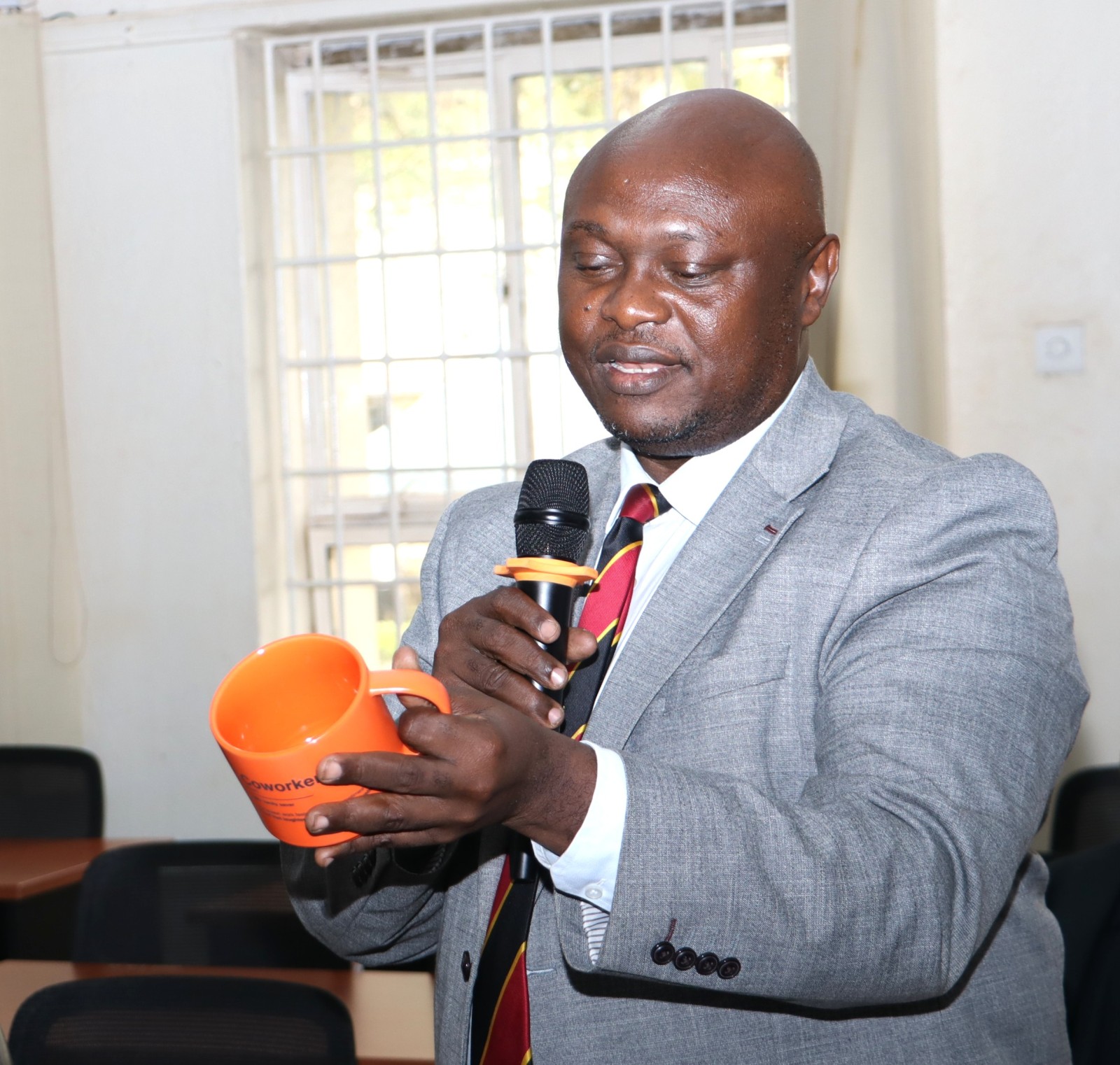
He also highlighted the Rotary Peace Centre and its growing international student community as important contributors to the college and University’s internationalisation agenda.
Despite the progress, Ochen identified inadequate equipment, particularly in journalism and multimedia production, as one of the challenges requiring attention.
He also cited concerns around support for staff supervising students, marking dissertations and other academic work, as well as the need to better recognise academic work conducted outside normal university hours.
He urged the incoming leadership to continue engaging staff and seeking practical solutions to these challenges.
Leadership transition will not disrupt CHUSS
Principal Associate Prof. Helen Nambalirwa Nkabala thanked Ochen for his service and said the transition would not destabilise the college.
She described Ochen as a committed colleague whose passion, energy and humility had contributed to the college’s progress.
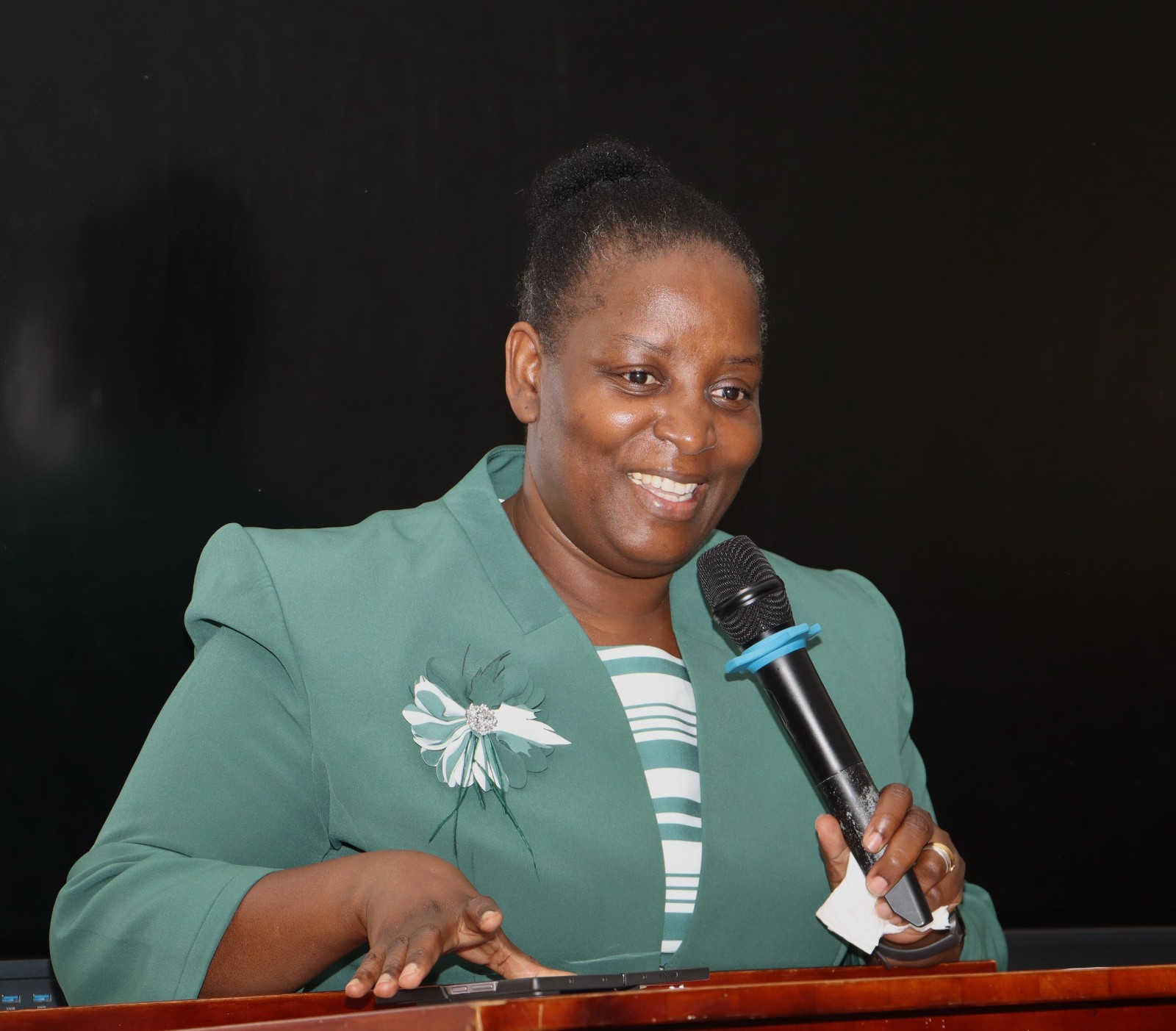
Nambalirwa said the college was entering a new phase under Walakira, whose appointment comes as CHUSS implements its strategic priorities.
She said the college’s newly developed strategic plan provides a framework for advancing research, social protection, innovation, partnerships and other institutional priorities.
“We are very ambitious. We are hoping that we shall get a lot of wealth. For this college to move further, we are moving with stability,” Nambalirwa said.
The Principal also urged staff to continue supporting the new Deputy Principal as they had supported Ochen.
“Please, support that you have given Professor Ochen should be extended to Professor Walakira, because service is only fun when you have all your hands,” she said.
Staff commend Ochen, welcome Walakira
Staff members who spoke during the ceremony commended Ochen for his leadership and commitment to students while welcoming Walakira to the new role.
Mr. Gidange Moses from the Directorate of Internal Audit praised the Principal for nurturing staff and creating opportunities for them to take up leadership responsibilities.
He commended Ochen for completing his tenure and urged Walakira to embrace the responsibility of leading the college alongside the Principal.
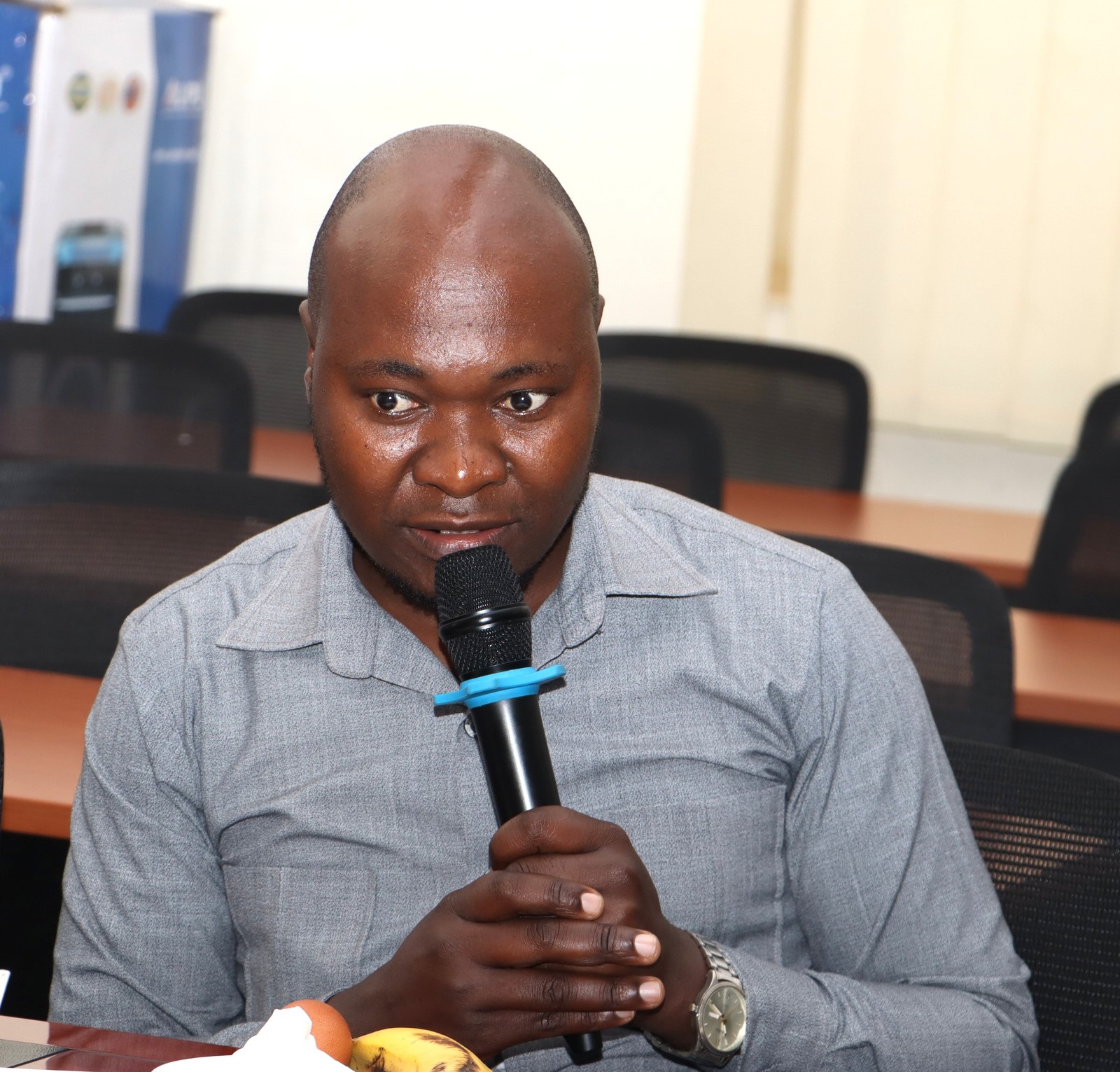
Dr. Charlotte Mafumbo, Head of the Department of History, Archaeology and Heritage Studies, described Ochen as a passionate leader and thanked him for his contribution to the college.
She pledged the department’s support to the incoming Deputy Principal.
Dr. Denis Muhangi, Head of the Department of Social Work and Social Administration, representing the Dean of the School of Social Sciences, praised Ochen for his resilience in following up decisions and his commitment to student welfare.
He assured Walakira of the school’s support as he takes on his new responsibilities.
Maria Gyezaho, from the Principal’s office, also thanked Ochen for his guidance and leadership, saying the skills he had imparted to staff would continue to benefit them.
The handover formally marked the end of Ochen’s tenure as Deputy Principal and the beginning of Walakira’s term, with the college leadership calling on staff to maintain the momentum achieved over the previous four years while pursuing new opportunities for growth.
For details about Prof. Eddy Joshua Walakira, please click on the link below:
https://chuss.mak.ac.ug/en/personnel/eddy-joshua-walakira/
Jane Anyango is the Principal Communication Officer CHUSS
Humanities & Social Sciences
Makerere Probes Climate Change–Migration Links: Calls for Protective Policies for Vulnerable Communities
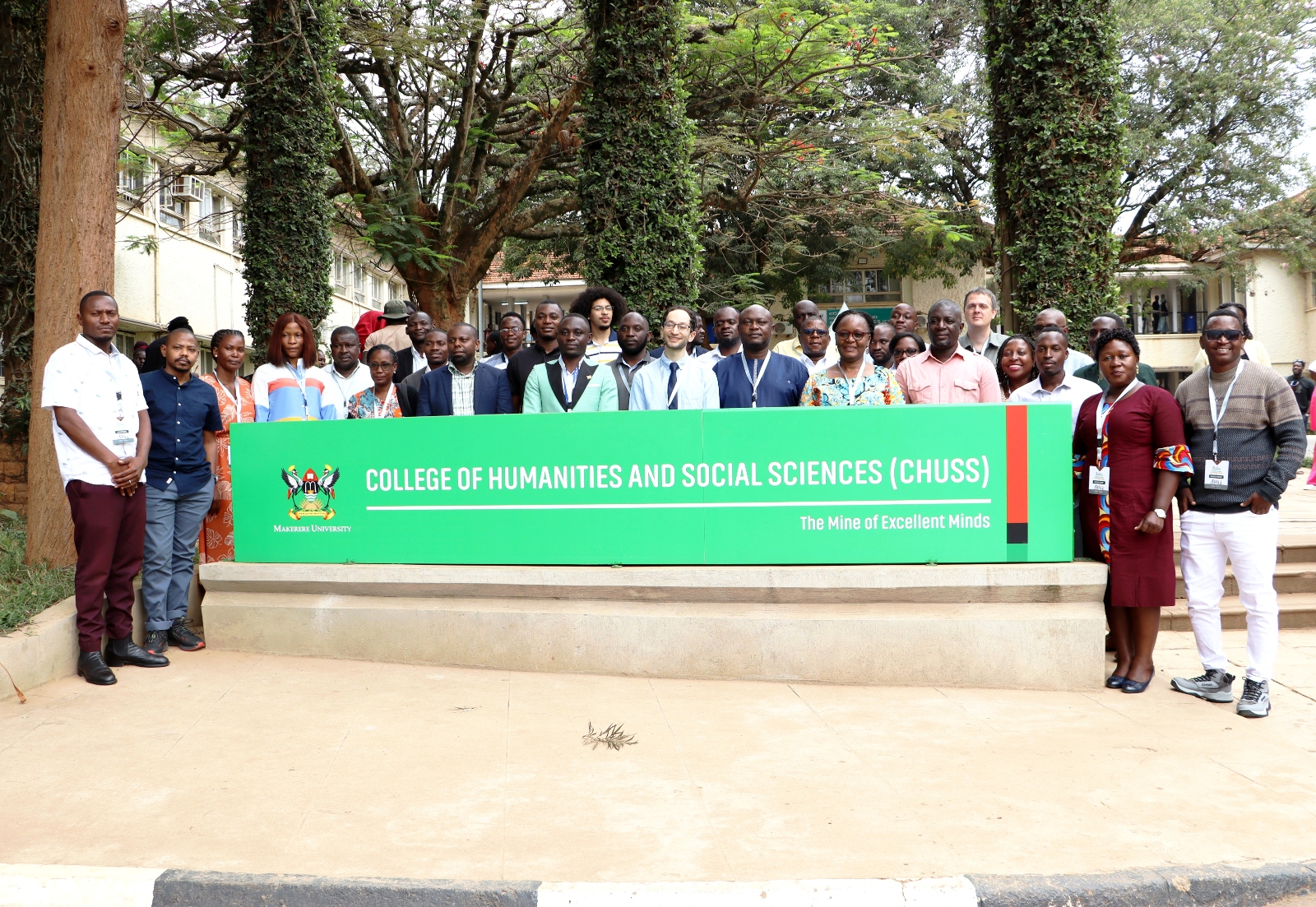
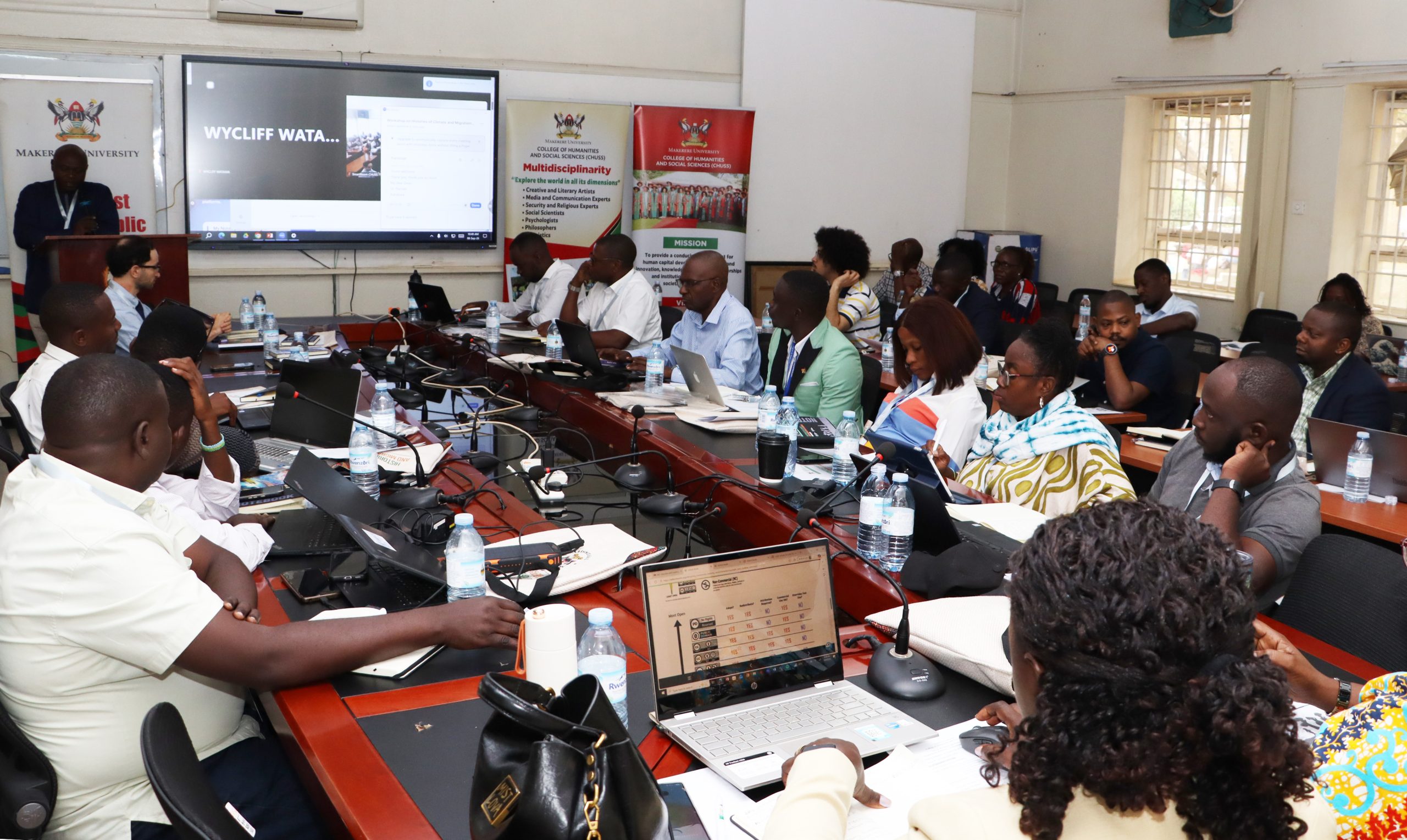
A three-day workshop examining the historical relationship between climate change and migration in Uganda has opened at Makerere University, bringing together academics, government officials, refugee-community representatives and postgraduate students to examine how environmental and climate factors have shaped population movements across the country’s history.
The workshop, running from September 8 to 10, 2026, is hosted by the Department of History, Archaeology and Heritage Studies in the School of Liberal and Performing Arts under the College of Humanities and Social Sciences (CHUSS).
The event is being held under a joint project between Makerere University and the University of Cambridge on the Histories of Climate and Migration in Uganda.
The project is funded by the Mastercard Foundation’s Climate Resilience and Sustainability Research Fund in partnership with the Cambridge Africa Programme at the University of Cambridge. It has received a grant of £49,800 and seeks to expand knowledge on how environmental and climate factors have influenced Uganda’s long history of migration, both in recent times and in the deeper historical past.
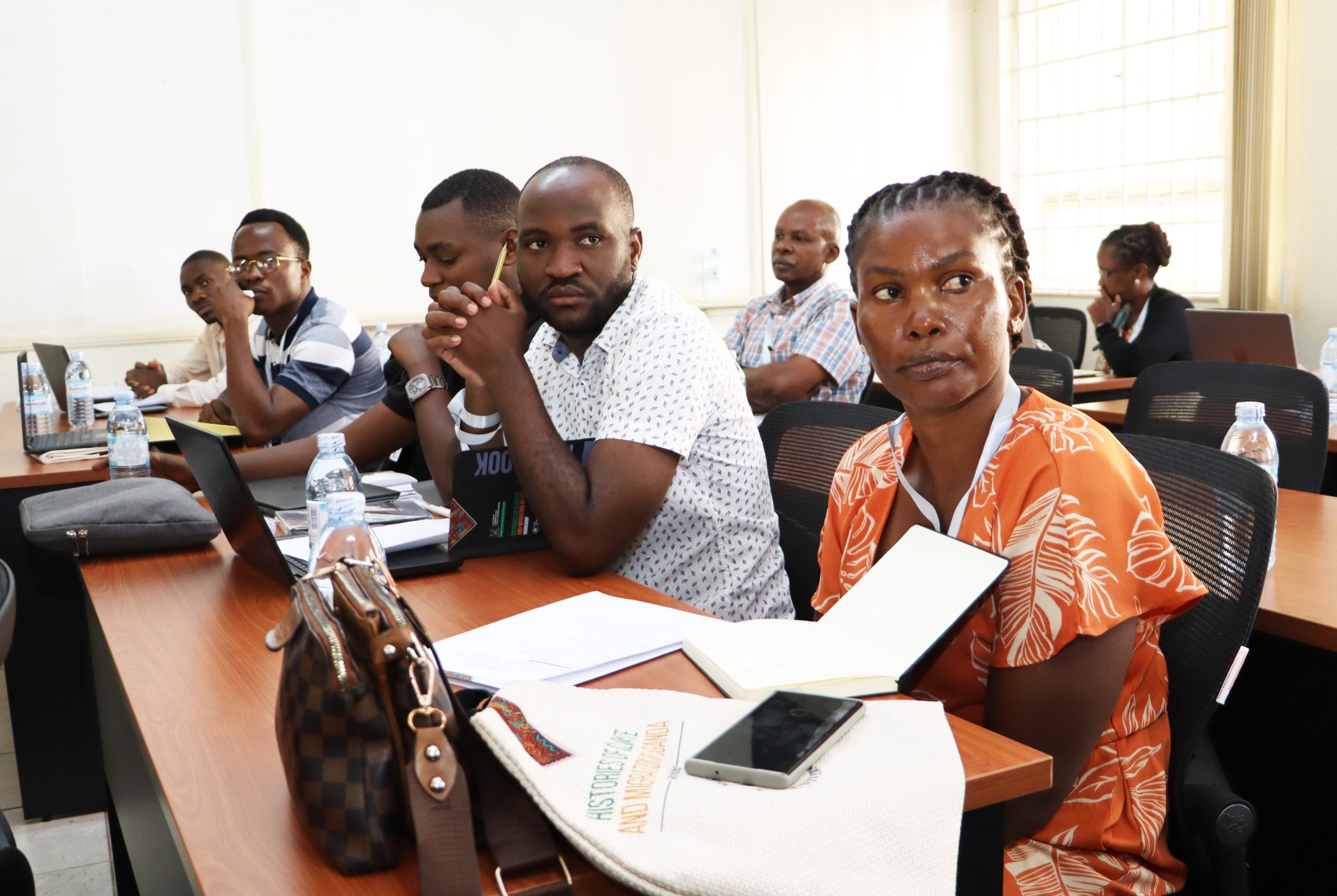
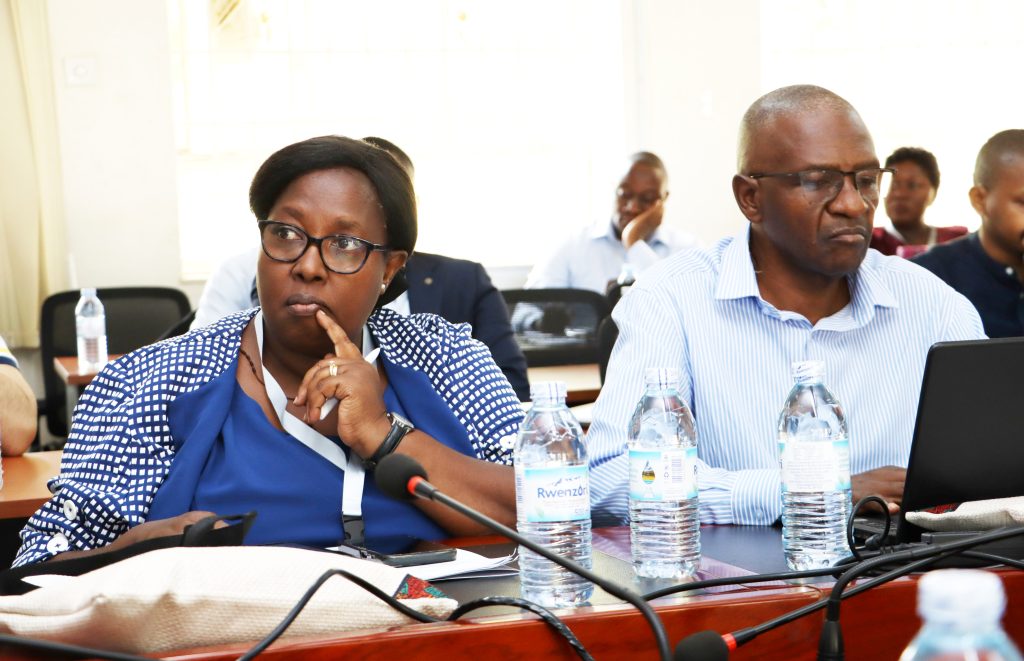
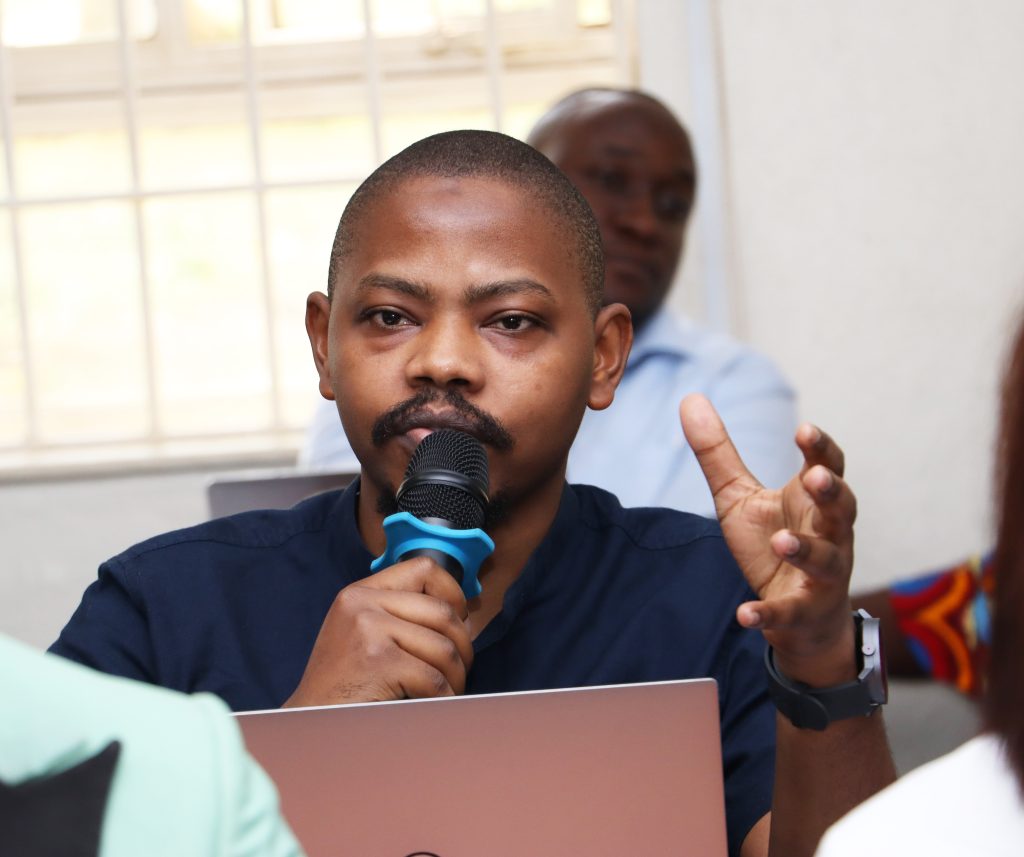
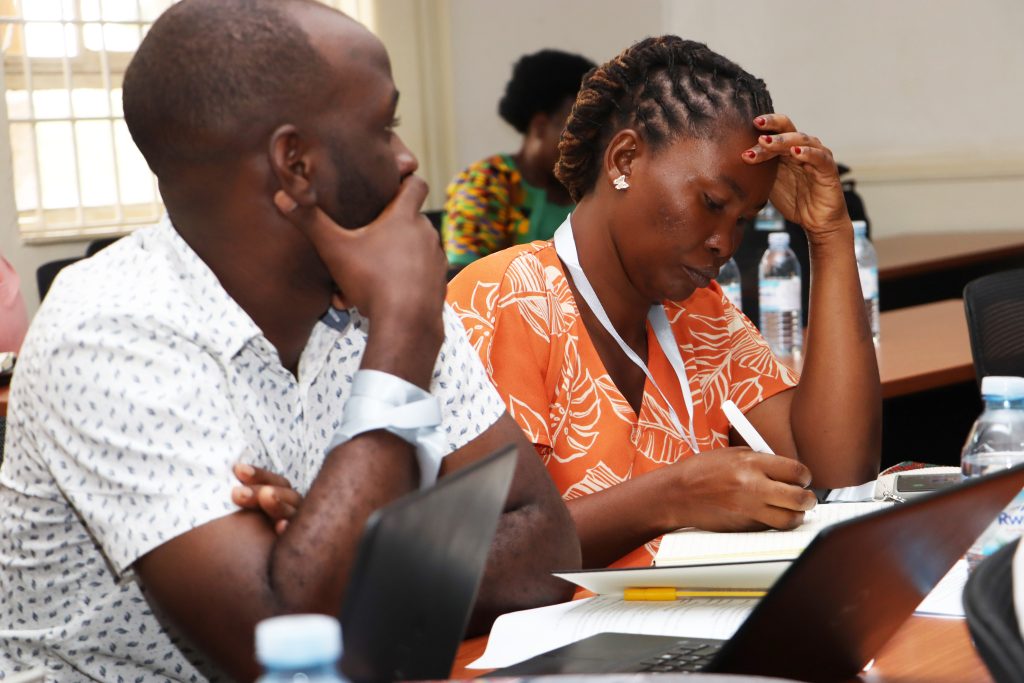
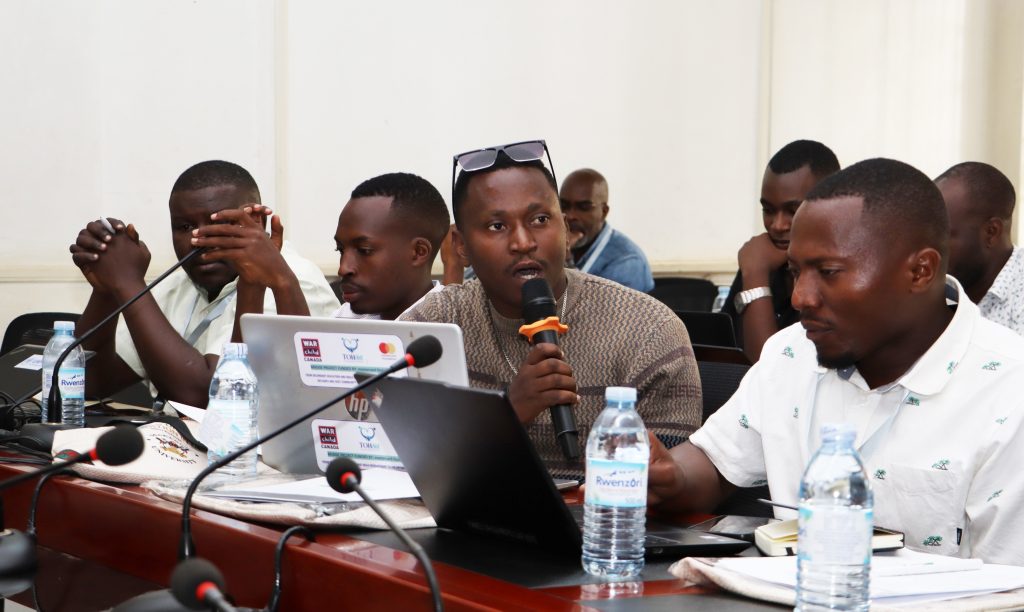
The workshop has attracted officials from government ministries and agencies, principal and co-principal investigators, heads of departments from CHUSS and other colleges, senior academics and professors, organisations working with refugees, refugee-community members serving as change agents and CHUSS graduate students.
Over the three days, participants are expected to consider 32 research papers and three keynote addresses, alongside roundtable discussions and a field visit to the Uganda National Archives.
Keynote speaker Anthony Mugeere calls for climate-migration policies that protect vulnerable communities
Uganda needs to rethink its policies on migration by recognising climate change as a growing factor influencing where, when and why people move, Dr. Anthony Mugeere, a sociologist and climate policy researcher, has said.
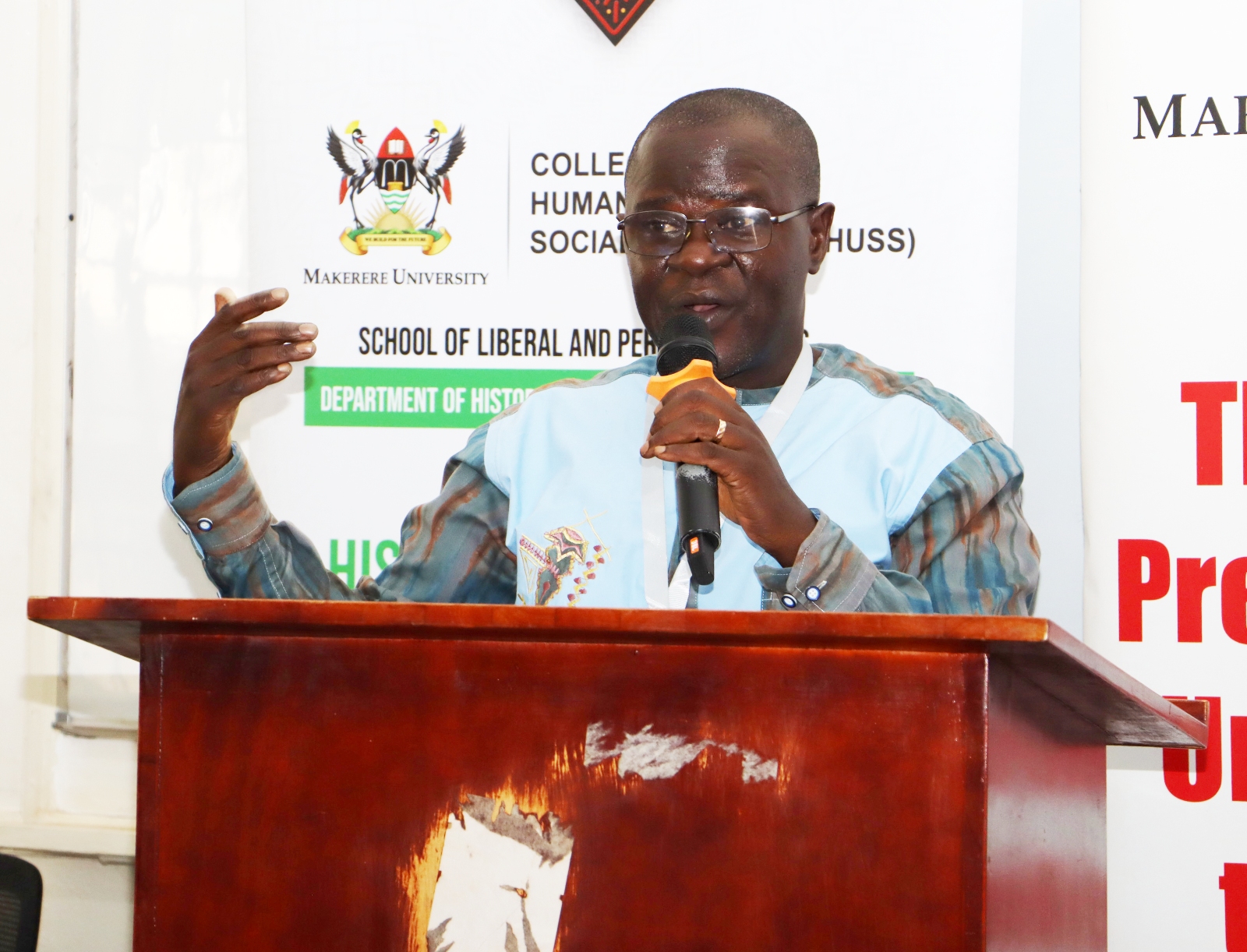
Mugeere made the call while delivering a keynote address on Climate and Migration in Uganda .
Mugeere argued that migration should not automatically be interpreted as a crisis or solely as a consequence of climate change because movement has historically been one of the ways communities respond and adapt to changing environmental and economic circumstances.
He challenged researchers to examine whether people who leave their homes because of failed rains, floods, disappearing crops or scarcity of pasture are necessarily being displaced, or whether their movement can also constitute an adaptation strategy.
“Migration is not simply a consequence of climate change,” Mugeere said, arguing that mobility can also be a way through which households respond to climate stress.
Mugeere said climate has always influenced where and how communities live and move, although the environmental dimension was not always explicitly recognised in earlier explanations of migration.
He said traditional explanations of historical migration often focused on wars, tribal conflicts, the search for land, cattle, women, slaves and other social or political factors, without adequately considering environmental pressures.
According to Mugeere, a historical examination of migration reveals that movement was often connected to access to water, pasture, fertile land and other environmental resources.
He cited pastoral communities that moved in search of water and pasture and agricultural communities that moved in response to land and environmental conditions.
Fishing communities, he added, have historically developed around lakes, while trade routes and settlements have also been influenced by patterns of human mobility.
He said factors such as epidemics, famine, environmental changes and the availability of resources have long contributed to population movements.
Mugeere argued that contemporary research therefore needs to connect historical migration patterns with the changing climate rather than treating climate-induced migration as an entirely new phenomenon.
Mugeere cited landslides and flooding in Bududa as examples of how climate and environmental conditions are altering the circumstances under which people move.
He also pointed to rising water levels in Lake Victoria and other water bodies as factors that have displaced communities and changed settlement patterns.
Drought, livestock losses, flooding, landslides and rising water levels, he said, are among the environmental pressures that can force people to leave places they have traditionally occupied.
He warned that some forms of movement may easily be overlooked because they do not fit conventional definitions of migration.
These include temporary movement, rural-to-urban migration and movement by communities seeking alternative livelihoods when agricultural production becomes increasingly difficult.
Mugeere said the increasing movement of Ugandans to cities and abroad, including to the Gulf region, should also be examined against a broader range of economic, social and environmental factors.
The sociologist said migration can provide important benefits to households affected by climate stress.
People who move can diversify household income, reduce exposure to climate-related risks, access employment and send remittances back to their families.
Migration can also help households recover from shocks and strengthen their resilience, particularly when migrants find employment and are able to support relatives who remain behind.
However, Mugeere cautioned that migration can also create serious social and economic challenges.
He identified social disruption, vulnerability, difficulties with integration, exploitation, overcrowding and pressure on host communities among the potential consequences of climate-induced movement.
He particularly highlighted the pressure placed on resources in areas hosting refugees, noting that receiving communities can experience additional demands on land, firewood and other natural resources.
This, he said, creates a need for better planning to ensure that both displaced populations and host communities can access essential services and resources.
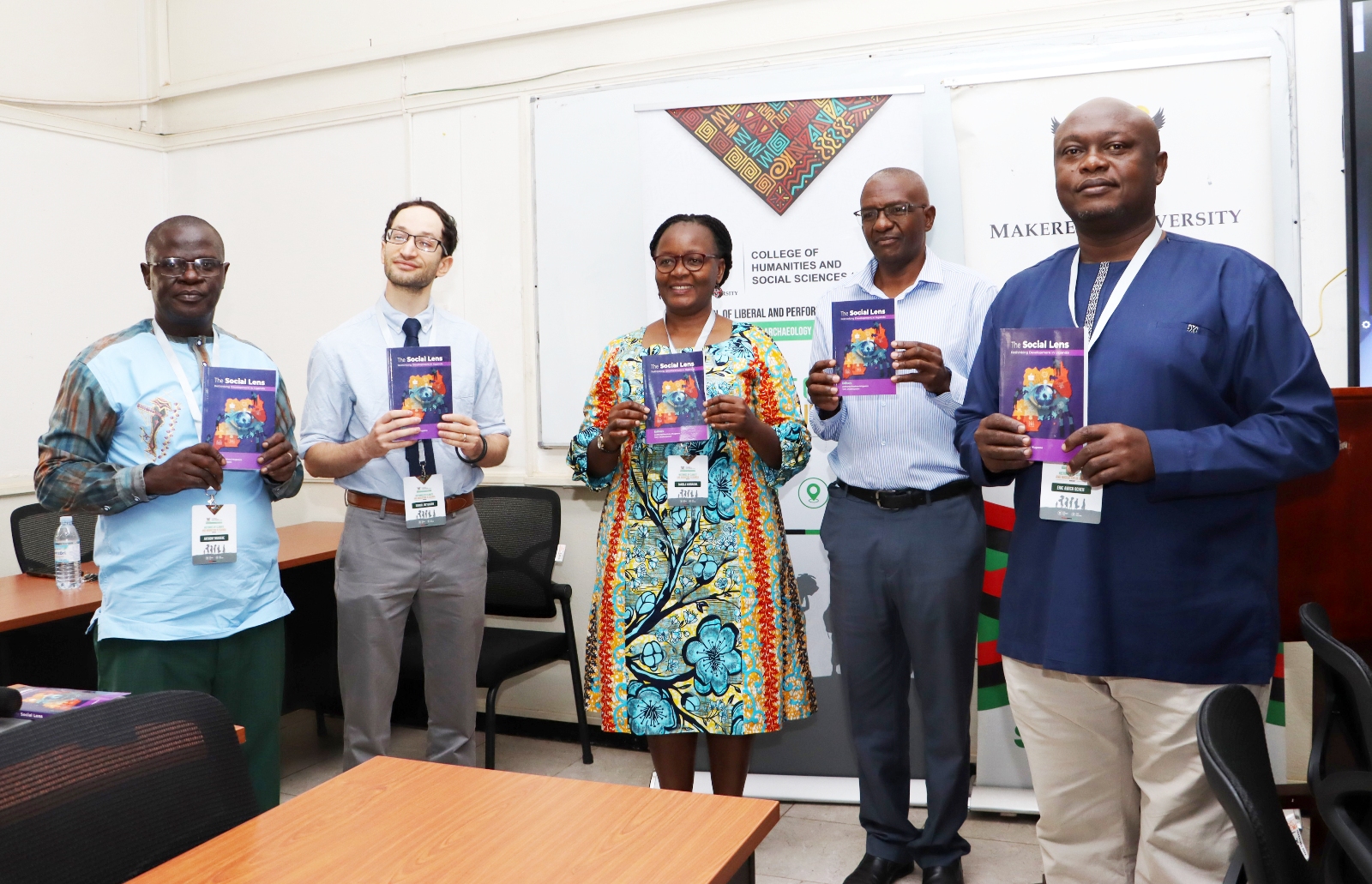
Mugeere called for climate change, mitigation and adaptation to be incorporated into government programmes and policies dealing with livelihoods and migration.
He said programmes such as the Parish Development Model would struggle to achieve their intended objectives if they do not take climate-related risks into account.
He also urged policymakers to consider migration as part of Uganda’s adaptation strategies rather than treating every movement as a failure or emergency.
The researcher said Uganda must prepare both people who move and communities that receive them.
He noted that Uganda has a strong record of hosting refugees from neighbouring countries but questioned whether the country is sufficiently prepared to provide services and support to growing populations in receiving communities.
He also called for policies that protect people who may be unable to migrate, including persons with disabilities, women and young people.
According to Mugeere, these groups must be incorporated into planning for climate-related migration because not everyone has the ability or resources to move when environmental conditions deteriorate.
Mugeere further called for comprehensive planning when communities are relocated from areas exposed to disasters.
He cited communities affected by landslides and flooding, arguing that relocation should not simply involve moving people from dangerous locations to safer areas without planning for their long-term livelihoods and social needs.
He said policymakers should consider rehabilitation, awareness, settlement, access to services and livelihood opportunities as part of relocation programmes.
Mugeere argued that the contribution of social scientists extends beyond academic research because disciplines such as sociology, history and social work can provide evidence to guide policy and programme management.
In his concluding message, Mugeere said climate change should be understood as a force that is transforming the geography of opportunity, risk and human mobility.
“Climate change does not simply change Uganda’s climate. It changes the geography of opportunity, risk, and human mobility,” he said.
He urged researchers to adopt a human-centred approach that considers how individuals and communities perceive climate risks and how those perceptions influence decisions to remain, move or adapt.
He also stressed that Uganda’s history demonstrates that mobility is not new and has long been part of how communities respond to livelihood opportunities and changing circumstances.
However, he warned that climate change is intensifying these pressures and will increasingly affect poverty, land, infrastructure, urbanisation and governance.
Mugeere said Uganda’s preparedness for climate-related disasters must therefore be questioned despite the existence of government ministries, budgets, teams and equipment.
He observed that the country often discovers gaps in preparedness only when disasters occur, underscoring the need for proactive planning before climate-related displacement reaches crisis levels.
Historians must trace the roots of climate-related migration
Dr. Charlotte Mafumbo, Head of the Department of History, Archaeology and Heritage Studies, said the workshop provides an opportunity for historians and other scholars to critically examine two interconnected global challenges—climate change and migration—and understand how they have evolved over time.
Mafumbo said the scale of displacement globally makes historical research on migration increasingly important, noting that people have been forced to move for different reasons, including war, ethnicity, political and international complications and environmental pressures.
She referred to estimates that about 250 million people were displaced during and around the period of the Second World War, with some forced into settlements, deported, imprisoned or driven from their homes because of their ethnicity or other circumstances.
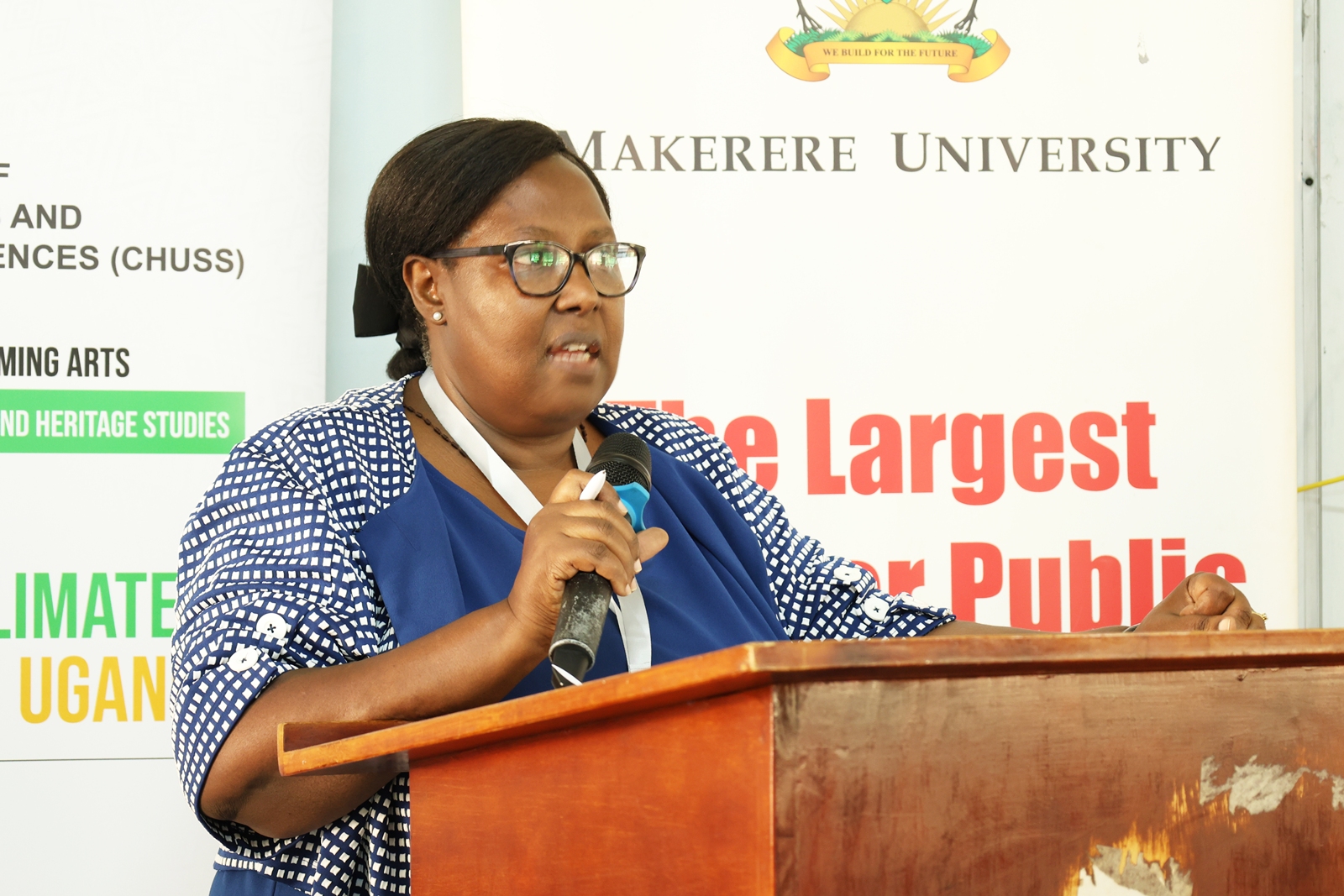
She said the world is now witnessing another major displacement challenge associated with climate change, with an estimated 112 million displaced people affected by climate-related pressures.
Mafumbo argued that the current situation requires historians to go back into the past and establish when and how climate-related migration emerged, how it has manifested itself and whether there are similarities or differences between historical and contemporary patterns.
“There is no better time than now for us to reflect on these issues,” Mafumbo said.
She said the workshop should go beyond presentations and academic debate by encouraging participants to establish partnerships that can continue after the event.
Mafumbo encouraged participants to exchange contacts and develop collaborations, particularly because the three-day programme may not provide enough time to exhaust the issues under discussion.
She also said the Department of History, Archaeology and Heritage Studies is committed to ensuring that the research and discussions produce practical outcomes for government and other stakeholders.
According to Mafumbo, the department hopes the workshop will generate key talking points that can be shared with relevant ministries and contribute to the development of policy briefs.
“We do hope that out of the workshop, we shall have some talking points we shall be sharing with the relevant ministries after here,” she said.
She welcomed keynote speakers, officials from the Ministry of Water and Environment and the Office of the Prime Minister, as well as other participants, to the Department of History, Archaeology and Heritage Studies, the School of Liberal and Performing Arts and CHUSS.
Research project links academics with refugee communities
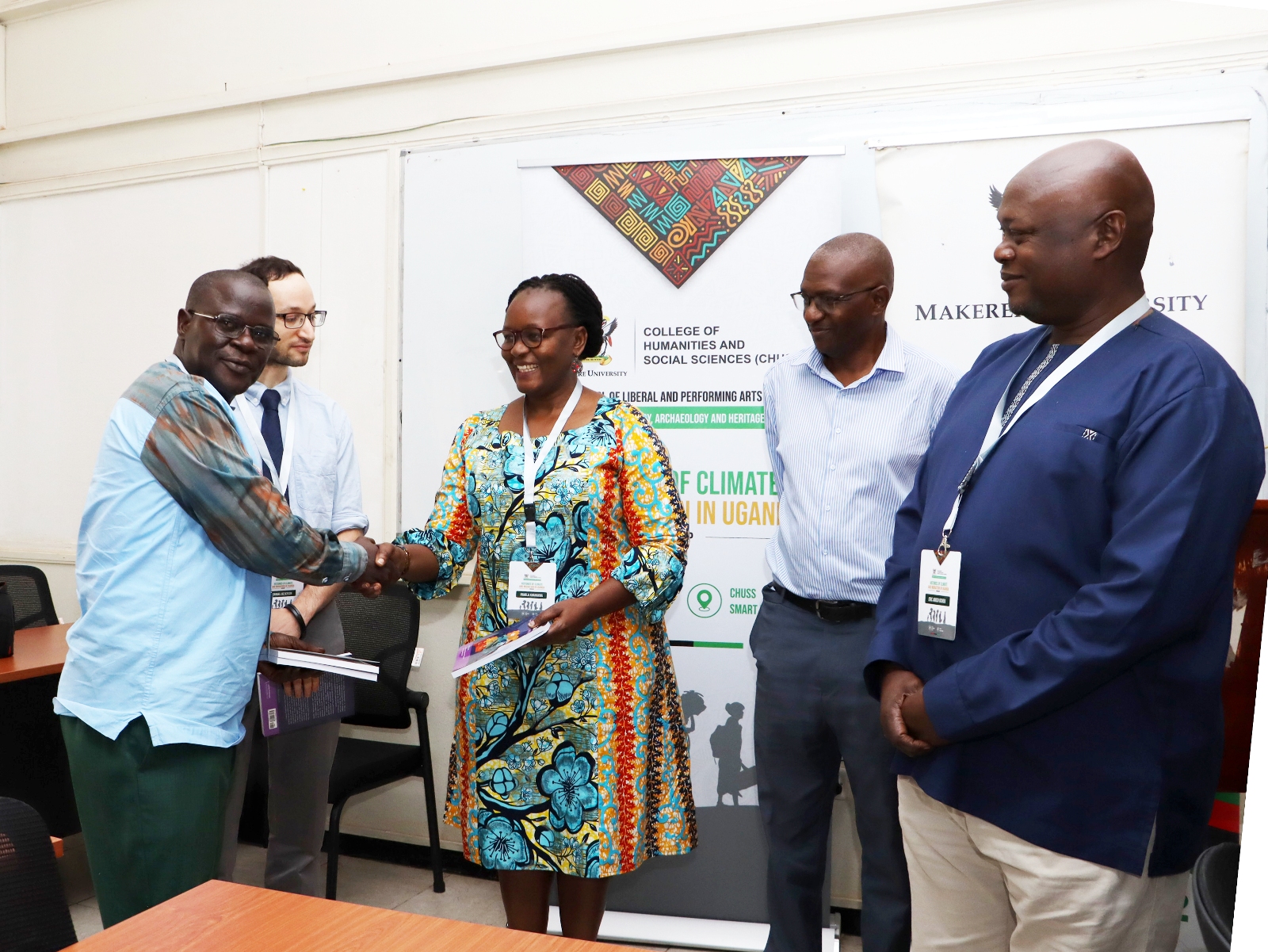
Dr. Pamela Khanakwa, Dean of the School of Liberal and Performing Arts and a Principal Investigator on the project, said the initiative was made possible through the support of Makerere University and Cambridge, with the project housed in the Department of History, Archaeology and Heritage Studies.
She thanked the department and CHUSS leadership, as well as the university’s Directorate of Legal Affairs and the Office of the Vice Chancellor, for their support in making the project possible.
Khanakwa also used her remarks to recognise Professor Asiimwe Godfrey, whom she described as an important figure in her intellectual development dating back to her undergraduate years.
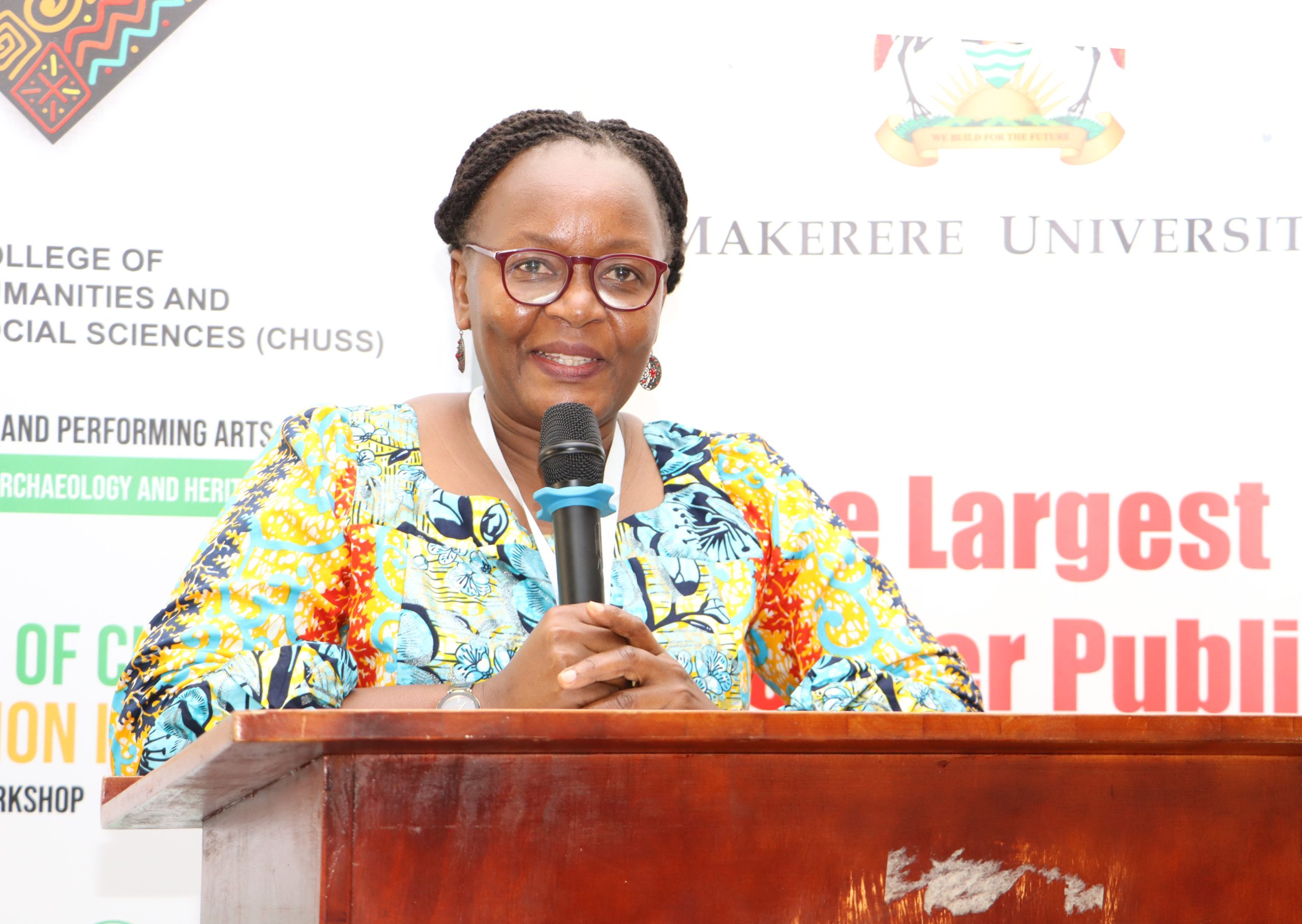
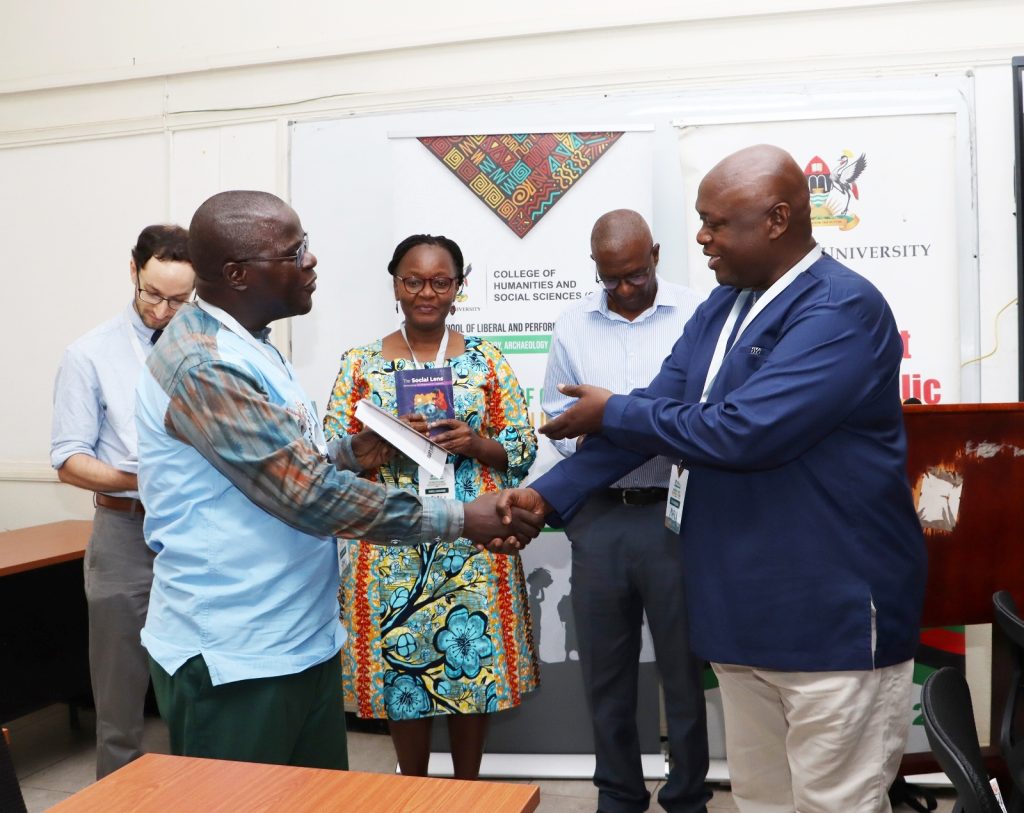
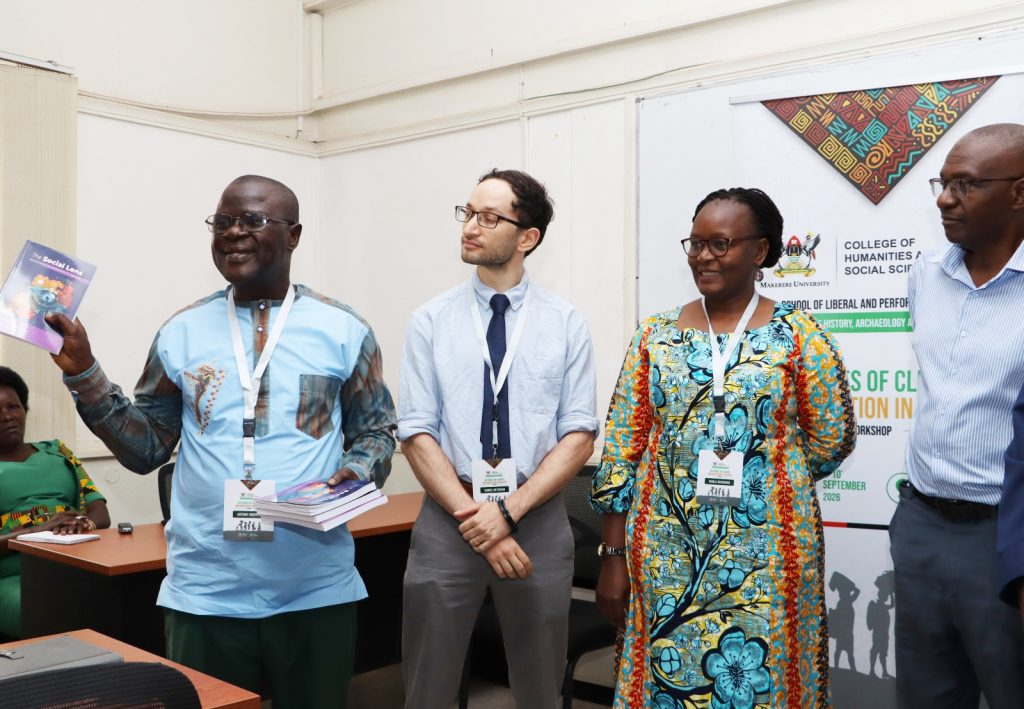
She recounted her longstanding academic relationship with Dr. Samuel Meyerson, the project’s Cambridge-based Principal Investigator, explaining that she first encountered him as one of the students she supervised at Makerere.
She said their relationship subsequently developed from a student-supervisor relationship into an academic collaboration, eventually leading to the current project.
Khanakwa recalled assisting Meyerson with applications for PhD study in the United States, including submitting one recommendation letter at the last minute while travelling through Atlanta.
She said Meyerson later continued his research on Karamoja, including through his master’s research, which she described as an extensive study.
Their collaboration continued when Meyerson participated in a 2022 Humanities International Conference at Makerere University, where he presented research in the same room in which the current workshop is being held.
Khanakwa said Meyerson eventually returned with the idea of developing a collaborative project, choosing to approach Makerere’s Department of History, Archaeology and Heritage Studies to develop the proposal.
“It started like a small conversation, small ideas, but we put our efforts together and we are able to be where we are today,” Khanakwa said.
She credited co-principal investigators Dr. Charlotte Mafumbo and Dr. Edgar Taylor for their contribution to shaping the project, while also praising administrative staff Duncan Muhanguzi and Esther Namitala for handling budgeting, communication and logistical preparations.
Khanakwa said the project is designed to bring together researchers from different disciplines and members of refugee communities in Uganda.
She explained that its focus is not limited to recent climate-related migration but also examines the deeper historical relationship between environmental conditions and migration.
The project is expected to run through March or April next year and contains several components, including the three-day workshop and a seed-funding programme.
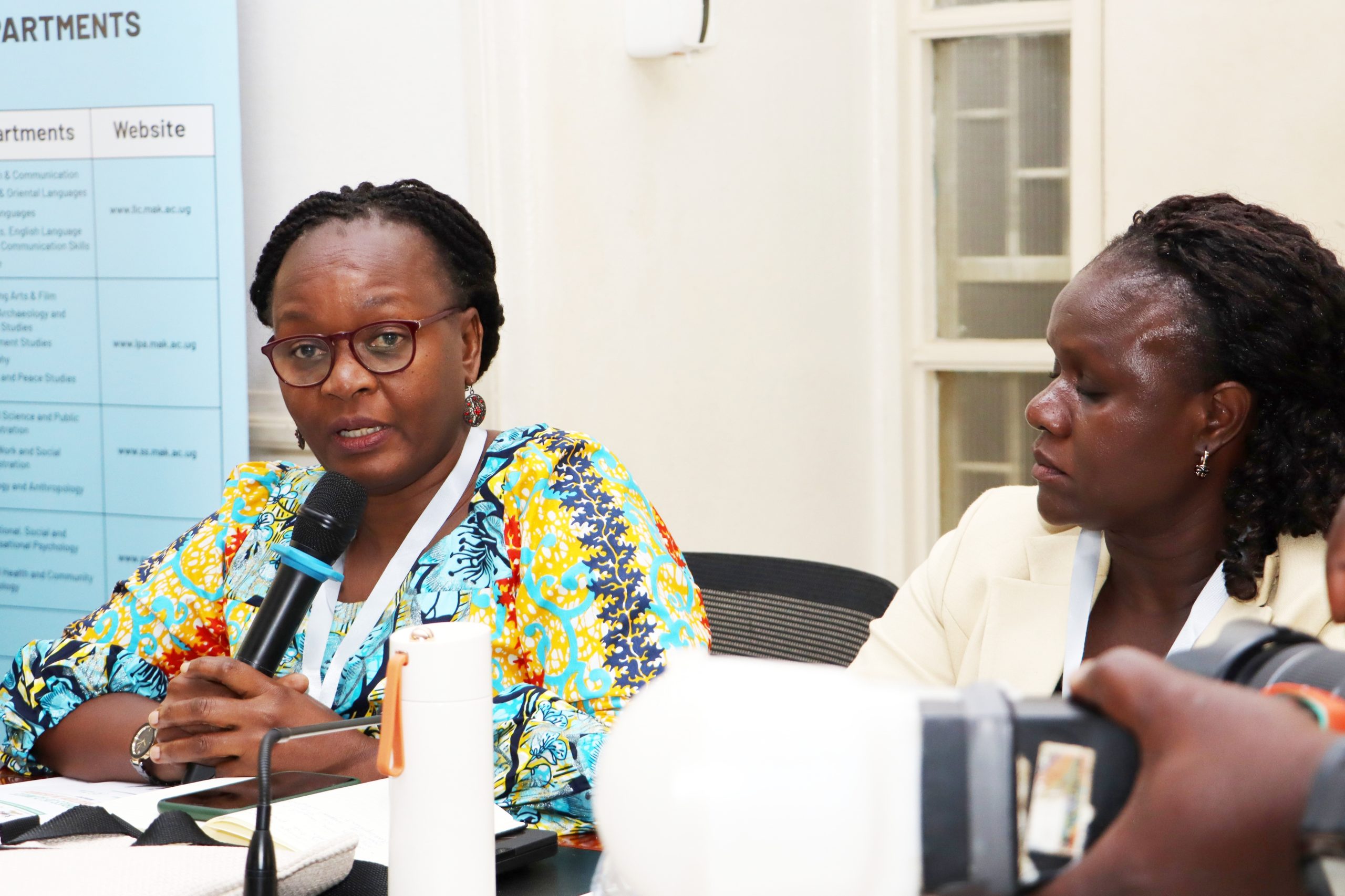
Under the seed-funding component, five graduate students have each received £2,000 to conduct empirical research with a historical orientation. Three additional grants have been awarded to researchers from refugee communities.
Khanakwa said the seed funding was intended to expand the range of voices and evidence informing research on climate and migration, while also giving graduate students and refugee researchers an opportunity to contribute directly to knowledge production.
She noted that securing research funding is highly competitive and said the £49,800 grant was an achievement that should be recognised, while clarifying that the entire amount would not be spent on the workshop.
Khanakwa said discussions during the workshop should contribute to intellectual debates while also producing ideas that could have practical value and inform policy.
“We hope that we can be able to come up with very meaningful discussions that can inform not only intellectual debates, but also ideas that can be of great value in practical terms and perhaps also in ways that they can inform policy,” she said.
She urged participants to make full use of the workshop to exchange ideas and develop collaborations that can continue beyond the three-day event.
Refugee voices central to understanding migration history
Dr. Samuel Meyerson, a Research Fellow in History at the University of Cambridge and Principal Investigator of the project, said the objectives of the initiative had already been clearly outlined by the other speakers, allowing him to focus on welcoming participants and acknowledging those who made the workshop possible.
Meyerson, who is a former student of Makerere University’s Department of History, said he was particularly pleased to return to the institution as a researcher and project leader.
He extended a special welcome to participants from Nakivale Refugee Settlement, saying their involvement was important because the project seeks to incorporate perspectives from refugee communities into discussions about migration.
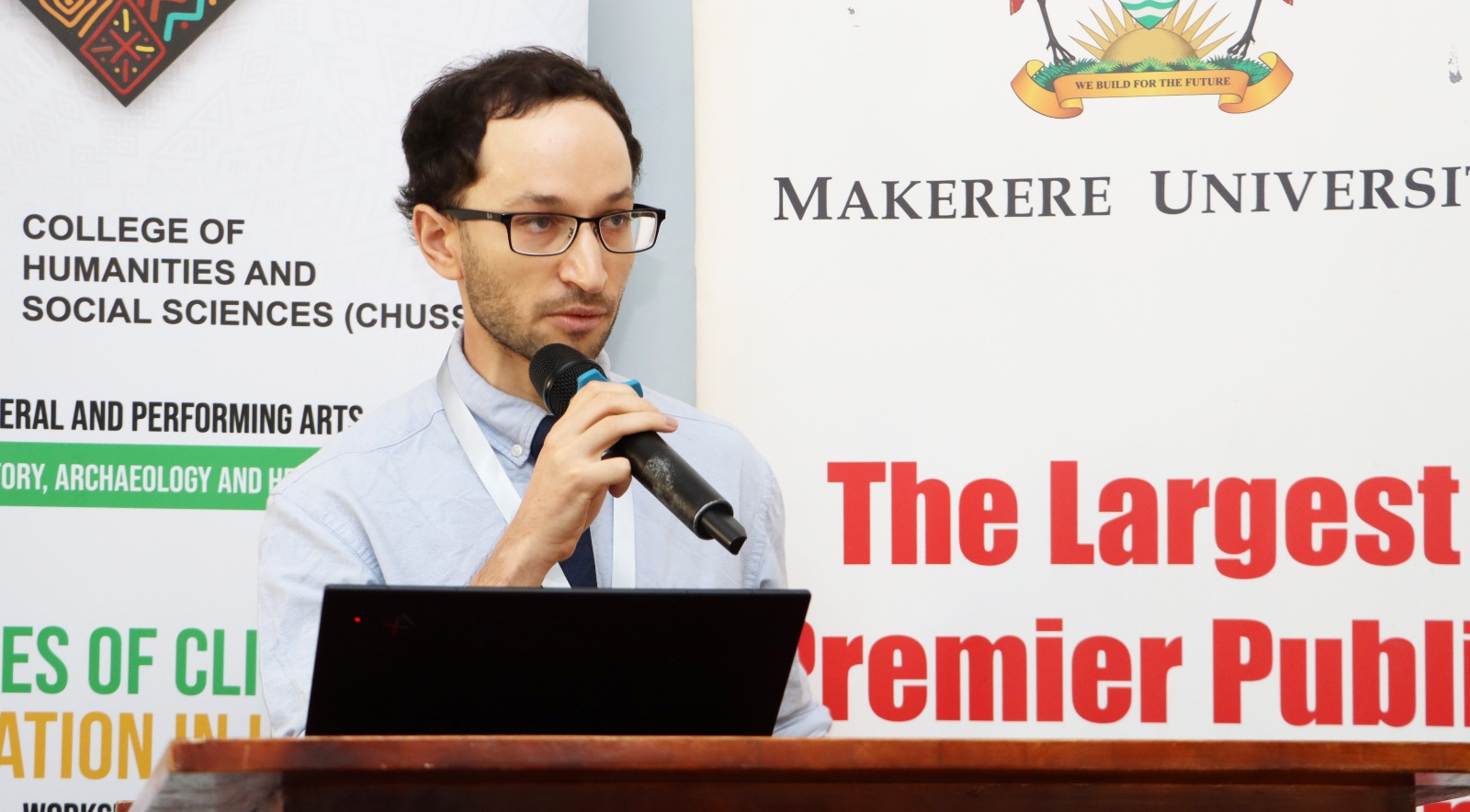
“We very much appreciate you coming all this way to contribute your perspectives to the workshop,” Meyerson said.
Meyerson acknowledged the support of the Climate Resilience and Sustainability Research Fund, managed jointly by the Mastercard Foundation and the University of Cambridge, which is financing the project.
He thanked his fellow Principal Investigator, Dr. Pamela Khanakwa, as well as co-principal investigators Dr. Charlotte Mafumbo and Dr. Edgar Taylor, for helping transform the initial idea for a collaborative project into the workshop.
According to Meyerson, the idea began as a relatively undeveloped concept that he brought to his Makerere colleagues in October last year before the partners worked together to develop it into the current research project.
He also praised the administrative team of Duncan Muhanguzi and Esther Namitala for their work in handling the numerous logistical details required to organise the workshop.
Meyerson further recognised administrative personnel at both Cambridge and Makerere universities whose time and expertise contributed to bringing the event together.
He also highlighted the role of the refugee researchers and Makerere postgraduate students who successfully applied for the project’s seed-funding grants.
Meyerson said members of the selection committee were impressed by the quality of the applications and expected the supported research to generate new evidence and perspectives on climate and migration.
“We, as the members of the selection committee, were deeply impressed by these applications and we all greatly look forward to the insights that your projects will yield,” he said.
The workshop is expected to provide a platform for sustained discussion between academics, policymakers, researchers and communities affected by migration.
Through presentations, keynote addresses, roundtable discussions, seed-funded research and engagement with archival materials at the Uganda National Archives, the organisers hope to deepen understanding of the historical forces behind migration and the role environmental and climate factors have played in shaping population movements in Uganda.
Climate-migration research strengthens Makerere’s global academic partnerships
CHUSS welcomed a new research project examining the historical links between climate change and migration, describing the initiative as an opportunity to strengthen interdisciplinary scholarship and connect academic research with the experiences of refugee communities.
Speaking on behalf of the CHUSS Principal, Associate Professor Eric Awich Ochen said climate change is an issue that increasingly affects everyday life and requires sustained research and collaboration.
Ochen said the Principal was unable to attend the workshop because of other commitments and had sent him to represent her and convey her greetings to participants.
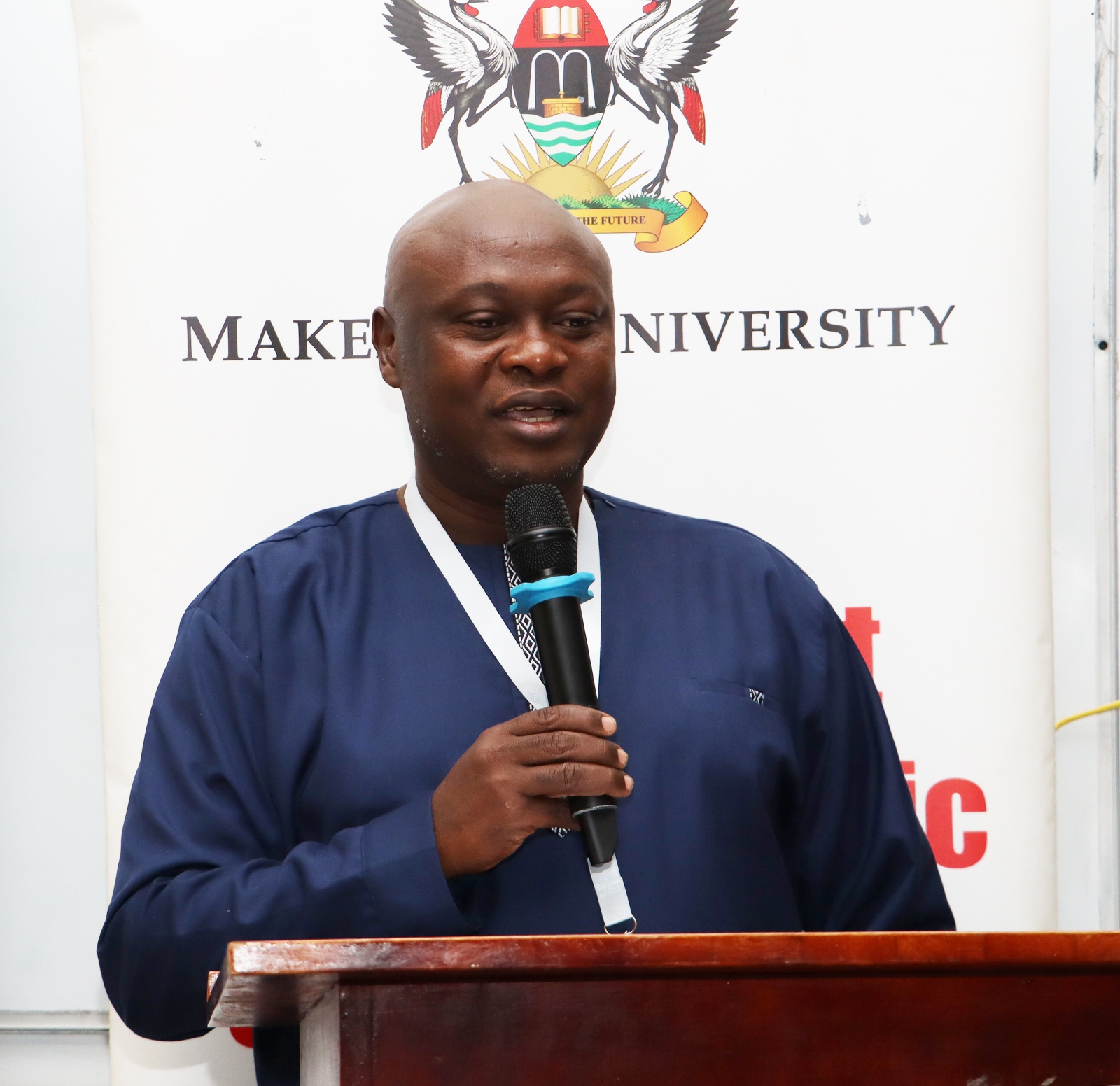
He described CHUSS as the largest college at Makerere University, with more than 225 full-time academic staff and close to 300 staff when support personnel are included.
He said the college makes a significant contribution to the university through its humanities, liberal arts, social sciences, performing arts and other academic programmes.
Ochen defended the importance of the humanities and social sciences in understanding complex social challenges, saying the disciplines are essential to understanding how human beings respond to changes in their environment and society.
He highlighted the College’s Department of Performing Arts and Film and the School of Liberal and Performing Arts, where history and other disciplines contribute to academic and cultural development.
He said Makerere-trained artists and scholars have contributed to Uganda and beyond, demonstrating the wider contribution of humanities and social sciences to society.
“The liberal arts, the humanities and social sciences are very important for us human beings,” Ochen said.
He praised the keynote speaker, Dr. Anthony Mugeere, describing him as a scholar with a distinctive sense of humour and resilience, while also welcoming participants to the workshop.
Ochen said the research project is important because it examines environmental and climate factors that have influenced Uganda’s long history of migration, both in recent times and in the deeper historical past.
He thanked Dr. Pamela Khanakwa and Dr. Samuel Meyerson for developing the project and noted that although the current project is relatively short, the researchers are already exploring ways of expanding it to create further learning around climate and migration.
The project brings together scholars from multiple disciplines as well as members of refugee communities in Uganda.Ochen said the inclusion of refugee communities was particularly significant because it allows research to incorporate experiences and perspectives from people directly affected by migration.
He also welcomed the project’s collaboration with the Mastercard Foundation’s Climate Resilience and Sustainability Research Fund and the Cambridge Africa Programme at the University of Cambridge.
Ochen outlined the longstanding relationship between Makerere University and the Mastercard Foundation, noting that the Foundation has supported several major initiatives at the university.He said one of the major programmes has provided scholarships to students from disadvantaged backgrounds and has increasingly extended opportunities to graduate students.
He noted that members of refugee communities have also benefited from the opportunities created through the partnership.
Ochen also highlighted the African Climate Collaborative, another Mastercard Foundation-supported initiative focused on climate change and advanced academic training.
He said the programme is expected to support the training of up to 200 PhD researchers over a 10-year period through the College of Agricultural and Environmental Sciences.
He encouraged possible collaboration between the Histories of Climate and Migration project and other climate-focused initiatives supported by the Foundation.
Ochen said Mastercard Foundation had continued to demonstrate its commitment to supporting African universities and research.
Ochen also traced the long-standing relationship between Makerere University and the University of Cambridge, saying the partnership has involved both institutional cooperation and individual research collaborations.
He cited his own experience at Cambridge, where he spent time at the Centre of African Studies under the Cambridge Africa Programme. He said the experience enabled him and other Makerere academics to establish relationships with researchers at Cambridge and other institutions.
Ochen also mentioned his continued research collaboration with Professor Adam Branch, an academic at Cambridge who has an affiliation with Makerere University.He said the existing relationships provide a foundation for further cooperation between Makerere, Cambridge and other African universities.
Ochen said the climate and migration project demonstrates Makerere University’s position as a leader in interdisciplinary research in the humanities and social sciences. He said the research has the potential to generate knowledge that will be useful not only in Uganda but also to scholars and policymakers across East Africa and internationally.
The project, he noted, brings together Makerere University, the University of Cambridge and the Mastercard Foundation in a collaboration that links academic research with community experiences. He said the project’s focus on climate, migration and history was particularly relevant because environmental change is increasingly affecting communities and patterns of human mobility.
Ochen applauded the project’s seed-funding component, which provides research grants to Makerere postgraduate students and members of refugee communities. Under the programme, five postgraduate students and three members of refugee communities are expected to receive funding to undertake independent, historically oriented research.
He said the initiative would help empower emerging researchers while ensuring that refugee communities participate in knowledge production rather than simply being subjects of research.
“By empowering both Makerere postgraduate students and refugees to conduct independent research and share their ideas, this project bridges the gaps between academic knowledge production and grassroots concerns,” Ochen said.
The funded researchers are expected to conduct their studies between the workshop and February 2027. Ochen said the findings are expected to contribute to a special issue of the Makerere Historical Journal, which he described as an increasingly vibrant platform for historical scholarship. He said publication of the research would provide an opportunity to preserve and share new knowledge emerging from the project while extending the impact of the workshop beyond its three-day programme.
Ochen concluded by thanking the organisers and encouraging continued collaboration among Makerere University, Cambridge, the Mastercard Foundation, researchers and refugee communities. He said partnerships of this nature are important for generating research that is academically rigorous while remaining relevant to communities and policymakers.
By Jane Anyango, Peninah Nalubega and Joseph Buwule
-
 General2 weeks ago
Statement on Concerns Circulating Regarding a Member of Academic Staff
-
 General2 weeks ago
Beyond Map Size: Africa’s Agency Should Not Be Funded by Other People
-
 General2 weeks ago
Press Statement: Incident Involving Death of a Student at Makerere University
-
 General4 days ago
Timothy Khabusi: From Barefoot Walks to shaping Uganda’s Eye health Future
-
 General2 weeks ago
JNLC Leadership Symposium Equips Young Leaders for Responsible and Transformative Leadership