Connect with us

Research

Potential Contribution of Farm Forestry Systems to Wood Production in Greater Mubende, Central Uganda


Published

on

This study aimed at diagnosing the contribution of Farm Forestry Systems in the face of the forecasted wood supply gap in Uganda. Specifically, the study sought to: Characterize Farm Forestry Systems, assess factors motivating engagement in Farm Forestry, determine growth performance of the most grown tree species in different FFS and investigate challenges affecting and actions to enhance wood production in the study area. A descriptive research design employing a cross-sectional field survey with qualitative and quantitative data collection approaches were adopted. Descriptive design was used to facilitate describing the state of affairs as they actually existed. During data collection, interviews were conducted with 63 Tree and 64 Non-tree farmers.

Results indicated that woodlot system was the most practiced Farm Forestry System among the farmers. Eucalyptus was the most grown tree species at a proportion of 62% amongst the investigated farmers followed by Pine (24%) and Grevillea (11%). The men dominated on-farm tree planting in the area, with the youthful farmers most active in tree planting. The tree farmers in the area dominantly owned land under the mailo tenure system with the majority indicating that they had acquired their land through buying. Respondents dominantly owned land of less than 2 acres and obtained their planting materials from private tree nurseries.

Read more

Mark Wamai

Research

CARTA Fellow Tamale on Building Systems, Shaping Policy and Transforming Lives beyond the PhD
Published

on

Dr. Andrew Tamale, College of Veterinary Medicine, Animal Resources and BioSecurity (CoVAB), Makerere University, Kampala Uganda, East Africa. Photo. CARTA.

A PhD can spark impact that extends far beyond academia. Meet CARTA graduate Andrew Tamale, whose journey demonstrates the multiplier effect of research capacity strengthening—from helping transform doctoral training and generating evidence that informed safer fish consumption practices, to strengthening One Health approaches for outbreak preparedness in Uganda and beyond. 

Read full story

Source: CARTA News & Updates Issue 105

Mark Wamai

Continue Reading

Research

CARTA Fellow Anywar Appointed UTANA Subject Matter Expert, Talks Medicinal Plants

Published

on

Dr. Godwin Anywar, Department of Plant Sciences, Microbiology and Biotechnology, College of Natural Sciences (CoNAS), Makerere University. Kampala Uganda, East Africa.

Godwin Anywar, cohort 6, Makerere University, was appointed as a Subject Matter Expert on the Manuscript Technical Evaluators team of the Uganda Textbook Academic and Non-Fiction Authors Association (UTANA) on August 31, 2026. In this role, Godwin will contribute to the qualitative, academic, and pedagogical assessment of manuscripts submitted under the Capacity Building for School Books Project (CB-SP). The four-year project, implemented jointly with the Department of Teacher Education and Training Development (TETD) of Uganda’s Ministry of Education and Sports (MoES), aims to strengthen authorship and support the development of school books in Uganda’s education sector.

He was also featured in Uganda’s New Vision on July 26, 2026, in a special report on Uganda’s medicinal plants.

Source: CARTA News & Updates Issue 105

Mark Wamai

Continue Reading

Research

Makerere Hosts TERID Hub Early Career Researchers Grant Writing Workshop

Published

on

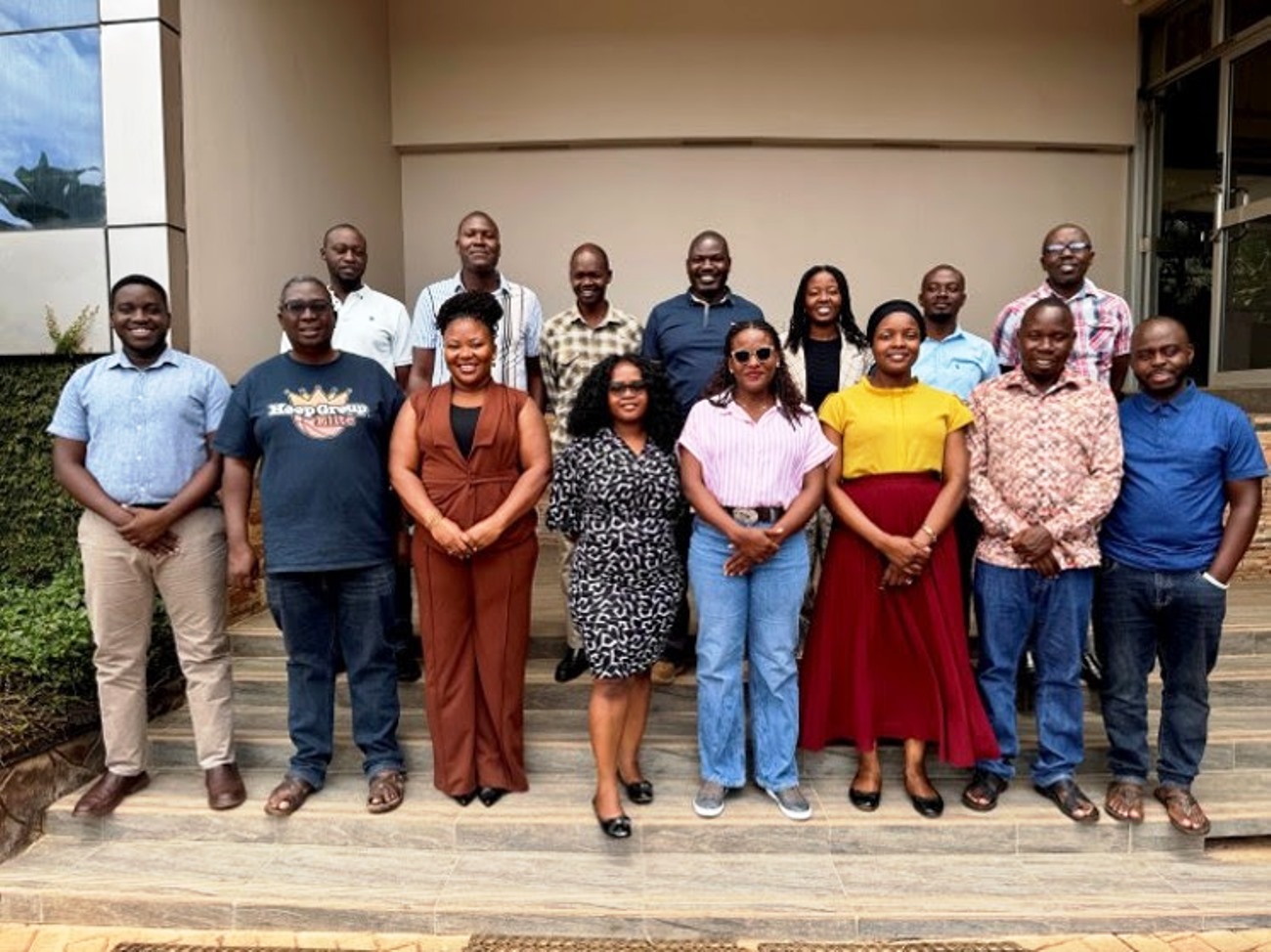
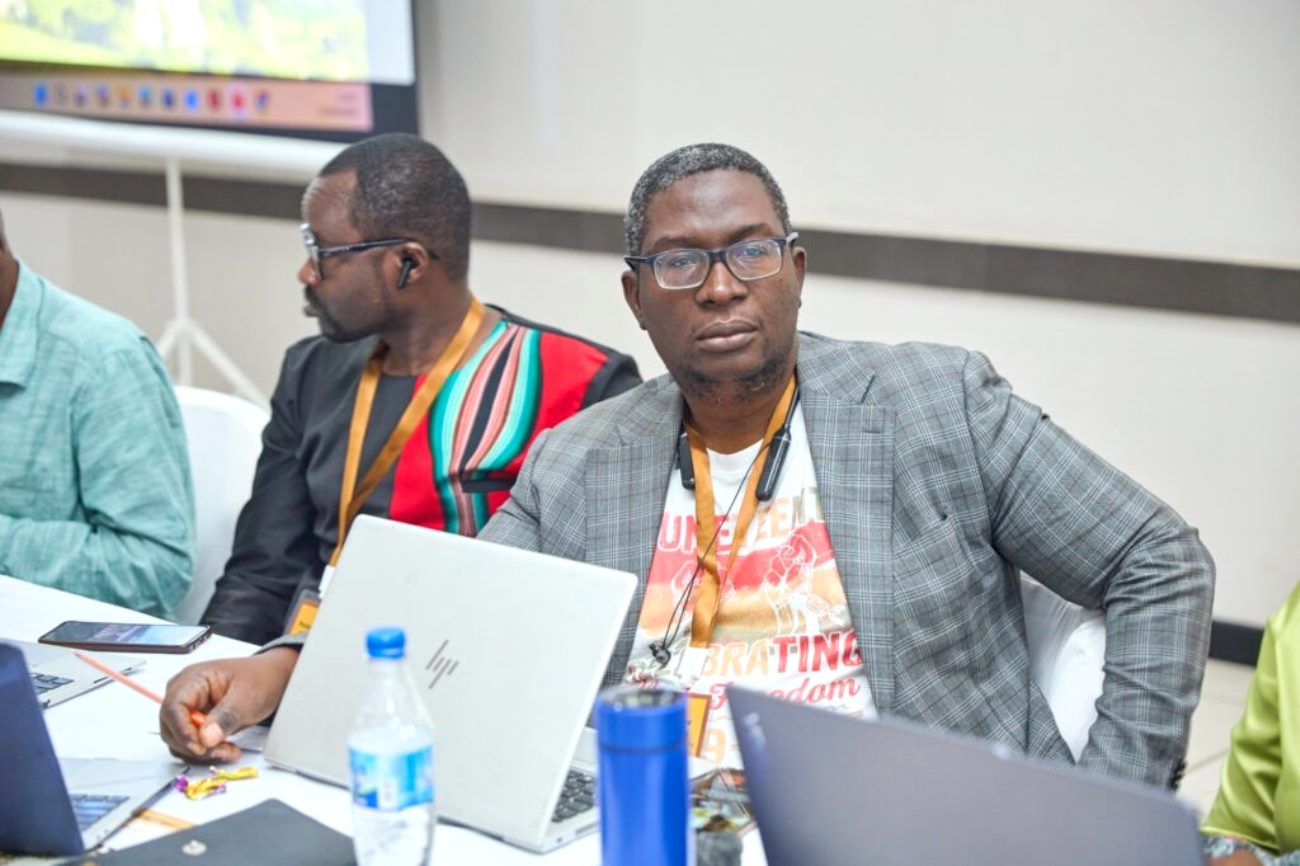
The Emerging and Re-emerging Infectious Diseases (TERID) Hub continued its efforts to strengthen the capacity of 17 early career researchers (ECRs) (10 men, 7 women) on an institutional level by holding a grant writing workshop from September 8 - 11, 2026, at Makerere University, Kampala Uganda, East Africa.

The Emerging and Re-emerging Infectious Diseases (TERID) Hub continued its efforts to strengthen the capacity of early career researchers (ECRs) on an institutional level by holding a grant writing workshop from September 8 – 11, 2026, at Makerere University. The workshop, attended by 17 ECRs (10 men, 7 women), strengthened participating researchers’ capacity by equipping them with critical skills to secure competitive funding. The intensive sessions bridged the gap between innovative academic concepts and fundable proposals, focusing heavily on decoding complex funder criteria and structuring compelling narratives. Participants prioritized the CONNECT-VAX call, which closely aligns with the Hub’s core work, and formed two groups: one on vaccine research and development capacity, the other on public trust and demand for vaccines manufactured in Africa.

Through this call, the Hub engaged collaborators from West Africa (Sierra Leone) and East Africa (Kenya and Tanzania) in developing two of its grant applications. Individual concepts on leishmaniasis, leptospirosis, tuberculosis, and pharmaceutical inventory management were also advanced, bringing the total to eight proposals across four funding calls, including Makerere University Research and Innovation Fund (MAK-RIF 8), Wellcome, and WHO/TDR.

To date, the Hub’s grant writing effort has attracted over USD 700,000. The workshop reinforced the Hub’s commitment to mentoring early-career researchers and championing research in emerging and re-emerging infectious diseases.

Source: CARTA News & Updates Issue 105

Mark Wamai

Continue Reading

Trending