
Research
Selected SDGs at Population Level in Eastern Uganda – a Subnational Analysis 2019-2020









Research
“Start with Ethics”: Makerere Webinar Rallies Researchers to Prioritize Ethical Approval from Day One

By Moses Lutaaya
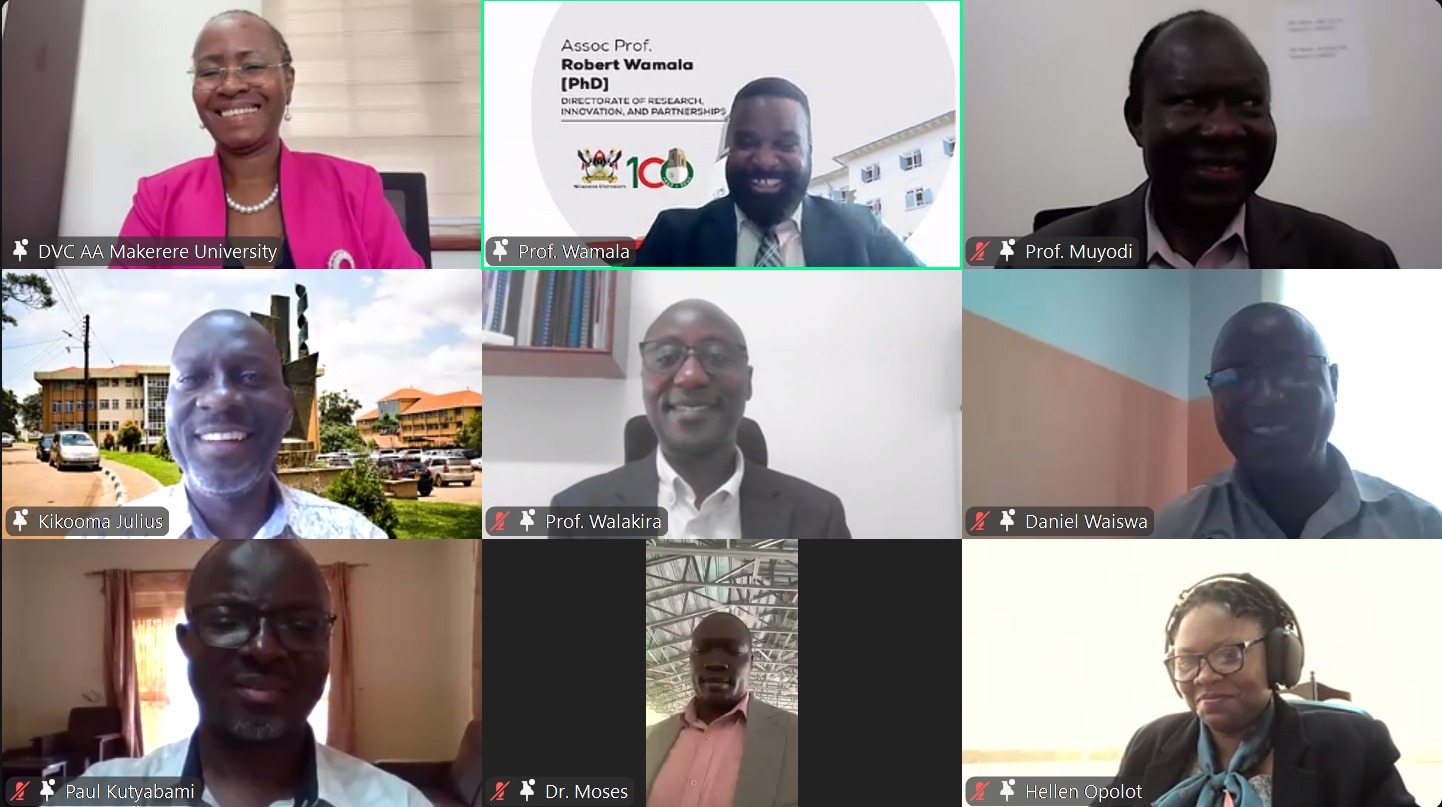
Kampala — A high-level webinar hosted by the Directorate of Research, Innovations and Partnerships in collaboration with the Directorate of Graduate Training at Makerere University has reinforced the urgent need for early engagement with research ethics, drawing over 500 participants in attendance and close to 980 registrations to discuss ethical approval processes and responsible research conduct.
Delivering the closing remarks, Deputy Vice Chancellor (Academic Affairs), Prof. Sarah Ssali, emphasized that research ethics is not merely an administrative requirement but the very cornerstone of academic excellence and integrity.
“Research ethics is not something you come to at the end of your study—it is the foundation upon which credible and impactful research is built,” Prof. Ssali said. “From proposal development to dissemination, every stage must reflect ethical responsibility.”
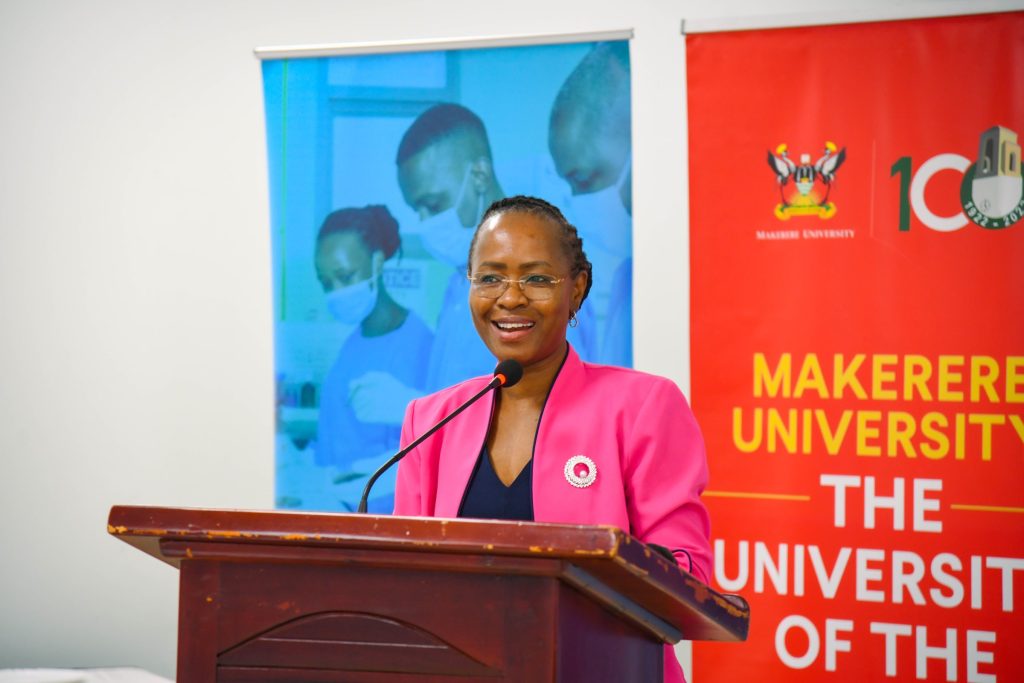
She urged graduate students to take full ownership of ethical responsibility by embedding ethical considerations throughout the research process. Cautioning against misconduct, she added: “Shortcuts such as falsification of data or unethical practices will not only compromise your work but will also attract serious academic and disciplinary consequences.”
Prof. Ssali further encouraged researchers to actively seek guidance from supervisors and Research Ethics Committees (RECs), reaffirming the university’s commitment to building a robust culture of responsible, transparent, and credible research.
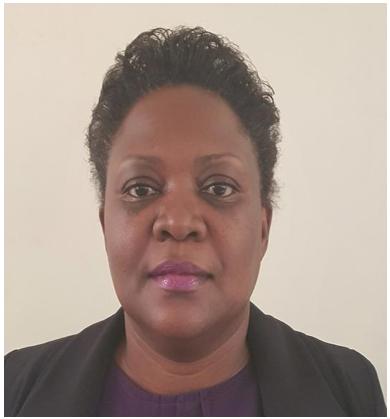
Earlier, Dr. Hellen Opolot, the Assistant Executive Secretary and Head of the Division of Research Management and Quality Assurance at the Uganda National Council for Science and Technology, delivered a comprehensive presentation on research misconduct and its far-reaching implications.
“Research misconduct goes beyond fabrication, falsification, and plagiarism,” Dr. Opolot explained. “We are also seeing practices such as ghost authorship, lack of ethical approval, selective reporting, and data manipulation, all of which undermine the integrity of research.”
She noted that pressures to publish, competition for funding, weak supervision, and limited training in ethics often drive such misconduct.
“These practices damage institutional reputations, erode public trust, and weaken the credibility of academic qualifications,” she warned. “They can lead to loss of funding, broken partnerships, and even affect national development because the knowledge produced becomes unreliable.”
Dr. Opolot called for stronger enforcement mechanisms, continuous ethics training, and strict alignment with national regulatory frameworks to safeguard research quality.
In his opening remarks, Director of Research, Innovations and Partnerships, Prof. Robert Wamala, underscored the need to address ethics at the very beginning of the research journey.
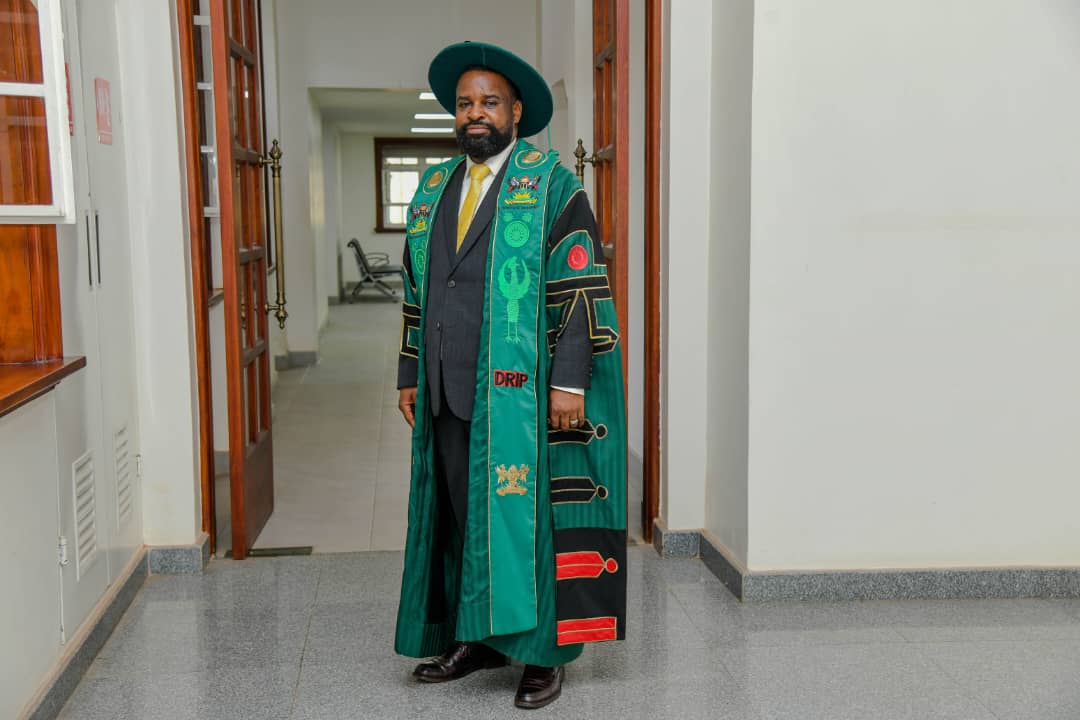
“Many students treat ethical approval as a last-stage requirement, and that is where the problem begins,” Prof. Wamala said. “Ethics must come first if we are to produce credible and impactful research.”
He urged researchers to engage RECs early, noting that ethical compliance is critical for protecting participants’ rights and ensuring globally acceptable research outputs. He also highlighted institutional support systems available to guide researchers through the ethical approval process.
Prof. Julius Kikooma, Director of Graduate Training, emphasized that ethical compliance is central to the university’s research agenda.
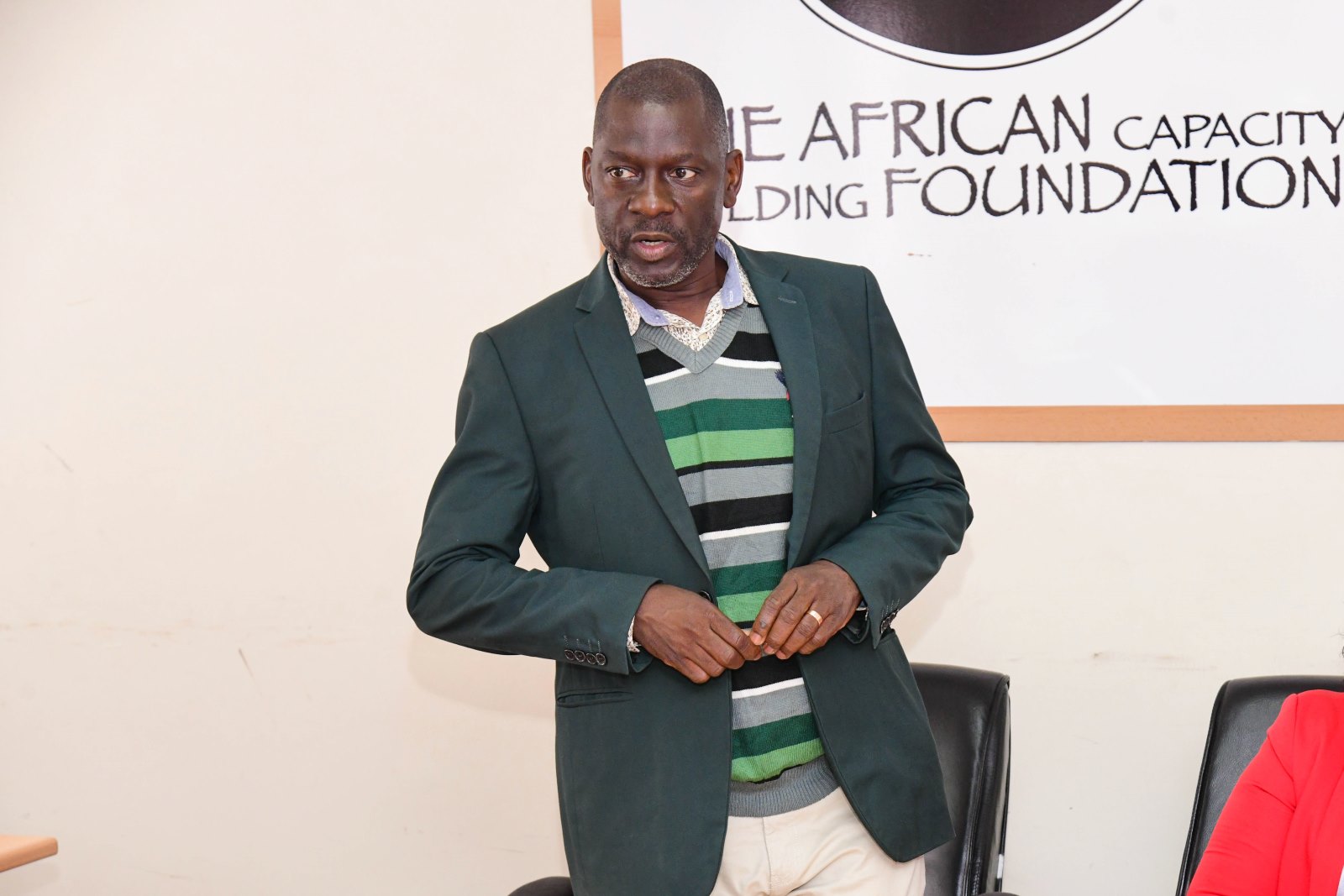
“Ethical clearance is not optional—it is a requirement,” Prof. Kikooma stated. “Without it, students cannot defend their research or graduate. This is clearly stipulated in our Graduate Handbook and institutional policies.”
He also pointed to emerging ethical challenges, particularly in the use of artificial intelligence, calling for responsible and informed application of new technologies in research.
From the Research Ethics Committee perspective, Prof. Stella Neema the Chair MAKSS-REC explained that ethical approval is mandatory for studies involving human participants, personal data, sensitive topics, or vulnerable groups.
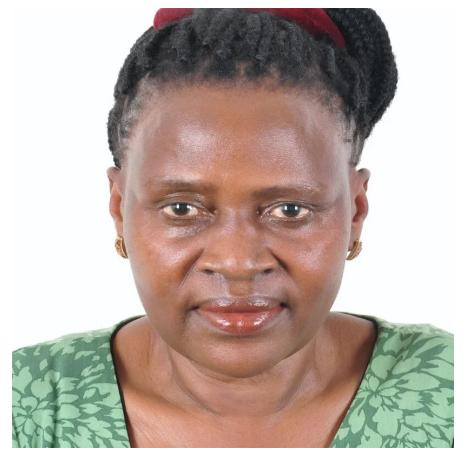
“There is no retrospective approval,” she stressed. “Researchers must obtain ethical clearance before they begin data collection. That is non-negotiable.”
She encouraged researchers to consult RECs for guidance, especially where exemptions may apply, emphasizing adherence to ethical standards to protect participants and maintain research integrity.
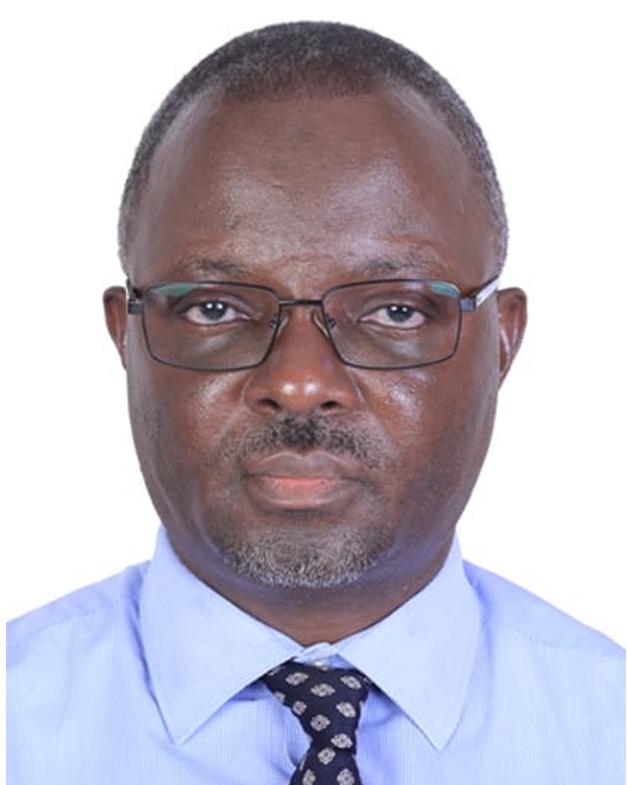
Dr. Daniel Waiswa, representing the College of Agricultural and Environmental Sciences Research Ethics Committee (CAES REC), highlighted the broader value of ethical research.
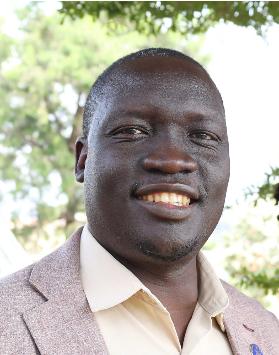
“Ethics ensures protection of participants, promotes valid and reliable findings, and sustains public trust,” Dr. Waiswa noted. “Principles such as informed consent, confidentiality, fairness, and minimizing harm are essential if research is to have real societal impact.”
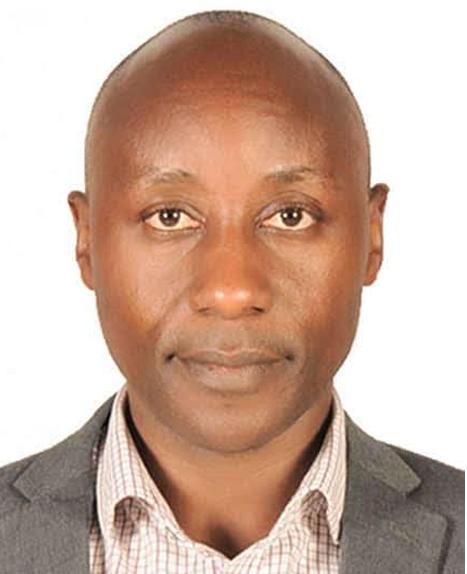
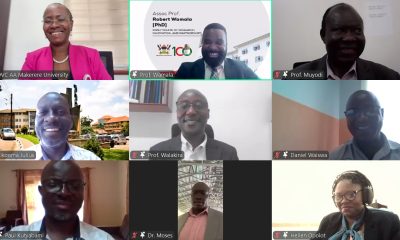
The webinar also brought together several Research Ethics Committee Chairpersons, including Dr. Paul Kutyabami, Dr. Moses Ocan, and Dr. Eddie Walakira, among others—reflecting a strong, coordinated commitment to strengthening ethical research oversight across institutions. Overall, the engagement delivered a unified message: ethical approval is not a procedural hurdle but a fundamental pillar of quality research. Participants were urged to “start with ethics” to ensure their work meets the highest standards of integrity, credibility, and societal relevance.
Research
Makerere Strengthens Research Ethics as Leaders Call for Reforms in Governance, Integrity, and Student Support
By Moses Lutaaya
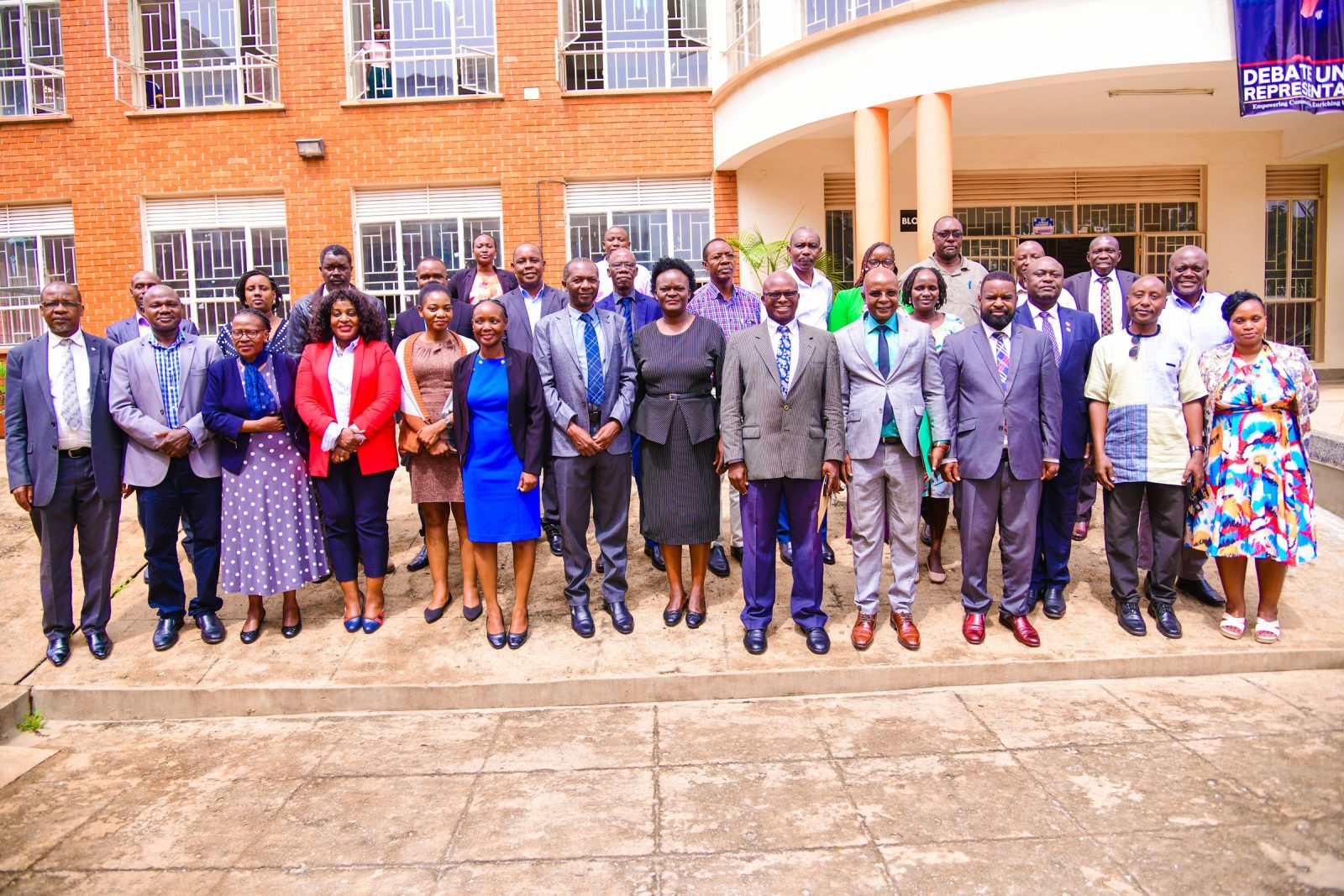
KAMPALA — Leaders at Makerere University have renewed calls to strengthen research ethics, governance, and integrity systems, as the institution positions itself as a leading research-driven university in Uganda and the region.
The call was made during a high-level workshop that brought together regulators, academic leaders, and research ethics committees, with a shared focus on improving coordination, efficiency, and accountability in research oversight.
Dr. Fredrick Nakwagala, Chairperson of the Accreditation Committee at the Uganda National Council for Science and Technology, commended Makerere for hosting nearly a quarter of Uganda’s approximately 40 accredited research ethics committees. He described this as a strong indicator of the university’s leadership in scientific research and training.
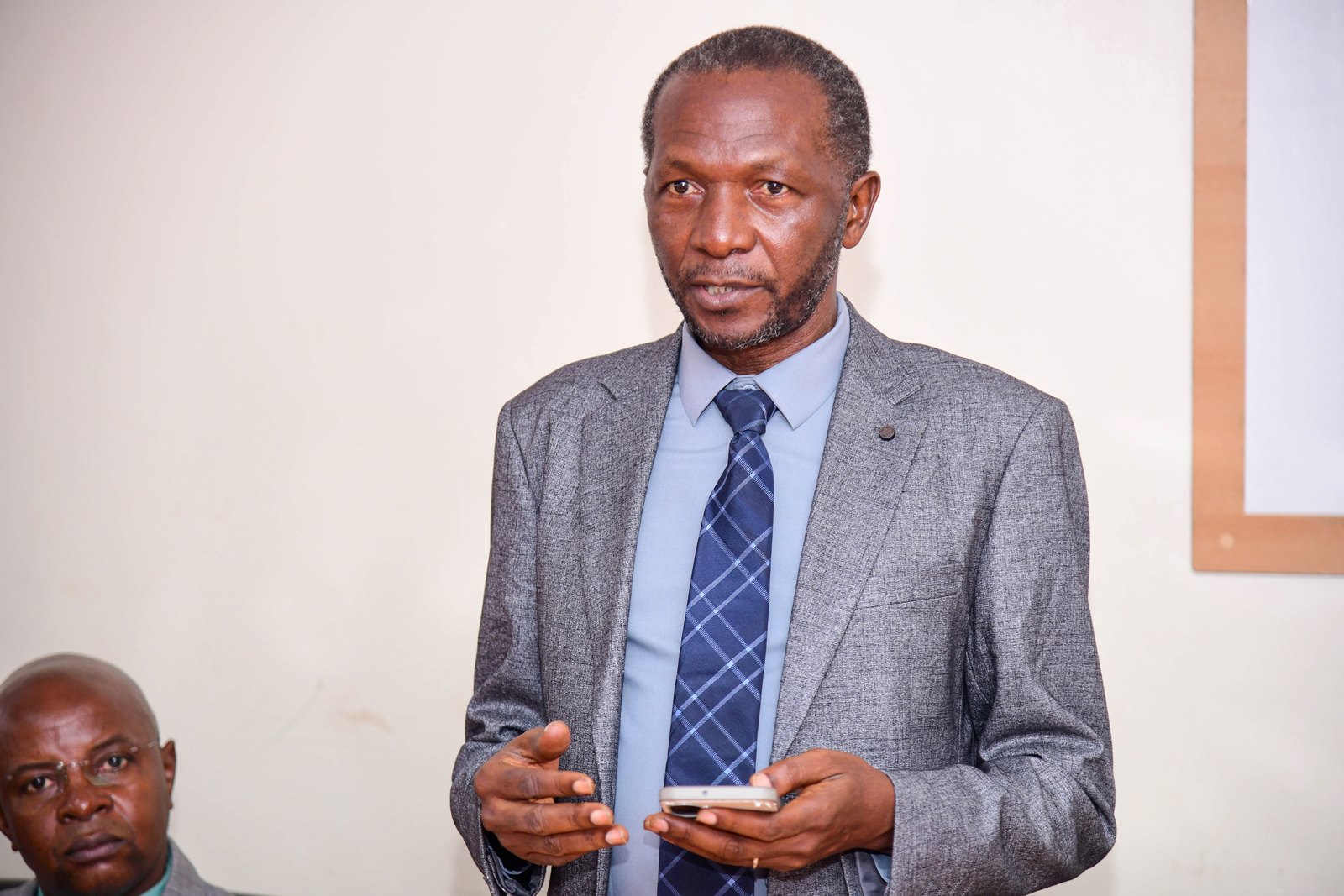
He noted that Uganda has made significant progress in building local capacity for research, moving away from reliance on foreign expertise. However, he raised concerns about gaps in institutional governance across the country, including weak research funding structures and limited administrative support in some institutions.
Dr. Nakwagala emphasized the need for standardization across ethics committees, expansion of ethical frameworks into emerging fields such as gene editing and environmental research, and stronger institutional mechanisms to address research integrity issues such as plagiarism, misuse of funds, and exploitation of students.
Echoing these sentiments, Prof. Edward Bbaale, Principal of the College of Business and Management Sciences, stressed that ethical review is central to credible and impactful research. He warned that fragmented systems lead to delays and inconsistencies, calling for harmonization and collaboration among research ethics committees.
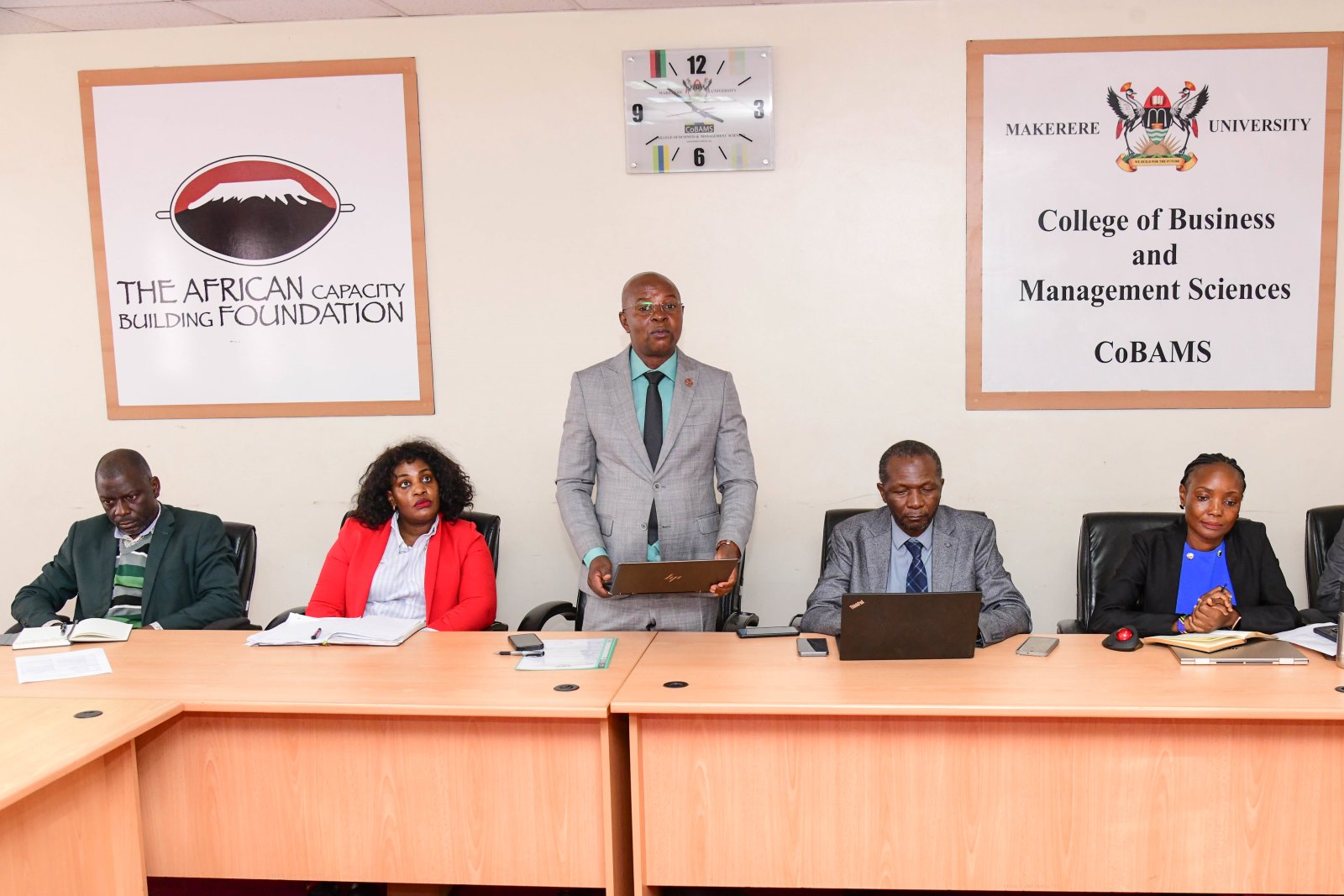
Prof. Bbaale also highlighted the need for efficient and responsive review processes, continuous training in emerging research areas such as artificial intelligence and climate studies, and stronger compliance systems to meet national and international standards.
On his part, Prof. Robert Wamala, Director of the Directorate of Research Innovations and Partnerships, underscored the importance of research integrity, noting that excellence must be measured not only by output but also by ethical rigor and societal relevance.
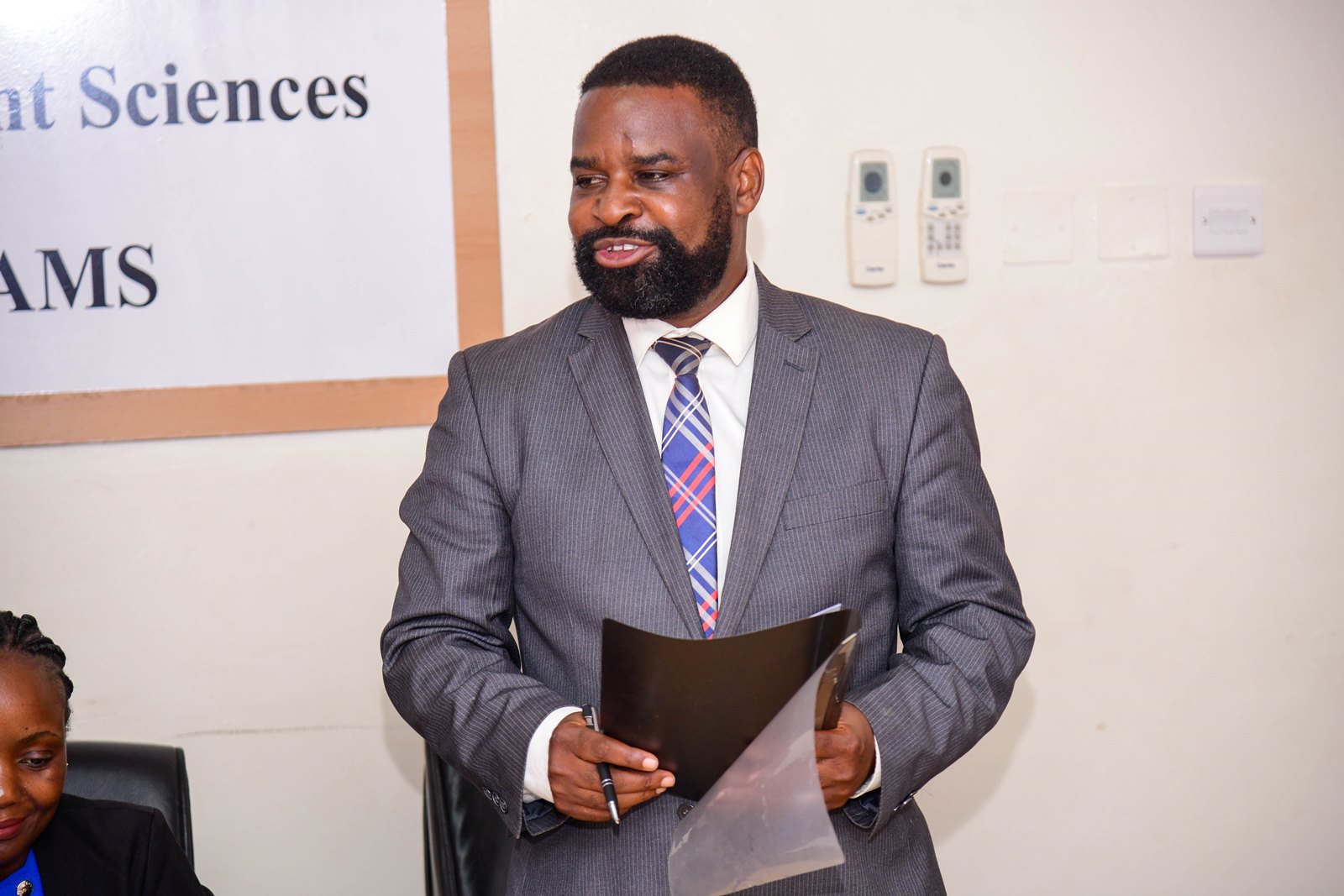
He said the workshop aimed to strengthen coordination among research ethics committees, align university systems with national requirements, and enhance institutional governance through clearer guidelines, capacity building, and collaboration with regulators.
However, concerns about the impact of current systems on students were raised by Prof. Julius Kikooma, Director of Graduate Training. He revealed that many graduate students face delays in receiving feedback from ethics committees, which affects their academic progress.
Prof. Kikooma also pointed to complaints about the cost of ethics review, noting that most graduate students are self-funded and struggle to meet the required fees. He cited the example of the University of Ghana, where ethics review fees for graduate students have been waived, suggesting Uganda could consider similar reforms.
Participants at the workshop agreed that while ethical oversight remains essential for safeguarding research participants and ensuring quality, there is an urgent need to make systems more efficient, accessible, and supportive—particularly for early-career researchers.
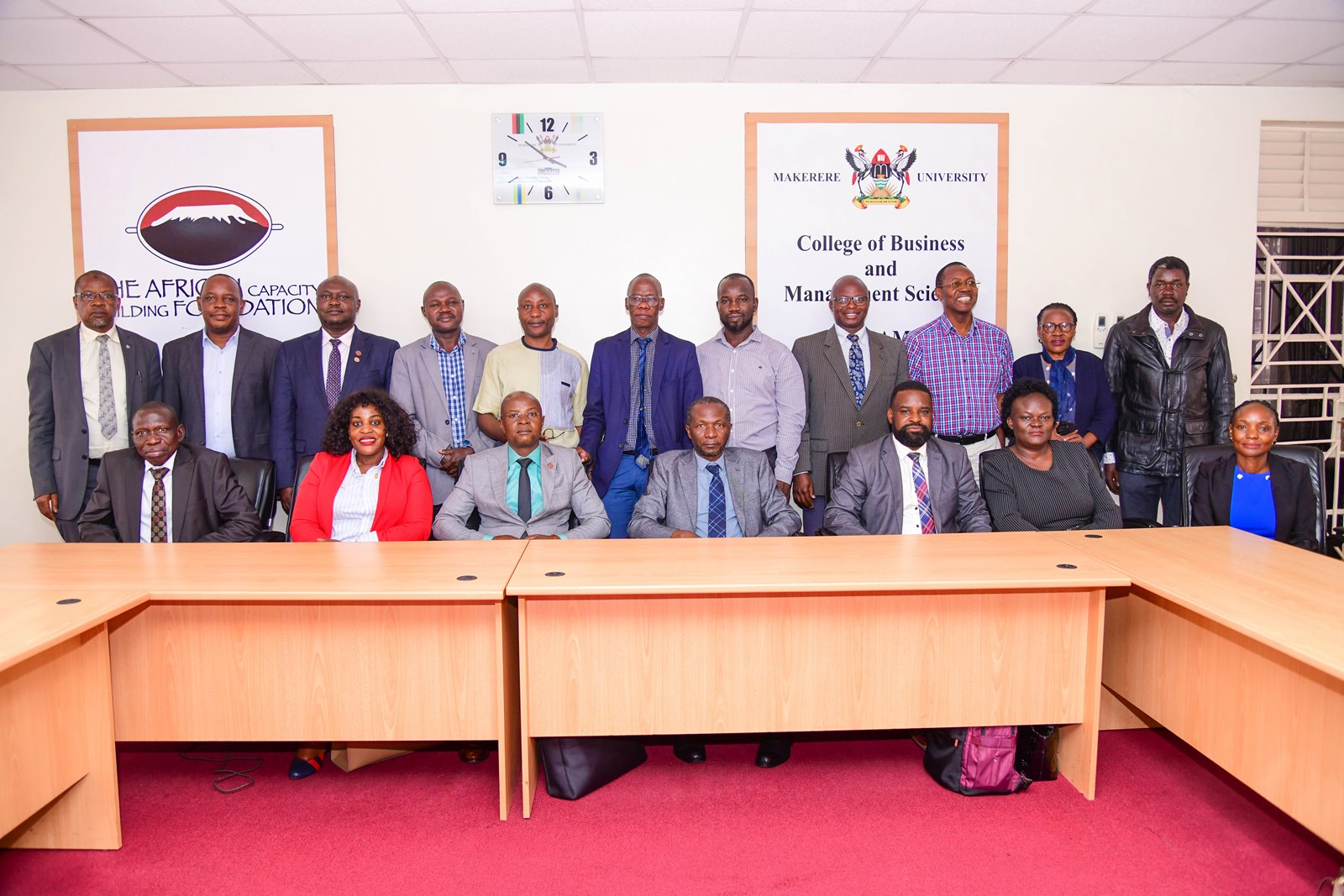
The engagement concluded with a shared commitment to strengthen ethical standards, improve research governance, and reinforce Makerere University’s position as a hub for credible, impactful, and globally competitive research.
Research
Consolidating Early Career Academics Programme (CECAP II) Fellows Hold Progress Reporting Workshop
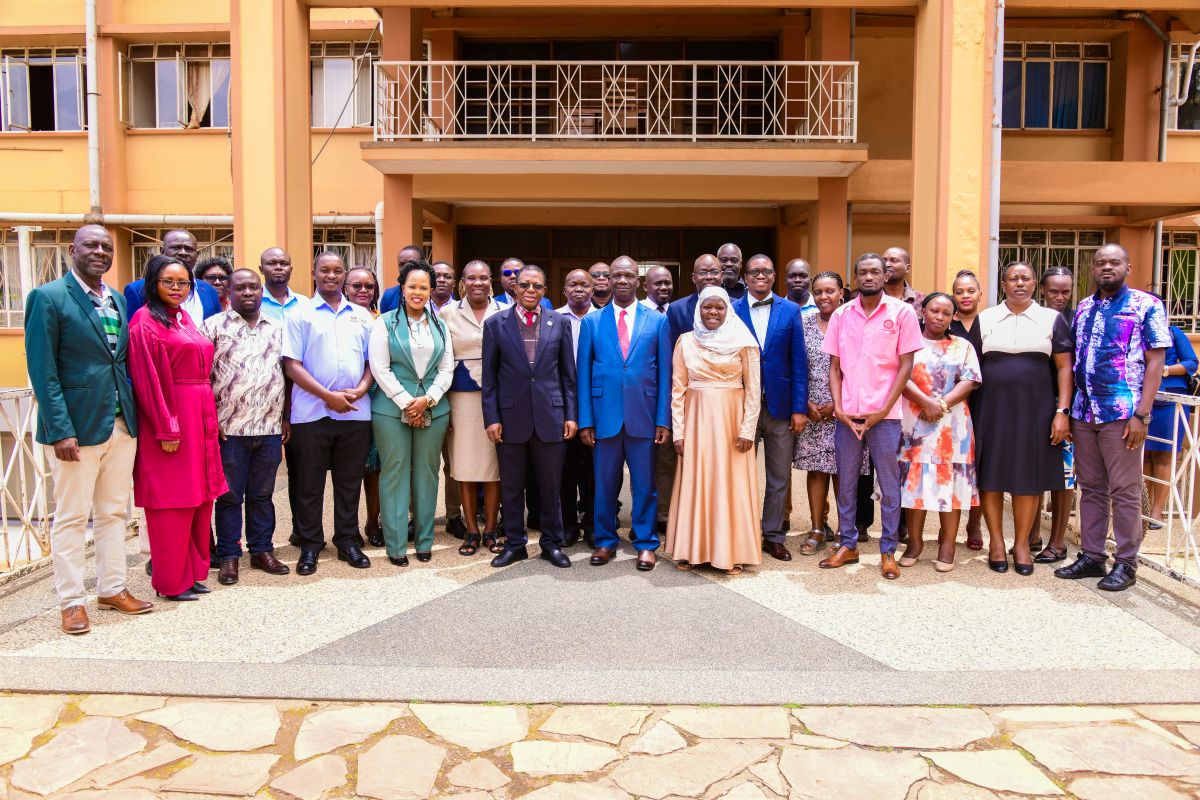
The Directorate of Research, Innovations and Partnerships (DRIP) successfully hosted the Consolidating Early Career Academics Programme (CECAP II) Fellows’ Progress Reporting Workshop on 19th March 2026 at the Conference Room, Level 4, Senate Building. CECAP II programme is supported by the Carnegie Corporation of New York.
The workshop brought together fellows, coordinators, and key stakeholders to review progress, share experiences, and strengthen collaboration under the CECAP II programme.
The Project Coordinator, Prof. Buyinza Mukadasi emphasized the importance of continuous monitoring, mentorship, and knowledge sharing among early career academics.
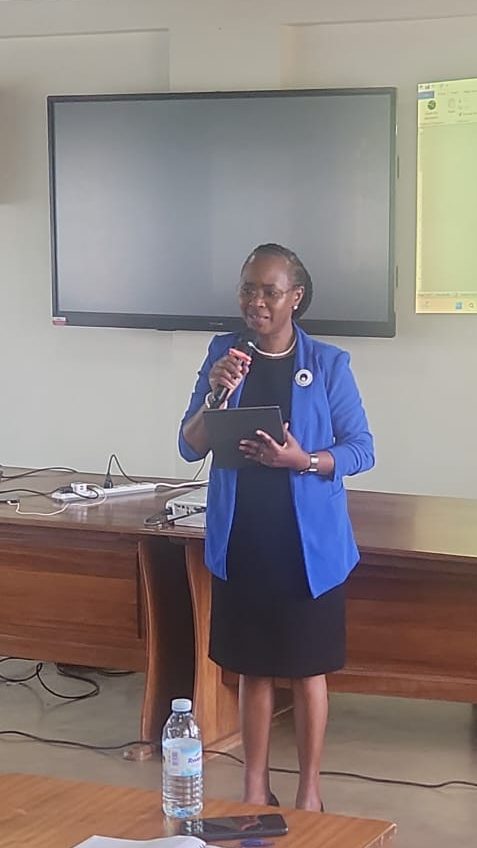
The highlight of the workshop was the presentation of progress reports by the fellows. Participants showcased the status of their research and academic development projects, demonstrating notable progress, innovation, and impact across diverse thematic areas.
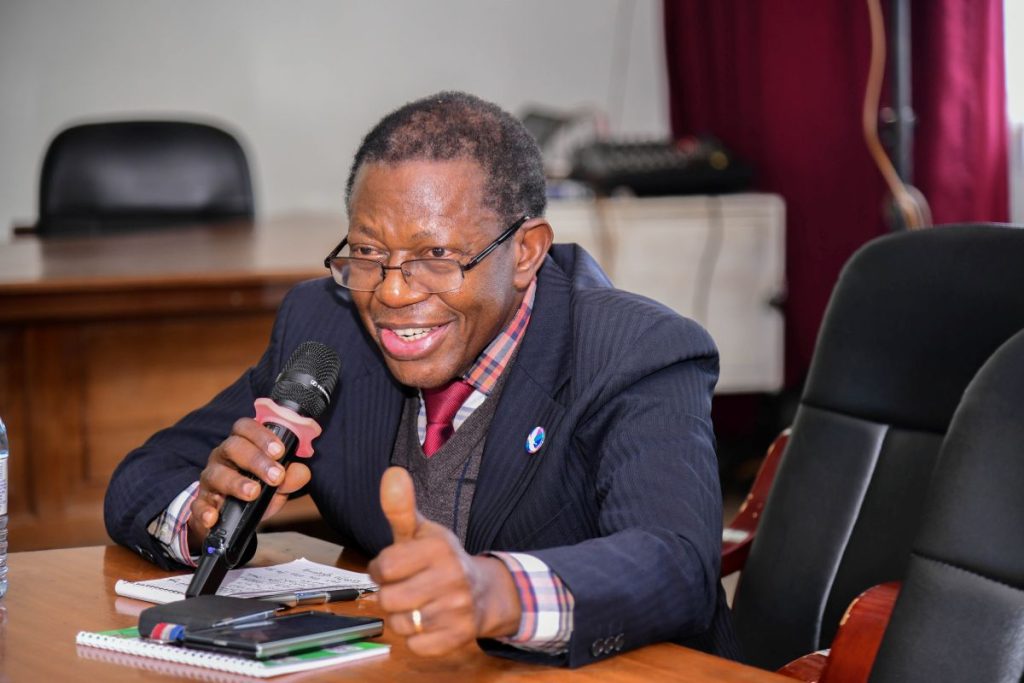
The presentations reflected dedication, improved research capacity, and a strong commitment to excellence. Participants engaged in constructive dialogue, exchanged insights, and provided feedback aimed at enhancing the quality and outcomes of ongoing projects.
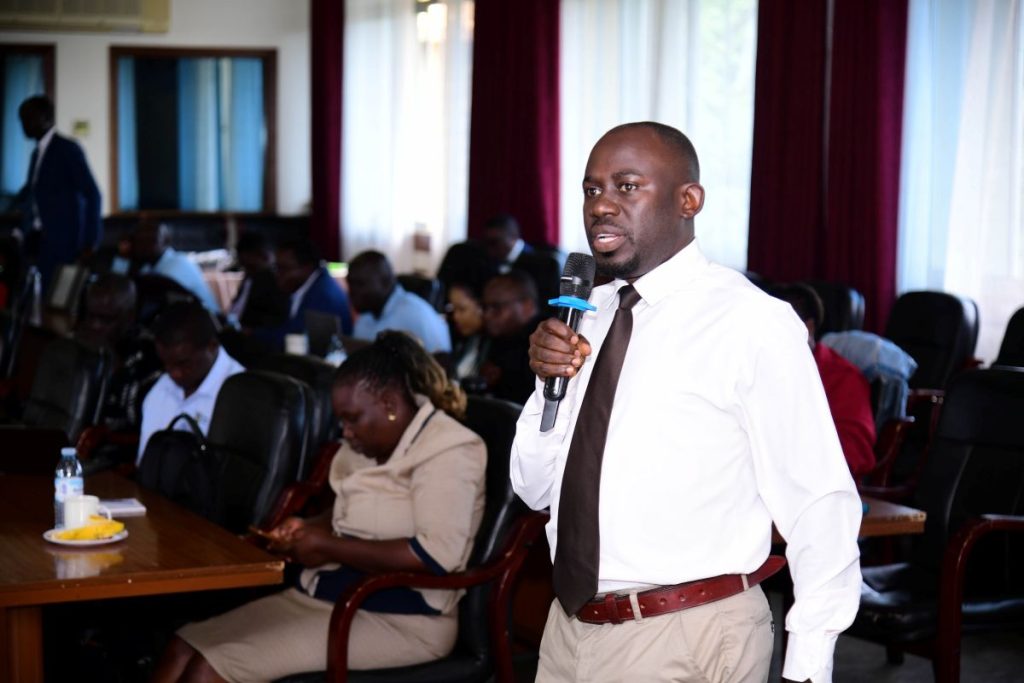
The workshop concluded with closing remarks, with participants commending the high standard of presentations and the productive nature of the discussions.
Overall, the CECAP II Fellows’ Progress Reporting Workshop provided a valuable platform for reflection, peer learning, and strategic alignment, further reinforcing Makerere University’s commitment to advancing research excellence and nurturing early career academics in Uganda.
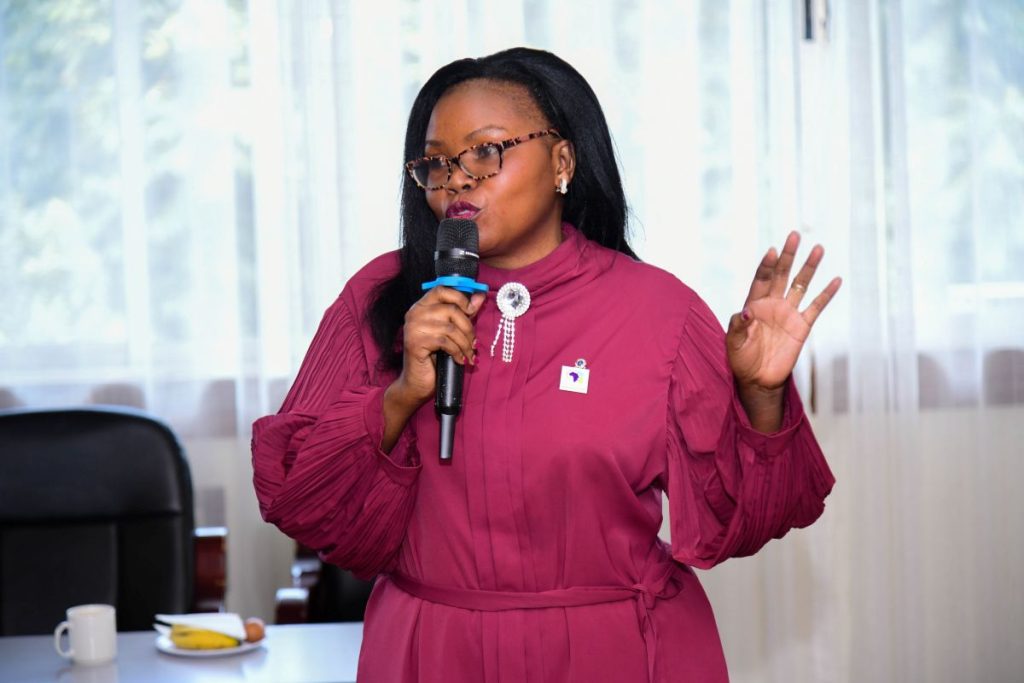
The workshop was attended by the Chairperson, Prof. Sarah Ssali, and led by the Principal Investigator Prof. Buyinza Mukadasi. The session was moderated by Charles Lwanga Mukasa and representatives from partner public universities, including Prof. Kwetegyeka (Kyambogo University), Prof. Batwala Vincent (MUST), Prof. Komakech Daniel (Gulu University), and Prof. Samson Rwehweire (Busitema University).
-

 Law4 days ago
Pre-Entry Examination for Admission to the Bachelor of Laws for 2026/2027 AY
-
 Health3 days ago
Course Announcement: Certificate in Water, Sanitation and Hygiene (CWASH) – 2026
-

 General1 week ago
Call for Participants: 2026 Hainan International Youth Cultural Exchange Program
-
 General1 week ago
New Classroom Block brings Relief to Bwera Primary School
-
 Research1 week ago
“Start with Ethics”: Makerere Webinar Rallies Researchers to Prioritize Ethical Approval from Day One