
Health
Ministry of Health Launches National University Health Screening Initiative at Makerere 92nd Guild Medical Camp

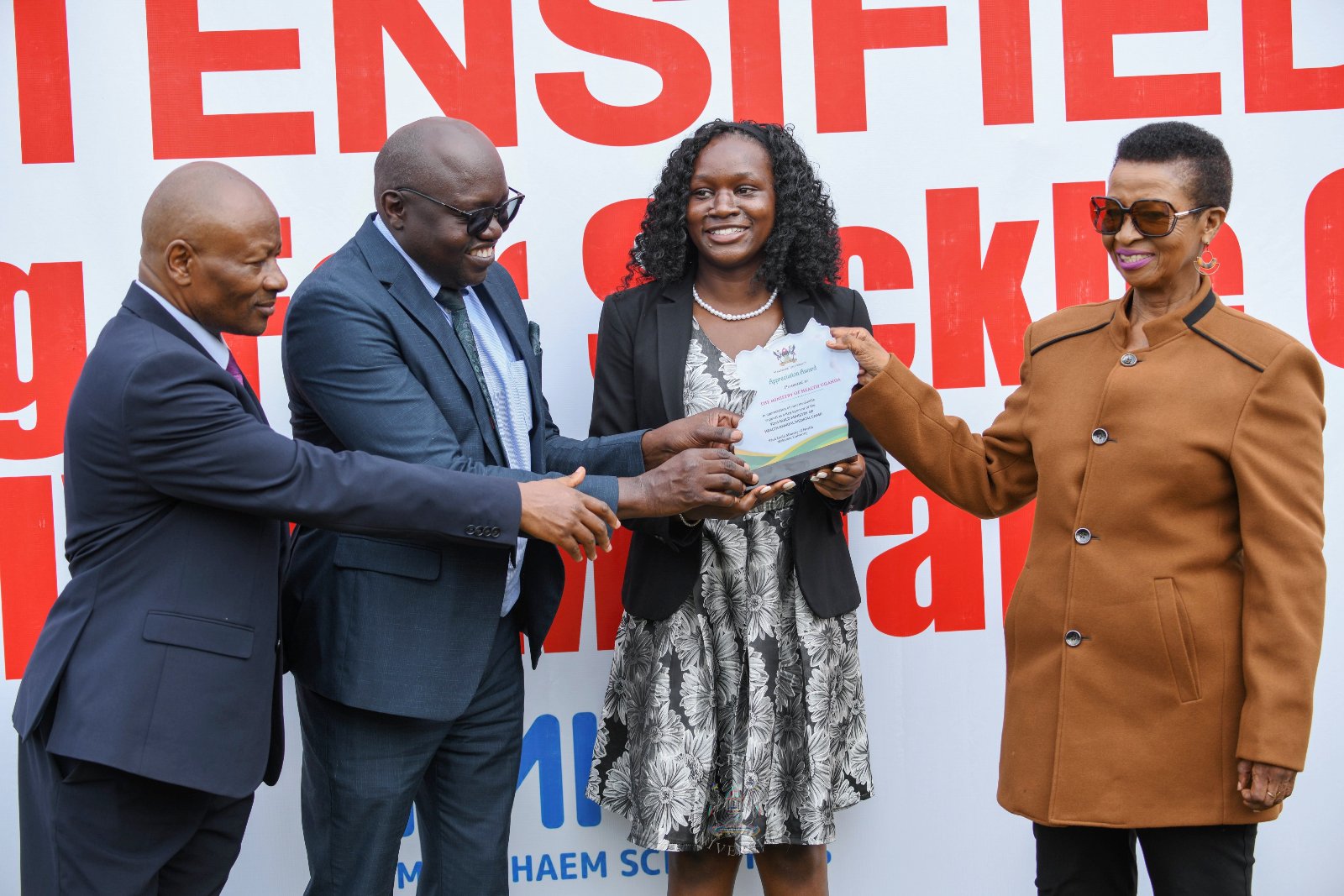
Despite a morning downpour, the two-day 92nd Makerere University Guild Annual Medical Camp successfully commenced on September 17, 2026 with a launch at the Freedom Square.
The Launch marks a strategic partnership between the Ministry of Health and higher education institutions to advance physical well-being and awareness of students from public and private universities.
Presiding over the event, the Minister of State for Health (General Duties), Hon. Anifa Kawooya Bangirana, launched the intensified testing and active case finding for Malaria, HIV/AIDS and Sickle Cell Disease.
Ministry officials emphasized that laboratory screening and diagnostic testing are critical entry points for early detection, linkage to care, appropriate clinical management, surveillance and prevention, and the Ministry of Health pledges full support to strengthen these services across universities nationwide.
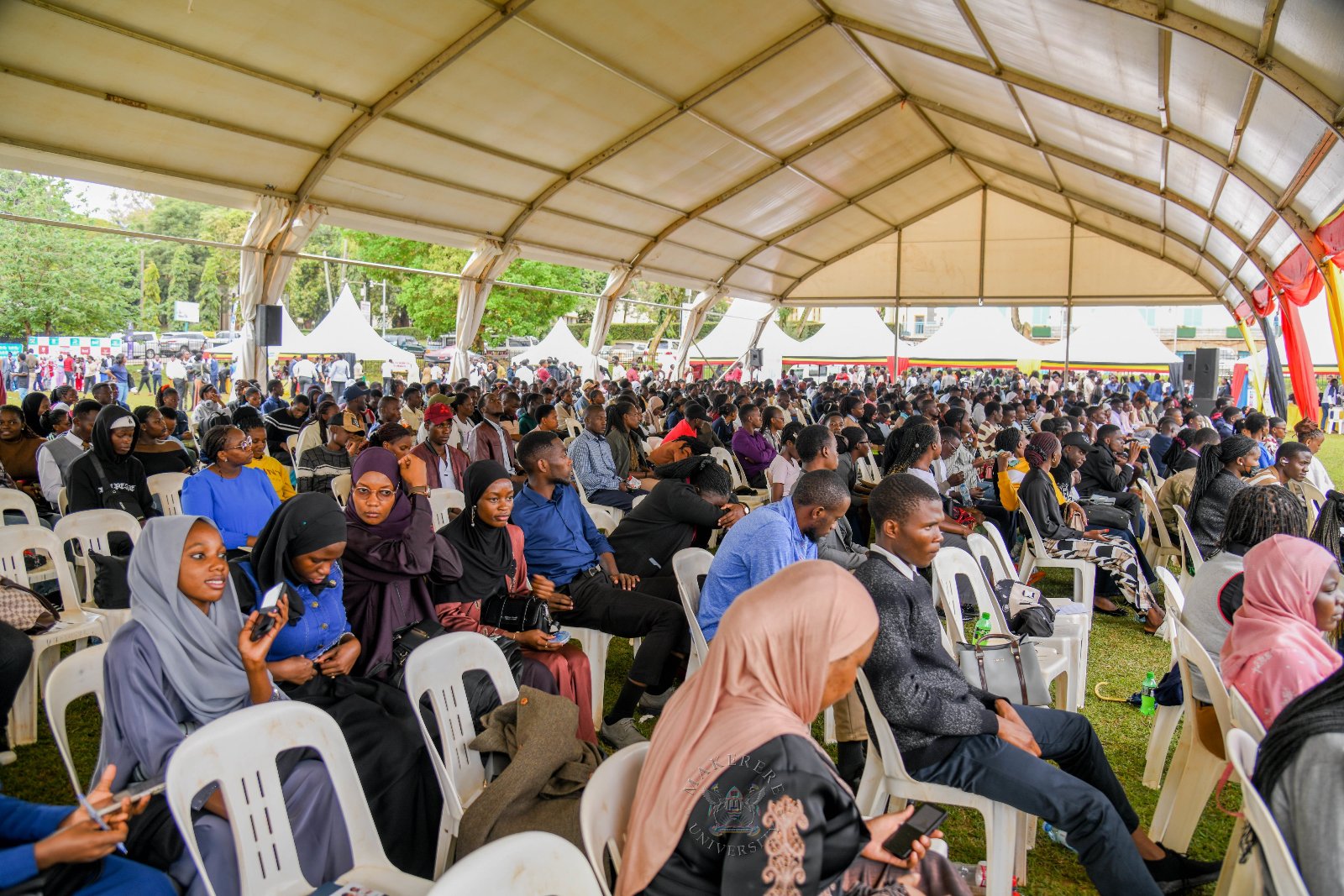
Held under stewardship of the Makerere University Dean of Students office, the camp offered a comprehensive suite of health services to the student body and the wider community. Attendees had access to the following services:
- General and Specialist Consultations
- Sickle Cell, Malaria RDT and HIV Screening
- Eye Care and Laboratory Diagnostics
- Free Essential Medicines
- Reproductive Health Counseling
- Mental Health Counseling
While addressing the attendees, Hon. Kawooya emphasised that health is synonymous with national economic productivity.
She guided the youth to prioritise well-being, and avoid living in denial for it is the first step to refusing help. This will help build a firm foundation for any future contributions to national development.
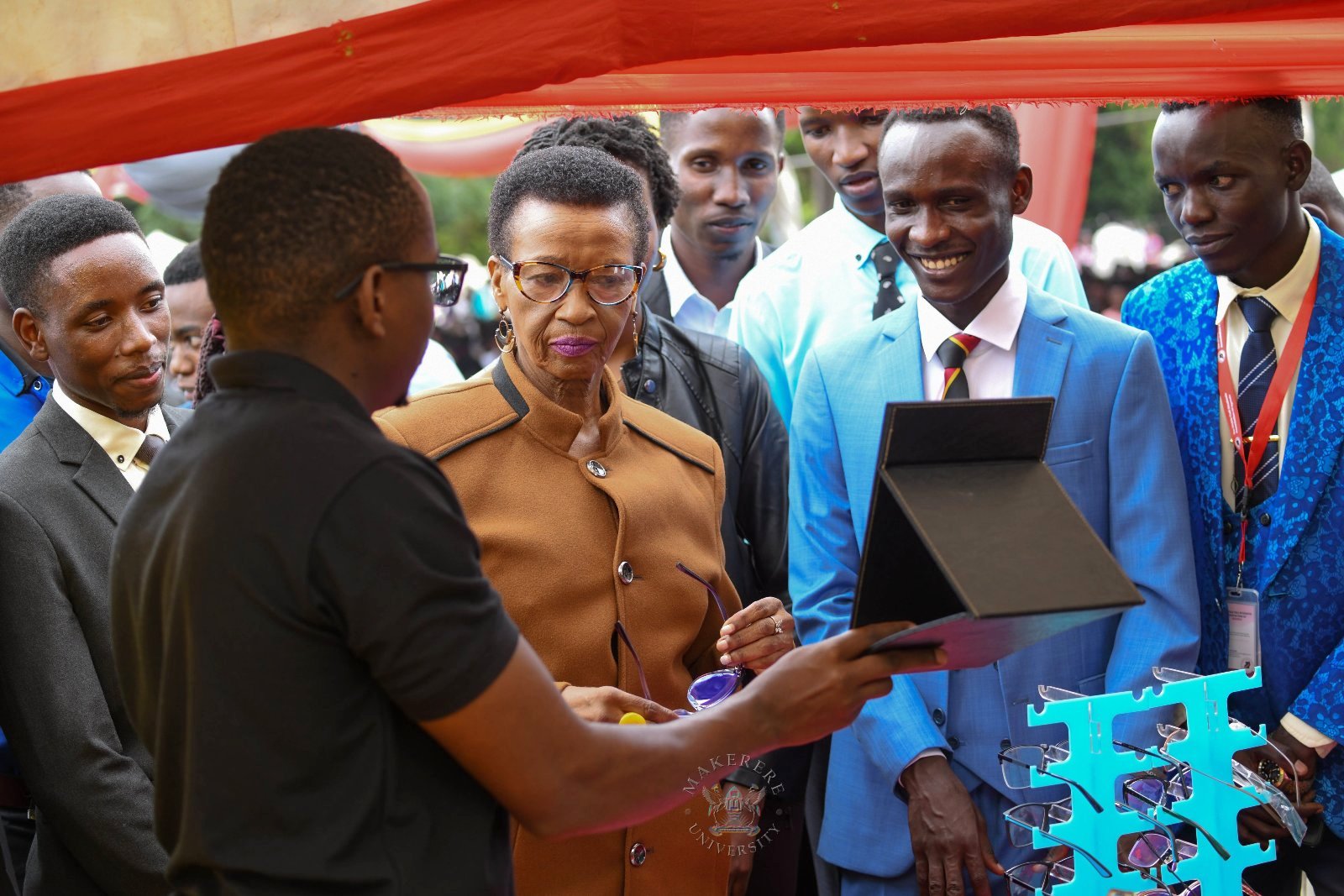
The Minister further warned students against risky behaviours, including substance abuse and sexual immorality, which she described as poisonous.
She advocated for responsible reproductive health practices, urging students to utilise resources available to protect themselves for the future.
Why you should Know Your Status
Prof. Charles Olaro, who is the Director General of Health Services at the Ministry of Health, Uganda reflected on his time at the university during the peak of the HIV epidemic, recalling a visit from the late Bongole Lutaya.
He noted that today’s youth have not witnessed the severity of the AIDS due to the availability of care and ARVs, which can create a false sense of security.
“People are in care and you have not seen the real slim disease. You have not seen it”
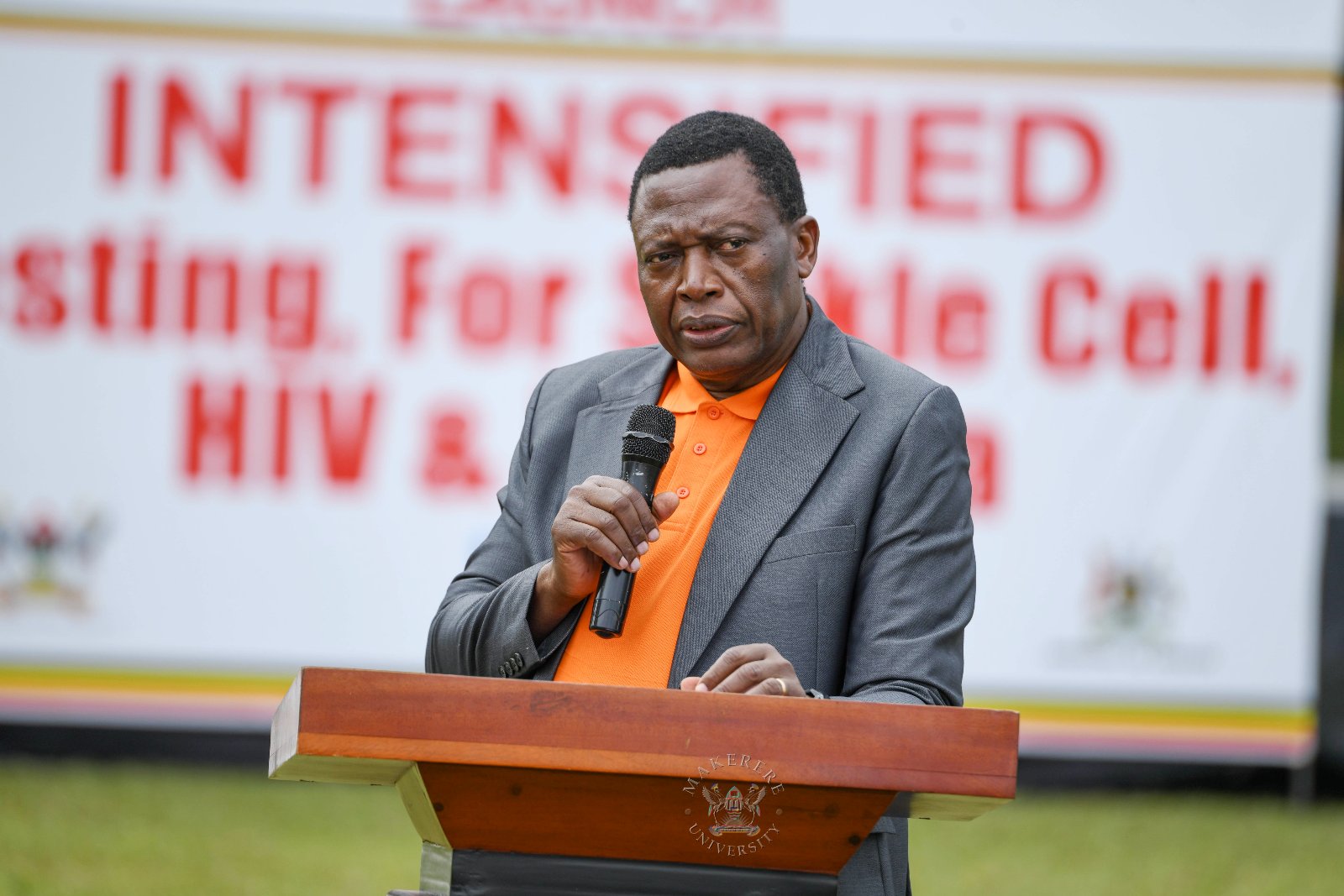
He added that some attending are products of mothers that undertook prevention of mother-to-child transmission of HIV, and they gave birth to negative children. But now when we are grown up, they are reckless with their sexual life.
Prof Olaro summarized his remarks by noting that health is an irreplaceable asset and that decisions made today have significant future ramifications. They urge the audience to take the opportunity to know their status, whether for HIV or sickle cell disease, as this is the essential entry point for care and life planning.
Benefits of knowing your status:
- It serves as the entry point for receiving necessary care.
- It allows for better life planning.
- It enables individuals to manage other aspects of their lives effectively.
- It prevents future health complications.
Genetic Awareness and Blood Donation
Associate Professor Richard Idro the Deputy Principal of the Makerere University College of Health Sciences (MakCHS) emphasised the importance of seeking appropriate information with a focus on genetic awareness. He advised the students to know their status before marriage to prevent passing on genetic conditions.
“One day when you fall in love, you know that preferably you should not marry somebody who is also carrying a certain gene.”

He then delved into the importance of treating HIV and clearing malaria parasites, which he addressed exhaustively.
From this, Dr Idro’s focus turned to blood donation where he acknowledged a number of people that had already participated in the exercise at the Uganda Red Cross Society tent.
“I see the Red Cross at one corner. As we passed there, 36 people had donated blood. Although, gentlemen, I saw very few of you donate blood.”
He concluded by challenging the young men present and reminding them that they can donate blood up to four times a year and still remain healthy.
Empowering Ambassadors of Global Health Awareness
The Ministry of Health called upon the students attending the camp to serve as ambassadors for global health awareness in their respective institutions.
The Executive Director/Commissioner National Health Laboratory and Diagnostic Services (NHLDS), Dr. Susan Nabadda Ndidde advised the students to make sure that they mobilise and intensify testing for all these diseases.
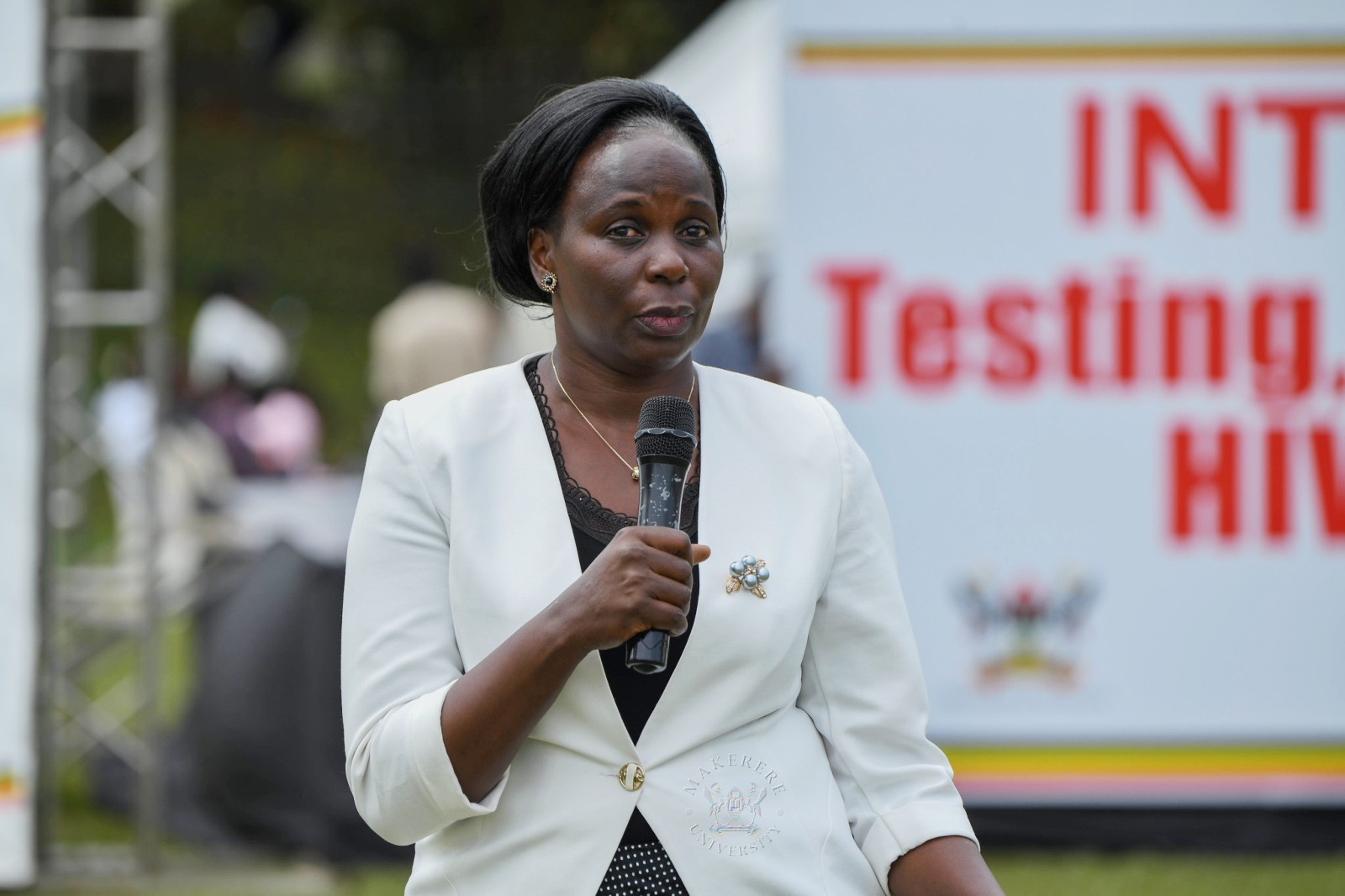
“We will work with you as a Ministry to provide the tests to make sure that we know your status and prevent these diseases in time.”
She wrapped up her message by thanking Makerere for allowing the Ministry of Health to partner on this cause and urged the students to embrace this opportunity and make sure they leave after establishing their status.
By bringing these critical services directly to campuses, the government fosters a healthier, and more informed generation capable of driving Uganda’s future development.
Students Appreciate the Medical Camp
According to Denise Kainomugisha, the Chairperson of the Makerere University School of Public Health (MakSPH) and Vice Minister of Health in the 92nd Guild, the Camp served as a vital platform for capacity building.
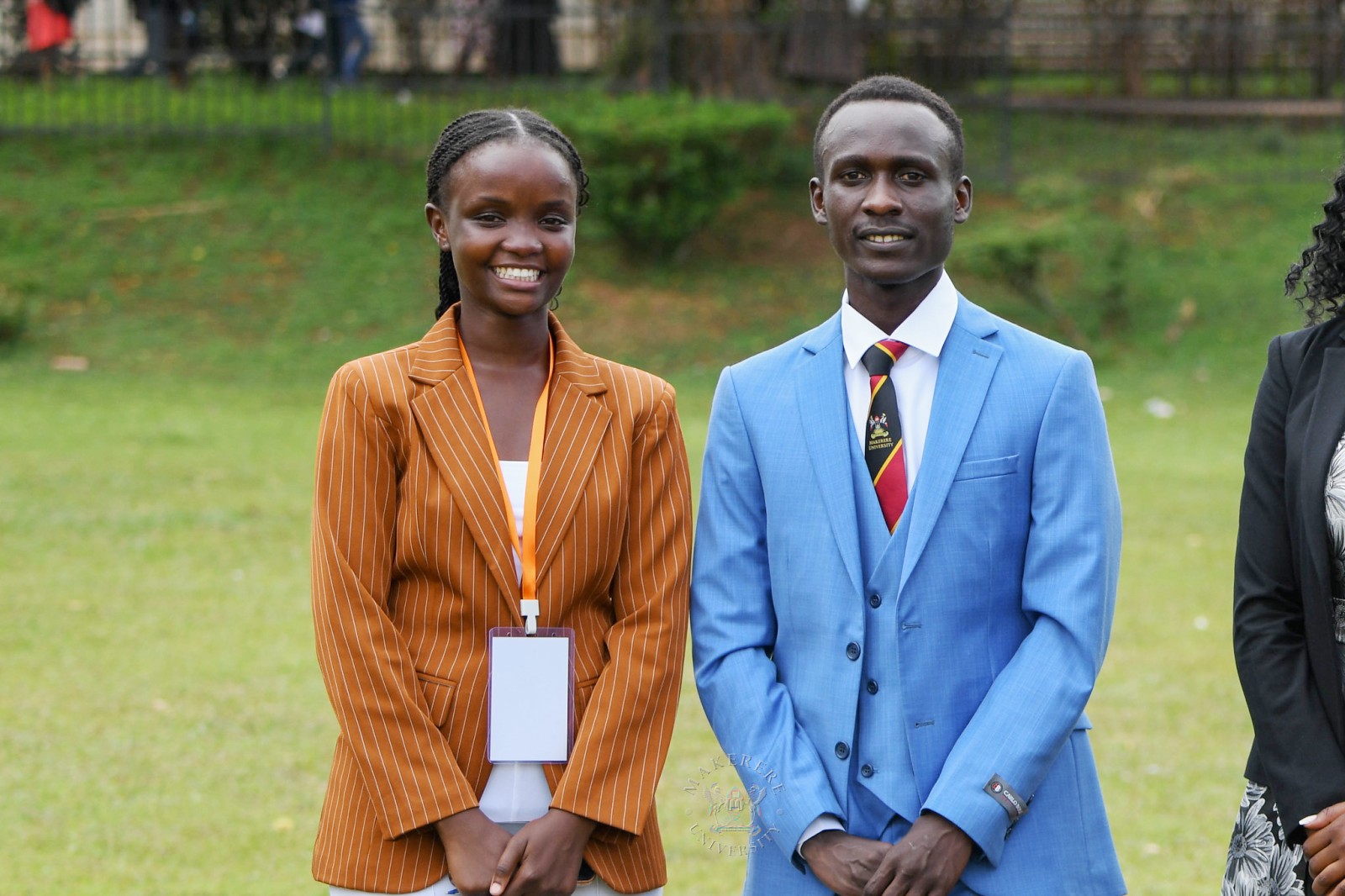
“The screening, the testing, the sports science, was all handled by the student volunteers under supervision” she confessed.
She also explained that the camp extended to broader public health goals and additionally fostered leadership and collaboration among students, who were encouraged to work together to address community health needs.
Concluding her remarks, Kainomugisha expressed gratitude to the respective partners for providing both financial support and the opportunity for students to take on active roles throughout the Medical Camp.





Health
Mak Staff Receive Prestigious International “Future of the Field” Recognition in Global Research Administration Class of 2026.



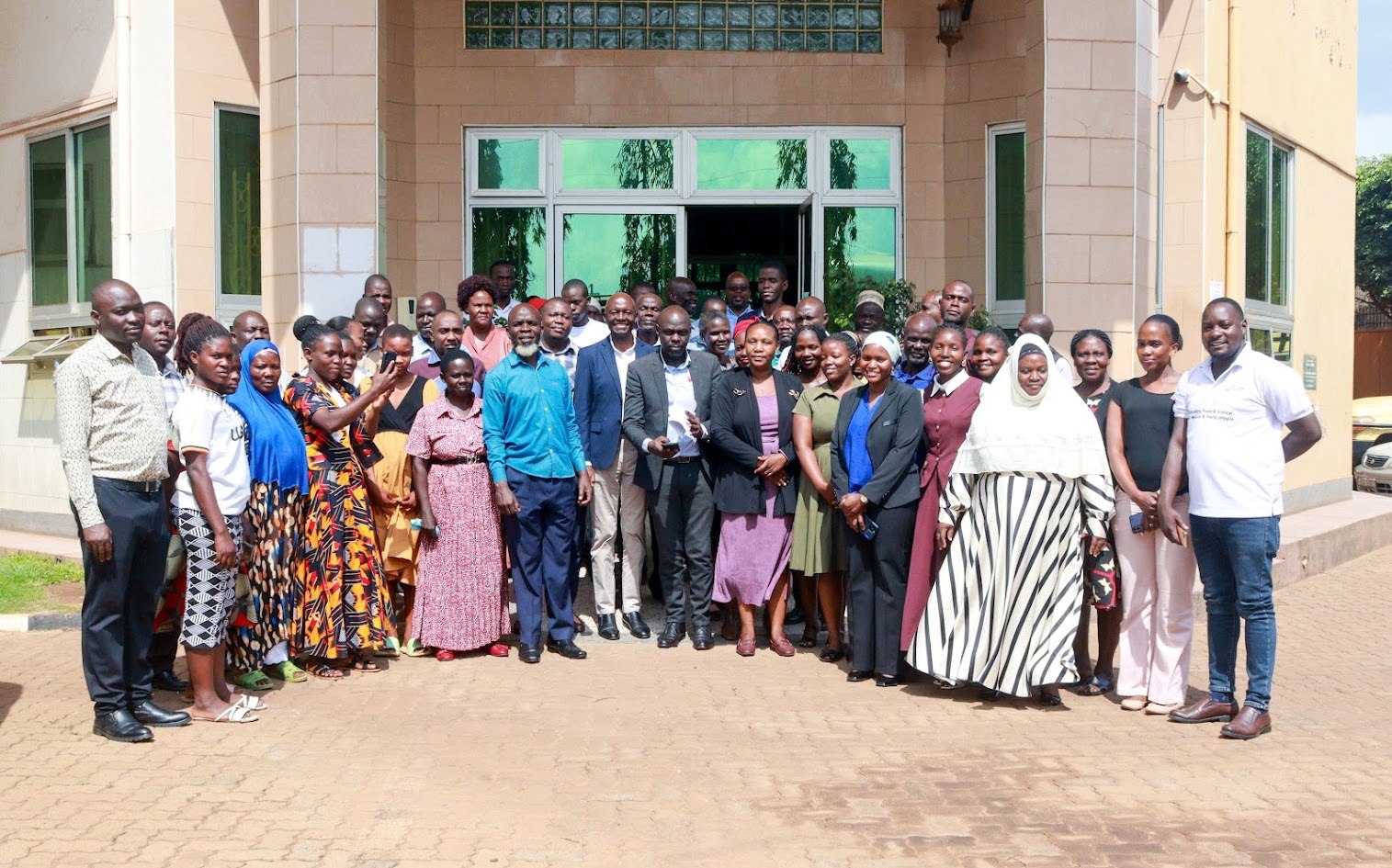
Prof. David Guwatudde, Principal Investigator (centre), and Dr. Justine Bukenya with researchers and stakeholders at the ARISE-NUTRINT dissemination meeting in Iganga, 1 October 2026.
Adolescence is a consequential period for health, when diets, behaviours and other risks can form and persist into adulthood. In Mayuge District, new evidence from Makerere University School of Public Health is showing how some of these early vulnerabilities could contribute to the later risk of non-communicable diseases (NCDs), and what can change when interventions begin early.
The evidence comes from the ARISE-NUTRINT project, a three-year EU-funded study led by Prof. David Guwatudde and Dr. Justine Bukenya. The project examines health and behavioural risks among adolescents and young adults, with a particular focus on nutrition-related NCD risks, and tests interventions designed to improve nutrition fluency and diet quality.
The work comes against a substantial NCD burden in a country where 73.2% of the population is below 30. WHO estimates that NCDs accounted for 42.2% of deaths in Uganda in 2023, while the country’s latest national NCD risk-factor survey found significant risk factors persisting in the population, with little overall change from the previous survey in 2014. Together, the evidence strengthens the case for prevention much earlier in life.
“There is strong evidence from literature demonstrating that most behavioral NCD risk factors, including nutrition-related, are established during childhood, persisting into adulthood. This may lead to development of actual NCDs if such risks are not reversed early,” Prof. Guwatudde said.
The study, he explained, linked assessment of young people’s health risks with developing responses suited to their circumstances. Since enrolling 1,206 participants aged 10–24 in Mayuge District in March 2024, the team has conducted three annual rounds of data collection, with young people and local stakeholders also helping evaluate interventions to reduce the risks identified.
A problem that starts early
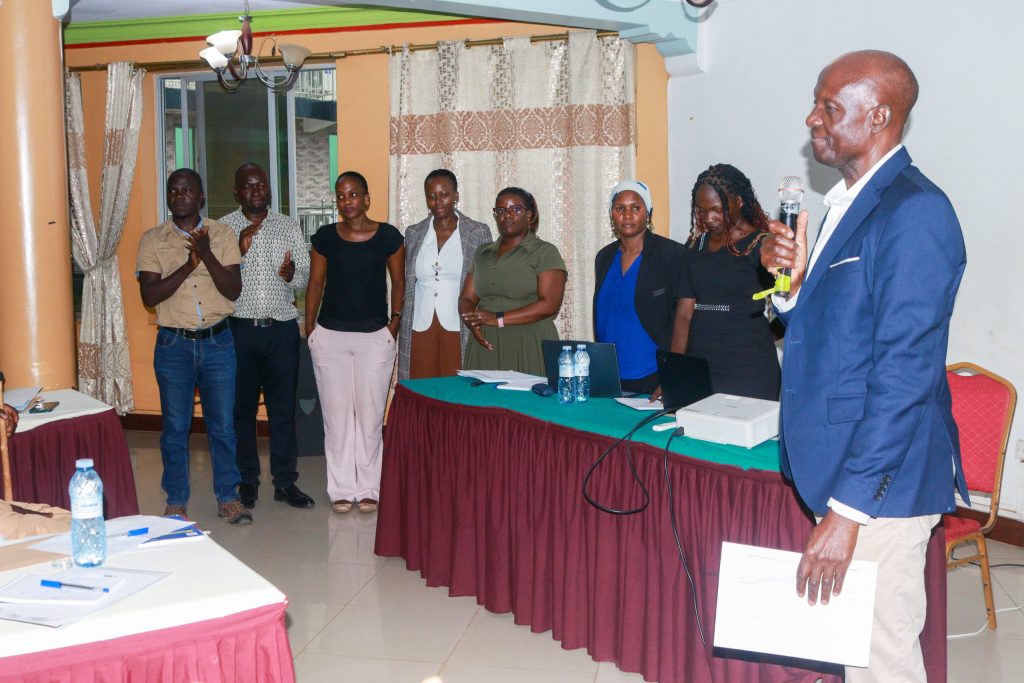
The findings, shared with community and district stakeholders in Iganga on October 1, 2026, show that some vulnerabilities were already evident at baseline. Nearly one in three participants had anaemia, 49% had low nutrition literacy, while about one in ten reported symptoms of anxiety and a similar proportion reported depressive symptoms.
Anaemia, a condition in which the blood does not have enough healthy red blood cells or haemoglobin to carry adequate oxygen around the body, was highest among the youngest participants. Overall, 375, or 31%, had anaemia, rising to 35.7 per cent among 10–14-year-olds, compared with 18.9% among those aged 15–19 and 10.6 per cent among young adults aged 20–24.
Nutrition presented another challenge. At baseline, 49% of participants had low nutrition literacy and 13% had poor overall diet quality. Low nutrition literacy was associated with more than four times the odds of poor diet quality.
Gaps also emerged in sexual and reproductive health knowledge and behaviour. About 14 per cent of participants did not know that HIV cannot be transmitted by sharing food with a person living with HIV, 10% believed a condom could be used more than once, and 13 per cent did not know pregnancy could occur during first sexual intercourse. Among 168 participants who reported having had sex, more than half reported using no method to prevent pregnancy during their first or most recent sexual intercourse.
Mental health findings added another dimension. Anxiety symptoms were reported by 10 per cent of participants, depressive symptoms by 9.5% and loneliness by 6.3 per cent. Among 534 participants aged 13–24 assessed for suicidal ideation, 1.9% reported suicidal thoughts.
Together, the baseline findings show that vulnerabilities extended beyond any single health issue. For nutrition, the study went further to examine what shaped everyday food choices and whether those influences could be changed.
Nutrition literacy goes beyond knowing which foods are healthy. It includes understanding nutrition information and applying it to everyday choices. The study found those choices were also shaped by parents, peers, food vendors, culture, prices, seasons, and what was available locally. Improving diets, therefore, required reaching beyond individual knowledge to the households and communities where food choices are made.
What early action changed
The baseline evidence informed the Adolescent Nutrition Fluency Intervention. Working with adolescents and young adults, caregivers, Community Health Workers (CHWs), district teams and other stakeholders, the project adapted nutrition messages to local foods, language and household realities. Ten trained CHWs delivered nine monthly household sessions covering balanced diets, physical activity, vitamins and minerals, meal planning and anaemia prevention.
The household approach reached young people in and out of school. The nutrition literacy, diet-quality and intervention analyses form part of the PhD research of Mr. Thomas Buyinza, supported through ARISE-NUTRINT. At endline, participants who received the sessions recorded higher nutrition literacy and overall diet-quality scores.
“The improvement in nutrition literacy and diet quality suggests that practical education, grounded in local foods and household realities, can support healthier choices among adolescents and young adults. In addition, involving parents and caregivers is important because they influence what families buy, prepare, and eat,” Dr. Bukenya said.
She stressed that nutrition education needed to be complemented by better access to affordable, nutritious foods. Dr. Bukenya also called for continued follow-up, including the use of nutrition and dietary data from DHIS2, to assess whether improvements were maintained and guide district planning.
Changes in other outcomes were mixed. Participants reporting no physical activity fell from 22.6% to 7.4%, while those active on four to seven days a week increased from 46% to 54.8%. But activity duration did not improve: those reporting more than 60 minutes a day declined from 28.2% to 21.1%. Underweight fell modestly from 6.2% to 5%, while overweight and obesity did not change significantly.
Anaemia recorded the largest change, falling from 31.1% before the intervention to 9.9% afterwards. During the intervention period, participants received weekly iron and folic acid supplementation and deworming alongside nutrition education on iron-rich foods, dietary diversity and practices that improve iron absorption.

Mayuge District’s Assistant District Health Officer, Ms. Elizabeth Kawaala, said the findings reflected problems recognised locally and highlighted the need for a response involving families and other stakeholders.
“There is a serious challenge that needs to be tackled with many stakeholders, with parents at the centre because these are children. We also learnt that many parents, I think, lack the skills to communicate with their adolescents,” she said.
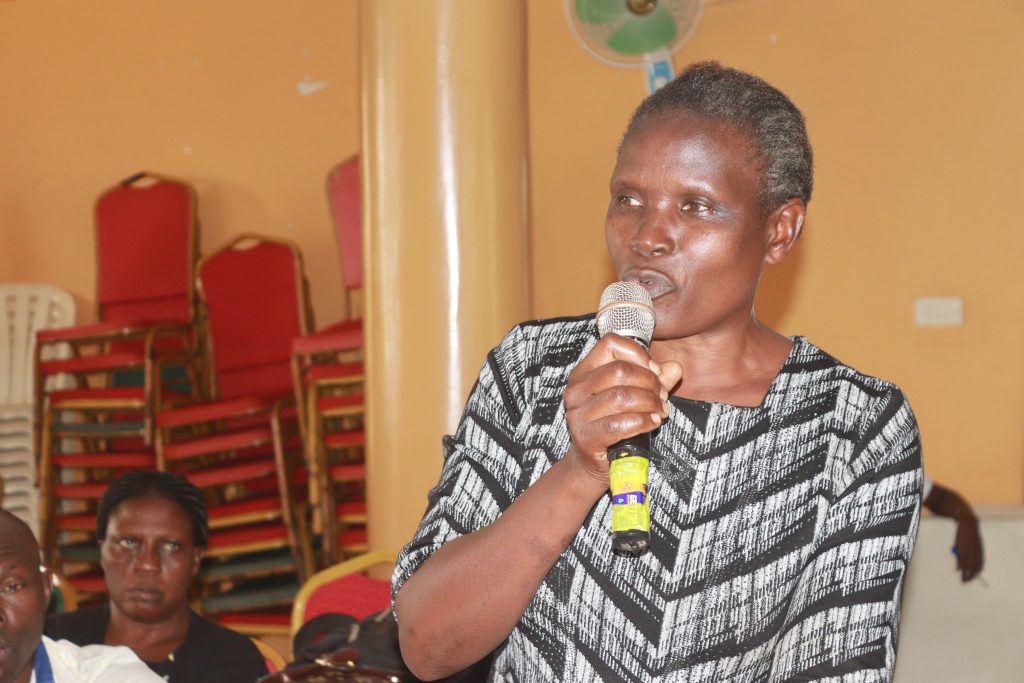
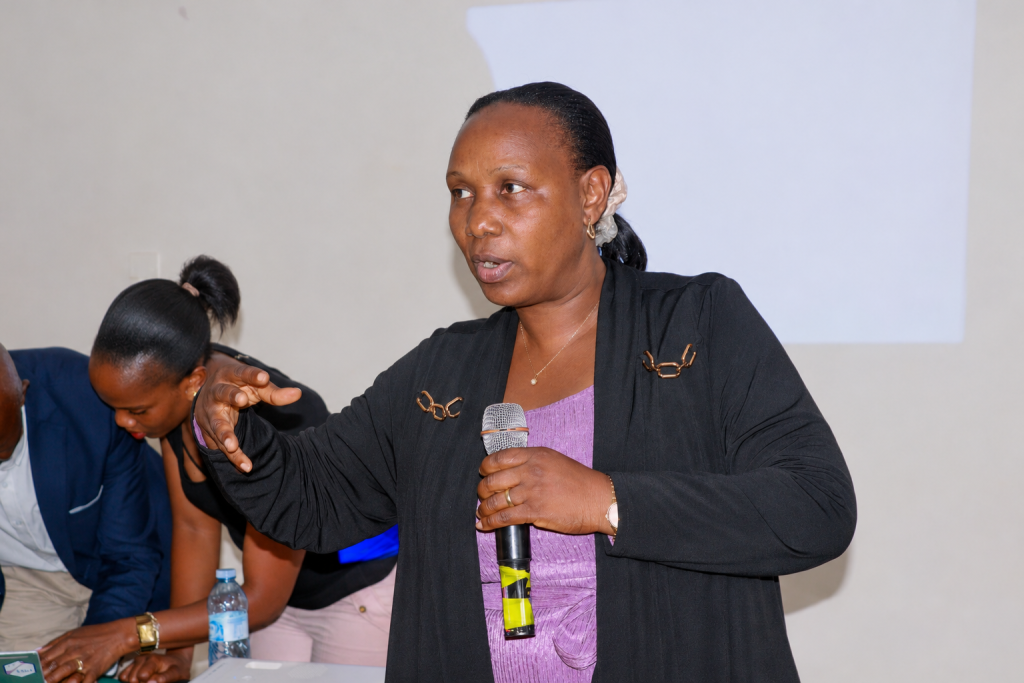
She said the findings had been shared with colleagues and described integrating health education and sensitisation into services. She also called for departments to use the evidence when planning activities in their workplans.
Beyond Mayuge
Seen alongside Uganda’s 2023 STEPS survey, the Mayuge findings add an earlier-life dimension to the national evidence. Makerere University School of Public Health contributed to both studies, with Prof. Guwatudde contributing to the national STEPS survey and now leading ARISE-NUTRINT. While STEPS found significant NCD risk factors persisting among adults, ARISE-NUTRINT shows that some behaviours and vulnerabilities relevant to later NCD risk are already evident during adolescence and young adulthood. The Mayuge research goes further by testing what can change when interventions begin during this period.
The findings leave Mayuge with more than a measure of the problem. They show where vulnerabilities are emerging, what changed when interventions were introduced and where challenges remain. For ARISE-NUTRINT, the evidence now turns attention to which approaches can be sustained and how lessons from Mayuge can inform efforts to support healthier transitions from adolescence into adulthood.


-

 General2 weeks ago
ADVERT: Mature Age Entry Scheme Examinations – 2027/2028
-
 General2 weeks ago
MURBS Presents FY 2025/26 Performance with 15% Growth
-
 General2 weeks ago
Gender Sensitization Session to Strengthen Gender-Responsive Practices conducted at CoVAB
-

 General5 days ago
Update On Payment of Endowment Fund Fees
-
 General6 days ago
Institutionalizing ORCID at Makerere University: Strengthening Researcher Identification, Visibility and Research Output Tracking