Connect with us

Research

CARTA Expands Africa’s Critical Mass of Researchers with Cohort 12

Published

on

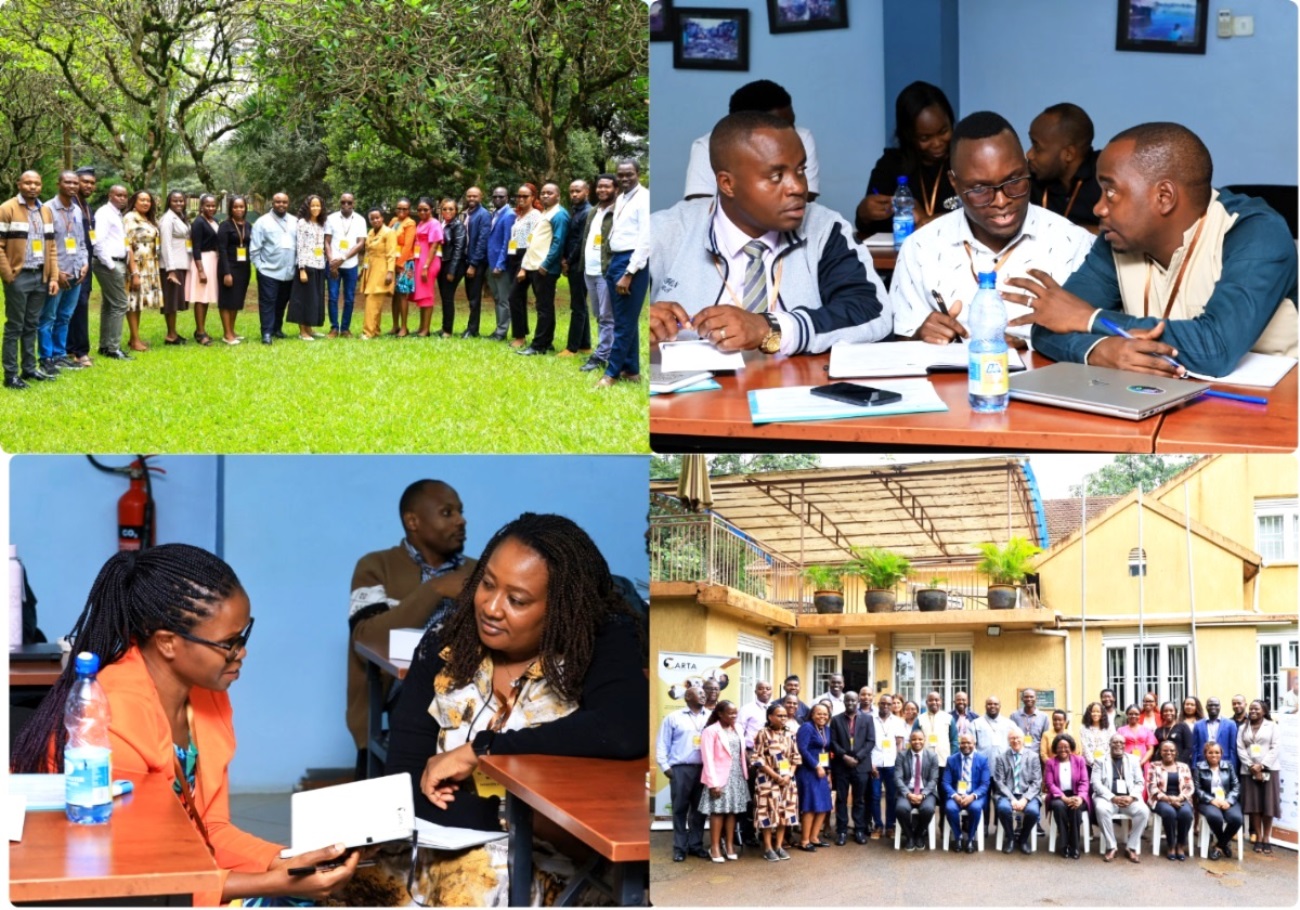
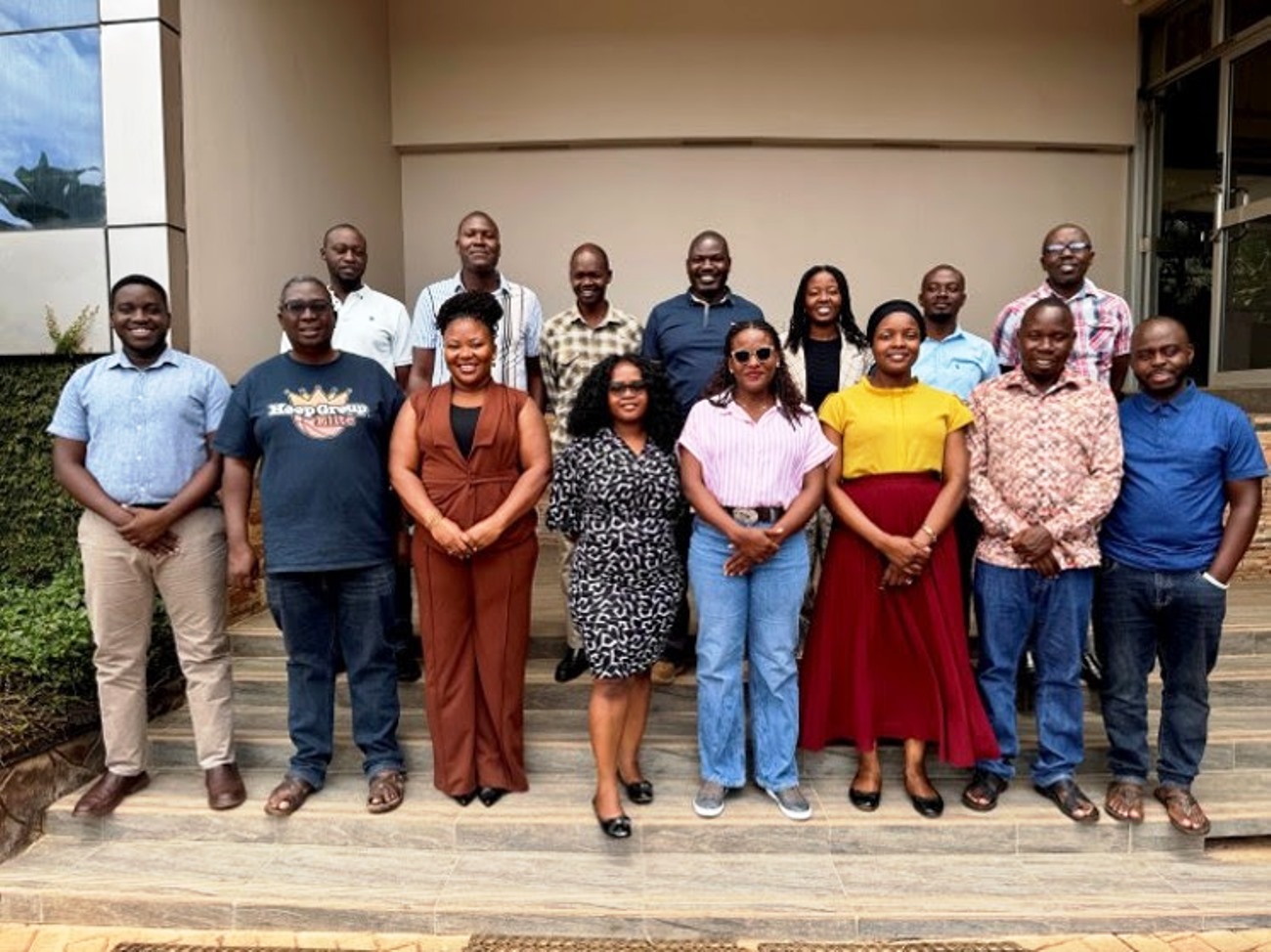
In March 2026, CARTA welcomed its twelfth cohort of PhD fellows marking another step in building a critical mass of research leaders on the African continent. Selected through a highly competitive process, the 22 early-career scholars are drawn from CARTA partner universities and research institutions across Africa. The fellows join a vibrant network committed to advancing research excellence and generating solutions to Africa’s pressing development challenges.

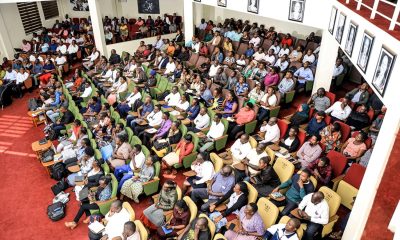
Cohort 12’s PhD fellowship journey kicked off with the Joint Advanced Seminar 1 (JAS 1), CARTA’s flagship introductory seminar, held from March 2–20, 2026 at the Makerere University School of Public Health.

One of four sequential seminars, JAS 1 provides an intensive and collaborative learning environment for fellows to lay the foundation for their doctoral training. Through JAS 1, fellows engage in core areas such as research conceptualization, academic writing, and critical thinking, while beginning to refine their PhD research ideas. Beyond technical training, the seminar also serves as an important entry point into the CARTA community – connecting fellows with peers, mentors, and technical experts, many of whom are CARTA graduates. This intergenerational model continues to strengthen the program’s impact, as graduates play a key role in mentoring and shaping the next generation of African researchers.

In addition to the 22 selected fellows, two PhD students from the Prevention and Response to Emerging Viruses with Pandemic Potential in Africa Research Epsilon (PREPARE) Network participated in JAS 1 and will continue to participate in future CARTA training activities—including the subsequent JASes and grant writing workshops. PREPARE is an African-led initiative building resilient systems for vaccine research, development, and deployment across the continent, with sustainable capacity strengthening as a core pillar to equip early-career researchers with enhanced research skills.

Meet the CARTA fellows here

Source: CARTA News & Updates Issue 99

Mark Wamai

Research

CARTA Fellow Tamale on Building Systems, Shaping Policy and Transforming Lives beyond the PhD

Published

on

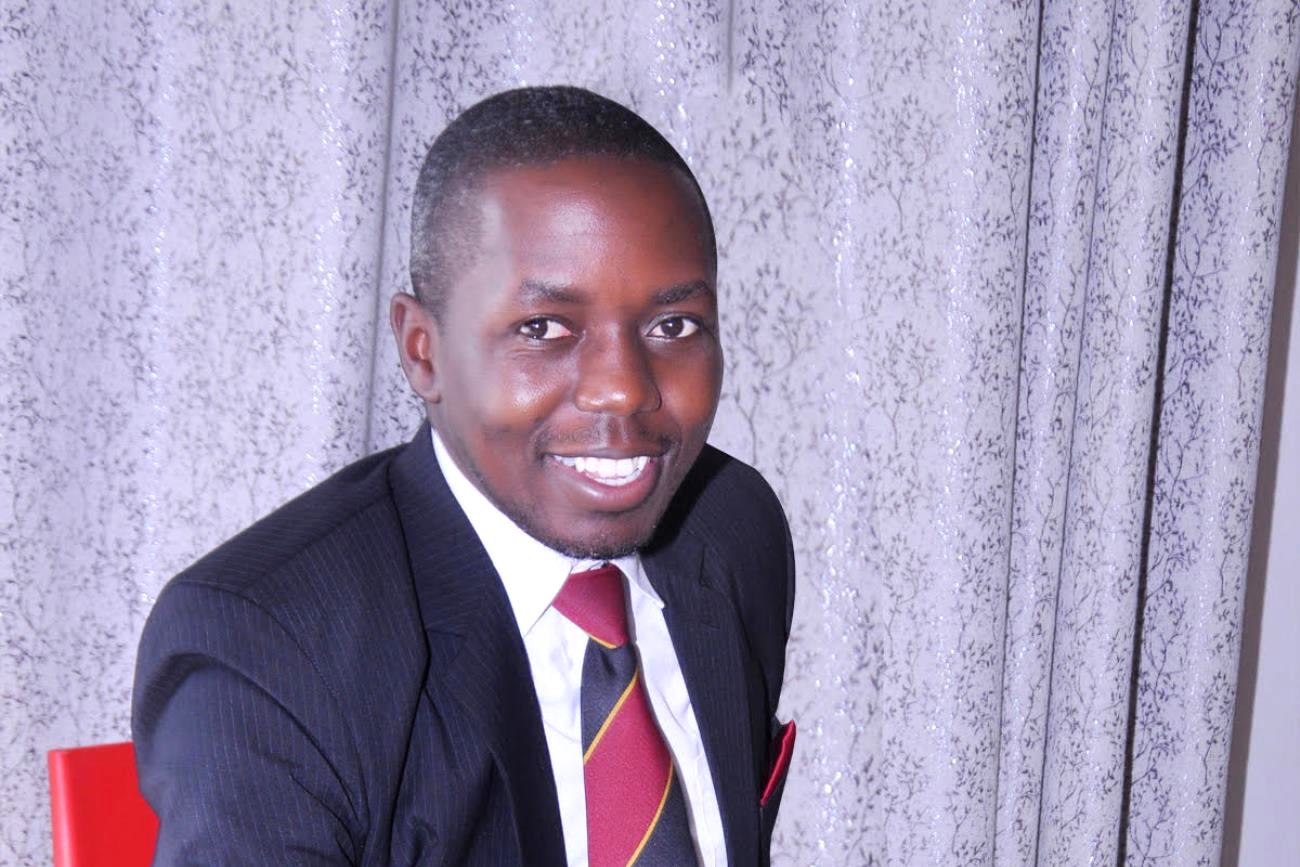
Dr. Andrew Tamale, College of Veterinary Medicine, Animal Resources and BioSecurity (CoVAB), Makerere University, Kampala Uganda, East Africa. Photo. CARTA.

A PhD can spark impact that extends far beyond academia. Meet CARTA graduate Andrew Tamale, whose journey demonstrates the multiplier effect of research capacity strengthening—from helping transform doctoral training and generating evidence that informed safer fish consumption practices, to strengthening One Health approaches for outbreak preparedness in Uganda and beyond. 

Read full story

Source: CARTA News & Updates Issue 105

Mark Wamai

Continue Reading

Research

CARTA Fellow Anywar Appointed UTANA Subject Matter Expert, Talks Medicinal Plants

Published

on

Dr. Godwin Anywar, Department of Plant Sciences, Microbiology and Biotechnology, College of Natural Sciences (CoNAS), Makerere University. Kampala Uganda, East Africa.

Godwin Anywar, cohort 6, Makerere University, was appointed as a Subject Matter Expert on the Manuscript Technical Evaluators team of the Uganda Textbook Academic and Non-Fiction Authors Association (UTANA) on August 31, 2026. In this role, Godwin will contribute to the qualitative, academic, and pedagogical assessment of manuscripts submitted under the Capacity Building for School Books Project (CB-SP). The four-year project, implemented jointly with the Department of Teacher Education and Training Development (TETD) of Uganda’s Ministry of Education and Sports (MoES), aims to strengthen authorship and support the development of school books in Uganda’s education sector.

He was also featured in Uganda’s New Vision on July 26, 2026, in a special report on Uganda’s medicinal plants.

Source: CARTA News & Updates Issue 105

Mark Wamai

Continue Reading

Research

Makerere Hosts TERID Hub Early Career Researchers Grant Writing Workshop

Published

on

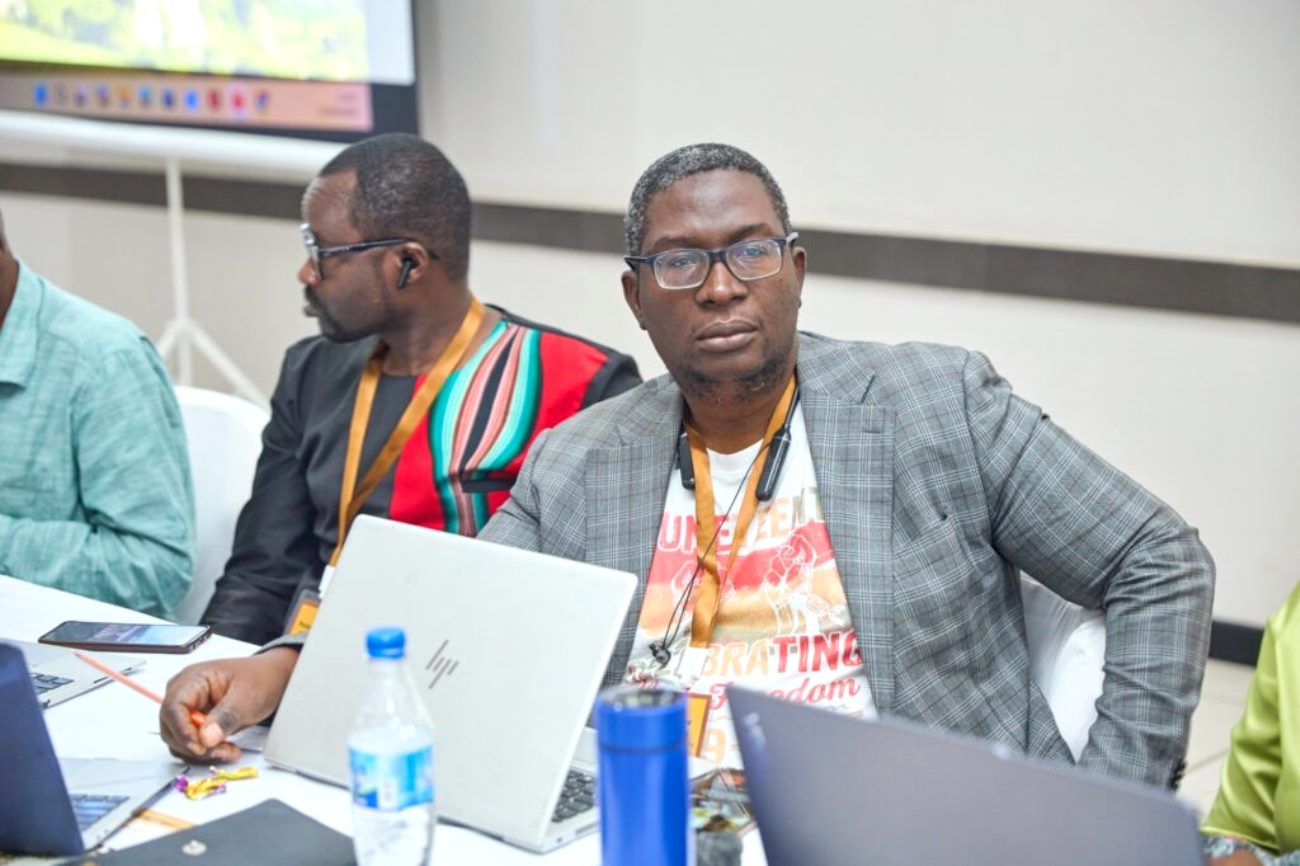
The Emerging and Re-emerging Infectious Diseases (TERID) Hub continued its efforts to strengthen the capacity of 17 early career researchers (ECRs) (10 men, 7 women) on an institutional level by holding a grant writing workshop from September 8 - 11, 2026, at Makerere University, Kampala Uganda, East Africa.

The Emerging and Re-emerging Infectious Diseases (TERID) Hub continued its efforts to strengthen the capacity of early career researchers (ECRs) on an institutional level by holding a grant writing workshop from September 8 – 11, 2026, at Makerere University. The workshop, attended by 17 ECRs (10 men, 7 women), strengthened participating researchers’ capacity by equipping them with critical skills to secure competitive funding. The intensive sessions bridged the gap between innovative academic concepts and fundable proposals, focusing heavily on decoding complex funder criteria and structuring compelling narratives. Participants prioritized the CONNECT-VAX call, which closely aligns with the Hub’s core work, and formed two groups: one on vaccine research and development capacity, the other on public trust and demand for vaccines manufactured in Africa.

Through this call, the Hub engaged collaborators from West Africa (Sierra Leone) and East Africa (Kenya and Tanzania) in developing two of its grant applications. Individual concepts on leishmaniasis, leptospirosis, tuberculosis, and pharmaceutical inventory management were also advanced, bringing the total to eight proposals across four funding calls, including Makerere University Research and Innovation Fund (MAK-RIF 8), Wellcome, and WHO/TDR.

To date, the Hub’s grant writing effort has attracted over USD 700,000. The workshop reinforced the Hub’s commitment to mentoring early-career researchers and championing research in emerging and re-emerging infectious diseases.

Source: CARTA News & Updates Issue 105

Mark Wamai

Continue Reading

Trending