
Health
Kampala at a Crossroads: What New Research Reveals About Mobility, Governance, and the City’s Public Health Risks


Every day in Kampala, millions of people inch through gridlock, dodge swarming boda-bodas threading through narrow gaps in traffic, inhale dangerously polluted air, and walk along streets rarely designed for pedestrians. These conditions, and more, are often dismissed as ordinary transport frustrations. Yet researchers at Makerere University School of Public Health (MakSPH) are examining how such everyday realities translate into public health outcomes, shaped not simply by congestion, but by governance, policy, and power. Their work forms part of a multi-country project investigating the political economy of urban mobility in three African cities.

Co-led by Dr. Aloysius Ssennyonjo, the Principal Investigator and health systems and governance researcher at MakSPH, together with Uganda’s Country Principal Investigator, Dr. Esther Bayiga-Zziwa, a road safety and injury epidemiologist, and Co-Principal Investigator Dr. Jimmy Osuret, an injury prevention researcher, the project titled The Political Economy of Urban Mobility Policies and Their Health Implications in African Cities (PUMA) applies a political economy lens to understand how political interests, institutional arrangements, and power dynamics shape mobility systems and their consequences for public health in Kampala, Kigali, and Lilongwe.
To note, political economy analysis examines how public decisions are shaped by the interplay of politics, interests, institutions, and resources, in short, who has influence, who controls what, and how money and power circulate within a system. In Kampala, a capital of nearly two million residents whose daytime population swells with commuters, this lens helps explain why some transport options attract funding and enforcement while others are tolerated, neglected, or contested. These choices are not just technical, but reflect competing interests and priorities, with consequences for safety, equity, and the everyday well-being of those moving through the city.

Now, through the NIHR-funded project, the Ugandan team is currently working with colleagues from the University of Rwanda, led by Professor David Tumusiime, and Kamuzu University of Health Sciences in Malawi, led by Dr. Dominic Nkhoma. The research partnership aims to generate evidence that can strengthen mobility governance and improve public health outcomes across the three African cities above, with advisory support for the research consortium from the University of Antwerp in Belgium and Canterbury Christ Church University in the UK.
Explaining the project’s rationale for the Politics of Urban Mobility, or PUMA, during the 2025 Universal Health Coverage Day webinar held on December 12 under the theme “Mobility, Costs, and Politics: How Urban Systems Shape Access and Progress Towards Universal Health Coverage in African Cities,” Principal Investigator Dr. Ssennyonjo said Africa is urbanising at an unprecedented pace. Projections show that by 2050, nearly 60% of the continent’s population will live in cities, a shift that is intensifying transport pressures and increasingly turning everyday mobility into a public health risk.

“Rapid urbanisation has created multiple challenges: transport systems are under strain, risks and vulnerabilities are rising, and opportunities for healthy behaviours such as walking are often limited. Access to livelihoods is also affected, with broad implications for health,” Ssennyonjo noted, adding: “Crucially, these issues are shaped by political and governance dynamics, yet few initiatives explicitly address them. This gap motivated our focus on the politics and governance of urban mobility.”

He mentioned that health outcomes are shaped by social, economic, and environmental factors, with transport costs, risks, and stress often posing greater barriers than medical fees alone to achieving affordable health for all. He noted that the PUMA project brings together multidisciplinary teams to study how governance and political dynamics shape urban mobility, public health, and development, a perspective reflected in Prof. Julius Kiiza’s observation that effective urban development relies on coordinated action by diverse stakeholders across sectors to improve health outcomes, though emphasising the primacy of politics.
“Uganda and Singapore had comparable levels of underdevelopment in the 1960s. Under Lee Kuan Yew, Singapore embarked on a deliberate nation-building project. Today, it is among the smartest cities globally, outperforming many Western cities in clean government, mobility, and liveability. Why are we lagging behind? The answer, I argue, lies largely in the nature of our politics,” Prof. Julius Kiiza cogently argued.
He intimated that the result has been cities that are “unreliable, unsafe, unsmart, and chaotic,” noting that claims of inclusive urban development often ring hollow. “I have argued, and repeat here, that boda bodas as a symbol of inclusivity represent a false model of inclusion. We must interrogate this and invest in better urban transport systems and wider, well-planned highways,” he affirmed.

Prof. Kiiza urged policymakers and practitioners to move beyond piecemeal technical fixes and instead treat urban mobility as a governance challenge requiring coordinated, cross-sector action. He stressed the importance of aligning transport planning with public health, housing, employment, and skills development, arguing that safer, more liveable cities depend on institutions that work together and are accountable to the public. Such reforms, he noted, demand sustained political commitment and inclusive dialogue across government, academia, civil society, and the private sector, precisely the terrain the PUMA project is engaging, by convening stakeholders and shaping a shared research agenda around Uganda and the continent’s urban mobility challenge.

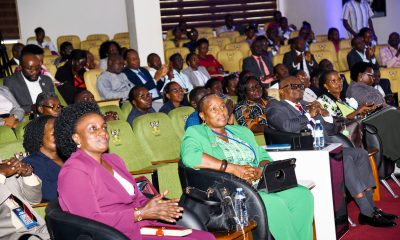
Indeed, on November 21, 2025, the Ugandan team convened a national stakeholder workshop in Kampala, bringing together a wide range of stakeholders. Opening the workshop, Assoc. Prof. Suzanne Kiwanuka, Head of the Department of Health Policy, Planning and Management (HPPM) at MakSPH, commended the team for highlighting what she described as a long-underexplored dimension of Uganda’s urban health landscape: mobility and its governance.
Reflecting on her own experience, she noted how boda-bodas have become increasingly indispensable for millions seeking quick, flexible transport, but also carry complex health, safety, and economic implications that demand multisectoral attention, calling for a balanced, evidence-driven dialogue that recognises their value while also addressing the infrastructural and policy gaps that shape mobility systems in Uganda’s rapidly growing cities.
“I sometimes use boda-bodas,” Assoc. Prof. Suzanne Kiwanuka said. “They are necessary when you need to move quickly during heavy traffic. Yet we all know how unsafe they can be. This PUMA initiative is timely to generate evidence not only on the politics of urban mobility and its health implications, but also its economic consequences.”

Notably, road traffic crashes remain one of Uganda’s most urgent public health threats today. The recent Uganda Police Force Annual Crime Report 2024 recorded 5,144 road deaths, a seven per cent rise from 2023, with motorcyclists accounting for nearly half of all fatalities. In Kampala, pedestrians, cyclists, and motorcycle riders constitute 94 per cent of all fatal crashes, according to the Kampala Capital City Authority. Thousands more suffer life-altering injuries each year.
Still, evidence from MakSPH, through its Centre for Trauma, Injury and Disability Prevention (C-TRIAD) and the Johns Hopkins International Injury Research Unit (JH-IIRU) under the Bloomberg Philanthropies Initiative for Global Road Safety (BIGRS), shows that the design and use of city roads are worsening the risk environment. Between 2021 and 2023, the team conducted more than one million roadside observations across Kampala, finding that while only five per cent of vehicles are officially recorded as speeding, those that do travel at an average of 57 km/h, well above safe limits for dense urban corridors, making city roads increasingly unsafe.

The World Health Organization (WHO) guidelines, cited in the report, recommend speed limits of 30 km/h on community roads and in urban areas where pedestrians, cyclists, and other vulnerable road users share space with motorised traffic, and 50 km/h on major urban roads. Yet the findings show that six in ten vehicles on community roads exceed these limits, heightening risks for those least protected and underscoring the need for lower-speed zones, traffic-calming measures such as speed humps and raised crossings, and consistent enforcement of traffic regulations.
For the PUMA team in Uganda, the writing on the wall shows that these rising injuries coincide with worsening congestion and rapid urbanisation, yet city mobility policies within Kampala remain heavily oriented toward road expansion and vehicular flow, with limited attention to safety, health protection, or non-motorised transport. This policy imbalance, then, explains why daily commuting remains hazardous and why progress on safer streets has been slow.

The study uses a three-tiered approach that combines policy analysis, regional evidence, and local experiences to examine how mobility decisions are made in Kampala, Kigali, and Lilongwe, who holds authority, and how these processes affect public health and equity. This is strengthened by structured co-creation workshops with practitioners, policymakers, and community actors, which reveal how governance functions in practice, often diverging from what is written on paper.
In parallel, the research team is conducting a continent-wide review of academic and grey literature to map regional trends, gaps, and the broader forces shaping African mobility systems. Together, these streams enable the researchers to compare cities, identify shared challenges, and build a grounded analytical framework for improving mobility governance across Africa.
In Kampala, preliminary findings by the MakSPH PUMA research team show a city governed by many mobility policies but marked by weak mobility governance. The team shared that Kampala operates under a dense mix of frameworks, from the National Integrated Transport Master Plan and National Urban Policy to road safety, climate, and KCCA development plans. While these documents acknowledge congestion, urbanisation, and road injury risks, they also reveal overlapping mandates, blurred institutional roles, and limited coordination authority.

Key government Ministries, Departments, and Agencies (MDAs) actors include the Ministry of Works and Transport, KCCA, the Ministry of Lands, the Office of the Prime Minister, and the Ministry of Finance, with the Ministry of Health conspicuously absent despite clear health implications. Policy attention, according to the early findings, remains heavily skewed toward road transport, leaving non-motorised mobility and major health pathways, noise exposure, psychosocial stress, community severance, heat, and mobility independence largely unaddressed.
Governance realities are further shaped by political processes, including electoral cycles, informal negotiations with transport unions, selective regulation of boda-bodas, and heavy reliance on development partners that often influence what is prioritised and implemented. Together, these dynamics help explain stalled master plans, inconsistent enforcement, and resistance to progressive interventions. While the PUMA research remains at a preliminary stage currently, the emerging findings underscore the need for an integrated, multisectoral mobility agenda that places health at the centre of Kampala’s transport policy and practice.








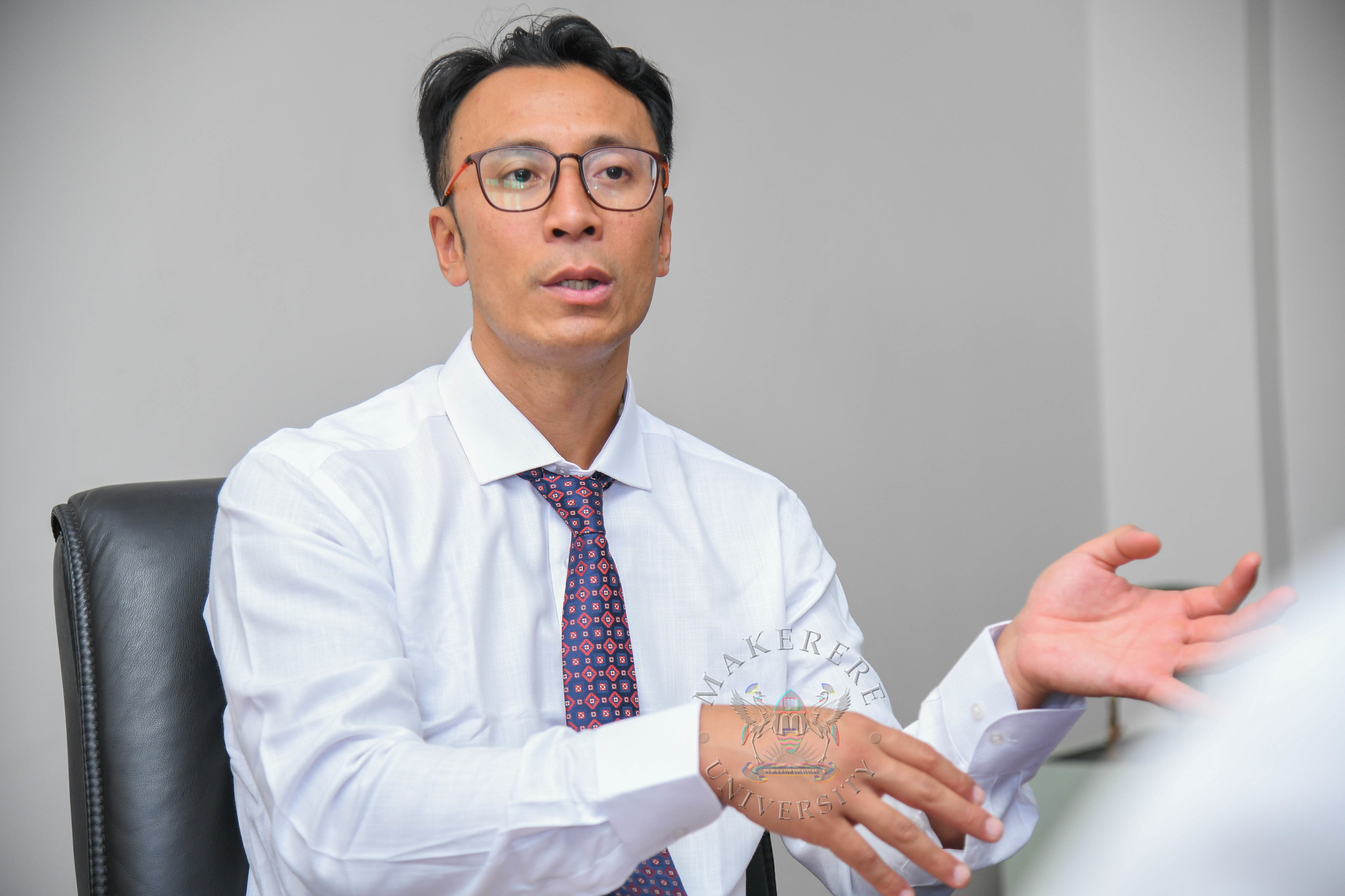
Through a European Union (EU) funded initiative, Makerere University and Mulago Hospital are hosting a German oncology reconstruction specialist Professor Dr. Thiha AUNG. AUNG is a surgeon, trainer at the Deggendorf Institute of Technology (THD), and researcher on cancer from the Deggendorf Institute of Technology (DIT), Germany.
With his international expertise in oncology and medical management roles at his home institution, his visit is a valuable addition to Uganda’s capacity building efforts in medical advancement.
Prof. Aung who arrived in Uganda in late September 2026 and has since then conducted free identified patient specialised surgeries and training for locals. These are expected to span two weeks. For the period, his service intersects medical expertise and humanitarian efforts.
This is not Prof. Aung’s first time in the country; his first major visit was in 2023, when he performed life-changing free surgeries on early patients. He then made medical history in June 2024 when he arrived to perform Africa’s first-ever lymph node transplant at Mulago Hospital.
It was against this background that the Makerere Public Relations Office engaged him in an exclusive interview to share his philosophy on medical service, his experiences in oncology reconstruction, and his unwavering belief that passion and dedication rather than just resources are the true drivers of sustainable medical progress.
Transforming Lives Through Oncology Reconstruction
At the heart of his mission through the ERASMUS – Oncology/Lymphedema project, is the treatment of lymphedema, a condition often referred to as elephantiasis.
In Europe, such surgeries can cost between 80,000 and 100,000 euros, making them inaccessible to many.
Thankfully, Professor and his team, including some of his post graduate students like Anna Friedrich (B.Sc) and Sophia Waser (B.Sc., PA) from the Institute of Medical Science and Engineering, have once again brought this specialised care to Uganda pro bono.
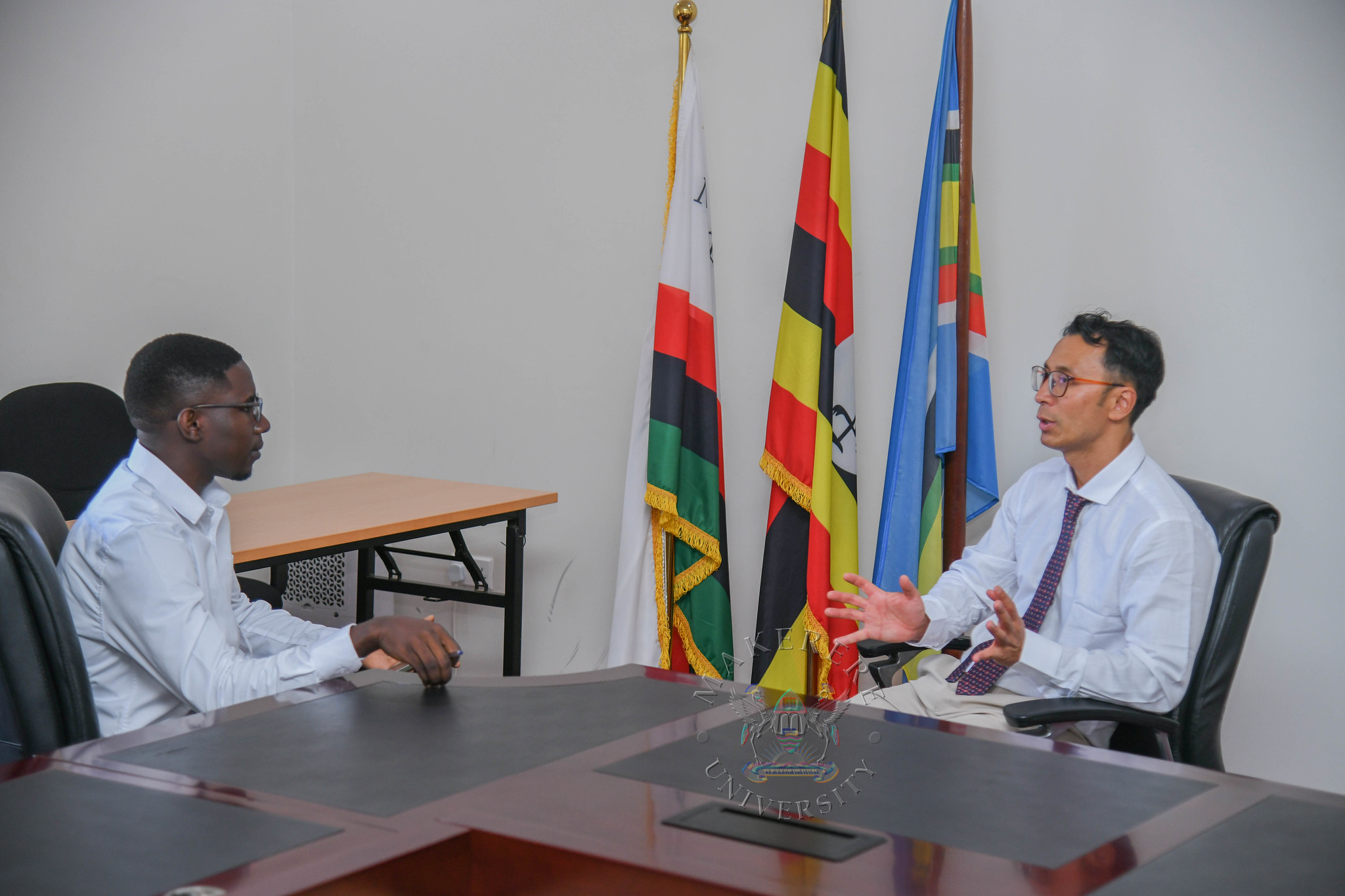
He highlights the story of a teacher who, after receiving surgery, regained her quality of life and returned to the classroom. For him, the impact is exponential. “You change one life, but this person changes a lot in the community.”
This shift from individual surgery to the long-term wellbeing of the community, reinforces the local impact of these services.
Professor AUNG’s Personal Conviction
The professor confessed that inherently, he commands himself that beyond knowledge, true progress is driven by passion and will rather than resources.
He does not agree with those that think money and resources are the sole prerequisite for change in the medical world, stating, “you cannot change with money only.” Rather, he upholds the importance of personal decision and commitment.
When discussing the challenges of working in resource-limited settings, he maintains a simple, direct explanation “it’s always beyond the money.”
Ultimately, the Professor believes that if he can provide the spark, his students and patients can carry through with the same flame for significant change.
Motivation to Serve in Uganda
When asked about his inspiration for entering the field and now volunteering to work in Uganda, he explained that his primary goal was always to serve others. “That’s why I finished my medical school to help as many people as possible with my skills.”
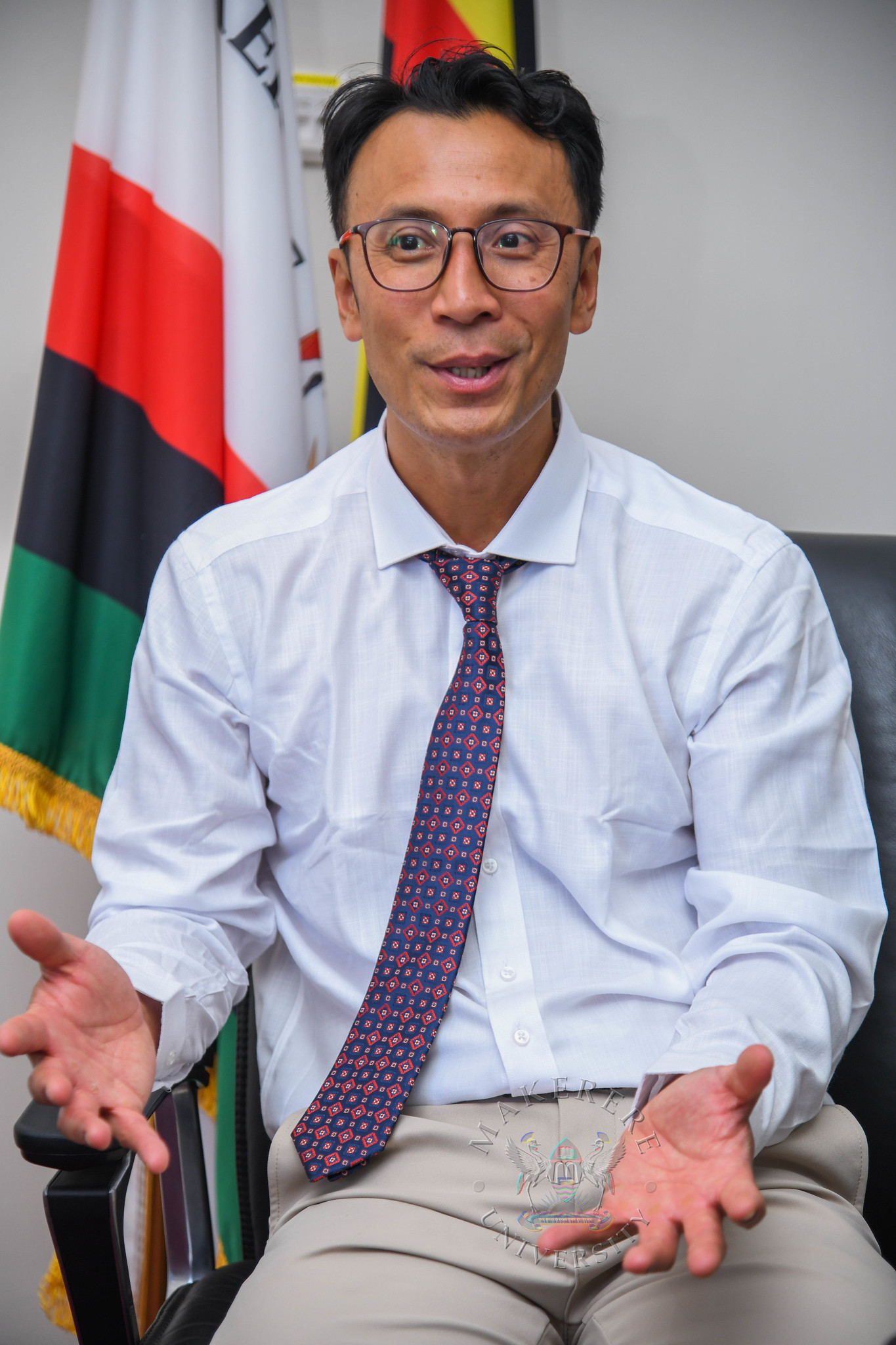
He views his medical expertise not as a tool for the privileged, but as a universal resource., “People are all the same, their anatomy is the same. So, I can help all these people pretty well,” Prof AUNG remarked.
His approach is motivated by a pay it forward dogma where treating a single patient creates a broader societal benefit. He illustrates this through his work with patients who, after surgery, are able to return to their professions like the teacher earlier mentioned.
Tips for Medical Professionals working in Uganda
As a foundation for professional growth, the Professor advised medical professionals working in Uganda to prioritise genuine interest in their work because he believes it is “the most important…” for “if you are interested, you will go far in the profession.”
He further reinforced the human capacity point, noting, “no matter what kind of equipment you have… it all depends on the people operating them and the patient.”
Professor AUNG concluded by encouraging doctors to overcome resource fears through action, stating, “If you want to create impact or change, you do.”
Dr. AUNG is part of the Lymphoedema Warriors Association (LWAU) in Uganda. He describes it as a grassroots organisation and commends them for “leveling the grond”. He reiterated his commitment to work with the organisation in reviewing patient reports to determine the best course of treatment.

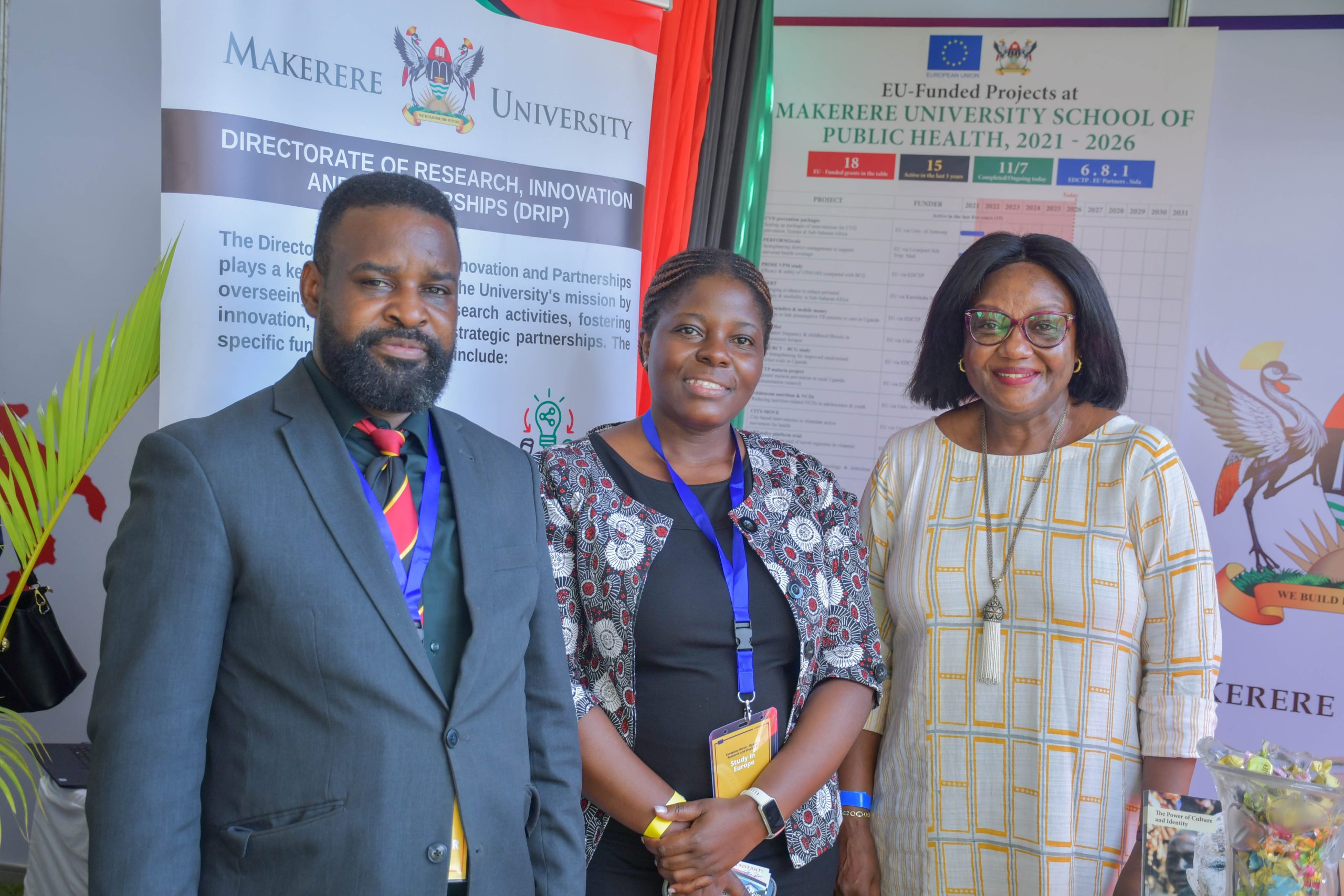
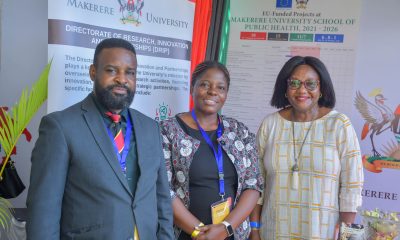
Makerere University’s School of Public Health (MakSPH) showcased research, training and international partnerships supported through European Union funding during the EU Uganda Research and Study Fair 2026 held at Makerere University.
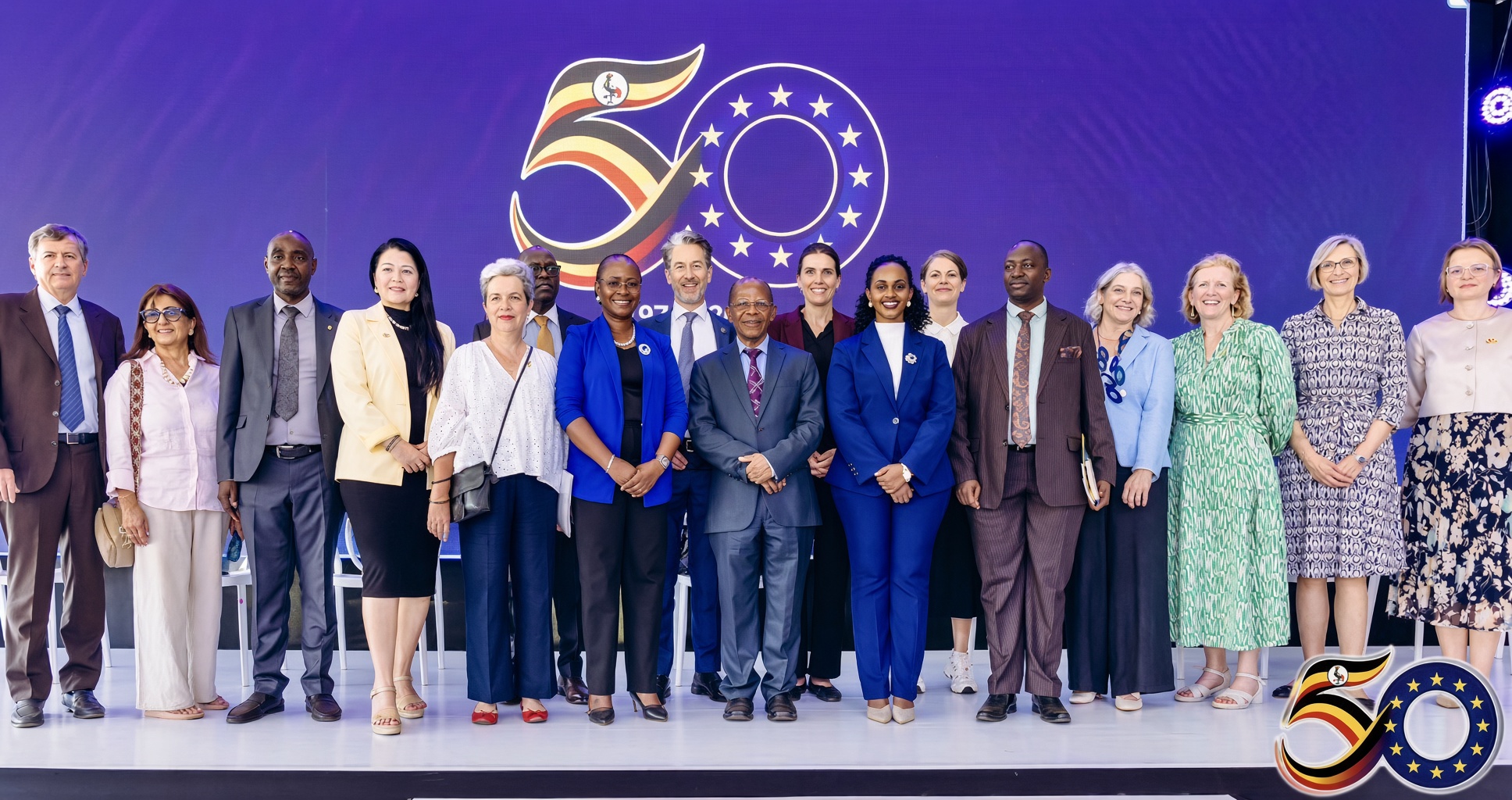
The fair brought together students, researchers, academics, government representatives and development partners to explore opportunities in education, research, innovation and international collaboration, while celebrating 50 years of partnership between Uganda and the European Union.
Through its exhibition, MakSPH highlighted research and capacity building initiatives addressing public health challenges including infectious diseases, non communicable diseases, health systems, climate change and pandemic preparedness.
18 EU funded projects supported at MakSPH
Prof. Rhoda Wanyenze, Dean of Students, School of Public Health, said the School has benefited from 18 EU funded projects over the past five years, supporting research and training across several areas of public health.
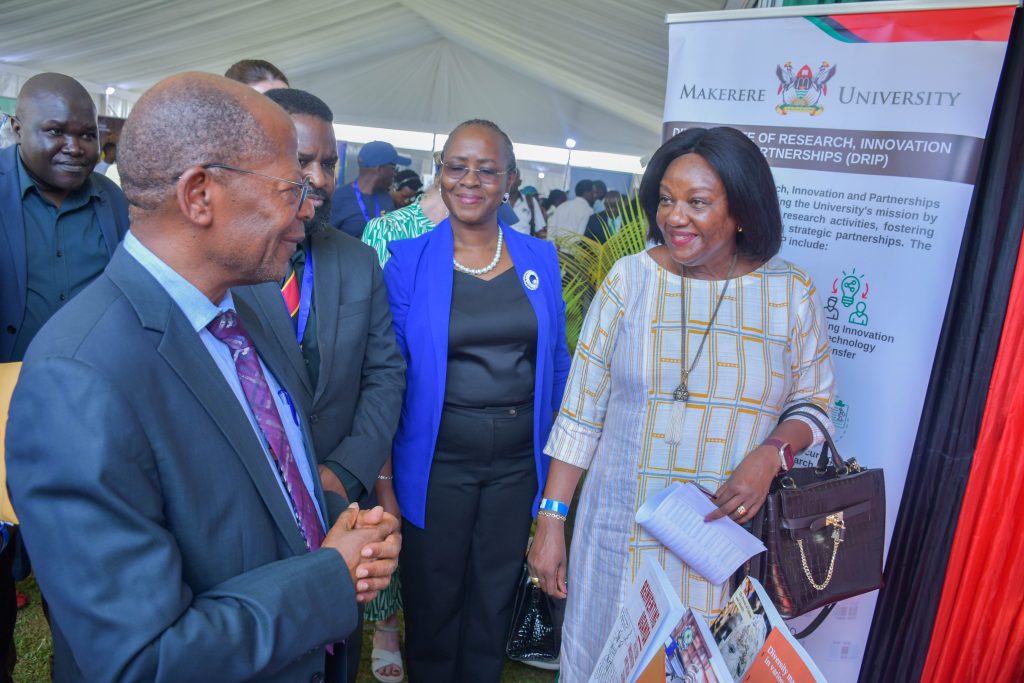
She said the projects have contributed to the training of PhD researchers and the development of research addressing infectious diseases and prevention, non communicable diseases, health systems, climate change and health.
Prof. Wanyenze also highlighted a new five year programme which started in 2021 that is aiming at strengthening capacity for research on pandemic preparedness and response, including outbreaks such as Ebola.
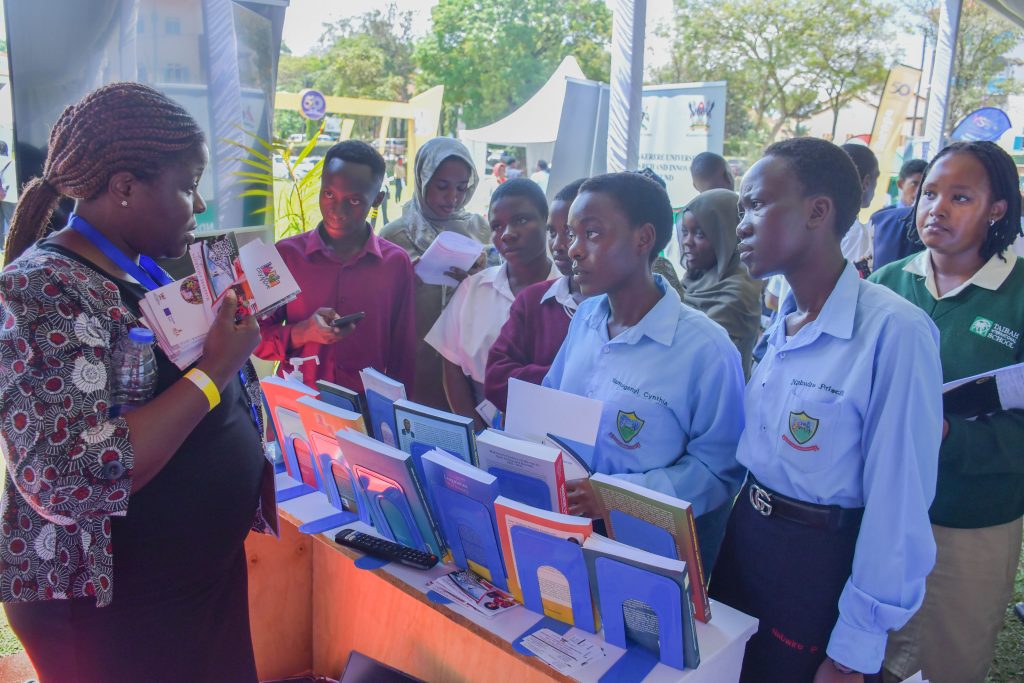
Another programme being undertaken with the Ministry of Health and Karolinska Institute focuses on improving maternal health while also addressing adolescent pregnancy and the health of mothers and children.
She described partnerships as critical to advancing science and innovation, noting that collaboration allows researchers in Africa and Europe to share knowledge and strengthen the impact of research on communities.
Research partnerships strengthen innovation
Prof. Robert Wamala, Director of the Directorate of Research, Innovation and Partnerships at Makerere University, said the exhibition provided an opportunity to showcase EU funded projects across the University.
He noted that the School of Public Health alone has more than 18 such projects, while other colleges also have several EU supported initiatives.
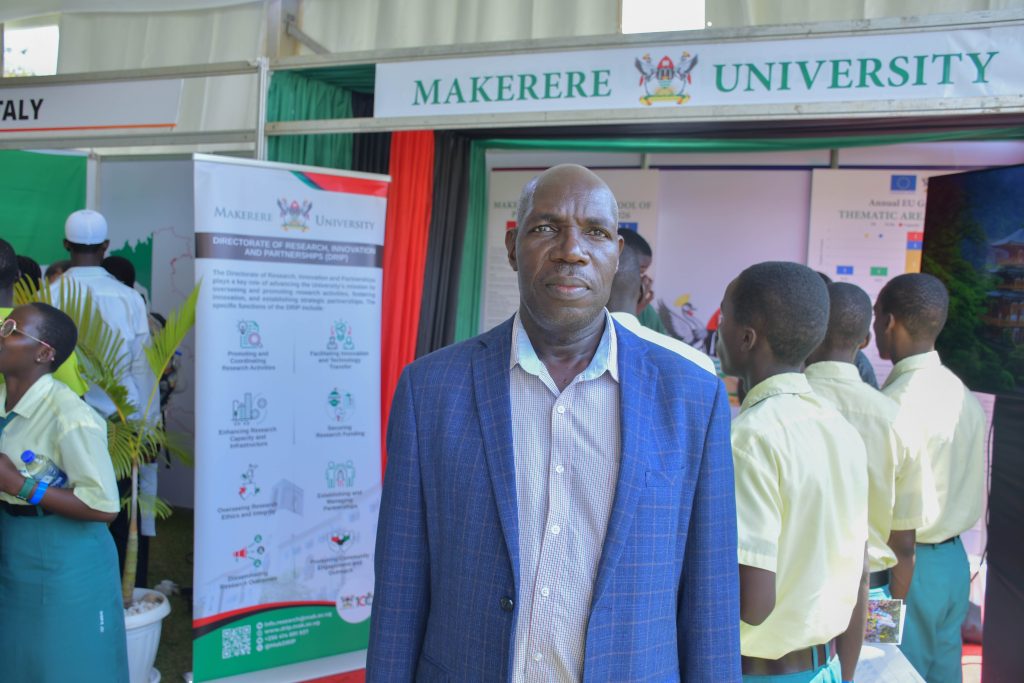
One of the projects showcased was PREPARE TID, a partnership aimed at developing rapid diagnostic technologies for emerging and re emerging infectious diseases.
Prof. Julius Okuni, Associate Professor of Veterinary Pathobiology and Molecular Diagnostics at Makerere University, said the project brings together universities, industries and other organisations from Africa and Europe.
The project is working to develop technologies that can quickly identify pathogens responsible for outbreaks such as Ebola, Rift Valley fever and Crimean Congo haemorrhagic fever.
According to Prof. Okuni, Makerere is involved in field and laboratory work to test and refine the technologies before they can be delivered to end users.
Fair provides platform for research visibility
For researchers at MakSPH, the fair also provided an opportunity to increase the visibility of ongoing research and create new connections with researchers, policymakers and potential funders.
Dr. Raymond Tweheyo, Honorary Lecturer and Senior Research Fellow in the Department of Health Policy, Planning and Management, said such exhibitions allow researchers to share their work and identify others working on related challenges.
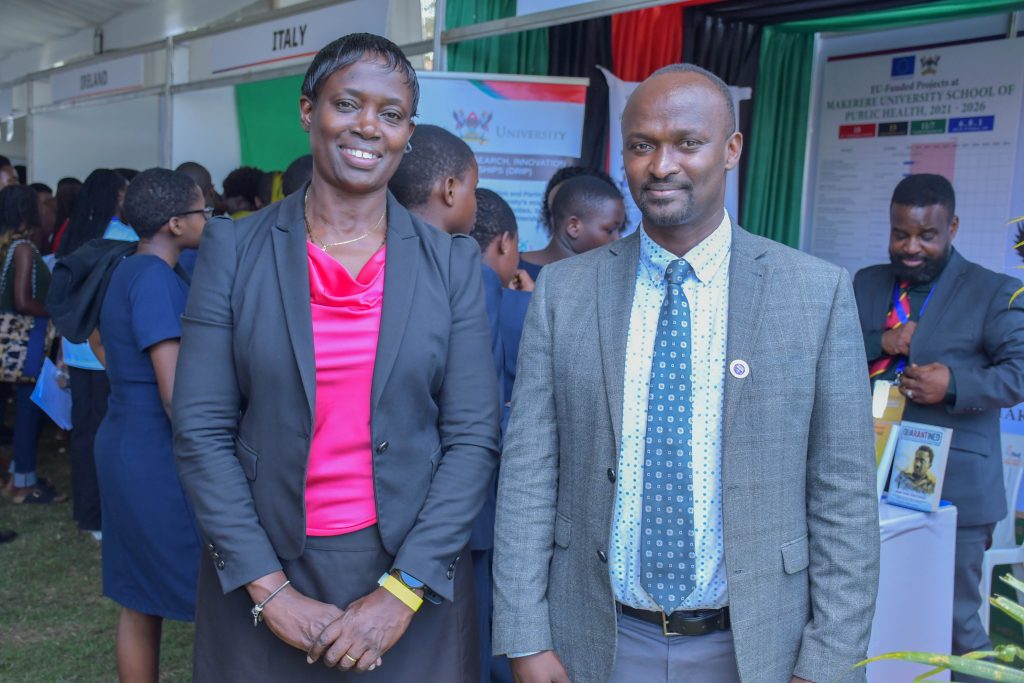
He cited the CONNECT for Health project, which focuses on transforming non-communicable disease care in Uganda through collaboration with partners across several countries.
Dr. Tweheyo said exhibitions can help researchers connect with policymakers, civil society organisations and other partners who can contribute to translating research into practical solutions.
Assoc. Prof. Angelina Kakooza Mwesigye, Associate Professor and Child Neurologist at Makerere University College of Health Sciences, also emphasised the importance of exposing young people to international research opportunities.
She said the long standing Uganda Europe partnership provides opportunities for the next generation of researchers to learn, build networks and prepare for future research collaborations.
The School of Public Health’s participation highlighted the role of international partnerships in strengthening research capacity, supporting innovation and developing evidence based responses to Uganda’s public health challenges.

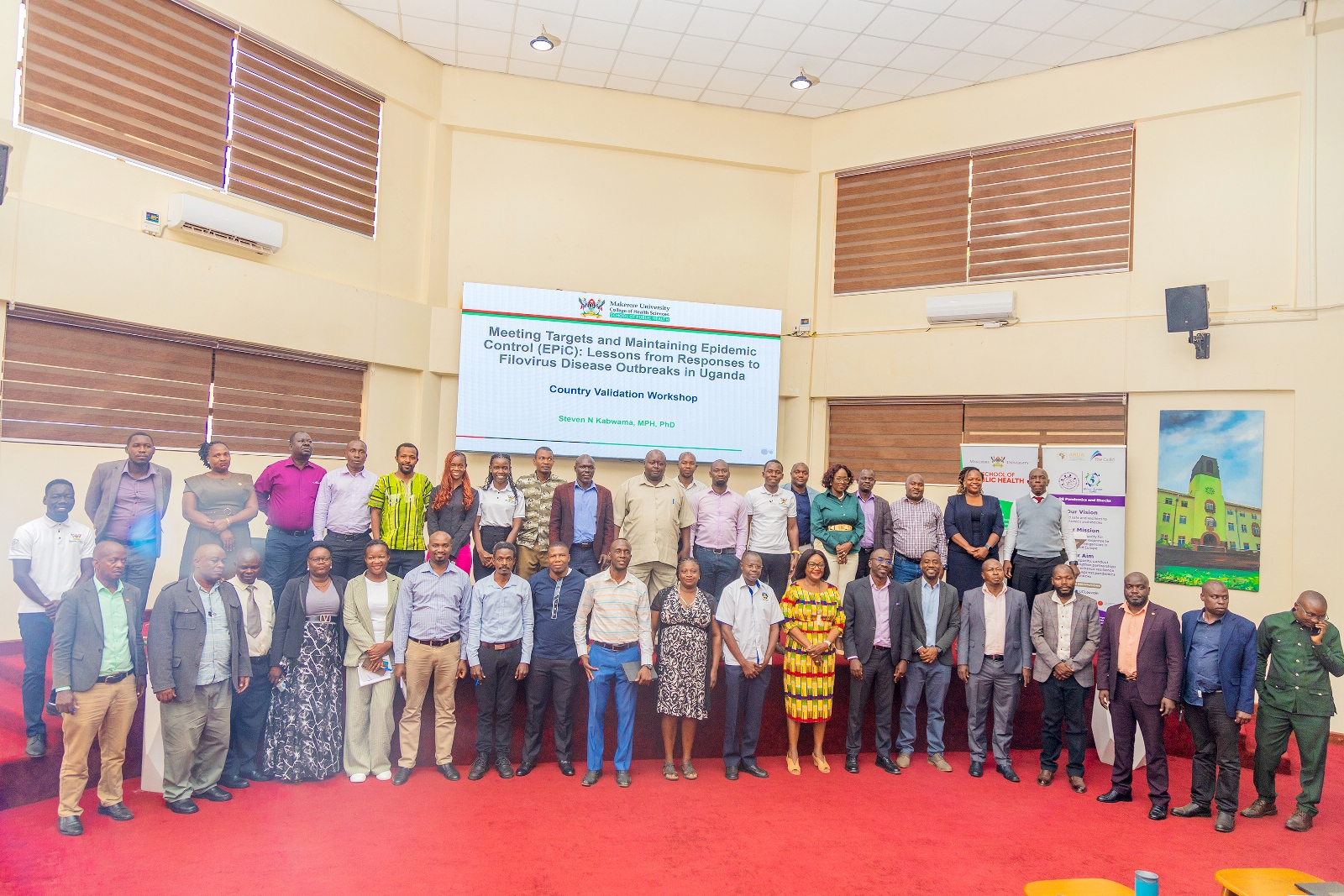
Uganda has strengthened its ability to respond rapidly to Ebola and Marburg outbreaks once cases are confirmed, but delays in frontline detection, health worker exposure, emergency financing bottlenecks and incomplete implementation of lessons from previous outbreaks continue to undermine preparedness, a study has found.
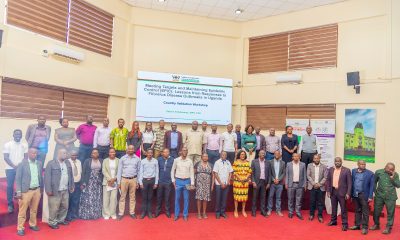
The findings were presented today, October 6, 2026, during a country validation workshop convened by the Meeting Targets and Maintaining Epidemic Control (EPiC) project, to examine lessons from Uganda’s response to filovirus disease outbreaks. The study was undertaken by Makerere University School of Public Health and FHI 360.
Presented by Dr. Steven Kabwama, the synthesis examined Uganda’s experience with recurrent Ebola virus disease (EVD) and Marburg virus disease (MVD) outbreaks between 2000 and 2026, drawing particularly on After-Action Reviews from the 2017 Marburg outbreak and the 2019, 2022 and 2025 Ebola outbreaks. The work seeks to consolidate recurring strengths, weaknesses, innovations and lessons that had previously been documented separately.
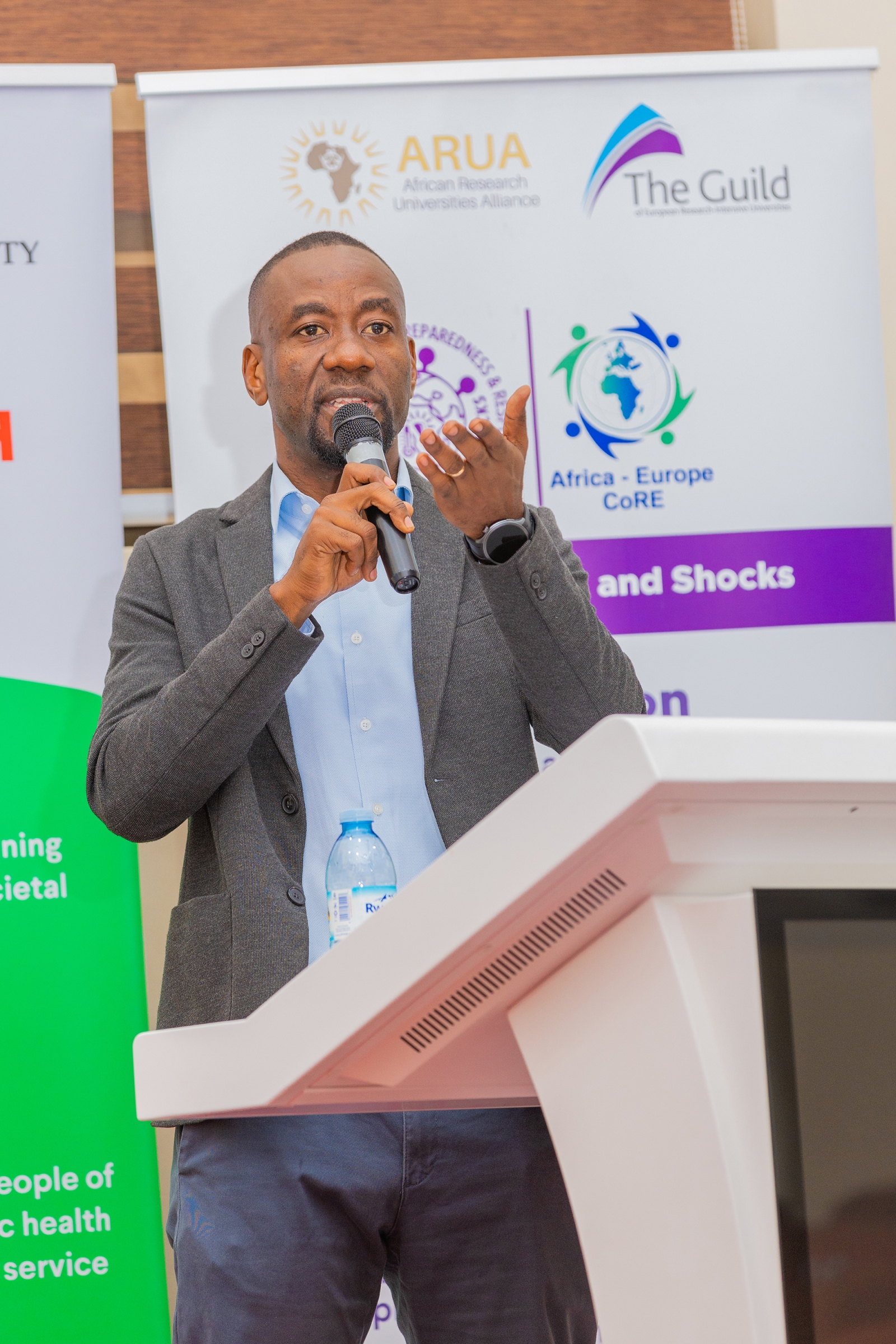
Uganda has recorded 12 filovirus outbreaks over the 26-year period, including nine Ebola and three Marburg outbreaks, according to the research team. Among the four outbreaks examined closely were the 2017 Marburg outbreak in Kween and Kapchorwa, the cross-border Ebola outbreak in Kasese in 2019, the multi-district Sudan Ebola virus outbreak in 2022, and the 2025 outbreak whose index case was a health worker.
Strong systems after confirmation
Across the outbreaks reviewed, the synthesis found that Uganda has developed significant capacity to mobilise after laboratory confirmation. National and district task forces and technical response structures are activated quickly, supported by strong laboratory capacity, established coordination mechanisms and increasingly sophisticated surveillance systems.
The country has also built laboratory capacity around the Uganda Virus Research Institute, mobile laboratories, genomic sequencing, sample referral systems and the Results Dispatch System. Digital surveillance tools, Village Health Teams, survivor champions and established national and district coordination structures have further strengthened response capacity.
Detection remains a weak point
However, the findings point to a critical problem before confirmation: recognising a possible outbreak early enough.
For outbreaks originating within Uganda, the synthesis found that the period between a patient’s first presentation and confirmation ranged from nine to 27 days. This the study found is linked to low clinical suspicion and weaknesses in screening. Other recurring challenges included delayed access to emergency financing, infections among health workers, disruptions to essential health services, community mistrust and stigma, and limited follow-through on recommendations from previous After-Action Reviews.
Opening the workshop, the Dean, Prof. Rhoda Wanyenze, said understanding these delays requires going beyond identifying broad weaknesses to examining where response systems fail in practice.
“We can identify a broad challenge such as delayed detection from the literature, but your experience on the ground can help us understand the specific factors that create that challenge,” Prof. Wanyenze said while addressing district health officials from across the country.
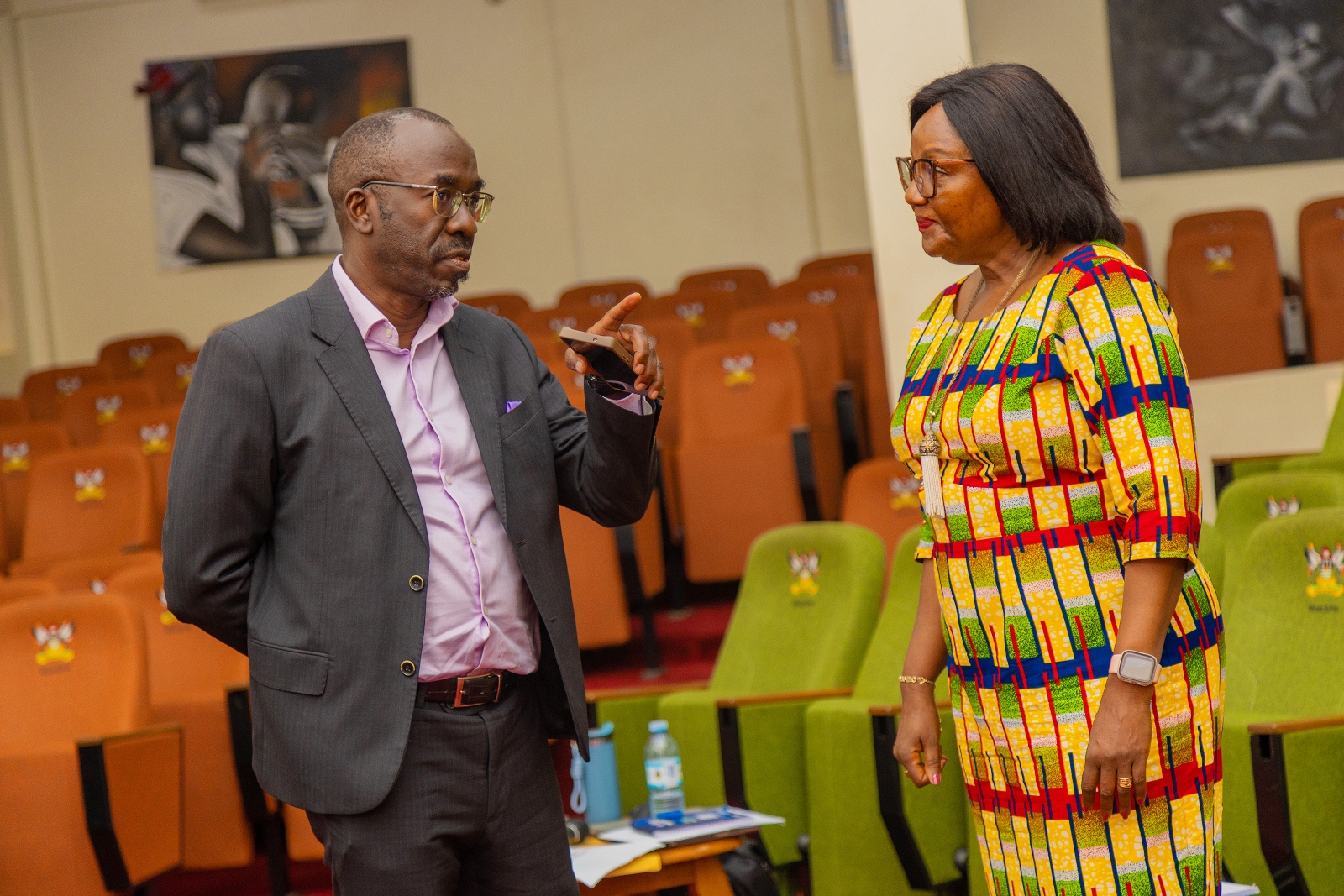
“When we begin looking for solutions, we need to be able to target the actual problems rather than simply identifying broad challenges.”
The workshop brought together partners and colleagues from districts, including people directly involved in outbreak response, to validate the synthesis against frontline experience. Prof. Wanyenze noted that published literature, scientific papers and response reports cannot capture every operational reality, making practitioner experience essential to understanding where delays occur and what interventions have worked. Remarks validation workshop
Turning outbreak experience into continuous readiness
Among the priority actions proposed are stronger screening and alert systems for earlier detection; ring-fenced emergency financing and more reliable responder payment systems; routine infection prevention and control training; stronger occupational protection for health workers; continued investment in laboratories and genomic sequencing; and preparedness extending beyond districts traditionally considered outbreak hotspots. The study also recommends stronger community engagement and a formal mechanism to track and finance implementation of recommendations from After-Action Reviews.
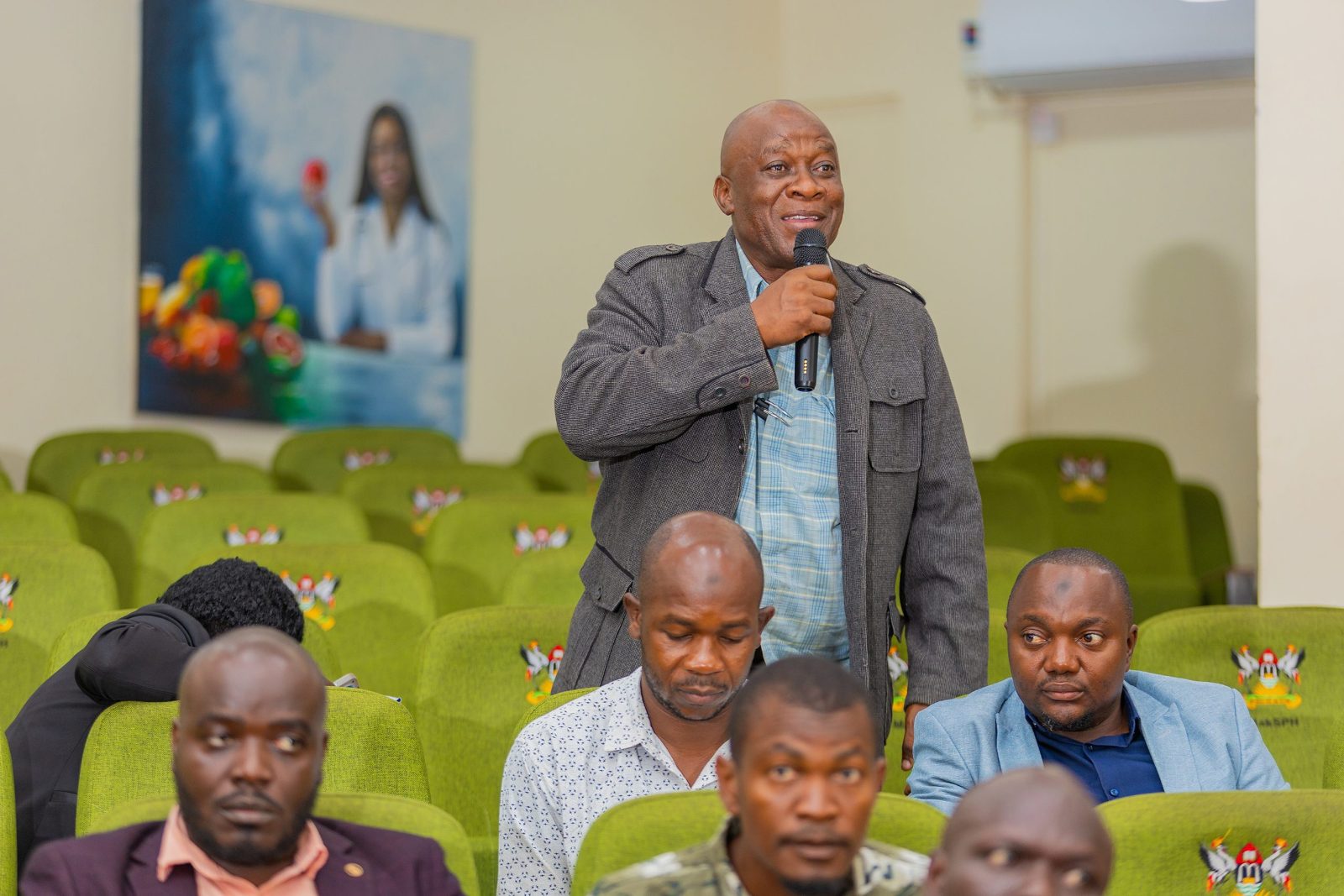
Dr. Andrew Acero, Director of the EPiC project at FHI 360’s Uganda Office said the central challenge is ensuring that experience accumulated during successive outbreaks translates into lasting institutional capacity.
“The real value lies in ensuring that what we learn changes what we do. Our findings should inform policy, shape guidelines and training, strengthen systems and ultimately improve practice.”
He noted that preparedness cannot begin only after an emergency has been declared, but must be built through sustained relationships, systems and capacity before outbreaks occur. Remarks validation workshop
The EPiC project is led by FHI 360 with core partners including Right to Care, Palladium and Population Services International.
-

 General2 weeks ago
Statement on Concerns Circulating Regarding a Member of Academic Staff
-
 General2 weeks ago
Beyond Map Size: Africa’s Agency Should Not Be Funded by Other People
-

 General5 days ago
Timothy Khabusi: From Barefoot Walks to shaping Uganda’s Eye health Future
-

 General2 weeks ago
Press Statement: Incident Involving Death of a Student at Makerere University
-

 General2 weeks ago
JNLC Leadership Symposium Equips Young Leaders for Responsible and Transformative Leadership