
Health
MakSPH Supports Uganda’s Final Push to End HIV with Locally Led Surveillance


In a decisive step toward ending HIV as a public health threat by 2030, Uganda on Thursday, May 29, 2025, officially launched the third Uganda Population-based HIV Impact Assessment (UPHIA 2025) survey, a nationally representative household study expected to provide updated measurements on the status of the HIV epidemic by the end of the year.
The effort is led by Uganda’s Ministry of Health (MoH), with technical assistance from Makerere University School of Public Health (MakSPH), Uganda Bureau of Statistics (UBOS), Uganda Virus Research Institute (UVRI), and the U.S. Centers for Disease Control and Prevention (U.S. CDC), funded by the U.S. government through PEPFAR.
The Population-based HIV Impact Assessment (PHIA) surveys were first launched in 2014 as a global initiative at the International Center for AIDS Care and Treatment Programs (ICAP), based at Columbia University’s Mailman School of Public Health. Supported by the U.S. President’s Emergency Plan for AIDS Relief (PEPFAR), through the U.S. CDC, the surveys have been conducted in at least 15 high-burden countries globally, including Uganda.
Led by national Ministries of Health, the PHIA surveys provide robust, population-level data on HIV prevalence, incidence, and viral suppression, offering a clear picture of epidemic trends and the effectiveness of national responses. They are designed to track progress, identify persistent gaps, and inform strategies to reach epidemic control, in line with global targets, including the fast-approaching goal of ending AIDS as a public health threat by 2030.
In Uganda, this survey was first rolled out between August 2016 and March 2017. The second followed in February 2020 but was disrupted by the COVID-19 outbreak, continuing through to March 2021. Both rounds were supported by ICAP at Columbia University, which provided technical assistance to strengthen data collection systems, improve laboratory infrastructure, and build national capacity to design, implement, and analyse the two national HIV surveys.
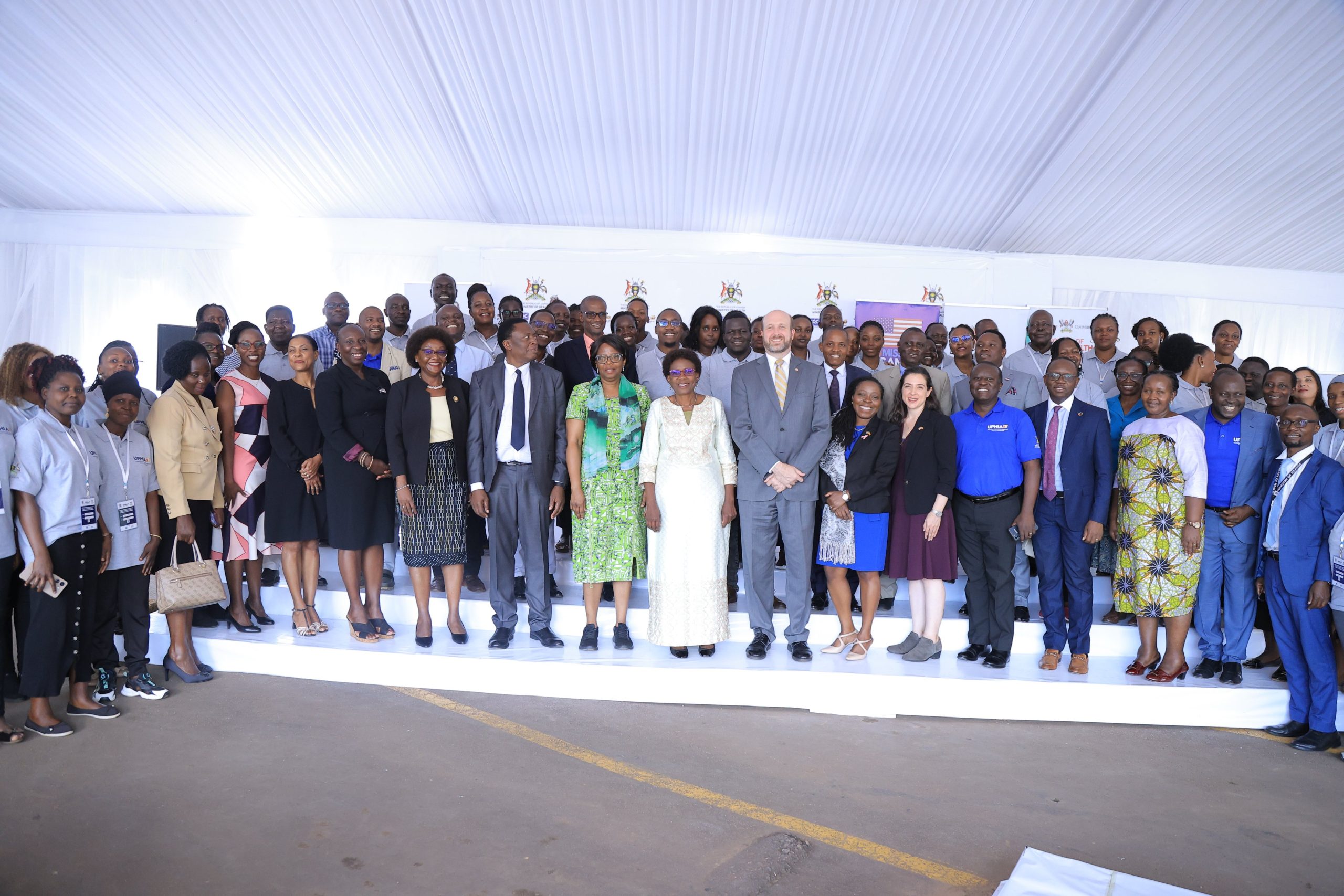
What sets UPHIA 2025 apart is the shift in technical leadership to Ugandan institutions for this third survey, reflecting local capacity to lead rigorous, high-quality public health research. For UPHIA 2025, Makerere University School of Public Health, in partnership with the Uganda Bureau of Statistics and the Uganda Virus Research Institute, is providing technical leadership to the Ministry of Health, alongside U.S. CDC. Implementation began with initial recruitment and training of over 300 field teams that begun on May 19, 2025, ahead of their nationwide deployment for data collection starting this June.
The first survey (UPHIA 2016) was an important milestone in informing Uganda’s national HIV response. This survey, concluded in 2017, measured, among things, the viral load suppression at the population level and provided household-based HIV testing and counselling, with results returned to participants and those who tested positive referred to care. The survey also assessed HIV incidence, HIV and syphilis prevalence, as well as hepatitis B infection rates. These findings would offer nationally representative data to track Uganda’s progress in controlling the HIV epidemic at both national and regional levels.
The next survey, UPHIA 2020, building on past success, was again executed with technical leadership from Columbia University’s ICAP, working with Uganda’s Ministry of Health alongside UVRI, UBOS, regional referral hospitals, local governments, and the U.S. CDC. It offered useful insights that showed encouraging progress, indicating that up to 88% of people living with HIV in Uganda at the time knew their status, 98% of them were on treatment, and 90% had achieved viral suppression. These results reflected momentum toward the UNAIDS global 95-95-95 targets, ensuring that most people living with HIV are diagnosed, treated, and have the virus under control, and advancing the broader goal of ending the epidemic by 2030.
Since the release of these findings nearly five years ago, which helped shape national HIV programming in Uganda, the country has made notable progress, but challenges remain. The UPHIA 2020 findings reported major gaps in testing coverage, particularly among young people and men. The results were also instrumental in identifying service delivery shortfalls and guiding decisions on resource allocation, program design, and policy. Yet today, Uganda remains one of the most heavily burdened countries in the world, with over 1.5 million people living with HIV and over 50,000 preventable new infections recorded per year.
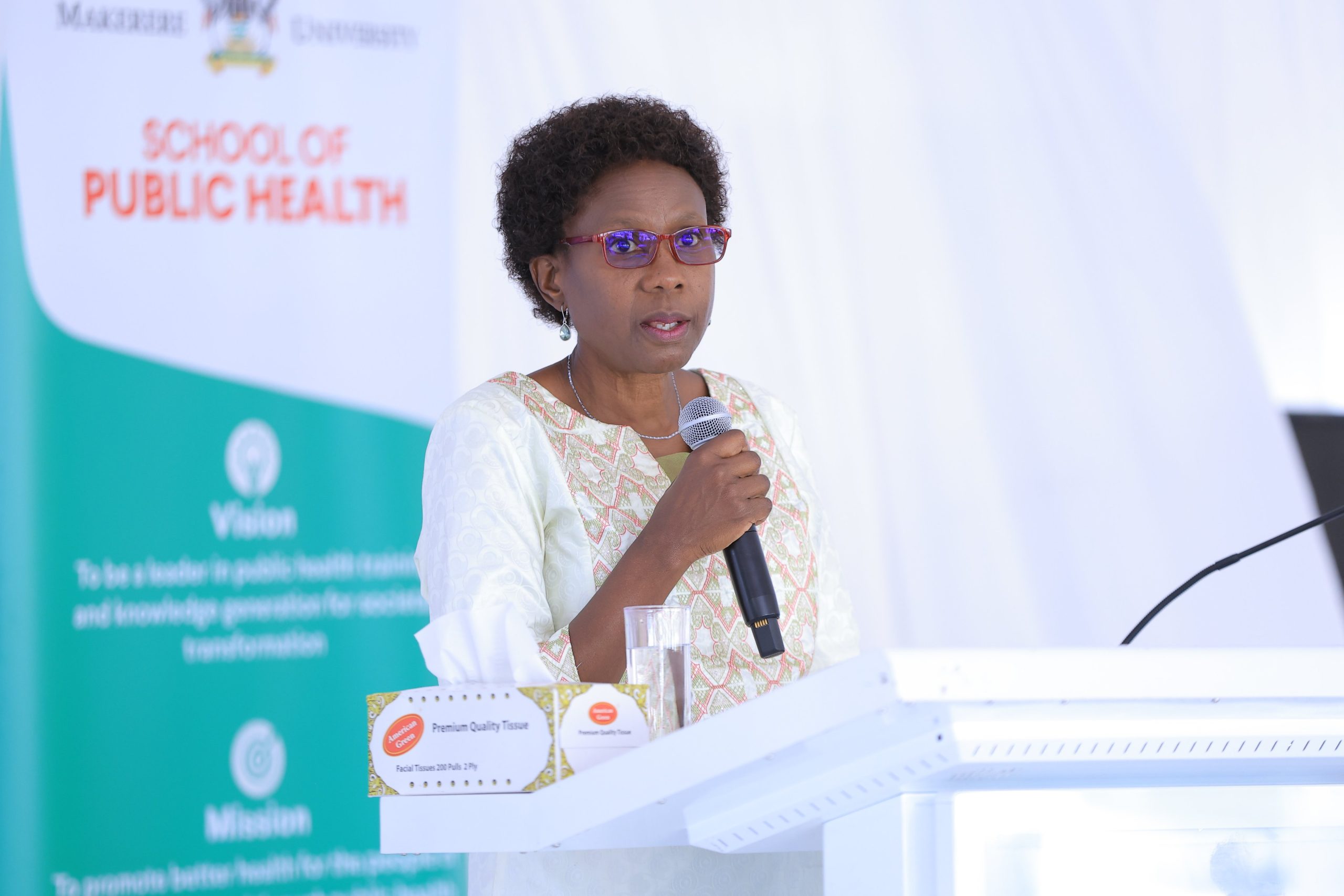
It is this trend that Uganda’s Ministry of Health is working urgently to reverse. Launching UPHIA 2025 at the Ministry’s headquarters in Kampala on May 29, 2025, amidst great hope and expectation among the participants, Uganda’s Minister of Health, Dr. Jane Ruth Aceng Ocero, noted that the long-anticipated and previously delayed survey had arrived at such a critical moment. She welcomed UPHIA 2025 as both a measure of the country’s resilience and a guide for the final stretch toward ending AIDS by 2030, now just a few years away.
“The UPHIA 2025 survey comes at a strategic time to help us recalibrate and refocus our efforts,” the Health Minister said, underscoring the importance of its outcomes. “This will be Uganda’s final population-based HIV survey before 2030, the target year for ending AIDS as a public health threat. The findings will serve as a baseline for tracking our progress toward this national and global goal. They will also guide the next phase of strategic planning, ensuring that the final push toward 2030 is grounded in robust and reliable data.”
This third round of the survey will be carried out in 6,685 randomly selected households across the country. The exercise will involve interviews with approximately 15,000 individuals aged at least 15 and selected through a national household listing by UBOS. Of those, around 14,980 are expected to provide blood samples for HIV testing and analysis of viral suppression and other health indicators. The survey will also include interviews with 1,300 children and adolescents aged 10 to 14, though no blood draws will be taken from this group. Participation is voluntary, free of charge, and requires consent from the head of each household.
Dr. Aceng explained that beyond providing updated estimates of HIV prevalence, incidence, and viral load suppression, and examining regional and demographic disparities, the survey, which will cover the rest of the year, will include a qualitative post-survey assessment component to gather insights from people living with HIV, particularly those not virally suppressed, to understand their challenges and strengthen support services. Also, for the first time, this survey will assess the burden of non-communicable diseases among people living with HIV and include focused interviews with adolescents aged 10 to 14 in Mid-North and Mid-Eastern Uganda, where viral suppression was reported to be lowest in UPHIA 2020.
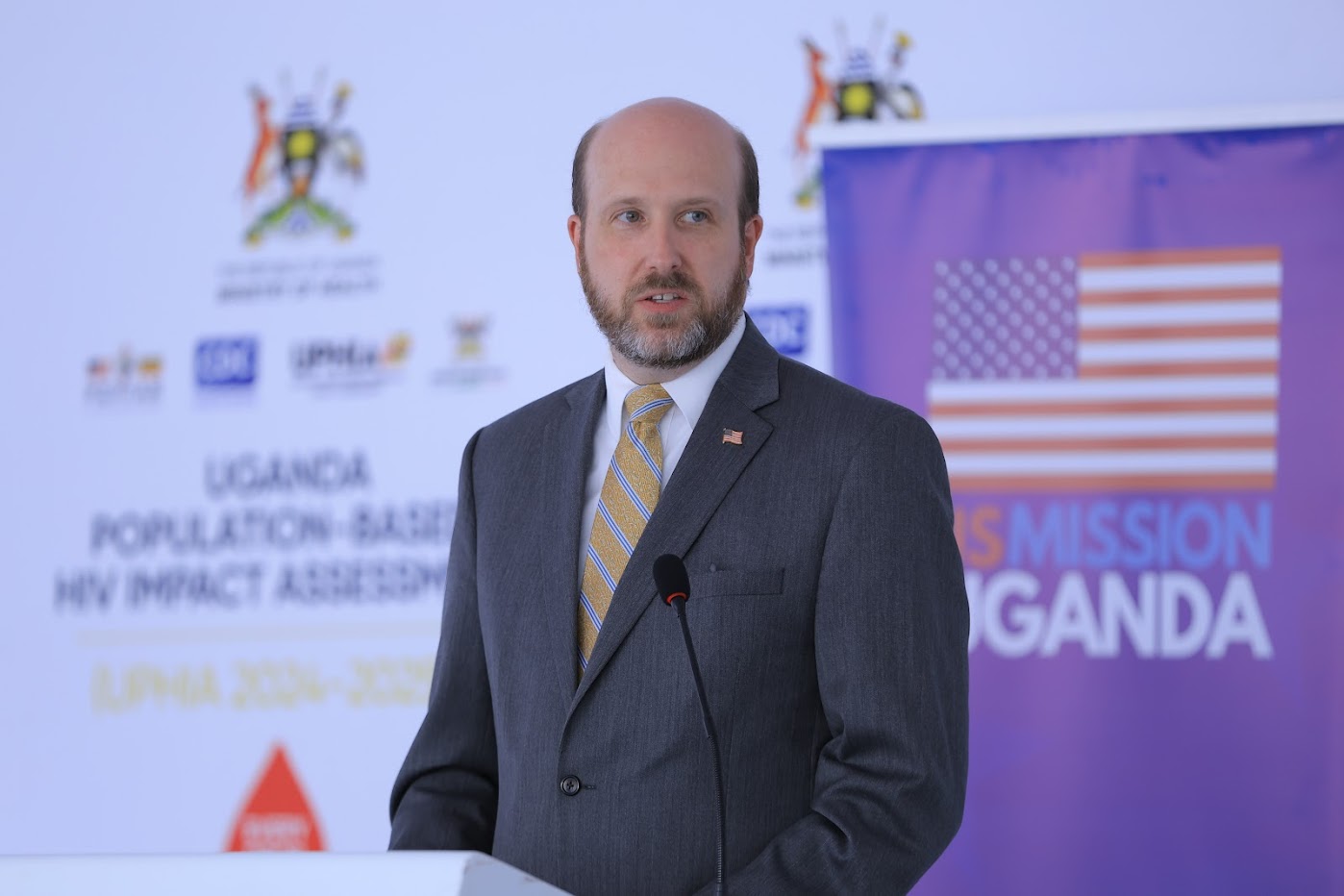
These activities are made possible thanks to the development support from the U.S. government, which invested $10 million (about UGX 37 billion) for this survey. Speaking at the UPHIA 2025 launch, U.S. Ambassador to Uganda William W. Popp noted that the United States has partnered with Uganda for over three decades to help people live longer, healthier lives;
“The bulk of our annual support, approximately $500 million this year, is dedicated to health programs, making the U.S. government the largest single provider of health assistance to Uganda,” the Ambassador said. He added, “Through PEPFAR, the United States has played a major role in Uganda’s progress toward ending HIV as a public health threat. Since 2003, when Uganda became one of the first countries to implement the program, we have invested nearly three billion dollars—almost 11 trillion Uganda shillings—in HIV prevention, care, and treatment services, saving millions of lives and making both our countries safer from HIV.”
With the benefit of hindsight, Uganda’s early encounter with HIV in the 1980s marked the beginning of one of the region’s most severe epidemics. But over the decades, a determined national response, driven by political leadership, community mobilisation, collaboration and global support, has delivered measurable progress. In the recent past, adult HIV prevalence fell from 7.2% in 2010 to 5.1% in 2023. Among women, it declined from 8.5% to 6.6%, and among men from 5.8% to 3.6%. AIDS-related deaths dropped from 53,000 to 20,000 over the same period, with female mortality declining by 66% and child deaths by 77%.
All these gains, amidst the challenge, go to show what is possible with sustained commitment. What is more, throughout this long journey of Uganda’s battle with eradicating HIV, Makerere University School of Public Health has played a pivotal role. From the early work of Prof. David Serwadda, whose ground-breaking research during the initial detection of HIV helped shape Uganda’s early response, to last year’s 2024 landmark Purpose 1 study on the twice-yearly injectable Lenacapavir that proved 100% efficacy in preventing HIV infection, MakSPH has remained at the forefront of innovation, evidence generation, and policy influence.
That legacy continues today, with the School providing technical leadership to the Ministry of Health in the implementation of UPHIA 2025. At the launch, MakSPH Dean Prof. Rhoda Wanyenze expressed pride in the School’s role as a trusted partner in Uganda’s fight against HIV and other public health challenges. She noted that for over 70 years, during which the School has existed, MakSPH has helped shape the country’s public health landscape through rigorous research, training, and policy support, anchored by a strong, long-standing partnership with the Ministry of Health and partners.
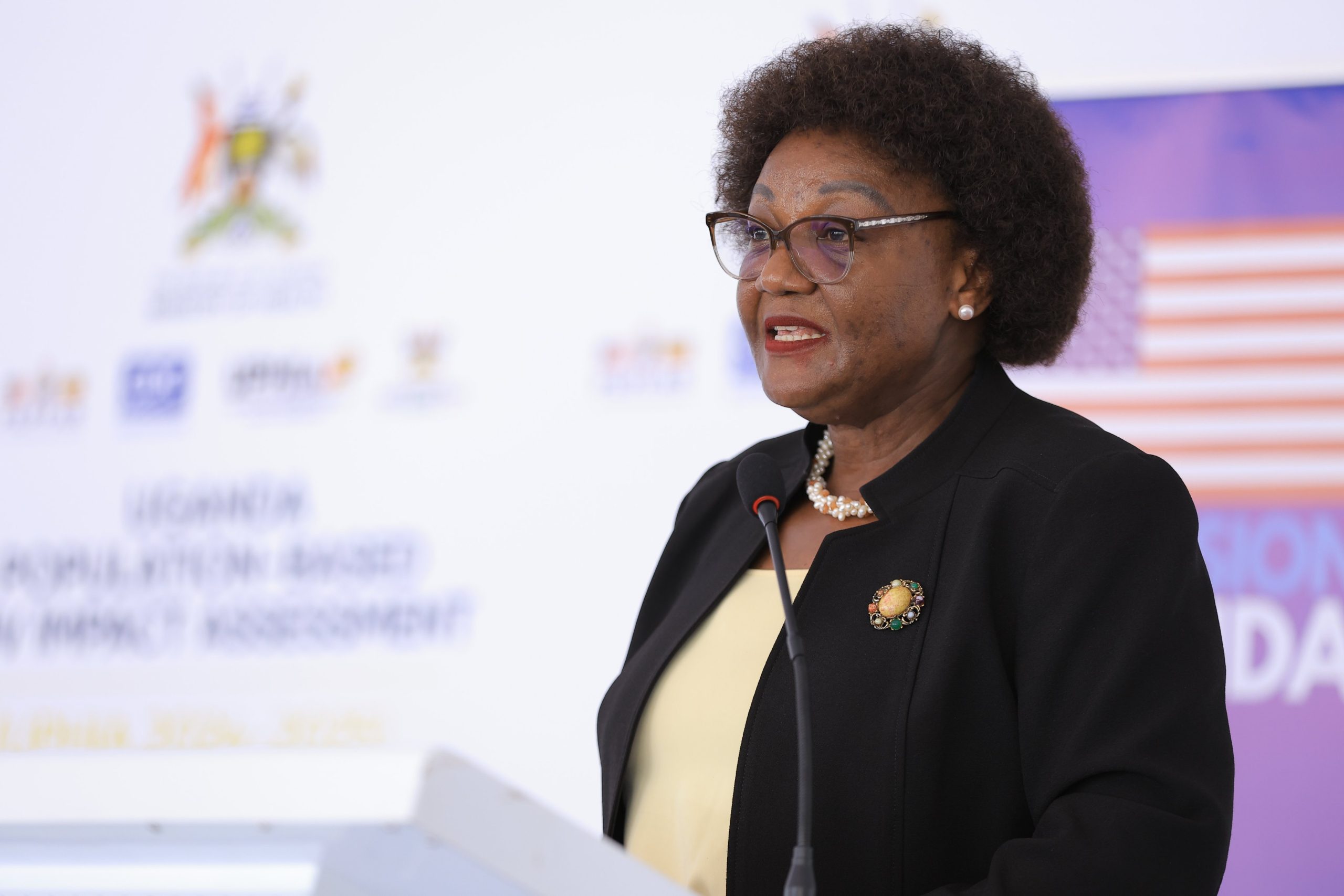
She also noted that the collaboration between Makerere University and the U.S. CDC has helped build national capacity in surveillance and epidemiology, while also strengthening Uganda’s ability to lead high-quality, large-scale national surveys, asserting that:
“The partnership between Makerere University and CDC has not only helped build national capacity in surveillance and epidemiology, but has also strengthened our ability to lead high-quality, large-scale national surveys. After two decades of joint work, we are proud that UPHIA 2024–2025 is now a fully Ugandan-led effort. This is critical to the sustainability of the skills and knowledge generation to inform our local response.”
The survey builds on MakSPH’s experience conducting similar national studies, including those on tuberculosis, prison health, family planning, schistosomiasis, and non-communicable diseases such as the STEPS survey. It will leverage the School’s strong capacity in research and impact evaluation, both in Uganda and across the African region, with a firm commitment to delivering high-quality data guided by the same rigour and integrity that have defined our work over the years, Prof. Wanyenze affirmed.
















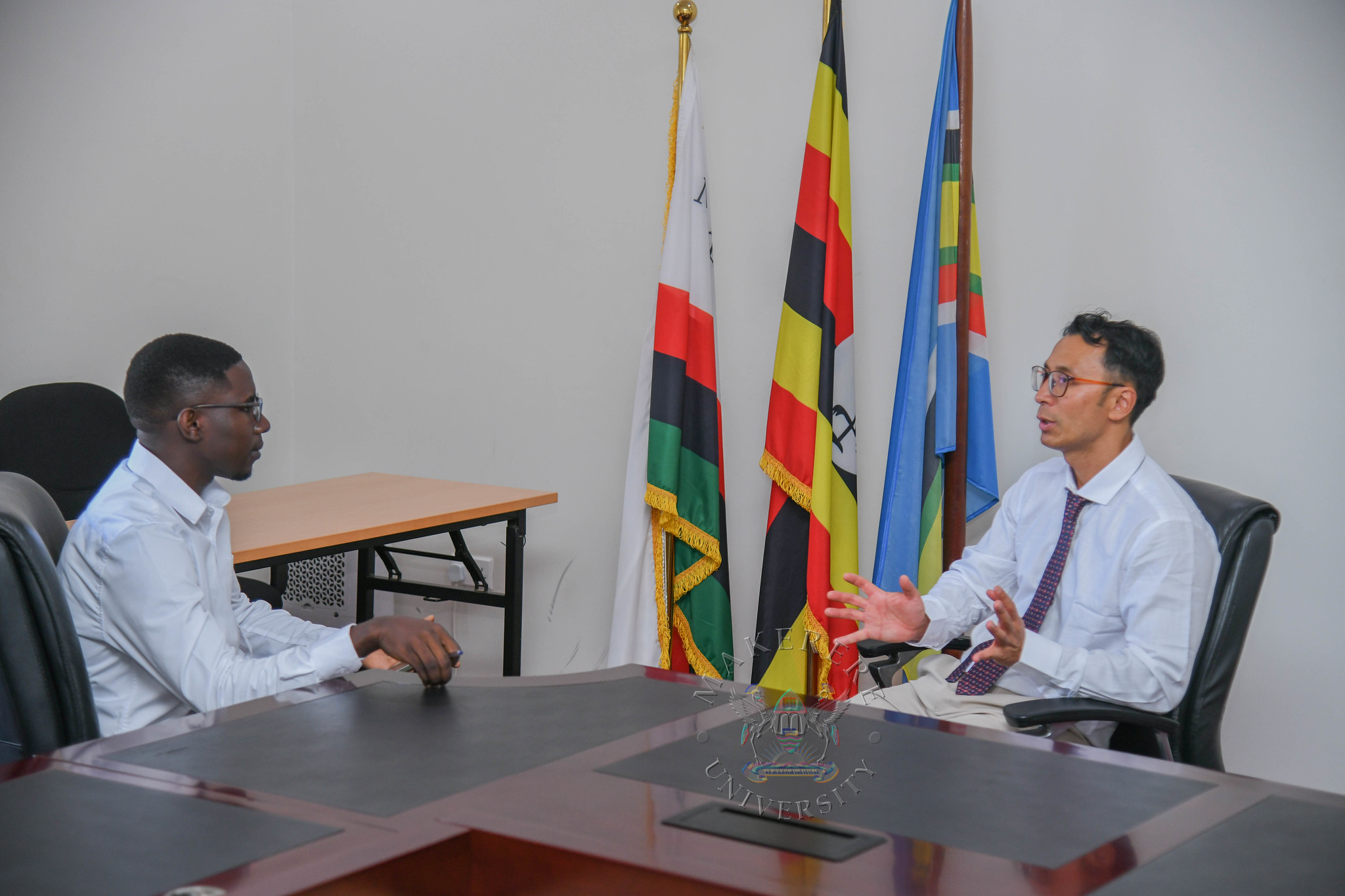
Through a European Union (EU) funded initiative, Makerere University and Mulago Hospital are hosting a German oncology reconstruction specialist Professor Dr. Thiha AUNG. AUNG is a surgeon, trainer at the Deggendorf Institute of Technology (THD), and researcher on cancer from the Deggendorf Institute of Technology (DIT), Germany.
With his international expertise in oncology and medical management roles at his home institution, his visit is a valuable addition to Uganda’s capacity building efforts in medical advancement.
Prof. Aung who arrived in Uganda in late September 2026 and has since then conducted free identified patient specialised surgeries and training for locals. These are expected to span two weeks. For the period, his service intersects medical expertise and humanitarian efforts.
This is not Prof. Aung’s first time in the country; his first major visit was in 2023, when he performed life-changing free surgeries on early patients. He then made medical history in June 2024 when he arrived to perform Africa’s first-ever lymph node transplant at Mulago Hospital.
It was against this background that the Makerere Public Relations Office engaged him in an exclusive interview to share his philosophy on medical service, his experiences in oncology reconstruction, and his unwavering belief that passion and dedication rather than just resources are the true drivers of sustainable medical progress.
Transforming Lives Through Oncology Reconstruction
At the heart of his mission through the ERASMUS – Oncology/Lymphedema project, is the treatment of lymphedema, a condition often referred to as elephantiasis.
In Europe, such surgeries can cost between 80,000 and 100,000 euros, making them inaccessible to many.
Thankfully, Professor and his team, including some of his post graduate students like Anna Friedrich (B.Sc) and Sophia Waser (B.Sc., PA) from the Institute of Medical Science and Engineering, have once again brought this specialised care to Uganda pro bono.
He highlights the story of a teacher who, after receiving surgery, regained her quality of life and returned to the classroom. For him, the impact is exponential. “You change one life, but this person changes a lot in the community.”
This shift from individual surgery to the long-term wellbeing of the community, reinforces the local impact of these services.
Professor AUNG’s Personal Conviction
The professor confessed that inherently, he commands himself that beyond knowledge, true progress is driven by passion and will rather than resources.
He does not agree with those that think money and resources are the sole prerequisite for change in the medical world, stating, “you cannot change with money only.” Rather, he upholds the importance of personal decision and commitment.
When discussing the challenges of working in resource-limited settings, he maintains a simple, direct explanation “it’s always beyond the money.”
Ultimately, the Professor believes that if he can provide the spark, his students and patients can carry through with the same flame for significant change.
Motivation to Serve in Uganda
When asked about his inspiration for entering the field and now volunteering to work in Uganda, he explained that his primary goal was always to serve others. “That’s why I finished my medical school to help as many people as possible with my skills.”
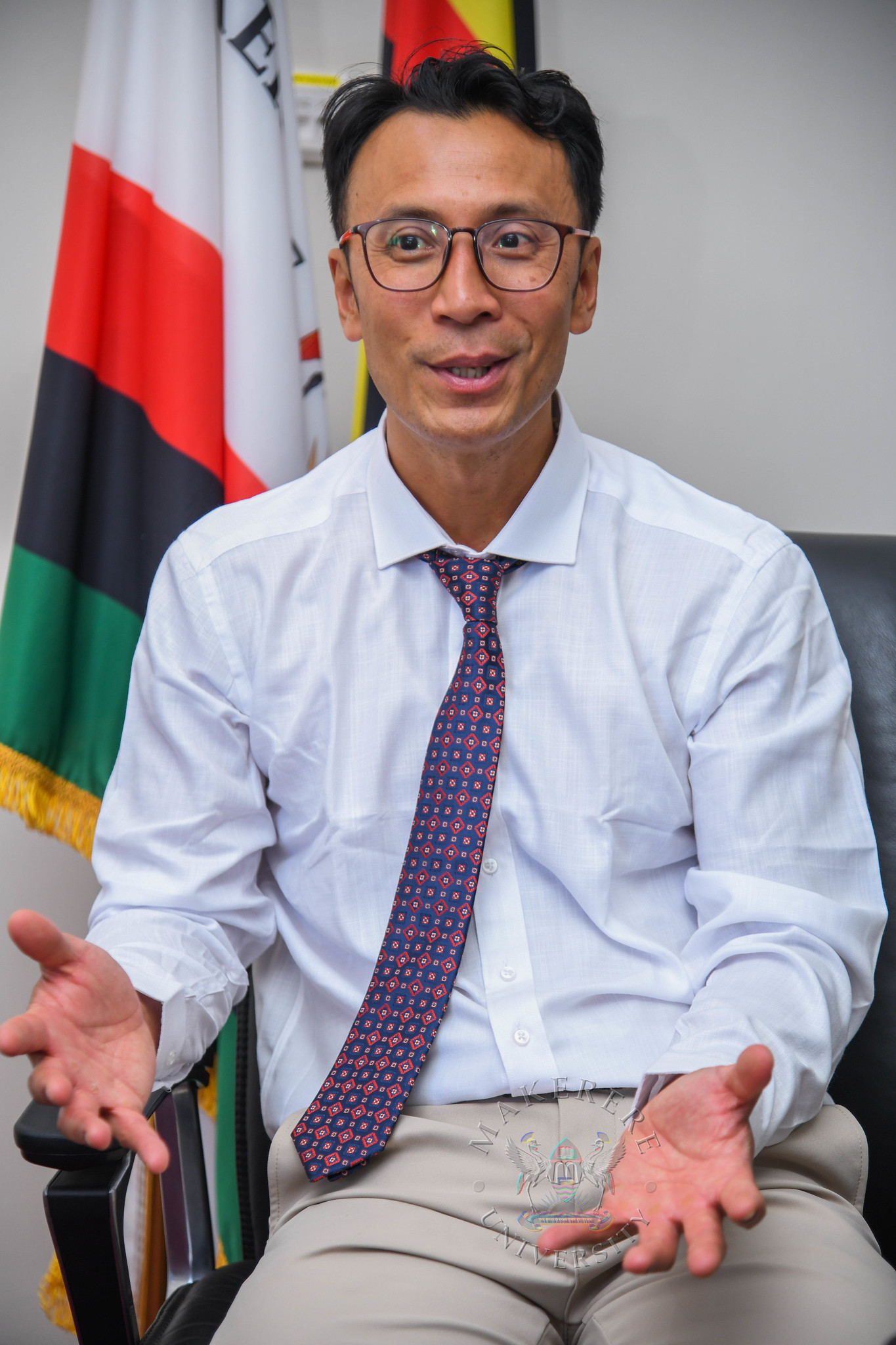
He views his medical expertise not as a tool for the privileged, but as a universal resource., “People are all the same, their anatomy is the same. So, I can help all these people pretty well,” Prof AUNG remarked.
His approach is motivated by a pay it forward dogma where treating a single patient creates a broader societal benefit. He illustrates this through his work with patients who, after surgery, are able to return to their professions like the teacher earlier mentioned.
Tips for Medical Professionals working in Uganda
As a foundation for professional growth, the Professor advised medical professionals working in Uganda to prioritise genuine interest in their work because he believes it is “the most important…” for “if you are interested, you will go far in the profession.”
He further reinforced the human capacity point, noting, “no matter what kind of equipment you have… it all depends on the people operating them and the patient.”
Professor AUNG concluded by encouraging doctors to overcome resource fears through action, stating, “If you want to create impact or change, you do.”
Dr. AUNG is part of the Lymphoedema Warriors Association (LWAU) in Uganda. He describes it as a grassroots organisation and commends them for “leveling the grond”. He reiterated his commitment to work with the organisation in reviewing patient reports to determine the best course of treatment.

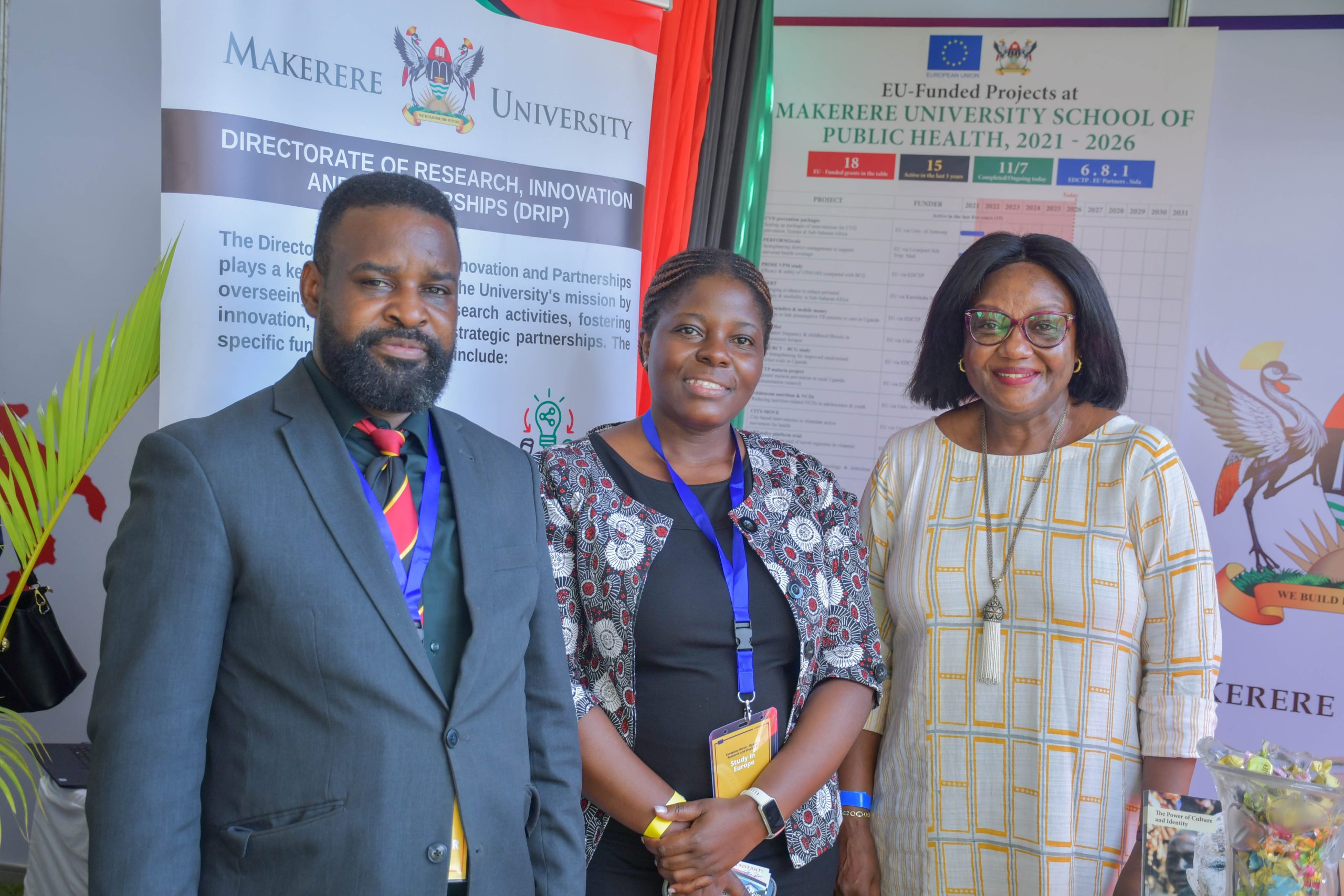
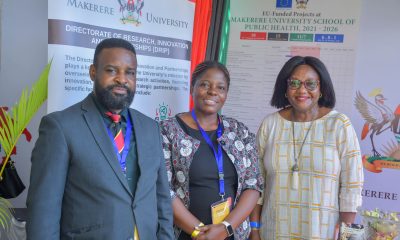
Makerere University’s School of Public Health (MakSPH) showcased research, training and international partnerships supported through European Union funding during the EU Uganda Research and Study Fair 2026 held at Makerere University.
The fair brought together students, researchers, academics, government representatives and development partners to explore opportunities in education, research, innovation and international collaboration, while celebrating 50 years of partnership between Uganda and the European Union.
Through its exhibition, MakSPH highlighted research and capacity building initiatives addressing public health challenges including infectious diseases, non communicable diseases, health systems, climate change and pandemic preparedness.
18 EU funded projects supported at MakSPH
Prof. Rhoda Wanyenze, Dean of Students, School of Public Health, said the School has benefited from 18 EU funded projects over the past five years, supporting research and training across several areas of public health.
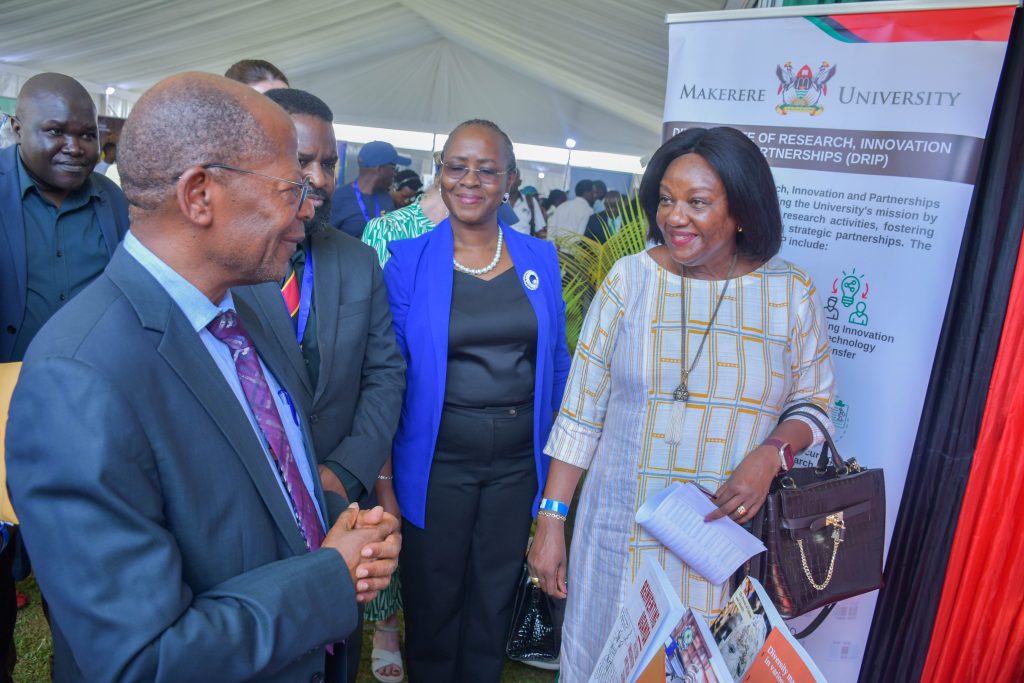
She said the projects have contributed to the training of PhD researchers and the development of research addressing infectious diseases and prevention, non communicable diseases, health systems, climate change and health.
Prof. Wanyenze also highlighted a new five year programme which started in 2021 that is aiming at strengthening capacity for research on pandemic preparedness and response, including outbreaks such as Ebola.
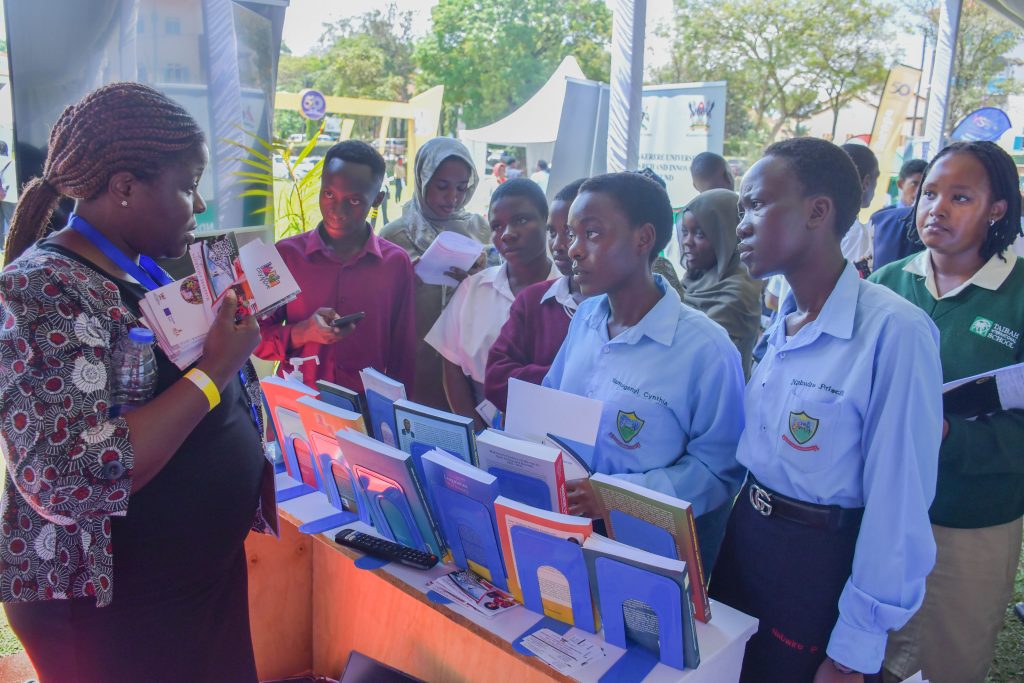
Another programme being undertaken with the Ministry of Health and Karolinska Institute focuses on improving maternal health while also addressing adolescent pregnancy and the health of mothers and children.
She described partnerships as critical to advancing science and innovation, noting that collaboration allows researchers in Africa and Europe to share knowledge and strengthen the impact of research on communities.
Research partnerships strengthen innovation
Prof. Robert Wamala, Director of the Directorate of Research, Innovation and Partnerships at Makerere University, said the exhibition provided an opportunity to showcase EU funded projects across the University.
He noted that the School of Public Health alone has more than 18 such projects, while other colleges also have several EU supported initiatives.
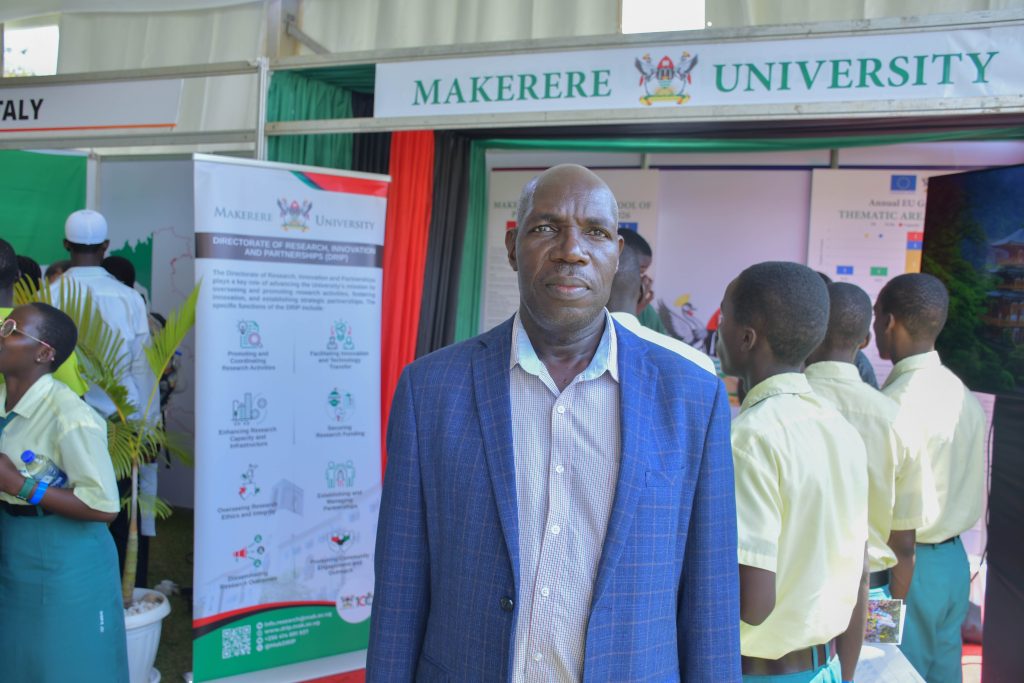
One of the projects showcased was PREPARE TID, a partnership aimed at developing rapid diagnostic technologies for emerging and re emerging infectious diseases.
Prof. Julius Okuni, Associate Professor of Veterinary Pathobiology and Molecular Diagnostics at Makerere University, said the project brings together universities, industries and other organisations from Africa and Europe.
The project is working to develop technologies that can quickly identify pathogens responsible for outbreaks such as Ebola, Rift Valley fever and Crimean Congo haemorrhagic fever.
According to Prof. Okuni, Makerere is involved in field and laboratory work to test and refine the technologies before they can be delivered to end users.
Fair provides platform for research visibility
For researchers at MakSPH, the fair also provided an opportunity to increase the visibility of ongoing research and create new connections with researchers, policymakers and potential funders.
Dr. Raymond Tweheyo, Honorary Lecturer and Senior Research Fellow in the Department of Health Policy, Planning and Management, said such exhibitions allow researchers to share their work and identify others working on related challenges.
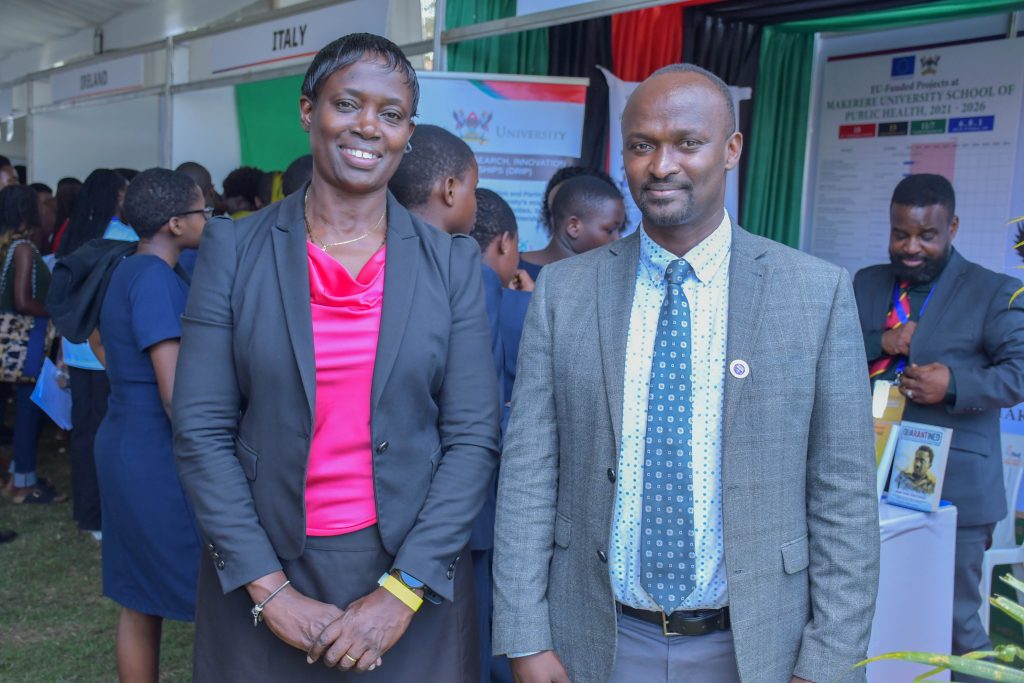
He cited the CONNECT for Health project, which focuses on transforming non-communicable disease care in Uganda through collaboration with partners across several countries.
Dr. Tweheyo said exhibitions can help researchers connect with policymakers, civil society organisations and other partners who can contribute to translating research into practical solutions.
Assoc. Prof. Angelina Kakooza Mwesigye, Associate Professor and Child Neurologist at Makerere University College of Health Sciences, also emphasised the importance of exposing young people to international research opportunities.
She said the long standing Uganda Europe partnership provides opportunities for the next generation of researchers to learn, build networks and prepare for future research collaborations.
The School of Public Health’s participation highlighted the role of international partnerships in strengthening research capacity, supporting innovation and developing evidence based responses to Uganda’s public health challenges.
-

 General2 weeks ago
Statement on Concerns Circulating Regarding a Member of Academic Staff
-

 General7 days ago
Timothy Khabusi: From Barefoot Walks to shaping Uganda’s Eye health Future
-

 General2 weeks ago
Beyond Map Size: Africa’s Agency Should Not Be Funded by Other People
-

 General2 weeks ago
Press Statement: Incident Involving Death of a Student at Makerere University
-

 Health1 week ago
Uganda’s HIV Treatment Gains Bring the Youth Gap into Focus