
Veterinary & Biosecurity
FPAIC calls for collective responsibility in resource allocation and utilization at CoVAB

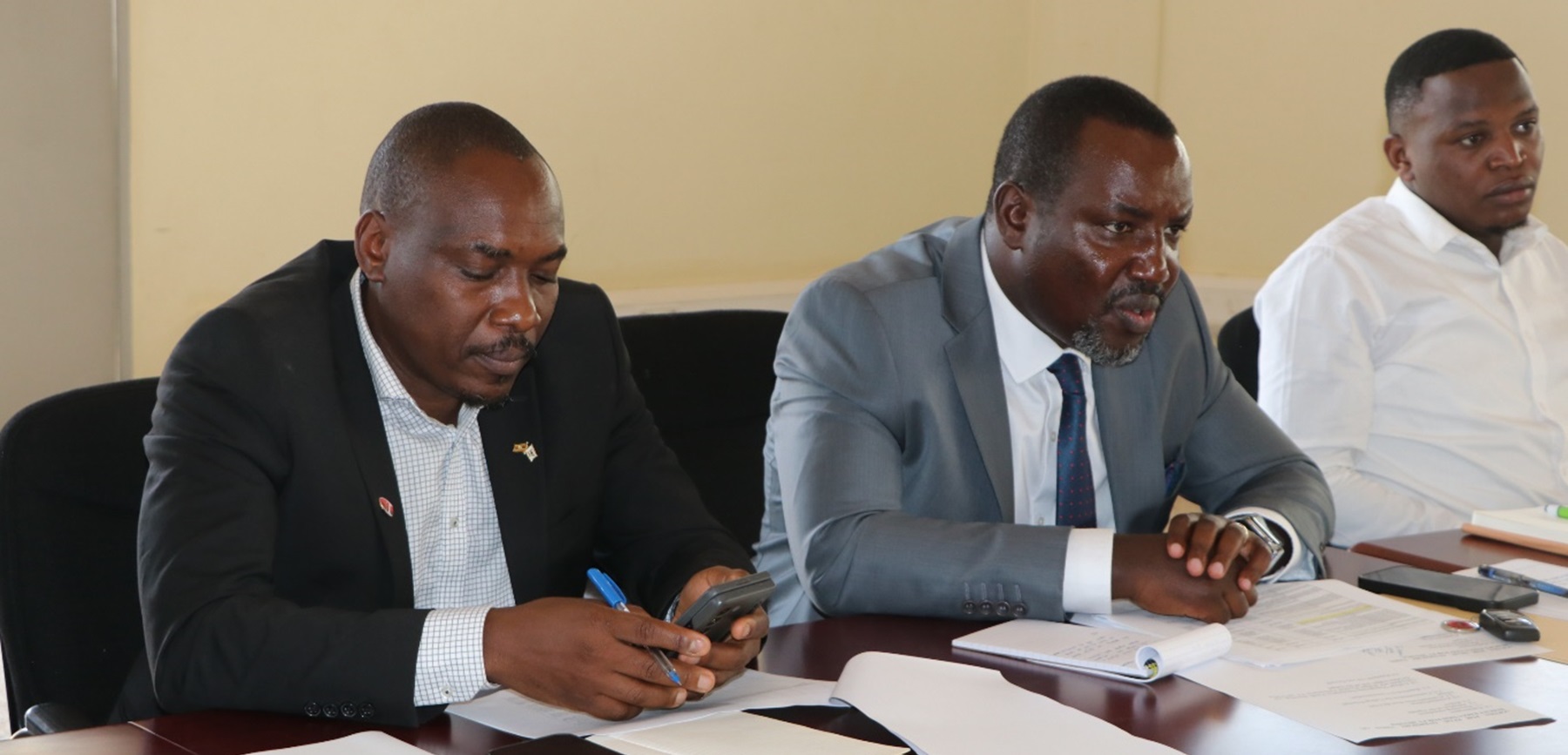
Makerere University Finance Planning, Administration, and Investment Committee (FPAIC) led by Mr. Bruce Kabaasa conducted an inspection visit to the College of Veterinary Medicine, Animal Resources, and Biosecurity as part of their university-wide tour on August 27th, 2024. The interface was part of the evaluation of budget execution for the 2023/2024 financial year.
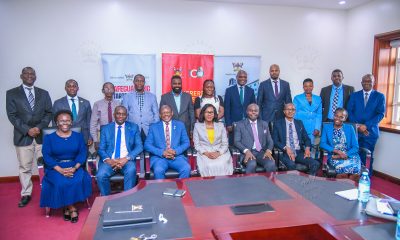
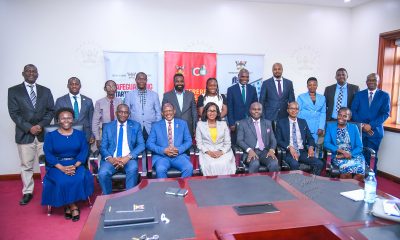
While at CoVAB, the committee interacted with the management and staff of the college led by the Principal, Prof. Frank Norbert Mwiine, including the Deans of the two Schools, Heads of Departments, Principal Investigators of several projects, at the meeting convened in the CEBIGH conference hall.
Mr. Bruce Kabaasa, who was in the company of the Deputy Vice Chancellor of Finance and Administration Prof. Henry Alinaitwe, and other members of the committee noted that the university was moving towards denying researchers grants that do not respond to the needs of the university or the college. ‘Those running grants try to ensure the project activities have a relationship with the host discipline for instance by improving the lab equipment to be used in teaching and learning. The center cannot continue considering issues of sanitation yet we have some overheads accruing from some projects in the units, he said, adding that the colleges needed to operate as a human body, where what happens in one area is felt everywhere with the principal on top of the game, and involving all stakeholders who must take a keen interest in what is going on.
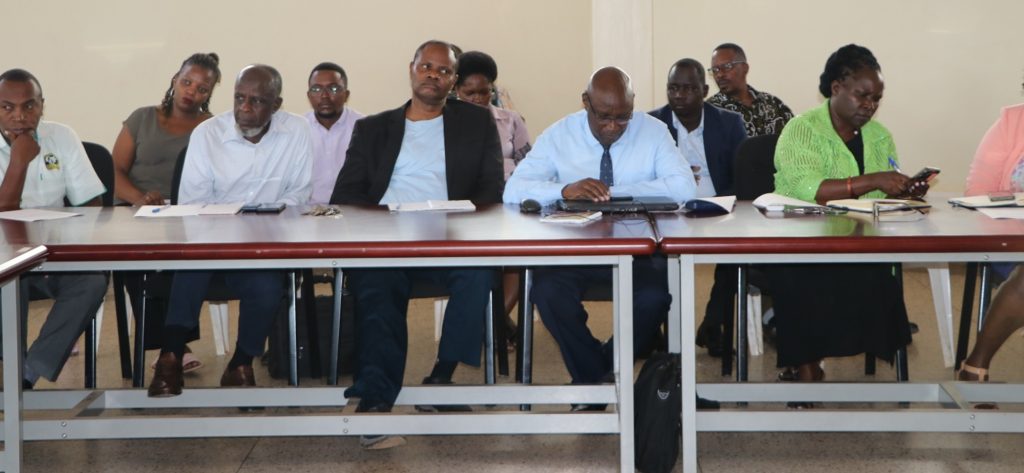
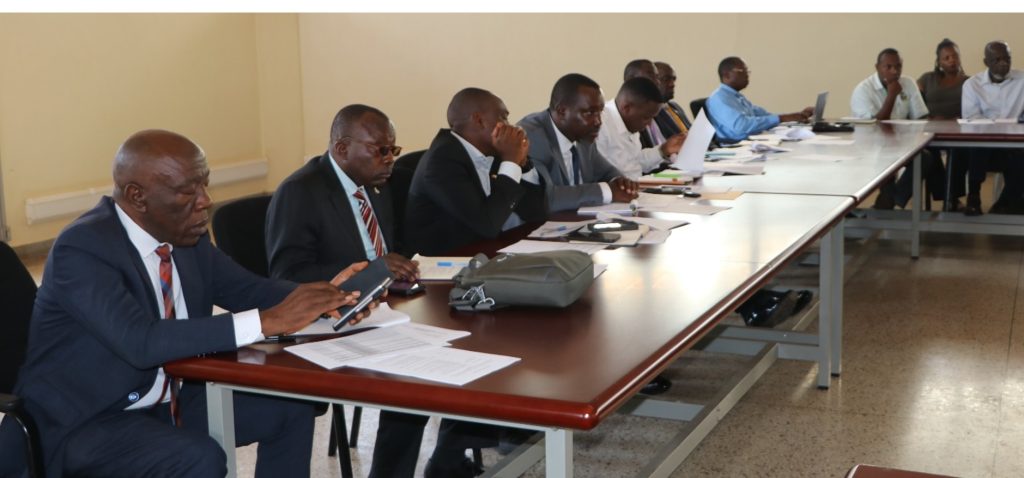
The FPAIC’s visit to CoVAB was part of its broader mandate to ensure financial accountability, effective planning, and proper administration within the university. The discussions that followed a presentation on the budgetary allocations of the year 2023/24 focused on the utilization of funds across various schools and departments. The meeting also reviewed the performance report for the main and off-budget expenditures, highlighting key achievements, compliance issues, challenges, and proposed solutions.
Bruce Kabaasa in his remarks emphasized the need for the college to ensure that the Grants received follow the laid down structure of the institution to benefit the ongoing teaching and learning activities. He cautioned the college that funding next year was likely to be limited hence the need to use all available resources cautiously. Regarding requests for extra staff, he said there was no way the university was going to give extra staff without establishing what those on the ground were doing. He informed the meeting that the university was to provide some funding to improve the state of labs CAES and CoVAB.
The team noted with concern that despite the resources allocated to improve E-learning in the university, this was not moving as expected. He urged the college to make its priorities including IT-related needs known to facilitate timely and adequate planning. ‘We are here to make sure that you demand what you need, and we want everybody to play their roles, he said while emphasizing the need for teamwork in the college. He further explained that the uptake of MakRIF funds was henceforth going to be based on the relationship between the grant received and the unit outputs like teaching and learning.
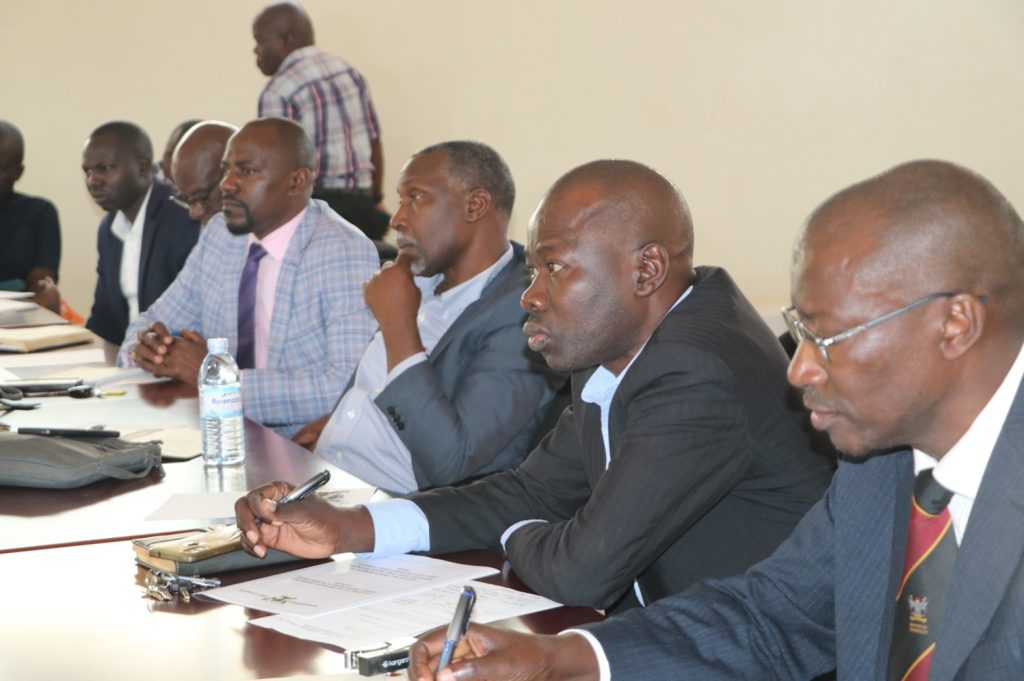
The Principal CoVAB Prof. Frank Norbert Mwiine pointed out several areas that needed to be addressed including the road accessing the Centre for Biosecurity and Global Health, the training centers at Buyana and Nakyesasa that needed to be invigorated, as well as transport challenges to enable students to go to the field for practical exposures in the field.
FPAIC mandate includes making reviews and approving proposed budget estimates from cost centers for council approval, overseeing the university’s banking and investment operations, and monitoring all expenditures under approved annual estimates. It also reviews requests for expenditures beyond approved estimates, makes recommendations, and prepares and submits the Development plans to the council.
The other role played by FPAIC is making proposals for fees and other rates to the Council, monitoring approved development programs to ensure they meet the university’s objectives, as well as maintaining an accurate, comprehensive inventory of university property. The committee also keeps records of the university’s staff establishments, conducts annual reviews of staff establishments, and makes recommendations for changes.








Veterinary & Biosecurity
Makerere University Hosts Southwest Minzu University Delegation to Explore Academic Collaboration in Animal Husbandry and Veterinary Medicine

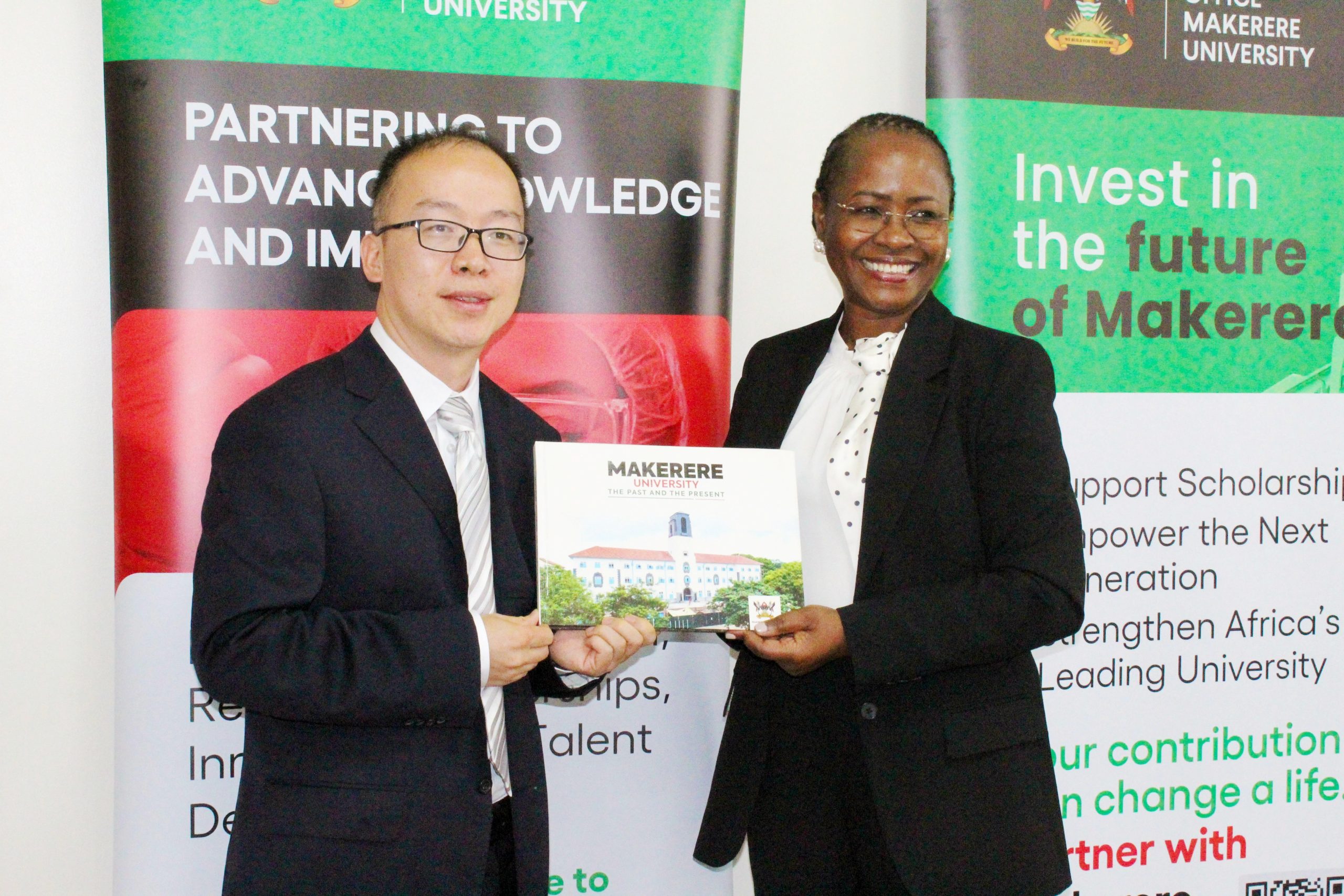
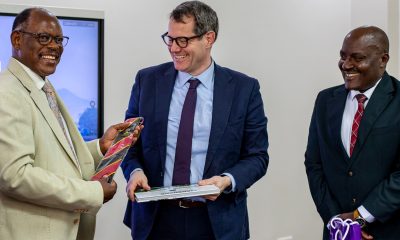
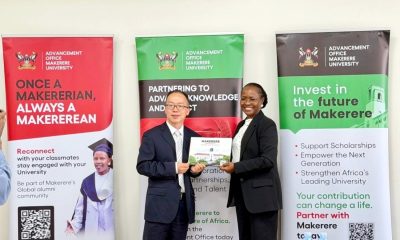
Makerere University on the 23rd July 2026 welcomed a delegation from Southwest Minzu University, China, led by the Vice President, Professor Yang Sheng-Tao, for a high-level meeting focused on academic collaboration and joint capacity development in animal husbandry and veterinary medicine. The meeting, presided over by the Deputy Vice Chancellor (Academic Affairs), Professor Sarah Ssali, brought together senior administrators from the College of Veterinary medicine, Animal resources And Bio-security (CoVAB), researchers, and partners from the National Agricultural Research Organization (NARO) to explore practical pathways for cooperation between the two institutions.
The visit forms part of a growing interest among international partners in the depth of expertise Makerere University has built over decades in agricultural sciences, veterinary medicine and related fields. For Southwest Minzu University, a public university with a strong reputation in ethnic and regional studies as well as agricultural and veterinary sciences, the visit represented an opportunity to identify shared research priorities and areas where the two institutions could pool resources, knowledge and talent.
The engagement is the latest in a series of international visits Makerere University has hosted in recent years, as the institution continues to position itself as a preferred partner for universities and research organizations seeking collaboration in agriculture, biosciences and allied fields. CoVAB has over the years built a reputation for research and training that draws interest from partners across Africa, Asia and beyond, and it is against this backdrop that the visit by the Southwest Minzu University delegation was received with considerable enthusiasm.
A Coordinated Effort Rooted in Local Expertise
The visit was coordinated by Mr. Kirunda Halid, a Makerere University alumnus currently working with the National Agricultural Research Organization and Uganda Christian University. Mr. Kirunda’s role in facilitating the engagement between Southwest Minzu University and Makerere reflects the value that the university continues to draw from its alumni network, particularly those who have gone on to build careers in research institutions with strong ties to national development priorities.

Presenting his report on the outcomes of the visit and the associated meetings, Mr Kirunda noted that the discussions had brought forth clear opportunities to expand collaboration in biotechnology, with particular emphasis on bio-fertilizers and research chemistry. He explained that these areas represent a natural convergence between the technical strengths of Southwest Minzu University and the applied research capacity that NARO and Makerere have developed over the years, particularly through facilities such as the Kawanda laboratories.
According to Mr. Kirunda, the conversations held during the visit went beyond general goodwill and touched on the practical steps required to move any partnership from an idea into a hands-on programme. He observed that both sides recognised the potential of biotechnology applications in animal husbandry and veterinary medicine, especially where biofertilizer research could support sustainable agricultural practices, and where research chemistry could underpin diagnostics and product development work relevant to both institutions.
Mr. Kirunda’s dual position as a Makerere alumnus and a NARO researcher placed him in a unique position to bridge the interests of the visiting delegation with the realities of research infrastructure on the ground in Uganda. He noted that National Agricultural Research Organization facilities, particularly those at Kawanda, already carry out substantial work in areas that overlap closely with the interests expressed by Southwest Minzu University, and that this overlap is what makes the proposed collaboration especially promising. Rather than starting from scratch, he explained, the two sides would be building on existing capacity and simply need to align it more closely with shared objectives.
Makerere Open to Partnerships That Transfer Knowledge and Technology
In her remarks to the visiting delegation, Professor Sarah Ssali reaffirmed Makerere University‘s openness to collaborations of this nature. She emphasised that the university remains committed to building connections between universities and industries as a means of enabling knowledge and technology transfer, with the ultimate purpose of advancing joint research that benefits both institutions and the wider communities they serve.
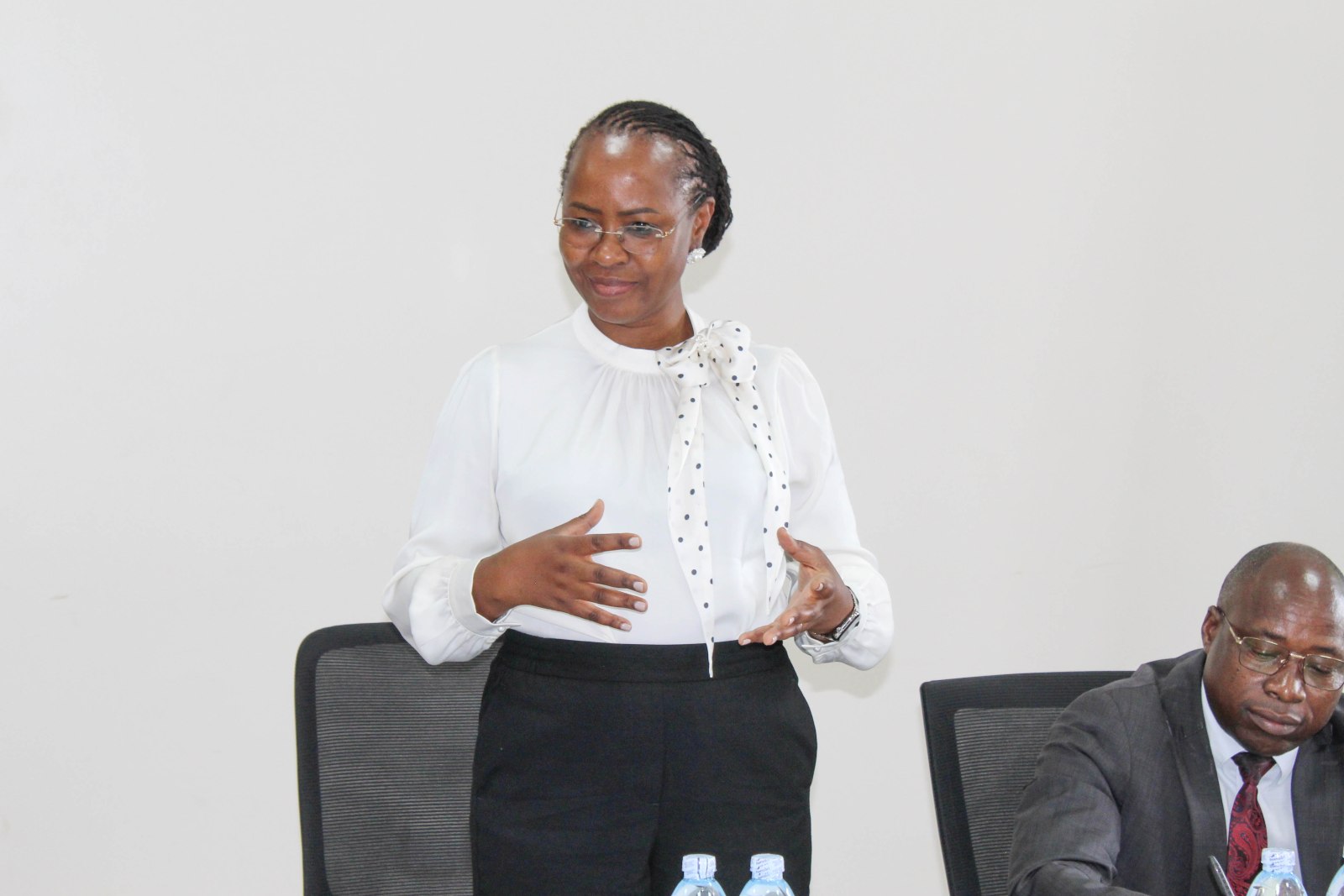
“Partnerships such as the one being explored with Southwest Minzu University are consistent with Makerere University‘s broader institutional priorities, which place a strong emphasis on research that has real world application and on collaborations that strengthen the university’s ability to contribute to national and regional development”, Professor Ssali emphasized. She noted that animal husbandry and veterinary medicine are areas where Uganda continues to face practical challenges that require sustained research investment, and that international partnerships bring valuable perspectives, resources and technical expertise to tackle these challenges.
She also took the opportunity to thank Mr Kirunda for channelling the proposed collaboration from Southwest Minzu University to Makerere, describing his role as an example of the continuing value that Makerere alumni bring to the university long after they have left its lecture halls. Her remarks underscored the university’s recognition that partnerships of this kind often begin through individual relationships and networks built over years, before growing into formal institutional arrangements.
Introducing Southwest Minzu University
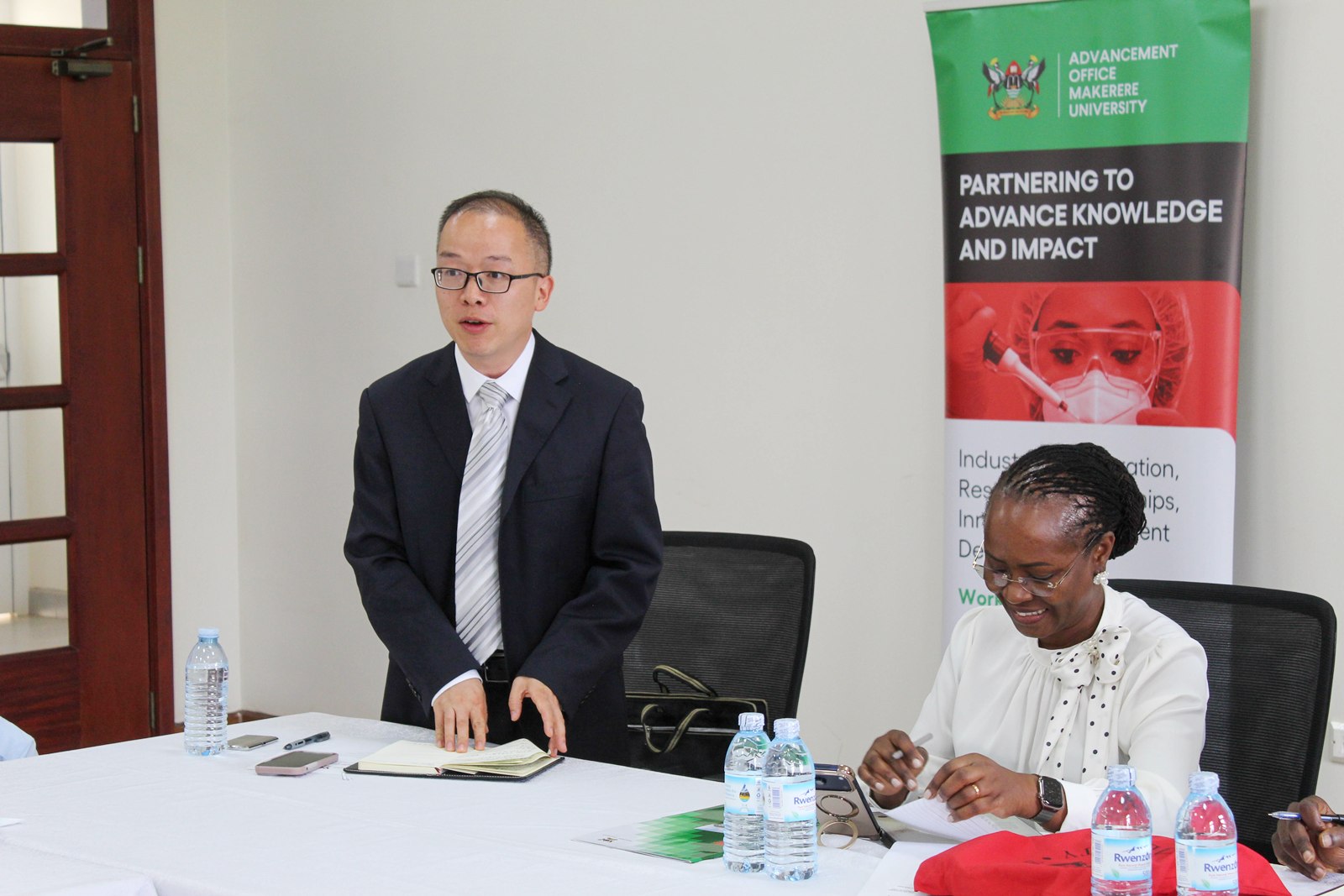
The head of the visiting delegation, Vice President of Southwest Minzu University, Professor Yang Sheng-Tao, used his remarks to introduce his university to the Makerere audience, sharing a number of quick facts about the institution’s history, academic focus and areas of strength. He explained that his presence at Makerere was driven by a genuine interest in enhancing collaboration between the two universities, and that he saw considerable potential for shared work in the fields of animal husbandry and veterinary medicine given the complementary strengths of both institutions.
Professor Yang’s remarks gave the Makerere hosts a clearer picture of Southwest Minzu University’s academic profile and helped frame the discussion around where the two institutions might find the greatest value in working together. His emphasis on enhancing collaboration echoed the broader tone of the visit, which combined introductions and relationship building with a practical focus on identifying specific technical areas for joint work.
Proposed Next Steps and Already Established Actions
Drawing from the discussions and Professor Yang Sheng-Tao and Mr Kirunda’s remarks, several concrete actions and next steps were proposed or are already underway to give the collaboration a firm foundation.
The first of the already established actions is a July 23rd 2026 visit to the China-Uganda Agricultural Cooperation Industrial Park in Luwero to provide technical guidance and training on Phased livestock production and standardized management practices. This assessment is intended to establish the current state of infrastructure, equipment and capacity at the relevant sites, so that any future partnership is built on an accurate understanding of what exists and what may still be needed.
The second proposed step is the development of a detailed collaboration workplan between the universities and the national laboratories involved. This work plan is expected to cover the specific technical areas identified during the visit, namely biotechnology, biofertilizers and chemistry, alongside clear articulation of funding sources, institutional responsibilities and timelines for implementation. Meeting participants agreed that a work plan of this nature would give both institutions a shared reference point for tracking progress and holding each other accountable to agreed milestones.
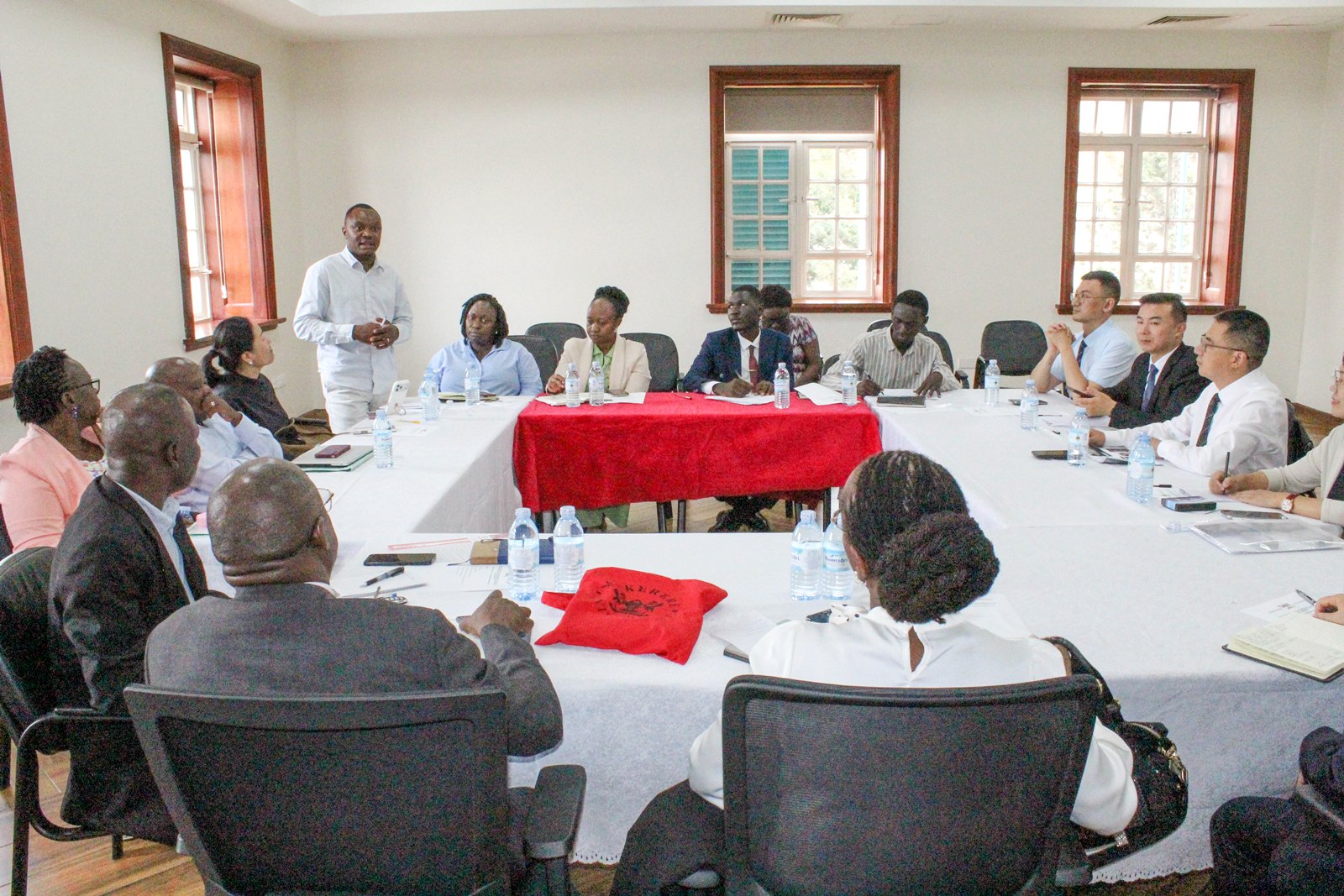
The coordinated visit, led by NARO and supported by Makerere University leadership alongside the Southwest Minzu University delegation, opened up promising avenues for collaboration in animal husbandry and veterinary medicine, particularly around biotechnology applications such as biofertilizers. The Kawanda laboratory was singled out as a key site for technical partnership going forward.
Looking Ahead
The meeting between Makerere University and the visiting Southwest Minzu University delegation reflects a wider pattern in which international academic partnerships are increasingly anchored in specific, actionable areas of shared interest rather than broad cooperation. The emphasis placed on site assessments, a detailed workplan, funding clarity and further engagement between technical and administrative parties suggests that both institutions intend to treat this visit as the beginning of a structured process rather than a one-off exchange of pleasantries.
For Makerere University, the engagement adds to a growing portfolio of international collaborations in agricultural and veterinary sciences, and reinforces the role that the university’s alumni, such as Mr Kirunda Halid, continue to play in connecting Makerere to new opportunities across the globe. For Southwest Minzu University, the visit represents an early but important step toward what Professor Yang Sheng-Tao and his delegation hope will become a lasting partnership grounded in shared research, capacity building and mutual benefit.
As both institutions now turn to the practical work of assessing laboratories, drafting workplans and identifying funding sources, the coming months are expected to determine how quickly this early goodwill translates into concrete joint programmes in biotechnology, biofertilizers, research chemistry, and the broader fields of animal husbandry and veterinary medicine that first brought the two universities together.
Makerere University‘s leadership expressed confidence that the foundation laid during this visit, built through the combined efforts of Professor Ssali’s office, the visiting delegation under Professor Yang Sheng-Tao, and the coordination provided by Mr Kirunda Halid and NARO, would translate into a partnership of lasting value. Both institutions indicated their willingness to maintain open communication as the proposed site assessments and workplan development proceed, with further meetings among technical and administrative leaders expected to follow in the short term.
Veterinary & Biosecurity
Makerere University Equips Livestock Finalist students for a Changing Job Market
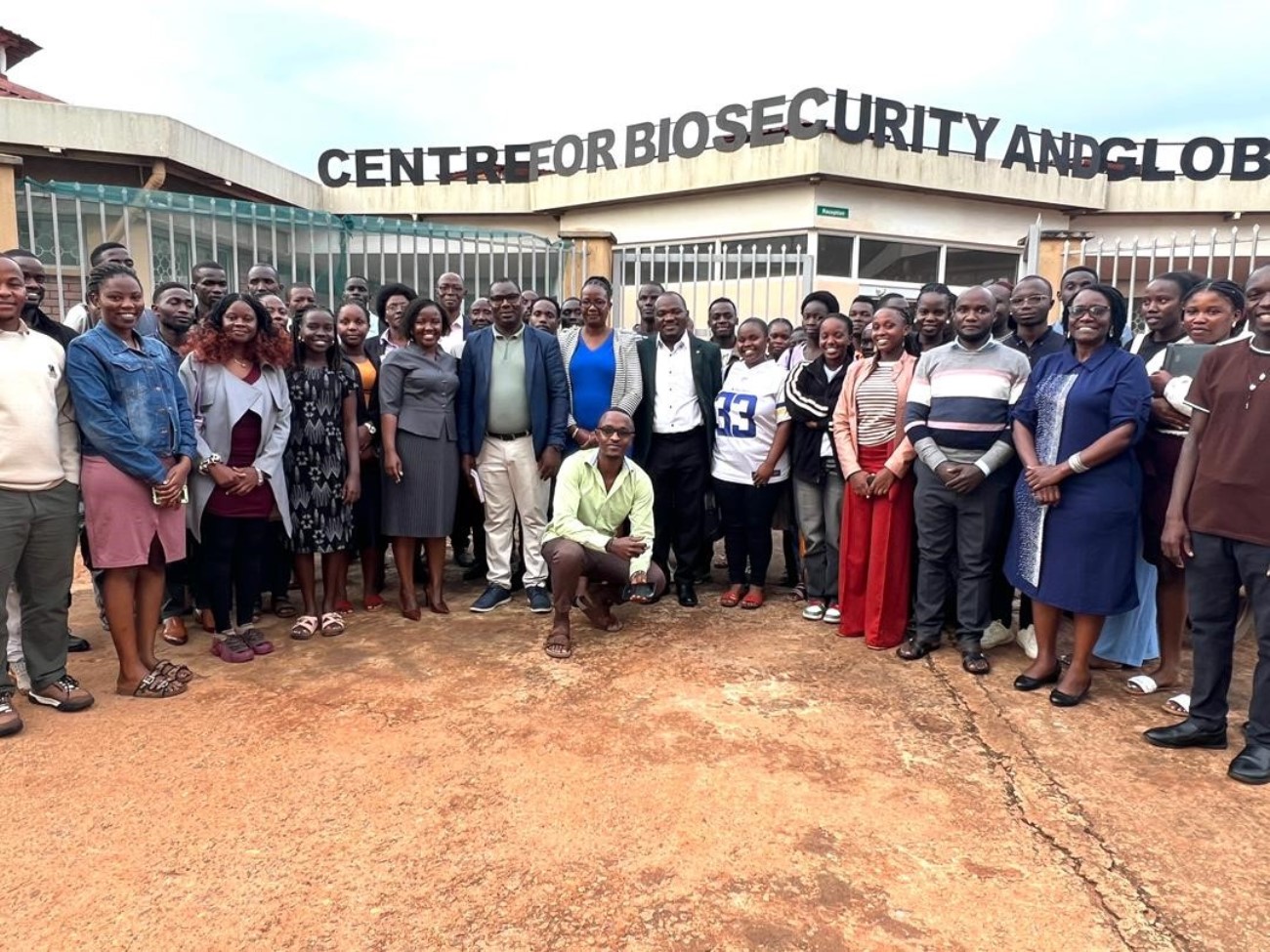
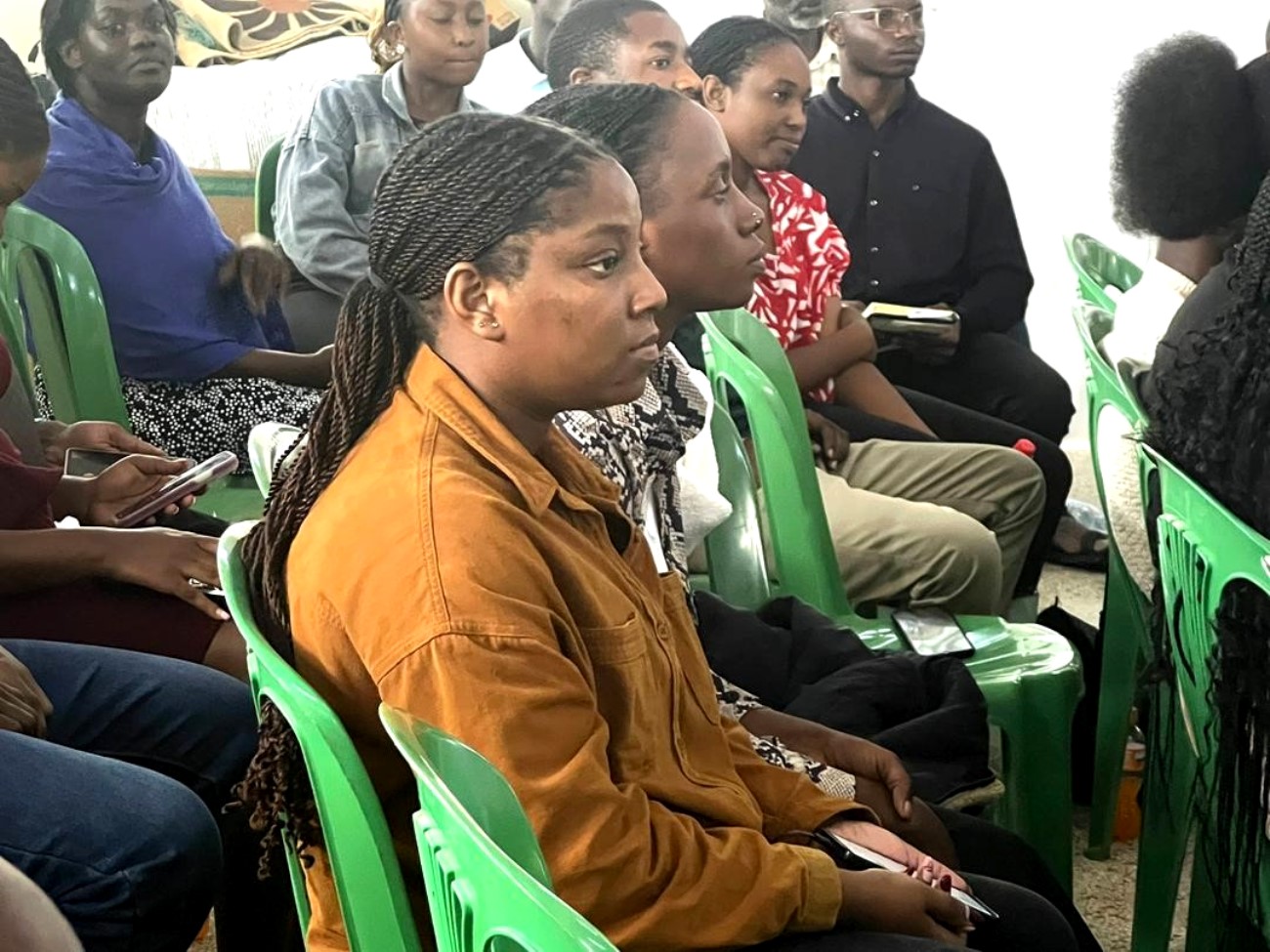
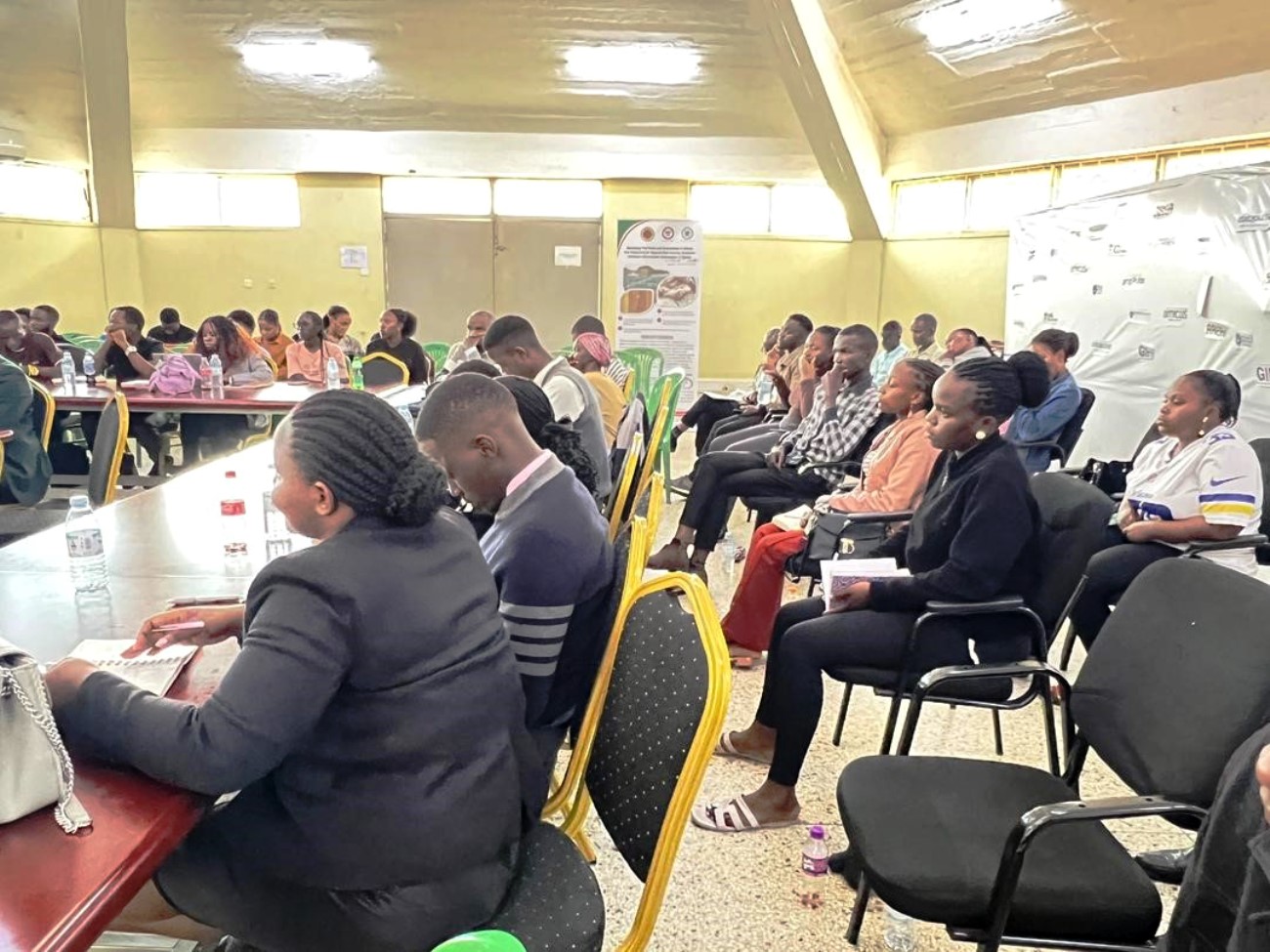
At a time when youth unemployment continues to challenge economies across Africa, Makerere University is taking deliberate steps to prepare graduates for success beyond the classroom. The College of Veterinary Medicine, Animal Resources and Biosecurity (CoVAB) recently hosted a Careers Day for finalists in the Bachelor of Industrial Livestock and Business (BILB) and Bachelor of Animal Production Technology and Management (BAPT) programs.
Held under the theme “Bridging Academic Training and Industry Practice: Preparing Livestock Graduates for Professional Excellence and Sector Transformation,” the event brought together academic leaders, government officials, industry practitioners, and human resource experts to share insights on navigating the transition from university to the world of work.
Inspiring Messages of Integrity and Resilience
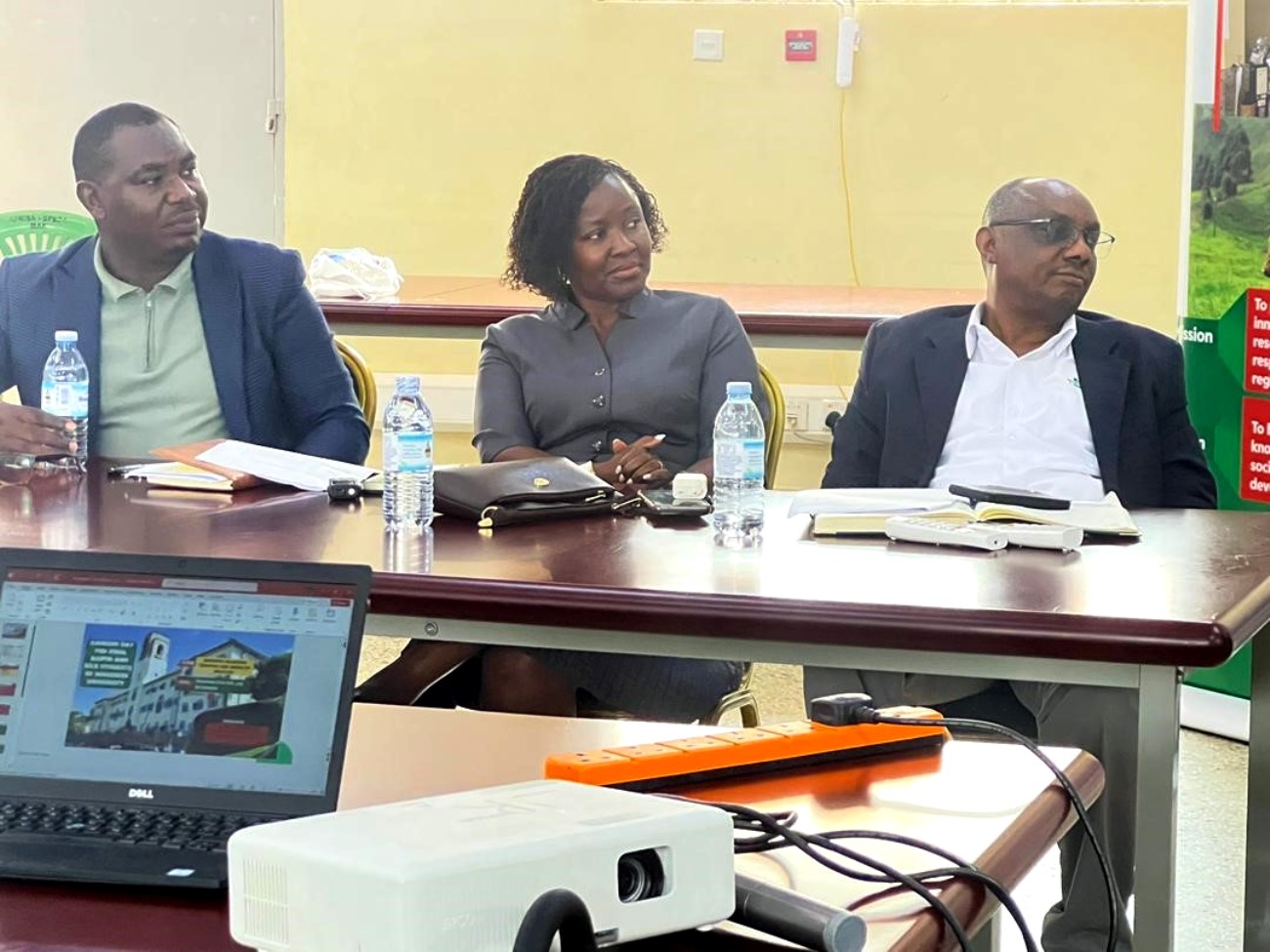
Dr. Dorothy Kalule Nampanzira, Head of the Department of Livestock and Industrial Resources, urged students to embrace integrity, resilience, and self-discovery as they step into professional life. “You are now adults, and wherever you go, you carry the name of Makerere University,” she reminded them.
Connecting Students to Opportunities
Dr. Sylvia Baluka introduced the Agricultural Sector Apprenticeship Programme, which provides paid placements to fresh graduates, offering hands-on experience and confidence-building opportunities. She emphasized the need for awareness and proactive applications to maximize access.
Rethinking Education and Work
Professor Anthony Mugisha challenged students to reflect on the difference between schooling and true education, urging them to become problem-solvers and entrepreneurs rather than job seekers.
Government and Industry Perspectives
Speakers from the Ministry of Gender, Labour and Social Development highlighted Uganda’s untapped opportunities in agriculture and livestock, encouraging graduates to approach challenges as openings for innovation. Practical sessions on CV writing and interview preparation reinforced the importance of readiness and professionalism.
Student Reflections
Final-year students described the Careers Day as transformative, noting that it bridged the gap between academic learning and real-world expectations while boosting confidence in their career paths.
-
 General5 days ago
Undergraduate Admission Lists 2026/2027
-
 General3 days ago
Freshers’ Joining Instructions 2026/2027
-
 General4 days ago
Admission Lists for Postgraduate Programmes 2026/27
-
 General5 days ago
Makerere University Welcomes 2026/2027 Freshers
-
 General1 week ago
Call for Erasmus+ Mobility Exchanges between Makerere University and University of Perugia