
General
Mwalimu Julius Nyerere@102: Celebrating the Enduring Legacy of a True Servant Leader

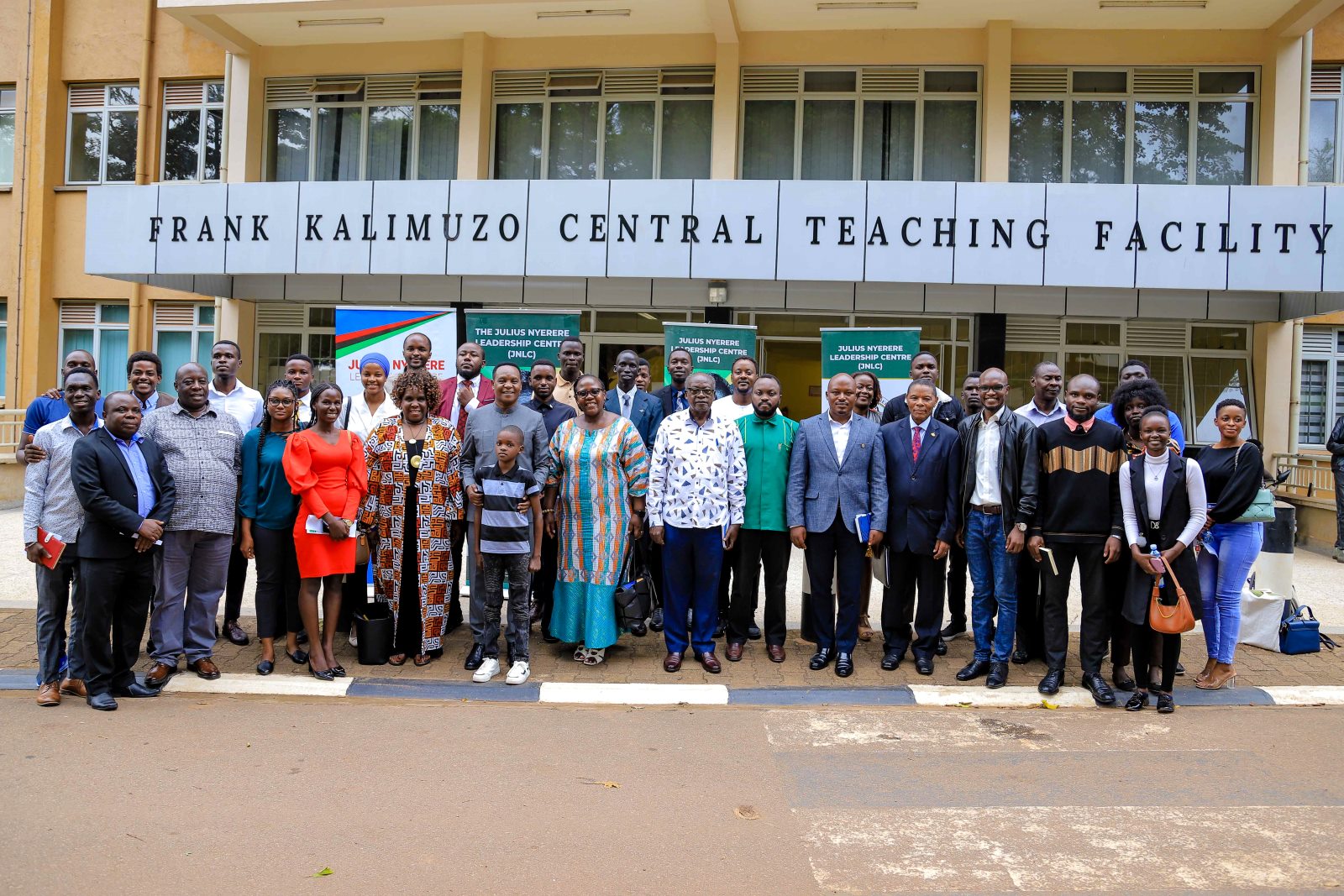
On Saturday 13th April 2024, the Julius Nyerere Leadership Centre (JNLC) at Makerere University hosted a conversation with His Excellency Maj. Gen. Paul Kisesa Simuli, High Commissioner of the United Republic of Tanzania to Uganda to celebrate Mwalimu Julius Nyerere at 102 years.
The celebration titled, Young Leaders on an Enduring Legacy: Servant Leadership and Unity, brought together the Tanzanian community in Uganda, student leaders from different Universities in Uganda, entrepreneurs as well as public servants.
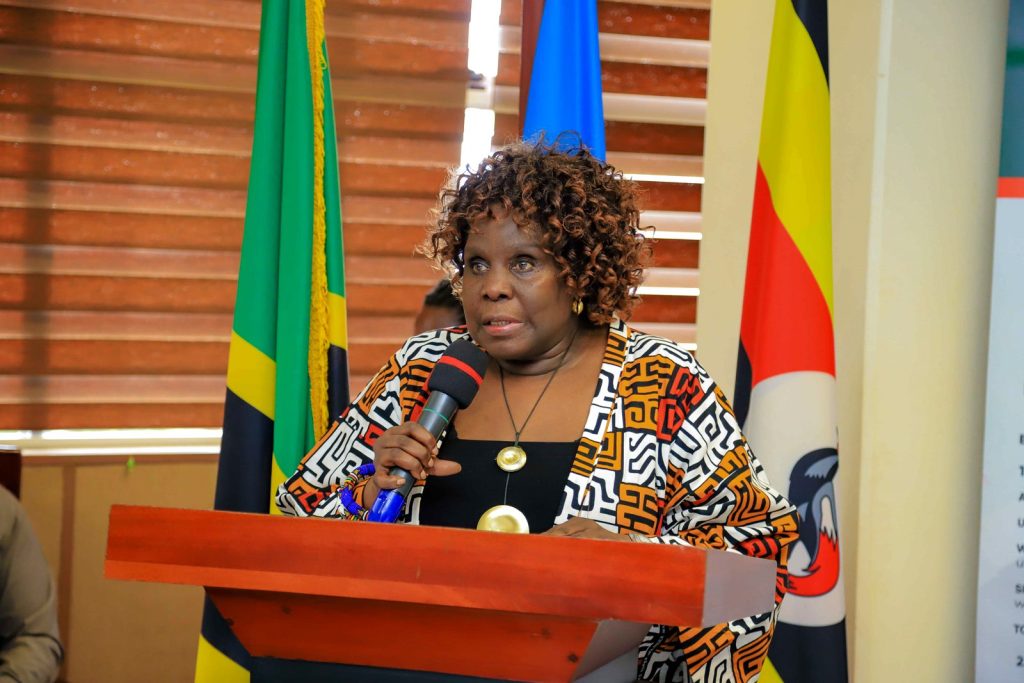
According to Dr. Nansozi Muwanga, the Executive Director of JNLC at Makerere University, such people-centered events are organised to ensure that Mwalimu Julius Nyerere’s legacy lives on from one generation to the next as a way to promote the unity and prosperity of the people of East Africa and Africa as a whole.
In line with this objective, numerous speakers from diverse backgrounds participated in the conversation. They shared their experiences and testimonies that illustrate how the legacy, values, and principles of servant leadership espoused by Mwalimu Julius Nyerere have inspired them to strive for a more just, equitable, and united Africa.

Born on April 13, 1922, in Butiama, Tanganyika (present-day Tanzania), Mwalimu Julius Kambarage Nyerere received his secondary education at Tabora Secondary School in Tanganyika and Makerere College in Kampala, Uganda. He enrolled at Makerere University and graduated in 1947 as a teacher. Subsequently, he earned a scholarship to study at the University of Edinburgh in England, where he completed his Master of Arts in History and Economics in 1952. Upon obtaining his Master’s degree, he returned to Tanganyika to pursue a career in teaching.
Dr. Nansozi Muwanga noted that Mwalimu Julius Nyerere, one of Africa’s most prominent post-independence leaders was an alumnus of Makerere University. She further noted that it was during his time at Makerere that Mwalimu Julius Nyerere took his first steps into political activism, when he formed an East African group to discuss the political problems faced by those countries, which at the time were still under colonialism.
“We are celebrating Mwalimu Julius Nyerere today, not only for his ideals and concepts but also because he is an alumnus of Makerere University. He earned his teaching certificate from Makerere between 1943 and 1947, so we honor him in these two capacities”.
In his address, H.E Maj. Gen. Paul Kisesa Simuli revealed that Mwalimu Julius Nyerere developed a keen interest in leadership and politics at a young age, specifically during his time at Tabora alongside his fellow students. His Excellency the High Commissioner emphasized that Mwalimu Nyerere’s political fervor continued to blossom during his studies at Makerere University and Edinburgh University.
“At Makerere University College, he formed the Tanganyika Welfare Association, which eventually merged with the Tanganyika African Association that had been formed in Tanganyika in 1929. But it was at Edinburg University that he began to develop his particular vision of connecting socialism with the African community living. According to His Excellency Kisesa Simuli, Mwalimu Nyerere’s political career could be considered to have begun after his return from Edinburgh University when he took on a position of teaching History, English, and Kiswahili,”.
H.E. Kisesa Simuli elaborated that in 1953, Mwalimu Julius Nyerere was elected the president of Tanganyika African Association, an organization that became the Tanganyika African National Union in 1954, at that juncture, a campaign aimed at strengthening the party through registration of new members was launched. Within a year, the Tanganyika African National Union (TANU) had become a formidable political party garnering the interest of colonial authorities. They pressured Julius Nyerere to decide between his political engagements and his teaching profession.
“This was a choice between serving the interests of the colonial government with an ample salary or serving the interests of the people of Tanganyika without pay. Not being selfish and having devoted himself to lead his people to independence, Mwalimu Julius Nyerere chose to resign from teaching. He then travelled throughout the country, speaking to the people and tribal chiefs trying to garner support for movement towards independence,” His Excellency informed the audience.
The High Commissioner noted that unlike other freedom fighters, Mwalimu Julius Nyerere’s leadership skills and integrity enabled him to achieve his goal for an independent country without war or bloodshed. Independence was attained from the British in 1961 and Mwalimu Nyerere became the first Prime Minister of independent Tanganyika and a year later, he was elected the first President when it became a Republic. He was also the major force behind the formation of Organization of African Unity (OAU), now the African Union. Contemplating Reflecting on his legacy, H.E Kisesa Simuli remarked that Mwalimu Julius Kambarage Nyerere’s dedication to unity remained a pivotal aspect of his leadership. Many people referred to him as a wise statesman who steadfast championed unity until his last days. Mwalimu Julius Nyerere held firm to the belief that a united people would achieve great things, and as such, he dedicated himself tirelessly to nurturing a shared national identity and solidarity among the diverse ethnic groups in Tanzania.
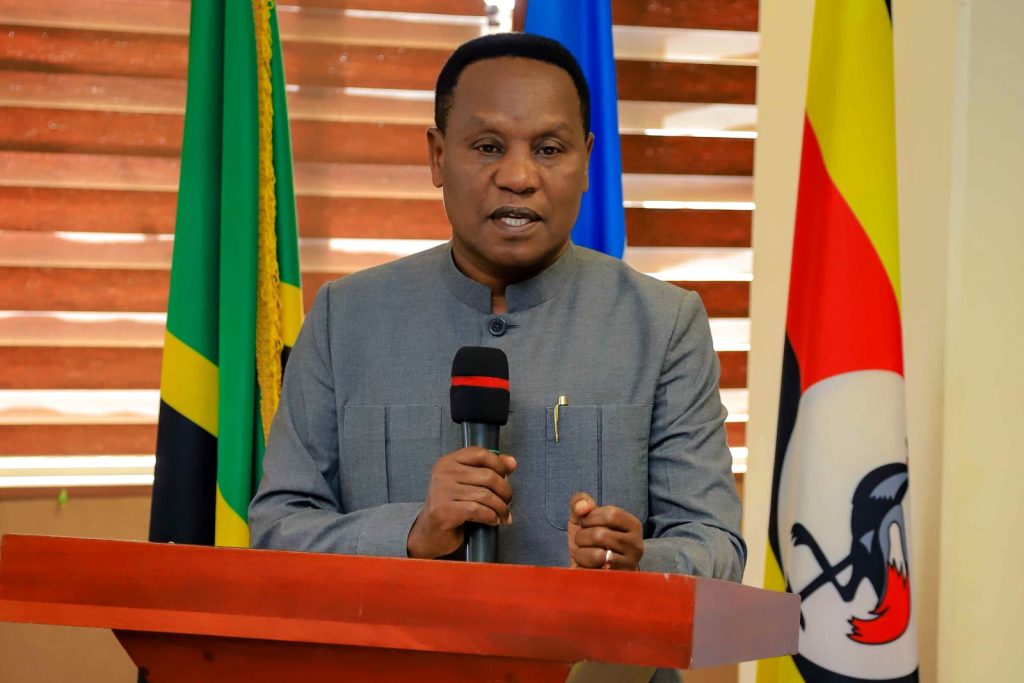
The High Commissioner pointed out that Mwalimu Nyerere’s vision of unity was not limited to his own country. He was a staunch supporter of Pan-Africanism who advocated for greater cooperation and solidarity among African nations. As a result, he managed to build national unity in Tanzania, a country with more than 120 ethnic groups using Kiswahili as a common language.
“Mwalimu Julius Nyerere was the visionary behind the adoption of Kiswahili as the national language in Tanzania. He used Kiswahili as a tool to mobilize the citizens during the independence struggle. Overtime, Kiswahili, as a lingua franca, has continued to develop and cement the bonds that hold the country together. Not only in Tanzania, but also in the region and more broadly around the world. Kiswahili has emerged as a vital tool for connecting people creating more synergies and integrations as a tool of communication,” he said.
According to the High Commissioner, the idea of East African integration was strongly pioneered by the African icon and hero, Mwalimu Julius Nyerere, who was a committed Pan-Africanist. He stressed the significance of nation building and regional integration before continental unity. He added that Mwalimu Nyerere was willing to delay the independence of Tanganyika, in order to enable Tanganyika, Uganda, and Kenya to achieve their independence together as a single federal state. Although he did not fully achieve this vision, he succeeded in uniting Tanganyika and Zanzibar to establish the United Republic of Tanzania shortly after the independence of both nations. This union endures to this day.
Speaking about his servant leadership, the High Commissioner said that Mwalimu Julius Nyerere was a visionary leader who dedicated his life to serving the people of Tanzania and the African continent as a whole, which emphasized putting the needs of others before one’s own and leading by example.
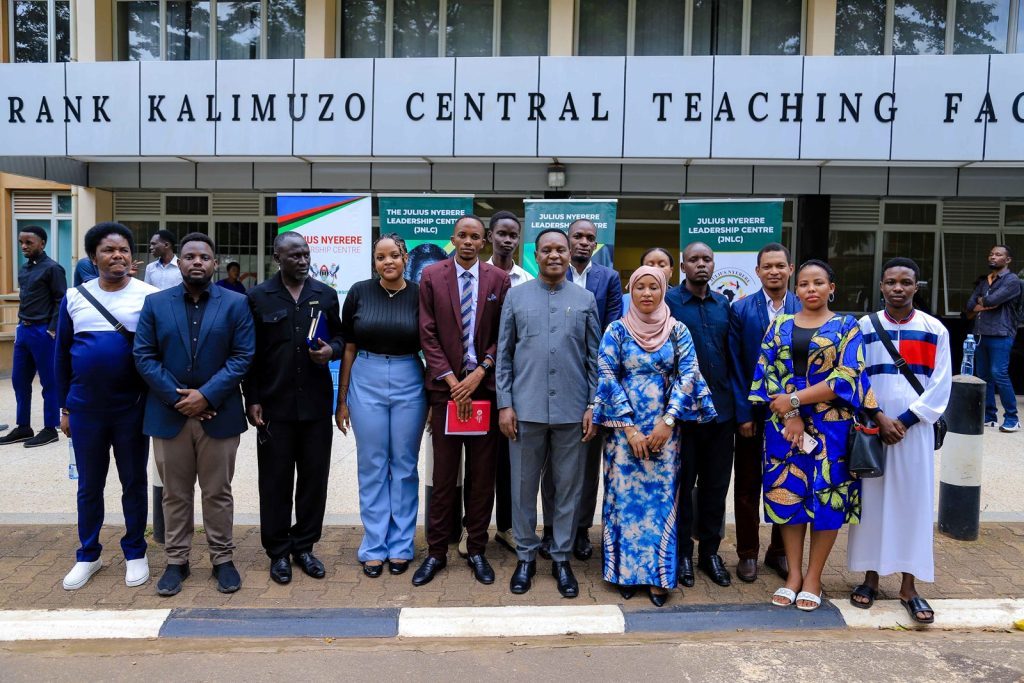
“Mwalimu Nyerere’s leadership style consistently placed the wellbeing of his people at the forefront, as he tirelessly endeavored to enhance their lives. Some of the key aspects of servant leadership that he exemplified were humility and selflessness to people. He never sought personal gains or glory, but instead focused on the community, the marginalized as well as the disadvantaged in the society. He was a real patriot. He never accumulated any wealth for himself or his family, and he was renowned for his fight against corruption.”
H.E Kisesa Simuli stated that Tanzania and Uganda enjoy long standing friendship built on sharing history and fruitful relations and cooperation that they should be proud of in political, economic, cultural education and many others areas. He reaffirmed their determination to further strengthen the bilateral relations within the framework of the East African Community and the African Union where both countries currently bear noble continental responsibilities in the promotion of peace and security as members of the African Union Peace and Security Council.
He thanked the Julius Nyerere Leadership Centre for organizing the event and Makerere University for hosting the prestigious center. He commended the government of Uganda for honoring Mwalimu Julius Nyerere. He urged the student leaders to use the available opportunity and platform to exchange ideas and learn new things that would enhance their ability to overcome obstacles that may deter them from building a resilient and robust future premised on the values of servant leadership.
Prof. Josephine Ahikire, the Acting Principal-College of Humanities and Social Sciences, Makerere University and a member of the JNLC Board represented the Vice Chancellor, Prof. Barnabas Nawangwe. In her remarks, Professor Ahikire said that the University offered JNLC the space to conduct its work and has since its inception worked closely with the government of Uganda to ensure that the idea grows, not just as a Centre but as a spirit, that could help the region to grow and become consolidated politically, economically and socially.
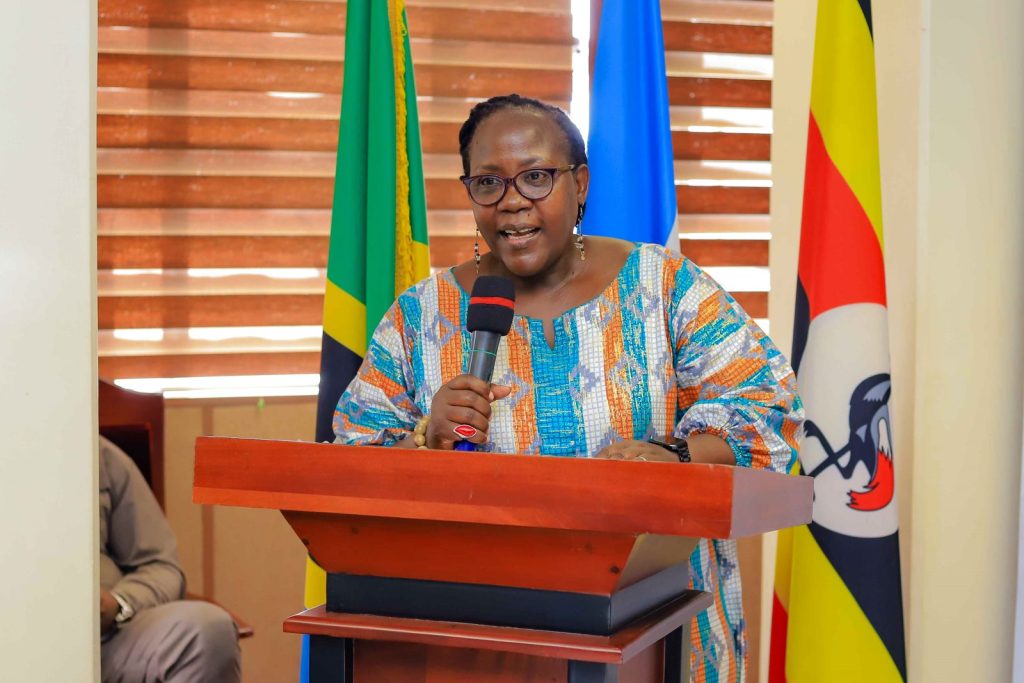
“The Centre emits the message of hope, the message of energy and the message of African vitality. So, as Makerere University, this is one of the ways we think that the new generation can be supported and moderated. We are committed to evolving into a university driven by research where research serves as a tool and a foundation for addressing our societal challenges. The spirit of this endeavor persists, and it is imperative that we embrace this responsibility to take charge of our lives as African people,” she emphasized.
Prof. Ahikire urged the leaders to know that they have a role to play for humanity. She emphasized that leaders must spearhead the struggle for liberation within their communities. This entails offering the leadership necessary to elevate their societies to new heights, guided by the principles of Ubuntu and prosperity. She reiterated that leaders are the ones to lead the liberation struggle for their people so that communities are able to fight against poverty, create their own unity, and liberate their own humanity. She thus encouraged leaders to be key players on the global scene like their fore leaders such as Mwalimu Julius Nyerere.
Speaking about the JNLC leadership training program, Dr. Nansozi Muwanga revealed that the Centre empowers students and addresses the needs of the youth. For instance, when they observed the gap in communication due to language issues, the JNLC team realized the need to develop and integrate a curriculum of Kiswahili language at the Centre. This approach will be used to equip the young leaders, especially those who have already taken up the leadership training to be able to at least communicate, not only with each other, but also with different people across the East African region and Africa as a whole. She noted that the Kiswahili curriculum that will be taught at the JNLC was developed in collaboration with the Department of Languages at Makerere University.
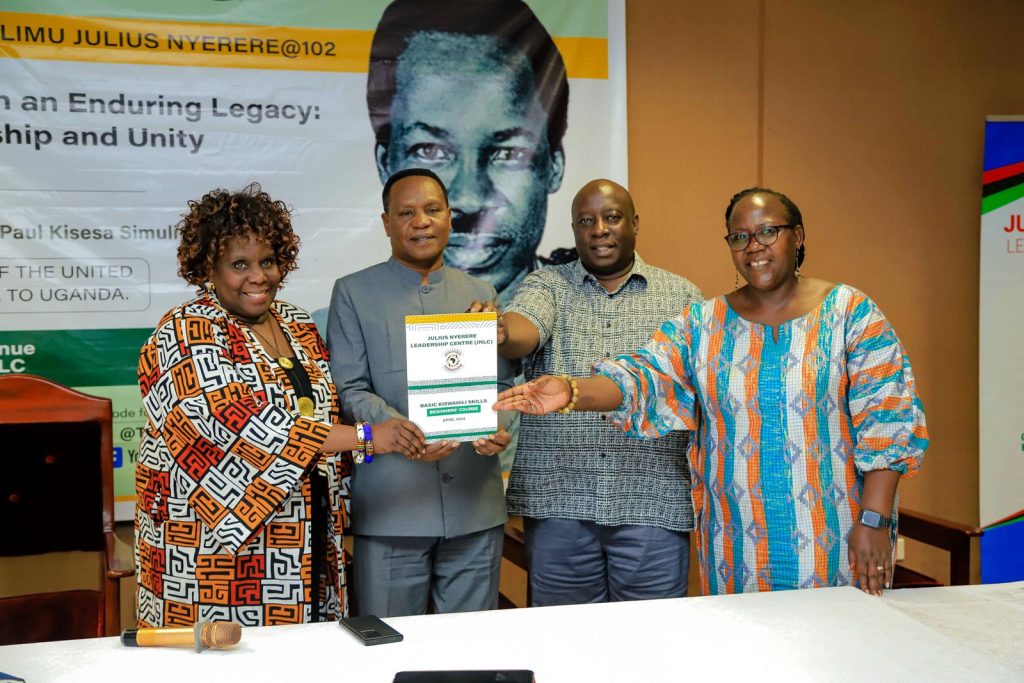
During the celebration of Mwalimu Julius Nyerere at 102, the Kiswahili curriculum developed by JNLC in partnership with the Makerere University Department of Languages was launched in honour and recognition of Mwalimu Julius Nyerere’s contribution towards the promotion of the Kiswahili language.
“The curriculum is very simple. It is a 3-month curriculum conducted only once a week on Saturdays. We are here today to celebrate and officially launch this curriculum with H.E Paul Kisesa and hopefully begin teaching it very soon with support from the Department of Languages at Makerere University,” Dr. Nansozi Muwanga remarked.
Amidst applause and ululations from the audience, H.E. Kisesa Simuli signed the Kiswahili Curriculum to signify its official launch as a key component of the JNLC leadership training program.
Inspired by the legacy of Mwalimu Julius Nyerere, Prof. Tarsis Kabwegyere, a Board member of Mwalimu Julius Nyerere Foundation (MNF) in Tanzania and a former cabinet Minister of State for Foreign Affairs in the government of Uganda, emphasized that Nyerere transcended mere national and continental boundaries; he was a global phenomenal. He described him as true African liberator whose leadership played a role in the removal of President Idi Amin in 1979.
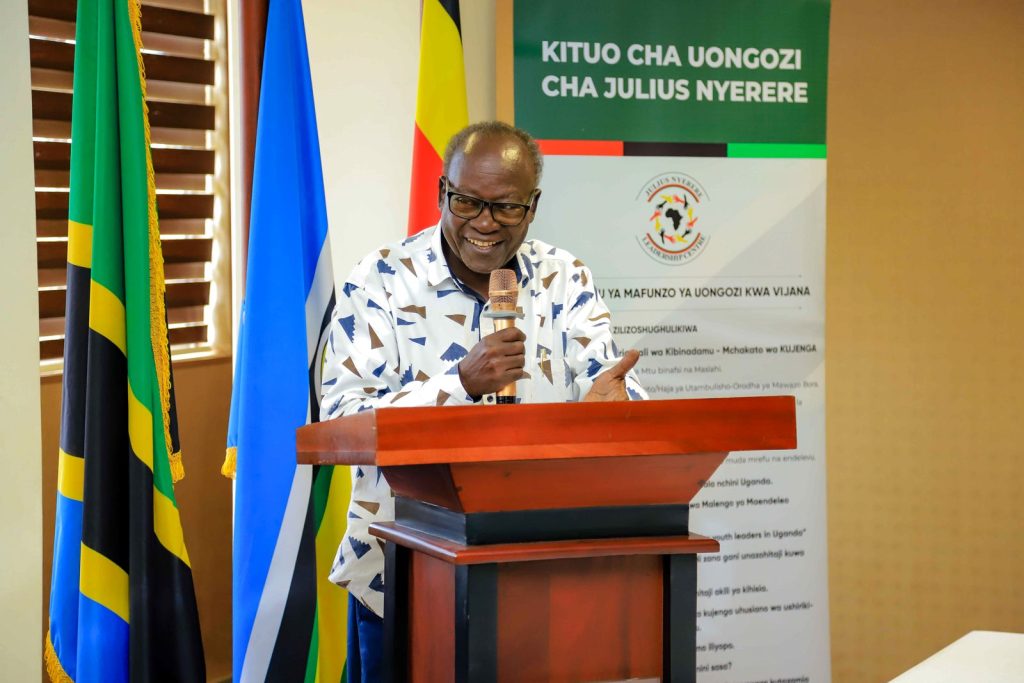
“We celebrated the fall of Amin with the intervention of Mwalimu Julius Nyerere and the Tanzanian Army. The young people must be informed that he was a pace setter in the history of our country. Amin had been here for 8 years and some of us had run out into exile and we returned home after he was overthrown in 1979,” said Prof. Tarsis Kabwegyere.
Prof. Kabwegyere commended Mwalimu Nyerere for the selfless and servant leadership he portrayed throughout his tenure which earned him global recognition. He recalled about the recently held 19th Non-Aligned Movement (NAM) Summit that took place in Uganda where Mwalimu Julius Nyerere was recognized globally as an influential leader. This recognition led to a special event at the NAM Summit for the establishment of the World Leadership Institute under the name Mwalimu Julius Nyerere. He thanked the government of Tanzania that provided 110 acres of land in Dodoma for the construction of the institute.
He urged students who were being influenced to start thinking about the content for that Institute in order to teach the leadership of the new order. He noted that the world is changing and we need to have new leaders. He envisioned that the Centre would be used to produce leaders of the new era especially the ones going to be led by the Africans. He also called upon the public to advocate for making Mwalimu Julius Nyerere a saint.
“The Nyerere I know is more than the one people talk about, he is a saint! That is the reason why we pray every June for his sainthood. How many political leaders in this world do you know who can qualify as saints? So, let us all pray that Nyerere becomes a saint, so that the leadership will have a metaphysical power, and whenever we talk about Nyerere the leader, we shall also talk about Nyerere-the Saint. What a combination that we will have for Africa!” He submitted.
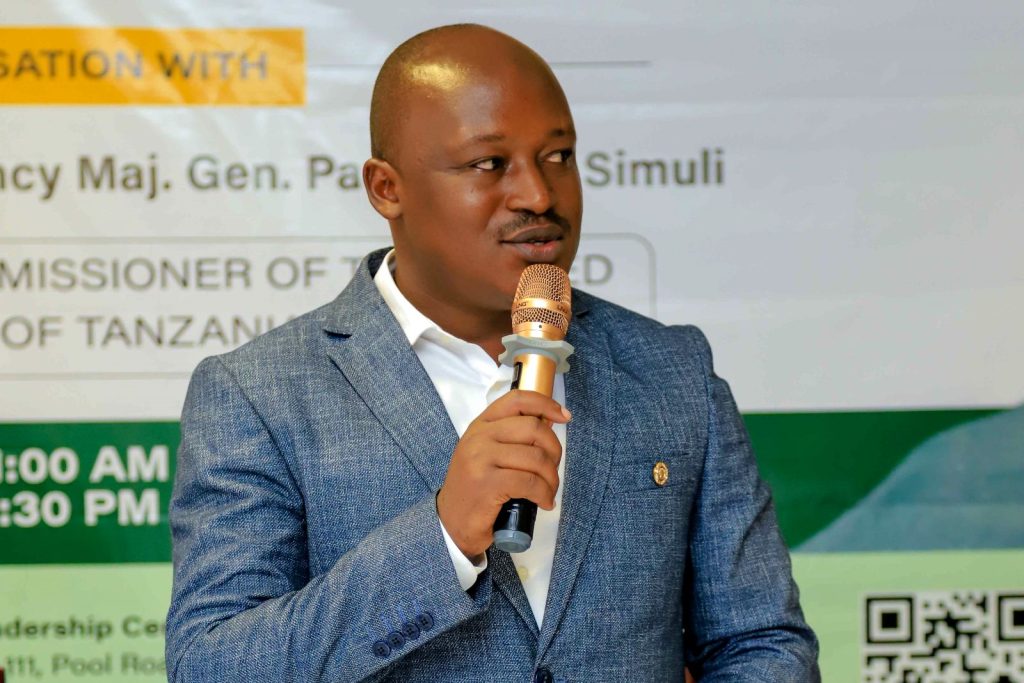
Similarly, Mr. Rodney Rugyema, representing the Dean of Students at Makerere University, Mrs. Winifred Kabumbuli, emphasized the rarity of politicians of Mwalimu Nyerere’s caliber in today’s political landscape. He also suggested that it would be fitting to declare Nyerere a saint. Accordingly, Prof. Gerald Karyeija, a Board Member of JNLC, emphasized on a significant deficit in servant leadership in Uganda and across the African continent. He urged public servants to emulate the enduring principles embodied by Mwalimu Julius Nyerere in their practice of servant leadership.
During the celebration of Mwalimu Julius Nyerere at 102 years, the JNLC Fellows and several other student leaders were given an opportunity to share their views on leadership. Specifically, they addressed themselves on how they benefitted from the leadership programme and how it made them appreciate the principles and ideas of servant leadership as promoted by Mwalimu Julius Nyerere.
Ms. Josephine Aanyu, the 25th Students’ Guild Speaker at Uganda Christian University
According to Ms. Aanyu, they were able to learn and share ideas from the time the Centre took them on as young leaders and focused on all aspects about service beyond self which is among the key things that stand out as the principles of servant leadership.
She observed that frequently, when young people are given an opportunity to serve, they become fixated on positions and lose sight of the underlying reasons for accepting those positions. She acknowledged the legacy of Mwalimu Julius Nyerere who lived a selfless life with a desire to see a unified Africa, an Africa where all people believed in one common thing.
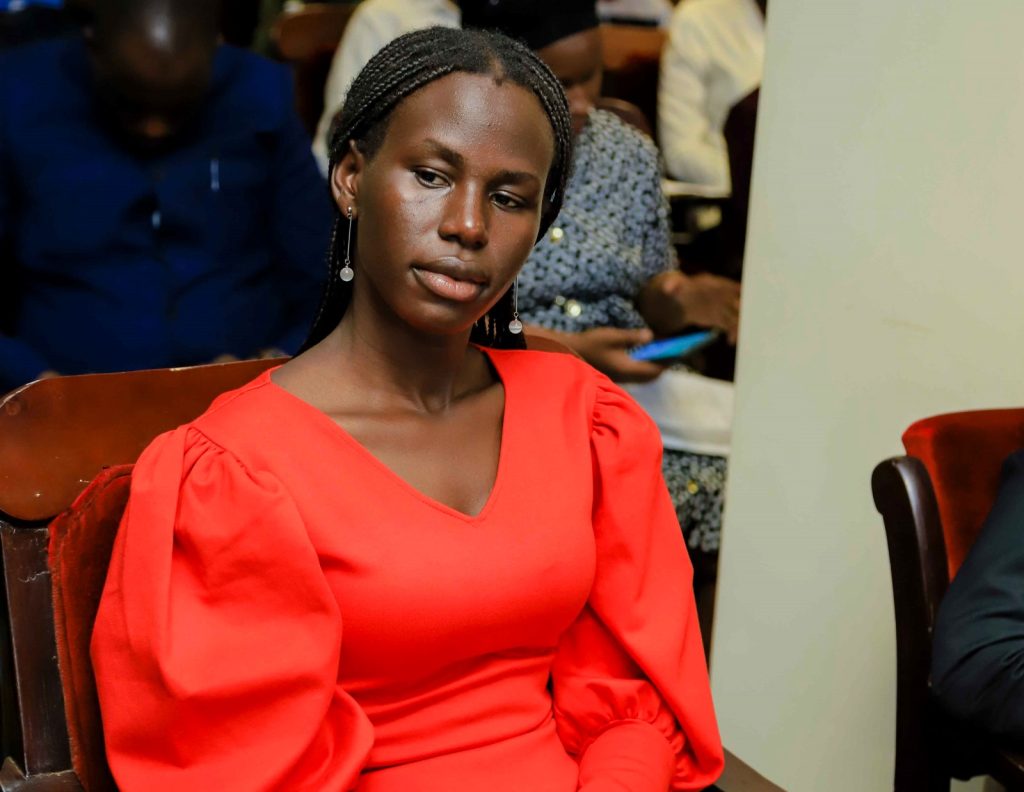
“As young people, we should be able to use the positions that have been given to us to inculcate that aspect of service above self, rather than concentrating on those positions and the glamour that comes with them, hence forgetting to serve the people who put us in those positions. Ms. Aanyu emphasized the need to go beyond mere acknowledgment and actively engage in serving our community, leveraging the groundwork laid by our predecessors such as Mwalimu Julius Nyerere.
She advised young leaders to always walk away from their comfort zones whenever they are entrusted with leadership, just as Mwalimu Julius Nyerere did. He would have chosen to remain a teacher for personal gains, but rather chose to serve his people in a wide context. She also encouraged them not to be selfish whenever they are given an opportunity to partake in matters concerning developing their country.
Ms. Bathsheba Terry Nakakande, the Vice President, Uganda Management Institute Students’ Guild
Sharing her views on servant leadership, Ms. Bathsheba Terry Nakakande said that when you serve society, you serve yourself as well. She urged fellow leaders to perceive leadership not as a burden, but as an opportunity to serve, underscoring the importance of utilizing leadership as a platform to improve the lives of others.
Ms. Nakakande urged leaders to always lead by example and do things that benefit even the generations to come. Taking Mwalimu Julius Nyerere as an example, he used his leadership position and helped his country to achieve independence. Up to now, all the generations have been able to benefit a lot from his efforts, knowledge and servant leadership.
“As a leader you have to be exemplary, so there is no way you can lead when you are not exemplary. Always lead by example, involve other people. There should be unity among you and the people you are serving. During colonial rule, Mwalimu Julius Nyerere involved himself in making sure that his country Tanganyika would fight for independence and get it. This involves serving people and at the end of the day, the future generations also benefit from it,” She stated.
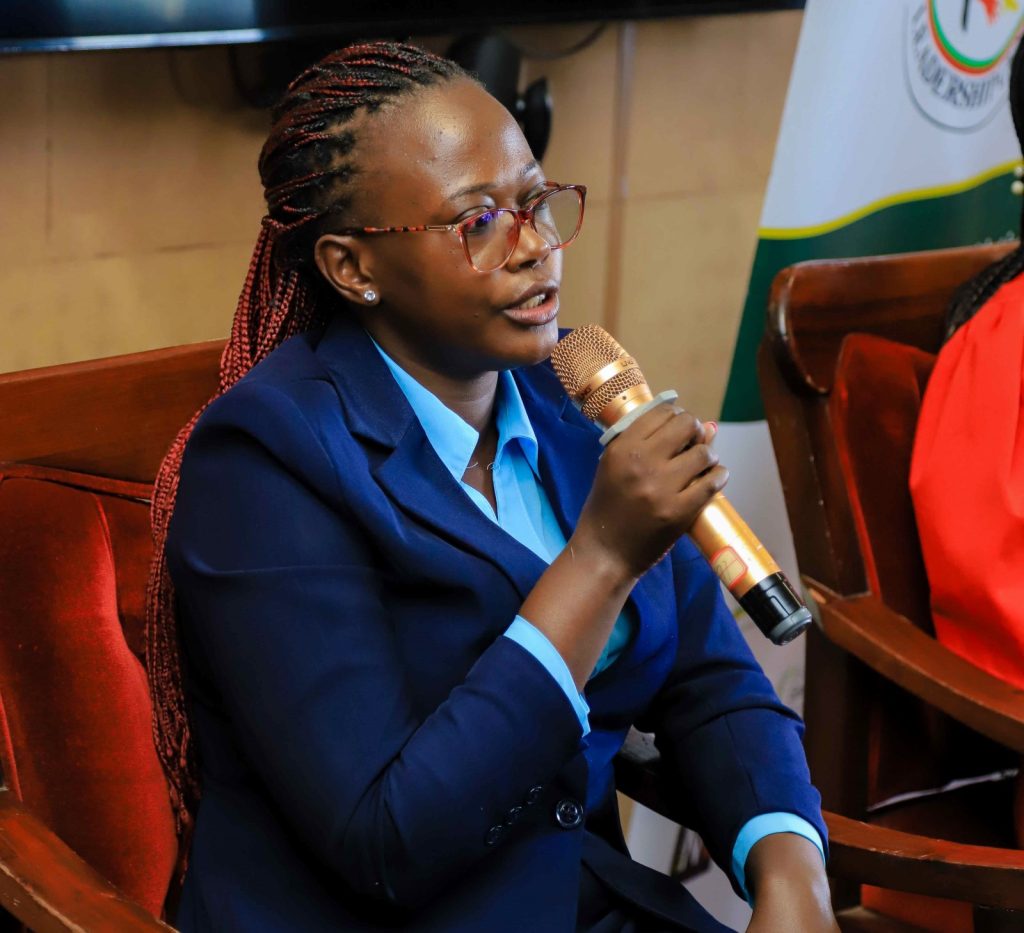
Ms. Nakakande emphasized the importance of continually seeking ways to bridge the gap between diverse groups to foster unity. Coming from a country with numerous tribes and varied cultures, she advocated for addressing diversity by identifying the strengths within it and leveraging them for the collective benefit.
“Mwalimu Julius Nyerere proposed a solution by adopting Swahili as a common language to be used by all the 120 tribes in Tanzania, facilitating easier communication and fostering the pursuit of common goals. This initiative not only proved successful in Tanzania but also transcended borders, spreading to various parts of Africa,” Ms. Nakakande remarked.
She appreciated the JNLC for the opportunity of mentoring the young people and using education to influence their lives. She said that through education, leaders can be availed with the best knowledge and information which can make them become better leaders in the society.
Mr. Gozan Wilson Babinga, Guild Speaker, Makerere University 89th Students Guild
Mr. Gozan Wilson Babinga emphasized the need for leaders to engage their communities in order to understand the problems and needs of their people.
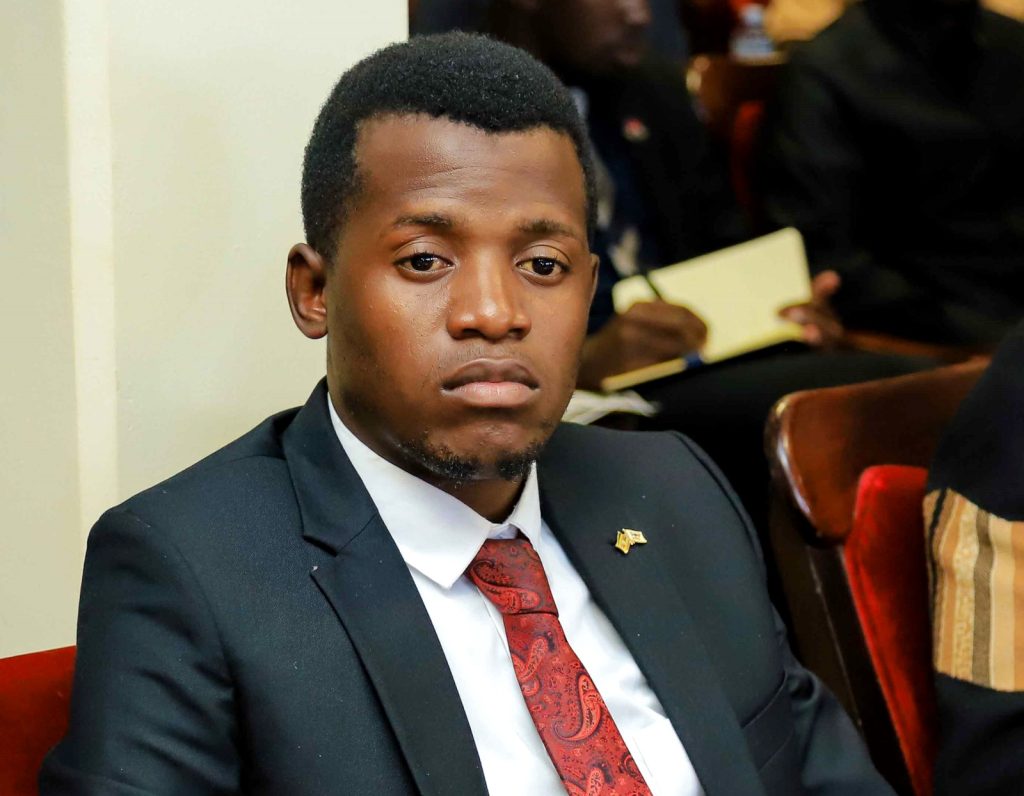
“As leaders, we need to identify the various challenges faced by our people and utilize our positions to serve them. We need to go and interact with the people in the community and be real because sometimes we have what we wish to do for the people, but we are not sure whether it’s what they want. He based his talk on how Julius Nyerere emphasized community engagement, making sure that he always consulted and knew what was on ground. We should emulate him,” Mr. Babinga said.
Mr. Babinga called upon fellow leaders to have commitment for unity because it’s through unity that communities can begin to build their identity. He stressed the need to hold dialogues in times of disputes or chaos. He guided that however bad the situation may be, leaders should not aim to tear themselves apart, but to come to the table and discuss to avoid war or bloodshed.
Mr. Igwe Chukwuebuka Harrison, President International Students, Makerere University
Mr. Igwe Chukwuebuka Harrison, encouraged leaders to be visionary. According to him, a leader who lacks vision will inevitably fail. He informed fellow leaders that before they could take up offices of leadership, they must have a vision, mainly termed as manifesto, which highlights the things leaders wish to do for their people.

Mr. Igwe also advocated for servant leadership and integrity. He called upon fellow members to think of the time after their leadership service and the impact they would cause to their people as their leader. He advised the young leaders to always lead with examples, contribute towards development of their communities in order to leave a good name behind as they walk through the footsteps of Mwalimu Julius Nyerere.
“We shall not be here forever, we shall hand over to other people, but when I am leaving, I will ask myself; what have I done? As a leader, be an influence, lead with example and leave a legacy. Don’t just pass through life, but live life, make sure that you make an impact. We have to be like a snail, when it passes somewhere, everyone will know that it passed there because of the trail it left behind, so that is what we call legacy.” He submitted.
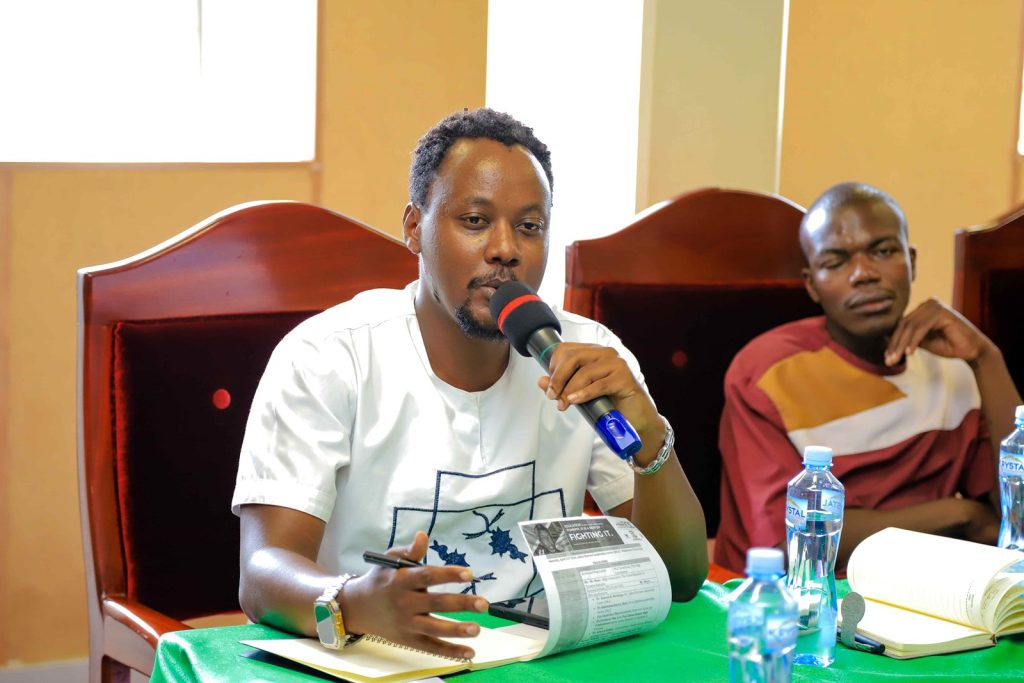
The event to celebrate 102 years of Mwalimu Julius Kambarage Nyerere was moderated by Mr. Tumaini Israel Mayo from the High Commission of the United Republic of Tanzania to Uganda and Dr. Gardner Herbert Rwakiseta, the Programme Coordinator, JNLC. Both speakers provided insights into how youth could embark on and continue the leadership journey started by Mwalimu Julius Nyerere. They commended the organizers for a successful event and also commended the High Commission of the United Republic of Tanzania for its enthusiasm and active participation in the event.





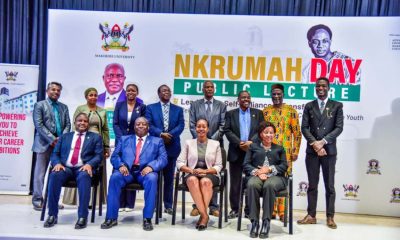


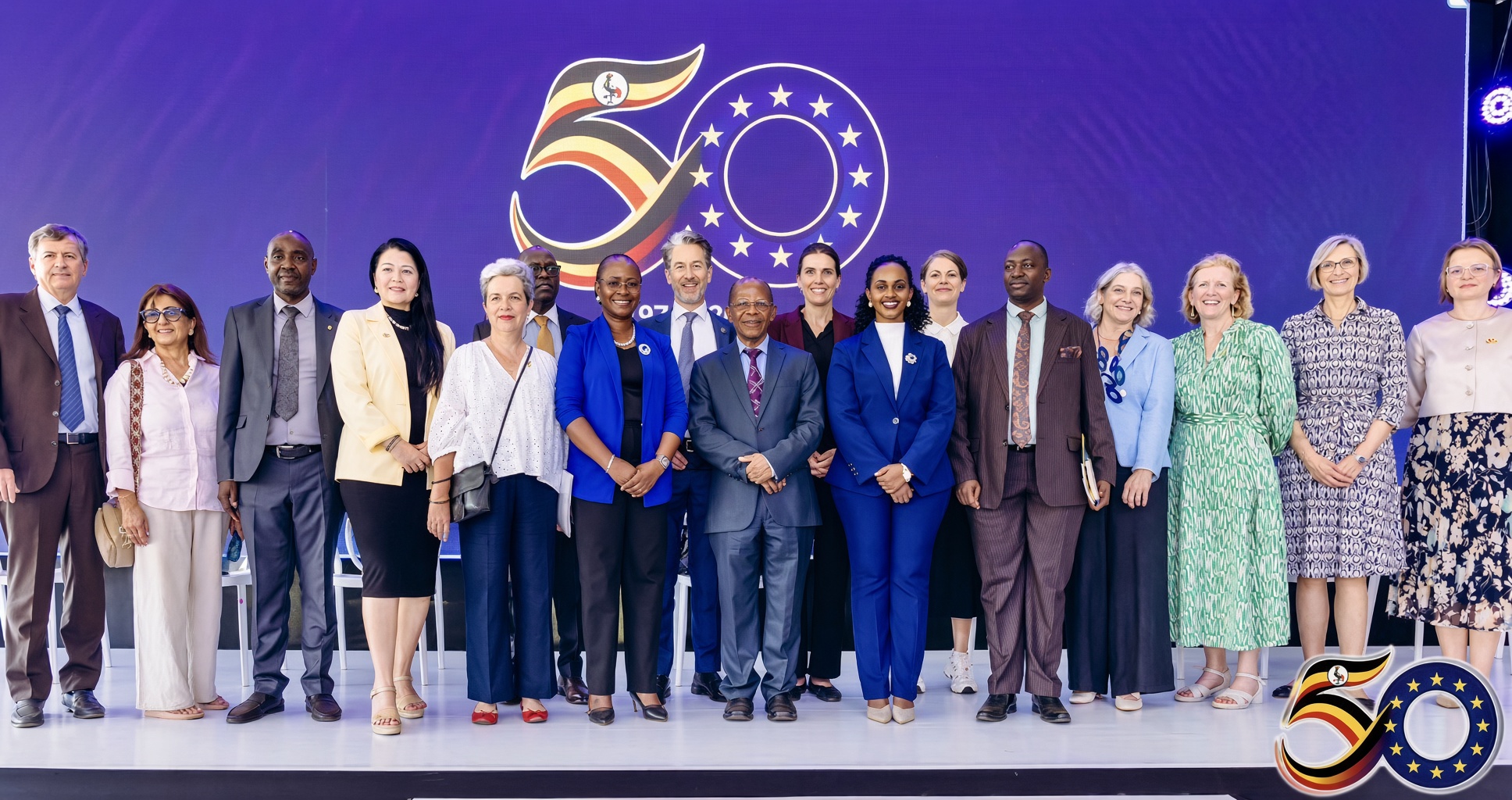
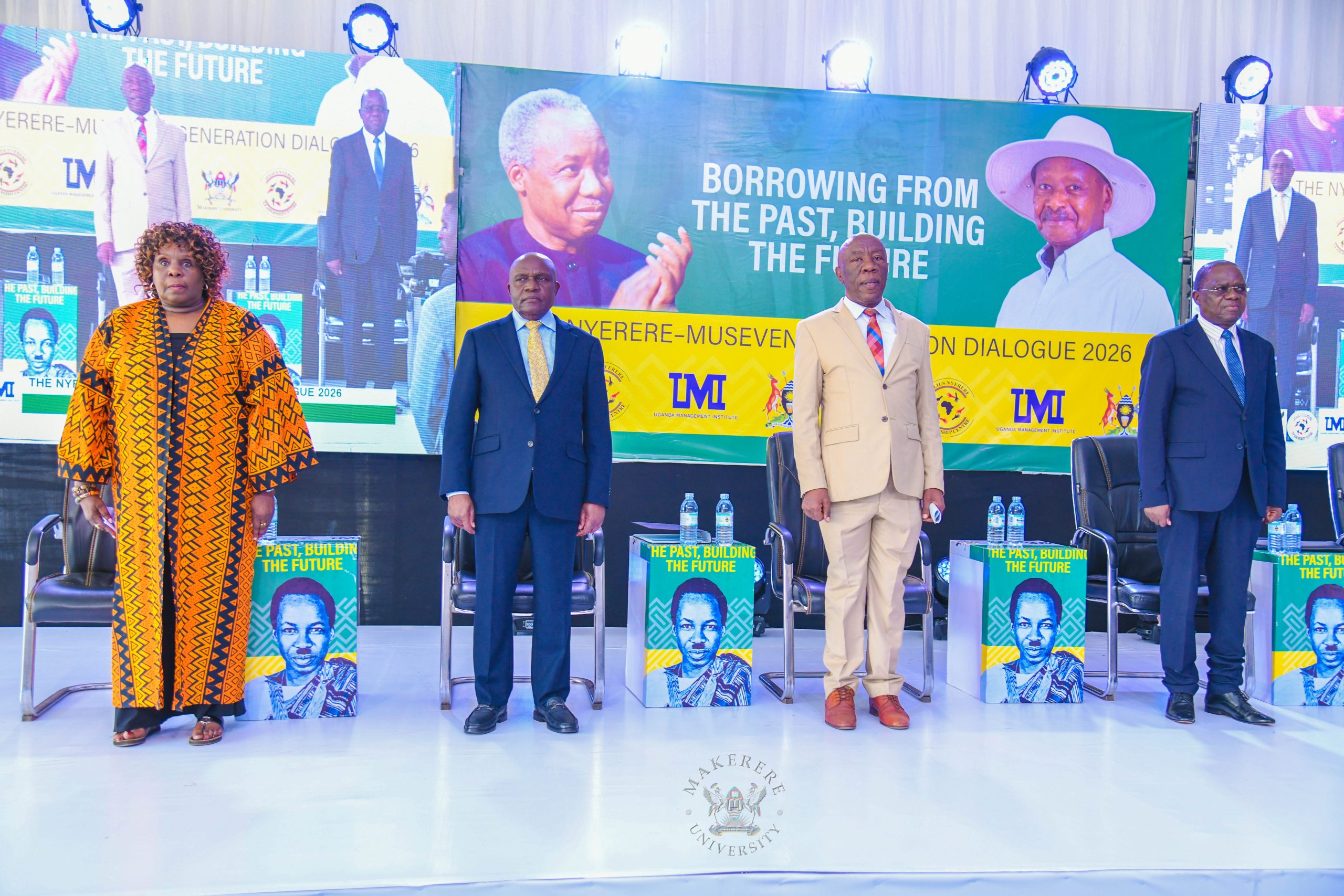
President Yoweri K. Museveni while officiating as Chief Guest at the Julius Nyerere Annual Symposium 2026: Nyerere-Museveni Dialogue at Makerere University called upon the audience not to merely hold Nyerere’s Legacy as a historical footprint but as a masterplan for the future that remains unfinished. Organised by the Julius Nyerere Leadership Centre (JNLC), the symposium was a two day event that started with “ekyooto” on 13th October at the JNLC gardens and climaxed on 14th October in Freedom Square. The second day hinged on the theme: Borrowing from the Past, Building the Future.
In the President’s message delivered by Rt. Hon. Dr. Crispus Walter Kiyonga the Second Deputy Prime Minister and Chancellor of Makerere University, the president spotlighted, “Mwalimu Nyerere as the greatest African that ever lived in terms of contribution to the African people’s efforts for freedom, human rights, and dignity.”
This greatness, he notes, spilled not just to political ideals but also to economics and security. The President agreed with him and warned that “freedom without economic transformation and economic prosperity, without a robust strategic security, remains incomplete.”
Reaching out to the younger generation of scholars and leaders, the President issued a strong warning to move beyond simply remembering Nyerere to action. He said, “you must carry forward the torch of pan-Africanism, reject sectarianism and tribalism, build our regional markets, and champion the total political integration of our motherland.”
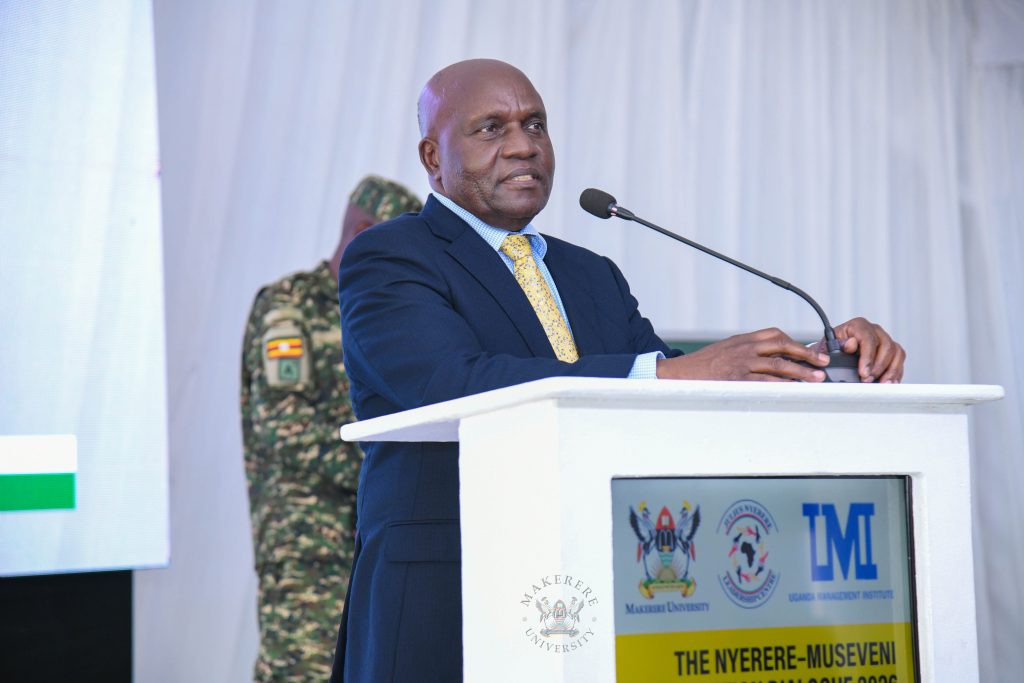
He appreciated Mwalimu for his; unwavering support for the struggle of the East African Federation, courageous backing of the armed anti-colonial struggles in the southern half of Africa, principled and decisive support for the anti-Idi Amin struggle, pro-people and pro-unity policies that kept Tanzania peaceful for decades, and ensuring that Tanzania remained a strategic rear base for the entire African resistance.
As a believer in Nyerere’s ideals, the President urged the audience to honor Mwalimu “not merely through commemorative speeches, but through completing the historical task of uniting, defending, and prospering our motherland,” for the motive is to ensure that the independence wars won by our predecessors were not in vain.
To this note, he reiterated the case for Uganda, saying “we shall never forget his profound contribution” to Africa.
Professor Nyamsenda’s Keynote Unparked Pan-Africanism
During the Nyerere-Museveni Dialogue symposium at Makerere University, Professor Sabatho Nyamsenda, a lecturer at the University of Dar es Salaam delivered the Keynote Address titled “The Unfinished African Project: From Liberation Legacies to a New Generation of Transformation” during the symposium”.
He started on a lighter noticing “Nyerere is being Ugandanised.” This he said looking at the annual Public Lectures dedicated to his name and felt like challenging his home institutions to follow suit.
At the calm of the room, he presented a critique of the current state of Pan-Africanism, arguing that it has been grabbed by the ruling elites, a challenge Professor Nyamsenda identifies to have started in the period of 1960 -1980.
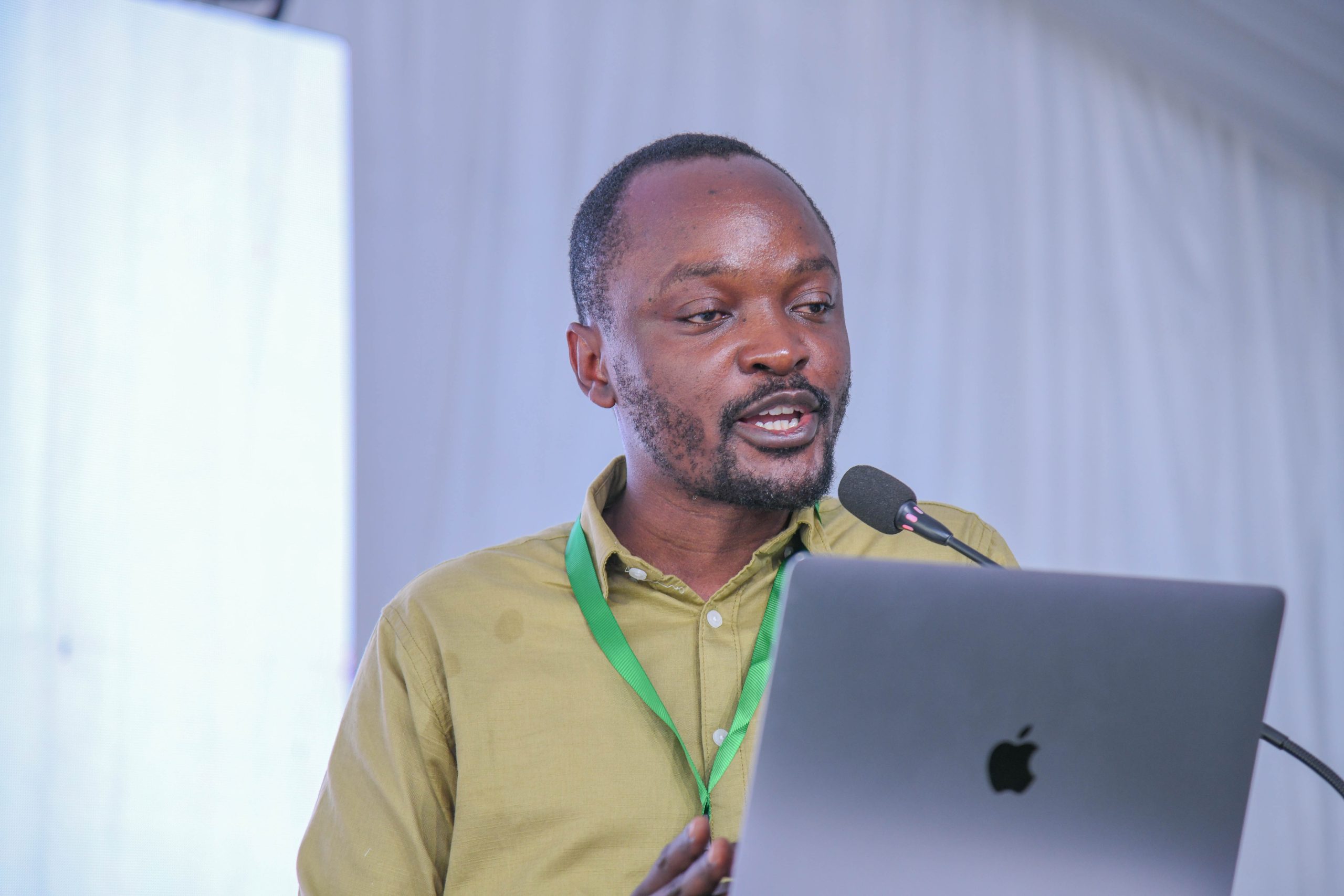
He explained that it was around this time period that Pan-Africanism was snatched away from the masses and it became a state project. Currently, he said the ideology exists in two forms: Boardroom and Street Pan-Africanism.
Professor, characterised Boardroom Pan-Africanism as a State Project. He said “boardroom Pan-Africanism sits comfortably with imperialism and elite-centered accumulation.” While Street Pan-Africanism to which Professor advocates, he emphasised that historically, this approach “united the African liberation movement and liberated the African continent from the most barbaric colonial powers.”
As he concluded, Professor Nyamsenda joined Mwalimu and the President of Uganda in urging youth to consider joining and leading the struggle for a better Africa.
Role of JNLC in Realising Nyerere’s Ideas
Professor Saturninus Kasozi Mulindwa, the JNLC Board Chair highlighted the primary objective of the center as “imparting knowledge and sharing experiences from the old generations to the new generations.” Therefore, JNLC contributes to the actualisation of Nyerere’s ideas by focusing on the development of the next generation of African leaders.
To supplement this, Dr. Nansozi K. Mwanga the Executive Director at JNLC said that the center is committed to “nurturing ethical, conscious, and transformative leaders inspired by Mwalimu’s ideas of service, human dignity, self-reliance, and Pan-African solidarity.”
She explained their focus is on several key areas with training as core. They have “trained over 1,500 young people and young leaders from across Uganda.”, and developed leadership programs “grounded in ethical decision-making, civic responsibility, public service, and action.”
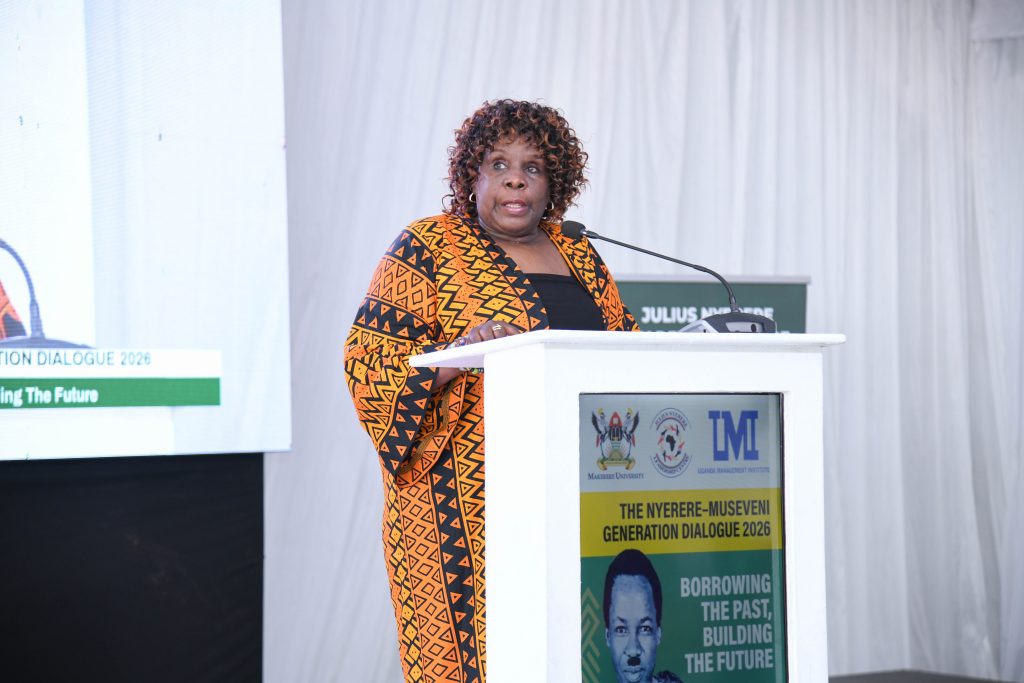
In her remarks, it was observed that training alone is not enough; they are also doing mentorship, to provide opportunities for networking and learning from experienced leaders. There are already testimonies when you visit the Centre wall of fame. To which Dr. Nansozi revealed “leadership development matters when learning becomes service and meaningful action.”
The Centre remains proud of those they have touched and are eager to support as many cohorts.
Julius Nyerere Family Pour their Heart out
Mama Maria Nyerere, addressed the Symposium virtually and commended the Centre for keeping Mwalimu’s values alive.
As a memory of her husband, she reminded the audience that his greatest legacy was anchored on the values by which he lived: service, humility, integrity, unity and love for Africa and its people. She also urged the young people to take up leadership responsibilities and lead with humility, integrity and always remember the people they serve.
Mama Nyerere also advised the youth to learn from those who came before them like her husband with courage to build a better Africa for their generation and those who will come after them.
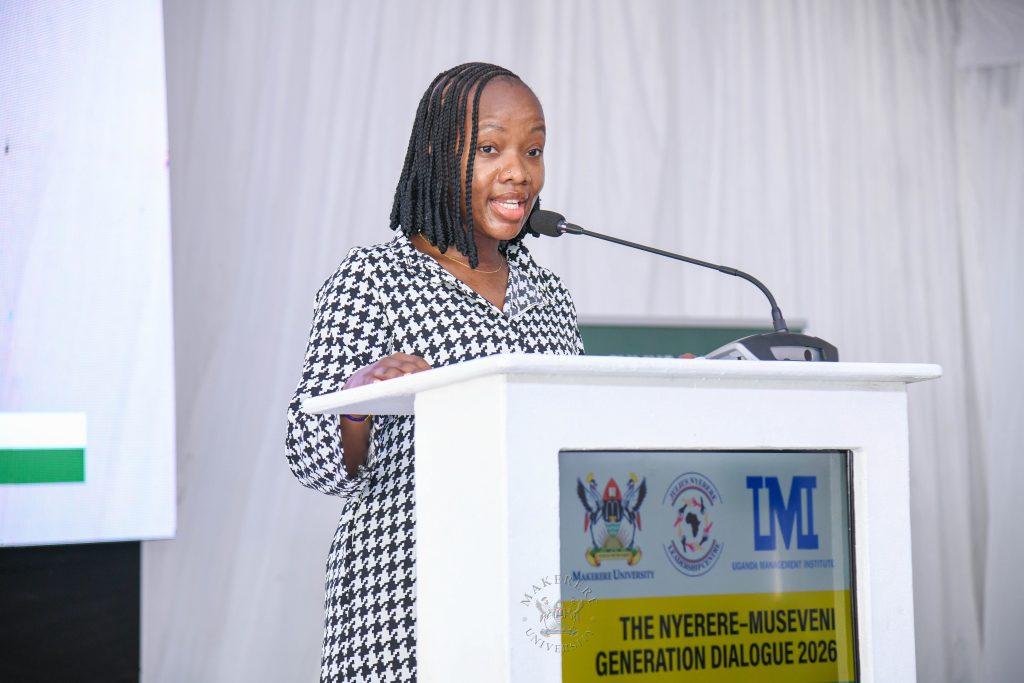
Joining Mama Nyerere, on behalf of the Nyerere family was Ms. Julia Nyerere, a granddaughter, who attended physically and thanked H.E. Kaguta Museveni for supporting the establishment of the Julius Nyerere Centre at Makerere University and also commended the Keynote Speaker Professor Nyamsenda for Critiquing Nyerere’s ideas.
Julia further shared an understanding of her grand-father’s interest in preserving humanity as a moral.
As a family they are happy that his (Nyerere) values and legacies continue to inspire Africa and beyond.
Appreciation for All who Made the Symposium Possible
Addressing the symposium, the Vice Chancellor of Makerere University, represented by Professor Henry Alinaitwe the Deputy Vice Chancellor in Charge of Finance and Administration expressed the University’s appreciation and commitment.
He thanked “the government of Uganda for the support they are giving to the Julius Nyerere Leadership Center,” and requested Dr. Kiyonga to “convey the message to the fountain of honour for this initiative that Makerere University is happy for, and is going on well.”
To the leadership of the Center, he specifically thanked the Director Dr. Nansozi for her focused leadership. He stated, “I commend my friend, Dr. Nansozi, for the work that you are doing.”
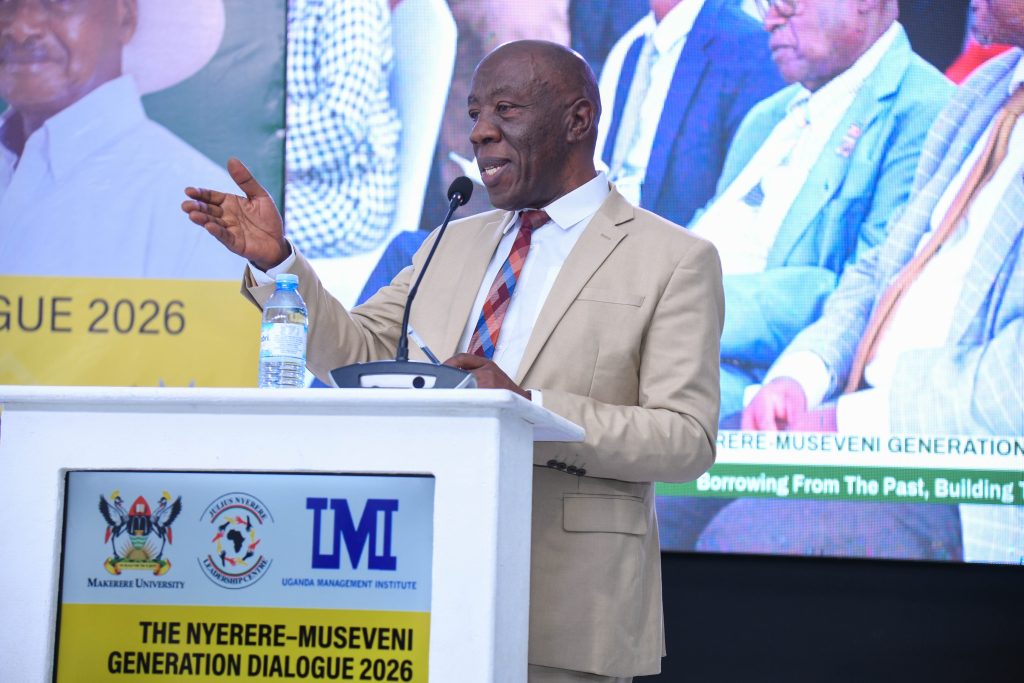
Professor Alinaitwe also emphasized “we” value these symposiums, saying, “as a university, we acknowledge that such activities create great visibility.”
Dr. Kiyonga was also thanked for delivering the President’s message, together with veterans like Professor Kabwegyere, among other distinguished guests and partners that attended.
Professor Tarsis Bazana Kabwegyere as well appreciated all and emphasised the collective duty of the youth in building the next generation.
He advised “your responsibility is to identify and build Africa forward, building on the legacies and foundations of our forefathers,”.
The Professor also argued that “being young on its own is not a virtue. It is what you are when you are young.” He challenges the audience to avoid being ignorant and claim that you are young.
Background of the Nyerere Symposium
The Julius Nyerere Annual Symposium is an intergenerational gathering hosted at Makerere University. For more than six years now, it has been connecting past leadership legacies of Nyerere and other revolutionaries with current regional and continental priorities under the (JNLC) centre.
The Julius Nyerere Leadership Centre (JNLC) serves as a training ground and research hub designed to mentor the next generation of African leaders. Co-hosted by Makerere University and the Uganda Management Institute (UMI), the Centre bridges the gap between older statesmen and youth by focusing on Pan-African ideals, ethical governance, and social transformation.

General
Makerere University and Xiangtan University Advance Strategic Partnership in Chemical Engineering

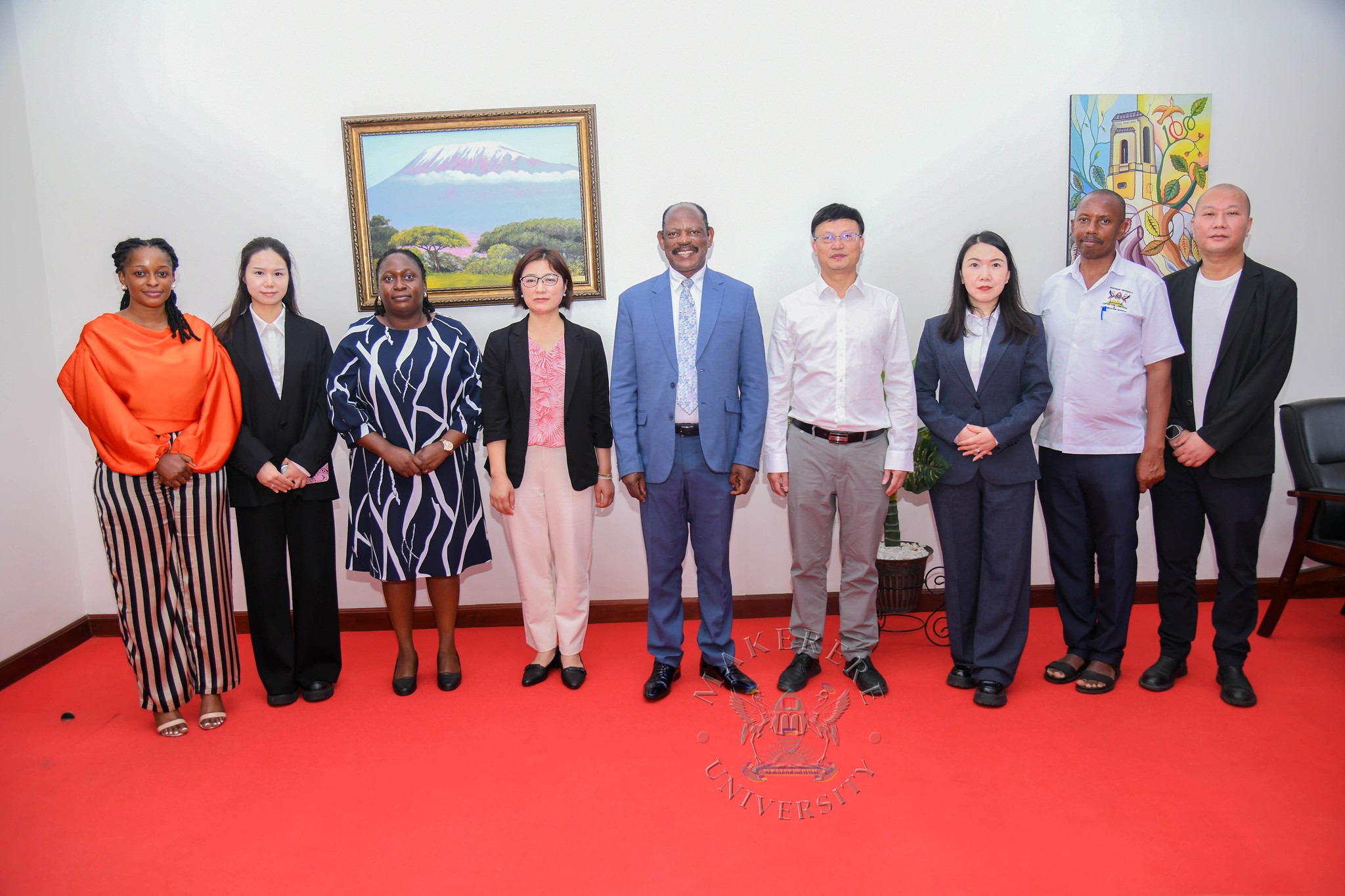
Makerere University and Xiangtan University are set to update their close to 20-year academic partnership, with a new focus on launching a joint Master’s degree program in Chemical Engineering and expanding student and staff exchange initiatives.
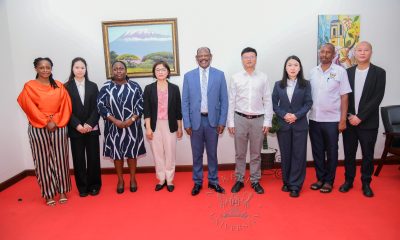
The commitment was reaffirmed during a recent visit by a delegation from Xiangtan University to Makerere University headed by Professor Dingyu Ou, in the company of Mr. Tang Fei and Professor Gilbert Gumshabe, the Chinese and Ugandan Directors of the Confucius Institute at Makerere University respectively.
While addressing the delegation, Professor Nawangwe highlighted that this initiative is part of a broader strategy to diversify academic offerings and contribute to national development through training in Chemical Engineering. Through this new initiative, the University will better prepare graduates for the petrochemical industry and support the country’s industrial growth.
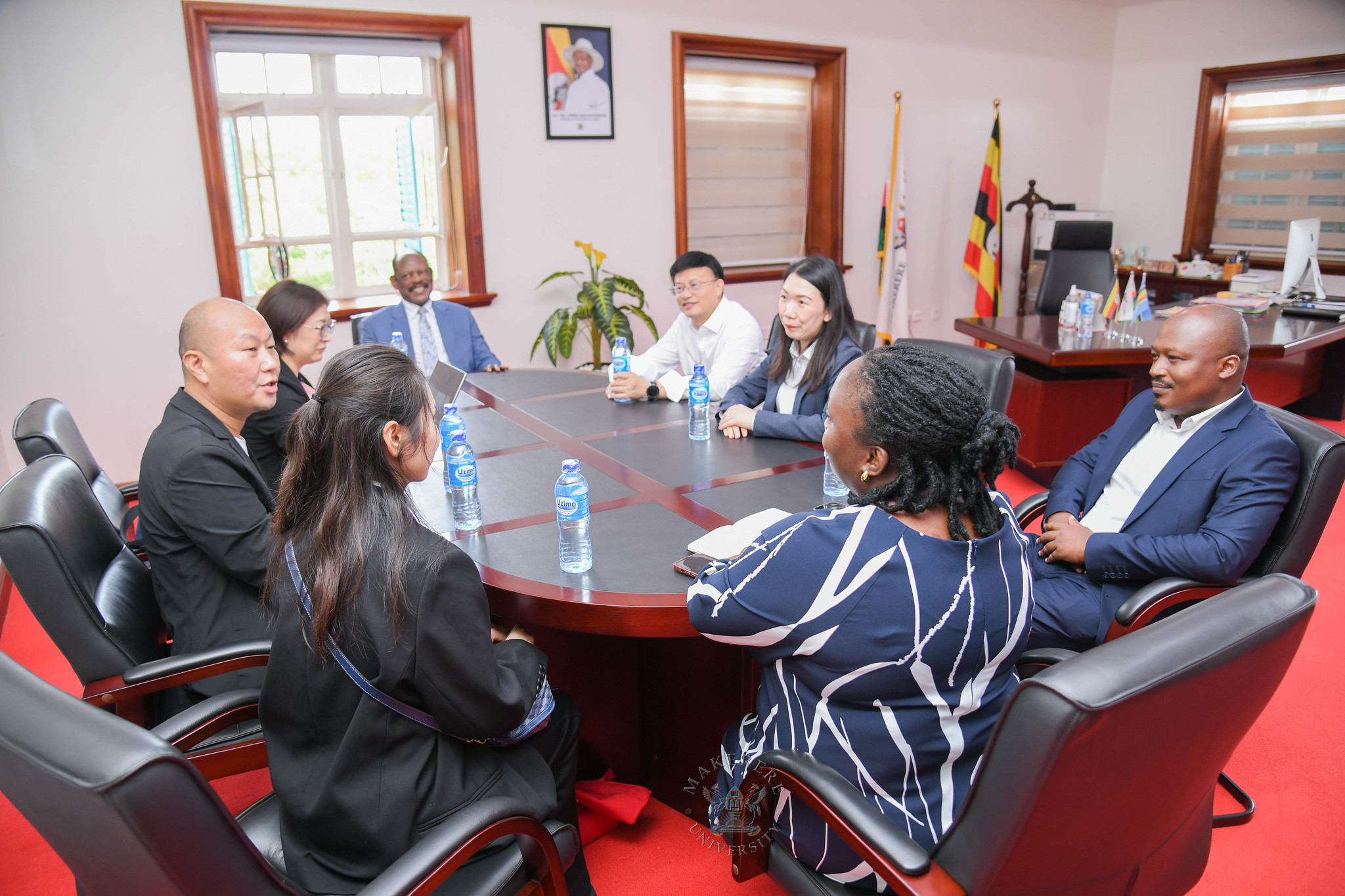
The Vice Chancellor appreciated that the proposed collaboration aims to address Uganda’s growing need for industrial expertise, particularly as the country develops its petroleum sector. The two universities here are working toward a 1+2 training model, which will enable Makerere students to gain practical experience and access advanced laboratory facilities at Xiangtan University.
Professor Nawangwe further reiterated that “our relationship with the people of China, not just for Makerere but also for a big part of Uganda, has been opened wider by the establishment of the Confucius Institute, considering that many other collaborations like one being discussed now have come through this collaboration.”
The head of the Xiangtan delegation, Professor Dingyu Ou, expressed appreciation for the meeting, and acknowledged the history between the institutions. “As mentioned, we have a very long relationship and a very stable friendship between our two universities.”
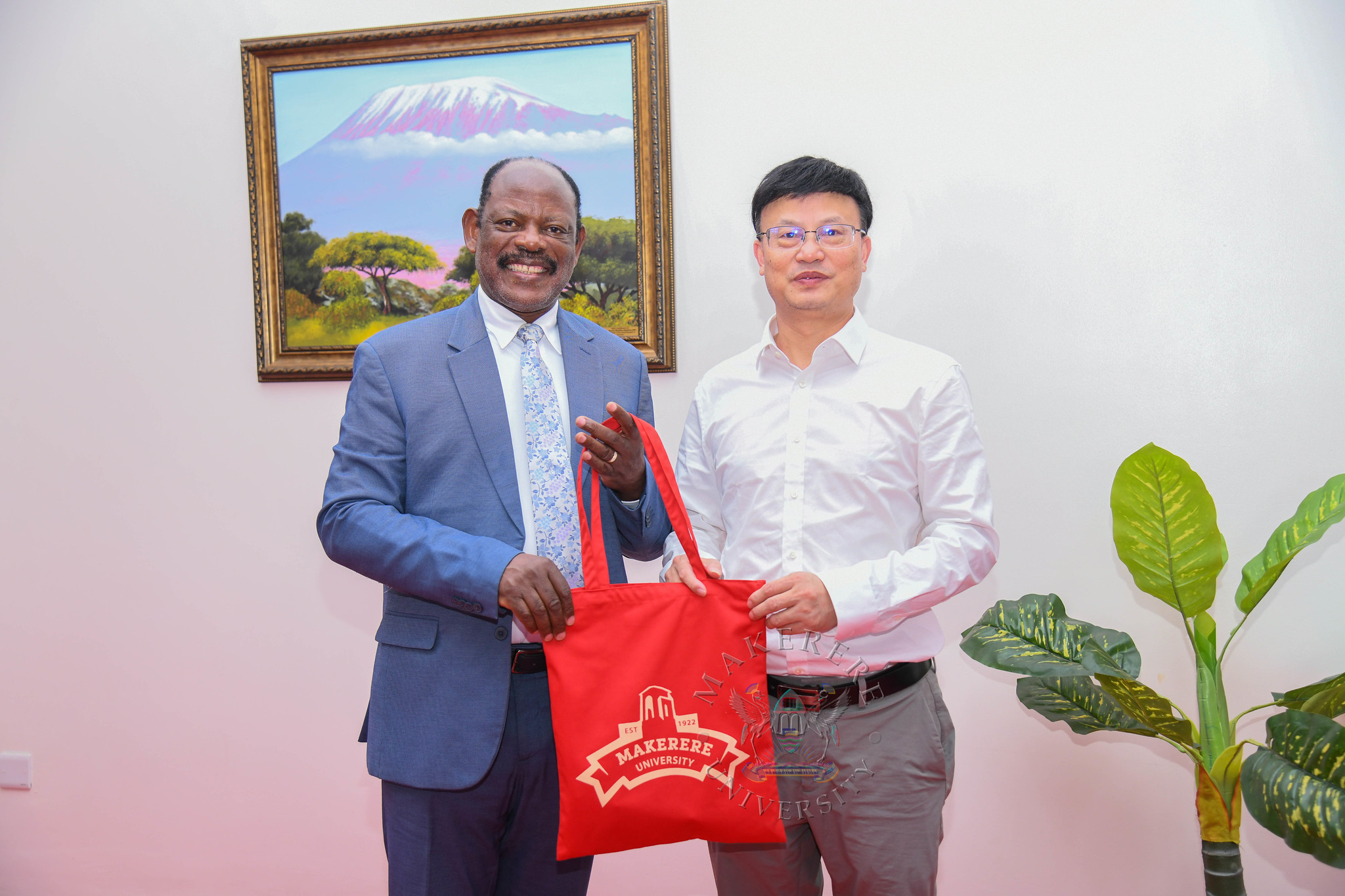
Professor Ou extended appreciation for the support provided to the Confucius Institute at Makerere, the care shown to his colleagues, and looked forward to the successful start of the Chemical Engineering collaboration.
Assuring the delegation of Makerere’s readiness for the collaboration, Ms. Hawa Ndagire Kajumba the Lead, Partnerships and Stakeholder Engagement, Makerere University Advancement Office, aligned with the Vice Chancellor’s emphasis of University goal to have both theory and practice imparted to the students.
She said “the curriculum of the university and Uganda as a whole is moving towards competence-based education training to ensure students are equipped to demonstrate those skills in the actual field, particularly regarding petroleum exploration.”
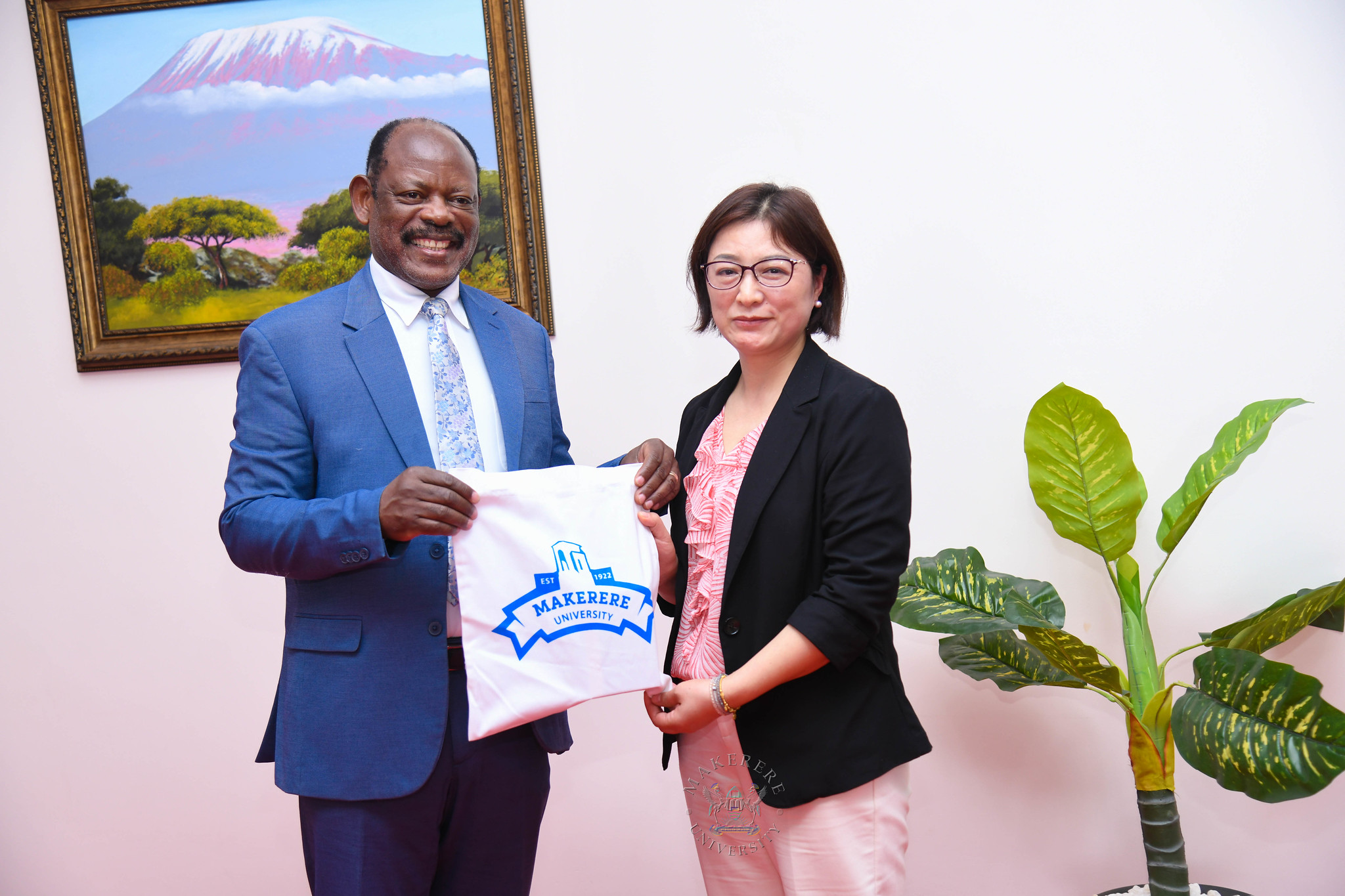
Ms. Ndagire Kajumba also emphasised a shift in strategy for the partnership office, saying, “we are moving away from just signing MOUs that collect dust, and moving towards those that are more collaborative to benefit our faculty and students, just like this one.”
Professor Gilbert Kumushabe aligned his remarks with those of the Vice Chancellor and Ms. Ndagire Kajumba, and described the method used at Xiangtan University as “actually competence-based teaching.”
Based on his recent visit, Prof. Gumoshabe shared that students in China are divided into groups with dedicated teachers to perform practical, hands-on work beyond the theoretical lecturers. He expressed gladness that the same was being adopted for the Ugandan context.
Both institutions are now working to finalise the specific agreements for the joint degree and exchange programs. Beyond academic training, the collaboration will advance cultural and professional exchange.
-
 Health2 weeks ago
Uganda’s HIV Treatment Gains Bring the Youth Gap into Focus
-
 General2 weeks ago
Timothy Khabusi: From Barefoot Walks to shaping Uganda’s Eye health Future
-
 Agriculture & Environment2 weeks ago
Makerere University Welcomes 50 Youth Skilling Program trainees under the Africa Climate Collaborative, Supported by Mastercard Foundation
-
 Humanities & Social Sciences7 days ago
French Embassy Presents Four Makerere Scholars with Academic Palms
-
 Research2 weeks ago
Call For Applications: KU Postdoctoral Fellowship Programme