
General
Postgraduate Programmes Admission Lists 2023/2024







As Greater Kampala continues to expand, the question of how the city will secure enough water for its growing population is becoming increasingly urgent. New homes, roads, industries and commercial centres are transforming the metropolitan landscape, but this growth also places pressure on wetlands, catchments and the infrastructure that supplies water to communities. For Makerere University, this challenge is not only a matter for public debate. It is also a question that research can help answer before today’s decisions become tomorrow’s problems.
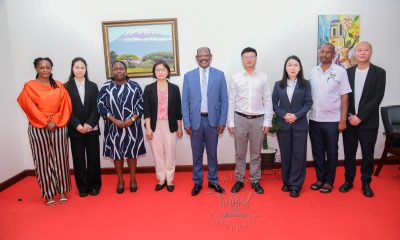
That concern shaped a dissemination workshop held at the University on Wednesday, 28th October 2026. The gathering brought together researchers, policymakers, university leaders, planners, students, development partners and members of the media to consider findings from the Urban Expansion Model for Mitigating Water Scarcity in Greater Kampala Metropolitan Area, known as UREMWAS, an occasion that was graced by the Minister for Kampala Capital City and Metropolitan Affairs, Hon. Hajjat Minsa Kabanda, who attended as chief guest.
At the heart of the research is a practical concern: how can a fast-growing metropolitan area accommodate more people and economic activity without undermining the natural systems and public infrastructure on which its residents depend? The UREMWAS project seeks to help answer that question by giving planners a way to examine how different patterns of urban development may affect water availability. Rather than treating water scarcity as an isolated problem of supply, the study relates it to the choices made about land, housing, drainage, settlement and infrastructure.
Understanding the Link Between Urban Growth and Water
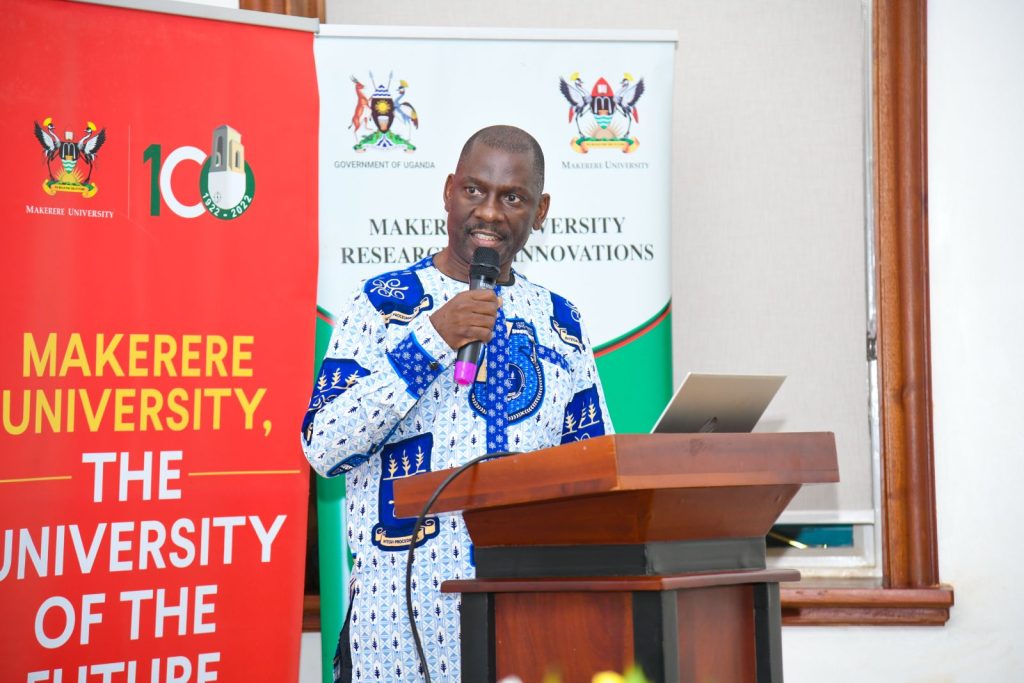
Presenting the study, the Principal Investigator Dr. Nestor Mugabe explained that Greater Kampala is among Uganda’s fastest-growing urban regions. Its expansion has increased pressure on water sources and supply networks, while also changing the natural landscapes that help sustain those resources. As settlements spread, the consequences can extend beyond the immediate area where construction takes place. Wetlands may be encroached upon, catchments altered and the routes through which water moves across the landscape disrupted. “The value of this model is in helping planners see the consequences of today’s choices before those choices become difficult and costly to reverse.” He stated.
The model brings together information on population movement, built-up areas, drainage patterns, wetland cover and water demand. By considering these factors together, planners can explore possible urban growth scenarios and assess their likely implications before major decisions are made. The intention is to support better-informed choices on where development should take place, which natural areas require protection and where investment in water infrastructure may be most needed.
Dr. Mugabe cautioned that water scarcity rarely emerges from a single decision or event. Instead, it can develop gradually as many small choices accumulate without sufficient attention to their combined effect. The value of the model, he explained, lies in helping decision makers see a wider picture and understand how development in one part of the metropolitan area may affect water security elsewhere.
The findings point to a close relationship between the pattern of urban growth and the pressure placed on water systems. When settlements expand without effective planning, development can reach sensitive areas such as wetlands and catchments. These landscapes perform important functions in storing, filtering and releasing water. When they are degraded, the natural processes that support water availability are weakened. At the same time, extending piped water infrastructure to scattered communities can become more difficult and expensive.
By contrast, growth guided by clear plans, the protection of natural areas and timely infrastructure investment offers a stronger basis for managing demand. The research therefore presents urban planning and water security as closely connected responsibilities. Decisions about housing, roads and commercial development cannot be considered separately from the resources needed to sustain the people who live and work in those places.
Dr. Mugabe also emphasised that water scarcity cannot be solved by infrastructure alone. The challenge involves governance, public behaviour and coordination among institutions that may otherwise plan and operate independently. Engineers, physical planners, local leaders, communities and researchers need to work with shared evidence if their decisions are to reinforce rather than undermine one another.
That message was given a human dimension through the experiences of communities consulted during data collection. Dr. Mugabe acknowledged the residents who shared their perspectives with the research team, including people who travel long distances or pay high prices to obtain water. Their experiences, he noted, helped the researchers understand the everyday consequences of water insecurity in ways that statistics alone cannot fully convey. Behind every figure on demand or supply are households and individuals whose routines, finances and wellbeing are affected by access to water.
Taking the Findings Beyond the University
The discussion that followed the presentation reflected the broad reach of the issue. Participants considered the role of wetlands in protecting water sources, the need to enforce planning regulations and the importance of involving communities early in decisions that affect their surroundings. They also explored whether the model could be adapted for other fast-growing towns and cities in Uganda, where urbanisation may create similar pressures on land and water resources.
Several contributors stressed that research findings should be communicated in accessible language, particularly to local leaders and community groups. A model can help inform technical decisions, but its impact is likely to be greater when the people affected by planning choices can also understand the evidence and use it in their own discussions. Participants further encouraged the research team to keep the model updated as new information becomes available. Because cities change rapidly, a planning tool must be able to reflect changing populations, land use and demand if it is to remain useful.
The discussion was moderated by Prof. William Tayeebwa, who guided the discussion and encouraged participants to engage with the findings from their different areas of experience. The questions and reflections reinforced the importance of treating water security as a shared metropolitan concern rather than the responsibility of a single institution or profession.
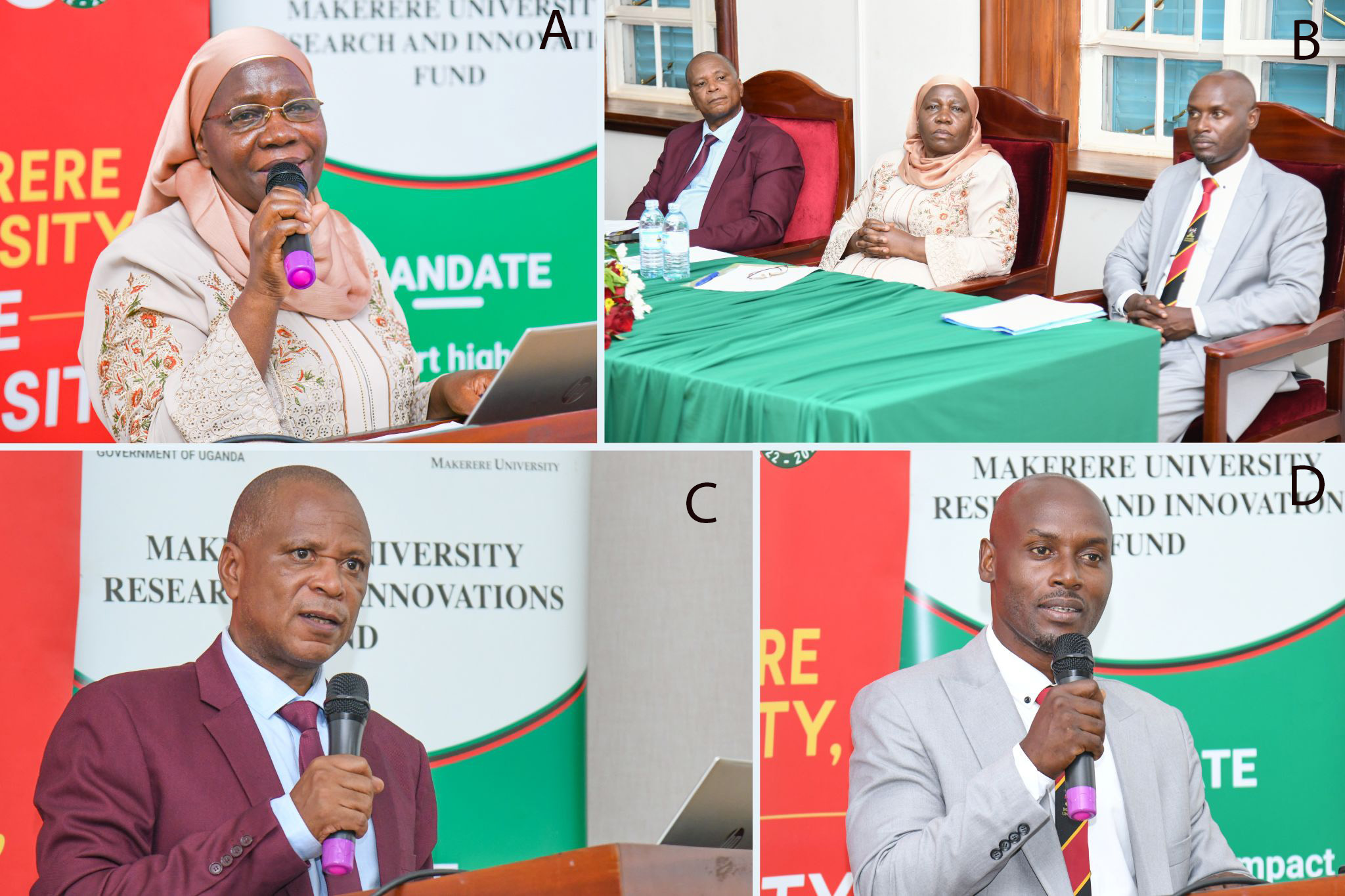
Speaking on behalf of the Makerere University Research and Innovation Fund, its Engagement officer, Ms. Grace Cherotich Ruto congratulated the research team and reaffirmed the fund’s commitment to supporting research that responds to Uganda’s practical challenges. He encouraged researchers to consider the people who will use their findings from the earliest stages of a project and to plan how the knowledge generated will be communicated and applied. Research, he observed, is most valuable when it moves beyond academic shelves and contributes to policy, services and people’s lives. “Research has its greatest value when the knowledge generated at the university reaches the people and institutions that can use it to improve lives.” Prof. Julius Kikooma, Director, Directorate of Graduate Training stated.
The remarks also highlighted the role of graduate training in building research capacity. Prof. Julius Kikooma, Director of the Directorate of Graduate Training, welcomed participants and commended the team for bringing its work to a wider audience. He noted that universities demonstrate their value to society when knowledge developed through research and scholarship informs decisions beyond the campus. Graduate research, including the work of master’s and doctoral students, helps generate and develop ideas that can be tested against real conditions and contribute to practical solutions.
A Shared Responsibility for a Growing City
Representing the Vice Chancellor, Prof. Moses Musinguzi commended the researchers for addressing an issue of national importance. He reaffirmed the university’s commitment to serving the country through knowledge and collaboration, and called on government agencies, local authorities and development partners to draw on the expertise available at the institution. Water, land and urban growth are interconnected, he noted, and the management of rapidly expanding cities must be guided by sound evidence.
For the university, the workshop offered an opportunity to connect research with the institutions and communities that may put its findings to use. The model’s potential depends not only on its technical capacity, but also on whether planners and decision makers can incorporate its insights into the choices they make. Continued engagement between researchers and end users will therefore be important as the work develops.
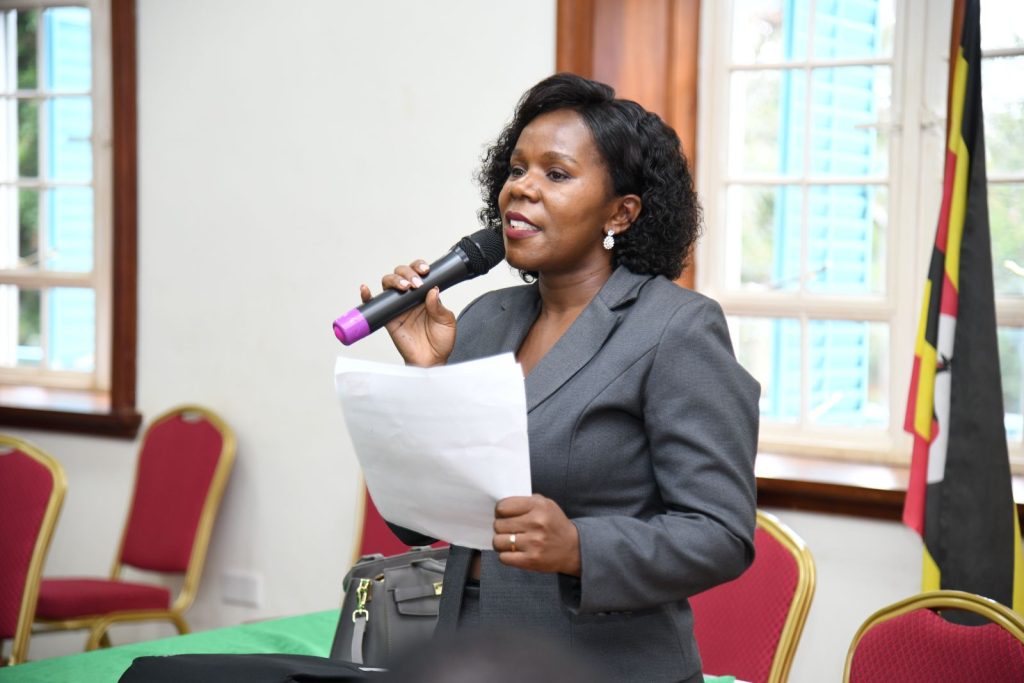
In her address, Chief Guest Hon. Hajjat Minsa Kabanda thanked Makerere University for convening the workshop and recognised the contribution of its scholars to national development. She described the growth of Kampala and the surrounding metropolitan area as both an opportunity and a responsibility. As the country’s economic heart and home to millions of people, the city needs reliable services, including access to clean and safe water. The challenge is to ensure that expansion does not outpace the systems and natural resources required to sustain it.
“Kampala’s water challenges extend beyond administrative boundaries, so our response must be built on cooperation, shared evidence and responsible planning.” Hon. Hajjat Minsa Kabanda emphasized.
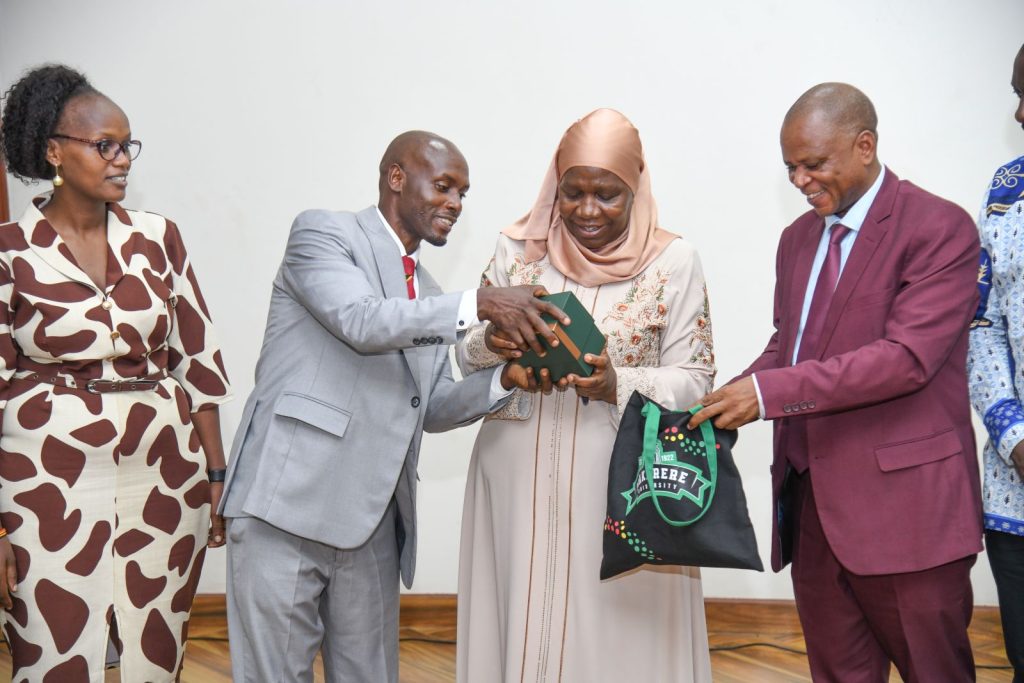
Hon. Kabanda said that the UREMWAS model could help government make better-informed decisions about the direction of urban growth, the protection of natural resources and the location of water infrastructure investment. She also pointed out that the metropolitan area extends beyond the administrative boundaries of Kampala itself. Water and land pressures do not stop at those boundaries, making coordination among the ministry, Kampala Capital City Authority, neighbouring local governments, water utilities and researchers essential.
The Minister assured the university that her ministry would study the findings and consider how they could inform its planning work. She encouraged the research team to maintain a close relationship with policymakers so that the model can remain relevant to decisions as the metropolitan area changes. She also called on citizens to protect wetlands, use water responsibly and observe planning guidelines, stressing that the future of the city will be shaped by the actions of both public institutions and residents.
Turning Research into Public Action
Her remarks underscored the role universities can play as partners in public decision making. By bringing together research expertise, emerging talent and the freedom to examine difficult questions, institutions of higher learning can help government understand complex challenges and consider options grounded in evidence. She congratulated Makerere on its research tradition and encouraged it to continue producing work that responds to the needs of the country.
The workshop closed with a shared recognition that disseminating the findings is a starting point rather than an end in itself. The research team and its partners expressed the need to continue engaging government and other stakeholders, share the results more widely with local leaders and communities, and refine the model as further data becomes available. These next steps will help determine how effectively the research can support planning in Greater Kampala and whether its approach can be useful in other urban areas.
The timing of the work is significant. Decisions made now about land use, housing, drainage and water infrastructure will influence the shape of Greater Kampala for years to come. Once wetlands have been damaged, settlements established in unsuitable locations or infrastructure built without adequate coordination, correcting the consequences can be difficult and costly. A model that allows decision makers to explore possible outcomes in advance offers an opportunity to identify risks earlier and weigh development choices more carefully.
For residents, the stakes are tangible. Reliable water affects household routines, public health, livelihoods and the ability of businesses and institutions to operate. Protecting the resources that sustain supply is therefore not separate from the wider ambition to build a productive and liveable city. The challenge is to ensure that urban growth improves people’s lives without weakening the environmental systems on which those lives depend.
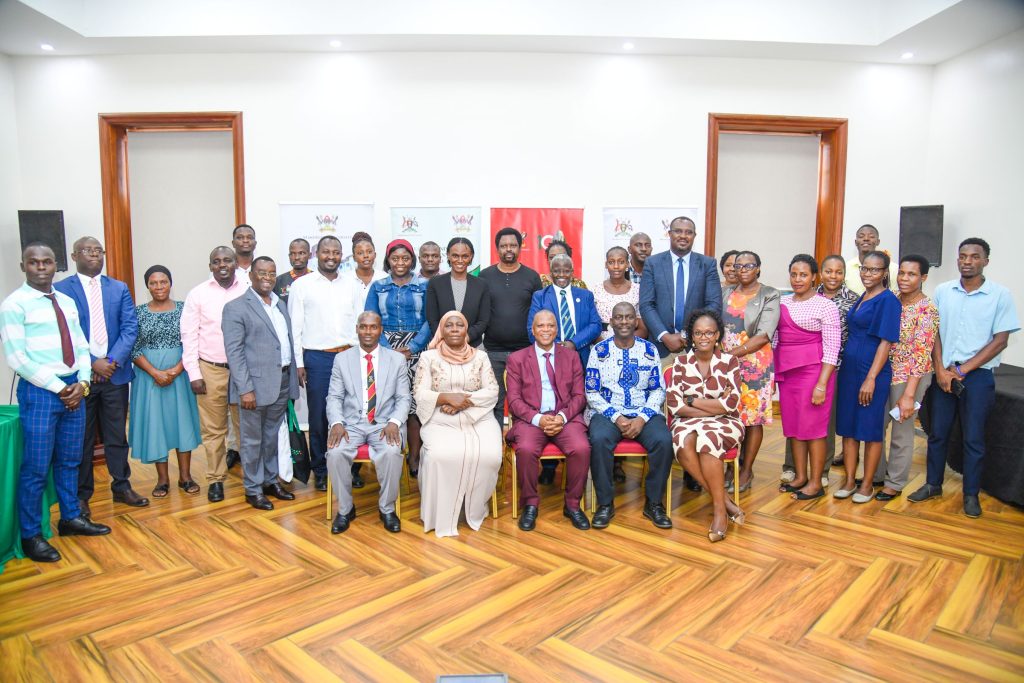
By bringing researchers and decision makers into the same conversation, Makerere’s UREMWAS dissemination workshop demonstrated how university research can contribute to a shared understanding of a public problem. The work does not remove the difficult choices facing the metropolitan area, but it offers a way to examine those choices with a clearer view of their possible consequences. As Greater Kampala continues to grow, the task ahead will be to turn that evidence into coordinated planning, responsible development and sustained protection of water resources.
The gathering marked a step in moving the UREMWAS findings from a research project into wider public and policy discussion. The central message was clear: the future of Greater Kampala’s water security will depend not only on how much water can be supplied, but also on how the city grows, how its natural systems are protected and how well the institutions responsible for its future work together.

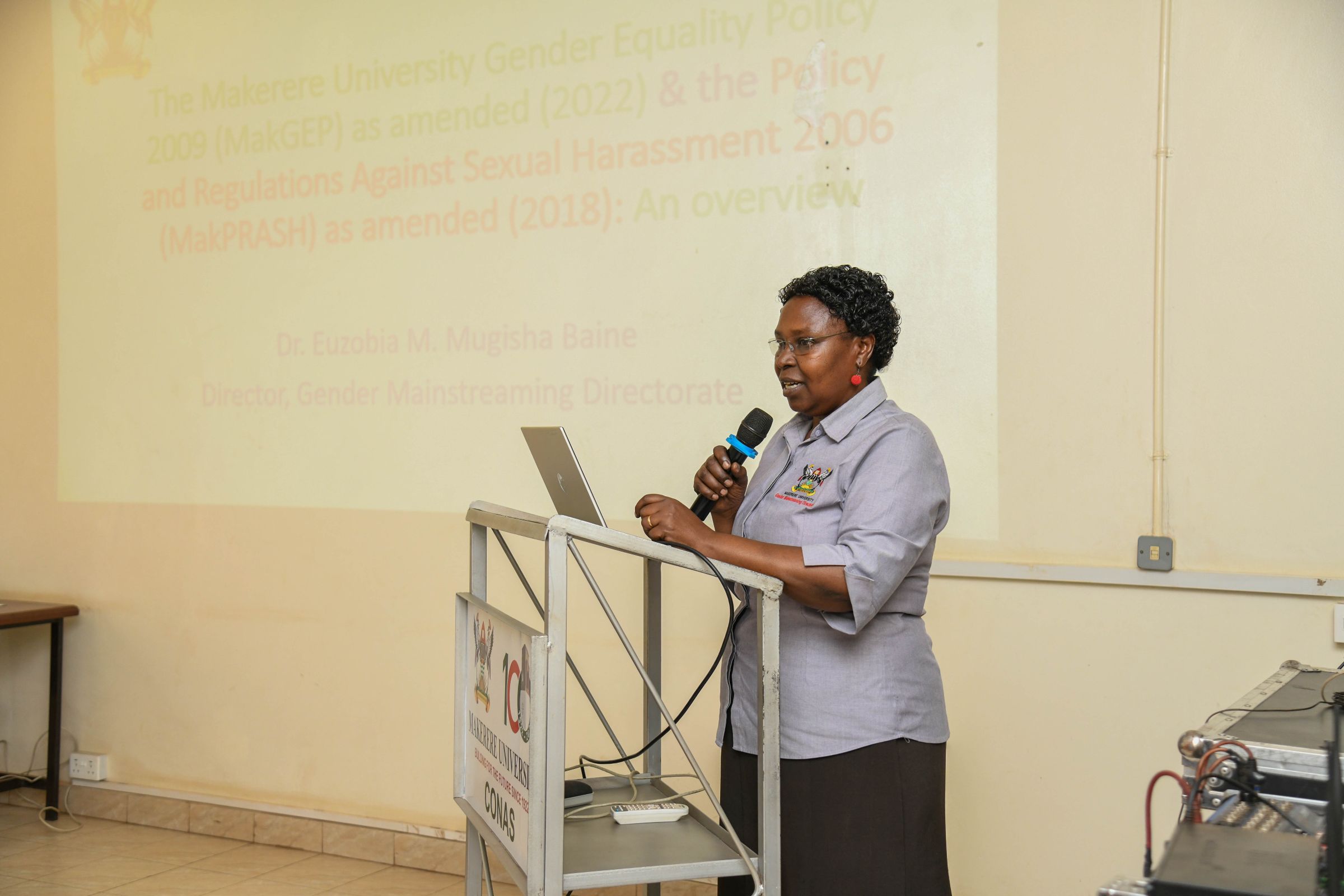
Staff and students at the College of Natural Sciences (CoNAS) have been sensitized on Makerere University’s Gender Equality Policy (GEP) and the Policy and Regulations Against Sexual Harassment (PRASH), in an engagement aimed at strengthening awareness of staff rights and responsibilities and promoting a safe, inclusive and respectful University environment.
The two-hour sensitization session, held on Friday, 30th October 2026 in the Chemistry Boardroom, was organized by the Gender Mainstreaming Directorate (GMD) and led by its Director, Dr Euzobia Baine.
The engagement provided staff with an opportunity to understand the purpose and scope of the two policies, their role in promoting gender equality and preventing sexual harassment, as well as the mechanisms available for reporting and addressing cases of sexual harassment within the University.
Sensitization on the Gender Equality Policy
The Makerere University Gender Equality Policy, originally adopted in 2009 and amended in 2022, provides a broad institutional framework for promoting gender equality and women’s empowerment. It seeks to integrate gender considerations into the University’s core functions, including teaching and learning, research and innovation, institutional management, recruitment, staff development and leadership.
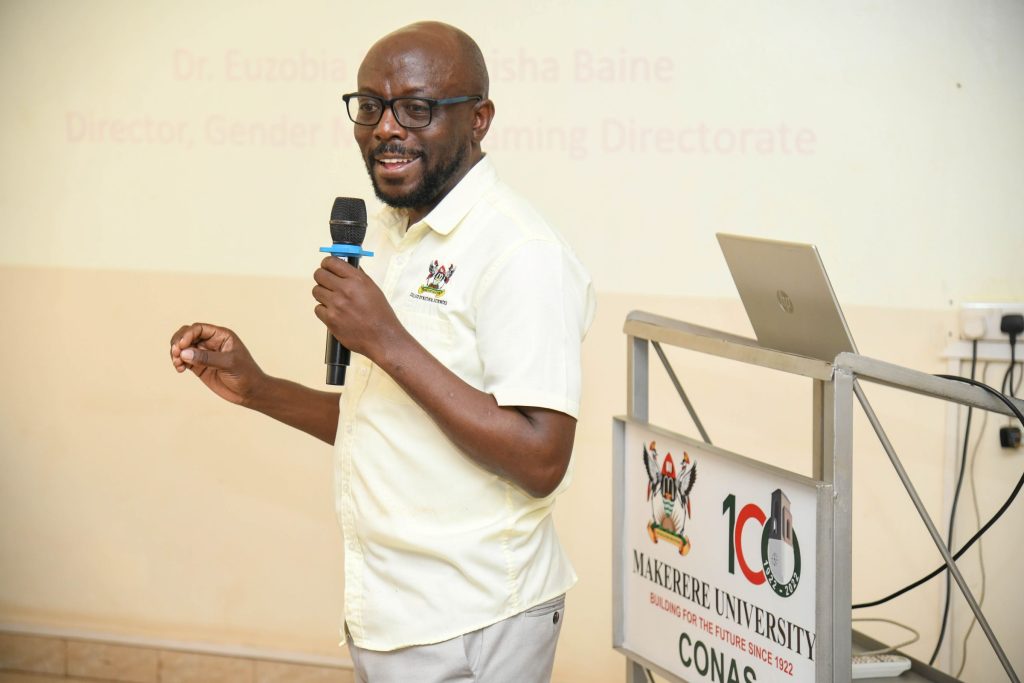
The policy also promotes equal opportunity and non-discrimination, equitable participation and progression of students, increased participation of women in leadership and decision-making, and a gender-responsive, inclusive and secure University environment.
The Policy Against Sexual Harassment
Staff were also sensitized on PRASH, which provides the institutional framework for preventing and responding to sexual harassment at Makerere University. The policy establishes mechanisms for sensitization, reporting, investigation and management of complaints, while providing for accountability and protection of members of the University community.
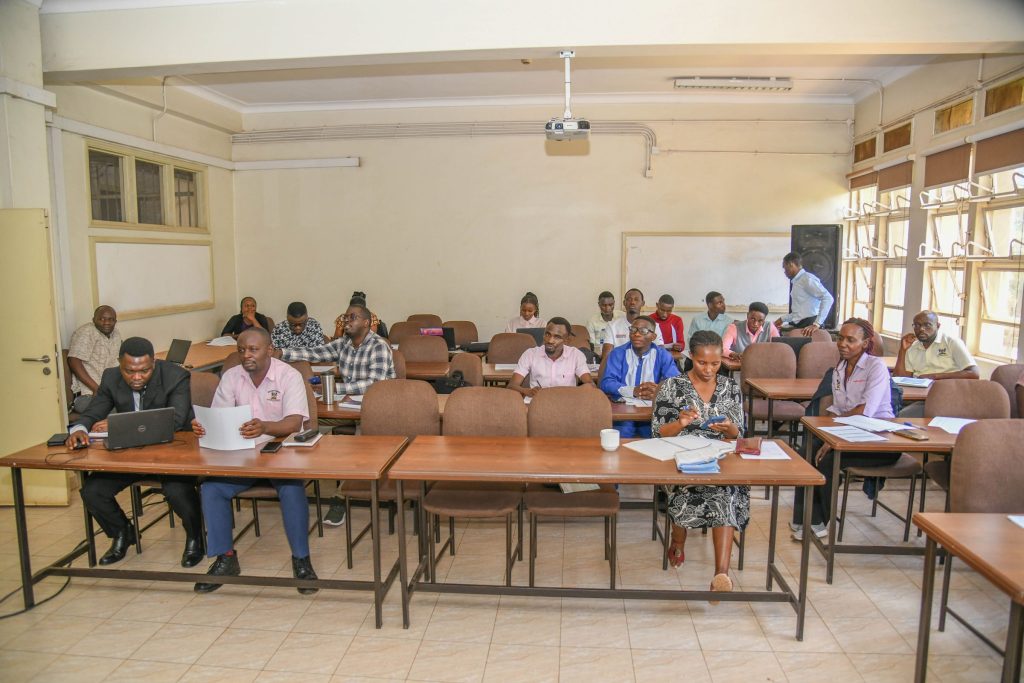
The policy applies to members of the University community, including academic, administrative and support staff, students, contractors, partners and visitors to University premises. Sexual harassment encompasses unwelcome sexual advances, requests for sexual favours and other unwanted physical, verbal or non-verbal conduct of a sexual nature.
The sensitization highlighted the complementary role of the two policies. While the GEP provides the broader framework for gender equality, equity and inclusion across the University, PRASH specifically addresses sexual harassment and establishes measures for its prevention and response.
Implementation and Institutional Commitment
Mr. Eric Tumwesigye, Principal Gender Officer in Makerere University’s Directorate of Gender Mainstreaming, briefed staff on progress in implementing MakPRASH, sharing experiences and lessons learned, as well as the consequences of persistent sexual harassment.
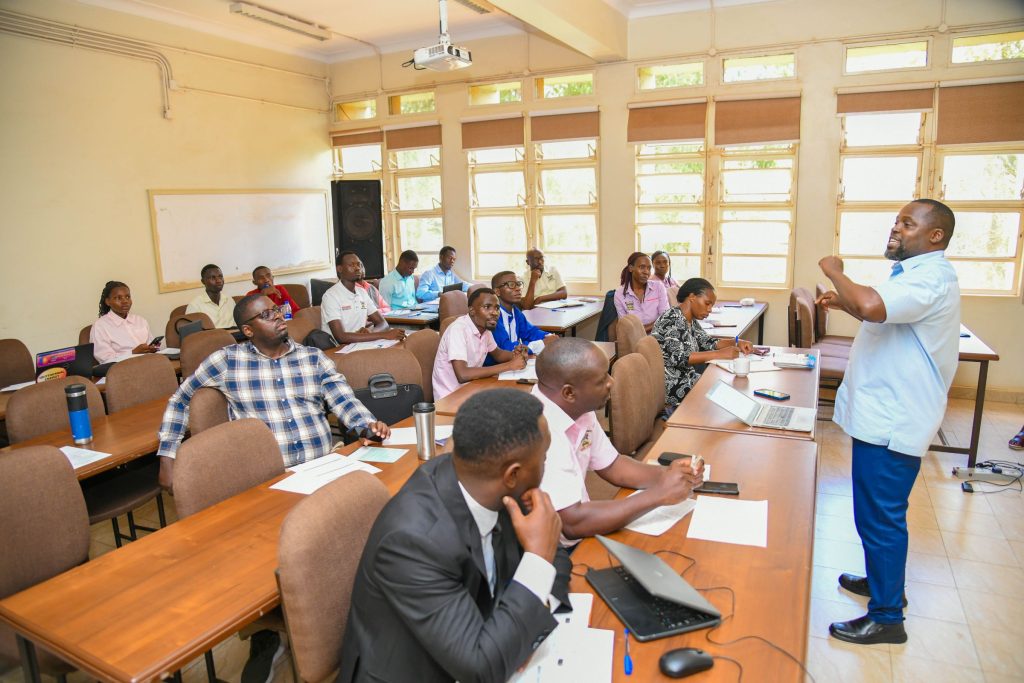
On behalf of CoNAS, the Deputy Principal, Prof. Godwin Kakuba, welcomed the initiative and called for continued sensitization of staff and students on the policies.
Prof. Kakuba pledged support towards ensuring that the policies are understood and observed, noting that regular awareness and engagement are important in creating a respectful and safe working and learning environment.
The sensitization forms part of the University’s ongoing efforts, through the Gender Mainstreaming Directorate, to strengthen implementation of its gender-related policies and promote a University community where all members can participate, work and learn in an environment free from discrimination, harassment and other forms of gender-based harm.
Business & Management
Makerere Entrepreneurship Congress Rallies Youth Behind Uganda’s ‘Tenfold Growth’Plan

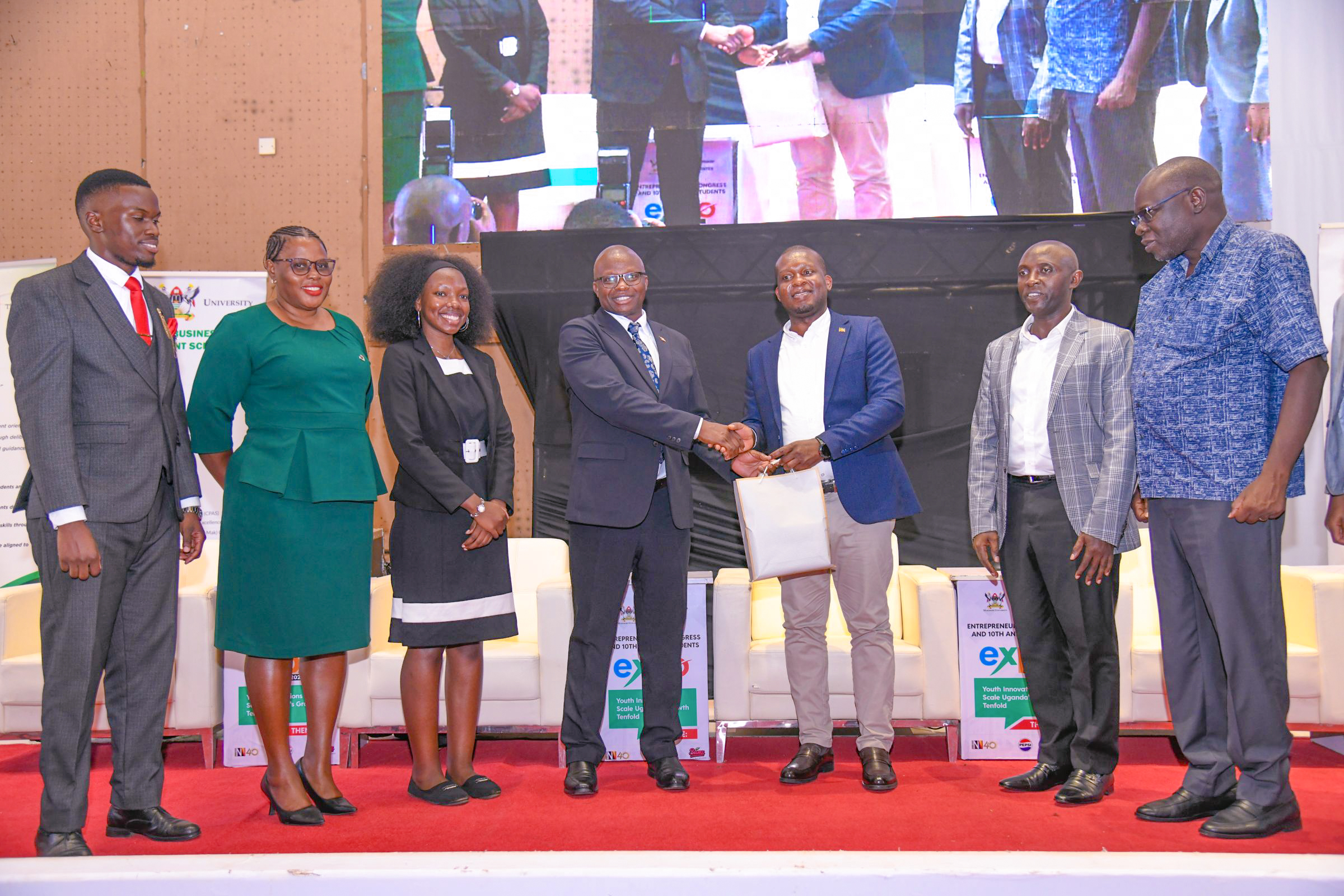
Makerere University has convened its 4th Entrepreneurship Congress, positioning youth innovation at the absolute center of Uganda’s ambitious Tenfold Growth Strategy.
The long-term economic framework aims to skyrocket the country’s Gross Domestic Product (GDP) from roughly US$50 billion to US$500 billion by 2040. According to the National Planning Authority (NPA), the strategy relies heavily on four primary growth pillars known as ATMS: Agro-Industrialization; Tourism; Mineral-Based Industrialization (including Oil and Gas); and Science, Technology, ICT, and Innovation.
With over 70% of Uganda’s population under the age of 30, the youth are widely seen as the engine behind this economic transformation.
To harness this potential, the 29th October, event brought together students, entrepreneurs, industry experts, and government officials at the Makerere Uiversity Yusuf Lule Central Teaching Facility Auditorium. Running under the theme “Youth Innovations to Scale Uganda’s Growth Tenfold,” the congress focused on building strategic partnerships, boosting commercialization, and equipping young innovators to build sustainable businesses.
The event was organized by the Makerere University Entrepreneurship and Outreach Centre, alongside the Department of Marketing and Management under the College of Business and Management Sciences (CoBAMS).
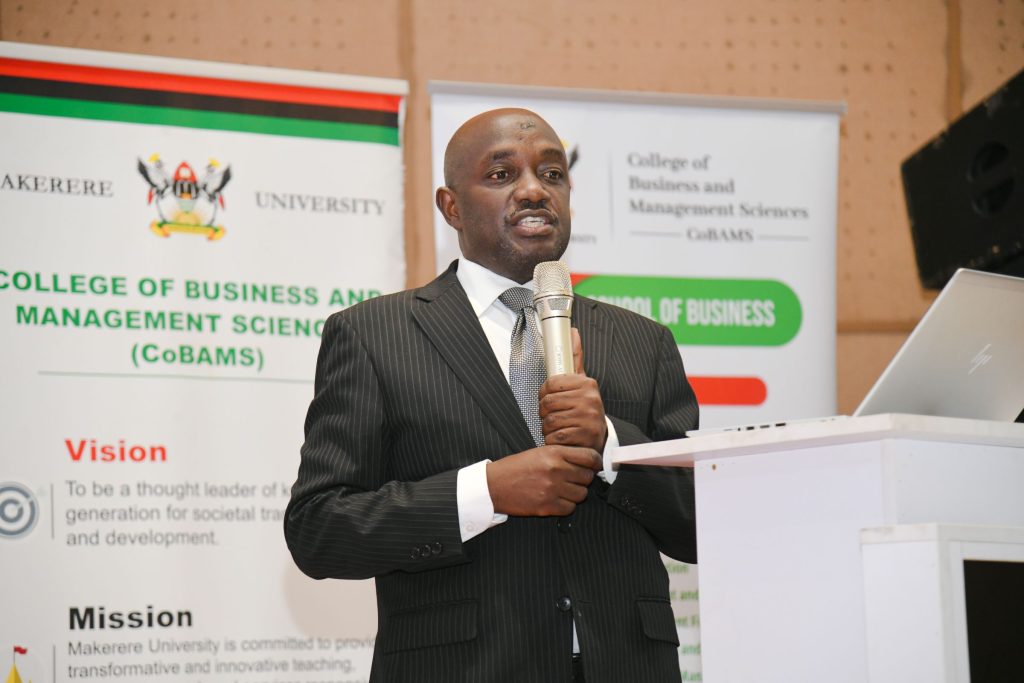
Hon. Kasigwa Gerald (MP for Kigorobya County) attended as the Chief Guest. The keynote address was delivered by Dr. Cosmas Mwikirize, Superintendent of Industrial Value Chains Development at the Science, Technology, and Innovation Secretariat in the Office of the President.
Leadership Applauds Partnership
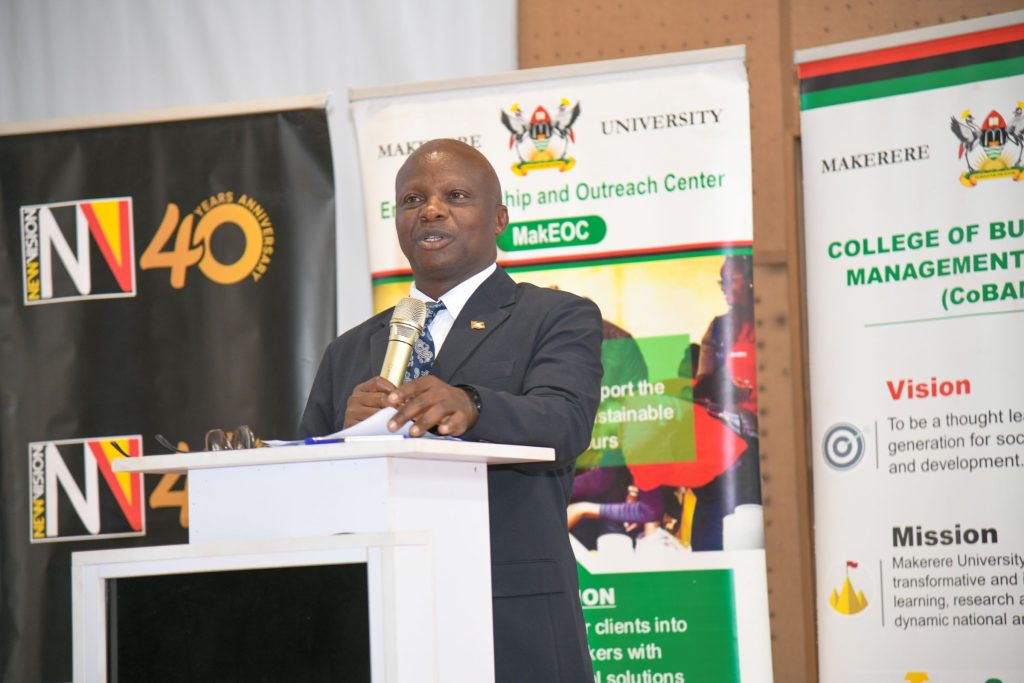
Representing the Vice Chancellor, Prof. Barnabas Nawangwe, and the CoBAMS Principal, Prof. Edward Bbaale, the College Deputy Principal, Associate Professor James Wokadala, commended the School of Business and the Makerere University Entrepreneurship and Outreach Centre (MakEOC) for strengthening university partnerships.
Noting that the MakEOC was concurrently hosting the 10th Students’ Entrepreneurship and Innovation Expo, he praised the Centre for sustaining the initiative over the past decade.
Assoc. Prof. Wokadala stressed the need for deeper collaboration to drive youth innovation and national economic transformation. He urged students to focus on developing practical, commercial solutions.
Call to Private Sector
Underscoring the value of collaboration, he acknowledged the Vision Group, Pepsi-Crown Beverages Uganda Limited, and Sumzi-Psalms Food Industries Limited for supporting the 4th Uganda-Makerere Entrepreneurship Congress.
For long-term sustainability, he called upon the business community, private sector, and industry leaders to work closely with the MakEOC.
He emphasized that private sector partners are vital for providing the mentorship, incubation facilities, and market access needed to help young entrepreneurs grow businesses, create jobs, and promote self-reliance.
Turn Innovations into Businesses
The Keynote Speaker, Dr. Cosmas Mwikirize, Superintendent of Industrial Value Chains Development at the Science, Technology, and Innovation (STI) Secretariat, urged students to use entrepreneurship to generate jobs and fuel national development.
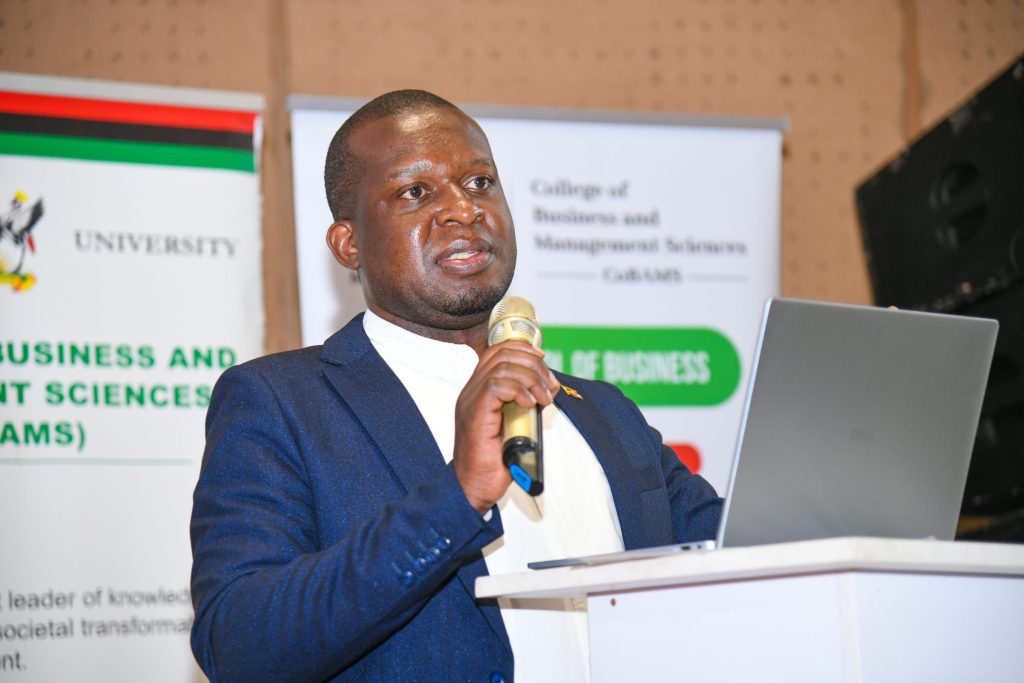
Drawing on Uganda’s electric vehicle innovation journey, Dr. Mwikirize emphasized the importance of perseverance. He urged young innovators to challenge conventional thinking and ignore skeptics who doubt their ideas.
Achieving Uganda’s Tenfold Growth Strategy requires sustained economic growth driven by science, technology, innovation, and industrialization, he noted. To guide them, he challenged student entrepreneurs to adopt six core principles hidden within the acronym TENFOLD:
- Trouble: Identify real-world problems and develop practical solutions.
- Evidence: Prove that your innovations work to convince customers.
- Numbers: Understand your business figures beyond the daily hustle.
- Others: Build strong networks, teams, and strategic partnerships.
- Long Game: Recognize that genuine business success takes time.
- Discipline: Deliver on your promises with honesty and unwavering integrity.
Embrace Flexibility and Patriotism
Hon. Kasigwa Gerald, Member of Parliament for Kigorobya County, encouraged the students to remain flexible and look for opportunities outside their primary fields of study.
“Flexibility and a willingness to learn are essential for navigating a rapidly changing job market,” Hon. Kasigwa noted.
Underscoring the values of honesty, patriotism, and commitment, the legislator appealed to the youth to cultivate strong ethical foundations as they build their enterprises. He implored them to prepare for their roles in Uganda’s future through deliberate planning, continuous self-improvement, and hard work.
Champion the Commercialization of Innovations
The Dean of the School of Business, Associate Professor Godfrey Akileng, highlighted the vital role of entrepreneurship education in equipping students with real-world business skills. He encouraged them to cross-pollinate ideas, learn from industry experts, and build networks to successfully commercialize their research.
Prioritise Students’ Innovation
Commending the University Management and partners for their continued support, Assoc. Prof. Akileng invited participants to the upcoming Students’ Entrepreneurship Expo at Freedom Square, urging the youth to transform raw ideas into sustainable enterprises.
Dr Jude Mugarura, Head of the Department of Marketing and Management, reiterated the urgency of this educational shift.
“Entrepreneurship offers an opportunity to strengthen partnerships, promote wealth creation, and advance Uganda’s economic transformation and self-reliance,” Dr Mugarura said.
He called on government agencies and private-sector partners to step up with funding, regulatory guidance, incubation facilities, and market access. He noted that the upcoming Expo at Freedom Square would showcase breakthroughs in agriculture, technology, healthcare, and sustainable business models.
Fostering a Culture of Innovation
Dr. Sarah Bimbona, Director of the Makerere University Entrepreneurship and Outreach Centre (MakEOC), noted that the congress serves as a bridge connecting students directly with established industry titans and government regulators.
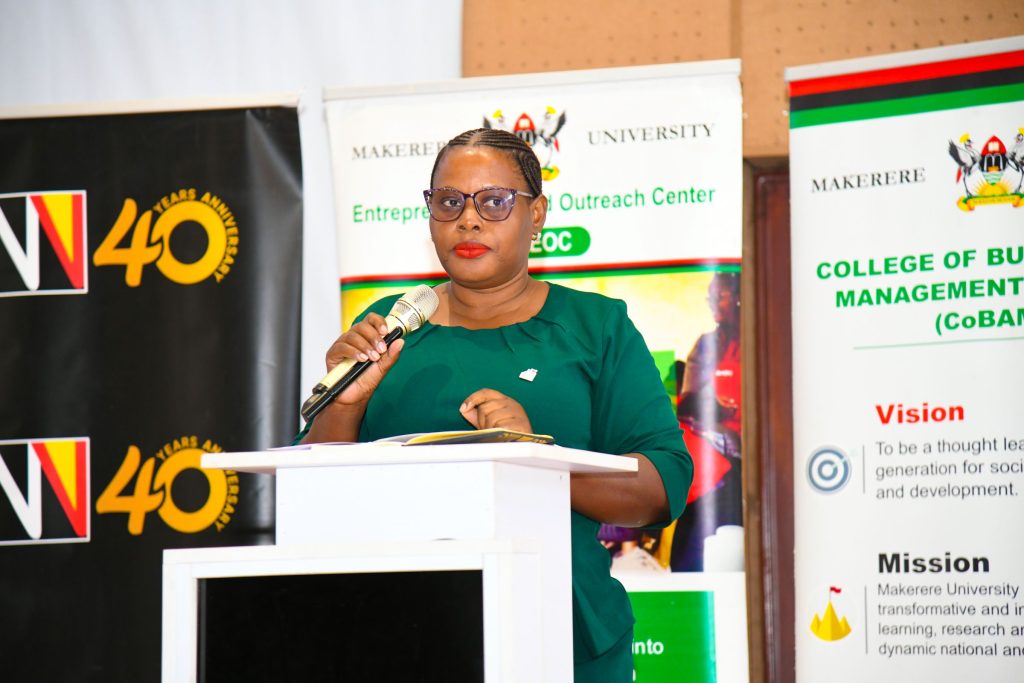
She emphasized that Makerere must nurture an internal culture where students graduate with viable businesses rather than just job applications.
“Every student from Makerere University should leave the university with an idea, a company, or an innovation that is going to help them transform their lives,” Dr. Bimbona stated.
She called for the creation of dedicated, well-equipped campus innovation spaces to help students transition their conceptual models into sustainable, job-creating enterprises.
Turning Ideas into Viable Businesses
A major highlight of the congress was a high-level panel discussion, moderated by Dr. Sarah Bimbona, which focused on transforming raw concepts into market-ready ventures capable of attracting customers, investments, and strategic partners.
The panel brought together key experts from finance, media, tech, and regulation, including:
- Mr. Hannington Musimenta, Manager of Programme Development at Uganda Development Bank (UDB)
- Ms. Lorraine Tukahirwa, Head of Marketing and Communications at Vision Group
- Mr. Boris Mugisha, Co-founder and Head of Operations at Tubayo
- Mr. Ronald Tumuhairwe, Public Procurement and Disposal of Public Assets Authority (PPDA)
The panelists collectively underscored that generating a brilliant idea is only the first step. To survive, entrepreneurs must pivot toward building business models grounded in real market demand, strict financial discipline, and deep customer trust.
Rather than waiting for massive capital, the experts encouraged aspiring youth entrepreneurs to start with manageable operations, maintain impeccable financial records, and seek institutional mentorship to scale sustainably based on proven performance.
Youth-Driven Innovation
Sharing her personal entrepreneurship journey, Ms. Devin Ester Ambayo, a student leader and entrepreneur at Makerere University, encouraged her peers to look closely at local problems and transform them into sustainable business opportunities.
She applauded CoBAMS for organizing the congress, noting that the event provides a vital platform for students to build confidence, master pitching skills, and network directly with seasoned industry figures.
The 4th Entrepreneurship Congress was moderated by Dr. Kasimu Ssendawula, a faculty member at CoBAMS, who was assisted by student co-moderators Ms. Yvonne Nakungu and Ms. Connie Nansubuga.
Precursor to the 10th Annual Students’ Expo
The successful conclusion of the 4th Uganda-Makerere Entrepreneurship Congress lays fertile ground for the 10th Annual Makerere University Students’ Entrepreneurship and Innovation Expo, scheduled for 30th October 2026 at the Freedom Square.
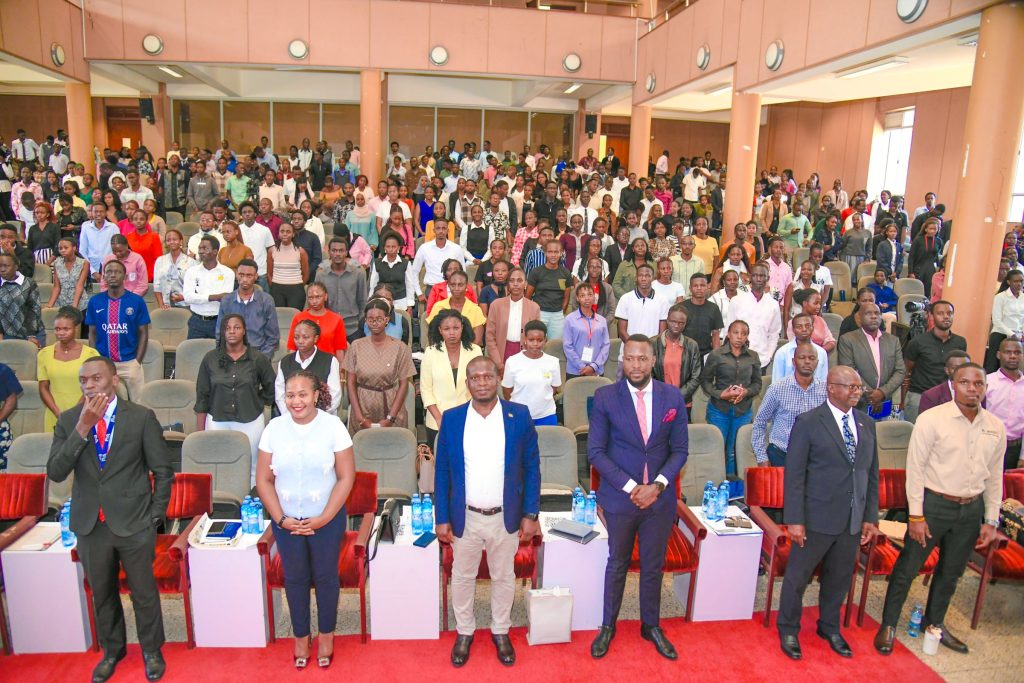
Running from 8:00 AM to 5:00 PM, the landmark expo provides a massive platform for over 900 students to showcase their entrepreneurial and innovation potential.
The student exhibitors and young entrepreneurs are drawn from the following academic programmes across the university, including:
- Bachelor of Commerce (Year 1)
- Bachelor of Business Administration (Year 2)
- Bachelor of Arts with Education (Entrepreneurship)
-

 General4 days ago
ADVERT: Mature Age Entry Scheme Examinations – 2027/2028
-
 Business & Management2 weeks ago
PIM CoE equips Public Officers to Make Better Public Investment Decisions
-
 Agriculture & Environment7 days ago
What two weeks with Farmers in Mwera, Mityana, taught Makerere’s PhD Students about Agricultural Innovation
-
 General6 days ago
MURBS Presents FY 2025/26 Performance with 15% Growth
-
 General2 weeks ago
Makerere Strengthens Doctoral Training Through BURST-Excel Research Network