Connect with us

Education

Writing Right: Enhancing academic writing among post graduate students

Published

on

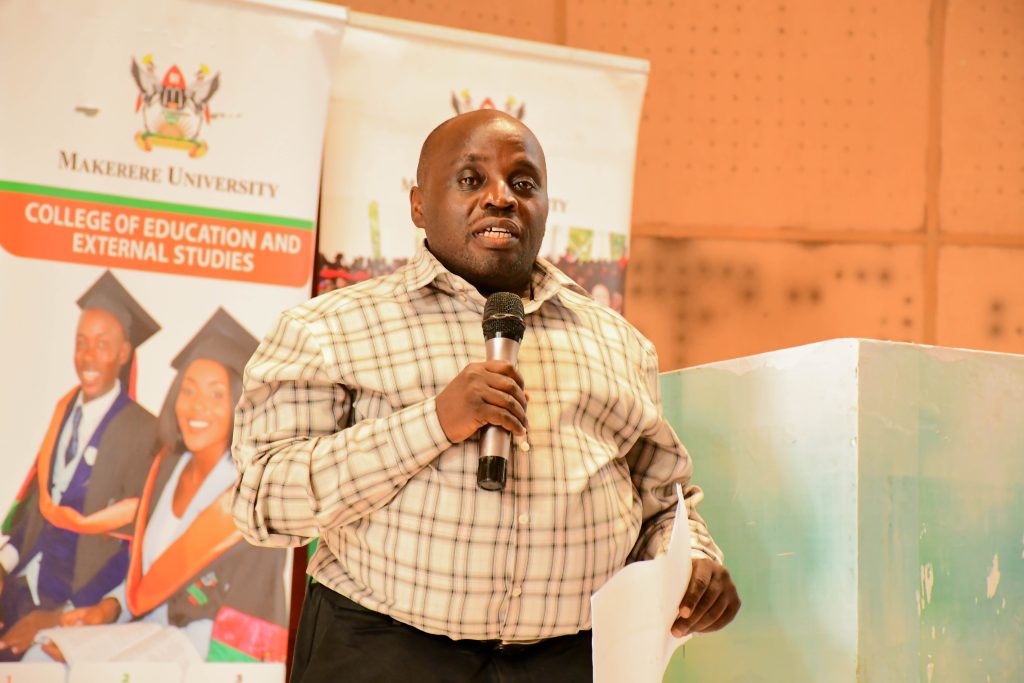
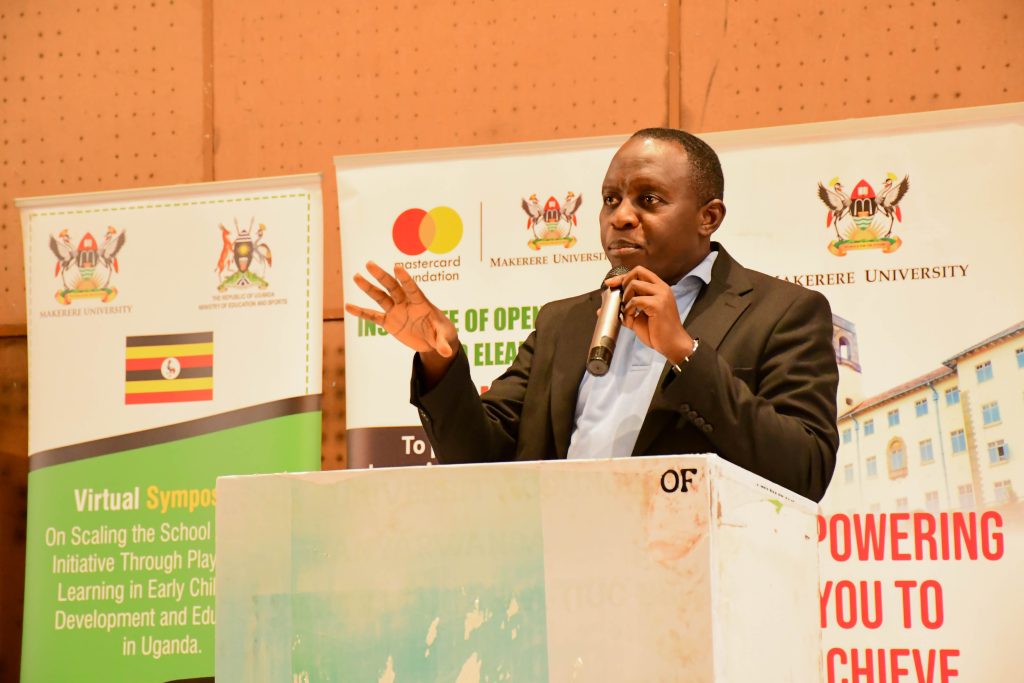
Lack of extensive reading is one of the reasons individuals find academic writing burdensome. Whether it is writing an essay or a dissertation, every academic document demands adequate research. This is one of the reasons presented for poor academic writing, during a stakeholders’ inception and consultation workshop ahead of the start of a research study titled, Writing Right: Enhancing academic writing and research among post graduate students in public universities in Uganda.

The study, which aims at establishing the attitude of students on academic writing and research skills, is spearheaded by Dr. John Kalule of the School of Education, College of Education and External Studies (CEES). The study also seeks to establish lecturers’ perception of students’ scholarly writing as well the influence of university support on students’ academic writing. The study seeks to establish interventions that aim at improving academic writing by students.
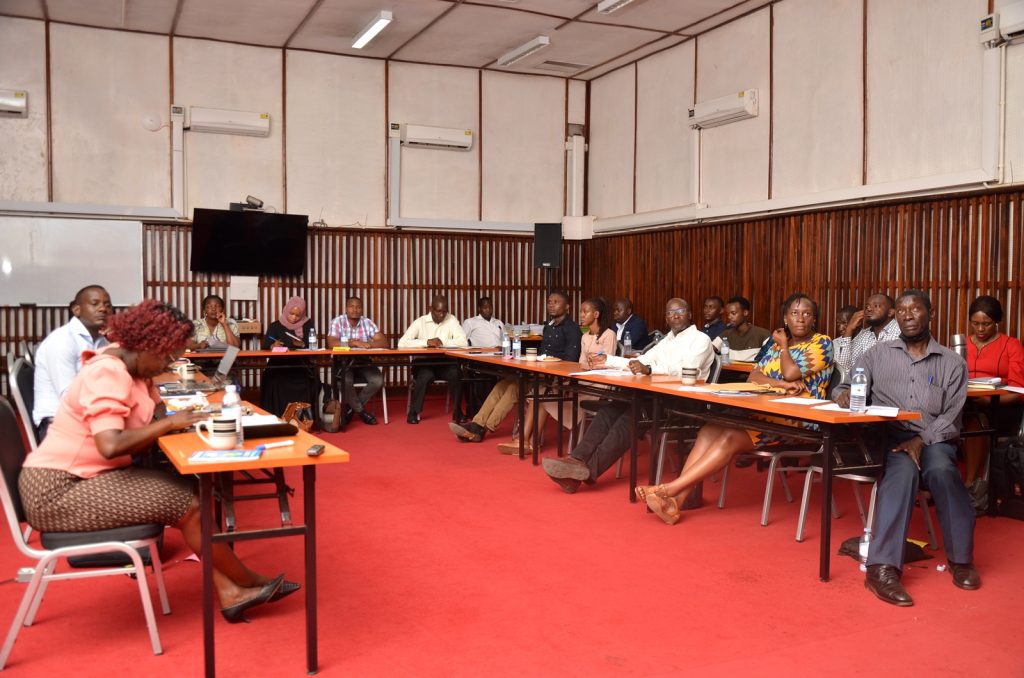
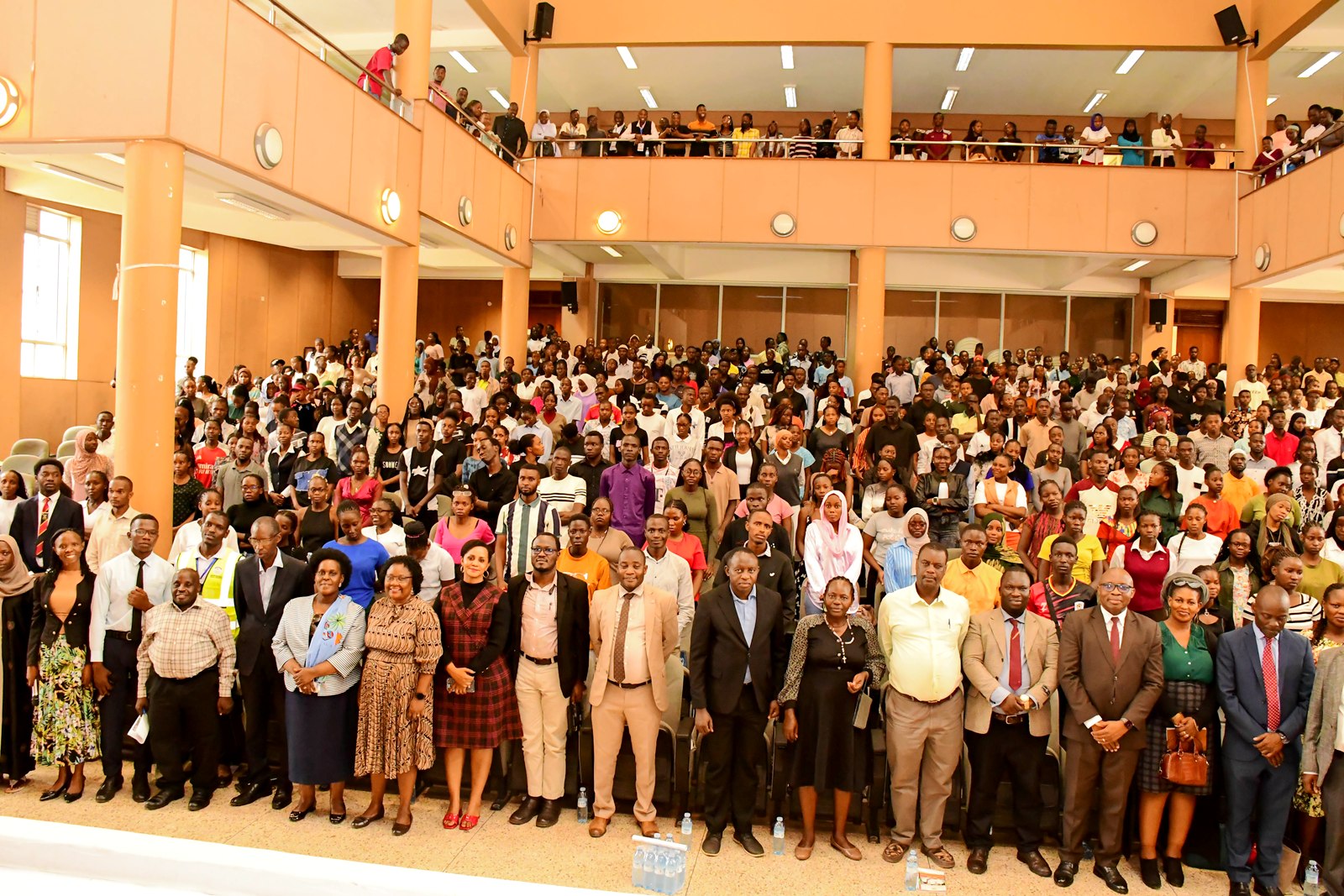
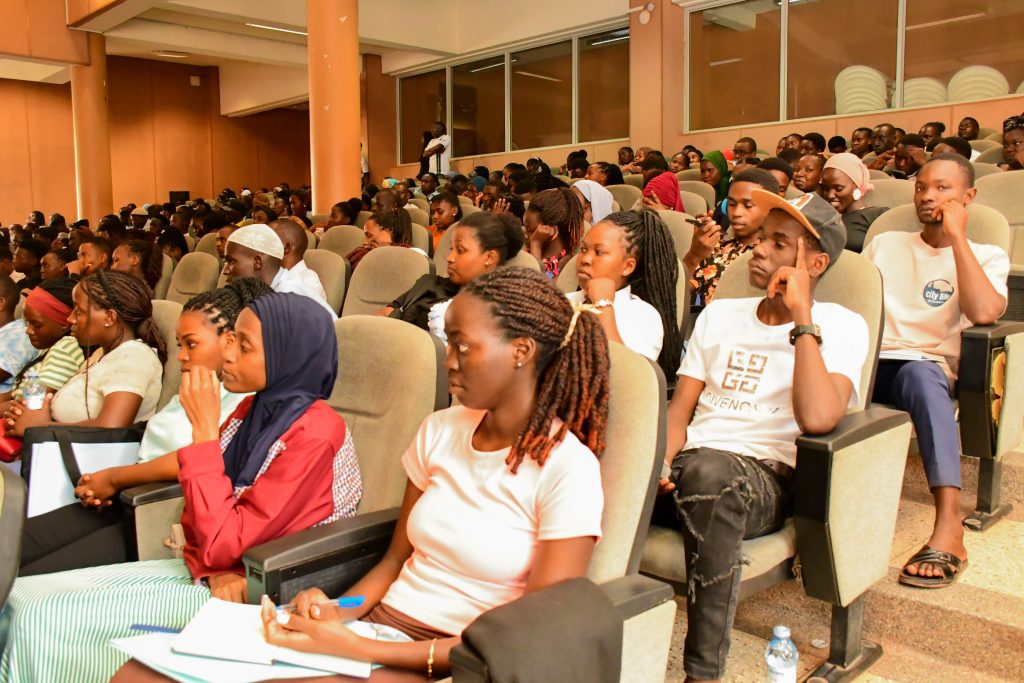
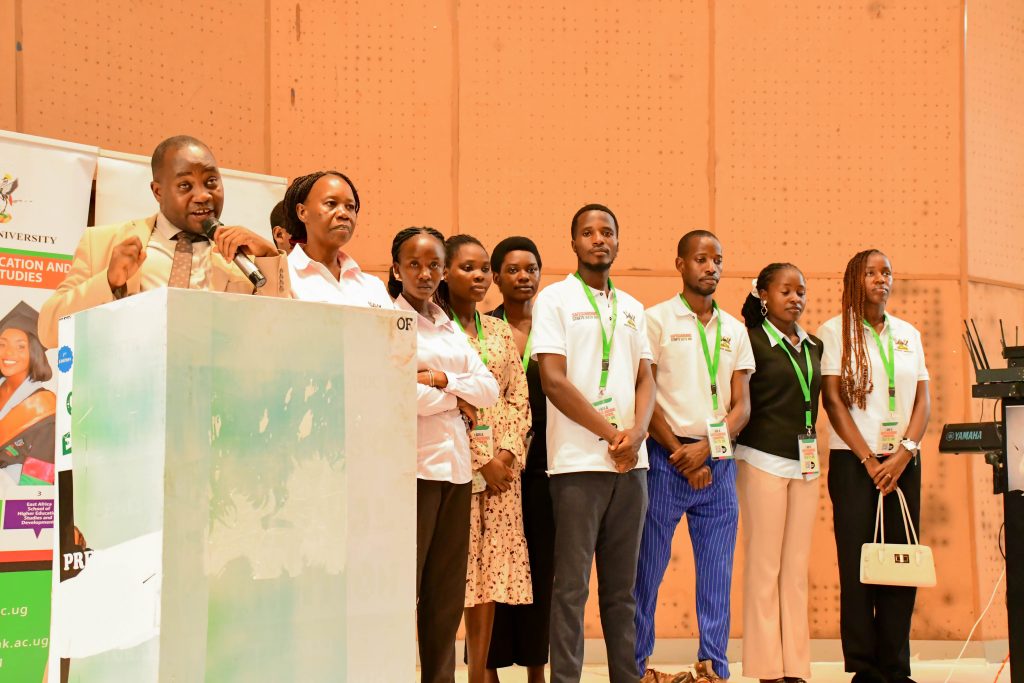
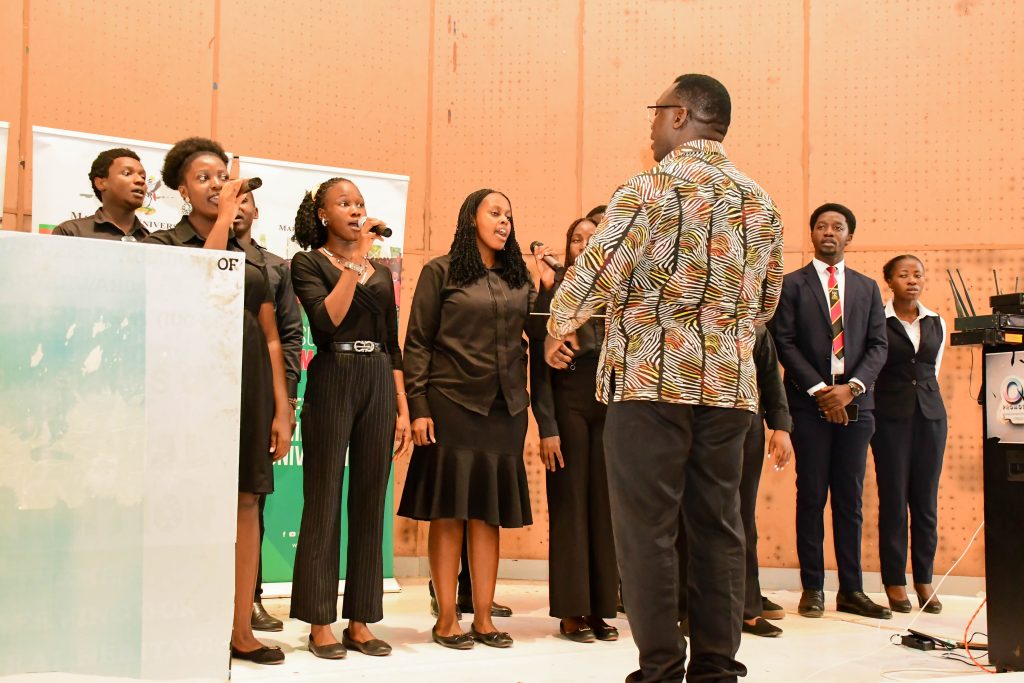
Some of the staff and students from Makerere and Kyambogo University that attended the stakeholders' meeting on Writing Right.
Some of the staff and students from Makerere and Kyambogo University that attended the stakeholders’ meeting on Writing Right.

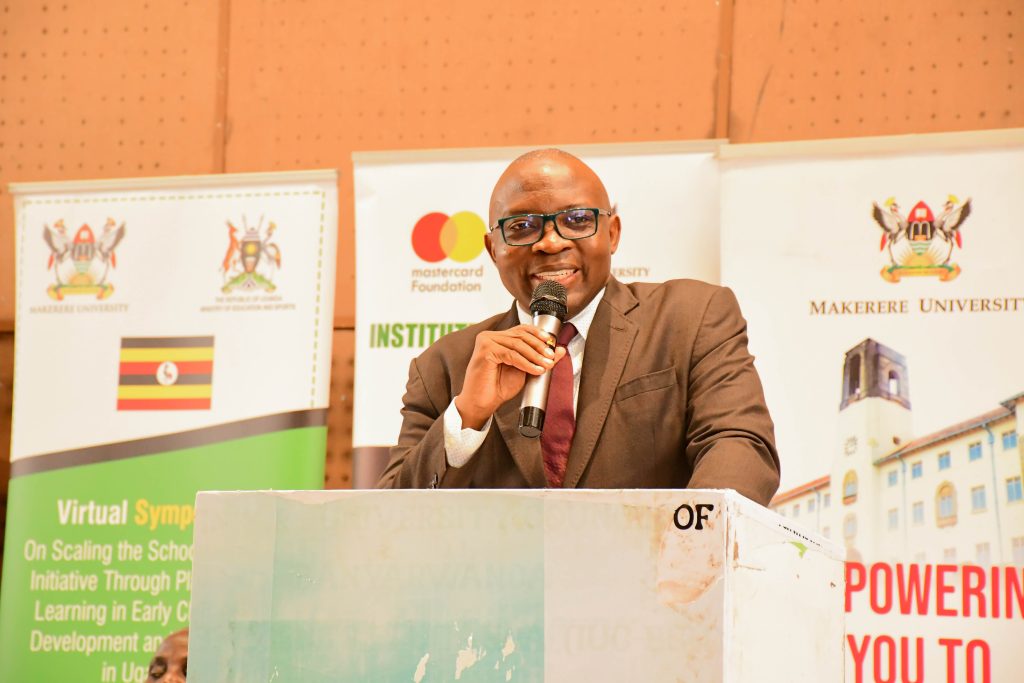
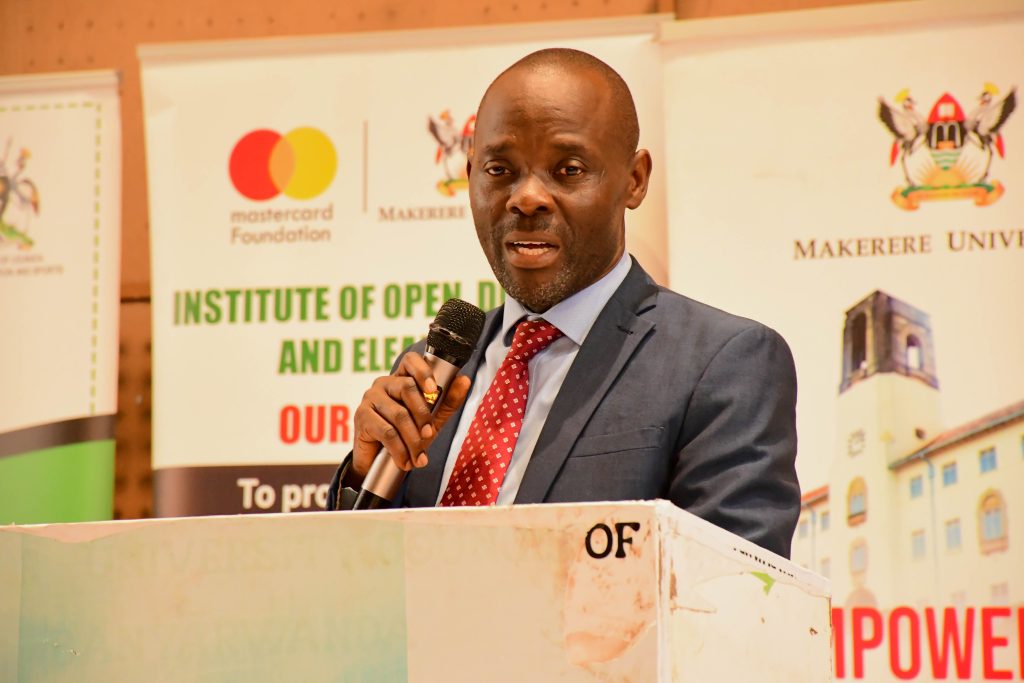
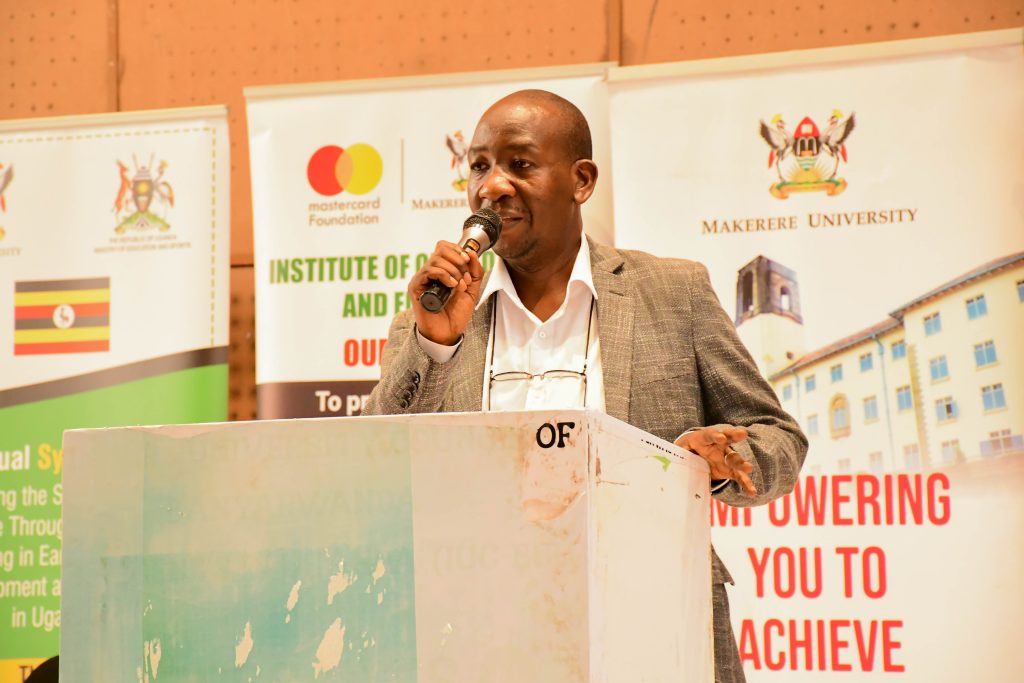
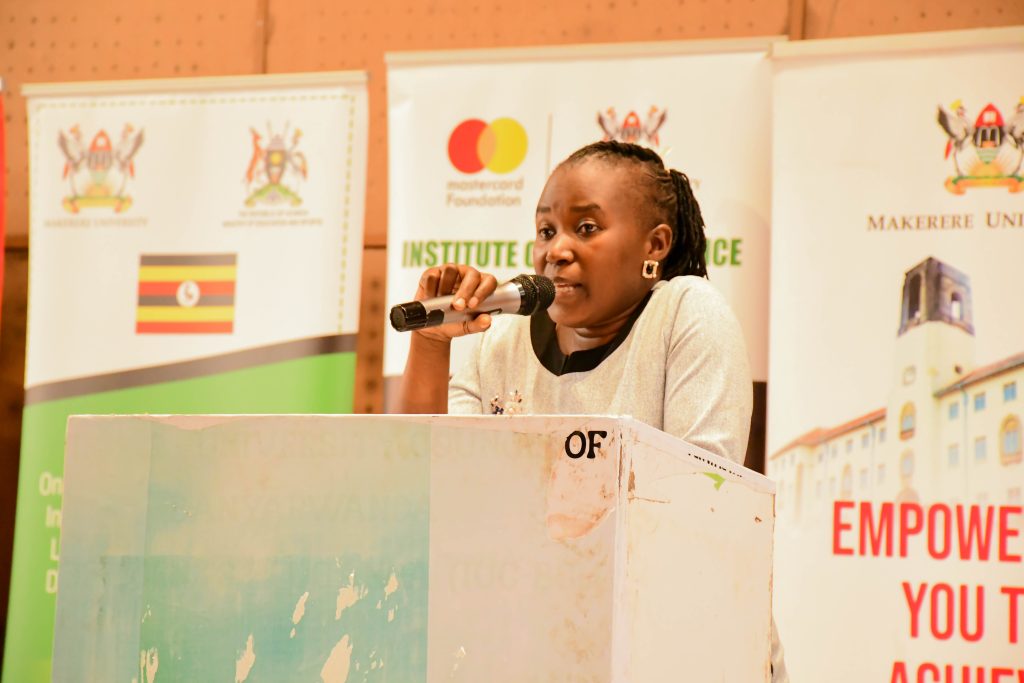
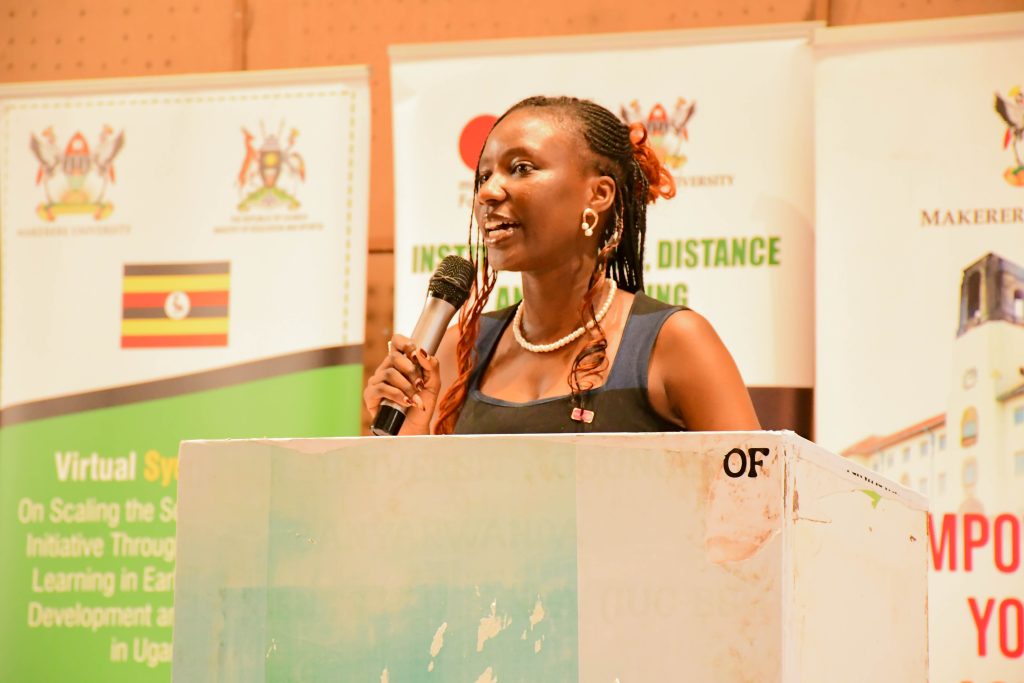
During a stakeholders meeting held on March 9, 2023 in AVU room, Makerere University, the participants shared their views on the subject matter. The staff shared some of the challenges they encounter with students’ writing. Some of them include a poor reading culture, plagiarism, language editing, content organization, choosing the right methodological approach among others. The students also shared their difficulties with scholarly writing. Majority find that it is not appealing while some others find it a complex activity. Other students cited lack of access to reputable data bases and the internet failure. Others cited supervision challenges.

The participants were advised on things they can do to be able to improve their writing skills. Dr. Kalule advised students to read extensively on both topics in their field and those that fall outside their area of expertise. He advised the students to seek out and work with experienced colleagues, talk to others about their academic writing and publication experiences, ask questions and attempt to review papers of senior colleagues. This he said is one of the best hands-on way to learn what makes a great writer and what doesn’t.
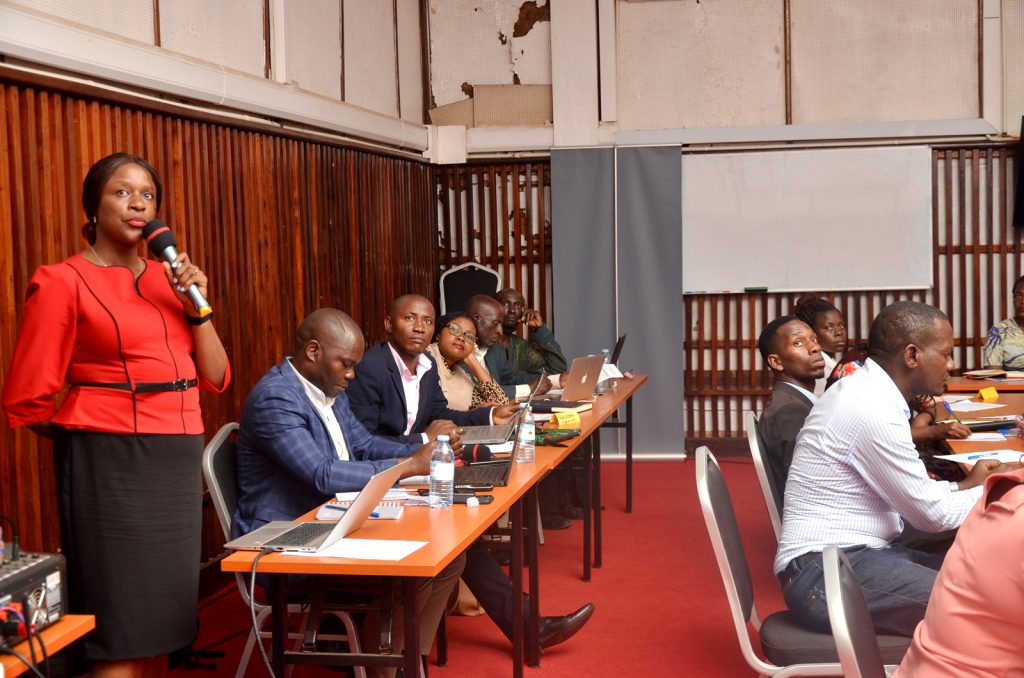
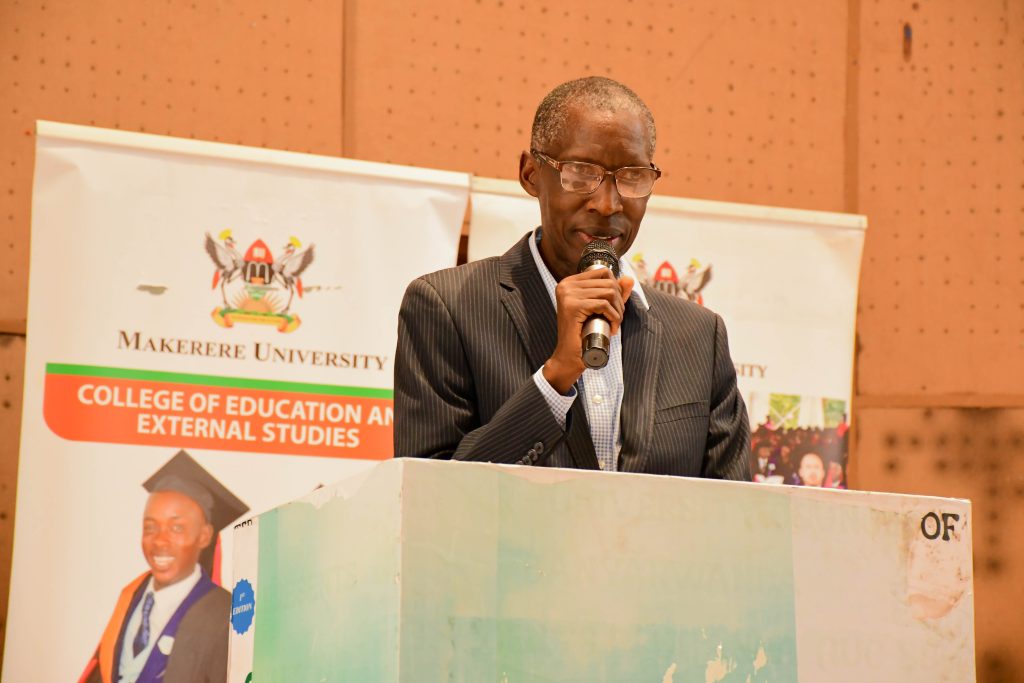
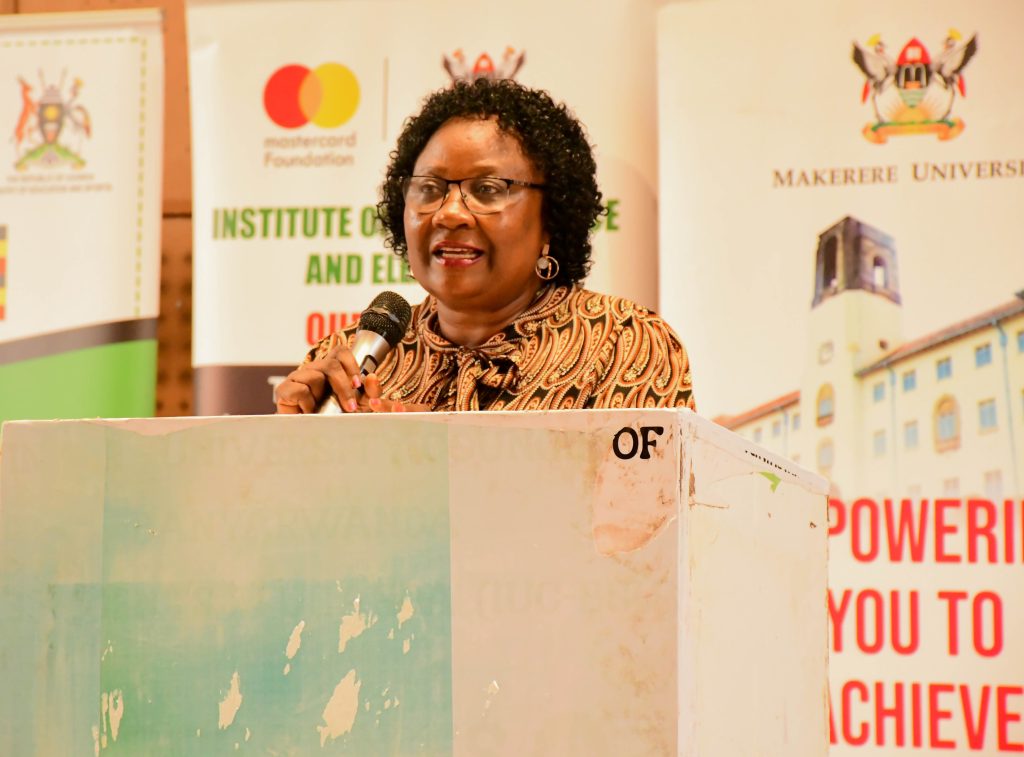
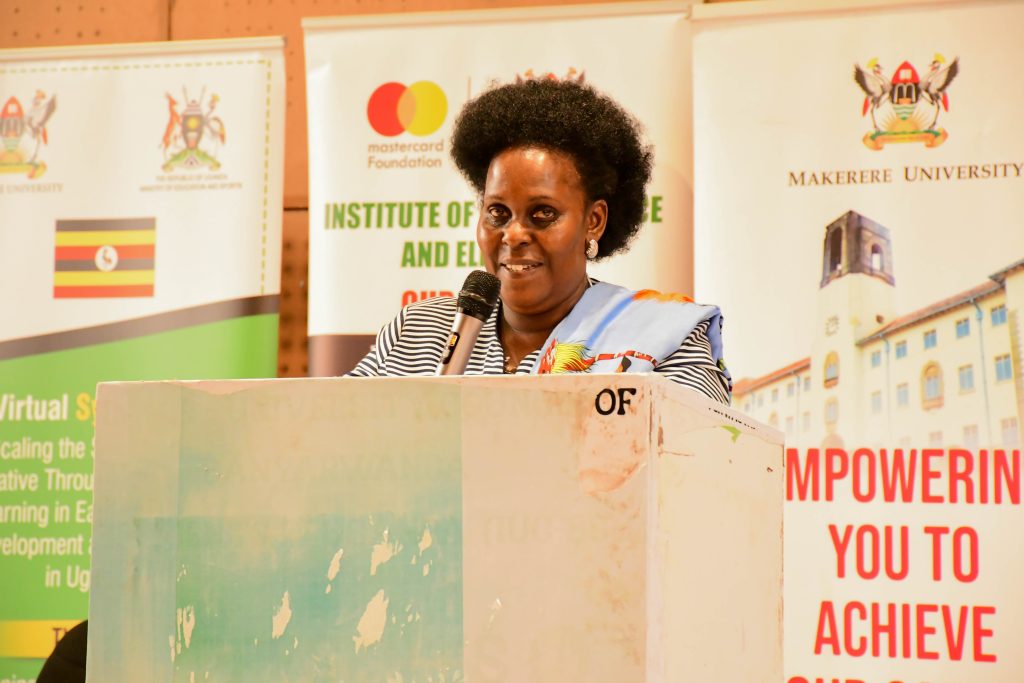
The Research Study Co-PI, Dr. Dorothy Sebbowa (Left) makes her presentation.

He also shared some elements of academic writing which include clear organization, word choice, tone, citations, arguments developed with evidence and the structure of the argument.

At the end of the study, the research team hopes to come up with short training courses in form of continuous professional development on academic writing and research for students and academic staff, manuals on academic writing and web-designed application in academic writing and research.

The workshop in AVU room attracted staff and students of Makerere and Kyambogo University.  Similar engagements will be done in Busitema, Gulu and Kabale University.

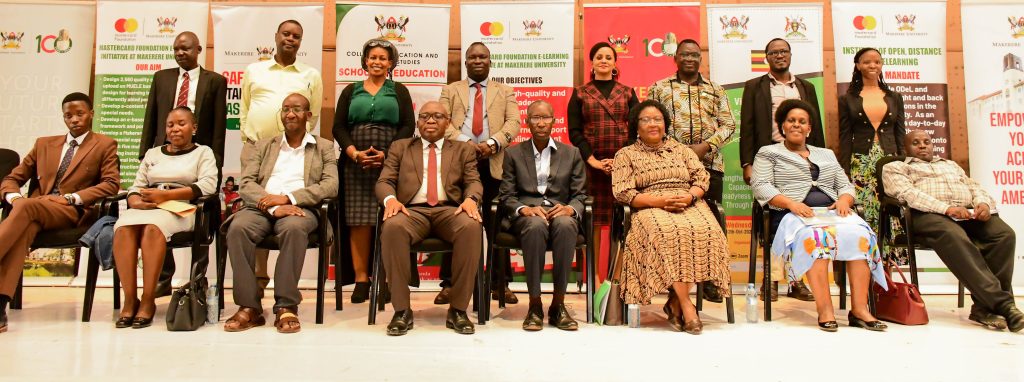
The research team

  1. Dr. John Kalule – PI
  2. Dr. Dorothy Sebbowa – Co PI
  3. F. Ssali – Team member
  4. Dr. Edward Masembe – Team member
  5. J. Mwebaze – Team member

Betty Kyakuwa
Betty Kyakuwa

Education

Building Education System Resilience in a Poly-Crisis: Regional Perspectives

Published

on

Building Education System Resilience in a Poly-Crisis: Regional Perspectives. Photo: RAN, Makerere University School of Public Health (MakSPH), Kampala Uganda, East Africa.

By Israel Muwanguzi

In this blogpost, part of #TheSouthAlsoKnows blog series, Aranza Ballesteros, Cathrine Brun, Santiago Cueto, Khoi Vinh Dang, Thi Ly Le, Roy William Mayega, Krishneel Reddy, Rachel Saliba, Maha Shuayb, Anthony Ssebagereka, Julius Ssentongo, and Tetiana Zheriobkina bring together six regional perspectives on education system resilience as part of the GPE KIX Observatory on Education System Resilience initiative.      

In the context of a growing poly-crisis, complex challenges such as climate change, forced migration, conflict and economic shocks increasingly intersect and compound one another. These overlapping crises have direct and indirect effects on education systems, which are deeply vulnerable to the uncertainties of rapid change. Strengthening education system resilience — the capacity to not only withstand shocks but adapt and evolve over time — is therefore critical. While resilience sometimes risks becoming another buzzword, it has important implications for how education systems are understood, governed and supported. Yet there is still no clear consensus on what education system resilience means in theory or practice.

Through the Observatory on Education System Resilience initiative, implemented under the Global Partnership for Education (GPE) Knowledge and Innovation Exchange (KIX), six regional observatories are helping fill this gap. They are examining potential future disruptions to education systems and how resilience is understood and practiced within these systems — across GPE partner countries in Latin America and the Caribbean (LAC), sub-Saharan Africa, the Middle East and North Africa (MENA), Eastern Europe, the Caucasus and Central AsiaSouth and Southeast Asia, and the Pacific.

Emerging findings suggest that while understandings of resilience vary across contexts, and use of the term remains uneven in education policy documents, education systems in each region are integrating elements of risk reduction and preparedness planning, though often in reaction to past or ongoing crises. Findings also suggest that while policies recognize the needs of vulnerable learners disproportionately affected by shocks and disruptions, this rarely translates into targeted action, though gradual progress is being made.

Understanding resilience across contexts, knowledge systems and languages

Education system resilience is neither a fixed concept nor universally understood. Instead, it is shaped by local contexts and lived realities, Indigenous knowledges and the perspectives of different stakeholders. These influences are further reflected in language, as many local terms associated with resilience do not align neatly with the English concept. Resilience is often articulated through related ideas     —     such as school safety, disaster preparedness, learning continuity and educational quality improvement.

In countries frequently affected by disasters, resilience is often framed around awareness raising, preparedness, risk management and adaptation. This includes building safer schools, integrating disaster risk reduction (DRR) into curricula, and training teachers to respond to emergencies. Hurricane-prone Caribbean island states, for example, prioritize disaster-resilient infrastructure and plan for distance learning during hurricane season. In conflict-affected settings, resilience centres on finding alternative ways to keep education going when national systems falter or collapse. In South Sudan, amid conflict and climate shocks, resilience is closely linked to maintaining educational continuity through community-based contingency planning and by aligning school calendars with seasonal realities.

Indigenous knowledge systems frame resilience in ways that challenge narrow or technical definitions. In the Pacific region, resilience is inseparable from Indigenous ways of knowing which foreground communal identities and relational systems that connect people to land, ocean and spirit. Rather than a system’s ability to “bounce back”, resilience is understood as sustaining continuity across generations, preserving culture and collective wellbeing. Accordingly, resilience is cultivated through networks of kinship and communities that share responsibility for learning and survival. It is experienced as an ongoing cycle of adaptation that is deeply ecological and spiritual.

Language itself gives resilience distinct meanings in different contexts. In Arabic, several translations of “resilience” exist, each with distinct implications. The most common term, murūna (flexibility or adaptability), refers to adjusting to and coping with crises. Another widely invoked concept, sumūd (steadfastness), looks beyond survival to include resistance, dignity, liberation and the pursuit of a just future. With murūna, the focus is on whether a system can continue to function under pressure, whether or not that functioning aligns with community aspirations or meaningful educational outcomes.

Across regions, these nuances mean that resilience is often articulated through context-specific concepts rather than the term itself. In South and Southeast Asia, resilience is conveyed through a cluster of terms that emphasize coping with disruption, adaptation and the need to sustain learning under crisis conditions. In Eastern Europe, the Caucasus and Central Asia, educational resilience is more often described in terms of effectiveness, stability, adaptability, relevance, modernization, quality enhancement and sustainability.

The framing of resilience also varies by stakeholder, reflecting differing roles and priorities. In sub-Saharan Africa, national policymakers emphasize maintaining teaching and learning during crises while aligning resilience efforts with broader national agendas. Local communities and civil society organizations focus on community‑based action, resource availability and partnerships that safeguard learning at the local level. Teachers tend to define resilience as their ability to adapt pedagogical practices, manage changing learning environments, and continue teaching despite constraints.

Resilience in policy documents

Across regions, the term “resilience” is used unevenly in education policies, with more frequent references to related concepts like disaster risk management or system strengthening. It is often framed around selected components of system functioning rather than whole-system perspectives. In many contexts, individual resilience is emphasized over system-level capacities. Moreover, the term tends to appear mainly in documents produced or influenced by international development actors, who play an active role in shaping resilience agendas in both policy and practice.

In Eastern Europe, the Caucasus and Central Asia, “resilience” appears mainly in broad national development strategies: in education-specific documents, related concepts associated with crisis management and preparedness, DRR and climate adaptation are more commonly used instead. In LAC, resilience is largely absent from education laws and curricula but appears more often in education strategic plans — particularly in Caribbean countries — where it is linked to infrastructure, technology and innovation, student wellbeing and climate resilience. Across Pacific Island countries, the term is beginning to feature in education sector plans and regional frameworks such as the Pacific Regional Education Framework 2018-2030, albeit unevenly. When “resilience” appears, it is typically situated within adaptation and DRR rather than as a comprehensive education system resilience framing.

The emphasis placed on individual versus system-level resilience also varies. In LAC, resilience is more often framed around developing students’ skills for coping with shocks and disruptions. By contrast, education policies in Timor-Leste, the Philippines and Vietnam tend to reference both individual and system-level dimensions of resilience.

International development actors have played a central role in introducing resilience into policy discourse and shaping how it is operationalized, including through funding targeted areas such as DRR, emergency preparedness and school infrastructure improvement. Although this has expanded the space for resilience‑related work, it raises important questions about local ownership, cultural grounding and alignment with local priorities and practices. In the Pacific, Indigenous notions of resilience are rarely referenced by international actors, while in MENA, more local, justice‑oriented and transformative interpretations such as sumūd are overlooked.

Resilience in practice

Although the term is not always explicitly used, countries have developed a wide range of practices that align closely with resilience, shaped by lived realities and the dominant risks they face. Most of these practices focus on system strengthening, planning and responding to shocks and disruptions.

In the Pacific, recurrent natural hazards have led to school safety programs, emergency school feeding, multimodal learning, community-based contingency planning and investment in resilient infrastructure. In MENA, issues of conflict and displacement have led to measures such as double-shift schooling and digital and hybrid learning. In line with their understandings of resilience, most countries focus on practices that strengthen systems so they can withstand disruptions and ensure learning continuity and system functioning, rather than practices such as anticipation, planning, prevention and mitigation. This is the case in sub‑Saharan Africa, where education strategic plans refer to anticipation, planning, prevention and mitigation but concentrate primarily on system strengthening — such as by investing in ICT for distance learning, integrating DRR and decentralizing decision‑making to enable local action during crises.

Most existing practices tend to be reactive, addressing crises after they occur. Where forward-looking risk analytics and early warning systems exist, they are typically embedded in national DRR frameworks rather than education-specific plans. These frameworks call for continuous hazard monitoring, risk assessment that identifies vulnerable groups, and checks on infrastructure and school safety. Since the COVID-19 pandemic, many countries have placed greater emphasis on forward-looking monitoring and reporting. For instance, Saint Vincent and the Grenadines have started to promote school safety committees to strengthen preparedness. But approaches remain uneven across regions. In practice, anticipation still leans on lessons from past shocks, with initiatives centered mainly on natural hazard forecasting and preparedness. While this focus is necessary, it can overlook other significant disruptions and limit readiness for new risks emerging at greater speed and scale.

Disproportionate impacts on vulnerable learners

Vulnerable groups are disproportionately affected during disruptions, as crises amplify existing inequalities and deepen barriers to education access and retention. Across regions, policy recognition of vulnerable learners rarely translates into targeted action to address their specific challenges. Resilience efforts tend to prioritize access and continuity, without adequately addressing the needs of vulnerable learners or tackling structural barriers that drive their marginalization.

In Eastern Europe, the Caucasus and Central Asia, countries have established legal frameworks promoting inclusive education, but implementation gaps remain: materials adapted for students with disabilities are limited, qualified teachers are concentrated in urban areas, and crisis response protocols rarely explicitly address vulnerable groups. In MENA, Africa and LAC, strategic plans likewise call for inclusion and identify barriers facing marginalized populations, but lack clear measures to overcome them.

Across regions, resilience efforts tend to prioritize maintaining access to education and continuity of learning. Far less attention is given to learning quality, socio-emotional wellbeing and the underlying issues that make some students more vulnerable to disruptions. This omission risks inadvertently reinforcing inequalities. For example, in Lebanon, inclusion is often framed around the enrolment of refugees or children with disabilities — without addressing intersecting inequalities such as poverty and unequal resource distribution that disproportionately limit access among these groups.

Despite these challenges, countries are taking steps to address the needs of vulnerable groups, including during crises. Remedial programs to reintegrate out-of-school children, enhanced digital connectivity for remote learning, more accessible school infrastructure and adapted learning materials are just a few examples. Sierra Leone’s National Policy on Radical Inclusion prioritizes access to quality education for marginalized groups — particularly children with disabilities, pregnant girls, rural learners and those from low-income households — by promoting inclusive learning environments and community engagement. Kyrgyzstan and Mongolia are strengthening digital access and skills to better connect students in remote and nomadic communities.

While the risks and crises differ across regions, the impacts on vulnerable groups tend to converge. Whether due to conflict, climate extremes or economic collapse — crises compound the barriers already faced by marginalized learners.

A need for comprehensive, locally owned resilience planning

Evidence from the Observatory initiative shows that education system resilience remains an evolving concept, with understandings in different regions shaped by lived realities, local knowledge and stakeholder perspectives. These differing views of resilience can be broadly seen as a spectrum — from reactive, short-term responses that focus on coping to more proactive, anticipatory and holistic approaches that strengthen systems over the long term and reduce reliance on crisis response. Resilience can be framed around specific system components or seen as a comprehensive, whole-system approach. Understandings of its aim range from sustaining existing education systems — including their flaws — to transforming these systems by addressing the root causes of vulnerability and fragility. These different framings have important implications for how education systems are governed and supported in the era of poly-crisis.

As disruptions become more frequent, complex and interconnected, we need to move beyond a narrow focus on emergencies toward a more comprehensive systems perspective. Making this shift requires integrating resilience into long-term planning and financing, with greater investment in foresight and anticipatory approaches. Regional observatories are addressing this gap by conducting horizon scans, developing future scenarios and promoting foresight practices among stakeholders. However, many countries have limited funding to address immediate crises, let alone build toward long-term education system resilience. Any such efforts tend to rely on technical and funding support from international development actors, which can create path dependency and limit national ownership.

Moving forward, reorienting education systems will likely require innovative approaches to financing and supporting their resilience. In a world of growing and intersecting disruptions, resilience can no longer be an add-on — it must become a core capability of education systems.

About the authors

The authors of this blog post are implementing partners of the GPE KIX Observatory on Education System Resilience initiative. Details about each regional observatory and implementing partner can be found on the GPE KIX website. Author names appear in alphabetical order by last name to reflect their equal authorship.

Article originally posted on RAN

Mak Editor

Continue Reading

Education

Makerere University Signs MoU with Fukui University to enhance Research, Teacher Development and STEM Education

Published

on

By Ritah Namisango and Monica Meeme

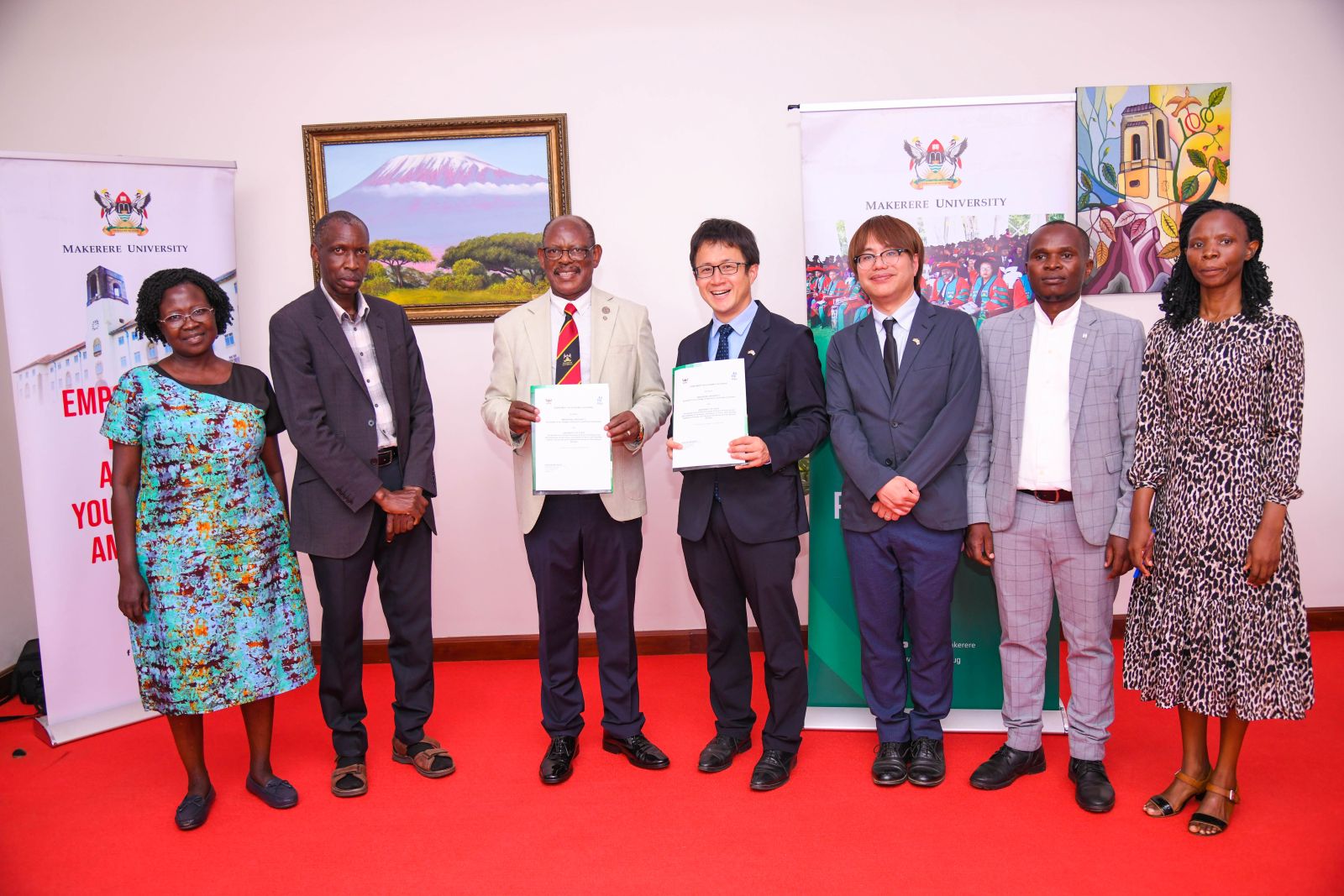
In June 2026, Makerere University and the University of Fukui in Japan, formalized their collaboration by signing a Memorandum of Understanding (MoU) to advance education through collaborative research, knowledge exchange and professional development of teachers.

The MoU was signed by the Vice Chancellor, Prof. Barnabas Nawangwe on behalf of Makerere University, and Dr. Yuu Kimura, the Dean, the United Graduate School of Professional Teachers on behalf of the University of Fukui.

The University of Fukui aims to promote world-class education and research in science and technology for people’s well-being, while providing advanced medical services to local residents. Makerere University is one of the oldest and leading institutions of higher learning in Africa. It is a renowned centre of academic excellence, research and innovations.

In the MoU, both universities commit to undertake academic and educational research, strengthen partnerships in education and ICT, promote joint international engagements, and enhance knowledge exchange and cooperation for mutual institutional development.

At Makerere University, the MoU signed by the Vice Chancellor on 12th June 2026, will be implemented through the College of Education and External Studies, Department of Science, Technology and Vocational Education (DSTVE). The Programme Coordinators include: Dr. Reymick Oketch-Principal Investigator, and Associate Professor Josephine Esaete with the College Principal-Prof. Anthony M. Mugagga providing the oversight function.  At the University of Fukui, the Programme Coordinators include: Associate Professor Kosaka Masato and Associate Professor Takuya Numajiri.

Exchange of the MoU between Makerere University and the University of Fukui

On 19th June 2026, the Vice Chancellor of Makerere University, Prof. Barnabas Nawangwe presented the MoU to the University of Fukui, Japan represented by Associate Professor Takuya Numajiri and Associate Professor Masato Kosaka.

The signing parties explained that the MoU institutionalizes the collaboration between Makerere University, College of Education and External Studies, Department of Science, Technology and Vocational Education (DSTVE) and the University of Fukui, the United Graduate School of Professional Teachers, which began in 2024.

Through this collaboration, the parties have been implementing the Japanese Lesson Study approach, a model that promotes teamwork among teachers through joint lesson planning, classroom observation, co-teaching, and reflective learning. “The initiative is aimed at improving teaching practices and enhancing the implementation of competence-based and activity-based learning in schools.”

As part of the partnership, Dr. Oketch reported that Makerere University works closely with secondary schools, including King’s College Budo and Kalinabiri Secondary School, where lecturers and teachers collaborate to improve classroom instruction.

Dr. Oketch pointed out that the collaboration encourages teachers to work together, share experiences, observe one another’s lessons, and adopt active teaching methods that improve learning outcomes.

“The programme also supports joint research to assess the effectiveness of these interventions in improving teacher performance and student learning outcomes,” stated Dr. Oketch.

Vice Chancellor proposes setting up of the Centre for Teacher Professional Development

In his remarks, the Vice Chancellor, Prof. Nawangwe praised the growing collaboration between Makerere University and the University of Fukui of Japan, describing it as a valuable partnership for strengthening teacher professional development through engagement, mentorship, and innovative teaching practices.

Reflecting on his earlier visits to Japan, the Vice Chancellor noted that his connection with the country has left a lasting impression on him and demonstrated the kindness, trust, and hospitality of the Japanese people.

The Vice Chancellor called upon the University of Fukui to support the ongoing efforts aimed at establishing a Centre for Teacher Professional Development at Makerere University, which would provide a strong platform for expanding collaboration and enhancing professional learning among educators.

“The Centre for Teacher Professional Development in Science in STEM (Science, Technology, Engineering and Mathematics) at Makerere University, will benefit educators in Uganda and beyond,” said the Vice Chancellor.

Valuable opportunities for addressing educational challenges

In his address, Associate Professor Masato Kosaka from the University of Fukui commended Makerere University for the growing partnership, describing the collaboration as an important milestone in advancing educational research and professional development.

He noted that the collaboration has already yielded valuable opportunities for engagement, including visits to secondary schools and discussions on joint research initiatives aimed at addressing educational challenges. “The interactions with secondary schools in Uganda have strengthened the shared commitment of both universities to improving education through collaboration, innovation, and research,” he said.

He expressed optimism that the signed MoU will deepen collaborative research, promote academic exchange, and create meaningful opportunities for students, educators, and researchers from both institutions in the years ahead.

A brief about the activities that led to the Signing of the MoU

In an interview with the CEES Communication Office, Dr. Reymick Oketch, the Principal Investigator and a Biology Teacher Educator, explained that the MoU was signed during the two-week visit by delegates from the University of Fukui, Associate Professor Takuya Numajiri and Associate Professor Masato Kosaka, to Makerere University, College of Education and External Studies, Department of Science, Technology and Vocational Education.

He highlighted the growing impact of the collaboration in strengthening teacher education and STEM learning. He emphasized the importance of teacher capacity development that promotes teamwork, peer support, and reflective learning.

Dr. Oketch disclosed that the partnership extends beyond research and classroom practice to include staff and teacher exchange programmes between Uganda and Japan. “Educators from both countries have been presented with opportunities to observe teaching methods, share experiences, and learn from one another,” he said.

The collaboration has opened pathways for further education, with selected teachers receiving opportunities to pursue advanced studies in Japan. He encouraged educators and student teachers to embrace collaborative teaching, reflective practice, and learner-centered approaches that place students at the heart of the learning process.

Mak Editor

Continue Reading

Education

Makerere Vice Chancellor tasks CEES to re-position into Africa’s leading Centre for Graduate Training and Education Research

Published

on

Prof. Barnabas Nawangwe with Members of Management, CEES Leadership and Staff after the engagement on 16th June 2026. The Vice Chancellor, Prof. Barnabas Nawangwe and Management's engagement with the College of Education and External Studies (CEES) Leadership and Staff, 16th June 2026, Makerere University, Kampala Uganda, East Africa.

“Graduate Training, especially PhD production, is at the heart of Makerere University’s strategy for growth, national transformation and Africa’s development,” stated Prof. Barnabas Nawangwe, the Vice Chancellor.

The Vice Chancellor made the pronouncement during his visit to the College of Education and External Studies (CEES) on Tuesday 16th June 2026. The meeting which started at 2:00pm, focused on strengthening graduate training and research at Makerere University, and positioning CEES as the leading centre for graduate training and educational research in Africa.  

This discourse comes at a time when Pan-Africanists, the African Union, governments, universities and research institutions, are pushing for a more dominant role of Africa in global research and development. To realise this agenda, one of the key targets involves the training of 1 million PhDs in the next 10 years.

The strategic plan stipulates the transition of Makerere University into a research-led institution, a strategic direction that positions the University, to significantly contribute to Africa’s development and transformation through graduate training, research, innovations and community impact.

“Africa must train 1 million PhDs in the next 10 years. Makerere University must lead and make its impact. Graduate Training is our core strategy for the future. We must significantly increase graduate student numbers. We have the expertise and academic strength to train many more, with strict adherence to quality assurance and academic standards,” said the Vice Chancellor.

Prof. Barnabas Nawangwe. The Vice Chancellor, Prof. Barnabas Nawangwe and Management's engagement with the College of Education and External Studies (CEES) Leadership and Staff, 16th June 2026, Makerere University, Kampala Uganda, East Africa.
Prof. Barnabas Nawangwe.

The Vice Chancellor’s engagement with faculty and staff on PhD training is focused on the need to consolidate the gains so far achieved. At the 76th graduation ceremony of Makerere University (24th to 27thFebruary 2026), a total of 213 students graduated with PhDs. Out of these, the College of Education and External Studies presented the highest number, a record 27 PhD graduates.

Acknowledging the positive contribution of CEES to PhD training, the Vice Chancellor’s engagement with the college leadership, faculty, researchers and staff was aimed at leveraging this strength to support higher education development in Africa.

At the College level, the meeting brought onboard, Prof. Anthony M. Mugagga-Principal, Prof. Ronald Bisaso-Deputy Principal, Associate Prof. Mathias Mulumba Bwanika, Dean-School of Education, Dr. Harriet Nabushawo, Dean-School of Distance and Lifelong Learning, Associate Prof. Jude Ssempebwa-Dean, East African School of Higher Education Studies and Development, Heads of Departments, Teaching and Research Centres, Coordinators of Graduate Training, Senior faculty, researchers and staff.

At the University level, given the centrality of CEES to Makerere University’s mission of advancing knowledge, building capacity, and transforming lives, the meeting attracted the following University Officials who enriched the discourse on graduate training and research: Prof. Henry Alinaitwe- Deputy Vice Chancellor (Finance and Administration), Prof. Buyinza Mukadasi-Academic Registrar, Prof. Julius Kikooma-Director, Graduate Training, Prof. Robert Wamala-Director, Research, Innovations and Partnerships, Prof. Sylvia A.N. Nannyonga-Tamusuza-Head, Grants Administration and Management Support Unit (GAMSU), Associate Prof. William Tayeebwa-Managing Editor, Makerere University Press, Dr. Margaret Nagwovuma-representative from the Makerere University Technology and Innovation Centre, Prof. Fredrick Jones Muyodi-Head of the Makerere University Writing Centre, Mr. Andrew Mwesigwa-from Makerere University Library, and Mr. Gordon Murangira-Personal Assistant to the Vice Chancellor.

Vice Chancellor’s presentation to CEES

Prof. Nawangwe appreciated the College for championing the Competence-Based Education (CBC) agenda at Makerere University, other Universities in Uganda, and in the region. He commended the School of Education for training staff in teaching pedagogy, which is a core component in the delivery of teaching and learning at Makerere University.

Prof. Nawangwe’s presentation highlighted the following: Graduate training as a core strategy, the central role of CEES and teachers to national transformation, enabling increase in graduate student enrolment through online and flexible learning (IODel), adherence to quality assurance and academic standards, positioning Makerere as a continental leader, resource mobilization and sustainability.

Prof. Nawangwe makes his presentation. The Vice Chancellor, Prof. Barnabas Nawangwe and Management's engagement with the College of Education and External Studies (CEES) Leadership and Staff, 16th June 2026, Makerere University, Kampala Uganda, East Africa.
Prof. Nawangwe makes his presentation.

 CEES and national transformation

The Vice Chancellor reiterated the central role of preparing quality teachers and education professionals. “Teachers are critical to the nation. If we transform teachers, we transform the nation. Quality teacher education must be at the heart of what we do,” he stressed.

Online and Flexible Learning

Acknowledging the reality that many teachers and working professionals cannot leave their jobs to study, the Vice Chancellor called for the expansion of online and blended programmes. “Online and flexible learning will allow more people to study while staying where they are. This will significantly increase access and enrolment,” he said.

Resource mobilization and Sustainability

Submitting that growth requires adequate resources, the Vice Chancellor called upon staff and researchers to attract more partnerships, grants and subscriptions. He stated that increased enrolment and innovative programmes will strengthen sustainability.

Envisioning the desired future

According to the Vice Chancellor, if the College of Education and External Studies implements the aforementioned strategies, more PhDs will be trained, more teachers and professionals will be upskilled, online programmes will lead to greater access to education, stronger research output and impact will be registered, and as such, Makerere University will be recognized as Africa’s graduate training hub.

CEES Principal presents report on graduate training and research

Renowned for his consultative and team-building approach, Principal, Prof. Mugagga engaged staff and the various research teams, during the preparation for the Vice Chancellor’s visit to the College. Consequently, on 14th May 2026, staff and researchers, convened in the CEES Smart Room, to discuss and provide input, into the proposed College’s presentation on research and graduate training.  The members of staff agreed that the College’s presentation to the Vice Chancellor should feature the following: Graduate Training and Research at CEES, Research Priorities, Schools, Institutes and Centres, CEES Research and Graduate Training Strategy, Journals at CEES, the Books Project, Funding Challenges, Teaching, Learning and Quality Assurance, Knowledge Transfer Partnerships and Networking.

Principal presents CEES Research Priorities

Welcoming the Vice Chancellor and his delegation, the Principal mentioned that 16th June 2026, will be remembered as a special and historic day at CEES, with respect to the execution of graduate training and research.

Pleased to share a detailed report with input from staff and various research teams, the Principal outlined the following research priorities:

  • Graduate Training and Research (GTR)
  • Competence Based Education (CBC)
  • Inclusive Education
  • Teacher Wellbeing and Mental Health
  • Educational Technology
  • Science, Technology, Engineering and Mathematics (STEM)
  • Technical, Vocational Education and Training (TVET)
  • Early Childhood Education and Development
Prof. Anthony M. Mugagga. The Vice Chancellor, Prof. Barnabas Nawangwe and Management's engagement with the College of Education and External Studies (CEES) Leadership and Staff, 16th June 2026, Makerere University, Kampala Uganda, East Africa.
Prof. Anthony M. Mugagga.

Artificial Information (AI) Centre, and Development of Play materials for Children

On behalf of the College, Prof. Mugagga expressed the commitment of CEES to set up an AI Centre, as well as, developing play materials that are crucial in the children’s formative years, early child education, nursery and primary school levels. To appreciate this strategic approach, Prof. Mugagga called upon the Vice Chancellor and the University officials to read the works titled: The Challenges of Play materials in rural Uganda.

CEES Research and Graduate Training Strategy

The Principal presented that the College had embarked on a wide plan to build a robust research-culture promoting practitioner action research and aligning graduate programs with macro policies such as the Competence-Based Curriculum (CBC) implementation, inclusive education, teacher well-being and mental health, the National Teacher Education Policy 2019, Uganda’s Early Childhood Care and Education (ECCE) Policy 2026, the National Development Plan (NDP IV),  Uganda’s Vision 2040 agenda, plus other relevant global policies such as the Sustainable Development Goals-UN SDGs Agenda, and the Makerere University Strategic Plan.

Research Institutes and Centres

The Principal reported that the following institutes and centres are crucial in the promotion of graduate training activities and research:  Makerere Institute of Teacher Education and Research (MITER), Centre for Teaching and Learning Support (CTLS), Makerere University Early Childhood Care and Education Research Centre, The Centre for Wisdom Pedagogy (CWP), The Centre for Lifelong Learning (CLL), and the Institute of Open, Distance and e-Learning (IODel).

Research Outputs and Projects

The Principal outlined some of the following research outputs and projects: Competence-Education Blueprint designed to transition higher education regulators and universities toward CBE in East and West Africa, MiSet Project-Mindset Change and Social Economic Transformation from the People’s World, PhD Pedagogy and Mapping, Department of Adult and Continuing Research Seminar Series, Online postgraduate diploma in Education and the ongoing curriculum development steps, CEES and the National Council for Higher Education are implementing the TRUCE project (funded by the European Union) to transition East and West African Universities to Competence Based Education, Competence-Based Curriculum (CBC) Exhibition, and School Stakeholders Workshop.

Book Projects and Journals at CEES

The meeting noted in partnership with the Makerere University Press (MakPress) several books on different disciplines have been authored by CEES faculty members, and old journals in the Education Journals are being revitalized. The MakPress scans the old journals, applies for the ISSN, and ensures that articles are given the digital object identifier.

The College Journals include:

Makerere Journal of Higher Education (MAJOHE) (ISSN: 1816-6822 [print]; 2707-6113 https://www.ajol.info/index.php/majohe

Makerere University Journal of Research and Innovations in Teacher Education (RITE) https://rite.mak.ac.ug/editorial-board

The College is also in advanced stages of re-establishing the Uganda Journal of Education.

Key Challenges affecting graduate training and research at CEES

The Principal reported that the desire for CEES to become a graduate training hub is constrained by the following factors: Low staffing levels, financial constraints, and overwhelming workload for staff with respect to teaching, learning and supervision.

Low staffing levels: CEES faces a challenge of under-staffing in both academic and administrative units.                                        

Financial constraints: “The budget is inadequate. We are running the same budget for the last five years, yet the College has new programmes, and subject areas, which have raised the undergraduate student numbers by almost 1000 more students,” he revealed.

Overwhelming supervision workload: Each supervisor at CEES has over 16 PhD and Masters’ students to supervise. The overwhelming workload for staff in teaching and learning affects time dedicated to research and supervision.  In addition, “Graduate supervision is not officially considered as a teaching load except during promotion or at post retirement contract.”

A section of CEES staff at the engagement. The Vice Chancellor, Prof. Barnabas Nawangwe and Management's engagement with the College of Education and External Studies (CEES) Leadership and Staff, 16th June 2026, Makerere University, Kampala Uganda, East Africa.
A section of CEES staff at the engagement.

Wrapping Up

After listening to the detailed presentation by the CEES Principal, and the brief reports from the ten (10) offices/entities, which indicated the existing working relationship with the College, the Vice Chancellor congratulated the College leadership and staff upon the milestones in teaching and learning, research, graduate training, teacher education, and knowledge transfer partnerships.

Responding to the issue of graduate financing, the Vice Chancellor revealed that he had noted the concerns raised in the College’s presentation, and pointed out that the views therein will enrich his submission to government as he puts across a strong case for funding.

The Vice Chancellor informed the faculty members at the College that the University Management had embarked on discussions and consultations aimed at providing incentives to staff who supervise PhD students. “The issue of incentivizing staff who supervise PhD students is being discussed by the University Management. We will prioritize this key component of graduate training,” he said.

On the issue of limited space for graduate students, and their supervisors, the Vice Chancellor informed the meeting, that this was being addressed through the USD 8 million investment building for graduate training and research (being constructed opposite Lumumba Hall of Residence).

Vote of Thanks

The Deputy Principal, Prof. Ronald Bisaso, expressed the readiness of the College to continue working with the University leadership, staff and stakeholders to align CEES programmes with the University-led agenda.

Prof. Ronald Bisaso (C) with Dr. David Kabugo (L) and Dr. Harriet Nabushawo (R). The Vice Chancellor, Prof. Barnabas Nawangwe and Management's engagement with the College of Education and External Studies (CEES) Leadership and Staff, 16th June 2026, Makerere University, Kampala Uganda, East Africa.
Prof. Ronald Bisaso (C) with Dr. David Kabugo (L) and Dr. Harriet Nabushawo (R).

“We commit to do much better. We commit to engage with the various Offices to propel the Makerere University research-led agenda. We will continue to be intentional on graduate training and research,” he said.

East African School of Higher Education Studies and Development

The meeting climaxed with a brief tour the Vice Chancellor, and the University Management Members, to the East African School of Higher Education Studies and Development. Spearheaded by the Dean, Associate Prof. Jude Ssempebwa, the engagement at this particular entity, focused on gaining a deeper understanding and appreciation of the mandate of the East African School of Higher Education Studies and Development in graduate training and research.

Stakeholders at the East African School of Higher Education Studies and Development (EASHESD). The Vice Chancellor, Prof. Barnabas Nawangwe and Management's engagement with the College of Education and External Studies (CEES) Leadership and Staff, 16th June 2026, Makerere University, Kampala Uganda, East Africa.
Stakeholders at the East African School of Higher Education Studies and Development (EASHESD).

Conclusion

The meeting which underscored the centrality of the College of Education and External Studies (CEES) to Makerere University’s mission of advancing knowledge, building capacity, and transforming lives ended at 6:00pm.

Ritah Namisango
Ritah Namisango

Continue Reading

Trending