
Natural Sciences
CoNAS & Partners Win Grant to Support Research on Ugandan Native Plant Species





Natural Sciences
Makerere Engages Industry to Align Geology Training with Uganda’s Mineral Sector Ambitions
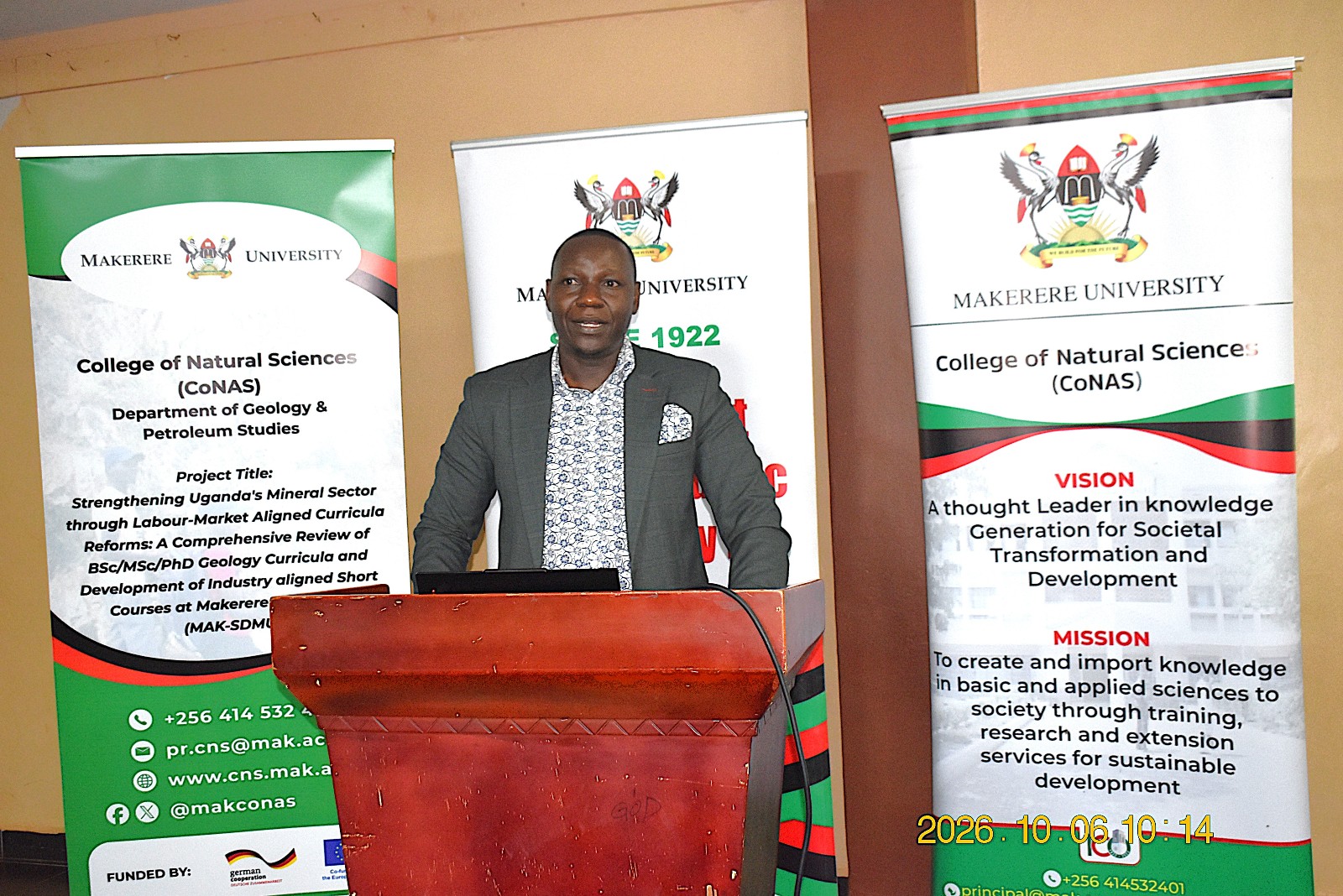
The curriculum review process is supported by the Government of the Federal Republic of Germany and the European Union through Deutsche Gesellschaft für Internationale Zusammenarbeit (GIZ).
The Stakeholder Workshop
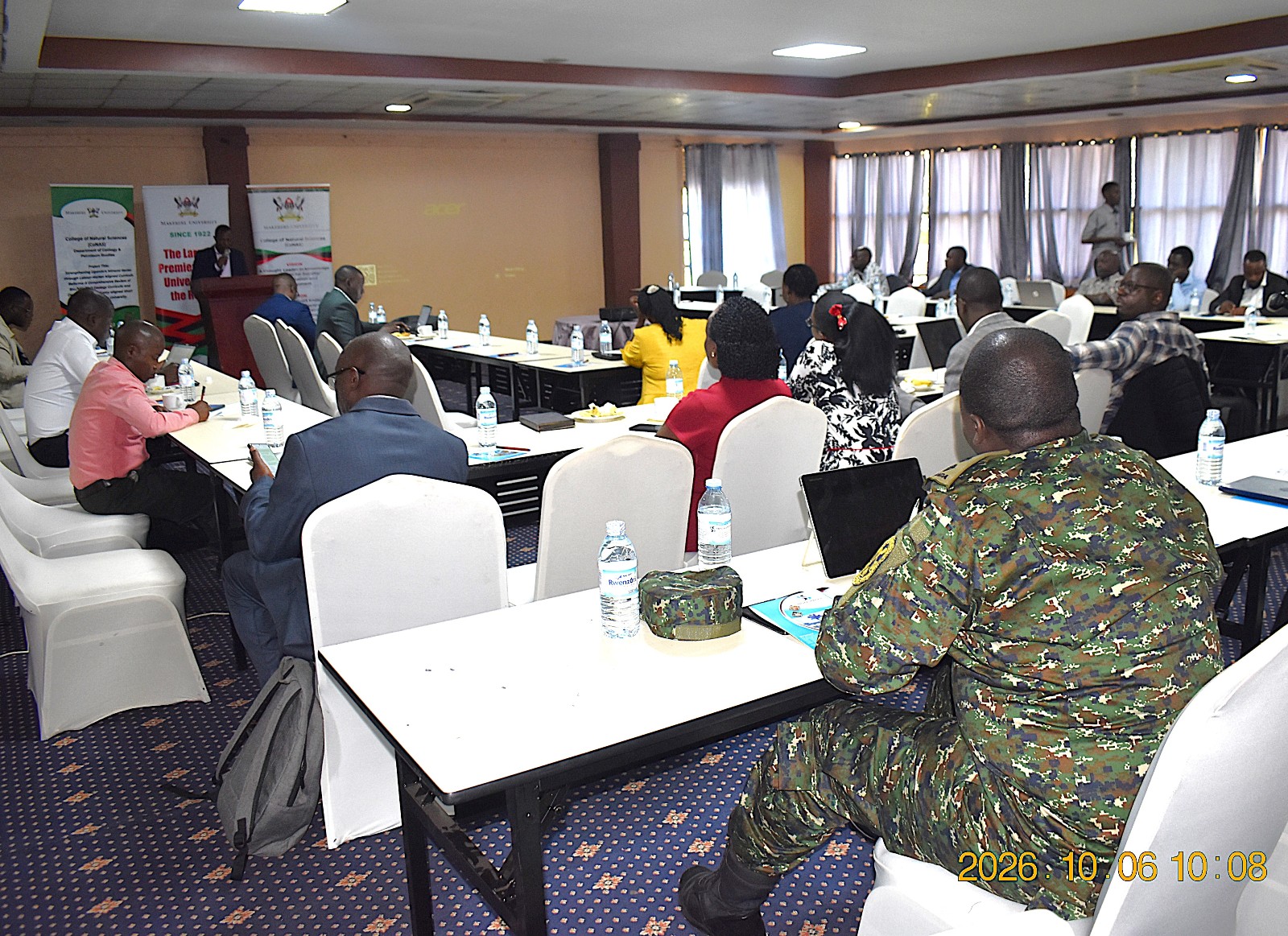
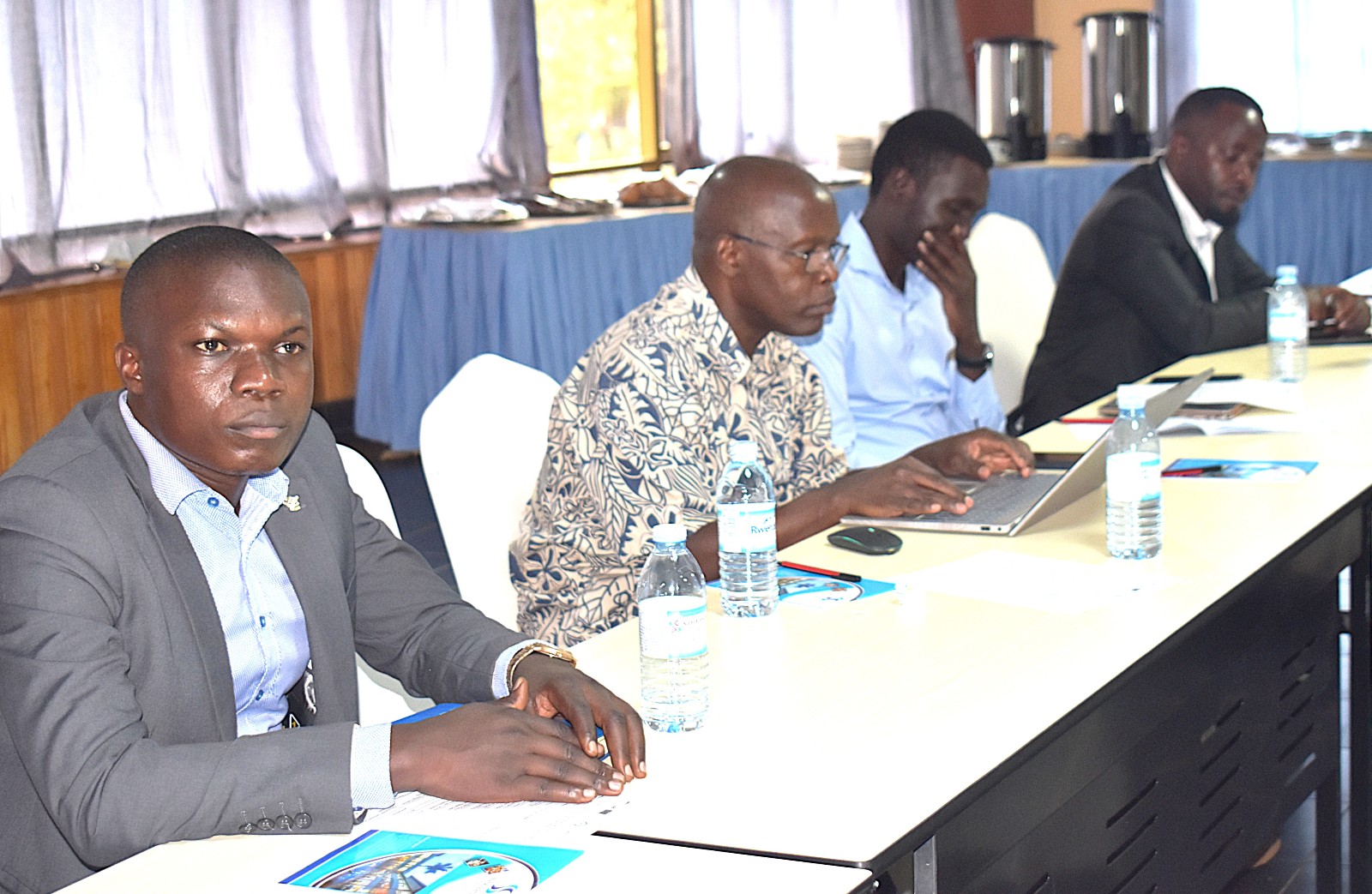
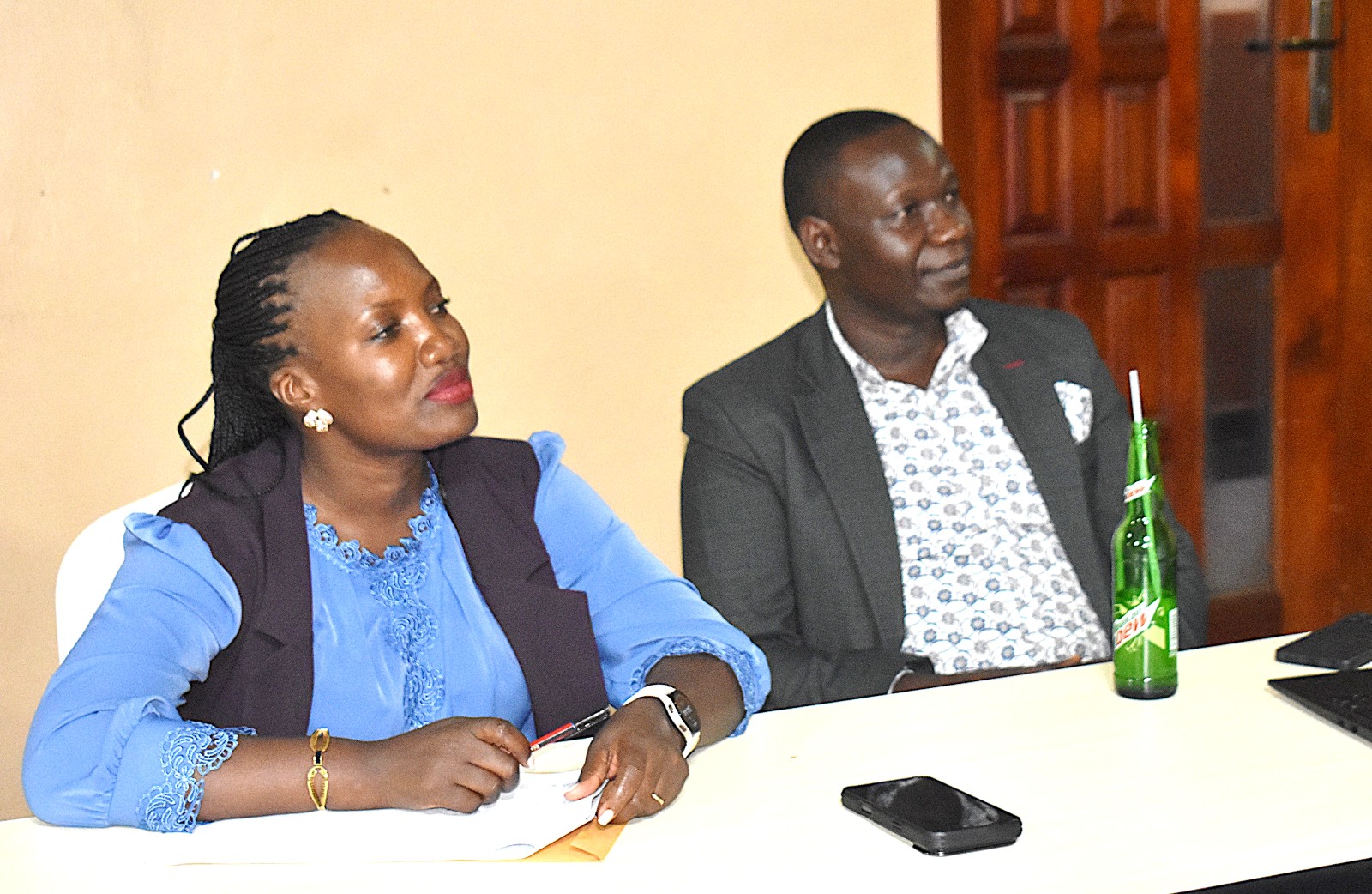
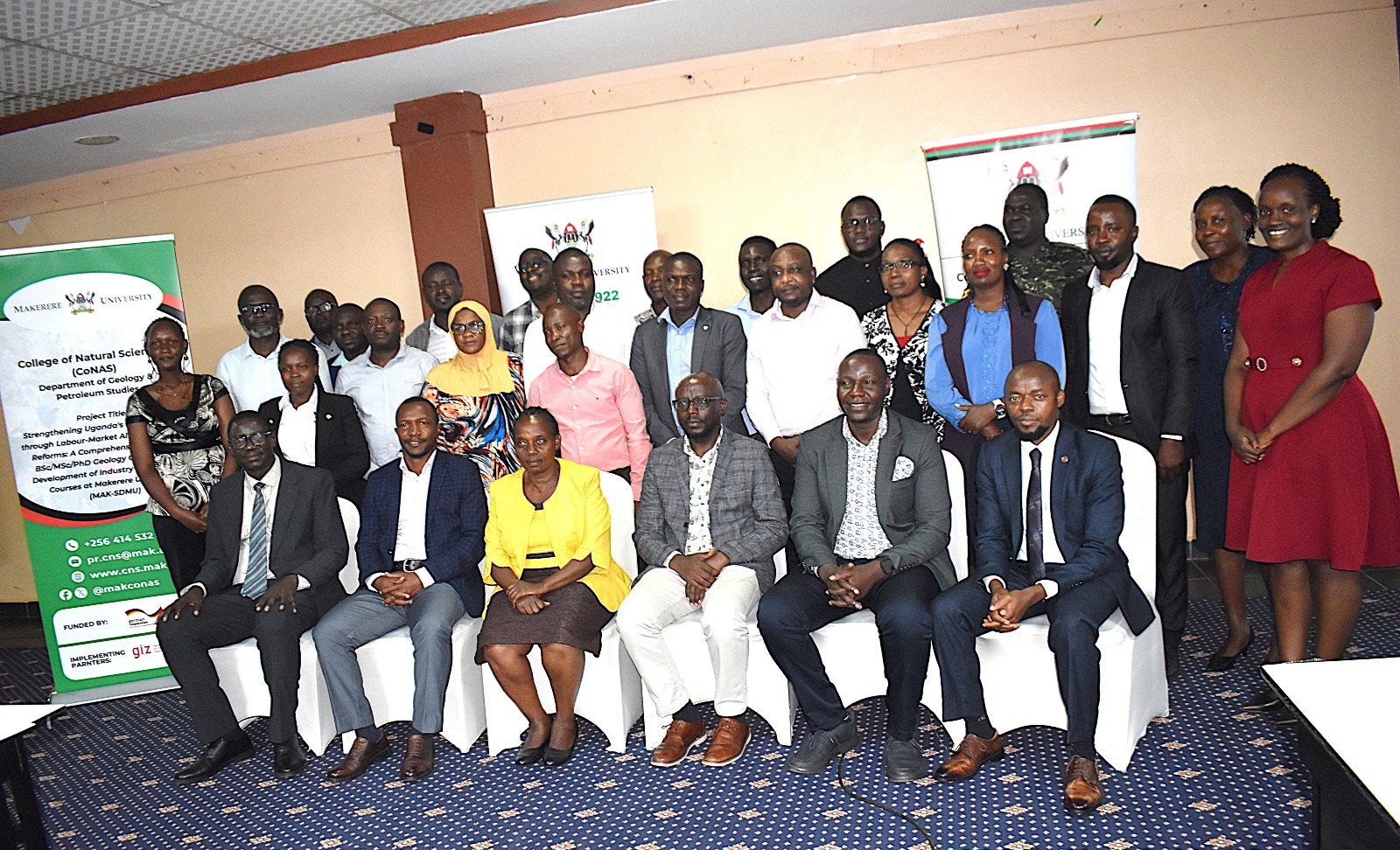
As part of the ongoing efforts to strengthen Geology training and align it with industry and national development needs, Makerere University convened a stakeholder workshop to get input on the review of its Geology curricula and the development of industry-aligned short courses.
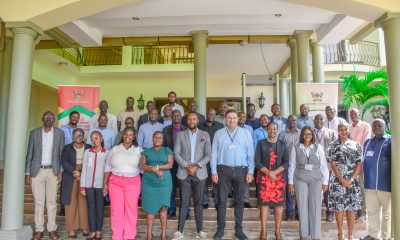
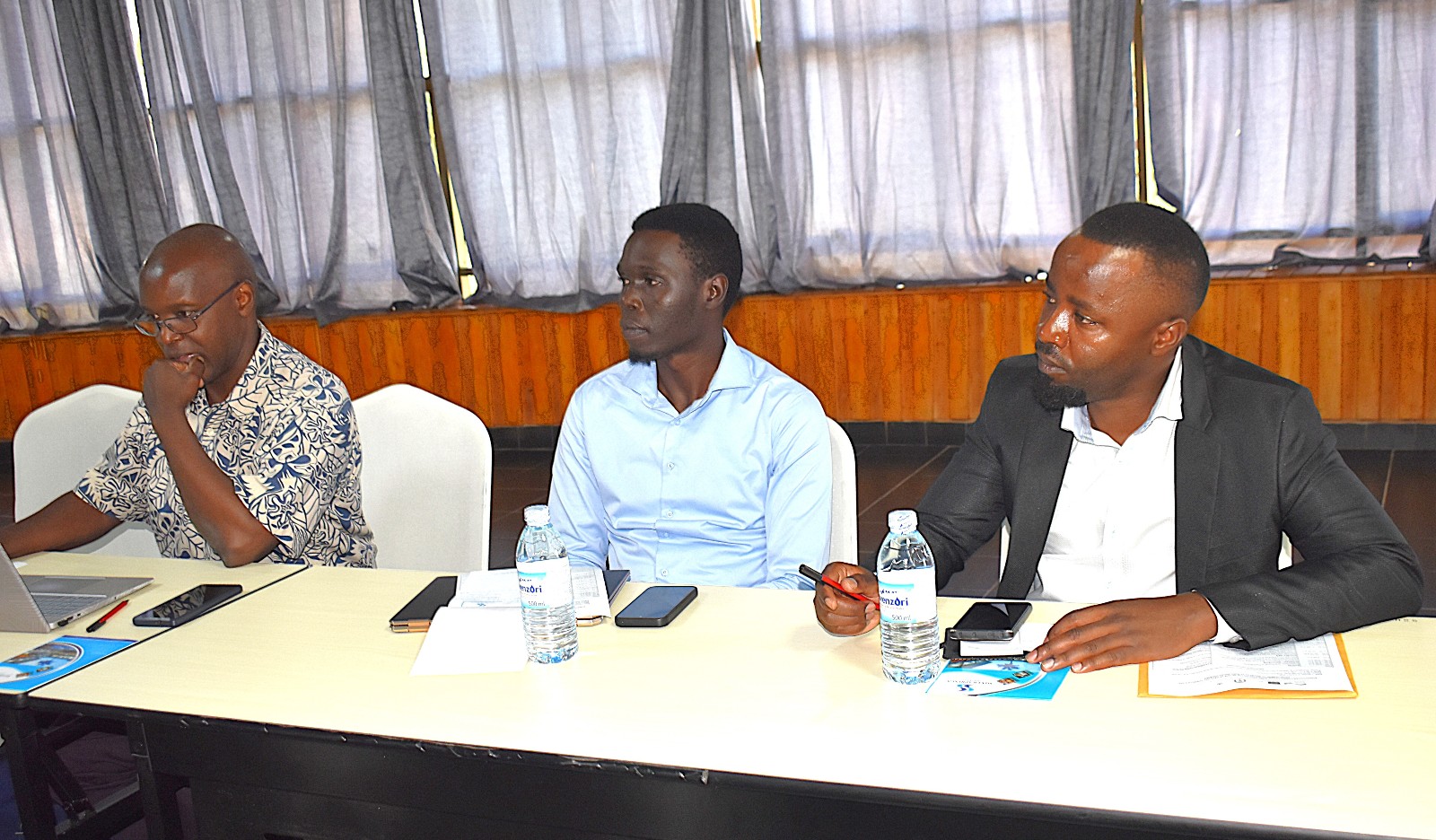
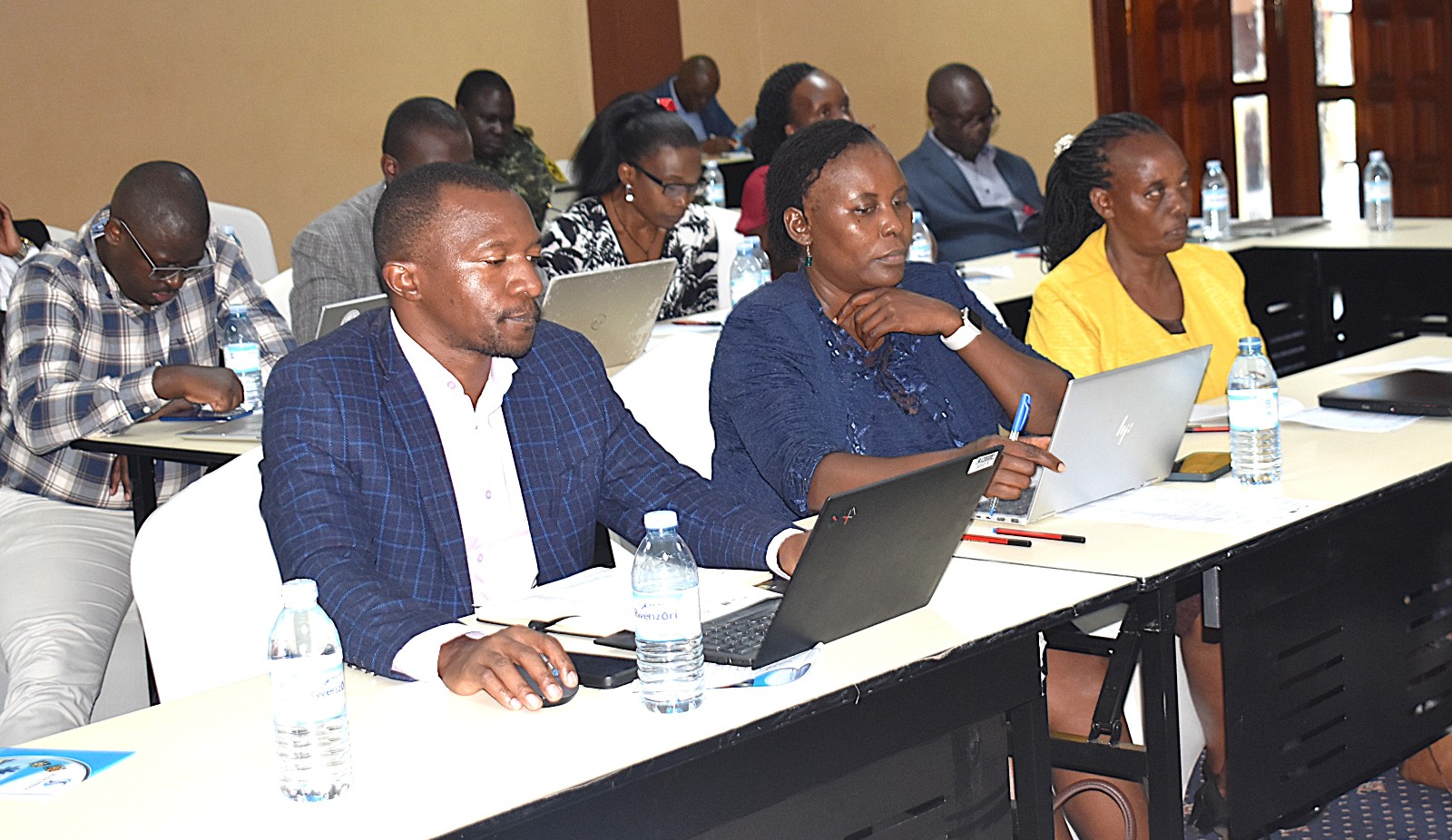
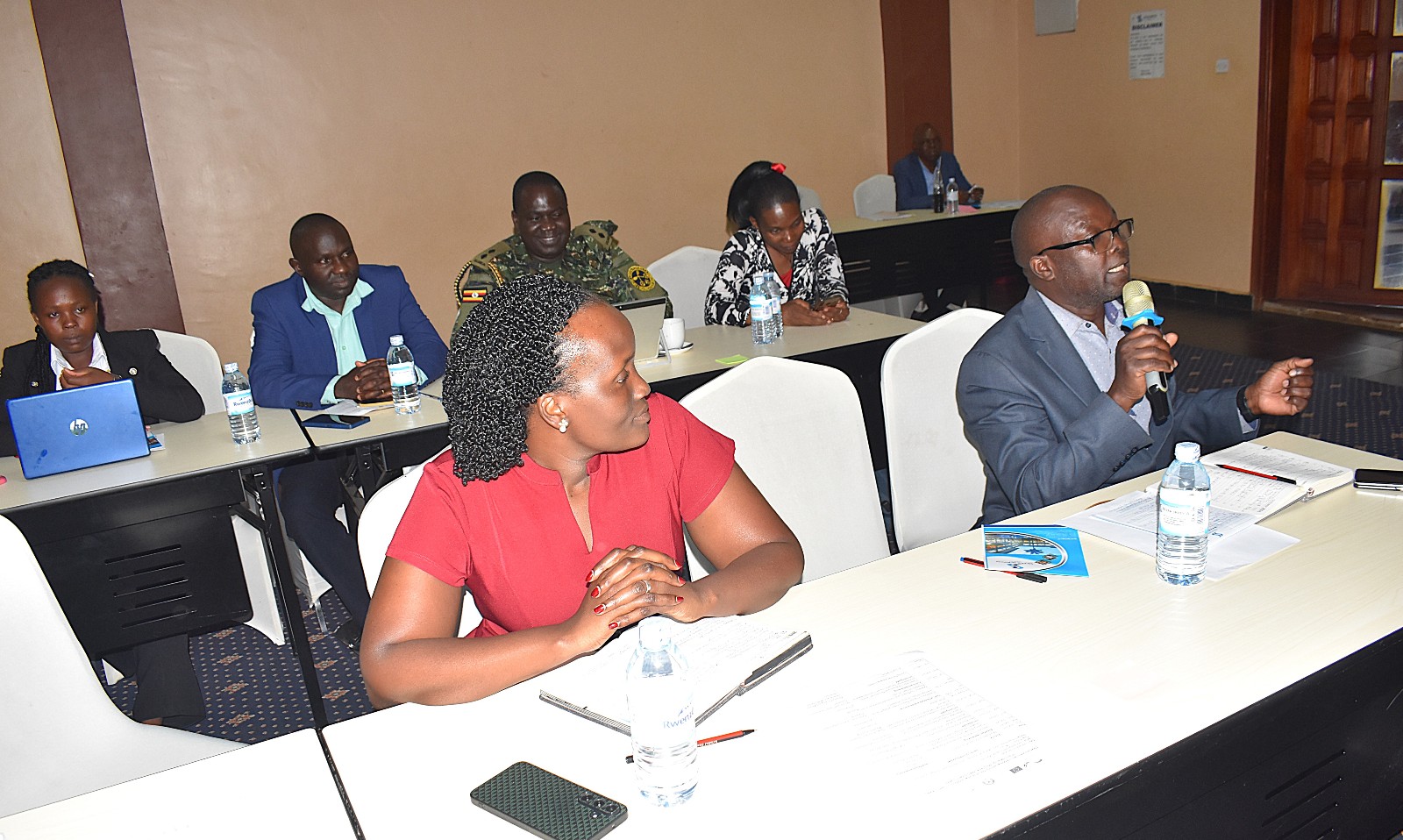
Organized by the Department of Geology and Petroleum Studies, the workshop, held on 6th October 2026 at Silver Springs Hotel, Bugolobi, Kampala, brought together representatives from industry, government, academia and other key sectors to assess the relevance of Makerere’s BSc, MSc and PhD Geology programmes in light of the emerging industry needs. Participants included officials from the Ministry of Energy and Mineral Development, the Ministry of Water and Environment, the National Environment Management Authority (NEMA), the National Planning Authority (NPA), GIZ, and the UPDF Chemical, Biological, Radiological and Nuclear (CBRN) Unit.
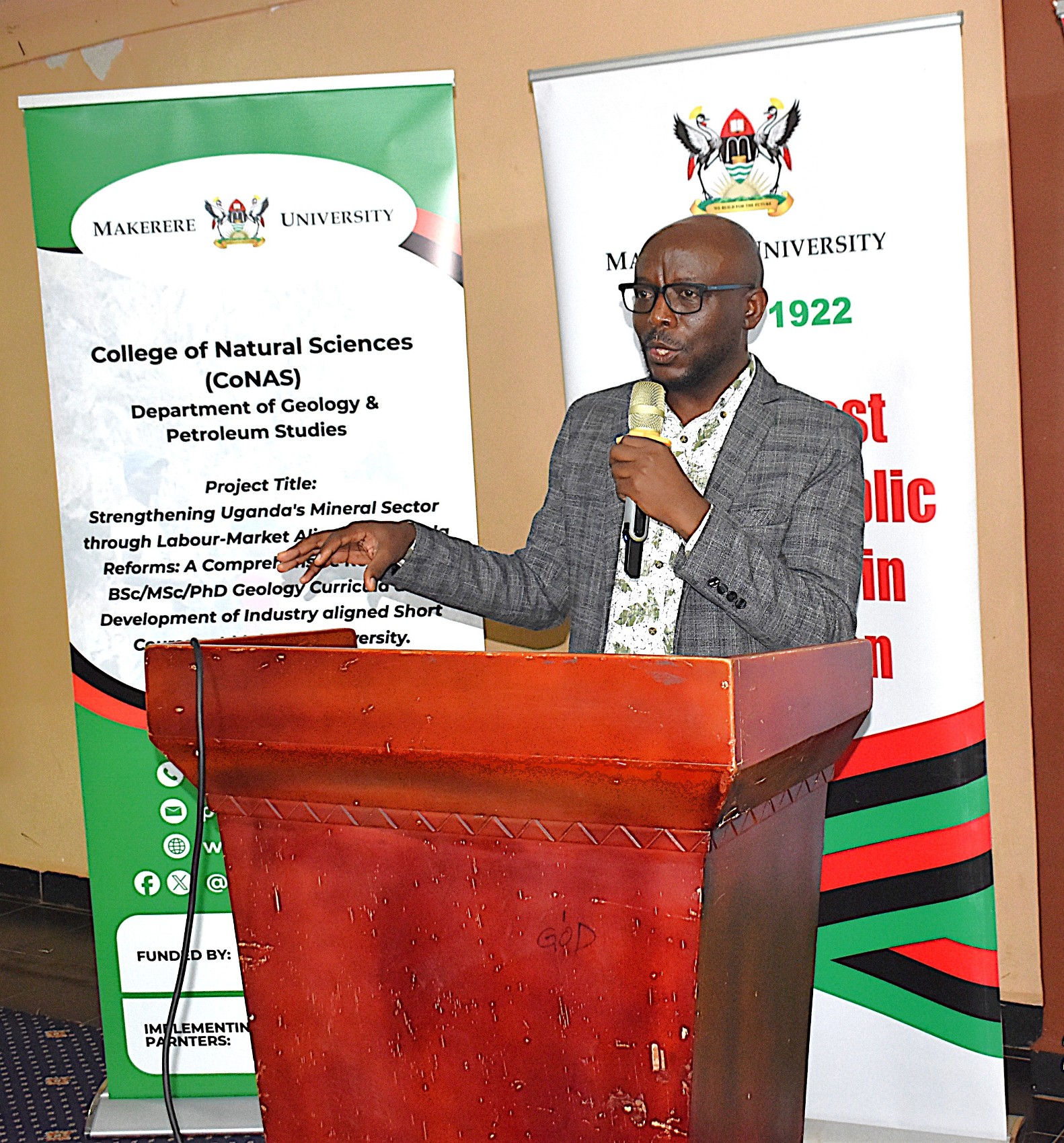
The reforms come at a time when Uganda’s mineral sector is evolving rapidly, creating demand for professionals who can work with emerging technologies, respond to changing industry practices and contribute to national development priorities.
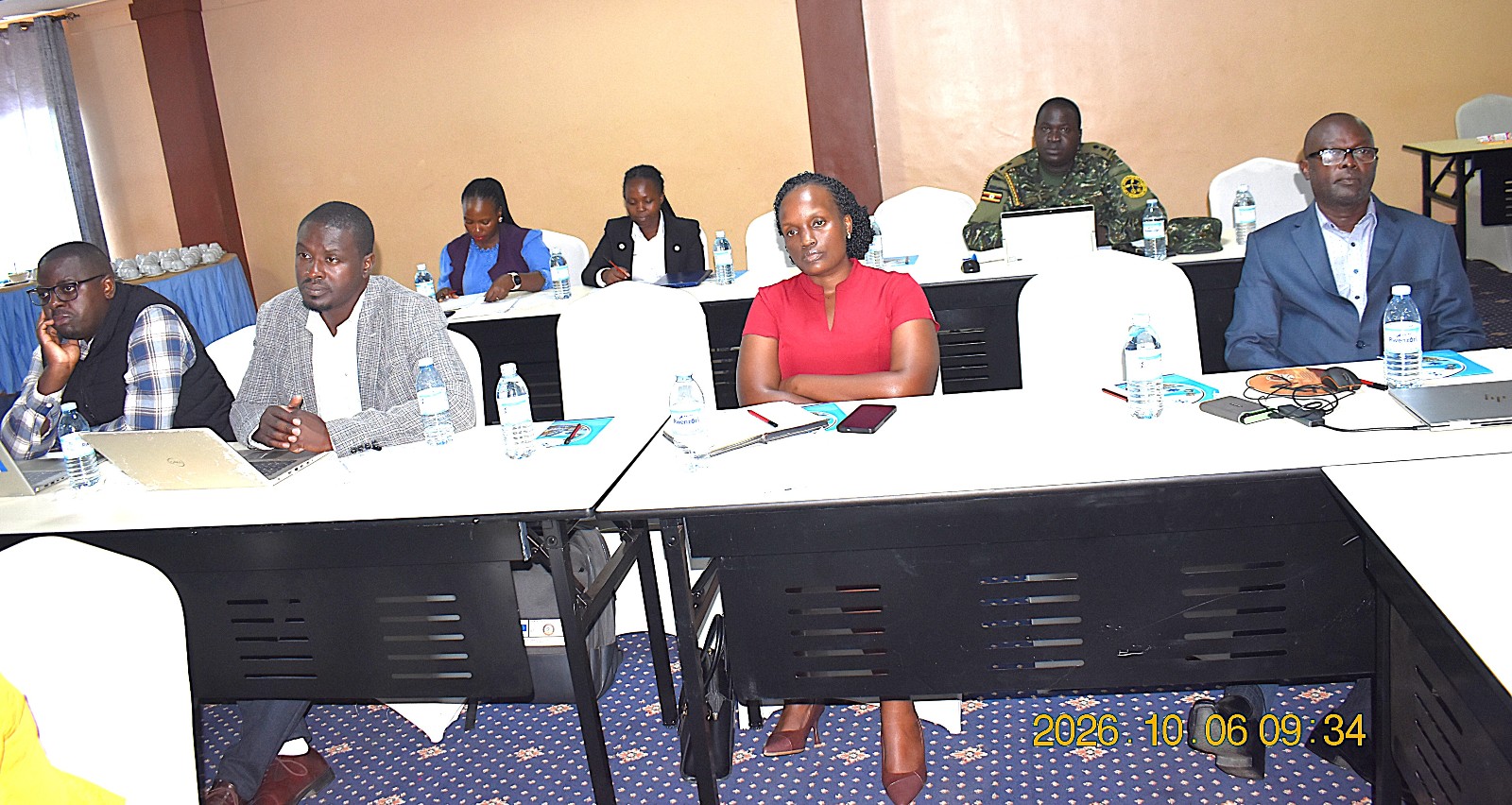
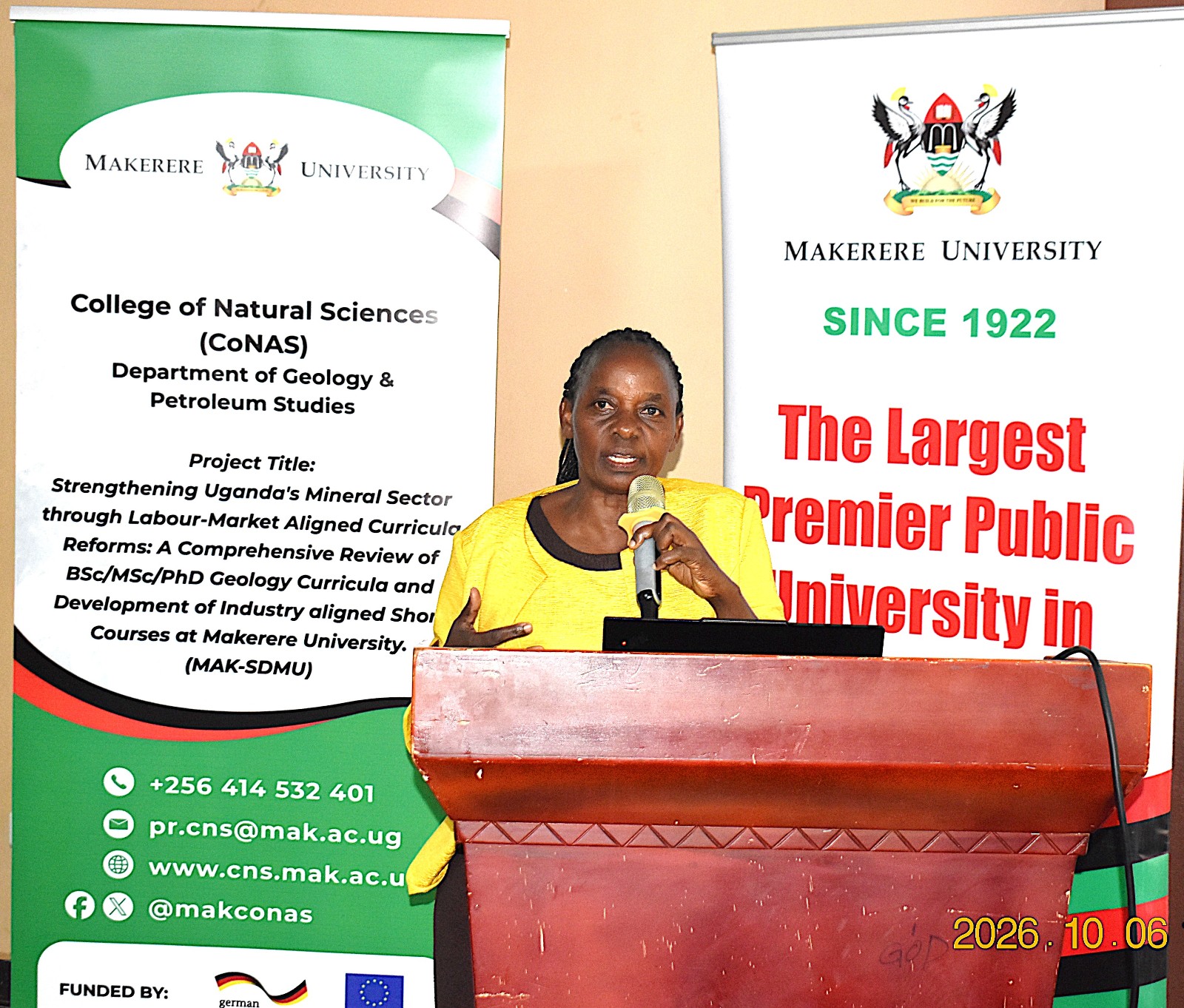
Conducted under a project titled – Strengthening Uganda’s Mineral Sector through Labour-Market Aligned Curricula Reforms: A Comprehensive Review of BSc/MSc/PhD Geology Curricula and Development of Industry-Aligned Short Courses at Makerere University– the review seeks to ensure that Geology graduates are equipped with competencies that meet labour-market demands, while also creating opportunities for professionals across Uganda’s mining and mineral value chain to update their skills.
The project is being implemented under the Sustainable Development of the Mineral Sector in Uganda (SDMU) programme, with support from the Government of the Federal Republic of Germany and the European Union through Deutsche Gesellschaft für Internationale Zusammenarbeit (GIZ), in collaboration with the Ministry of Energy and Mineral Development (MEMD).
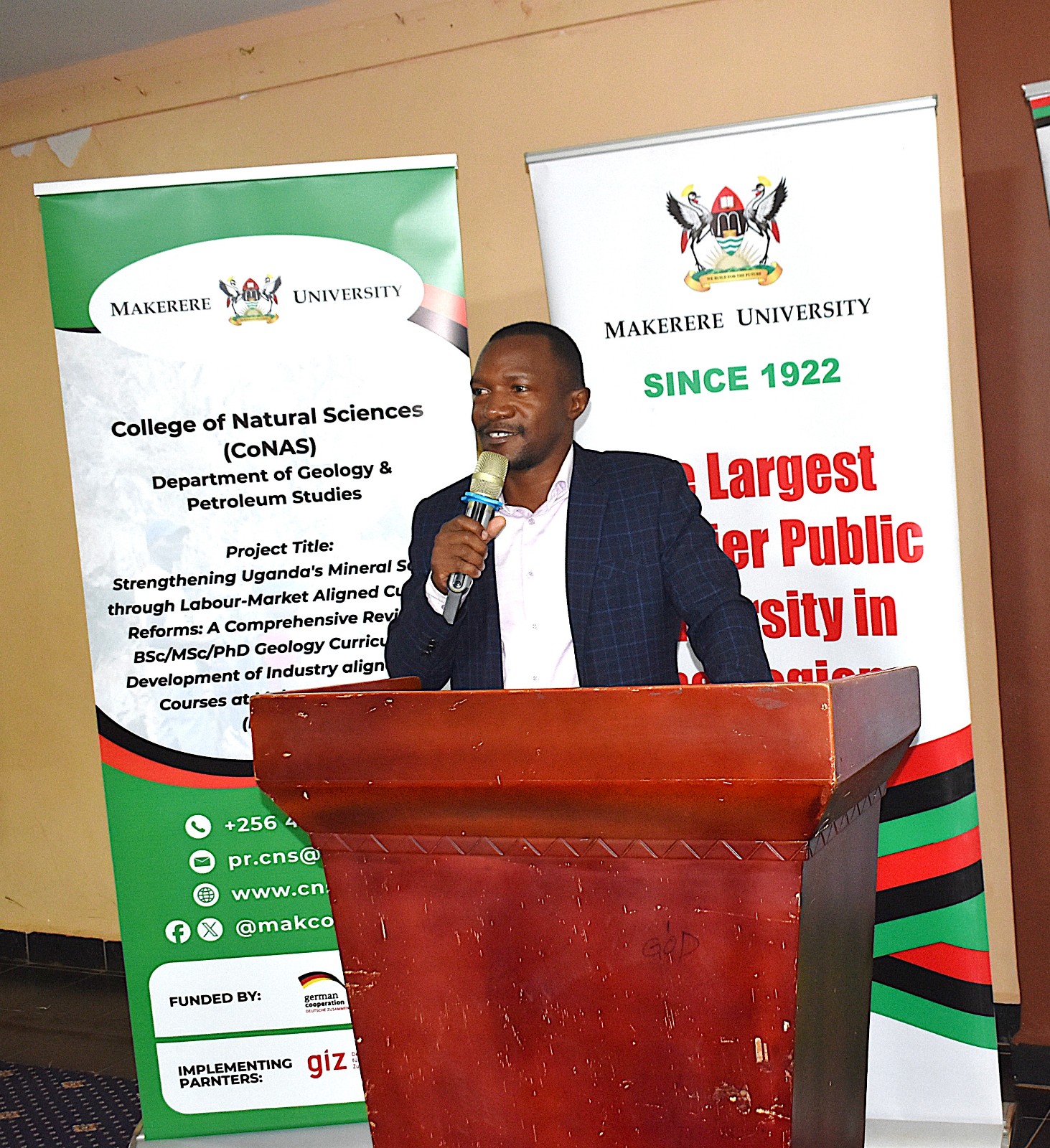
Briefing participants on the purpose of the workshop, the Project Coordinator, Dr. Denis Mutebi outlined the broader focus of the curriculum review and the key activities undertaken to inform the proposed reforms. These include constituting the project team, holding the inception meeting, developing project tools, including survey and monitoring and evaluation tools, conducting a baseline survey, benchmarking with Copperbelt University (CBU) in Kitwe, Zambia, and the Zimbabwe School of Mines (ZSM) in Bulawayo, Zimbabwe, engaging consultants, and undertaking a curriculum audit.
Skills Gaps and Proposed Reforms in Geology Training
Presenting findings from the stakeholder needs assessment, Geoscience Curriculum Development Consultant, Dr Betty Nagudi, highlighted gaps in areas including mineral processing and beneficiation, exploration and resource estimation, geological risk assessment, economic geology, fiscal modelling, analytical methods, remote sensing, and the use of exploration and survey equipment.
She pointed to a strong demand for skills in mineral economics, project feasibility studies, technical report writing, practical competency-based training, industrial attachment, and field-based learning.
Among students and alumni, mineral processing and beneficiation emerged as the weakest competency areas, followed by extractive metallurgy. 84 percent of respondents expressed interest in short courses, while 77 percent had undertaken additional training after graduation, underscoring the need for stronger opportunities for continuing professional development.
Proposed Reforms in the BSc, MSc and PhD Programmes
To address the skills gaps, the consultant proposed a package of reforms extending beyond the planned transition to a four-year BSc Geology programme. The reforms include strengthening competency-based and practical training, expanding industrial attachment and field-based learning, introducing industry-aligned short courses, and updating the curriculum to cover emerging technologies and skills demanded by the mineral sector.
The proposed undergraduate curriculum would strengthen training in mineral processing and beneficiation, exploration and resource estimation, geometallurgy, geospatial data analysis, programming and machine learning, analytical techniques, mineral economics, project feasibility, environmental management and value addition. It would also introduce or strengthen areas such as geohazards and climate change, geothermal and renewable energy systems, geoscientific equipment and techniques, and gemology.
The consultant further recommended eight recess terms across the undergraduate programme to increase students’ exposure to industry and field-based training, alongside greater involvement of industry practitioners, access to relevant equipment, and the use of real-world projects in teaching.
The proposed MSc reforms similarly introduce emerging areas such as advanced mineral processing, digital skills, health and safety, geothermal energy and seismology, alongside extended industrial attachment.
The reforms also seek stronger industry participation in postgraduate training through company-funded research, scholarships and access to industry laboratories.
For the PhD programme, proposals include strengthening structured training around research methods, scholarly communication and other competencies, while ensuring that research remains responsive to scientific, technological, environmental and industry challenges.
The review additionally recommends investment in specialized laboratories for mineral processing, metallurgy, analytical techniques, remote sensing, GIS and data science, greater staff specialization and retooling, and stronger university-industry partnerships.
Lessons from Regional Benchmarking
The curriculum review has also been informed by international benchmarking at Copperbelt University in Zambia and the Zimbabwe School of Mines.
The exercise pointed to opportunities for Makerere to strengthen university-industry collaboration through company-supported research, industry guest lectures, student visits to mines and processing plants, equipment and software support, scholarships and stronger academic advisory structures.
Together, the reforms are intended to strengthen graduates’ technical, practical and digital competencies while creating clearer pathways for continuous professional development through industry-aligned short courses.
Stakeholders Validate Demand for Geology Short Courses
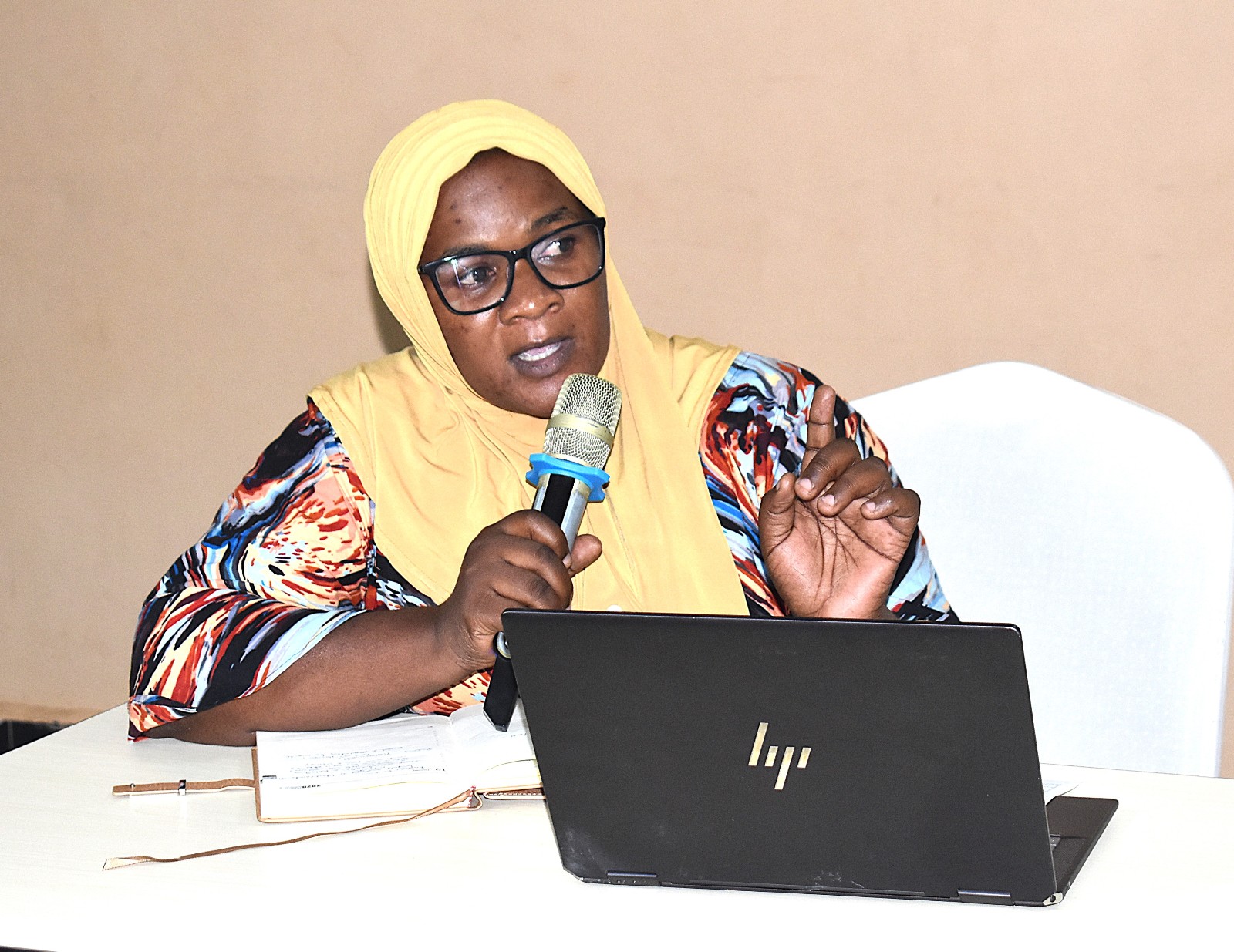
A cross-sector needs assessment confirmed strong demand for industry-aligned short courses in Geology, with 88% of ASM miners ranking Health, Safety and Environment (HSE) training as a top priority.
Presenting the findings during the stakeholder engagement, short-course consultant Harmony Musiyarira reported that 83% of women in ASM prioritized geological mapping and mineral marketing, while 84% of students and alumni expressed interest in professional short courses. All Department of Geology and Petroleum Studies staff indicated willingness to deliver the training.
The assessment highlighted skills gaps in mineral processing and beneficiation, economic modelling, field instrumentation and resource estimation, technical reporting, exploration technologies, environmental management and digital mining.
The recommended short courses broadly cover mineral exploration and resource estimation, mineral processing and value addition, mineral economics and governance, HSE, environmental and mine-waste management, GIS and remote sensing, drilling and field technologies, digital and AI applications, and entrepreneurship and business management.
Incorporation of CBET Principles
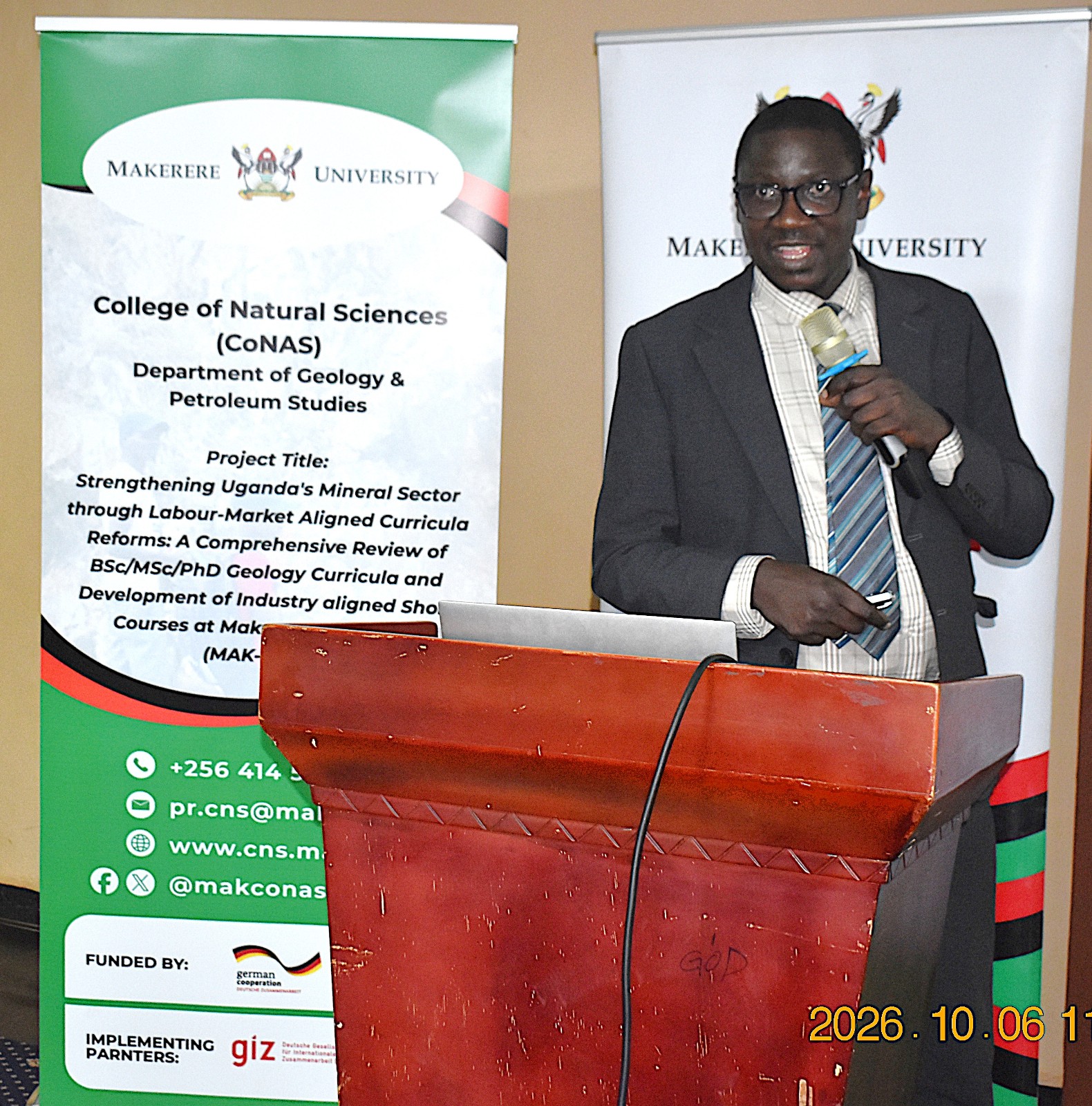
Speaking during the workshop, Dr. Cyprian Misinde, Chief Quality Assurance Officer at Makerere University, emphasized the need to embed Competency-Based Education and Training (CBET) principles to better prepare graduates for professional demands. Dr. Misinde cautioned against prioritizing academic grades over real-world skills, calling on faculty to move from traditional lecture delivery toward learner-centered instruction that fosters ethics, self-drive, and critical thinking.
To achieve this, Dr. Misinde recommended defining robust Programme Learning Outcomes (PLOs), supported in each course by at least three learner-centred teaching methods. He also highlighted the importance of flexible learning pathways for diverse student needs, strict alignment with National Council for Higher Education (NCHE) guidelines on internships and practical assessments, and the financial allocation required to implement CBET without compromising academic rigor.
Stakeholders’ Call for Legal and Regulatory Training
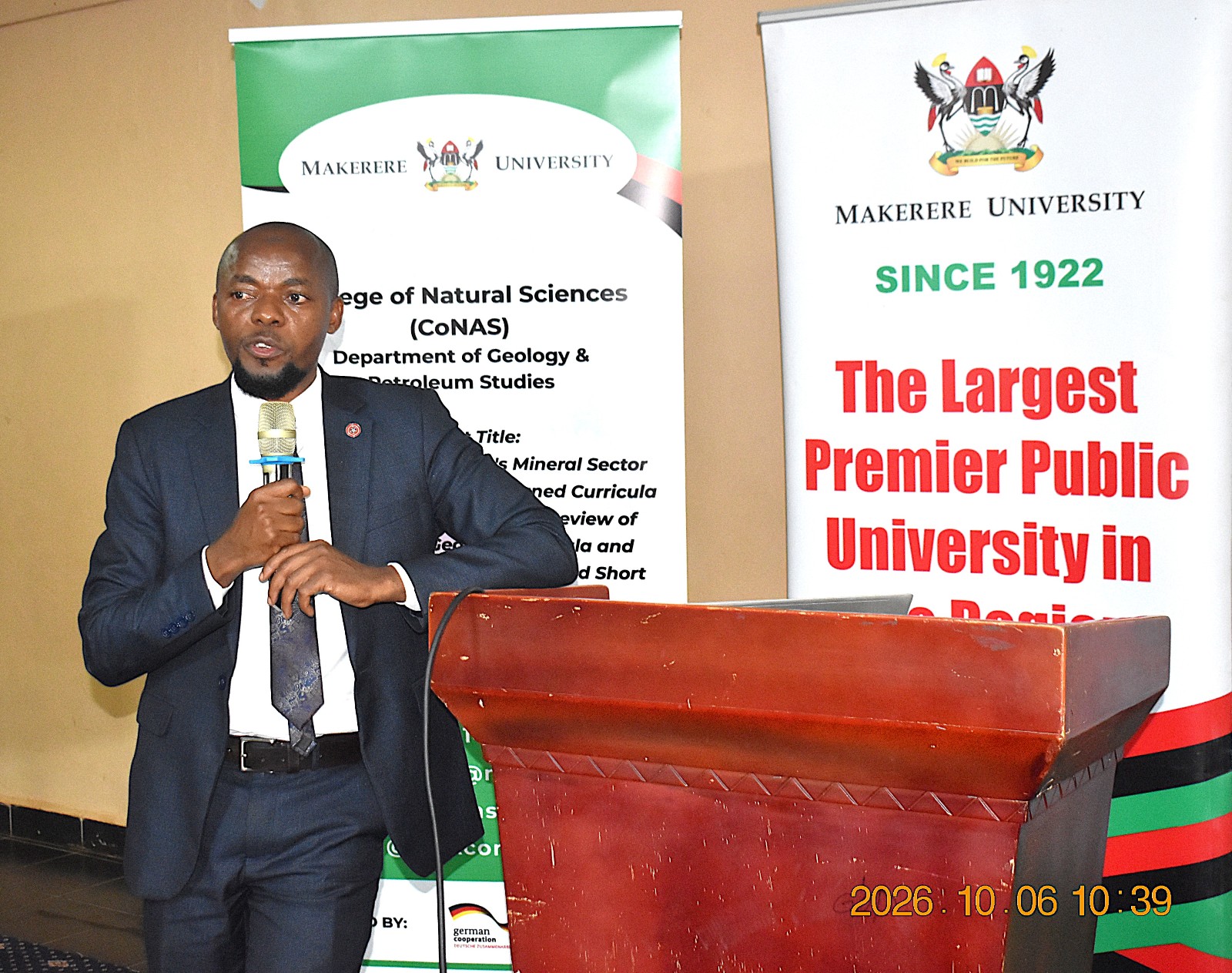
Stakeholders stressed the need for the revised Geology curriculum to give greater attention to the legal and regulatory framework governing Uganda’s minerals sector. They noted that geologists entering the industry must understand not only the technical aspects of mineral exploration and extraction, but also the laws, regulations, licensing requirements and institutional procedures that guide the sector.
Closing the Skills Gap in a Changing Mineral Sector – NPA Guidance
Addressing participants, Dr Kurayish Ssebulime, Senior Labour Economist at the National Planning Authority (NPA), said the curriculum review comes at a critical time as Uganda seeks to translate its development ambitions into economic opportunities.
He linked the reform to Vision 2040 and the Fourth National Development Plan (NDP IV), which place minerals, oil and gas, science, technology and human capital among the drivers of Uganda’s economic transformation.
“Minerals do not explore, mine, process or regulate themselves,” Dr Ssebulime noted, emphasizing that the availability of relevant skills is essential for transforming Uganda’s mineral sector.
He said the growing demand for geologists, geochemists, geophysicists, mining engineers, metallurgists and technicians makes it necessary for universities to continually align training with labour-market needs.
Dr Ssebulime pointed to emerging areas shaping demand for skills, including critical minerals and the energy transition, digital transformation, the green economy and regional integration.
He guided that effective curricula must focus on practical capabilities and value creation, rather than just factual knowledge, recommending the use of graduate tracer studies, employer feedback and labour-market data as part of the curriculum review cycle.
GIZ Urges Stronger Alignment of Geology Training with Industry Needs
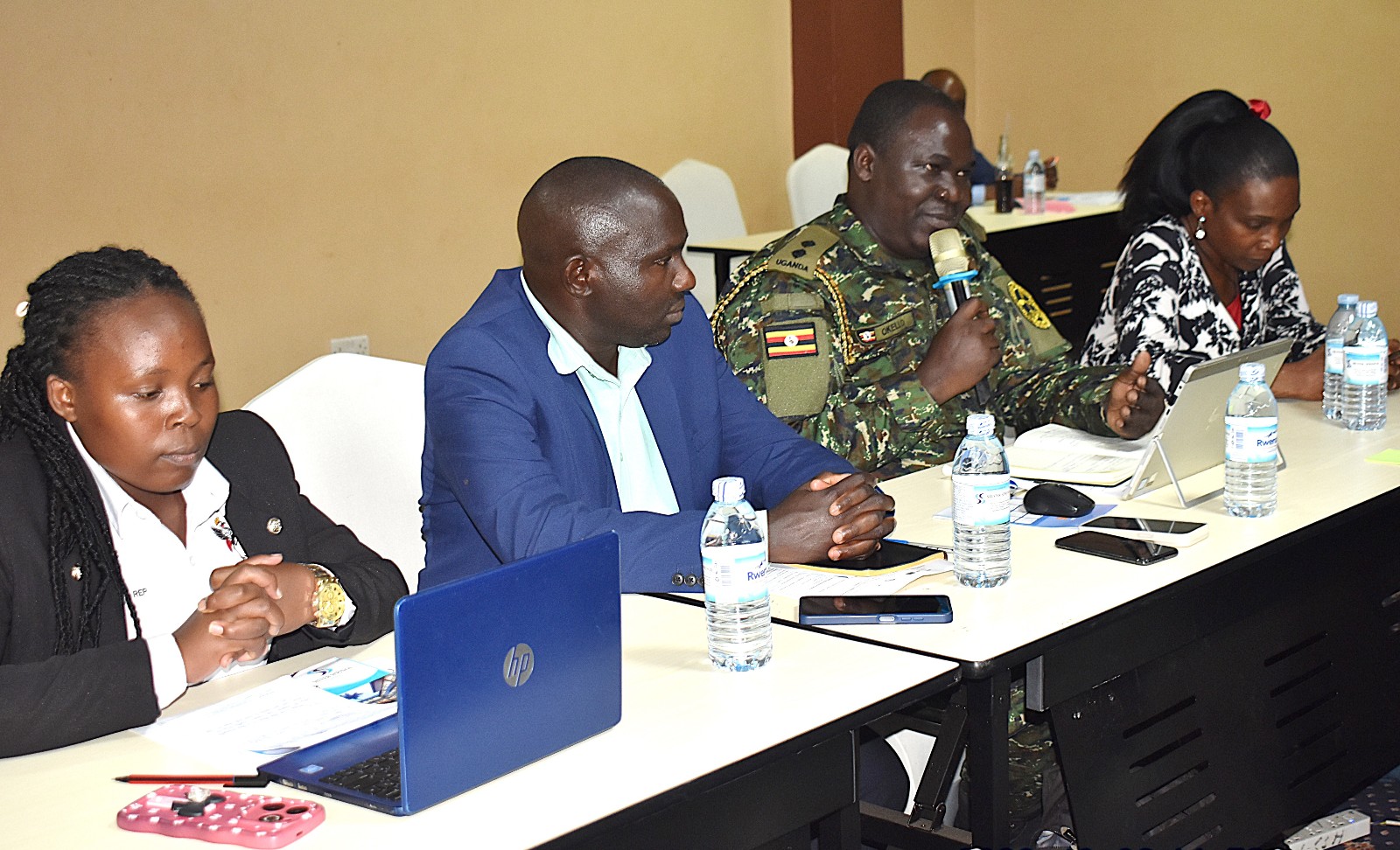
Mr. Henry Mukasa, Advisor on Mineral Resources Governance at GIZ Uganda, stressed the need to bridge the gap between university training and the evolving skills demands in Uganda’s mineral sector.
“The growing investment in the sector is increasing demand for specialized skills in areas such as modern exploration technologies, digital mapping, resource estimation and data analytics. The Mak-SDMU project provides an opportunity to address these gaps through the review of BSc, MSc and PhD Geology curricula, development of industry-aligned short courses, and integration of environmental, social and governance considerations, as well as occupational health and safety, into training.
He called on industry, government and other stakeholders to provide candid input on the competencies required in the workplace, emphasizing the need for closer collaboration between academia and industry in shaping the curricula.
Mr. Mukasa said the initiative ultimately seeks to strengthen Uganda’s local technical capacity to enable more Ugandans to benefit from opportunities emerging from the country’s growing mineral sector.
Call for Stronger Postgraduate Training and Industry Partnerships
On behalf of the Principal, Prof. Godwin Kakuba, Deputy Principal, College of Natural Sciences (CoNAS), urged the Department to use the curriculum review exercise as an opportunity to strengthen the entire Geology training pathway, from undergraduate to postgraduate education.
Prof. Kakuba noted that a strong undergraduate programme provides the foundation for a strong postgraduate training system, calling for deliberate efforts to strengthen the BSc Geology programme while simultaneously expanding opportunities for postgraduate training and research.
He encouraged the project team to integrate Competency-Based Education and Training (CBET) principles into the curriculum, with greater emphasis on the knowledge, skills and competencies graduates need to perform effectively in the workplace. He also called for the development of additional postgraduate programmes that respond to emerging needs in the geosciences and Uganda’s mineral sector.
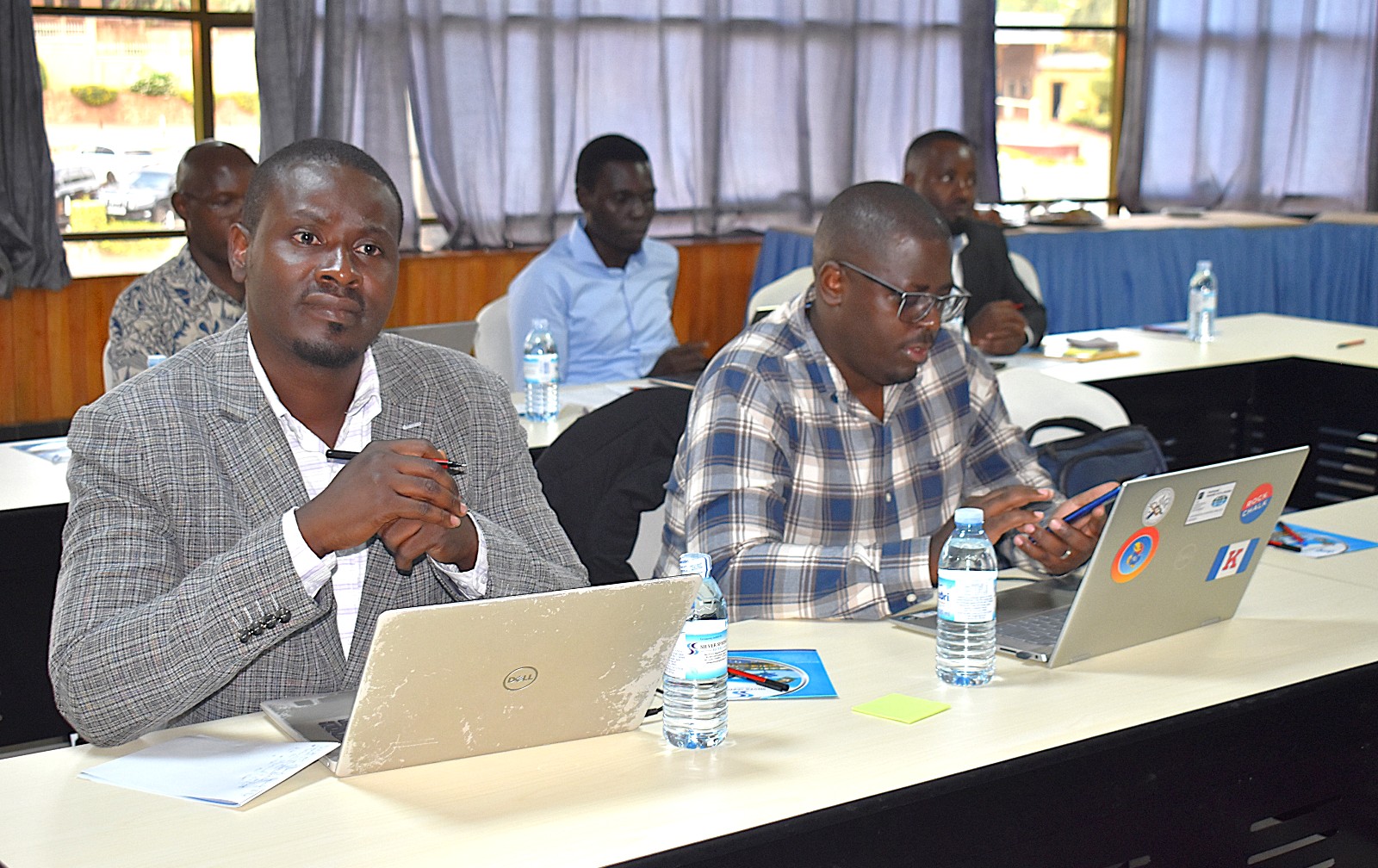
Prof. Kakuba further urged the team to consider the needs of working professionals when designing postgraduate programmes. He proposed the use of flexible learning approaches, including blended teaching and modularized programmes, to enable graduate students to balance their studies with professional responsibilities.
He also stressed the importance of stronger collaboration between the University and industry, noting that partnerships would enhance both teaching and research. He encouraged the Department to establish formal partnerships, including Memoranda of Understanding (MoUs) with industry players, to facilitate joint research, industry participation in teaching, student exposure and access to professional expertise and facilities.
“The curriculum review should ultimately contribute to building a Geology training system that is responsive to both academic and labour-market needs. It could also provide a useful model for similar curriculum review processes across the University, particularly in demonstrating how academic programmes can be aligned with evolving industry requirements while strengthening research and postgraduate training,” he noted.
Prof. Kakuba appreciated the funders and implementing partners for the support extended towards strengthening teaching, learning and research at the University.
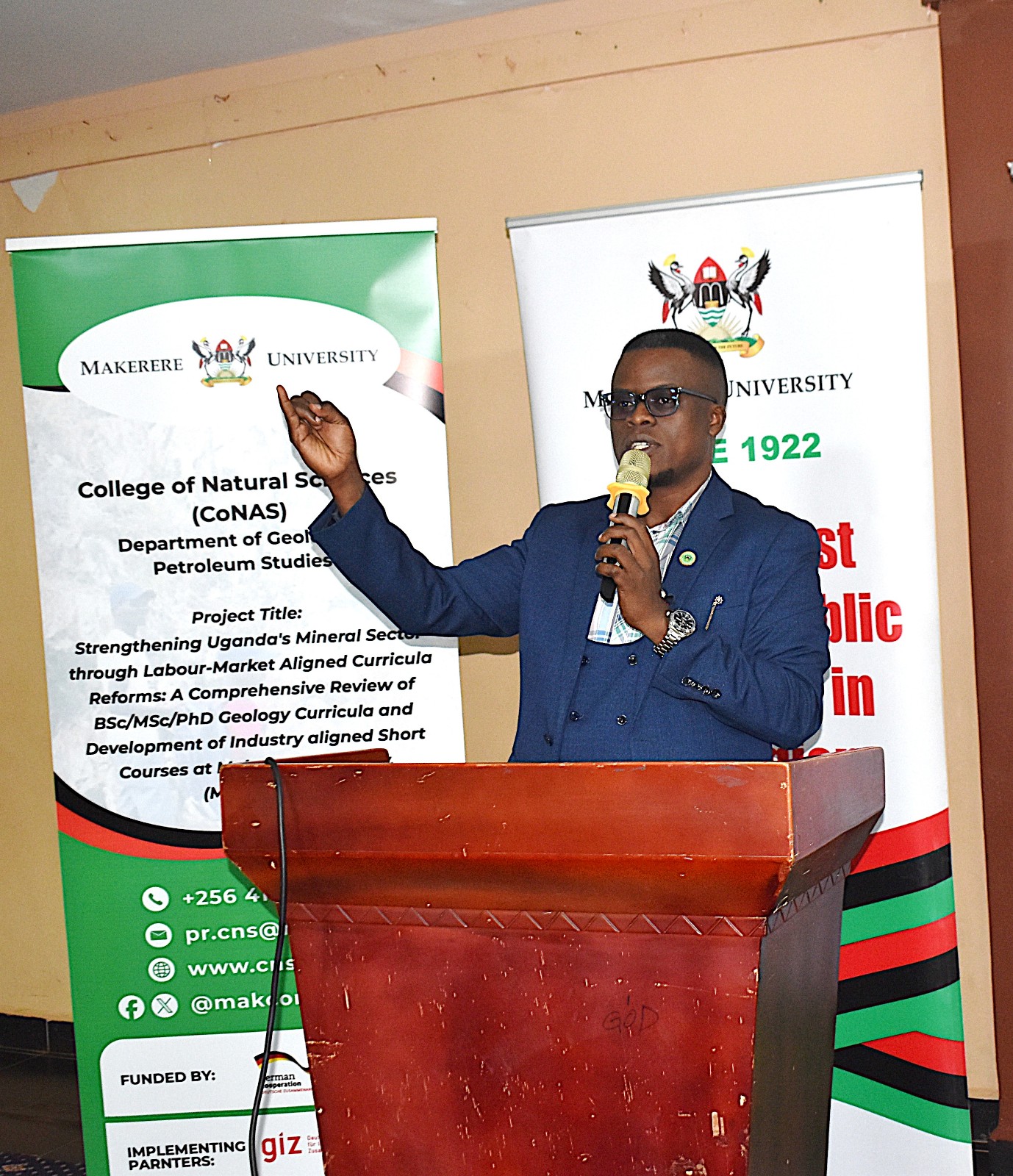
Mr. Data Gabriel, Assistant Commissioner for Geology at the Ministry of Energy and Mineral Development in Uganda, equally appreciated the support, highlighting the immense potential of Uganda’s mineral wealth to advance the country’s Ten-Fold Growth Strategy if effectively managed “The curriculum review and adoption of CBET principles will enable the university to make a vital contribution to the growth of the mining sector,” he noted.
The exercise was moderated by Mr. David Kisitu, IT Officer at the College of Natural Sciences (CoNAS), Makerere University.
Project Team
- Dr. Denis Mutebi – Project Coordinator
- Prof. Winston Tumps Ireeta – Compliance Lead
- Dr Arthur Batte – Data Analyst, Monitoring and Evaluation, and Quality Assurance Lead
- Dr. Ivan Ssewanyaga Mukiibi – Mining Industry Liaison and Skills Mapping Lead
- Dr John Mary Kiberu – Accreditation, Programmes, and Logistics Lead
- Dr Joan Nakajigo – Communication and Reporting Lead
- Ms. Claire Birungi – Project Accountant
Pictorial of the workshop: https://drive.google.com/drive/folders/1C-rYcYxUXNLDkOYuyjOFcEOAFuO2qQMC?usp=sharing
Natural Sciences
Mak, CoRE-MATH Project Partners Develop Models to Address Regional Development Challenges
Mathematics is increasingly being applied beyond the classroom to help make sense of complex problems, explore possible solutions and support better decision-making in everyday life. From determining how public funds can sustain pension systems and identifying people at risk of disease to guiding investment decisions and optimising limited space, mathematical modelling provides a powerful way to translate real-world challenges into evidence that can inform action.
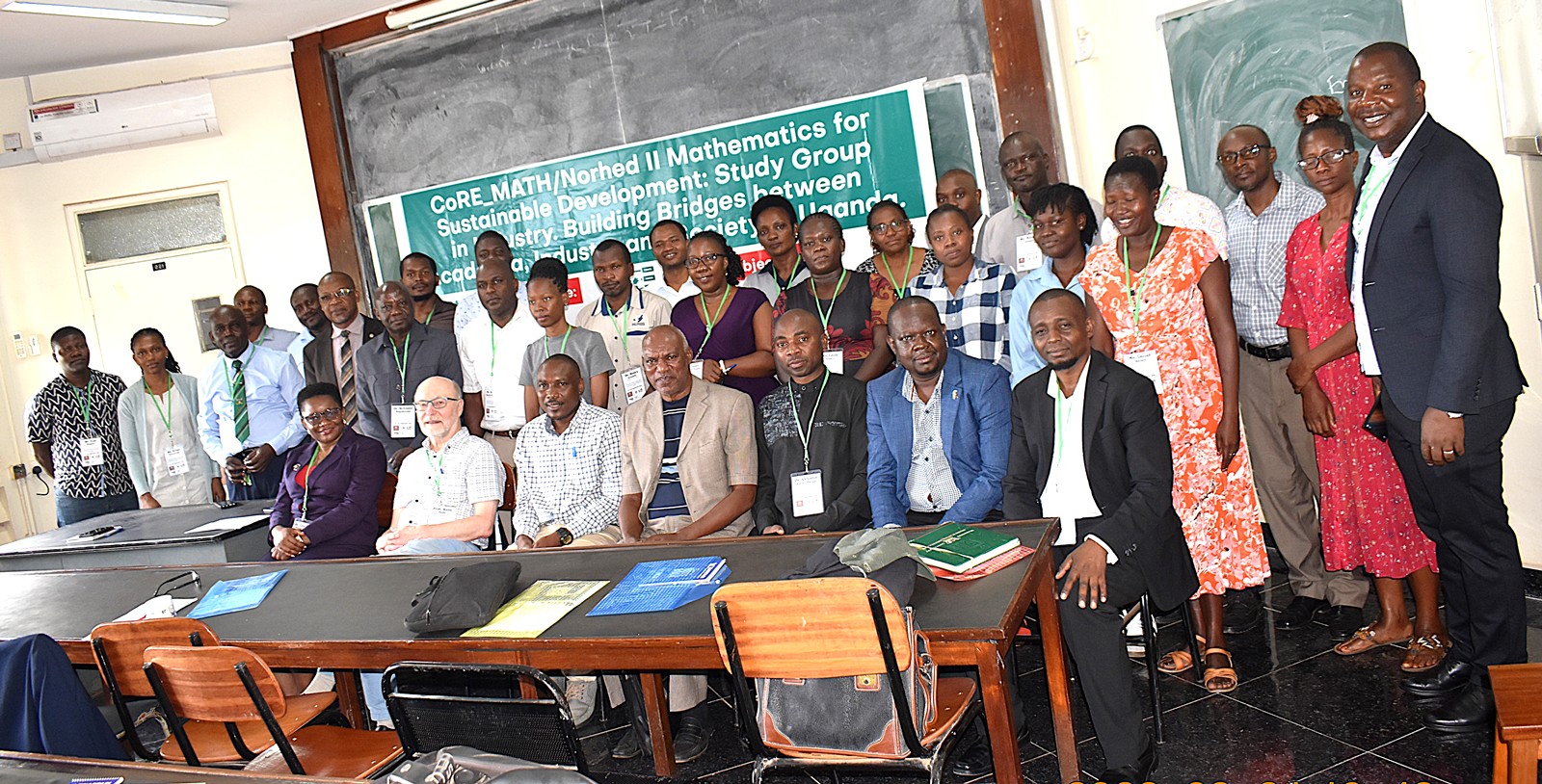
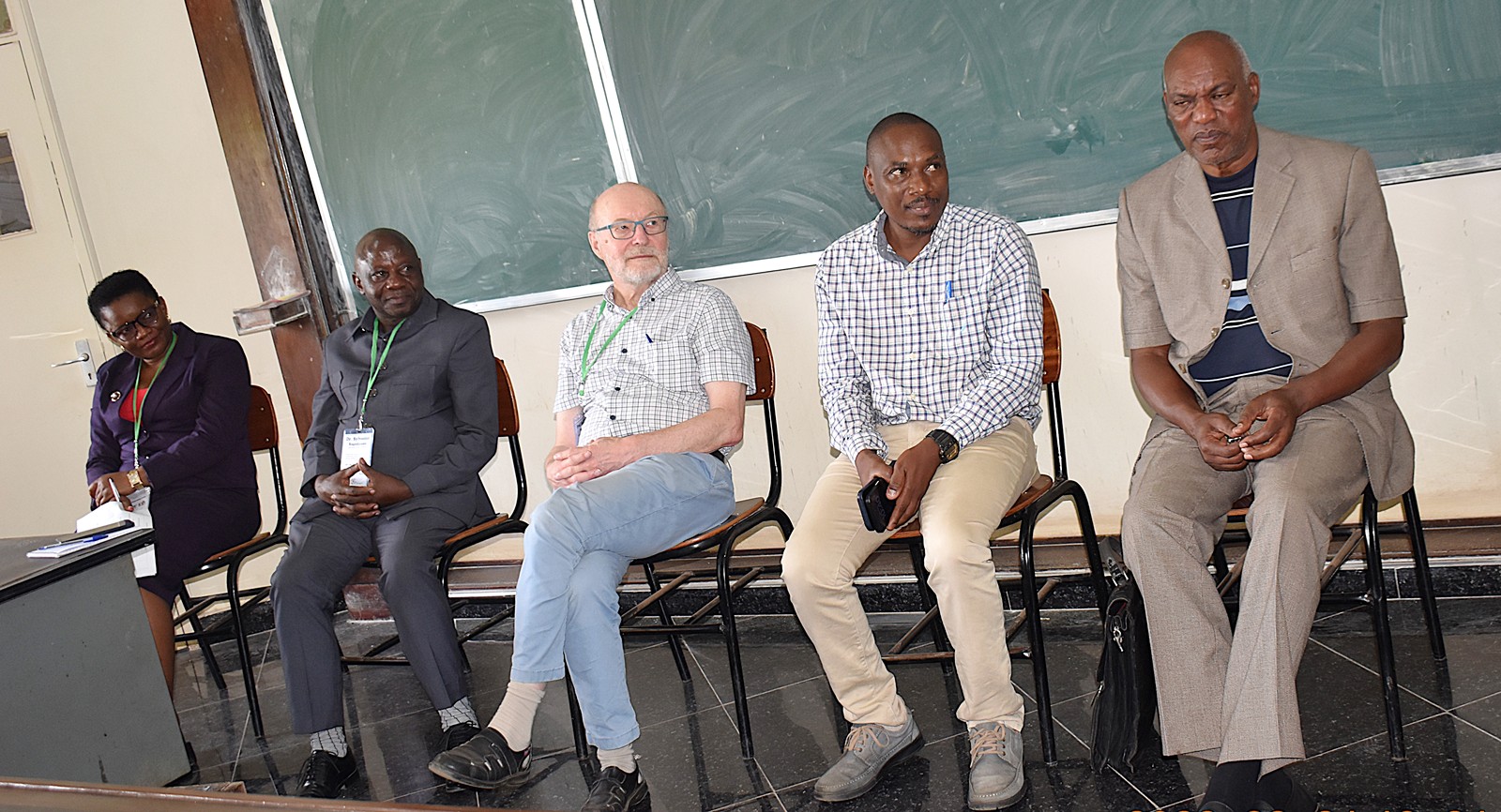
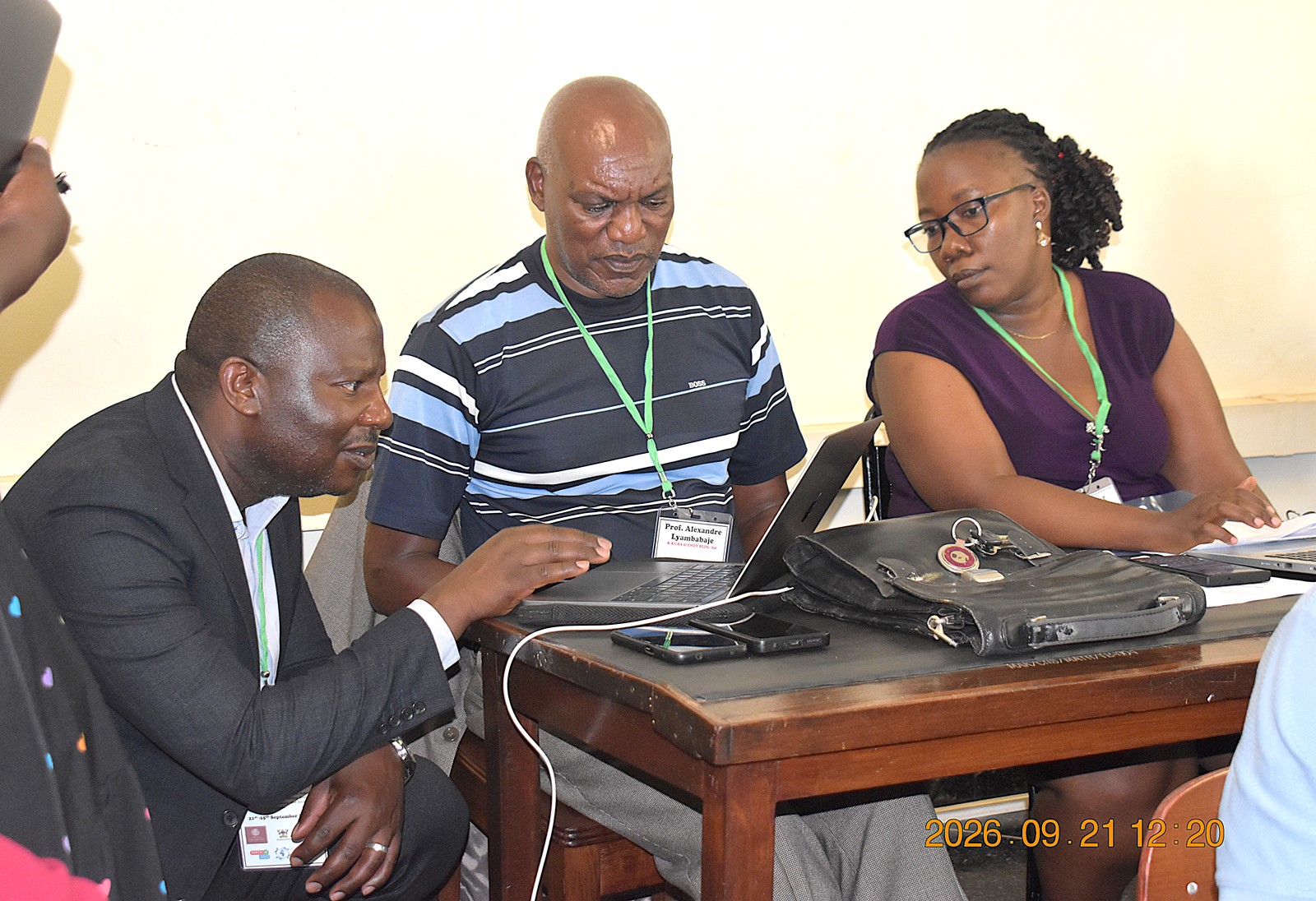
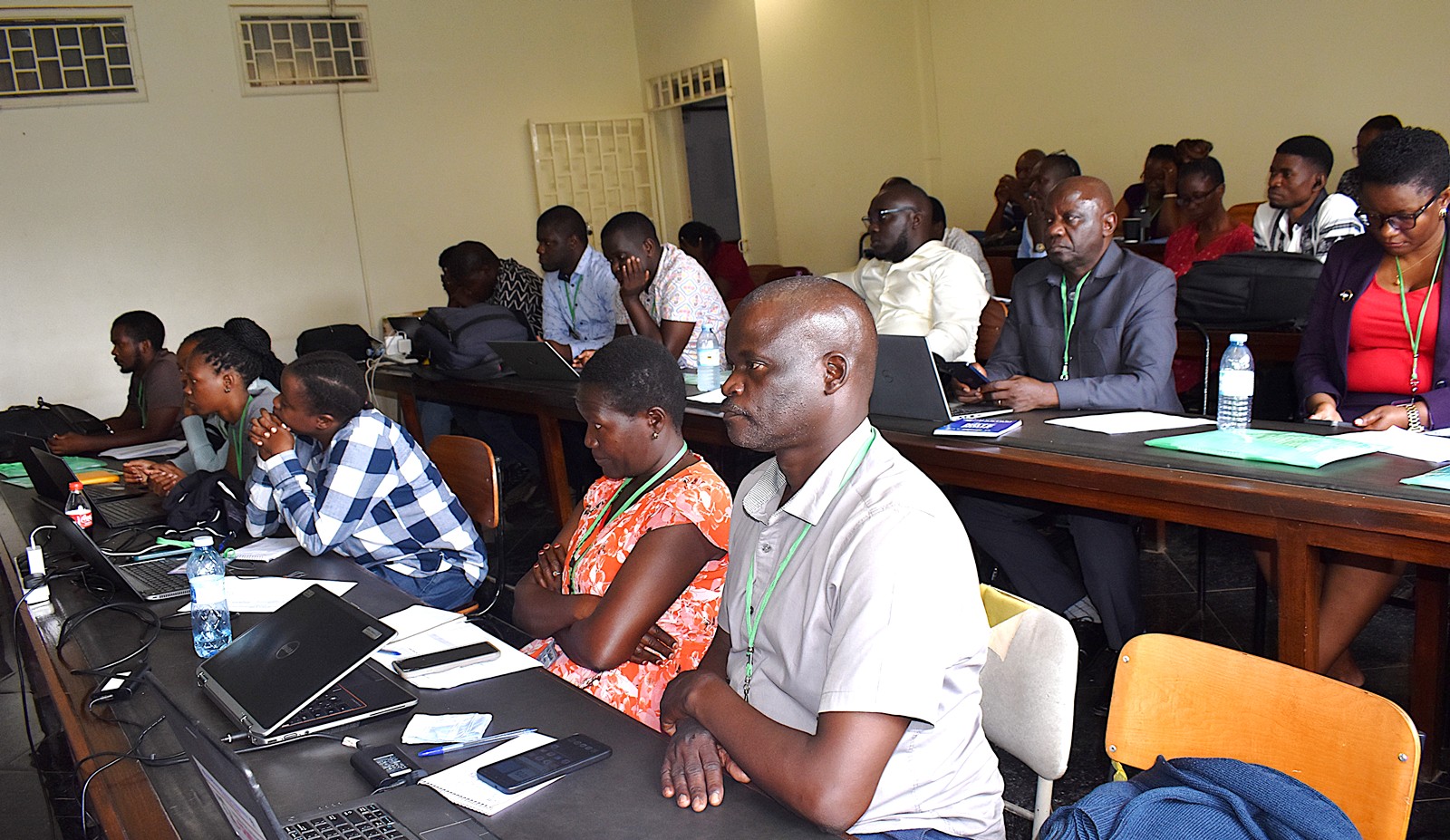
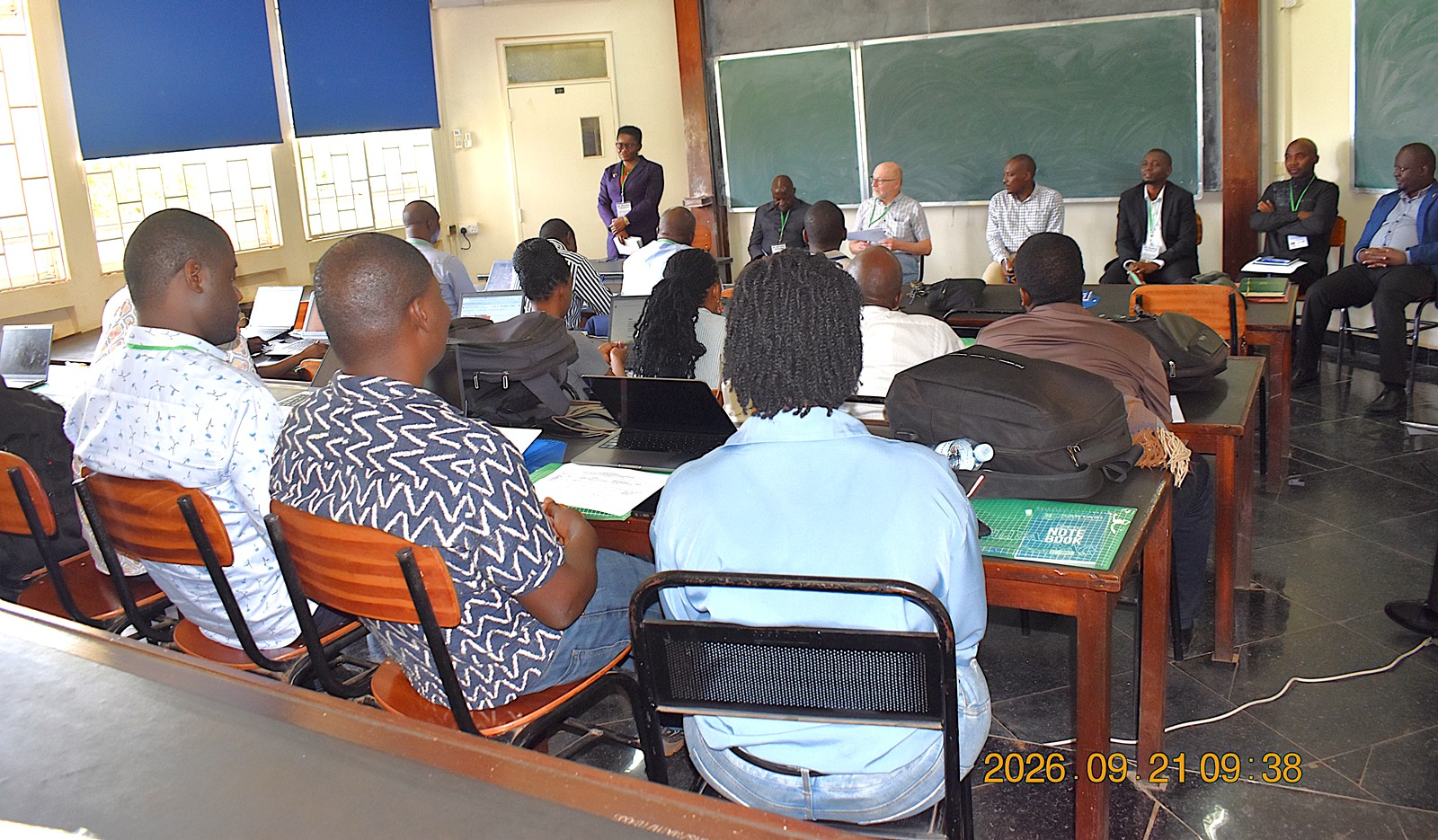
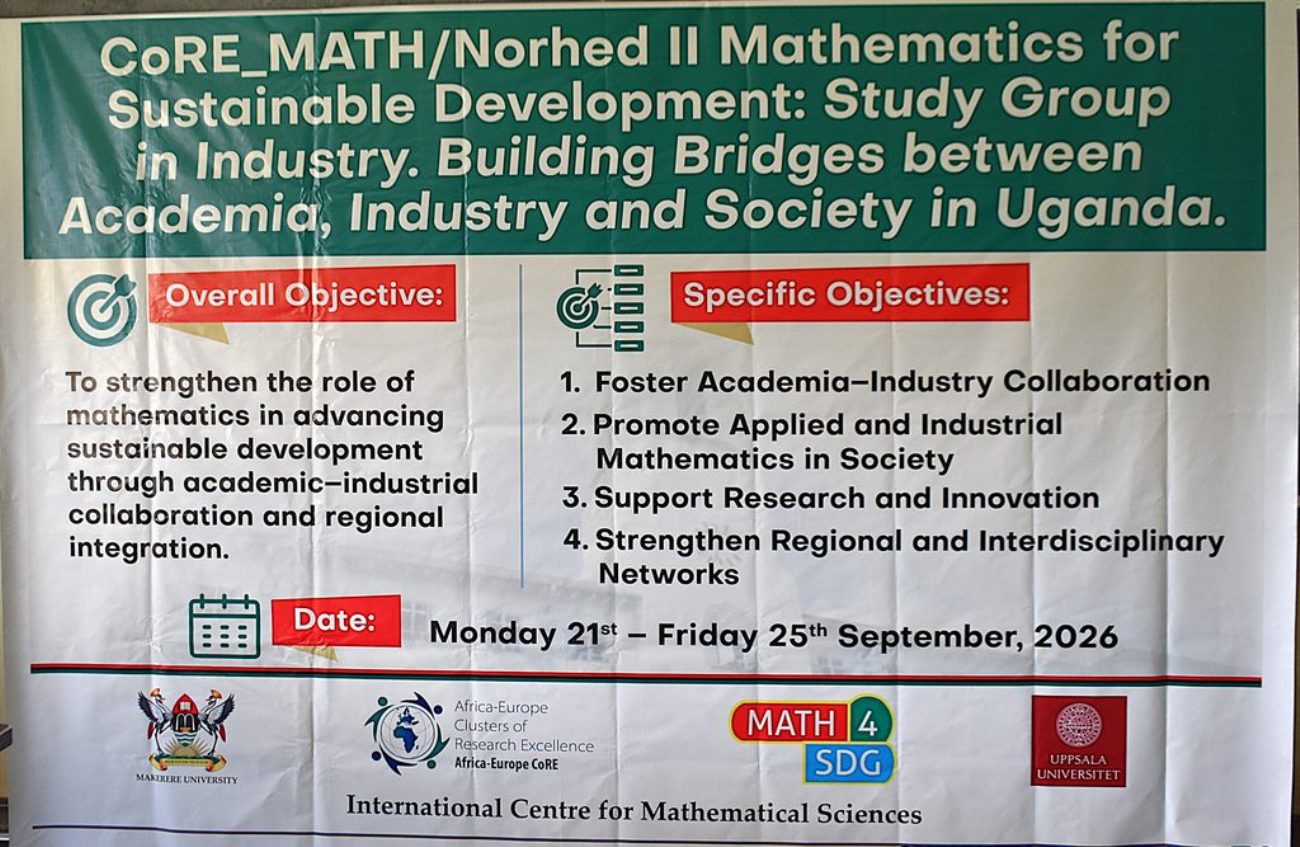
It is this practical application of mathematics that formed the focus of the five-day ICMS-CoRE-MATH Study Group in Industry, held from 21st-25th September 2026 at the Department of Mathematics, Makerere University. The Study Group brought together mathematicians, industry practitioners and regional and international experts to develop mathematical models for addressing challenges across sectors.
Held under the Africa–Europe Cluster of Research Excellence in Mathematics (CoRE-MATH), in collaboration with the NORHED II Mathematics for Sustainable Development (Math4SDG) project, the workshop sought to strengthen the application of mathematical research to development challenges while deepening collaboration between academia, industry and society.
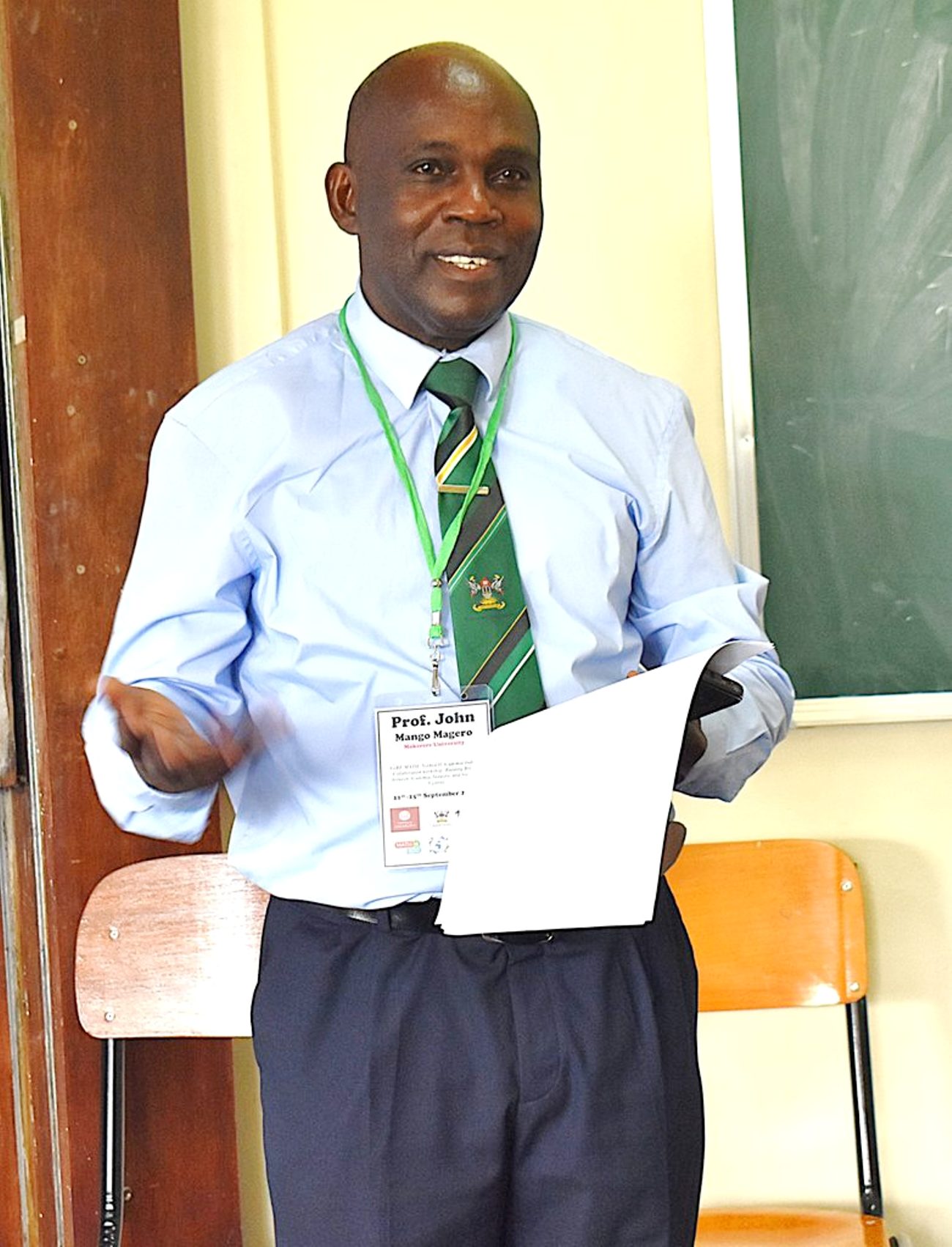
CoRE-MATH is co-led by Prof. John Mango Magero of Makerere University and Prof. Bengt Ove Turesson of the International Science Programme at Uppsala University, Sweden. The initiative brings together leading universities from both continents. African partner institutions include Makerere University, the University of Nairobi, the University of Rwanda, the University of Dar es Salaam, Addis Ababa University, the University of Zambia, and Stellenbosch University. These institutions collaborate with European universities such as Uppsala University, the University of Amsterdam, and the University of Oslo.
Purpose of the Workshop
Rather than approaching mathematics as an abstract discipline, the Study Group provided a platform for researchers to work directly on practical problems presented from different sectors. Through mathematical modelling, the researchers sought to break down complex challenges into measurable variables, analyze relationships between them and develop models that can be tested and refined to support decision-making.
Four areas were explored during the Study Group: public-service pension reform, hypertension risk prediction, aquaculture investment and food-court seating optimization.
Modelling Uganda’s Public-Service Pension Transition
One of the research groups, led by Dr Herbert Mukalazi, developed a mathematical framework to examine the fiscal implications and long-term sustainability of Uganda’s transition to the new public-service pension system.
The model is designed to help Government understand how much the transition to the new public-service pension system could cost over time and plan for these financial demands in advance. It shows how payments to existing pensioners and obligations under the new system may overlap, helping Government anticipate funding needs, avoid financial shortfalls and ensure that pension benefits can continue to be paid as expected.
Preliminary simulations indicate that the transition could place an additional financial burden on the Government, equivalent to approximately 1.14 percent of GDP, with the burden peaking around the 2028/29 financial year. The model also highlights the importance of investment returns to the Fund’s long-term financial position.
Under a scenario assuming a 6 percent annual nominal investment return, the model estimates that Government may need to make an additional contribution equivalent to about 2.14 percent of covered payroll to ensure the pension system has enough cash to meet its obligations throughout the simulated period.
The study illustrates how mathematical modelling can transform a complex public-finance challenge into measurable scenarios, allowing policymakers and other stakeholders to examine how different assumptions and policy choices could affect the pension system over time.
Predicting Hypertension Risk Using Available Health Data
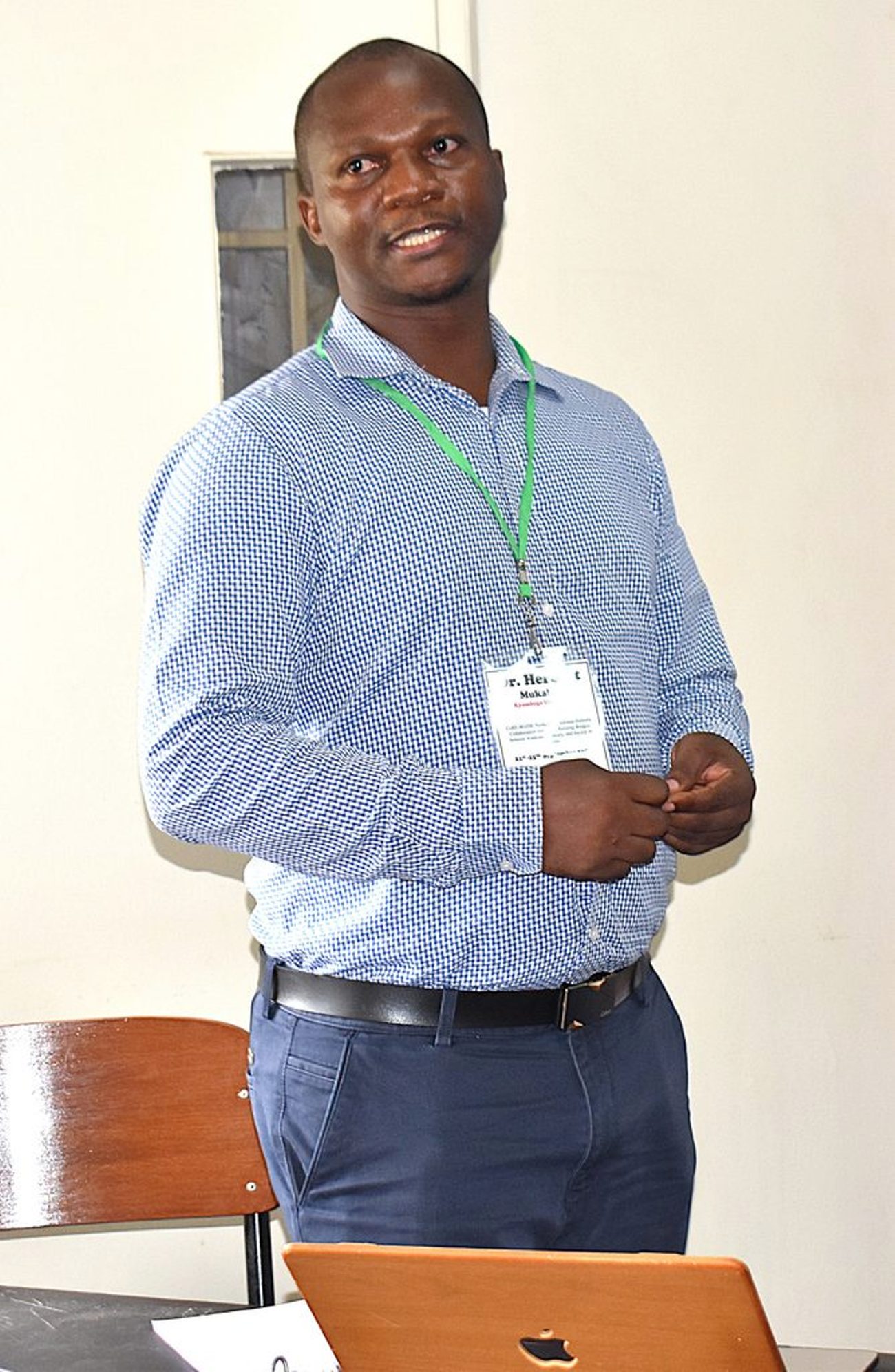
In healthcare, Dr Rebecca N. Nsubuga is leading a team that is developing a mathematical model to predict an individual’s risk of hypertension using available demographic and health data.
The study seeks to categorize individuals into low-, moderate- or high-risk groups using variables including age, sex, residence, education and income, together with anthropometric measures such as body mass index and waist circumference where available.
Using ordinal logistic regression and a generalized ordinal logistic regression approach, the researchers examined how different risk factors relate to progression across the different hypertension-risk categories.
Analysis of 100,000 observations identified significant associations between hypertension risk and several factors, including age, residence, education and income.
The model provides a foundation for developing predictive tools that could support the early identification of people at increased risk of hypertension, potentially enabling more targeted prevention and public-health interventions.
Using Mathematics to Inform Aquaculture Investment
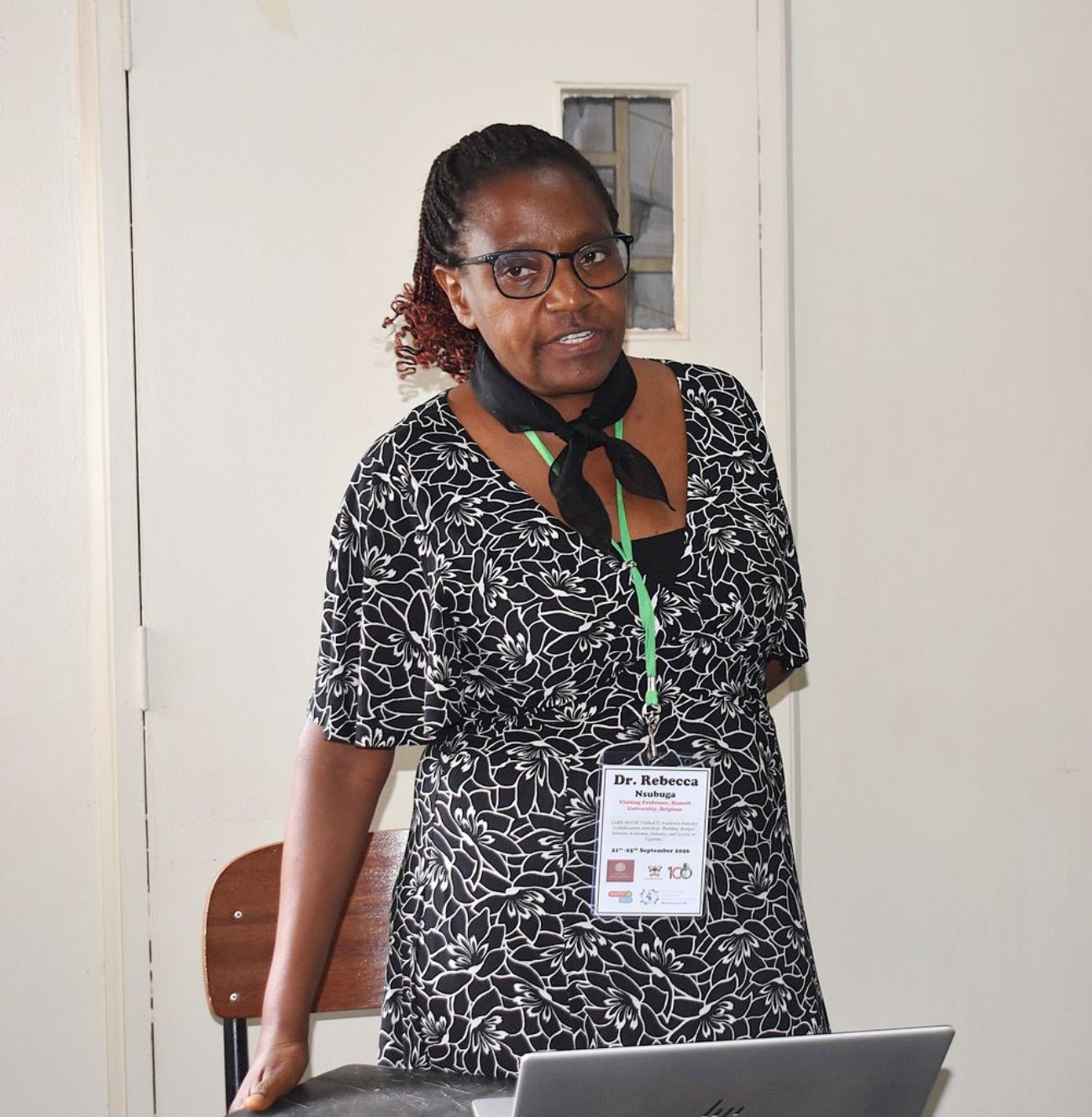
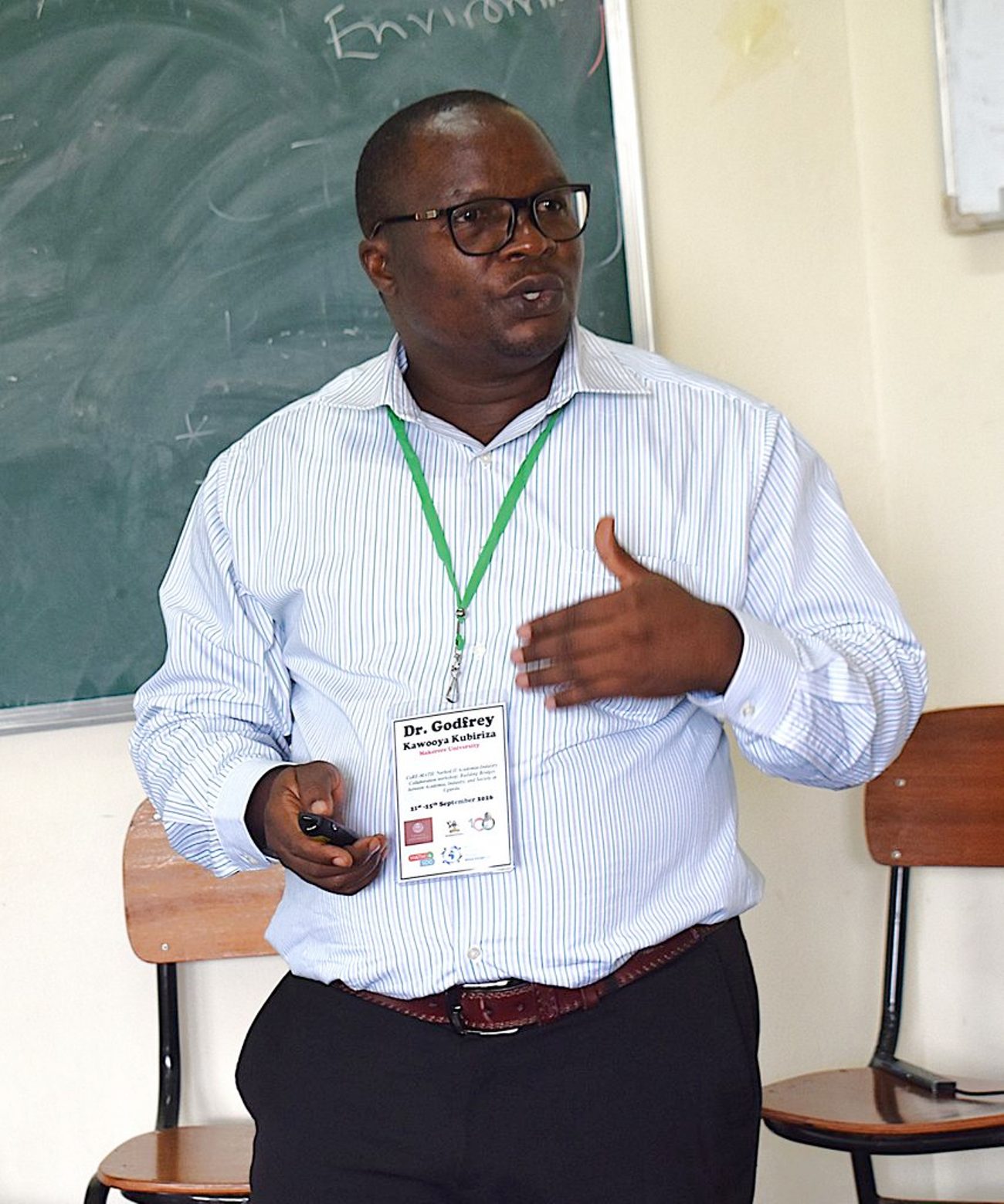
Another study group, led by Dr. Godfrey Kawooya Kubiriza, developed a mathematical model to help investors make more informed decisions about aquaculture investments.
The model brings together key factors such as production costs, expected fish yields, market prices, risks and potential returns to show how changes in these factors could affect the profitability of an investment. This enables investors to examine different scenarios before committing resources and identify how changes in production or market conditions may influence expected returns.
The study demonstrates how mathematical modelling can provide a structured approach to investment planning in aquaculture, where biological, financial and market factors are closely interconnected.
Food-Court Seating Optimization
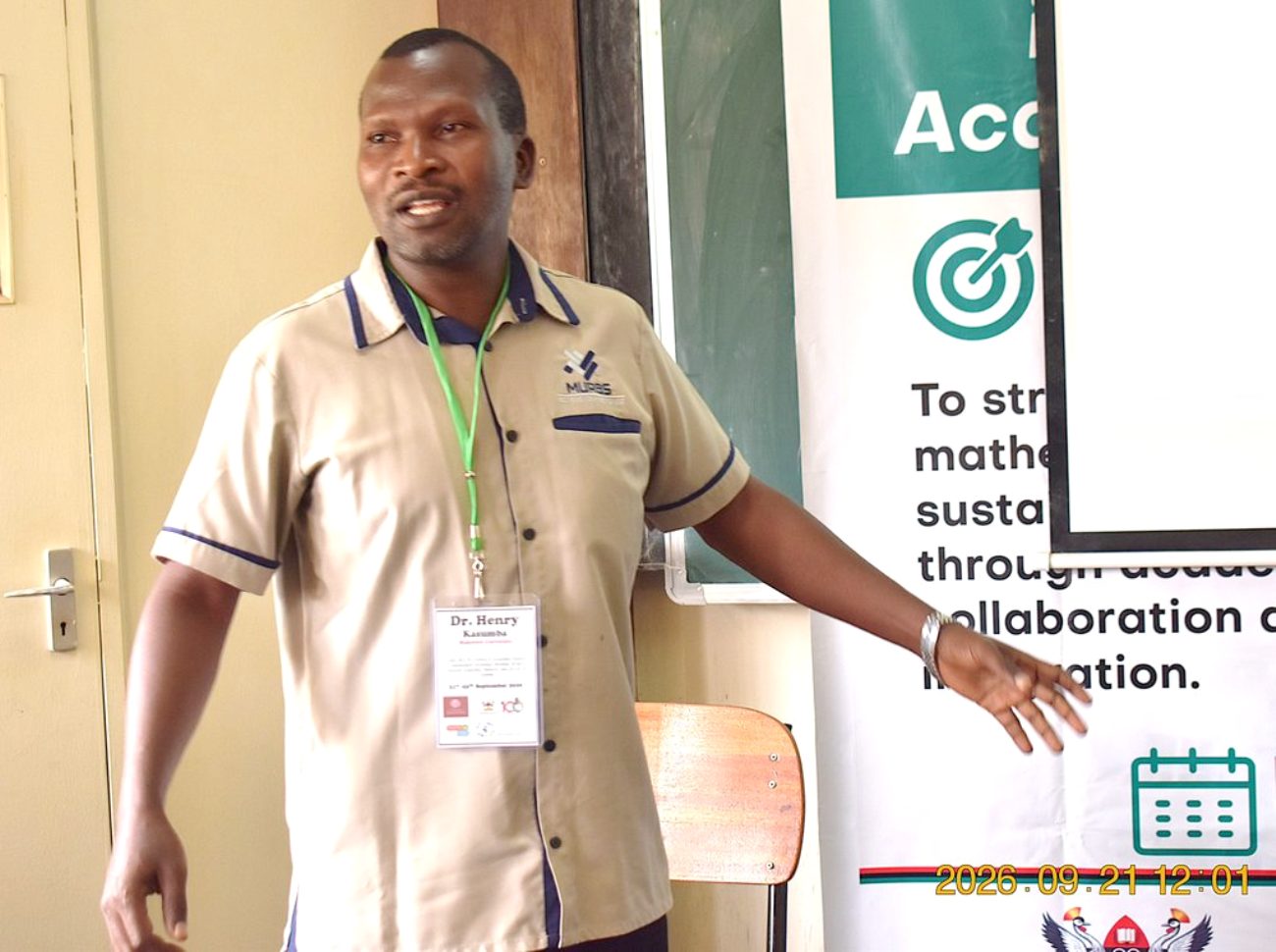
A fourth study, led by Dr Henry Kasumba, focused on food-court seating optimization, demonstrating how mathematical modelling can be applied to everyday operational challenges.
The study explored how available space could be organized to optimize seating arrangements while taking into account competing requirements and spatial constraints.
Although seemingly simple, the problem illustrates a broader application of mathematics: helping organizations make better use of limited resources by identifying arrangements that satisfy multiple requirements as efficiently as possible.
Strengthening the Link Between Mathematics and Society
The Study Group forms part of the broader efforts by Makerere University and its partners to strengthen the connection between mathematical research and real-world development challenges.
By bringing mathematicians and practitioners together to address real-world problems, the initiative supports the development of evidence-based models for decision-making while creating opportunities for further research and postgraduate studies.
The workshop was coordinated by Prof. John Mango Magero and Dr. Alex Behakanira, Senior Lecturer at the Department of Mathematics and member of the academic network contributing to capacity building and collaborative research activities in the CoRE-MATH initiative.
Photo highlights of the workshop: https://drive.google.com/drive/folders/1KbMC4rF0-M3HHD_ofbIdlbEsBUEtkeWf?usp=sharing
More about the Core-MATH initiative: https://news.mak.ac.ug/2026/06/makerere-department-of-mathematics-industry-partners-explore-strategies-to-strengthen-collaboration-in-addressing-societal-challenges/
Natural Sciences
From World’s Worst Water Weed to Worth: Makerere Researchers Turn Water Hyacinth into Valuable Products
For communities living along Uganda’s lakes and rivers, water hyacinth is more than an invasive weed. Its rapid spread can choke waterways, disrupt fishing and transportation, restrict access to water and interfere with livelihoods and essential community services.
But what has for years been viewed primarily as an environmental menace could also become a source of economic opportunity.
Turning an environmental challenge into an opportunity
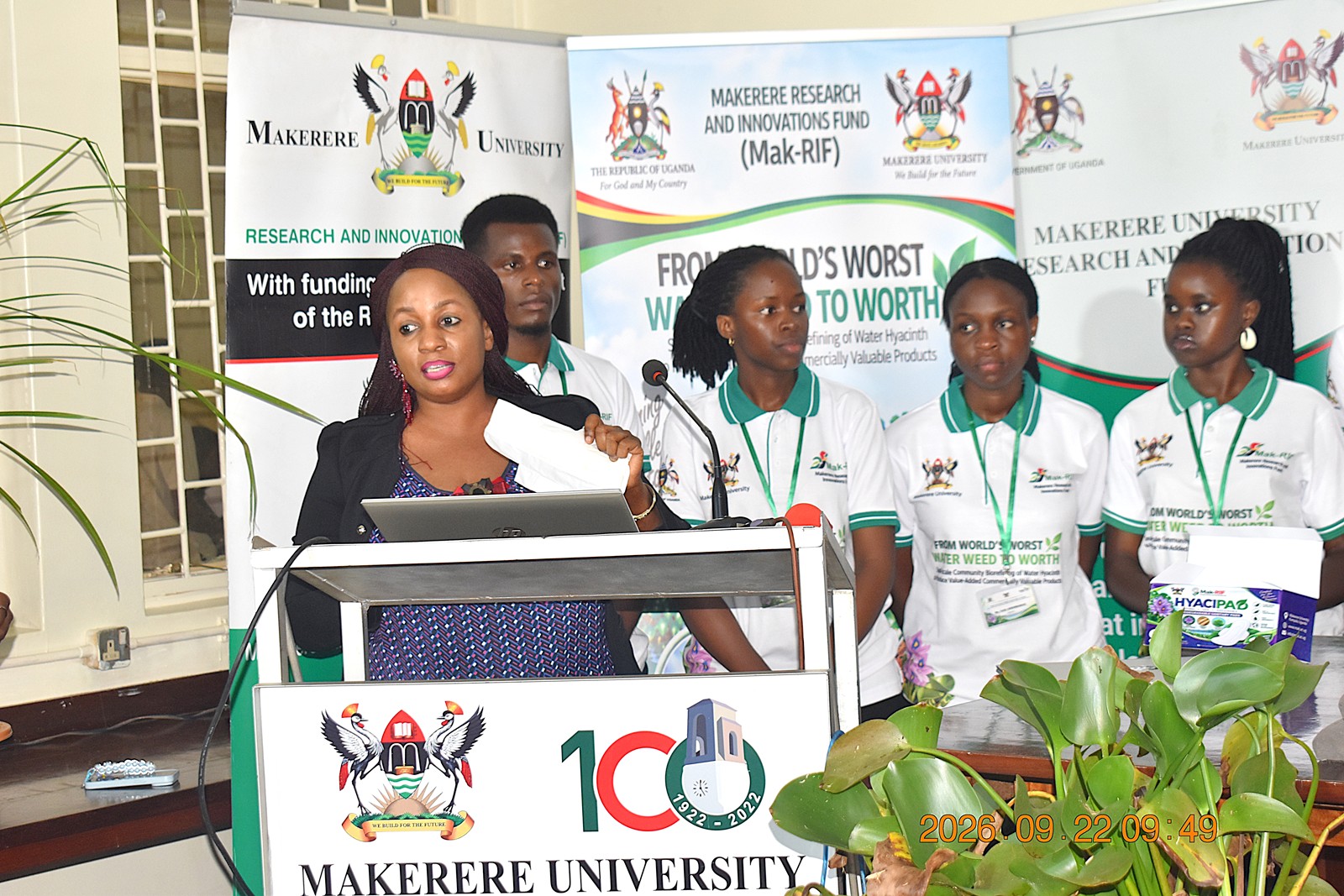
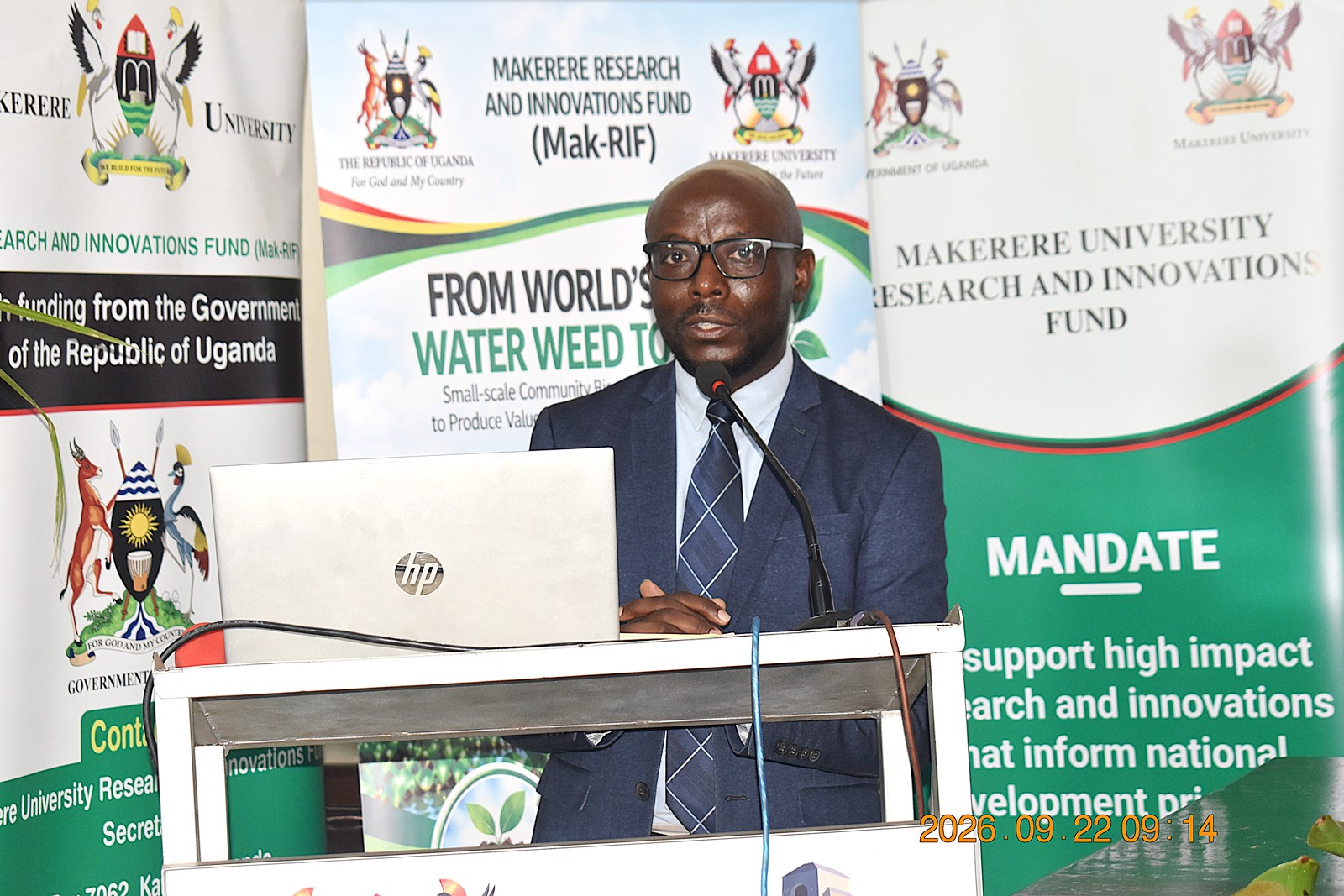
Researchers at Makerere University, with support from the Government of Uganda through the Makerere University Research and Innovations Fund (MakRIF), have demonstrated how water hyacinth can be harvested and transformed into useful, value-added products through a small-scale community bio-refining approach.
Their project, titled “From World’s Worst Water Weed to Worth: Small-scale Community Bio-refining of Water Hyacinth to Produce Value-added Commercially Valuable Products,” sought to shift the focus from simply removing and disposing of the invasive plant to exploring opportunities for value addition, innovation and enterprise.
Led by Dr. Alice Nabatanzi from the Department of Plant Sciences, Microbiology and Biotechnology at the College of Natural Sciences (CoNAS), Makerere University, the research was inspired by the experiences of communities affected by water hyacinth, including residents of Katosi Ward in Mukono District, where the weed has had significant socio-ecological impacts.
According to a community assessment conducted as part of the research, 68.7% of the respondents reported extreme impacts on fishing, while 65.0% reported extreme impacts on water transport.
During community engagements, residents described how the proliferation of water hyacinth had blocked waterways, disrupted fishing and transportation, affected access to water and created significant challenges for household livelihoods. In some instances, obstructed waterways affected children’s access to essential services.
These experiences provided an important starting point for the research team.
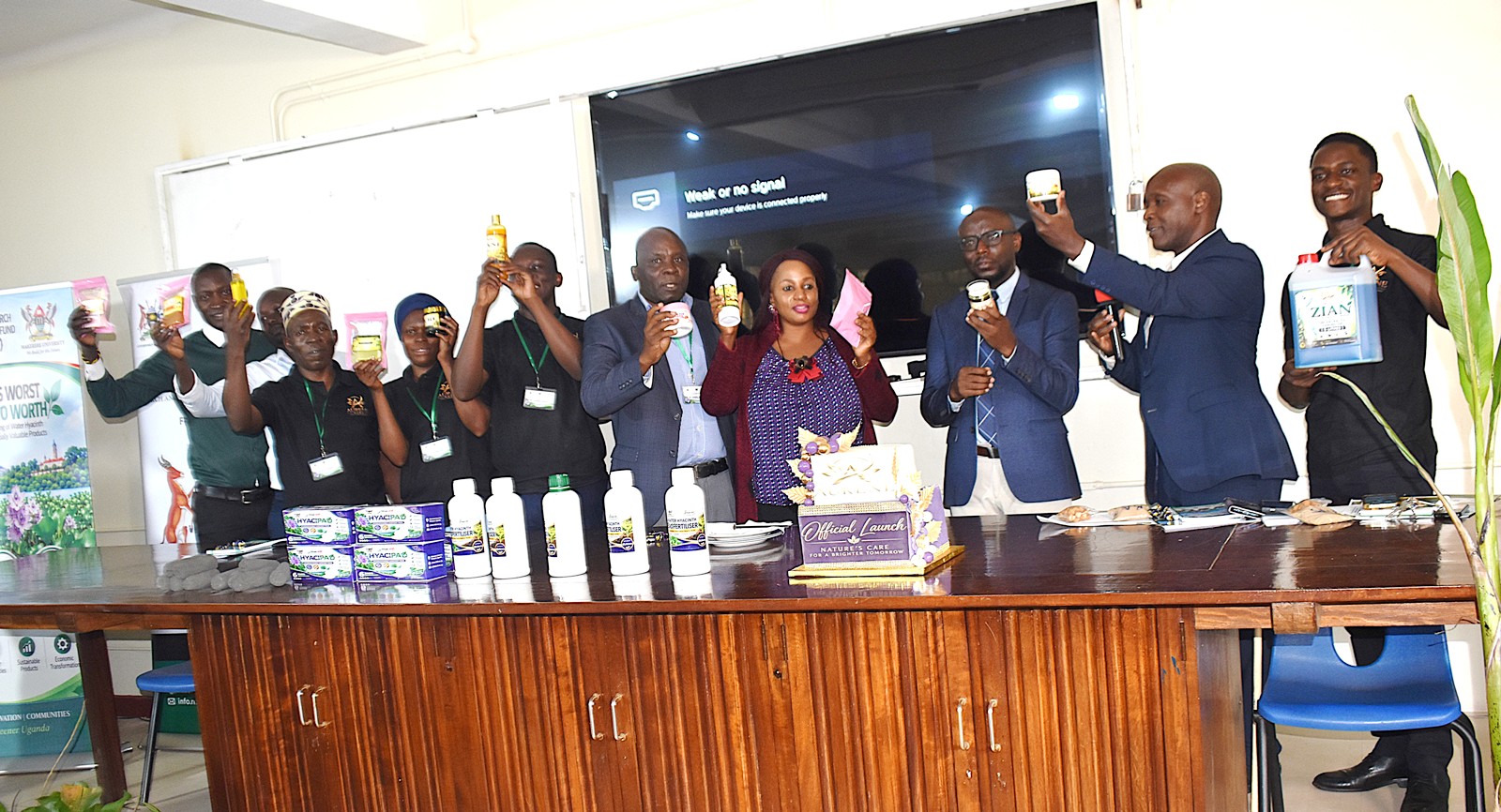
Through different processing methods, the team successfully developed three products from the harvested biomass: a bio-fertilizer, briquettes, and biodegradable sanitary pads.
Water hyacinth transformed into bio-fertilizer
One of the products developed by the researchers was a bio-fertilizer made from water hyacinth biomass.
The process began with harvesting the weed from affected water bodies and shredding the biomass to facilitate processing. The researchers explored biological processing approaches, including composting, vermicomposting and anaerobic digestion, to break down the plant material and release its organic matter and nutrients.
Following processing and curing, the resulting material was developed into an organic soil amendment, providing a productive use for harvested water hyacinth while returning organic matter and nutrients to the soil.
Briquettes offer an alternative solid fuel
The project team also developed briquettes from water hyacinth biomass, demonstrating its potential as an alternative solid fuel.
The innovation could, with further research, development and appropriate commercialization pathways, contribute to community-based enterprises.
From water hyacinth fibre to biodegradable sanitary pads
Another distinctive innovation emerging from the research is a biodegradable sanitary pad.
To produce the absorbent material, researchers extracted cellulose-rich fibre from the petioles of water hyacinth and combined it with other locally available plant fibres, including banana fibre and papyrus.
The resulting plant-based material was incorporated into sanitary pads that were subsequently developed and tested to assess their performance as a menstrual hygiene product.
According to the research findings, the water-hyacinth-based pads demonstrated higher liquid absorption capacity and potential health and safety advantages compared with conventional pads. Their use of locally available plant fibres also offers potential to reduce production costs and improve accessibility.
Research generating scientific knowledge
In addition to developing value-added products, the project has generated scientific knowledge on the socio-ecological effects of water hyacinth on affected communities.
The research findings have been published in Scientific Reports, Springer Nature Journal, in a peer-reviewed paper by Nabatanzi, A., Nambejja, C. and Byarugaba, I. (2026) titled “Socio-ecological impacts of water hyacinth (Pontederia crassipes (Mart) Solm) on livelihoods in Katosi Ward, Uganda.”
The study provides evidence of the impacts of water hyacinth on livelihoods, while the wider project demonstrates how the same invasive resource can be investigated as a potential source of useful products.
Other research outputs: Production of personal care and wellness products from different plant materials
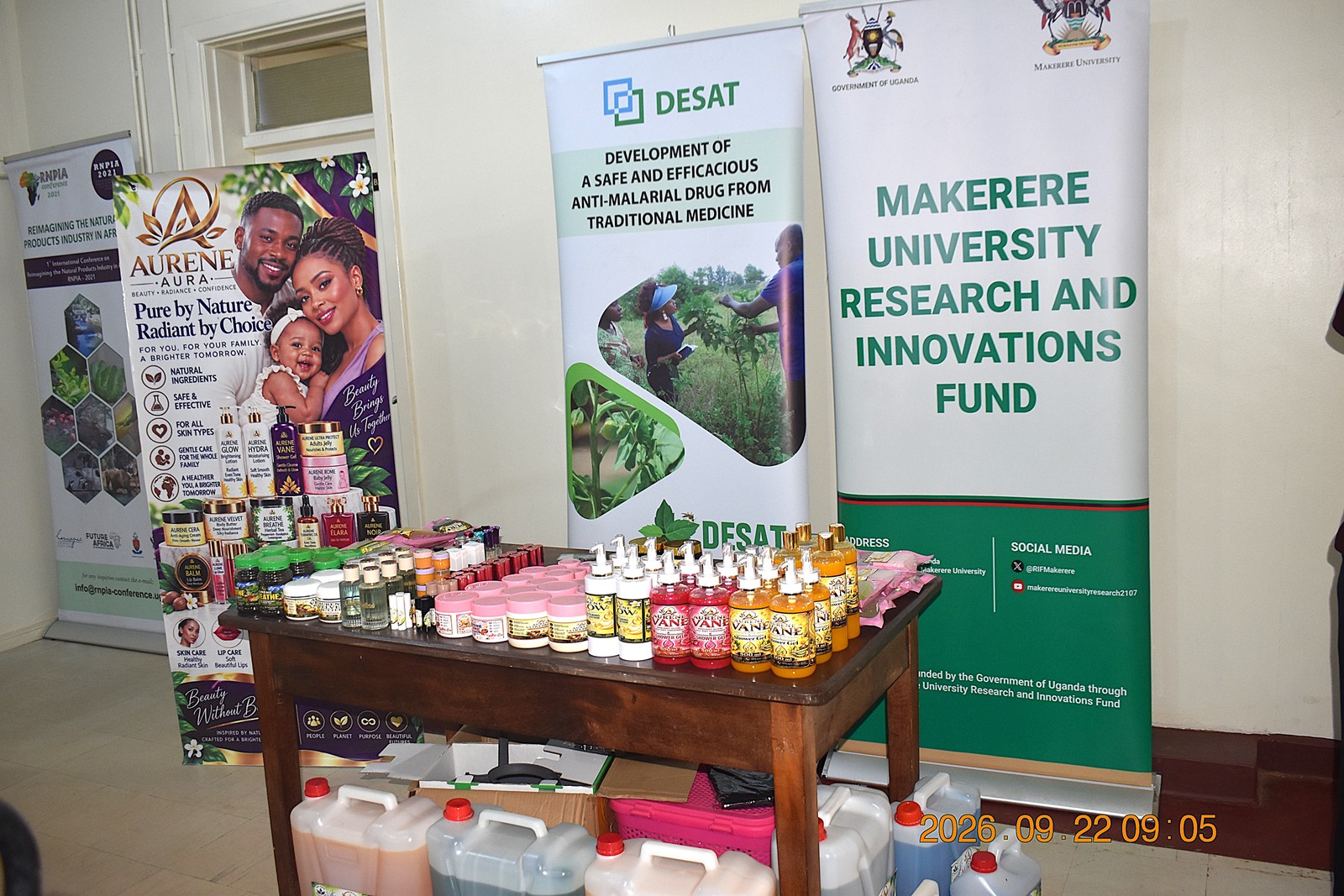
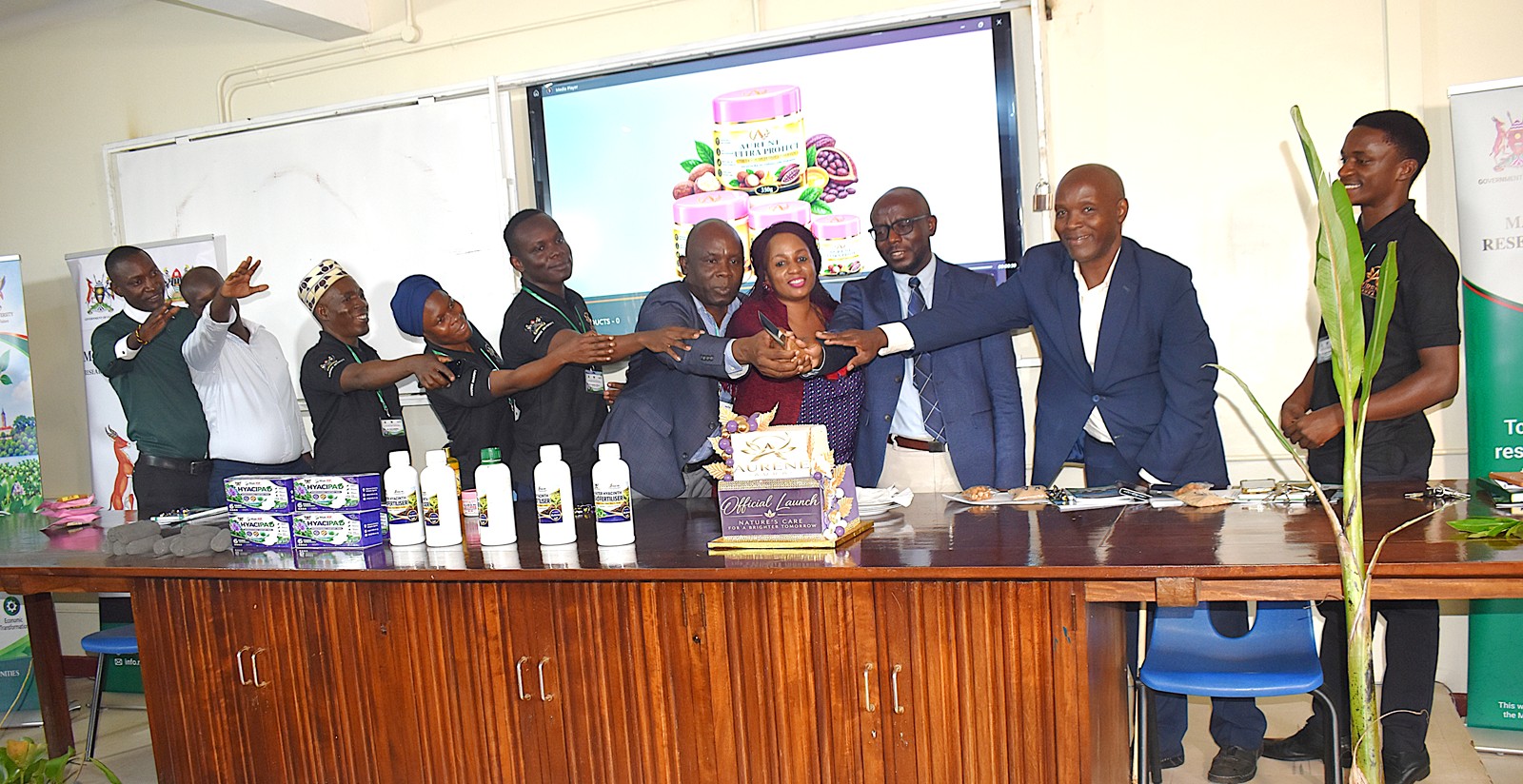
Beyond their work on value-added products from water hyacinth, Dr. Alice Nabatanzi and her research team are also translating scientific research into a growing range of locally developed skincare, personal care and wellness products under AURENE AURA, a Ugandan innovation emerging from the Makerere University Plant Sciences, Microbiology and Biotechnology (PMB) Product Development Hub.
Built around the integration of research, nature and innovation, AURENE AURA brings together botanical ingredients and formulation science to develop products designed for diverse skincare and personal wellness needs. The growing collection includes medicated acne-control bars, radiant and brightening soaps and lotions, hypoallergenic goat-milk cleansing bars, moisturizing shower gels, baby-care jelly, lip balms and lip gloss, liquid soaps and other personal-care formulations.
The portfolio also extends to fragrances and botanical perfume mists, herbal respiratory wellness products, and botanical teas and wellness blends, demonstrating the team’s efforts to explore the potential of locally sourced natural ingredients beyond conventional applications.
According to the team, the products are developed through a research-to-product process that involves identifying specific user needs, selecting appropriate botanical and active ingredients, formulation, testing, refinement and packaging. This approach seeks to combine the benefits of botanical ingredients with formulation science, product stability and user safety.
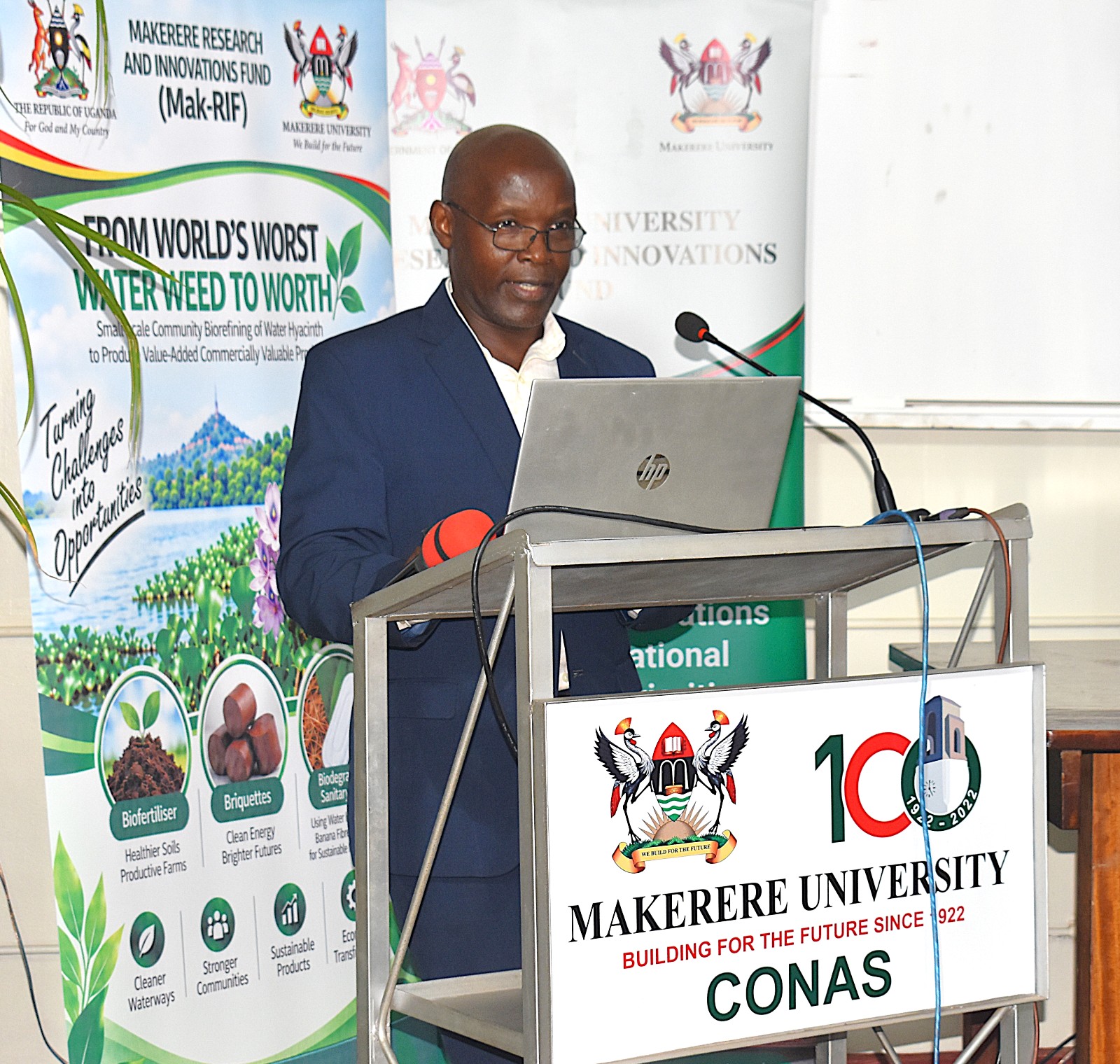
Research dissemination workshop
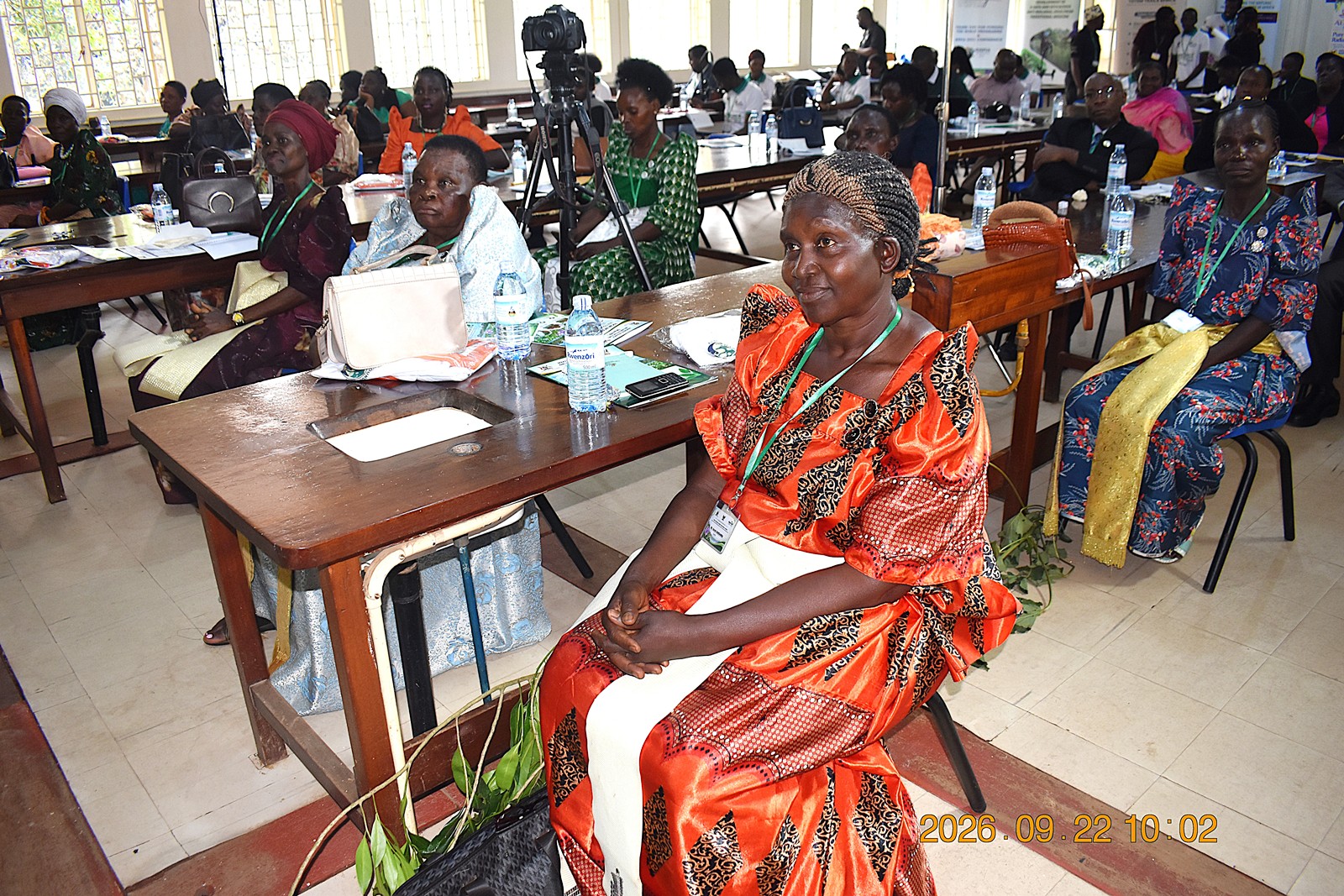
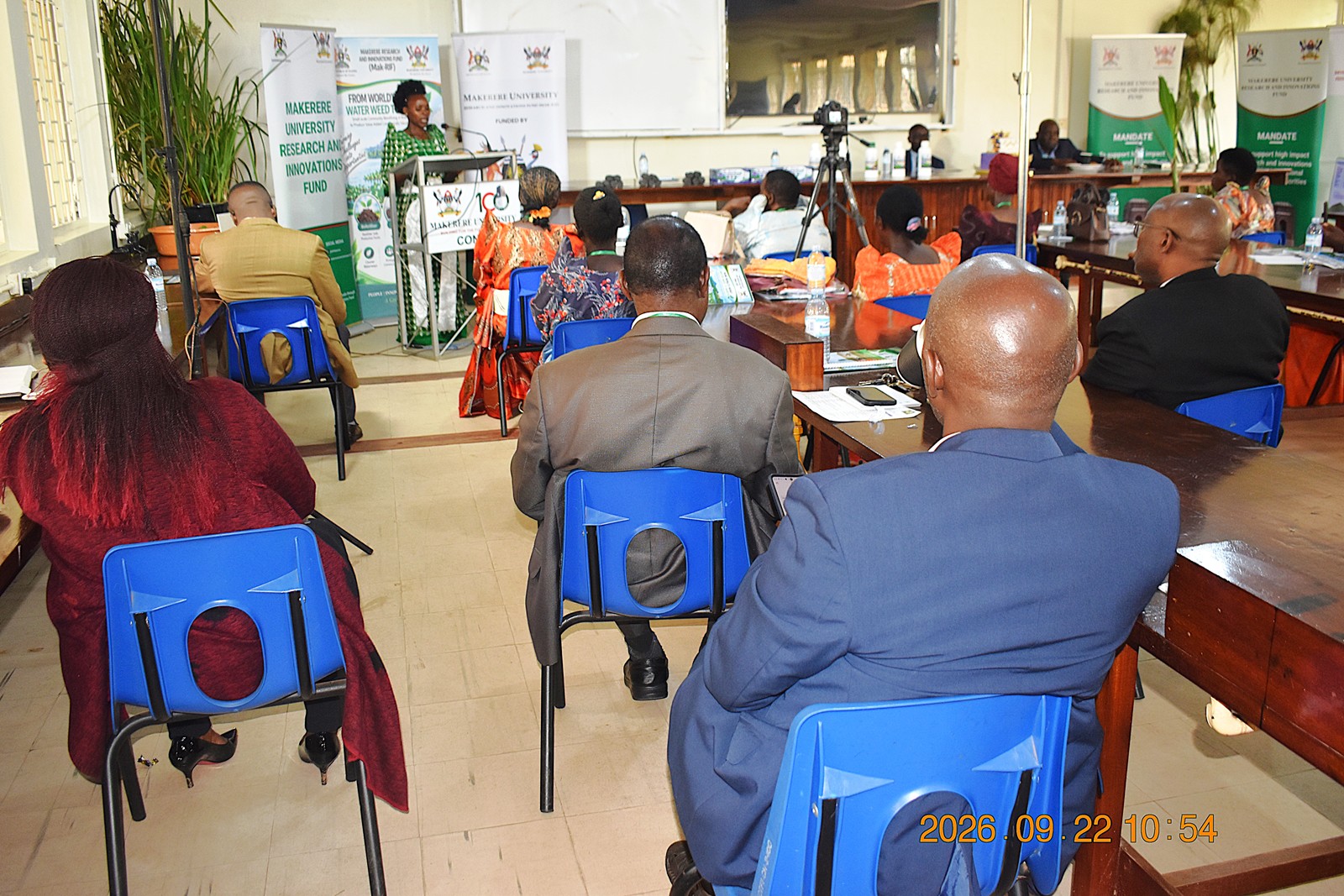
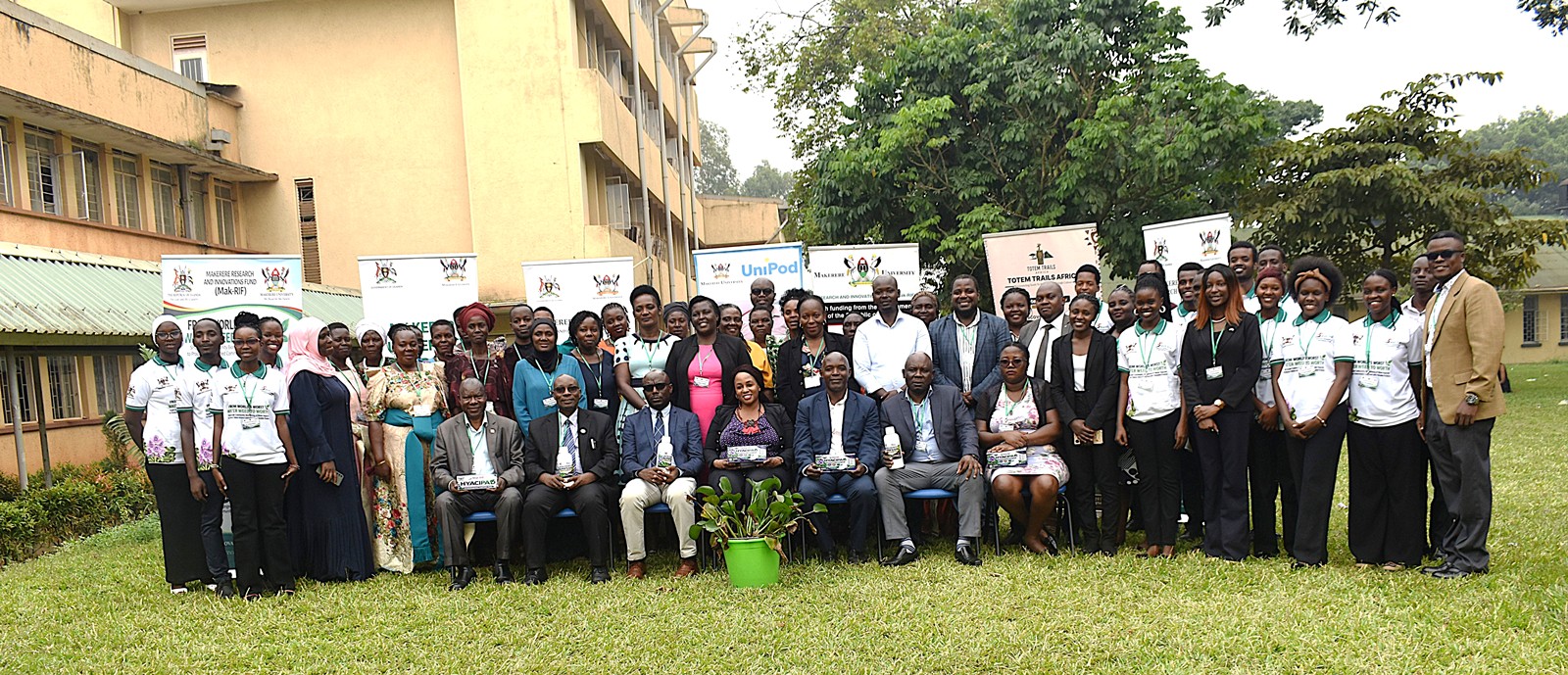
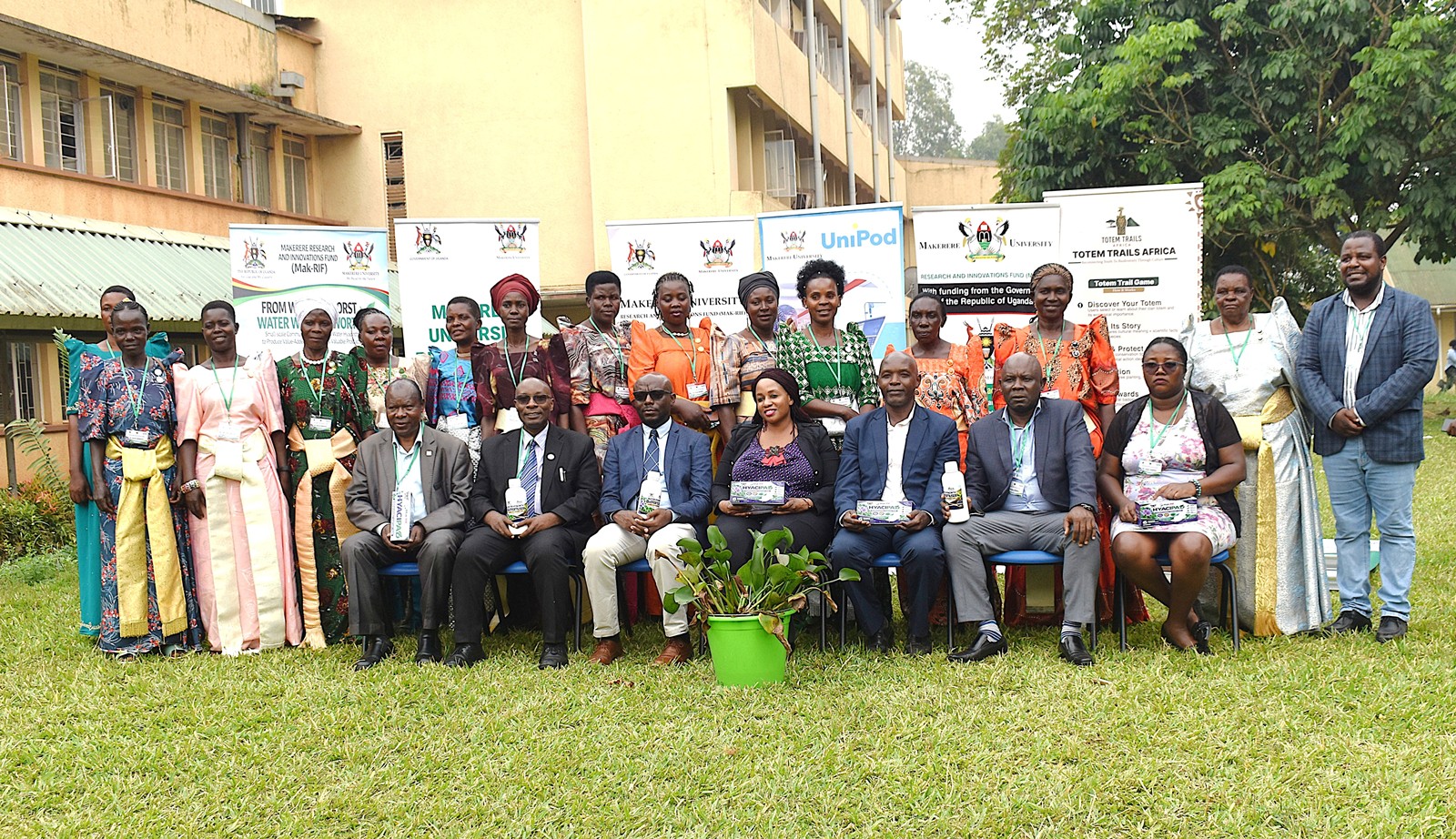
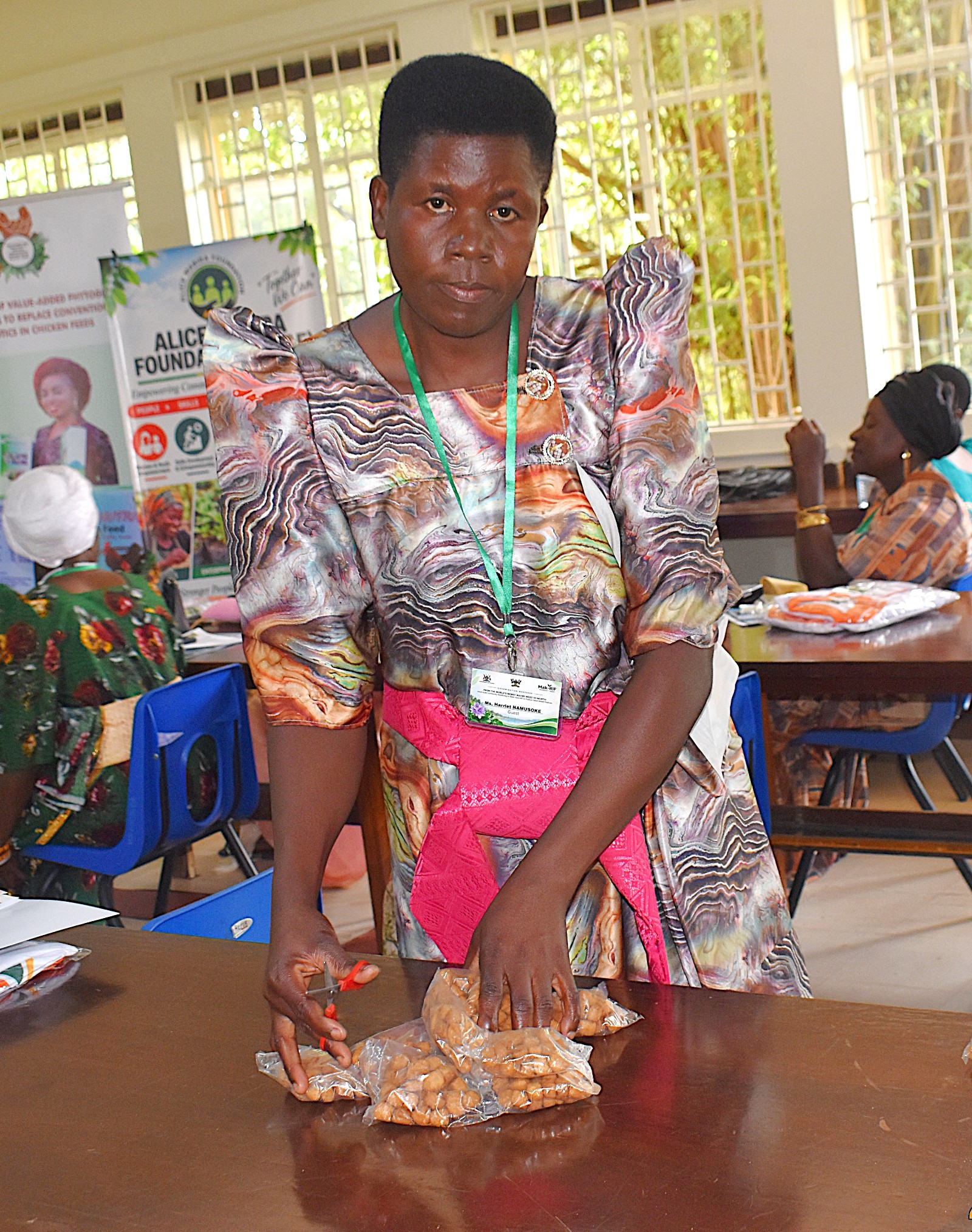
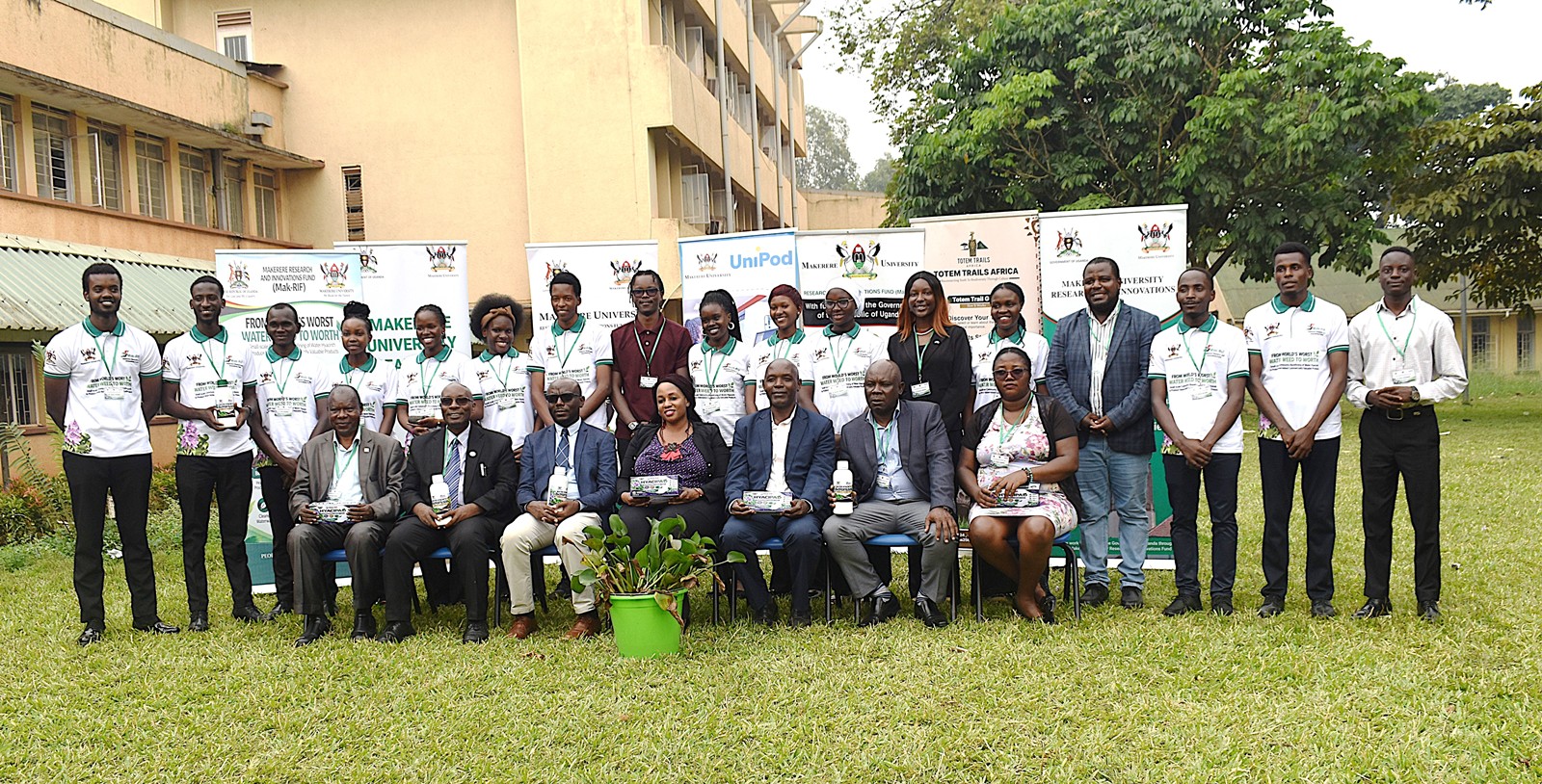
Dr. Nabatanzi and her research team presented the findings and innovations to the Makerere University community and key stakeholders during a research dissemination workshop held on 22nd September 2026 at the Department of Plant Sciences, Microbiology and Biotechnology.
The seminar provided a platform for the team to share the research outcomes, demonstrate the innovations and discuss pathways for translating the findings into practical solutions with environmental, social and economic value.
Remarks from the Chair, MakRIF
Representing the Chairperson of the Makerere University Research and Innovations Fund (MakRIF), Dr. Michael Owor commended the research team for moving beyond documenting the water hyacinth challenge to developing practical innovations with potential community and commercial applications.
He noted that the project exemplifies MakRIF’s mandate, established by the Government of Uganda to support research and innovation that responds to national development challenges.
“This project exemplifies that mandate by moving beyond describing the problem of water hyacinth to developing practical solutions that communities, enterprises and public institutions can potentially adopt,” he said.
He, however, noted that research findings and prototypes do not automatically translate into sustainable impact, stressing the need for stronger collaboration amongst stakeholders to advance product validation, safety, quality, affordability, regulatory compliance, intellectual property protection and market access.
He urged stakeholders to use the workshop to agree on concrete pathways for advancing the innovations, including further testing, standards development, community-based production, manufacturing and distribution partnerships, and resource mobilisation for scale-up.
Regarding the biodegradable sanitary pads, Dr. Owor stressed the need for sustained engagement with women and girls, schools, health professionals and relevant regulatory institutions to ensure that the product is safe, acceptable, affordable and responsive to the users’ needs.
He further challenged the research team to develop a clear post-project action plan.
“Dissemination should not mark the end of the project; it should serve as a transition from research findings to adoption, enterprise development and demonstrable community impact,” he said.
On behalf of the MakRIF Grants Management Committee, Dr. Owor appreciated the Government of Uganda for its continued investment in research and innovation through the MakRIF, and acknowledged the University Management for providing an enabling environment for the research.
He also recognized the contribution of the participating communities and stakeholders whose knowledge and experiences informed the project.
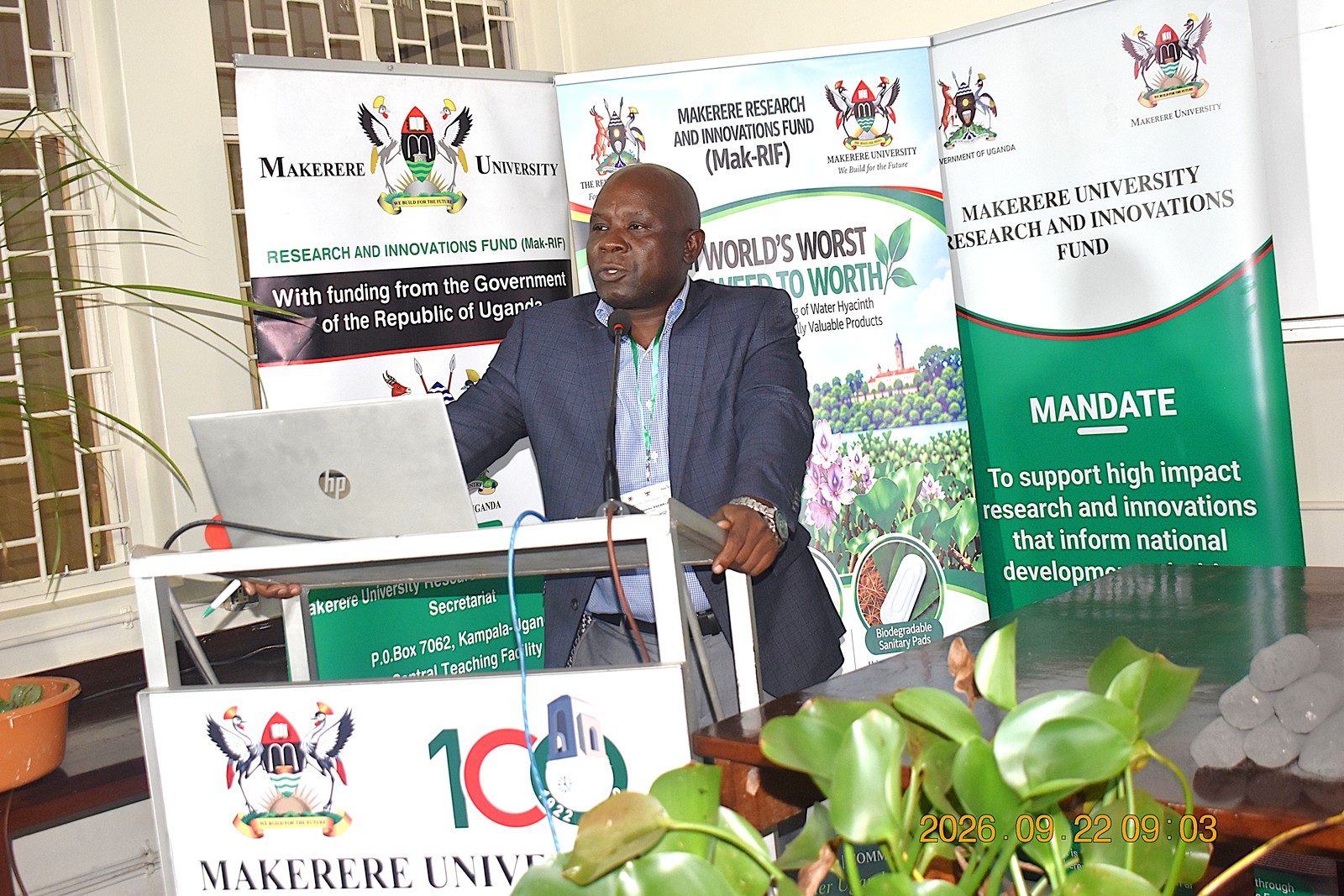
CoNAS: Turning knowledge into solutions for society – Remarks by the College leaders
On behalf of the Principal of the College of Natural Sciences (CoNAS), the Deputy Principal, Prof. Godwin Kakuba, congratulated Dr. Nabatanzi and her team on undertaking impactful, transformative and accessible research that demonstrates how a persistent environmental challenge can be turned into an opportunity for innovation, livelihoods and sustainable development.
Referring to the priorities of Uganda’s National Development Plan IV (NDP IV), Prof. Kakuba emphasized the importance of harnessing the country’s innovation capacity to drive socio-economic transformation. “Such research demonstrates how university-generated knowledge can contribute to addressing real-world environmental and socio-economic challenges.”
He commended Dr. Nabatanzi for involving communities and students in the research process, noting that such engagements strengthen the relevance of university research while providing students with practical opportunities to apply scientific knowledge to challenges affecting society. He further underscored the need to strengthen industry-academia partnerships to facilitate the translation of research findings into products and technologies that can be adopted.
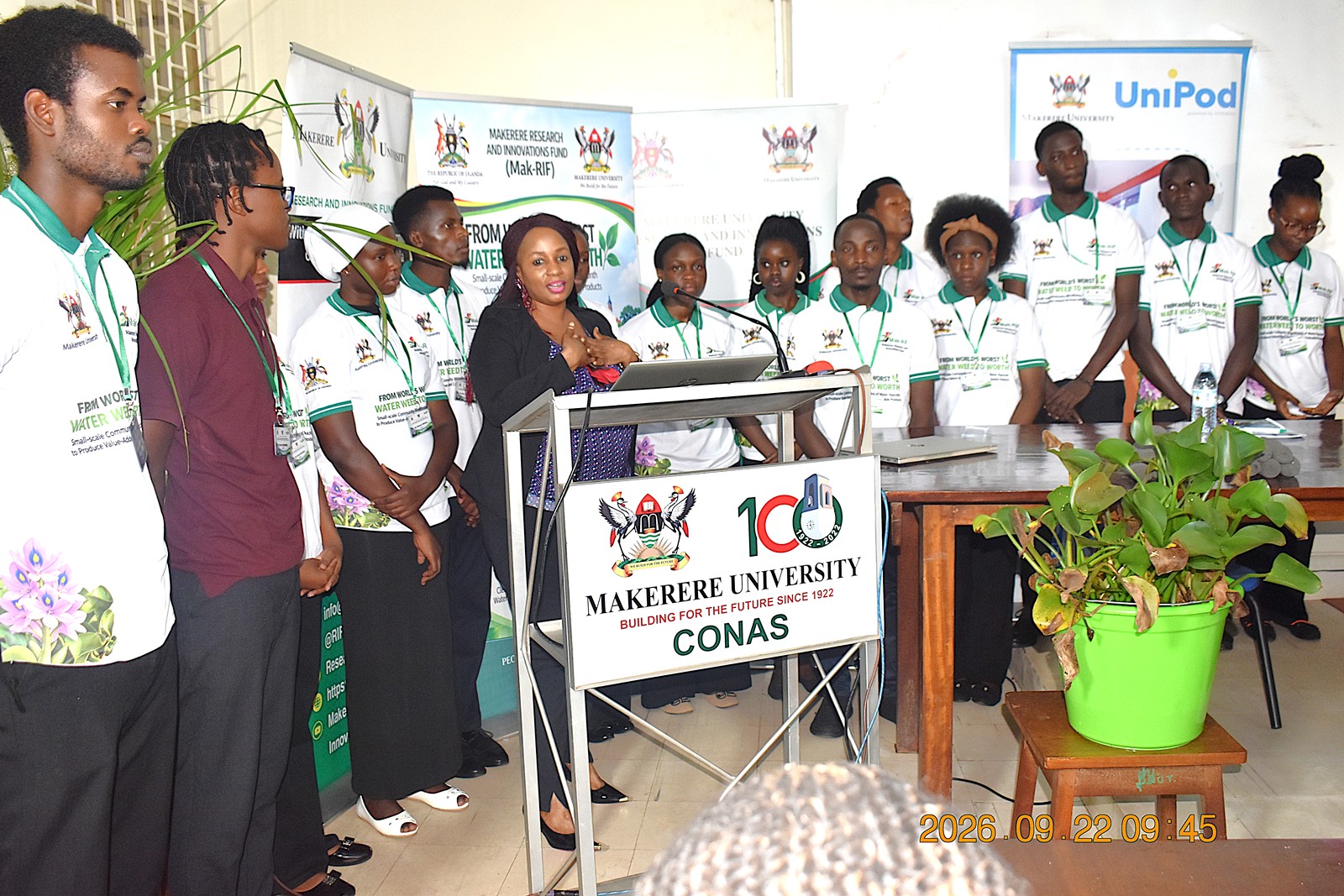
Prof. Kakuba also linked the initiative to the principles of competency-based learning, noting that practical, problem-solving research equips students with skills beyond the classroom and prepares them to contribute meaningfully to national development.
He urged Dr. Nabatanzi and the research team to widely disseminate their findings to increase awareness, uptake and potential commercialisation of the innovations. He also called for increased support to enable the project to progress beyond research and product development towards further validation, refinement, scaling and potential adoption by communities and industry.
The Head of the Department of Plant Sciences, Microbiology and Biotechnology at CoNAS, Dr. Jamilu Ssenku, equally commended Dr. Nabatanzi and her team for undertaking impactful research that demonstrates the potential of science to address pressing environmental and socio-economic challenges. He noted that the project contributes to the department’s growing body of impactful research, which continues to generate practical solutions and innovations with relevance to communities, industry and national development.
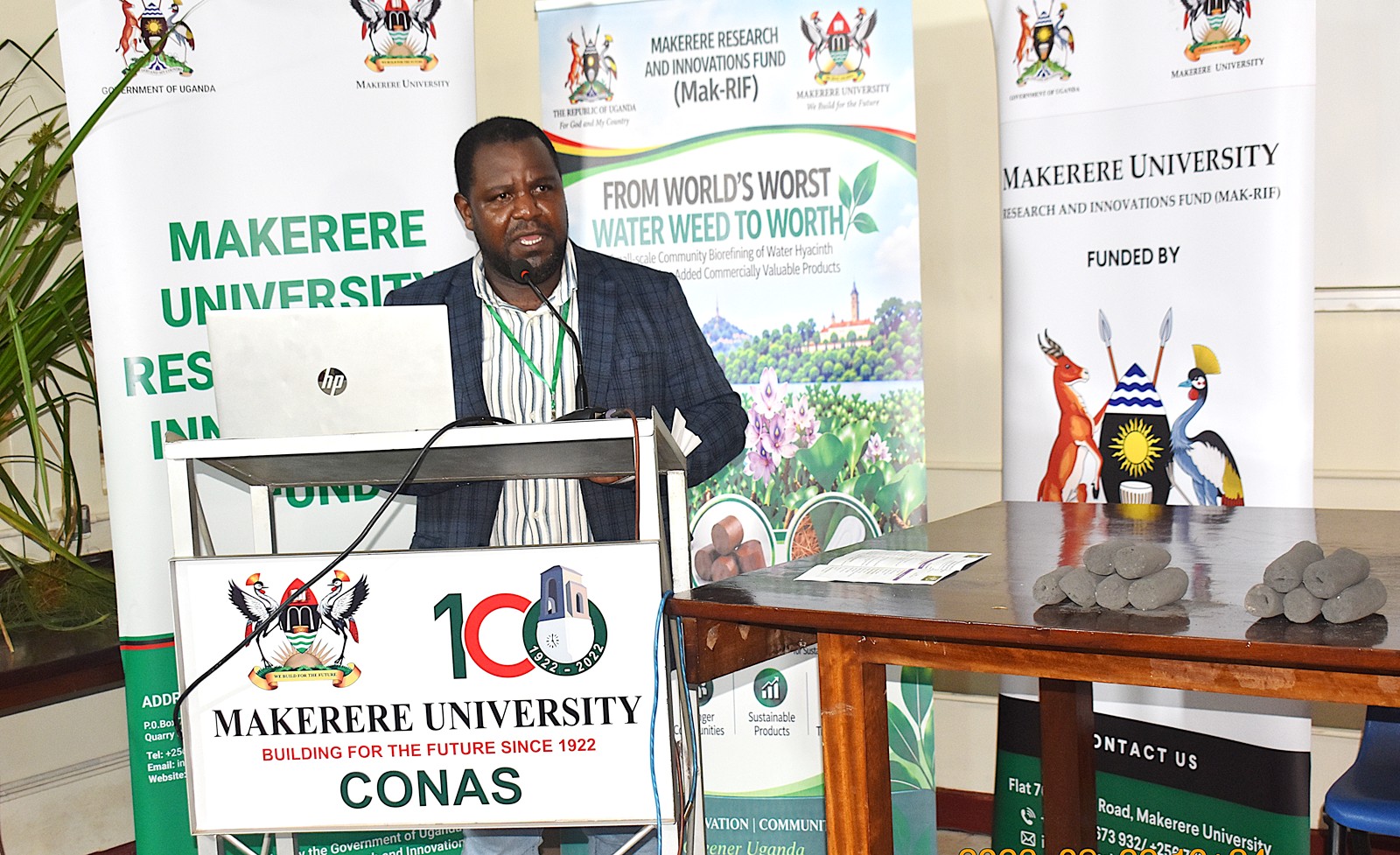
MUTIC support
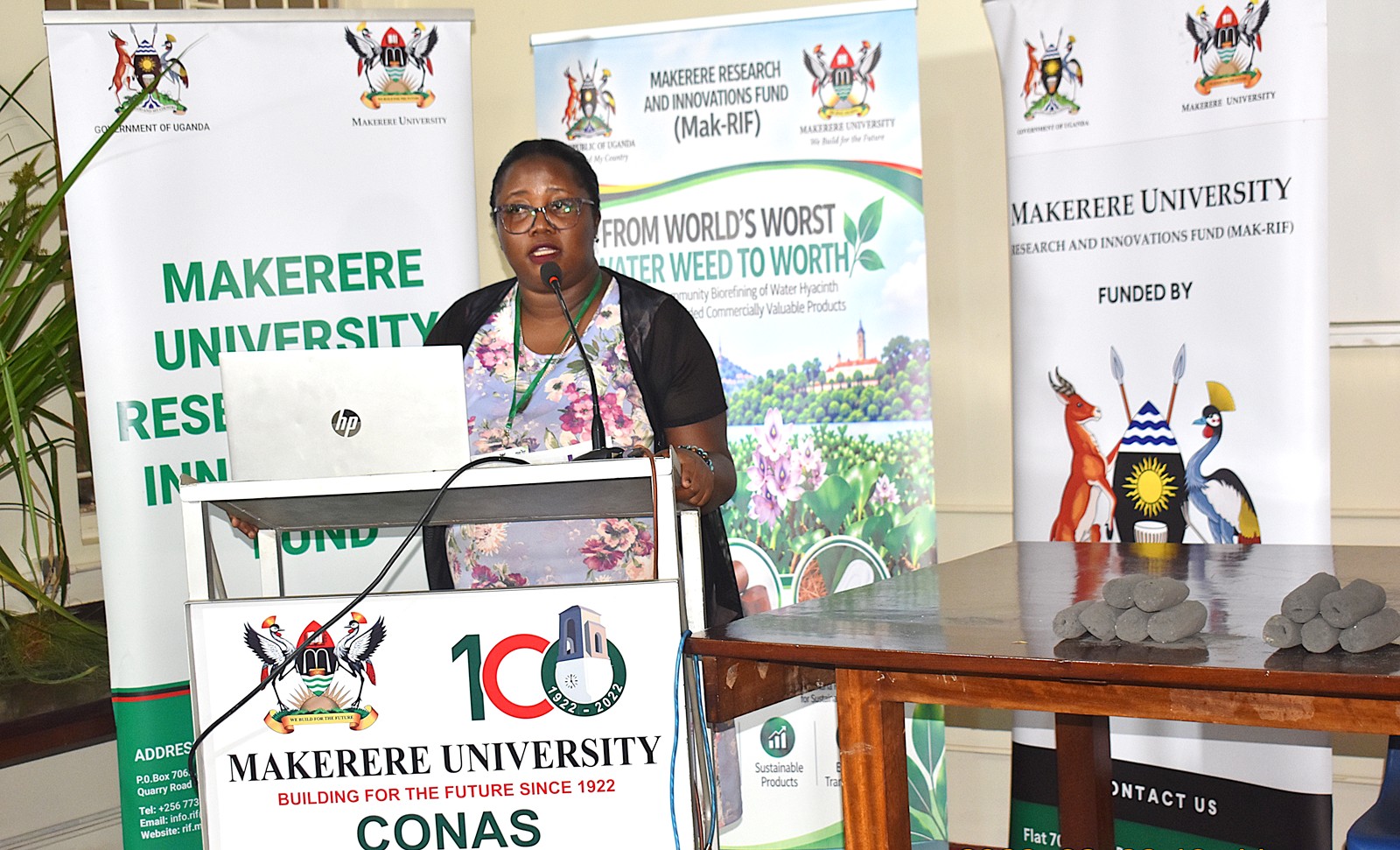
The Acting Manager of the Makerere University Technology and Innovation Centre (MUTIC), Prof. Michael Lubwama, commended the research team for its innovative approach to research and effective dissemination of the findings, noting that the project provides a valuable model that could be benchmarked by other research projects. He appreciated the contributions of the stakeholders, particularly the local communities whose participation was central to the success of the project. Prof. Lubwama further pledged MUTIC’s support in advancing the innovations towards product development, commercialization and wider community impact.
Innovation, commercialization and intellectual property
Ms. Esther Kabinga from the Makerere University Intellectual Property Management Office congratulated Dr. Nabatanzi and her team on the achievement and urged them to prioritise intellectual property protection as they advance the innovations towards wider use and commercialisation. She highlighted the need to formally register the innovations to safeguard them against unauthorised use, imitation and misappropriation, and pledged support in securing the necessary intellectual property rights.
Inspiring young women and advancing menstrual dignity
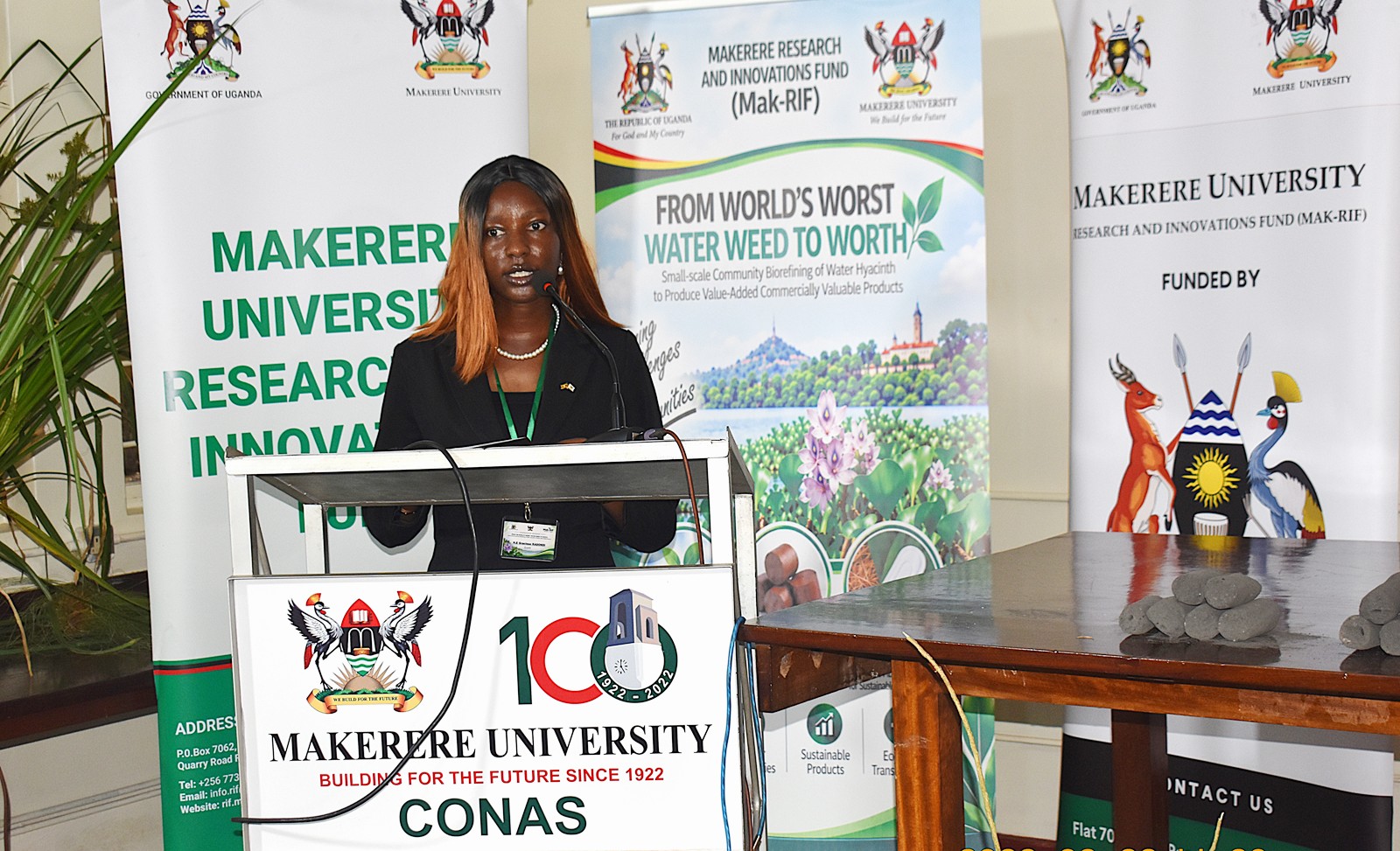
The Guild President of Makerere University, H.E. Gracious Kadondi, represented by the Guild Minister for Academic Affairs, Ms. Kalazani Neena Elsie, equally applauded Dr. Alice Nabatanzi and her research team for the achievements.
She particularly commended the development of biodegradable sanitary pads, noting that the innovation could help promote menstrual dignity among women and girls, especially those from economically disadvantaged backgrounds.
Ms. Kalazani also described Dr. Nabatanzi’s achievement as an important source of inspiration for young women and students pursuing science and research. She called for greater involvement of students and young people in research and innovation, noting that such opportunities can nurture the next generation of scientists and innovators capable of developing solutions to challenges affecting their communities.
Communities at the centre of research impact
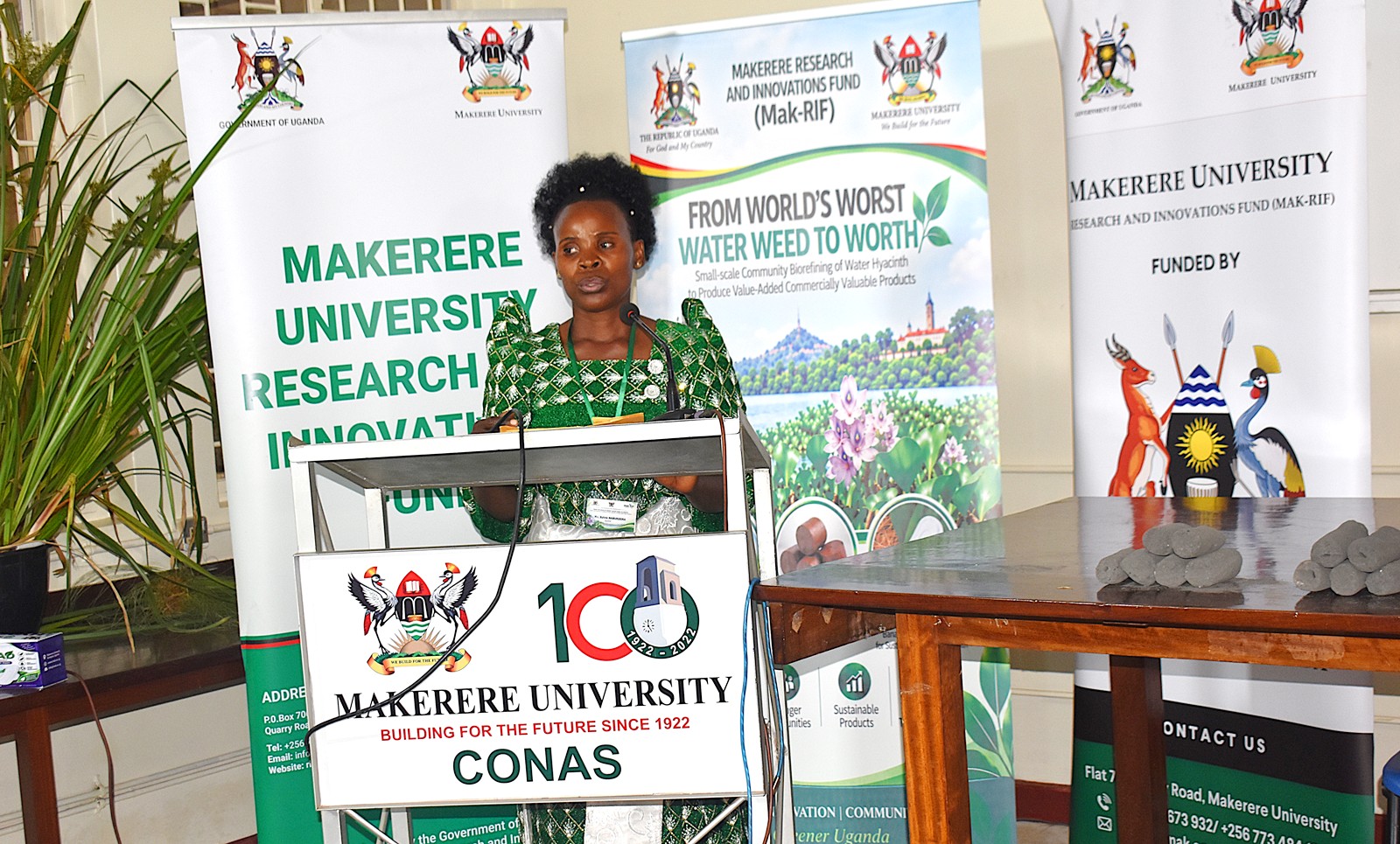
On behalf of the Najjembe community in Buikwe District, Ms. Nabukeera Sylvia expressed gratitude to Dr. Alice Nabatanzi, MakRIF, and the wider University community for the continued support extended to local communities through the Alice Mabira Foundation (AMAF) and other research initiatives undertaken in the area.
Ms. Nabukeera said the community had greatly benefited from Dr. Nabatanzi’s work and the support provided through the Alice Mabira Foundation, which she established to empower households to develop home-based enterprises and cottage industries. Through the Foundation, community members have gained practical skills in baking, processing food and medicinal products, and preserving and sustainably utilising important tree species.
She noted that these initiatives have enabled community members to turn knowledge and locally available resources into livelihood opportunities and solutions to everyday challenges, demonstrating the value of research that responds directly to community needs. She expressed gratitude to the researchers and partners for their continued engagement with the Najjembe Community and called for sustained collaboration to ensure that the innovations generated through university research continue to reach communities and create tangible social and economic benefits.
Future prospects
The research has laid the groundwork for transforming water hyacinth from an environmental challenge into a potential source of community enterprise and sustainable livelihoods through bio-refineries and circular bio-economies.
Moving the innovations from research to wider application will require collaboration among researchers, communities, government, industry and other stakeholders to refine the technologies, assess production and market opportunities, strengthen quality standards and establish pathways for scale-up and commercialisation.
Beyond the three products already developed, the research also opens opportunities for exploring additional value chains, including animal feed, crafts and other potentially marketable products, subject to further research to establish their safety, technical feasibility and economic viability.
If successfully scaled, the innovations could create new opportunities for employment, income generation and community enterprise, while contributing to the sustainable management of water hyacinth and the restoration of affected waterways.
-
 Humanities & Social Sciences1 week ago
French Embassy Presents Four Makerere Scholars with Academic Palms
-
 General2 weeks ago
Makerere Hosts EU Uganda Research and Study Fair
-
 Health2 weeks ago
Makerere Public Health Showcases EU Funded Research
-
 General1 week ago
Job Opportunities: NETOMA Study
-
 General1 week ago
Makerere University and Xiangtan University Advance Strategic Partnership in Chemical Engineering