
Agriculture & Environment
CAES Researchers Win APPEAR Grant to Improve Waste Management in Uganda




Agriculture & Environment
What two weeks with Farmers in Mwera, Mityana, taught Makerere’s PhD Students about Agricultural Innovation

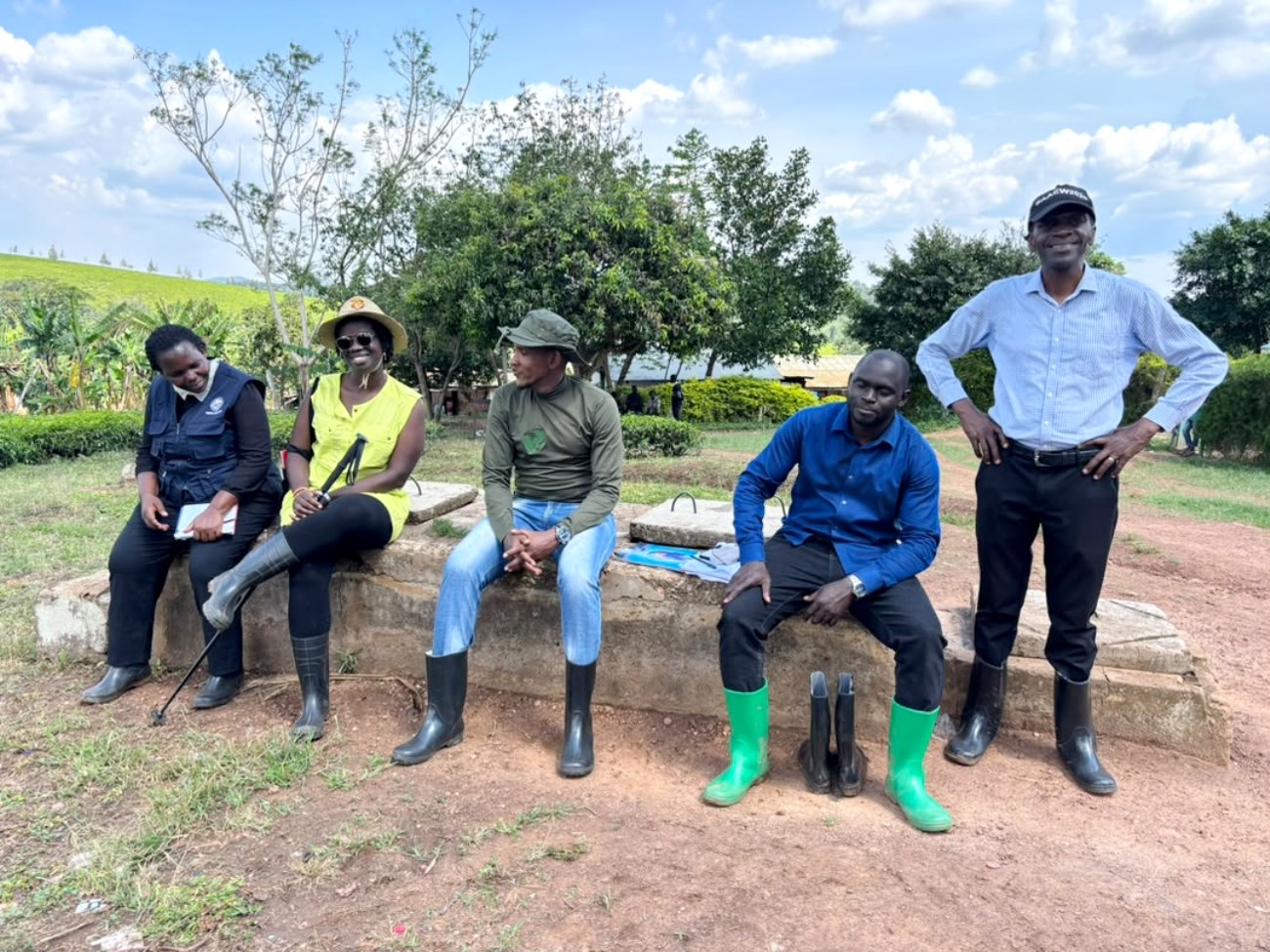
From walking through farms and tracing agricultural histories to listening to farmers and engaging communities in dialogue, a two-week field course in Mityana District offered Makerere University doctoral students a profound lesson: meaningful agricultural innovation begins with the people it seeks to serve.
When the classroom moved to Mwera, Mityana
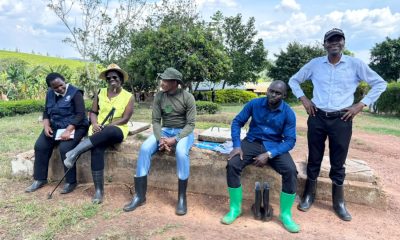
For two weeks, the classroom had no walls. Its lessons were written across coffee and banana gardens, cultivated fields, homesteads and the lived experiences of farming communities in Mityana District. From 4 to 16 October 2026, Mwera Parish and the surrounding villages of Kiwande, Kakindu, Kitiddibuli, Bananze and Kireku became an extended classroom for six doctoral students pursuing a PhD in Agricultural and Rural Innovation under Makerere University‘s Department of Extension and Innovation Studies.
The students were undertaking a field course in Action Research in Agri-food Systems, Innovations and Livelihoods, an academic exercise designed to take learning beyond the university and into the communities whose agricultural realities are often the subject of research, policy and development interventions.
Here, there were no neatly arranged lecture halls or powerpoint presentations to explain every agricultural challenge. Instead, there were landscapes to interpret, farmers with stories to tell, and agricultural practices shaped by generations of experience, adaptation and survival.
Under the guidance of Dr. Richard Miiro, Dr. Sarah Akello and Dr. Moses Okech, the students set out to understand farming systems not simply as combinations of crops and livestock, but as complex relationships between people, natural resources, institutions, markets and livelihoods.
What began as an academic exercise would gradually become something more profound. An encounter with the realities of rural life and a reconsideration of what it truly means to support agricultural innovation.
Reading the landscape, listening to farmers
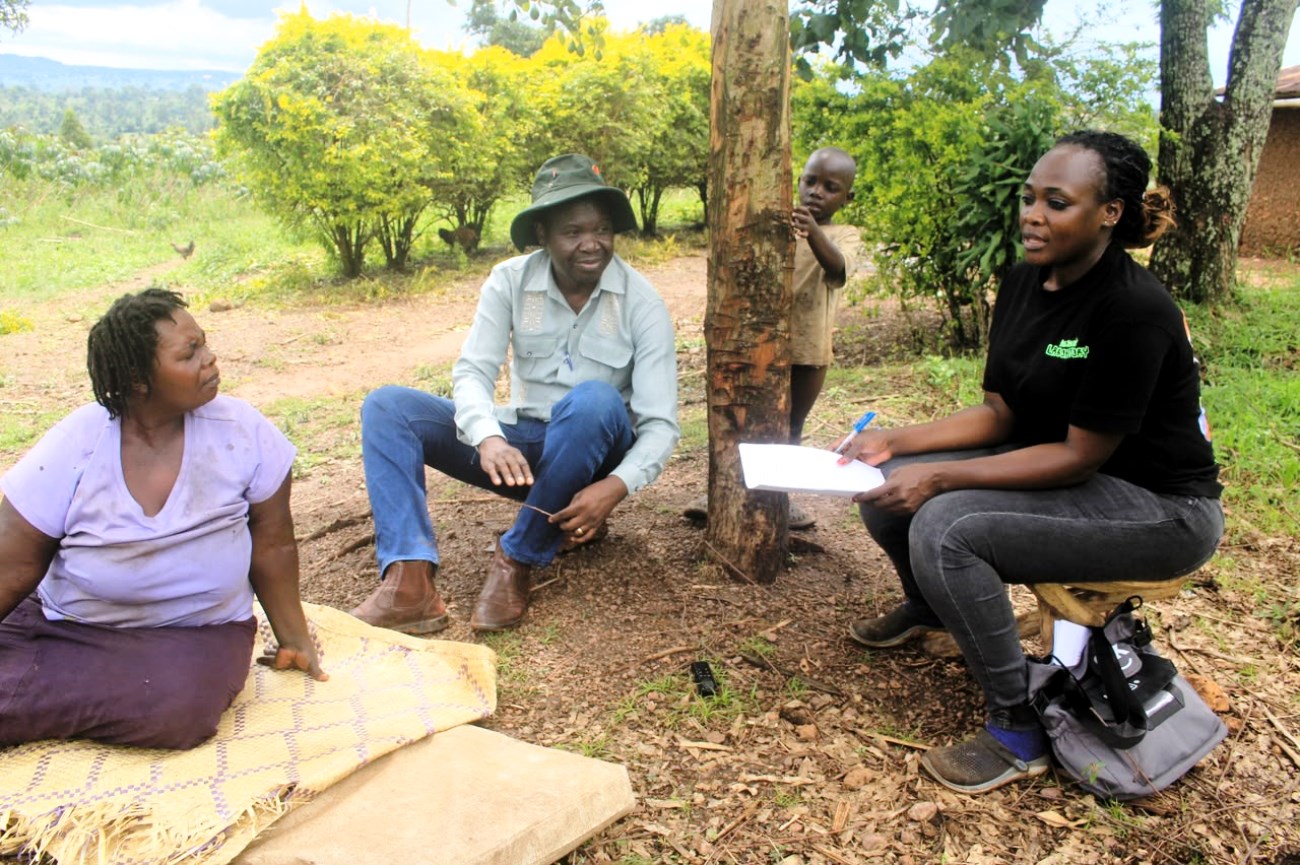
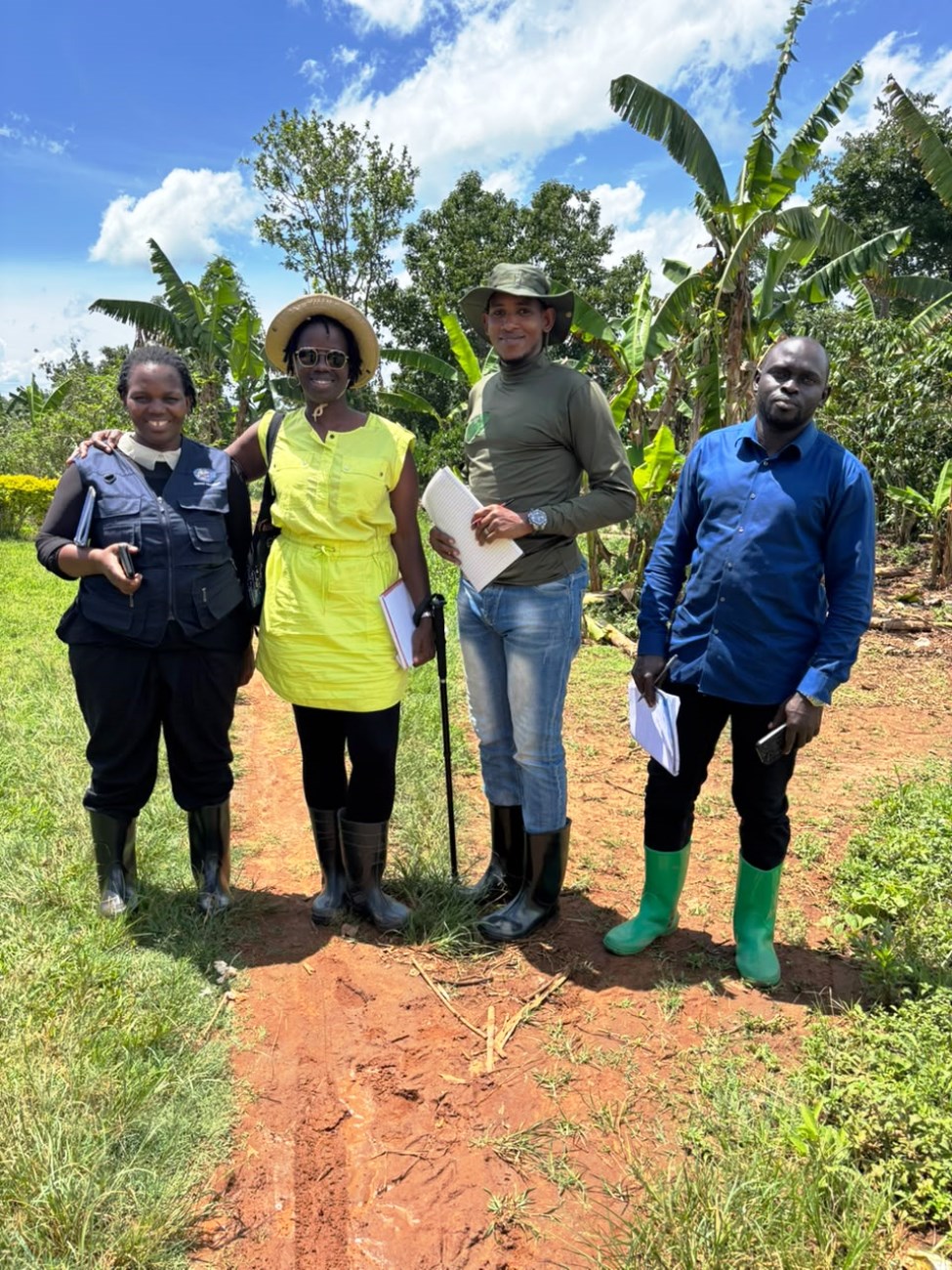
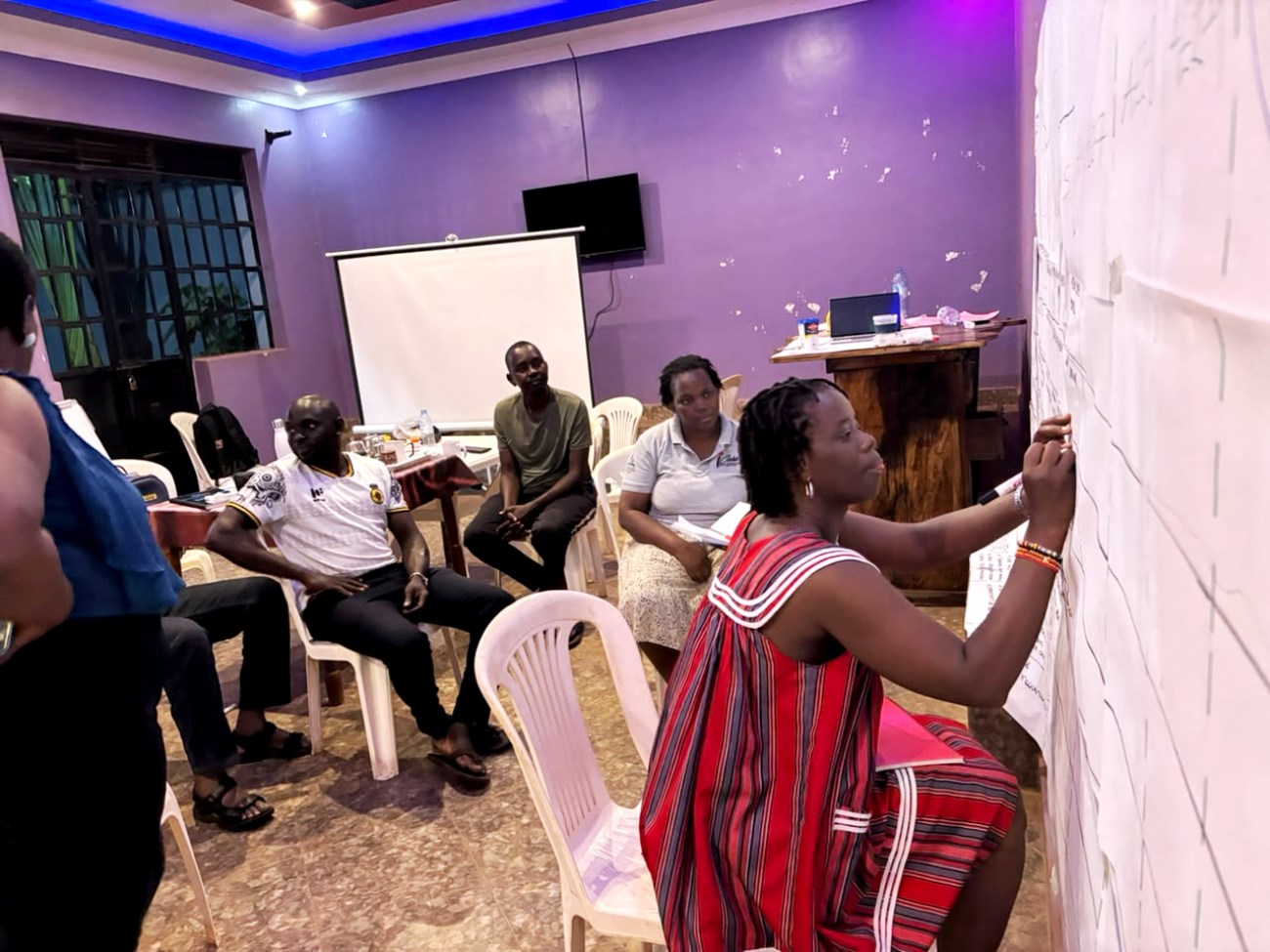
The first lessons came from the landscape itself. Moving through Mwera, Kakindu, Bananze, Kitiddibuli and neighbouring communities, the students conducted transect walks, observed cropping patterns, examined agroecological conditions and interacted with farming households.
Everywhere they looked, the landscape offered clues about how people made a living.
Coffee and banana gardens stood alongside seasonal crops, livestock enterprises and settlements. The arrangement of farms, the crops under cultivation and the resources available to households reflected decisions shaped by soil conditions, land availability, household resources and market opportunities.
Yet, as the students soon discovered, what was visible on the land told only part of the story. Why did neighbouring households practise agriculture differently, even when they appeared to share similar conditions? How had farming systems changed over time? What influenced farmers’ decisions, and what challenges continued to threaten their livelihoods?
To answer these questions, the students had to do more than observe. They had to listen. Through interviews, historical inquiries and participatory discussions, farmers shared experiences that offered explanations beyond what could be seen in their fields.
Their accounts revealed that agricultural decisions are not always driven by the desire to maximise yields or profits. Sometimes, a farmer’s choice reflects the immediate needs of a household, limited financial resources, available labour, uncertainty about markets, the need to manage risks or lessons accumulated over years of experience. A farming practice that might appear inefficient to an outsider could, when understood through the farmer’s circumstances, represent a deliberate and practical response to uncertainty.
For the doctoral students, these encounters challenged a conventional assumption about agricultural extension, that experts possess knowledge which must simply be transferred to farmers.
The farmers of Mwera were far from passive recipients of information. They were knowledgeable actors, continuously observing, experimenting, adjusting and making decisions within the opportunities and limitations of their circumstances. It became increasingly clear that effective agricultural extension cannot begin with prescribing solutions. It must begin with understanding the people expected to use them.
Understanding the farming system
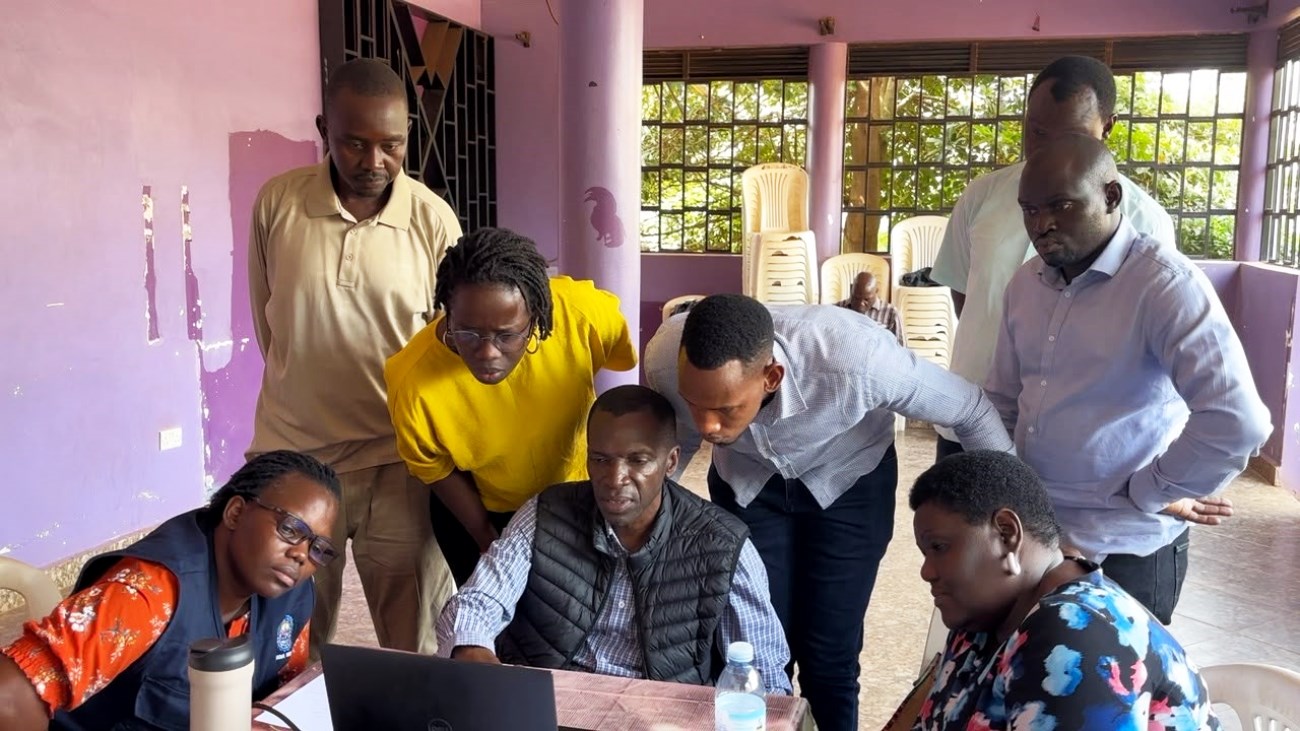
As the days progressed, the students began connecting what they had observed in the fields with what they were learning from the farmers. They examined the area’s agrarian history, farming practices, resource use and livelihood strategies, seeking to understand not only how agriculture was being practised, but also why farming systems had evolved in particular ways.
Historical accounts helped explain changes in land use, agricultural production and livelihoods. Observations of the landscape revealed differences in farming opportunities, while conversations with households illuminated the social and economic circumstances influencing agricultural decisions.
Therefore, addressing one problem without understanding its relationship to others can result in interventions that appear technically sound but are difficult for farmers to adopt or sustain. The field experience also challenged the tendency to associate agricultural innovation exclusively with new technologies, improved seeds, machinery or modern production techniques.
Innovation, the students learned, can also emerge from changes in how farmers organise themselves, share knowledge, access information, manage resources, respond to risks or collaborate with institutions. Sometimes, the most consequential innovation is not a new technology introduced onto a farm, but a new relationship, an improved way of working together or a better understanding of an existing challenge.
For students, these insights were particularly significant. They reinforced the importance of understanding the wider social, economic and institutional environment within which agricultural decisions are made. They also demonstrated why successful interventions must be relevant to farmers’ circumstances, inclusive of different farming households and sustainable beyond the period of external support.
When researchers returned to the community
After nearly two weeks of walking through farms, observing agricultural practices, conducting interviews and analysing findings, the students returned to the people who had made their learning possible. This time, however, they were not coming to ask questions. They were coming to share what they had learned and, importantly, to find out whether the community agreed with their interpretations.
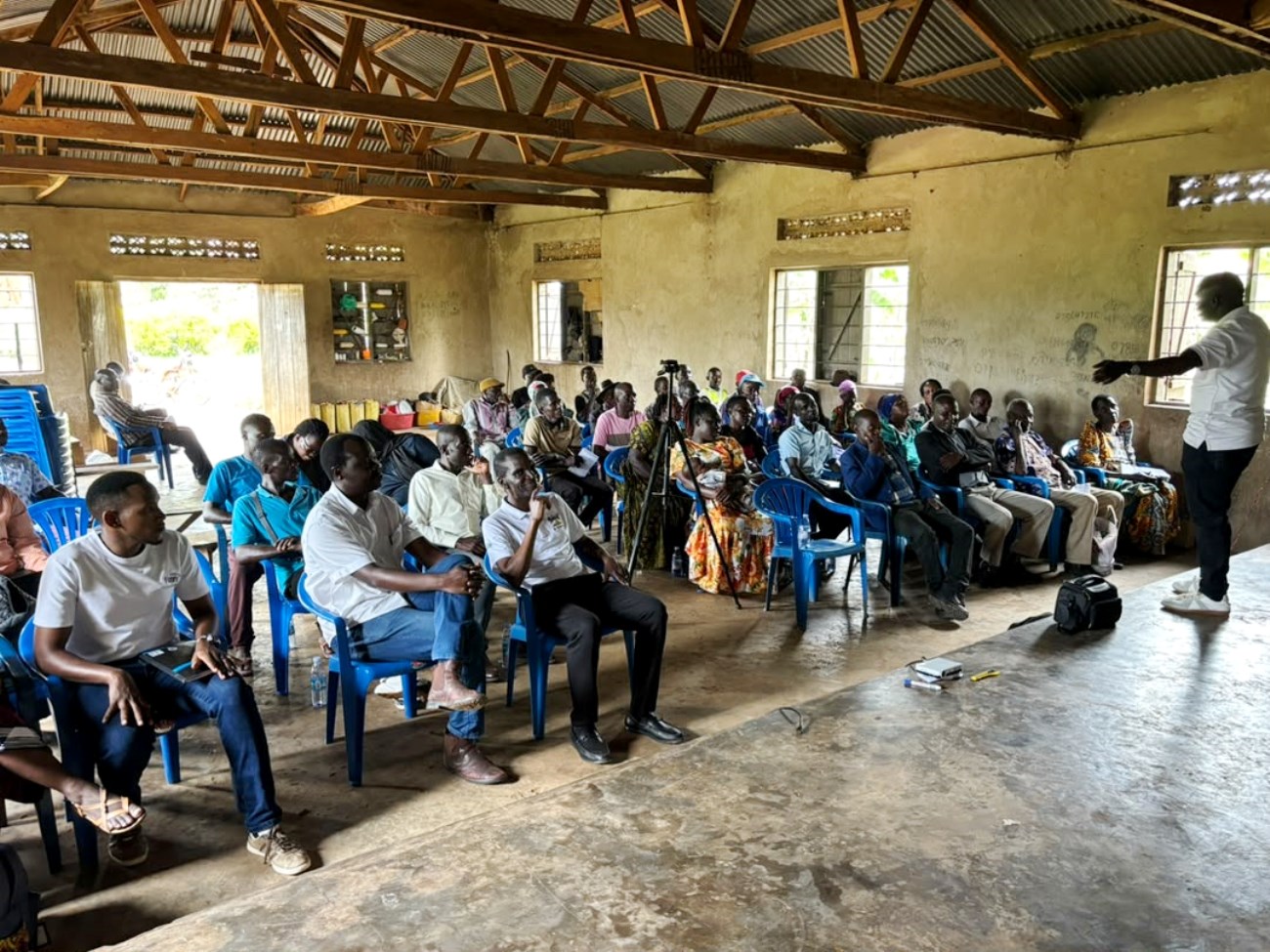
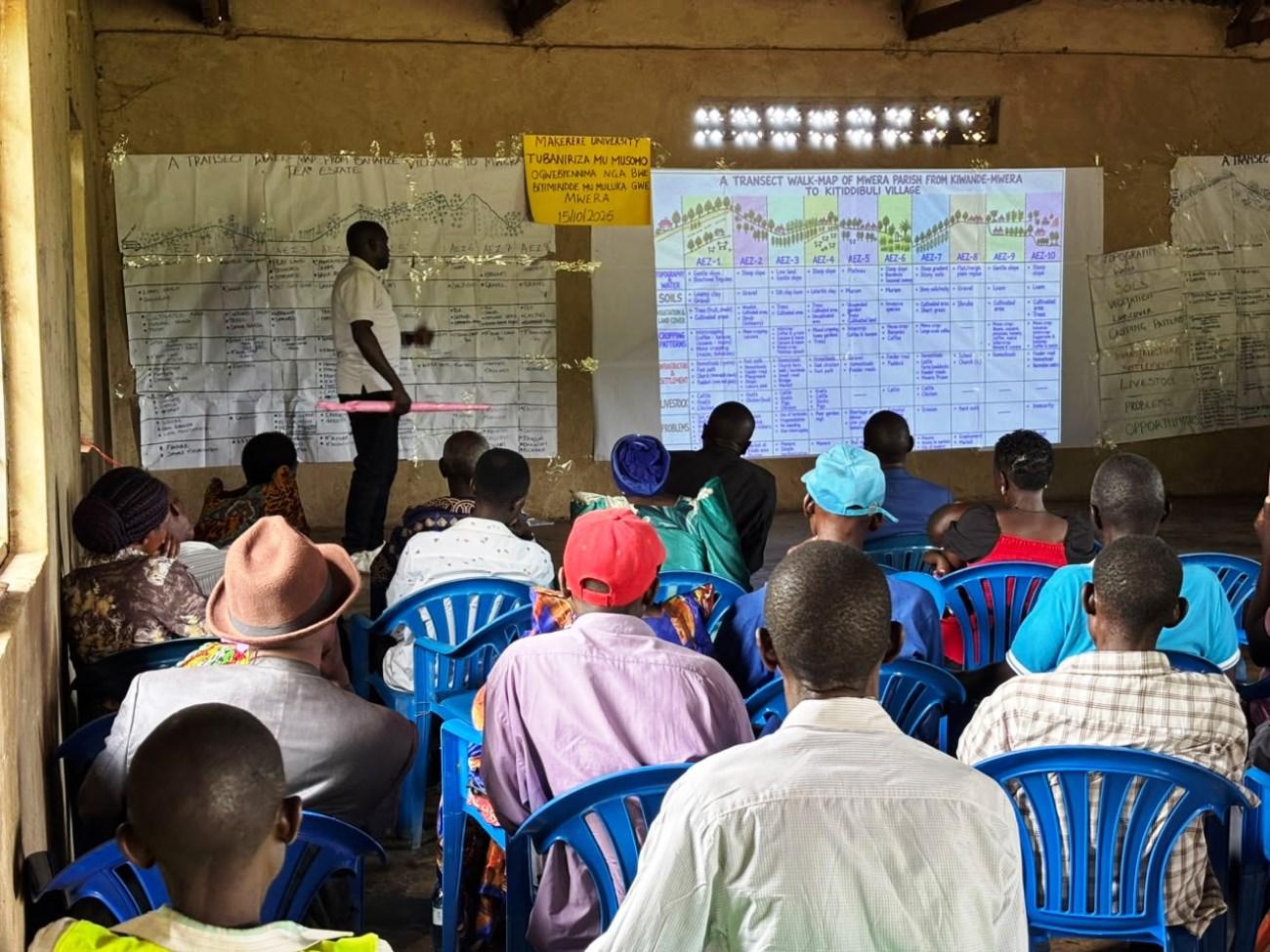
At Mwera Community Hall, more than 60 community members gathered for a feedback session, among them were farmers who had participated in the fieldwork and shared their experiences with the students. It was a defining moment in the field course.
The students presented their findings on the landscape, agricultural history, farming practices, livelihood strategies and the strengths, weaknesses, opportunities and threats identified within the farming systems. But the meeting was not intended to be a one-way presentation of academic findings. Community members were invited to validate the observations, question the interpretations, identify gaps and contribute their own perspectives on the challenges facing agriculture in the area.
The discussions brought familiar concerns to the forefront; declining soil fertility, the rising cost of agricultural inputs, crop suitability, pests and diseases, and access to agricultural services.
Through a participatory prioritisation exercise, pests and diseases emerged as the farmers’ leading concern, followed by limited access to farmer advisory services.
The significance of this outcome went beyond identifying two agricultural challenges. It demonstrated why communities must be involved not only in providing information for research, but also in interpreting findings and determining which problems deserve priority attention. For researchers, a challenge may appear important because of its technical or economic implications. For farmers, its urgency may be shaped by daily experiences, the risks it presents to household livelihoods and their ability to respond.
The feedback session therefore became more than the conclusion of a field course. It was an opportunity for the students to subject their academic interpretations to the knowledge and judgement of the people whose lives those interpretations sought to explain.
In that exchange lay an important distinction between conducting research on communities and conducting research with them. The farmers were not merely sources of data. They were contributors to knowledge generation, participants in validating findings and partners in identifying the challenges that mattered most to them. Yet, even as the discussions drew to a close, a larger question remained: What happens after researchers leave?
Rethinking agricultural extension and innovation
The experience in Mwera offered lessons extending well beyond the requirements of a doctoral field course. For agricultural extension professionals, it raised fundamental questions about how farmers are understood, how agricultural problems are diagnosed and how interventions are designed.
The first lesson was the importance of diagnosis before prescription.
Agricultural interventions cannot be adequately designed without understanding the landscape, its history, the diversity of farming households and the social, economic and institutional relationships that influence their decisions. What works for one farmer may not necessarily work for another, even within the same community. Differences in land ownership, labour availability, financial resources, farming objectives and exposure to risk can significantly influence the suitability of an intervention.
The second lesson concerned the place of farmers in knowledge creation.
Scientific research remains essential to agricultural development, but farmers also possess valuable knowledge acquired through experience, observation and adaptation. Bringing these forms of knowledge together creates opportunities for solutions that are both scientifically informed and grounded in local realities.
The third lesson was that agricultural innovation is rarely the achievement of a single actor.
Farmers, researchers, extension workers, government institutions, markets and other development actors all influence how knowledge is generated, shared and translated into practice. Innovation therefore requires collaboration, coordination and relationships that enable different actors to learn from one another and respond to shared challenges.
Taken together, these lessons challenge agricultural extension professionals to move beyond their traditional role as transmitters of technical knowledge and become facilitators of learning, collaboration and innovation.
They also challenge universities to reflect on the meaning of research impact.
Should the success of agricultural research be measured only by the volume of data collected, academic reports completed and publications produced? Or should it also be assessed by the extent to which research strengthens communities’ capacity to understand and address their own challenges? For institutions such as Makerere University, whose teaching and research are closely connected to national development priorities, this question is particularly relevant. Field-based learning offers an opportunity to connect academic inquiry with the realities of the communities that research ultimately seeks to serve. It also reminds researchers that meaningful engagement requires more than arriving in a community, collecting information and departing with findings. It calls for listening, mutual learning, respect for local knowledge and a willingness to recognise farmers as partners in the search for solutions.
Agriculture & Environment
Makerere University Welcomes 50 Youth Skilling Program trainees under the Africa Climate Collaborative, Supported by Mastercard Foundation

By Damali Mukhaye
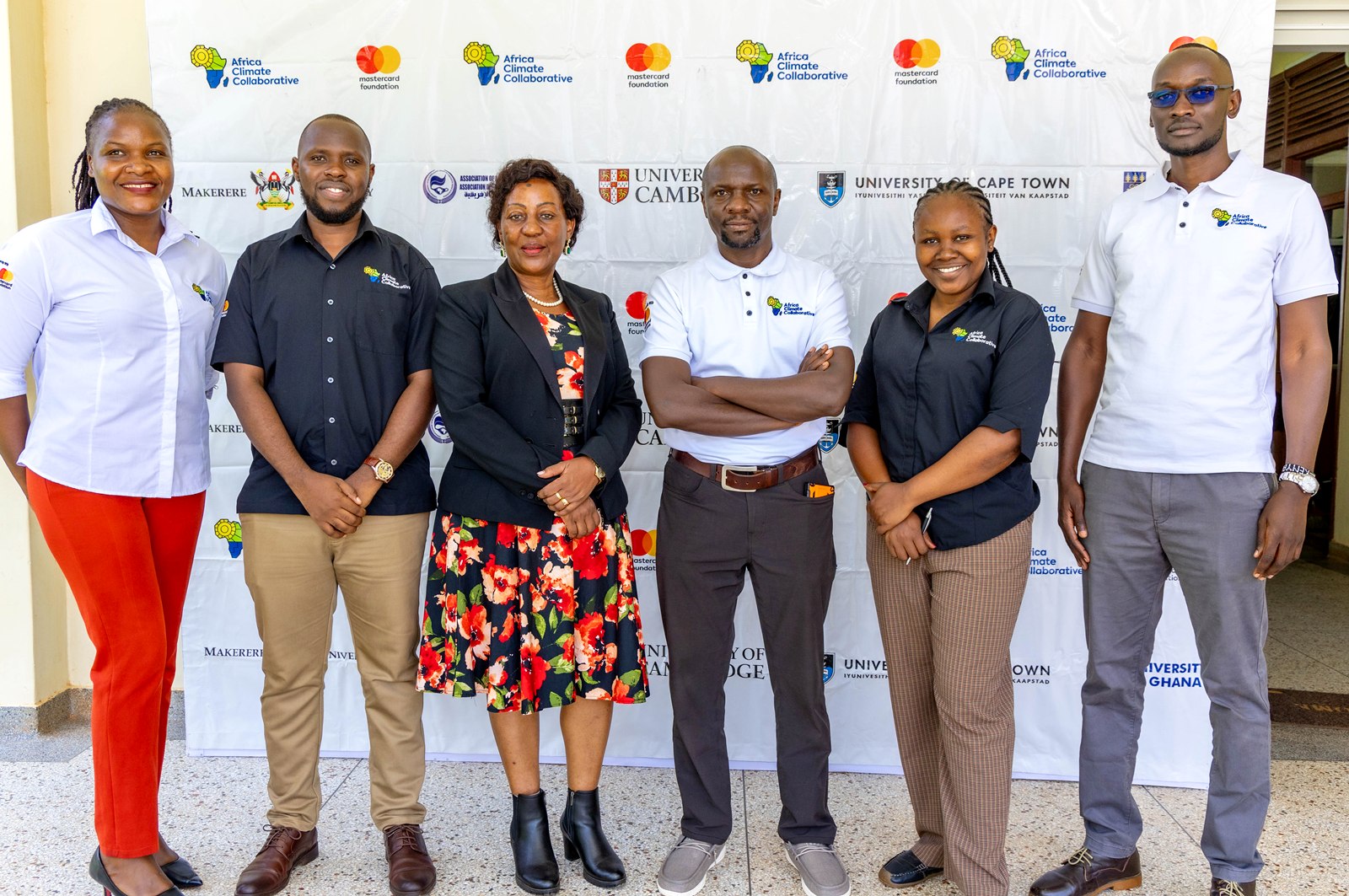
Laughter, excitement and renewed hope filled the Makerere University Agricultural Research Institute Kabanyolo (MUARIK) on 28th September 2026, as 50 young people who had previously been left out of employment, education and training opportunities gathered to begin their journey under the Africa Climate Collaborative (ACC) Youth Skilling Program.
The youth, selected from Lwengo, Rakai and Yumbe districts, are the first cohort under the Africa Climate Collaborative Youth Skilling Program at Makerere University, an initiative supported by the Mastercard Foundation.
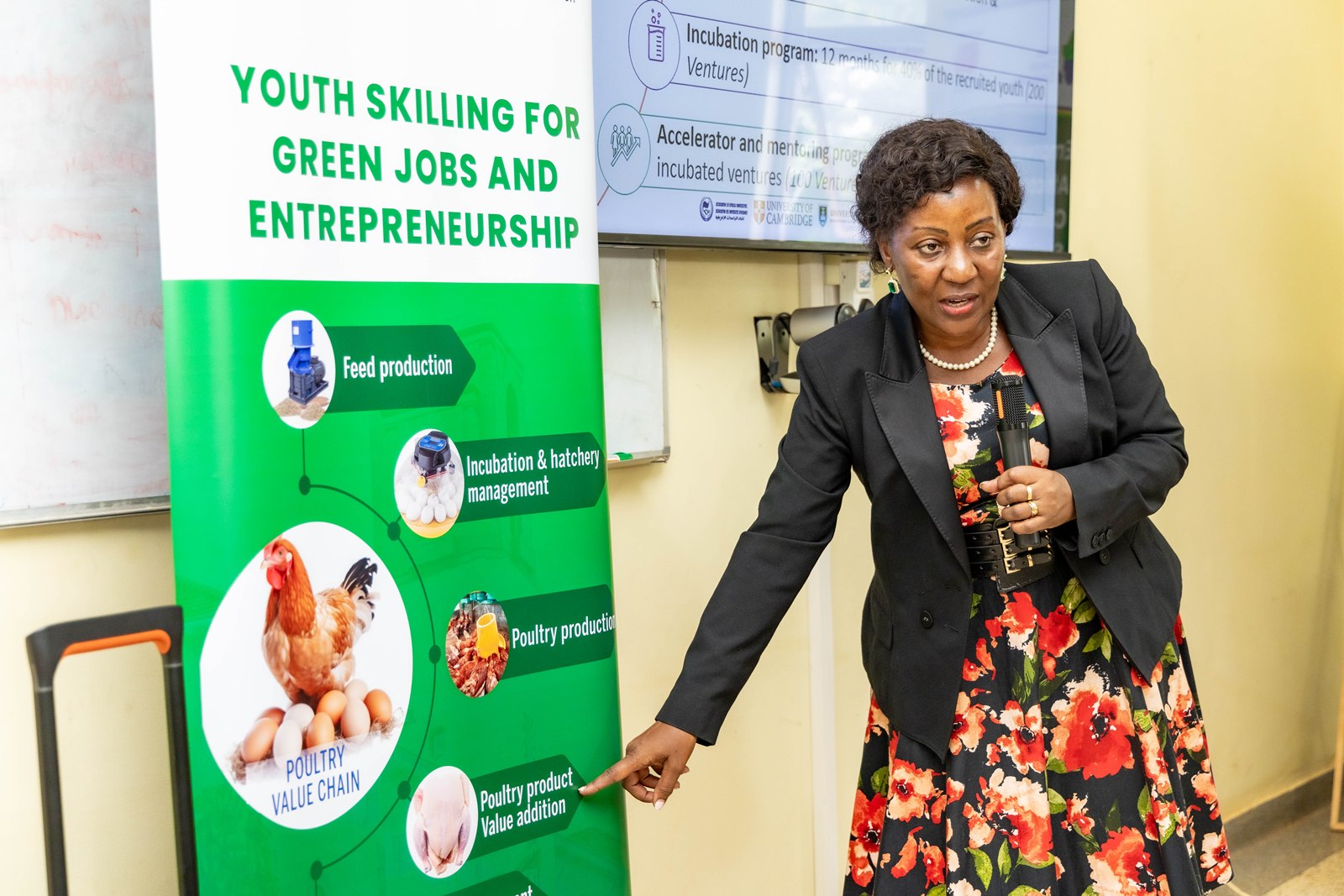
Speaking during the day two orientation at MUARIK, the Program Director, Prof. Gorettie Nabanoga, said the youth will undergo a 10-week residential training programme at MUARIK, followed by a three-month industrial attachment with various organisations.
The youth will thereafter be assessed by the Uganda Vocational and Technical Assessment Board (UVTAB) and will receive government-recognised certificates upon successful completion of the program.
Prof. Nabanoga told the participants that the program was not designed to benefit them alone, urging them to think about how they would use the skills acquired to transform the lives of others in their communities.
“The bigger question is going to be, who is going to benefit because you came here? Don’t think about yourself. Who else?” Prof Nabanoga asked.
She challenged the youth to see themselves as future trainers who would pass on the knowledge and skills they acquire to other young people once they return to their communities.
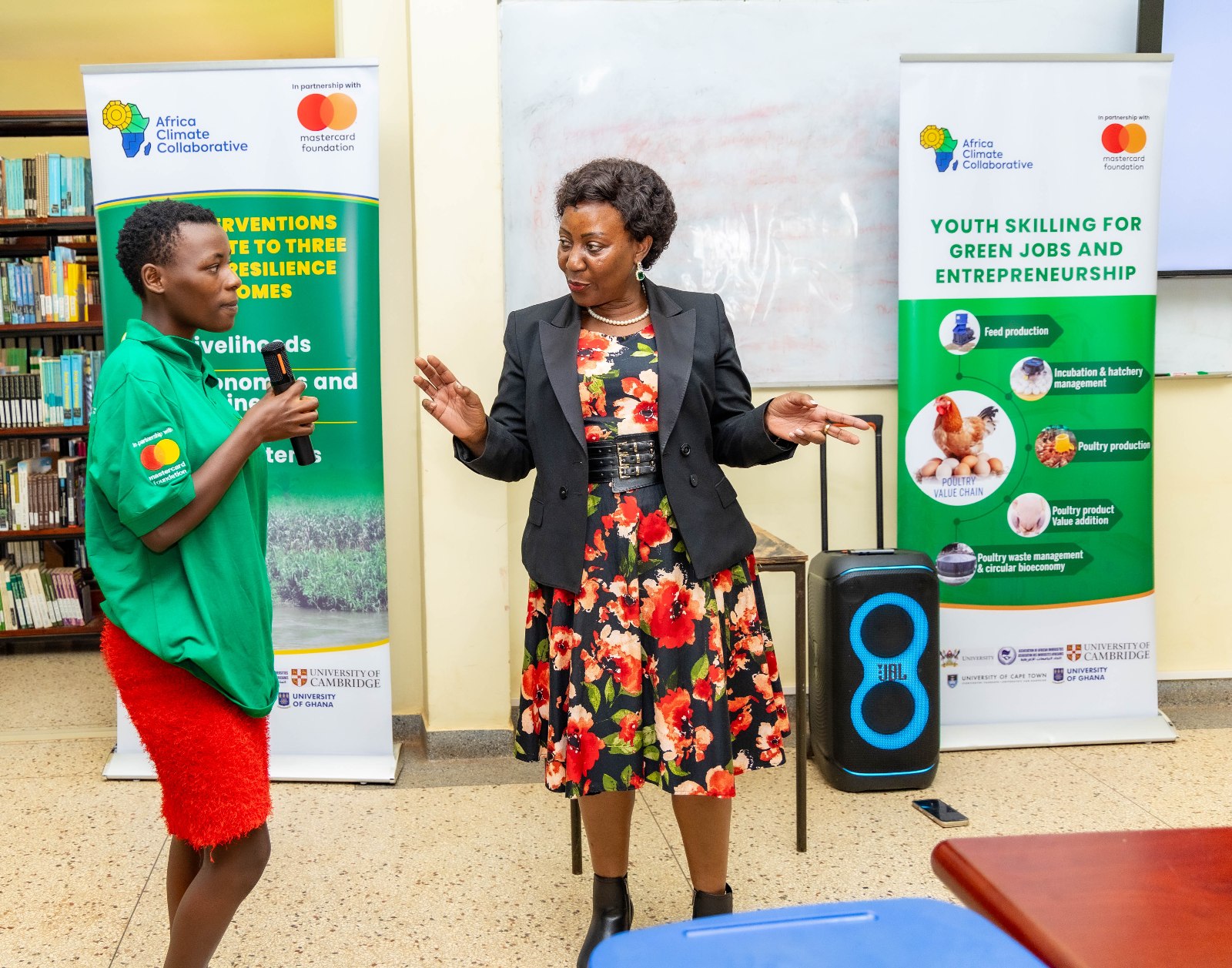
“The reason you’re here is for us to skill you so that you can go back and skill others. We call you trainers of trainers,” Prof. Nabanoga said.
She encouraged the participants to approach the training with a learning mindset and focus on the skills they could take back home and use to create opportunities for others.
“As you interact, don’t ask what we are going to teach you. But just ask, what are you going to learn for you to be able to go and impact others? What skill are you picking and taking away for you to be able to impact others?” she said.
The Youth Skilling Program is part of Africa Climate Collaborative’s wider eight-year plan to equip 500 young people with practical skills and opportunities that can contribute to employment, entrepreneurship and community development.
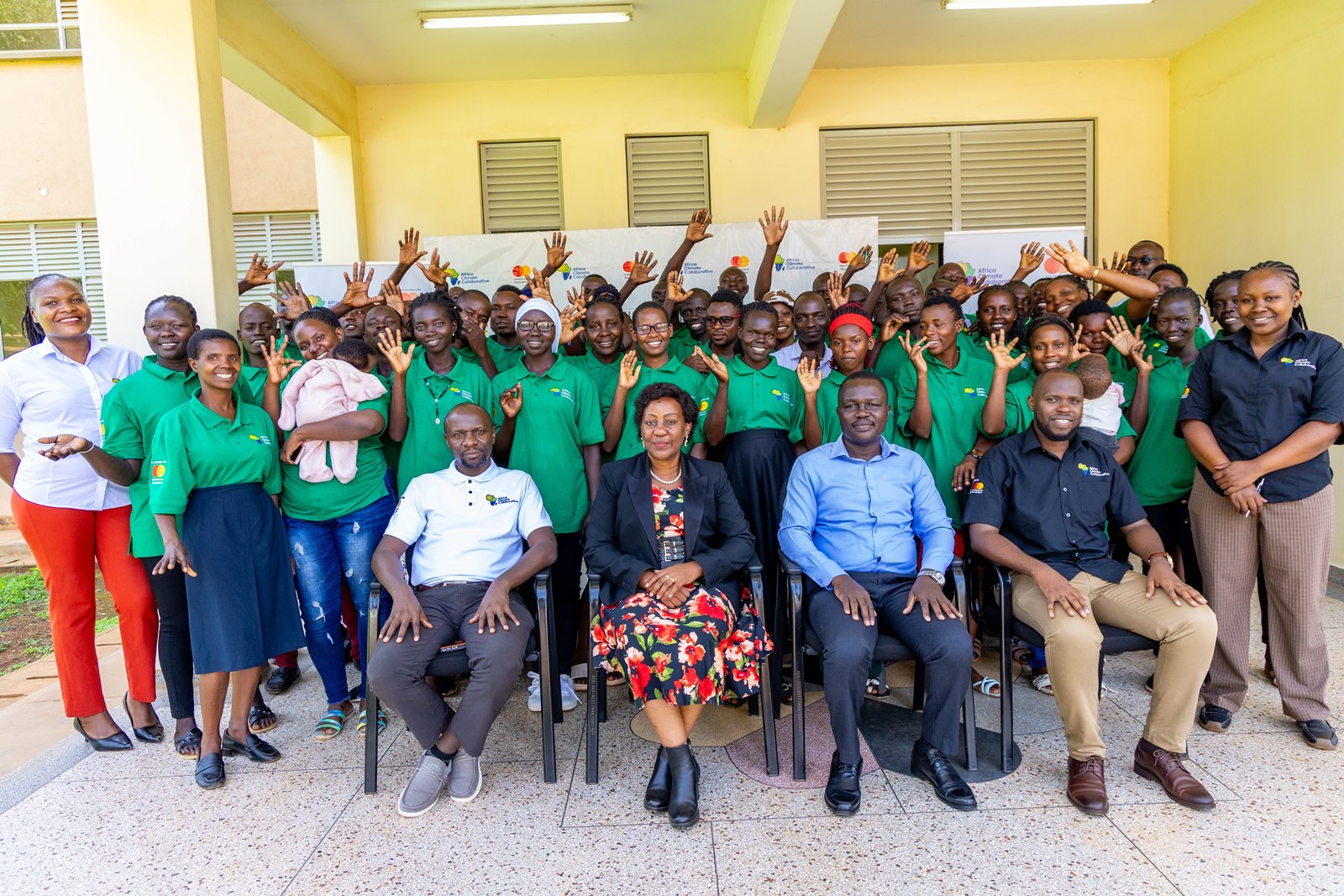
Prof. Nabanoga said the 50 participants in the first cohort represent only a fraction of the program’s wider target and challenged them to set the pace for the cohorts that will follow.
The programme also seeks to create a multiplier effect, with each trained youth expected to share their knowledge and skills with others.
She said the ultimate goal is to see the skills translate into businesses, jobs and further training opportunities for other young people.
A section of youth to be supported to start own businesses
Beyond the initial training, Africa Climate Collaborative plans to support young people with promising innovations to develop and scale their ideas.
Out of the 500-youth targeted, 200 will receive support to develop innovations, while 100 will receive further support to establish and scale enterprises in their communities.
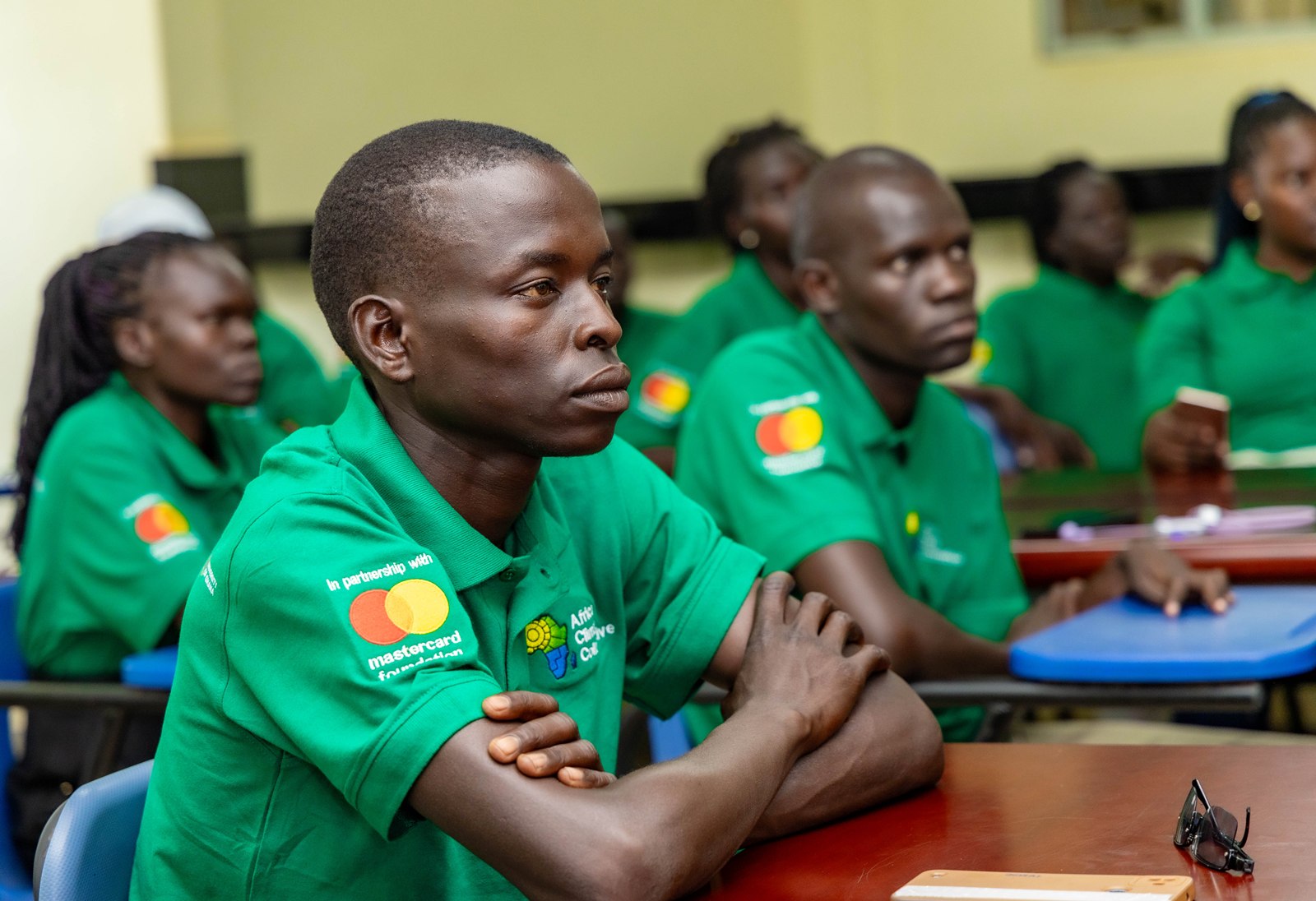
For the first cohort, 20 of the best-performing youth with promising innovations will receive support to grow their businesses, while 10 will receive additional support to accelerate and scale their enterprises.
The youths were urged to embrace innovation and strive to develop solutions that can be replicated and scaled.
“I would want to see that the first cohort give me the biggest number of the good innovations that are scalable,” she said.
The Director MUARIK Urged Youth to Turn Skills into Enterprises and Jobs
The Director of the Makerere University Agricultural Research Institute Kabanyolo (MUARIK), whose remarks were delivered by the Director of the Continuing Agricultural Education Centre (CAEC), Dr Christopher Mawa, said the program would equip young people with practical skills in green entrepreneurship, beginning with the poultry value chain, and described MUARIK as more than a farm but a centre for practical learning, research, innovation and enterprise development.
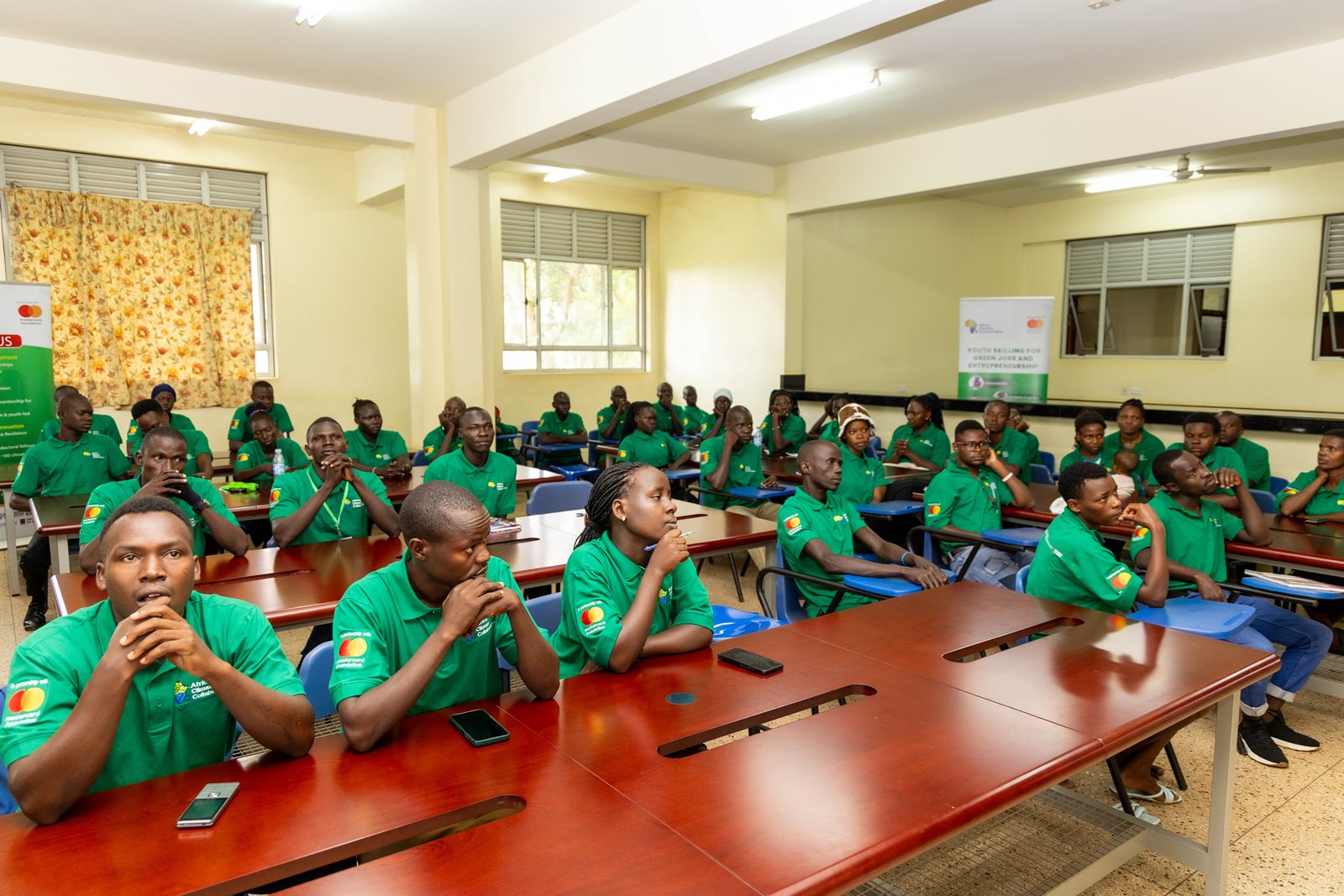
He encouraged the participants to take advantage of the wider learning opportunities available at the institute, including crop production, livestock enterprises, pasture and feed production, farm mechanisation, value addition, agribusiness and environmental management.
“As you begin your training, I encourage you to regard the whole of MUARIK as your classroom,” he said.
Dr Mawa urged the youth to focus on applying the skills they acquire to create enterprises, employment opportunities and solutions within their communities.
“Do not therefore come here simply to complete a three-month course. Come with the mindset of acquiring skills that you can apply. Ask questions. Observe carefully. Participate actively. Learn from the trainers and from one another. Most importantly, begin to ask yourself: “How can I turn what I am learning here into an enterprise, employment opportunity or solution for my community?”.
Agriculture & Environment
After 10 Years Out of Education, Africa Climate Collaborative at Makerere University Opens a New Chapter for Okello
By Damali Mukhaye
For Alex Okello John Amoya, a refugee from Zone 5, Bidi-Bidi Refugee settlement, stepping onto the Makerere University Agricultural Institute Kabanyolo (MUARIK) was more than the beginning of a training programme. It was the fulfilment of his childhood dream that had remained out of reach for more than a decade.
As a young boy, Okello dreamed of studying at Makerere University and even remembers singing a song with other children about whether they would ever make it to the university.
Little did Okello know then that the words would follow him into adulthood.
After completing Senior Four (O’level) at Kanyara Secondary School in Morobo County, South Sudan in 2015, the 33-year-old youth could not proceed to Senior Six (A’ level) and university due to financial difficulties.
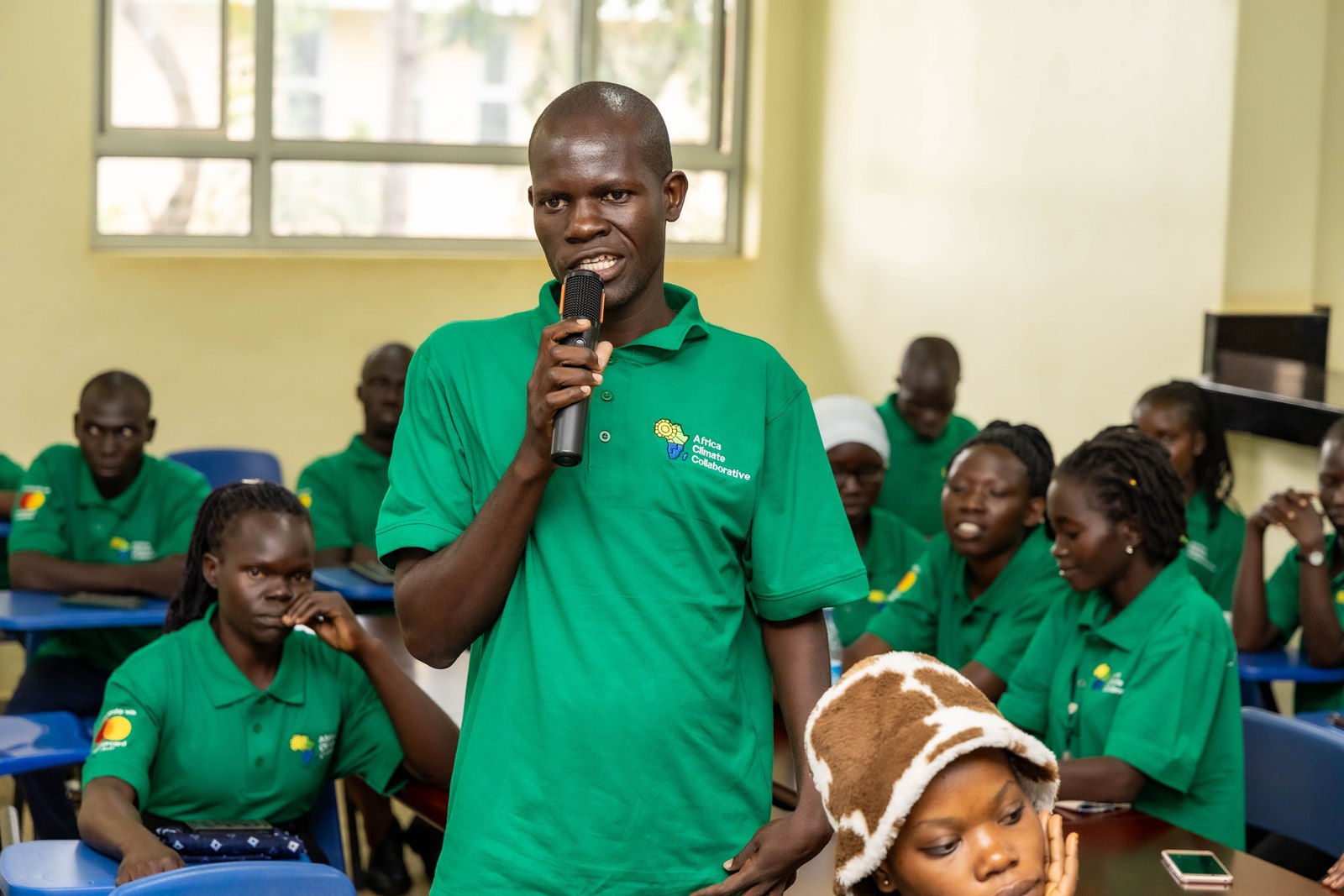
For the last 10 years, Okello has been trying different opportunities, but the dream of studying at Makerere remained out of reach, as he did not succeed in getting any scholarship to enable him to progress with his dream.
“My parents could not take me to university. Between secondary school, college and where I am now, it took more than 10 years. I tried different opportunities, but they could not work,” Okello said.
Now, at a stage in life when he had almost resigned himself to the possibility that the dream might never come true, Okello has finally set foot at the university, not as the student he once imagined becoming, but as one of 50 young people selected for the first cohort of the Africa Climate Collaborative Youth Skilling Program.
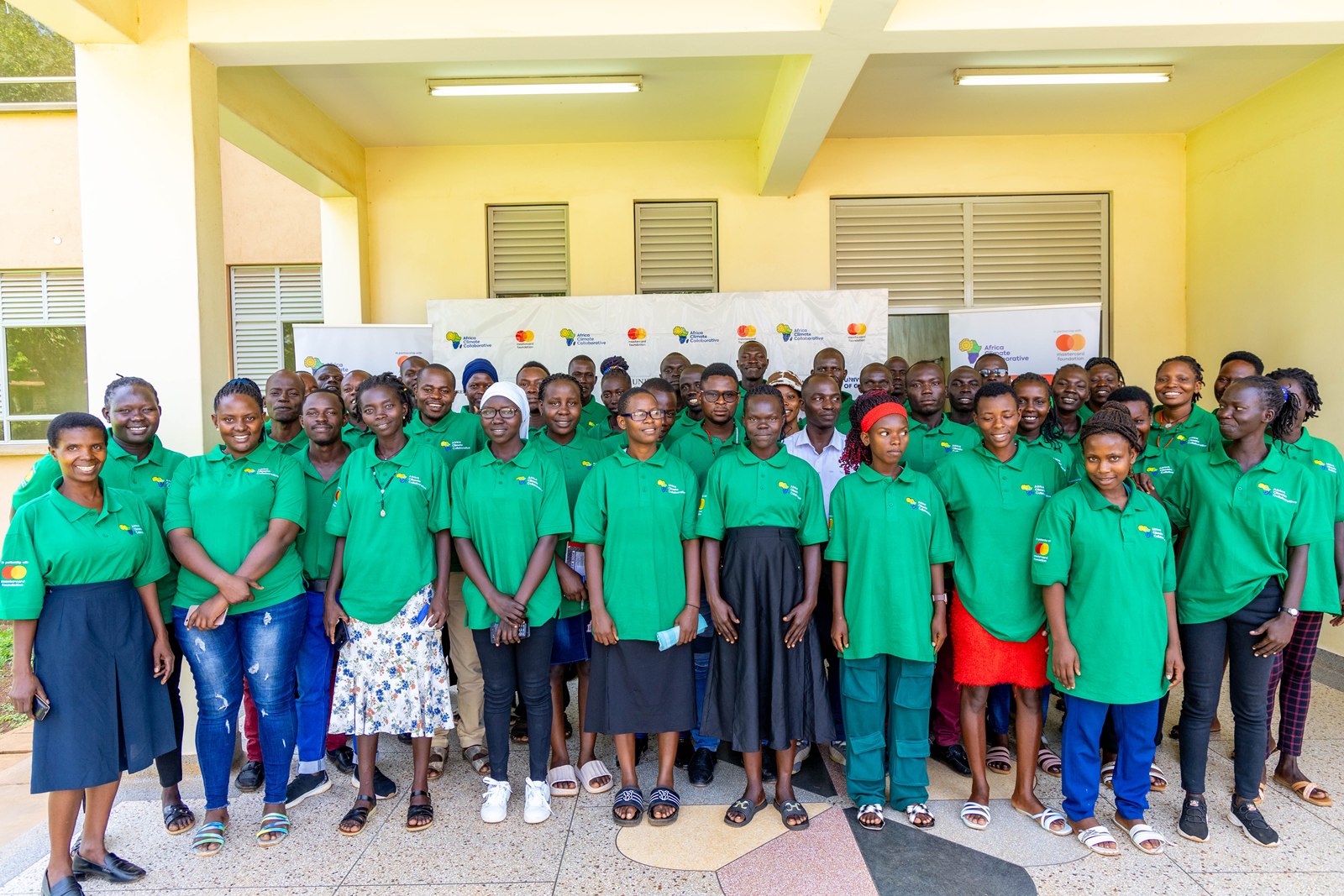
Okello’s dream, which he once sang about, finally became a reality on 28th September 2026, when he reported to Makerere University Agricultural Research Institute (MUARIK), where he and his other 49 counterparts from Lwengo, Rakai and Yumbe will undergo a 10-week residential training programme, followed by a three-month industrial attachment with various organisations.
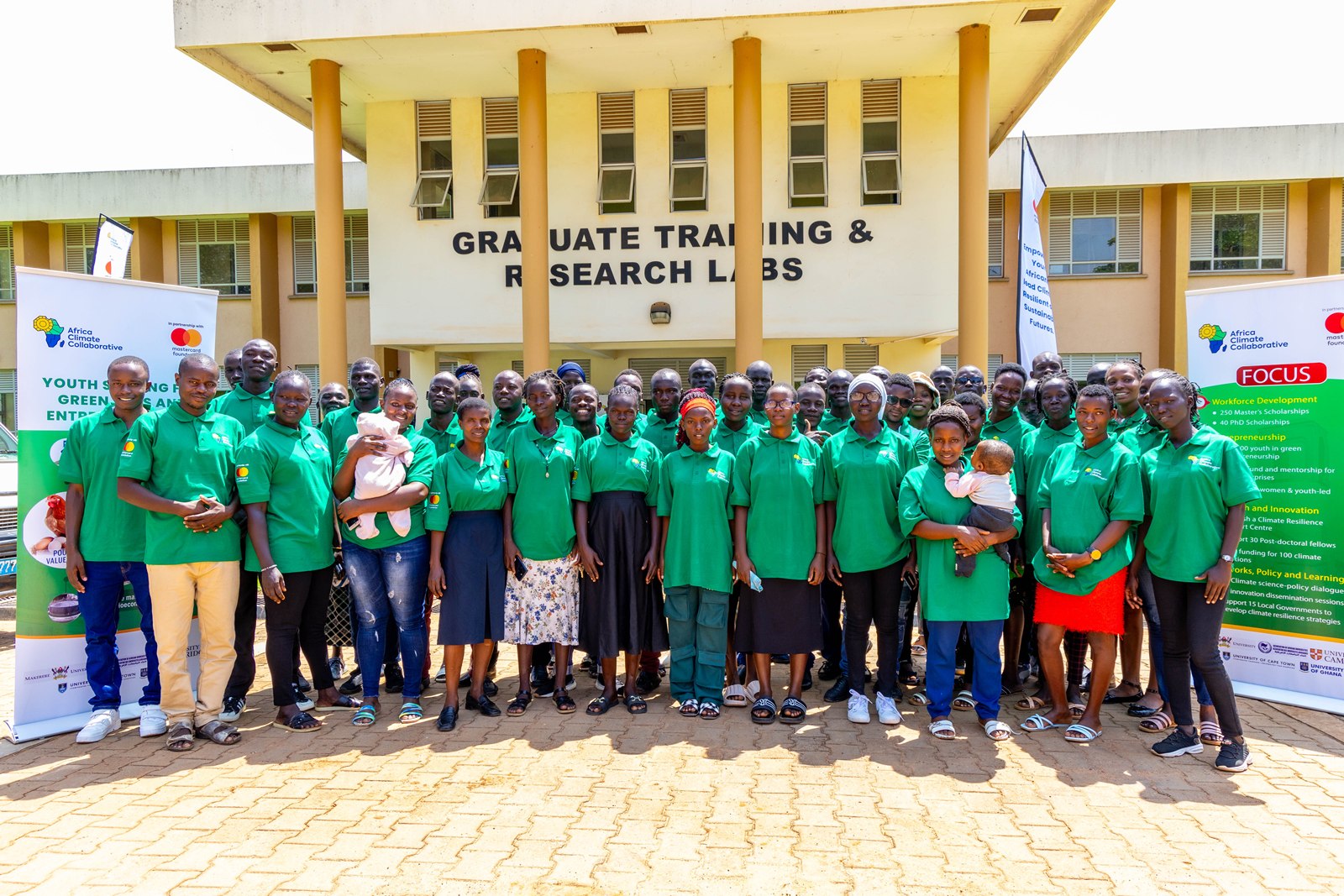
The 50 youth, who are the first cohort of the Africa Climate Collaborative Youth Skilling Program at Makerere University, an Initiative supported by Mastercard Foundation will thereafter be assessed by the Uganda Vocational and Technical Assessment Board (UVTAB) and will receive government-recognised certificates upon successful completion of the programme.
The program, supported by the Mastercard Foundation, is providing the participants with practical skills and competences relevant for them to pursue employment, entrepreneurship and other livelihood opportunities.
For Okello, the opportunity has given him new meaning to a dream he had almost given up on.
“I used to dream of reaching Makerere when I was young. Today, that dream has come to pass. I really appreciate all the partners that made it possible for us to be here. I am very sure that this opportunity is here to change my life,” he said.
His dream now extends beyond acquiring skills. Okello plans to return to his community in Yumbe and establish a poultry enterprise specialising in egg production. He sees an opportunity in the limited local supply of eggs, which he says are currently transported from distant areas.
“My dream is to start a poultry business that can supply eggs within my neighbourhood. The eggs supplied there come from far, so I believe this business can make it easier for people to access them while also creating employment opportunities for me and others,” he said.
But Okello hopes the impact of the training will go beyond his own livelihood.
“I also aim to pass the information and knowledge I will receive in this program to others and empower them so that they can also stand on their own. I expect to learn the skills I need and make sure I implement them when I go back,” he said.
A chance to start again
For Jessica Kila-Edward, from Zone 5 of Bidi Bidi Refugee Settlement in Yumbe District, the program represents another kind of new beginning for her.
Jessica completed Senior Four during the COVID-19 period, after which opportunities for further education or employment proved difficult to find.
“Since I completed Senior Four during the Corona season, I had nothing to do. What I could do was farming, but I could not even manage things. Things were really rough for me,” she recounted.
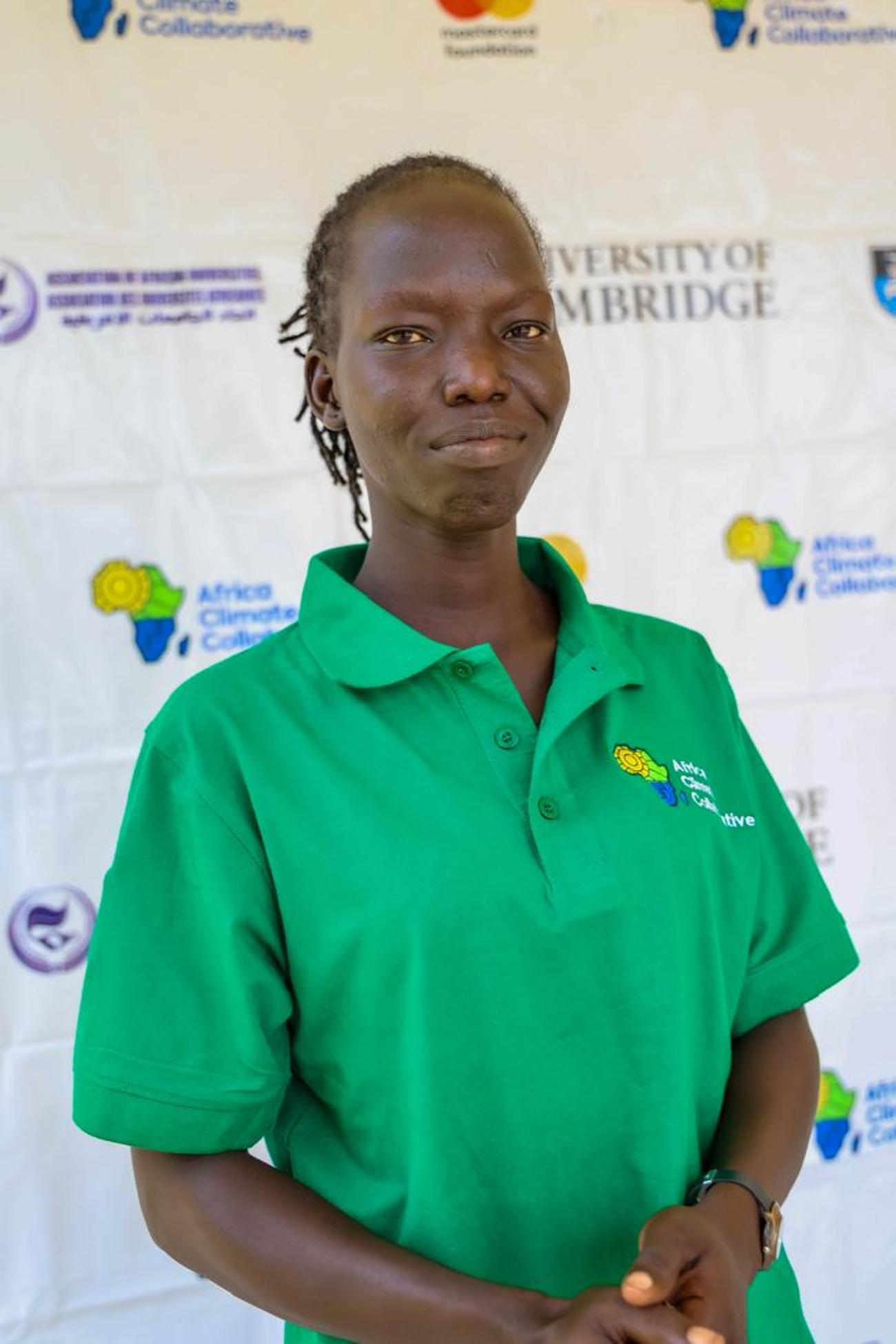
When she learnt about the Africa Climate Collaborative Youth Skilling Program between June and July 2026, Jessica was determined to secure a place.
“I tried all the possible ways to make sure I was part of it, and luckily enough, I succeeded,” she said.
She now hopes to return to her community with skills that will enable her to become a change-maker and support other young people facing similar challenges.
“I am no longer going to be the same person I used to be in the village. I am looking forward to becoming a change-maker in my community and working with other young people who are also crying for opportunities like this,” she said.
Turning skills into income
For Carlos Magimbi from Lwengo District, the program presents an opportunity to strengthen his already existing business in poultry farming while improving his livelihood.
He hopes to use the knowledge gained during the training to support other young people in his community and improve his own income.
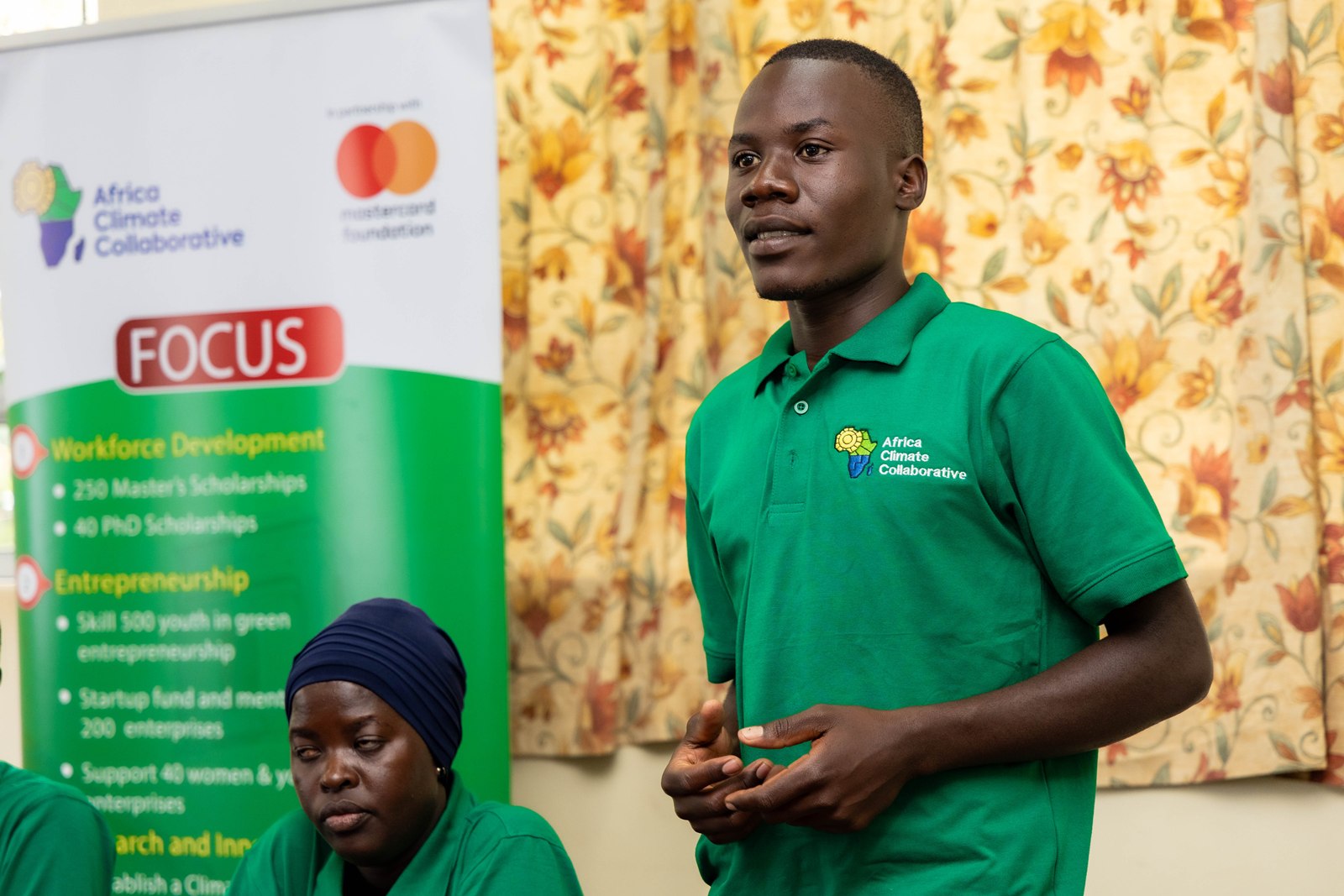
“After obtaining the skills from this training, I expect to go back to my community and share them with my fellow youth. I also hope the skills will help me transform my income and improve my life,” Magimbi said.
One of his immediate interests is improving poultry feed production. He says poor-quality feed has affected his birds and hopes the training will equip him with the skills to produce better feed himself. “I am expected to master the techniques, especially because I have been facing a problem with feed. The feed on the market is sometimes of poor quality. I hope that through this training, I can learn how to make my own feed and improve the yields of my birds,” he said.
-
 General2 weeks ago
Applications Open: Short Course in Decision Modelling for Economic Evaluation
-
 General2 weeks ago
Complete Nyerere Historical Tasks of Uniting and Prospering Africa – President Museveni
-
 Business & Management1 week ago
PIM CoE equips Public Officers to Make Better Public Investment Decisions
-
 Agriculture & Environment1 day ago
What two weeks with Farmers in Mwera, Mityana, taught Makerere’s PhD Students about Agricultural Innovation
-
 General6 hours ago
MURBS Presents FY 2025/26 Performance with 15.4% Growth