
Innovation
Call for Applications: Health Supply Chain Solution Challenge







Agriculture & Environment
Makerere Hosts Inaugural Falling Walls Lab Competition as Innovators Pitch Solutions to National Challenges

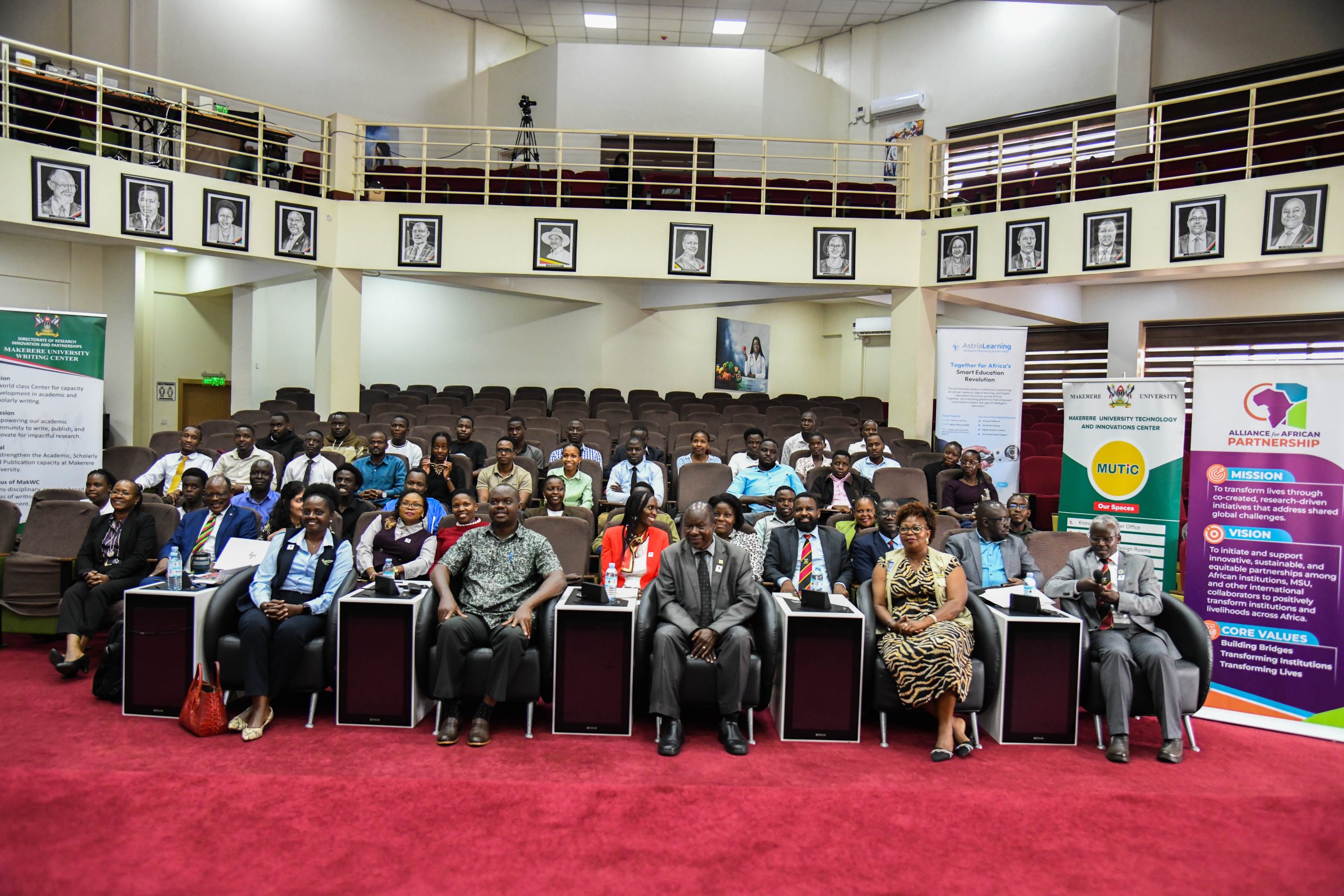
Students and researchers from Makerere University and other institutions pitched 12 innovations addressing challenges in healthcare, clean energy, agriculture, waste management and community resilience during the inaugural Falling Walls Lab Kampala, held at the School of Public Health Auditorium, Makerere University.
The competition brought together emerging innovators to present solutions to practical challenges through a three minute pitch, followed by questions from a panel of judges.
Modelled on the Falling Walls format that originated in Berlin, the event required each participant to identify a “wall” a problem or barrier, and demonstrate how their innovation seeks to break it down.
Mudhasi wins with newborn jaundice screening device
Andrew Mudhasi of Makerere University emerged as the overall winner with a score of 90 per cent for a low cost medical device designed to improve newborn jaundice screening across different skin tones.
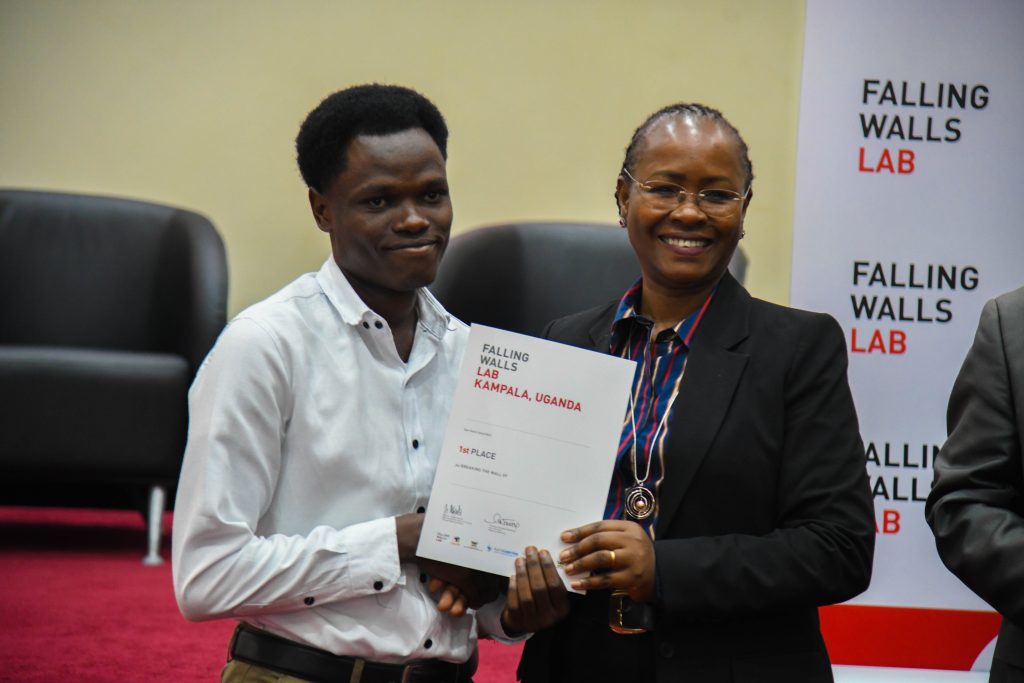
Mudhasi explained that the device uses optical sensor technology and a skin tone targeting algorithm to provide a rapid reading, with the aim of helping nurses and clinicians identify jaundice more efficiently.
During questions from the jury, Mudhasi said the device had not yet been tested on actual babies but had undergone laboratory testing using simulated skin tones.
He reported an accuracy rate of 94 per cent when the device was compared with laboratory spectrophotometers.
The innovation is intended initially for use in clinics and hospitals, with Mudhasi saying the team is also considering a version that could eventually allow mothers to screen babies at home.
Mudhasi’s innovation has previously received recognition at the African Business Concept Challenge and the iF Design Student Award, according to his presentation.
Rhonda’s innovation tackles diaper waste
Rhoda John of the University of Nairobi emerged in second place with 89.6 per cent for an innovation addressing the problem of used diaper waste.

Under the theme “Breaking the wall of diaper waste and drug soils,” Rhonda explained that her team extracts sodium polyacrylate, the absorbent polymer found in diapers, and replaces the sodium with potassium.
The resulting potassium based superabsorbent material is designed to act as a “water battery” in soil by absorbing and retaining water for plants during dry periods.
John said testing showed a 99 per cent increase in germination and a 23 per cent increase in drought resistance.
The innovation also seeks to reduce the amount of used diapers ending up in landfills and the environmental effects associated with their decomposition.
During the question and answer session, John explained that her team was working with government environmental officials in Nairobi on a pilot collection system to address the challenge of gathering used diapers at scale.
Mahera takes third place with herbal peptic ulcer treatment
Stuart Mahera of Makerere University finished third with 86.2 per cent for a herbal formulation targeting peptic ulcers.
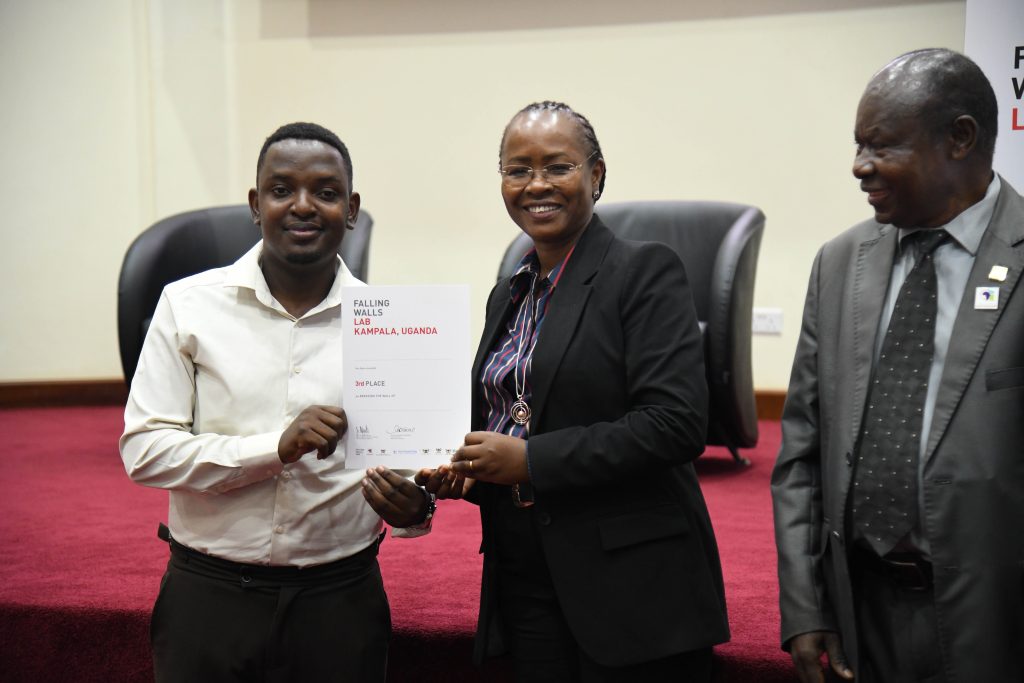
Presenting under the theme “Breaking the wall of Nature and Modern Medicine,” Mahera argued that conventional treatment for peptic ulcers can involve multiple medicines and may be associated with side effects and antimicrobial resistance.
His proposed formulation, MARAC capsules, is intended as a monotherapy, combining properties required for peptic-ulcer treatment in a single capsule.
Mahera said his team had carried out quality control work, including characterisation and dose quantification, and had conducted preclinical trials on laboratory mice.
He also told the jury that an application had been submitted to the National Drug Authority as the team awaits the next stage of the regulatory process.
According to Mahera, the proposed seven day treatment would cost about Shs21,000, compared with the existing 14 day treatment approach.
Innovators present solutions to practical challenges
The remaining presentations covered a wide range of challenges.
Esther Nakungu of Utamu University presented Agri-Track, a digital record keeping solution intended to improve visibility, accountability and management of farm operations and financial information.
Dr. Jimmy Chachiga, a Makerere University participant, presented a solar photovoltaic cooker with a heat storage system designed to provide a cleaner and more reliable cooking option during both sunny and non sunny periods.
His presentation focused on reducing dependence on biomass fuels and addressing the challenges associated with intermittent solar energy.
Abdul Noor Luttamaguzi, a PhD student and senior government fisheries officer, presented a mobile application aimed at helping fish farmers and extension officers report, track and manage disease outbreaks.
Henry Duke Tamale presented a herbal cream targeting antibiotic resistant biofilm infections associated with diabetic foot ulcers.
Marvin Seruwu proposed adapting existing near infrared brain monitoring technology to help detect extra-axial brain bleeds in health facilities where access to CT and MRI equipment is limited.
His proposal seeks to repurpose existing technology towards a diagnostic need that could be particularly important in settings where advanced imaging facilities are not readily available.
Kennedy Kisame presented a poultry alert and diagnosis system combining satellite weather information with computer vision disease detection. The proposed system could be accessed through a smartphone application, SMS or USSD, making it potentially usable by farmers with limited internet access.
Frank Atwiine proposed a solar powered mobile diagnostic van designed to bring ultrasound and other diagnostic services closer to rural communities.
Johnson Makmot, a software and blockchain developer, presented a platform that combines GPS tracking and blockchain-based tokens to incentivise and verify plastic-waste collection in Kampala.
Dr. Nelson Ndugu, from a partner university, presented an artificial intelligence tool designed to translate agricultural research publications into local Ugandan languages and generate voice notes for radio-based extension delivery.
The final presentation came from Dr. Juliet Akola, a Ugandan post doctoral researcher at Mangosuthu University of Technology in South Africa.
Akola presented a community digital resilience initiative focused on mapping risks in Kampala’s informal settlements, including flooding, fire, poor sanitation, waste management and inadequate infrastructure.
Her proposal seeks to combine local community knowledge with geographical information systems and link identified risks to action plans involving municipalities and other stakeholders.
Nawangwe calls for more investment in innovation
Closing the event, Prof. Nawangwe congratulated all the participants and described their presentations as an important beginning for Makerere University, Uganda and the wider region.
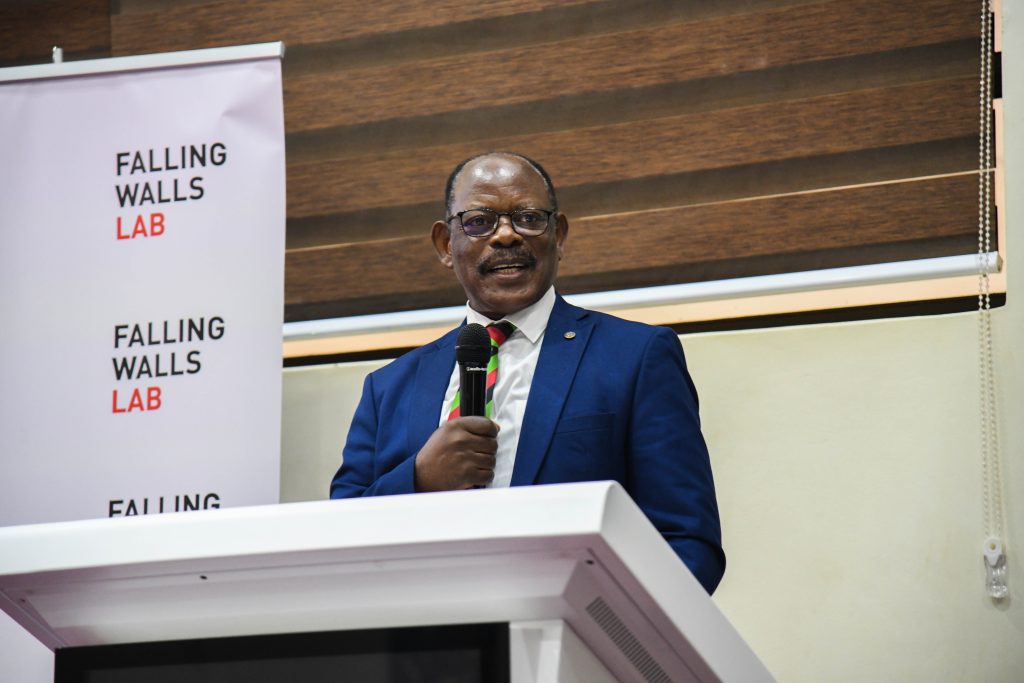
Drawing on his experience attending the Falling Walls conference in Berlin, the Vice Chancellor said initiatives of this nature are important because innovation will play a major role in determining the future of countries.
He encouraged participants to make their pitches more precise by clearly identifying the problem they are addressing, explaining their proposed solution and demonstrating what they have already achieved.
Prof. Nawangwe also welcomed the participation of innovators from other universities and countries, noting that the Kampala event had attracted participants beyond Makerere.
He thanked the Africa Office of the Falling Walls Foundation for its role in bringing the initiative to Makerere and encouraged continued support for innovation.
The Vice Chancellor further linked innovation to Uganda’s growing youth population and the need to develop home-grown solutions to address challenges such as youth unemployment.
The inaugural Falling Walls Lab Kampala ultimately provided a platform for innovators to move ideas beyond the classroom and laboratory and demonstrate how research, technology and creativity can be applied to challenges affecting communities.
| Position | Winner | Institution | Score |
| 1st | Andrew Mudhasi | Makerere University | 90% |
| 2nd | Rhoda John | University of Nairobi | 89.6% |
| 3rd | Stuart Mahera | Makerere University | 86.2% |
Engineering, Art & Tech
Makerere’s CEDAT Hosts Groundbreaking LIVWA Workshop on Advanced Climate Modelling for Lake Victoria Water Level Management


By Carol Kasujja and Betty Kyakuwa
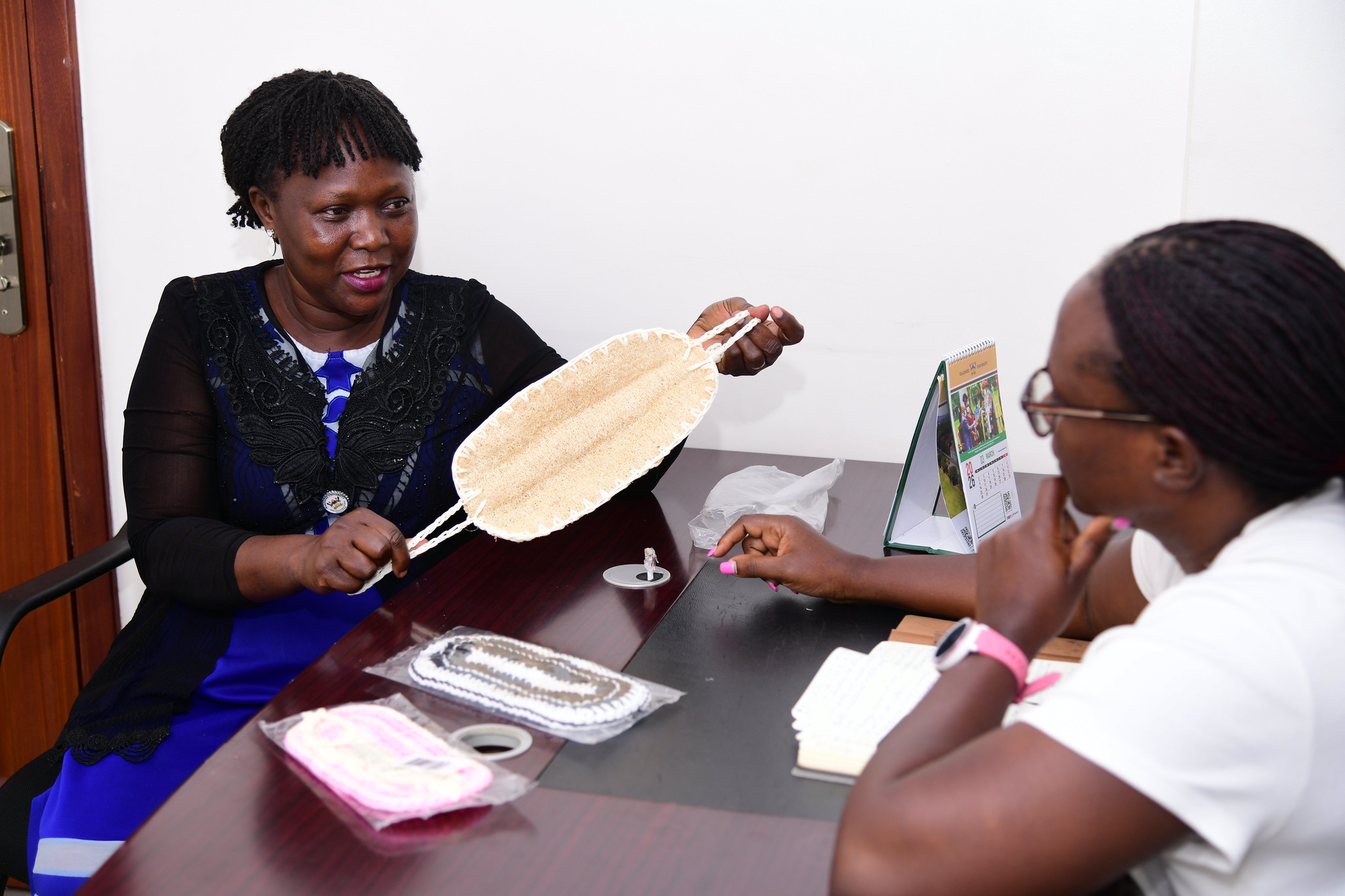
Running a side business alongside full-time employment has become an increasingly popular venture among staff. For many, it is a way to supplement income and build financial resilience. For Ms. Rebecca Talikaza, a 48-year-old custodian, it has become a pathway to transformation. Talikaza successfully balances her office responsibilities with her growing enterprise, Beckiz Bathing Sponge.
“For the years I have been running Beckiz Bathing Sponge, my side business has not affected my work. I have a support system at home, and I have learnt how to utilize my time well,” she explains.
Turning Necessity into Opportunity
Talikaza’s entrepreneurial journey began during the COVID-19 period, when schools reopened. While preparing to take her first-born son back to school, she realized he did not have a bathing sponge. A search in nearby supermarkets in Nakwero proved futile.
“When I failed to get a bathing sponge, I went back home and looked for some material I had bought earlier. I became creative and decided to knit one using skills I had acquired in primary school,” she recalls.
As she worked, a neighbor noticed her and expressed interest. “When I told her I was knitting a sponge, she asked me to make four for her,” Talikaza says. After completing the order, her neighbor paid her UGX 20,000.
That same day, a boda boda rider she had sent on an errand also requested one. “He told me instead of giving him money, I should give him a sponge. That is when it hit me—I could actually make money from this. Every home needs two or three sponges,” she says.
From Small Orders to Supermarket Shelves
Encouraged by the demand, Talikaza approached Babis Supermarket in Nakwero with her sample. She requested to supply her products after noticing the gap in the market. The manager agreed and asked her to produce two dozen sponges for distribution across five branches.
She also secured a similar opportunity with Shop Wise Supermarket in Manyangwa Village. “Both supermarkets accepted, but it took me three weeks to deliver. I had to sacrifice my sleep, sometimes working until 2:00 a.m. to meet the demand,” she says.

Her first delivery earned her UGX 54,000 per dozen, with each sponge retailing at UGX 5,000. Drawing on knowledge from her Postgraduate Diploma in Business Administration at Makerere University Business School, Talikaza realized the importance of branding and packaging. “I knew I had to register my business and package my products well because my target customers value quality,” she explains.
Improved packaging doubled the price of her sponges from UGX 5,000 to UGX 10,000. Since then, the business has steadily grown, enabling her to pay school fees and purchase land.
Challenges Along the Way
Despite her success, Talikaza faces challenges, particularly with delayed payments from supermarkets.
“Some supermarkets take long to pay, yet I need money to buy materials, so I end up using funds from other sources,” she says.
She also points to the difficulty small businesses face in meeting formal requirements. “Some supermarkets require invoices, which is challenging for small businesses like mine. Without them, we are taxed heavily,” she adds.
Advice on Managing a Side Hustle
Talikaza emphasizes discipline, sacrifice, and humility as key ingredients for success. “Never despise humble beginnings. Side businesses do not accommodate laziness. If it means working late, do so to ensure growth and profit,” she advises.
She also stresses the importance of fairness and teamwork, noting that she employs her children and a maid to help with production—and pays them weekly. To maintain professionalism, Talikaza draws a clear boundary between her job and her business.
“Your office work should not suffer because of your side hustle. I do not sell my products at the University. Those who need them can find them in supermarkets,” she says. She recommends careful time management, dedicating working hours to official duties and reserving evenings or weekends for business.
Efficiency, she adds, is critical. “I do not leave work to buy materials. I send a boda boda rider who delivers on time. He even helps monitor stock in supermarkets,” she explains. Above all, Talikaza encourages aspiring entrepreneurs to build businesses around passion and knowledge.
“Understand your business—its strengths, weaknesses, opportunities, and threats. Also know your target market to avoid being cheated,” she says.
At a Glance
Born to Mr. Nathan Magoola and the late Gladys Magoola, Talikaza hails from Iganga District. She attended Iganga Municipal Council Primary School before joining St. Peter’s Secondary School, Naalya, for both O-Level and A-Level.
She later earned a Bachelor’s degree in Social Sciences from Makerere University, followed by a Master’s degree in Gender and Women Studies and a Postgraduate Diploma in Business Administration.
The 10th born in a family of 14, Talikaza is a mother of six children.
-
 General1 week ago
Call for Applications: RLRH Graduate Traineeship Programme
-
 General2 weeks ago
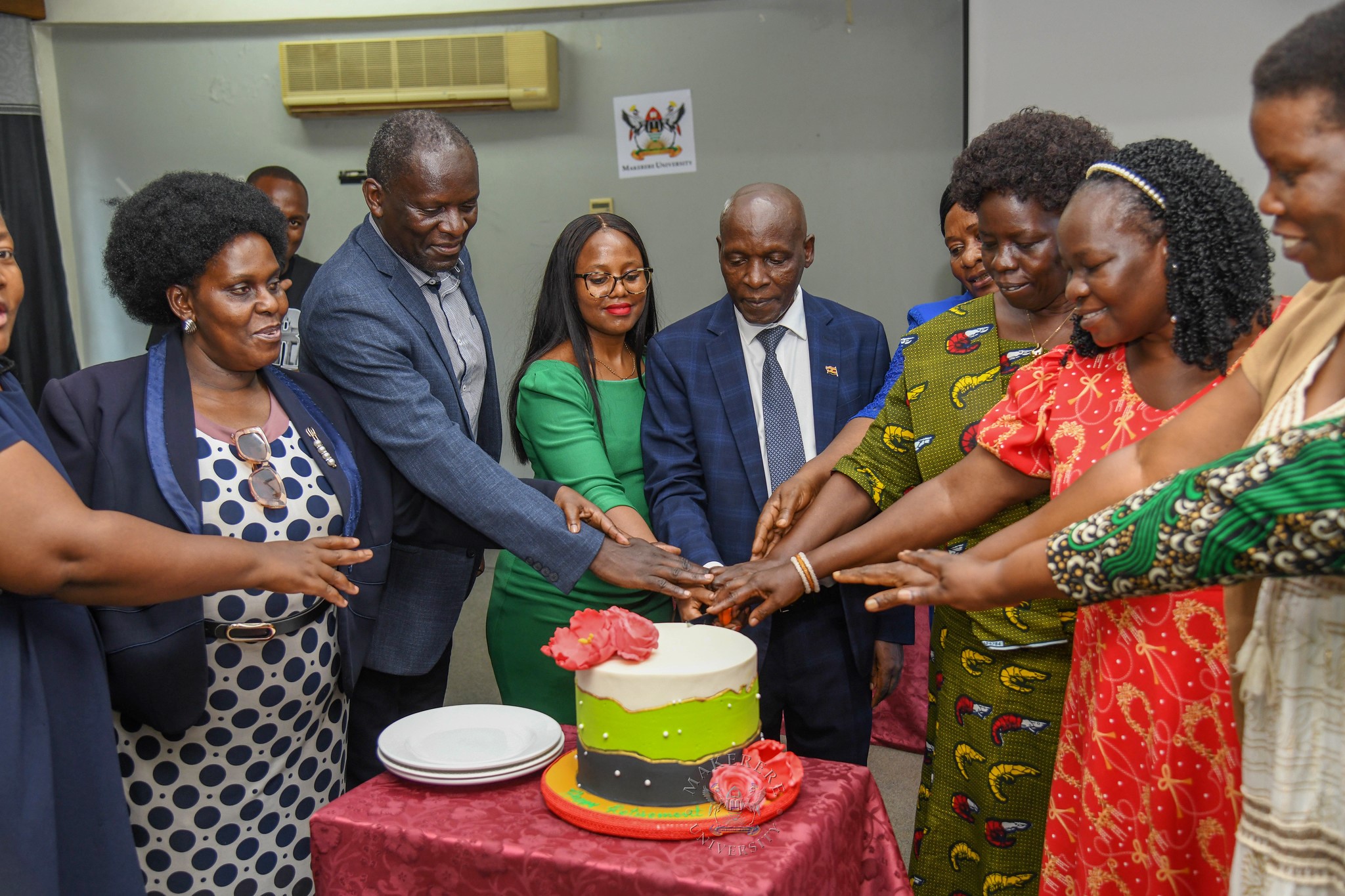
AR Department Bids Farewell to Mr. Ssentongo and Ms. Akoli
-
 Natural Sciences1 week ago
From World’s Worst Water Weed to Worth: Makerere Researchers Turn Water Hyacinth into Valuable Products
-

 Research1 week ago
Call for Makerere Staff PhD Completion Grant Applications, 2026-27
-
 Engineering, Art & Tech1 week ago
Public Art Talk Sparks Dialogue on Contemporary Art Practices at MTSIFA