
General
Makerere Strengthens Doctoral Training Through BURST-Excel Research Network

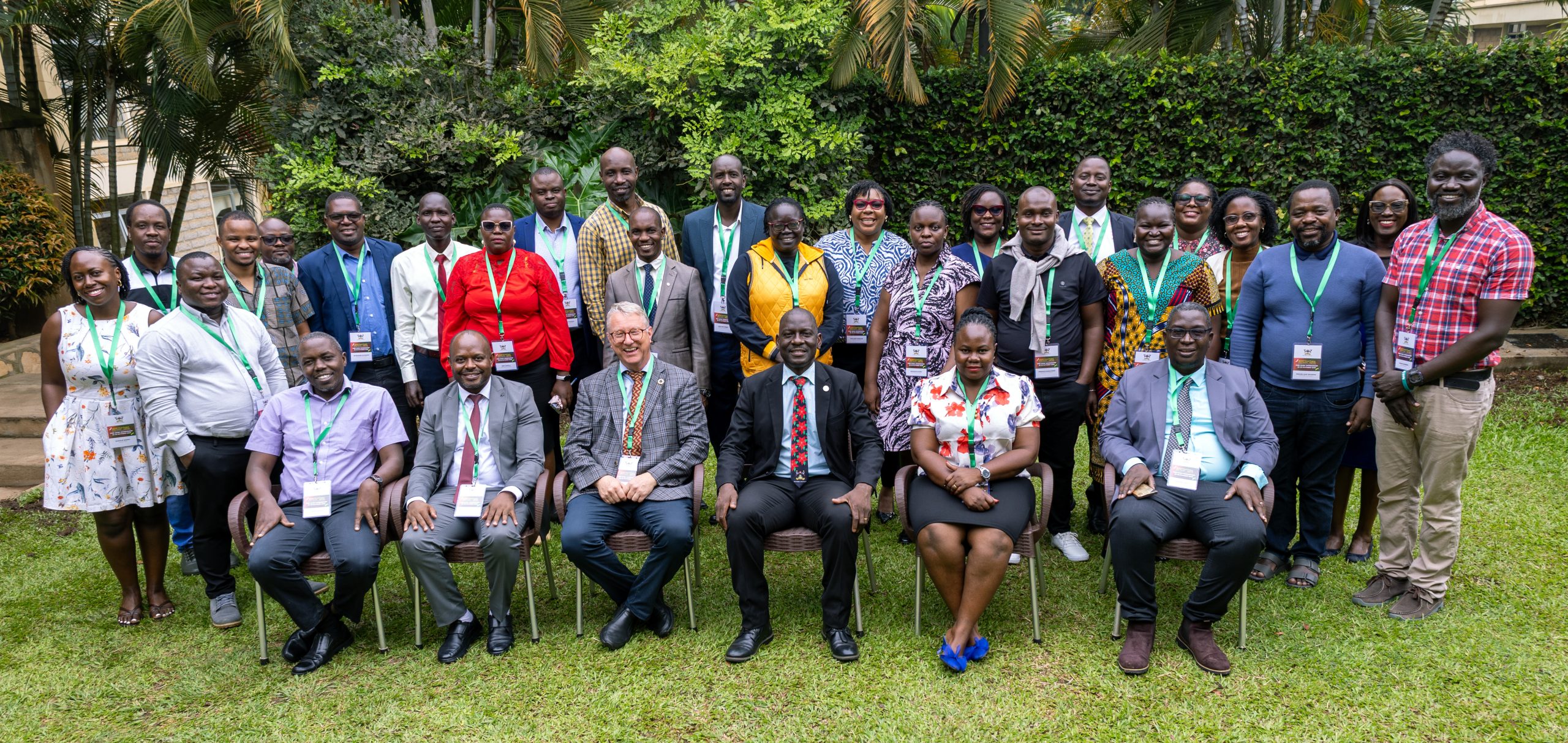
A collaborative initiative is bringing doctoral researchers together across institutions and disciplines to strengthen research skills, promote peer support and prepare emerging scholars to address Uganda’s and Africa’s development challenges.
Doctoral research can be an isolating journey, often requiring years of independent work, sustained intellectual effort and the ability to navigate academic and personal pressures. For many PhD candidates, opportunities to learn from peers, collaborate across disciplines and receive mentorship from experienced researchers can make a significant difference to their progress.
It is this challenge that the BURST-Excel collaboration seeks to address by building a network that connects doctoral researchers, experienced academics and institutions in Uganda and Norway.
Speaking at the opening of a doctoral training workshop at Esella Hotel in Kampala, Dr. John Bosco-Isungu, from the School of Public Health, said the initiative was designed to break down institutional and disciplinary silos and create a supportive environment for doctoral candidates.
The initiative seeks to establish a community in which doctoral researchers can share information about training opportunities, conferences and funding, as well as identify potential collaborators for joint research proposals. By extending beyond individual universities, the network is intended to foster cross-learning and strengthen relationships among researchers working in different fields.
Building partnerships across Uganda and Norway
Prof. Thorkild Tylleskär of the University of Bergen, Norway, provided background on the collaboration and its development from earlier efforts to strengthen global health research and doctoral education.
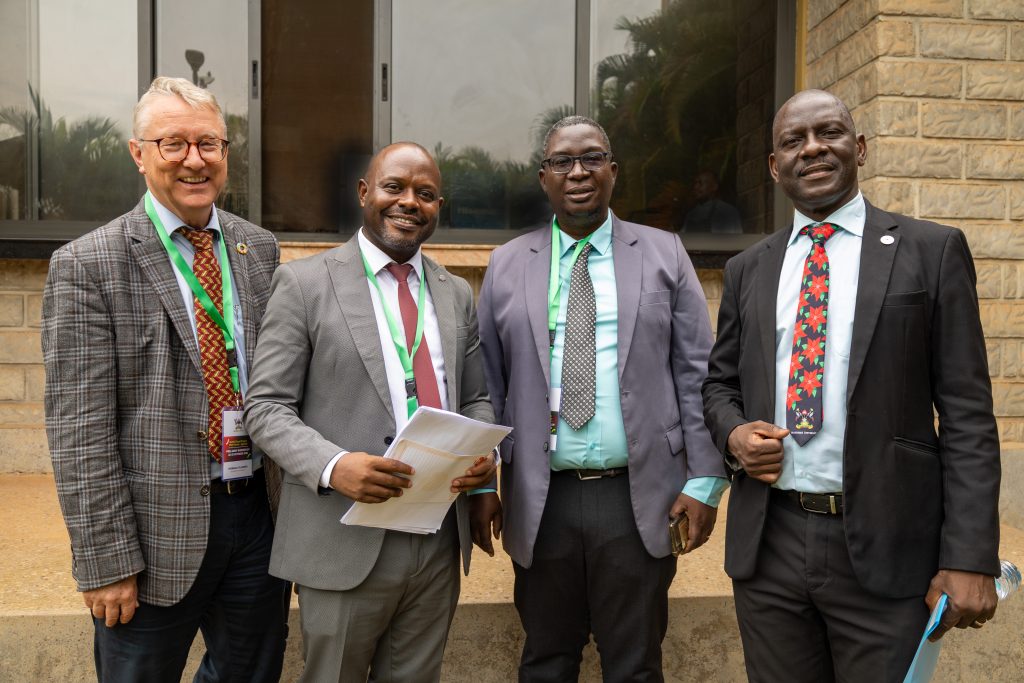
He explained that the initiative builds on Norway’s experience with research schools, which bring together PhD candidates from different institutions around shared research interests. Norway’s national research school in global health for sustainable futures provides a model for creating a network that supports doctoral candidates beyond the boundaries of their home institutions.
Professor Tylleskär noted that the initiative has benefits for both countries. While it aims to strengthen doctoral education and research collaboration in Uganda, it also creates opportunities for Norwegian researchers and students to learn from colleagues working in different contexts.
Practical support for doctoral researchers
The PhD students received training in academic mentorship, scientific writing, research communication and discussions on the personal challenges associated with doctoral study.
Participants engaged with experienced researchers who have completed their PhDs and built careers in academia and research. The interaction offers early-career researchers an opportunity to learn from established scholars, receive feedback on their work and strengthen competencies that are essential for producing and communicating credible research.
The workshop also included preparation for the upcoming JESH conference, where participating doctoral fellows had already submitted abstracts that had been accepted. The sessions were intended to help them refine their presentations and posters and communicate their findings more confidently.
Beyond technical research skills, the programme recognises that doctoral training requires attention to mental health, well-being and work-life balance. The demands of independent research can affect relationships, family responsibilities and personal well-being. Creating a peer-support system can help doctoral candidates navigate these pressures while remaining focused on their academic goals.
Promoting responsible use of artificial intelligence
The responsible use of artificial intelligence (AI) in scientific writing and research was another important area highlighted during the workshop.
In his opening remarks, Prof. Julius Kikooma, Makerere University’s Director of Graduate Training, welcomed the initiative and emphasised the importance of producing researchers who can generate credible evidence, think critically and translate findings into solutions that benefit society.
He noted that AI tools can support literature exploration, organisation of information, clarity of expression and aspects of research communication. However, their use must be accompanied by critical judgement, verification of information, protection of confidential data and accountability for the final work.
“AI tools do not replace the researcher’s obligation to think critically,” he emphasised, urging doctoral candidates to retain responsibility for the accuracy of their arguments, the integrity of their methods and the credibility of their findings.
He further challenged participants to pursue rigorous, ethical and relevant research rather than rely on technology as a substitute for independent thinking and scholarly effort.
Strengthening Uganda’s research capacity
Prof. Kikooma linked the initiative to Makerere University’s ambition to strengthen its position as a research-intensive institution through expanded graduate and doctoral training.
He observed that addressing Uganda’s development challenges, from public health and disease prevention to environmental sustainability and water systems, requires researchers who can identify important problems, generate reliable evidence and work across disciplinary boundaries.
He also highlighted the importance of collaboration, noting that no single university can independently meet the country’s growing demand for advanced research capacity.
For doctoral candidates, he encouraged the development of stronger research outputs, commitment to ethical scholarship, effective communication of findings and personal development plans to guide their professional growth.
As the BURST-Excel partners continue the collaboration, the network offers an opportunity to strengthen doctoral education through mentorship, shared learning and international partnerships.
Facilitators
| Dr. Andrew Tamale |
| Dr. Stephen Wandera |
| Dr Frederick Oporia |
| Dr. Godwin Anywar |
| Dr. John Bosco Isunju |
| Dr. Charles Kato |
| Prof. Thorkild Tylleskär |
| Dr. David Mukunya |









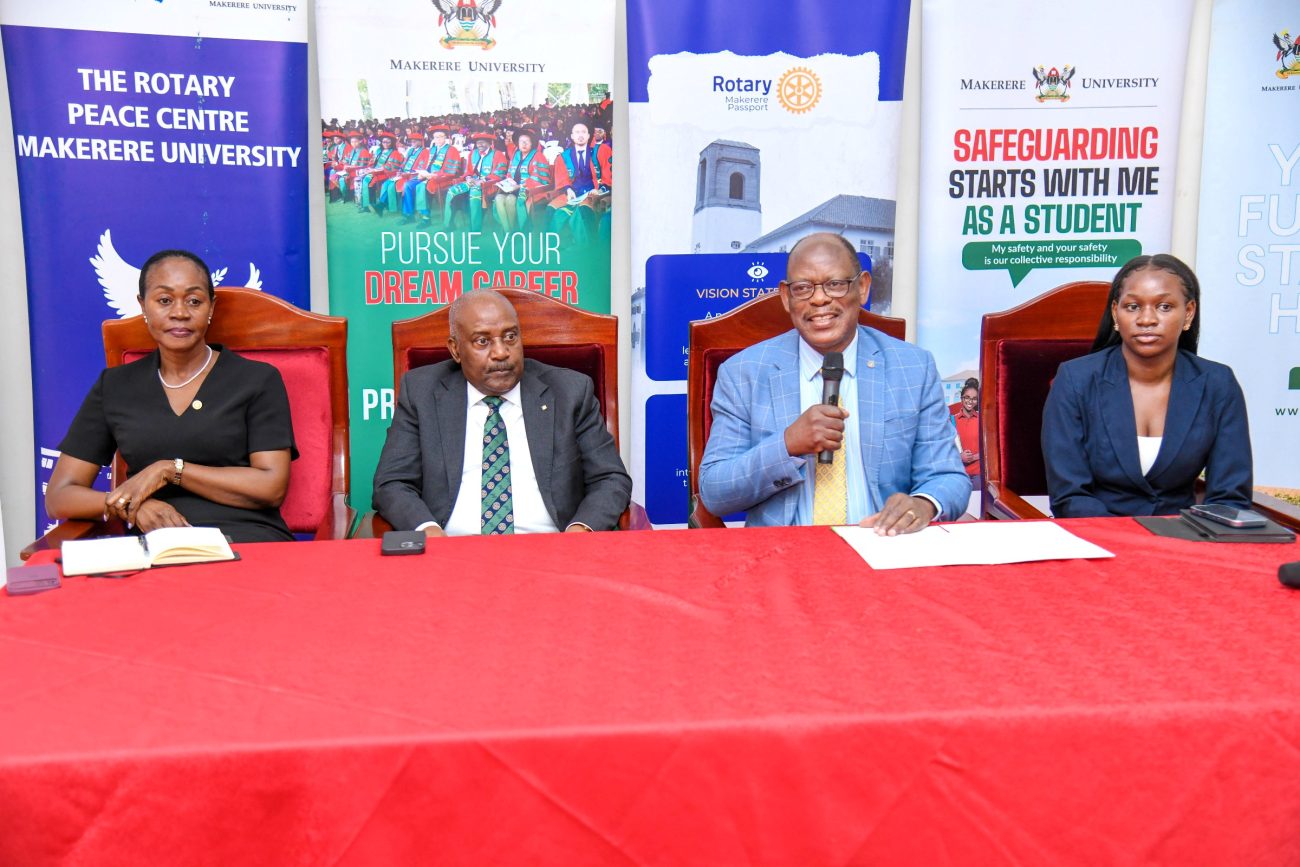
Through the Food for Peace initiative, the Rotary Club of Makerere Passport is stepping in to provide meals to over 200 students who struggle to afford meals, especially during the examination period.
According to Professor Barnabas Nawangwe, the Vice Chancellor of Makerere University and President of the Rotary Club of Makerere Passport, hundreds of students drop out of Makerere University every year due to financial constraints. The reality for those who remain is sometimes tougher, for they struggle to survive.
While addressing the media at a press conference held at Makerere University on November 11, 2026, Prof. Nawangwe shared that many of these students skip meals, a situation that is more frequent during examination periods, when the demands on the brain are much greater.
The University is aware of these reports and in his capacity as Vice Chancellor and President of the Rotary Club of Makerere Passport, Prof. Nawangwe lobbied the club to take action.
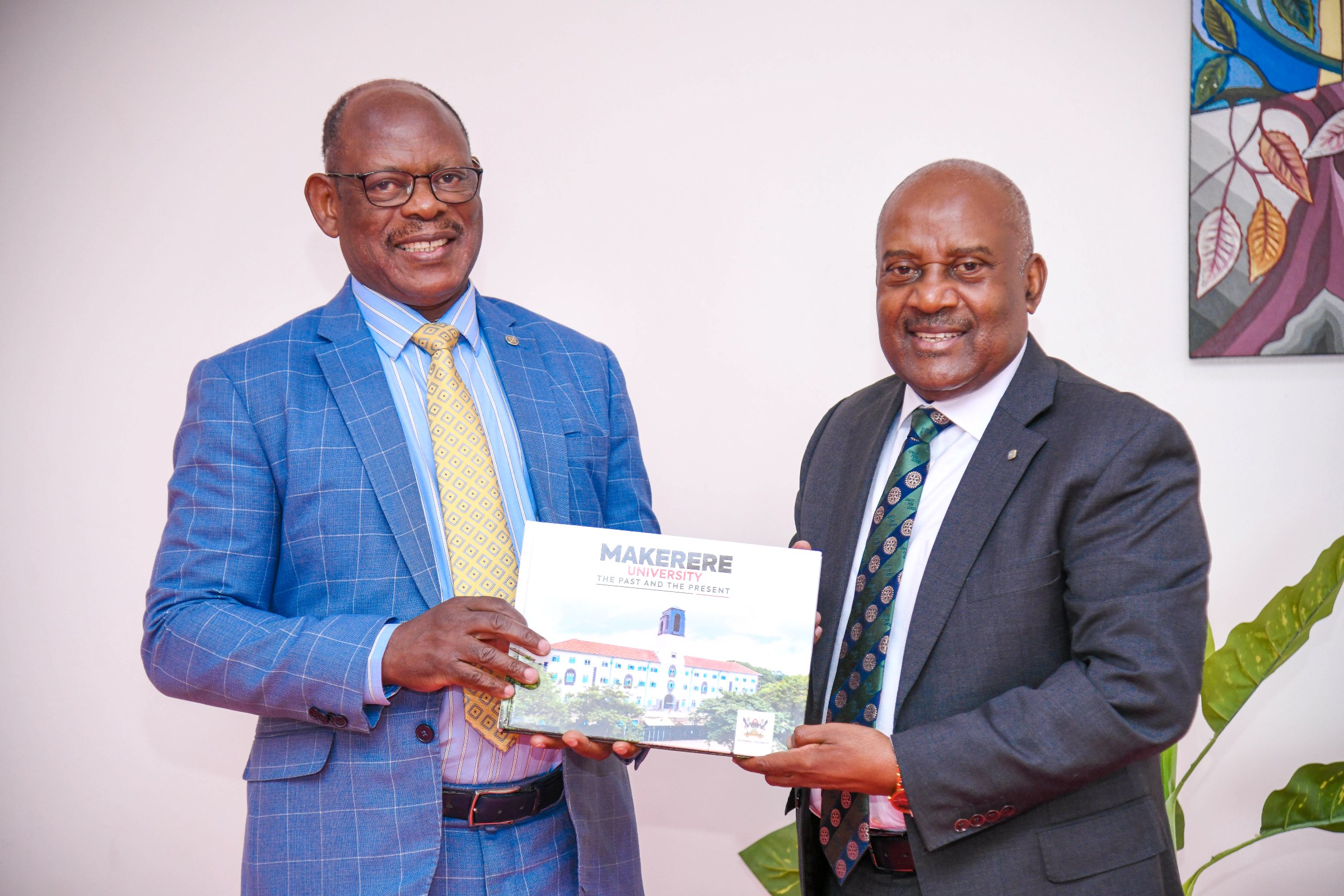
In preparation for intervention, a comprehensive needs assessment was conducted, inviting students to come forward and share their needs. About 200 students responded to the survey, indicating a pressing need for food support during examinations.
The findings birthed a legacy project code-named “Food for Peace”, targeting, for a start, 206 students at Makerere University, regardless of their sponsorship status, as long as they participated in the survey. The Makerere Rotary Peace Centre spearheaded the survey that helped identify the first cohort of those who will benefit from the initiative and guided that for a dignified experience, the beneficially names will remain in records and not disclosed.
Prof. Nawangwe emphasised that the core mission of this cause is to move a step up with efforts to ensure that economically challenged students at Makerere University do not go a day without a meal. Service providers in halls of residence will serve these students their food following a meal card.
Seeding the Project
The Guest of Honour, Mr. Emmanuel Katongole, the Rotary International Director (RID) for Zone 22, while launching the initiative shared his personal experience of facing challenges that almost barred him from attaining an education. He believes education is an equaliser in life and that everyone should have a chance to access it. He reminded those in the room that they were all there together because of education.
RID Katongole highlighted the importance of supporting people, both as individuals and as a community. He expressed pride in being part of the launch of this project because it is going to create many more “Emmanuel Katongoles” through the provision of a meal.
He therefore personally committed to contribute UGX 5 million annually, starting this year, for as long as he lives or until the project ends. He also pledged to remain part of the initiative.
92nd Guild Commends “Service above Self”
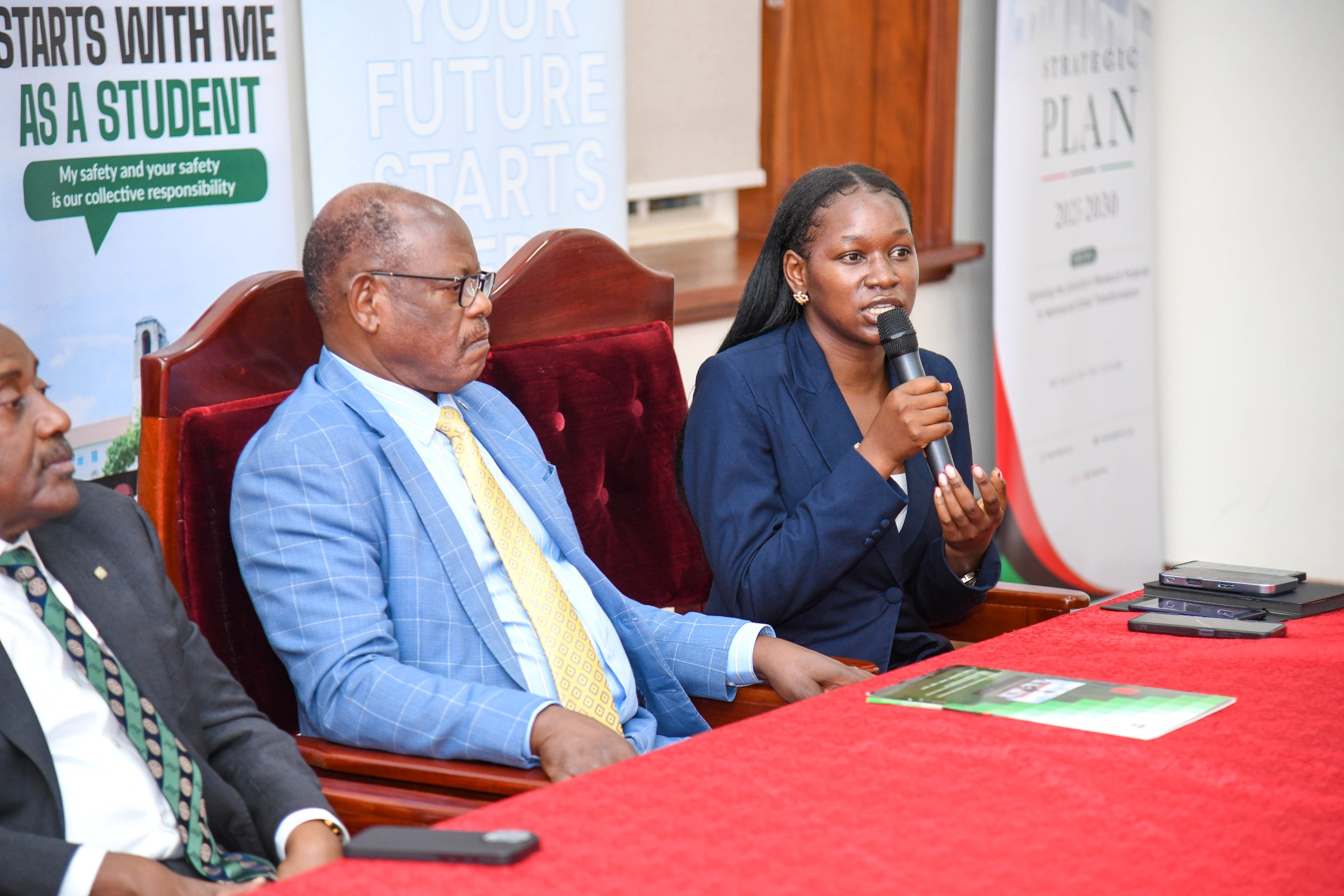
From a student perspective, H.E. Kadondi Gracious, the 92nd Makerere University Guild President, delivered a vote of thanks for the initiative. She noted that students had petitioned Parliament to intervene in the matter and were happy that solutions had started coming from within.
She framed this move not just as charity, but as a way of restoring hope to Makerereans who were unsure of how they were going to maneuver through the examination period without lunch. In appreciation, the Guild President commended Rotary for showing what it actually means to offer service above self.
Sustainability of the “Food for Peace” Project
Although the immediate intervention is directed towards fewer than 300 students who expressed a need for assistance, the vision is bigger and looking beyond the current examination season.
As the Rotary Passport Club President noted, “if this is going to be sustainable, it means we are going to look out for partners to create a fund to sustain this initiative.”
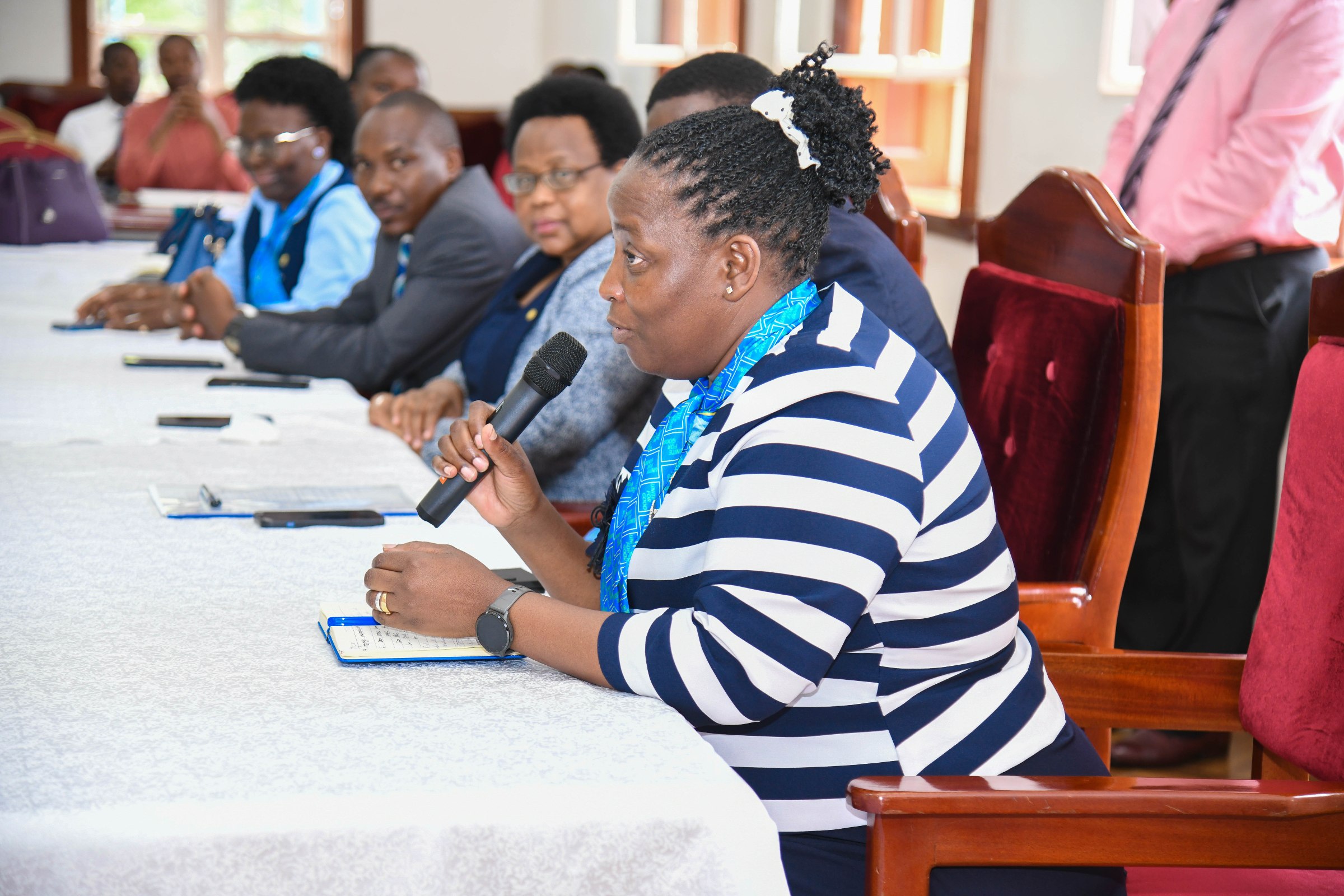
The Club Secretary, Associate Professor Helen Nambalirwa Nkabala, explained that as a legacy project, it is not a one-off. She committed the services of the Passport Club to supporting this legacy project.
Grounding the sustainability move, RID Emmanuel Katongole set the pace by pledging annual cash and in-kind support towards providing consistent assistance to students throughout subsequent academic periods, thereby enhancing student welfare over the long term.
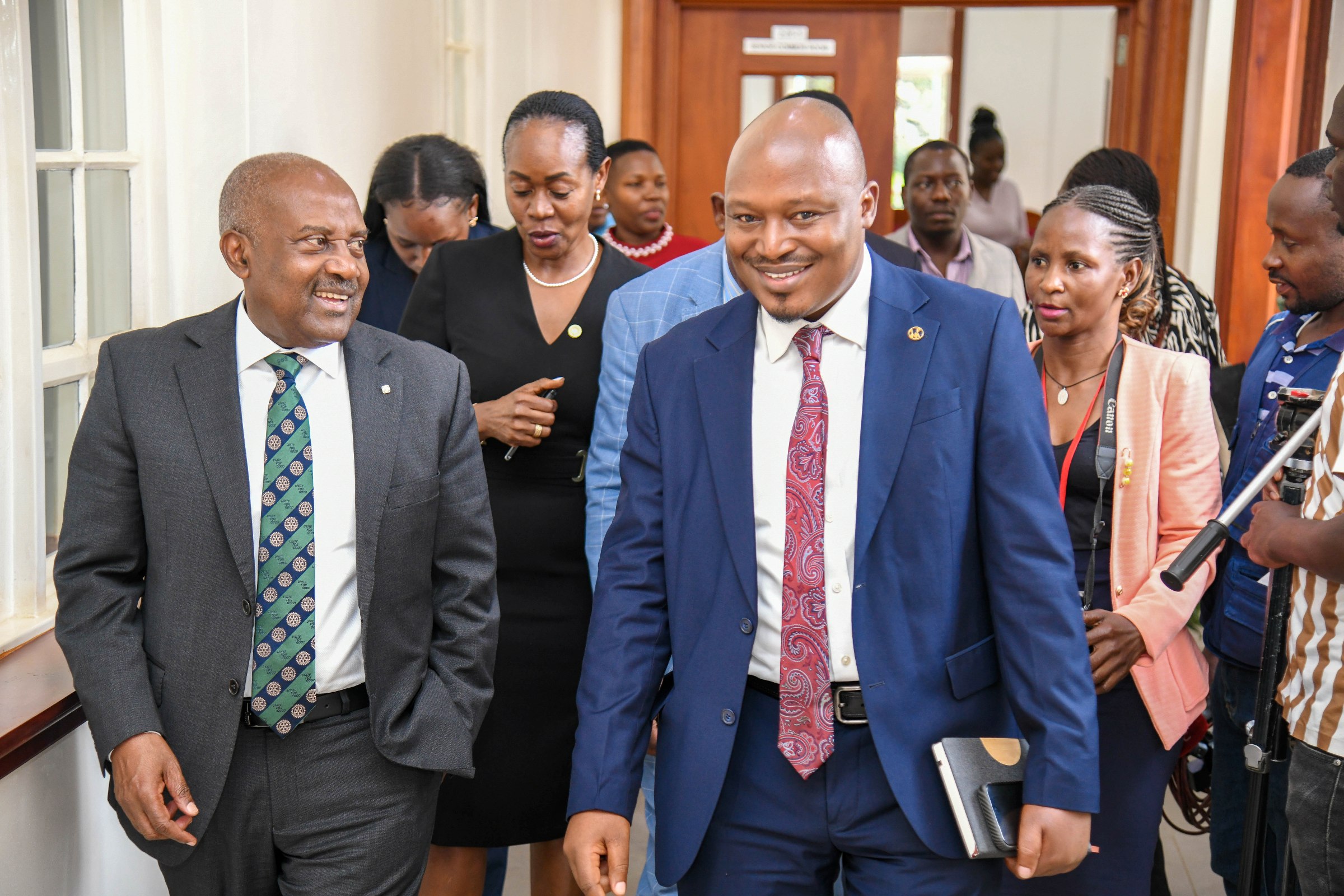
Dr Winfred Kabumbuli, the Makerere University Dean of Students, showed strong support for the initiative since it falls within the core mission of student welfare. She appreciated the collaboration with Makerere University Passport Club, and pledged to rally internal support.
Call to Action and Contributions
The Club President made an appeal to alumni, corporate bodies, development partners, individuals and institutions of goodwill to join this noble cause, intended to ensure that students not only remain at the University but also attain their full potential on a full stomach.
The immediate fundraising goal is UGX 10 million shillings, which is required to implement the initial phase of food support. Excess amounts collected will facilitate an increase in the number of beneficiaries and after the examination period, add to the kitty for subsequent semesters.
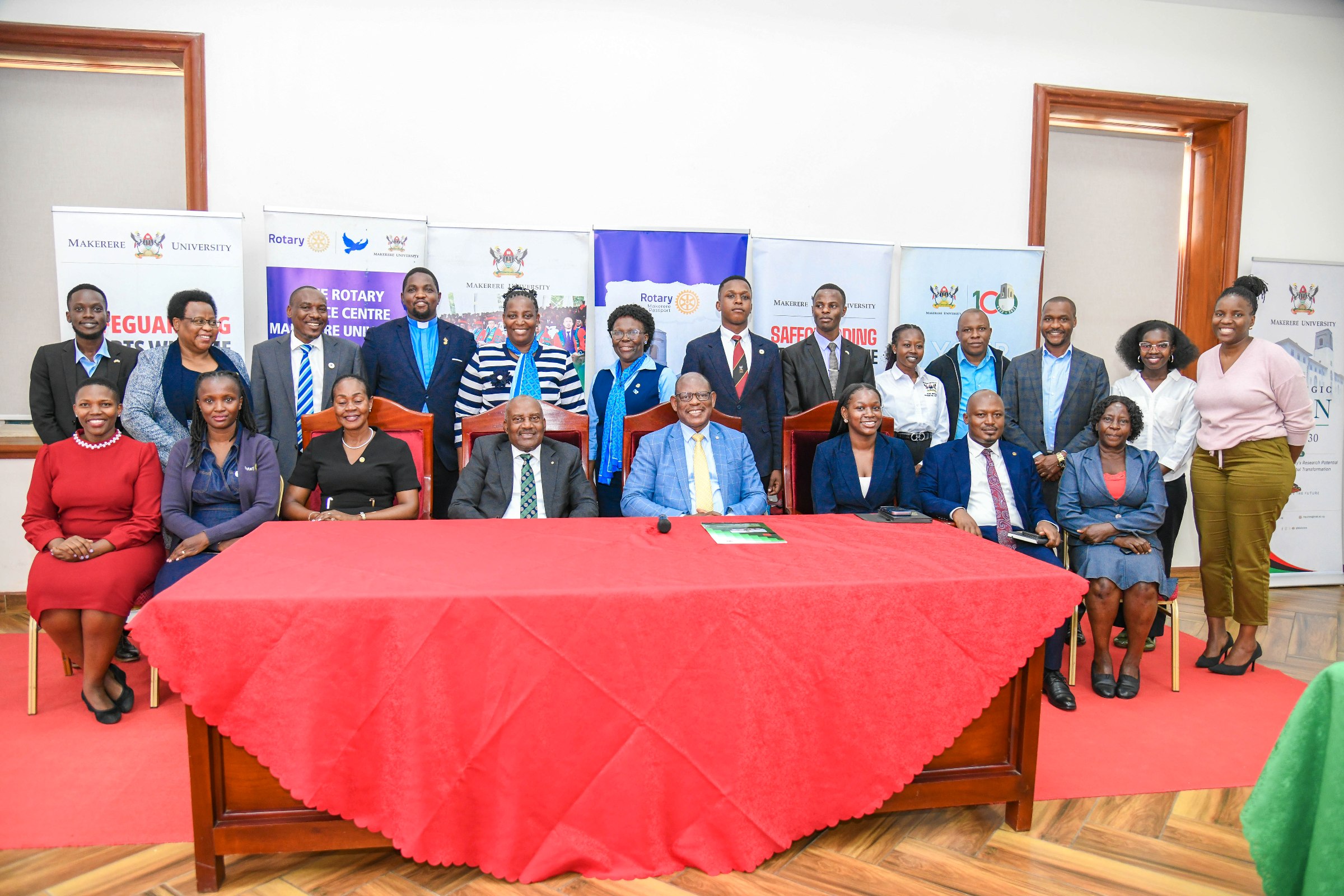
Support and assistance can come in the form of financial contributions, food supplies, corporate partnerships, logistical support, and long-term partnerships.
To facilitate support, the club, through its Charter Treasurer (C.T.), Professor Winston Tumps Ireeta, shared the banking details as follows
Bank: NCBA Uganda Limited.
Account Name: Rotary Club of Makerere Passport
Uganda Shillings (UGX) Account Number: 228129200017
United States Dollar (USD) Account Number: 228129200027
SWIFT Code: CBAFUGKA
Bank Code: 36
Students were left with one final promise from the Chief Guest, “you are no longer alone. You have a partner in the Rotary Club of Makerere Passport.”

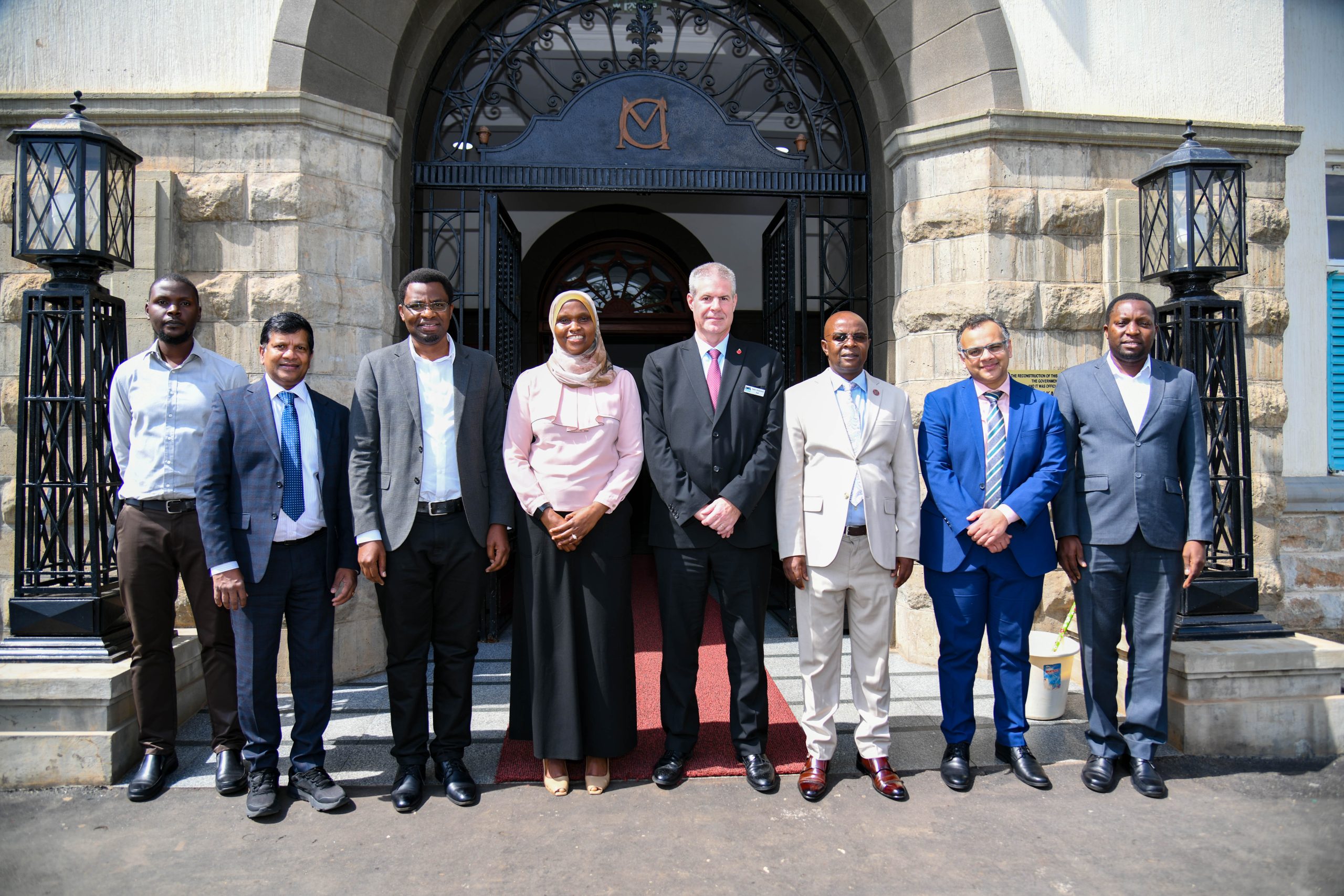
Prof. Edward Bbaale, Acting Deputy Vice Chancellor for Finance and Administration at Makerere University, on November 10 2026 welcomed a delegation from the International Water Association (IWA), led by Mr. Keith Robertson, the Learning and Events Director at International Water Association (IWA). Mr. Robertson, in his remarks, highlighted their visit to Makerere University as a fact-finding mission regarding the potential establishment of a new regional IWA office in Africa to support the continent in solving challenges relating to water.
The International Water Association is a leading global nonprofit organisation and knowledge hub for the water and sanitation sector. Connecting more than 10,000 individual members and 500 corporate entities across 140 plus countries, the association bridges the gap between scientific research and practical engineering to solve global water crises, improve sanitation, and secure clean water systems. Currently, IWA is evaluating potential host cities in Africa; Makerere University in Kampala is the first they have visited out of their three countries and venues earmarked.
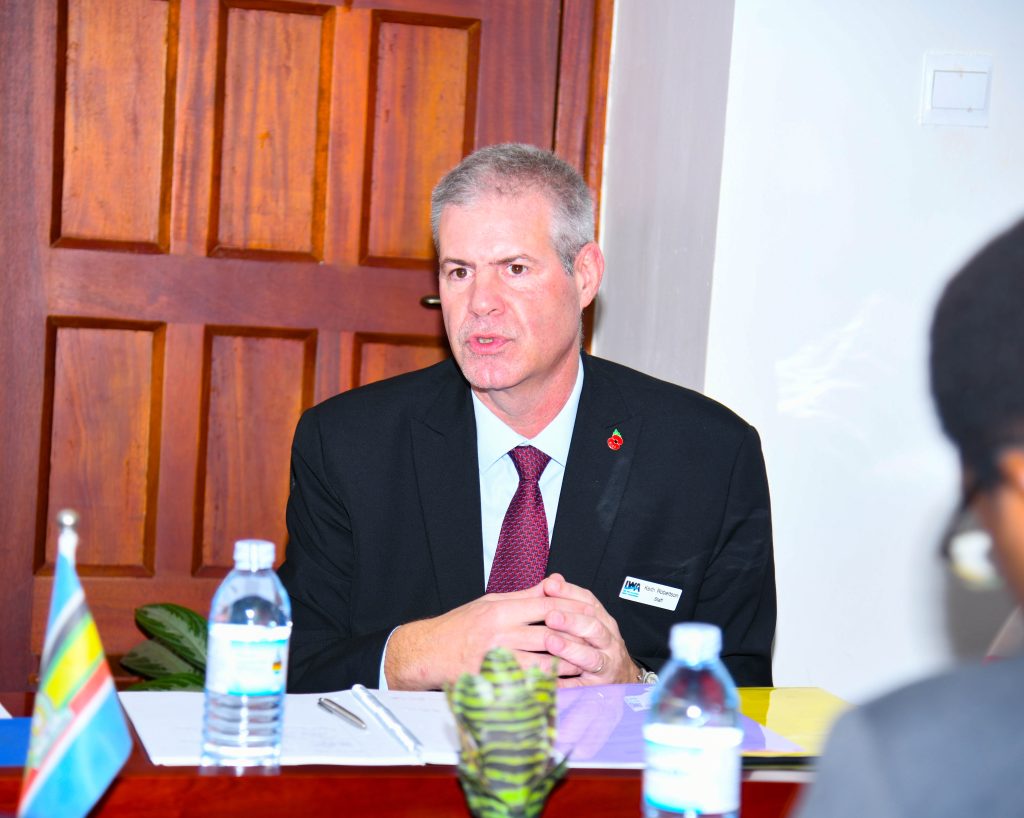
This meeting held at Makerere Main Administrative Building, was attended by university leadership, faculty from College of Engineering, Design, Art and Technology (CEDAT), and representatives from the National Water and Sewerage Corporation (NWSC). Discussions explored possibilities of the yet to be established office bridging the gap between academic research and practical application in the water sector not only in Uganda but also on the continent.
On behalf of University Management, Prof. Edward Bbaale underscored this engagement that focused on possible Water and Sanitation advancement partnership as one that aligns well with the strategic direction of the University.
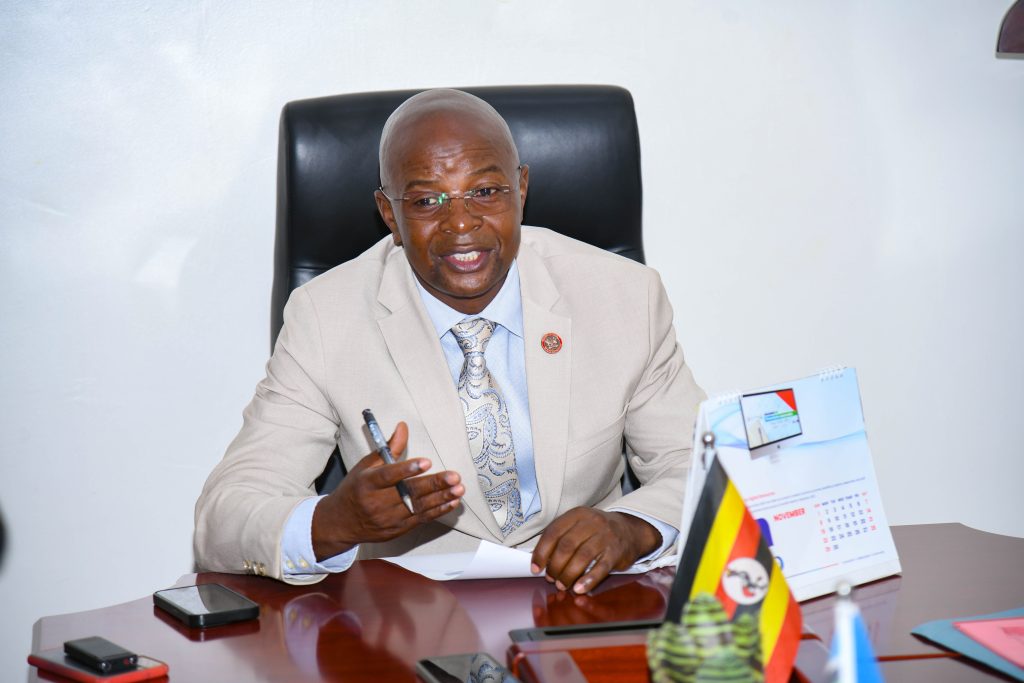
Projected Impact of a Kampala-Based IWA Office
Dr Philip Nyenje, Head of Department, Civil and Environmental Engineering (DCEE), expressed optimism about the collaboration, saying, “this is a very good opportunity for us to grow our interest in the sector of water and sanitation.”
In addition, Dr Seith Mugume, a Senior Lecturer at DCEE, noted that the regional office would unlock research and innovation opportunities in the real world for our students and also provide incentives for them to pursue projects within local research and innovation angles.
Eng. Zainab Mpakiraba, Acting Senior Manager at NWSC framed Kampala as a very unique venue for the centre and highlighted Makerere as one of the core academic partners for the regional Eastern and Southern Africa hub of the Global Sanitation Graduate School. Eng. Mpakiraba further endorsed Makerere, saying that, as a top-notch university in Uganda and in the region, when it leads on any aspect, it is able to pull most of the other universities.
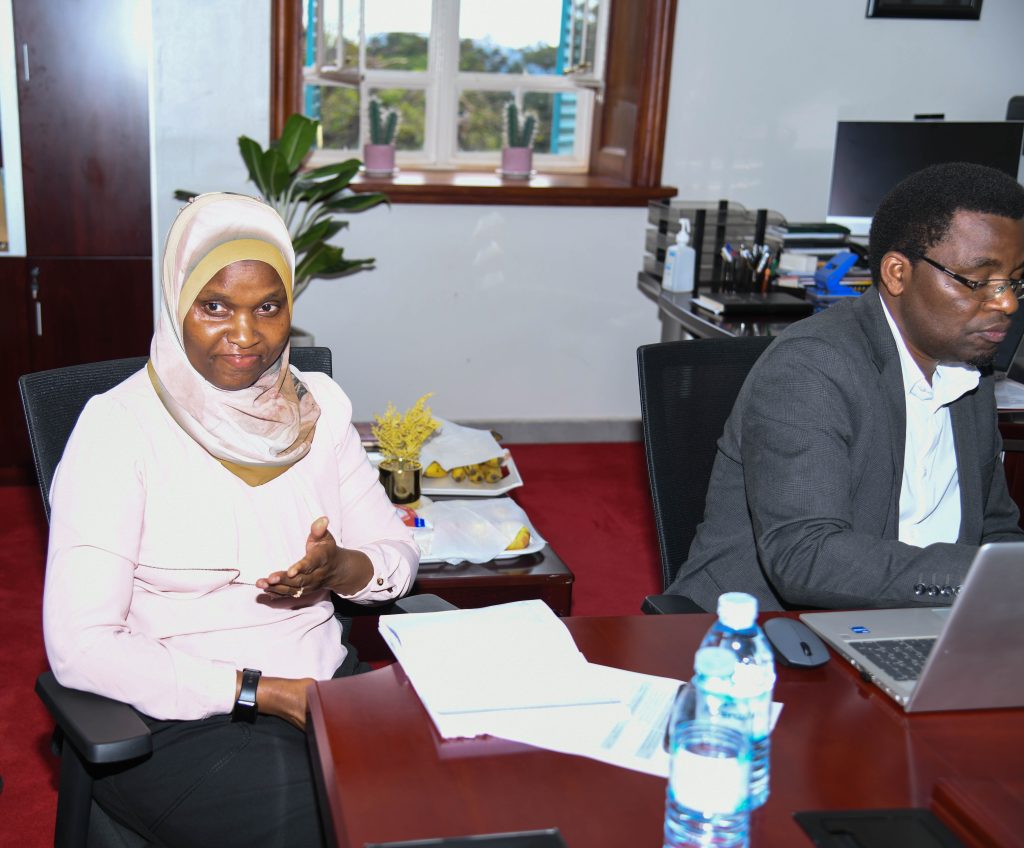
Makerere’s Strategic Initiatives and Activities so far in the Area of Water
Dr Nyenje noted that his Department has a very strong base in water and sanitation, covering disciplines like water resources, environmental, structural, and highway engineering. Dr. Mugume added that they are conducting research on “modeling of water resource systems, hydrological and hydraulic modeling,” “water quality management,” and “fecal sludge management, sanitation in low-income and peri-urban areas.”
The two also mentioned that the department has introduced a “master’s in sanitation, and also a postgraduate program… a diploma in sanitation” to address growing interest in the sector.
All these strategies have been made possible through good will and funding from the Government of Uganda, strategic partnerships, and International Collaborations that have positioned Makerere as a key player in the region.
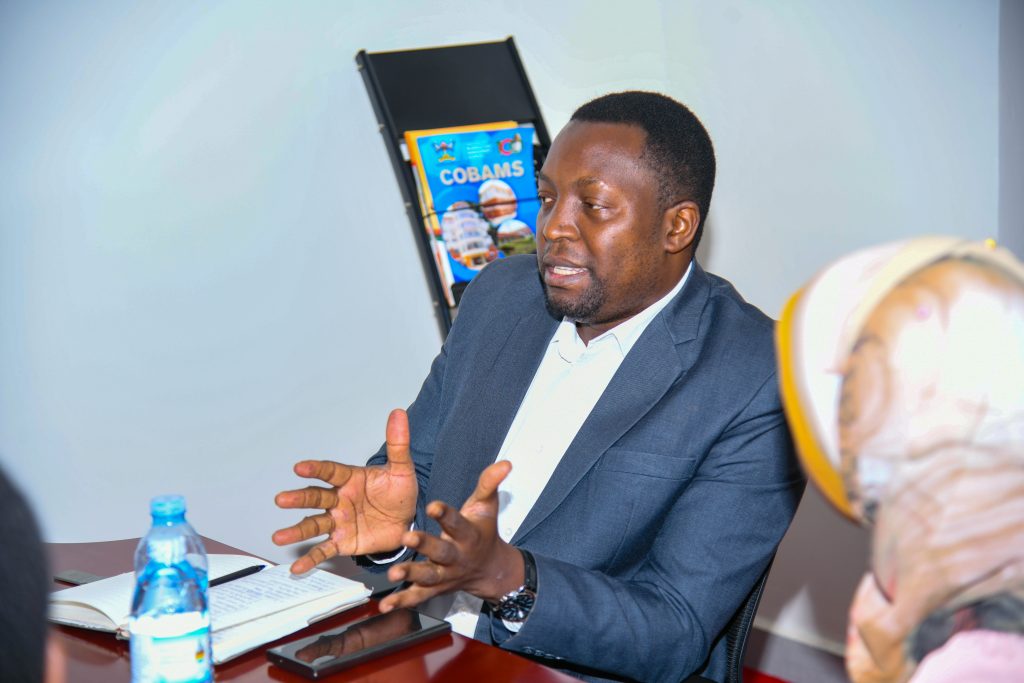
Concluding the session, Prof. Edward Bbaale reaffirmed Makerere’s ability to run this Office when established as the University has human resources in multidisciplinary research, global credibility and working relationships with many organisations and institutions on the continent and far.
-
 General2 weeks ago
ADVERT: Mature Age Entry Scheme Examinations – 2027/2028
-
 General1 week ago
Update On Payment of Endowment Fund Fees
-
 General1 week ago
Institutionalizing ORCID at Makerere University: Strengthening Researcher Identification, Visibility and Research Output Tracking
-
 Business & Management2 weeks ago
Makerere Entrepreneurship Congress Rallies Youth Behind Uganda’s ‘Tenfold Growth’Plan
-
 General2 weeks ago
CoNAS Staff & Students Sensitized on Gender Equality, Sexual Harassment Policies