
General
Makerere University and Xiangtan University Advance Strategic Partnership in Chemical Engineering

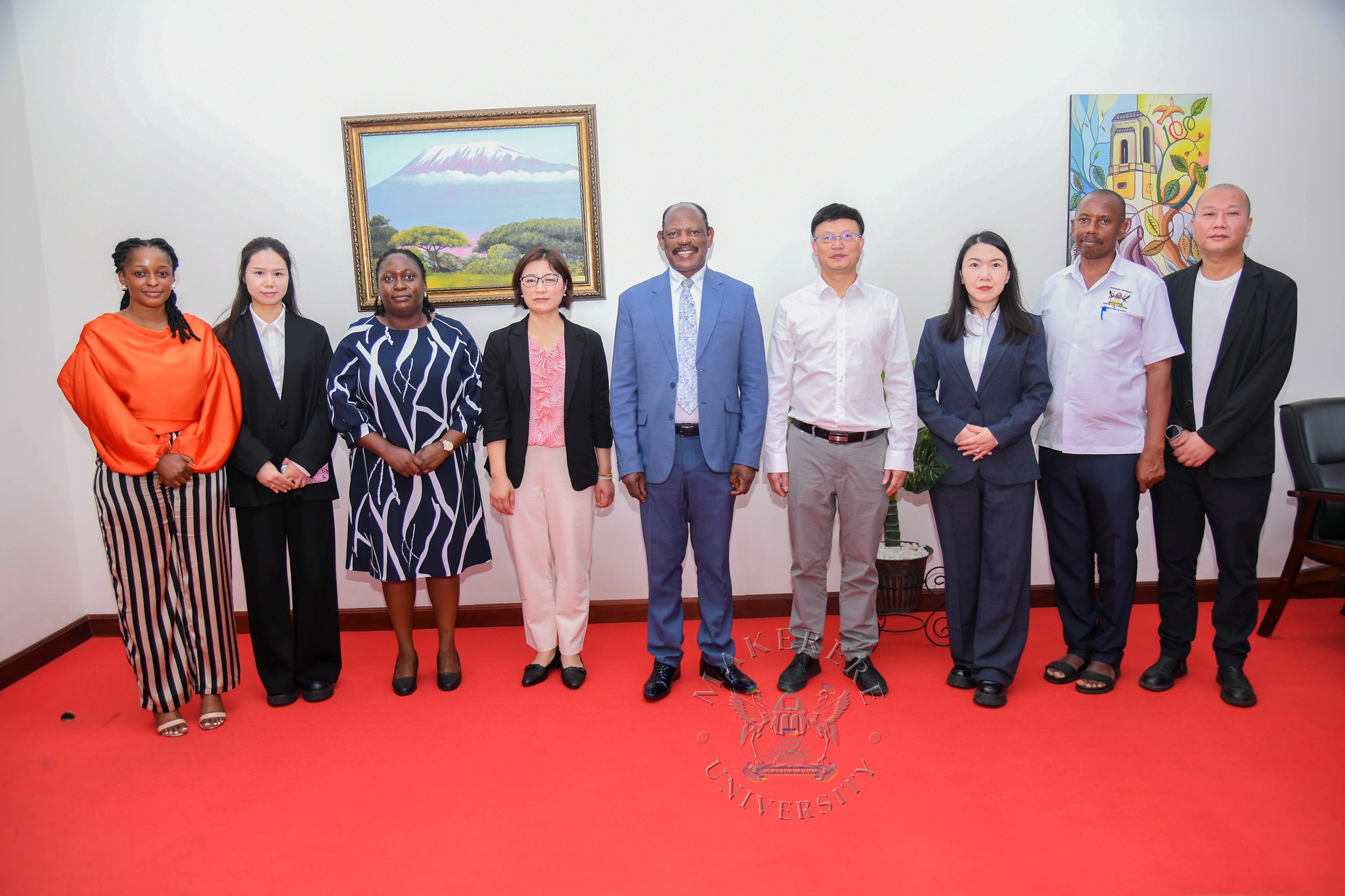
Makerere University and Xiangtan University are set to update their close to 20-year academic partnership, with a new focus on launching a joint Master’s degree program in Chemical Engineering and expanding student and staff exchange initiatives.
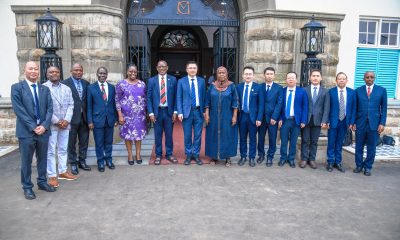
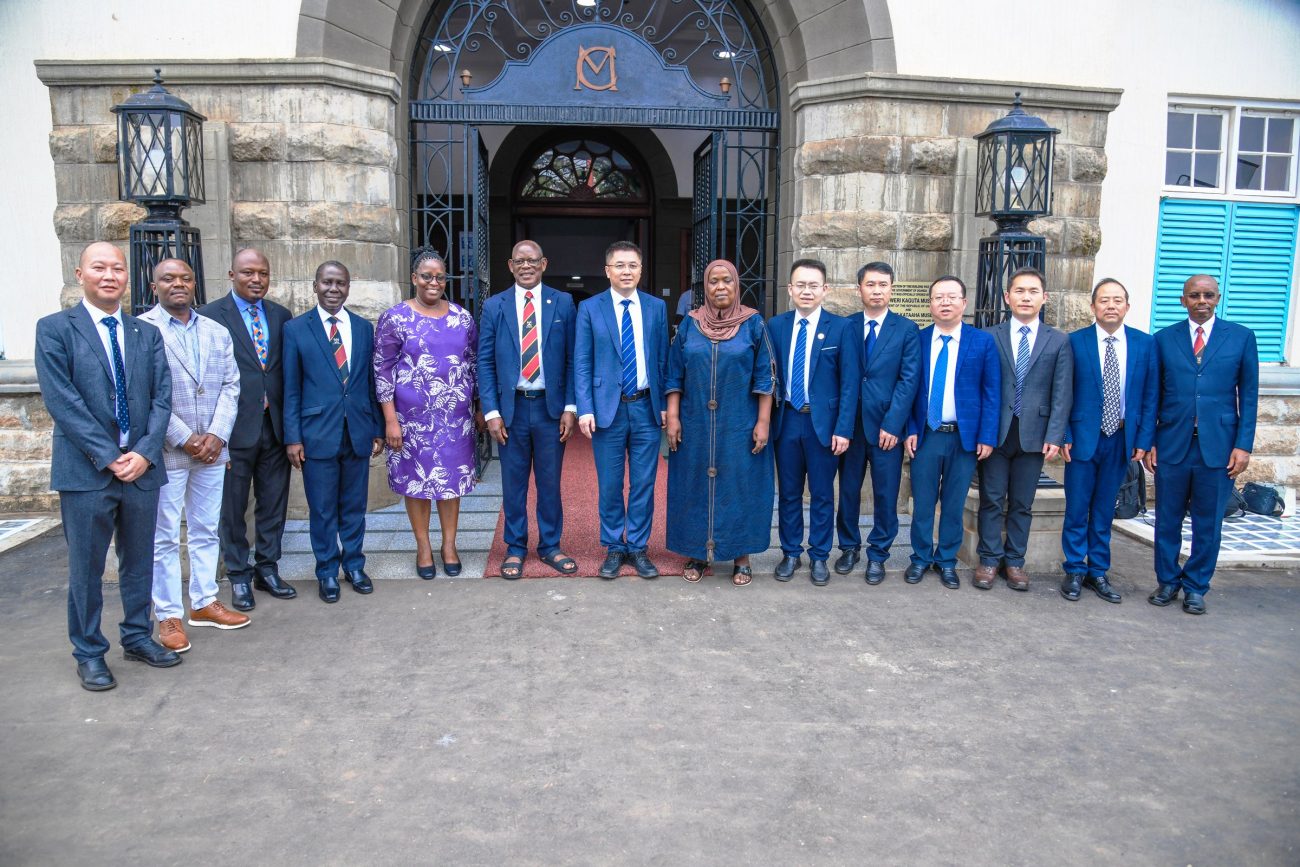
The commitment was reaffirmed during a recent visit by a delegation from Xiangtan University to Makerere University headed by Professor Dingyu Ou, in the company of Mr. Tang Fei and Professor Gilbert Gumshabe, the Chinese and Ugandan Directors of the Confucius Institute at Makerere University respectively.
While addressing the delegation, Professor Nawangwe highlighted that this initiative is part of a broader strategy to diversify academic offerings and contribute to national development through training in Chemical Engineering. Through this new initiative, the University will better prepare graduates for the petrochemical industry and support the country’s industrial growth.
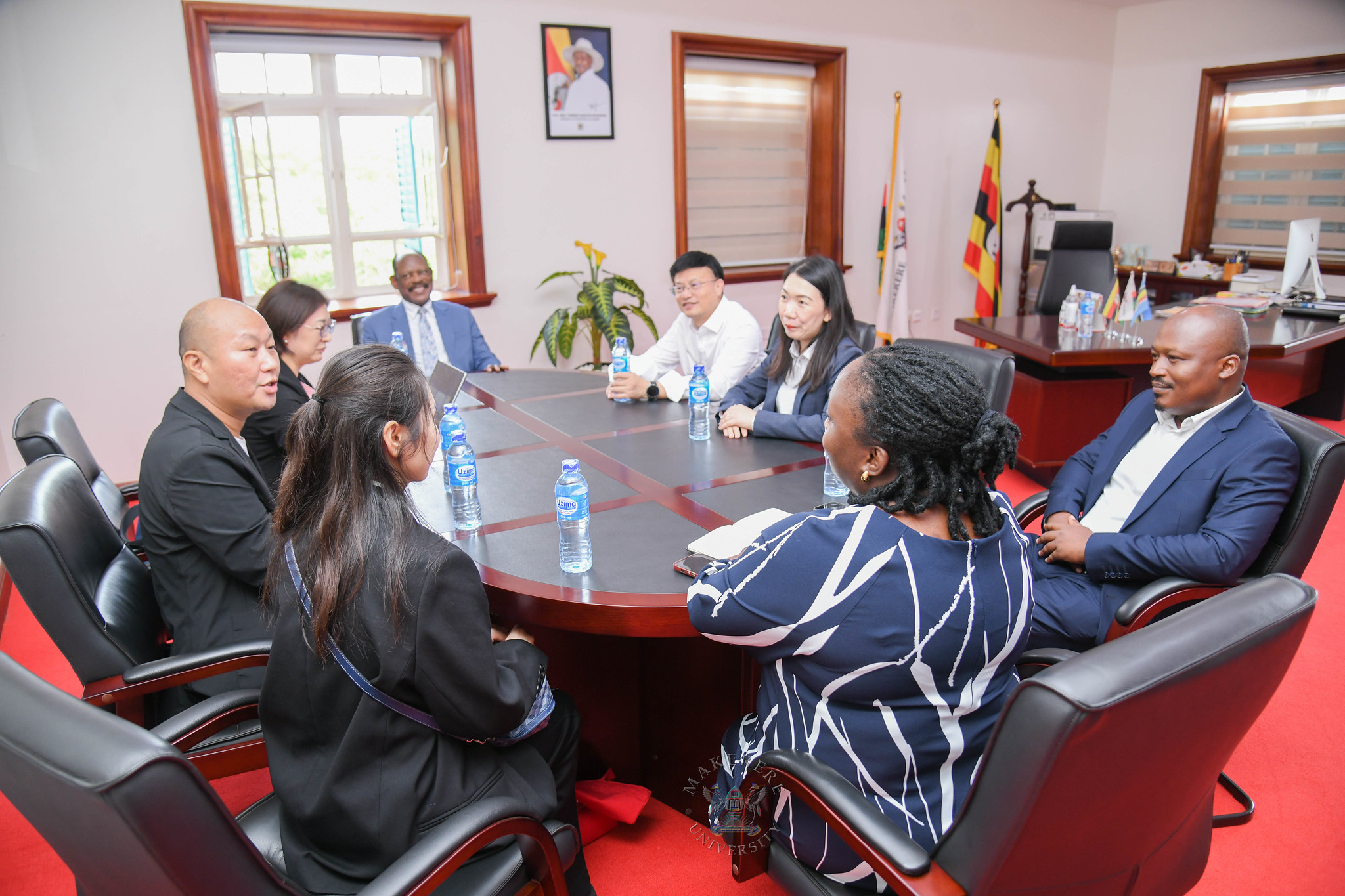
The Vice Chancellor appreciated that the proposed collaboration aims to address Uganda’s growing need for industrial expertise, particularly as the country develops its petroleum sector. The two universities here are working toward a 1+2 training model, which will enable Makerere students to gain practical experience and access advanced laboratory facilities at Xiangtan University.
Professor Nawangwe further reiterated that “our relationship with the people of China, not just for Makerere but also for a big part of Uganda, has been opened wider by the establishment of the Confucius Institute, considering that many other collaborations like one being discussed now have come through this collaboration.”
The head of the Xiangtan delegation, Professor Dingyu Ou, expressed appreciation for the meeting, and acknowledged the history between the institutions. “As mentioned, we have a very long relationship and a very stable friendship between our two universities.”
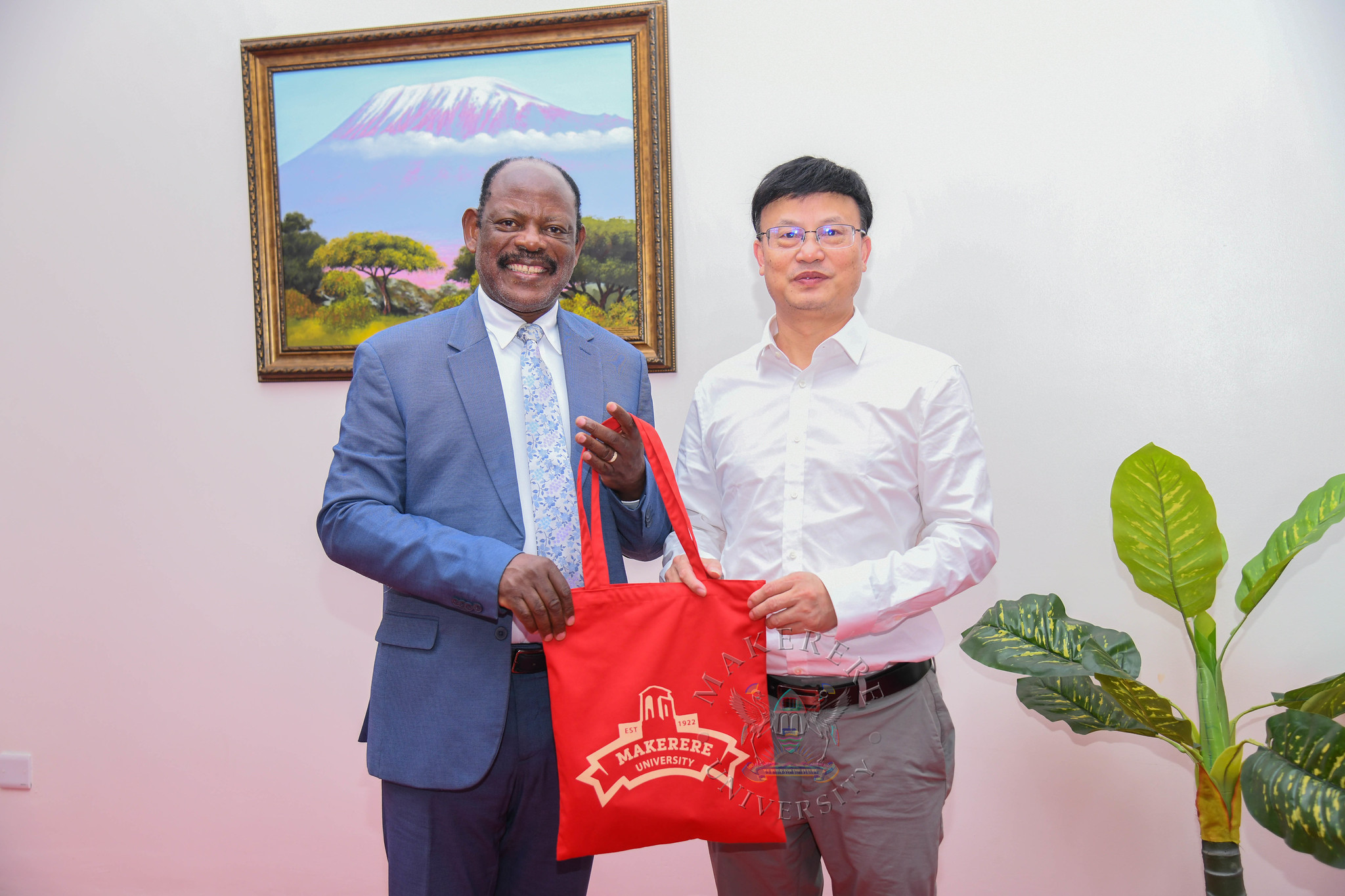
Professor Ou extended appreciation for the support provided to the Confucius Institute at Makerere, the care shown to his colleagues, and looked forward to the successful start of the Chemical Engineering collaboration.
Assuring the delegation of Makerere’s readiness for the collaboration, Ms. Hawa Ndagire Kajumba the Lead, Partnerships and Stakeholder Engagement, Makerere University Advancement Office, aligned with the Vice Chancellor’s emphasis of University goal to have both theory and practice imparted to the students.
She said “the curriculum of the university and Uganda as a whole is moving towards competence-based education training to ensure students are equipped to demonstrate those skills in the actual field, particularly regarding petroleum exploration.”
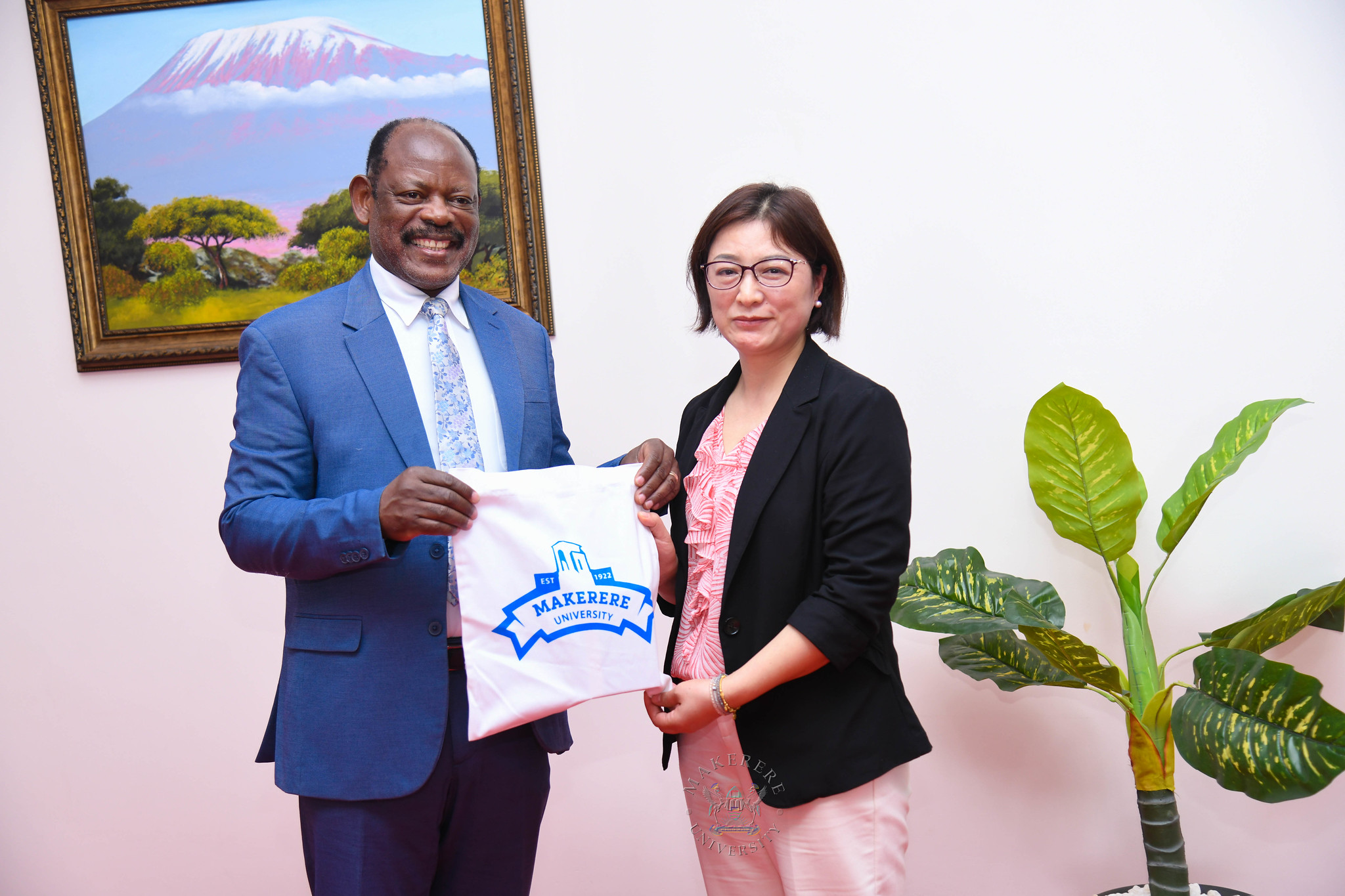
Ms. Ndagire Kajumba also emphasised a shift in strategy for the partnership office, saying, “we are moving away from just signing MOUs that collect dust, and moving towards those that are more collaborative to benefit our faculty and students, just like this one.”
Professor Gilbert Kumushabe aligned his remarks with those of the Vice Chancellor and Ms. Ndagire Kajumba, and described the method used at Xiangtan University as “actually competence-based teaching.”
Based on his recent visit, Prof. Gumoshabe shared that students in China are divided into groups with dedicated teachers to perform practical, hands-on work beyond the theoretical lecturers. He expressed gladness that the same was being adopted for the Ugandan context.
Both institutions are now working to finalise the specific agreements for the joint degree and exchange programs. Beyond academic training, the collaboration will advance cultural and professional exchange.




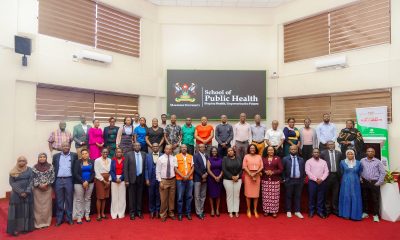

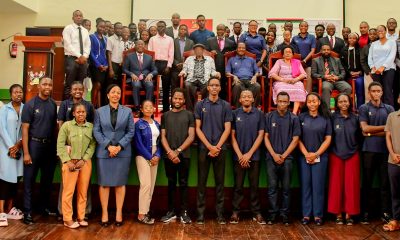


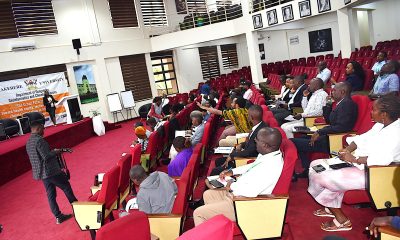

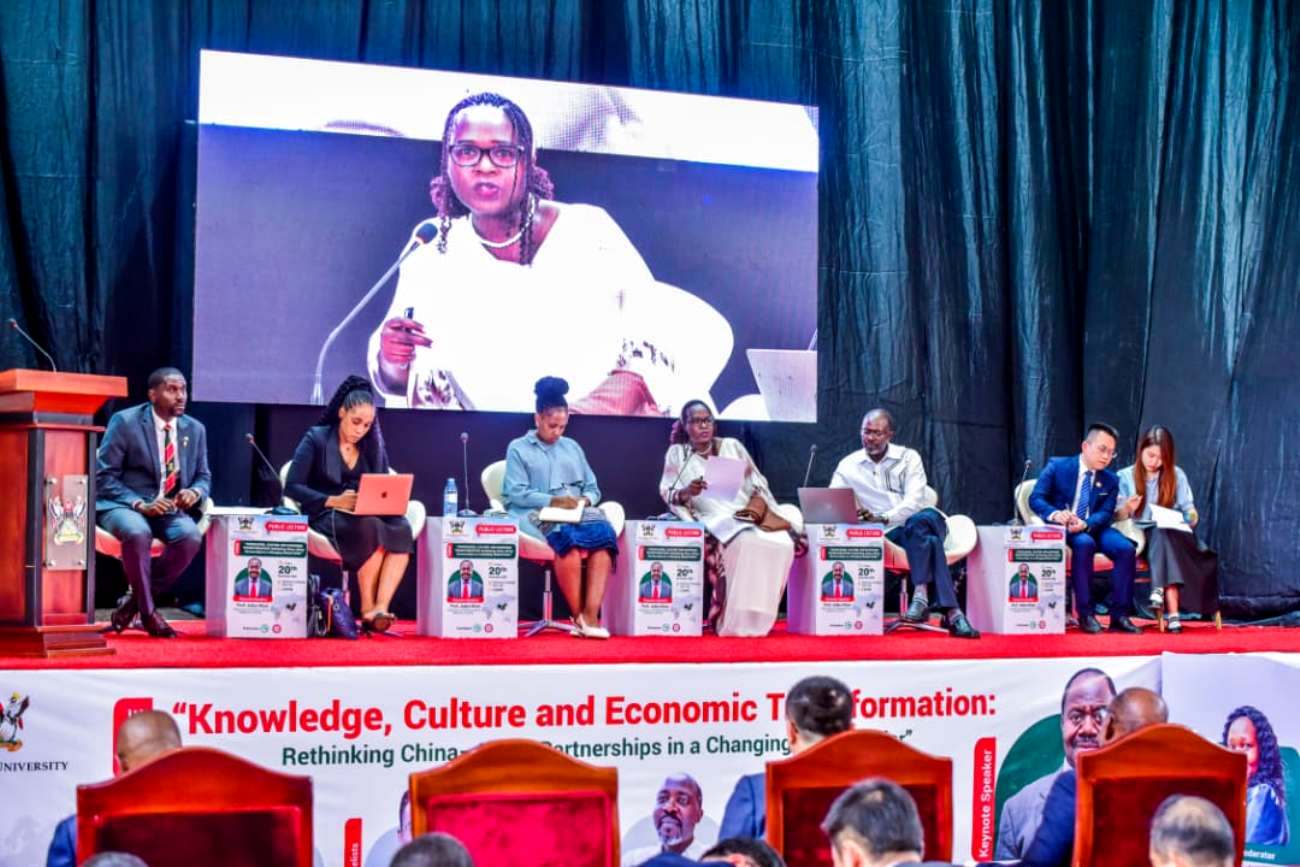
As a platform to discuss the China-Africa partnership, Makerere Confucius Institute convened a public lecture themed, “Knowledge, Culture and Economic Transformation: Rethinking China–Africa Partnerships in a Changing Global Order.” The session highlighted the role of education, economic, and cultural exchange in fostering sustainable international cooperation.
Dr Gilbert Gumoshabe, the Uganda Director of the Confucius Institute together with his co-lead Mr. Tang Fei, the Chinese Director, opened the Lecture. The former speaking and the latter translating, noted that as the global political and economic landscape continues to change, Africa must strategically position itself to benefit from emerging partnerships, technological advancements, educational opportunities, and new models of economic cooperation all of which China is performing well, hence a great benchmark.
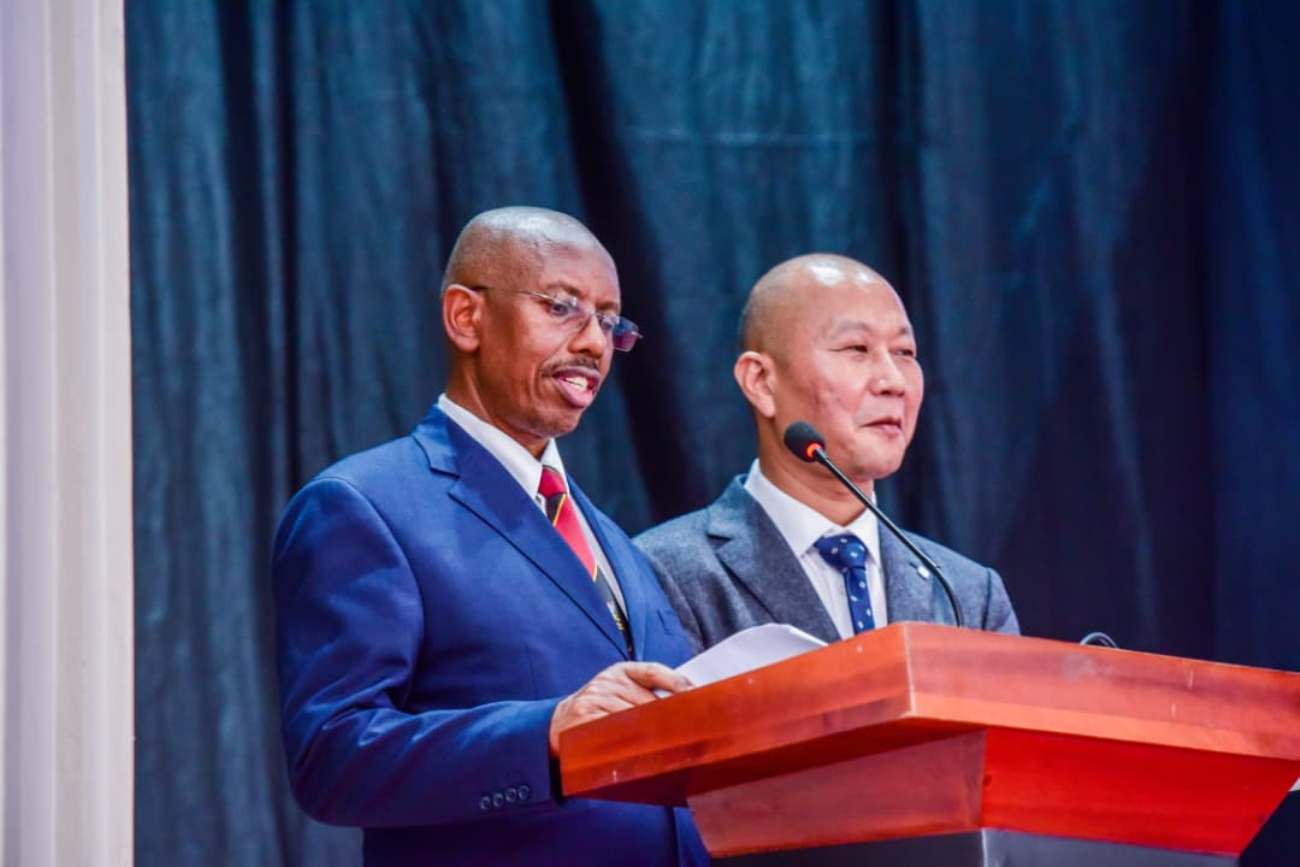
Recognising that the China-Africa relationship is not without questions, the Confucius Directors birthed this platform for critical, evidence-based conversations about the opportunities, challenges, and implications of the China-Africa partnership. They said, we should not only interrogate what Africa can learn from China, but also what Africa can contribute to this relationship.
The event held on November 20, 2026 featured a keynote from Prof. Julius Kiiza critiquing the partnership and in attendance were academic leaders, students, and a visiting delegation from Xiangtan University, led by Prof. Lin Jingang, Deputy Secretary of the CPC, Xiangtan University Committee.
Makerere Vice Chancellor’s Vision: China-Africa Relations
Prof. Barnabas Nawangwe, the Vice Chancellor of Makerere University took the podium and welcomed the audience and contextualised the partnership within the university’s broader mission. He framed the relationship with China not just as a diplomatic gesture, but as a pragmatic necessity for Makerere and Uganda’s development.
He announced concrete steps Makerere University is taking to operationalise this partnership. Beyond the existing Confucius Institute, the university is expanding its academic footprint to better understand the Chinese economic model.
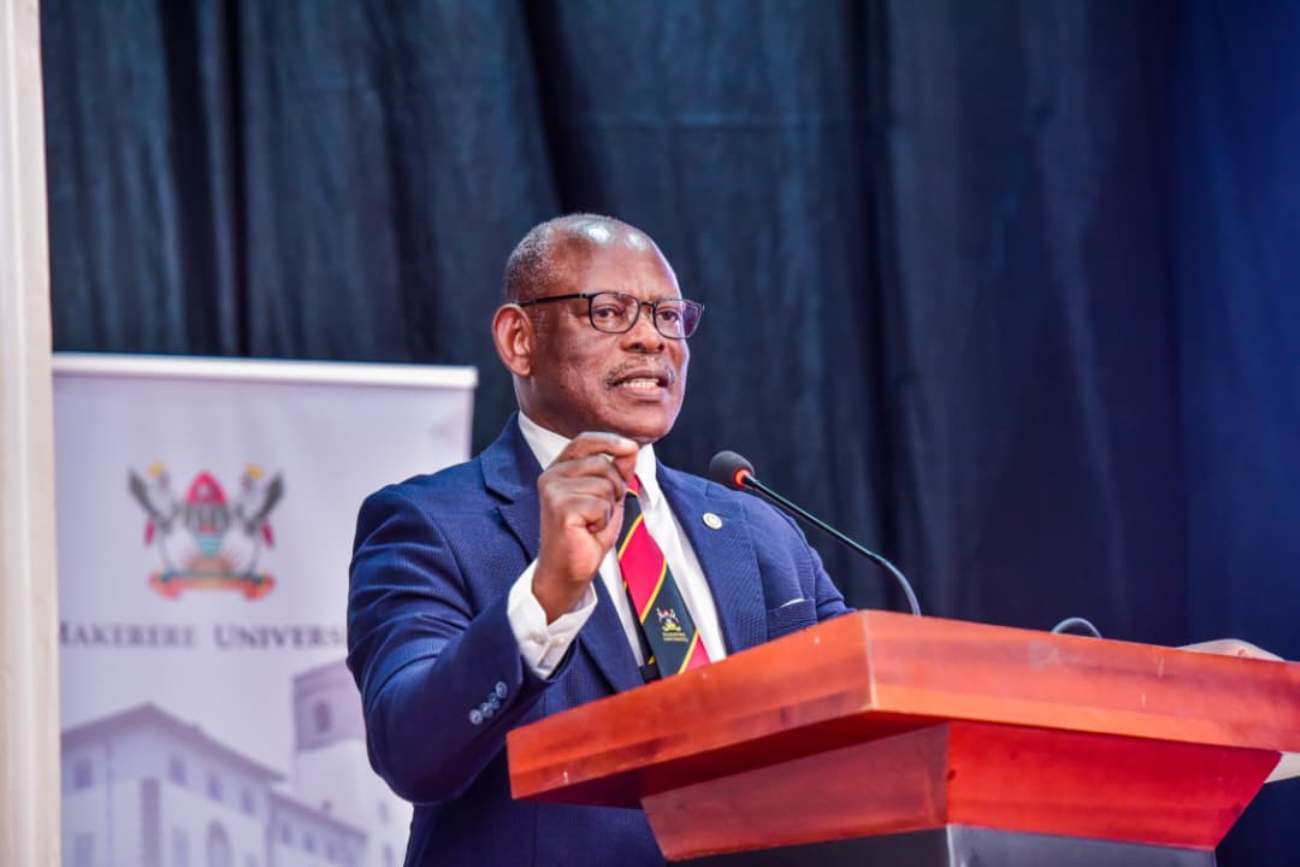
He said “apart from the teaching of the Chinese language, we have decided that we are going to establish a center for Chinese studies, considering, China currently controls almost 50% of the world economy.”
Prof. Nawangwe also highlighted a new, practical collaboration in the field of engineering where Makerere is yet to start a joint Masters program in Chemical Engineering. This is was marked as extremely important for Uganda as it sets up to begin producing oil, but with limited capacity to develop byproducts from that oil.
He ended his address with a direct charge to the young people, students, and all in the room to study China because it is leading the world in many things. It is only through this that we can beat poverty in Uganda and Africa.
Prof. Kiiza’s Keynote: A Call to Prioritise African Values as we partner with China
Prof. Julius Kiiza, a professor of Political Science at Makerere University, took the stage with a provocative opening, framing his address as an exercise in challenging the status quo. He immediately steered the conversation toward the power dynamics inherent in international relations, urging the audience to look past the surface-level rhetoric of partnership and dissect the wording in the title of the event that he considered an entry to measuring power. Starting with the word China already puts it ahead in the partnership.
He did not hold back in explaining the nature of foreign aid where he contrasted Western assistance with Chinese engagement, noting that while Western aid is often viewed as political or predatory, Chinese aid is presented as developmental.
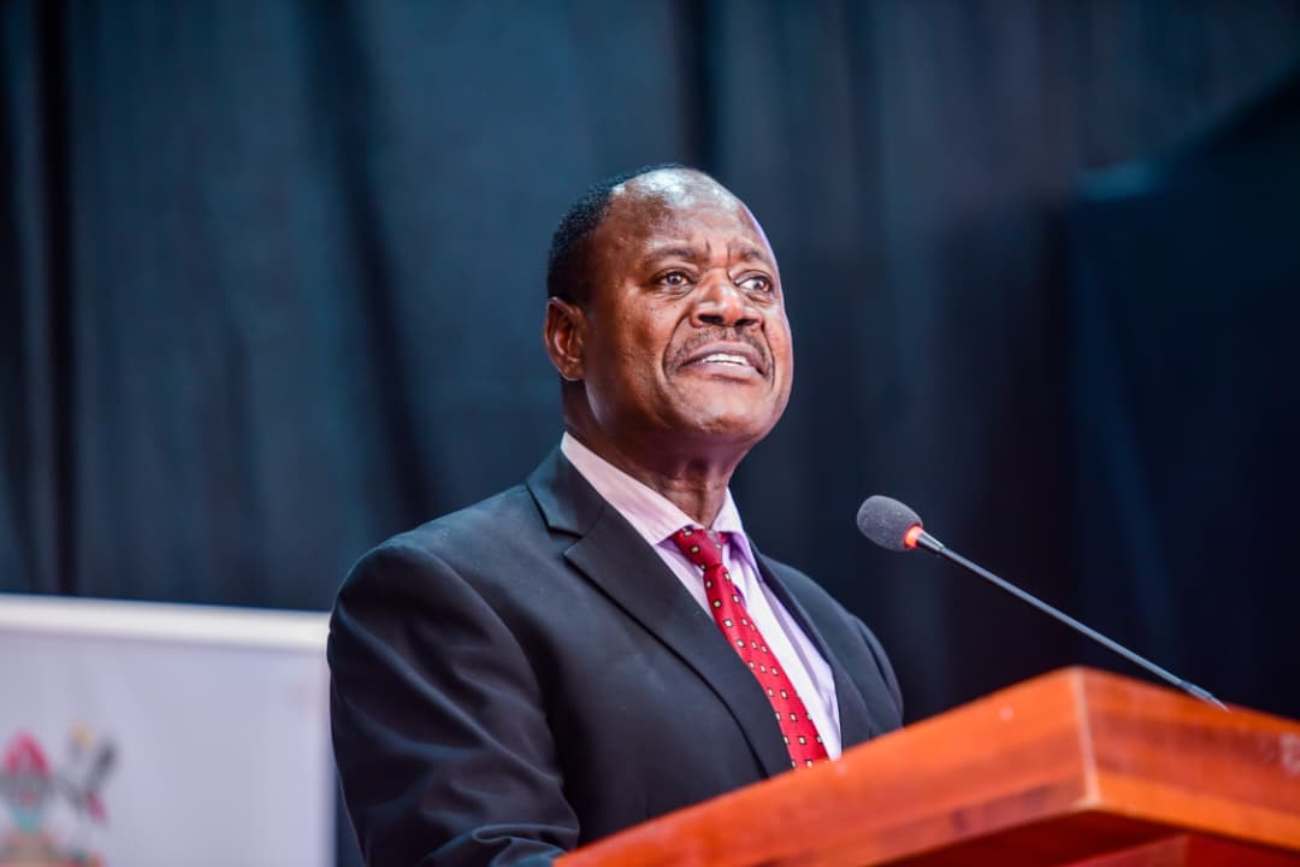
However, he woke the audience saying, “China is definitely Africa’s ally, with a strong history of partnership with Africa. But friends, China is a sovereign state, not a charity house. China is not an NGO.”.
“The key incentive driving China is to project Chinese power across the world, not just in Africa. In diplomacy, therefore, I will invite Ugandans and other Africans to appreciate that you get what you negotiate, not necessarily what you desire for,” Prof. Kiiza said.
The professor also argued that Africa’s current economic stagnation is not a result of a lack of potential, but a failure of strategy and statecraft. He pointed to the “infrastructure miracle” in China, bullet trains, smart cities, and advanced logistics as the blueprint that Africa must emulate.
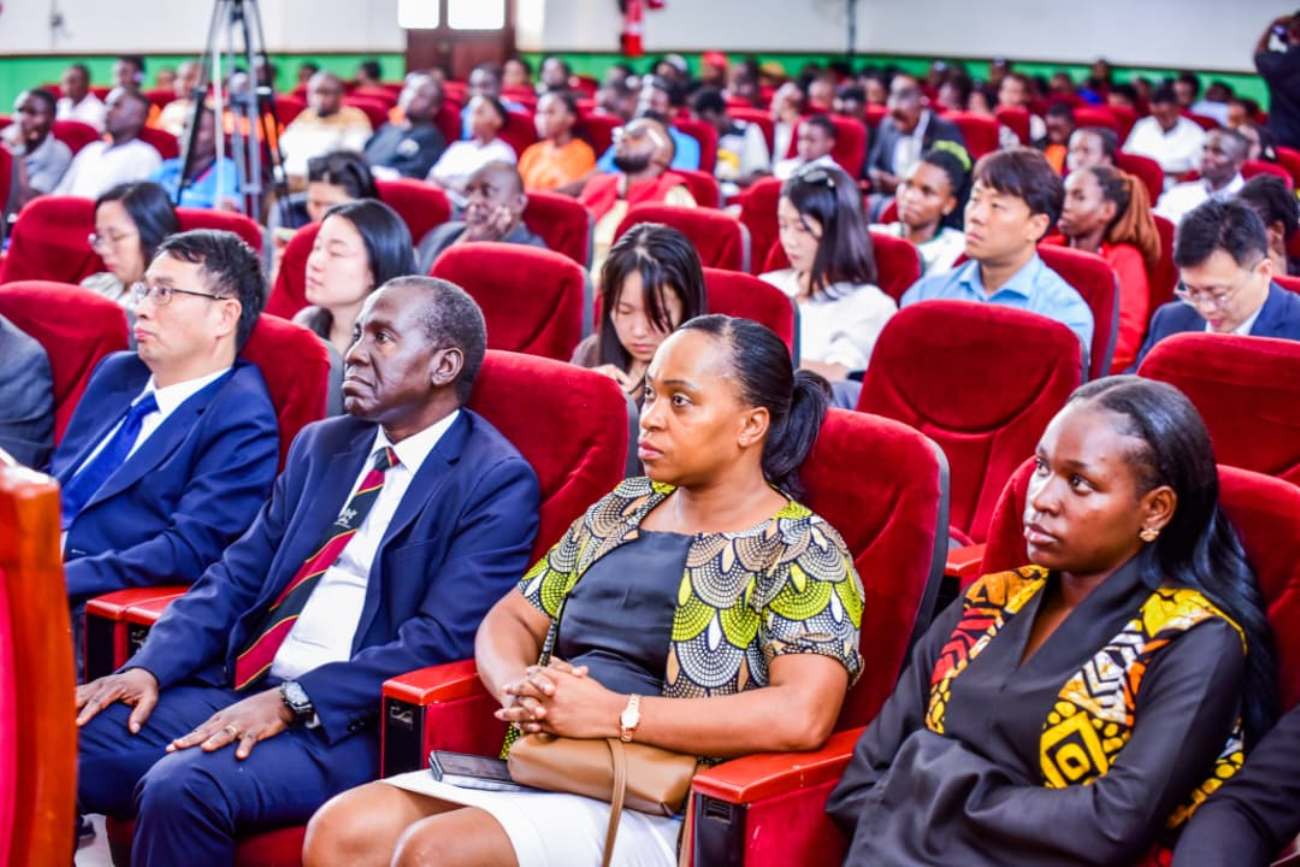
He explained that if we partner with China to build bullet trains? Then we shall not need to live in Kampala to work in Kampala. Prof. Kiiza suggested that if we have a bullet train which travels 500 kilometres in an hour and ten minutes, you can live in Kabale or Gulu or Karamoja and work in Kampala. “That way, we can decongest Kampala.”
Prof. Kiiza challenged the reliance on Western development philosophies, arguing that African scholars should reclaim their own history and intellectual agency. He emphasised that China’s success was built on economic nationalism, meritocracy, and a developmental state, rather than just cultural adherence to Confucianism.
He concluded his keynote emphasising that “China attained modernity without modernisation. Transformation without being captured by Western capitalism. The lessons for China-Africa relations are clear. We must transcend the culturalised theoretical perspectives. We must therefore adopt African Confucianism. These are our own values. Resurrect them, respect them, but edit them so that we kick out the negative elements.”
Xiangtan University as a Bridge for these Relations
Prof. Lin Jingang, the head of the delegation from Xiangtan University, spoke on behalf of the visiting Chinese academics, emphasising the long-term nature of the cooperation between the two institutions. He reiterated the ideas of the Vice Chancellor, framing the university partnership as a vital bridge for cultural and economic exchange.
Reflecting on the shared history of the two universities and the role of the Confucius Institute as a flagship for people-to-people exchanges. He explained how the partnership has evolved from simple language instruction to a more robust academic collaboration.
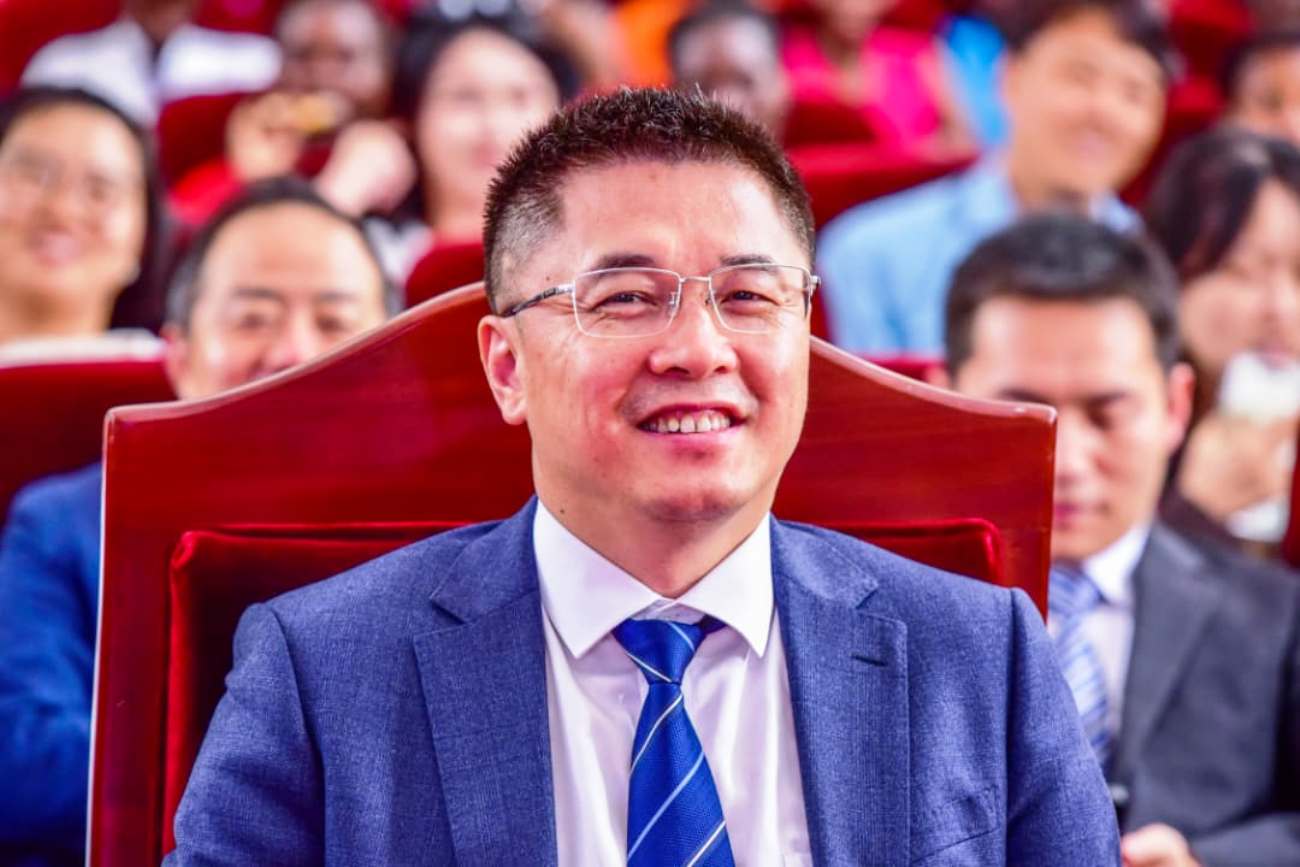
Prof. Jingang also addressed the economic transformation. He offered the Chinese perspective on what drove their own economic takeoff. He emphasised stability, international cooperation, and the integration of education, science, and technology.
Lin concluded by reaffirming Xiangtan University’s commitment to the partnership, focusing on the next generation of leaders.
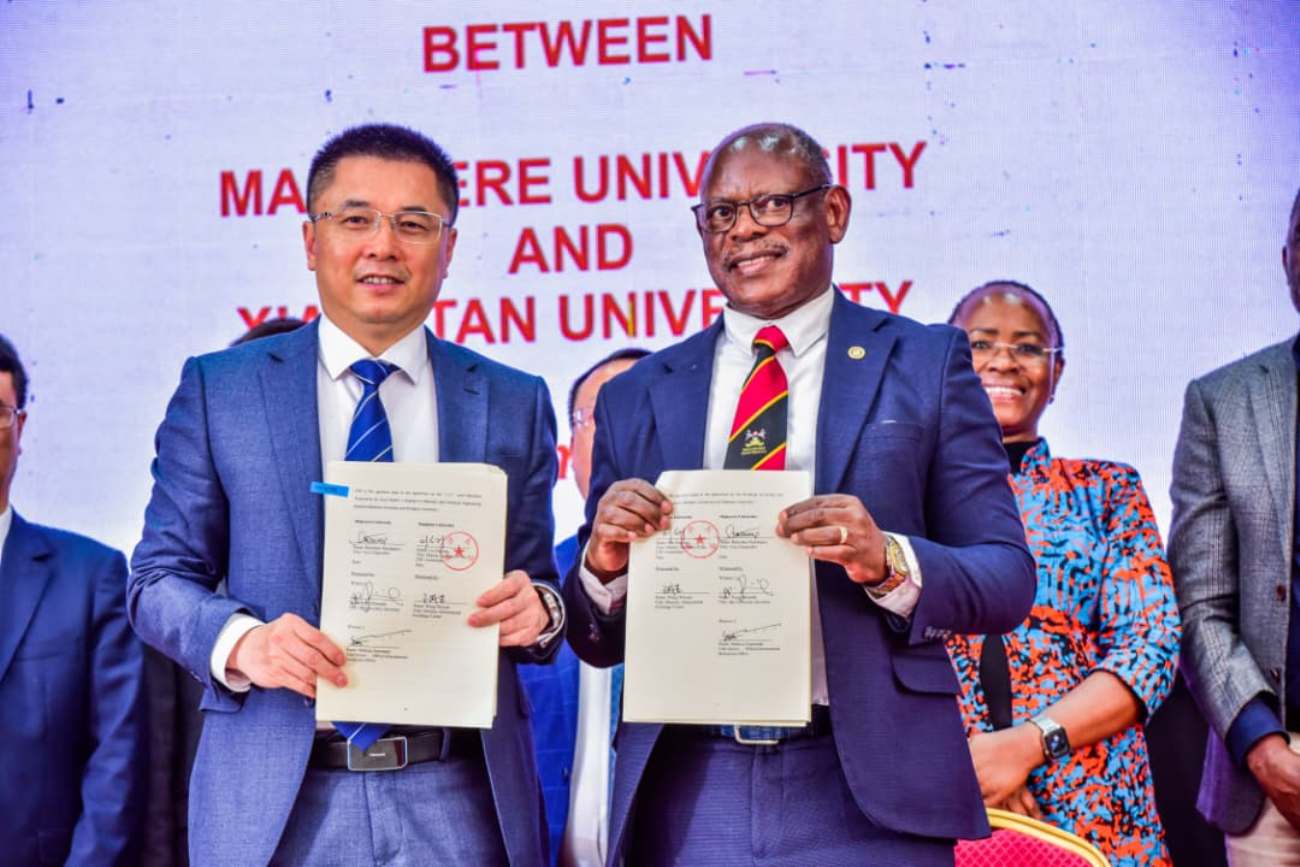
By facilitating these discussions, the Confucius Institute moves beyond surface-level interactions, to encouraging interrogation of what Africa can learn from China and, crucially, what Africa can contribute to the relationship. Towards the end, the two institutions; Makerere University and Xiangtan University signed an agreement on the “1+2” joint master’s degree in materials and chemical engineering.
The lecture concluded with a consensus among the speakers that the relationship between China and Africa is at a critical juncture that requires a deliberate, informed, and proactive approach to ensure that this partnership yields tangible benefits for the people of Africa.

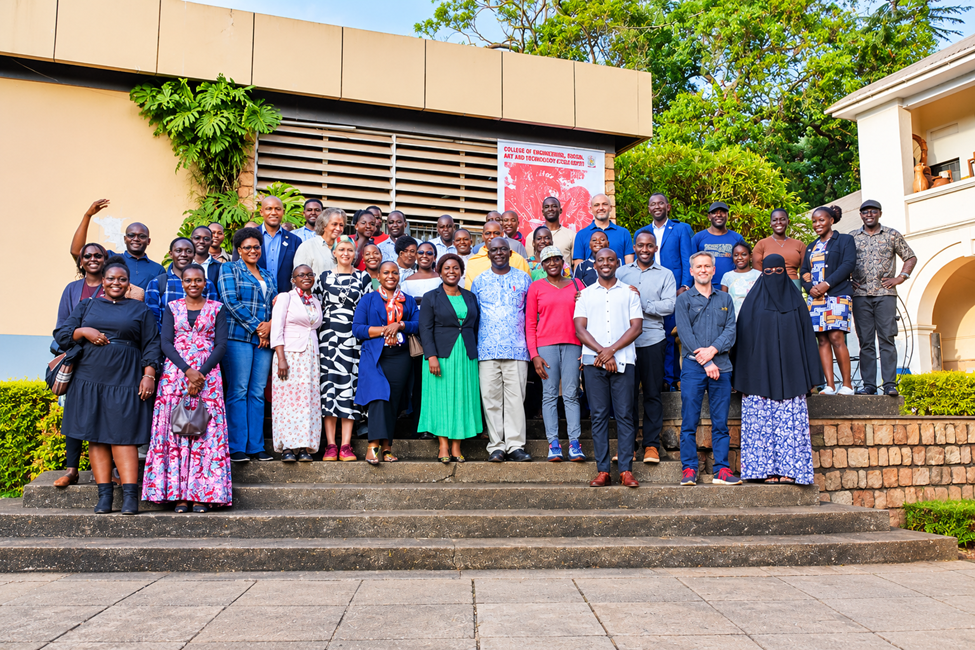

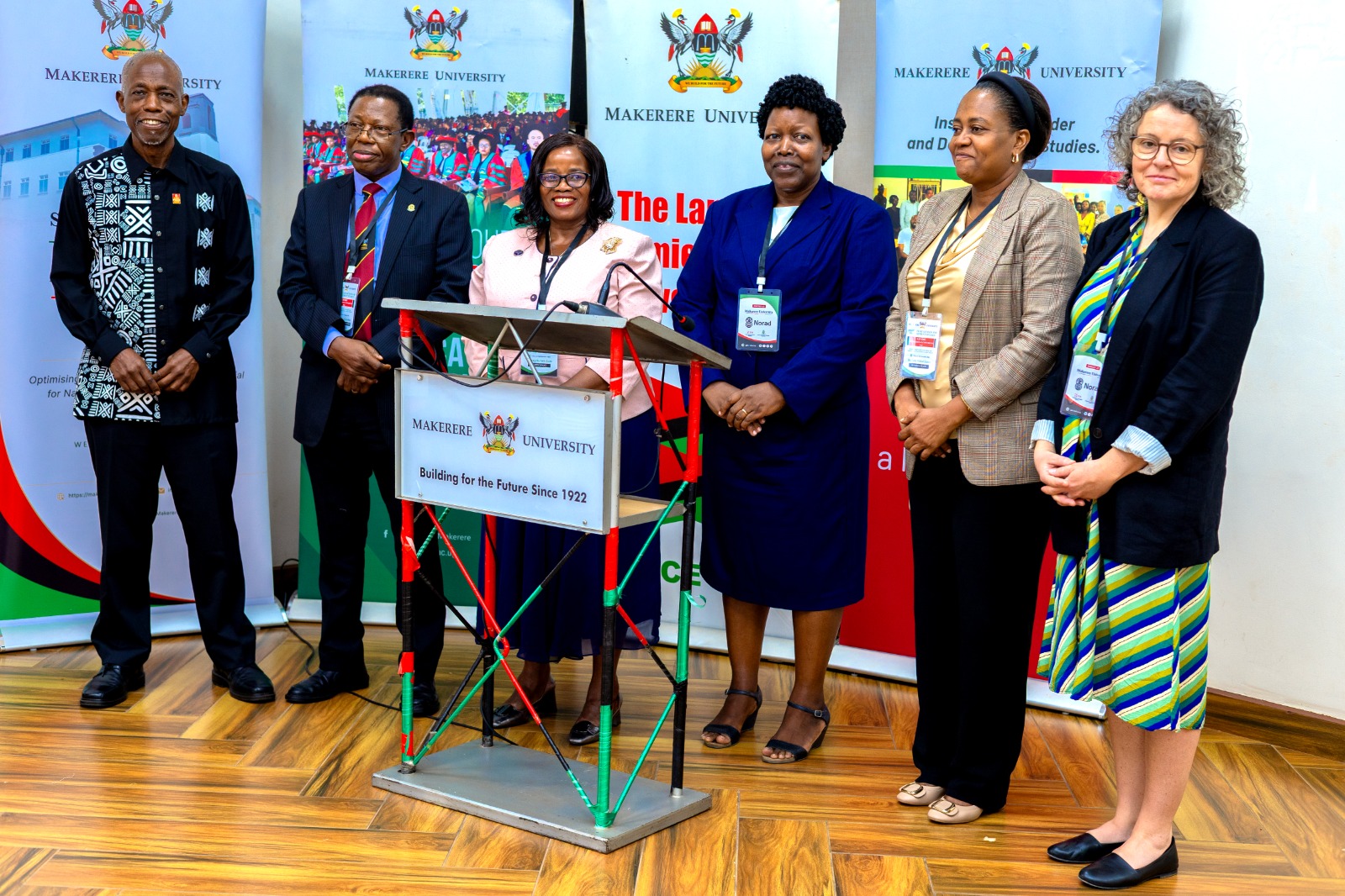
November 17, 2026: Makerere University has called for greater investment in digital infrastructure, artificial intelligence literacy and gender equality in higher education, as a six-year collaborative project involving universities in Uganda, Tanzania and Norway reported more than 30 research publications and improved graduate completion.
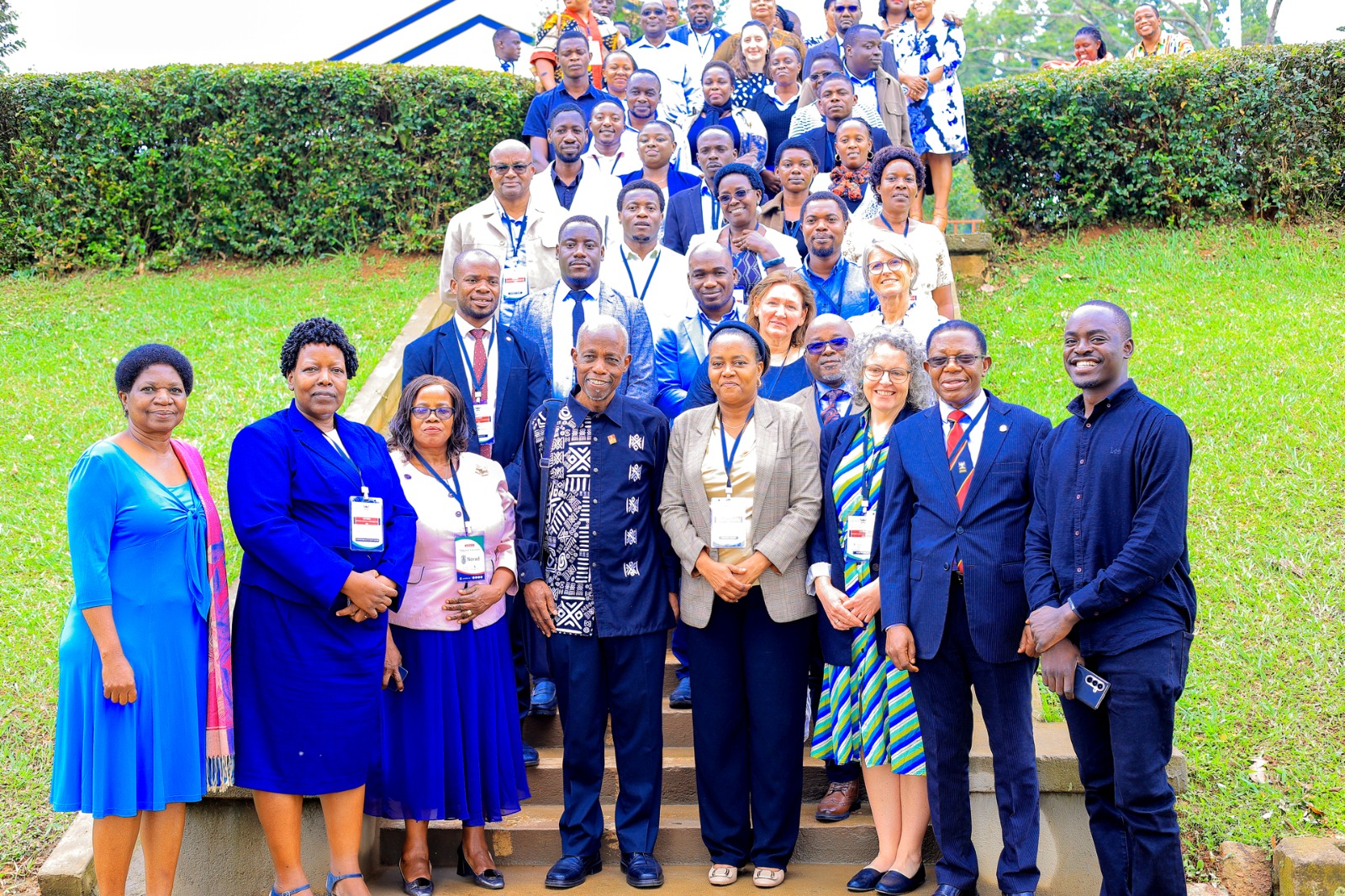
The call was made on Tuesday 17th November 2026 during the opening of the International Conference on Gender and Digitalisation in Higher Education at Makerere University. The November 17–18 conference, held under the theme “Reimagining Gender in the Digital Age: Opportunities and Transformations in Higher Education”, has brought together academics, researchers and policymakers from Uganda, Norway, Italy, Kenya, Nigeria, Ghana, South Sudan, Tanzania and Zambia.
Associate Professor Ruth Nsibirano, the conference convener and Principal Investigator of the Gender and Digitalisation (GENDIG) project at Makerere, said the initiative was established to ensure that women and other disadvantaged groups are not excluded from opportunities created by digital transformation.
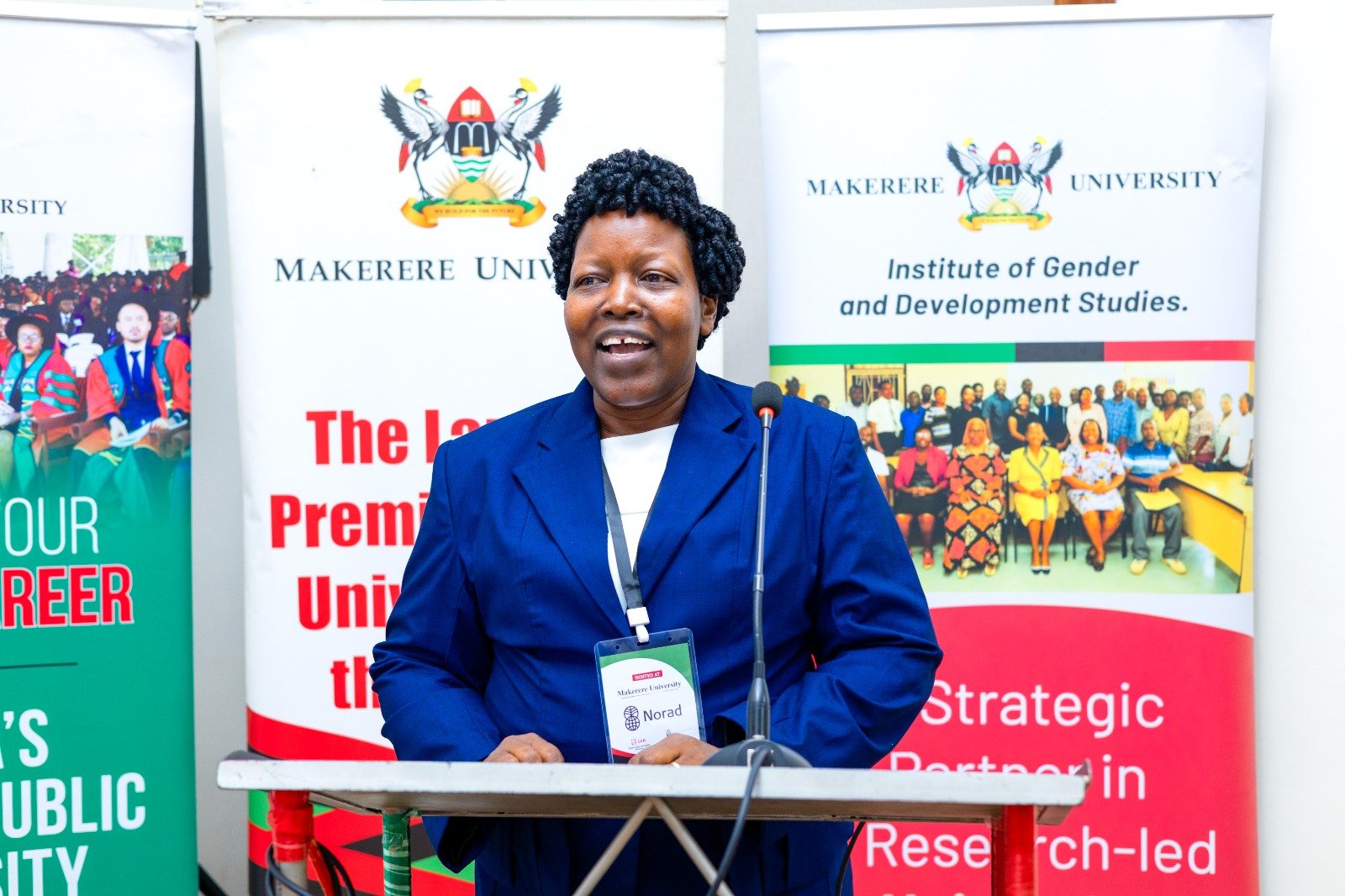
“Our central message is that no one should be left behind,” said Assoc. Prof. Nsibirano.
The project, which began in 2021, supported the digitisation of Makerere‘s Master’s in Gender Studies curriculum and Diploma in Gender and Local Economic Development. It also trained academic staff to develop digital learning materials.
Assoc. Prof. Nsibirano highlighted that the Makerere team had produced more than 30 publications from research conducted by students and staff.
“The Makerere GENDIG team is proud to have more than 30 publications arising from research conducted by students and staff,” she said.
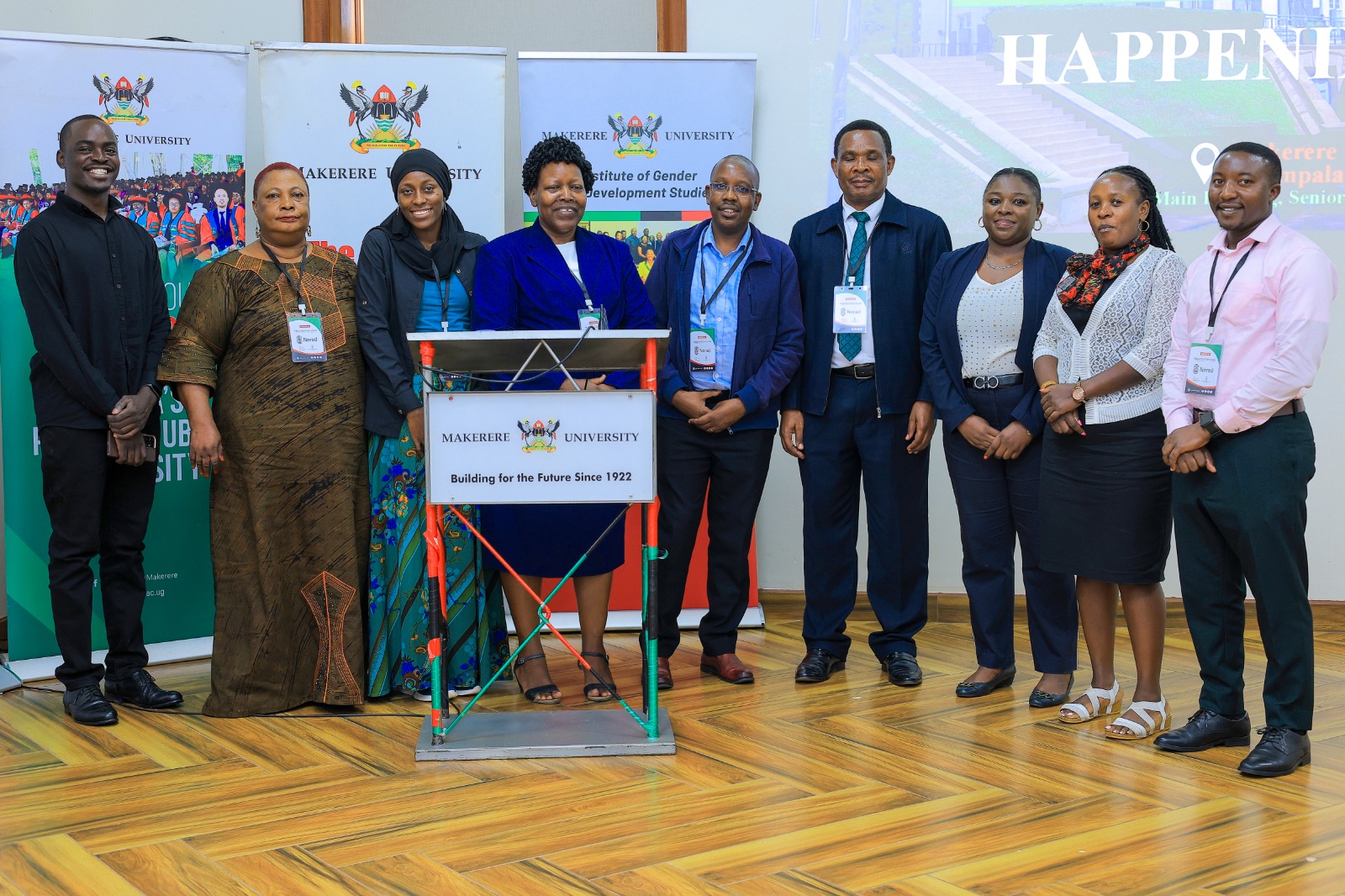
Reporting the improvements in graduate supervision, she noted that 43 graduate students from the Institute of Gender and Development Studies completed their studies and graduated during the most recent graduation ceremony.
“That did not happen by accident. It was not an isolated occurrence. It was the result of deliberate and sustained efforts to support graduate students,” she said.
The project introduced structured supervision, including weekly sessions where students could present their research, receive guidance and address challenges affecting their progress. It also supported partnerships with civil society organisations, student internships and academic exchanges involving Makerere, the University of Agder in Norway and the University of Dar es Salaam in Tanzania.
However, Assoc. Prof. Nsibirano said access to digital devices, reliable internet and other resources remained a challenge for some students.
Universities must prioritize the digital agenda
The Academic Registrar of Makerere University, Professor Buyinza Mukadasi said digital technologies were changing how universities generate, access, share and apply knowledge.
“The concept of reimagining challenges us to rethink our existing institutional structures, policies, systems, resources and available assets,” he said.
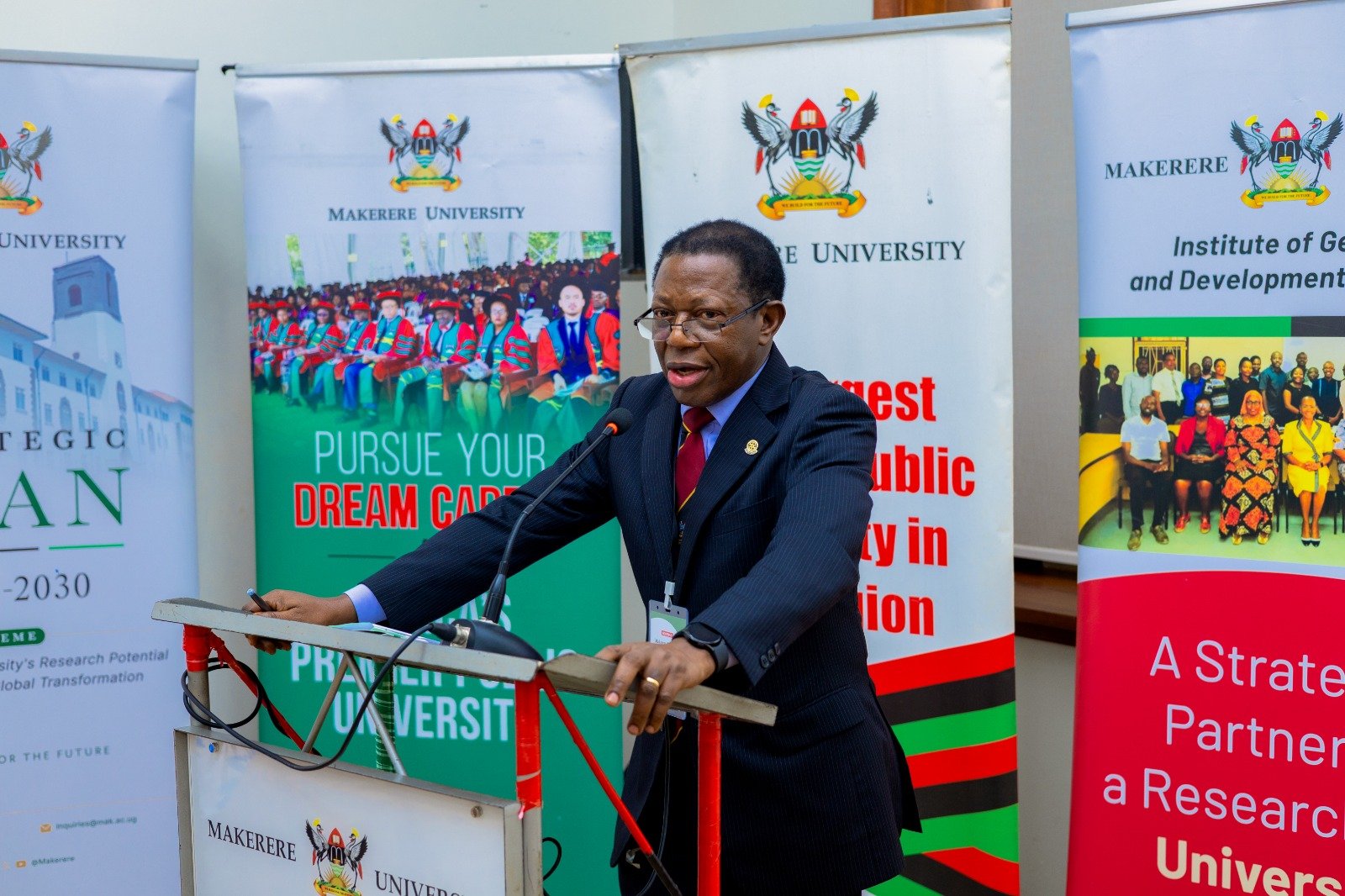
Prof. Buyinza Mukadasi, who is also Makerere‘s institutional coordinator for the NORHED programme, urged universities to invest in reliable digital infrastructure and ensure that technological progress advances gender equity and inclusion.
Prof. Buyinza Mukadasi aargued that digital learning could reduce the costs students incur on accommodation, transport and food by allowing universities to move beyond systems that depend entirely on physical attendance.
Government raises questions about ownership and access
Dr Angela Nakafeero, Commissioner for Gender and Women’s Affairs at the Ministry of Gender, Labour and Social Development, said digital transformation was raising questions about who controls technology, who benefits from it and whose values are represented.
“Who is building this digital world?” she asked. “Are we, as Ugandans, participating in its construction? Are we contributing to the technologies that are shaping the future?”
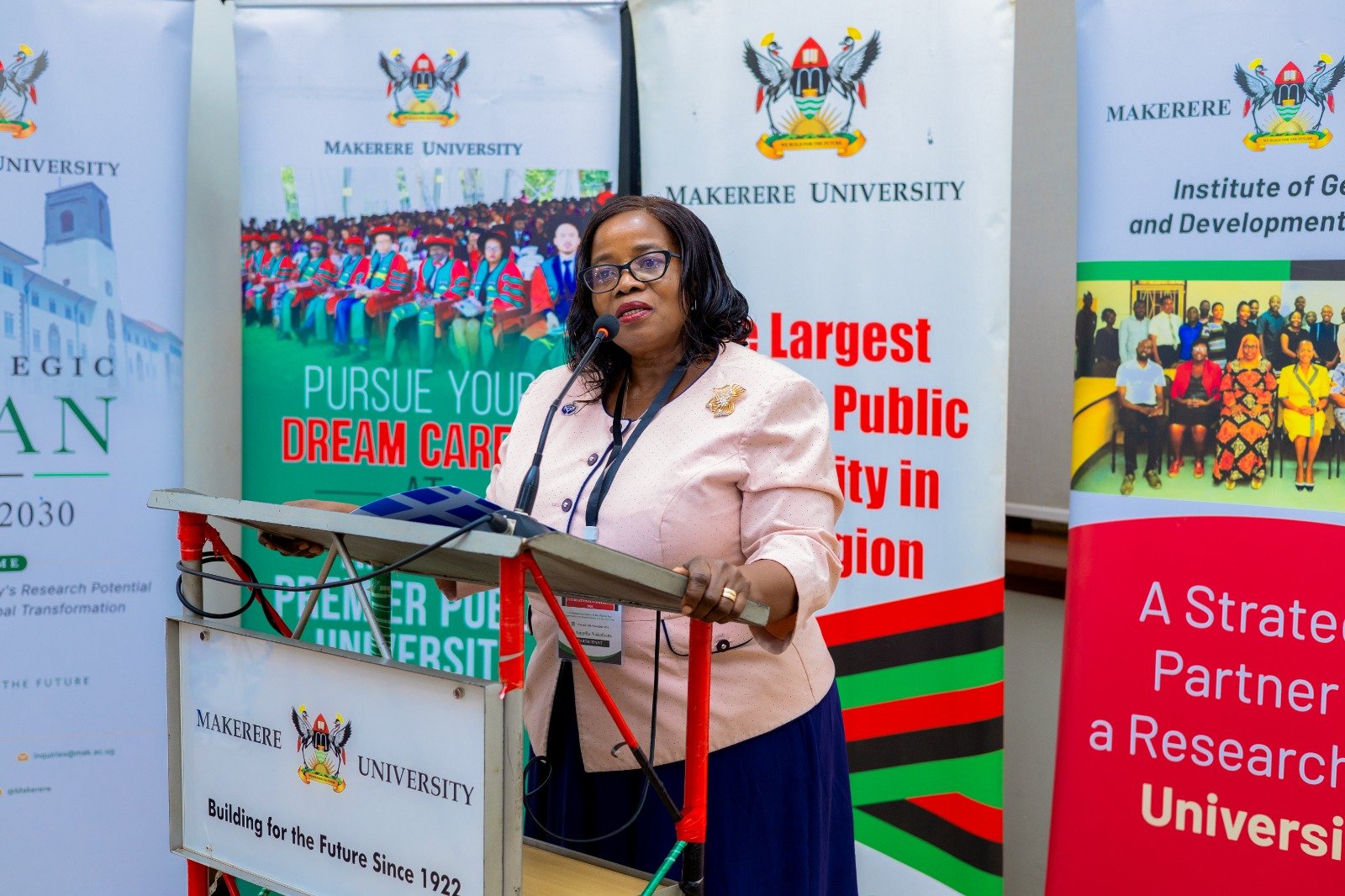
Dr Nakafeero, who was the Guest of Honour, warned that Uganda risked remaining a consumer of technologies developed elsewhere unless universities and institutions invested in the capacity to design, develop and own digital innovations.
She advocated for strategies that empower more girls and women to pursue science, technology, engineering and mathematics (STEM), while cautioning against overlooking the contribution of humanities and social sciences-related disciplines and soft skills.
Dr Nakafeero implored researchers to examine how technology could reduce women’s unpaid care work and remove barriers to their participation in productive activities.
She raised concerns about online safety, including technology-facilitated gender-based violence, and called for affordable digital solutions that protect women’s rights and improve access to justice.
Eng. Dr. Tusubira questions slow progress on gender equality
Delivering the keynote address, Eng. Dr. F. Francis Tusubira, Managing Partner of Knowledge Consult Ltd, challenged universities to confront institutional and cultural barriers limiting women’s participation in leadership and technology.
He said progress towards gender equality remained slow and fragile, with global estimates suggesting that achieving parity could take more than a century at the current rate.
“The culture eats strategy for breakfast,” Eng. Dr Tusubira said, invoking management thinker Peter Drucker to argue that institutional policies would achieve little without changes in the attitudes and practices shaping decision-making.
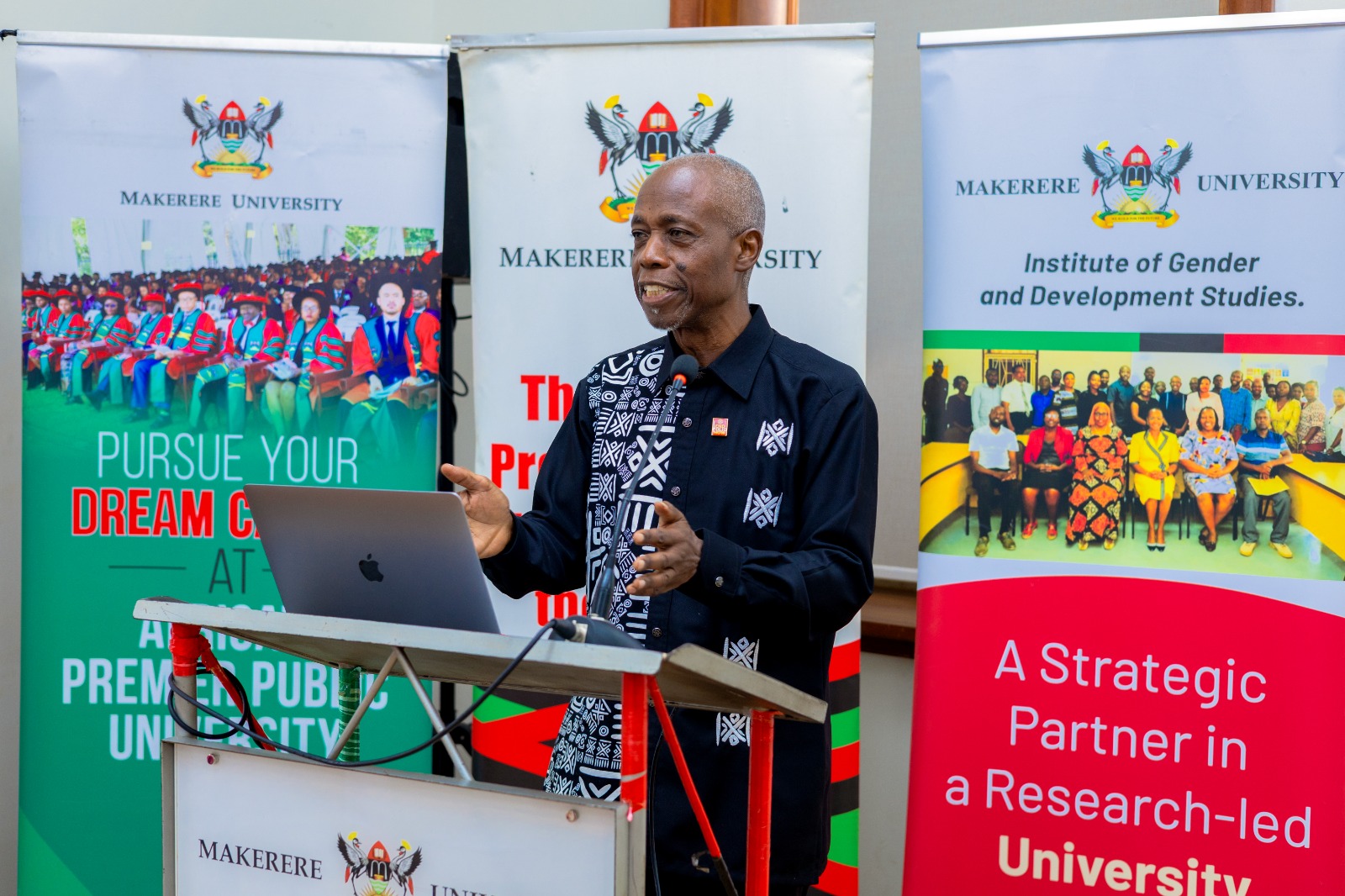
Using Makerere University as an example, he said the university’s Directorate of ICT Support (DICTS) is dominated by male staff members, with very few women.
Eng. Dr. Tusubira questioned how an institution with a long history of gender studies could have such limited female representation in its ICT department.
He argued that meaningful progress required organised women’s activism, political leadership and enforceable legal and institutional structures.
“Is this research simply for the sake of research? Or does it produce actionable findings that can accelerate progress in a revolutionary way?” he asked.
AI literacy and adoption
On artificial intelligence, Eng. Dr. Tusubira proposed introducing a compulsory artificial intelligence utilisation course for all first-year students, regardless of their academic disciplines. “AI literacy should become a foundational skill across all disciplines,” he said.
He stressed that AI is a key research tool that should be put to use, advising that “resisting AI is suicidal.”
He nevertheless called for caution as AI tools are trained by humans and if they (trainers) reflect women in bad light, the AI will do the same. He therefore urged all the participants to portray women and girls in a positive light.
Eng. Dr. Tusubira warned that systems trained on historical records that marginalise women could reproduce those biases. He cited African historical figures, including Queen Nzinga of Matamba, Queen Nandi of the Zulu Kingdom and Queen Ranavalona of Madagascar, whose contributions he said had often been excluded from historical accounts.
“Otherwise, we risk automating historical prejudice,” he said, calling for women’s contributions to be better represented in the information used to develop AI systems.
Tanzania highlights disability inclusion
During a panel discussion on the project’s achievements and future, Dr Lulu Simon Mahai, Director of Social Services and former Director of the Institute of Gender Studies at the University of Dar es Salaam, said the project had supported the development of an undergraduate course in Gender and Community Development.
The university also supported five scholarship beneficiaries-three men and two women-deliberately including men because they were underrepresented in gender studies.
Dr. Mahai said the project had supported six women to strengthen their academic writing and helped 120 students with disabilities undertake ICT training using assistive technologies, including BrailleSense, NoteTouch+, computers and magnifiers.
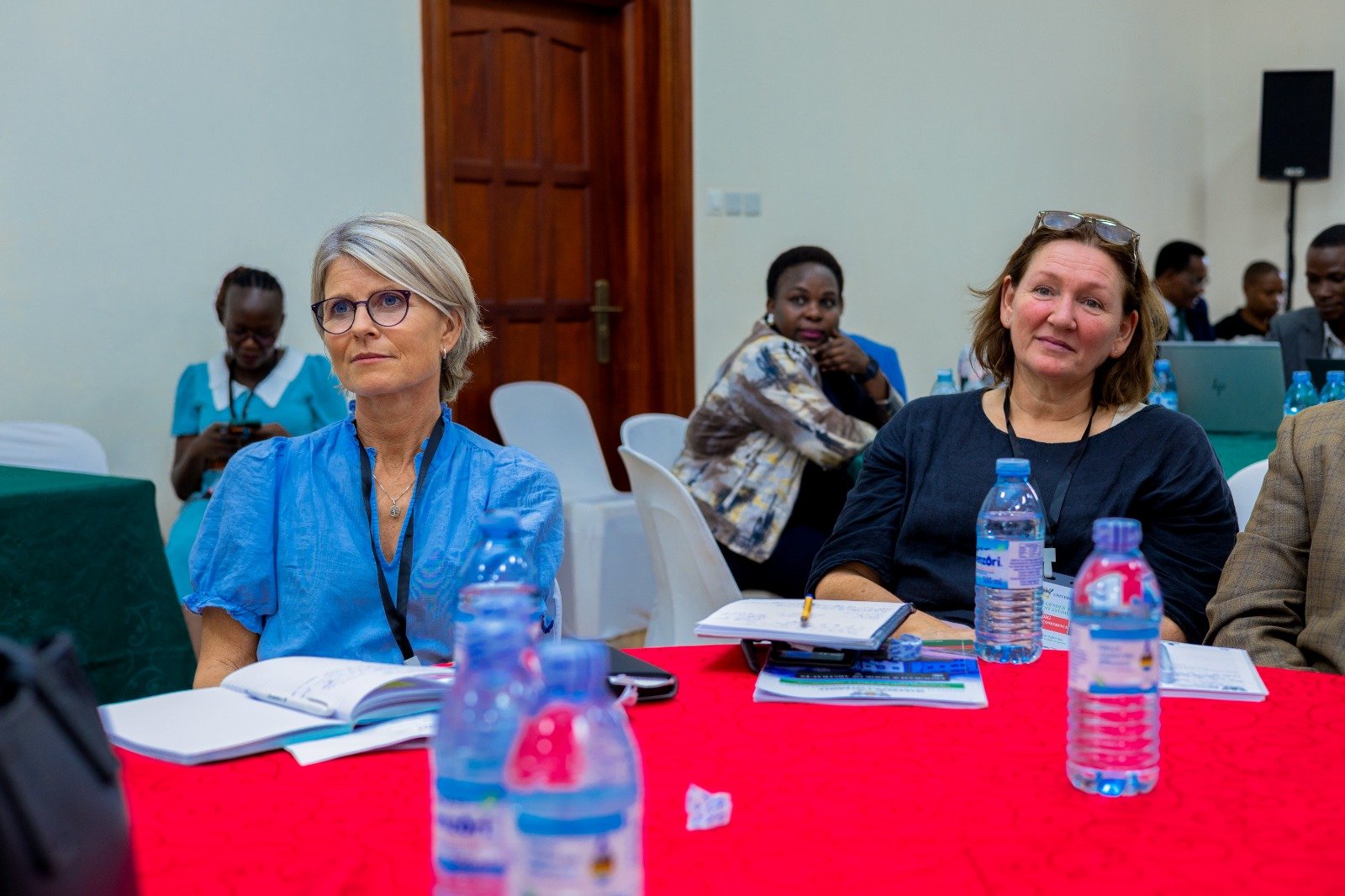
“Sometimes, when we support students with disabilities, we take these achievements for granted. However, we are planting a seed for future generations,” she said.
She added that the university’s experience showed that students had differing preferences for digital learning.
“Half of the students supported digitalisation, while the other half preferred physical classroom interaction,” Dr. Mahai said.
Some students faced difficulties accessing devices and internet services, while others preferred the social interaction of physical classrooms.
Digital access and funding remain challenges
Assoc. Prof. Arnhild Leer-Helgesen, Head of the Department of Global Development and Planning at the University of Agder and a GENDIG Principal Investigator, said the project was conceived during the COVID-19 pandemic, when universities had to move teaching and collaboration online.
“Digitalisation of higher education and teaching was what saved us as teachers and students. We would not have been able to continue higher education if we had not managed to move online,” she said.
However, she cautioned that digital learning could also reduce physical interaction and contribute to isolation.
“The combination of digitalisation and individualism is not necessarily good for teaching and learning,” Leer-Helgesen said.
Dr. Nsibirano said some Makerere students still lacked smartphones and reliable internet access, with others were relying on phones that limited their participation in online learning.
She questioned how lecturers could establish whether students logging into online classes were actually participating and learning.
“In the next project, we want to investigate whether online teaching is effective in the African context. Are we delivering? Are students actually learning?” she said.
The panellists also cited funding constraints, inflation, exchange-rate fluctuations and differences in financial accountability procedures among the partner universities and NORAD as challenges during implementation.
Dr. Mahai said limited funding had prevented consistent follow-up visits to rural women who received digital skills training, forcing the project to rely on telephone calls and remote monitoring.
Partners call for another phase
The partners called for continued investment in graduate scholarships, doctoral training, disability inclusion and collaboration with civil society organisations.
Leer-Helgesen said the next NORAD programme was expected to be managed by a university in the Global South, giving African institutions greater responsibility for setting priorities and determining its direction.
Dr. Mahai called for more doctoral scholarships to develop a stronger pool of gender experts, alongside continued support for students with disabilities.
The panel moderator, Dr Ritah Nakanjako, urged the partners to find ways of extending the collaboration beyond the current project.
“I want you to become creative and find ways of ensuring that we have GENDIG 3, GENDIG 4 and GENDIG 5,” she said.
The conference continues with research presentations and discussions on gender and digitalisation in higher education, inequality and inclusion, gender and digital technology in civil society, contemporary issues in gender studies, and gender and artificial intelligence.
The project is supported by the Norwegian Agency for Development Cooperation (NORAD) under the Norwegian Programme for Capacity Development in Higher Education and Research for Development (NORHED).
-

 General2 weeks ago
NOTICE: Online Applications for Government Sponsorship for Programmes Offered at Public Universities & Other Tertiary Institutions 2027/2028 AY
-
 Agriculture & Environment2 weeks ago
Zambia readies to host the 22nd RUFORUM AGM in the Capital Lusaka
-
 General2 weeks ago
Makerere-Rotary Launch Student Food for Peace Initiative
-
 Research2 weeks ago
Your Research, Your Identity, Your Impact. Makerere Empowers Graduate Students to Go Global Through ORCID
-
 General2 weeks ago
RENU Communications Department Graduate Trainee Program: Two (2) Vacancies