
General
Trustees Commended as MURBS Registers 17% Record Return on Investment

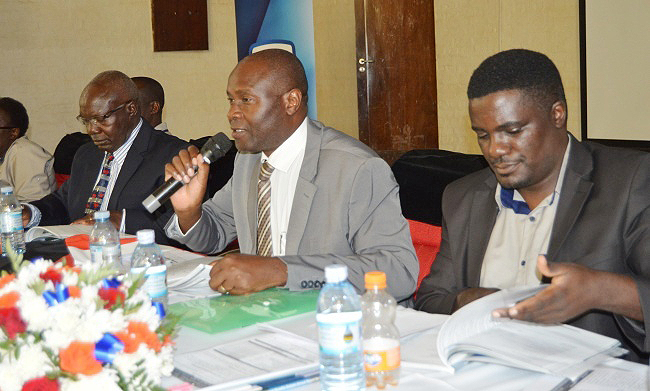
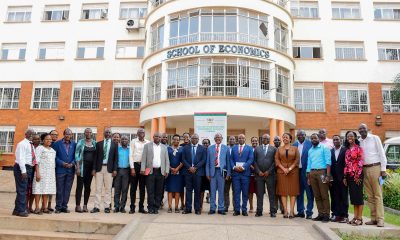
Countless commendations from Management, Scheme Members and the Regulator – Uganda Retirement Benefits Regulatory Authority (URBRA) representatives poured in as the Makerere University Retirement Benefits Scheme (MURBS) gave details of the 17% rate of return on members’ opening balances as at 1st July 2017. This was at the 8th MURBS Annual General Meeting (AGM) held on Wednesday, 24th October 2018 in the Main Hall.
“On behalf of the University Management and the Director Human Resources, I would like to appreciate the MURBS Board of Trustees (BoT) for a job well done. Last week, MURBS organised a Joint Press Conference with the University Leadership at which the Chairperson Council-Eng. Dr. Charles Wana-Etyem praised the Board of Trustees upon the stewardship that led to the declaration of 17% return on investment,” remarked Mrs. Dorothy Senoga-Zake.
Mrs. Senoga-Zake further remarked that the Human Resources Directorate was in constant receipt of positive reports from retirees whose benefits were processed on time. “I also thank MURBS for promptly updating member statements and as a member, I am constantly aware of the monies deposited on my account,” she added.

She however expressed surprise that only six hundred out of the approximately four thousand scheme members are registered on the online portal according to the MURBS Annual Report. She therefore urged the unregistered members to expressly approach the Scheme Office and take advantage of this service so as to receive notifications of deposits and quickly follow up on any unremitted funds.
Speaking on behalf of the Regulator – URBRA, Ms. Lisa Betty Oyella commended the MURBS Board of Trustees for once again putting up a tremendous performance leading to the declaration of a 17% sector high return. She also lauded MURBS’ commitment to implementing all URBRA recommendations and effecting policies that improve the Scheme’s efficiency.
“MURBS is a very cooperative team and we commend them for always sparing time to participate in URBRA activities. We held a Trustee Training earlier today, where we needed Trustee from an exemplary scheme in the sector to speak to participants and were happy when Dr. John Kitayimbwa agreed to make a presentation despite the short notice. Please note that his willingness to join us was in the midst of preparing for this AGM,” lauded Ms. Oyella.
She also thanked the scheme members for attending the 8th AGM, noting that the annual gatherings present a platform where the regulator can interact with them and take note of matters arising. These notes, she said, can then be used to make recommendations to the BoT to help improve scheme operations.

Upon registering for 8th AGM, members were handed a copy of the MURBS Annual Report for the year ended 30th June 2018. Prominently displayed on the cover page is a photograph of a beaming retiree, former Dean, and prolific publisher of the School of Public Health, College of Health Sciences (CHS), Prof. David Musoke Serwadda.
“I was completely stunned that I received my retirement benefits within two weeks of submitting my application. I immediately invested my money and I now earn a monthly income from it – EXCELLENT SERVICE!” reads a caption in the Annual Report attributed to Prof. Serwadda.
The Chairperson MURBS Board of Trustees, Mr. Wilber Grace Naigambi in his remarks shared that the scheme had paid out benefits amounting to UGX3.79billion to exiting members during the financial year ended 30th June 2018, compared to UGX3.22billion the previous year.
“Our target of paying out benefits to members under normal retirement is thirteen working days upon receipt of the application form and complete paperwork. I am glad to report that during the financial year 2017/2018, we paid out benefits on average within six days.

"I would also like to report that in the course of the last financial year, we paid out death benefits amounting to UGX132million in respect of ten members” said the Chairperson.
Mr. Naigambi also informed the AGM that MURBS had launched the Departmental Ambassadors Programme, which was another first of clear succession planning in Uganda’s Retirement Benefits sector. Officially launched on 27th February 2018, the Ambassadors Programme membership quickly grew to forty two as at 30th June 2018. Ambassadors have since appointment undergone training in the basics of managing retirement benefits schemes and been closely exposed to MURBS operations, through participation in Trustee meetings and Board activities.
“As part of strategies to secure the retirement of our members, MURBS has started awareness programmes to popularise the annuity payment option as a viable alternative to the current lump sum payment. We believe that the annuity option is a better way of ensuring that our members have a regular income after retiring from service, and our Departmental Ambassadors have been trained on the same” added the Chairperson.
In accordance with the Board Charter; the performance of the MURBS BoT was evaluated for the period 1st July 2017 to 30th June 2018 by an independent consultant; J. Samuel Richards and Associates Certified Public Accountants. Reading the results of the evaluation on behalf of the consultant, Mr. Robert Katuntu, CPA, reported that the BoT demonstrates a high degree of competence, due skill and care in managing MURBS.

“MURBS operations are to a great extent compliant with applicable laws and regulations, as well as the Scheme’s governance policies and procedures and, majority of the Scheme’s members are satisfied with the Board’s performance” read Mr. Katuntu from part of the evaluation.
The Scheme’s Independent Auditors; KPMG Certified Public Accountants, also gave MURBS a clean bill of health. “In our opinion, the financial statements give a true and fair view of the financial position of Makerere University Retirement Benefits Scheme as at 30th June 2018, and of its financial performance and its cash flows for the year then ended in accordance with International Financial Reporting Standars, the financial provisions of the Scheme Trust Deed and Rules and Uganda Retirement Benefits Regulatory Act, 2011” read Mr. Wilson Kayindi on behalf of KPMG.
Prior to discussion of the Scheme’s financial reports, the 8th AGM’s emcees; MURBS’ Principal Pension Officer-Ms. Susan Khaitsa and Mr. David Ddumba Walakira recognised the presence of the Director Internal Audit-Mr. Walter Yorac Nono, Deputy University Secretary-Mr. Yusuf Kiranda, Chairperson Makerere University Academic Staff Association (MUASA)-Dr. Deus Kamunyu Muhwezi, Chairperson Makerere University Administrative Staff Association (MASA)-Mr. Vincent Abigaba and University Imaam- Hajji Sam Ahmad Ssentongo. Also recognised were URBRA Officials Mr. Davis Mbuga and Ms. Janet Iremera.
Dr. Kitayimbwa kicked off his moderation of the discussion by recognising the presence of the Bank of Uganda’s Mr. Allan Betabe, CFA, who guides the MURBS BoT on Investments. Responding to one of the questions from the audience on the fate of some members’ unremitted funds in terms of benefiting from the 17% record return, he explained that investments made by MURBS are only on the basis of funds received, as per URBRA regulations.

“As mentioned by the Chairperson in his remarks, Court awarded the Scheme UGX23billion as unremitted In-House funds from the University in October 2017, together with an interest of 7% per annum effective 1st April 2009. We are hopeful that we shall secure these monies on behalf of our affected members and proceed to invest them,” explained Dr. Kitayimbwa.
Still on investments, another member questioned why a big percentage of the Scheme’s investments at 65% and 7.1% are allocated to Treasury bonds and Treasury bills respectively, and yet there were other investment vehicles into which funds could be diversified so as to earn higher returns for members. In his response, the Secretary, BoT appreciated the suggestion but reiterated that the spirit of the URBRA Act is to ensure that all Schemes in the sector invest members’ benefits safely.
“The UBRA Act limits asset categories by which schemes can invest funds. Additionally, all fund managers have to be licensed by URBRA. So whereas there are so many riskier but higher returning investment vehicles, MURBS cannot employ their services unless they are recognised as fund managers by the sector regulator URBRA” added the Secretary BoT.
The biggest commendation of the day to MURBS came from the eighty two year old former Professor of Biochemistry at Makerere University, Prof. Edward Kakonge. Speaking softly but authoritatively, Prof. Kakonge sincerely thanked the Board of Trustees for all the great work done in profitably investing members’ benefits, as well as the plans to recover all unremitted funds.

“I was so happy to see my name in the New Vision (published 19th October 2018) among those whose benefits were ready for collection from MURBS,” added Prof. Kakonge.
The Chairperson MURBS BoT thanked all scheme members for the huge turn up at the 8th AGM, and prayed for an even bigger audience at the 9th AGM. He thanked the University Management, URBRA representatives and all service providers for attending the meeting and contributing to the record 17% return.
The total MURBS fund value grew by 36% (UGX37billion), climbing from UGX104.5billion as at 30th June 2017 to UGX142billion as at 30th June 2018, representing the biggest fund growth over the last five years. The growth was mainly driven by; recovery in performance of the equity market, and increase in members’ salaries which in turn increased contributions to the scheme. Payment by the University of UGX10billion owed to the scheme and the vigilance of trustees in pursing an aggressive investment strategy were additional contributors to the growth.
In his closing prayer, University Imam Hajji Ssentongo thanked the Almighty God for according us a bounty of peace and tranquillity during the course of the 8th AGM. He also prayed for divine enablement that the leaders and members of MURBS may be able to achieve the vision, mission and values of the Scheme.
Article by Public Relations Office
Related article
MURBS Declares 17% Return to Members Ahead of 8th AGM

General
Makerere University Leads EU-Funded MAGNETISE Project to Strengthen Gender Equality in Higher Education Across Sub-Saharan Africa

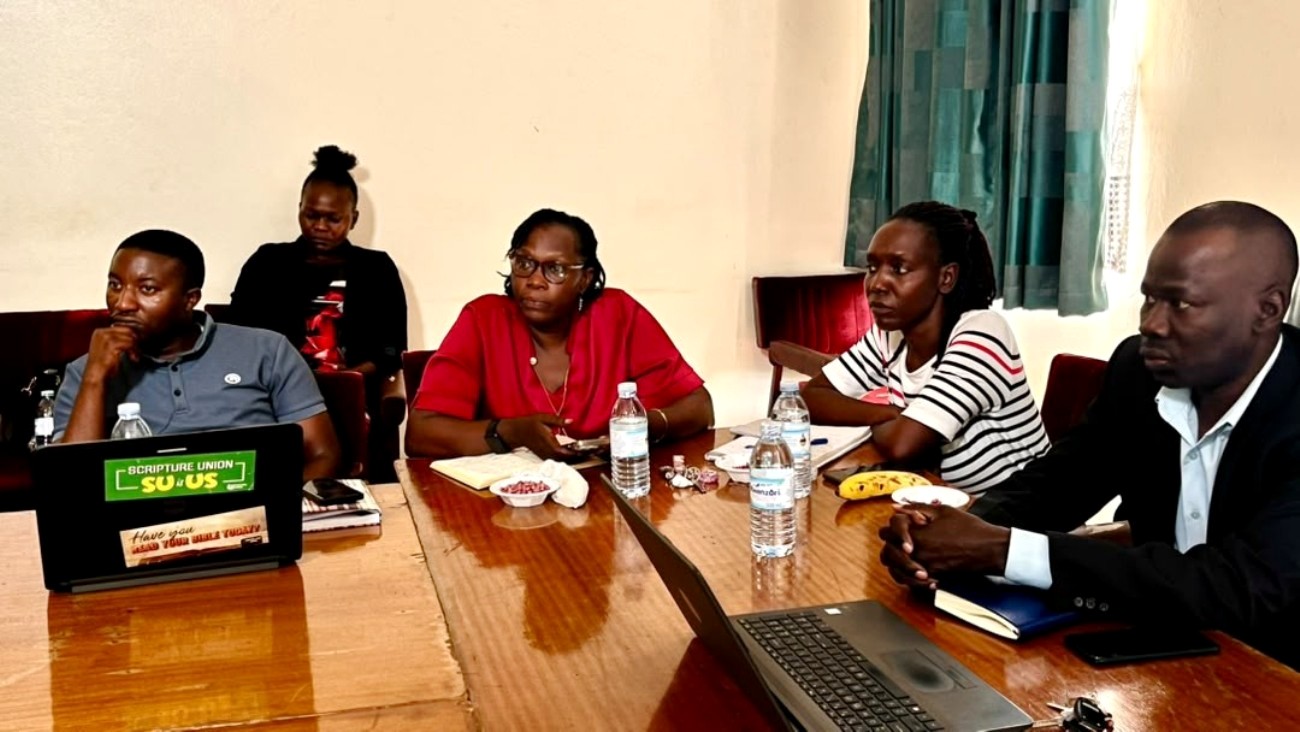
A consortium of African and European universities has intensified efforts to mainstream gender equality in higher education through the MAGNETISE project, with Makerere University taking a leading role in hosting a high-level workshop that brought together policymakers, researchers, and gender experts to reflect on institutional progress, persistent gaps, and future strategies.
The initiative, focused on Mainstreaming Gender in Higher Education Institutions in Sub-Saharan Africa (MAGNETISE), is supported by the European Union and implemented through a multi-country partnership involving institutions in Uganda, South Africa, and Europe. It aims to move beyond policy formulation to practical implementation, monitoring, and institutional accountability in gender equality.
At the heart of the discussions was a shared concern: while universities across the region have developed gender policies over the past decades, translating these frameworks into measurable, lived institutional change remains uneven.
A Consortium Approach to Gender Mainstreaming in Academia
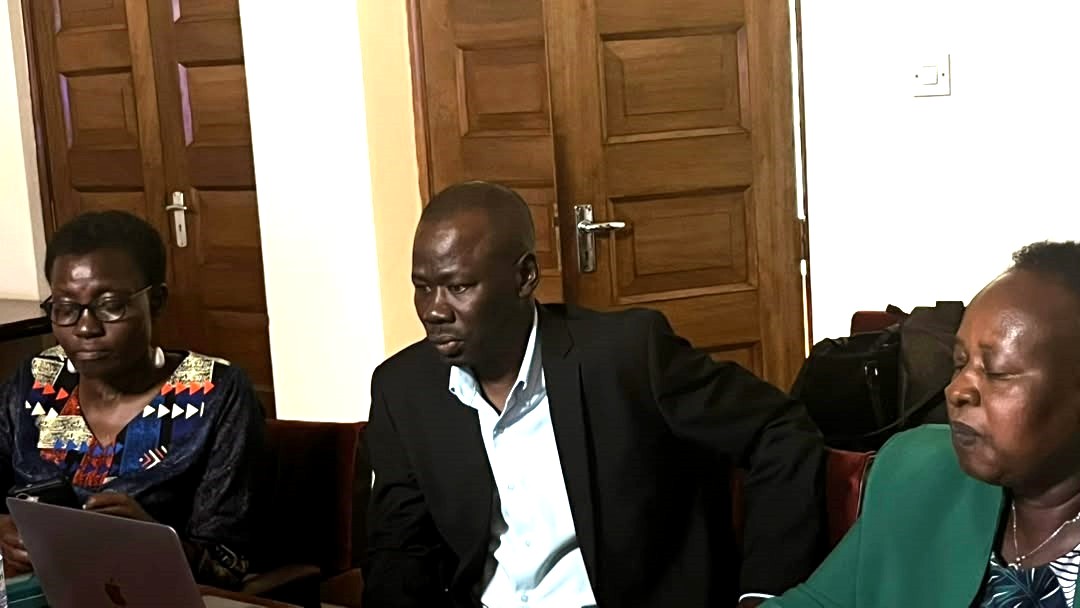
Opening the workshop, held at Makerere University recently, the project lead, Professor James Acai Okwee who is also deputy Principal CoVAB, described MAGNETISE as a collaborative effort designed to strengthen institutional capacity for gender equality planning across higher education systems in Sub-Saharan Africa.
He explained that the consortium includes Ugandan partners such as Makerere University and Muni University, alongside South African institutions including University of KwaZulu-Natal, Rhodes University, and Nelson Mandela University. European partners include Katholieke Hoge school VIVES Zuid (VIVES) and KMOP Policy Centre from Belgium, as well as Research Innovation and Development Lab (ReadLab) and University of Peloponnese. The consortium also includes additional European academic collaboration through the University of Applied Sciences and related policy and research networks.
According to Acai, the core objective is not simply to produce policies, but to ensure universities develop functional gender equality plans supported by implementation tools, monitoring frameworks, and institutional accountability systems.
“We have had policies since the early 2000s, but the real question is: where is the implementation plan, and how do we track progress?” he noted. “If a policy says 40 percent representation for women in leadership, we must be able to measure whether that is being achieved.”
He emphasized that MAGNETISE would support training, capacity-building exchanges with European institutions, student engagement programmes, and the development of a digital knowledge hub for gender equality.
Makerere University’s Institutional Position on Gender Equality
Representing university leadership, Dr. Suzan Mbabazi of Makerere University’s Gender Mainstreaming Directorate reaffirmed the institution’s commitment to advancing gender equality across its academic, research, and community engagement mandate. She highlighted significant progress made over more than two decades, citing policies such as the Gender Equality Policy and the Regulations Against Sexual Harassment, alongside governance frameworks that have institutionalized gender equity. Makerere has also established key structures, including the Institute of Gender and Development Studies and the Gender Mainstreaming Directorate, to coordinate initiatives across faculties. Yet, Dr. Mbabazi cautioned that structural achievements do not erase systemic challenges. “Despite progress globally and locally, we must acknowledge persistent gaps, biases, and inequalities within higher education institutions,” she said, stressing the need to bridge policy and practice. She urged participants to prioritize awareness creation, institutional analysis of existing gaps, and deliberate action to dismantle structural barriers. Reaffirming management’s support, she called for continued collaboration among institutions and stakeholders to sustain momentum in gender mainstreaming.
Preliminary Survey Findings Reveal Mixed Progress
Presenting the initial findings of a university-wide survey, Dr. Peace Musiimenta of the School of Women and Gender Studies at Makerere University revealed that responses from 82 participants across various units highlight both progress and persistent challenges in advancing gender equality. While many acknowledged strides in gender mainstreaming, structural and cultural barriers remain entrenched. The study found that although gender policies exist, their implementation is often inconsistent, and initiatives risk being treated as isolated projects rather than integrated institutional practices. Dr. Musiimenta noted that some staff perceive gender programs as overly focused on women, fueling resistance and ideological tensions within academic spaces. She emphasized that the challenge is no longer the absence of policy but the need to ensure visibility, ownership, and effective application of existing frameworks to embed gender equality across the institution.
Gender Audit Highlights Structural Gaps and Progress
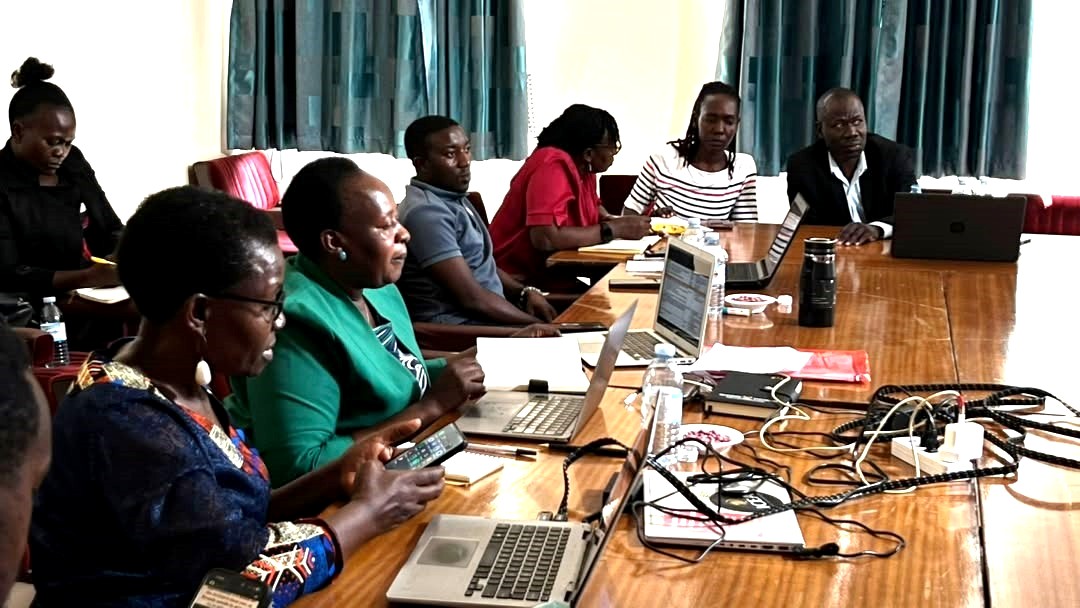
Expanding on the institutional audit, Dr. Florence Ebila outlined the methodology and preliminary findings of the gender audit conducted between May and June 2026.She explained that the audit examined institutional policies, governance systems, practices, organizational culture, and perceptions of gender equality.
The study drew data from multiple administrative units including human resources, academic registrars, estates and works departments, and student leadership structures. Ebila reported that Makerere University has made significant institutional progress, including the establishment of gender-focused units and integration of gender considerations into teaching, research, and governance. However, she identified persistent disparities in representation, particularly in science-related disciplines where male staff and students remain dominant.
She also highlighted infrastructural gaps, noting that while newer buildings are increasingly accessible, several older facilities lack adequate support for persons with disabilities and other vulnerable groups.
Another concern raised was limited gender-responsive budgeting, with insufficient allocation of resources to sustain gender mainstreaming activities across all units. “The challenge is not just policy design, but operationalization at all levels of the institution,” she said.
Gender, Identity, and Institutional Culture: A Critical Reflection
A keynote reflection by Dr Josephine Ahikire introduced a deeper theoretical lens to the discussion, situating gender mainstreaming within broader questions of institutional power, identity, and cultural norms.
Ahikire emphasized that gender mainstreaming is not a technical exercise but a structural transformation process that challenges entrenched systems of privilege.
She used the example of Makerere University’s centenary monument, where a male graduate is prominently positioned in front view while a female graduate is placed at the rear, to illustrate how symbolic representations can reflect deeper institutional biases.
“What appears natural often hides embedded inequality,” she argued. “Even symbolic structures matter because they reflect how institutions imagine gender.”
Ahikire acknowledged Makerere University’s progress in policy development and institutional frameworks but cautioned that deeper cultural transformation is still required.
She emphasized the need to interrogate curriculum design, research systems, and informal institutional practices that may perpetuate inequality despite formal commitments to inclusion.
She further argued that gender discourse must retain its political dimension, noting that terms such as feminism should not be avoided but engaged critically in order to address structural inequality.
“Gender equality work is not about comfort,” she said. “It is about questioning established norms and rethinking how power is distributed.”
Institutional Achievements and Remaining Challenges
Across presentations, several common themes emerged.
Participants acknowledged that Makerere University has developed one of the most advanced gender mainstreaming frameworks in the region, including:
- A dedicated gender equality policy framework
- Sexual harassment regulations and safeguarding policies
- Institutional gender mainstreaming structures
- Student engagement programmes and gender clubs
- Scholarships supporting women in science and disadvantaged backgrounds
- Increasing integration of gender into teaching and research
However, speakers consistently highlighted persistent challenges, including:
- Limited implementation of gender policies at departmental level
- Uneven representation of women in senior academic ranks
- Infrastructure gaps affecting accessibility and inclusion
- Weak gender-responsive budgeting mechanisms
- Resistance and misunderstanding of gender equality concepts
- Fragmentation of gender work across isolated units
Towards a Comprehensive Gender Equality Plan
A key outcome of the MAGNETISE project is the development of a comprehensive institutional gender equality plan for Makerere University, supported by monitoring tools and a sustainability framework.
The plan is expected to consolidate existing policies into a coherent implementation strategy, linking institutional commitments to measurable outcomes.
It will also include a handbook for monitoring gender equality initiatives and a digital platform for knowledge sharing among students and staff.
Project leaders emphasized that sustainability will depend on institutional ownership beyond donor funding, particularly through integration into university governance systems.
A Continuing Institutional Journey
The workshop concluded with a shared recognition that gender equality in higher education remains a work in progress, requiring sustained institutional commitment, cultural transformation, and accountability mechanisms.
While Makerere University has made notable progress over the past decades, speakers agreed that the next phase of gender mainstreaming must focus on implementation, visibility, and structural change.
As the MAGNETISE project continues across partner institutions in Africa and Europe, it positions itself not only as a research initiative, but as a long-term institutional reform effort aimed at reshaping how universities understand and operationalize gender equality in higher education.
General
Makerere University Set to Develop Curriculum to Transform Graduate Supervision and Mentorship

By Moses Lutaaya
KAMPALA – Makerere University is set to develop a curriculum for a specialized Certificate Course in Supervision and Mentoring for Graduate Training and Higher Education Management, in a move aimed at professionalizing graduate supervision and strengthening the capacity of academic staff to deliver quality postgraduate education.
The proposed programme will equip academic staff with advanced competencies in graduate-level teaching, research supervision, mentorship, and higher education management, while supporting the University’s agenda of improving the quality and relevance of graduate training.
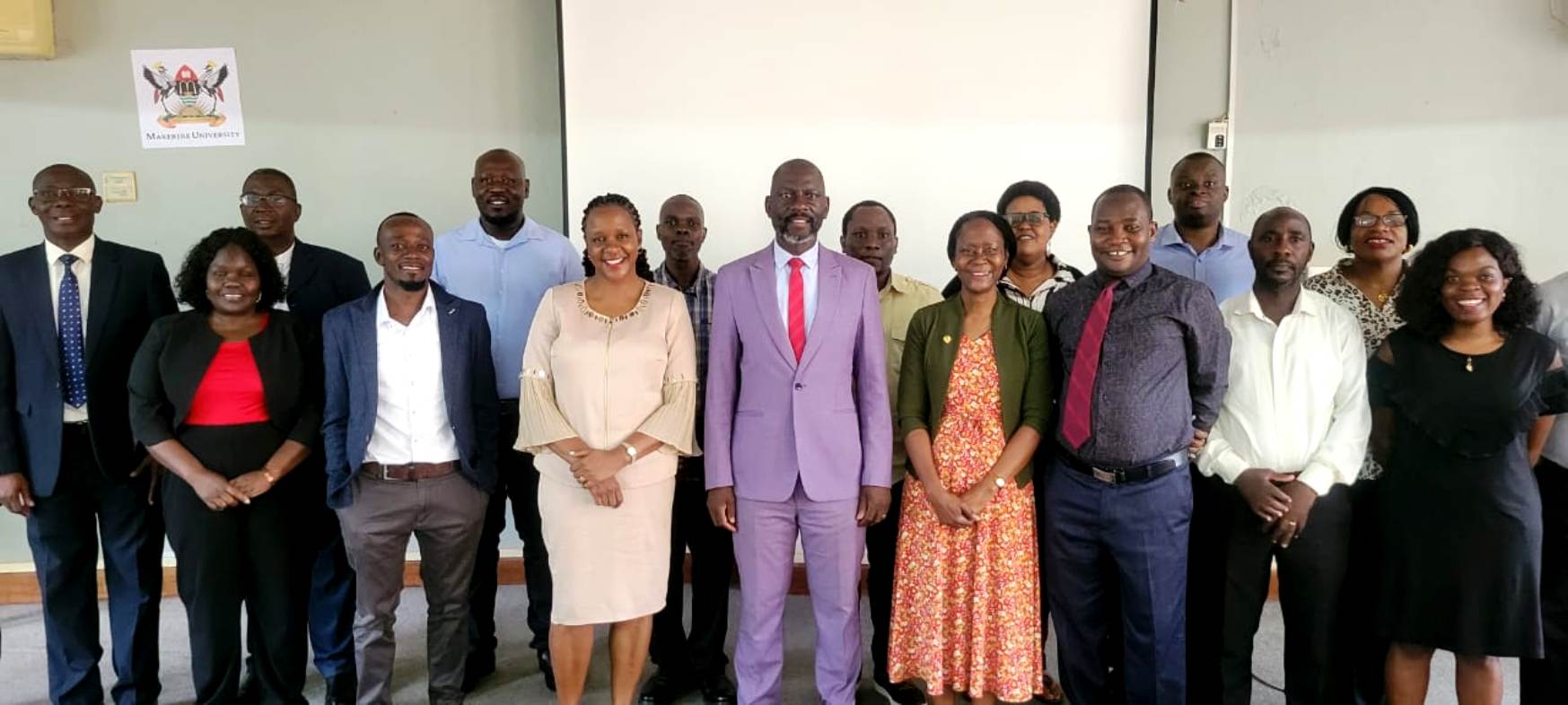
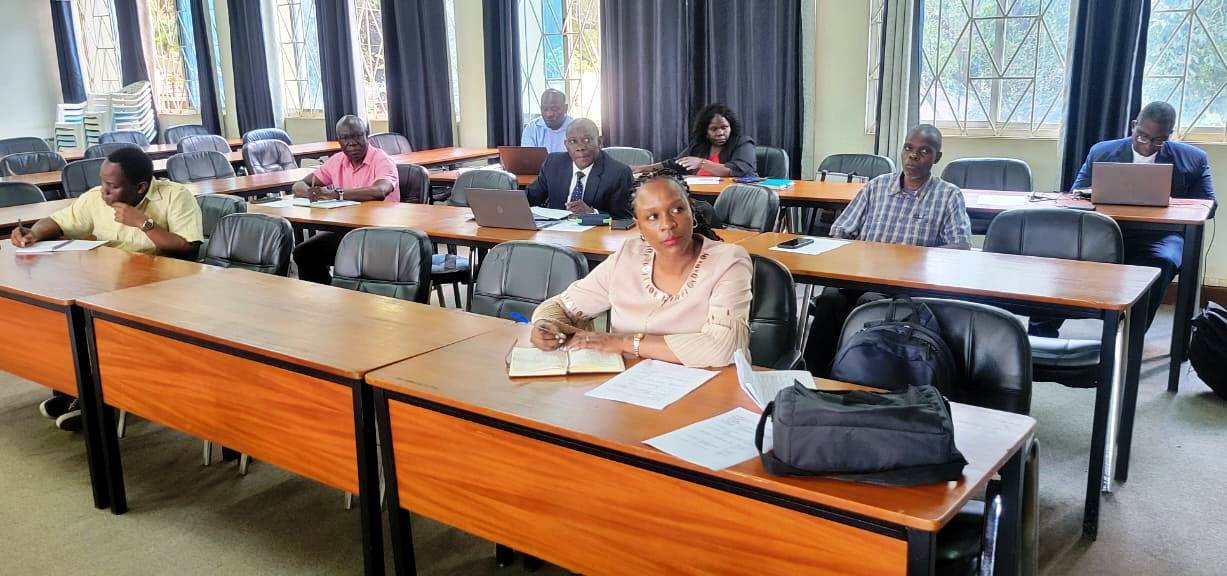
The curriculum development process was discussed during a Stakeholders’ Curriculum Development Consultation Workshop held on Thursday, 18th June 2026 at the Senate Building Telepresence Hall, Makerere University.
The workshop, organized by the Directorate of Graduate Training in collaboration with the Centre for Teaching and Learning Support (CTLS), brought together curriculum specialists, academic staff, and higher education stakeholders to review and enrich the proposed curriculum before it proceeds through the University approval processes.
Participants included 11 lecturers from the College of Engineering, Design, Art and Technology (CEDAT), 3 from the College of Agricultural and Environmental Sciences (CAES), 2 from the College of Veterinary Medicine, Animal Resources and Bio-security (CoVAB), 1 from the College of Humanities and Social Sciences (CHUSS), 4 from the College of Education and External Studies (CEES), among others.
The National Curriculum Development Centre (NCDC) was represented by Dr. Patrice Ssembirige, Deputy Executive Director in charge of Curriculum Review and Instructional Materials Development. The Centre for Teaching and Learning team was led by Dr. Dorothy Ssebowa, while Dr. Stephen Wandera coordinated the workshop.
Addressing participants, Prof. Julius Kikooma, Director Graduate Training at Makerere University, said the curriculum development initiative is central to strengthening graduate education and ensuring that academic staff are adequately prepared to support postgraduate learners.
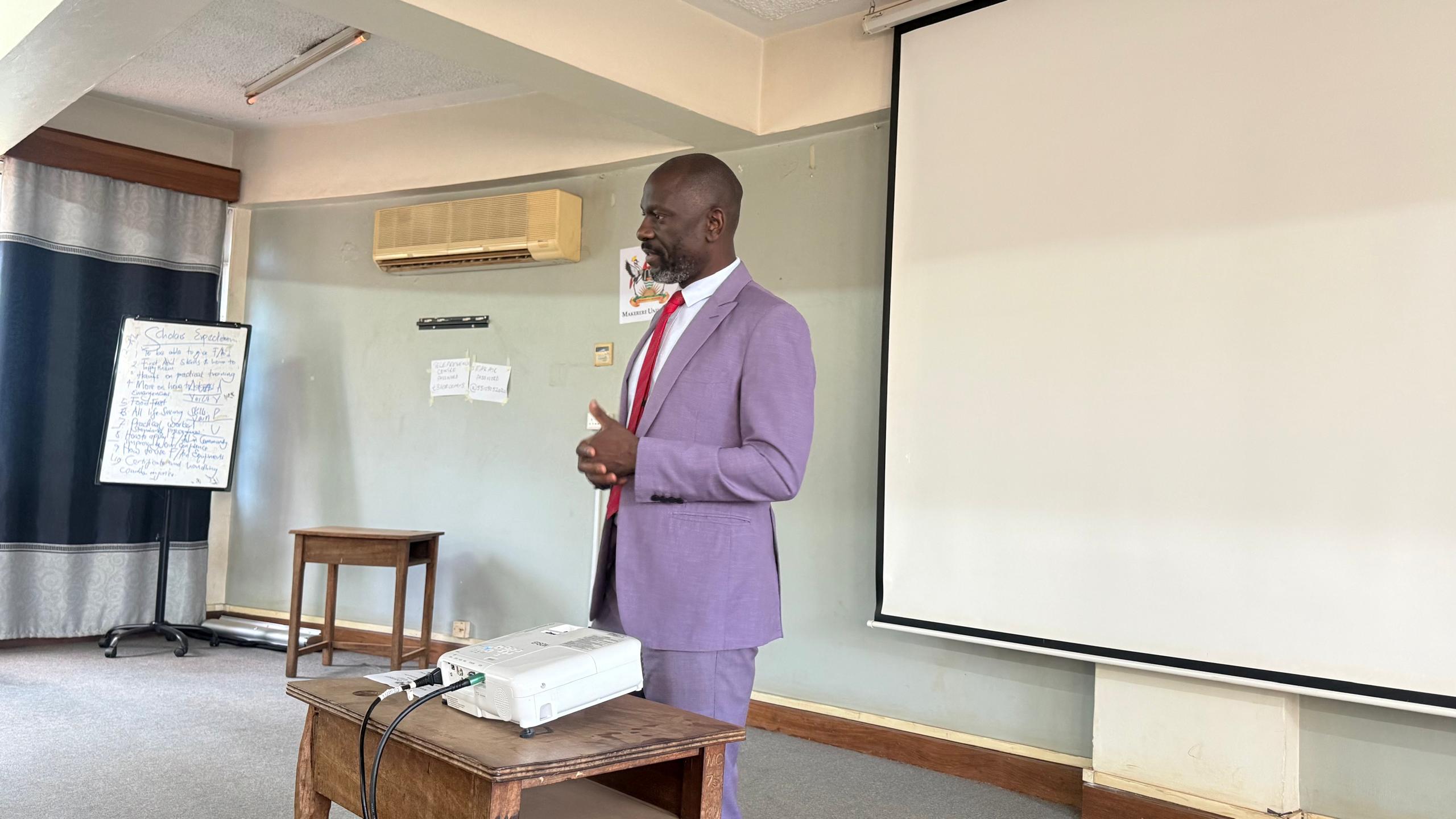
Prof. Kikooma noted that Makerere University is targeting an increase in graduate student enrolment to 50 percent of the total student population, but emphasized that this ambition must be matched with investment in the capacity of academic staff who supervise and mentor students.
“We can get many graduate students, but if the people supporting them do not have the right tools and preparation, we will still have challenges,” Prof. Kikooma said.
He explained that the initiative responds to University policies requiring academic staff teaching graduate students to undergo pedagogical training, while those supervising graduate research must undergo specialized preparation in supervision and mentoring.
Prof. Kikooma said graduate supervision requires deliberate preparation because supervisors play a central role in shaping research quality, student success, and the overall effectiveness of postgraduate programmes.
He further emphasized Makerere University’s responsibility as a leading institution in the region.
“We have a double expectation. We must support the country to achieve its aspirations in national development, but we also have an expectation from other institutions to support them in building graduate training capacity. In that sense, we are a trainer of trainers,” he said.
Speaking on behalf of the National Curriculum Development Centre (NCDC), Dr. Patrice Ssembirige commended Makerere University for adopting a consultative and inclusive approach to curriculum development.
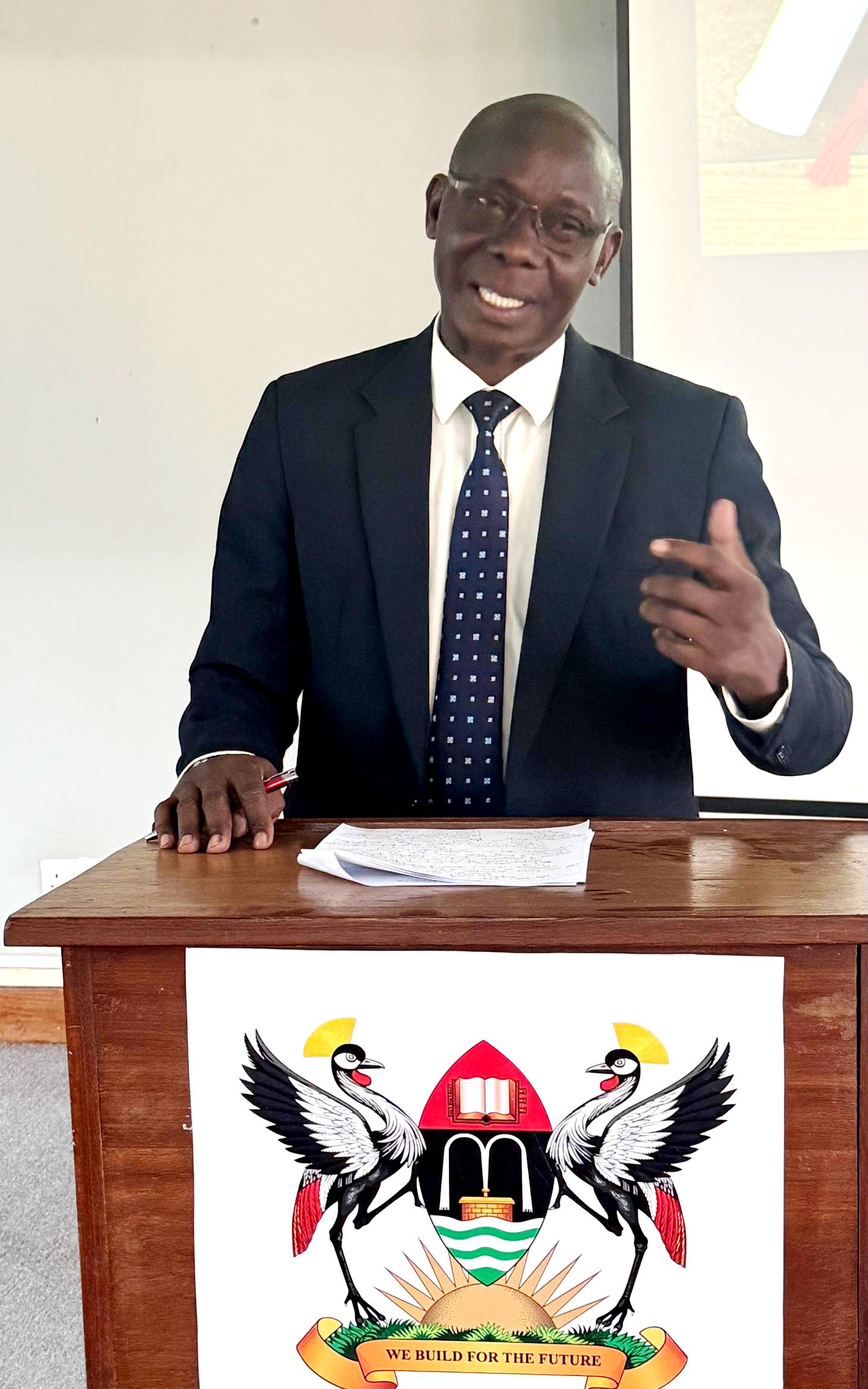
He noted that education systems globally are undergoing significant transformation, requiring continuous curriculum review and alignment with emerging needs.
“Education systems globally are undergoing significant transformation, and in Uganda, NCDC has been leading and spearheading the implementation of the competency-based curriculum,” Dr. Ssembirige said.
He explained that NCDC has developed competency-based curriculum frameworks at primary and lower secondary levels and is currently advancing reforms at upper secondary level, which feeds into higher education institutions.
Dr. Ssembirige said the new curriculum presents an opportunity to align graduate training with global trends, Sustainable Development Goals (SDGs), international best practices, and national development priorities.
“As we develop this curriculum, we need to align with global trends, SDGs and international best practices. We also need to undertake comparative analysis because curriculum reforms are taking place across East African Community states,” he noted.
He encouraged developers to ensure that the programme follows competency-based principles and equips participants with relevant 21st-century skills.
“Since we are talking about competency-based curriculum, we must be cognizant of the principles of competency-based education and ensure that we develop skills that fit the demands of the 21st century,” he added.
Dr. Dorothy Ssebowa, Director of the Centre for Teaching and Learning Support at Makerere University, said the initiative marks an important step in strengthening professional development for academic staff involved in graduate education.
She noted that effective supervision requires more than disciplinary expertise, but also skills in mentorship, communication, research guidance, ethics, assessment, and student support.
“The quality of graduate education depends on the quality of mentorship and supervision we provide. This curriculum will strengthen the capacity of academic staff to guide graduate students effectively, improve research outcomes, and uphold the standards expected of a leading university,” Dr. Ssebowa said.
She added that the Centre for Teaching and Learning will continue working with the Directorate of Graduate Training, academic colleges, curriculum specialists, and regulators to ensure the programme remains relevant and impactful.
During the workshop, stakeholders reviewed the proposed curriculum structure, course content, competency areas, assessment strategies, quality assurance mechanisms, and alignment with national and international standards.
Once finalized, the programme is expected to strengthen graduate supervision at Makerere University and serve as a model for professional development across higher education institutions in Uganda and beyond.
-
 Law2 weeks ago
Makerere hosts Chief Justices of Zambia and Uganda
-
 General4 days ago
Makerere University Set to Develop Curriculum to Transform Graduate Supervision and Mentorship
-
 Health2 weeks ago
Makerere Medical Students Honour Their ‘Silent Teachers’
-
 Business & Management1 week ago
Makerere Vice Chancellor tasks CoBAMS to Change Africa’s research trajectory through graduate training
-

 General4 days ago
Revised Advertisement for Positions of Principal and Deputy Principal at Makerere University