
General
Chancellor Prof Suruma Rallies Stakeholders to take part in MakRun 2018

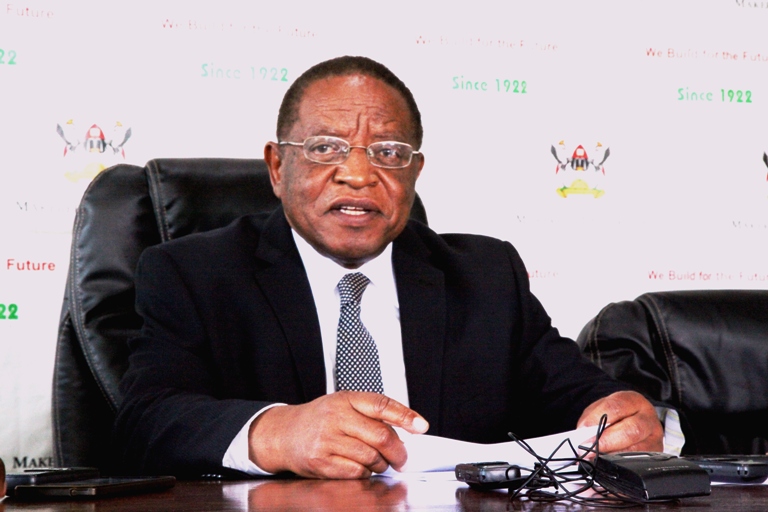
Makerere University Chancellor Prof. Ezra Suruma has called upon all stakeholders of Makerere University to join the Katikkiro of Buganda Ow’ekitiibwa Charles Peter Mayiga in the Makerere University Run that is scheduled to take place this Sunday 25th March 2018. Addressing journalists on 22nd March 2018, the Chancellor said that the Run is not only geared towards resource mobilisation but it is also a platform for building synergies among stakeholders.
“The run is part of our efforts for continuous engagement with our stakeholders to appeal to their philanthropic nature to contribute to the Makerere University Endowment Fund and the Students Centre project,” he said.
In the same spirit, the Chancellor appealed to students, staff, alumni and well-wishers of Makerere University to contribute to developments that will benefit future generations of students at the great institution.
“We expect to have 5,000 students, staff, alumni and other well-wishers to participate in the run. Brick by brick we are confident that we shall build the Students Centre that will not only make all our Alumni proud of their Alma Mater but also create a lasting impression on the young generation,” said the Chancellor.

According to Mr. Brian Nsubuga Miiro one of the Sports Tutors on the MakRun Technical team, designs for the MakRun2018 routes are already out and runners are expected to tackle 5km, 10km or 15km depending on their endurance. The starting point for all three routes will be the Makerere University Freedom Square. All runners taking part in the MakRun2018 will exit the Campus via the Main Gate, turn right at the Wandegeya junction to YMCA, then onto Buganda Road, cross to Lourdel Road, and take a left to join Yusuf Lule road.
At this point, the 5km runners will proceed to Mulago Roundabout while the 10km and 15km runners will turn right and proceed to the Fairway Hotel junction. 5km runners will proceed to Binaisa Road and at Kubbiri Round about, take a left along Bombo Road and re-enter the University through the Eastern Gate and proceed to the Freedom Square via Nsibirwa Hall and the Main Library.
Both the 10km and 15km runners will take the left at onto John Babiha (Acacia) Avenue and then separate at the Upper Kololo Terrace junction, where the 15km runners will turn right. The 10km runners will continue along John Babiha (Acacia) Avenue and at City Oil take a left onto Kira Road and proceed to Mulago Roundabout. At the roundabout they will turn right onto Binaisa Road and follow the rest of the route as the aforementioned 5km runners back to the Freedom Square.
“Then we have the 15km for the giants who will proceed along Upper KololoTerrace, turn left onto Lugogo By-pass, and then turn left onto Kira Road at the junction. They will continue along Kira Road until the Mulago Roundabout where they will follow the rest of the route back to the Freedom Square like their 5km and 10km counterparts” added Mr. Nsubuga.
Makerere University is seeking to raise UGX15billion through the alumni, well-wishers and development partners to construct the Student’s Centre that will enhance the quality of student life and experience. The Centre will serve as a collective place that reflects dynamism of the 21st century student in the digital age. It will be a one stop Student Information centre with a state of the art Auditorium with 2,000 seating capacity and a Wall of Fame.

According to the Director, Planning and Development Department (PDD) Dr. Florence Nakayiwa, the proposed Mak Students Centre will also accommodate Conference facilities, Cafeterias, Internet Kiosk, Memorabilia Shop, Bookshop, Recreational Sports Arena as well as Entertainment and Social amenities.
“The Centre is one of our strategies to create a versatile and holistic graduate of Makerere University that will serve national needs effectively. The auditorium, instructional spaces, banking halls and commercial entities will be the best-equipped and most accessible spaces available to the greater Makerere University community,” she added.
“We are calling upon students and former students of Makerere University to support the cause. As much as we have received free tickets from different people, let us also buy tickets to show our willingness to develop our university. The students Centre we are constructing is going to be of our own benefit. It might not benefit us now, but we are building for the future. Our children, brothers, sisters and friends will have to enjoy the fruits we left behind,” said outgoing Guild President, H.E Kato Paul.
On the same day, the Rotary Club of Kampala City Makerere in conjunction with Nakasero Blood Bank has organized a blood donation drive targeting friends and well-wishers (who will be in the Freedom Square, but not run the 5km, 10km or 15km routes) to donate blood in order to save lives.
Article by Public Relations Office


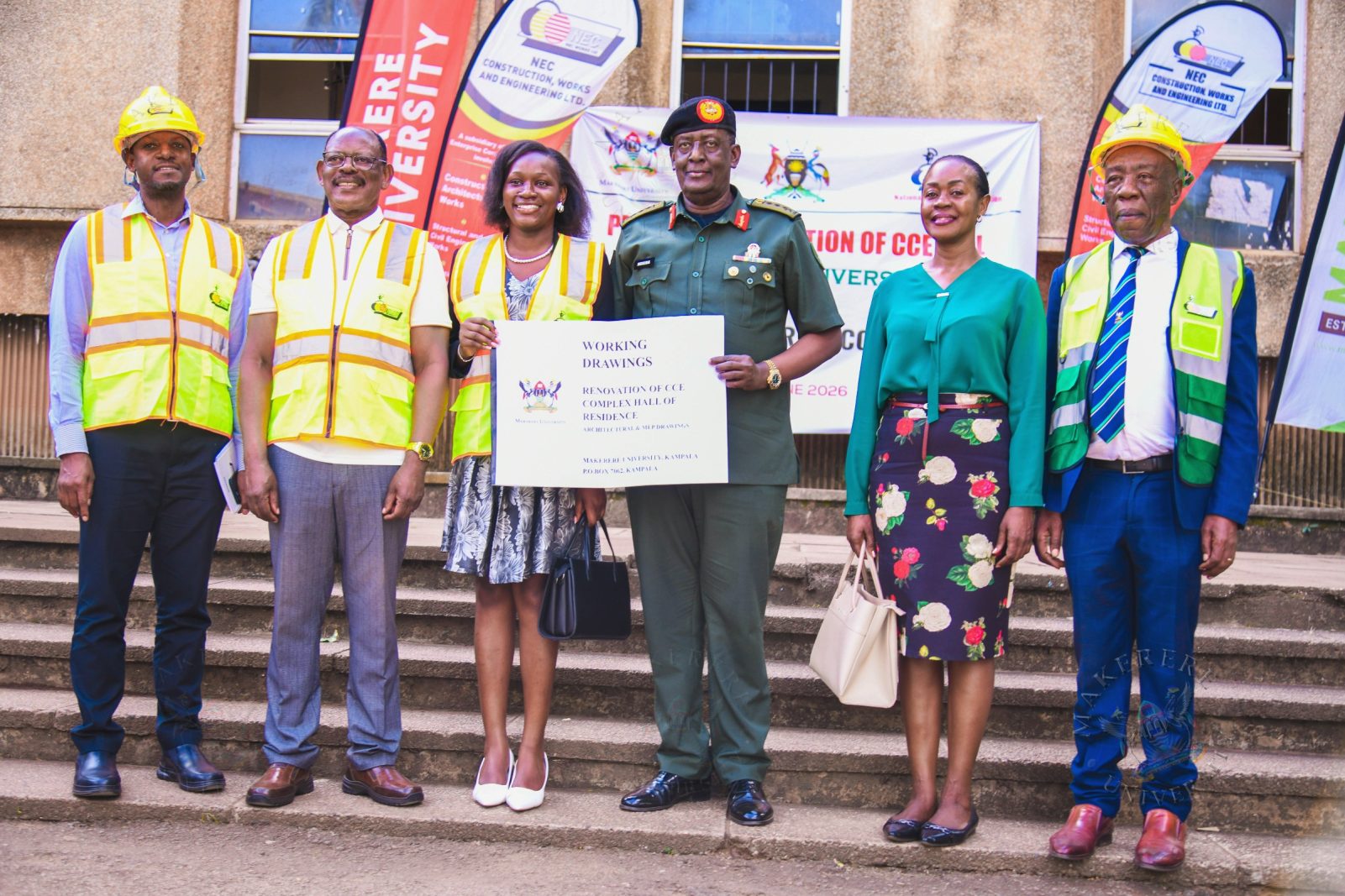
The Makerere University Vice Chancellor, Prof. Barnabas Nawangwe has today, Friday, 26th June 2026 handed over the CCE (Complex) Hall of Residence Site to National Enterprise Corporation (NEC) Managing Director and CEO, Lieutenant General James Mugira for renovation and overhaul works. The UGX 12billion Government of Uganda-funded works, expected to be completed within a year, are the fourth project to be undertaken by NEC. They were preceded by; construction of the University Perimeter Wall, Renovation of Lumumba Hall, and Renovation of Mary Stuart Hall.
NEC’s Record Lauded
Prof. Nawangwe in his remarks at the handover ceremony lauded these projects. “The quality of work done by NEC makes us proud because we can finally say that we have Ugandans who can do the things, which we previously depended on foreigners to do.” He therefore thanked the Government of Uganda for fully funding the projects and the First Lady and Minister of Education and Sports, Hon. Janet Museveni, whose visit set the renovation projects in motion.
The Vice Chancellor added that as the Alma mater for most members of both the Contractor and Project Management Teams, this was a moment of great pride as their expertise and skills have saved the country billions of taxpayers’ money. “Thank you for being patriotic”, he commended.
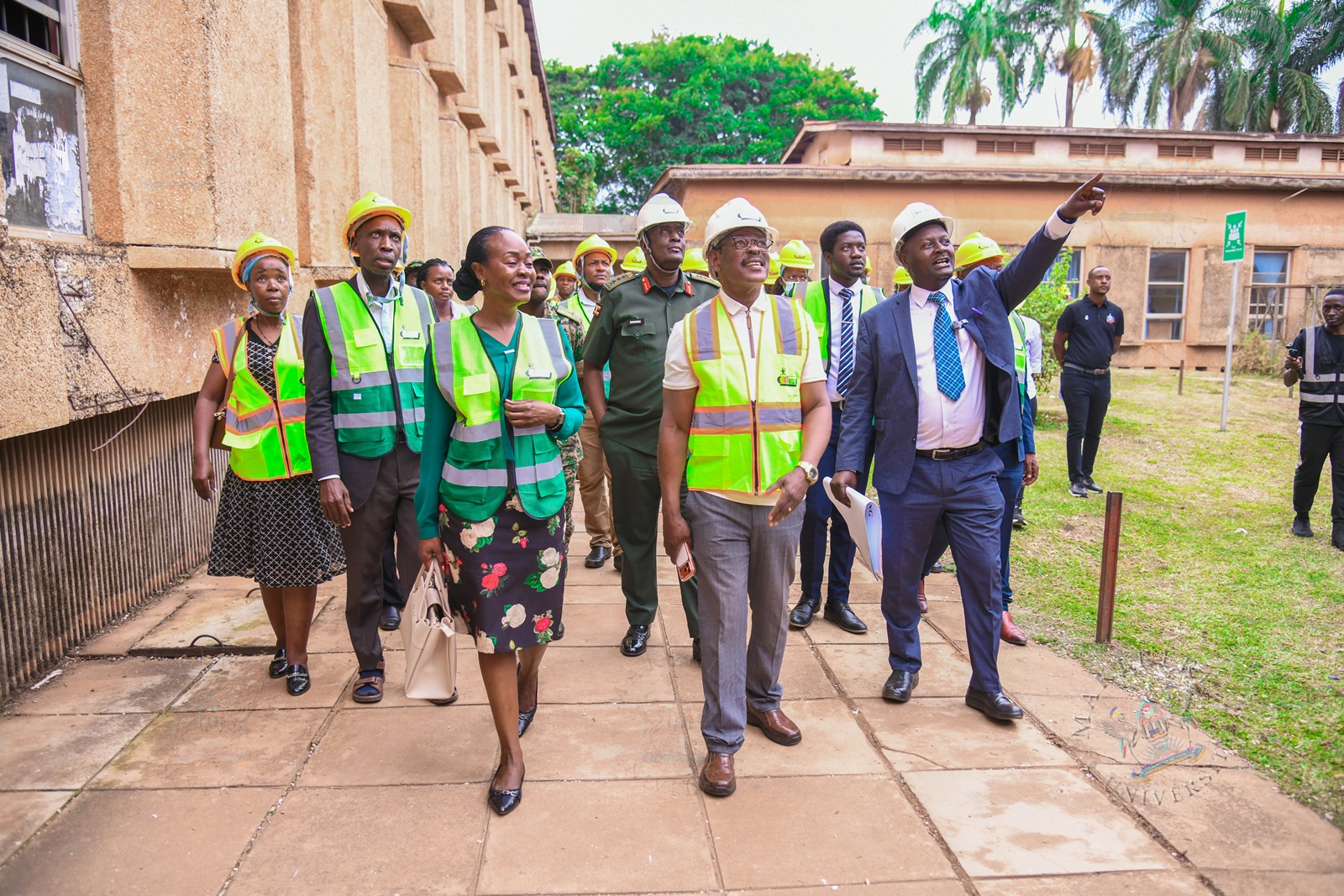
Prof. Nawangwe concluded by noting that CCE Hall, by virtue of its location, provides a first impression of Makerere University as a whole. He therefore urged the contractor to ensure that upon renovation, CCE Hall would create a memorable and lasting first impression, exceeding even that of the renovated Mary Stuart Hall.
A Project Fueled by Nostalgia
Speaking of impressions, Lt. Gen. Mugira, with nostalgia recalled that close to 42 years ago, he not only attended his first lectures in Hall 1 of the CCE Complex but also, on a more personal note added, “my wife was a resident, and so I have every motivation to put in a lot of effort and make sure that I deliver more than was done with Mary Stuart and Lumumba.”
He therefore extended heartfelt appreciation to his Alma mater Makerere University for the trust and confidence bestowed in NEC, which underscored their ability to deliver. “Trust is earned through performance, through integrity and consistency, and your decision to engage us motivates us to work even harder to exceed your expectations.”
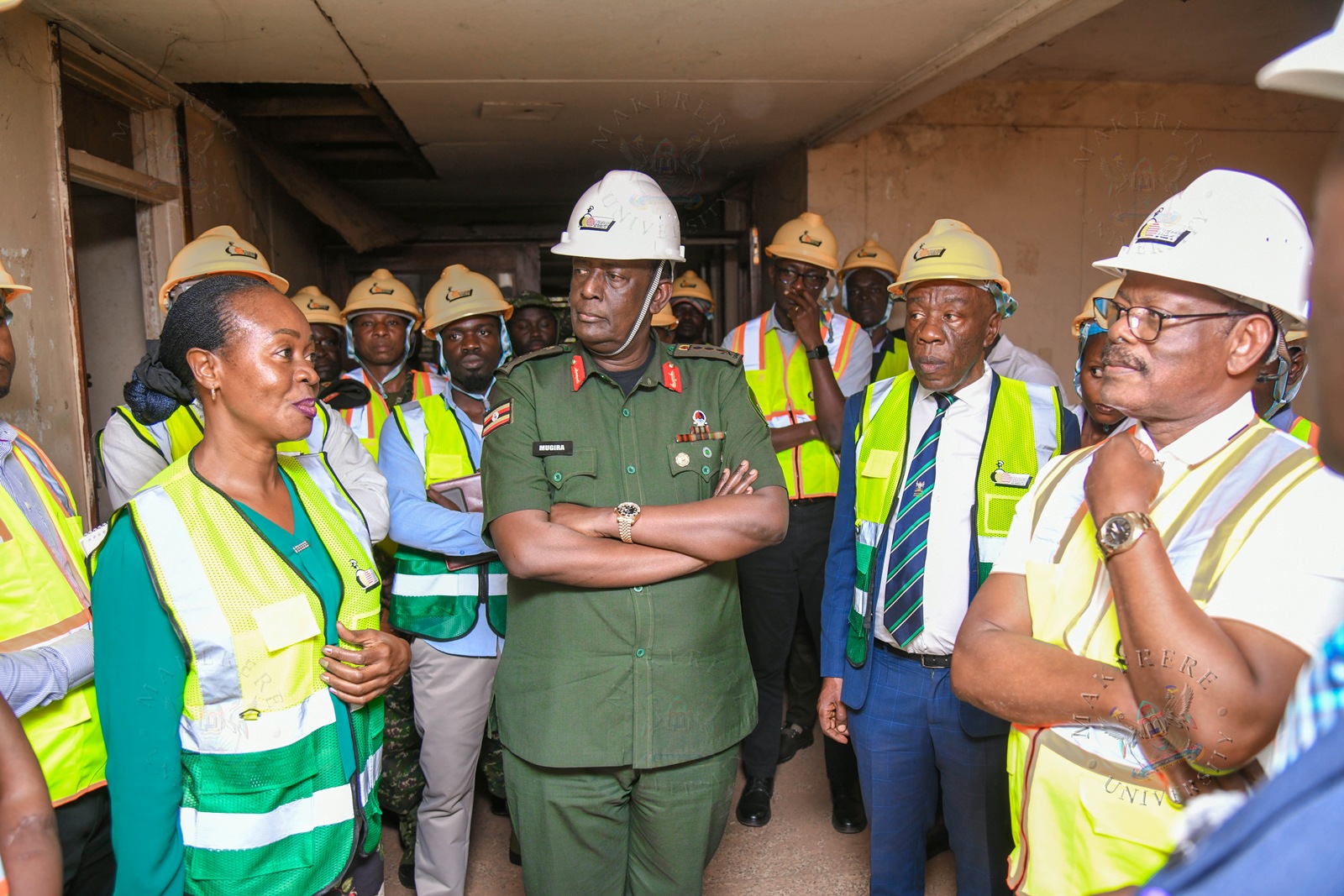
In his remarks, the Deputy Vice Chancellor (Finance and Administration) Prof. Henry Alinaitwe reechoed the need to ensure that the project is executed with adherence to the cost, quality, specifications and safety related issues as earlier shared by the Acting (Ag.) Chief Engineer of Estates and Works, Eng. Ezra Sekadde.
“NEC has already demonstrated this (with previous projects), and that is why we have all the confidence that you can deliver this project within 12 months” remarked Prof. Alinaitwe. He equally lauded the Project Management Team (PMT) led by Arch. Dr. Kenneth Ssemwogerere whose supervision ensures timely project completion.
Relatedly, Arch. Dr. Semwogerere was on 25th June 2026, the eve of the handover, promoted to the rank of Associate Professor, a milestone Prof. Alinaitwe attributed to his track record as Head of PMT. He therefore, on a light note, urged him to keep up the good work as this could equally contribute to his promotion to the rank of full Professor.
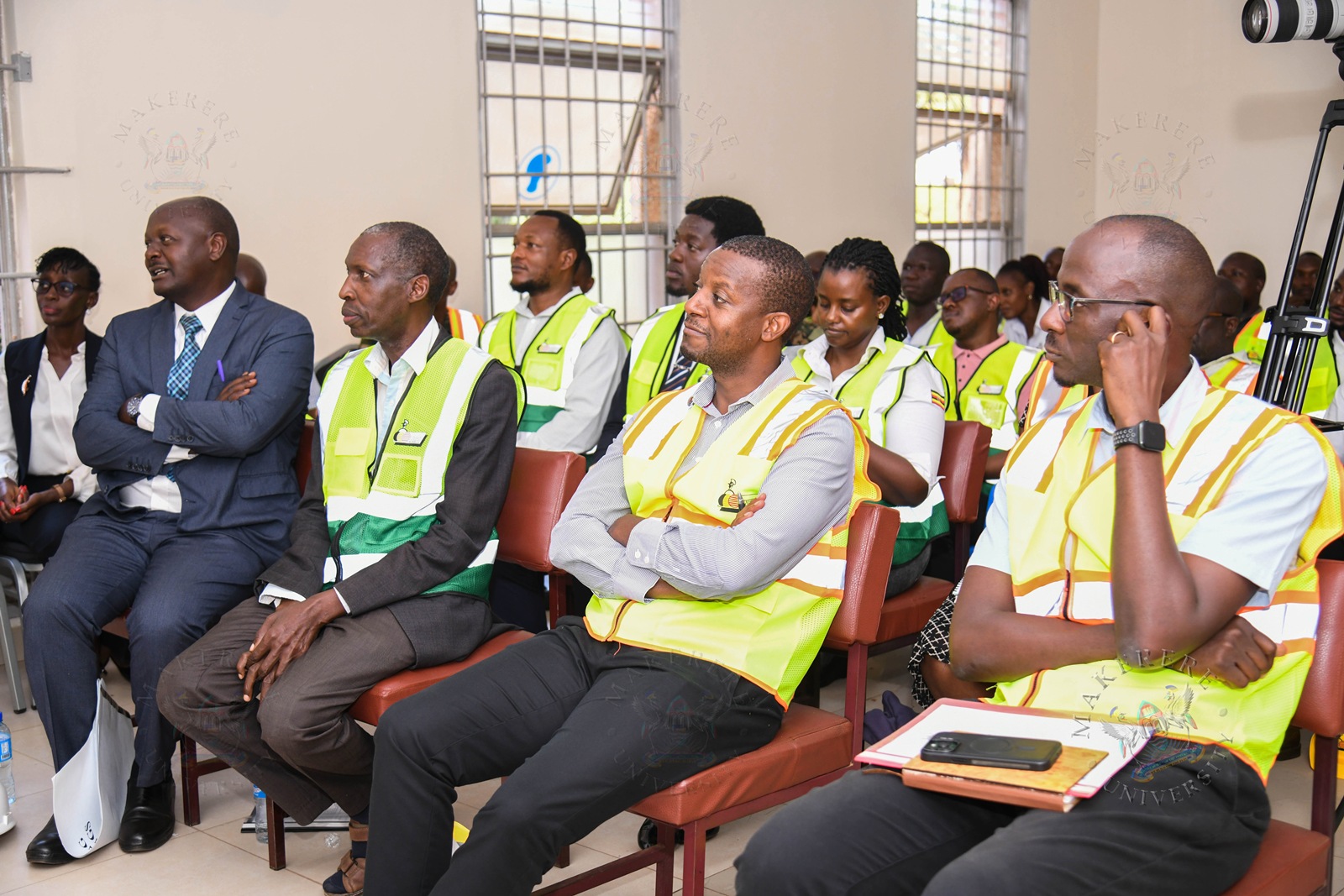
Also present at the handover ceremony was the Principal, College of Education and External Studies (CEES) Prof. Anthony Mugagga, whose unit will be greatly affected by the renovations. He nevertheless welcomed and reiterated his full support for the project, noting that just as renovation of Lumumba and Mary Stuart Halls had resulted in many alumni revisiting, the CCE Complex would upon renovation attract former residents and teaching professionals to give back or forge new partnerships.
Student Welfare at the Forefront
On her part, the Dean of Students Dr. Winifred Kabumbuli lauded the renovations of Halls of Residence as a clear demonstration of Government’s dedication to the improvement of student welfare, and creating an environment conducive for nurturing responsible citizens who can contribute to national development. She pledged her Office’s and the Student Leadership’s readiness to ensure that the renovated facilities used responsibly for the benefit of future generations.
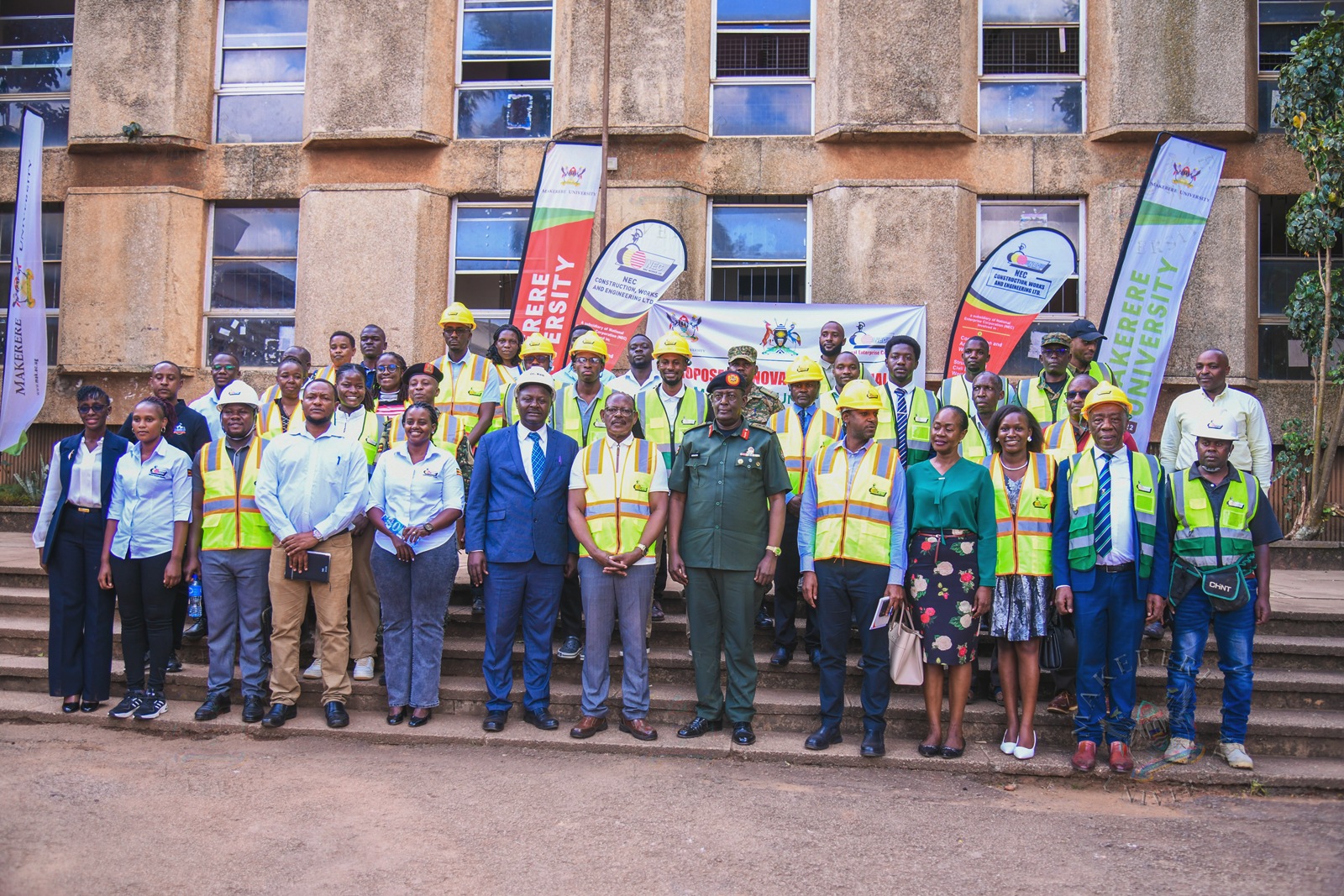
As a resident of the recently renovated Mary Stuart Hall, 92nd Guild President H.E. Kadondi Gracious could not help but appreciate how impactful the renovation of CCE Hall would be to student welfare. “The female students will be very excited (to occupy CCE Hall) but the male students will be left complaining – so we shall be expecting more renovations, not just for the female but also the male students,” she amiably concluded.
General
Makerere University Leads EU-Funded MAGNETISE Project to Strengthen Gender Equality in Higher Education Across Sub-Saharan Africa

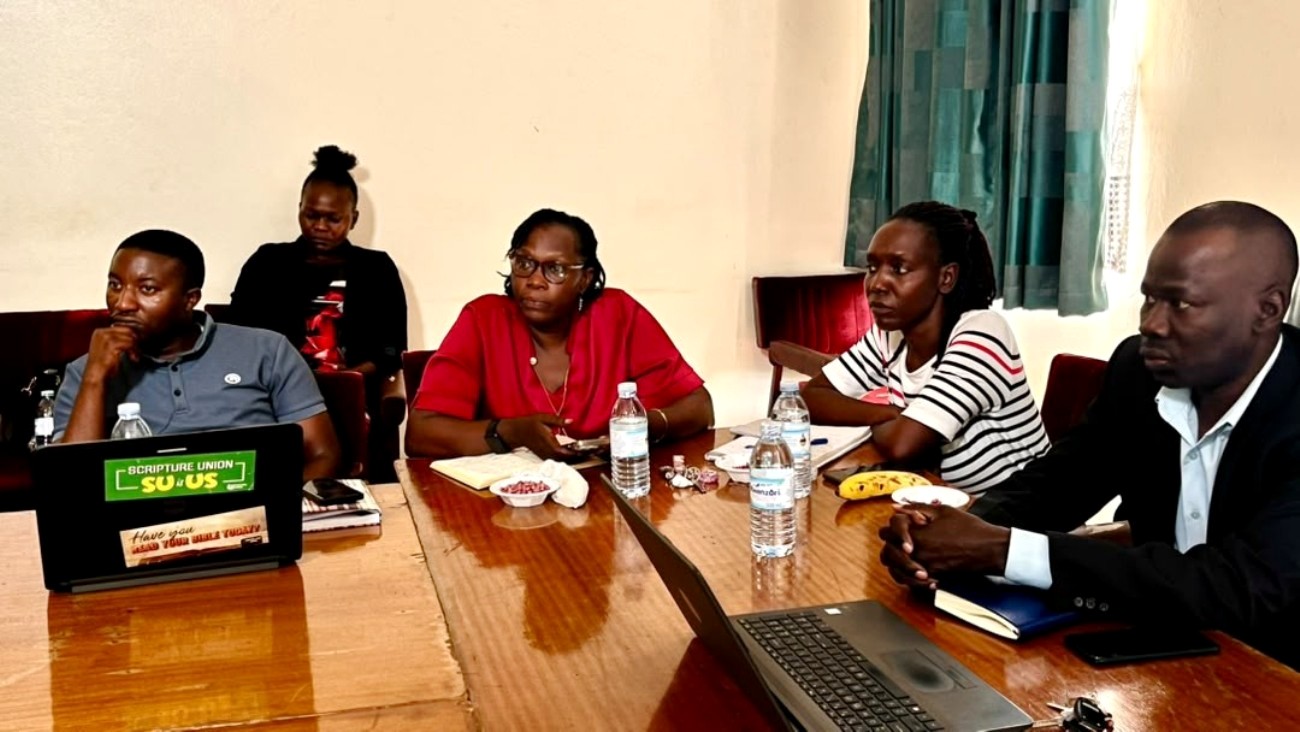
A consortium of African and European universities has intensified efforts to mainstream gender equality in higher education through the MAGNETISE project, with Makerere University taking a leading role in hosting a high-level workshop that brought together policymakers, researchers, and gender experts to reflect on institutional progress, persistent gaps, and future strategies.
The initiative, focused on Mainstreaming Gender in Higher Education Institutions in Sub-Saharan Africa (MAGNETISE), is supported by the European Union and implemented through a multi-country partnership involving institutions in Uganda, South Africa, and Europe. It aims to move beyond policy formulation to practical implementation, monitoring, and institutional accountability in gender equality.
At the heart of the discussions was a shared concern: while universities across the region have developed gender policies over the past decades, translating these frameworks into measurable, lived institutional change remains uneven.
A Consortium Approach to Gender Mainstreaming in Academia
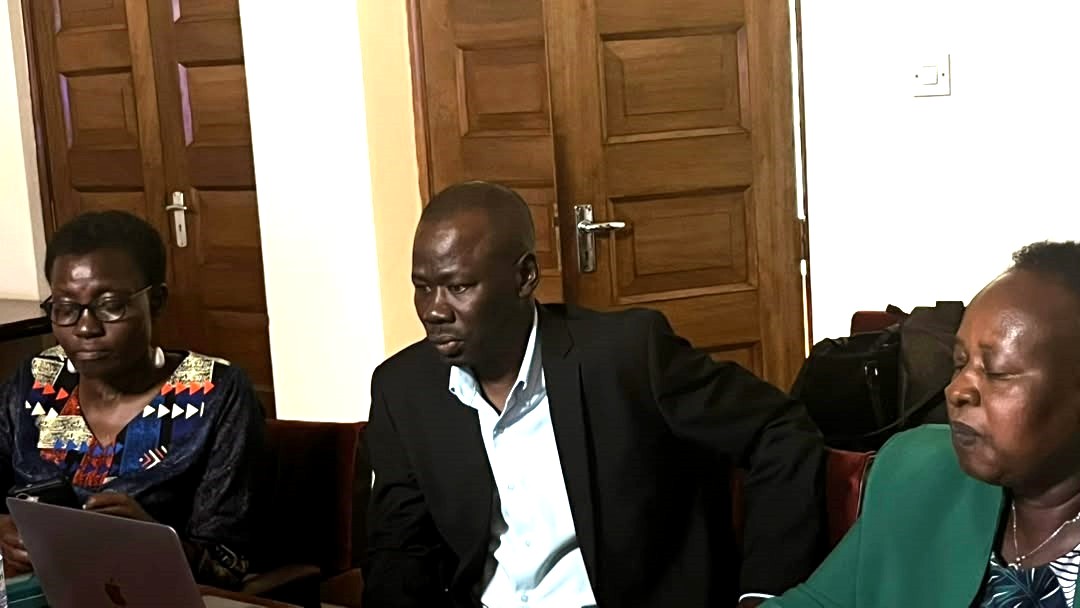
Opening the workshop, held at Makerere University recently, the project lead, Professor James Acai Okwee who is also deputy Principal CoVAB, described MAGNETISE as a collaborative effort designed to strengthen institutional capacity for gender equality planning across higher education systems in Sub-Saharan Africa.
He explained that the consortium includes Ugandan partners such as Makerere University and Muni University, alongside South African institutions including University of KwaZulu-Natal, Rhodes University, and Nelson Mandela University. European partners include Katholieke Hoge school VIVES Zuid (VIVES) and KMOP Policy Centre from Belgium, as well as Research Innovation and Development Lab (ReadLab) and University of Peloponnese. The consortium also includes additional European academic collaboration through the University of Applied Sciences and related policy and research networks.
According to Acai, the core objective is not simply to produce policies, but to ensure universities develop functional gender equality plans supported by implementation tools, monitoring frameworks, and institutional accountability systems.
“We have had policies since the early 2000s, but the real question is: where is the implementation plan, and how do we track progress?” he noted. “If a policy says 40 percent representation for women in leadership, we must be able to measure whether that is being achieved.”
He emphasized that MAGNETISE would support training, capacity-building exchanges with European institutions, student engagement programmes, and the development of a digital knowledge hub for gender equality.
Makerere University’s Institutional Position on Gender Equality
Representing university leadership, Dr. Suzan Mbabazi of Makerere University’s Gender Mainstreaming Directorate reaffirmed the institution’s commitment to advancing gender equality across its academic, research, and community engagement mandate. She highlighted significant progress made over more than two decades, citing policies such as the Gender Equality Policy and the Regulations Against Sexual Harassment, alongside governance frameworks that have institutionalized gender equity. Makerere has also established key structures, including the Institute of Gender and Development Studies and the Gender Mainstreaming Directorate, to coordinate initiatives across faculties. Yet, Dr. Mbabazi cautioned that structural achievements do not erase systemic challenges. “Despite progress globally and locally, we must acknowledge persistent gaps, biases, and inequalities within higher education institutions,” she said, stressing the need to bridge policy and practice. She urged participants to prioritize awareness creation, institutional analysis of existing gaps, and deliberate action to dismantle structural barriers. Reaffirming management’s support, she called for continued collaboration among institutions and stakeholders to sustain momentum in gender mainstreaming.
Preliminary Survey Findings Reveal Mixed Progress
Presenting the initial findings of a university-wide survey, Dr. Peace Musiimenta of the School of Women and Gender Studies at Makerere University revealed that responses from 82 participants across various units highlight both progress and persistent challenges in advancing gender equality. While many acknowledged strides in gender mainstreaming, structural and cultural barriers remain entrenched. The study found that although gender policies exist, their implementation is often inconsistent, and initiatives risk being treated as isolated projects rather than integrated institutional practices. Dr. Musiimenta noted that some staff perceive gender programs as overly focused on women, fueling resistance and ideological tensions within academic spaces. She emphasized that the challenge is no longer the absence of policy but the need to ensure visibility, ownership, and effective application of existing frameworks to embed gender equality across the institution.
Gender Audit Highlights Structural Gaps and Progress
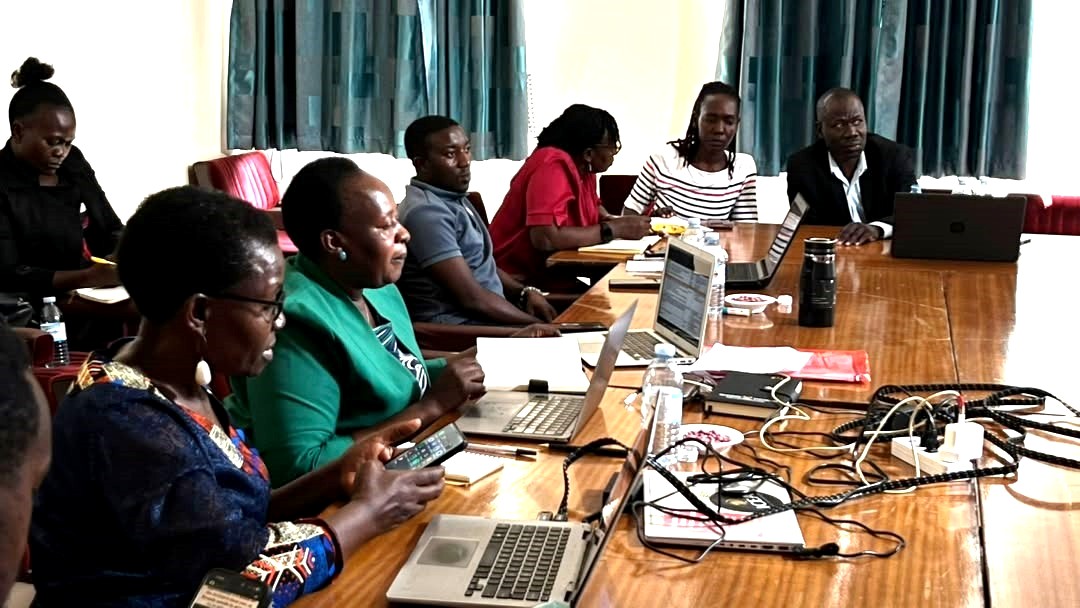
Expanding on the institutional audit, Dr. Florence Ebila outlined the methodology and preliminary findings of the gender audit conducted between May and June 2026.She explained that the audit examined institutional policies, governance systems, practices, organizational culture, and perceptions of gender equality.
The study drew data from multiple administrative units including human resources, academic registrars, estates and works departments, and student leadership structures. Ebila reported that Makerere University has made significant institutional progress, including the establishment of gender-focused units and integration of gender considerations into teaching, research, and governance. However, she identified persistent disparities in representation, particularly in science-related disciplines where male staff and students remain dominant.
She also highlighted infrastructural gaps, noting that while newer buildings are increasingly accessible, several older facilities lack adequate support for persons with disabilities and other vulnerable groups.
Another concern raised was limited gender-responsive budgeting, with insufficient allocation of resources to sustain gender mainstreaming activities across all units. “The challenge is not just policy design, but operationalization at all levels of the institution,” she said.
Gender, Identity, and Institutional Culture: A Critical Reflection
A keynote reflection by Dr Josephine Ahikire introduced a deeper theoretical lens to the discussion, situating gender mainstreaming within broader questions of institutional power, identity, and cultural norms.
Ahikire emphasized that gender mainstreaming is not a technical exercise but a structural transformation process that challenges entrenched systems of privilege.
She used the example of Makerere University’s centenary monument, where a male graduate is prominently positioned in front view while a female graduate is placed at the rear, to illustrate how symbolic representations can reflect deeper institutional biases.
“What appears natural often hides embedded inequality,” she argued. “Even symbolic structures matter because they reflect how institutions imagine gender.”
Ahikire acknowledged Makerere University’s progress in policy development and institutional frameworks but cautioned that deeper cultural transformation is still required.
She emphasized the need to interrogate curriculum design, research systems, and informal institutional practices that may perpetuate inequality despite formal commitments to inclusion.
She further argued that gender discourse must retain its political dimension, noting that terms such as feminism should not be avoided but engaged critically in order to address structural inequality.
“Gender equality work is not about comfort,” she said. “It is about questioning established norms and rethinking how power is distributed.”
Institutional Achievements and Remaining Challenges
Across presentations, several common themes emerged.
Participants acknowledged that Makerere University has developed one of the most advanced gender mainstreaming frameworks in the region, including:
- A dedicated gender equality policy framework
- Sexual harassment regulations and safeguarding policies
- Institutional gender mainstreaming structures
- Student engagement programmes and gender clubs
- Scholarships supporting women in science and disadvantaged backgrounds
- Increasing integration of gender into teaching and research
However, speakers consistently highlighted persistent challenges, including:
- Limited implementation of gender policies at departmental level
- Uneven representation of women in senior academic ranks
- Infrastructure gaps affecting accessibility and inclusion
- Weak gender-responsive budgeting mechanisms
- Resistance and misunderstanding of gender equality concepts
- Fragmentation of gender work across isolated units
Towards a Comprehensive Gender Equality Plan
A key outcome of the MAGNETISE project is the development of a comprehensive institutional gender equality plan for Makerere University, supported by monitoring tools and a sustainability framework.
The plan is expected to consolidate existing policies into a coherent implementation strategy, linking institutional commitments to measurable outcomes.
It will also include a handbook for monitoring gender equality initiatives and a digital platform for knowledge sharing among students and staff.
Project leaders emphasized that sustainability will depend on institutional ownership beyond donor funding, particularly through integration into university governance systems.
A Continuing Institutional Journey
The workshop concluded with a shared recognition that gender equality in higher education remains a work in progress, requiring sustained institutional commitment, cultural transformation, and accountability mechanisms.
While Makerere University has made notable progress over the past decades, speakers agreed that the next phase of gender mainstreaming must focus on implementation, visibility, and structural change.
As the MAGNETISE project continues across partner institutions in Africa and Europe, it positions itself not only as a research initiative, but as a long-term institutional reform effort aimed at reshaping how universities understand and operationalize gender equality in higher education.

-
 Law2 weeks ago
Makerere hosts Chief Justices of Zambia and Uganda
-
 General4 days ago
Makerere University Set to Develop Curriculum to Transform Graduate Supervision and Mentorship
-
 Business & Management1 week ago
Makerere Vice Chancellor tasks CoBAMS to Change Africa’s research trajectory through graduate training
-

 General5 days ago
Revised Advertisement for Positions of Principal and Deputy Principal at Makerere University
-
 Education4 days ago
Makerere University Signs MoU with Fukui University to enhance Research, Teacher Development and STEM Education