
General
Undergraduate Private Admission lists 2016/2017 With Appeal Cases



General
Advancing Makerere university’s Research Visibility and Impact: DRIP Spearheads Institutional ORCID Adoption

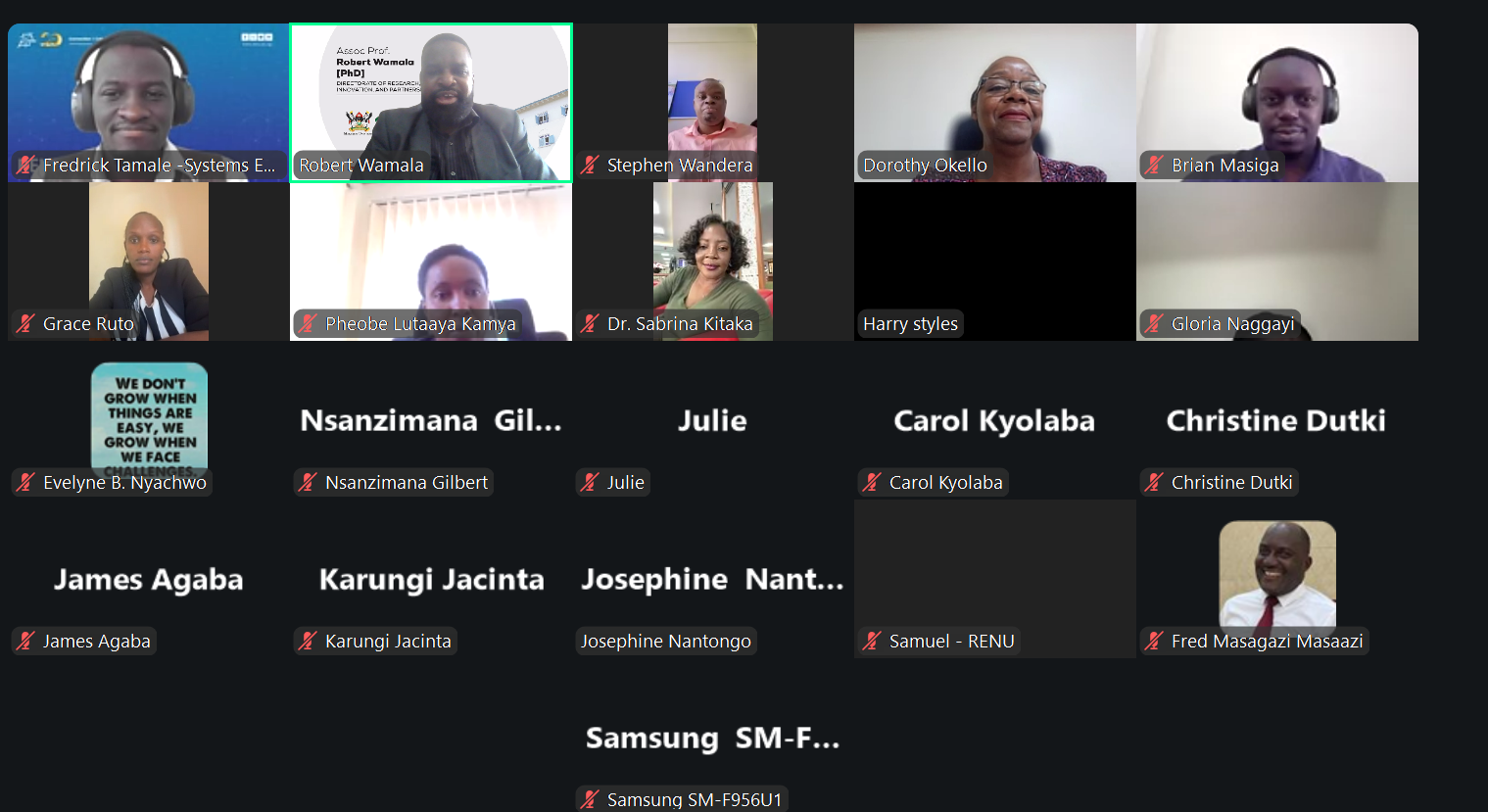
The Directorate of Research, Innovations and Partnerships (DRIP) has conducted a series of training sessions aimed at equipping graduate students, researchers, and research administrators with the knowledge and practical skills needed to effectively use the Open Researcher and Contributor ID (ORCID). These trainings are designed to strengthen researchers’ professional identities, enhance publication tracking, and improve the visibility and recognition of their research outputs.
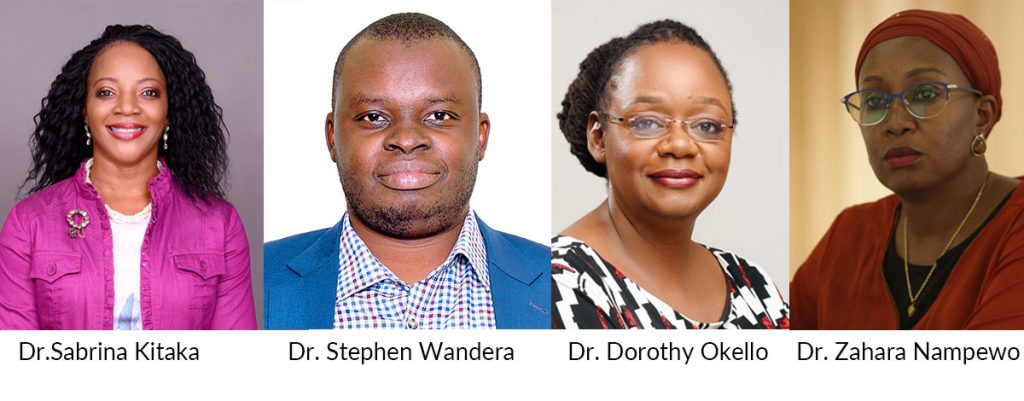
On 11th November 2026, DRIP held an online engagement with Makerere Research Innovations Fund (Mak-RIF). The engagement was attended by Grants Management Committee(GMC) and (Mak-RIF) Secretariat staff. The GMC members in attendance included Chairperson Prof. Fred Masagazi Masaazi, Vice Chairperson Dr. Sabrina Kitaka, Dr. Zahara Nampewo, Dr. Dorothy Okello, Dr. Stephen Wandera and Prof. Robert Wamala. The members were sensitized on individual and institutional registration, and benefits of ORCID adoption in research administration.
The successful drive towards strengthening ORCID adoption at Makerere University has greatly benefited from the strategic leadership and unwavering commitment of Prof. Sarah Sali, Deputy Vice Chancellor (Academic Affairs). Her leadership and institutional support have been instrumental in positioning ORCID adoption as a strategic University priority, recognising its importance in strengthening researcher identification, enhancing the global visibility of Makerere’s research outputs, improving publication tracking and reinforcing institutional research management. Her commitment to embedding ORCID within the University’s academic and research systems provides an important foundation for building a more visible, accountable and globally connected research community. DRIP sincerely appreciates her visionary leadership and continued support towards advancing Makerere University’s research excellence and impact.
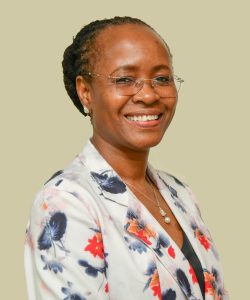
Prof. Sarah Sali, Deputy Vice Chancellor Academic Affairs
The Deputy Coordinator (Mak-RIF) Mrs. Phoebe Lutaaya Kamya speaking on behalf of Mak-RIF secretariat commended DRIP – the organisers of the online workshop and pledged support to the integration of ORCID in Mak-RIF’s processes. Mrs. Kamya looked forward to the training which was to help improve their operations in administering the research fund. Other members of MaKRIF secretariat included Evelyne Nyachwo, Grace Ruto, Gloria Nagayi, Karungi Jancita, Julie Nabirye, among others.
In his remarks, the Director Quality Assurance Officer, Dr. Cyprian Misinde acknowledged the importance of ORCID and called on all researchers to embrace the tool for their own benefit and to improve the evaluation of institutional research ranking.
“Being a research-led institution, we are ranked, and our ranking is partly based on research we do. So, if our research is not known, then we lose credit and it affects our position internationally”, Dr. Misinde noted.
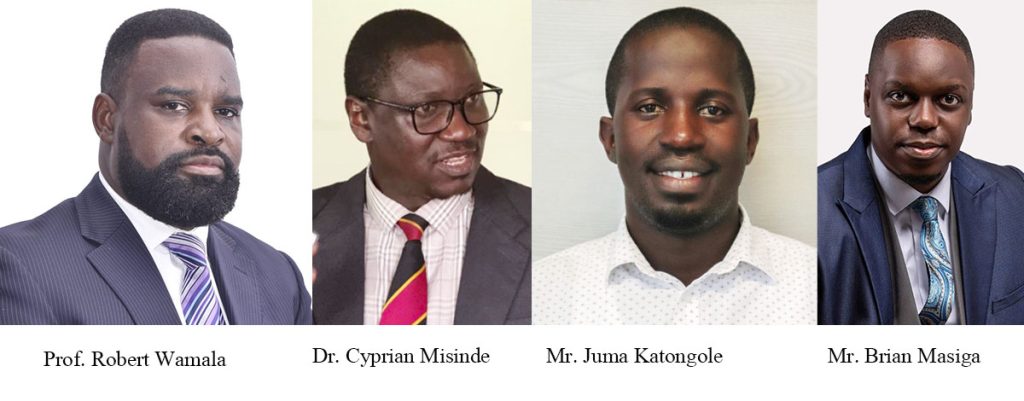
Mr. Brian Masiga speaking on behalf of the Research and Education Network for Uganda (RENU), praised Prof. Robert Wamala and his team at DRIP for their efforts towards improving the research ranking of Makerere University most especially in research outputs.
“ORCID is one of those digital identifiers that is sort of like a CV that tracks the work that has been done by the researcher over a period of time”, Mr. Masiga said.
During the training, Prof. Robert Wamala presented a report which was previously discussed by the University Central Management on research outputs. The report showed that there were only 24% of academic staff who could be identified by ORCID. It is by this revelation that management resolved to sensitise staff and also to ensure that all systems at Makerere University are integrated with ORCID. Prof. Wamala assured the participants that the requirement for ORCID registration in research management was to ease Mak-RIF’s work in tracking research identities against outputs.
“The biggest importance towards the University is that Makerere University can actually validate and affiliate that a professor who claims to come from Makerere University is actually from Makerere University. Once these ORCIDs are generated and given through a hub and managed by Mak-RIF, Mak-RIF doesn’t have to ask people for their publications, these publications are automatically fetched into a hub”, Prof. Robert Wamala reported.
Mr. Tamale Fredrick from RENU delivered a presentation on the registration, use and benefits of ORCID to both the institution and the researcher. He explained that it was possible to integrate research done before a researcher obtained the ORCID other than creating a new identity profile.
Mr. Juma Katongole, Deputy Chief – Directorate of ICT Support(DICTS) reported that they had commenced the integration of ORCID in some of the institutional information systems like Research Information Management System (RIMS)- a systems that tracks postgraduate students’ research, and Makerere University Human Resource Management System (e-HRMS) which manages university staff records.
Mr. Katongole commended the partnership with RENU that working the Uganda OSHID Consortium they were able to integrate the systems and report appropriately.
“Because this information belongs to a staff or a researcher, they can always revoke permission. However, we follow data acquisition guidelines. Our role is to connect and synchronize. Since there is a bit of change management required, I’m happy that Prof. Wamala has gone around orienting stakeholders”, remarked Mr. Katongole.
Dr. Stephen Wandera contributing to the discussion, was glad for university’s resolve to leverage the ORCID platform for research identification and journaling.
“We could encourage staff members to make sure that they have created the profiles with the Web of Science, and many others. We need to make sure that as scientists, we are located and positioned properly in the global space”, Dr Steven Wandera reported.
Dr. Wandera said that through ORCID registration, the university will have better rankings and the contribution as individual researchers and institutions are properly allocated.
Dr. Sabrina Kitaka, supplementing on the engagement, commended the initiative and the benefits towards the university and the research ecosystem.
Dr. Zahara Nampewo and others confirmed having an ORCID but may require further assistance on how to tag their publications. Similar to the views of other GMC members, Dr. Zahara Nampewo and Dr. Dorothy Okello thanked DRIP for organizing the training.
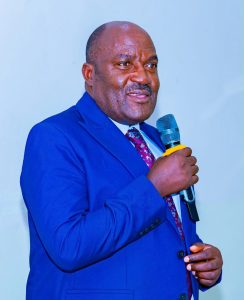
In his closing remarks, Chairperson MAKRIF, Professor Fred Massagazi Masaazi said that the topical conversation on the development was very important and the benefits of ORCID was evident and relevant to MAKRIF. He was delighted that Mak-RIF staff had joined the discussion. Prof. Masagazi Masaazi pledged support of MAKRIF in advancing Makerere University’s Research Visibility and Impact by championing ORCID adoption through MAKRIF.

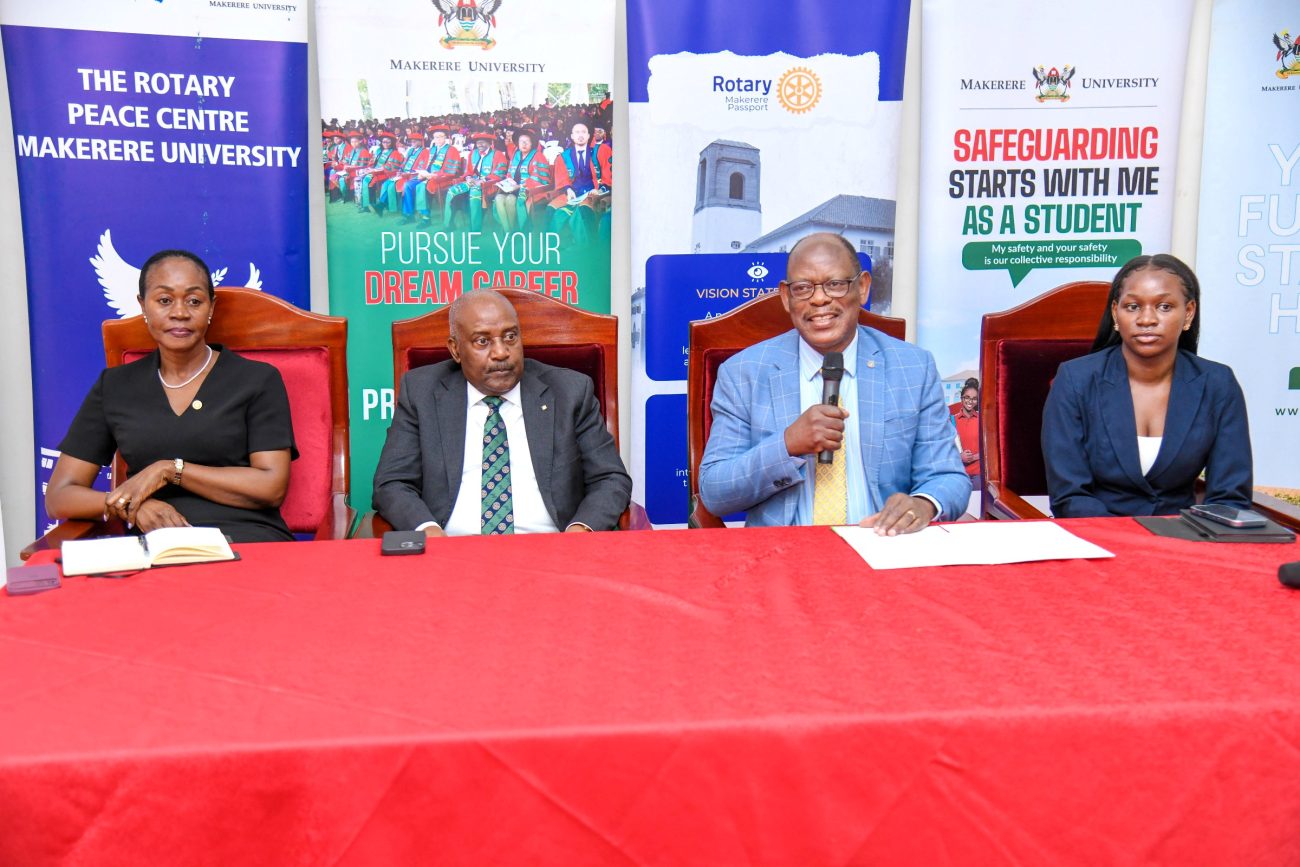
Through the Food for Peace initiative, the Rotary Club of Makerere Passport is stepping in to provide meals to over 200 students who struggle to afford meals, especially during the examination period.
According to Professor Barnabas Nawangwe, the Vice Chancellor of Makerere University and President of the Rotary Club of Makerere Passport, hundreds of students drop out of Makerere University every year due to financial constraints. The reality for those who remain is sometimes tougher, for they struggle to survive.
While addressing the media at a press conference held at Makerere University on November 11, 2026, Prof. Nawangwe shared that many of these students skip meals, a situation that is more frequent during examination periods, when the demands on the brain are much greater.
The University is aware of these reports and in his capacity as Vice Chancellor and President of the Rotary Club of Makerere Passport, Prof. Nawangwe lobbied the club to take action.
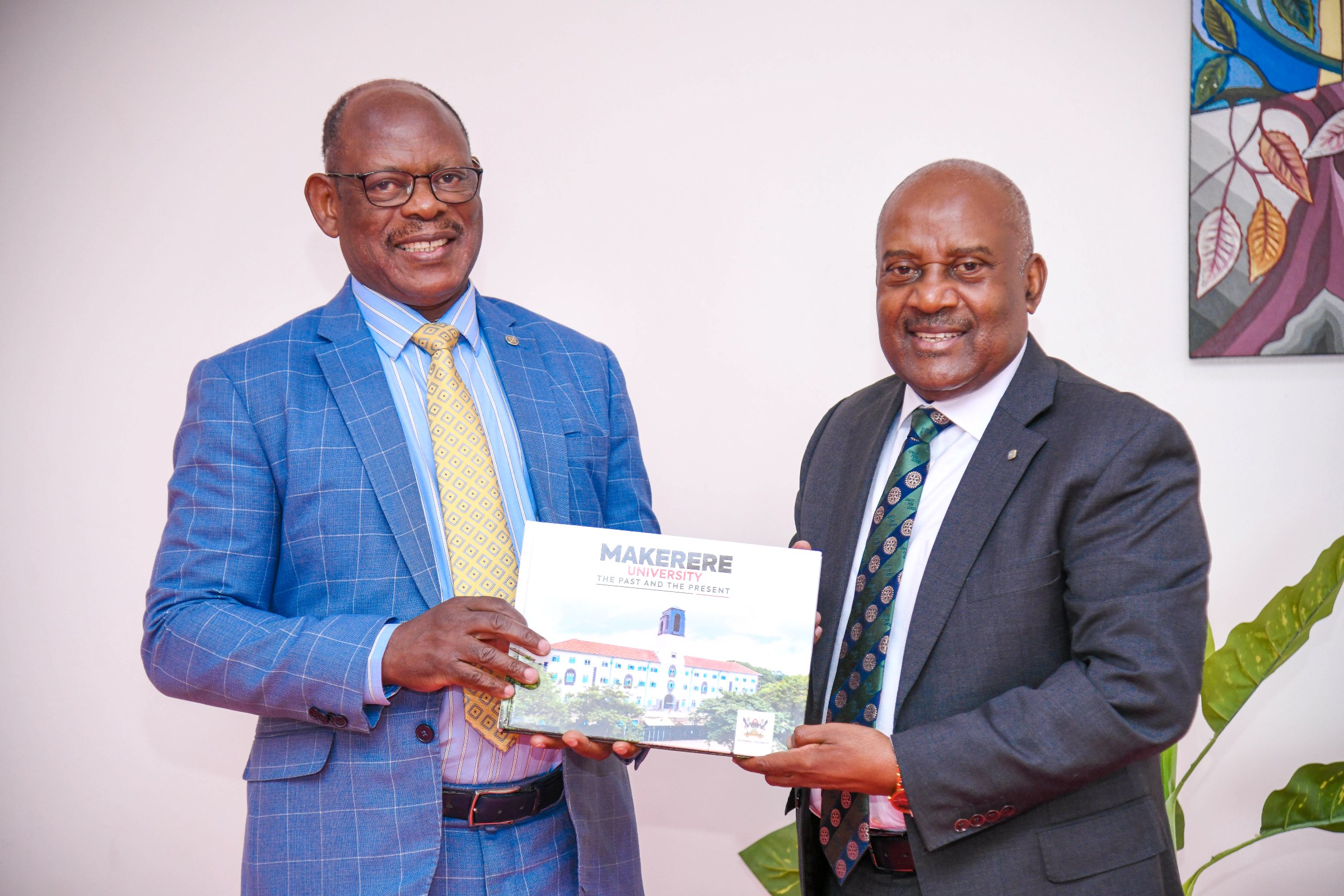
In preparation for intervention, a comprehensive needs assessment was conducted, inviting students to come forward and share their needs. About 200 students responded to the survey, indicating a pressing need for food support during examinations.
The findings birthed a legacy project code-named “Food for Peace”, targeting, for a start, 206 students at Makerere University, regardless of their sponsorship status, as long as they participated in the survey. The Makerere Rotary Peace Centre spearheaded the survey that helped identify the first cohort of those who will benefit from the initiative and guided that for a dignified experience, the beneficially names will remain in records and not disclosed.
Prof. Nawangwe emphasised that the core mission of this cause is to move a step up with efforts to ensure that economically challenged students at Makerere University do not go a day without a meal. Service providers in halls of residence will serve these students their food following a meal card.
Seeding the Project
The Guest of Honour, Mr. Emmanuel Katongole, the Rotary International Director (RID) for Zone 22, while launching the initiative shared his personal experience of facing challenges that almost barred him from attaining an education. He believes education is an equaliser in life and that everyone should have a chance to access it. He reminded those in the room that they were all there together because of education.
RID Katongole highlighted the importance of supporting people, both as individuals and as a community. He expressed pride in being part of the launch of this project because it is going to create many more “Emmanuel Katongoles” through the provision of a meal.
He therefore personally committed to contribute UGX 5 million annually, starting this year, for as long as he lives or until the project ends. He also pledged to remain part of the initiative.
92nd Guild Commends “Service above Self”
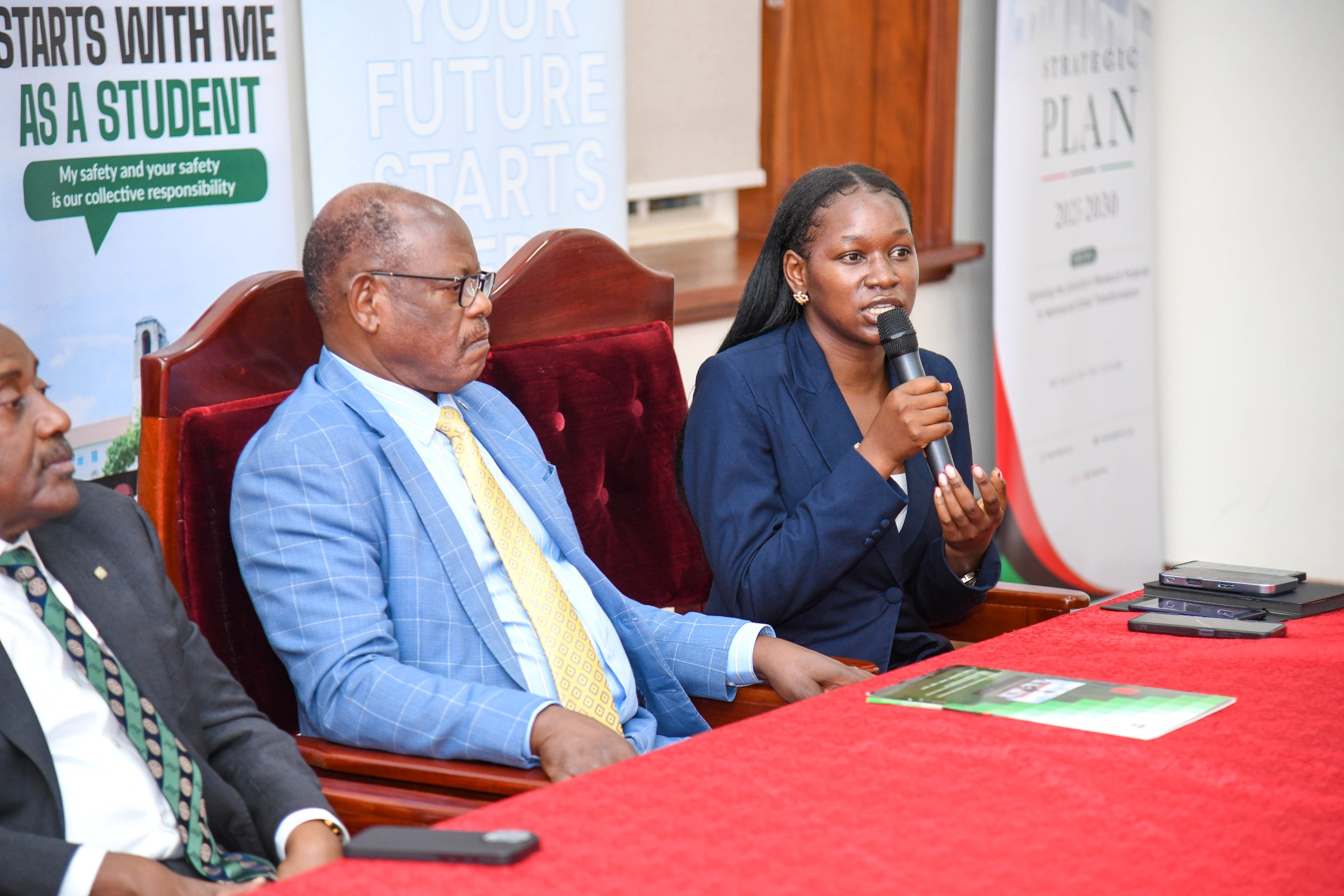
From a student perspective, H.E. Kadondi Gracious, the 92nd Makerere University Guild President, delivered a vote of thanks for the initiative. She noted that students had petitioned Parliament to intervene in the matter and were happy that solutions had started coming from within.
She framed this move not just as charity, but as a way of restoring hope to Makerereans who were unsure of how they were going to maneuver through the examination period without lunch. In appreciation, the Guild President commended Rotary for showing what it actually means to offer service above self.
Sustainability of the “Food for Peace” Project
Although the immediate intervention is directed towards fewer than 300 students who expressed a need for assistance, the vision is bigger and looking beyond the current examination season.
As the Rotary Passport Club President noted, “if this is going to be sustainable, it means we are going to look out for partners to create a fund to sustain this initiative.”
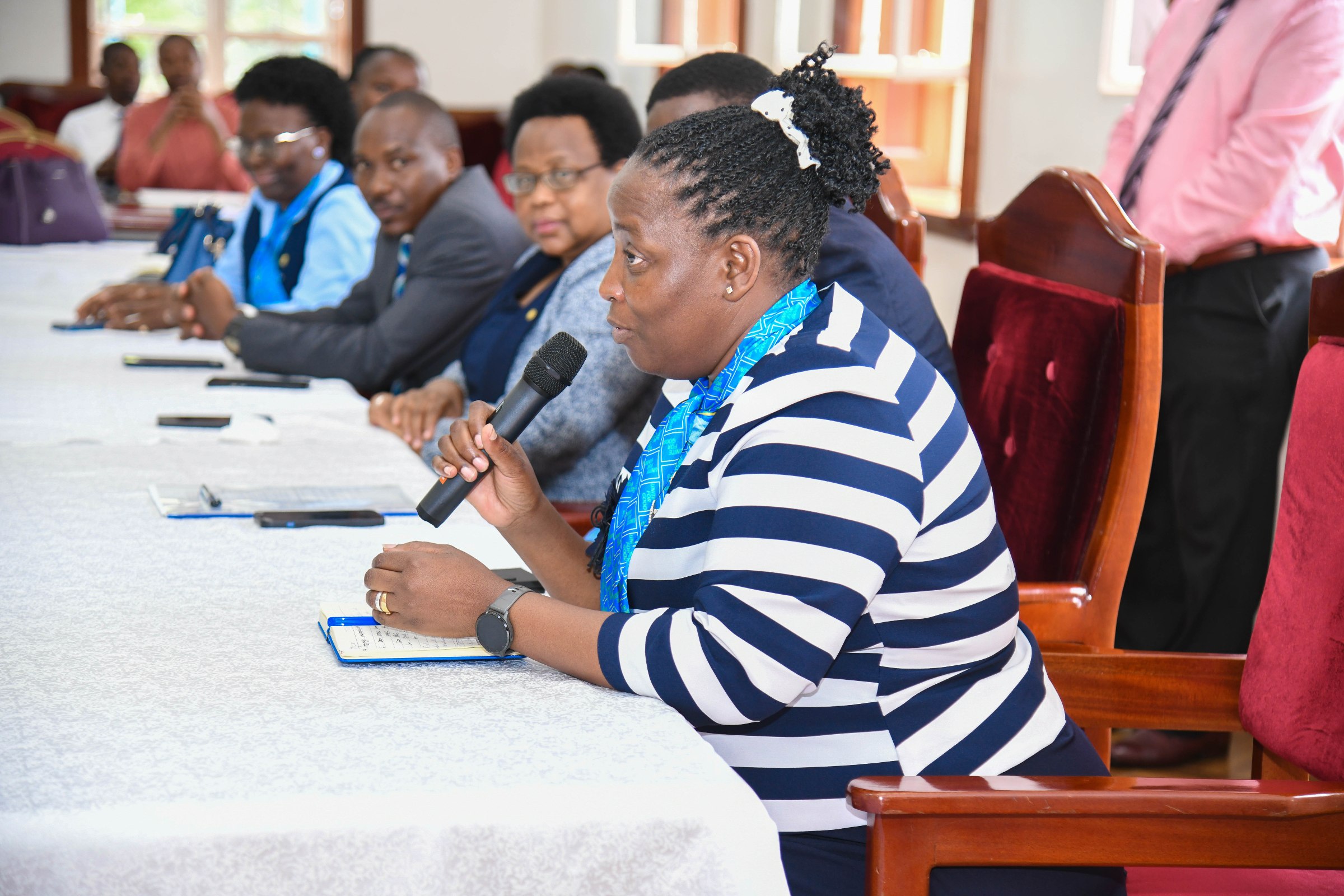
The Club Secretary, Associate Professor Helen Nambalirwa Nkabala, explained that as a legacy project, it is not a one-off. She committed the services of the Passport Club to supporting this legacy project.
Grounding the sustainability move, RID Emmanuel Katongole set the pace by pledging annual cash and in-kind support towards providing consistent assistance to students throughout subsequent academic periods, thereby enhancing student welfare over the long term.
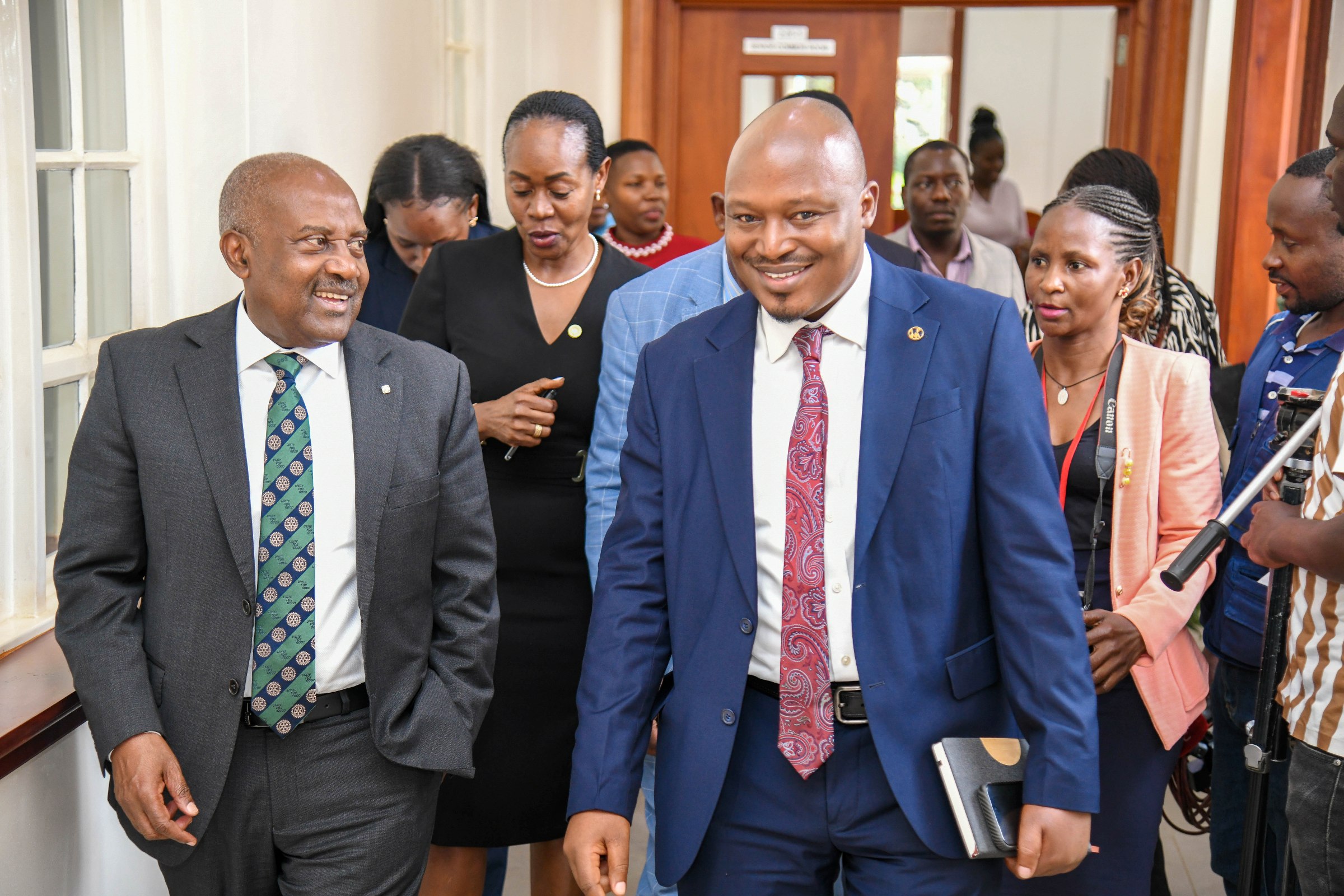
Dr Winfred Kabumbuli, the Makerere University Dean of Students, showed strong support for the initiative since it falls within the core mission of student welfare. She appreciated the collaboration with Makerere University Passport Club, and pledged to rally internal support.
Call to Action and Contributions
The Club President made an appeal to alumni, corporate bodies, development partners, individuals and institutions of goodwill to join this noble cause, intended to ensure that students not only remain at the University but also attain their full potential on a full stomach.
The immediate fundraising goal is UGX 10 million shillings, which is required to implement the initial phase of food support. Excess amounts collected will facilitate an increase in the number of beneficiaries and after the examination period, add to the kitty for subsequent semesters.
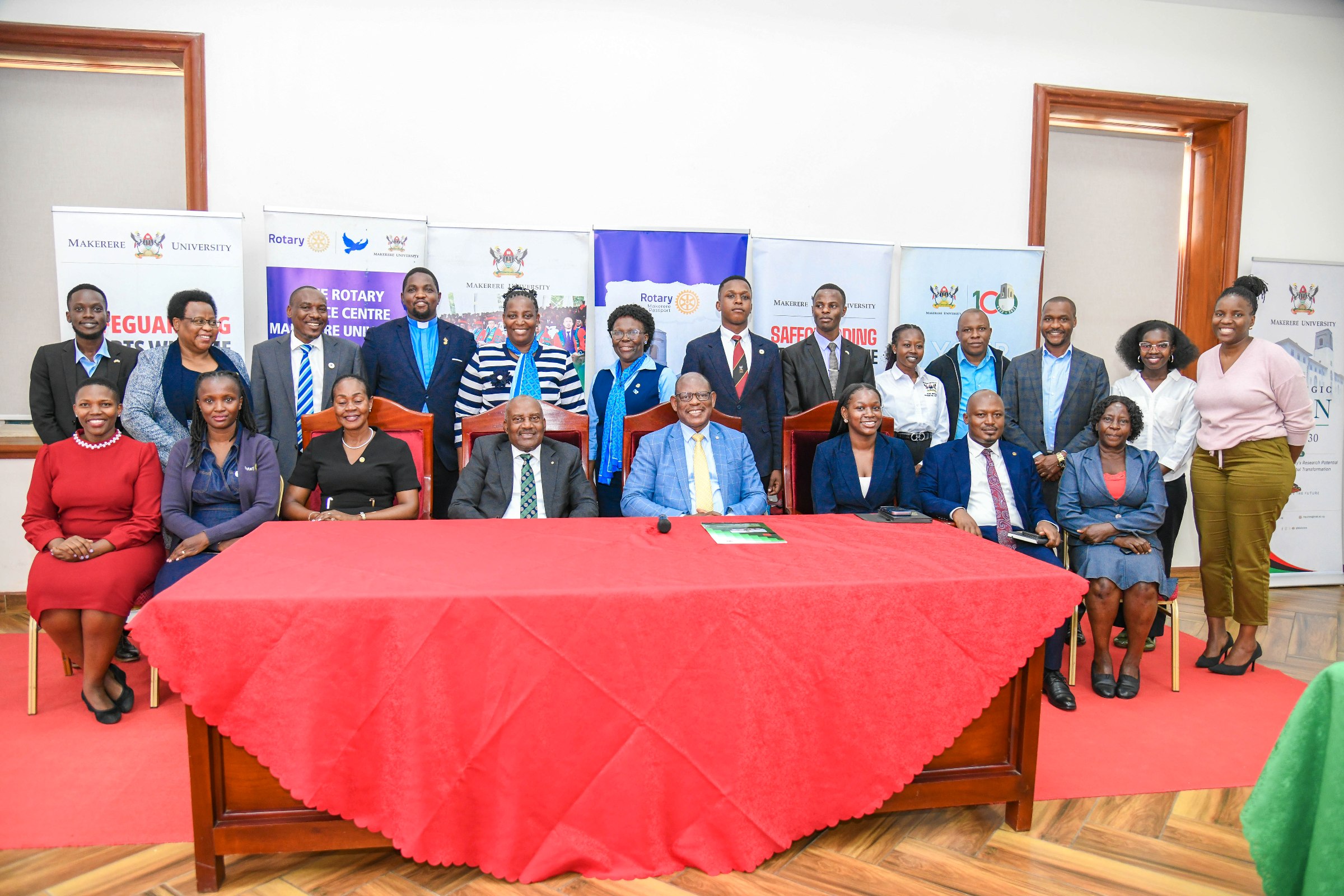
Support and assistance can come in the form of financial contributions, food supplies, corporate partnerships, logistical support, and long-term partnerships.
To facilitate support, the club, through its Charter Treasurer (C.T.), Professor Winston Tumps Ireeta, shared the banking details as follows
Bank: NCBA Uganda Limited.
Account Name: Rotary Club of Makerere Passport
Uganda Shillings (UGX) Account Number: 228129200017
United States Dollar (USD) Account Number: 228129200027
SWIFT Code: CBAFUGKA
Bank Code: 36
Students were left with one final promise from the Chief Guest, “you are no longer alone. You have a partner in the Rotary Club of Makerere Passport.”
-
 General1 week ago
Update On Payment of Endowment Fund Fees
-

 General3 days ago
NOTICE: Online Applications for Government Sponsorship for Programmes Offered at Public Universities & Other Tertiary Institutions 2027/2028 AY
-
 General1 week ago
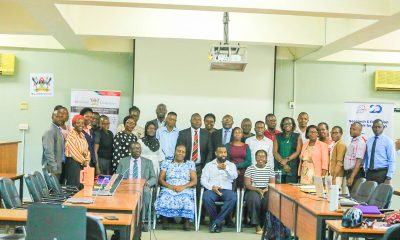
Institutionalizing ORCID at Makerere University: Strengthening Researcher Identification, Visibility and Research Output Tracking
-
 General2 weeks ago
CoNAS Staff & Students Sensitized on Gender Equality, Sexual Harassment Policies
-
 Natural Sciences2 weeks ago
Dr. Alice Nabatanzi Wins Charles Wambebe Innovation Award, Named Best Oral Presenter at APSS 2026 South Africa