
Business & Management
Makerere University Inaugural Conference on Noonomy Paves way for Centre of Excellence in Africa

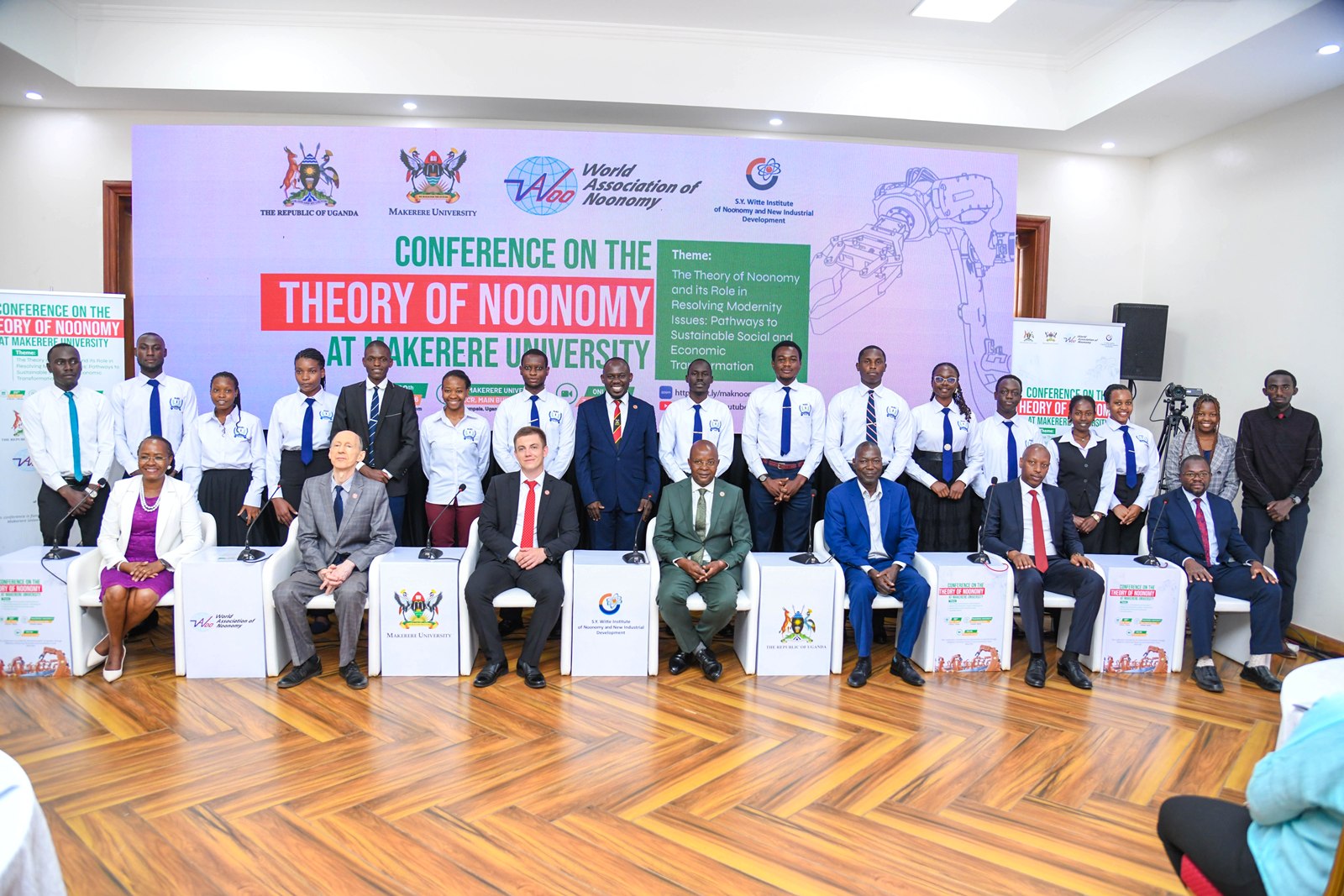
Makerere University on 20th August 2026, hosted the historic inaugural conference on the Theory of Noonomy, bringing together scholars, policymakers, international partners and students to explore a bold new paradigm for addressing modernity’s deepest crises. Organised by the School of Economics, College of Business and Management Sciences (CoBAMS) in collaboration with the S.Y. Witte Institute for New Industrial Development, St. Petersburg Polytechnic University, Russia and supported by the Makerere University Research and Innovations Fund (Mak-RIF), the conference was held under the theme “The Theory of Noonomy and Its Role in Resolving Modernity Issues: Pathways to Sustainable Social and Economic Transformation.”
The event held in the Senior Common Room, Main Building underscored Makerere’s strategic commitment to thought leadership in Africa’s transformation, positioning the University as a continental hub for alternative development thinking.
Bold Thinking Amid Global Crises
Representing Vice Chancellor Prof. Barnabas Nawangwe, the Deputy Vice Chancellor in charge of Academic Affairs (DVCAA), Prof. Sarah Ssali described the gathering as both timely and historic.
“Across the globe, we continue to witness systemic crises rooted in market fundamentalism, unchecked resource depletion, and the ideology of growth for the sake of growth. These contradictions are not abstract, but they manifest in climate change, widening inequality, and the erosion of social cohesion” Prof. Ssali stated.
On this note, she lauded the Theory of Noonomy, developed by Prof. Sergey Bodrunov, as a transformative lens. She noted that Prof. Sergey Bodrunov’s Theory of Noonomy that prioritizes reason, humanistic values and solidarism, offers a sustainable path forward in the midst of global crises driven by market fundamentalism, resource depletion and endless growth, exacerbated by climate change, inequality, and social erosion. The Theory envisions a shift to a New Industrial Society of the Second Generation (NIS.2) where knowledge, technology, and human potential drive progress.
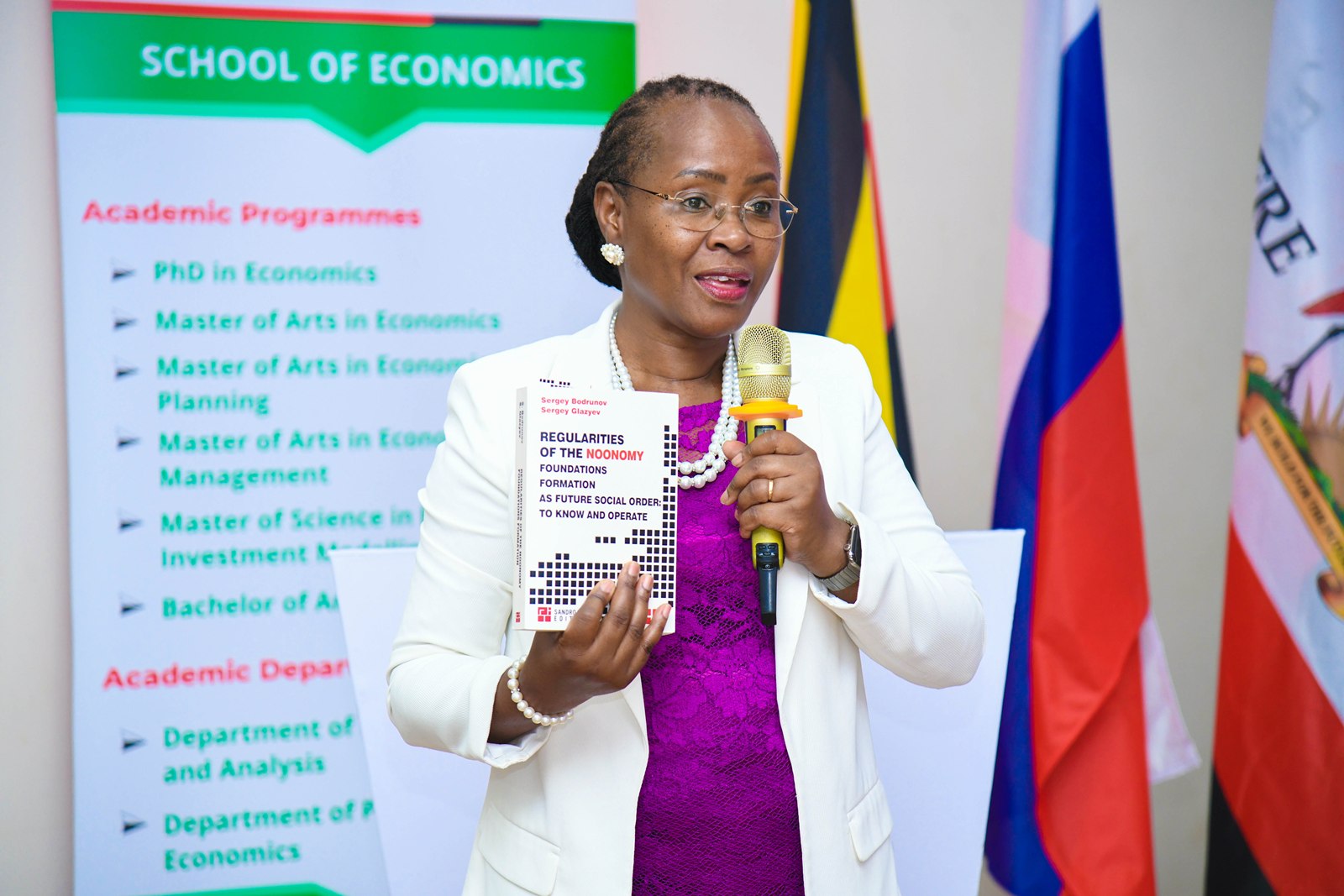
“Hosting this conference is not accidental,” Prof. Ssali affirmed, adding that it “Reflects our commitment to shaping debates that matter for Africa’s future.” She outlined the conference’s five core objectives: to introduce and contextualise Noonomy within Africa’s socio-economic realities; to explore solutions to systemic challenges such as inequality, resource scarcity and climate change; to identify pathways for integrating Noonomy principles into policy, education and institutional frameworks; to foster collaboration among scholars, policymakers and practitioners; and to lay the groundwork for establishing a Noonomy Centre at the School of Economics, CoBAMS.
She added that once established, the Centre will serve as a hub for continental dialogue, research, and innovation, hence positioning Makerere and her partners to “transform the theory of Noonomy into a living agenda for Africa, that prioritizes knowledge, human potential, and sustainable transformation”.
Noonomy’s Emphasis of Knowledge as the Primary Productive Force
Prof. Sergey Bodrunov, Director of the S.Y. Witte Institute and author of the theory, addressed the conference virtually and underscored Noonomy’s relevance in an era of technological power that can either destroy or elevate humanity. He argued that neoliberal models have entrenched inequality and ecological crises, while the gradual removal of humans from direct material processes open a path to a non-economic mode of satisfying rational human needs.
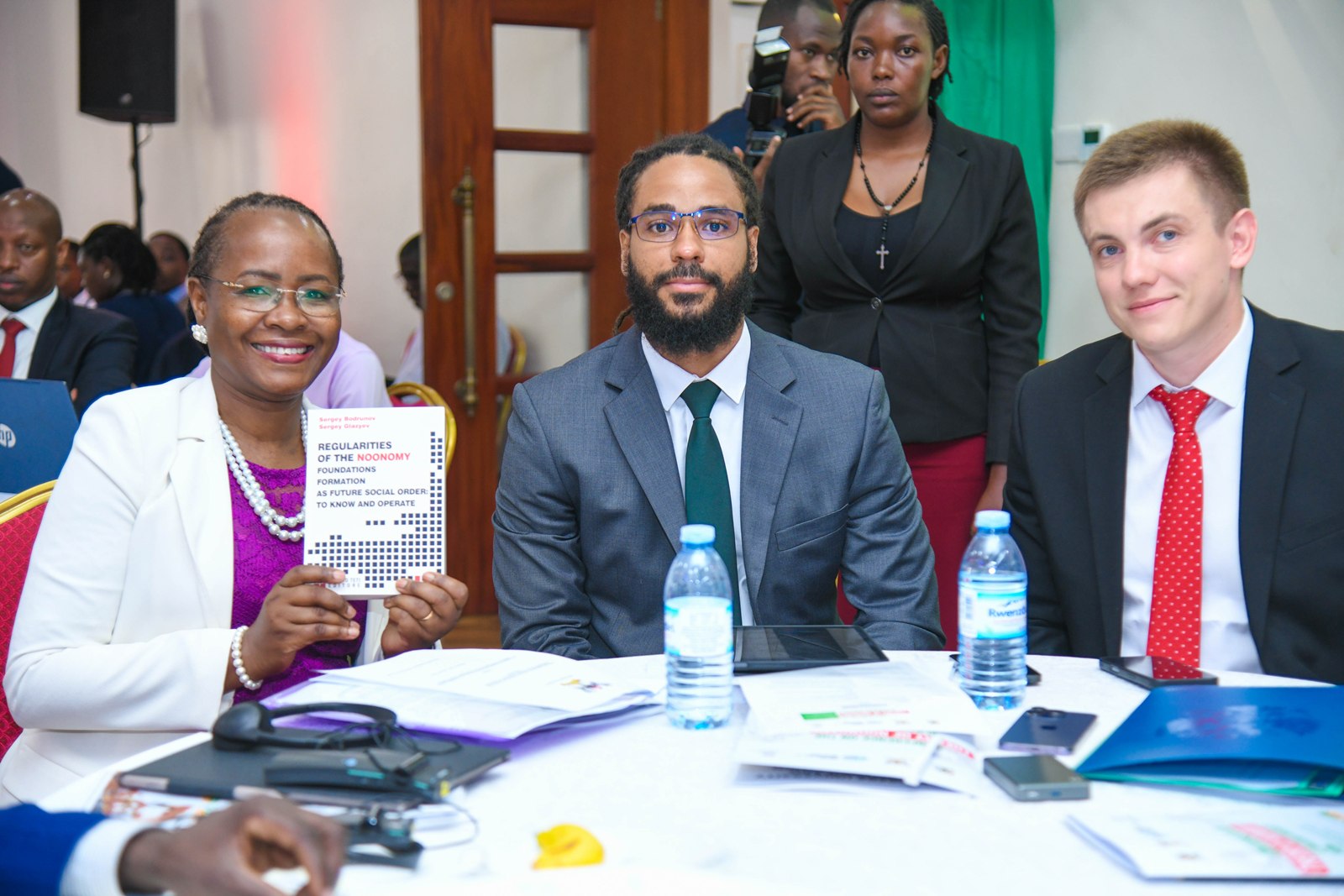
Additionally, Prof. Nikolay Dmitriev, Director of the S.Y. Witte Institute expanded on the practical implications for Africa. He stressed that technological sovereignty must be pursued without repeating the dependency traps of earlier industrialisation. Cognitive technologies, he noted, can either subordinate humans to the technosphere or place technology in service of human potential. On the other hand, he noted that Africa’s rapid demographic growth and cultural diversity make it a critical laboratory for Noonomy’s application.
Panel Scrutinizes Noonomy under the lens of Ugandan Realities
Moderating the high-level panel, the Principal CoBAMS, Prof. Edward Bbaale, set the stage with a question on the Ugandan context: Can the country move from a technology-consuming economy to a knowledge-producing one while remaining human-centred and inclusive? He outlined three tests any technology adoption should pass under a Noonomy lens; productivity, human development, and inclusion.
“The first test is the productivity test. Does it improve what society can produce? The second test is the human development test. Does it expand skills, creativity, capabilities, and quality of life? And then number three, the inclusion test. Are its benefits widely spread, or does it deepen exclusion?” Prof. Bbale pondered, as he equally thought to interrogate how the theory aligns with Uganda’s tenfold growth strategy and National Development Plan IV.
Panellists included Prof. Robert Wamala-Director of Research, Innovations and Partnerships (DRIP), Makerere University, Dr. Robert Ngobi-Director Policy Research, National Planning Authority (NPA), Mr. Davis Vuningoma who represented Dr. Albert Musisi-Commissioner Macroeconomic Department, Ministry of Finance, Planning and Economic Development (MoFPED) and Prof. Nikolay D. Dmitriev. Discussions centred on mainstreaming knowledge as a productive force in national planning, financing long-term knowledge-intensive capabilities, and ensuring industrialisation expands rather than displaces human potential.
Prof. Wamala emphasised the need to Africanise the theory, “We should not simply import the concept… Our role should be to interrogate, Africanise and generate evidence on what a knowledge and intelligence-driven economy means in the African context.” He proposed an interdisciplinary research programme, curriculum transformation from knowledge transmission to intelligence development, and the creation of an African Noonomy network led by Makerere.
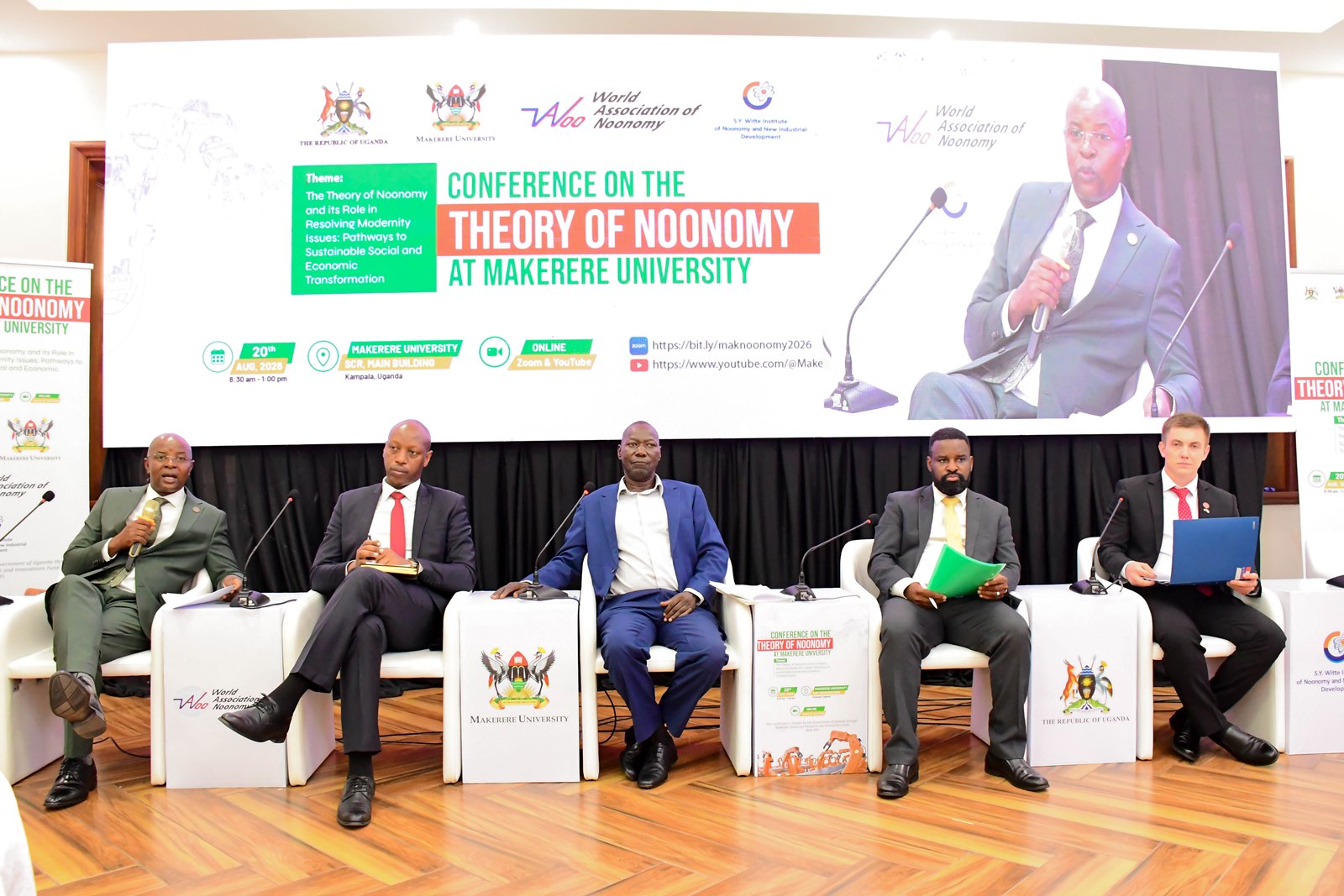
Dr. Ngobi in his submission noted that although the principles of Noonomy are already addressed by aspects of developing planning, he pointed to the need to address a series of “missing middles” attributed to: reliable and well-costed electricity supply to support hi-tech industries; infrastructure in form of roads, digital infrastructure; seamless interconnectivity in the form of mass rapid transport systems for people and goods; mass education systems; mass health systems that are not only sensitive to local diseases but also viable for medical tourism; as well as knowledge research and innovation informed by national priorities.
Addressing financing of national development priorities, Mr. Vuningoma emphasised the Government appreciation of the need to fund Science, Technology and Innovation (STI) as a pillar for economic transformation. As such he shared that over UGX 1 Trillion had been allocated to the STI sector to support innovations particularly in health.
Prof. Dmitriev on his part addressed the research topics that should become priorities for the first stage of cooperation between Makerere University and the World Association of Noonomy and the S.Y. Witte Institute of Noonomy and New Industrial Development.
Questions from the floor and online participants focused on inclusivity of youth and women, reconciliation of Artificial Intelligence (AI) with African cultural values and indigenous knowledge, and mechanisms to prevent elite capture of automated production. Panelists stressed that Noonomy’s emphasis on solidarity and human-centred development provides the ethical foundation for addressing these concerns through joint research.
Courtesy Call on the Vice Chancellor
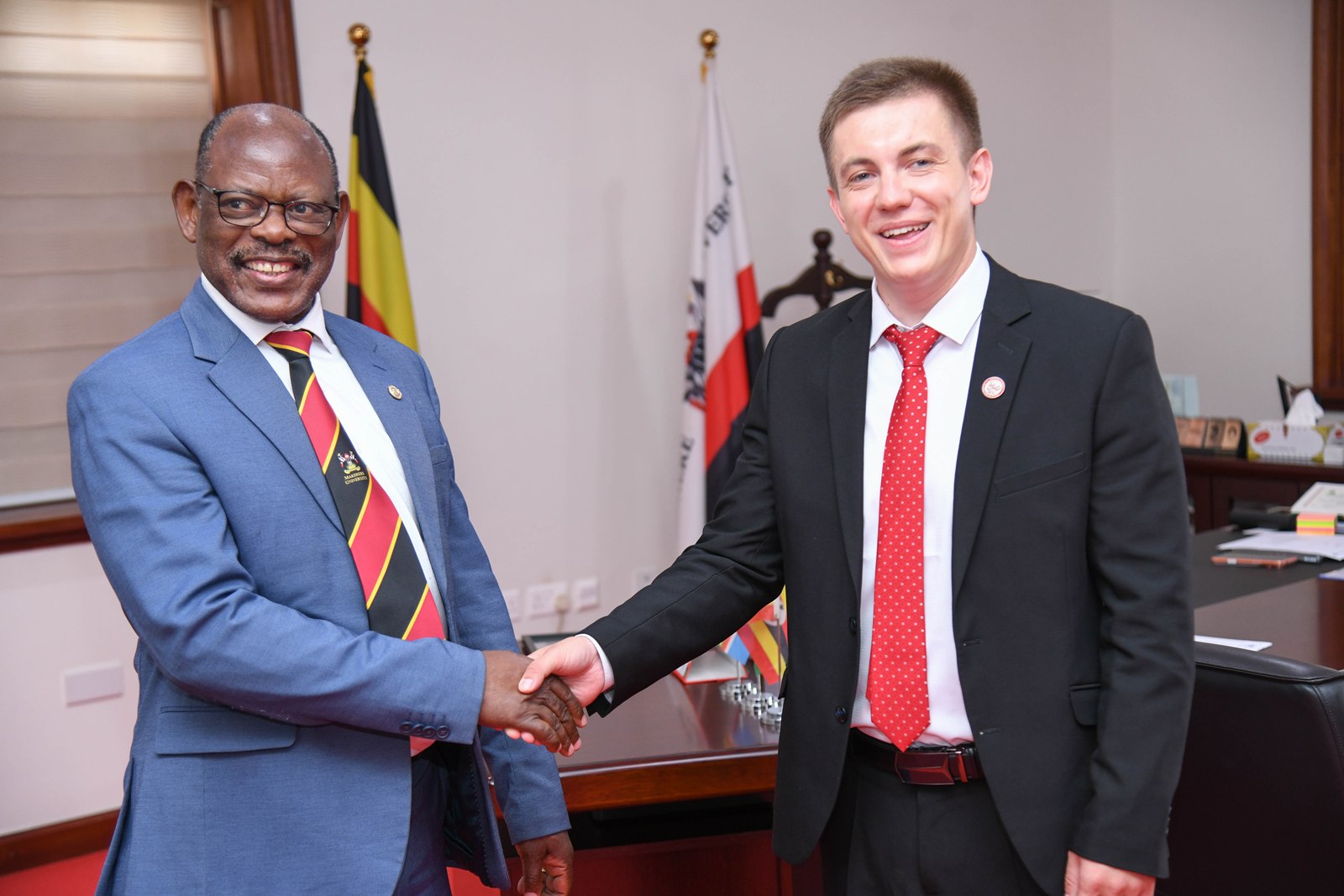
Key on the agenda of the visiting delegation was a courtesy call on the Vice Chancellor, Prof. Barnabas Nawangwe. In his remarks, Prof. Nawangwe thanked Prof. Sergey D. Bodrunov, author of the Theory of Noonomy and Prof. Dmitriev for choosing Makerere out of all African Universities as partner in advancement of future collaborations and research. He added that setting up a Centre of Excellence in Noonomy at the School of Economics would bolster the University’s aspirations to become Africa’s thought leader in knowledge generation for societal transformation and development.
Transitioning from Dialogue to Institutional Action
In his closing remarks, Dean of the School of Economics, Prof. Ibrahim Mike Okumu described the conference as the start of a sustained institutional relationship rather than a one-off event. He committed the School to developing a concrete research agenda with named outputs and timelines, including joint studies on automation and labour markets in African economies, doctoral exchanges, and empirical testing of Noonomy claims against Ugandan and East African data.
“Let us treat Noonomy as a diagnostic, not a blueprint,” Prof. Okumu urged. “Its greatest value to us is not a policy program awaiting adoption, but a lens sharpening the questions our own planners must answer directly. How do we build human and creative capacity alongside industrial capacity rather than after it? How does this school develop a research agenda that studies Uganda’s own transition rather than import a finished framework wholesale?” he pondered.
He announced Makerere’s forthcoming participation in the World Association of Noonomy Congress in Italy and reiterated the University’s determination to establish the proposed Noonomy Centre as a hub for continental dialogue, research and innovation.
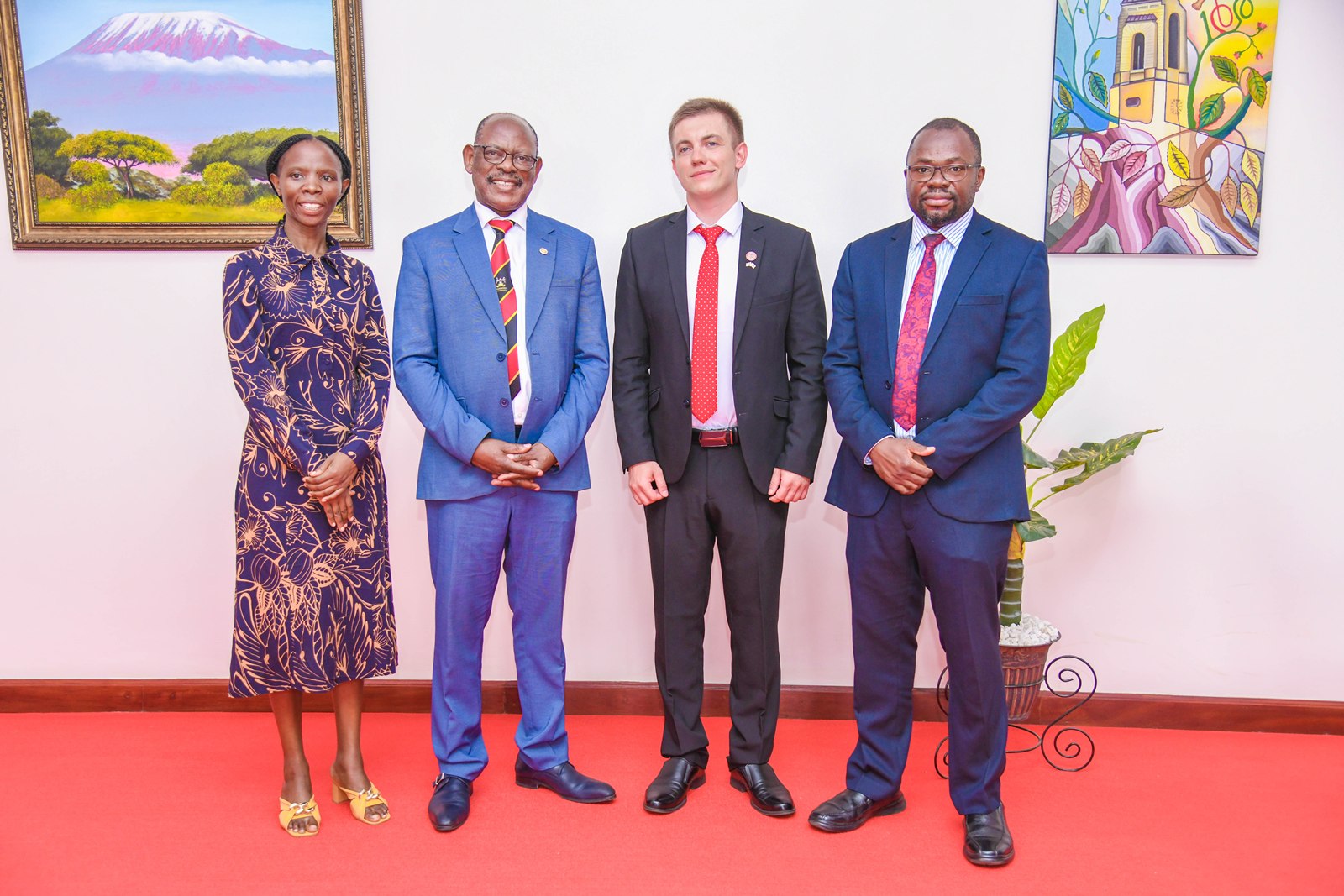
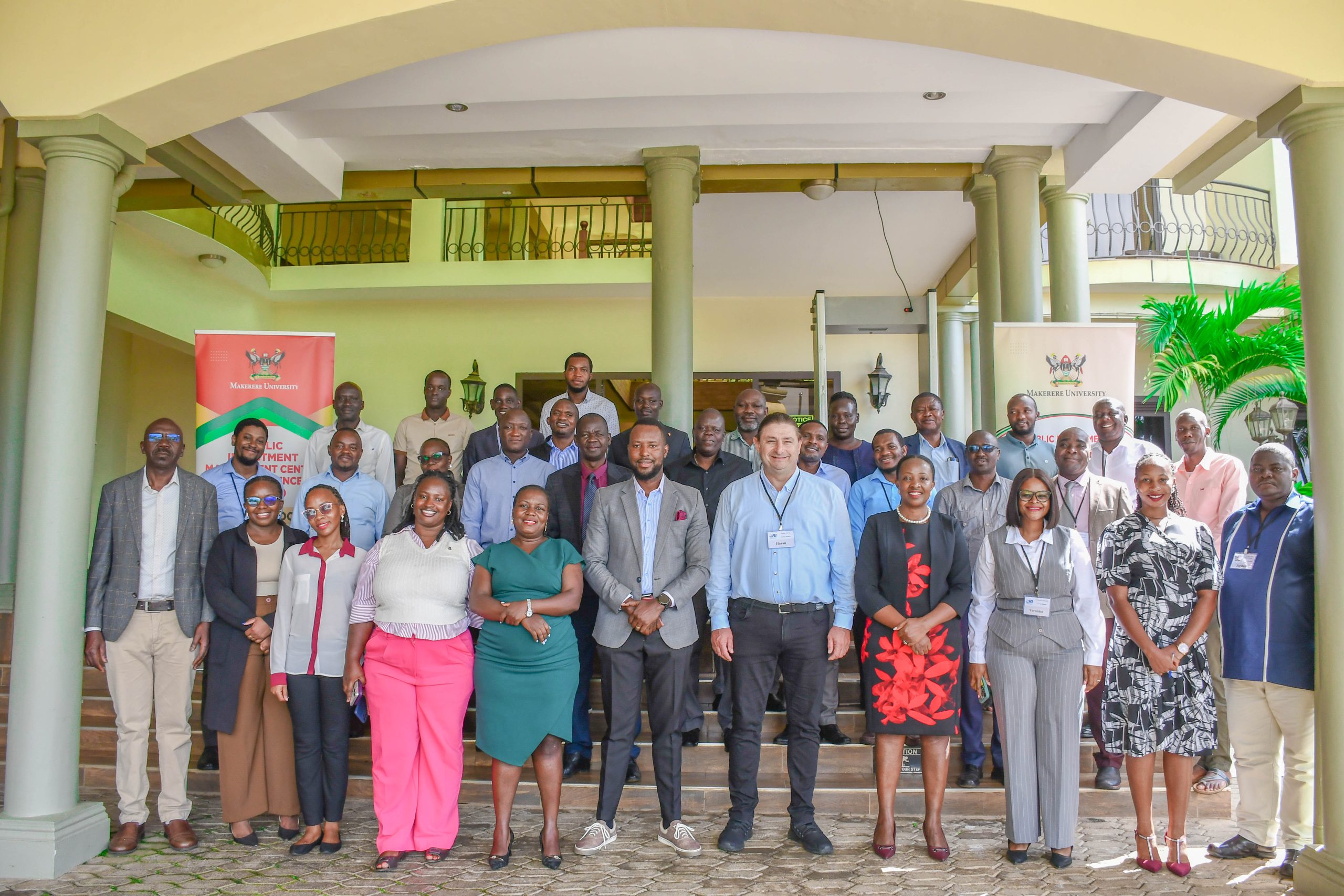
The conference concluded with exchanges of gifts, group photographs and expressions of gratitude to partners including the Government of Uganda through Mak-RIF, the Russian Embassy, and the S.Y. Witte Institute.





The two-week training programme aims to equip government officers with practical skills to assess project viability, manage investment risks and ensure public resources deliver value for money.
The Public Investment Management Centre of Excellence (PIM CoE) is strengthening the capacity of government officers to undertake financial appraisal and risk analysis of public investment projects through a two-week training programme designed to improve the quality of project preparation, appraisal and decision-making in Uganda.
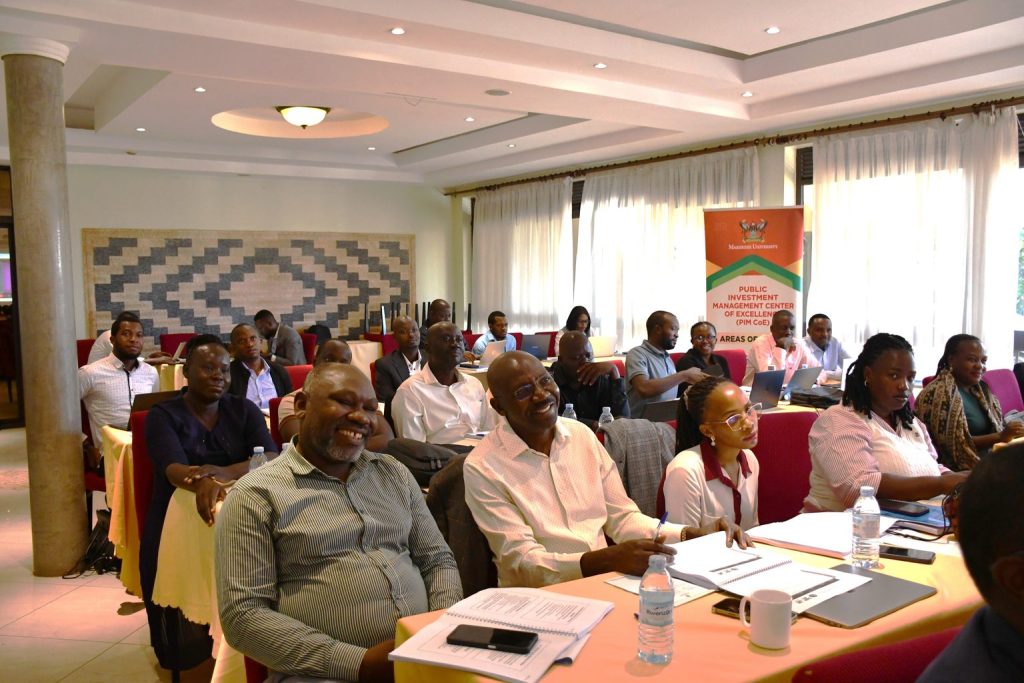
The training, which started in Fort Portal on October 19, 2026, brought together participants from various government ministries, departments and agencies (MDAs), alongside facilitators from Makerere University, the Ministry of Finance, Planning and Economic Development, Cambridge Resources International (CRI), the National Planning Authority and the Uganda Development Bank.
Officially opening the training on behalf of the Permanent Secretary/Secretary to the Treasury, Ms Esther Ayebare, Acting Assistant Commissioner in the Project Analysis and Public Investment Department of the Ministry of Finance, Planning and Economic Development, emphasised the importance of rigorous project appraisal in strengthening Uganda’s public investment management system.
She noted that projects admitted into the public investment plan must be aligned with national priorities, technically sound, financially viable and capable of delivering value for money.
“Government must be able to compare investment alternatives and ensure that only viable projects proceed through the public investment process,” she emphasised.
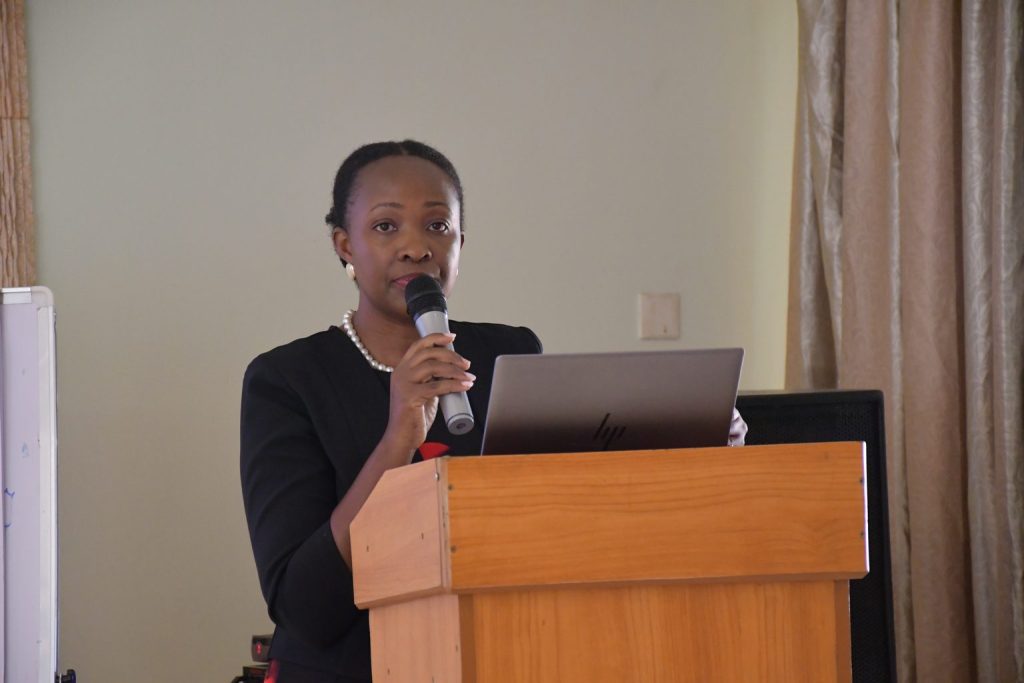
Ms Ayebare explained that sound appraisal enables government to make informed investment decisions, maximise returns on public expenditure and ensure that limited public resources are directed towards projects with the greatest potential to deliver development outcomes.
Building practical skills for better investment decisions
The training builds on the Public Investment Management course conducted in June, which introduced participants to Uganda’s public investment management framework, including project conceptualisation, stakeholder analysis, project costing, implementation action plans, the Integrated Bank of Projects, and monitoring and evaluation of public investment reforms.
The current programme advances this foundation by equipping participants with technical competencies in financial appraisal, financial modelling and risk analysis.
Participants will explore integrated investment appraisal, alternative investment criteria, cash-flow statements, inflation and exchange-rate movements, asset valuation, project financing, project scale and timing, risk-sharing arrangements and cost-effectiveness analysis.
Through practical exercises and case studies, participants will apply these concepts to investment scenarios in sectors such as roads, health, education and water. The programme will also examine how climate change, social considerations and other risks can be integrated into project preparation and appraisal.
Ms Ayebare encouraged participants to engage actively with the facilitators, question the practical application of the tools and consider how the skills acquired could improve investment decisions within their respective institutions.
She also reminded participants that the programme includes an examination and that certification requires more than attendance. Participants are expected to demonstrate an understanding of the concepts and acquire practical skills that they can apply in their work.
Reducing dependence on externally prepared studies
A key objective of the training is to strengthen the ability of government institutions to undertake high-quality project appraisal studies using their own technical teams.
Ms Ayebare observed that many studies submitted to the Development Committee have traditionally been prepared by external consultants, often at considerable cost. Building the capacity of public officers to conduct these studies independently can help institutions strengthen their technical expertise and improve the quality of project proposals presented for consideration.
She urged participants to take full advantage of the facilitators’ expertise and return to their institutions equipped to undertake sound financial appraisals and provide evidence-based advice to decision-makers.
She further emphasised that project approval requires thorough preparation, analysis and justification, rather than simply identifying available funding and proposing a project to utilise it.
Strengthening public investment management through capacity development
In his remarks, Prof. Edward Bbaale, Director of the PIM CoE, thanked the Ministry of Finance for its financial support and for identifying participants from government institutions. He also recognised the contributions of the facilitators and partner institutions in delivering the programme.
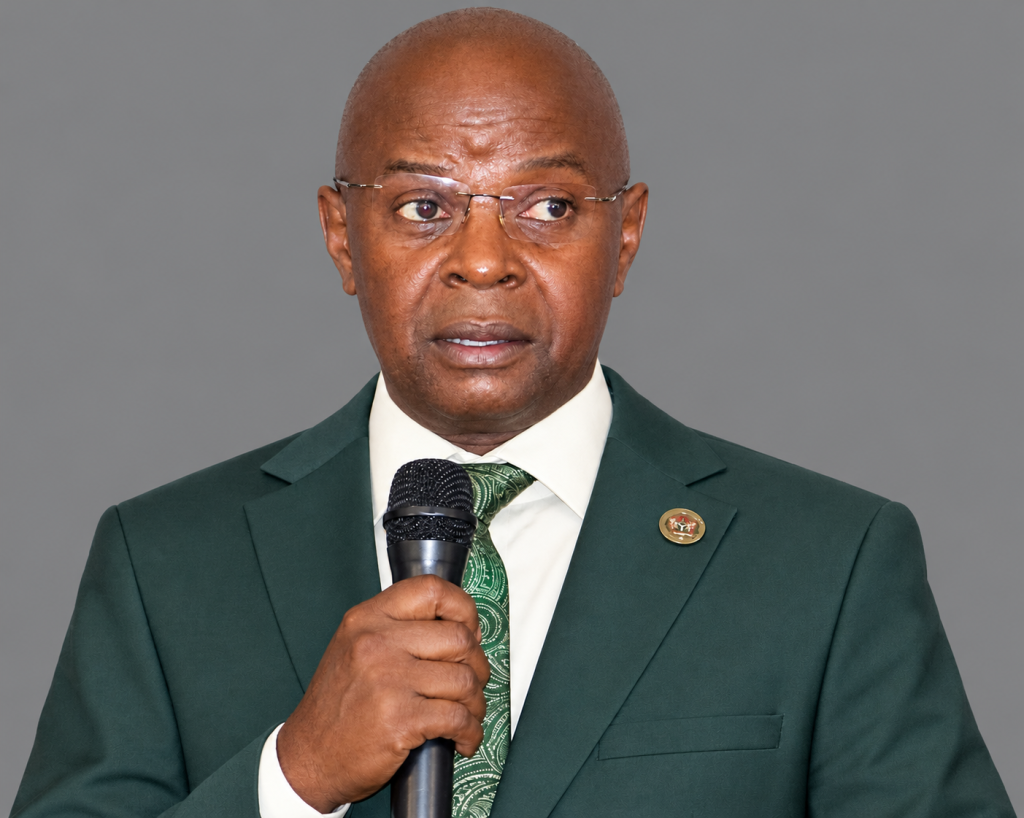
Prof. Bbaale noted that the Centre’s work extends beyond training to include research and advisory services aimed at improving public investment management practices. He encouraged continued collaboration with government institutions and other partners to advance research, knowledge sharing and capacity development.
Speaking during the training, Dr John Sseruyange, Manager of the PIM CoE, highlighted the importance of commitment, active participation and punctuality throughout the programme. He encouraged participants to engage with the facilitators, ask questions and apply the knowledge gained to the projects they support.
Dr Sseruyange also acknowledged the Government of Uganda, through the Ministry of Finance, Planning and Economic Development, for financing the training, and appreciated Cambridge Resources International for its continued support towards improving public investment preparation and analysis in Uganda.
The training reflects ongoing efforts to strengthen Uganda’s public investment management system by equipping public officers with the knowledge and practical competencies needed to assess projects rigorously, identify potential risks and make informed investment decisions.
By developing in-house expertise across government institutions, the programme seeks to contribute to better-prepared projects, more efficient use of public resources and improved delivery of Uganda’s development priorities.
Business & Management
Makerere University Signs MoU with World Association of Noonomy: Sets pace for the African Centre of Excellence

By Ritah Namisango and Monica Meeme
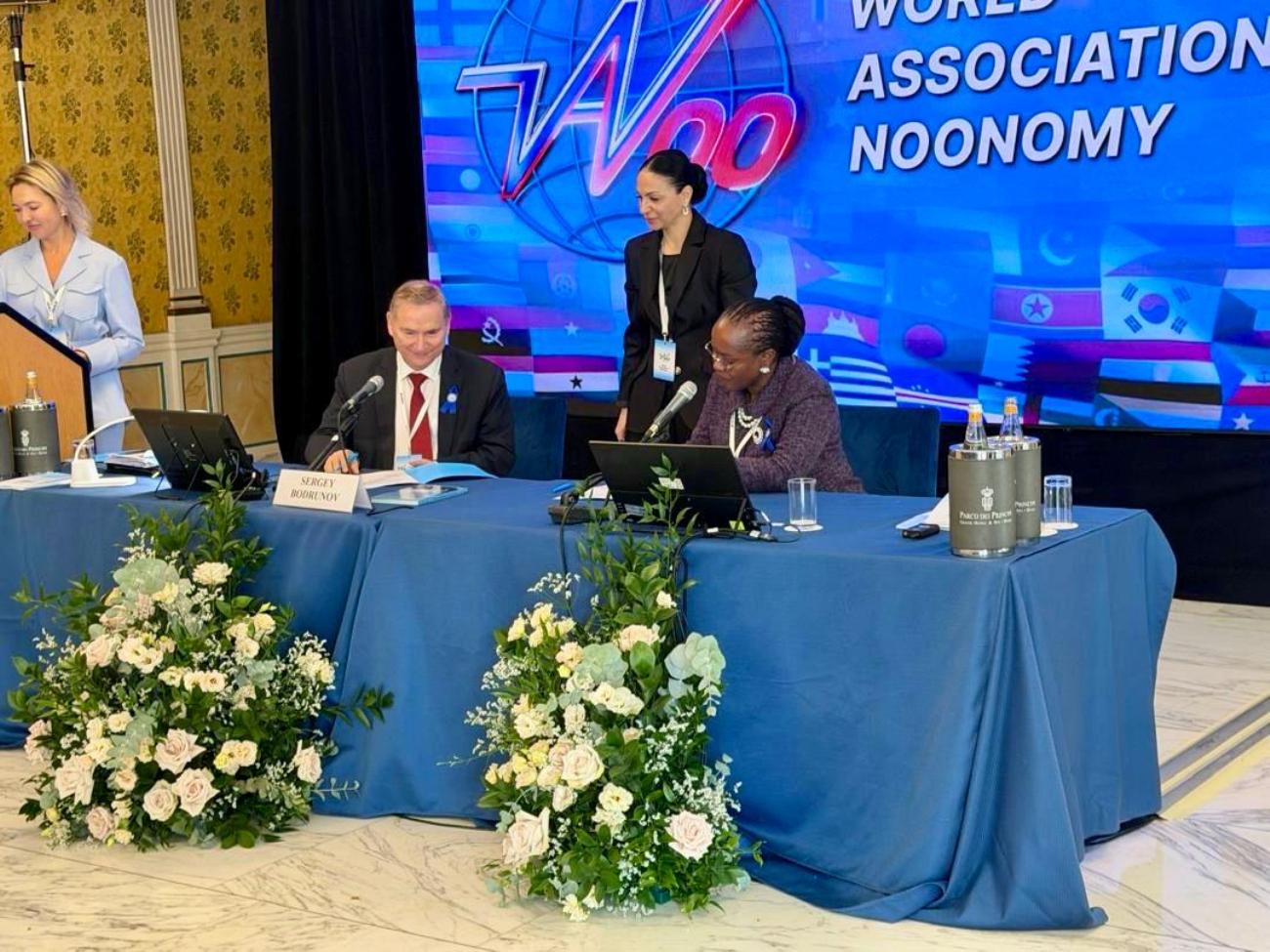
Makerere University has signed a Memorandum of Understanding (MoU) with the World Association of Noonomy, setting the pace for academic collaboration, research and the establishment of a Centre of Excellence for Noonomy in Africa.
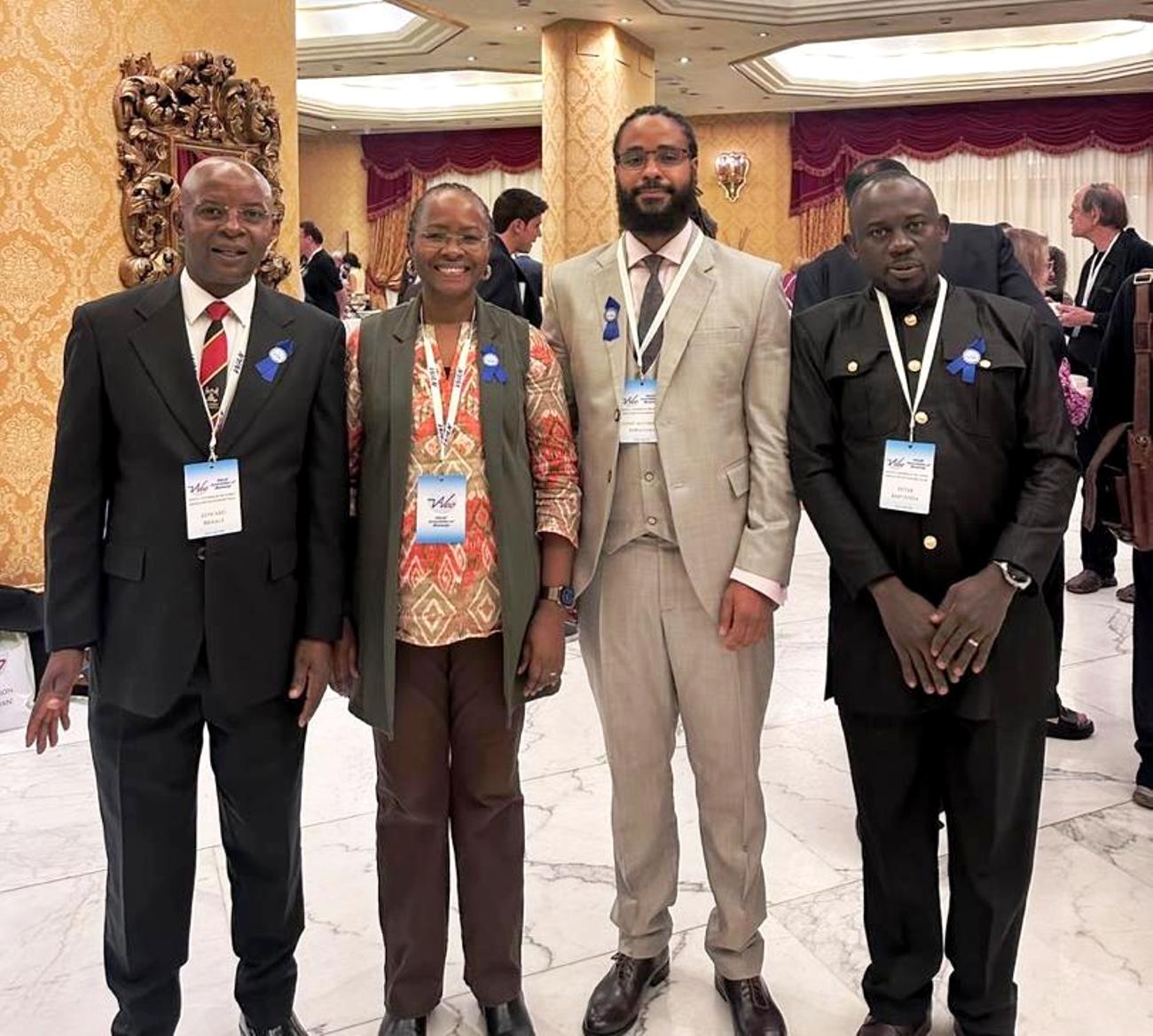
On behalf of Makerere University, the MoU was signed by Professor Sarah Ssali, Deputy Vice Chancellor (Academic Affairs), during the World Congress on Noonomy held in Rome, Italy, from 16th-19th September 2026, paving the way for the establishment of a dedicated institute of Excellence for Noonomy at College of Business and Management Sciences (CoBAMS).
Uganda was the only African country represented at the World Congress on Noonomy, with a Makerere University delegation including Prof. Sarah Ssali-Deputy Vice Chancellor (Academic Affairs), Prof. Edward Bbaale-Principal College of Business and Management Sciences (CoBAMS), Dr Peter Babyenda-Lecturer at the School of Economics and Policy Engagement Coordinator, College of Business and Management Sciences (CoBAMS), and Mr. Tonny Mayambala Sebbaggala, a Ugandan Economist based in Russia.
Commenting on the development, the Vice Chancellor, Professor Barnabas Nawangwe said, “By signing this MoU, the African Centre for Noonomy has been established at Makerere University. This adds to the growing number of African continental research centres that are coordinated by Makerere University. Makerere is clearly a leader on the Continent.”
The MoU signed on 19th September 2026 in Rome-Italy, builds on the inaugural conference on Noonomy, held in Uganda on 20th August 2026 at Makerere University under the theme, “The Theory of Noonomy and its Role in Resolving Modernity Issues: Pathways to Sustainable Social and Economic Transformation.”
At the Global Congress of the World Association of Noonomy, the scholars from Makerere University delivered three (3) presentations focusing on Noonomy and development challenges in East Africa, the transition from informal to formal employment, and the role of universities in advancing Noonomy.
About the Theory
The Theory of Noonomy is an emerging theoretical approach developed by Professor Sergey Bodrunov, Director of the S.Y. Witte Institute, which examines the changing relationship between knowledge, technology, production and human development. The theory places emphasis on knowledge and human potential as important drivers of development, while highlighting humanistic values and solidarity in shaping economic and social progress.
Advancing Alternative Economic Thought in Africa
Speaking at the Annual gathering in Rome, Prof. Sarah Ssali described Makerere University’s partnership as a great honour, highlighting the importance of creating space for broader theoretical perspectives on political economy and the global economy.
Reflecting on the evolution of political science and political economy studies, Prof. Ssali noted that following the era of Glasnost and Perestroika, free-market ideology and neoliberalism became increasingly dominant in global economic thinking.
“This dominance created a need for scholars to critically examine both the opportunities and limitations of market-based approaches,” she said.
She welcomed the opportunity to explore alternative ways of understanding the world, including not only the material relations of production, but also the material relations of consumption.
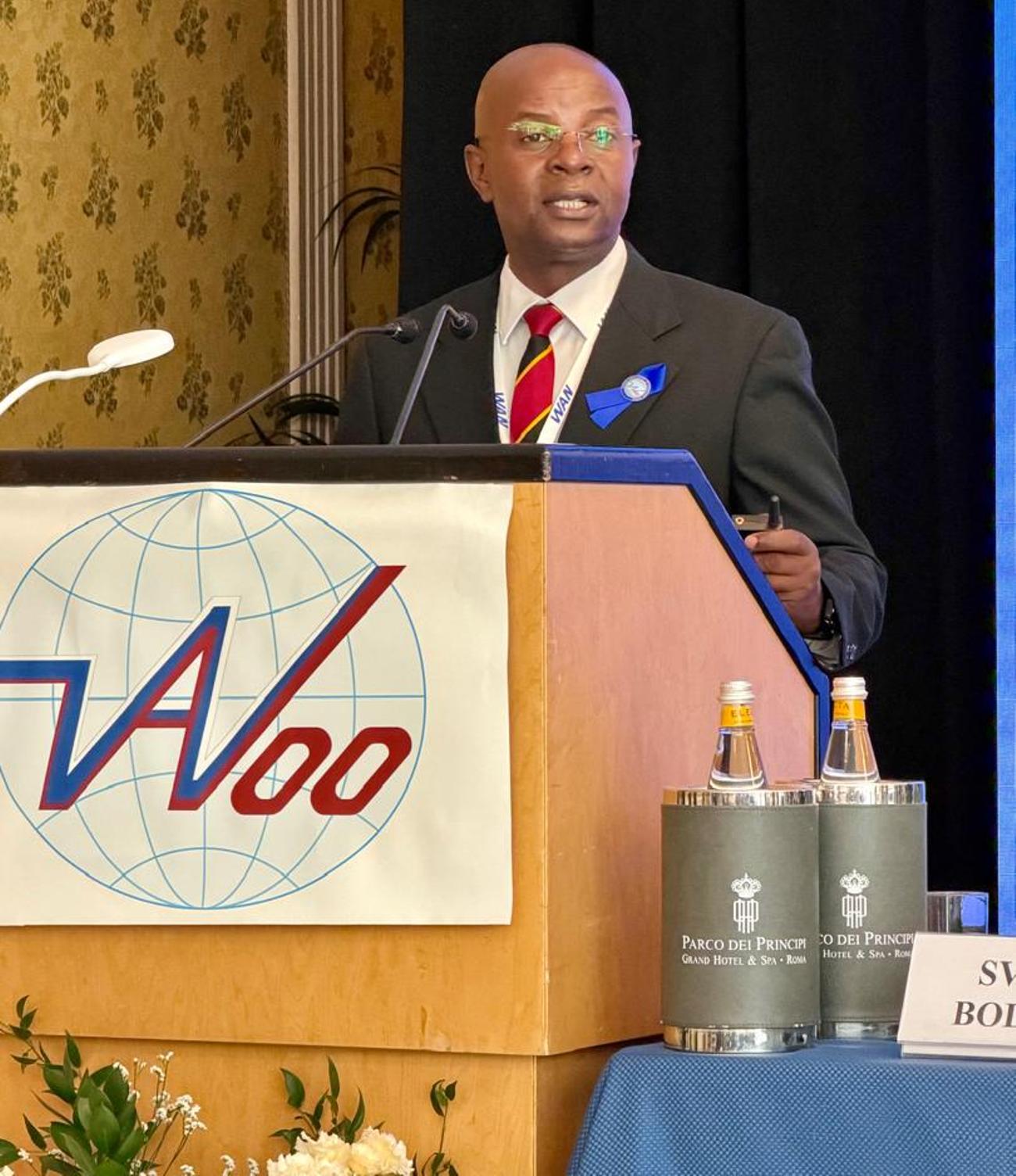
Prof. Ssali also acknowledged the Witte Institute for initiating the initiative and for choosing Makerere University as a key partner on the African continent.
She said Makerere University plans to establish a dedicated centre focused on the emerging area of study, with the institution aiming to launch the centre in February 2027.
“We hope the centre will become a leading African platform for research, teaching and dialogue on these issues,” she asserted.
Prof. Ssali noted that the ideas emerging from the Kampala meeting (held on 20th August 2026) are already being incorporated into Makerere University’s theoretical classes, with plans to substantially expand the initiative following the establishment of the centre of excellence.
She reaffirmed Makerere University’s commitment to the partnership and to expanding scholarly engagement on alternative approaches to political economy.
Call for Growth that Advances Social Welfare
Delivering the presentation titled: “The Role of Noonomy in Addressing Development Challenges in East Africa,” Prof. Edward Bbaale, Principal of the Makerere University College of Business and Management Sciences (CoBAMS), explored the potential of Noonomy as an alternative framework for understanding and addressing persistent development challenges in East Africa.
Prof. Bbaale noted that the approach contributes to emerging academic discussions on how economic systems can better connect economic growth with social wellbeing and inclusive development outcomes in the region.
“The study contributes to emerging academic discussions on how economic systems can better link economic growth with social wellbeing and inclusive development outcomes in the region,” he said.
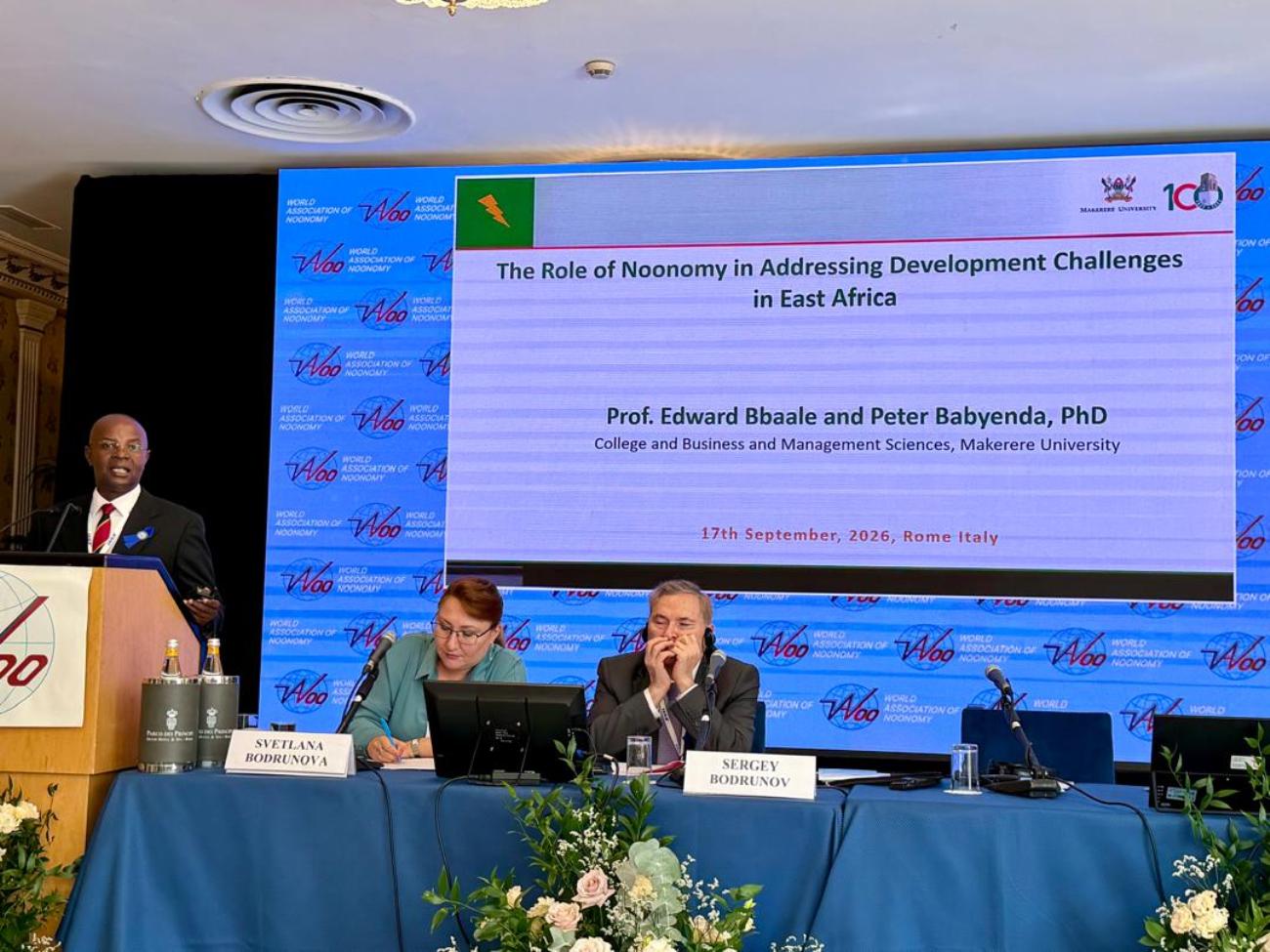
The paper was co-authored with Dr Peter Babyenda and formed part of the scholarly contributions presented at the World Congress on Noonomy in Rome, Italy.
Prioritizing Human-Centred Development
Dr Peter Babyenda said Makerere University’s participation in the World Congress on Noonomy in Rome marked an important step in the University’s international engagement with the Theory of Noonomy.
“The engagement paves the way for establishing a Centre of Excellence for Noonomy at the School of Economics, under the College of Business and Management Sciences (CoBAMS),” he stated.
Dr Babyenda explained that the Theory of Noonomy places human welfare at the centre of development, arguing that development should be assessed not only through productivity and infrastructure, but also by how it improves people’s wellbeing.
He said consumption, knowledge transfer and solidarity are important considerations, including in the application of emerging technologies such as Artificial Intelligence.
Dr Babyenda revealed that Uganda has been offered an opportunity to host an upcoming World Congress on Noonomy, which he said could bring together participants from more than 55 countries and create opportunities for academic exchange, industry engagement and international visibility for Uganda.
He called upon the academia and industry to collaborate with Makerere University in advancing its engagement with the emerging field.
The Signing of the MoU at the Global Congress of the World Association of Noonomy marks a milestone in Makerere University’s efforts to contribute to international scholarly discussions on alternative approaches to understanding economic systems and development.
-
 Humanities & Social Sciences2 weeks ago
French Embassy Presents Four Makerere Scholars with Academic Palms
-
 General2 weeks ago
Job Opportunities: NETOMA Study
-

 Health2 weeks ago
Makerere-Mulago Host Oncology Specialist – Professor Dr. Thiha AUNG
-
 General2 weeks ago
Makerere University and Xiangtan University Advance Strategic Partnership in Chemical Engineering
-
 Health2 weeks ago
PhD Fellowship Opportunity: NETOMA Study