
General
UGA researcher gets $3M grant for TB study



By Monica Meeme, Cynthia Ayaa Komakec and Eric Tumwesigye
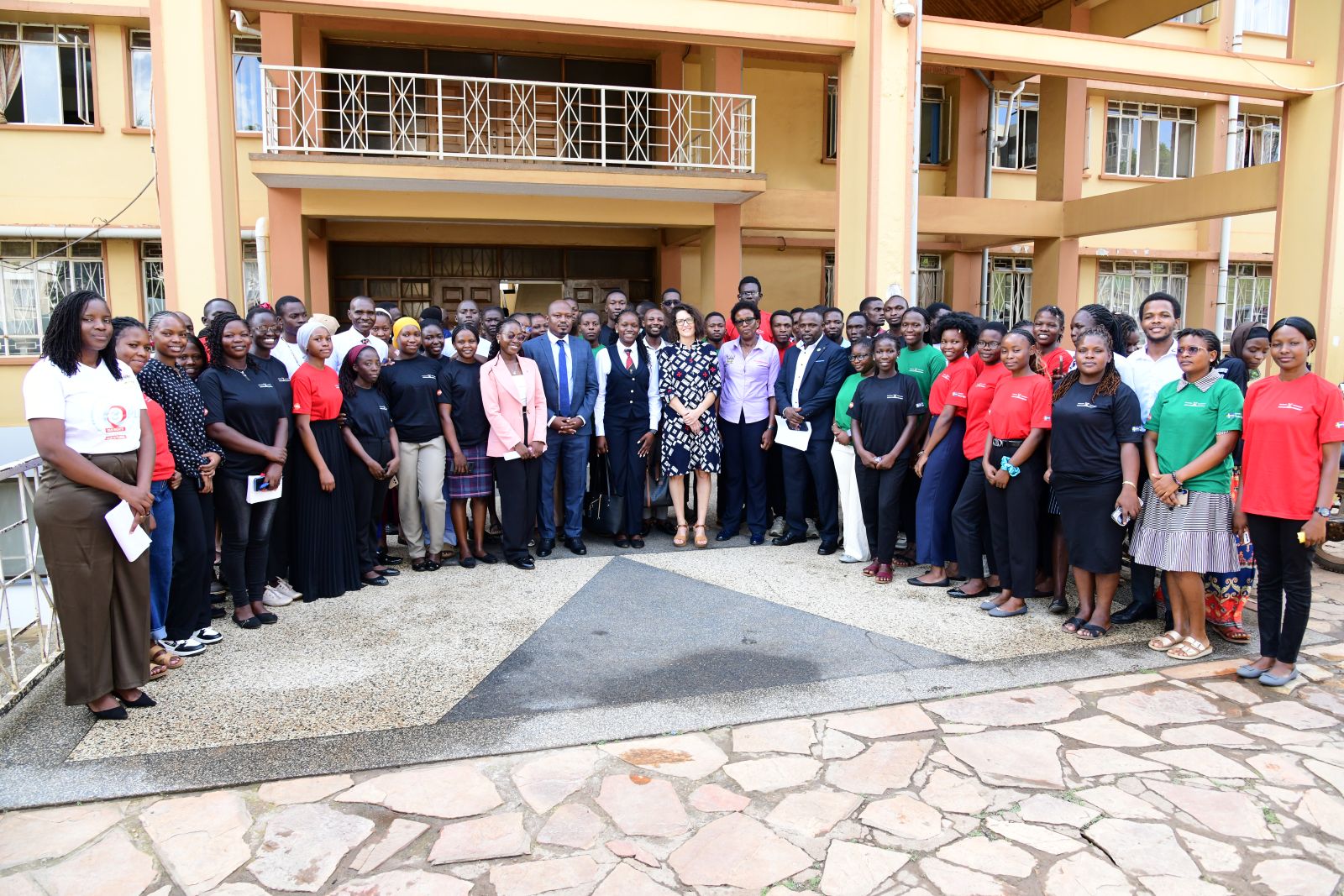
Makerere University, through its Gender Mainstreaming Directorate (GMD), in partnership with the United Nations Population Fund (UNFPA), the Embassy of Sweden, UNESCO O3 Plus have successfully trained 250 Student Peer Trainers (SPTs) to strengthen student-led efforts in promoting gender equality and the prevention of gender-based violence.
The three-day capacity-building workshop, held from 5th to 7th May 2026, brought together selected student leaders from across the University and formed part of Makerere University’s commitment to creating a safe, inclusive, and gender responsive learning environment. The training equipped participants with practical knowledge and skills to serve as peer educators, advocates, mentors, and referral points for students requiring support on gender-related issues.
The workshop covered a wide range of thematic areas, including the Makerere University Gender Equality Policy, the Policy and Regulations Against Sexual Harassment (PRASH), international, regional and national legal frameworks on gender equality, sexual and reproductive health and rights (SRHR), leadership development, effective communication, and student-led advocacy and action planning.
Facilitators included Susan Mbabazi, Principal Gender Officer; Eric Tumwesigye, Principal Gender Officer; Carol Abilat Gender Officer; Cynthia Ayaa Komakec Gender Officer; Dr. Richard Mwesigwa of UNFPA; Dr. Lilian Tukahira Assistant Administrator; and Judith Kiconco, Gender Officer.
Day One: Building Foundations for Gender Equality and Inclusion
The opening day commenced with welcome and opening remarks delivered by Ms. Susan Mbabazi, Acting Chief Gender Mainstreaming Officer; Ms. Laura Criado Lafuente, Representative of the United Nations Population Fund (UNFPA); and Dr. Rodney Rugyema, Office of the Dean of Students, who represented the Vice Chancellor.
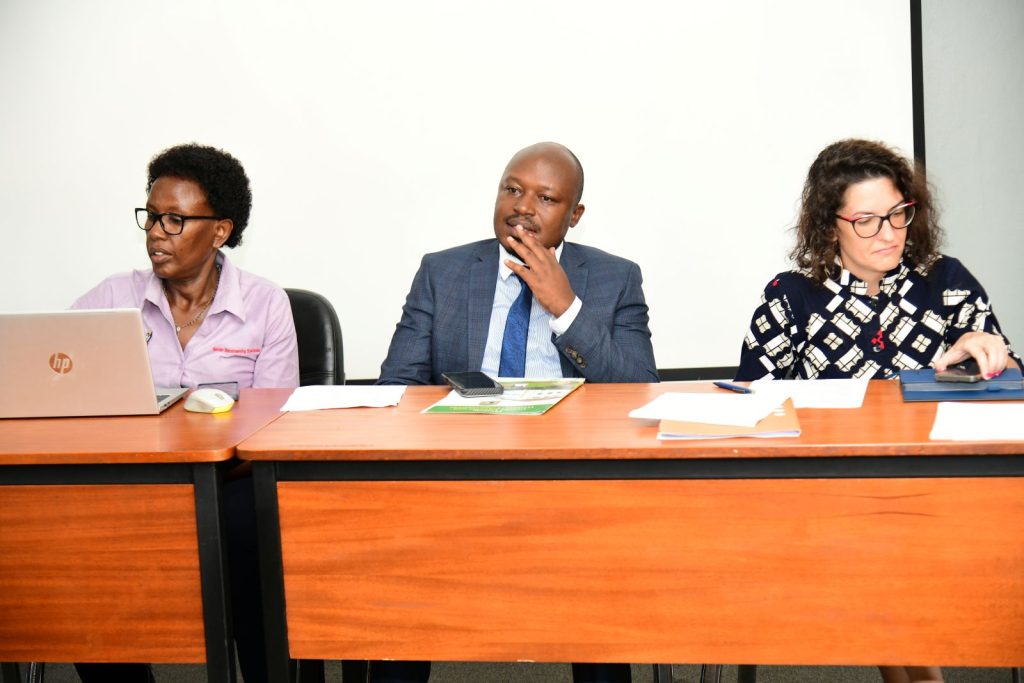
Speaking on behalf of UNFPA, Ms. Laura Criado Lafuente described the training as more than a workshop, characterising it as a movement designed to empower students to influence attitudes, behaviours, and social norms within their communities. She encouraged participants to challenge harmful practices, support survivors of gender-based violence, and serve as catalysts for positive change both within and beyond the University.
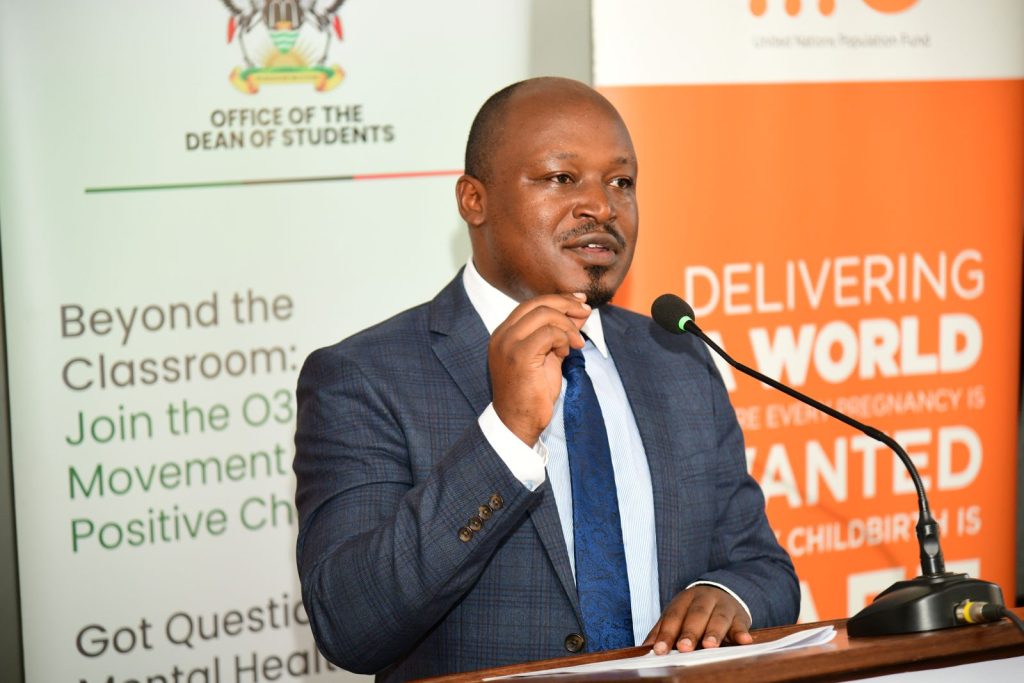
Representing the Vice Chancellor, Dr. Rodney Rugyema emphasised that Makerere University’s mandate extends beyond academic excellence to ensuring the safety, well-being, and holistic development of its students. He urged participants to avoid harmful relationships, prioritise personal safety, and actively contribute to fostering a respectful, inclusive, and supportive campus environment.
Dr. Rugyema further described Student Peer Trainers as the “eyes and ears” of the University community, underscoring their vital role in raising awareness, identifying emerging challenges, and mobilising collective action to prevent and address gender-based violence.
The first day of the workshop also introduced participants to the principles of gender equality, gender mainstreaming, and the institutional frameworks that guide Makerere University’s efforts to promote inclusion, equity, and student welfare.
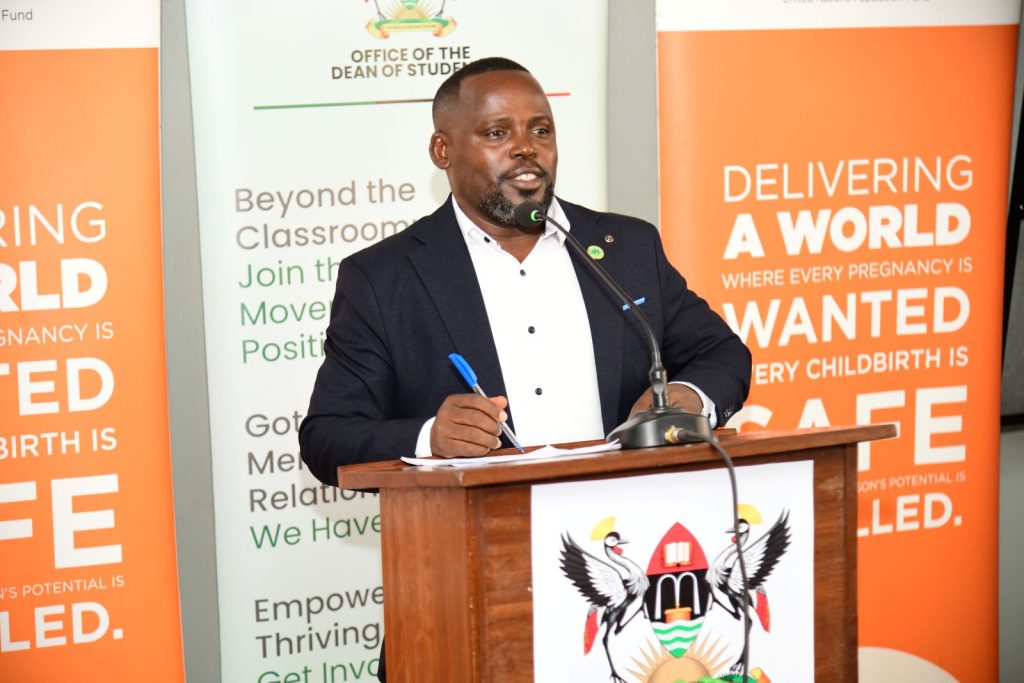
Ms. Susan Mbabazi provided a historical overview of the Gender Mainstreaming Directorate and highlighted the University’s sustained commitment to creating an equitable and supportive academic environment. She also guided participants through the key provisions of the Policy and Regulations Against Sexual Harassment (PRASH), emphasising the University’s zero-tolerance stance on sexual harassment and all forms of gender-based violence.
Mr.Eric Tumwesigye facilitated a session on foundational gender concepts, enabling participants to deepen their understanding of gender dynamics, stereotypes, power relations, and the importance of promoting equality and inclusivity within university spaces.
A key highlight of the day was a presentation by Ms. Carol Abilat on the Makerere University Gender Equality Policy. She emphasised that gender equality is fundamentally rooted in fairness, dignity, and equal opportunity for all members of the University community, including marginalised groups and persons with disabilities.
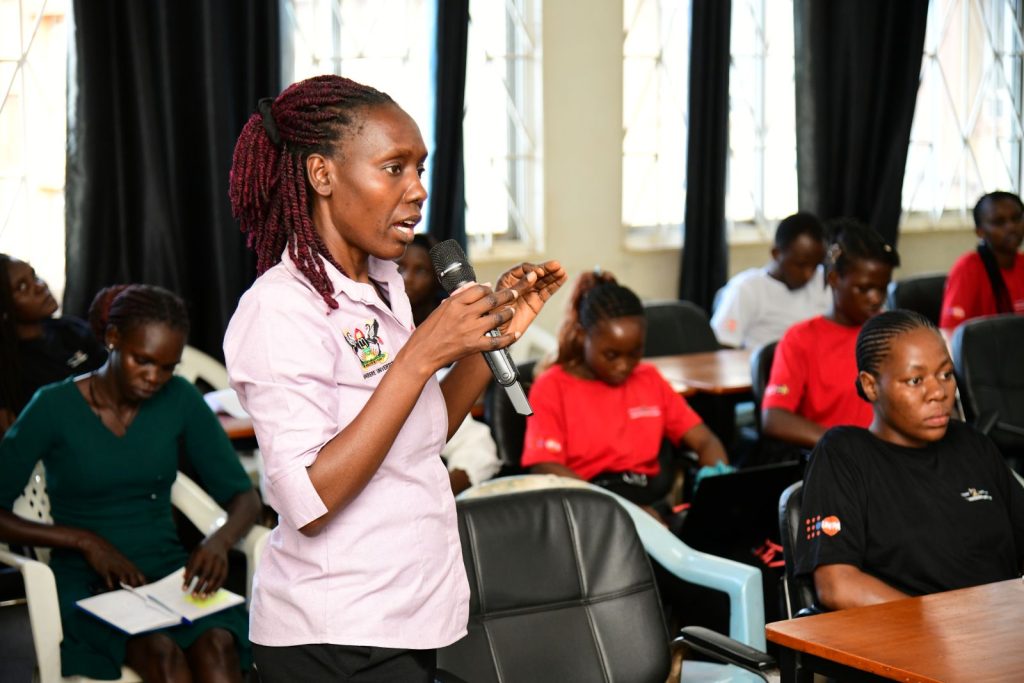
Ms. Abilat further explained that the policy aligns with national development priorities and international commitments, including the United Nations Sustainable Development Goal 5 on Gender Equality. Participants were introduced to critical concepts such as consent, sexual harassment, discrimination, gender blindness, and inclusive approaches to teaching, learning, leadership, and institutional management.
Day Two: Understanding Legal Frameworks and Sexual and Reproductive Health Rights
The second day focused on strengthening participants’ understanding of legal and policy frameworks that promote gender equality and protect individuals from discrimination, sexual harassment, and gender-based violence.
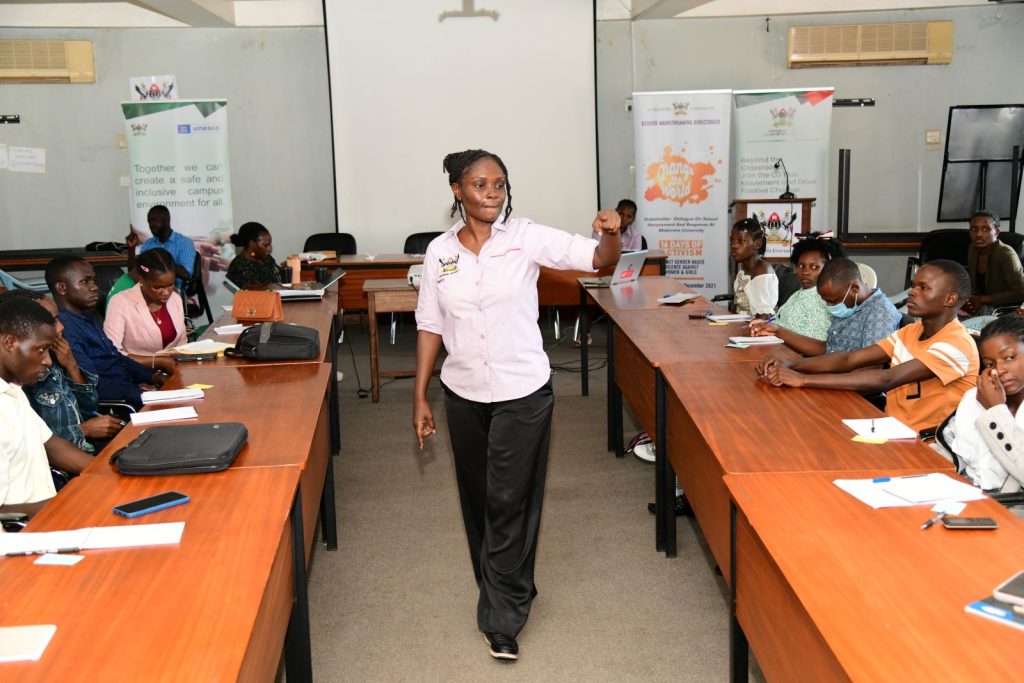
Facilitating the session on international, regional, and national legal frameworks, Cynthia Ayaa Komakec provided participants with a comprehensive overview of key human rights instruments and gender equality commitments.
At the international level, participants examined frameworks such as the International Covenant on Civil and Political Rights (ICCPR), the Convention on the Elimination of All Forms of Discrimination Against Women (CEDAW), and the Beijing Declaration and Platform for Action. Discussions highlighted how these instruments have shaped global efforts to eliminate discrimination and advance the rights and empowerment of women and girls.
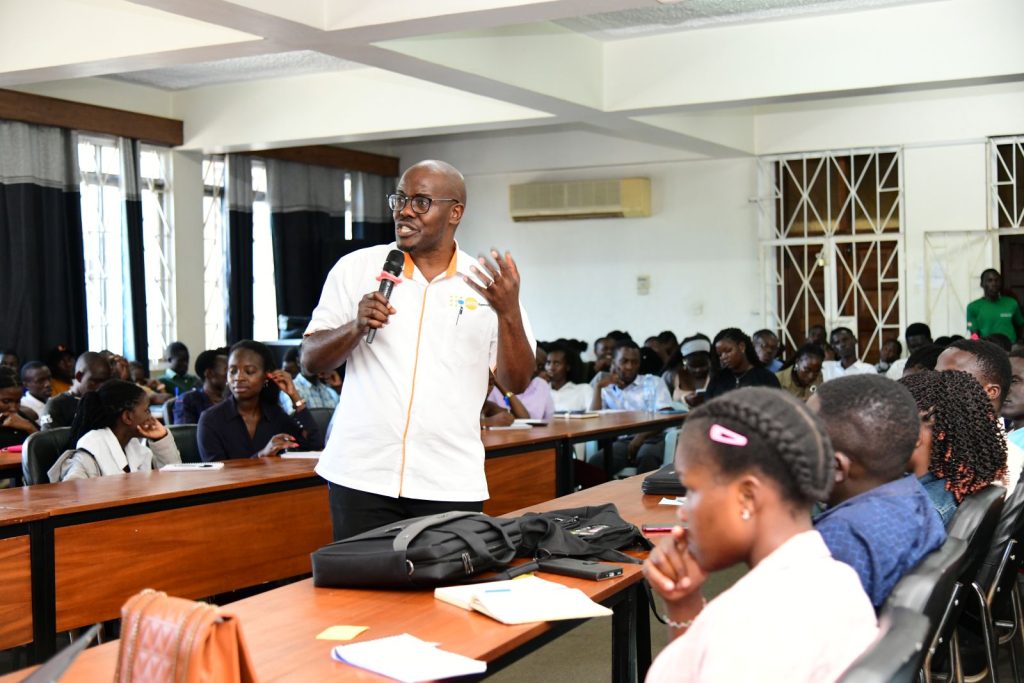
The regional discussion focused on the African Charter on Human and Peoples’ Rights and the Protocol to the African Charter on the Rights of Women in Africa (Maputo Protocol), which provide important protections and promote women’s participation in social, economic, and political development across the continent.
The session also examined Uganda’s national legal and policy framework, including the Constitution of the Republic of Uganda (1995), the Uganda Gender Policy, and relevant provisions of the Penal Code Act.
A recurring theme throughout the discussion was the implementation gap that often exists between legal protections and actual practice. Participants explored the importance of accountability, institutional commitment, awareness creation, and community engagement in translating legal frameworks into meaningful outcomes.
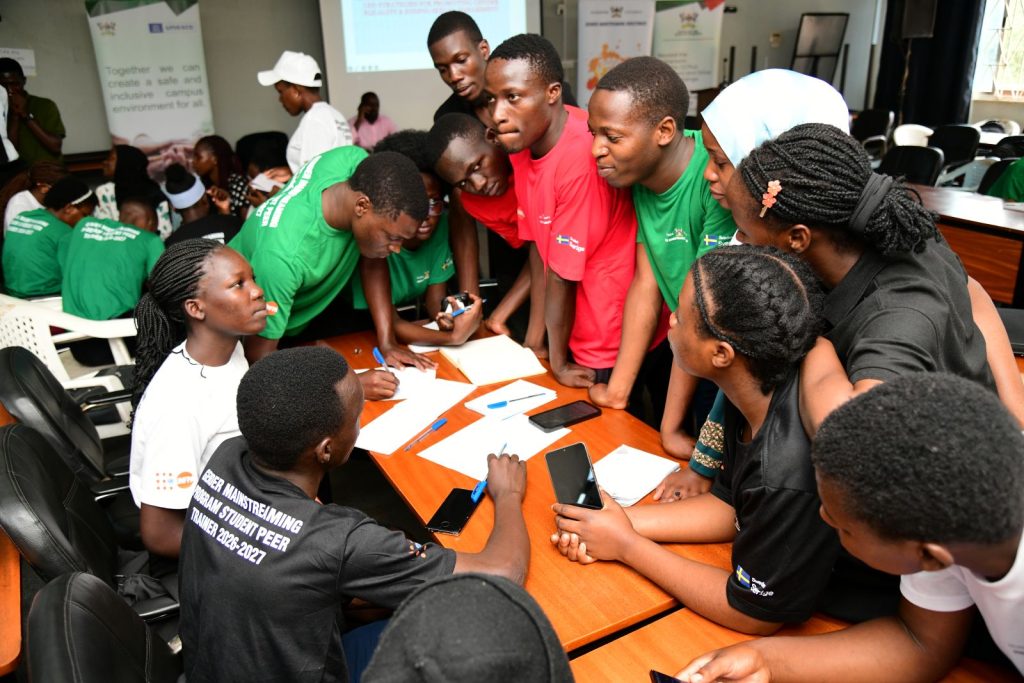
The day also featured a session on Sexual and Reproductive Health Rights (SRHR) facilitated by Dr. Richard Mwesigwa from UNFPA.
Dr. Mwesigwa introduced participants to UNFPA’s mandate and mission before guiding them through key concepts relating to sexual health, reproductive health, rights, and access to services. The session addressed the importance of informed decision-making, consent, healthy relationships, prevention of gender-based violence, and available support mechanisms for students experiencing harassment or abuse.
Participants were also equipped with practical guidance on how Student Peer Trainers can provide information, make referrals, and support fellow students in accessing appropriate services and assistance.
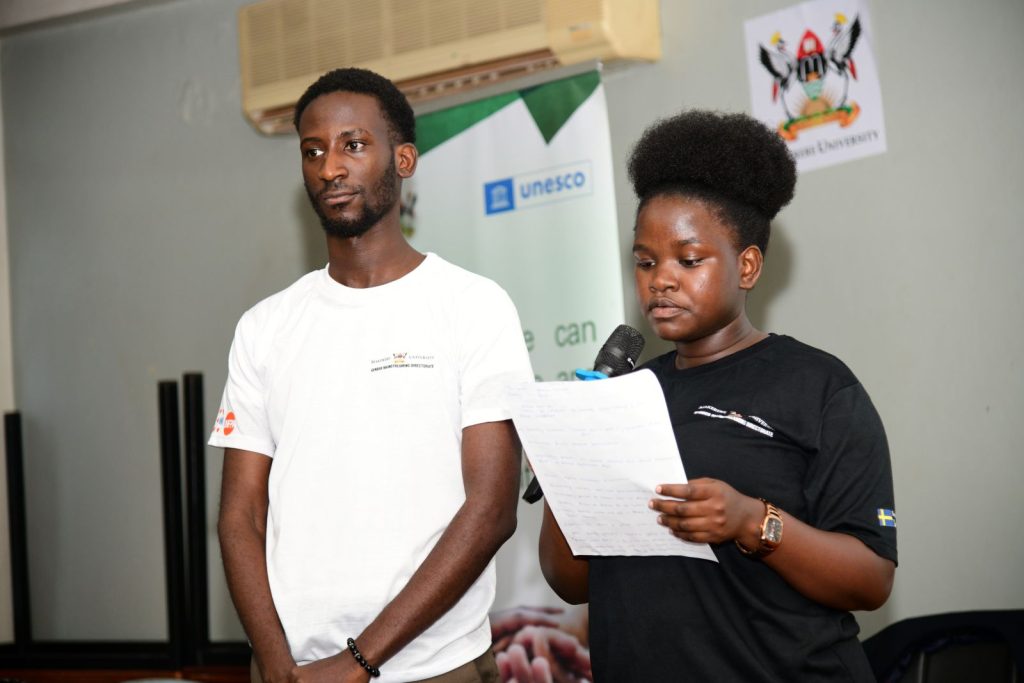
Throughout the day, facilitators emphasised the need to position students as active change agents capable of promoting positive behavioural change within colleges, halls of residence, and wider communities.
Day Three: Partnerships, Leadership and Action Planning
The final day focused on strengthening peer leadership skills and equipping participants with practical tools for developing and implementing student-led initiatives.
Representatives from development partners reaffirmed the importance of youth leadership and collaborative action in addressing gender inequalities and preventing gender-based violence.
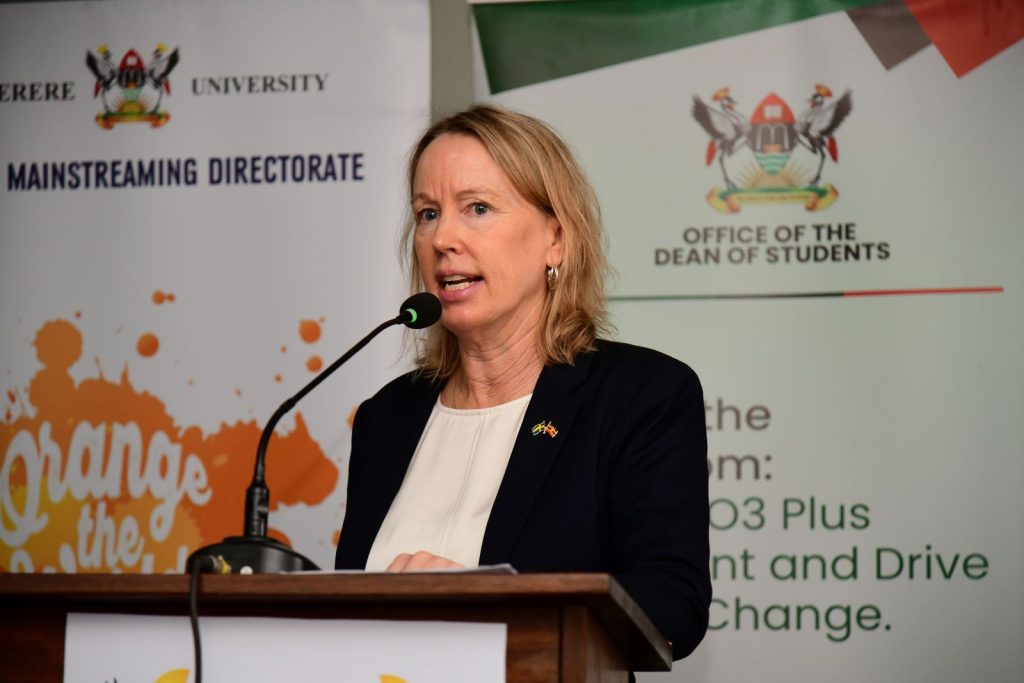
Addressing participants, Jessica Pellrud from the Embassy of Sweden emphasised that gender equality remains a critical pillar of sustainable development. She encouraged students to become long-term advocates for social transformation by challenging harmful norms, supporting survivors, and promoting inclusive participation among both women and men.
Eric Tumwesigye reflected on the growth of the Student Peer Trainers programme noting that the initiative has expanded from training 50 students annually to 250 peer educators. The expansion is intended to strengthen outreach and increase access to peer support services across the University.
He encouraged participants to integrate gender awareness into broader discussions on mental health, academic achievement, healthy relationships, and responsible digital engagement.
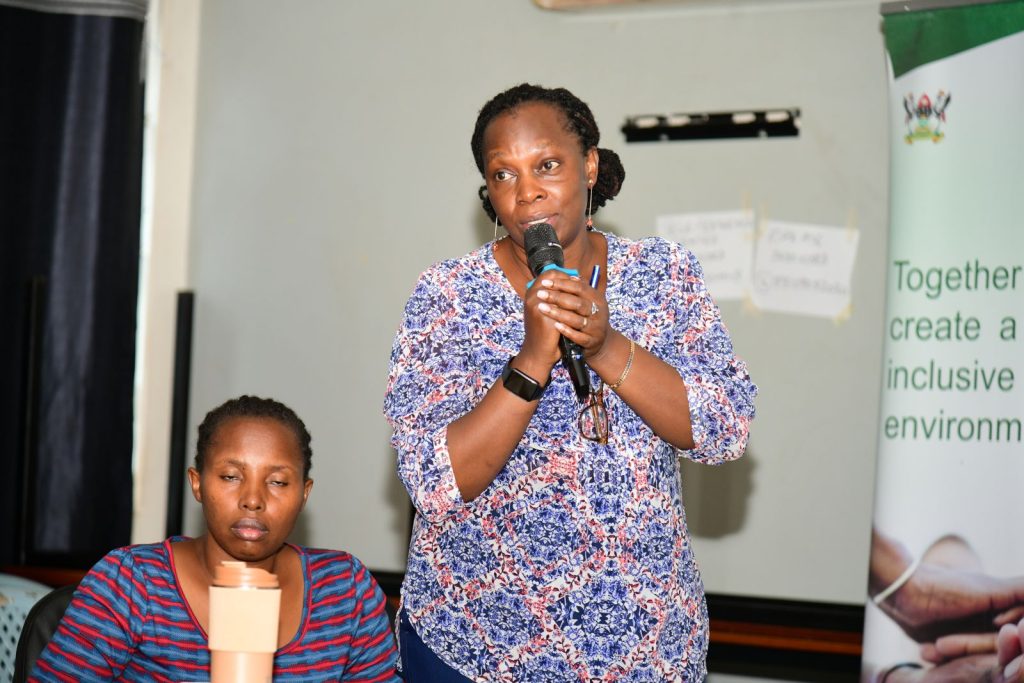
Facilitating the action-planning session, Dr. Lilian Tukahirwa guided participants through the process of designing practical and achievable interventions for their respective colleges. She emphasised the importance of creativity, flexibility, teamwork, and collaboration with academic staff and College leadership to ensure sustainable impact.
The workshop concluded with participants developing action plans aimed at promoting gender equality, preventing sexual harassment, and strengthening awareness and support mechanisms within their academic units.
Renewed Commitment to Student-Led Change
In his closing remarks, Eric Tumwesigye commended participants for their commitment, discipline, and active engagement throughout the three-day training programme. He also acknowledged the valuable contributions of facilitators and development partners, including UNFPA, and the Embassy of Sweden.
He announced that participants would undertake online evaluations and receive support in developing concept papers for college-based initiatives designed to promote gender equality and prevent sexual harassment.
Tumwesigye emphasised that while institutional support remains critical, the long-term success of the programme depends on sustained student leadership, ownership, and commitment.
The workshop concluded with a renewed pledge from the newly trained Student Peer Trainers to champion gender equality, support vulnerable students, and contribute to building a safer, more inclusive, and gender-responsive Makerere University community.

-
 General4 days ago
Undergraduate Admission Lists 2026/2027
-

 General2 weeks ago
Makerere Hands Over CCE Hall to NEC for Renovation
-
 General2 weeks ago
Fees Waiver Female Scholarship 2026/2027
-

 General2 weeks ago
Makerere University Leads EU-Funded MAGNETISE Project to Strengthen Gender Equality in Higher Education Across Sub-Saharan Africa
-
 Natural Sciences1 week ago
Makerere University to Revamp Geology Curricula to Bridge Critical Skills Gap in Uganda’s Mineral Sector