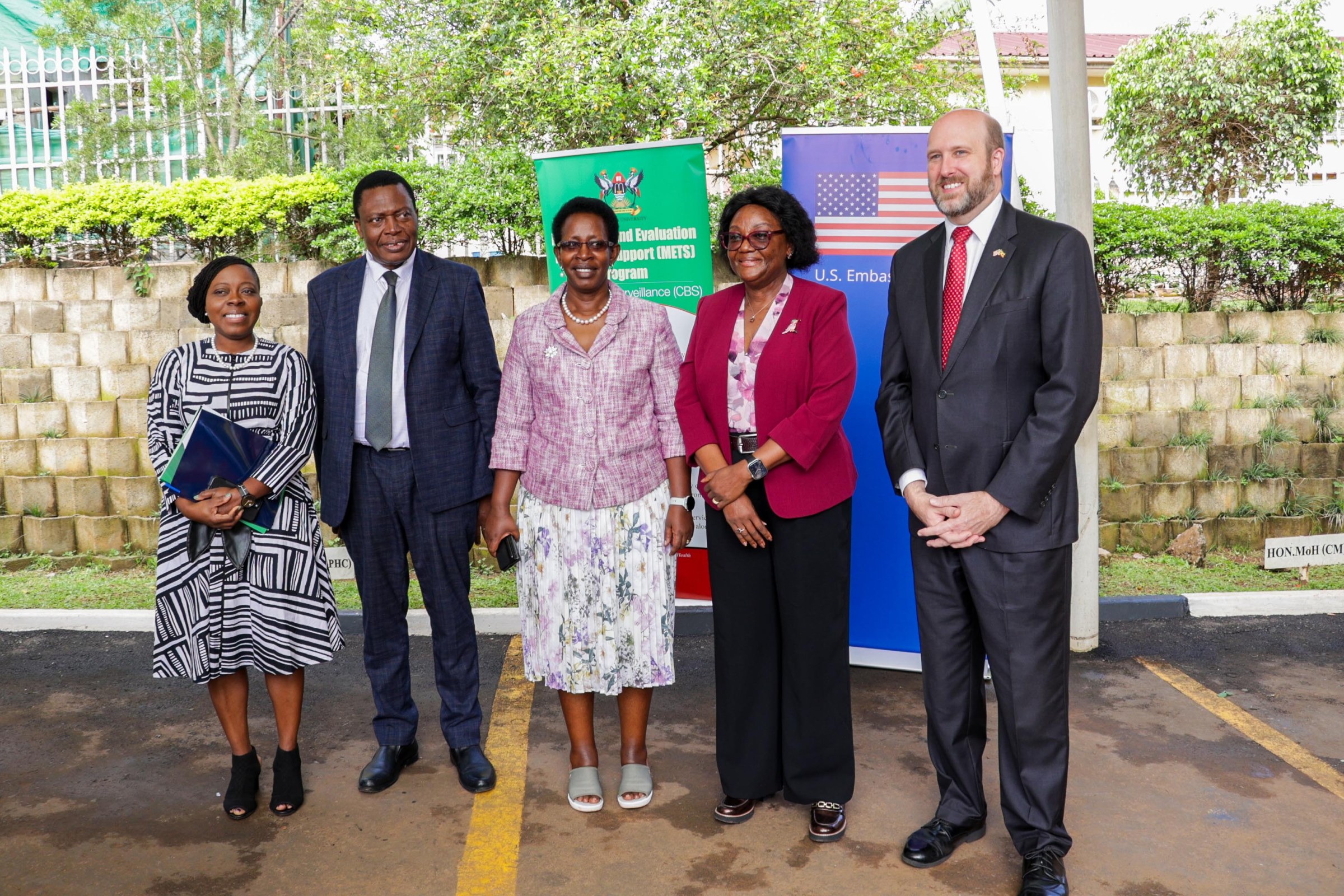
From right to left: Then U.S. Ambassador to Uganda H.E. William W. Popp; Prof. Rhoda Wanyenze, Dean, MakSPH; Dr. Diana Atwine, Permanent Secretary, MoH; Dr. Charles Olaro, Director General of Health Services, MoH; and Dr. Adetinuke Boyd, U.S. CDC Country Director for Uganda, during the METS programme handover event in Kampala in March 2026.
Every 4 July, the United States marks its independence. This year’s commemoration carries added significance as the country celebrates 250 years, offering partners across the world a moment to reflect on relationships built through shared purpose, investment and trust.
For Makerere University School of Public Health (MakSPH), that reflection leads to a long and productive partnership with the people and Government of the United States, spanning more than 35 years. Through U.S. Government agencies and programmes, the collaboration has supported MakSPH’s growth from a national public health training institution into a regional platform for evidence, leadership, health systems strengthening and public health preparedness.
Today, MakSPH stands at a defining point in its institutional journey. Tracing its roots to the introduction of preventive medicine in Makerere University’s then Faculty of Medicine in 1954, the School has grown into a leading public health institution in Africa, training more than 1,000 students across 12-degree programmes, working through district field training sites, contributing to national technical committees, and implementing research and capacity-building work across Uganda and more than 35 African countries.
Hon. Margaret Muhanga, then State Minister for Primary Health Care and Chief Guest, joins Makerere University leaders and partners in cutting the MakSPH@70 anniversary cake during the School’s 70th anniversary celebrations in December 2024.
Its work spans infectious diseases, maternal and child health, noncommunicable diseases, climate and health, digital health, injury prevention, universal health coverage and epidemic preparedness. While grounded in close collaboration with the Government of Uganda, especially the Ministry of Health, this reach has also been shaped by long-standing U.S. Government support. Reflecting on this shared history, MakSPH Dean Prof. Rhoda Wanyenze said the partnership has made a lasting contribution to public health capacity.
“For more than three decades, MakSPH has been privileged to work in strong partnership with the people and Government of the United States. We are grateful for this collaboration, which has made a major contribution to advancing public health training, research and practice in Uganda and across Africa. From the Master of Public Health programme to fellowships, enhanced surveillance, operational research, HIV and infectious disease work, regional networks, innovation, and programmes such as METS, this partnership has helped build the people, evidence and systems that support public health action,” Prof. Wanyenze said.
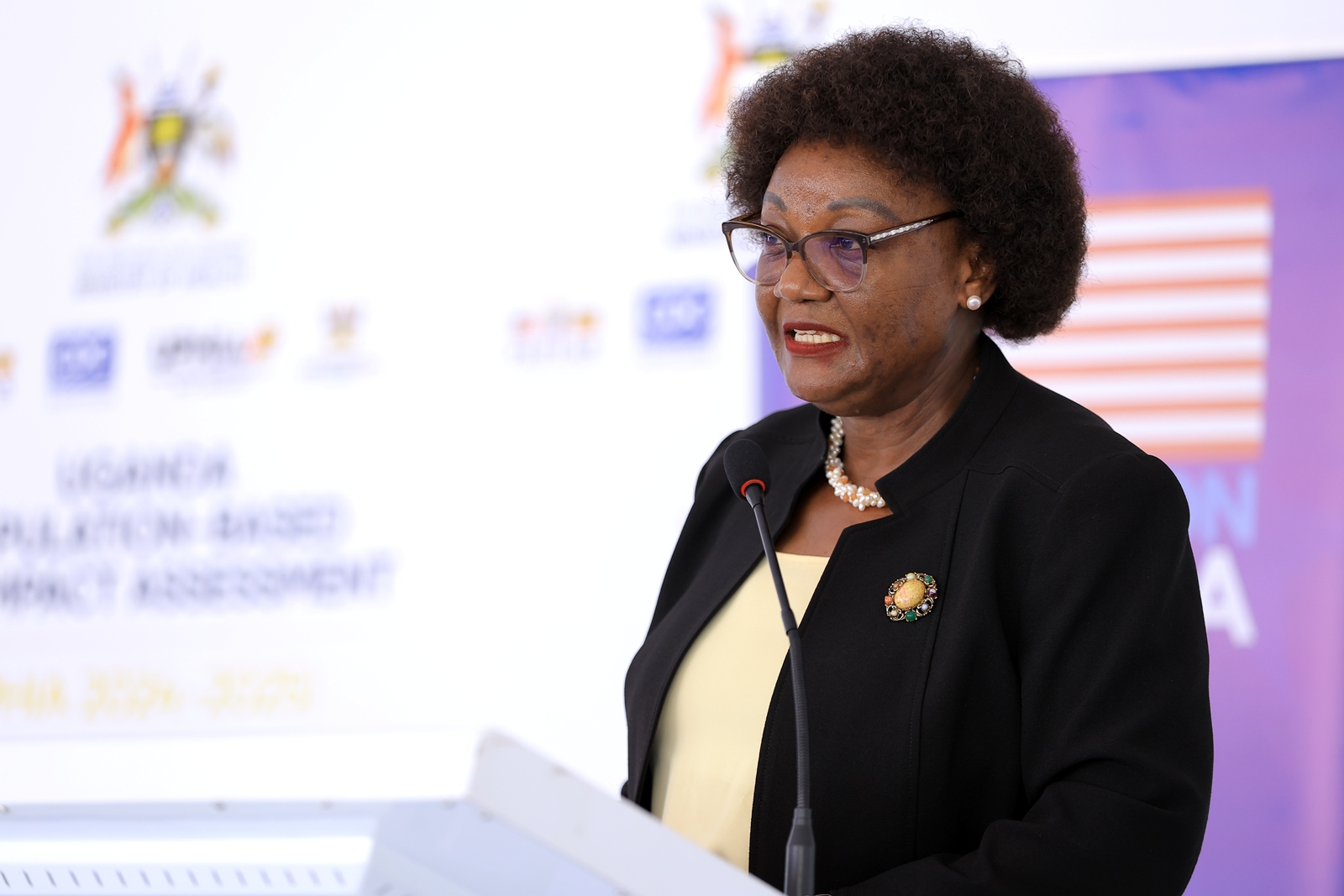
MakSPH Dean Prof. Rhoda Wanyenze speaks during the UPHIA 2025 launch in Kampala, highlighting MakSPH’s contribution to Uganda’s public health response through research, evidence and technical guidance.
Training Leaders for Uganda’s Health System
In 1994, as Uganda decentralised its administration and public services, the Institute of Public Health, now Makerere University School of Public Health, established the Master of Public Health (MPH) Full-Time programme in response to a clear workforce need for public health leaders who could manage district health systems, investigate outbreaks, conduct needs assessments and respond to emerging health challenges.
Prof. David Serwadda, Professor Emeritus at Makerere University and former Dean of MakSPH, recalls the programme was designed to fill a critical district-level leadership gap. “After a very strong needs assessment by Makerere University and the Ministry of Health, it was found that we needed to train a specific cadre of public health leaders for the districts,” he said. “We needed people with good management skills, people who could investigate an epidemic, do a needs assessment and respond to health challenges.”
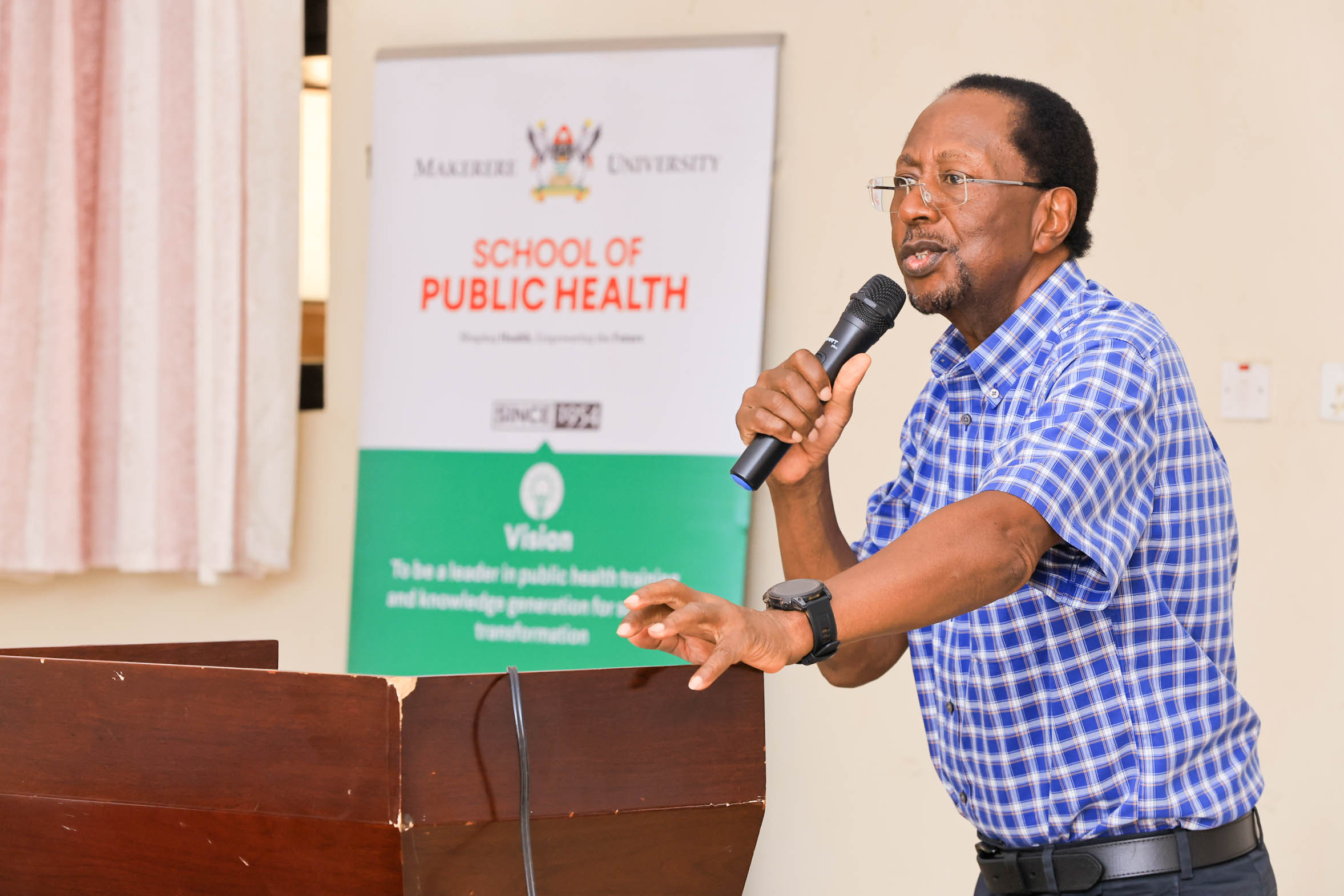
Prof. David Serwadda speaks during a departmental retreat in Jinja in June 2026. He served as Director of the Makerere Institute of Public Health from 2003 to 2007 and as the first Dean of MakSPH from 2007 to 2009.
Established as a two-year programme, the MPH Full-Time was based on the Public Health Schools Without Walls model and became one of the earliest community-based public health graduate programmes in Africa. Developed through joint commitment by the Institute of Public Health, the Ministry of Health and the Rockefeller Foundation, and with technical support from the U.S. CDC, the programme placed students at district field sites to learn through apprenticeship while working on real public health problems. Other partners, including WHO and UNFPA, later provided scholarship support.
Three decades later, the MPH Full-Time programme remains one of MakSPH’s flagship contributions to Uganda and the region’s public health workforce. It has trained more than 1,000 public health professionals for leadership across districts, Ministry programmes, research, teaching, implementation and technical advisory work. Many graduates have gone on to serve as District Health Officers, commissioners, programme leaders, researchers, lecturers and public health specialists, strengthening Uganda’s health system leadership.
Fellowships That Strengthened Public Health Response
In 2002, MakSPH hosted the first direct cooperative agreement between Makerere University and the U.S. CDC, formalising the workforce development arm of the partnership. Under the Leadership and Investment in Fighting Epidemics (LIFE) initiative, the agreement launched the HIV/AIDS Fellowship Programme, which trained leaders for organisations working in HIV and AIDS. By 2014, the programme had produced more than 100 long-term fellows, more than 200 medium-term fellows, and over 3,000 short-course participants.
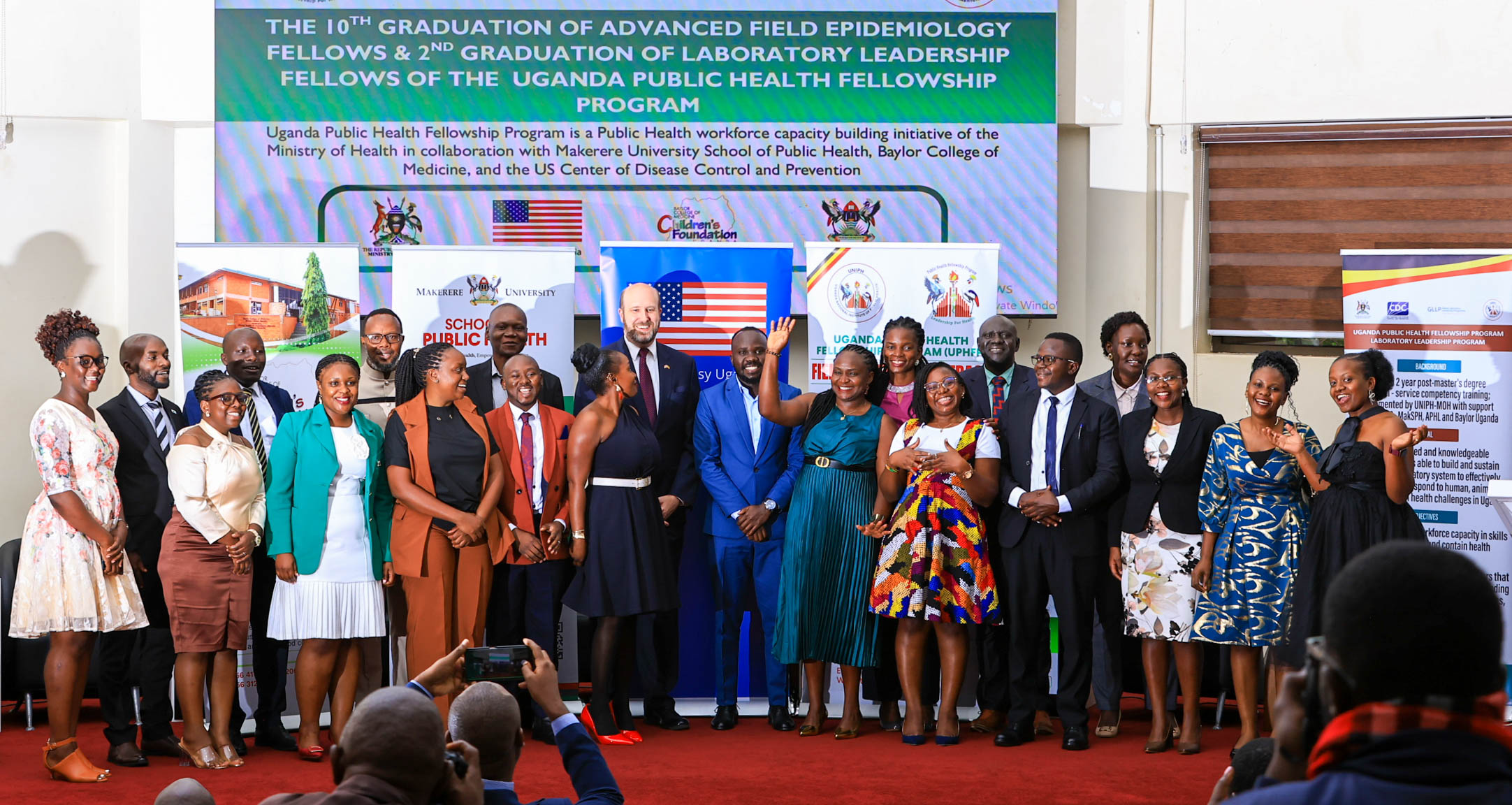
Graduates pose with then U.S. Ambassador to Uganda H.E. William W. Popp during the 10th graduation of Advanced Field Epidemiology Fellows and the 2nd graduation of Laboratory Leadership Fellows under the Uganda Public Health Fellowship Programme in January 2026.
The fellowship platform later transitioned into the Uganda Public Health Fellowship Programme and, through subsequent cooperative agreements in 2016 and 2021, expanded into the broader Public Health Workforce Development Programme. Led by the Ministry of Health through the Uganda National Institute of Public Health, and implemented with the U.S. CDC, districts and MakSPH, the programme now supports advanced field epidemiology, Frontline and Intermediate Field Epidemiology Training, and laboratory leadership.
Fellows are embedded within the Ministry of Health, districts and public health institutions, strengthening surveillance, outbreak investigation, HIV/TB programming, quality improvement, laboratory systems and health informatics. The Field Epidemiology Track has supported an average of about 37 active fellows, including 39 in 2024/2025. That year, fellows provided technical assistance to the Ministry and conducted 84 epidemiological studies and investigations, including work linked to Uganda’s Mpox response.
HIV Evidence That Changed Policy and Practice
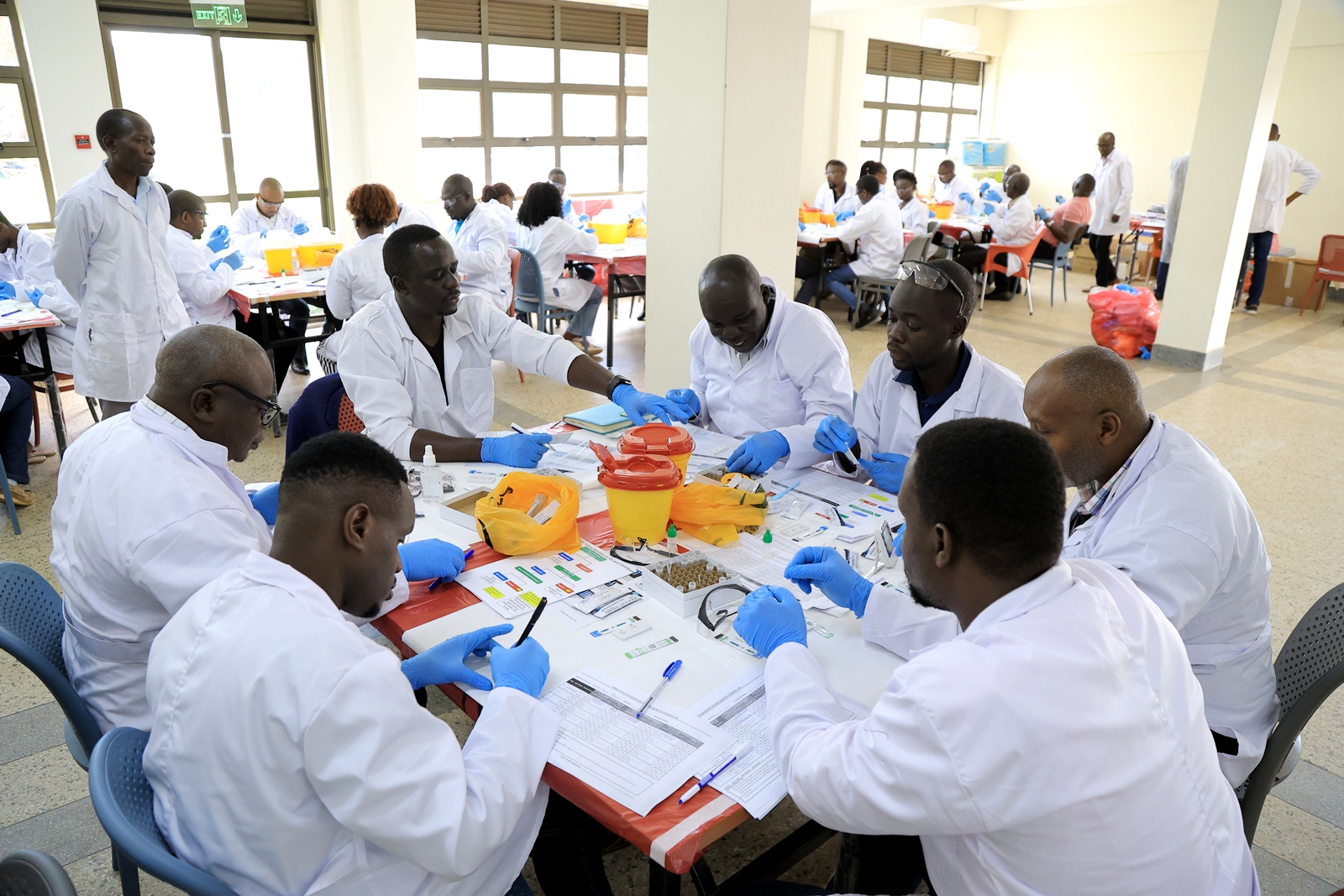
UPHIA 2025 laboratory technicians undergo pre-deployment training at MakSPH, delivered with Uganda National Health Laboratory Services, ahead of field data collection on HIV and related health indicators across Uganda.
Uganda’s HIV crisis in the 1980s became one of the earliest tests of MakSPH’s public health mission. The wasting illness, then known as “Slim”, was reported in Rakai in the early 1980s and later identified as HIV/AIDS. Researchers at the Institute of Public Health, now MakSPH, helped advance understanding of the epidemic, with Prof. David Serwadda among the earliest physicians in Uganda to recognise and describe the disease.
That work grew into the Rakai Health Sciences Programme, established in 1989 through collaboration involving Makerere University, Columbia University, Johns Hopkins University, the U.S. National Institutes of Health (NIH) and partners. Over the decades, Rakai became a platform for research, surveillance, service delivery and training in communities deeply affected by HIV.
One landmark contribution showed that safe medical male circumcision reduced female-to-male HIV acquisition by about 60 per cent, helping inform HIV prevention policy in Uganda and globally. PEPFAR support also helped expand treatment in Rakai, where surveillance documented reduced mortality, lower HIV incidence, reduced orphanhood and improved community productivity.
The search for stronger prevention tools continued through MakSPH researchers, including Prof. Noah Kiwanuka, whose work in rural and fishing communities highlighted the need for better options for adolescent girls and young women. From 2022 to 2024, MakSPH managed the Makerere-Kalangala study site with UVRI-IAVI for the Gilead Sciences-led PURPOSE 1 trial, with Prof. Kiwanuka as Site Principal Investigator. The study contributed evidence on lenacapavir, a twice-yearly injectable now recognised as a major advance in HIV prevention.
Surveillance and National Decisions
Then Minister of Health Dr. Jane Ruth Aceng flags off UPHIA 2025 field teams in Kampala on 29 May 2025. The Ministry of Health-led survey is implemented with technical support from MakSPH and partners.
The partnership has also strengthened Uganda’s ability to measure the HIV epidemic and use evidence for national decisions. The Uganda Population-based HIV Impact Assessment (UPHIA) 2024/2025 is the country’s third national household-based HIV impact survey, commissioned by the Ministry of Health with technical support from MakSPH in partnership with UBOS, UVRI, and the U.S. CDC. After two earlier rounds supported by ICAP at Columbia University in 2016 and 2020, the current survey marks a shift to Ugandan leadership in implementation, analysis and use of evidence for the national response.
Funded by the U.S. Government through PEPFAR, UPHIA represents a USD 10 million investment in national evidence generation. Its results, expected in 2026, will provide updated national and subnational estimates of HIV prevalence, incidence, viral load suppression, service coverage and progress toward UNAIDS 95-95-95 targets. The survey covers 6,685 households and about 15,000 people aged 15 years and above, with additional focus on adolescents, noncommunicable diseases among people living with HIV, and barriers among those not virally suppressed.
Related surveillance work through the CRANE Survey has generated evidence on populations at higher risk of HIV and often missed by routine data. Established in 2008 with U.S. Government support through PEPFAR and implemented by MakSPH with the Ministry of Health and U.S. CDC, CRANE is one of Uganda’s longest-running HIV bio-behavioural surveillance platforms. More than USD 7 million in U.S. Government investment has supported evidence used in Uganda’s HIV Investment Case, the National HIV Strategic Plan, national bio-behavioural surveillance guidelines and UNAIDS guidance.
In its third round, conducted in 2023 and disseminated in 2024, CRANE reached 7,947 female sex workers and sexually exploited minors across 12 districts. About one in three participants were living with HIV, rising to 54 per cent among those aged 35 to 49. The survey also documented syphilis, high-risk HPV infection, violence, stigma in health facilities and high levels of depression, strengthening the case for targeted HIV prevention, treatment, mental health support, violence prevention, cervical cancer prevention and access to justice.
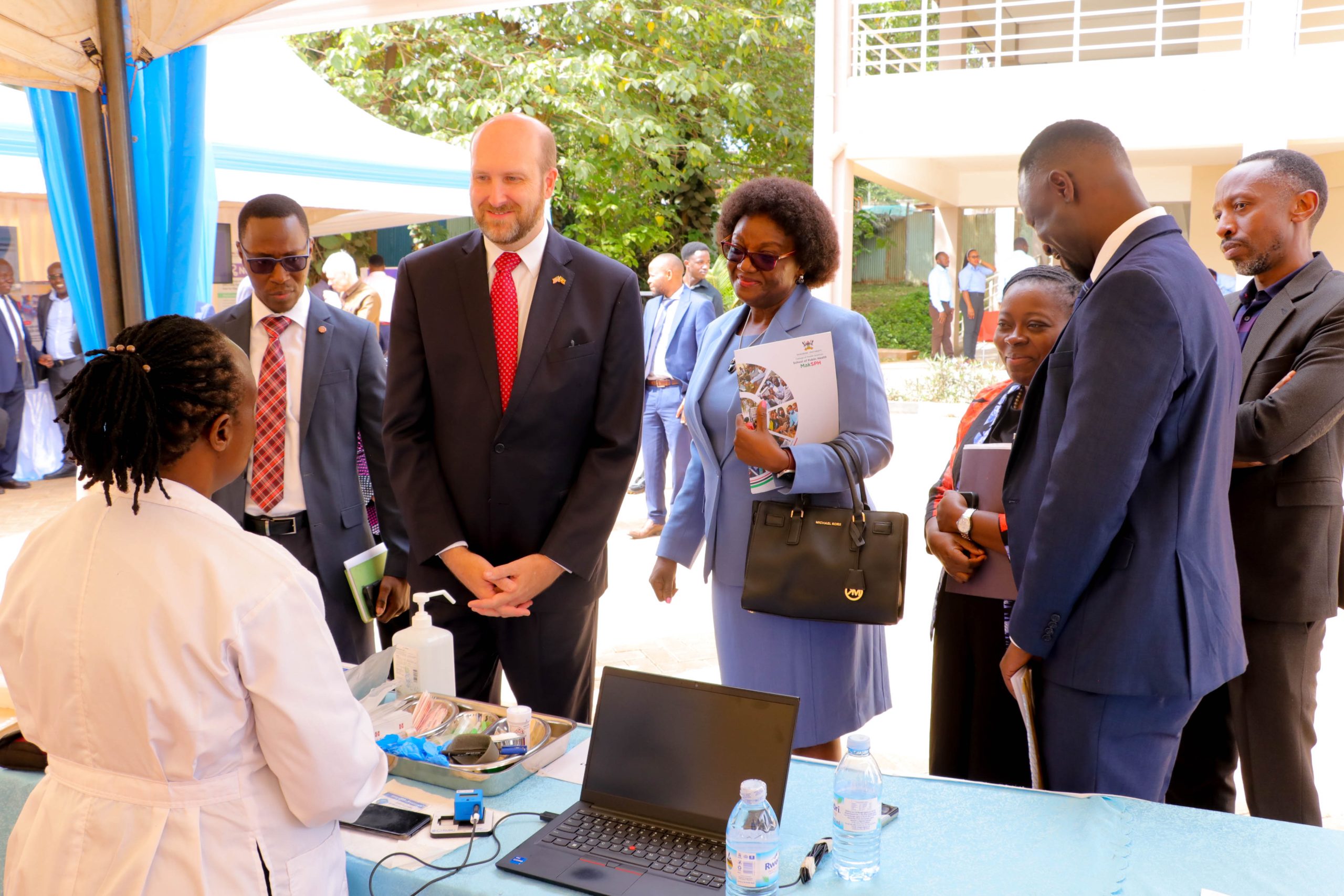
Then U.S. Ambassador to Uganda H.E. William W. Popp tours MakSPH exhibition stands with MakSPH and U.S. CDC leadership during the 2024 dissemination of CRANE Survey results in Kampala.
Regional Leadership, One Health and Innovation
U.S. Government support extended MakSPH’s contribution from national workforce development to regional public health leadership. In 2005, USAID, through the Higher Education for Development programme, supported the Leadership Initiative for Public Health in East Africa (LIPHEA), led by MakSPH with Muhimbili University of Health and Allied Sciences, Johns Hopkins Bloomberg School of Public Health and Tulane University School of Public Health and Tropical Medicine. The initiative strengthened leadership, competency-based training, faculty development and collaborative research across East Africa.
LIPHEA’s legacy continued through the East Africa HEALTH Alliance, which evolved into the One Health Central and Eastern Africa network and later the Africa One Health University Network (AFROHUN). These platforms brought public health, veterinary, environmental and allied disciplines into shared training and practice, helping build a workforce able to predict, detect and respond to zoonotic diseases, epidemics and other complex health threats.
The regional focus expanded further in 2012, when USAID selected Makerere University, through MakSPH, to lead the ResilientAfrica Network (RAN) under the Higher Education Solutions Network (HESN). Operating in 16 African countries through a network of 20 African universities, RAN connected African universities, U.S. partners and local innovators to strengthen community resilience to disease outbreaks, climate shocks, food insecurity, conflict and natural disasters. Through research, innovation grants, policy engagement and capacity building, it expanded MakSPH’s regional contribution to resilience science, innovation and implementation research.
METS and National Stewardship
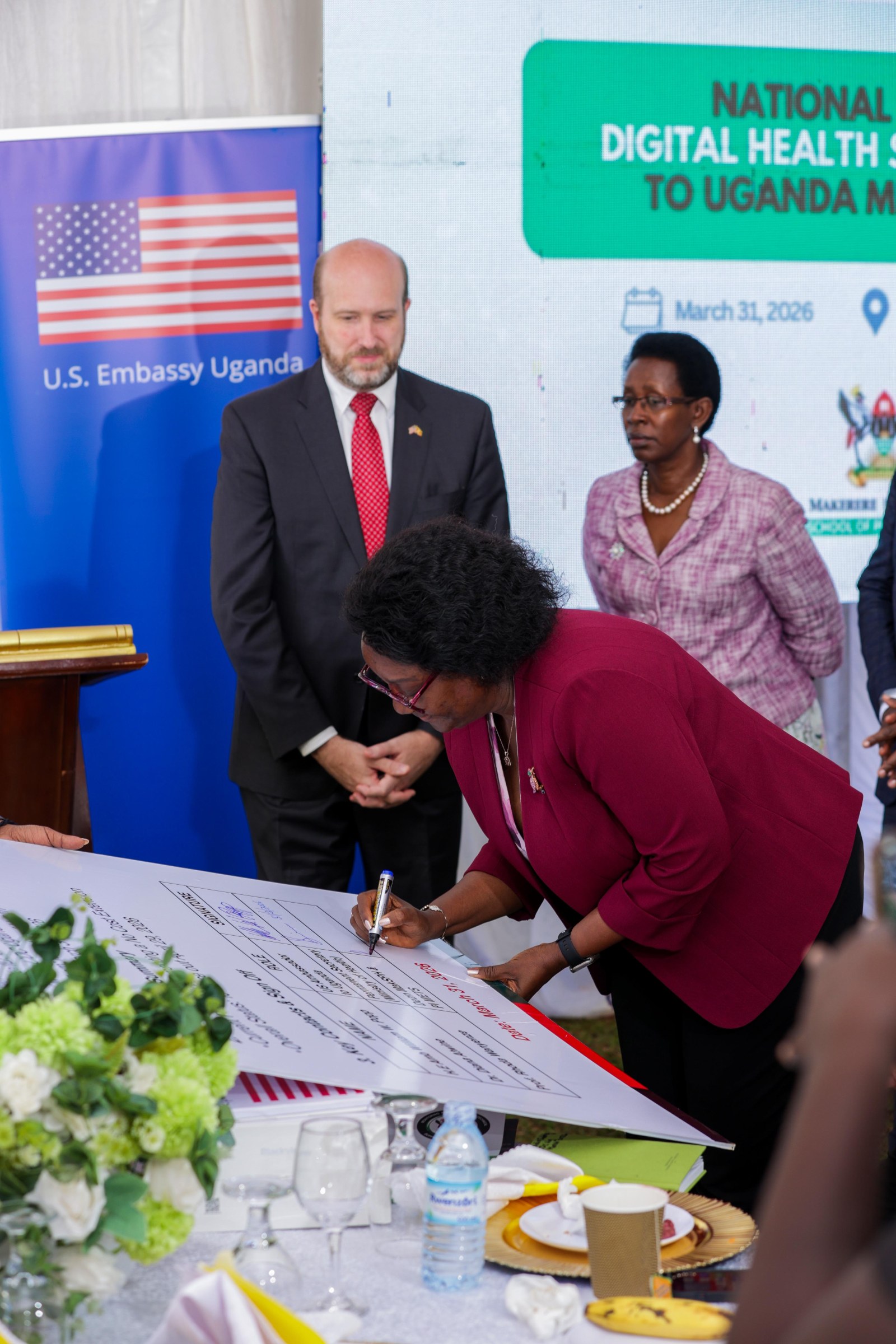
MakSPH Dean Prof. Rhoda Wanyenze signs the METS handover board during the transition of digital health systems and assets to the Ministry of Health on 31 March 2026, as then U.S. Ambassador to Uganda H.E. William W. Popp and Dr. Diana Atwine, Permanent Secretary, Ministry of Health, look on.
A recent marker of partnership maturity came through the Monitoring and Evaluation Technical Support (METS) Programme. Launched in 2010 with U.S. Government support through the U.S. CDC and PEPFAR, METS strengthened Uganda’s health information systems, case-based surveillance, monitoring, evaluation and quality improvement for HIV, TB and broader public health programming. Across three five-year grants totalling USD 103.8 million, the programme helped move Uganda from fragmented reporting toward stronger national data systems and more integrated digital health infrastructure.
During its March 2026 handover to the Ministry of Health, METS transferred 16 digital health systems, 725 servers, more than 4,700 computing devices, solar systems for nearly 800 facilities, connectivity equipment for more than 1,300 sites, and network upgrades for regional referral hospitals. The transferred ICT infrastructure was valued at USD 9.3 million. METS also helped improve District Health Information System 2 reporting from 58 per cent in 2020 to 98 per cent by 2025, while Electronic Medical Record coverage expanded to more than 86 per cent nationally, with 1,900 sites using electronic medical records.
Infrastructure and Future Capacity
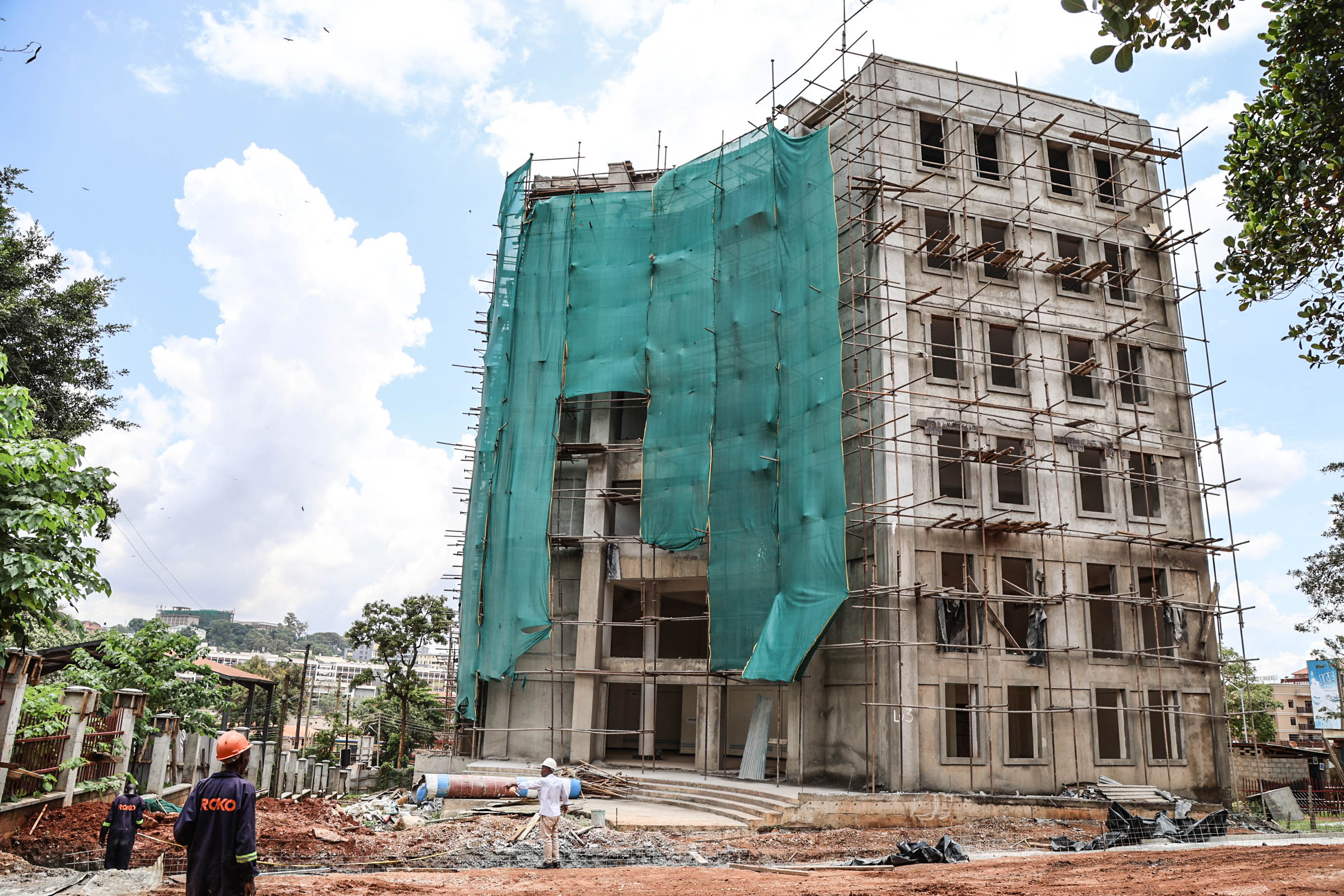
MakSPH’s new home takes shape near the Eastern Gate at Makerere University Main Campus, supported in part through the USAID ASHA grant.
MakSPH’s expanding mandate has placed new demands on its infrastructure. With more than 1,000 students, wider regional work and a growing research portfolio, the new MakSPH complex on Makerere University Main Campus is designed to support training, research, policy engagement and innovation at scale. In 2021, USAID, through the American Schools and Hospitals Abroad (ASHA) programme, awarded USD 1.1 million through Johns Hopkins University to support the Makerere University Centre of Excellence for Global Health within the new building.
The infrastructure agenda also points to the next phase of the MakSPH and U.S. Government partnership. After more than three decades of investment in leadership, evidence, surveillance, digital systems, regional networks and response capacity, sustaining these gains will require stronger shared responsibility.
As the United States marks 250 years of independence, MakSPH recognises a partnership that has strengthened Uganda’s public health system and continues to build capacity for the region.
Makerere University School of Public Health invites applications for a PhD fellowship under the Wellcome Trust-supported NETOMA study, which examines the coexistence of health worker shortages and unemployment among qualified health professionals in Africa.
The successful candidate will undertake doctoral research involving ethnographic fieldwork and qualitative analysis of health workers’ professional identities, employment experiences and livelihoods. Applicants should hold a Master’s degree in Anthropology, Sociology, Development Studies, Political Economy or a closely related discipline, with training in qualitative research methods.
Through a European Union (EU) funded initiative, Makerere University and Mulago Hospital are hosting a German oncology reconstruction specialist Professor Dr. Thiha AUNG. AUNG is a surgeon, trainer at the Deggendorf Institute of Technology (THD), and researcher on cancer from the Deggendorf Institute of Technology (DIT), Germany.
With his international expertise in oncology and medical management roles at his home institution, his visit is a valuable addition to Uganda’s capacity building efforts in medical advancement.
Prof. Aung who arrived in Uganda in late September 2026 and has since then conducted free identified patient specialised surgeries and training for locals. These are expected to span two weeks. For the period, his service intersects medical expertise and humanitarian efforts.
This is not Prof. Aung’s first time in the country; his first major visit was in 2023, when he performed life-changing free surgeries on early patients. He then made medical history in June 2024 when he arrived to perform Africa’s first-ever lymph node transplant at Mulago Hospital.
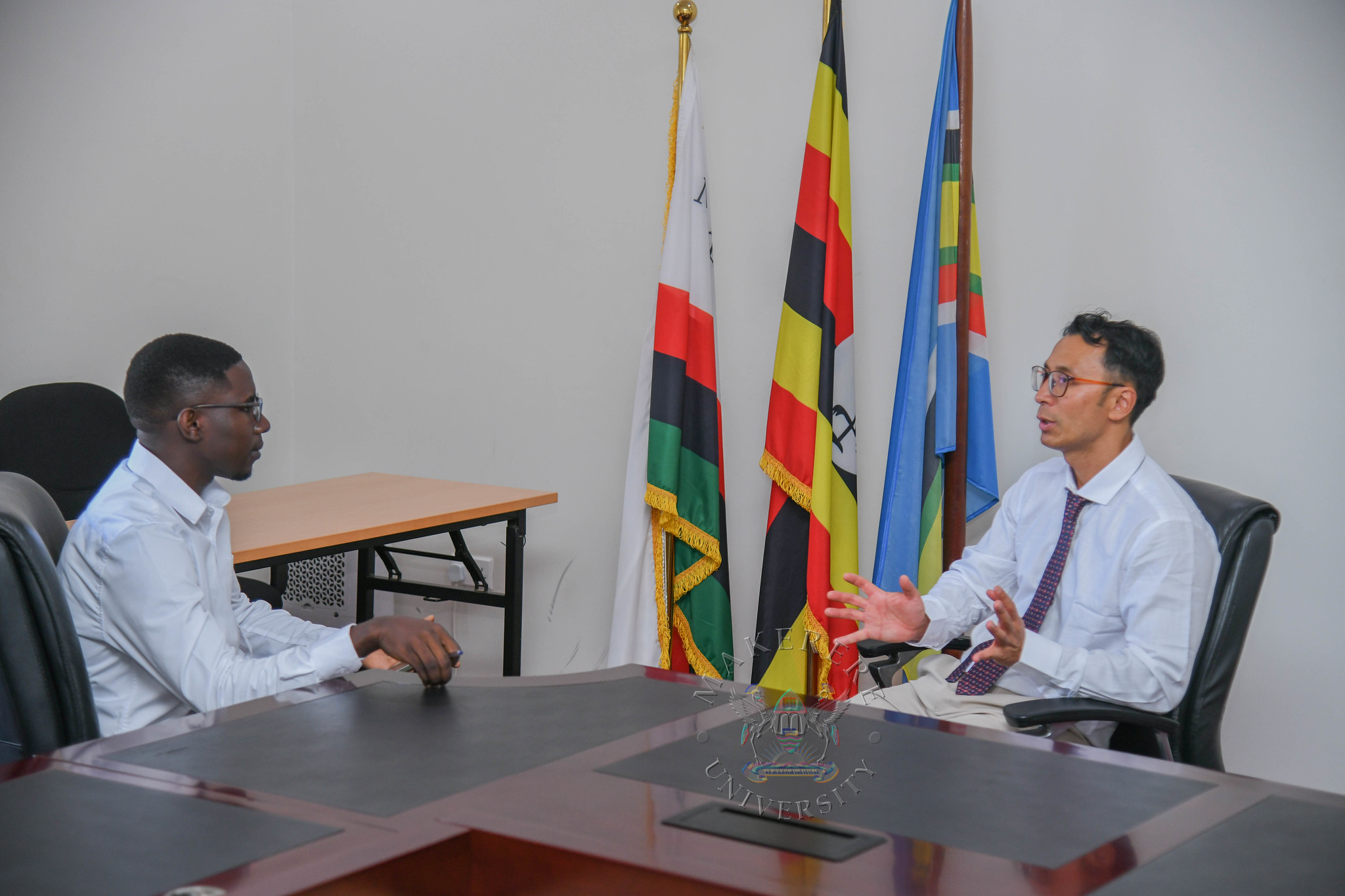
It was against this background that the Makerere Public Relations Office engaged him in an exclusive interview to share his philosophy on medical service, his experiences in oncology reconstruction, and his unwavering belief that passion and dedication rather than just resources are the true drivers of sustainable medical progress.
Transforming Lives Through Oncology Reconstruction
At the heart of his mission through the ERASMUS – Oncology/Lymphedema project, is the treatment of lymphedema, a condition often referred to as elephantiasis.
In Europe, such surgeries can cost between 80,000 and 100,000 euros, making them inaccessible to many.
Thankfully, Professor and his team, including some of his post graduate students like Anna Friedrich (B.Sc) and Sophia Waser (B.Sc., PA) from the Institute of Medical Science and Engineering, have once again brought this specialised care to Uganda pro bono.
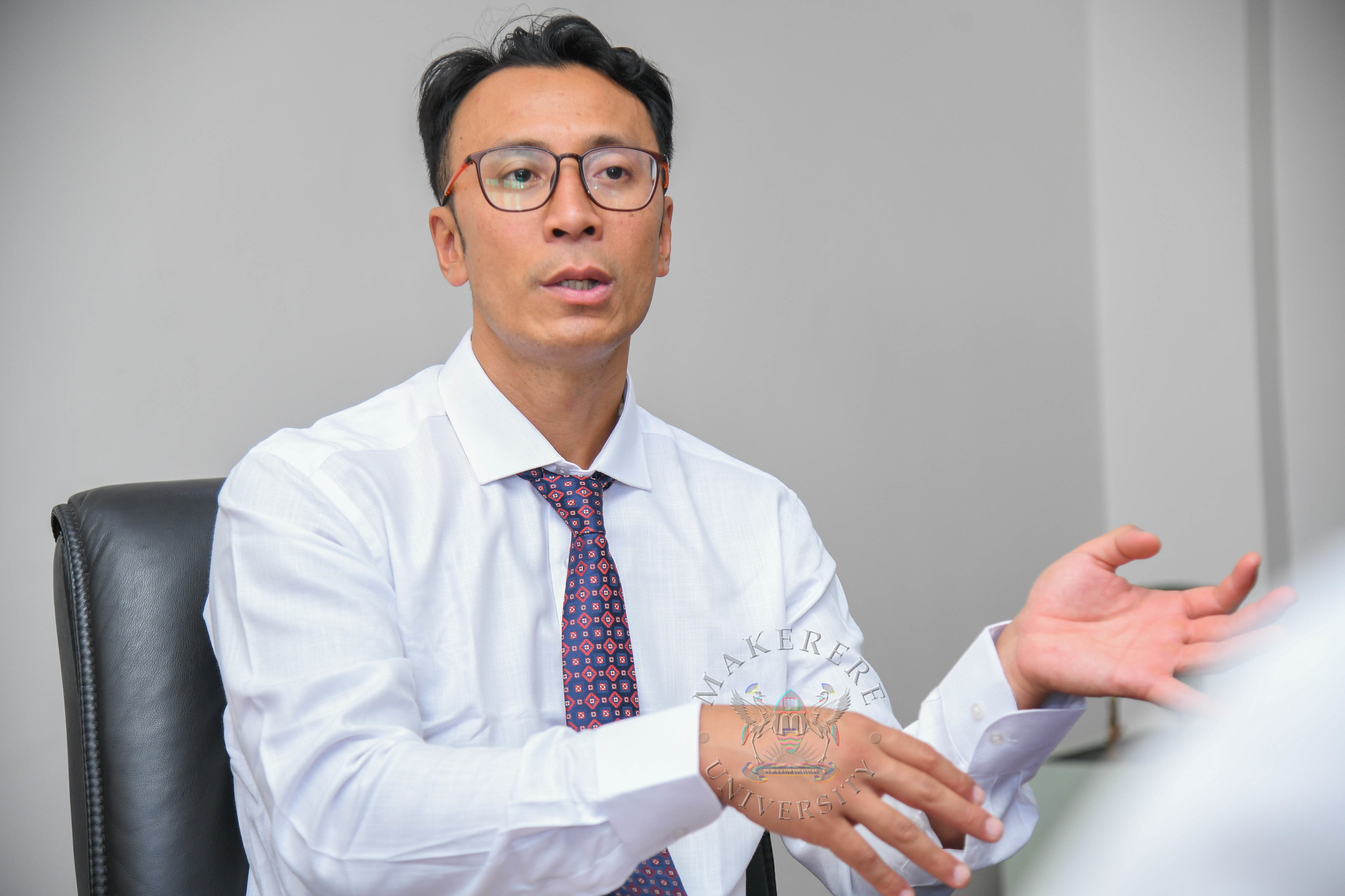
Professor AUNG with the article author.
He highlights the story of a teacher who, after receiving surgery, regained her quality of life and returned to the classroom. For him, the impact is exponential. “You change one life, but this person changes a lot in the community.”
This shift from individual surgery to the long-term wellbeing of the community, reinforces the local impact of these services.
Professor AUNG’s Personal Conviction
The professor confessed that inherently, he commands himself that beyond knowledge, true progress is driven by passion and will rather than resources.
He does not agree with those that think money and resources are the sole prerequisite for change in the medical world, stating, “you cannot change with money only.” Rather, he upholds the importance of personal decision and commitment.
When discussing the challenges of working in resource-limited settings, he maintains a simple, direct explanation “it’s always beyond the money.”
Ultimately, the Professor believes that if he can provide the spark, his students and patients can carry through with the same flame for significant change.
Motivation to Serve in Uganda
When asked about his inspiration for entering the field and now volunteering to work in Uganda, he explained that his primary goal was always to serve others. “That’s why I finished my medical school to help as many people as possible with my skills.”
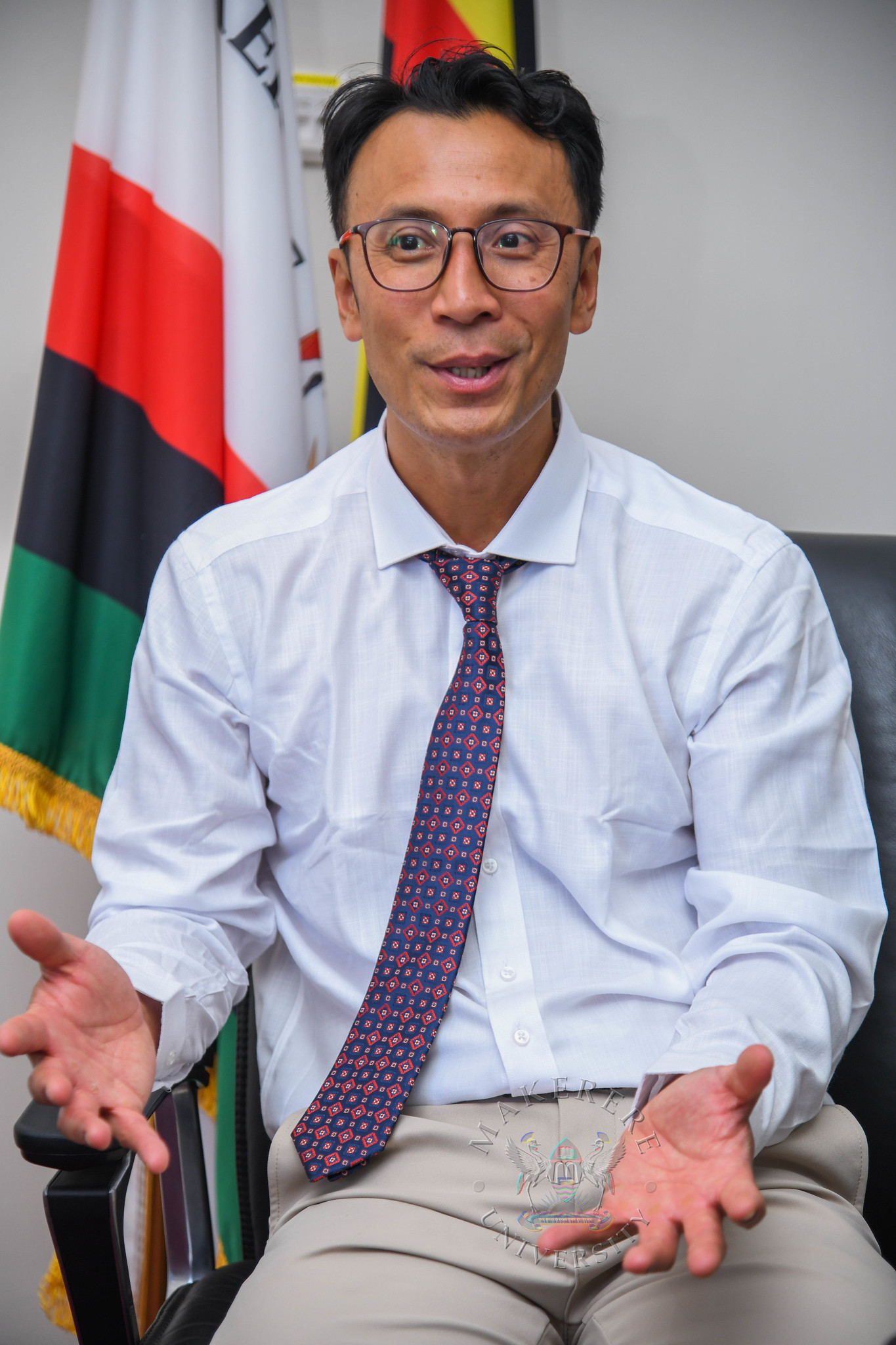
Professor AUNG gestures during the interview.
He views his medical expertise not as a tool for the privileged, but as a universal resource., “People are all the same, their anatomy is the same. So, I can help all these people pretty well,” Prof AUNG remarked.
His approach is motivated by a pay it forward dogma where treating a single patient creates a broader societal benefit. He illustrates this through his work with patients who, after surgery, are able to return to their professions like the teacher earlier mentioned.
Tips for Medical Professionals working in Uganda
As a foundation for professional growth, the Professor advised medical professionals working in Uganda to prioritise genuine interest in their work because he believes it is “the most important…” for “if you are interested, you will go far in the profession.”
He further reinforced the human capacity point, noting, “no matter what kind of equipment you have… it all depends on the people operating them and the patient.”
Professor AUNG concluded by encouraging doctors to overcome resource fears through action, stating, “If you want to create impact or change, you do.”
Dr. AUNG is part of the Lymphoedema Warriors Association (LWAU) in Uganda. He describes it as a grassroots organisation and commends them for “leveling the grond”. He reiterated his commitment to work with the organisation in reviewing patient reports to determine the best course of treatment.
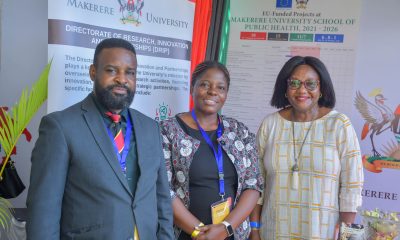
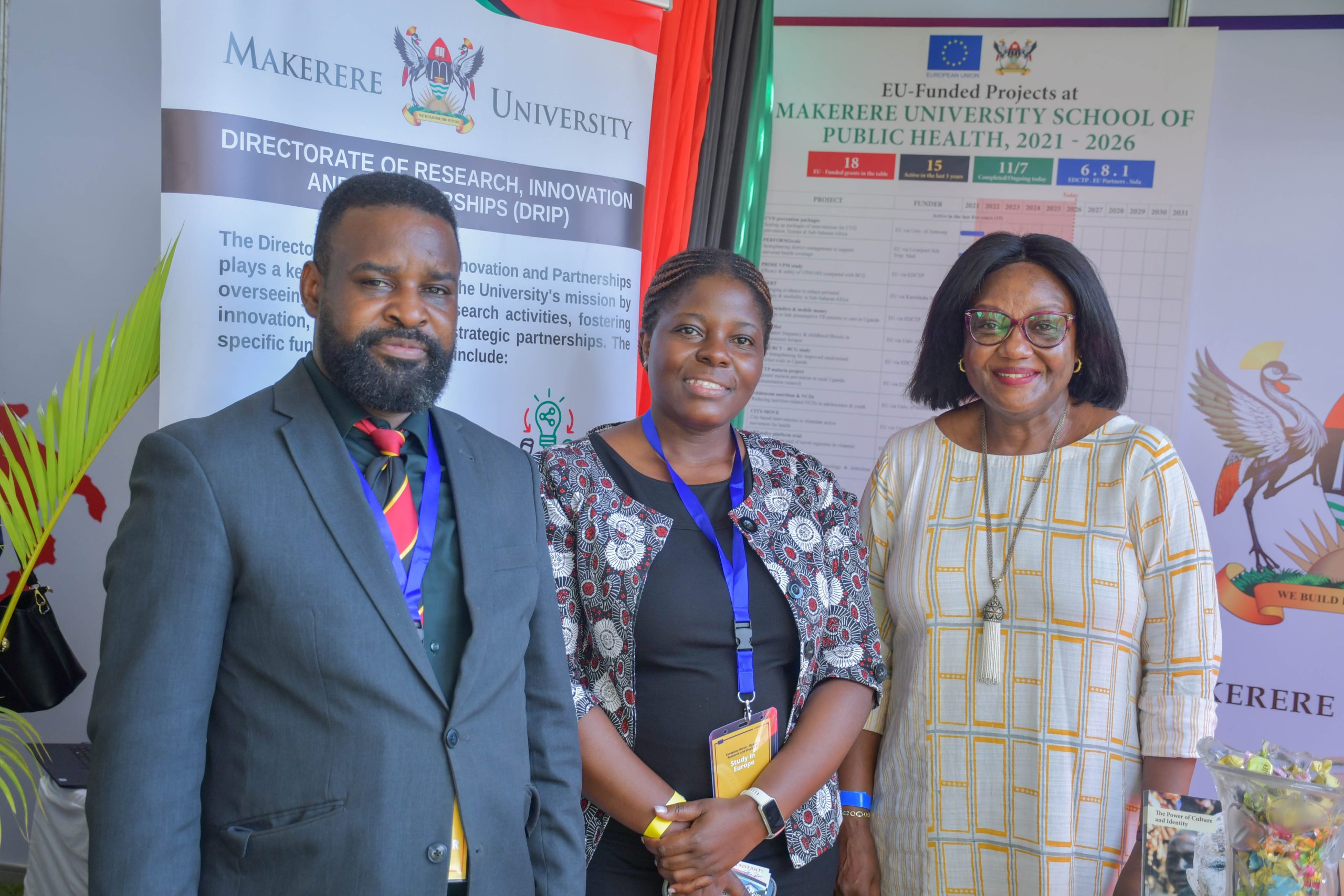
Makerere University’s School of Public Health (MakSPH) showcased research, training and international partnerships supported through European Union funding during the EU Uganda Research and Study Fair 2026 held at Makerere University.
The fair brought together students, researchers, academics, government representatives and development partners to explore opportunities in education, research, innovation and international collaboration, while celebrating 50 years of partnership between Uganda and the European Union.
Through its exhibition, MakSPH highlighted research and capacity building initiatives addressing public health challenges including infectious diseases, non communicable diseases, health systems, climate change and pandemic preparedness.
18 EU funded projects supported at MakSPH
Prof. Rhoda Wanyenze, Dean of Students, School of Public Health, said the School has benefited from 18 EU funded projects over the past five years, supporting research and training across several areas of public health.
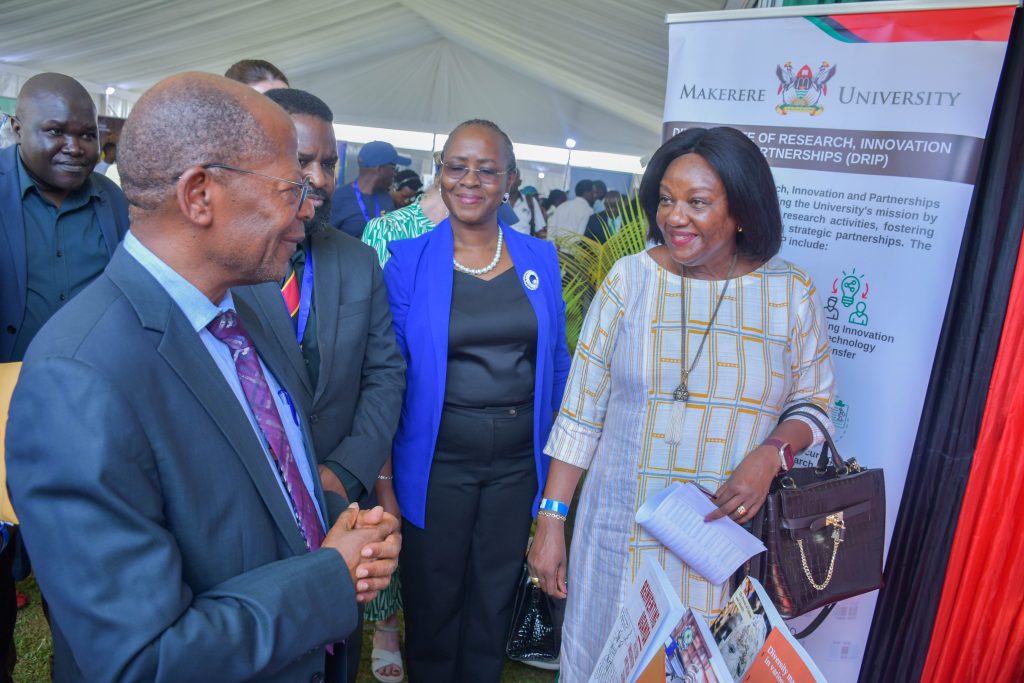
Prof. Rhoda Wanyenze explains MakSPH research projects to Acting Minister of Education and Sports Dr John Chrysostom Muyingo during a tour of exhibition stands at the EU Uganda Research and Study Fair.
She said the projects have contributed to the training of PhD researchers and the development of research addressing infectious diseases and prevention, non communicable diseases, health systems, climate change and health.
Prof. Wanyenze also highlighted a new five year programme which started in 2021 that is aiming at strengthening capacity for research on pandemic preparedness and response, including outbreaks such as Ebola.
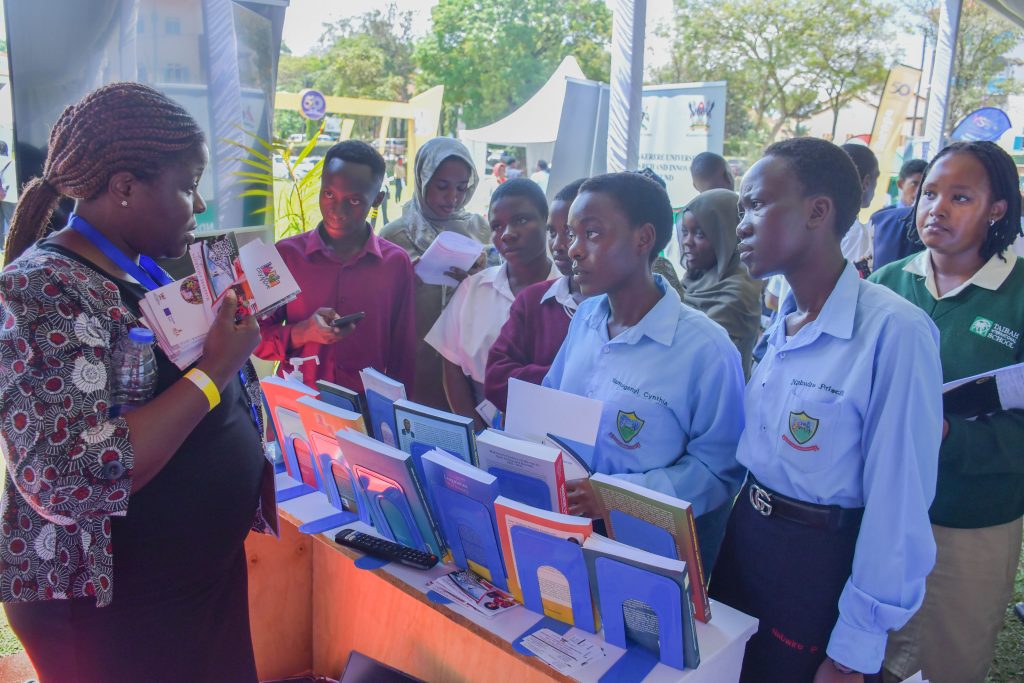
Stella Kakeeto interacts with students during the EU Uganda Research and Study Fair
Another programme being undertaken with the Ministry of Health and Karolinska Institute focuses on improving maternal health while also addressing adolescent pregnancy and the health of mothers and children.
She described partnerships as critical to advancing science and innovation, noting that collaboration allows researchers in Africa and Europe to share knowledge and strengthen the impact of research on communities.
Research partnerships strengthen innovation
Prof. Robert Wamala, Director of the Directorate of Research, Innovation and Partnerships at Makerere University, said the exhibition provided an opportunity to showcase EU funded projects across the University.
He noted that the School of Public Health alone has more than 18 such projects, while other colleges also have several EU supported initiatives.
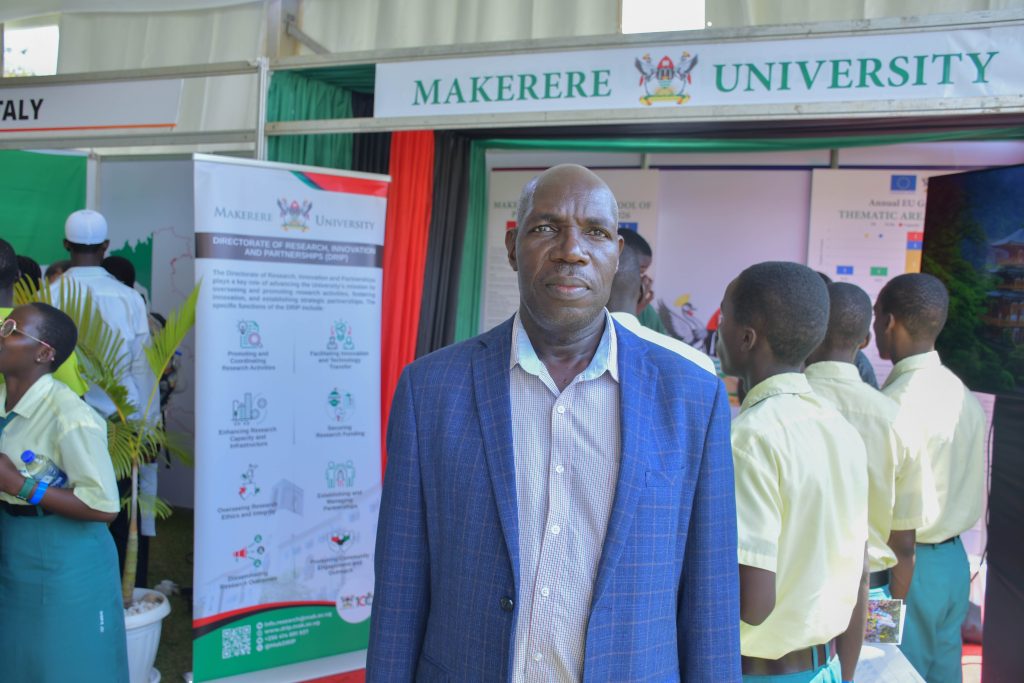
Prof. Julius Okuni
One of the projects showcased was PREPARE TID, a partnership aimed at developing rapid diagnostic technologies for emerging and re emerging infectious diseases.
Prof. Julius Okuni, Associate Professor of Veterinary Pathobiology and Molecular Diagnostics at Makerere University, said the project brings together universities, industries and other organisations from Africa and Europe.
The project is working to develop technologies that can quickly identify pathogens responsible for outbreaks such as Ebola, Rift Valley fever and Crimean Congo haemorrhagic fever.
According to Prof. Okuni, Makerere is involved in field and laboratory work to test and refine the technologies before they can be delivered to end users.
Fair provides platform for research visibility
For researchers at MakSPH, the fair also provided an opportunity to increase the visibility of ongoing research and create new connections with researchers, policymakers and potential funders.
Dr. Raymond Tweheyo, Honorary Lecturer and Senior Research Fellow in the Department of Health Policy, Planning and Management, said such exhibitions allow researchers to share their work and identify others working on related challenges.
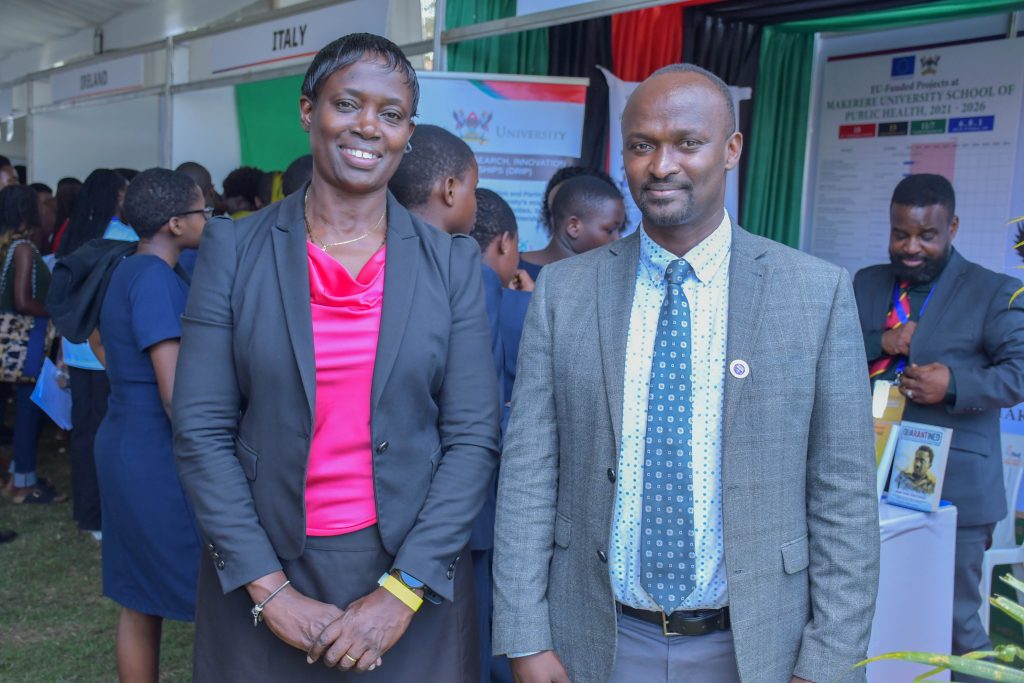
Dr. Raymond Tweheyo and Assoc. Prof. Angelina Kakooza Mwesigye at the exhibition
He cited the CONNECT for Health project, which focuses on transforming non-communicable disease care in Uganda through collaboration with partners across several countries.
Dr. Tweheyo said exhibitions can help researchers connect with policymakers, civil society organisations and other partners who can contribute to translating research into practical solutions.
Assoc. Prof. Angelina Kakooza Mwesigye, Associate Professor and Child Neurologist at Makerere University College of Health Sciences, also emphasised the importance of exposing young people to international research opportunities.
She said the long standing Uganda Europe partnership provides opportunities for the next generation of researchers to learn, build networks and prepare for future research collaborations.
The School of Public Health’s participation highlighted the role of international partnerships in strengthening research capacity, supporting innovation and developing evidence based responses to Uganda’s public health challenges.
















 General2 weeks ago
 General2 weeks ago
 General6 days ago
 General2 weeks ago
 Health1 week ago