
General
Another Double win for African Film and Oral Literature

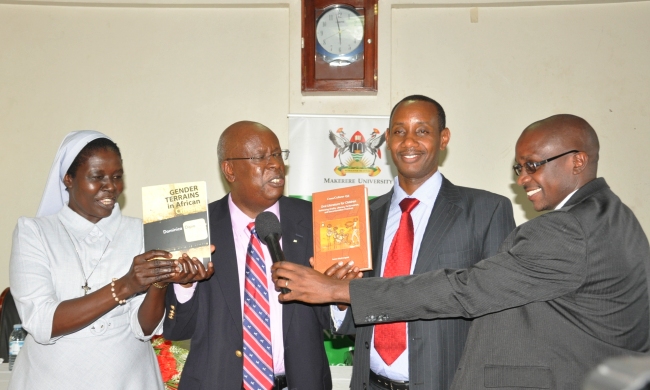
The month of October 2014 ended on a spectacular note when the College of Humanities and Social Sciences (CHUSS) held a double book launch for two of her enormous army of prolific academics and writers. The audience, most of who had to brave the afternoon downpour on 31st October 2014 to make it in time was kept entertained by Mengo Senior School students’ recitals of Kanemu Kanabiri, Mpenkoni and many other traditional play songs as derived from Dr. Aaron Mushengyezi’s Oral Literature for Children book. On the other hand Sr. Dr. Dominica Dipio’s book Gender Terrains in African Cinema left the audience more appreciative than ever of the power mothers wield over the African film industry and society in general.
In her enthusiastic welcome address Dr. Susan Kiguli, Head-Department of Literature, CHUSS commended everyone for sparing time to attend the launch, especially the Chief Guest Mr. James Tumusiime-Chairman of Fountain Group and her own aunt Mrs. Sheila Goa who at 86 years of age was still sharp and sprightly. She further thanked Mr. Tumusiime for not only accepting her invitation but also actually taking time to read the books, “Our unanimous response was we are going to have a Guest of Honour who has actually read the books” she said, much to the amusement of the audience, before hastening to add “Of course we did not expect less but we are also happy that our judgment was as our students say ‘spot on’.”
 She thanked the African Humanities Program (AHP) supported by the American Council of Learned Societies (ACLS) and Carnegie Corporation of New York (CCNY) for ensuring that Dr. Aaron Mushengyezi and Sr. Dr. Dominica Dipio published their books. “I want to welcome and warmly congratulate our authors for this landmark achievement and for ensuring that our Department’s name stays on the sparkling pedestal,” said Dr. Kiguli, directly addressing the authors. She also commended Prof. Austin Bukenya and Dr. Consolata Kabonesa for their moving reviews of Dr. Mushengyezi’s and Dr. Dipio’s books respectively, as published in the New Vision newspaper of 30th and 31st October 2014.
Associate Professor Aaron Mushengyezi is the Dean-School of Languages, Literature and Communication, CHUSS, a book author and editor who has won several awards from the International Scholarship Programme of the Ford Foundation, the African Humanities Program (AHP). His latest book Oral Literature for Children: Rethinking Orality, Literacy, Performance and Documentation Practices seeks to take the oldest form of communicating traditional cultural values and information to the next level.
“We have recognized the value that these texts for young people play. They embody the cherished cultural values of hard work, respect for each other, and charity as well as numeracy skills. These texts also have a role to play in promoting social relationships and sometimes even teaching children their gender roles and relationships, which help our children to stay focused on what society expects of them as mature men and women” shared Dr. Mushengyezi. He further intimated that the current uncertainty surrounding our sexuality and whom we should marry or not could be attributed to an extinction of cultural values which were previously handed down by traditional oral literature.
 Dr. Mushengyezi emphasized the need to work more with culture-based industries so as to get the traditional texts to provide educational value in our schools. He commended Mr. James Tumusiime whose efforts through Fountain Publishers and Igongo Cultural Centre have gone a long way in promoting local cultural practice and conservation. He challenged the Government of Uganda through the Ministry of Gender, Labour and Social Development to invest in the promotion of culture-based industries through support to cultural tourism and traditional resources marketing. He also challenged Mr. James Tumusiime to consider having local publications of the books done through Fountain Publishers so as to reduce on their cost and improve their availability. He paid special tribute to his wife, children, family and Makerere University for the support that had enabled him complete the book.
Dr. Okot Benge is a Lecturer in the Department of Literature, CHUSS whose writing also neatly straddles both gender and oral literature aspects. As the moderator for this particular session of the day, he sent the audience doubling over when he recollected Prof. Austin Bukenya’s experience, who when asked for his publications prior to promotion to the rank of Senior Lecturer returned with a sack load of books, and even inquired if those would suffice! The evergreen Prof. Bukenya took it all smilingly and on assuming his position at the podium, and as has now become his pre-address tradition, started off with a recital of William Wordsworth’s 19th Century poem My Heart leaps when I behold.
He profusely thanked Dr. Aaron Mushengyezi for “bringing back his youth” through his book, whose review he had felt very privileged to write. Recollecting two childhood memories; i) Njabala – the last folktale his late mother shared with him before her passing and ii) Rosa Nyanzira – his first girlfriend whose storytelling charmed the then four year old Austin, Prof. Bukenya commended the author for exquisitely blending these special memories into one awe-inspiring publication.
Prof. Bukenya shared that he felt both gratified and shamed when he read the book, for in one shot, Dr. Mushengyezi had struck down the targets that he (Prof. Bukenya) had been taking aim at since 1968, when as a graduate student he was assigned the task of systemizing oral literature at Makerere under the guidance of Pio Zirimu. “You brought this process to a new level by showing us what can be done all the way from collection, from transcription, from translation to interpretation, and this starts a very useful scholarly discussion,” said Prof. Bukenya.
 He shared that this book brought out the richness of our multilingual culture “This book really enables us to share and if you want to appreciate it, read it in the original text and only read the translated one thereafter” he said. He advised that reading the book this way, we would gain a greater appreciation of how much similarity our languages share. “You have given us a comparative approach of the various rhymes which we can find in our languages” added Prof. Bukenya. He thanked Ms. Emily Drani, Executive Director, Cross-Cultural Foundation of Uganda for promoting the Nation’s non-tangible culture. “The Arts that make us human are not useless and I will say that loudly and proudly” concluded Prof. Bukenya.
Associate Professor Dominica Dipio the second author of the day is a former Fulbright Research Fellowship and African Humanities Program Fellow who has initiated and coordinated a number of projects such as the Makerere-Bergen Folklore project. Dr. Dipio is a videographer with thirteen titles of both full and short length films to her credit. She has over thirty academic journals and book chapters to her name, her most recent publication being Gender Terrains in African Cinema.
“I came into contact with Film as a Graduate student at the Pontifical Gregorian University in Rome in 1999. At that time it was being taken as a window into the African world; that is for the outsider and not for the Africa,” said Dr. Dipio in giving a brief background of her inspiration. She defended her choice of Francophone films dating from 1970-2000 for her research because France’s colonial policy supported cultural engagement, which led to a flourishing film industry. “However, a similar process as I have done could be undertaken by students and scholars in East Africa because filmmaking in the region is becoming a very serious engagement” she challenged.
In her analysis of the films, she took inspiration from one African filmmaker who observed that “Evolution is not possible without women’s active involvement and that is especially true of the Arab world. The Arab man has given all he can and his achievements aren’t great. Maybe the Arab woman can reinvent the world… when I look at my mother; I see that her intelligence is intact. She hasn’t had a chance to use it” she read in quoting. Dr. Dipio’s Gender Terrains in African Cinema offers a logical analysis of whether these filmmakers and critics actually “walk the talk” in their films. She was therefore happy to discover that the filmmakers made commendable efforts at representing women and gender issues in a way that challenged the status quo.

“Since political and administrative powers lay mostly in the hands of men, women’s emancipation can only be effective with the active participation of men alongside the women; men in this respect need to equally be the target of male and female discourses. The turnaround made by mainstream men to join the direction of struggle for women’s emancipation against gender based violence always led to very positive results“observed Dr. Dipio. She recognized Ms. Gorettie Bamwanga among many others in the audience for their exceptional role in mentoring young women. Ms. Bamwanga is the author of Footmarks – a book profiling 100 pioneering Ugandan women.
The moderator Dr. Okot Benge was at it once again while introducing Dr. Consolata Kabonesa, Dean-School of Women and Gender Studies (WGS) and reviewer of Gender Terrains in African Cinema. Describing her as the “most amiable scholar I know who is widely published on the subject of women and gender studies”, Dr. Benge managed to elicit that warmth from Dr. Kabonesa that literally made waves as it radiated across the room. “When I started reading the book, all I could keep saying to myself was wow! Dr. Dipio deserves to be in the School of Women and Gender Studies because she tackled gender issues so well” enthused Dr. Kabonesa in her opening statements.
 Dr. Kabonesa commended Sister Dipio for making the often-silenced girl child talk speak out through her well scripted narratives in the book. “We don’t see this in the film but in Sr. Dipio’s analysis of the gender terrains in cinema” she observed. She commended Dr. Dipio for highlighting the vital role played by mothers in streamlining gender identities and leveling out gender inequalities in society, “it is we the mothers who actually make these young men who they are and so if we start early with them, we will be able to advance this cause.” She further noted that Sr. Dipio attains a number of goals by representing the various categories of women, engaging them in discourse and critiquing their positions through the lenses of class and age range. “This she attains by weaving in and out of this generation to the other, this class to the next which makes for very interesting reading. You need to read it” commended Dr. Kabonesa.
Dr. Patrick Mangeni is not only the Head-Department of Performing Arts and Film (PAF), CHUSS but also a recognized author of books, poetry and prose. As the country grappled with averting the rapid spread of the HIV scourge in the late 1980s, Fountain Publishers came up with the FFF (Fact, Fiction and Facilitation) project to reach out to the youth. To help develop the Fiction component, Fountain Publishers turned to Makerere University and Dr. Mangeni was one of the authors who tremendously contributed to this project.
Introducing the day’s Guest of Honour, Dr. Mangeni commended Mr. Tumusiime for not only supporting Ugandan and regional authors but also helping to revitalize the University Bookshop in 1996. “We appreciate the Guest of Honour for being innovative and not being afraid to take on challenges. You know what the publishing industry is like but I can proudly say that Fountain Publishers is the leading publisher in this country and it has not been by mistake but by effort, determination and being able to take on risky ventures,” extolled Dr. Mangeni.
 The Guest of Honour Mr. James Tumusiime despite the praise heaped upon him managed to make to the podium and graciously thank the Literature Department for honoring him with the invitation. He chose not to bask in this limelight alone but rather chose to share it with his Publishing Manger-Dr. Tom Tibaijuka, and Wordsmith and Editor-Mr. Julius Ocwyino among other Fountain Group staff present. He expressed his delight at being associated with Makerere University Authors especially the day’s guests; Sr. Dr. Dominica Dipio-who has relentlessly contributes to Fountain Publishers’ Madi publications and Dr. Aaron Mushengyezi who co-edited the bilingual Runyankore/Rukiga-English Dictionary.
“I wish to thank you the two authors for elevating seemingly simple subjects of folktales and cinema to the intellectual realm of scholarly work and I hope they are going to trigger debate and discussion so that we see more and more books tackling these important subjects” remarked Mr. Tumusiime. To illustrate the important role played by mothers in African society, Mr. Tumusiime drew inspiration from Rwanda during the era of Kingdoms where a King never took to the throne without the presence of a mother. Similarly he reflected on the example of Ankole where the King was kept in check by a mother’s belt, which if used to sound the royal drum meant that the King had to commit suicide.
 Commenting on the current Sciences versus Arts debate, Mr. Tumusiime labeled as “saddening” the current disinformation about the role played by humanities in societal development. He urged scholars to create a lobby group and work with the media to request for an audience with the leadership. “There is science that can develop and liberate our economies but we cannot neglect our own culture, thinking and humanities, and sacrifice them at this altar of science” counseled the Guest of Honour. “We all aspire to be like the developed countries but wherever you have Isaac Newton being celebrated, there is Shakespeare on the side and although science has advanced over the years, Shakespeare is still with us” he said to resounding applause. “And so let us contextualize this debate properly” added Mr. Tumusiime.
He commended Ms. Emily Drani and Artists from the Margaret Trowell School of Industrial and Fine Arts (MTSIFA), CEDAT for their contribution to the successful establishment of the Igongo Cultural Centre, Mbarara. “The museum (centre) was part of that expression of another form of delivering content. Museums and cultural tourism in the world have an annual turnover of 1trillion Dollars compared to Nature tourism. So culture, literature, cinematography and museums are very important assets for this country and we should nurture them” urged Mr. Tumusiime.
Dr. James Ocita a Lecturer in the Department of Literature moved the day’s vote of thanks and commended Fountain Publishers and Mr. James Tumusiime for improving the reading culture in Uganda. He also commended the Fountain Group for setting up the Fountain Living Youth Series which had mentored a number of young writers such as him and honed their writing skills. He thanked The New Vision, Makerere University, Mengo Senior School, FEMRITE and other entities and individuals for making the launch a success. The day’s proceedings were ably emceed by Dr. Danson Kahyana.
Article by Public Relations Office


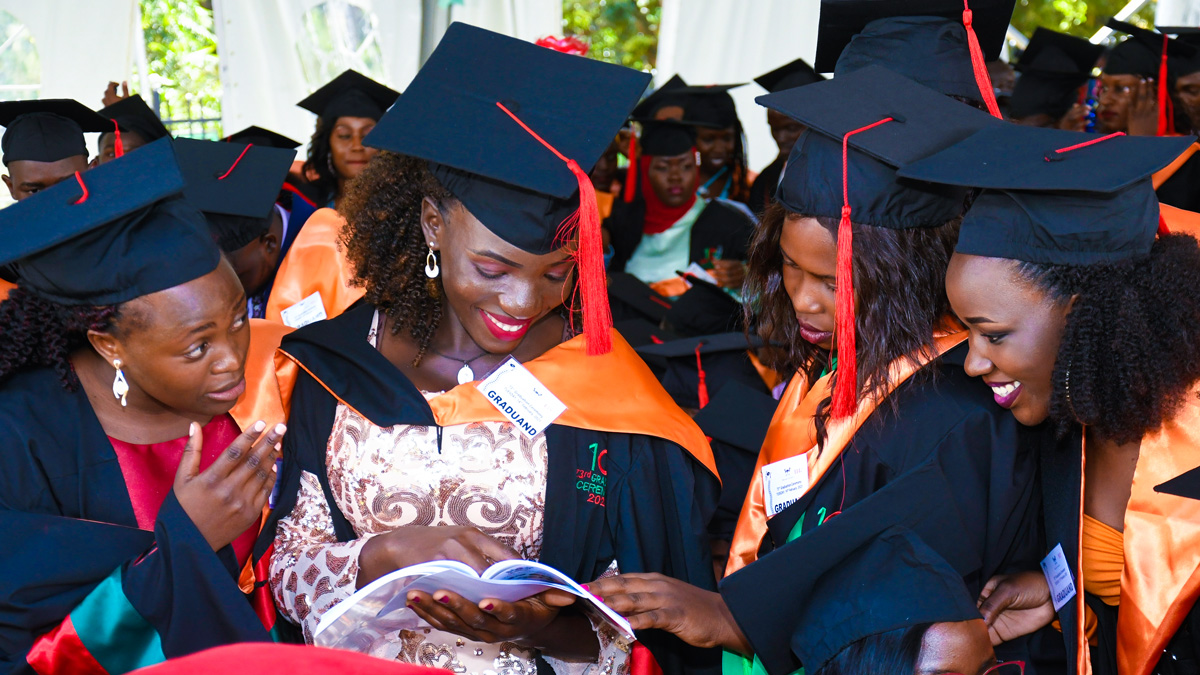

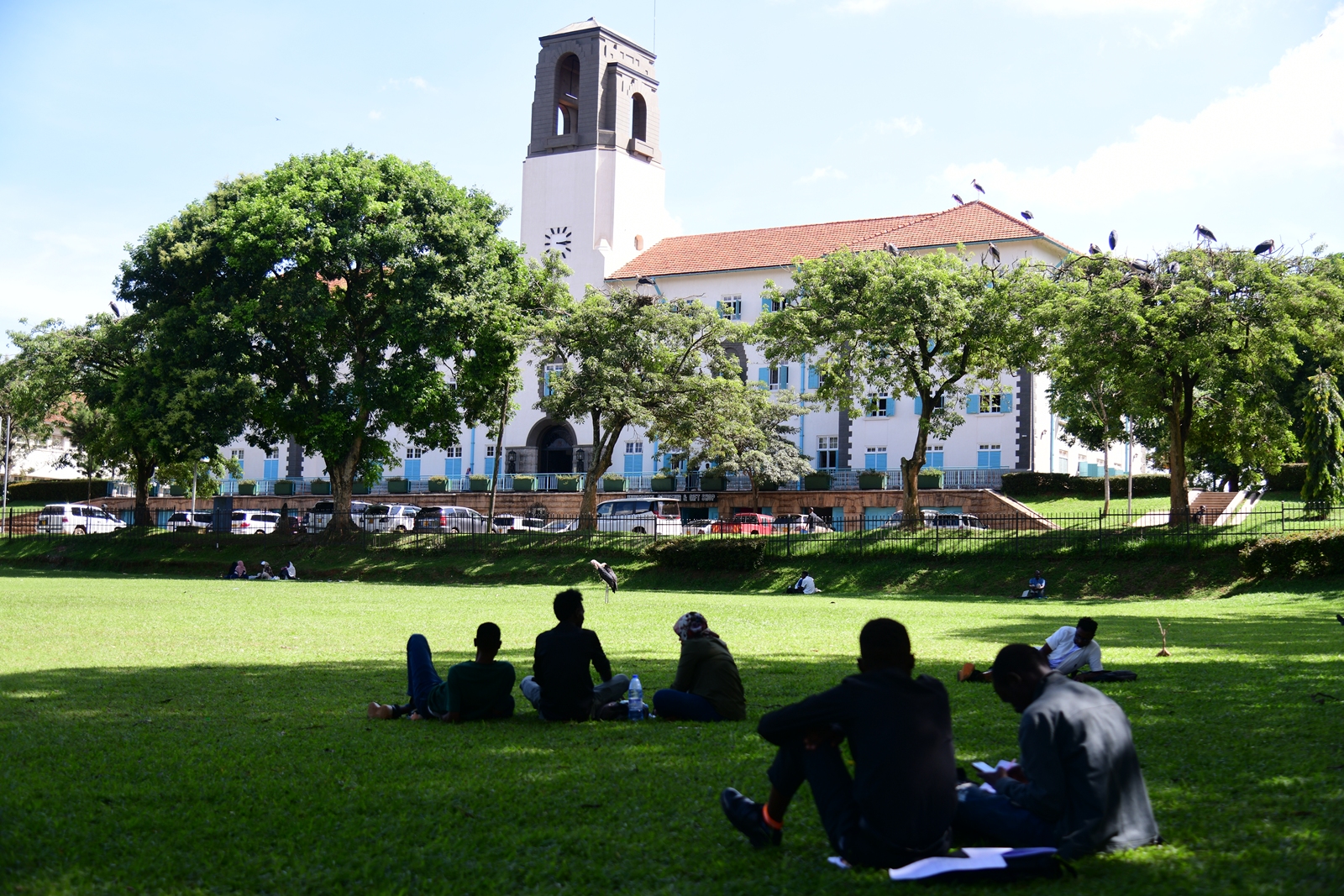
Makerere University, the oldest and most prestigious institution of higher learning in Uganda and one of the foremost universities on the African continent, has officially commenced its Semester Two examinations for the 2025/2026 academic year. The much-anticipated assessment period marks a critical milestone in the academic calendar, bringing together thousands of students from across the university’s numerous colleges, schools, faculties, and institutes as they sit their end of semester papers in a bid to demonstrate mastery of the content covered throughout the semester.
The examinations, which span a carefully structured timetable released by the Academic Registrar, are being conducted across the various examination halls, lecture theaters, and designated assessment venues spread throughout the Makerere Hill campus. Security and integrity measures have been reinforced to ensure that the examinations are conducted in a fair, orderly, and transparent manner, upholding the university’s longstanding commitment to academic excellence and integrity.
This year’s examination season arrives at a particularly significant moment for the institution. Having navigated numerous challenges in recent years including disruptions to the academic calendar, resource constraints, and the ongoing effort to modernize curriculum delivery, Makerere finds itself reaffirming its core identity as a centre of academic rigour and intellectual development. The commencement of these examinations is therefore a statement of institutional resilience and the continued determination of both staff and students to uphold the highest standards of scholarship.
A Season of Academic Reckoning
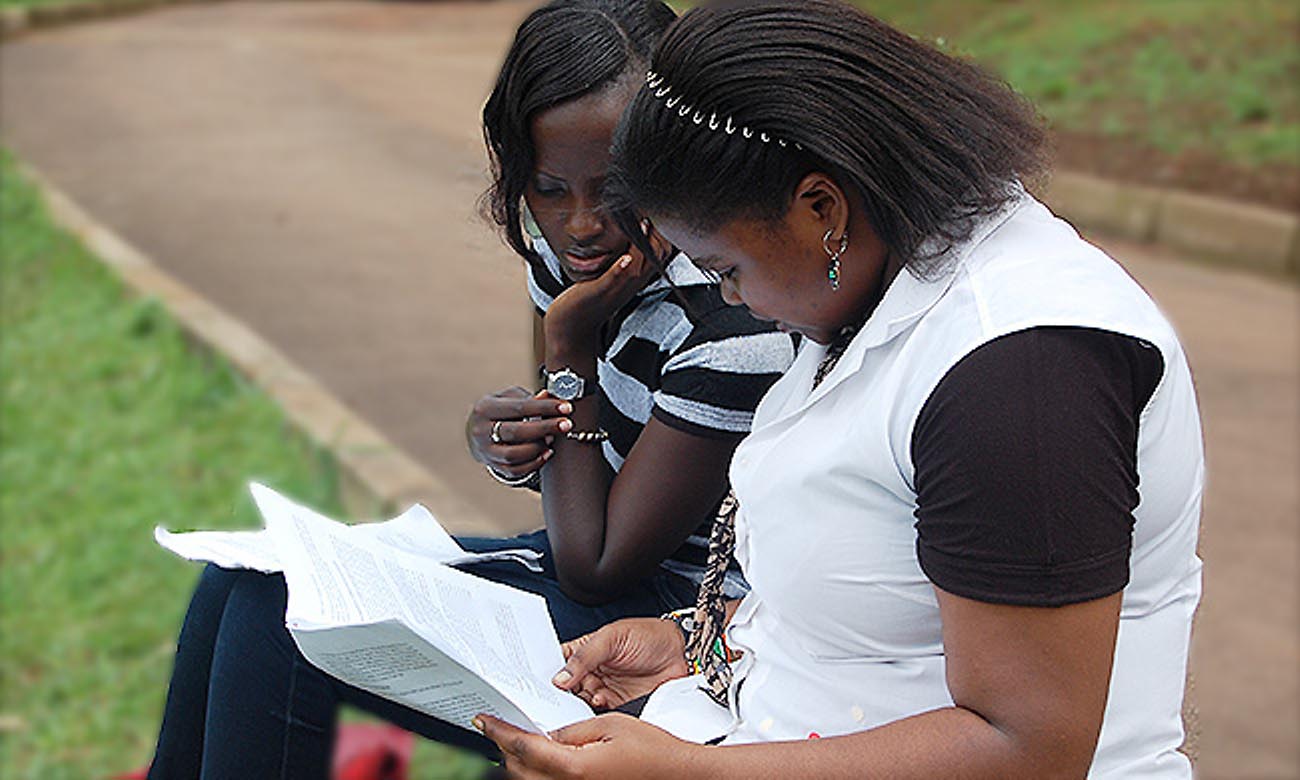
For the student body, the commencement of Semester Two examinations signals the culmination of months of learning, late night reading sessions, group discussions, coursework submissions, and individual academic effort. Across the hostels, libraries, and common rooms of Makerere, the atmosphere has unmistakably shifted into one of focused determination. Students can be seen poring over lecture notes, textbooks, and past examination papers in every available space, from the steps of the Main Library to the benches of Freedom Square.
The university administration, through the various college deans and heads of department, has urged students to approach the examinations with calmness, thorough preparation, and utmost honesty. Messages reminding students of the dire consequences of academic malpractice have been widely circulated, as Makerere maintains a strict zero tolerance policy toward examination fraud, plagiarism, and any form of misconduct during assessments.
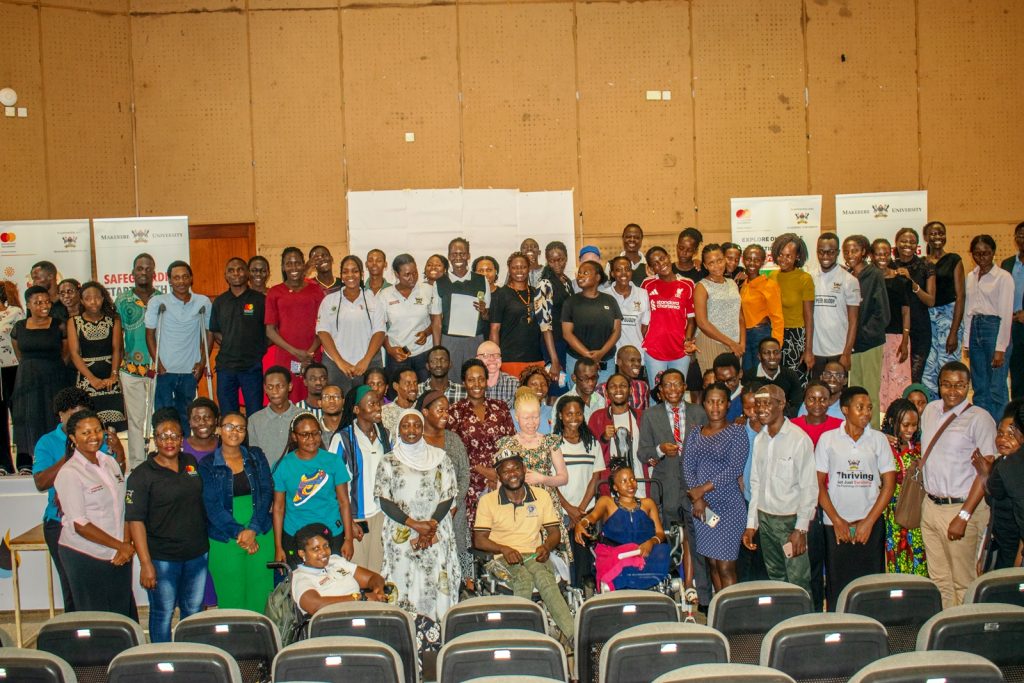
Beyond the pressure of performance, the examination period also carries a deeply communal character on the Makerere campus. Students from different programmes, regions, and backgrounds find themselves united by the shared experience of preparation and assessment. Study groups form spontaneously in corridors and courtyards, senior students mentor their juniors on examination technique, and a spirit of collective striving pervades the institution. It is one of the defining features of life at Makerere, where the pursuit of knowledge is understood as both a personal endeavour and a shared social responsibility.
Preparation and Logistical Readiness
Ahead of the examination period, the university undertook extensive logistical preparations to ensure smooth and uninterrupted conduct of all papers. The Academic Registrar worked in close coordination with college examination officers to finalize seating arrangements, allocate invigilators, distribute examination materials, and confirm examination schedules with both academic staff and students. Special provisions were made for students with disabilities and those with documented medical conditions that may require additional time or special seating accommodations.
The university also invested in refreshing and reinforcing the physical examination venues. Lecture theaters and examination halls have been reorganized to ensure adequate spacing between candidates, proper ventilation, and clear visibility of invigilation personnel at all times. In line with best practices for examination administration, the university ensured that all required stationery, answer booklets, and supplementary materials were available and ready for distribution before the commencement of each paper.
Communication between the university and its students was also given particular attention in the lead up to the examinations. The Academic Registrar disseminated detailed instructions regarding reporting times, permitted materials, dress code requirements, and procedures for handling examination anomalies. Students were also reminded of the appeals process available to them should they have concerns about any aspect of their assessment. These communications were shared through the university’s official online portals, notice boards, college bulletins, and student representative councils to ensure maximum reach across the diverse student population.
The role of academic staff in the success of the examination period cannot be overstated. Lecturers and course instructors spent the final weeks of the semester conducting revision sessions, responding to student queries, and ensuring that all coursework components had been duly submitted and graded before the formal examination window opened. Many went above and beyond the requirements of their schedules to hold additional consultation hours, offering students every possible opportunity to consolidate their understanding and approach the examinations with confidence.
The Student Experience During Examinations
The experience of sitting Semester Two examinations at Makerere University is one that students across all disciplines describe as both challenging and transformative. Whether one is pursuing a degree in Medicine, Engineering, Law, Education, Agriculture, Business, or the Arts and Humanities, the examination period demands a high level of intellectual engagement and self discipline. For final year students in particular, these examinations carry enormous weight, as outstanding results can open doors to prestigious postgraduate opportunities, professional careers, and scholarship programmes both within Uganda and internationally.
First and second year students, many of whom are still adjusting to the demanding academic culture of university life, have also been encouraged to view these examinations not with fear, but as an opportunity to measure their growth and identify areas requiring further attention. The university’s Student Support Services office has throughout the semester offered counseling, academic advising, and peer mentorship programmes designed to equip students with the tools needed to manage examination related stress and perform at their best.
The physical and mental wellbeing of students during this period has also been a priority for the university. The university health center has been operating with extended hours to attend to students who may require medical attention, while the counseling and guidance unit has been available to offer psychological support to those experiencing anxiety or other forms of distress linked to the pressure of examinations. Student leaders have similarly been active in organizing welfare activities such as communal meals, devotional gatherings, and motivational talks to sustain morale across the student community.

International students studying at Makerere under various exchange and bilateral agreements have also been fully integrated into the examination process. The International Office worked to ensure that these students were aware of all relevant regulations, that their results would be properly transmitted to their home institutions, and that any unique logistical needs they may have had were addressed in a timely and sensitive manner. Makerere‘s growing profile as a destination for regional and international students makes this kind of inclusive administration increasingly important.
Upholding the Integrity of the Examination Process
Academic integrity remains one of the most sacred principles at Makerere University. The institution has, over its century long history, produced graduates who go on to serve in the highest echelons of government, civil society, academia, and industry, not only in Uganda but across East Africa and the broader global community. The credibility of a Makerere degree is therefore inseparable from the integrity with which its examinations are conducted. To this end, trained invigilators are deployed at every examination venue, and supervisory visits by senior academic officers are carried out throughout the examination period.
Students found in possession of unauthorized materials, communicating with fellow candidates without permission, or engaging in any other form of misconduct face serious disciplinary consequences, including cancellation of their papers, suspension from the university, or permanent expulsion in the most severe cases. These measures are not intended to intimidate but rather to protect the integrity of each student’s genuine academic effort and safeguard the reputation of the qualifications they earn.
It is worth noting that the vast majority of Makerere students approach their examinations with complete honesty and a genuine desire to succeed on the strength of their own preparation. The university’s integrity framework is designed not to cast suspicion on the student body as a whole, but to create a level playing field in which every student’s results accurately reflect their own knowledge, effort, and intellectual ability. The culture of academic integrity is something that Makerere actively cultivates through orientation programmes, faculty mentorship, and ongoing student engagement on the values that underpin the university’s academic mission.
A Legacy of Excellence in Focus
Makerere University was established in 1922 as a technical school and has grown over the decades into a comprehensive research university offering programmes at the undergraduate, postgraduate, and doctoral levels across virtually every field of human knowledge. Today, with an enrollment of tens of thousands of students drawn from Uganda and across Africa, the university occupies a unique and irreplaceable role in the intellectual, social, and economic development of the region. Each examination season is therefore not merely a bureaucratic academic exercise but a living expression of this legacy of excellence.
The University Council, Senate, and Vice Chancellor have collectively reiterated their commitment to ensuring that the assessment process is not only rigorous and fair but also supportive of student welfare. Plans are already in place for timely marking and moderation of scripts, with results expected to be released within the stipulated periods as outlined in the academic calendar, allowing students to plan ahead for the subsequent semester or, for those completing their programmes, for graduation and the next chapter of their lives.
Alumni of Makerere University, many of whom occupy positions of influence in Uganda and beyond, frequently look back on their examination experiences as formative moments that shaped their professional discipline, their capacity for sustained effort, and their ability to perform under pressure. The lessons learned in the examination hall, they often say, extend far beyond the academic content being tested. They speak to the development of character, persistence, and the kind of intellectual confidence that only comes from having genuinely mastered a body of knowledge. In this sense, the examinations of Semester Two 2026 are not merely an ending but a beginning for each of the thousands of students who sit them.
Looking Ahead: Results, Graduation, and Beyond
Once the examination period concludes, attention will swiftly turn to the processes of marking, moderation, and results release. The university’s academic staff are expected to adhere to strict timelines in the submission of marked scripts and the entry of results into the university’s academic management system. External examiners, drawn from other universities and professional bodies, play an important role in moderating the standards of assessment across programmes, ensuring that Makerere‘s results are benchmarked against regional and international norms.
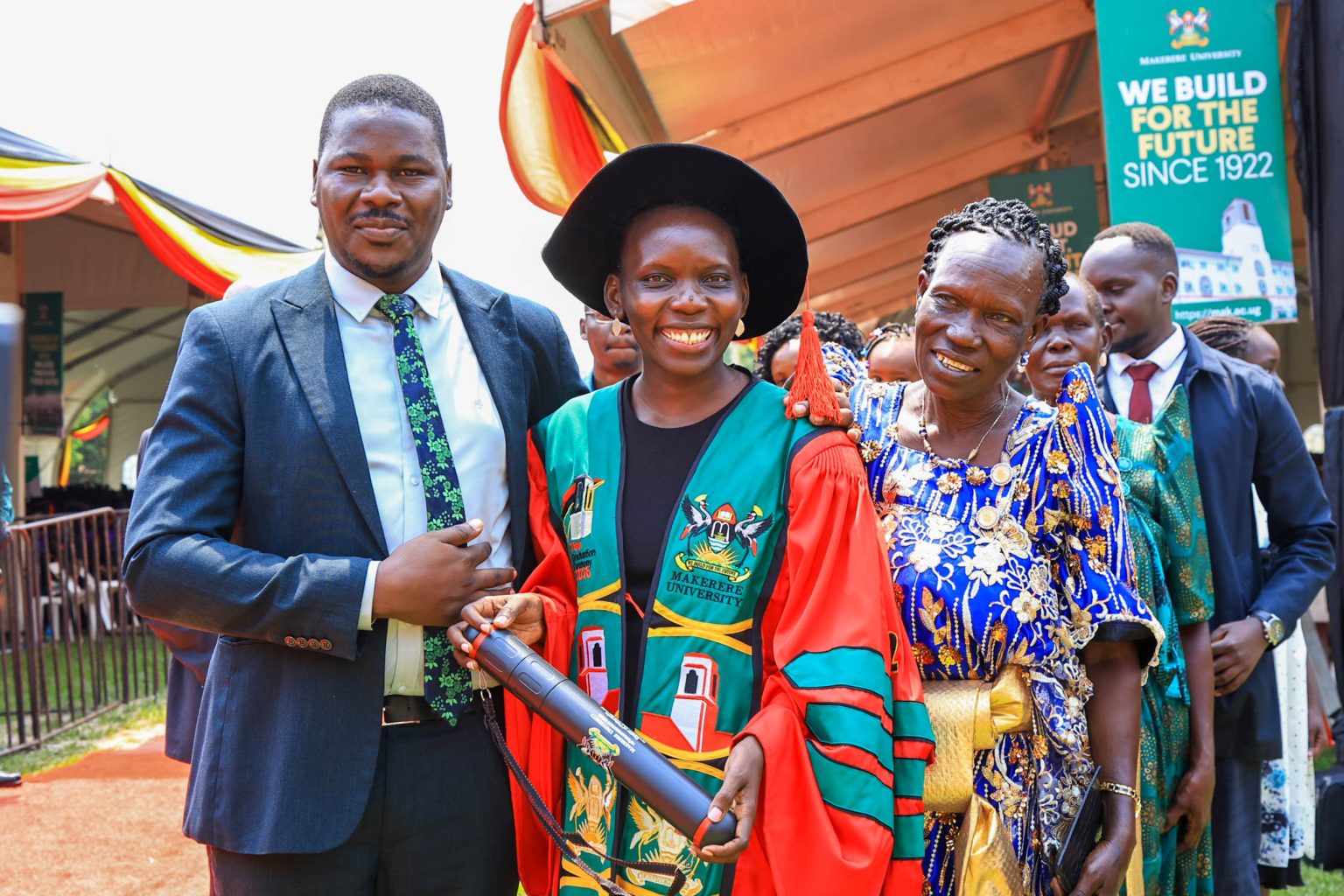
For students who are completing their final year of study, the conclusion of Semester Two examinations sets in motion the graduation process. Makerere University‘s graduation ceremonies are among the most celebrated events in Uganda’s annual calendar, attended by families, dignitaries, government officials, and members of the public who gather to witness the conferment of degrees upon a new generation of graduates. The graduation ceremony is a moment of immense pride for the university, for the families who have supported their children through years of study, and above all for the graduates themselves who cross the stage having earned their qualifications through genuine effort and dedication.
Students who do not achieve the required grades in one or more papers will have access to the university’s retake and supplementary examination provisions, which are designed to give genuine learners a fair opportunity to demonstrate competence without being permanently disadvantaged by a single poor performance. The university’s academic regulations provide clear and transparent guidelines on eligibility for retakes, the conditions under which supplementary examinations may be granted, and the procedures for lodging appeals. These provisions reflect Makerere’s understanding that the journey of learning is rarely linear and that fairness requires the system to accommodate the full range of student circumstances.
A Message of Encouragement
To every student sitting examinations at Makerere University this season, the message from the university community is one of solidarity and encouragement. The journey through university is not always easy, but it is invariably worthwhile. Every late night spent studying, every difficult concept wrestled into understanding, and every assignment completed under pressure has been preparation for exactly this moment. The examination hall is where months of intellectual labor are given form and voice, and every student carries within them the capacity to rise to the occasion.
The university’s academic and administrative staff, from the Vice Chancellor and the Deans down to the examination room invigilators and the groundskeepers who ensure the campus is clean and welcoming each morning, are all invested in the success of every student. Makerere is not merely a place of learning; it is a community built on mutual commitment to the advancement of knowledge and the development of human potential. Every student who walks into an examination venue this season walks in as a representative of that community and carries with them the hopes of their family, their region, and their country.
As Makerere University proceeds through its Semester Two examination period, the entire institution stands united behind its students. From the academic staff who prepared and marked the papers, to the support staff who maintained the examination venues, to the administration that coordinated the logistics and upheld the rules, everyone is working together toward a single goal: providing every student with the fairest possible opportunity to demonstrate what they know and what they are capable of achieving. Makerere University remains, as it has always been, a place where minds are shaped, potential is realized, and futures are built.
The Writer is a Volunteer in the Public Relations Office, Makerere University and the Mak Sharks PRO | Est. 2014
-
 General1 week ago
Bachelor of Laws Pre-Entry Examination Results 2026/2027
-
 General1 week ago
Call for Research Support Applications from Master’s Students who have Completed their First Year of Taught Classes at Makerere University
-
 Sports2 weeks ago
Making Waves: The Rise of the Mak Sharks and Makerere University’s Aquatic Legacy
-
 General2 weeks ago
Makerere University-ND Sign MoU to Enhance Collaboration
-

 General1 week ago
Makerere University Waste Management Boosted by Centenary Bank