Participants pose for a group photo at the "Strengthening leadership and management among local government health managers in Wakiso district, Uganda", Project Dissemination Workshop held on 23rd April 2025 in the MakSPH Auditorium.
Two new studies by researchers at Makerere University School of Public Health (MakSPH) reveal a troubling pattern at the centre of Uganda’s escalating antimicrobial resistance (AMR) crisis, a public health challenge where disease-causing bacteria and other germs stop responding to known medicines meant to kill them, making common infections harder or more expensive to treat.
The studies, conducted in Wakiso and neighbouring districts and recently published in leading scientific journals, examined key drivers of AMR from distinct yet connected perspectives. Together, they expose a health system under strain; shaped by poor-quality medicines circulating in communities, high and often inappropriate antibiotic use in healthcare facilities, and limited public awareness of safe medicine use, conditions now reinforcing one another and accelerating drug resistance.
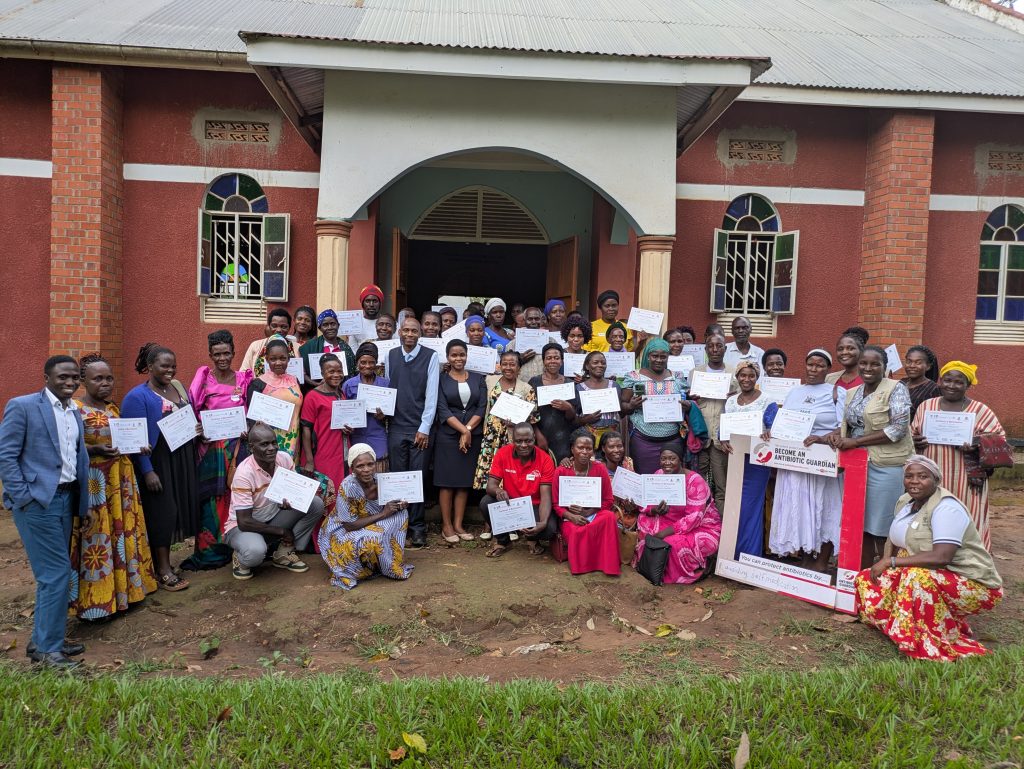
At the centre, Assoc. Prof. David Musoke, one of the lead researchers on the two studies, and Ms. Bonny Natukunda (Senior Health Educator, Wakiso District) pose with community health workers, district health officials, and facilitators after an AMR workshop in Bukondo, Namayumba Sub-County, on September 22, 2025. Delivered under the NTU–Mak Partnership with Buckinghamshire Healthcare NHS Trust, the week-long workshop trained more than 380 community health workers from Namayumba Sub-County.
According to the Ministry of Health, AMR in Uganda has reached concerning levels. By March 2025, resistant infections were estimated to kill 37,800 people annually, with over 7,000 deaths directly caused by AMR and more than 30,000 linked to infections no longer responding to available treatment. This surge is driven by unrestricted access to antibiotics, weak drug-regulatory enforcement, and widespread misuse of antimicrobials in humans and animals.
The Ministry acknowledges that many patients are treated without diagnostic testing, while low public awareness and weak stewardship across human and veterinary health services continue to fuel microbial resistance. As a result, bacteria that once responded to routine antibiotics now show resistance rates of up to 80 per cent in some cases, undermining treatment outcomes, food safety, and household incomes. It is this challenge that informed the two MakSPH studies.
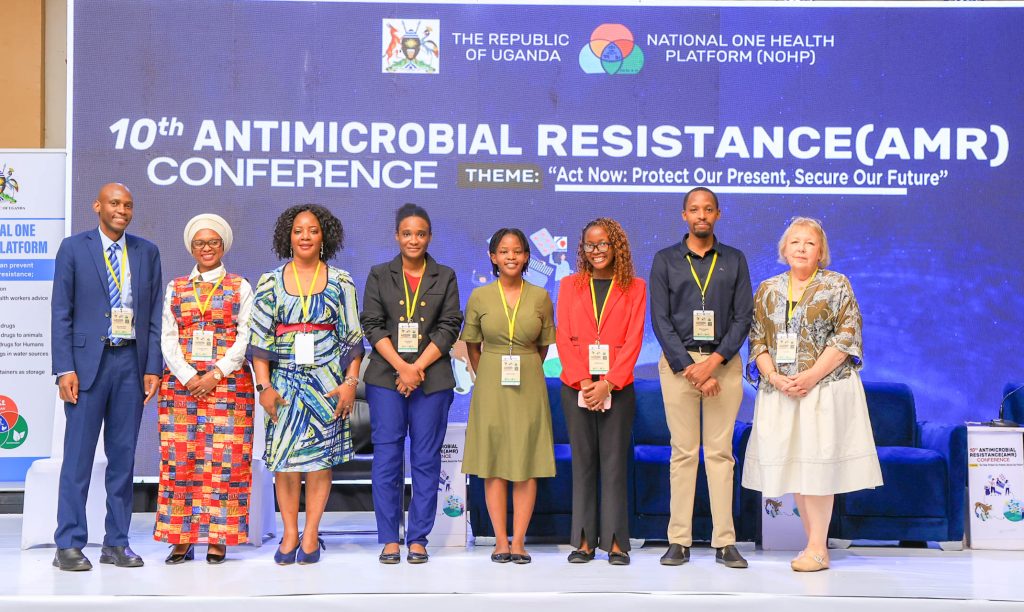
Part of the study team, led by Assoc. Prof. David Musoke (extreme left), at the recent 10th National AMR Conference in Kampala on November 19, 2025, organised by the Ministry of Health, where they presented evidence from the two studies in Wakiso generated through the NTU–Mak Partnership.
Two Studies, One Warning
Evidence from both studies points to the need for coordinated action to strengthen medicine quality, improve prescribing practices, and build community awareness to preserve the effectiveness of essential treatments. In the first paper, published on October 6, 2025, in the Journal of Pharmaceutical Policy and Practice, researchers led by Associate Professor David Musoke examined how consumers encounter and respond to substandard and falsified medicines for both human and animal use.
Conducted in 2024, the study surveyed 432 community members in Wakiso District, where the Nottingham Trent University – Makerere University(NTU–Mak) Partnership, initiated by NTU’s Prof. Linda Gibson and MakSPH’s Assoc. Prof. Musoke, has implemented community-based health systems programmes for 15 years now. Using a structured household questionnaire, the team assessed knowledge, attitudes, and everyday practices related to medicine use.
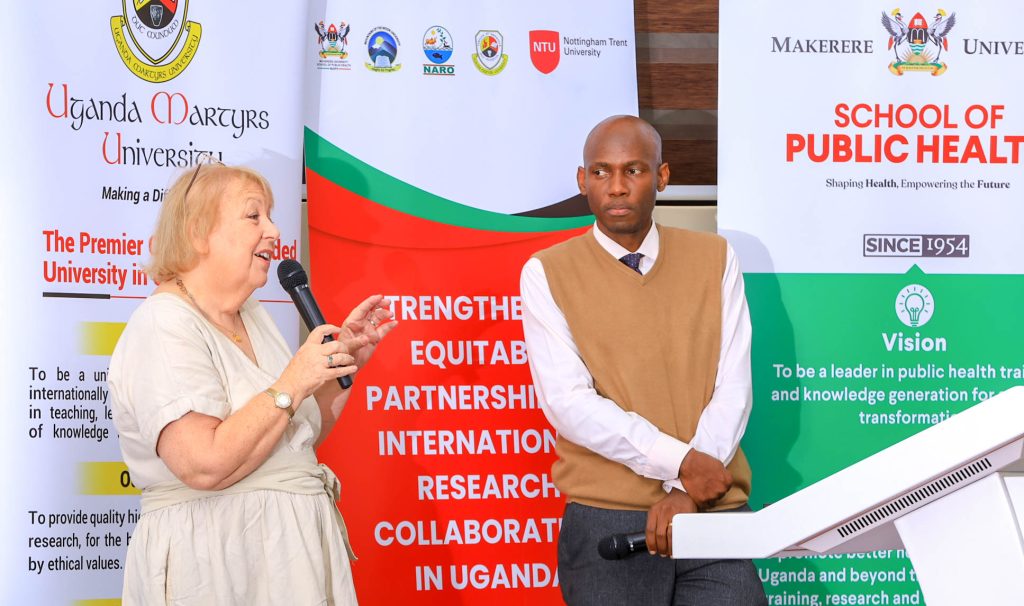
NTU’s Prof. Linda Gibson and MakSPH’s Assoc. Prof. David Musoke at the British Academy Equitable Partnerships Workshop on November 20, 2025, reflecting on 15 years of the successful NTU–Mak partnership.
The second study, published on November 21 in the Dovepress Journal of Infection and Drug Resistance, was led by Dr. Bush Herbert Aguma, a pharmacist, health-systems researcher, and Lecturer in the Department of Pharmacy at Makerere University. Working with Assoc. Prof. Musoke and colleagues, the team applied the standardised Global Point Prevalence Survey (GPPS) to examine antibiotic prescribing across three hospitals and five lower-level health centres in Wakiso, Nakaseke, and Butambala. The survey assessed patient demographics, antimicrobial therapy details, and adherence to treatment guidelines to identify gaps requiring improvement.
The surveys were conducted at Entebbe Regional Referral Hospital, Gombe General Hospital, Nakaseke General Hospital, and five lower-level facilities in Wakiso, all part of the Commonwealth Partnerships for Antimicrobial Stewardship (CwPAMS) project at MakSPH implemented through the NTU–Mak Partnership. Alongside the surveys, the partnership has strengthened antimicrobial stewardship in these eight facilities through routine staff training, mentorship, community engagement, and capacity-building in infection prevention and control, microbiology, and detection of substandard and falsified medicines.
“The work was to empower the facility through its Medicines and Therapeutics Committee, which has a sub-committee on antimicrobial stewardship. That committee oversees the process, ensures future surveys are conducted, and can initiate targeted assessments when problems with specific prescriptions arise,” Dr. Herbert Bush Aguma, lead author of the second study, explained.
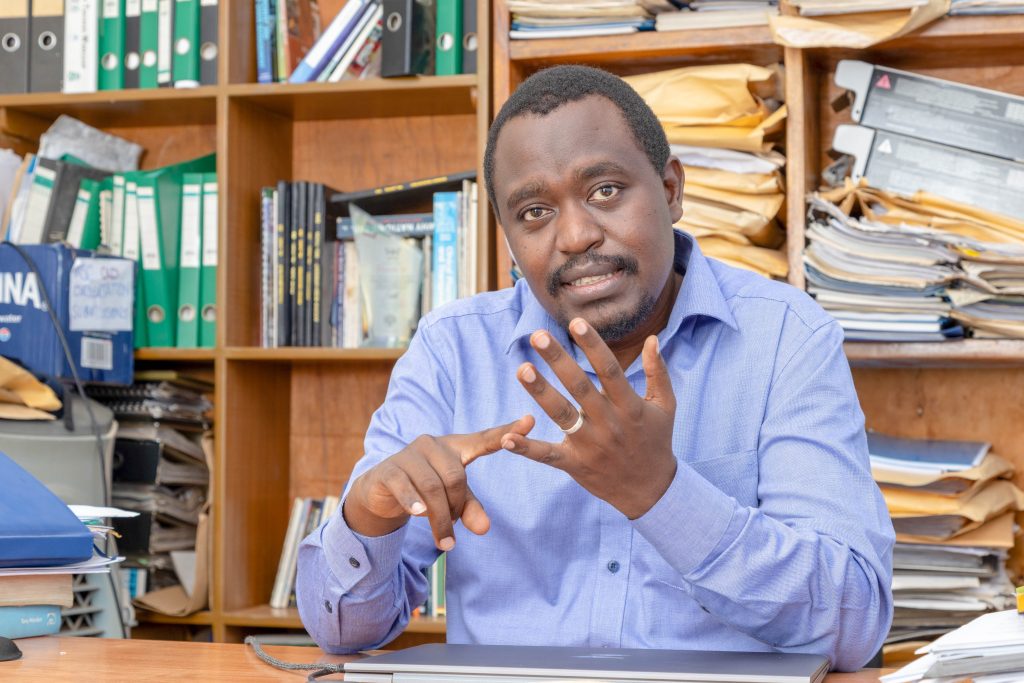
Dr. Herbert Bush Aguma, explaining the study’s results and impact from his office on December 8, 2025, noted that it has enabled the health facilities to independently track antimicrobial use, identify prescribing gaps, and strengthen stewardship practices.
He added that the programme in the selected facilities for the study went beyond just measuring antimicrobial use, to supporting the facilities develop stewardship plans, strengthening laboratory capacity, and training health workers across human, animal and environmental sectors under a One Health approach. As a result, he stated, facilities can now independently conduct point prevalence surveys, identify prescribing gaps such as inappropriate ceftriaxone use, and advocate for improved diagnostics, while hospitals, Village Health Teams (VHTs), veterinary and environmental officers increasingly address AMR drivers within their settings, leading to significant and lasting impact.
Over the last 15 years, the NTU–Mak Partnership, as part of this work, has trained more than 600 health workers across the human, animal, and environmental sectors in Wakiso, Nakaseke, and Butambala, and equipped over 1,300 community health workers (VHTs) in Wakiso with practical AMR knowledge. University-led programmes, international student competitions, and a 900-member online Community of Practice have further extended its reach. Together, these initiatives demonstrate how sustained community engagement can translate national AMR priorities into real-world impact, offering a model for locally anchored AMR interventions while also supporting the generation of new evidence to strengthen health systems, including the current two studies.
Right: MakSPH student Bridget Ahumuza celebrates a commendation as the 2025 Antibiotic Guardian Health Student of the Year, awarded through the NTU–Mak Partnership for her AMR stewardship advocacy.
What Communities Know, and Don’t Know, About Fake Medicines
In the first study, Assoc. Prof. Musoke and colleagues found that while 83 per cent of respondents had heard of substandard and falsified medicines, only 31 per cent could correctly define the terms, and just seven per cent could accurately identify a falsified product. According to the World Health Organisation (WHO), a global health watchdog, substandard and falsified medicines fail to meet quality standards or deliberately mimic genuine products, often containing the wrong, too little, or no active ingredients. Such medicines put patients at risk of treatment failure, toxicity, and death and accelerate antimicrobial resistance by exposing bacteria to ineffective drug levels.
In Wakiso, the most populous district in Uganda with over 3.3 million people, although over 95 per cent of respondents recognised substandard and falsified medicines as dangerous, many reported having purchased drugs they suspected to be fake: 14 per cent for human and 24 per cent for animal use. To check authenticity, residents relied on advice from health workers or veterinary officers and on buying from trusted outlets. Yet reporting remained extremely low, as only one in four informed a health worker when they suspected a problem, and still, just four per cent had ever reported a case to the National Drug Authority (NDA), mandated to regulate drugs in Uganda.
These patterns reveal a community that recognises the threat of poor-quality medicines but lacks the agency to act. As the study notes, “community members from a range of backgrounds had limited knowledge and poor practices despite commendable attitudes on substandard and falsified medicines… Many respondents reported never having purchased and used substandard and falsified medicines knowingly or unknowingly, although a good number suspected that a medicine they previously purchased had been substandard or falsified.”
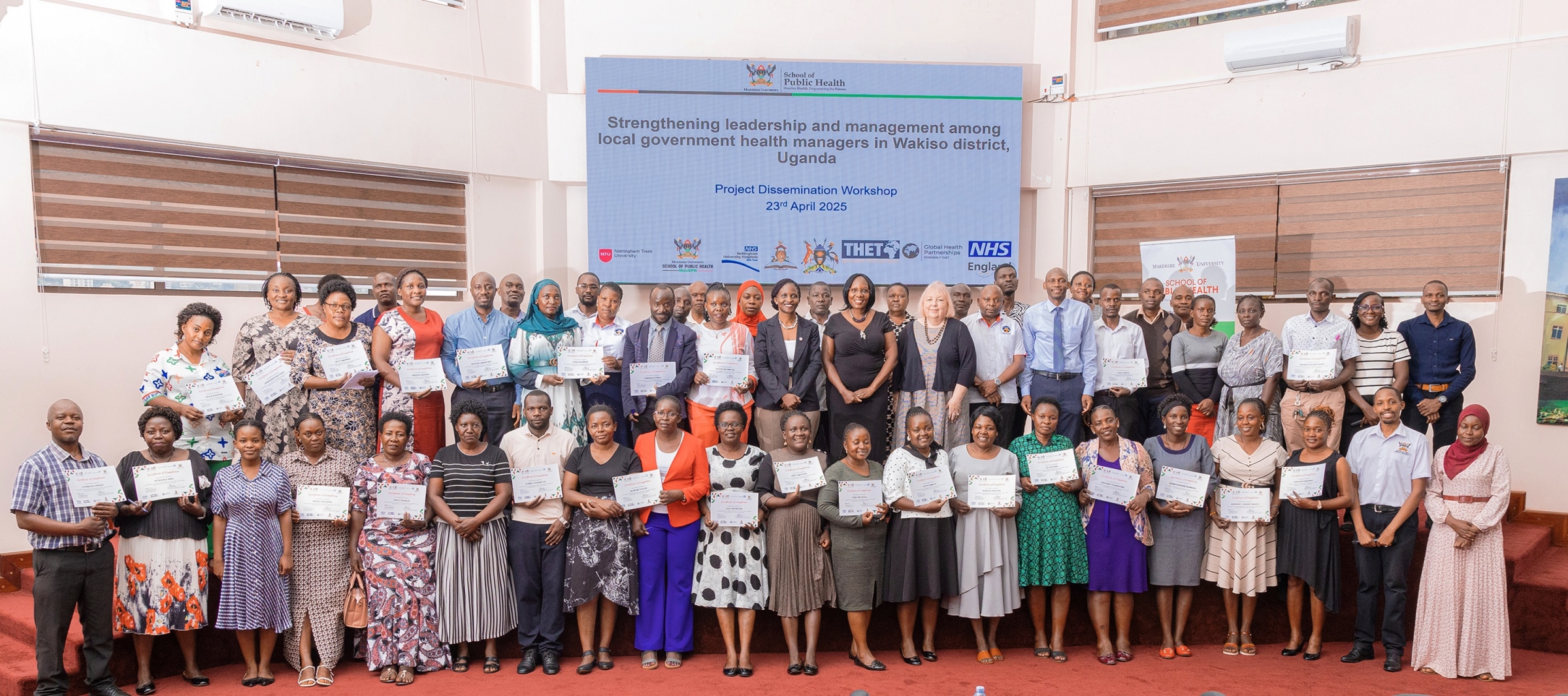
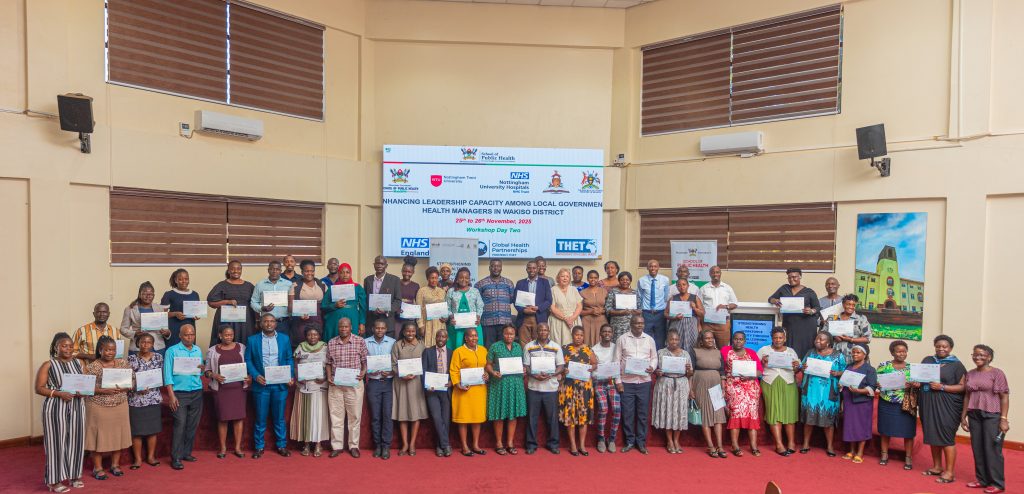
Over 50 health managers from 51 healthcare facilities in Wakiso District received certificates at the end of a two-day leadership development training on November 26, 2025, delivered through the NTU–Mak Partnership and Nottingham University Hospitals NHS Trust (NUH) in collaboration with the Wakiso District Local Government and the Ministry of Health. The workshop strengthened leadership capacity across the district health system.
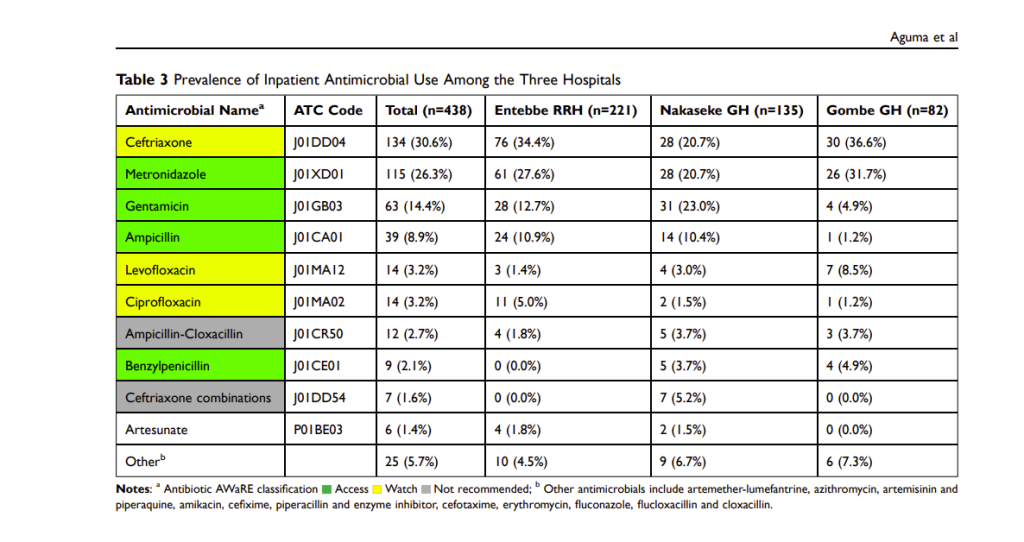
In the second study on antibiotic prescribing, the researchers found high rates of antibiotic use across all eight public facilities. In the three hospitals, 87.2 per cent of inpatients were receiving at least one antibiotic, with ceftriaxone alone, the most commonly prescribed antibiotic in other studies, accounting for nearly one-third of all prescriptions. Most antibiotics were administered prophylactically, especially for obstetric and gynaecological surgeries, which made up 30.7 per cent of all hospital antibiotic use. In lower-level facilities, 60.7 per cent of outpatients received antibiotics, with amoxicillin accounting for 39.1 per cent of all prescriptions. Upper respiratory tract infections, many of them viral, were the leading reason for outpatient antibiotic use.
“Resistance to first-line antimicrobials increases the risk of morbidity and mortality. Unfortunately, the global rise in AMR has not been matched by the development of new antibiotics effective against resistant bacteria,” reads the paper in part. “As a result, healthcare costs are expected to rise, economic productivity will fall due to reduced workforce activity, and global life expectancy could drop by an estimated 1.8 years. This existential threat must be averted to avoid a post-antibiotic era in which even minor infections become fatal.”
In the study on antibiotic prescribing, the researchers found high rates of antibiotic use across all eight public health facilities, with ceftriaxone as the most commonly prescribed antibiotic.
Read together, the two studies provide a ground-level view of how AMR takes root long before a patient reaches a hospital or pharmacy. Poor-quality medicines remain widespread yet poorly understood, while health workers operate under heavy workloads, limited diagnostics, and outdated guidelines that make empirical treatment with antibiotics the default option.
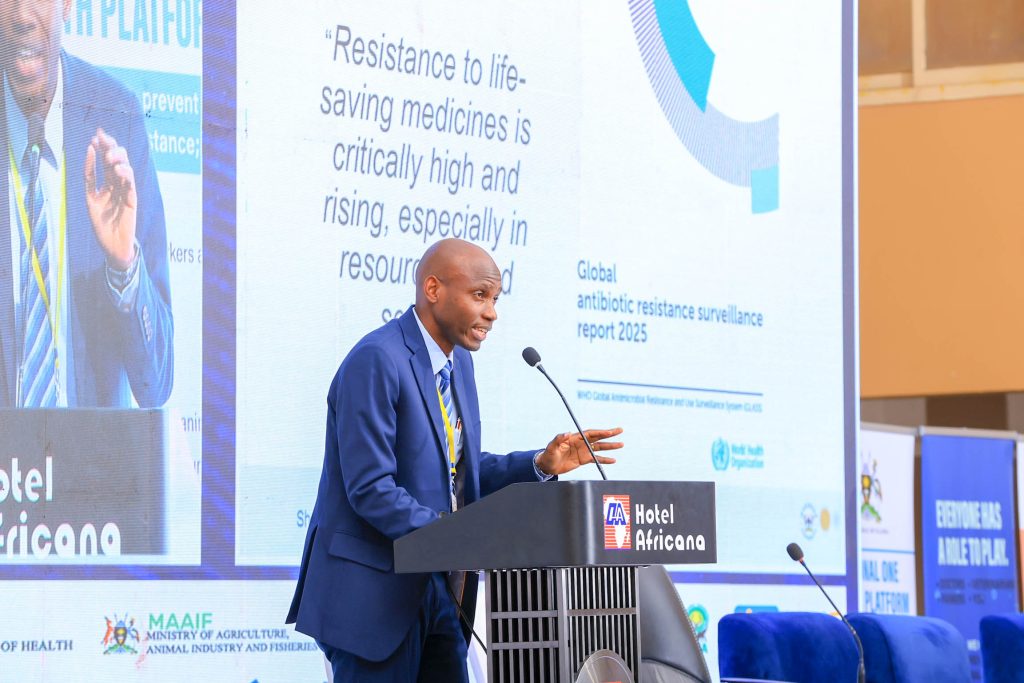
These realities echo the warning delivered by Assoc. Prof. David Musoke, during his keynote address at the 10th National AMR Conference in Kampala on November 19, 2025. Speaking at the event organised by the National One Health Platform, institutionalised in 2016 under the Ministry of Health to coordinate AMR efforts, and held to mark World AMR Awareness Week 2025 under the theme Act Now: Protect Our Present, Secure Our Future, he cautioned that Uganda’s fight against AMR will falter unless communities are placed at the centre of national action.
“One in six bacterial infections globally, and one in five in Africa, are now resistant to available antibiotics,” Dr. Musoke said, citing the latest Global Antimicrobial Resistance and Use Surveillance System (GLASS) Report 2025. “If Uganda is to make real progress, communities must be treated not as recipients of information but as genuine partners in the fight against AMR.”
Assoc. Prof. David Musoke delivers the keynote address at the 10th National AMR Conference in Kampala on November 19, 2025, warning that Uganda’s fight against AMR will stall unless communities are placed at the centre of national action.
What Must Change: Recommendations from the Researchers
To strengthen antimicrobial stewardship, the study on antibiotic prescribing recommends scaling up diagnostic capacity in public facilities so that treatment decisions are based on laboratory evidence rather than broad empirical prescribing, a medical term that means treatment initiated based on a clinician’s “educated guess” and clinical experience, in the absence of a definitive diagnosis or complete information about the specific cause of a disorder. Expanding functional microbiology services, the study says, would reduce reliance on broad-spectrum antibiotics, which accelerates resistance.
The authors also call for strict enforcement of national treatment guidelines, especially in surgical wards where antibiotics are routinely continued longer than clinically required. For them, reducing unnecessary prophylaxis, particularly in obstetric and gynaecological surgery, would go a long way in limiting misuse without compromising patient safety.
They further urge the Ministry of Health to eliminate non-recommended antibiotic combinations from routine use and ensure consistent stock management to prevent missed doses. This, in addition to strengthening Water, Sanitation, and Hygiene (WASH), and Infection-Prevention and Control (IPC) systems, combined with regular stewardship-focused training for prescribers, is highlighted as essential for improving prescribing standards. Finally, they recommend institutionalising routine point prevalence surveys in Uganda to track trends, guide facility-level action, and reinforce accountability for stewardship.
Makerere University students demonstrate proper hand hygiene while engaging residents in an AMR and hygiene awareness outreach in Kamwokya’s informal settlements on April 11, 2025.
On the other hand, to address the widespread circulation of substandard and falsified medicines, the study team call for a nationwide effort to improve public literacy on how to recognise, verify, and report suspicious medical products. The authors also argue that current reporting pathways are largely invisible, leaving most community members unsure of how or where to lodge complaints. Strengthening the National Drug Authority’s visibility and making its reporting mechanisms simple and accessible, in that case, is identified as a critical first step.
They also highlight the need to engage frontline actors, and this includes Village Health Teams, Community Health Extension Workers, veterinary officers, and local leaders, as primary change agents. These trusted community structures, the authors assert, are well-positioned to translate regulatory messages into actionable information than mass-media campaigns alone.
Given the extensive use of suspected counterfeit veterinary medicines, the authors call for strengthened One Health education and a fully integrated communication approach linking human, animal, and plant health risks. They recommend sustained messaging through radio and other local media, supported by community-driven monitoring systems able to empower consumers to act as partners in protecting the medicine supply chain.
Mr. Mathias Sserwanga (extreme right) of Namulonge HCIII in Wakiso district receiving his certificate from Assoc. Prof. David Musoke (2nd right), following a two-day leadership and management training on November 26, 2025, at Makerere University. The programme by MakSPH and partners has helped enhance the capacity of facility in-charges in Wakiso District to improve health service delivery to the people.
Makerere University School of Public Health invites applications for a PhD fellowship under the Wellcome Trust-supported NETOMA study, which examines the coexistence of health worker shortages and unemployment among qualified health professionals in Africa.
The successful candidate will undertake doctoral research involving ethnographic fieldwork and qualitative analysis of health workers’ professional identities, employment experiences and livelihoods. Applicants should hold a Master’s degree in Anthropology, Sociology, Development Studies, Political Economy or a closely related discipline, with training in qualitative research methods.
Through a European Union (EU) funded initiative, Makerere University and Mulago Hospital are hosting a German oncology reconstruction specialist Professor Dr. Thiha AUNG. AUNG is a surgeon, trainer at the Deggendorf Institute of Technology (THD), and researcher on cancer from the Deggendorf Institute of Technology (DIT), Germany.
With his international expertise in oncology and medical management roles at his home institution, his visit is a valuable addition to Uganda’s capacity building efforts in medical advancement.
Prof. Aung who arrived in Uganda in late September 2026 and has since then conducted free identified patient specialised surgeries and training for locals. These are expected to span two weeks. For the period, his service intersects medical expertise and humanitarian efforts.
This is not Prof. Aung’s first time in the country; his first major visit was in 2023, when he performed life-changing free surgeries on early patients. He then made medical history in June 2024 when he arrived to perform Africa’s first-ever lymph node transplant at Mulago Hospital.
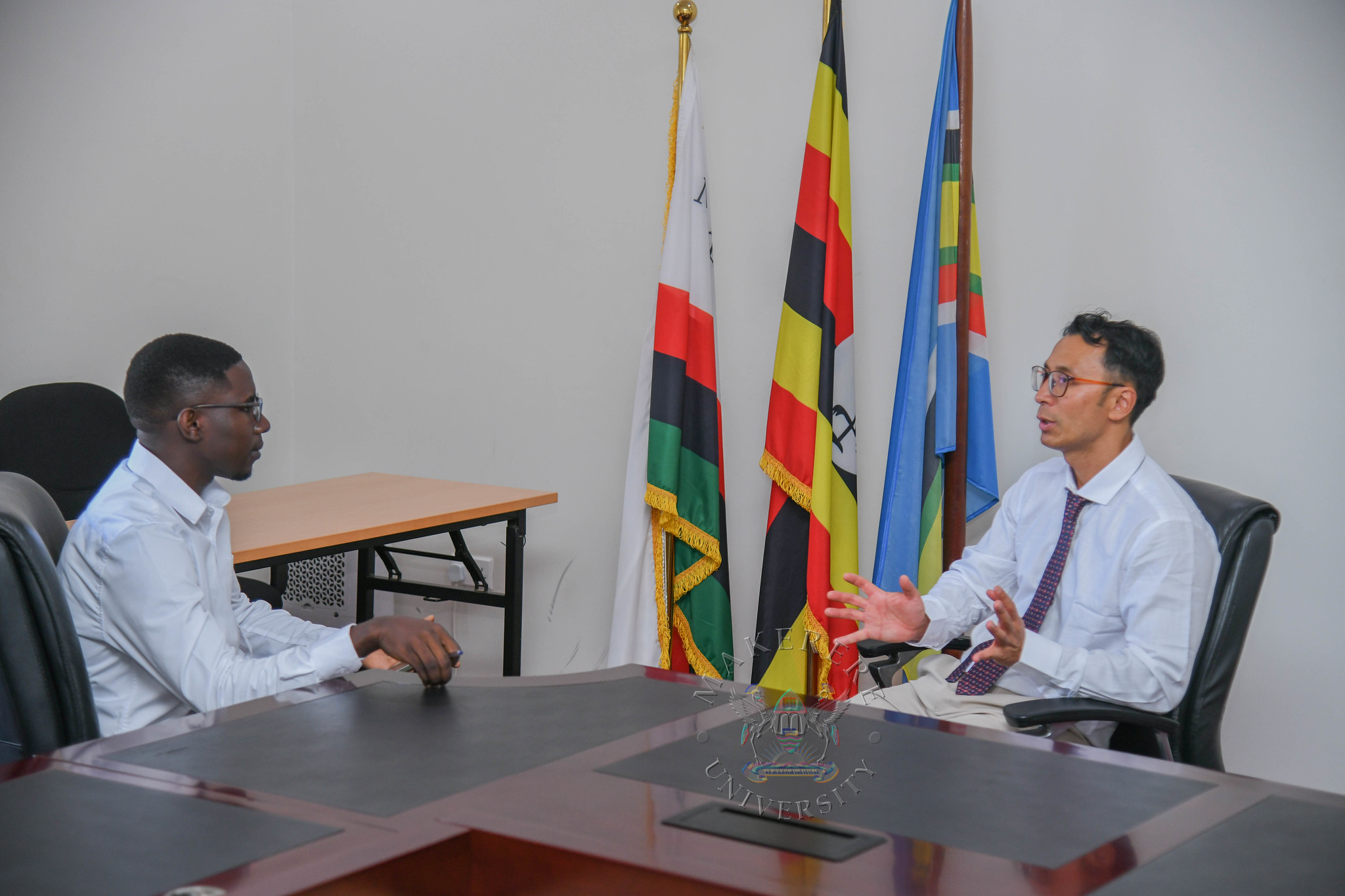
It was against this background that the Makerere Public Relations Office engaged him in an exclusive interview to share his philosophy on medical service, his experiences in oncology reconstruction, and his unwavering belief that passion and dedication rather than just resources are the true drivers of sustainable medical progress.
Transforming Lives Through Oncology Reconstruction
At the heart of his mission through the ERASMUS – Oncology/Lymphedema project, is the treatment of lymphedema, a condition often referred to as elephantiasis.
In Europe, such surgeries can cost between 80,000 and 100,000 euros, making them inaccessible to many.
Thankfully, Professor and his team, including some of his post graduate students like Anna Friedrich (B.Sc) and Sophia Waser (B.Sc., PA) from the Institute of Medical Science and Engineering, have once again brought this specialised care to Uganda pro bono.
Professor AUNG with the article author.
He highlights the story of a teacher who, after receiving surgery, regained her quality of life and returned to the classroom. For him, the impact is exponential. “You change one life, but this person changes a lot in the community.”
This shift from individual surgery to the long-term wellbeing of the community, reinforces the local impact of these services.
Professor AUNG’s Personal Conviction
The professor confessed that inherently, he commands himself that beyond knowledge, true progress is driven by passion and will rather than resources.
He does not agree with those that think money and resources are the sole prerequisite for change in the medical world, stating, “you cannot change with money only.” Rather, he upholds the importance of personal decision and commitment.
When discussing the challenges of working in resource-limited settings, he maintains a simple, direct explanation “it’s always beyond the money.”
Ultimately, the Professor believes that if he can provide the spark, his students and patients can carry through with the same flame for significant change.
Motivation to Serve in Uganda
When asked about his inspiration for entering the field and now volunteering to work in Uganda, he explained that his primary goal was always to serve others. “That’s why I finished my medical school to help as many people as possible with my skills.”
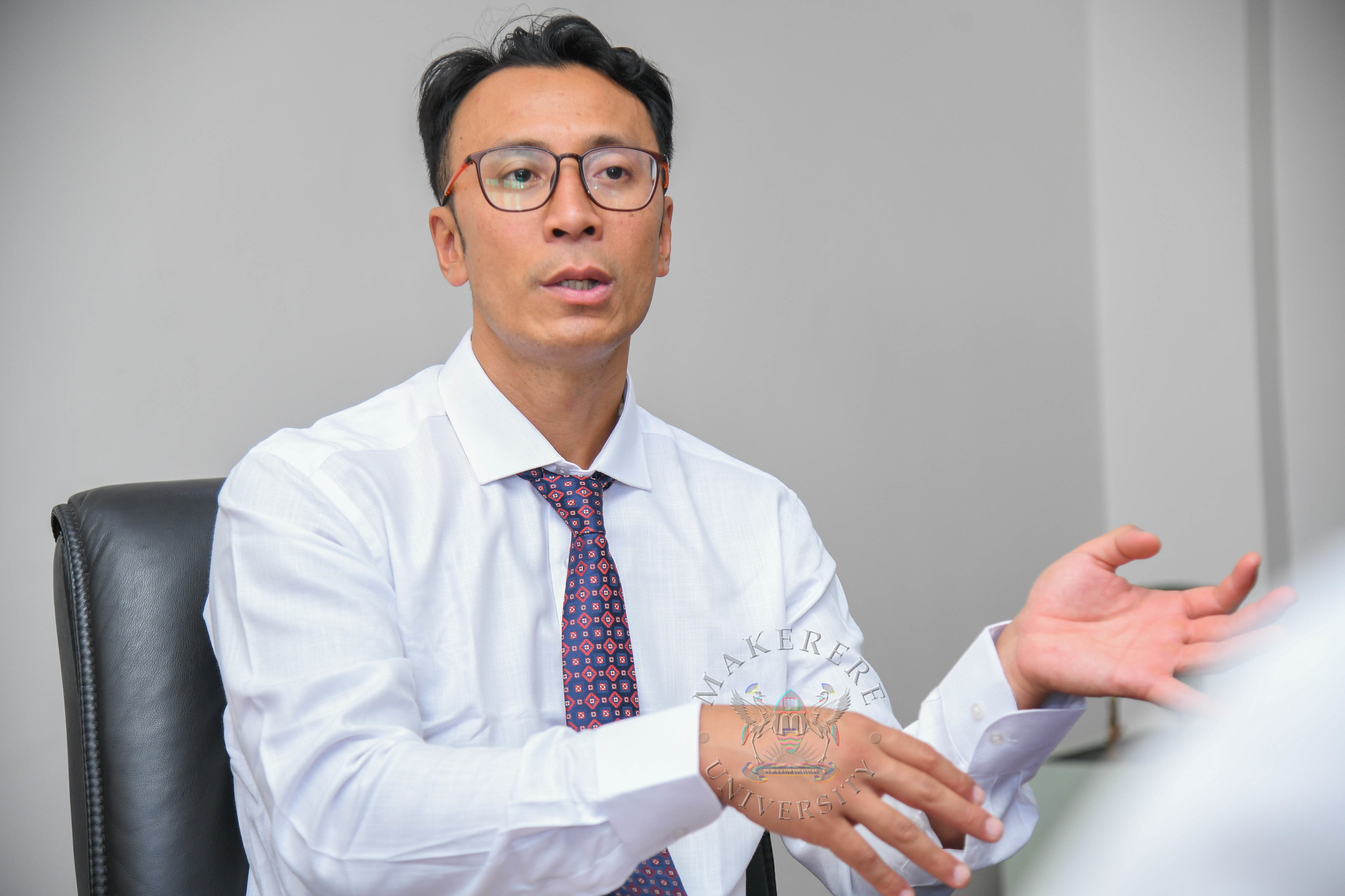
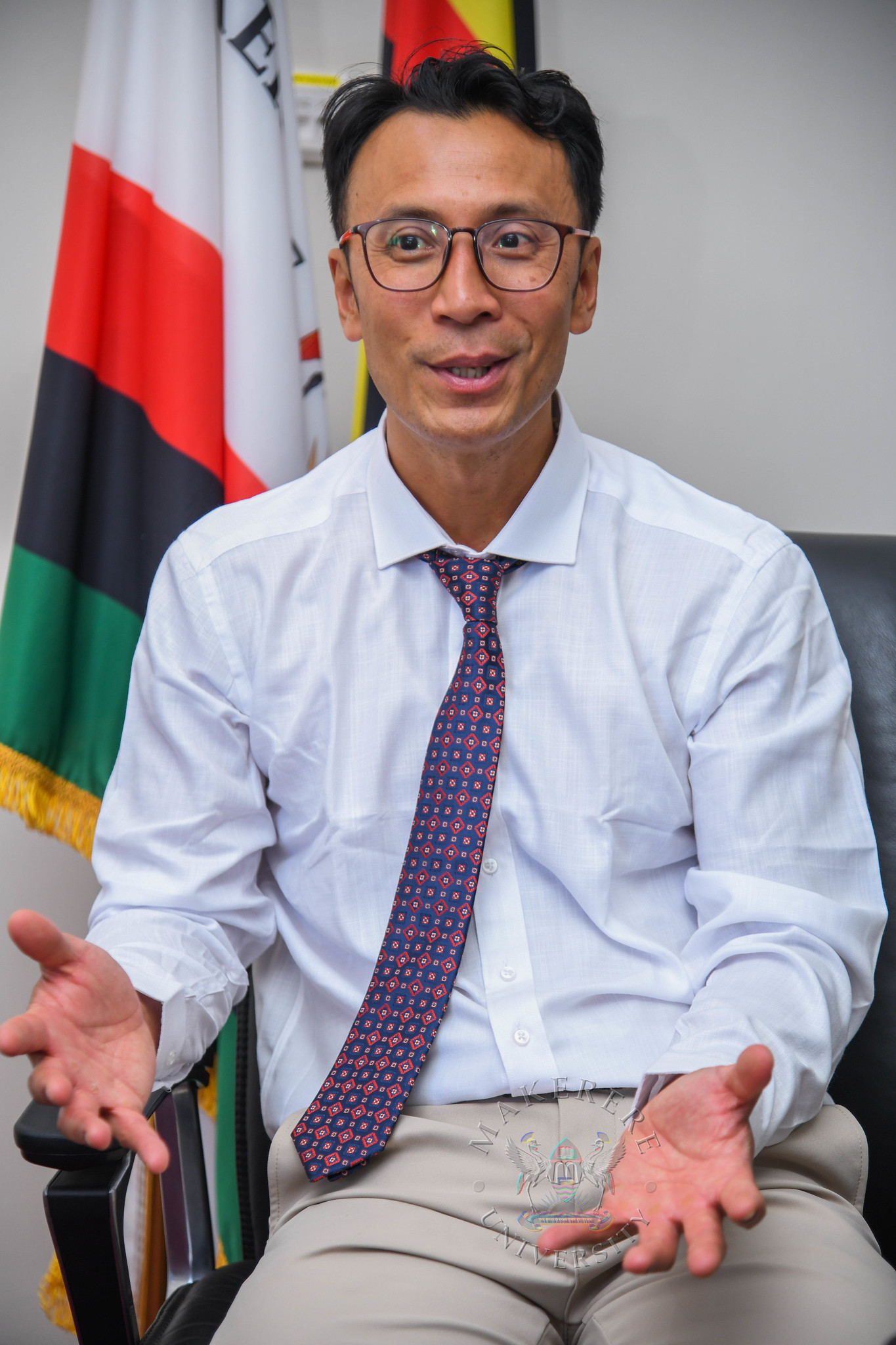
Professor AUNG gestures during the interview.
He views his medical expertise not as a tool for the privileged, but as a universal resource., “People are all the same, their anatomy is the same. So, I can help all these people pretty well,” Prof AUNG remarked.
His approach is motivated by a pay it forward dogma where treating a single patient creates a broader societal benefit. He illustrates this through his work with patients who, after surgery, are able to return to their professions like the teacher earlier mentioned.
Tips for Medical Professionals working in Uganda
As a foundation for professional growth, the Professor advised medical professionals working in Uganda to prioritise genuine interest in their work because he believes it is “the most important…” for “if you are interested, you will go far in the profession.”
He further reinforced the human capacity point, noting, “no matter what kind of equipment you have… it all depends on the people operating them and the patient.”
Professor AUNG concluded by encouraging doctors to overcome resource fears through action, stating, “If you want to create impact or change, you do.”
Dr. AUNG is part of the Lymphoedema Warriors Association (LWAU) in Uganda. He describes it as a grassroots organisation and commends them for “leveling the grond”. He reiterated his commitment to work with the organisation in reviewing patient reports to determine the best course of treatment.
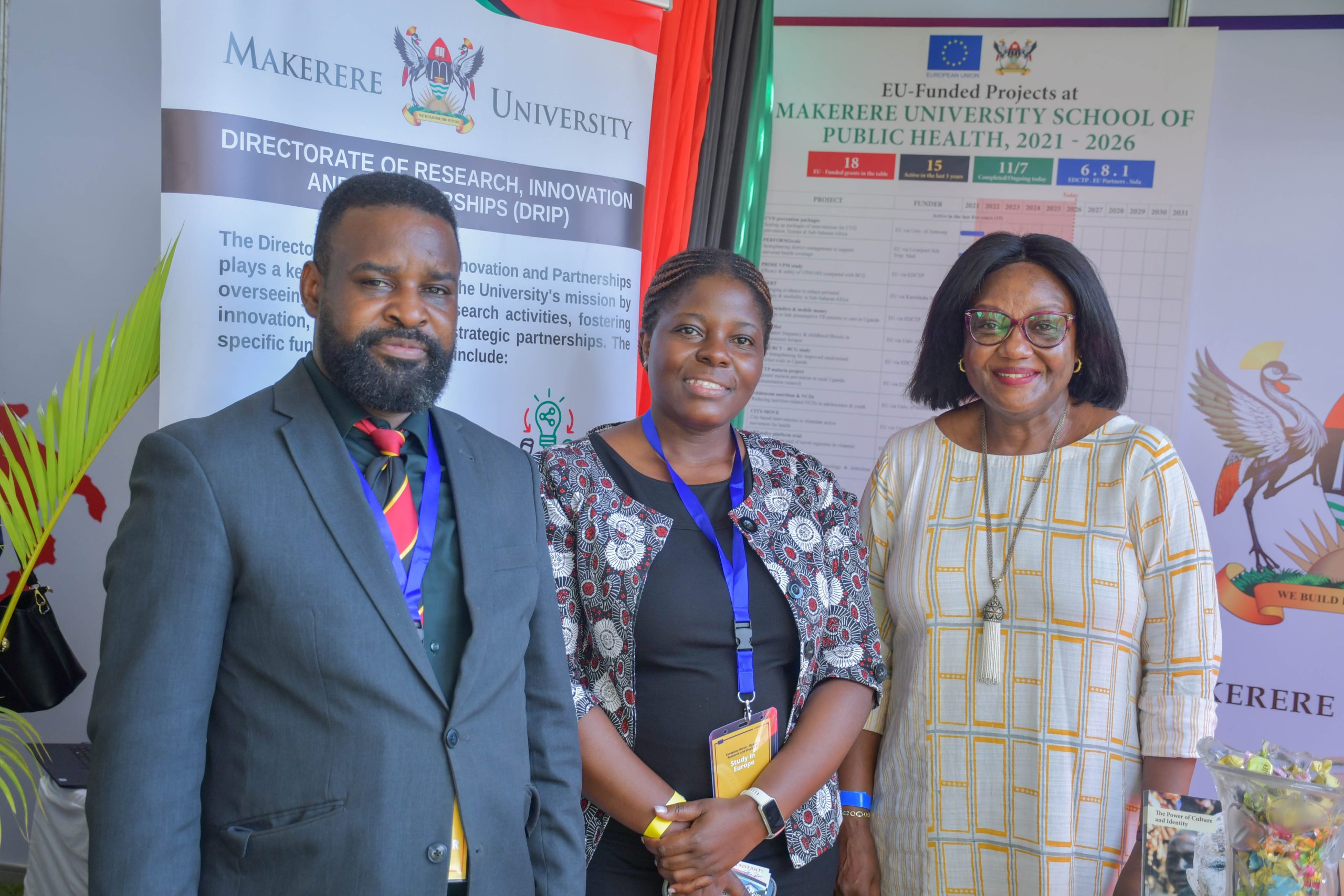
Makerere University’s School of Public Health (MakSPH) showcased research, training and international partnerships supported through European Union funding during the EU Uganda Research and Study Fair 2026 held at Makerere University.
The fair brought together students, researchers, academics, government representatives and development partners to explore opportunities in education, research, innovation and international collaboration, while celebrating 50 years of partnership between Uganda and the European Union.
Through its exhibition, MakSPH highlighted research and capacity building initiatives addressing public health challenges including infectious diseases, non communicable diseases, health systems, climate change and pandemic preparedness.
18 EU funded projects supported at MakSPH
Prof. Rhoda Wanyenze, Dean of Students, School of Public Health, said the School has benefited from 18 EU funded projects over the past five years, supporting research and training across several areas of public health.
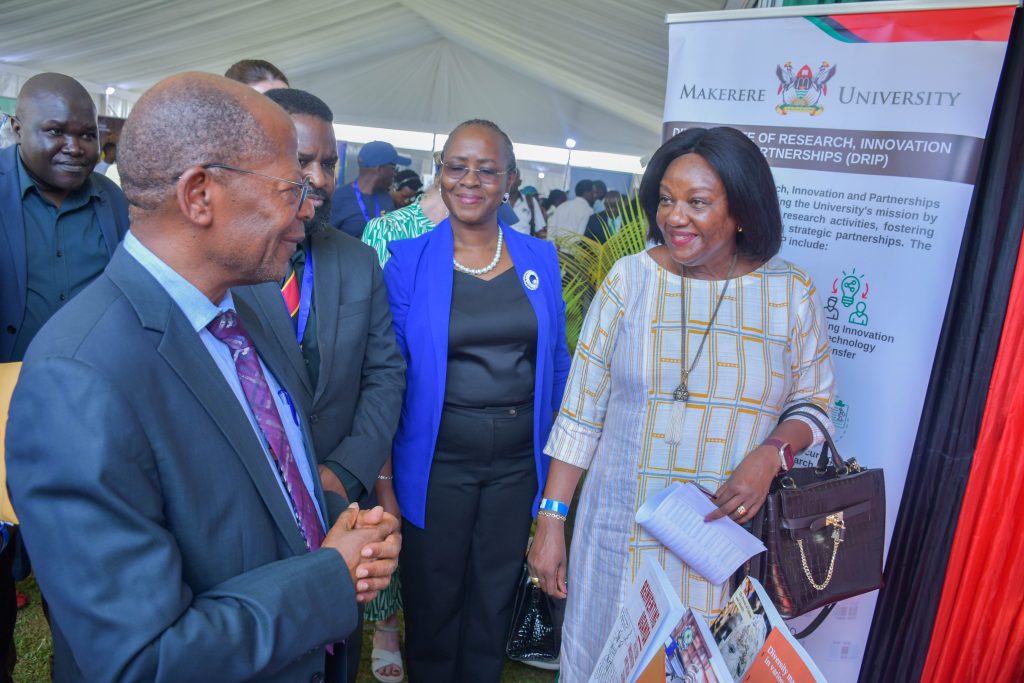
Prof. Rhoda Wanyenze explains MakSPH research projects to Acting Minister of Education and Sports Dr John Chrysostom Muyingo during a tour of exhibition stands at the EU Uganda Research and Study Fair.
She said the projects have contributed to the training of PhD researchers and the development of research addressing infectious diseases and prevention, non communicable diseases, health systems, climate change and health.
Prof. Wanyenze also highlighted a new five year programme which started in 2021 that is aiming at strengthening capacity for research on pandemic preparedness and response, including outbreaks such as Ebola.
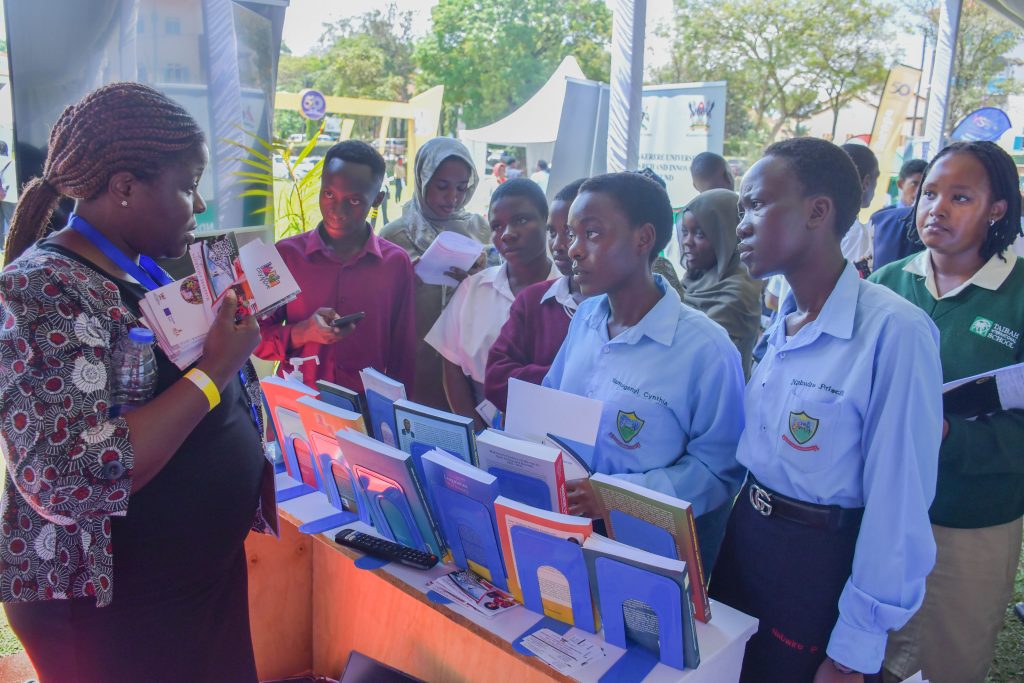
Stella Kakeeto interacts with students during the EU Uganda Research and Study Fair
Another programme being undertaken with the Ministry of Health and Karolinska Institute focuses on improving maternal health while also addressing adolescent pregnancy and the health of mothers and children.
She described partnerships as critical to advancing science and innovation, noting that collaboration allows researchers in Africa and Europe to share knowledge and strengthen the impact of research on communities.
Research partnerships strengthen innovation
Prof. Robert Wamala, Director of the Directorate of Research, Innovation and Partnerships at Makerere University, said the exhibition provided an opportunity to showcase EU funded projects across the University.
He noted that the School of Public Health alone has more than 18 such projects, while other colleges also have several EU supported initiatives.
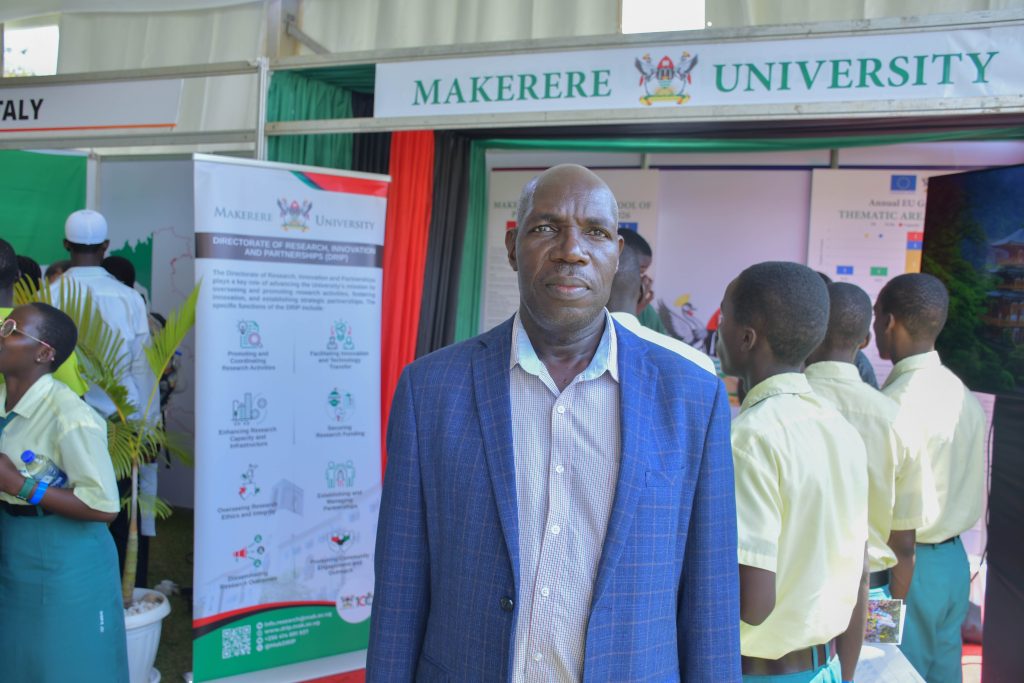
Prof. Julius Okuni
One of the projects showcased was PREPARE TID, a partnership aimed at developing rapid diagnostic technologies for emerging and re emerging infectious diseases.
Prof. Julius Okuni, Associate Professor of Veterinary Pathobiology and Molecular Diagnostics at Makerere University, said the project brings together universities, industries and other organisations from Africa and Europe.
The project is working to develop technologies that can quickly identify pathogens responsible for outbreaks such as Ebola, Rift Valley fever and Crimean Congo haemorrhagic fever.
According to Prof. Okuni, Makerere is involved in field and laboratory work to test and refine the technologies before they can be delivered to end users.
Fair provides platform for research visibility
For researchers at MakSPH, the fair also provided an opportunity to increase the visibility of ongoing research and create new connections with researchers, policymakers and potential funders.
Dr. Raymond Tweheyo, Honorary Lecturer and Senior Research Fellow in the Department of Health Policy, Planning and Management, said such exhibitions allow researchers to share their work and identify others working on related challenges.
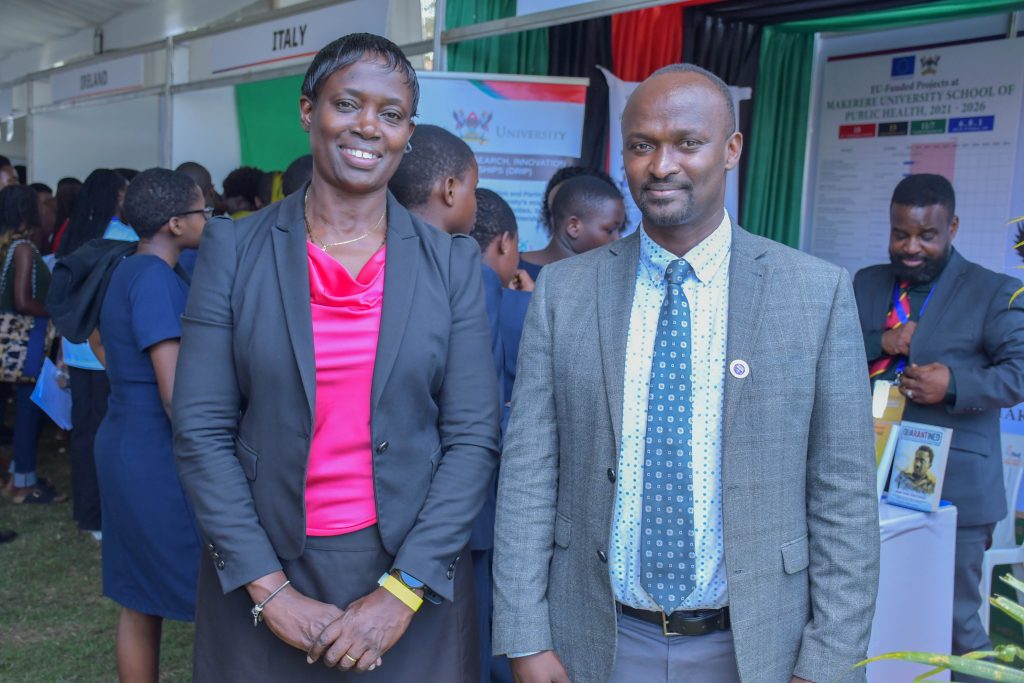
Dr. Raymond Tweheyo and Assoc. Prof. Angelina Kakooza Mwesigye at the exhibition
He cited the CONNECT for Health project, which focuses on transforming non-communicable disease care in Uganda through collaboration with partners across several countries.
Dr. Tweheyo said exhibitions can help researchers connect with policymakers, civil society organisations and other partners who can contribute to translating research into practical solutions.
Assoc. Prof. Angelina Kakooza Mwesigye, Associate Professor and Child Neurologist at Makerere University College of Health Sciences, also emphasised the importance of exposing young people to international research opportunities.
She said the long standing Uganda Europe partnership provides opportunities for the next generation of researchers to learn, build networks and prepare for future research collaborations.
The School of Public Health’s participation highlighted the role of international partnerships in strengthening research capacity, supporting innovation and developing evidence based responses to Uganda’s public health challenges.















 General2 weeks ago
 General2 weeks ago
 Business & Management1 week ago
 Agriculture & Environment1 day ago
 General1 hour ago