
Health
2nd AI in Health Africa Conference, Not about Tech but the Vulnerable

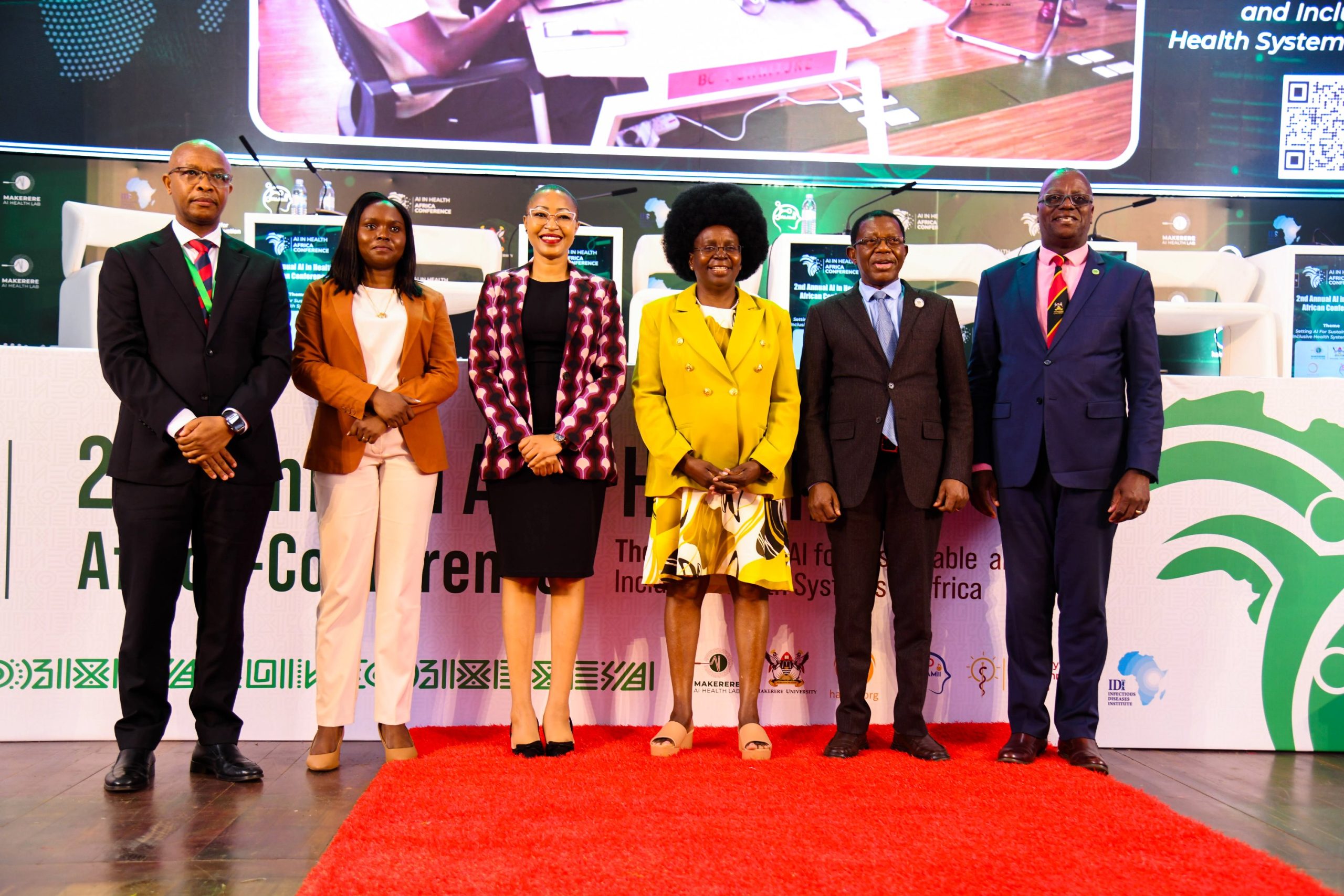
The two-day 2nd Artificial Intelligence (AI) in Health Africa Conference that kicked off today in the Main Hall, Makerere University has been described as not being about technology but about people – the vulnerable communities bearing the burden of infectious diseases and other health challenges – and the promise AI holds as a panacea. Officially opened by Hon. Dr. Monica Musenero, Minister of Science, Technology and Innovation the conference will be held under the theme “Setting AI for Sustainable and Inclusive Health Systems in Africa”.
Africa Must Enter the ‘Evil Forest’
In her now characteristic style of speaking from the heart, Hon. Dr. Musenero observed that Africa has from the first industrial revolution to the current fourth and impending fifth industrial revolutions experienced emotions ranging from non-recognition, rejection and skepticism to the current consumption with awe. This current emotion, though receptive unlike previous ones, continues to position Africa at a disadvantage economically, she noted.
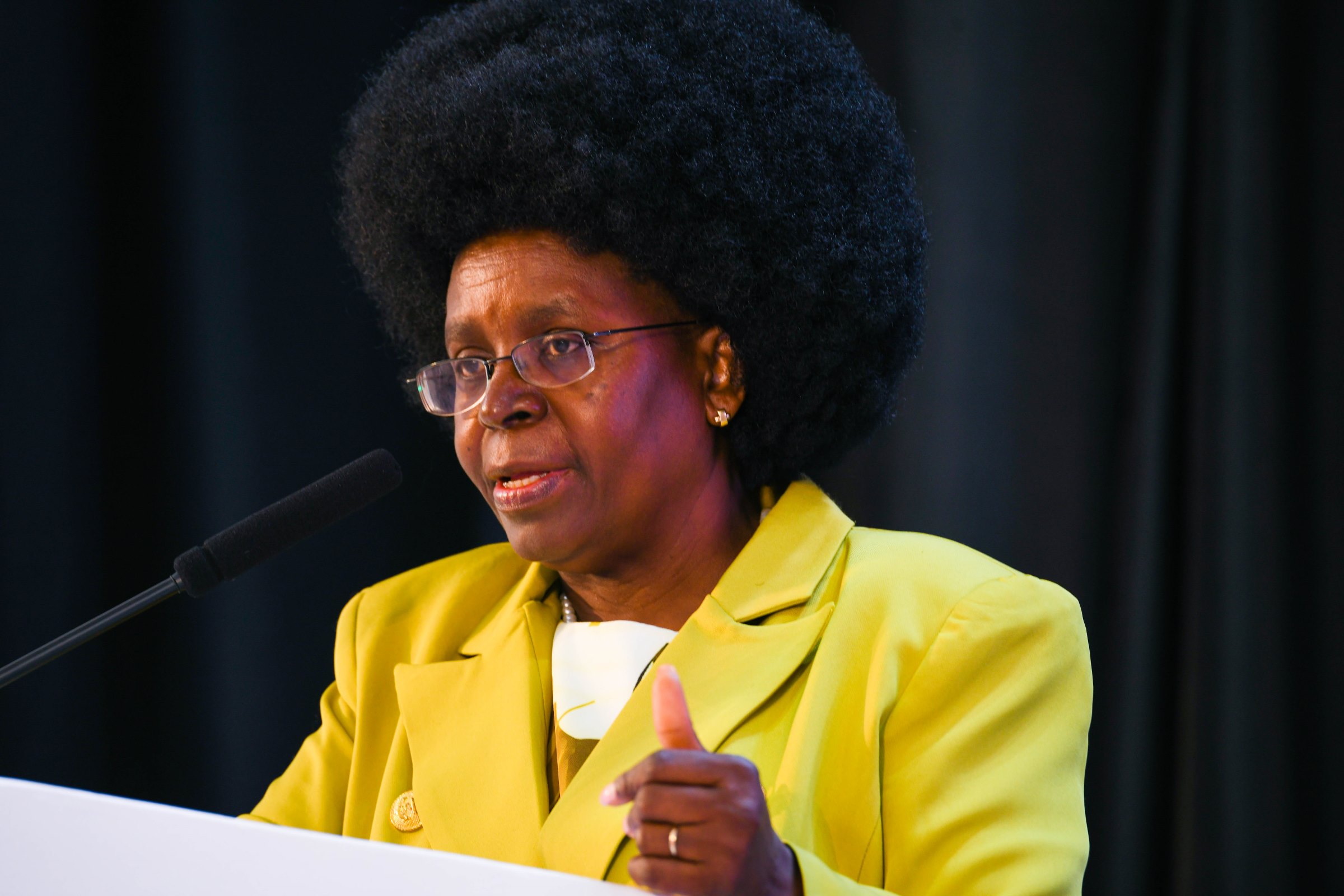
“We are positioning ourselves to disadvantage in skill; we have positioned ourselves at the consumption end and we’ve stood in awe of this technology,” she observed, using the example of the amount of admiration a user who whips out the latest iPhone 17 attracts from those around them. “We respect you for your iPhone 17, but I would be happier if you were able to design and manufacture iPhone 5” intimated Hon. Dr. Musenero.
The Minister urged fellow scientists to wake up to the realization that the future of Africa lies in their hands. “We can no longer be passive participants, we can no longer reside on the shallow end of science; we must be willing, as I said when I was here last week, to enter the ‘evil forest’”.
The ‘evil forest’ is Hon. Dr. Musenero’s analogy of Africa’s perception of current technology ecosystem drawing parallels with scenes often dramatized by Nigerian Movies. She notes that though depicted in these movies as scary and potentially dangerous, the ‘evil forest’ is loaded with hidden treasures, necessitating resilience and wisdom for one to navigate the pitfalls until they discover the treasure trove. Upon discovery, the value of this treasure has the potential to turn around the fortunes of the family, community or entire kingdom. Entering the ‘evil forest’ therefore, is her way of encouraging scientists to go beyond adapting imported technology for local use to understanding how it works enough to develop homegrown solutions.
Building AI Capacity through Synergy
Representing the Vice Chancellor, Prof. Barnabas Nawangwe, the Academic Registrar, Prof. Buyinza Mukadasi concurred with Hon. Dr. Musenero that Uganda needs to accelerate investment capacity in AI, if it is to be used as tool to manage health challenges. He nevertheless underlined the steps Makerere has undertaken to close the gaps by hosting units such as the Infectious Diseases Institute (IDI), AI and Health Lab, Innovation Pod, while working with various partners.
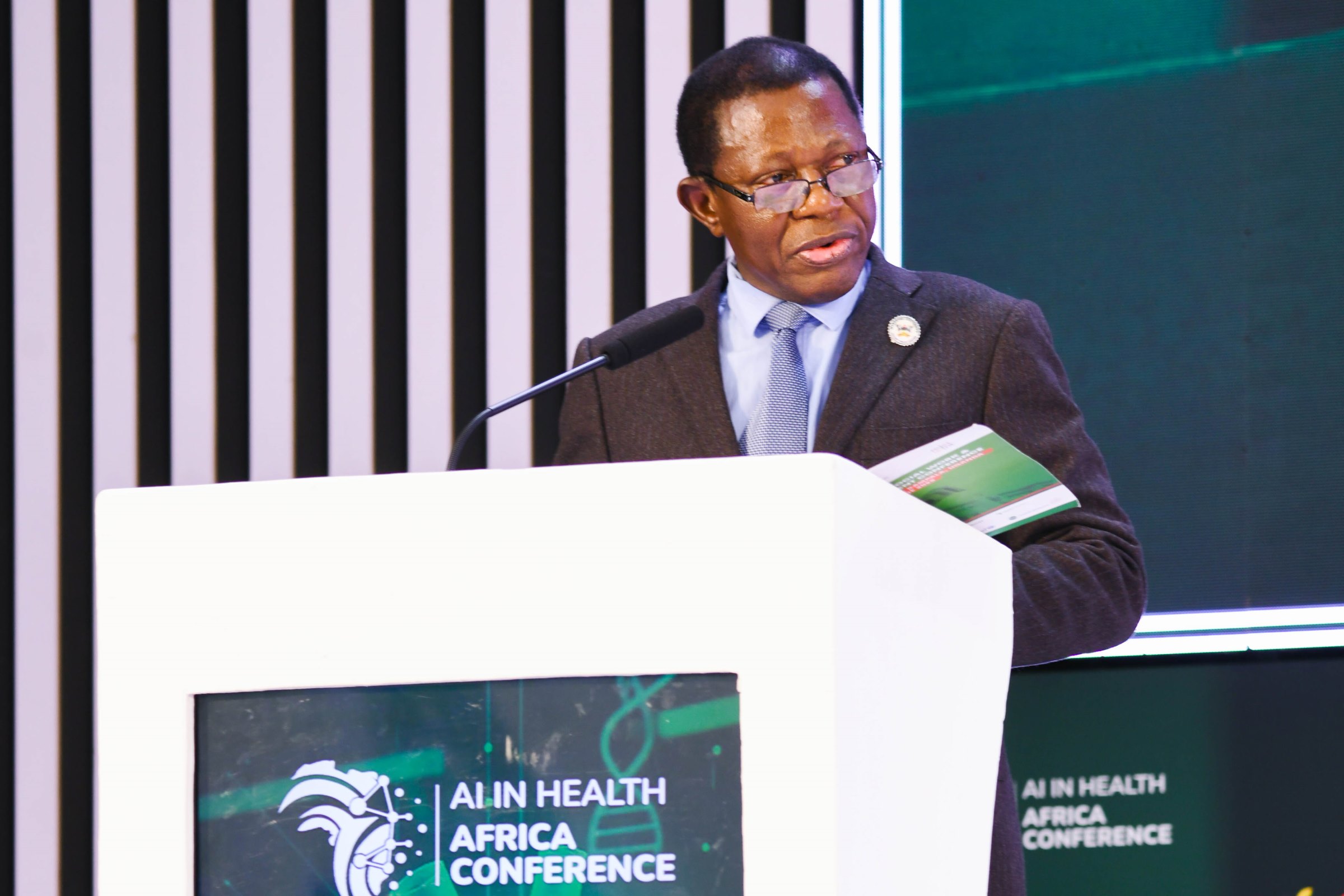
“We want to renew our commitment that we shall continue to translate our research findings into service delivery and products that improve the livelihoods of our people,” pledged Prof. Buyinza, who also noted that this will be undertaken within institutional ethical guidelines and policies, bolstered by good practices and recommendations arising from the conference.
Taking cognizance of contributions of various partners to strides made so far, the Permanent Secretary Ministry of ICT and National Guidance, Dr. Aminah Zawedde who was represented by Mr. Ambrose Ruyooka, the Ministry’s Head of Department of Research and Development, thanked the Makerere University AI Health Lab, IDI, Health AI for All Network, the Research and Innovation Fund, the African Population and Health Research Centre, and the Mastercard Foundation for convening the second edition of the conference.
“This year’s theme aligns perfectly with Uganda’s digital transformation vision. It reminds us that while innovation is powerful, true progress lies in ensuring it is equitable, ethical, locally relevant, and accessible to all” read Dr. Zawedde’s remarks.
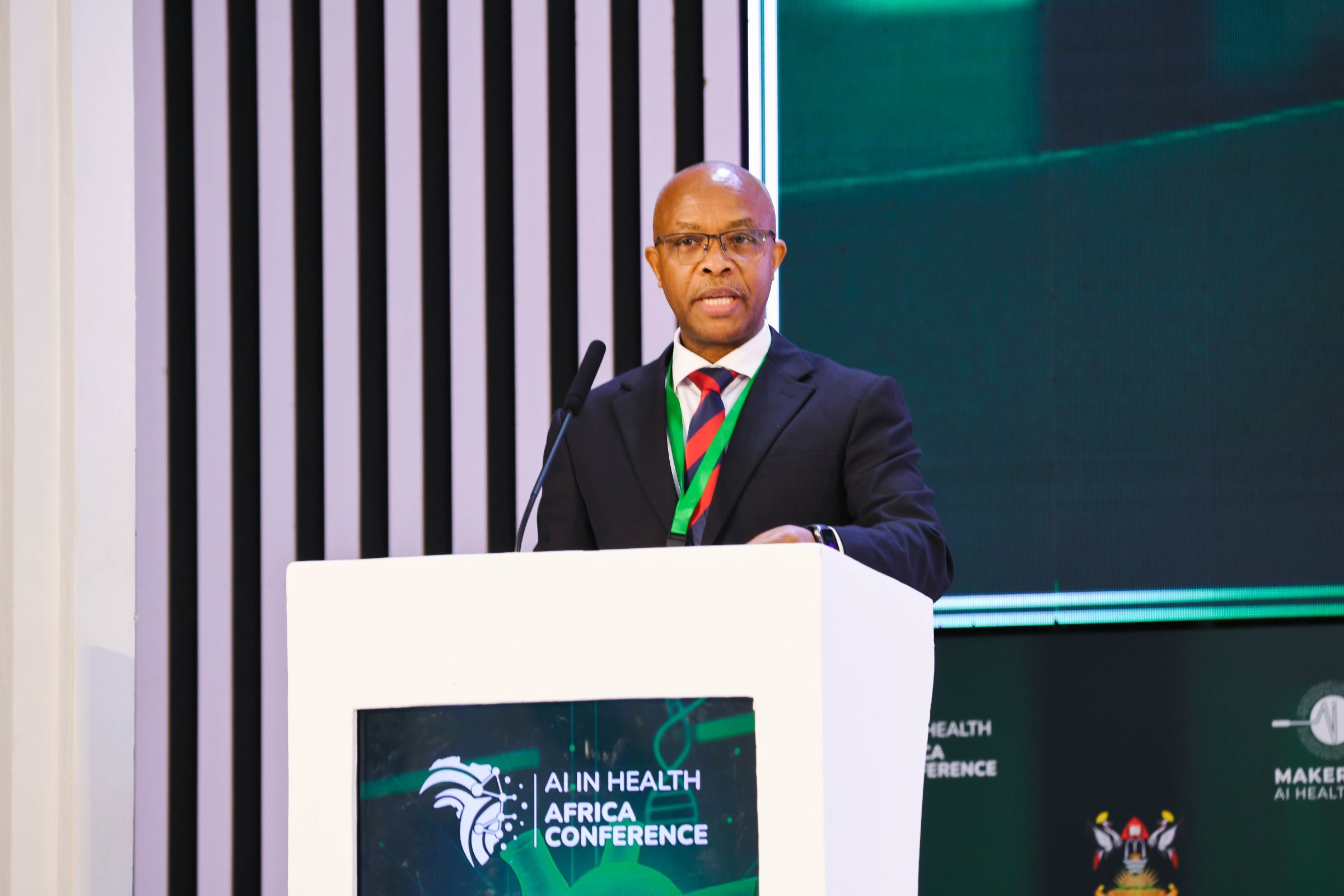
She noted that when used responsibly, AI empowers healthcare workers to do more with greater precision and efficiency while extending services to under-served communities, essentially amplifying their impact whilst preserving the essential human touch that defines care. Dr. Zawedde reiterated the Government of Uganda’s commitment to positioning AI as a catalyst for national development and improved service delivery through the national AI governance framework. “By the end of 2025, we expect to reach a decision on whether to adopt a comprehensive AI policy or a flexible, sector-led regulatory approach.”
Referring to projects already underway at the College of Computing and Information Sciences (CoCIS), the Principal, Prof. Tonny Oyana underscored the great promise AI holds for not only improving affordability but also diagnosis of disease. He nevertheless called for targeted investment in data centres so as to build the required capacity to process the large amount of data that AI thrives on.
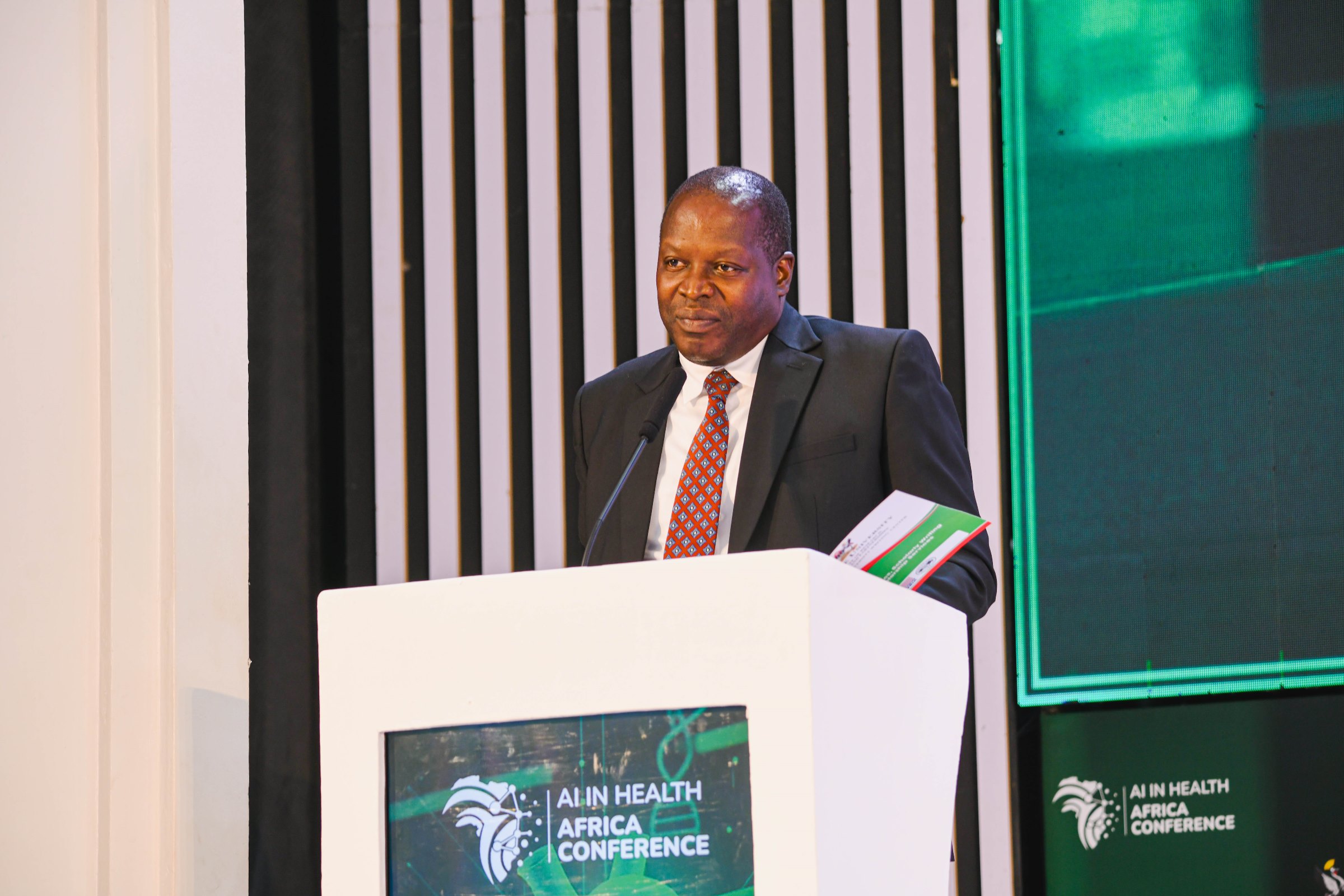
The Executive Director IDI and conference Co-Chair, Dr. Andrew Kambugu described the conference timing as “impeccable”. Citing a recently convened conference on Communicable and Non-Communicable Diseases that discussed Universal Health Coverage, he shared “there are people in this country who are one step away from disaster because of health.”
He therefore paid tribute to his conference Co-Chair, Dr. Rose Nakasi, whose AI-automation work with the light microscope, one of game-changing inventions in human medicine to-date, has improved precision, accuracy and efficiency in diagnosis of malaria, tuberculosis and cancer in healthcare facilities. Dr. Kambugu therefore urged his audience to always be eager to learn about the capabilities game changing tools such as AlphaFold.
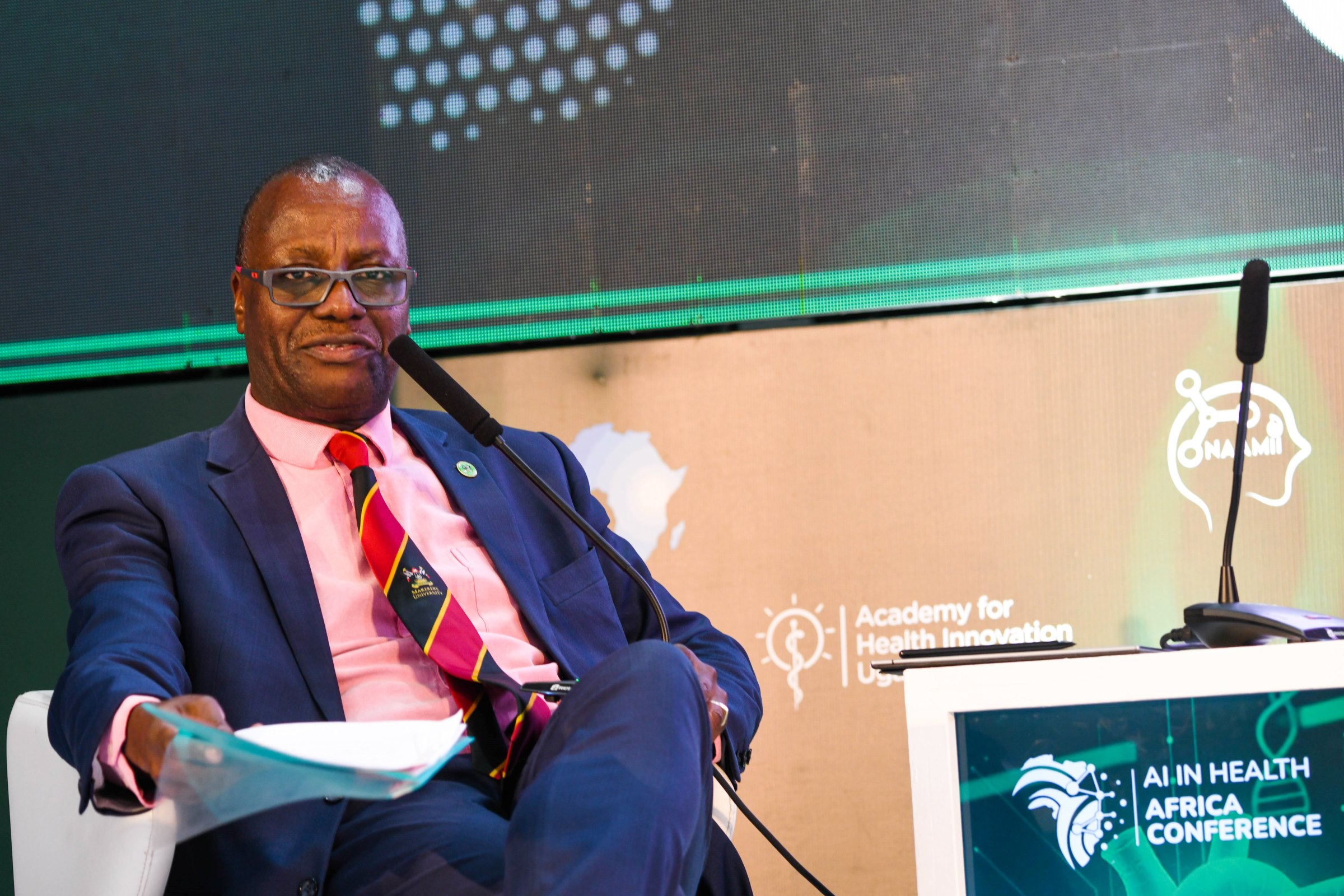
“Our African Centre of Excellence in Bioinformatics & Data Intensive Science (ACE) in collaboration with CoCIS has been one of the first trainers of AlphaFold in Africa” remarked Dr. Kambugu. He added that the to ensure inclusive training ACE has attracted funding to support the She Data Science (SHEDS) project, an initiative that offers MSc and PhD fellowships to Ugandan women in the fields of data science and bioinformatics, with a strong emphasis on health data.
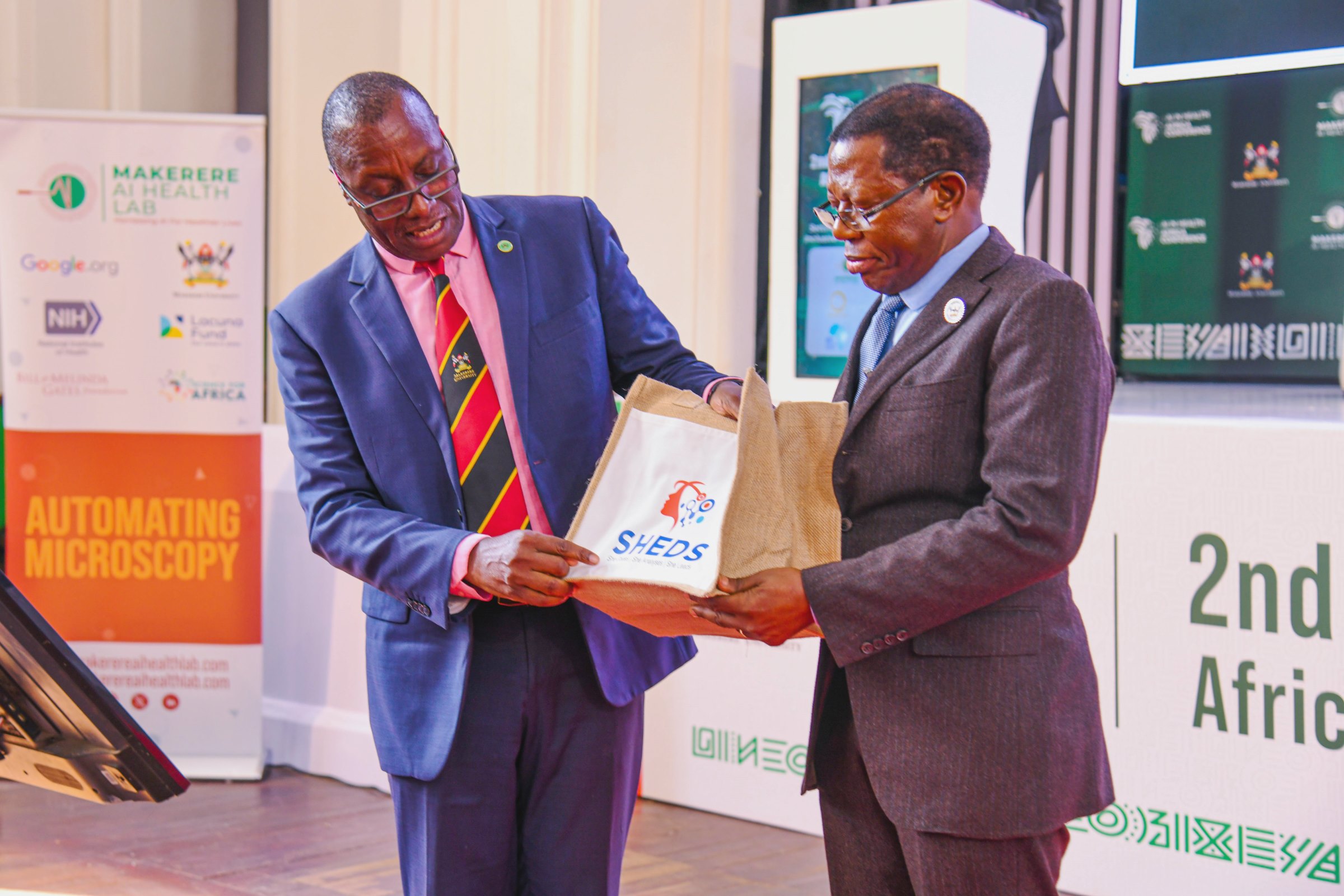
How Ocular is shaping healthcare
Conference Co-Chair and Principal Investigator of Ocular, Dr. Rose Nakasi noted that their project that aims at empowering healthcare professionals with AI-powered microscopy was motivated by the fact that wrong diagnoses have a cascading effect on prescription, treatment, recommendation and surveillance services. “Where health practitioners have been taking 30 minutes or more to diagnose malaria, and days to diagnose cancers, we are slashing down that time to literally 5 seconds to diagnose and make a recommendation.” She added.
Dr. Nakasi added that beyond diagnosis, the Ocular project is supporting the Ministry of Health with more precise surveillance and monitoring of diseases by quicker augmentation of information for faster roll-out of interventions as opposed to current weekly or monthly reporting period required by the Digital Health Information System (DHIS 2).
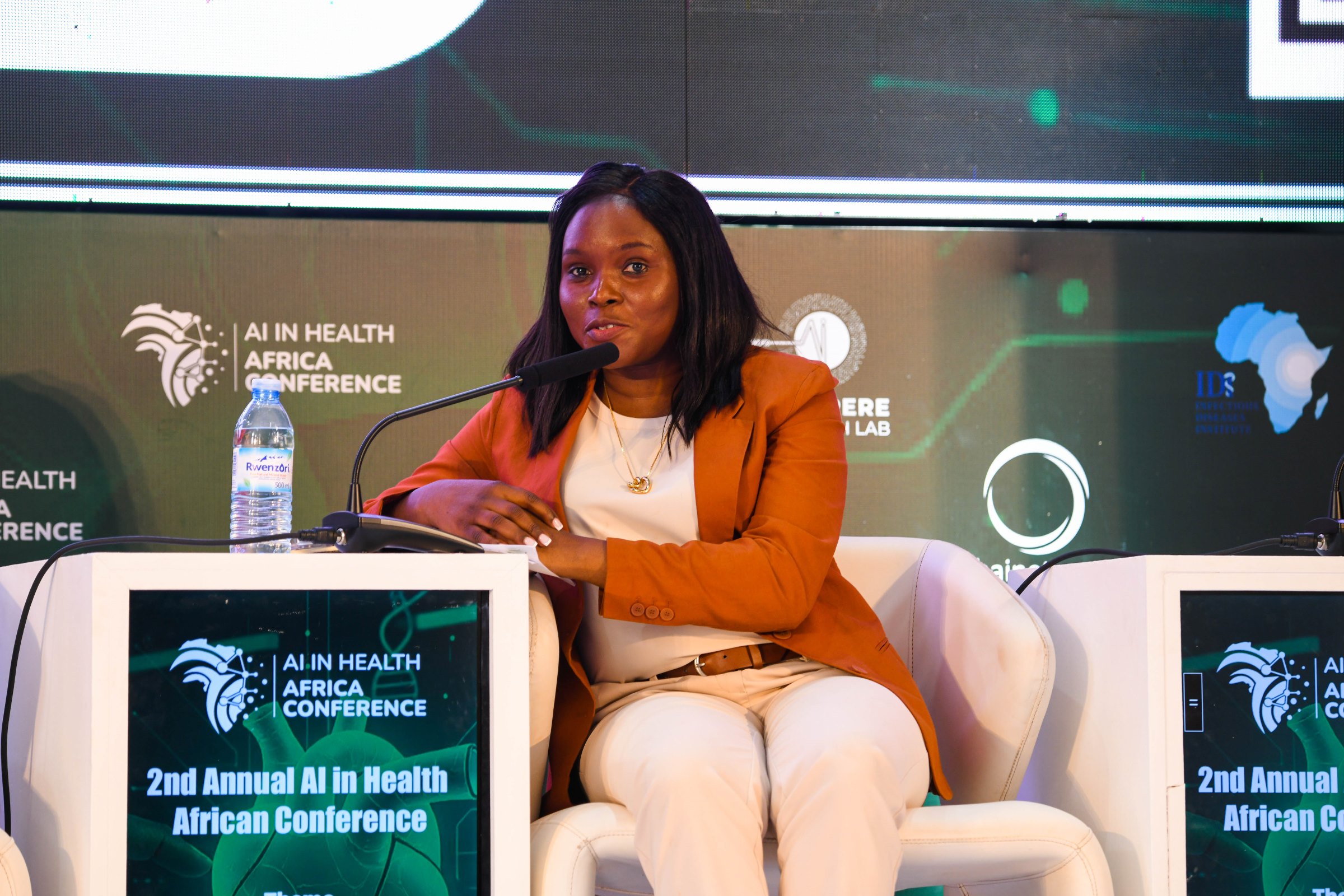
“The beauty about AI is that it has the capability not to just learn with one dataset but also provide insights on different pieces of data – for diseases such as malaria where climate has an effect, we want to integrate climate datasets and seasonality aspects so that interventions by Government are timely and targeted to specific locations.”
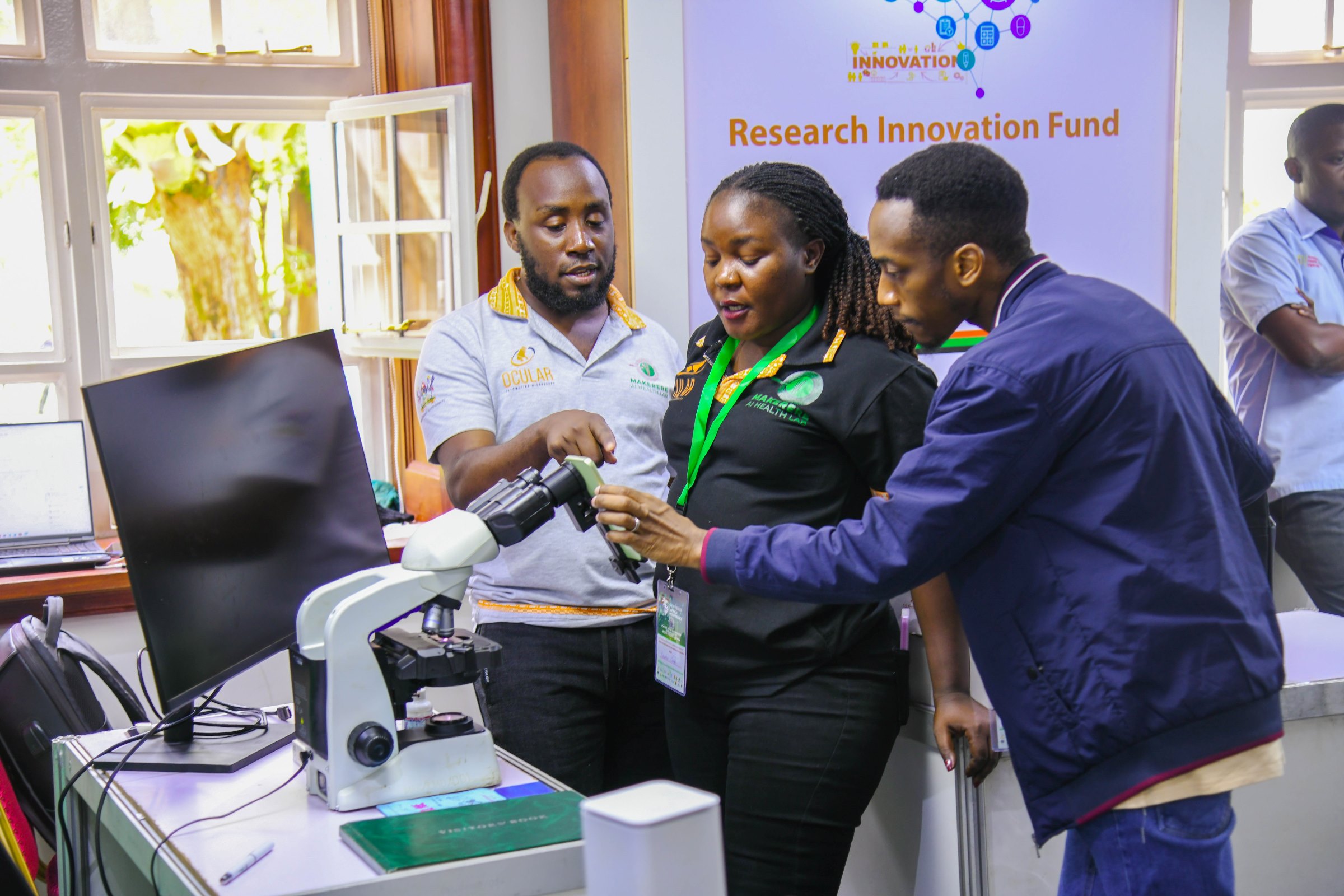
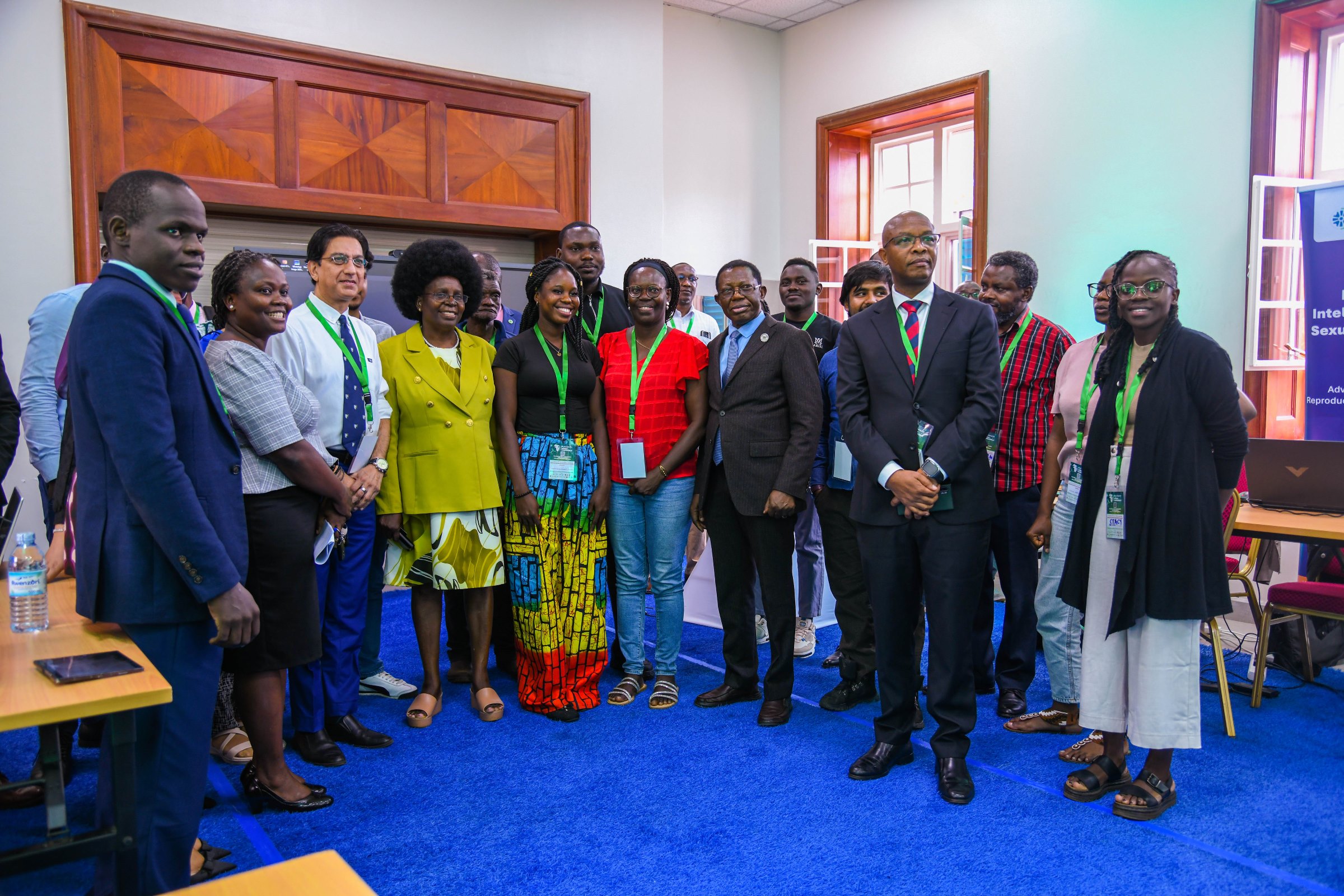
Beyond the plenary sessions, the 2nd AI in Health Africa Conference will feature abstract presentations, a Makerere AI Health Lab Showcase, Breakout Sessions, Workshops, Masterclasses and a hackathon for prototypes developed during the conference. Please see downloads for a detailed concept and programme.











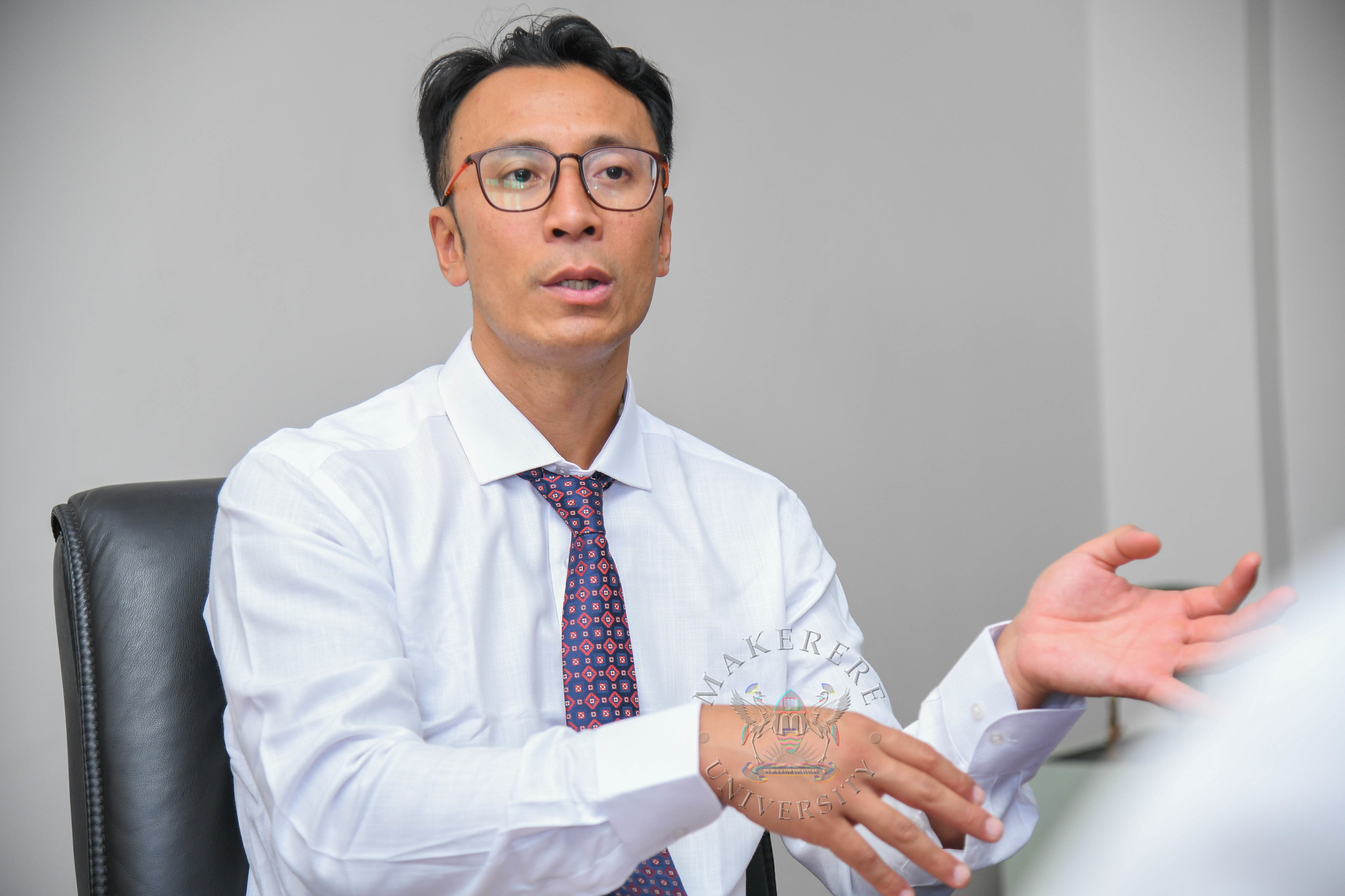
Through a European Union (EU) funded initiative, Makerere University and Mulago Hospital are hosting a German oncology reconstruction specialist Professor Dr. Thiha AUNG. AUNG is a surgeon, trainer at the Deggendorf Institute of Technology (THD), and researcher on cancer from the Deggendorf Institute of Technology (DIT), Germany.
With his international expertise in oncology and medical management roles at his home institution, his visit is a valuable addition to Uganda’s capacity building efforts in medical advancement.
Prof. Aung who arrived in Uganda in late September 2026 and has since then conducted free identified patient specialised surgeries and training for locals. These are expected to span two weeks. For the period, his service intersects medical expertise and humanitarian efforts.
This is not Prof. Aung’s first time in the country; his first major visit was in 2023, when he performed life-changing free surgeries on early patients. He then made medical history in June 2024 when he arrived to perform Africa’s first-ever lymph node transplant at Mulago Hospital.
It was against this background that the Makerere Public Relations Office engaged him in an exclusive interview to share his philosophy on medical service, his experiences in oncology reconstruction, and his unwavering belief that passion and dedication rather than just resources are the true drivers of sustainable medical progress.
Transforming Lives Through Oncology Reconstruction
At the heart of his mission through the ERASMUS – Oncology/Lymphedema project, is the treatment of lymphedema, a condition often referred to as elephantiasis.
In Europe, such surgeries can cost between 80,000 and 100,000 euros, making them inaccessible to many.
Thankfully, Professor and his team, including some of his post graduate students like Anna Friedrich (B.Sc) and Sophia Waser (B.Sc., PA) from the Institute of Medical Science and Engineering, have once again brought this specialised care to Uganda pro bono.
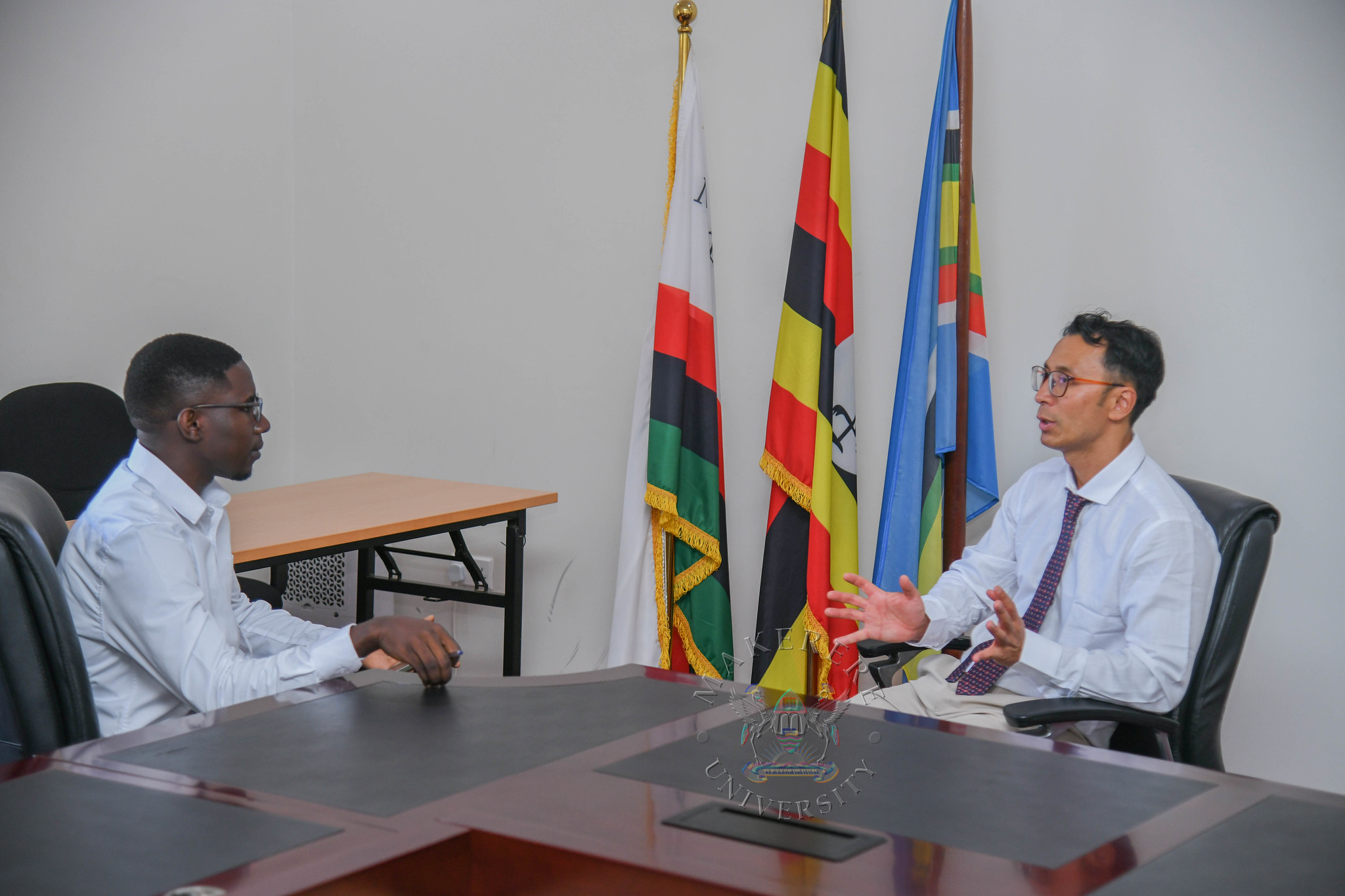
He highlights the story of a teacher who, after receiving surgery, regained her quality of life and returned to the classroom. For him, the impact is exponential. “You change one life, but this person changes a lot in the community.”
This shift from individual surgery to the long-term wellbeing of the community, reinforces the local impact of these services.
Professor AUNG’s Personal Conviction
The professor confessed that inherently, he commands himself that beyond knowledge, true progress is driven by passion and will rather than resources.
He does not agree with those that think money and resources are the sole prerequisite for change in the medical world, stating, “you cannot change with money only.” Rather, he upholds the importance of personal decision and commitment.
When discussing the challenges of working in resource-limited settings, he maintains a simple, direct explanation “it’s always beyond the money.”
Ultimately, the Professor believes that if he can provide the spark, his students and patients can carry through with the same flame for significant change.
Motivation to Serve in Uganda
When asked about his inspiration for entering the field and now volunteering to work in Uganda, he explained that his primary goal was always to serve others. “That’s why I finished my medical school to help as many people as possible with my skills.”
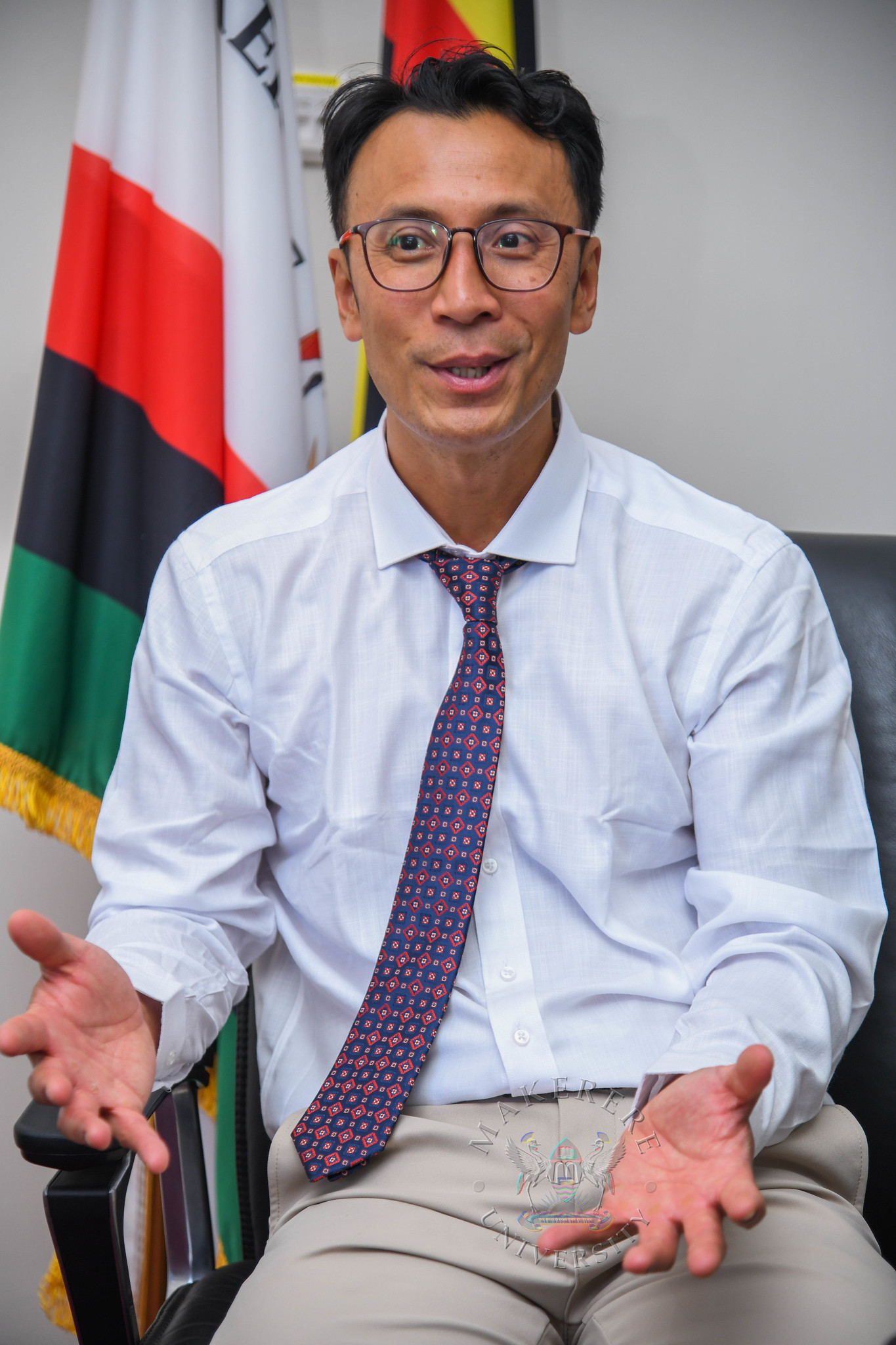
He views his medical expertise not as a tool for the privileged, but as a universal resource., “People are all the same, their anatomy is the same. So, I can help all these people pretty well,” Prof AUNG remarked.
His approach is motivated by a pay it forward dogma where treating a single patient creates a broader societal benefit. He illustrates this through his work with patients who, after surgery, are able to return to their professions like the teacher earlier mentioned.
Tips for Medical Professionals working in Uganda
As a foundation for professional growth, the Professor advised medical professionals working in Uganda to prioritise genuine interest in their work because he believes it is “the most important…” for “if you are interested, you will go far in the profession.”
He further reinforced the human capacity point, noting, “no matter what kind of equipment you have… it all depends on the people operating them and the patient.”
Professor AUNG concluded by encouraging doctors to overcome resource fears through action, stating, “If you want to create impact or change, you do.”
Dr. AUNG is part of the Lymphoedema Warriors Association (LWAU) in Uganda. He describes it as a grassroots organisation and commends them for “leveling the grond”. He reiterated his commitment to work with the organisation in reviewing patient reports to determine the best course of treatment.

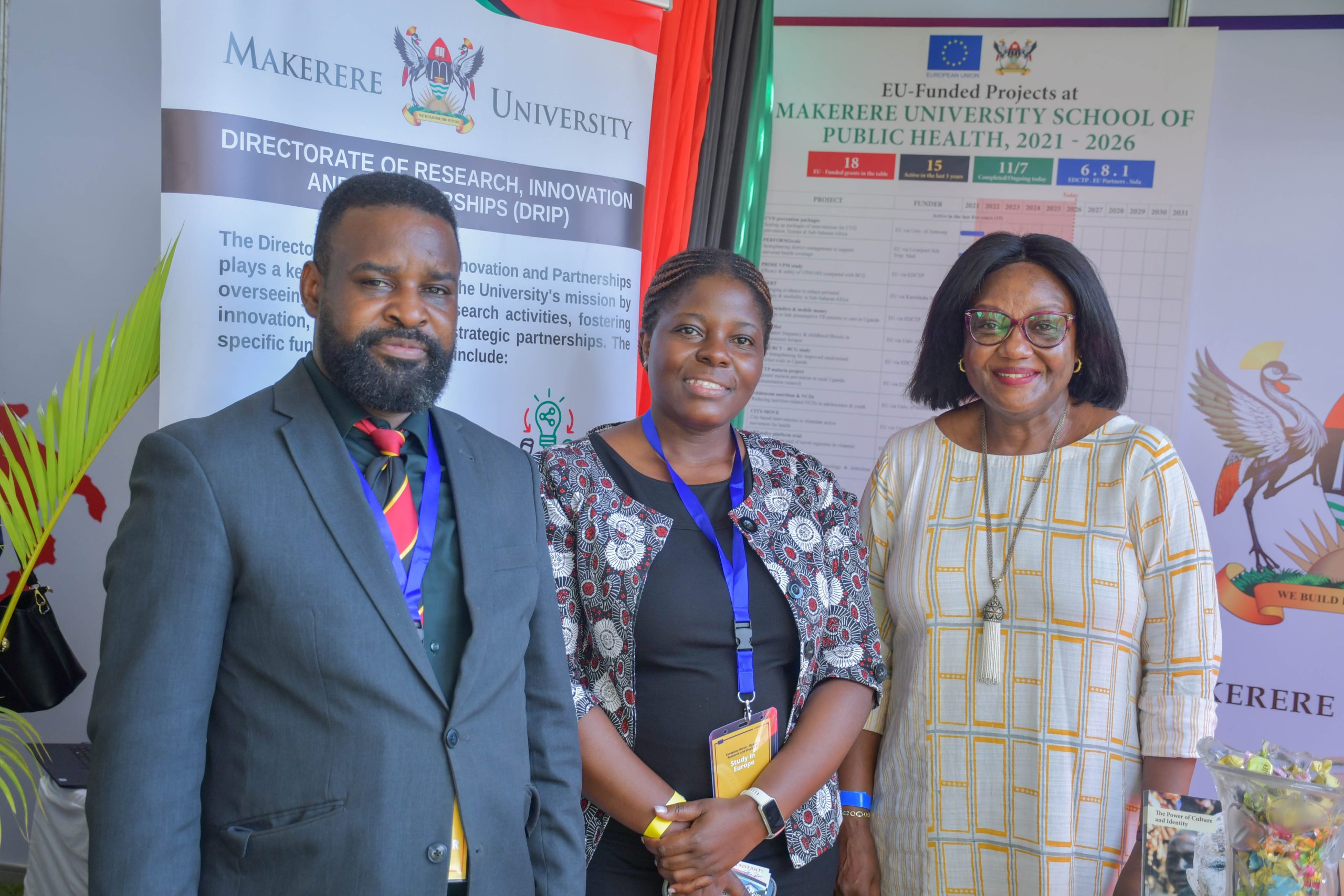
Makerere University’s School of Public Health (MakSPH) showcased research, training and international partnerships supported through European Union funding during the EU Uganda Research and Study Fair 2026 held at Makerere University.
The fair brought together students, researchers, academics, government representatives and development partners to explore opportunities in education, research, innovation and international collaboration, while celebrating 50 years of partnership between Uganda and the European Union.
Through its exhibition, MakSPH highlighted research and capacity building initiatives addressing public health challenges including infectious diseases, non communicable diseases, health systems, climate change and pandemic preparedness.
18 EU funded projects supported at MakSPH
Prof. Rhoda Wanyenze, Dean of Students, School of Public Health, said the School has benefited from 18 EU funded projects over the past five years, supporting research and training across several areas of public health.
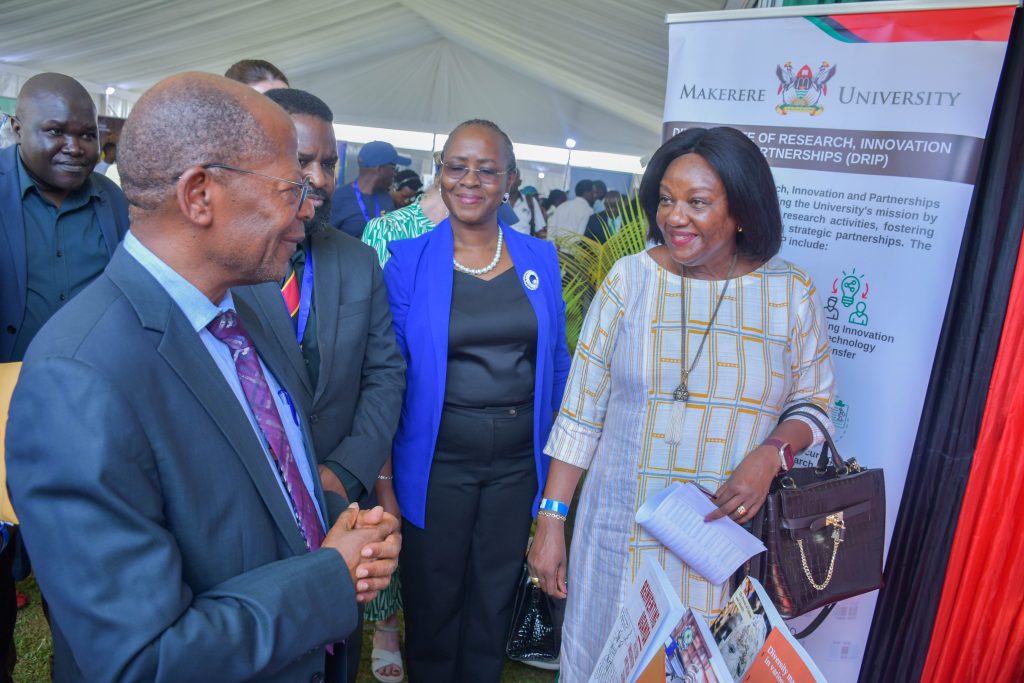
She said the projects have contributed to the training of PhD researchers and the development of research addressing infectious diseases and prevention, non communicable diseases, health systems, climate change and health.
Prof. Wanyenze also highlighted a new five year programme which started in 2021 that is aiming at strengthening capacity for research on pandemic preparedness and response, including outbreaks such as Ebola.
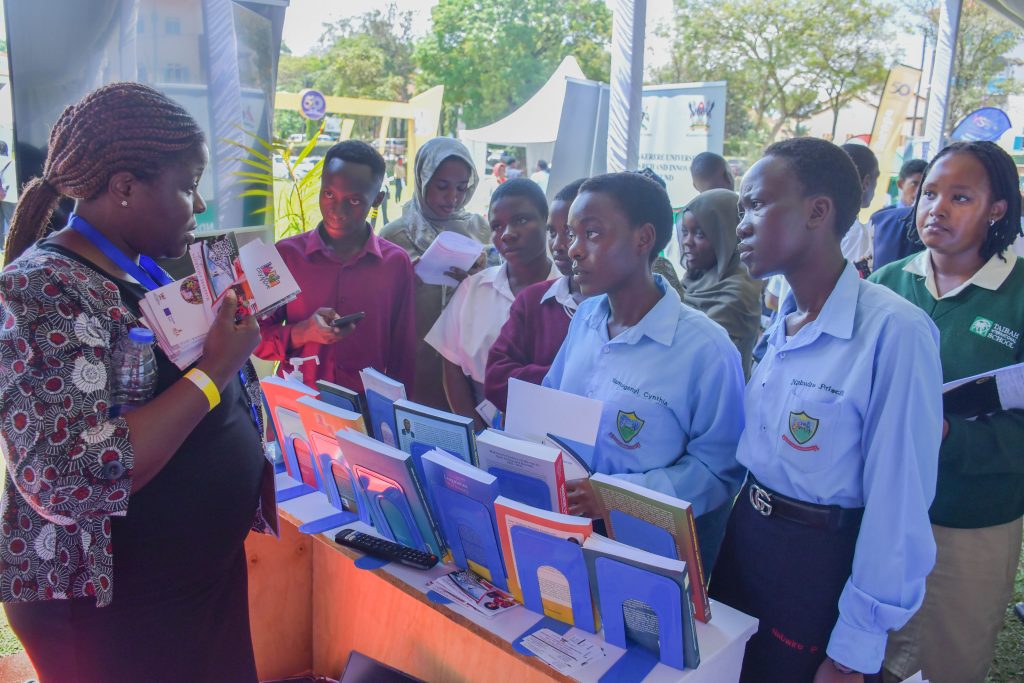
Another programme being undertaken with the Ministry of Health and Karolinska Institute focuses on improving maternal health while also addressing adolescent pregnancy and the health of mothers and children.
She described partnerships as critical to advancing science and innovation, noting that collaboration allows researchers in Africa and Europe to share knowledge and strengthen the impact of research on communities.
Research partnerships strengthen innovation
Prof. Robert Wamala, Director of the Directorate of Research, Innovation and Partnerships at Makerere University, said the exhibition provided an opportunity to showcase EU funded projects across the University.
He noted that the School of Public Health alone has more than 18 such projects, while other colleges also have several EU supported initiatives.
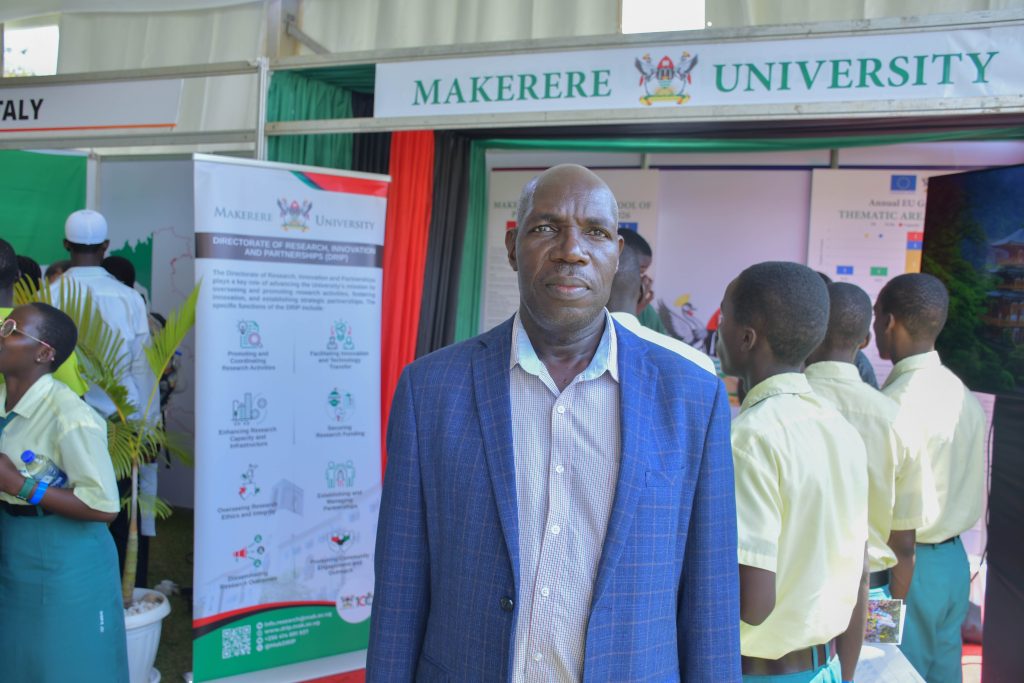
One of the projects showcased was PREPARE TID, a partnership aimed at developing rapid diagnostic technologies for emerging and re emerging infectious diseases.
Prof. Julius Okuni, Associate Professor of Veterinary Pathobiology and Molecular Diagnostics at Makerere University, said the project brings together universities, industries and other organisations from Africa and Europe.
The project is working to develop technologies that can quickly identify pathogens responsible for outbreaks such as Ebola, Rift Valley fever and Crimean Congo haemorrhagic fever.
According to Prof. Okuni, Makerere is involved in field and laboratory work to test and refine the technologies before they can be delivered to end users.
Fair provides platform for research visibility
For researchers at MakSPH, the fair also provided an opportunity to increase the visibility of ongoing research and create new connections with researchers, policymakers and potential funders.
Dr. Raymond Tweheyo, Honorary Lecturer and Senior Research Fellow in the Department of Health Policy, Planning and Management, said such exhibitions allow researchers to share their work and identify others working on related challenges.
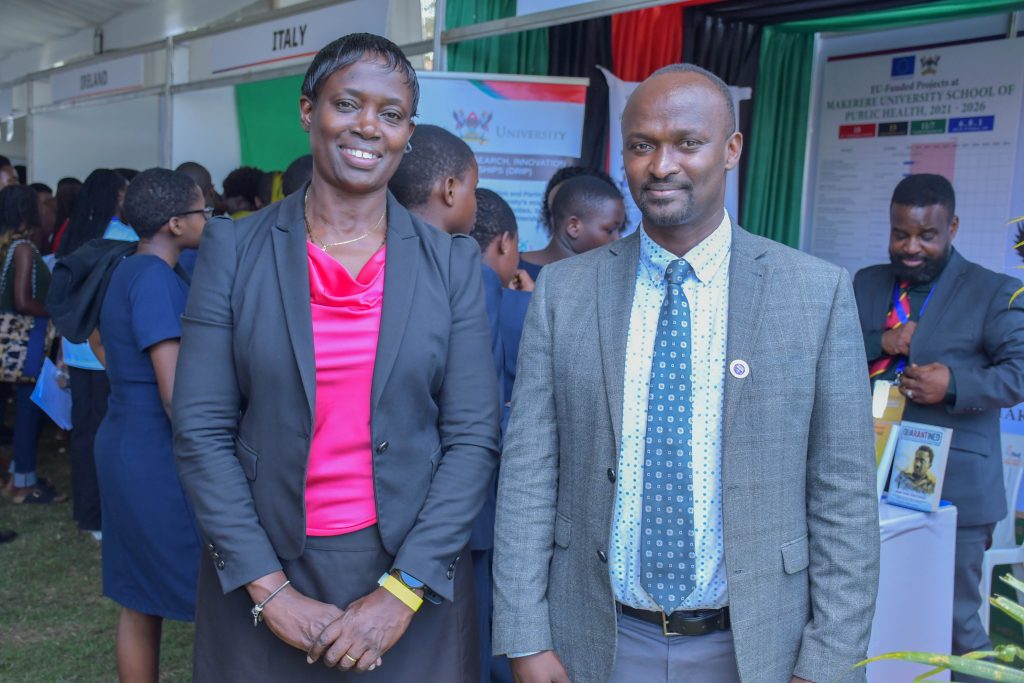
He cited the CONNECT for Health project, which focuses on transforming non-communicable disease care in Uganda through collaboration with partners across several countries.
Dr. Tweheyo said exhibitions can help researchers connect with policymakers, civil society organisations and other partners who can contribute to translating research into practical solutions.
Assoc. Prof. Angelina Kakooza Mwesigye, Associate Professor and Child Neurologist at Makerere University College of Health Sciences, also emphasised the importance of exposing young people to international research opportunities.
She said the long standing Uganda Europe partnership provides opportunities for the next generation of researchers to learn, build networks and prepare for future research collaborations.
The School of Public Health’s participation highlighted the role of international partnerships in strengthening research capacity, supporting innovation and developing evidence based responses to Uganda’s public health challenges.
-
 General2 weeks ago
Applications Open: Short Course in Decision Modelling for Economic Evaluation
-
 Veterinary & Biosecurity2 weeks ago
NRM’s Rose Namayanja Seeks Partnership with CoVAB to Boost Farmer Productivity through Research and Innovation
-

 General2 weeks ago
Complete Nyerere Historical Tasks of Uniting and Prospering Africa – President Museveni
-
 Business & Management1 week ago
PIM CoE equips Public Officers to Make Better Public Investment Decisions
-
 Agriculture & Environment12 hours ago
What two weeks with Farmers in Mwera, Mityana, taught Makerere’s PhD Students about Agricultural Innovation