
Business & Management
Dissemination Workshop: Government and Regulators urged to formalize the informal sector

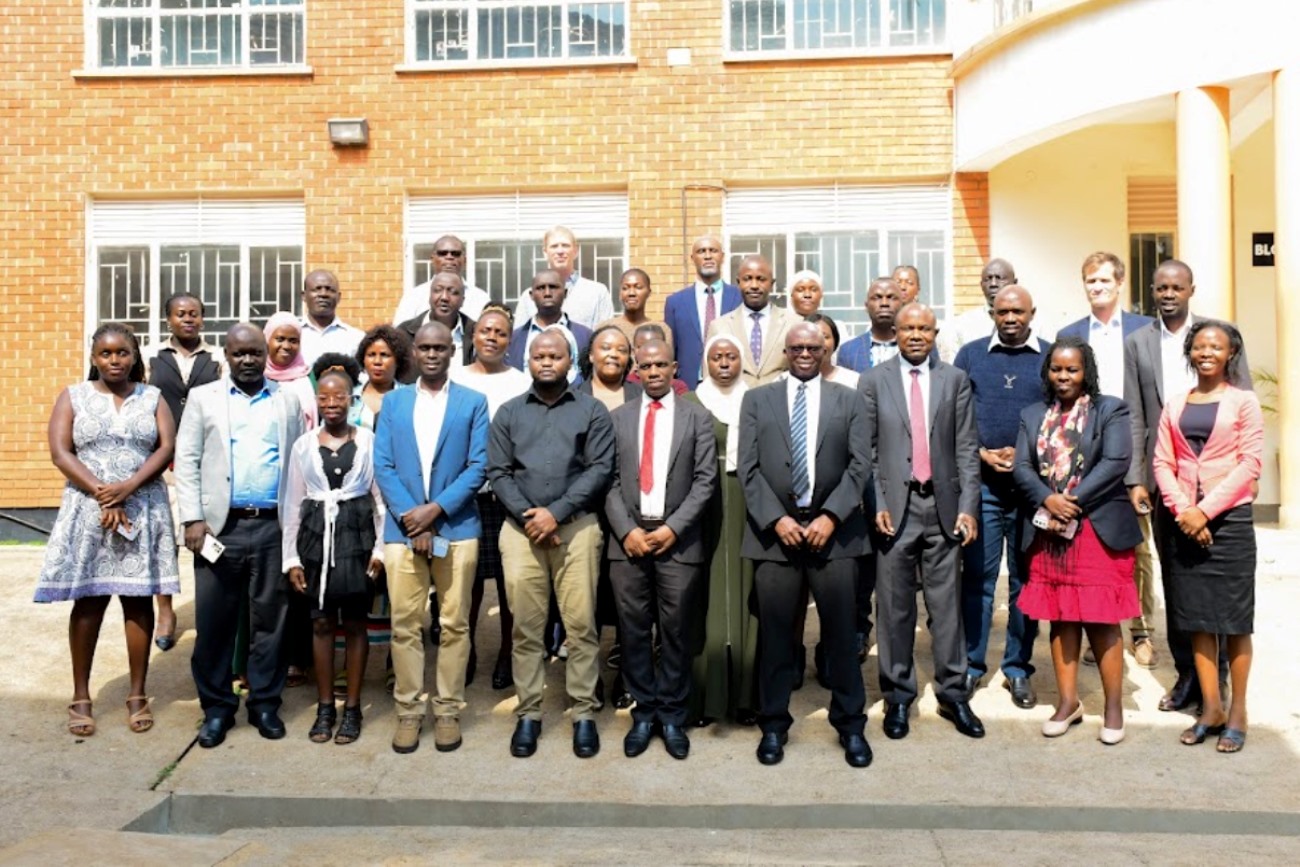
On 29th August 2025, researchers from Makerere University College of Business and Management Sciences and the Copenhagen Business School, in partnership with Uganda Small Scale Industries Association disseminated the key findings and policy recommendations aimed at impacting both the informal and formal sectors in Uganda.
The dissemination workshop follows an intensive and participatory research project, which presents insights from a large scale study of over 1,100 small-scale firms across Uganda. Hosted at Makerere University, the dissemination workshop on Firm Formalization and Sustainable Development, brought on board key stakeholders including regulators, policy implementers, researchers, industry partners, the private sectors, manufactures, the academia, business men and women from the informal sector, and the media.
Approximately 90% of Small and Medium Enterprises (SMEs) in Sub-Saharan Africa operate in the informal sector. Uganda’s informal economy employs the majority of workers, but is characterized by low productivity and unsustainable practices. In Uganda, nearly 78% of the working population operate in the informal economy, spanning from street vendors to large unregistered businesses. Firms may choose to remain informal to hinder the accessibility of tax information, which consequently affects the government’s ability to mobilize domestic revenue. While informality provides livelihoods and informal firms may enjoy a significant degree of adaptability and flexibility, they typically face low productivity, limited worker protection, and environmentally harmful practices.
In 2022, an interdisciplinary team of scholars and practitioners embarked on research to examine the informal sector, gain a deeper understanding of the informal sector, as well as, its impact on sustainable development. The research team conducted field experiments and survey-based studies between 2022-2024 to evaluate the links between formalization and sustainable development.
Led by Prof. Marcus M. Larsen as the Principal Investigator, the research team consisted of the following the members: Prof. Faisal Buyinza-Local Principal Investigator, Dr. John Seruyange-Makerere University School of Economics, Dr. Ismail Kintu and Dr. Yusuf Kiwala-Makerere University School of Business, and Prof. Rebecca Namatovu-Copenhagen Business School. The research was funded by the Independent Research Fund Denmark.
“Our research shows that formalization can promote sustainable development, but outcomes differ by type: URA tax registration drives the most meaningful improvements in business, labour, and environmental practices, while URSB business registration mainly boosts legitimacy and local government licensing lags behind. To realize Uganda’s green and inclusive growth goals, formalization must be coupled with sustainability incentives, targeted reforms, and strong support from government, business associations, and civil society. From the policy perspective, the government needs to simplify the legitimization process through increased proximity of the registration centres for SMEs to leverage the benefits of formalization.”
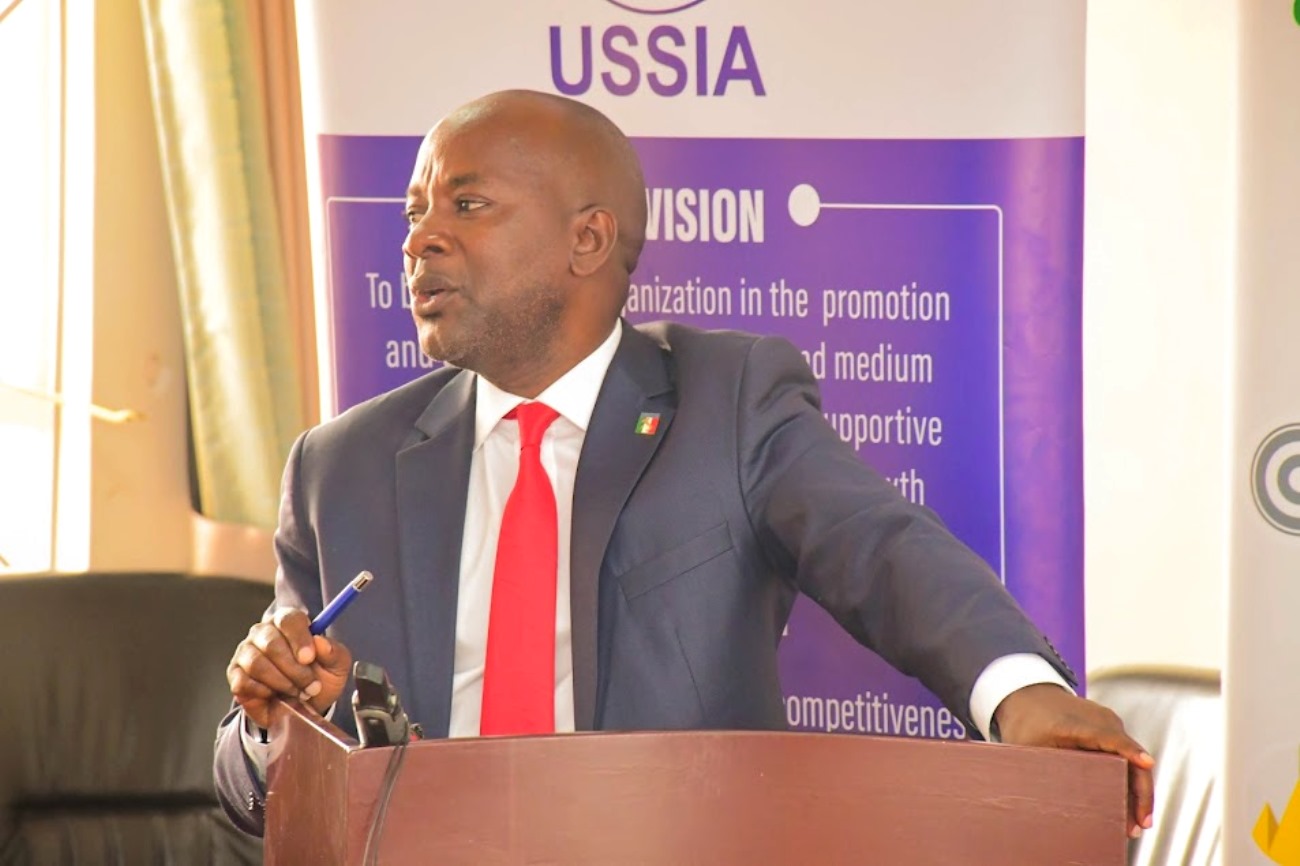
Opening the dissemination workshop, the Principal of the College of Business and Management Sciences-Prof. Edward Bbaale represented by the Deputy Principal, Professor James Wokadala, emphasized the significance of the study in shaping Uganda’s development agenda. He underscored that Makerere University is committed to undertaking research with partners to drive inclusive growth and sustainable economic development. The Deputy Principal noted that the interdisciplinary research team combining the global north and global south expertise, positions the College of Business and Management Sciences at Makerere University, to produce impactful research to influence policy and practice at the national and global levels.

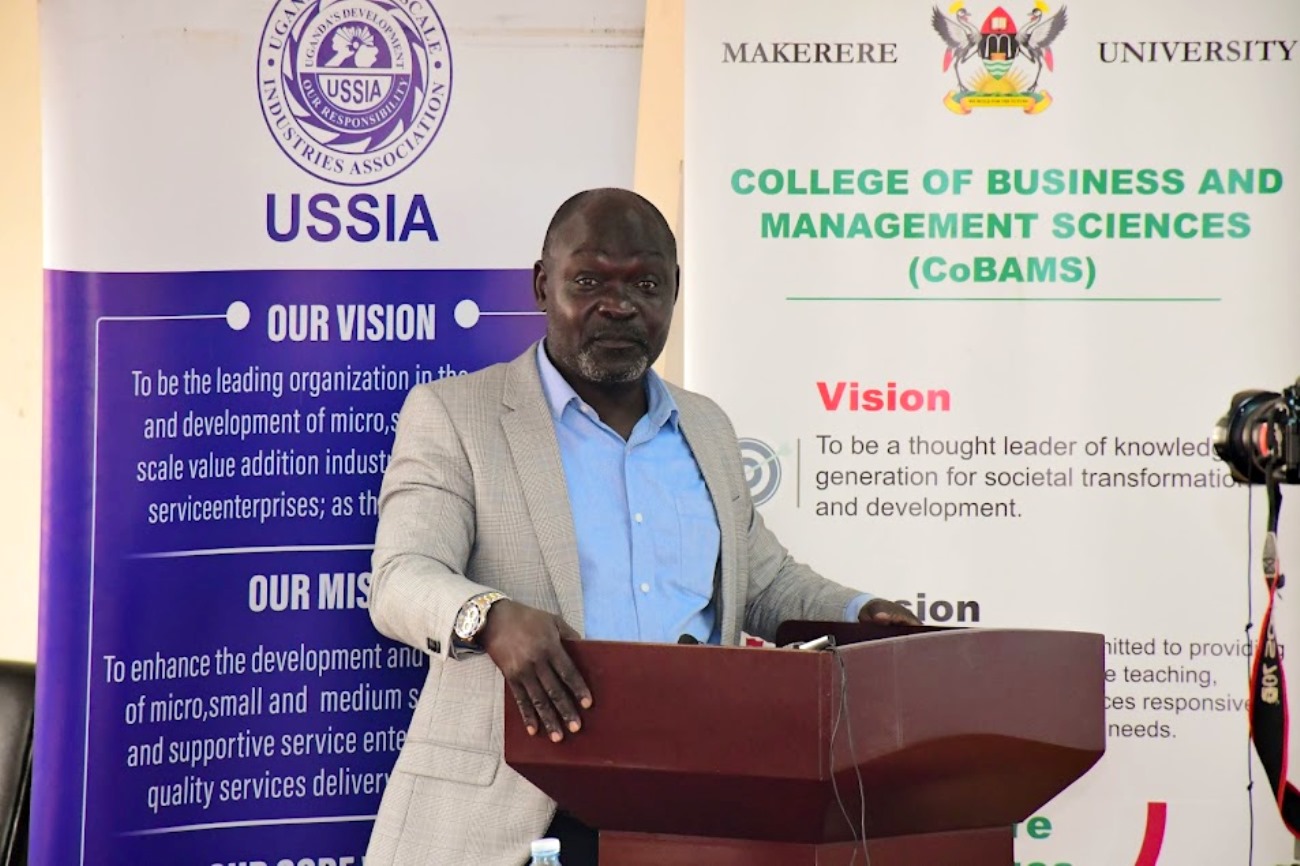
Unpacking the key concept in the research project, Ms. Veronica Namwanje, the Director of Uganda Small Scale Industries Association (USSIA) explained that formalization goes beyond business registration. “Formalization is about strengthening enterprises to grow sustainably,” she articulated. Commending the partnership between USSIA and the School of Economics at Makerere University, Ms. Namwanje stated that this collaborative learning experience will strengthen SME’s in Uganda. “This research will significantly impact Uganda’s economy. 75% of the labour force is employed in the non-formal sector. The research will support over 12,000 member SMEs across Uganda,” she said.
Building on the remarks from the College Principal and the Director of USSIA respectively, the Moderator of the dissemination workshop, Dr. Anthony Tibaingana called upon the project Principal Investigator, Prof. Marcus Larsen from Copenhagen Business School, to present to the audience, the gist of the research on formalization and sustainable development.
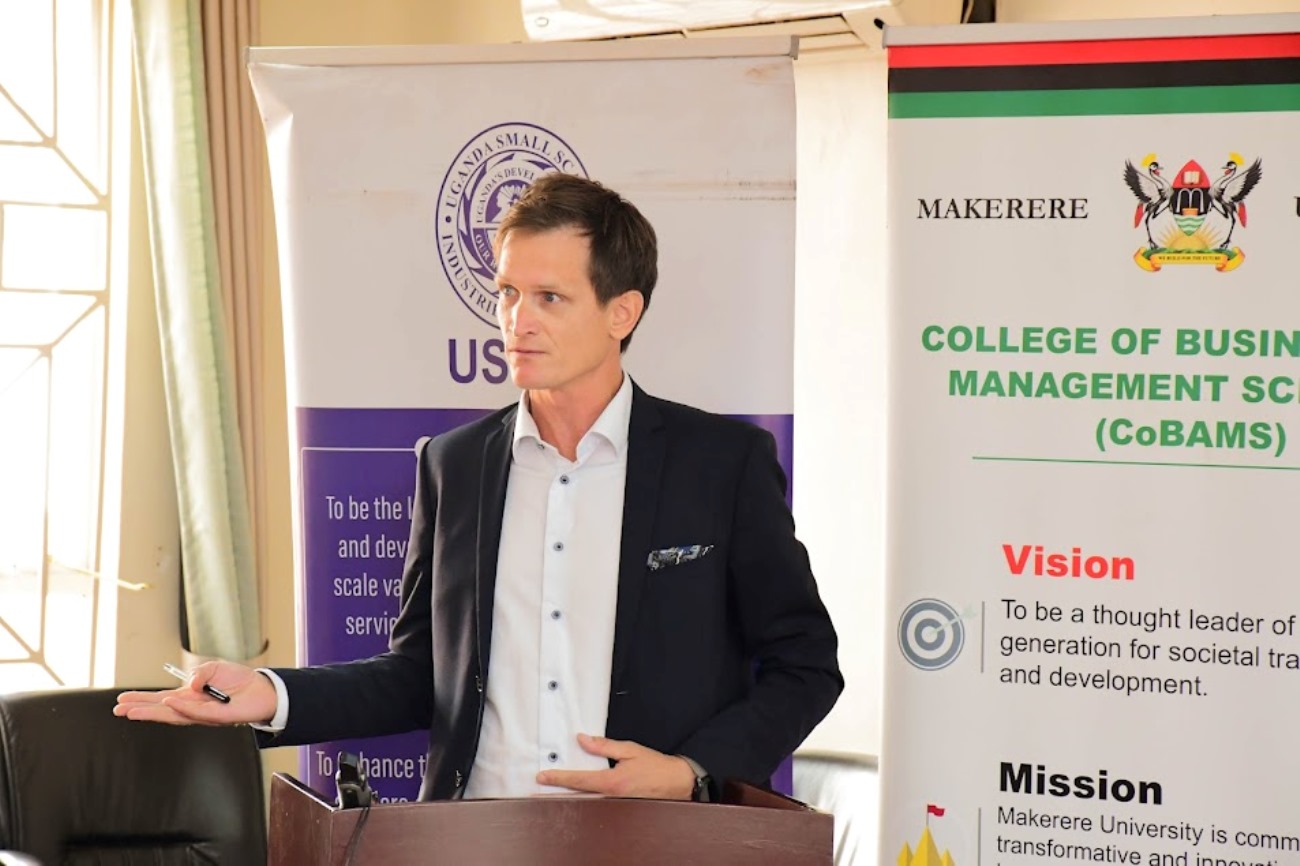
Prof. Larsen commenced his presentation by acknowledging the Local Principal Investigator, Prof. Faisal Buyinza and Makerere University researchers in Economics and Business for their commitment and dedication. “This project started in 2022. You have worked with me wholeheartedly. Thank you for being true partners,” he remarked. Prof. Larsen explained that this research exposed him to the beautiful country called Uganda, its fine weather and hospitable people. As this particular research project comes to an end, he leaves Uganda and Makerere University with good memories, of working with people, committed to the transformation of society.
Setting the pace into his presentation that provided a strong case for formalization of business given its contribution to inclusive growth and development of any country, Prof. Larsen provided a comparison between the Global north where formalization is a norm. “The Global North has zero tolerance for informal practices. In the Global North, you must be formally registered to operate a business,” he reported.
In the Global South, Prof. Larsen disclosed that the research studies proved that the number of firms under the informal sector was quite high. Through the research project, Firm Formalization and Sustainable Development in Uganda, they observed that many small scale businesses operate without any form of registration, from the Uganda Revenue Authority (URA) and the Uganda Registration Services Bureau (URSB).
With over 78% of the working population employed in the informal economy through numerous establishments (ILOSTAT, 2024), Prof. Larsen stressed that the situation in Uganda, necessitates a combined effort to ensure formalization of businesses/firms. He notified the audience about Sustainable Development Goal (SDG) 8.3, which encourages the formalization and growth of micro, small and medium sized enterprises. He also made reference to Uganda’s 4th National Development Plan, which states, and I quote: “This dual nature of informality contributes to low productivity, survival and growth of enterprises, as well as, limiting effectiveness of government policy incentives.”
Prof. Larsen argued that addressing high firm informality in the Global South through formalization can unlock growth, enable access to resources, spur sustainable development, drive inclusive growth, and contribute to the realization of Sustainable Development Goals (SDGs).
Examining SMEs and the environment, Prof. Larsen reported that the research findings indicated that that environmental issues are given less attention by SMEs. “Informal workers are particularly affected by and affect climate change. Most of the interactions proved that informal workers use environmentally unfriendly practices,” he stated. Prof. Larsen together with the research team advocated for a transition to formalization of firms, which leads to environmental sustainability with decent workers.
The research team observed that informal workers suffer from job insecurity, and in most cases, their employers do not remit their social protection funds. For instance, in Uganda, most of the workers in the informal sector did not have any contributions with the National Social Security Fund (NSSF).
Presenting the key research insights, Prof. Larsen focused on the formalization and practices, interpretation for policy makers, and SME survival and sustainability. Formalization and Practices provided hints on URSB (business registration), URA (Tax Registration) and Local Government (Trading Licenses).
Providing the interpretation for policy makers, Prof. Larsen elaborated as follows: URSB formalization mainly signals legitimacy, but has limited impact on deeper practices; URA formalization, though resisted initially, delivers the strongest and broadest improvements in business, worker and environmental practices once firms adopt it; and Local government licensing is associated with negative or weak outcomes indicating a need to reform systems to better incentivize sustainability.
On SME Survival and Sustainability, the key research insights include the following:
Financing: MSMEs that started with external financing were 12% more likely to survive than those using internal funds.
Gender: Male owned MSMEs had a higher survival rate (+13%) due to greater access to resources, though firms owned by females reported stronger sustainability orientations.
Location: Urban-based firms had 10-20% higher survival than rural firms, though rural enterprises displayed higher sustainability practices overall.
Education: Owners with university education had survival rates 17 to 24% higher than those with primary schooling.
Business associations: Female-owned MSMEs in associations had 13 to 16% higher survival rates
Registration effects: Surprisingly, longer registration with URA/URSB was associated with slightly lower survival rates (1 to 4%), pointing to burdens of compliance.
The Local Principal Investigator, Prof. Faisal Buyinza, advocated for multi-faceted policies to empower SMEs in Uganda for instance, through simplifying registration, providing green tax incentives, protection of workers and guarding against counterfeit products. Prof. Buyinza presented the following policy recommendations:
- Raising sustainability standards in business formalization
- Building green and fair fiscal systems
- Strengthening social protection and green employment
- Enhancing entrepreneurial skills for sustainability
- Promoting youth and ago-led green innovation
- Advancing women’s leadership in sustainable enterprises
- Digital transformation for green formalization
- Civil society and employer advocacy for just transition
The participants delved into an interactive question and answer session moderated by Prof. Eria Hisali, former Principal of the College of Business and Management Sciences, who provided strategic guidance and oversight at the inception of the research project.
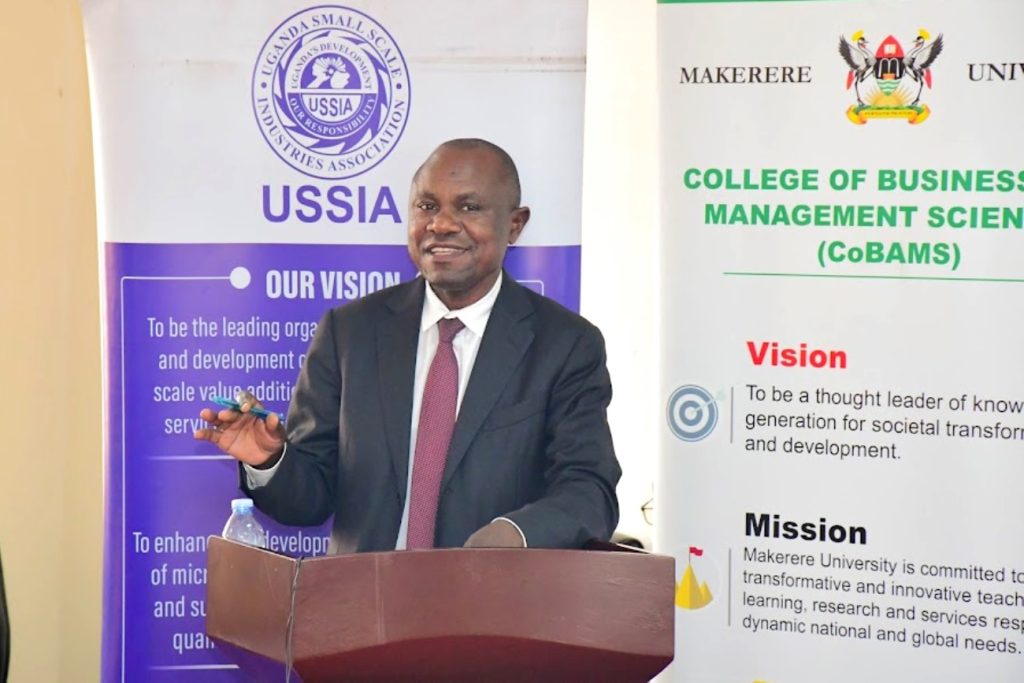
Prof. Hisali called upon the participants and key stakeholders to contribute to the discussion, when he said: “The informal sector is not abstract. The informal sector is with us. I therefore call upon you to share lived experiences and practices on this matter.”
Taking on the form of a plenary, the following ideas were raised:
- Financial constraints are a major blow to SMEs. This is further complicated by the payments required through registration, licensing, taxation, and other formalization processes including the high cost for online operations that require access to the Internet.
- Power outages in Uganda significantly affect business operations. When power is on and off, SMEs incur losses due to the nature of their activities.
- URA has a close working relationship with Uganda Small Scale Industries Association (USSIA). This partnership should be leveraged to reach out to business owners in the informal sector.
- The government should provide tax incentives to local investors. This incentive will positively impact formalization of businesses.
- URBS should come up with tough measures on standards in order to safeguard Ugandans from counterfeit products.
- URA and URSB should note that majority of players in the informal sector are not educated, and, as such, should come up with specialized awareness programmes delivered in a language that they can understand.
- Noting that despite the benefits of formalization, entrepreneurs fear to formalize their business, those concerned should invest time and resources to identify the reasons behind this attitude.
- Create awareness by deliberately popularizing the benefits of formalizing a business, and the incentives that accrue to someone who has formalized his or her business.
- Commending the stakeholder mapping and segmentation with respect to policy recommendation, the participants requested for the involvement of the Ministry of Gender, Labour and Social Development.
- Tackling the policy recommendation on digital transformation, the participants recommended the involvement of NITA-Uganda.
- Formalization of businesses and registration is affected by the high cost of Internet services and subscriptions. The participants reported that the high costs of Internet deter online operations.
Reflecting on the ideas raised during the plenary sessions, Prof. Hisali observed differences in the level of awareness regarding business formalization. He called upon the Uganda Small Scale Industries Association and Makerere University to continue the discussion with key stakeholders to conduct periodic awareness creation and training sessions.
On a positive note, the participants and stakeholders were notified that URA was in advanced stages of according tax holidays to SMEs. Prof. Faisal Buyinza, who interacted with URA, during the course of the research project (2022-2024), highlighted that effective July 2026, start-up business up to UGX 300million, will not be taxed. Such start up business, will enjoy a tax holiday of three years.”
The submission from Prof. Faisal Buyinza was supported by officials from URA who were physically present in the dissemination workshop held in the Conference Hall, at the College of Business and Management Sciences, Makerere University.
The participants were thoroughly engaged during the dissemination workshop, which entailed remarks from the College Principal, presentation by USSIA, project purpose and findings, research presentation, policy implications, question and answer session, and final reflections.

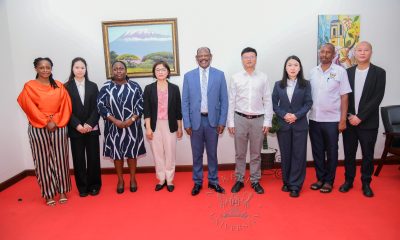










The two-week training programme aims to equip government officers with practical skills to assess project viability, manage investment risks and ensure public resources deliver value for money.
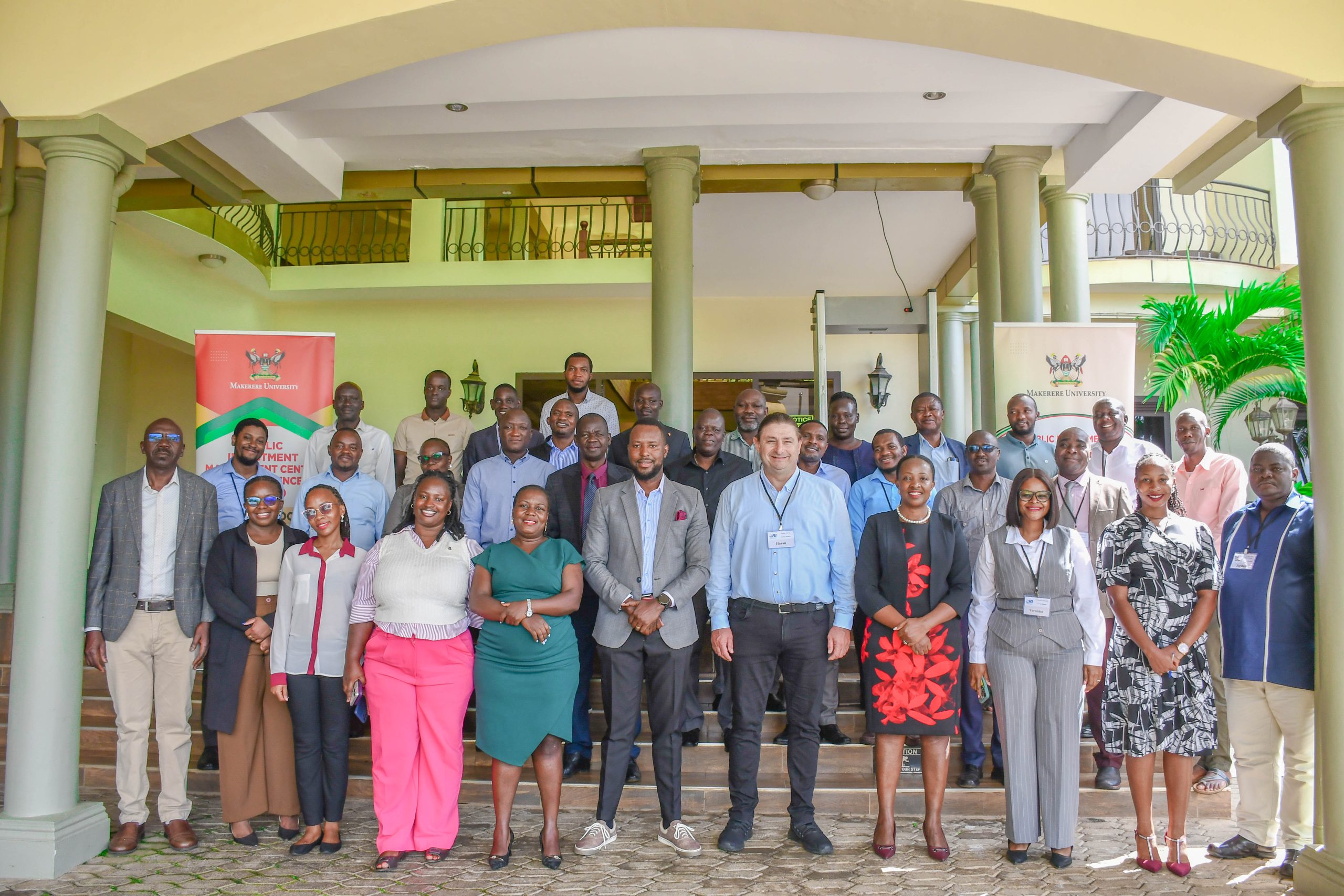
The Public Investment Management Centre of Excellence (PIM CoE) is strengthening the capacity of government officers to undertake financial appraisal and risk analysis of public investment projects through a two-week training programme designed to improve the quality of project preparation, appraisal and decision-making in Uganda.
The training, which started in Fort Portal on October 19, 2026, brought together participants from various government ministries, departments and agencies (MDAs), alongside facilitators from Makerere University, the Ministry of Finance, Planning and Economic Development, Cambridge Resources International (CRI), the National Planning Authority and the Uganda Development Bank.
Officially opening the training on behalf of the Permanent Secretary/Secretary to the Treasury, Ms Esther Ayebare, Acting Assistant Commissioner in the Project Analysis and Public Investment Department of the Ministry of Finance, Planning and Economic Development, emphasised the importance of rigorous project appraisal in strengthening Uganda’s public investment management system.
She noted that projects admitted into the public investment plan must be aligned with national priorities, technically sound, financially viable and capable of delivering value for money.
“Government must be able to compare investment alternatives and ensure that only viable projects proceed through the public investment process,” she emphasised.
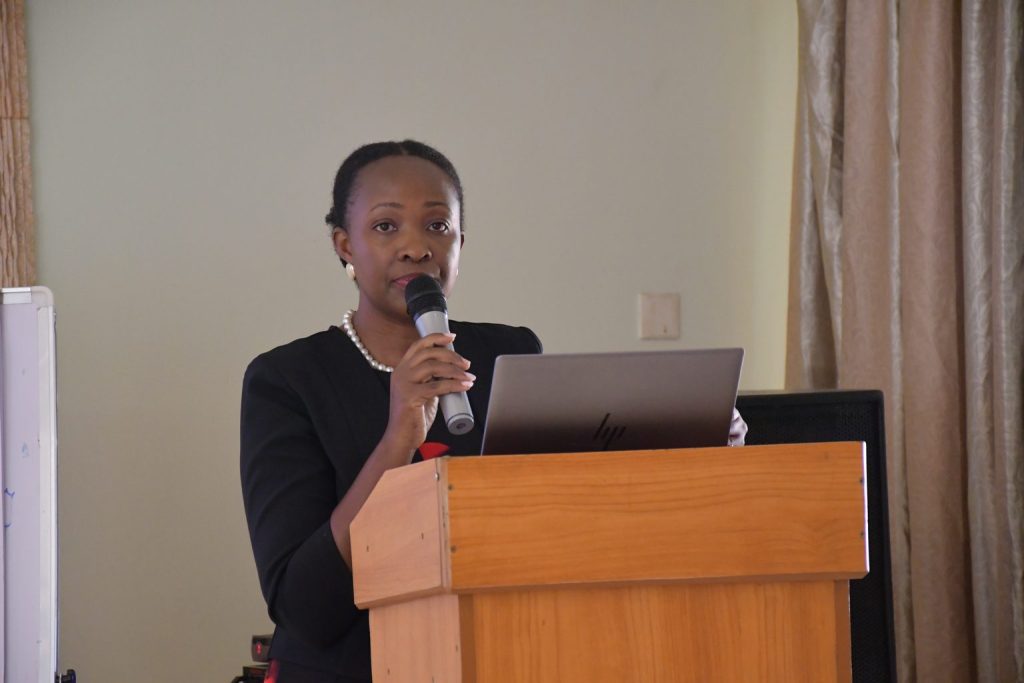
Ms Ayebare explained that sound appraisal enables government to make informed investment decisions, maximise returns on public expenditure and ensure that limited public resources are directed towards projects with the greatest potential to deliver development outcomes.
Building practical skills for better investment decisions
The training builds on the Public Investment Management course conducted in June, which introduced participants to Uganda’s public investment management framework, including project conceptualisation, stakeholder analysis, project costing, implementation action plans, the Integrated Bank of Projects, and monitoring and evaluation of public investment reforms.
The current programme advances this foundation by equipping participants with technical competencies in financial appraisal, financial modelling and risk analysis.
Participants will explore integrated investment appraisal, alternative investment criteria, cash-flow statements, inflation and exchange-rate movements, asset valuation, project financing, project scale and timing, risk-sharing arrangements and cost-effectiveness analysis.
Through practical exercises and case studies, participants will apply these concepts to investment scenarios in sectors such as roads, health, education and water. The programme will also examine how climate change, social considerations and other risks can be integrated into project preparation and appraisal.
Ms Ayebare encouraged participants to engage actively with the facilitators, question the practical application of the tools and consider how the skills acquired could improve investment decisions within their respective institutions.
She also reminded participants that the programme includes an examination and that certification requires more than attendance. Participants are expected to demonstrate an understanding of the concepts and acquire practical skills that they can apply in their work.
Reducing dependence on externally prepared studies
A key objective of the training is to strengthen the ability of government institutions to undertake high-quality project appraisal studies using their own technical teams.
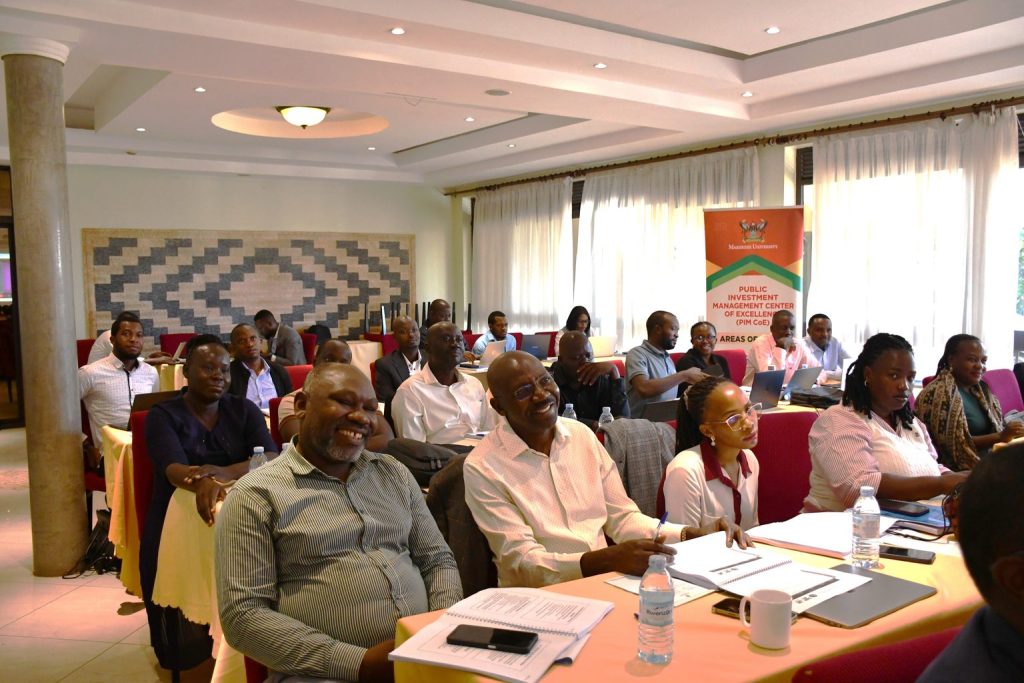
Ms Ayebare observed that many studies submitted to the Development Committee have traditionally been prepared by external consultants, often at considerable cost. Building the capacity of public officers to conduct these studies independently can help institutions strengthen their technical expertise and improve the quality of project proposals presented for consideration.
She urged participants to take full advantage of the facilitators’ expertise and return to their institutions equipped to undertake sound financial appraisals and provide evidence-based advice to decision-makers.
She further emphasised that project approval requires thorough preparation, analysis and justification, rather than simply identifying available funding and proposing a project to utilise it.
Strengthening public investment management through capacity development
In his remarks, Prof. Edward Bbaale, Director of the PIM CoE, thanked the Ministry of Finance for its financial support and for identifying participants from government institutions. He also recognised the contributions of the facilitators and partner institutions in delivering the programme.

Prof. Bbaale noted that the Centre’s work extends beyond training to include research and advisory services aimed at improving public investment management practices. He encouraged continued collaboration with government institutions and other partners to advance research, knowledge sharing and capacity development.
Speaking during the training, Dr John Sseruyange, Manager of the PIM CoE, highlighted the importance of commitment, active participation and punctuality throughout the programme. He encouraged participants to engage with the facilitators, ask questions and apply the knowledge gained to the projects they support.
Dr Sseruyange also acknowledged the Government of Uganda, through the Ministry of Finance, Planning and Economic Development, for financing the training, and appreciated Cambridge Resources International for its continued support towards improving public investment preparation and analysis in Uganda.
The training reflects ongoing efforts to strengthen Uganda’s public investment management system by equipping public officers with the knowledge and practical competencies needed to assess projects rigorously, identify potential risks and make informed investment decisions.
By developing in-house expertise across government institutions, the programme seeks to contribute to better-prepared projects, more efficient use of public resources and improved delivery of Uganda’s development priorities.
Business & Management
Makerere University Signs MoU with World Association of Noonomy: Sets pace for the African Centre of Excellence
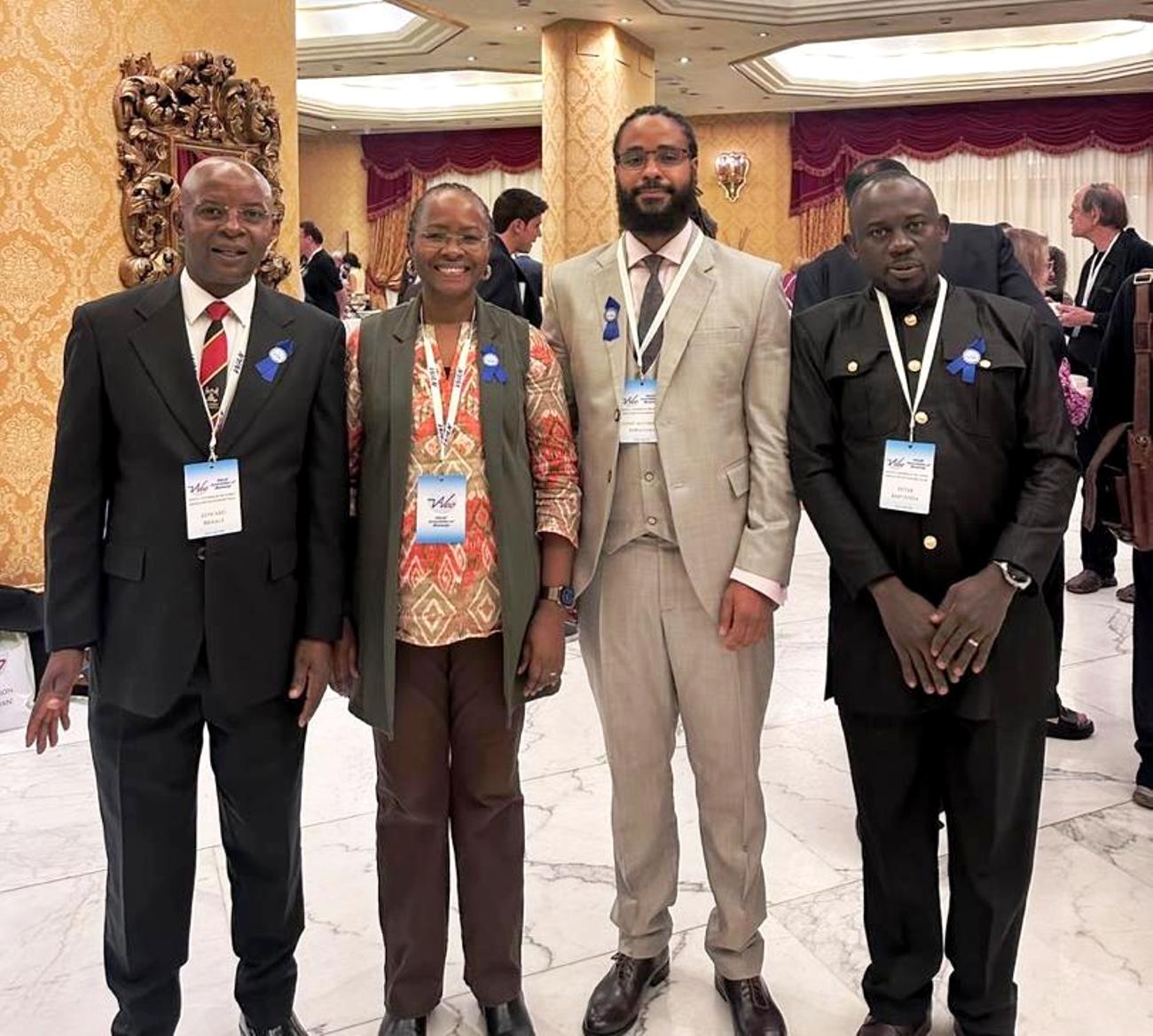
By Ritah Namisango and Monica Meeme
Makerere University has signed a Memorandum of Understanding (MoU) with the World Association of Noonomy, setting the pace for academic collaboration, research and the establishment of a Centre of Excellence for Noonomy in Africa.
On behalf of Makerere University, the MoU was signed by Professor Sarah Ssali, Deputy Vice Chancellor (Academic Affairs), during the World Congress on Noonomy held in Rome, Italy, from 16th-19th September 2026, paving the way for the establishment of a dedicated institute of Excellence for Noonomy at College of Business and Management Sciences (CoBAMS).
Uganda was the only African country represented at the World Congress on Noonomy, with a Makerere University delegation including Prof. Sarah Ssali-Deputy Vice Chancellor (Academic Affairs), Prof. Edward Bbaale-Principal College of Business and Management Sciences (CoBAMS), Dr Peter Babyenda-Lecturer at the School of Economics and Policy Engagement Coordinator, College of Business and Management Sciences (CoBAMS), and Mr. Tonny Mayambala Sebbaggala, a Ugandan Economist based in Russia.
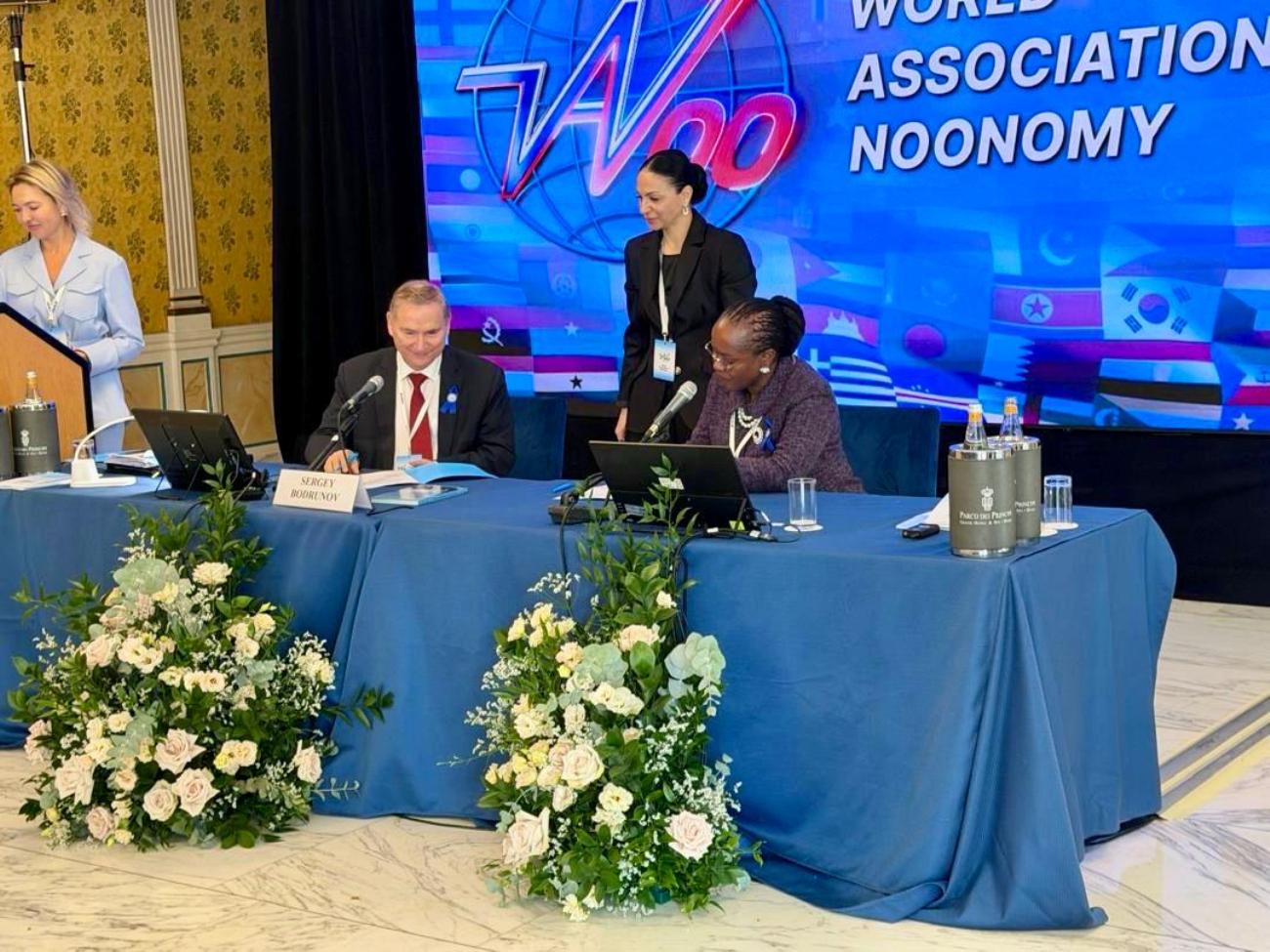
Commenting on the development, the Vice Chancellor, Professor Barnabas Nawangwe said, “By signing this MoU, the African Centre for Noonomy has been established at Makerere University. This adds to the growing number of African continental research centres that are coordinated by Makerere University. Makerere is clearly a leader on the Continent.”
The MoU signed on 19th September 2026 in Rome-Italy, builds on the inaugural conference on Noonomy, held in Uganda on 20th August 2026 at Makerere University under the theme, “The Theory of Noonomy and its Role in Resolving Modernity Issues: Pathways to Sustainable Social and Economic Transformation.”
At the Global Congress of the World Association of Noonomy, the scholars from Makerere University delivered three (3) presentations focusing on Noonomy and development challenges in East Africa, the transition from informal to formal employment, and the role of universities in advancing Noonomy.
About the Theory
The Theory of Noonomy is an emerging theoretical approach developed by Professor Sergey Bodrunov, Director of the S.Y. Witte Institute, which examines the changing relationship between knowledge, technology, production and human development. The theory places emphasis on knowledge and human potential as important drivers of development, while highlighting humanistic values and solidarity in shaping economic and social progress.
Advancing Alternative Economic Thought in Africa
Speaking at the Annual gathering in Rome, Prof. Sarah Ssali described Makerere University’s partnership as a great honour, highlighting the importance of creating space for broader theoretical perspectives on political economy and the global economy.
Reflecting on the evolution of political science and political economy studies, Prof. Ssali noted that following the era of Glasnost and Perestroika, free-market ideology and neoliberalism became increasingly dominant in global economic thinking.
“This dominance created a need for scholars to critically examine both the opportunities and limitations of market-based approaches,” she said.
She welcomed the opportunity to explore alternative ways of understanding the world, including not only the material relations of production, but also the material relations of consumption.
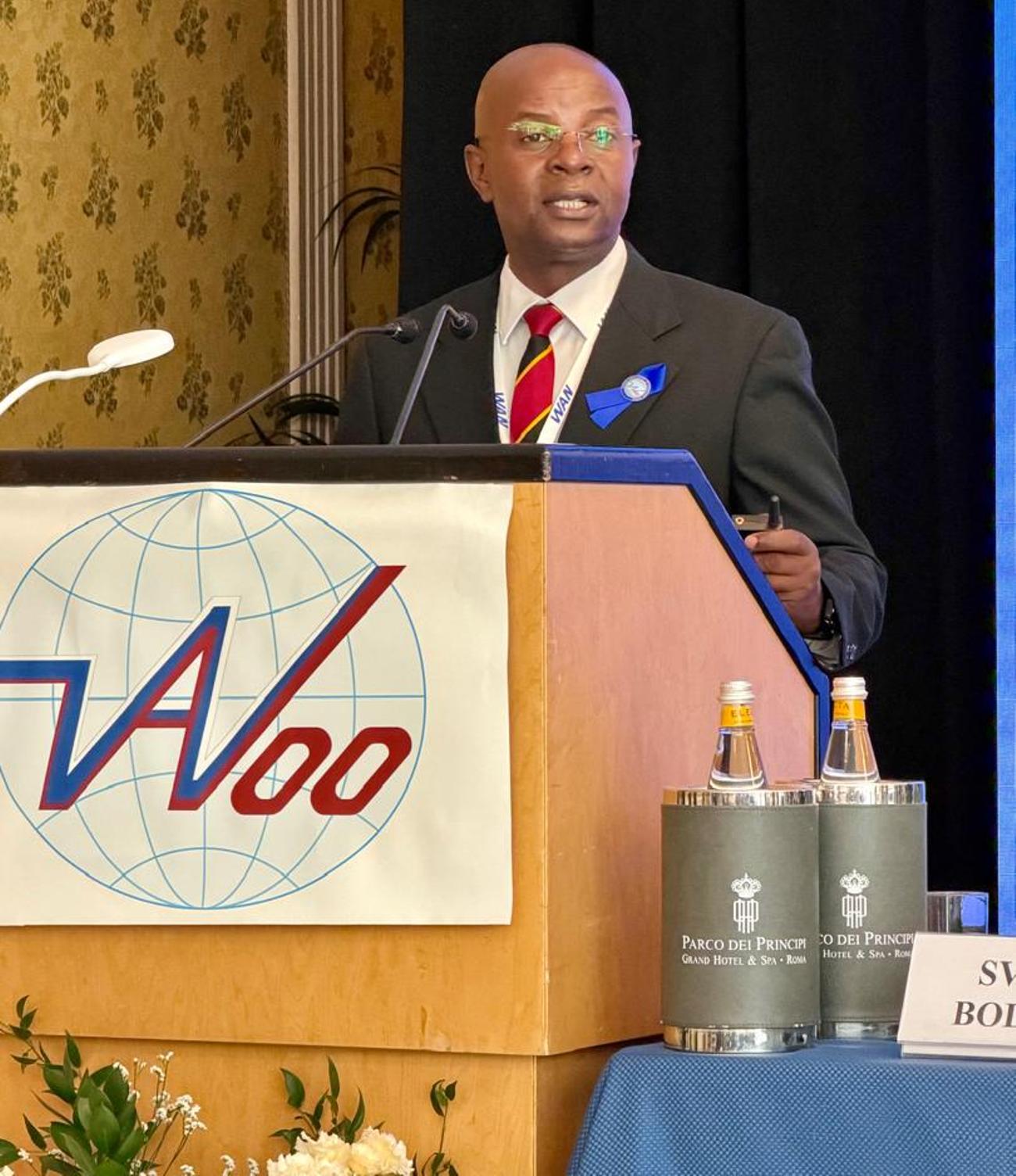
Prof. Ssali also acknowledged the Witte Institute for initiating the initiative and for choosing Makerere University as a key partner on the African continent.
She said Makerere University plans to establish a dedicated centre focused on the emerging area of study, with the institution aiming to launch the centre in February 2027.
“We hope the centre will become a leading African platform for research, teaching and dialogue on these issues,” she asserted.
Prof. Ssali noted that the ideas emerging from the Kampala meeting (held on 20th August 2026) are already being incorporated into Makerere University’s theoretical classes, with plans to substantially expand the initiative following the establishment of the centre of excellence.
She reaffirmed Makerere University’s commitment to the partnership and to expanding scholarly engagement on alternative approaches to political economy.
Call for Growth that Advances Social Welfare
Delivering the presentation titled: “The Role of Noonomy in Addressing Development Challenges in East Africa,” Prof. Edward Bbaale, Principal of the Makerere University College of Business and Management Sciences (CoBAMS), explored the potential of Noonomy as an alternative framework for understanding and addressing persistent development challenges in East Africa.
Prof. Bbaale noted that the approach contributes to emerging academic discussions on how economic systems can better connect economic growth with social wellbeing and inclusive development outcomes in the region.
“The study contributes to emerging academic discussions on how economic systems can better link economic growth with social wellbeing and inclusive development outcomes in the region,” he said.
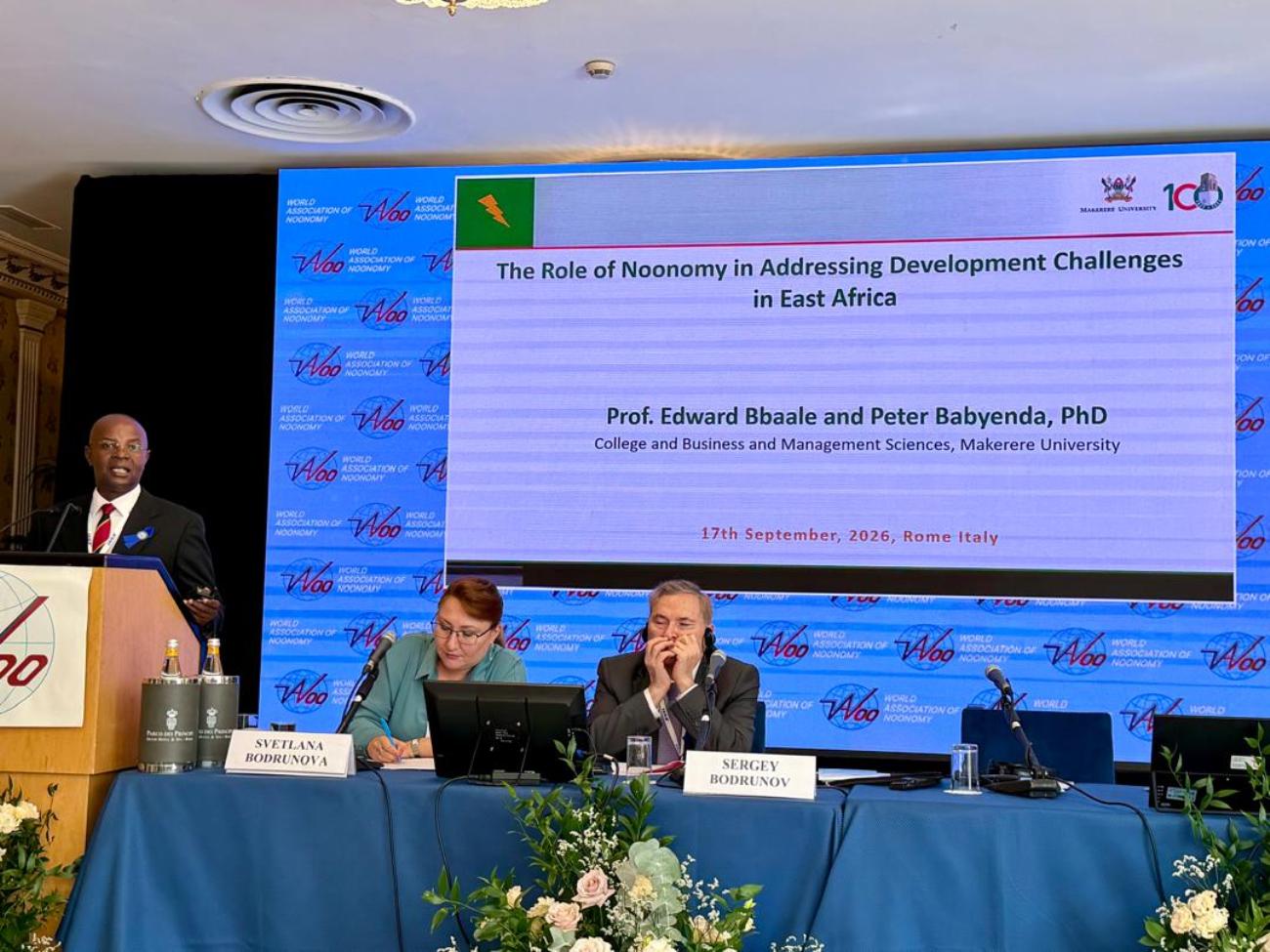
The paper was co-authored with Dr Peter Babyenda and formed part of the scholarly contributions presented at the World Congress on Noonomy in Rome, Italy.
Prioritizing Human-Centred Development
Dr Peter Babyenda said Makerere University’s participation in the World Congress on Noonomy in Rome marked an important step in the University’s international engagement with the Theory of Noonomy.
“The engagement paves the way for establishing a Centre of Excellence for Noonomy at the School of Economics, under the College of Business and Management Sciences (CoBAMS),” he stated.
Dr Babyenda explained that the Theory of Noonomy places human welfare at the centre of development, arguing that development should be assessed not only through productivity and infrastructure, but also by how it improves people’s wellbeing.
He said consumption, knowledge transfer and solidarity are important considerations, including in the application of emerging technologies such as Artificial Intelligence.
Dr Babyenda revealed that Uganda has been offered an opportunity to host an upcoming World Congress on Noonomy, which he said could bring together participants from more than 55 countries and create opportunities for academic exchange, industry engagement and international visibility for Uganda.
He called upon the academia and industry to collaborate with Makerere University in advancing its engagement with the emerging field.
The Signing of the MoU at the Global Congress of the World Association of Noonomy marks a milestone in Makerere University’s efforts to contribute to international scholarly discussions on alternative approaches to understanding economic systems and development.

-
 General2 weeks ago
Applications Open: Short Course in Decision Modelling for Economic Evaluation
-

 Veterinary & Biosecurity2 weeks ago
NRM’s Rose Namayanja Seeks Partnership with CoVAB to Boost Farmer Productivity through Research and Innovation
-

 General2 weeks ago
Complete Nyerere Historical Tasks of Uniting and Prospering Africa – President Museveni
-
 Business & Management1 week ago
PIM CoE equips Public Officers to Make Better Public Investment Decisions
-

 Agriculture & Environment20 hours ago
What two weeks with Farmers in Mwera, Mityana, taught Makerere’s PhD Students about Agricultural Innovation