
General
Prof. Alinaitwe Hands over DVCFA Office to Prof. Ireeta

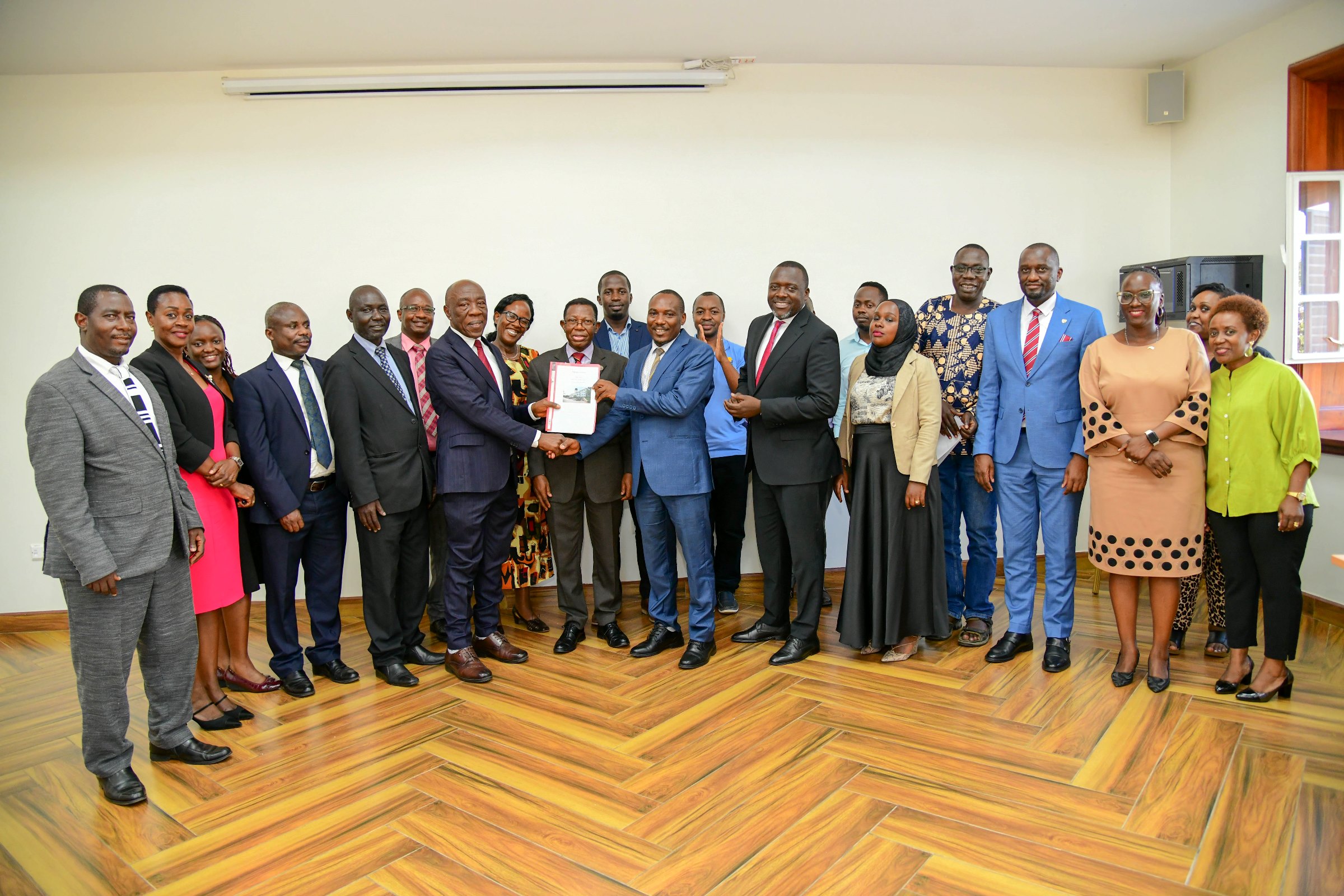
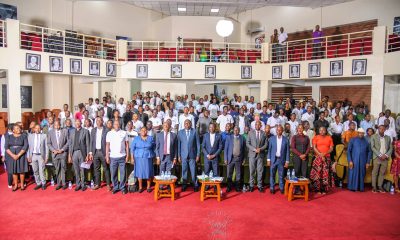
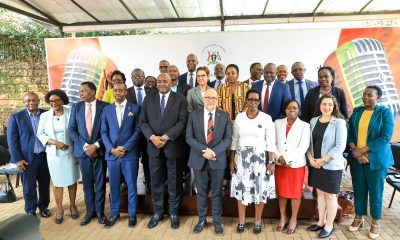
Prof. Henry Alinaitwe on 20th February 2025 officially handed over the Office of Deputy Vice Chancellor (Finance and Administration)-DVCFA to Prof. Winston Tumps Ireeta at a ceremony presided over by the Acting (Ag.) Vice Chancellor, Prof. Buyinza Mukadasi. The handover was witnessed by the University Secretary-Mr. Yusuf Kiranda, Chief Human Resources-Mr. Deus Tayari Mujuni, Chief Internal Audit-Mr. Patrick Akonyet, University Bursar-Mr. Evarist Bainomugisha and Chief Legal Affairs-Ms. Nanyondo Sumaiyah Sebuta.
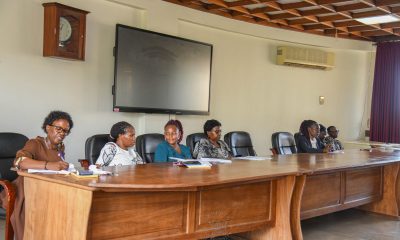
Equally present to witness the ceremony were the Chief Estates and Works- Eng. Okuk Geoffrey, Dean of Students-Dr. Winifred Kabumbuli, Deputy University Secretary-Mr. Simon Kizito, Mr. Juma Katongole-Representing Director ICT Support, Ms. Susan Mbabazi-Representing Director Gender Mainstreaming, Ag. Manager of Planning and Development-Mr. Emmanuel Kitamirike as well as staff from the Vice Chancellor’s and Deputy Vice Chancellors’ Offices.
Prof. Buyinza Mukadasi in his remarks thanked Prof. Alinaitwe for the effort and support rendered to the University through the DVCFA’s Office and prayed that Makerere could continue tapping into his knowledge.
“As colleagues we have a shared agenda and a common destination as we do the best for Makerere. I thank Prof. Henry Alinaitwe for being a hardworking colleague of great humility, collegiality, and being open-heartedly committed to the principle of trust” remarked Prof. Buyinza, who also expressed belief that God has bigger plans for him as he exits office.
In the same breath, Prof. Buyinza congratulated Prof. Ireeta on his new role, admitting that he has what it takes to carry on from where his predecessor left off. “Thank you for accepting to take on this appointment; it takes a person of great responsibility to accept the huge mandate of this office.”
The Chief Human Resources Officer, Mr. Mujuni thanked Prof. Alinaitwe for steering the Office of the DVCFA and pledged to correspondingly support his new supervisor, Prof. Ireeta. The University Secretary, Mr. Kiranda equally thanked Prof. Alinaitwe for the guidance, support, and flexibility accorded to his office to fulfil its mandate.
“Although it is difficult for us to sit here and witness this handover, we are comforted to have previously worked with Prof. Ireeta and look forward to the continuity in service that his experience presents” added Mr. Kiranda.
The Chief Internal Audit Officer, Mr. Akonyet in his tribute thanked Prof. Henry Alinaitwe for his guidance as immediate supervisor, which helped shape the internal audit function. Like Mr. Kiranda, Mr. Akonyet thanked Prof. Ireeta for his support as a member of the University Council’s Audit Committee and expressed confidence that his passion for service would greatly benefit the University in his new role.
Presenting his handover report, Prof. Henry Alinaitwe reflected on a number of achievements such as: Mobilising resources for the Makerere@100 Celebrations and other activities; establishing the Grants Administration and Management Support Unit (GAMSU); realigning Makerere’s Ten-Year Strategic Plan to the Five-Year NDP-recommended interval; Payment of outstanding In-house Benefits; Harmonization of staff salaries; as well as Recruitment, Promotion and Training of staff.
Prof. Alinaitwe equally highlighted achievements such as: Formulation of the ICT Policy and purchase of related equipment; Developing a Security Masterplan and enhancing surveillance, personnel numbers and equipment; Support to Student Affairs Management and Governance including overseeing the Emerging Leaders Program; Renovation of Student Halls of Residence; Establishment of the Disability Support Centre; Leading the Design Team for the Reconstruction of the Main Building; Improving Competitiveness of the Staff Housing Policy; Improving the University Fleet and Vehicle Access Control; Improving the Budgeting Process through Unit Ledgers and Accounts; among others.
He concluded by thanking the University Council and the Vice Chancellor for entrusting him with the role of DVCFA as well as all the support rendered to his office in the execution of his duties. “Whereas I have read out all these various achievements, they have largely been due to all your respective contributions and I thank you for that.”
In his acceptance remarks, Prof. Winston Tumps Ireeta similarly thanked the University Council and Vice Chancellor for entrusting him with the responsibility of overseeing the Office of the DVCFA. He acknowledged that despite the fact that he was taking over from Prof. Alinaitwe on whose behalf he had acted a number of times, he still has big shoes to fill. “However, with my God, all things will work out” he prayed.
The incoming DVCFA requested Prof. Alinaitwe to always accept consultation on matters relating to the office and pledged to be as results-oriented as his predecessors. “Let’s all work together for the good of our University” he concluded.
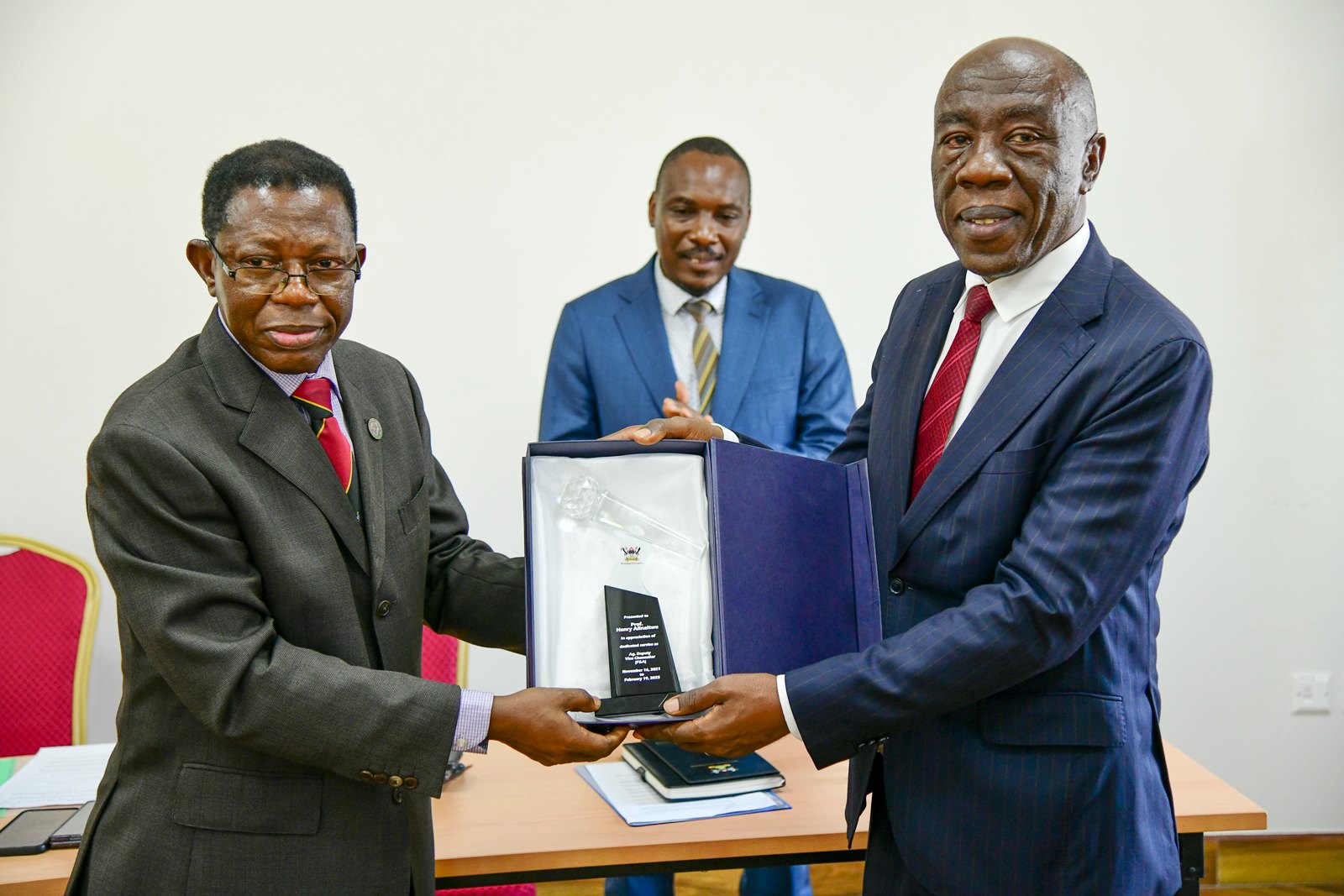
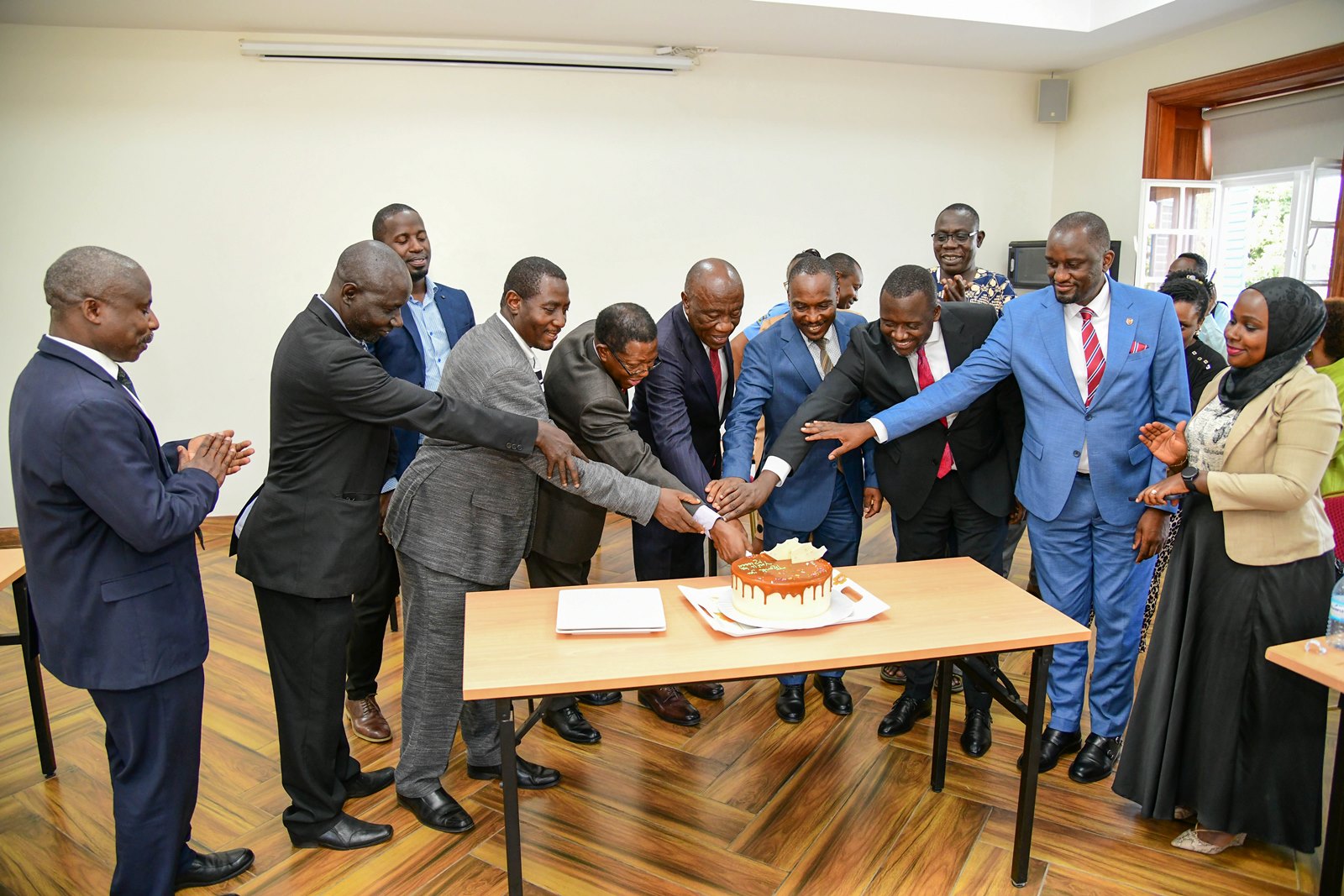
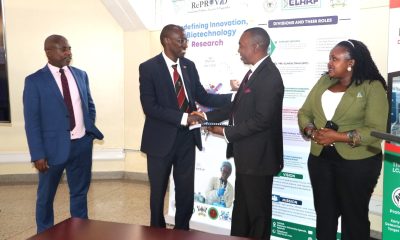
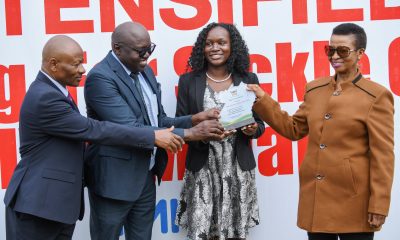
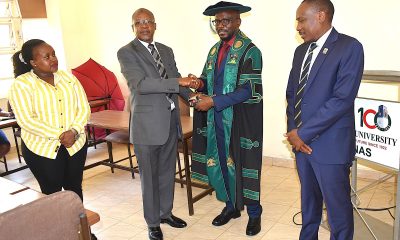
Following the Handover Ceremony, Prof. Buyinza Mukadasi on behalf of Members of Management presented a plaque to Prof. Henry Alinaitwe in appreciation of his dedicated service as Ag. DVCFA from 16th November 2021 to 19th February 2025.







General
Makerere University and Xiangtan University Advance Strategic Partnership in Chemical Engineering

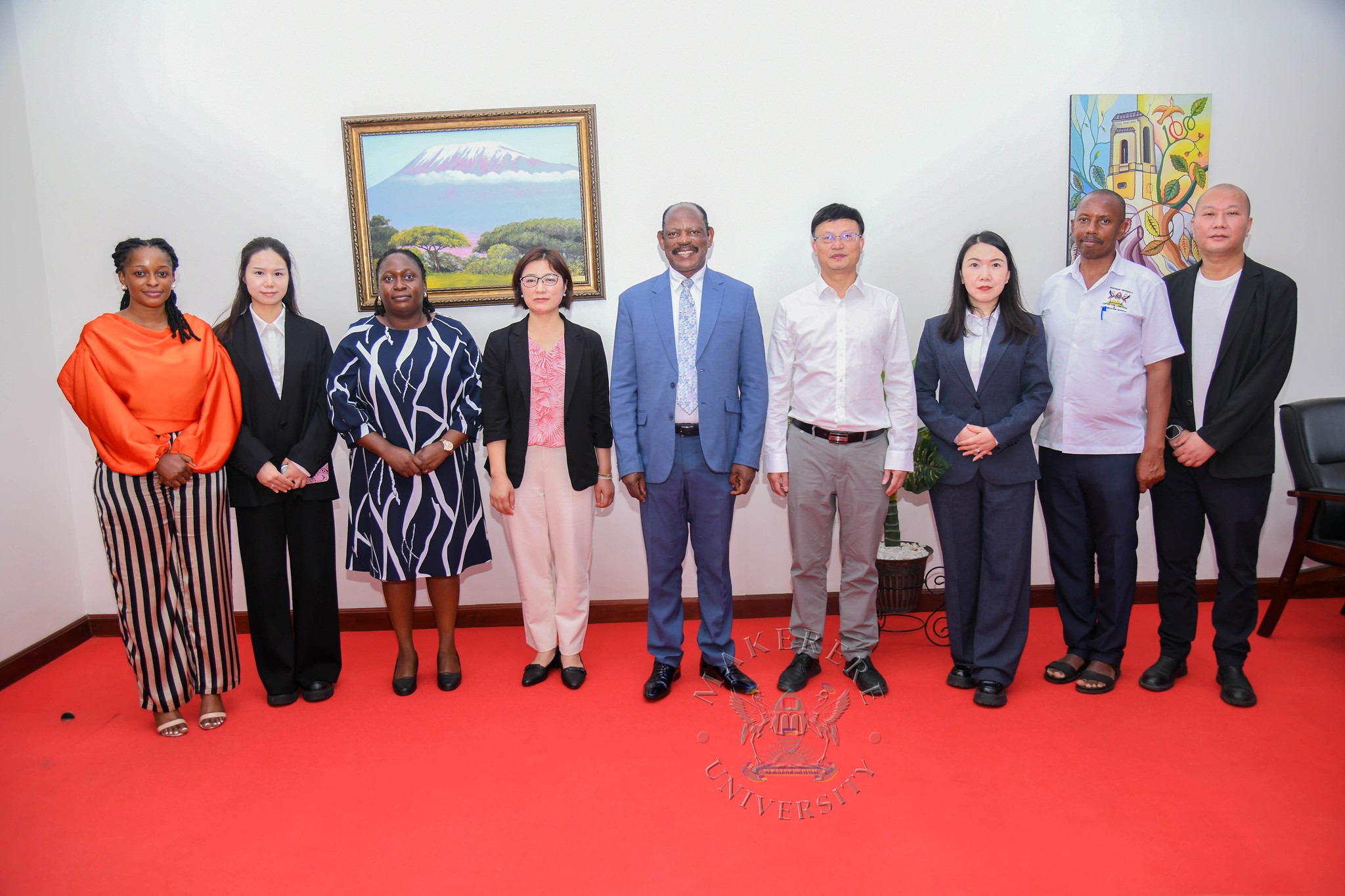
Makerere University and Xiangtan University are set to update their close to 20-year academic partnership, with a new focus on launching a joint Master’s degree program in Chemical Engineering and expanding student and staff exchange initiatives.
The commitment was reaffirmed during a recent visit by a delegation from Xiangtan University to Makerere University headed by Professor Dingyu Ou, in the company of Mr. Tang Fei and Professor Gilbert Gumshabe, the Chinese and Ugandan Directors of the Confucius Institute at Makerere University respectively.
While addressing the delegation, Professor Nawangwe highlighted that this initiative is part of a broader strategy to diversify academic offerings and contribute to national development through training in Chemical Engineering. Through this new initiative, the University will better prepare graduates for the petrochemical industry and support the country’s industrial growth.
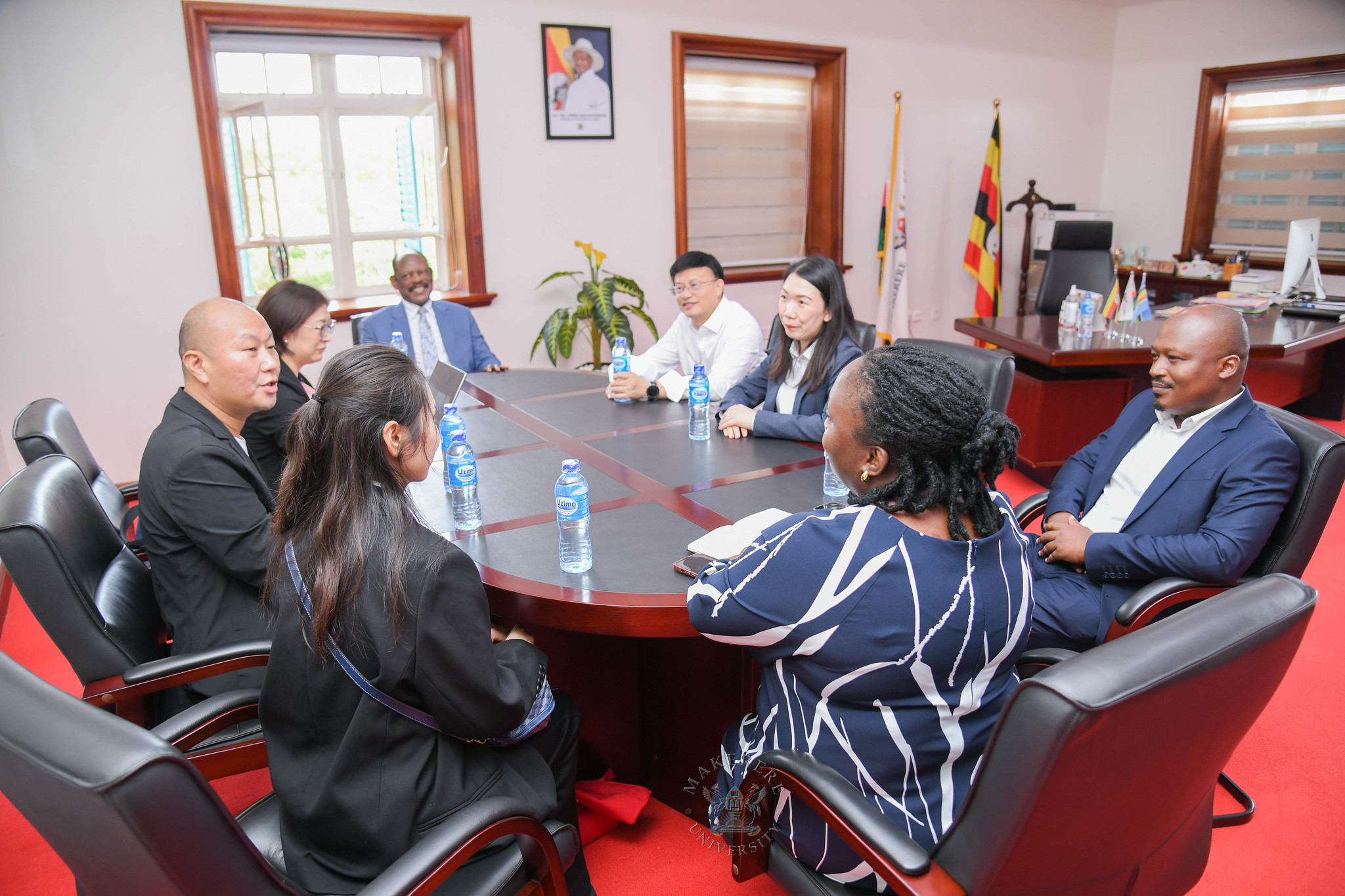
The Vice Chancellor appreciated that the proposed collaboration aims to address Uganda’s growing need for industrial expertise, particularly as the country develops its petroleum sector. The two universities here are working toward a 1+2 training model, which will enable Makerere students to gain practical experience and access advanced laboratory facilities at Xiangtan University.
Professor Nawangwe further reiterated that “our relationship with the people of China, not just for Makerere but also for a big part of Uganda, has been opened wider by the establishment of the Confucius Institute, considering that many other collaborations like one being discussed now have come through this collaboration.”
The head of the Xiangtan delegation, Professor Dingyu Ou, expressed appreciation for the meeting, and acknowledged the history between the institutions. “As mentioned, we have a very long relationship and a very stable friendship between our two universities.”
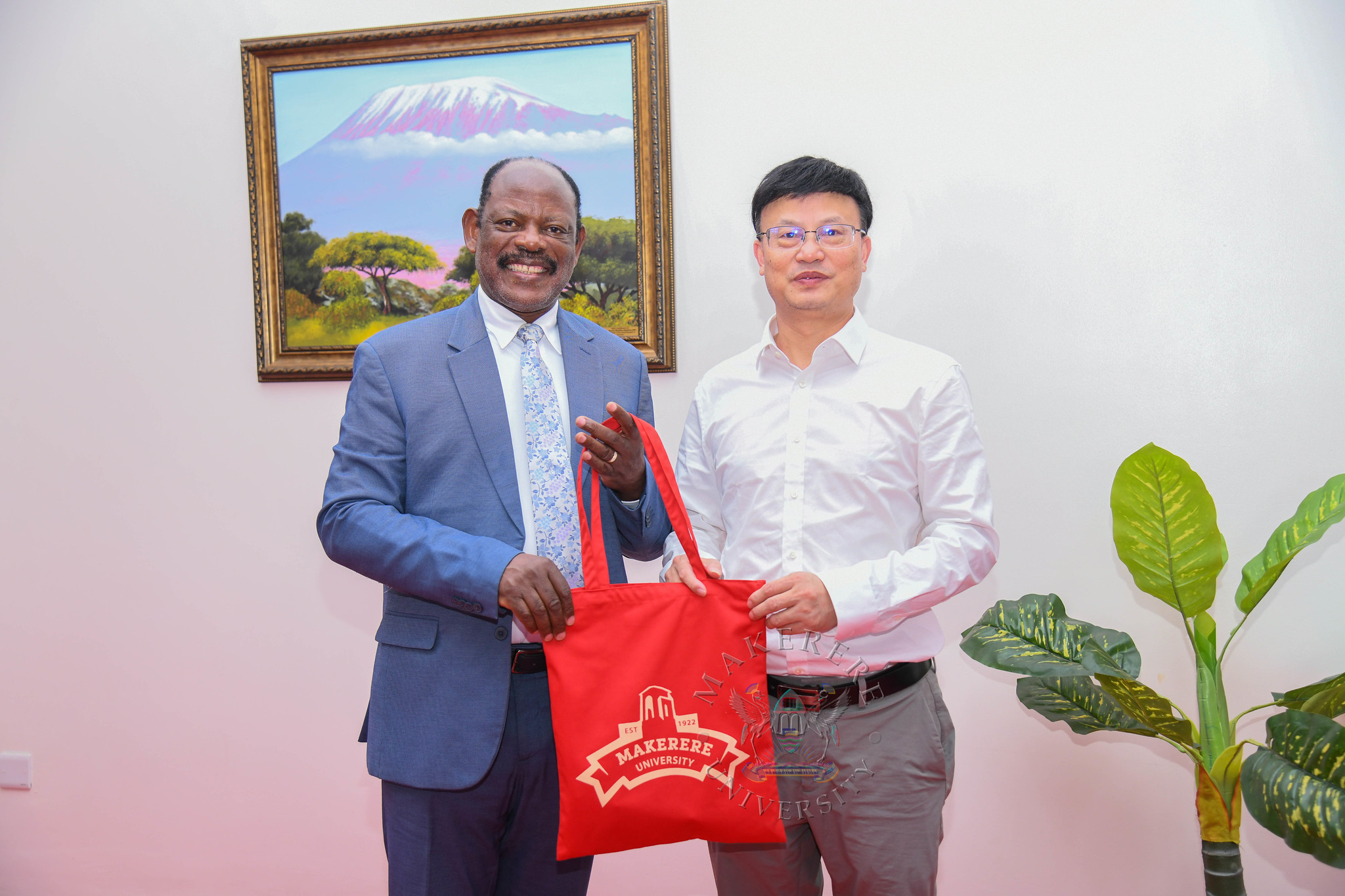
Professor Ou extended appreciation for the support provided to the Confucius Institute at Makerere, the care shown to his colleagues, and looked forward to the successful start of the Chemical Engineering collaboration.
Assuring the delegation of Makerere’s readiness for the collaboration, Ms. Hawa Ndagire Kajumba the Lead, Partnerships and Stakeholder Engagement, Makerere University Advancement Office, aligned with the Vice Chancellor’s emphasis of University goal to have both theory and practice imparted to the students.
She said “the curriculum of the university and Uganda as a whole is moving towards competence-based education training to ensure students are equipped to demonstrate those skills in the actual field, particularly regarding petroleum exploration.”
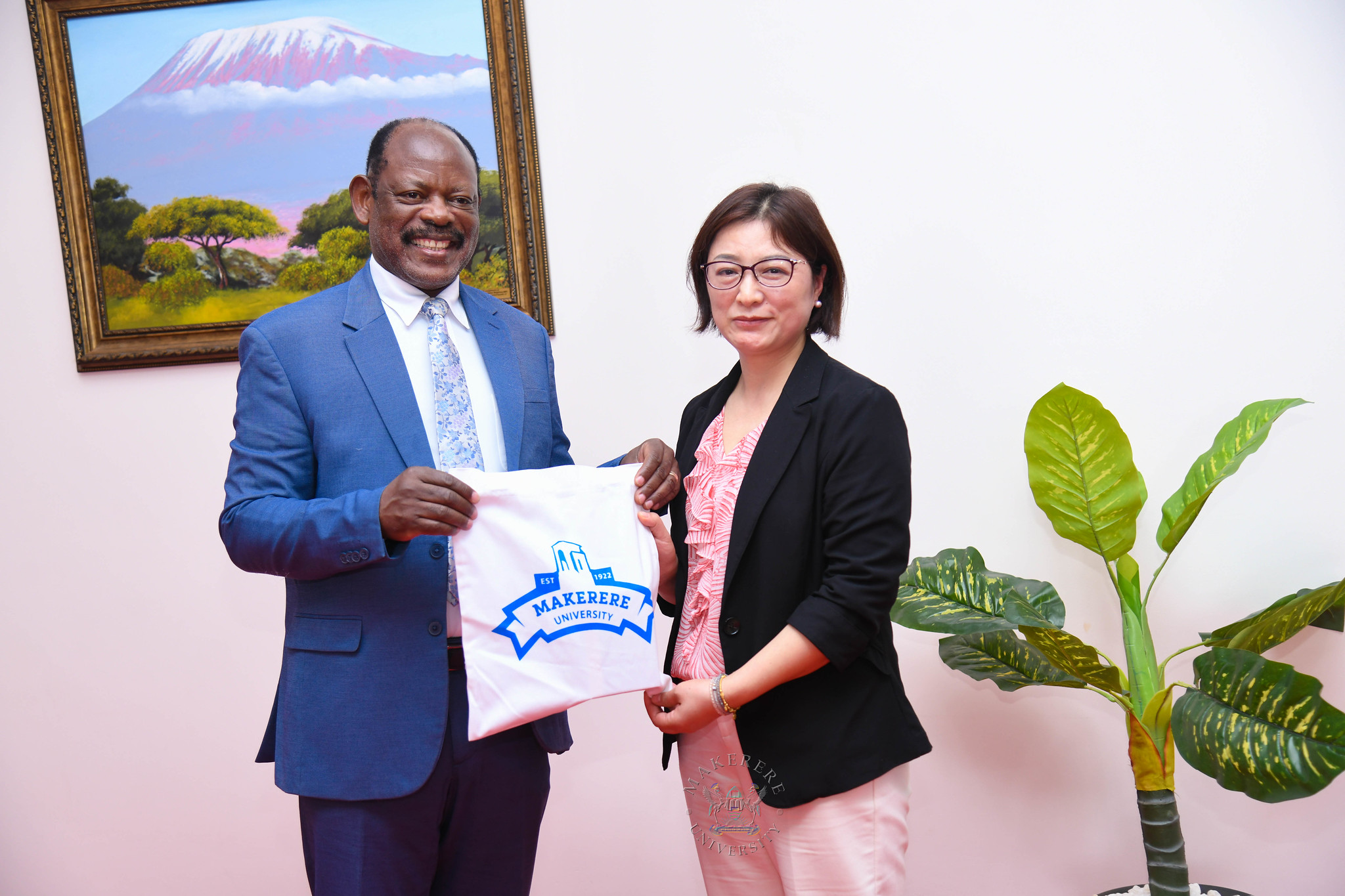
Ms. Ndagire Kajumba also emphasised a shift in strategy for the partnership office, saying, “we are moving away from just signing MOUs that collect dust, and moving towards those that are more collaborative to benefit our faculty and students, just like this one.”
Professor Gilbert Kumushabe aligned his remarks with those of the Vice Chancellor and Ms. Ndagire Kajumba, and described the method used at Xiangtan University as “actually competence-based teaching.”
Based on his recent visit, Prof. Gumoshabe shared that students in China are divided into groups with dedicated teachers to perform practical, hands-on work beyond the theoretical lecturers. He expressed gladness that the same was being adopted for the Ugandan context.
Both institutions are now working to finalise the specific agreements for the joint degree and exchange programs. Beyond academic training, the collaboration will advance cultural and professional exchange.

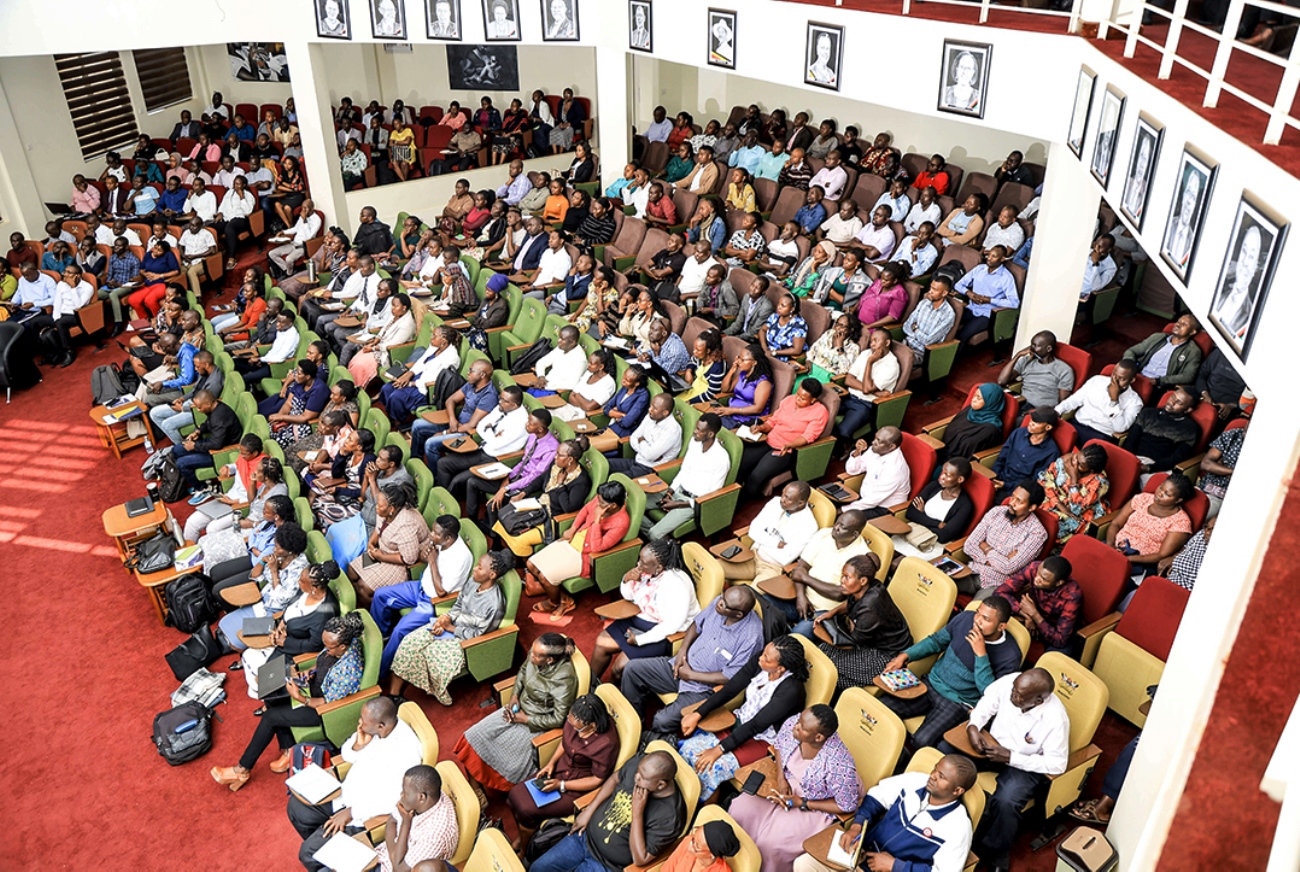
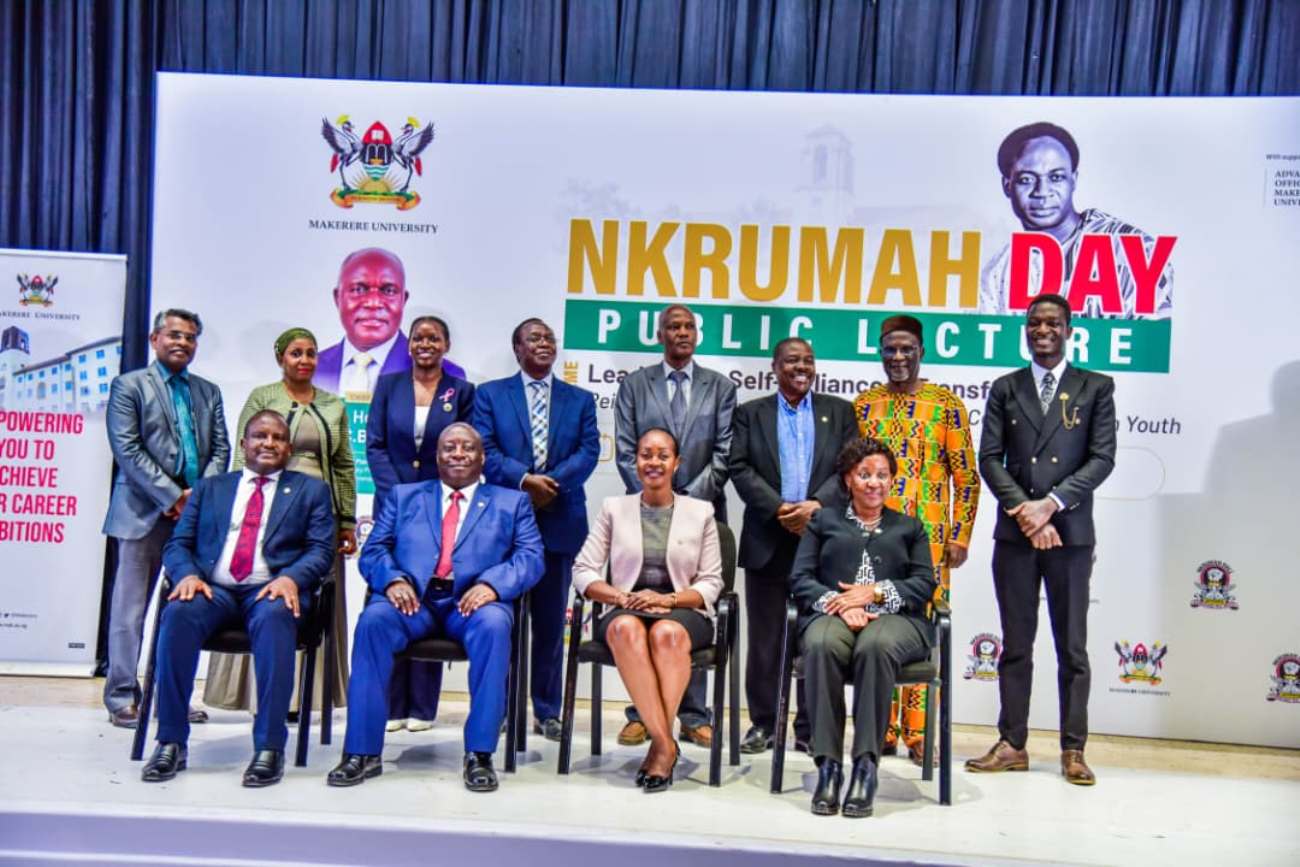
Makerere University on October 8, 2026 commemorated Nkrumah Day with a Public Lecture at the Yusuf Lule Central Teaching Facility Auditorium. The Lecture gathered students, academics, historians and distinguished guests to discuss Kwame Nkrumah’s contribution and its relevance to Africa.
Organised by Nkrumah Hall under the theme “Leadership, Self-Reliance and Transformation: Reimagining Nkrumah’s Vision for the 21st Century African Youth,” the lecture explored how Nkrumah’s ideals of Pan-Africanism, self-reliance and African unity can guide the continent beyond political independence.
Endorsing Nkrumah’s Vision of Investing in Africa
The First Deputy Prime Minister and Chancellor of Makerere University, Rt. Hon. Dr. Crispus Walter Kiyonga, was the chief guest.
In remarks delivered on his behalf by Dr. Charles Kahigiriza, Dr. Kiyonga said the day was a moment to reflect on Nkrumah’s views on Pan-Africanism and the lessons on self-reliance still held for Africa today and emphasised the importance of keeping Africa’s young talent at home (in Africa).
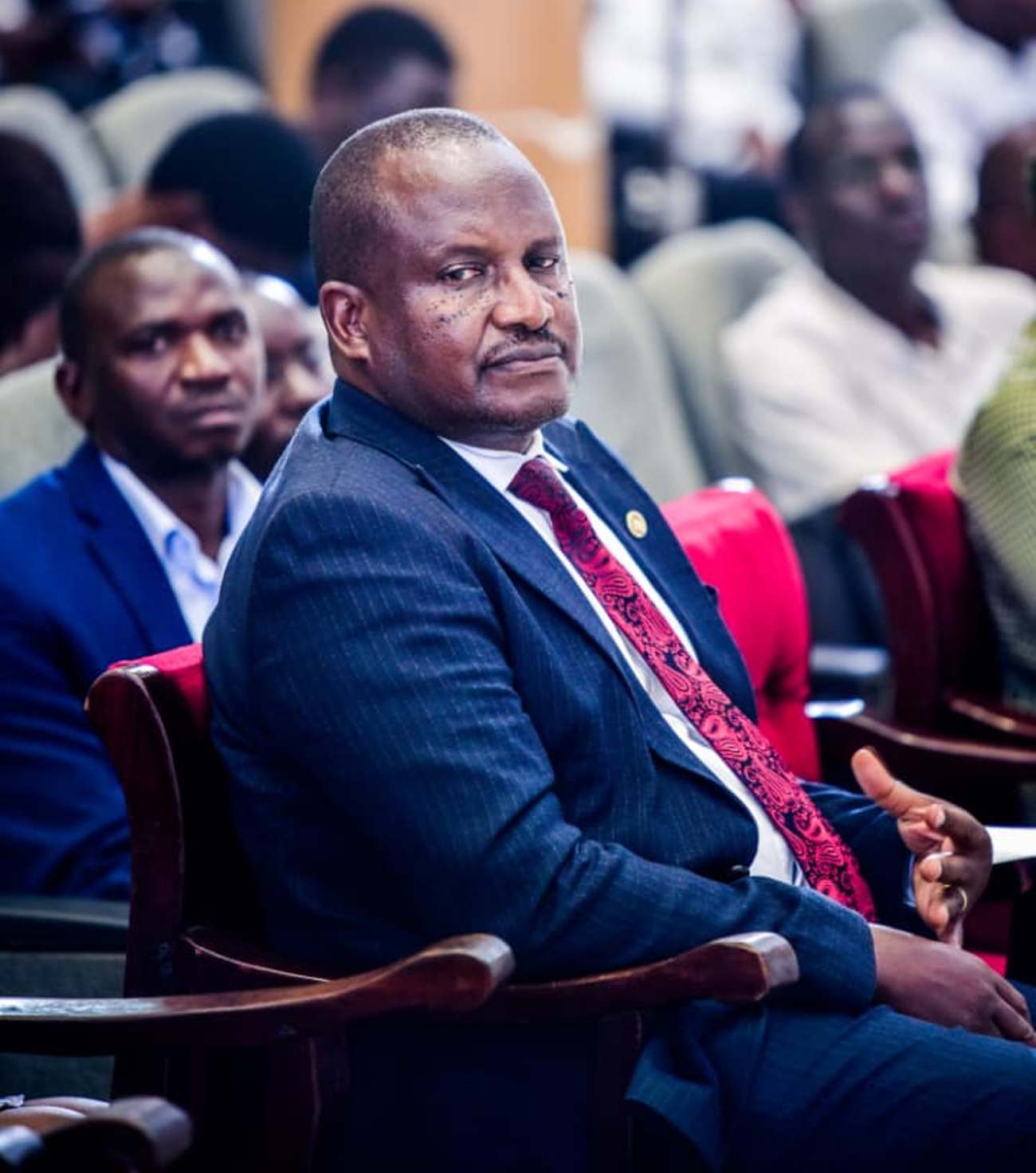
He then discussed ways of encouraging young people to achieve Nkrumah’s vision, pointing out that Africa is losing skilled people to brain drain as many go abroad to work.
He encouraged young Africans to stay and contribute to the continent’s growth, describing Africa’s potential as a promising asset.
Transformation Requires Discipline
The keynote address was delivered by Prof. Gerald Karyeija, a political analyst and Head of Quality Assurance at the Uganda Management Institute (UMI).
He discussed Nkrumah’s role in championing Pan-Africanism and the formation of the African Union. He acknowledged that “his legacy was also very complex” due to a number of challenges.
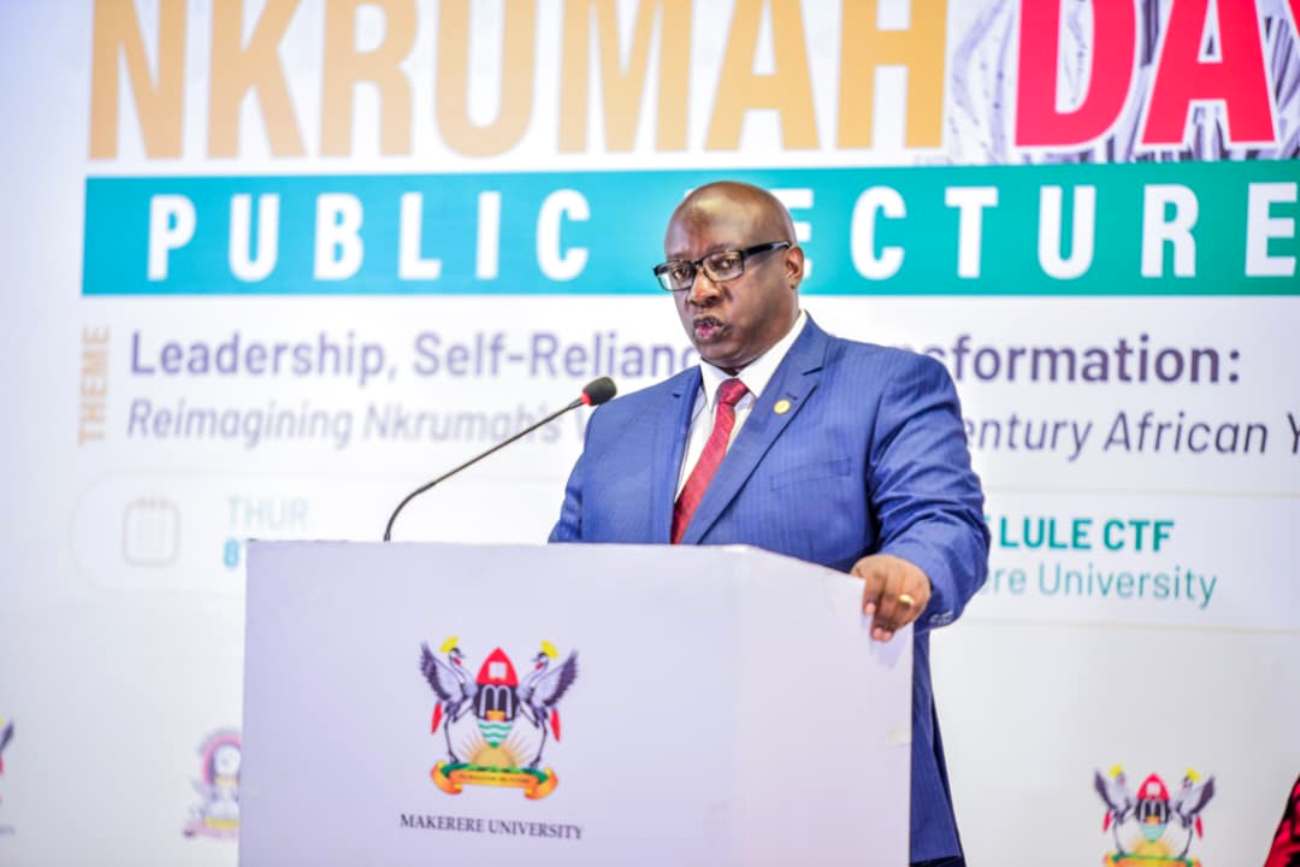
Regarding leadership, the professor argued, “leadership does not begin with the title. It begins with responsibility,” adding that “leadership is not only about power, privilege, entitlement, or status. It’s about service. It’s about stewardship.”
He encouraged attendees to emulate Nkrumah by using their knowledge and power for good.
“Don’t get the intellectual power from Makerere to become evil,” he cautioned, stressing that transformation requires discipline.
Universities Turn Knowledge into Action
Associate Professor Gorettie Nabanoga, the Acting Deputy Vice Chancellor for Finance and Administration, represented Professor Barnabas Nawangwe, the Vice Chancellor of Makerere University.
She aligned herself with the previous speakers and urged participants to move beyond simply celebrating Kwame Nkrumah’s memory and begin implementing his vision.
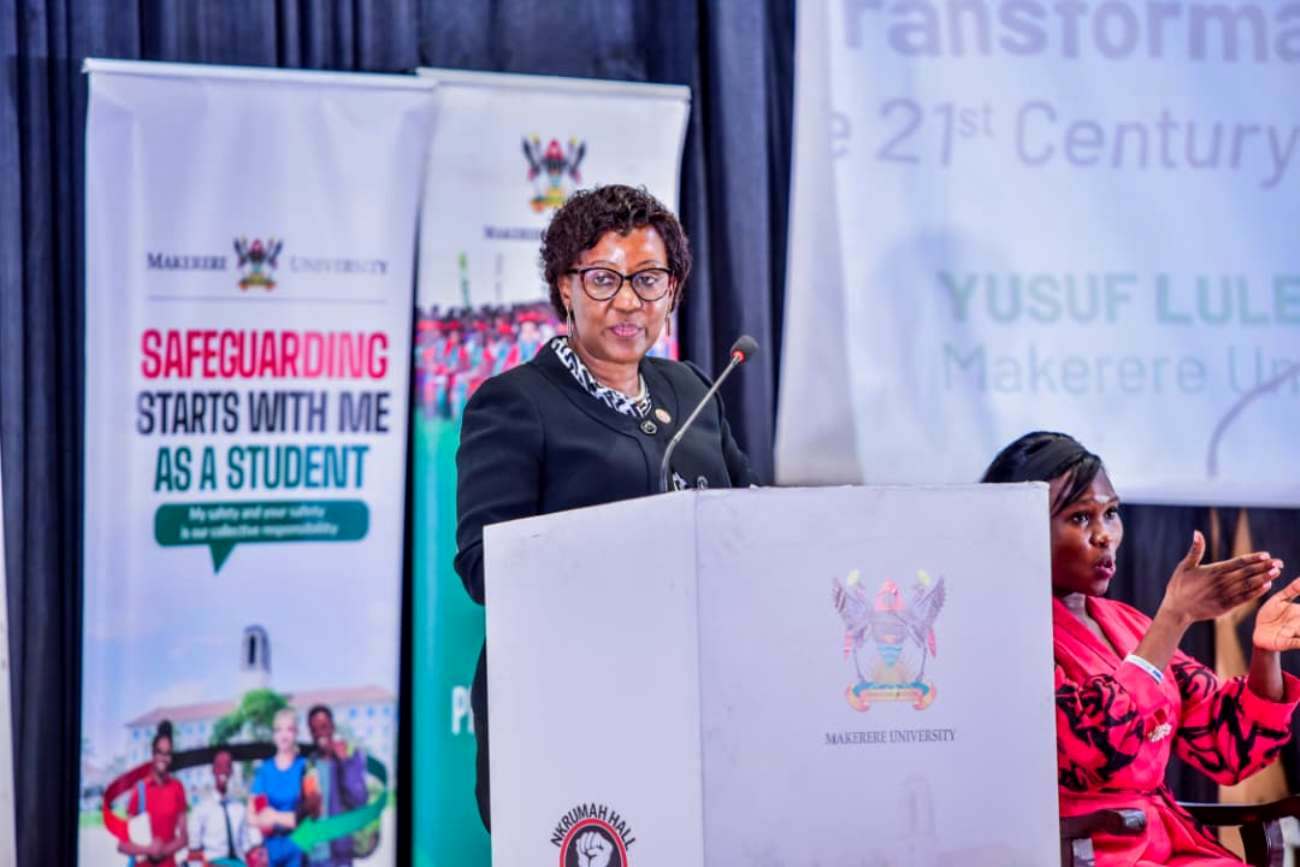
She called for practical action, urging the mobilisation of Pan-Africanism beyond slogans. “Perhaps the Pan-Africanism of this generation must therefore move from solidarity to capacity, from rhetoric to institutions, from potential to production, and from aspirations to implementation,” she said.
On the role of universities, she reiterated that Makerere University is a hub for innovation rather than just a degree-granting institution.
“We are building for the future when we develop people who can think critically, when we generate knowledge, when we challenge perceived knowledge and wisdom, and when we innovate,” she said.
Addressing the students present, she said, “You are not simply the leaders of tomorrow; you are citizens of Africa today. The opportunity you enjoy at Makerere University comes with responsibility.”
Dr. Winifred Kabumbuli, the Dean of Students at Makerere University, set the tone at the 2026 Nkrumah Day Public Lecture.
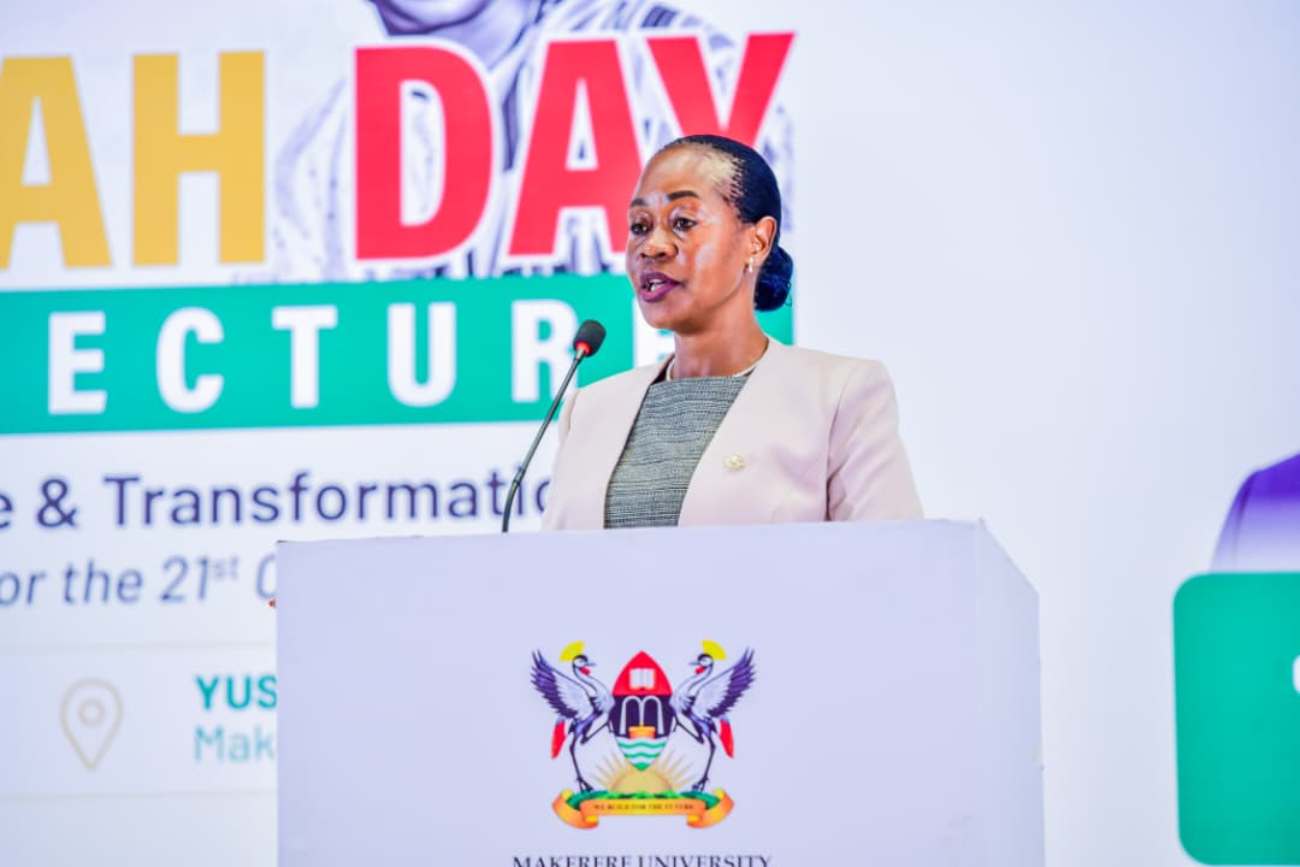
She revealed that this lecture organised under Nkrumah Hall highlights its significance as a symbol of Makerere University‘s commitment to Pan-Africanism. “The name Nkrumah Hall has stood the test of time and sounds like a horn beautifully over the African continent and beyond,” she said.
She elaborated on the lecture’s theme of leadership, self-reliance and transformation, noting its alignment with the university’s mission to nurture future leaders.
Direction of Pan-Africanism
During a panel discussion, speakers questioned how far Africa has come. Associate Professor Zahara Napeewo, Deputy Dean of the School of Law at Makerere University, stated that the continent was still lagging behind the progress Nkrumah would have wanted.
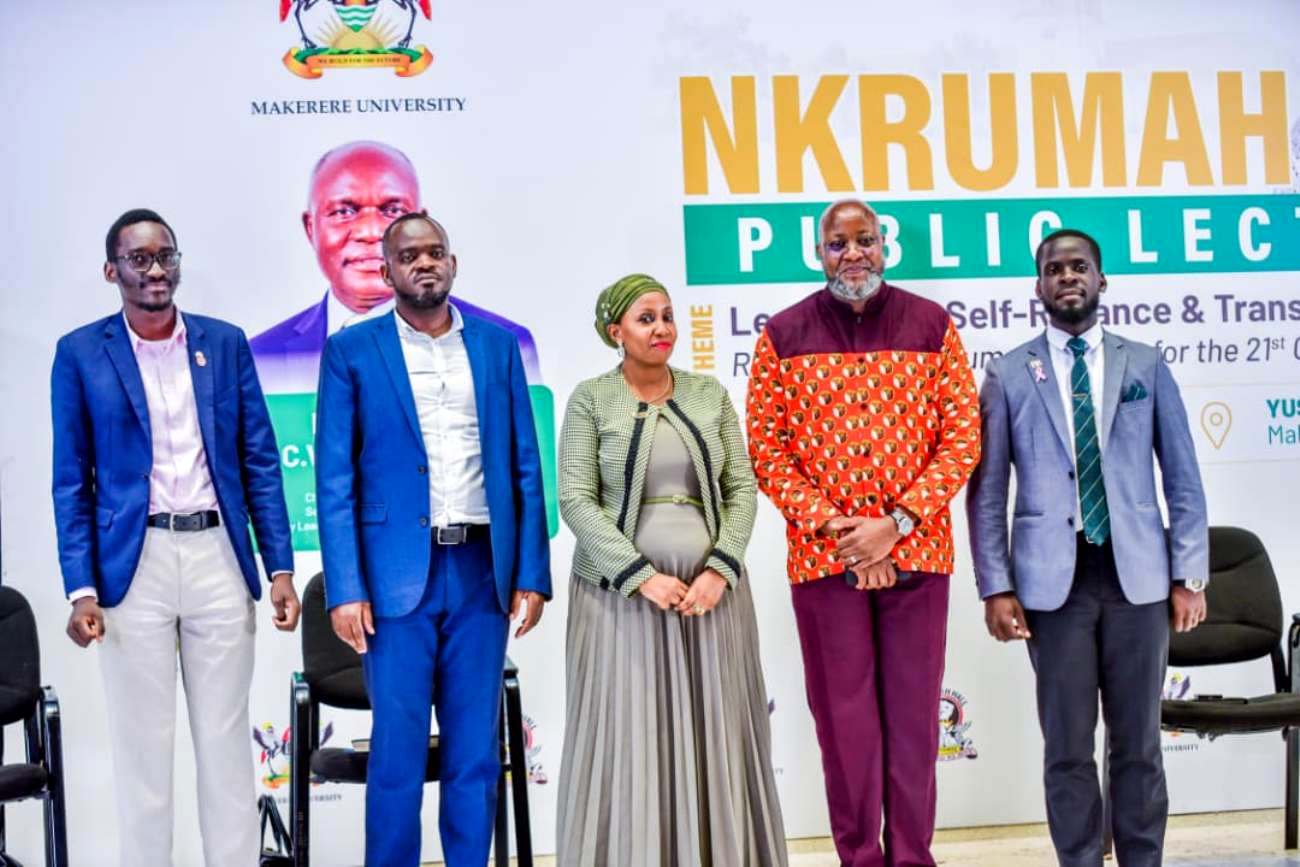
She shared that while educational institutions provide knowledge, they must go further and encourage graduates to become problem-solvers who can create employment for themselves rather than wait to be employed.
Dr. Zaid Sekitto, a Lecturer in the Department of History, Archaeology and Heritage Studies at Makerere, added that the structures of colonialism that Nkrumah fought against were still in place. “They must be addressed”, he said, or Africa would remain trapped in colonialism and lose sight of Nkrumah’s vision.
The Youth and the Unfinished Struggle
The students also had an opportunity to share their perspectives on the unfinished struggle for Pan-Africanism.
Nkrumah Hall Chairperson Joseph Sekabira noted that the Africa Nkrumah fought for was not the Africa that exists today.
He urged young people to take up leadership now rather than wait until they were older.
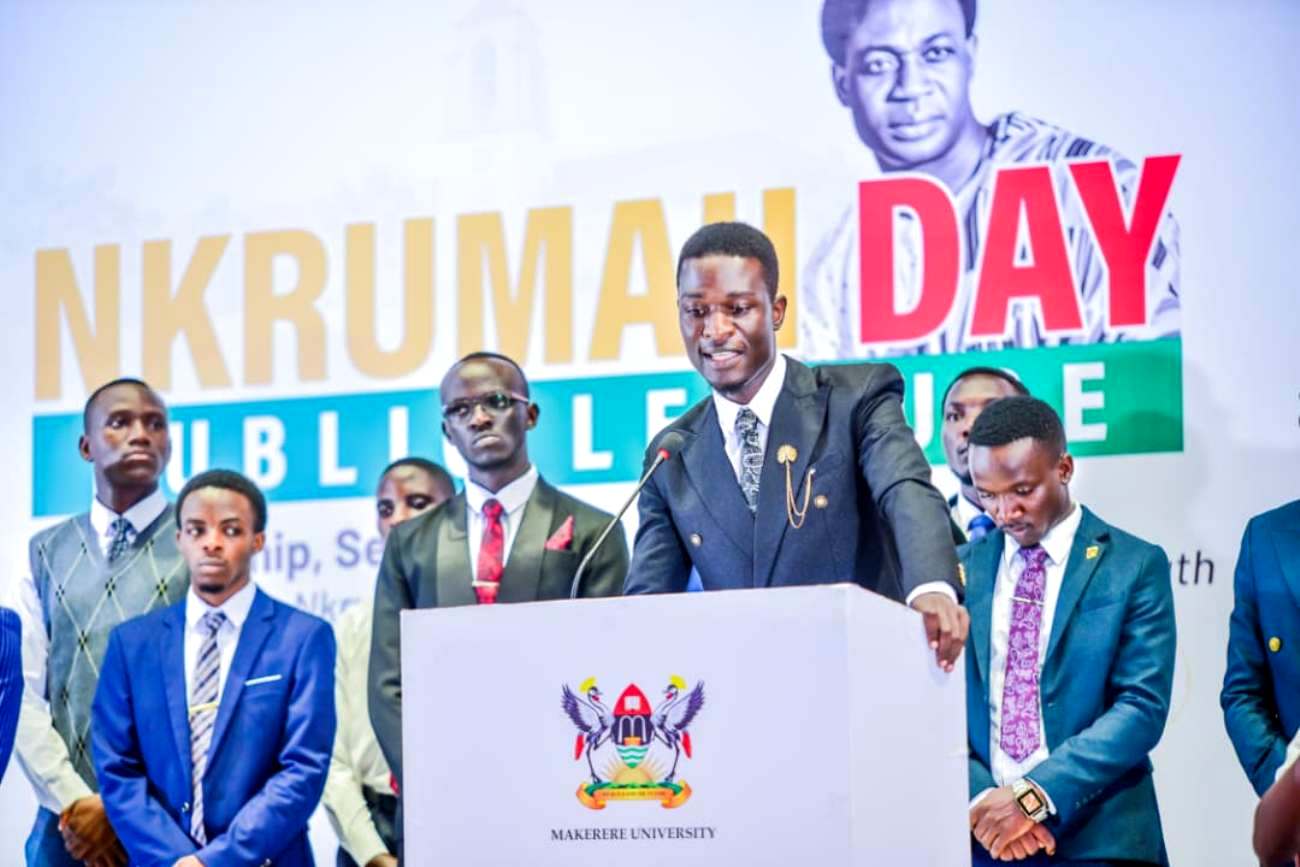
Mark Kwikiriza, a final-year Bachelor of Arts in Music student and resident of Nkrumah Hall, said Nkrumah’s legacy remained relevant because the problems he faced in Ghana were similar to those society faces today.
He recommended that society could rejuvenate the spirit of “Osagyefo,” the title meaning “redeemer” by which Nkrumah was known.
Honouring 13 Years of Service
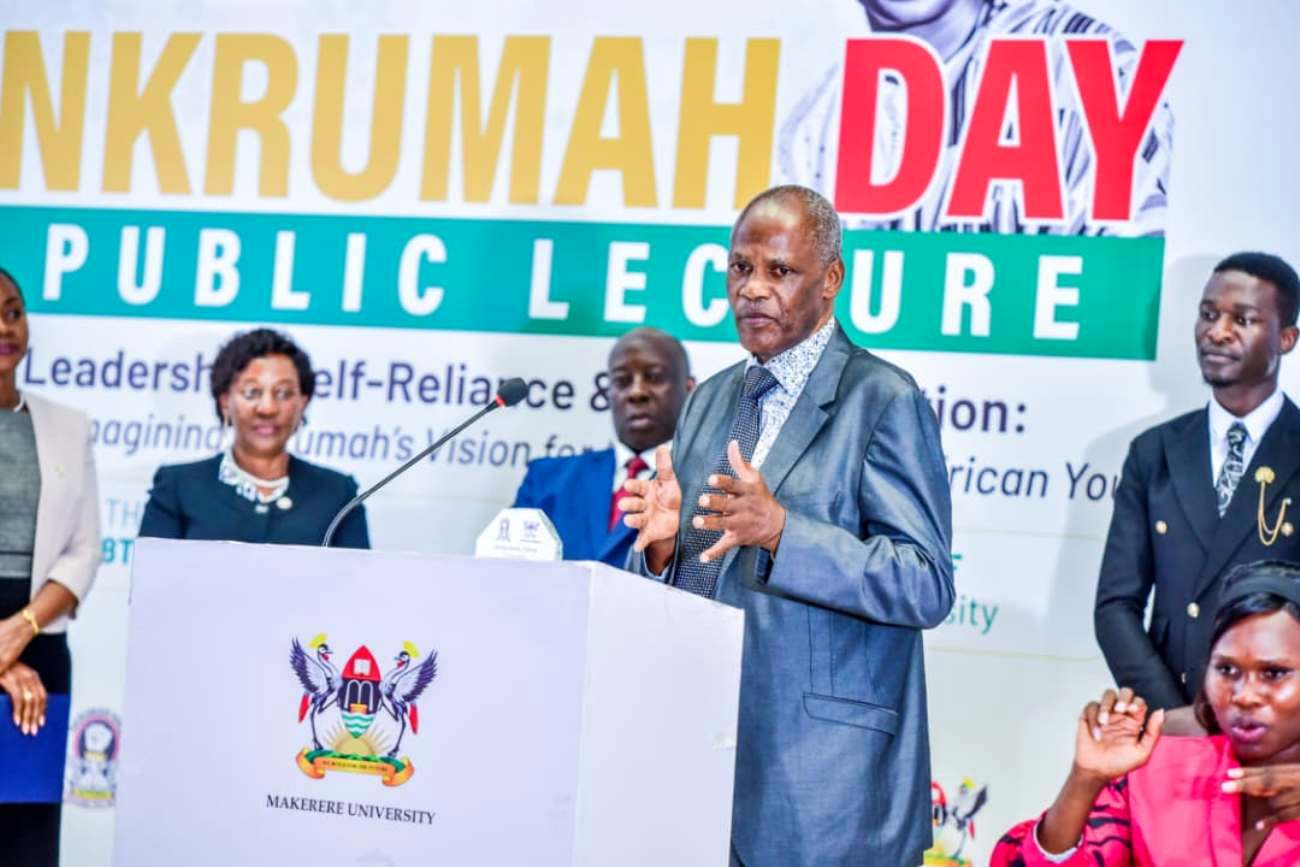
The event also recognised Mr. John Kamya for his 13 years of outstanding service as Warden of Nkrumah Hall, a position he held from 2007 to 2020.
He received an appreciation award presented by the Chief Guest’s representative in the presence of the Hall Chairperson and other dignitaries.
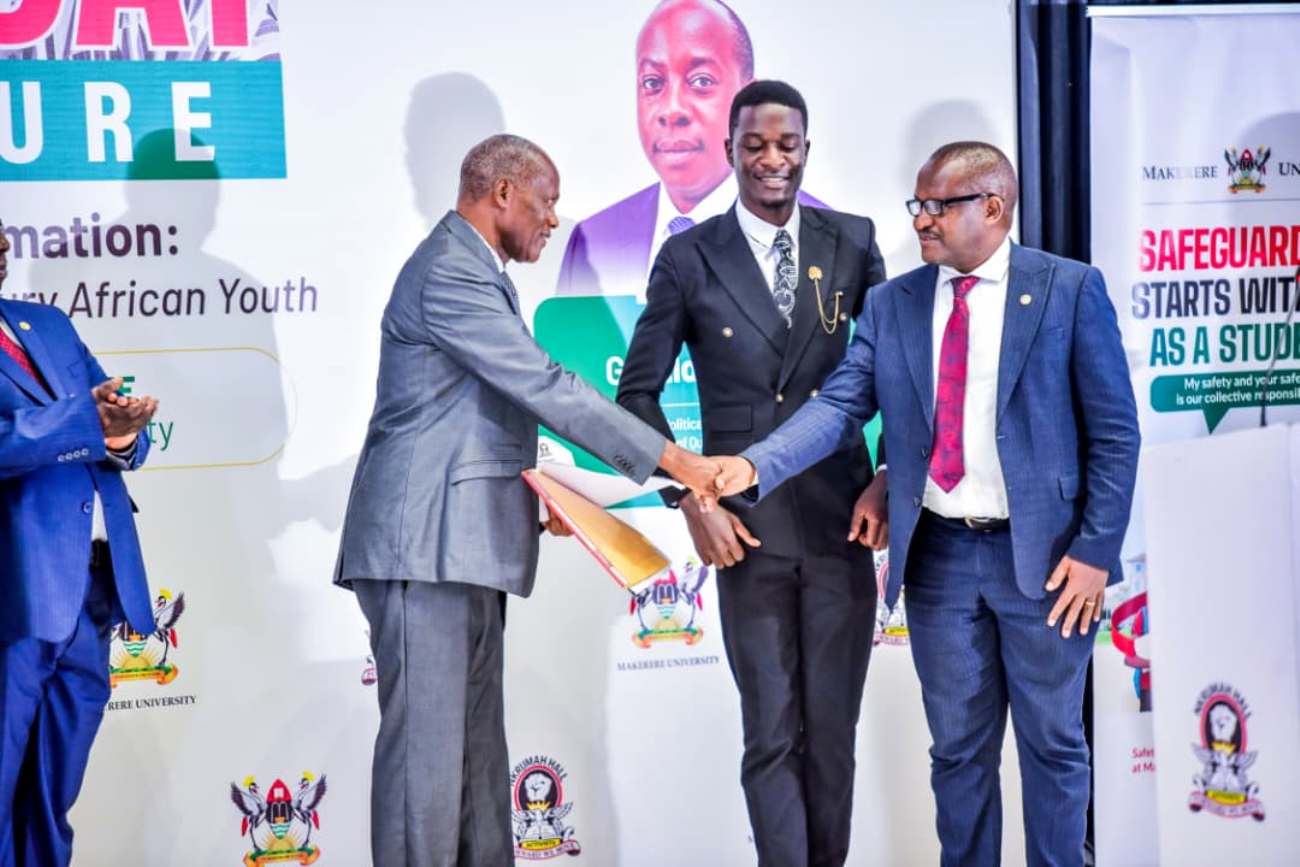
In his acceptance remarks, Mr. Kamya noted that the 2018 visit to the Hall by Kwame Nkrumah’s daughter, Ms. Samia Yaba Nkrumah, was one of the fondest memories of his time in office. He thanked Makerere for the opportunity to serve the University community and its stakeholders.
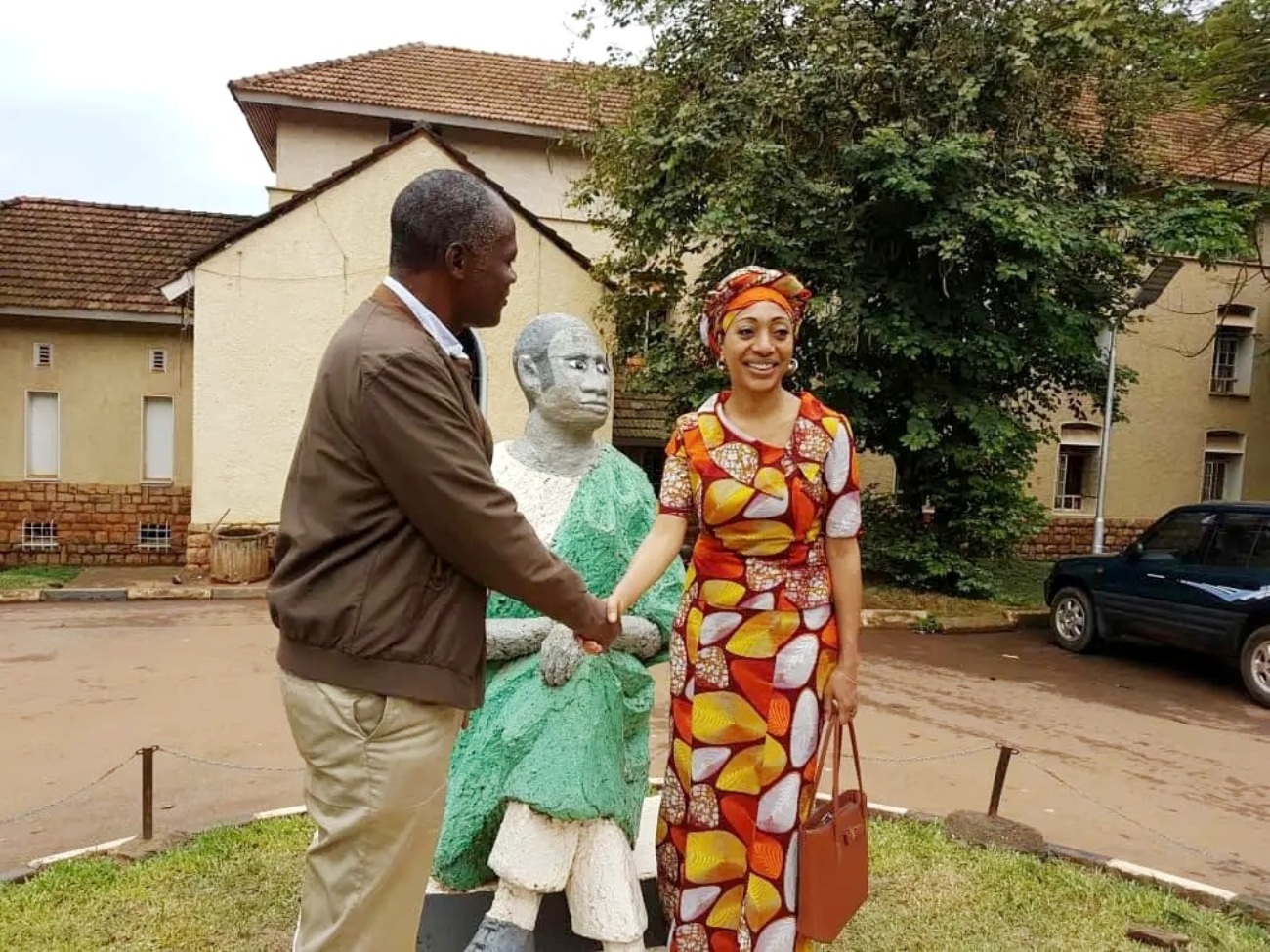
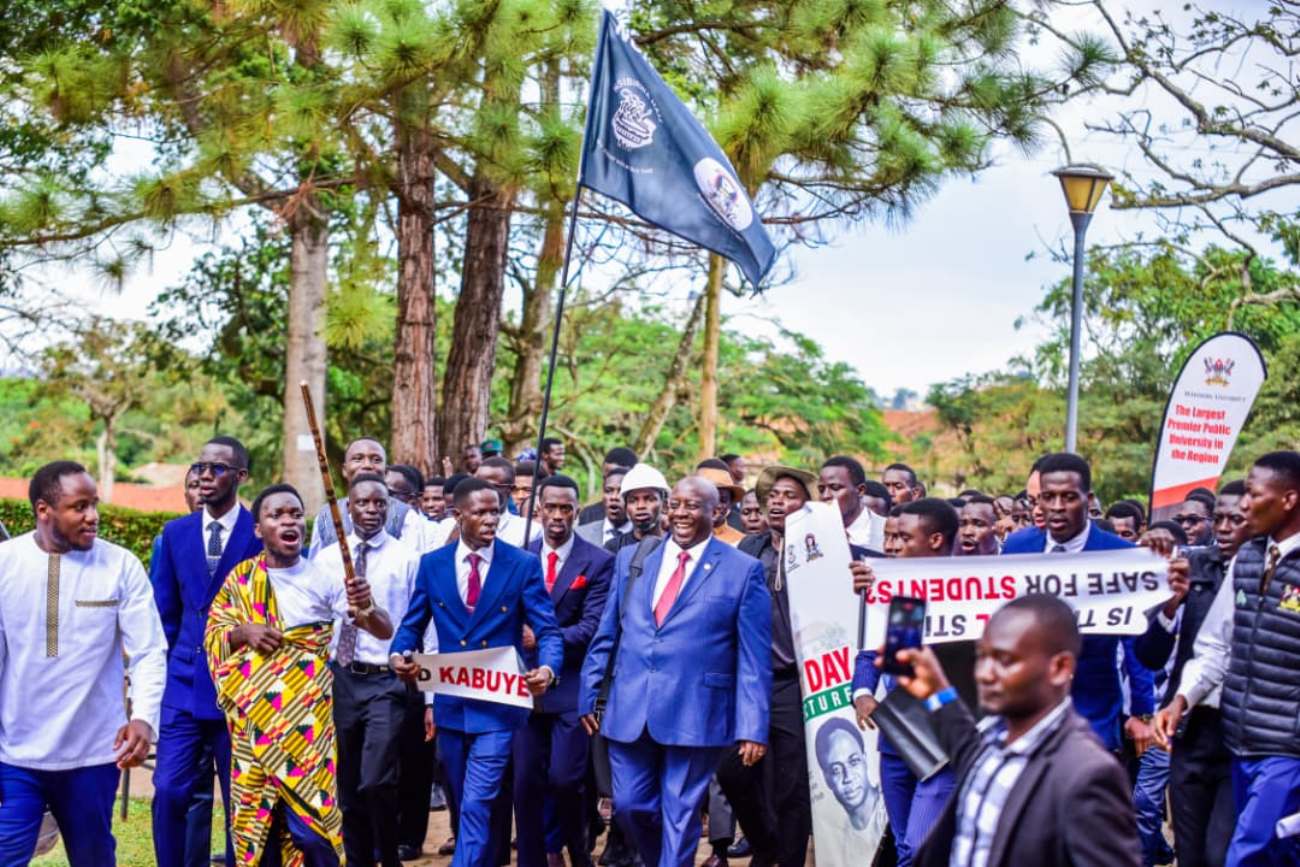
At the peak, the event concluded with tree planting and cake-cutting activity in front of Nkrumah Hall. The audience was left contemplating one message of Kwame Nkrumah’s vision of a united, self-reliant Africa, freed first in the mind, that remains unfinished and in the words of some speakers, has been handed to the current generation as a task to accomplish.

-

 General2 weeks ago
Statement on Concerns Circulating Regarding a Member of Academic Staff
-
 General7 days ago
Timothy Khabusi: From Barefoot Walks to shaping Uganda’s Eye health Future
-
 General2 weeks ago
Beyond Map Size: Africa’s Agency Should Not Be Funded by Other People
-
 General2 weeks ago
Press Statement: Incident Involving Death of a Student at Makerere University
-
 Health1 week ago
Uganda’s HIV Treatment Gains Bring the Youth Gap into Focus