
Agriculture & Environment
Press Release: Government of Uganda Signs Historic Charter with RUFORUM






Agriculture & Environment
Mak Strengthens Kasese, Mbale Urban Food Systems through Cross-City Learning

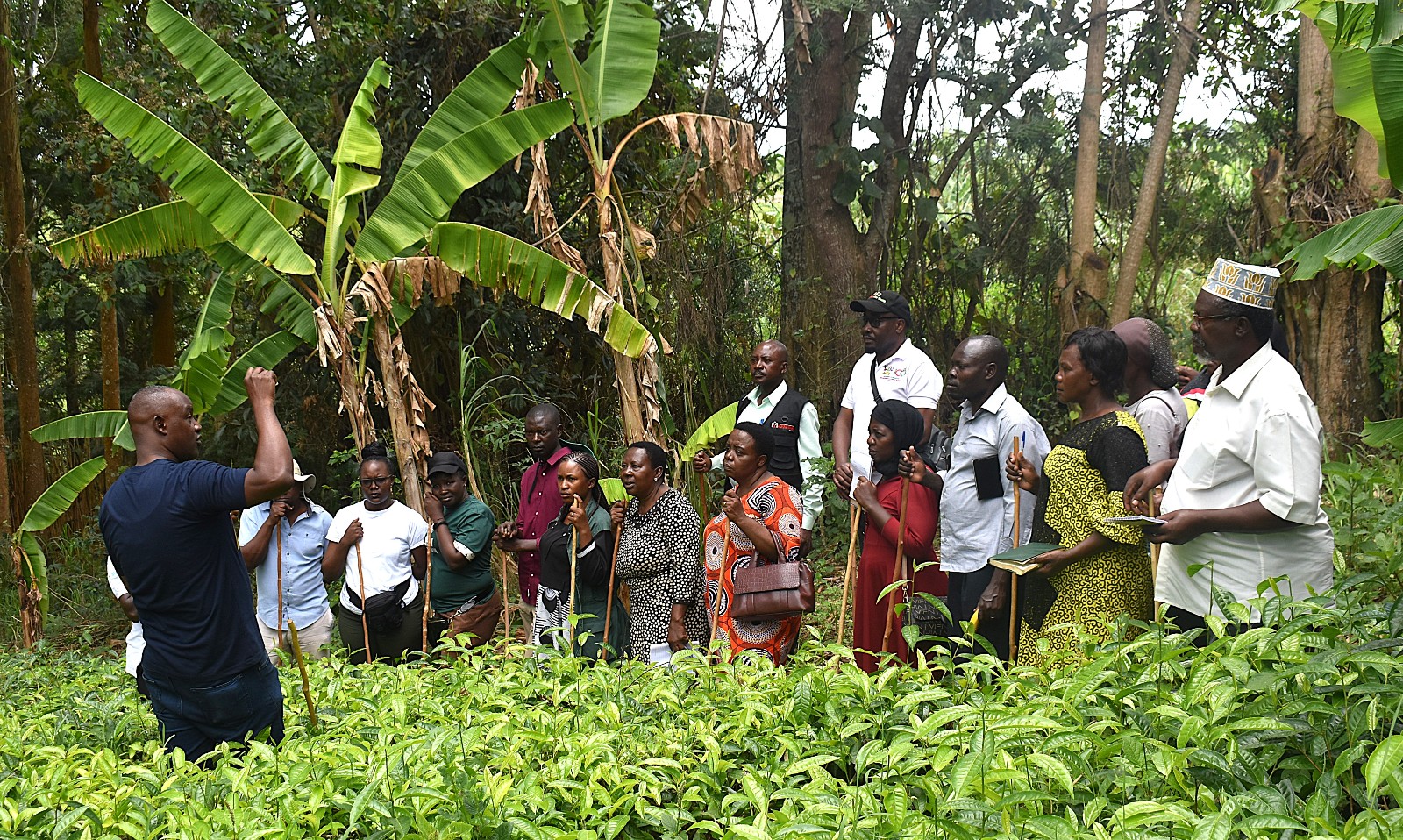
Farmers from Mbale City have gained new approaches to strengthening urban food production following a four-day learning exchange programme in Kasese Municipality and Kabarole District.
Supported by the Resilient Urban Food Systems (RUFS) Project, the programme, held from 23rd-26th September 2026, brought farmers from Mbale City into direct contact with their counterparts and practitioners engaged in diverse agricultural enterprises. The interaction provided a platform for participants to share experiences, examine practical approaches to production and enterprise management, and identify lessons that could be adapted to strengthen livelihoods and build more resilient urban food systems.
The delegation was led by Prof. Frank Mugagga, Principal Investigator of the RUFS Project and a member of staff in the Department of Geography, Geo-Informatics and Climatic Sciences at the College of Agricultural and Environmental Sciences (CAES), Makerere University.

Strengthening Urban Food Systems Through Peer Learning
The exchange forms part of RUFS’ efforts to strengthen urban food systems through peer-to-peer learning, knowledge sharing, practical skills development and collaboration among farmers and other food-system actors. It builds on work undertaken during the first phase of the project (2021-2023) and second phase (2024-2026) in Mbale City and Kasese Municipality, where the project has supported farmers and stakeholders to identify food-system challenges, strengthen local capacities and promote more resilient and sustainable approaches to urban agriculture.
Funded under the AgriFoSe2030 programme, RUFS places strong emphasis on learning through practical experience. Rather than relying solely on classroom-based training, the exchange enabled farmers to observe agricultural enterprises firsthand and learn directly from practitioners. This hands-on approach gave participants an opportunity to explore practical solutions and consider how farming and enterprise-management practices could be adapted to the conditions of Mbale City.
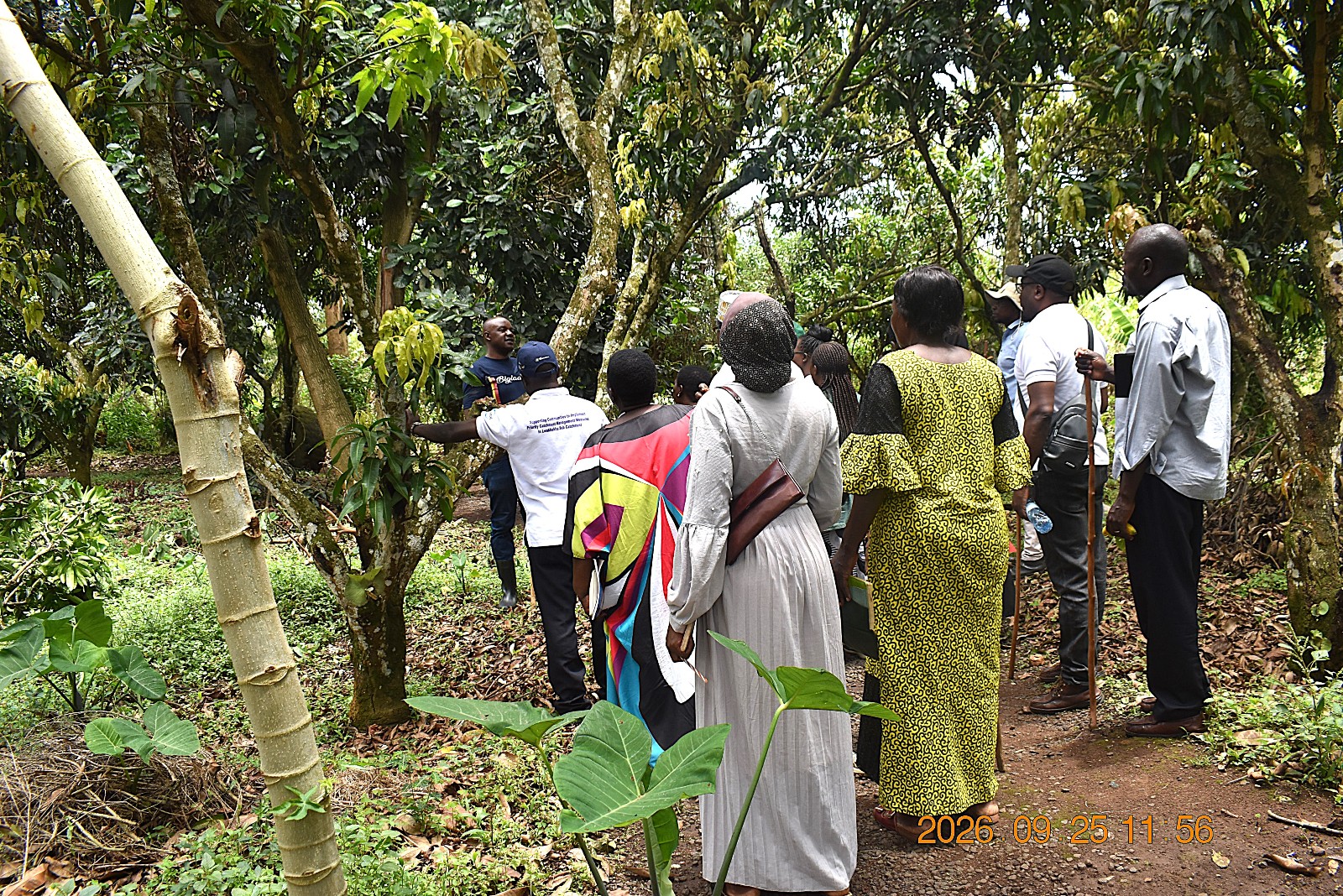
The programme featured learning sessions at agricultural enterprises and production sites in Kasese Municipality and Kabarole District, each offering a different perspective on urban and peri-urban food production, enterprise management and livelihood diversification.
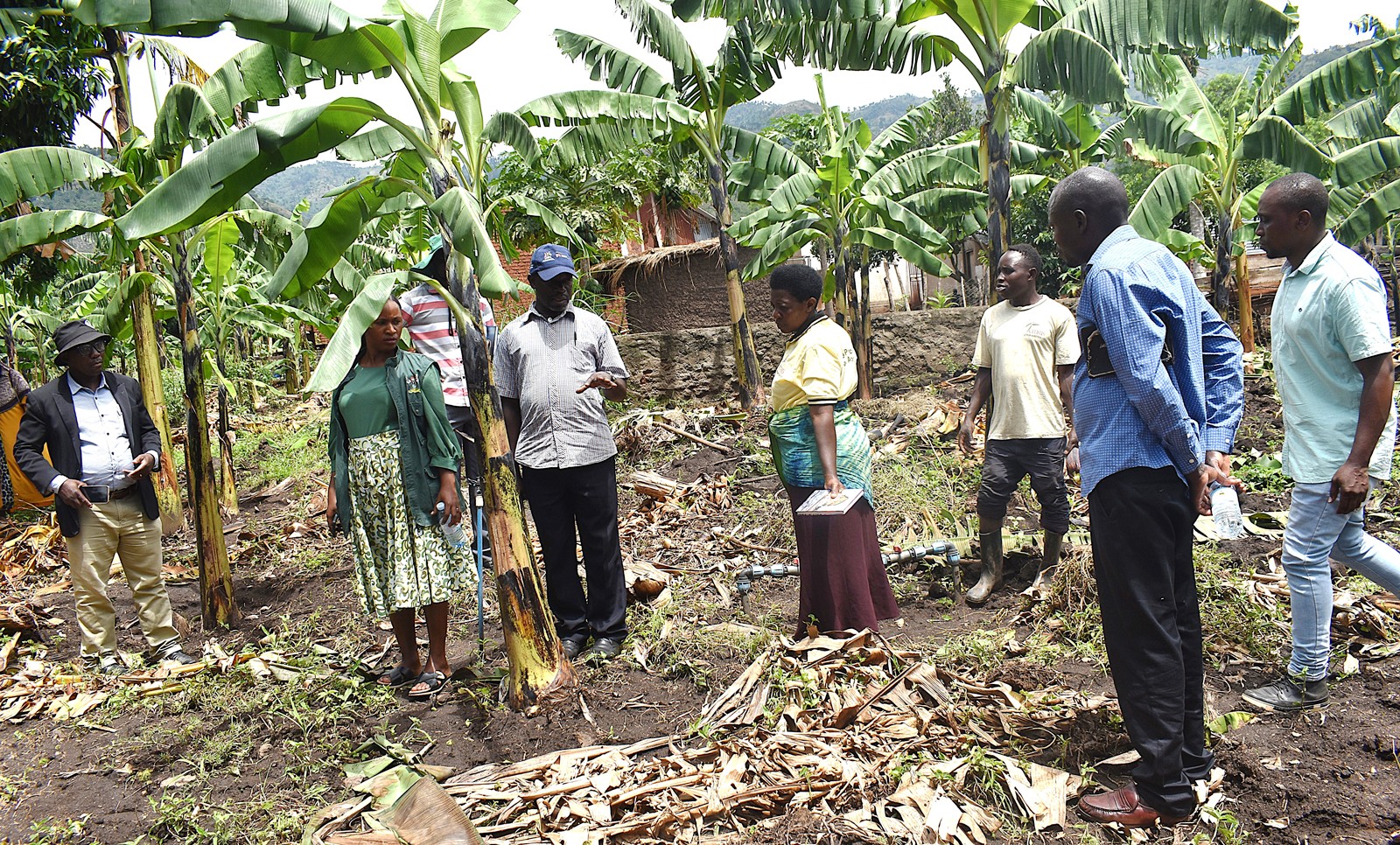
The farmers visited four farms in Kasese Municipality, including Citrus Agrotech Ltd and Sunice Farm, as well as Mubuku Irrigation Scheme.
Farmers’ Engagement at BIGLAD Agri-Tourism Farm Ltd
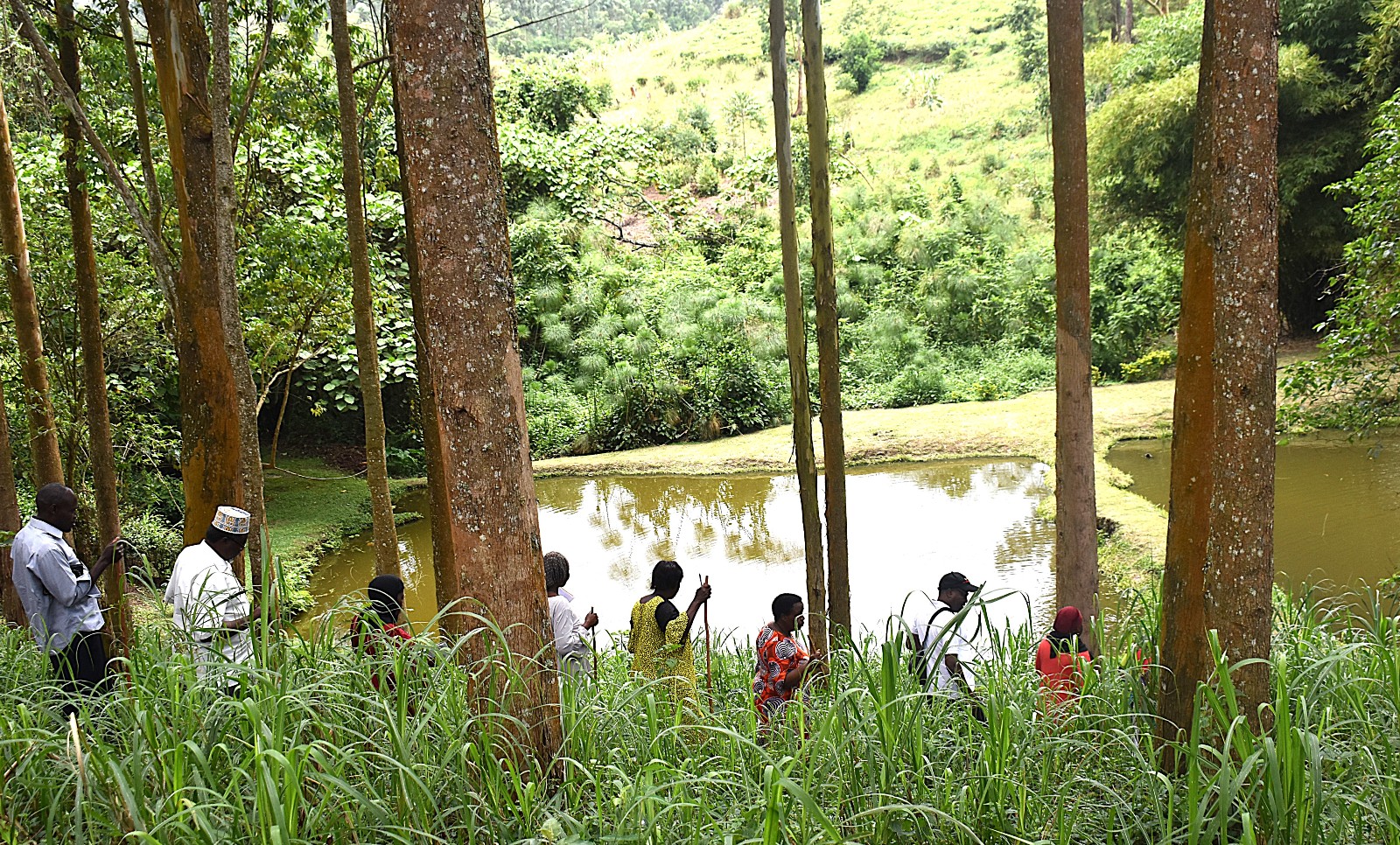
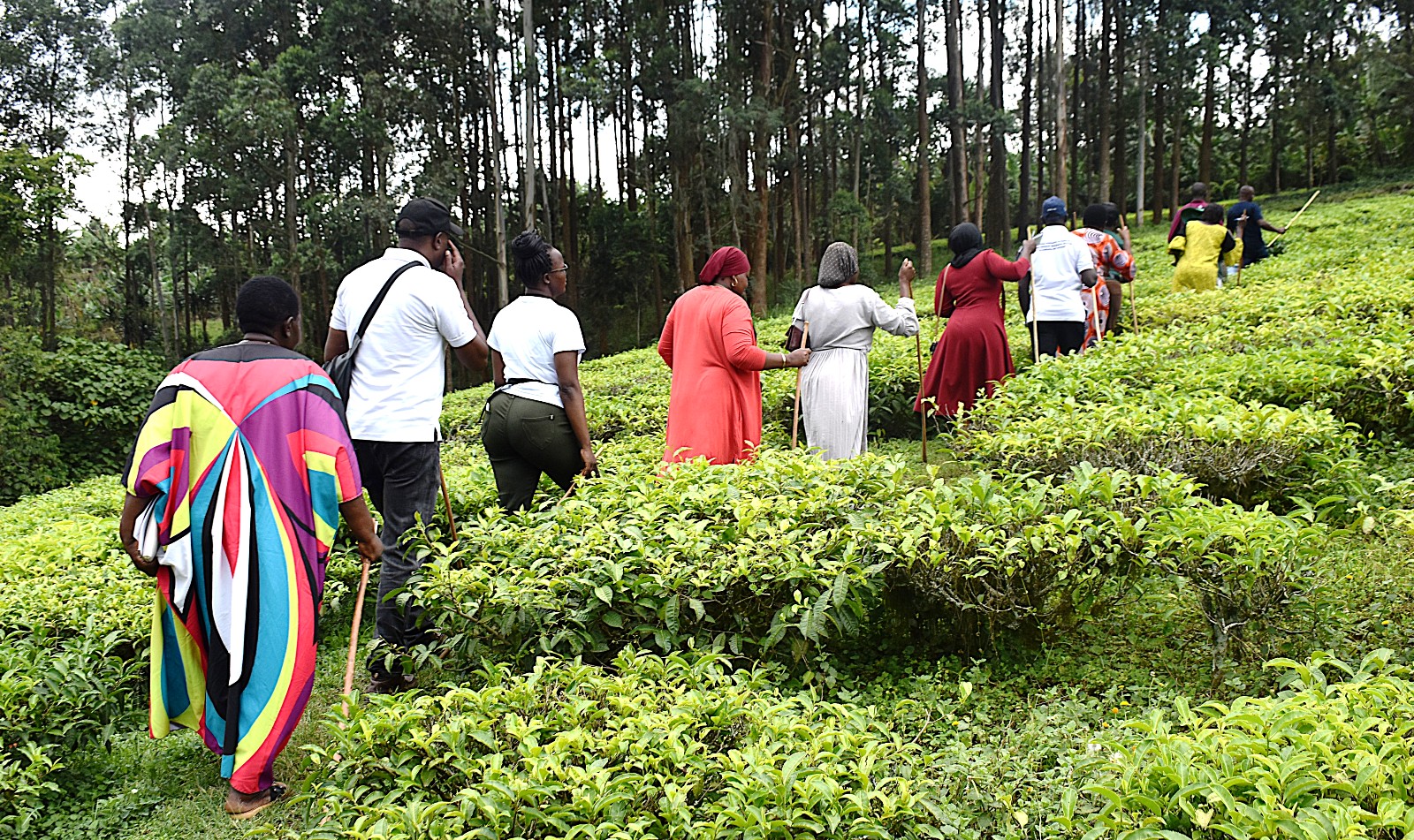
A major highlight of the programme was the tour of BIGLAD Agri-Tourism Farm Ltd in Kabarole District, an agricultural enterprise founded in 2008. Beyond agricultural production, BIGLAD provides practical training in agriculture, entrepreneurship, financial management and environmental conservation, offering an integrated approach to improving livelihoods through agriculture.
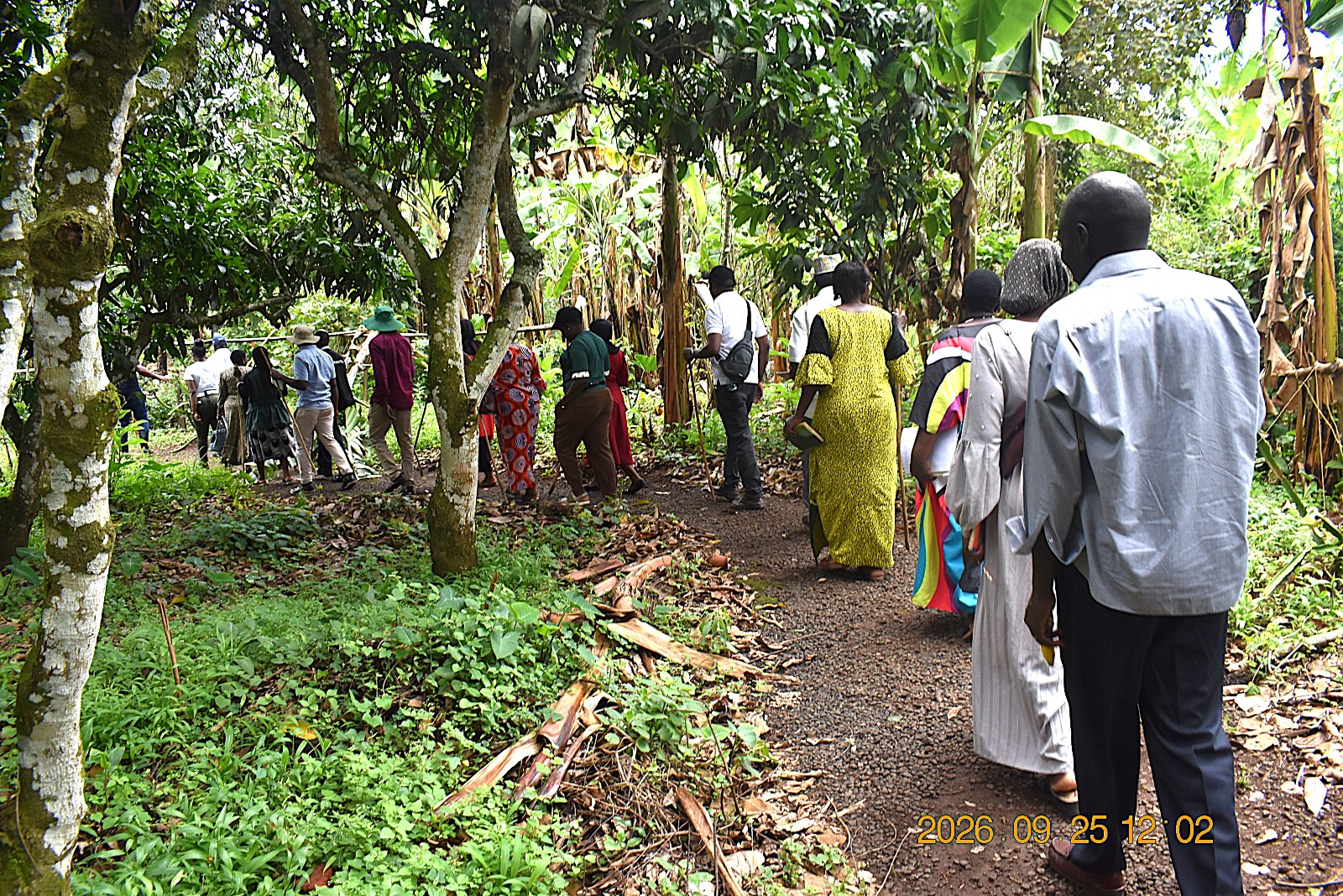
At the enterprise, the Mbale City farmers were introduced to a diverse range of agricultural enterprises, including bananas, tea, vanilla, macadamia, stevia, yacón and chives, alongside fish farming, poultry and livestock production. The experience illustrated how different enterprises can be combined to maximize the use of available land and resources, spread production risks and create multiple sources of household income.
Guided by the proprietor and 2nd runner-up of the 2017 Harvest Money Expo, Mr. Julius Bigabwa, the farmers gained a broader understanding of agriculture as a business enterprise rather than a subsistence activity. They learnt that successful farming requires deliberate planning, proper record-keeping, prudent financial management, careful selection of enterprises and continuous attention to markets.
The visit also underscored the importance of understanding the entire production chain-from selecting suitable enterprises and managing inputs to production, post-harvest handling, value addition and marketing.
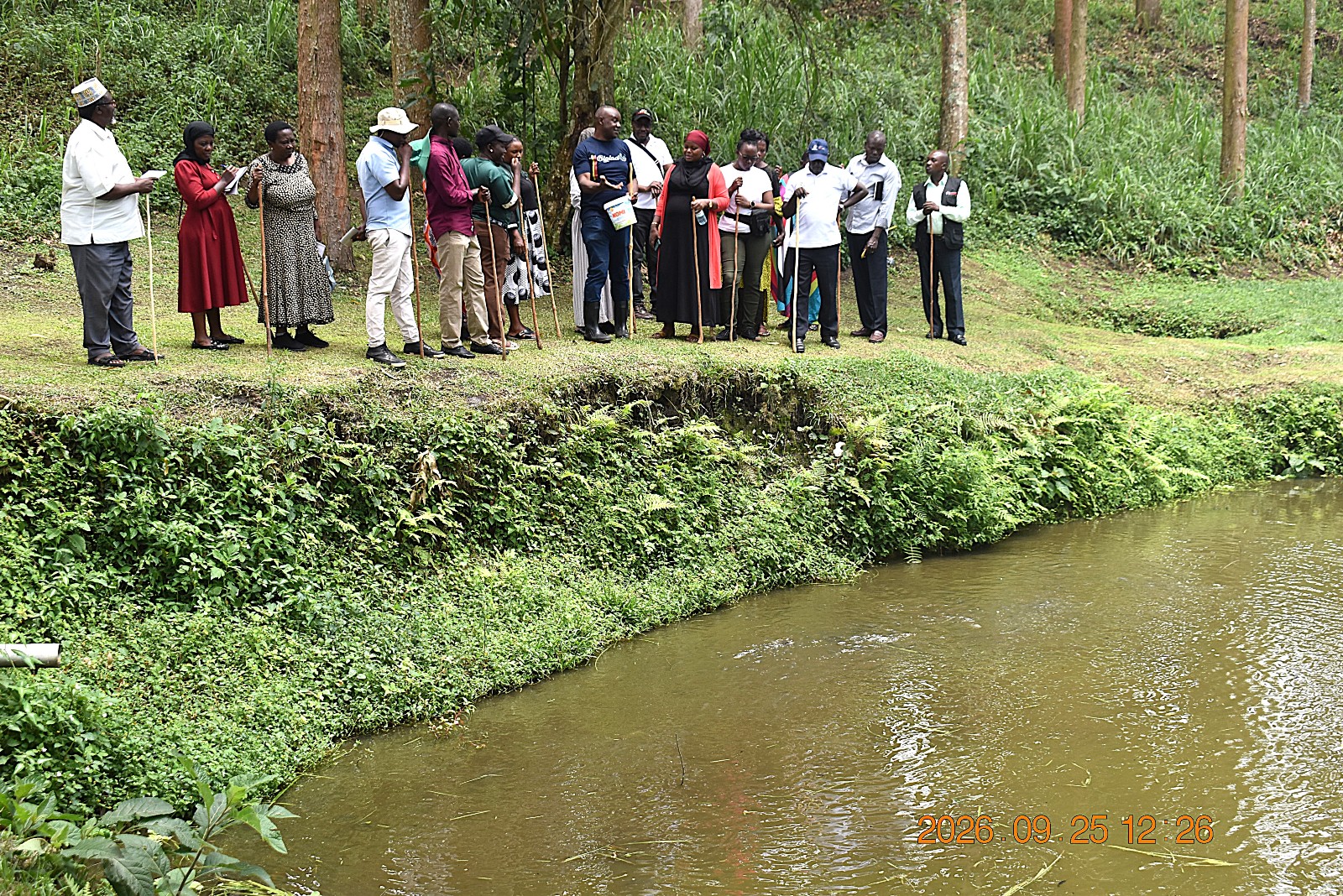
Diversification and Value Addition
One of the key lessons from BIGLAD was the value of enterprise diversification. Engaging in a range of crop and animal enterprises can reduce dependence on a single source of income and strengthen farmers’ ability to manage production challenges, market fluctuations and changing environmental conditions. The experience encouraged participants to consider how complementary activities can be integrated to strengthen household livelihoods.
The farmers also gained insights into value addition and efficient resource utilization. Rather than viewing agricultural produce solely as raw commodities, they explored ways of increasing value and returns through improved production practices, processing, packaging and market-oriented approaches. The integration of environmental conservation into agricultural activities further underscored the need to pursue productivity while protecting the natural resources on which farming livelihoods depend.
For the Mbale City farmers, the experience at BIGLAD offered more than exposure to different agricultural enterprises. It provided a practical framework for planning farming as a business, diversifying strategically, adding value, managing resources responsibly and identifying opportunities for more sustainable returns.
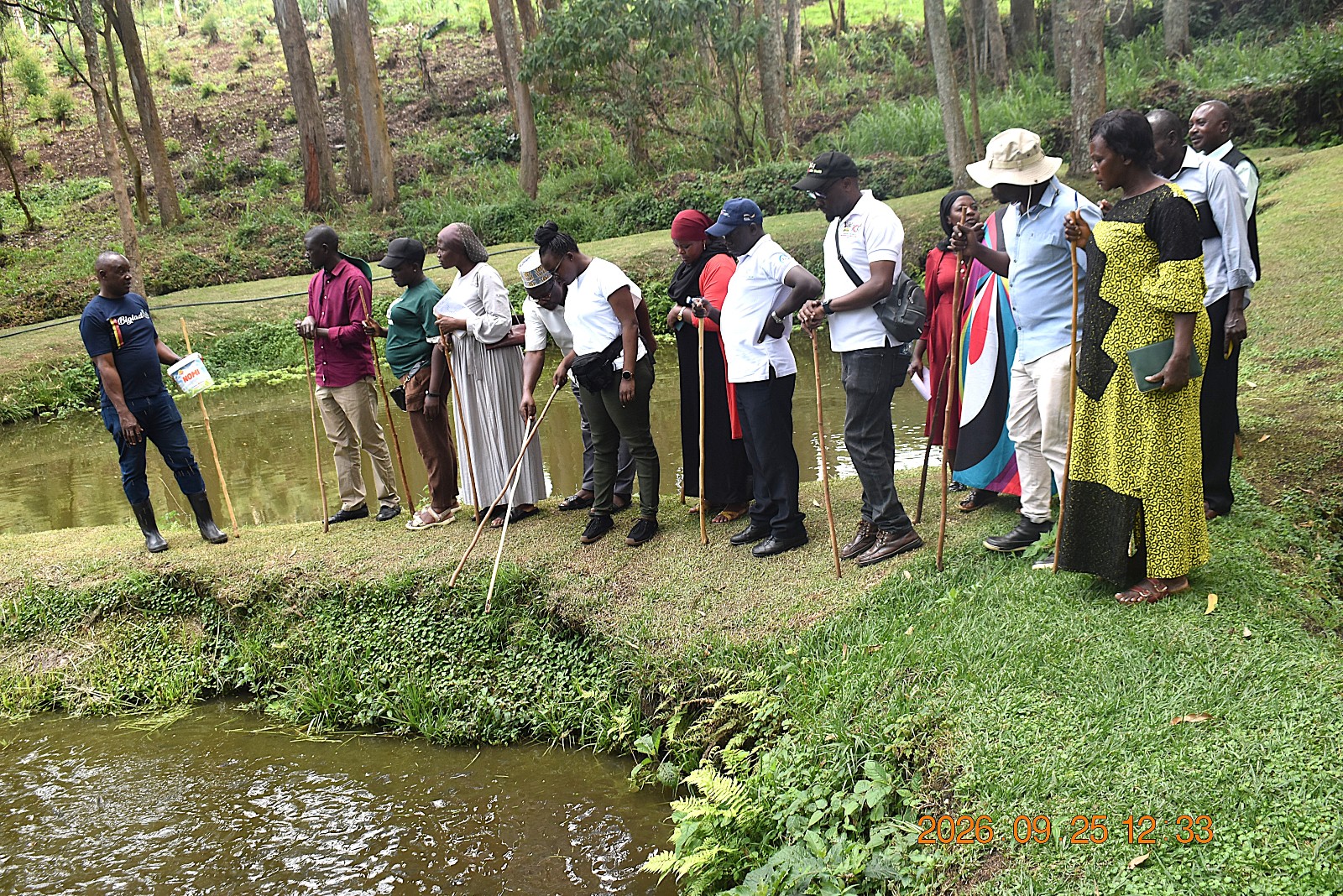
Sharing experiences at Citrus Agro-tech Ltd
For Ms. Kabugho Rebecca, a mixed farmer in Kasese and Manager of Citrus Agro-tech Ltd, farming is a journey of learning, adaptation and perseverance. Her story offered the Mbale City farmers an opportunity to learn from the experiences and challenges that have shaped her agricultural enterprise.
Managing poultry, piggery, banana, tomato, mango and vegetable enterprises, Rebecca has learnt the value of diversification, proper record-keeping and understanding the market. Her experience highlighted how decisions concerning labour, feed, records, market access and enterprise selection can influence the performance and sustainability of a farming business.
She also emphasized the importance of securing reliable water supplies to help farmers sustain production under changing weather conditions.
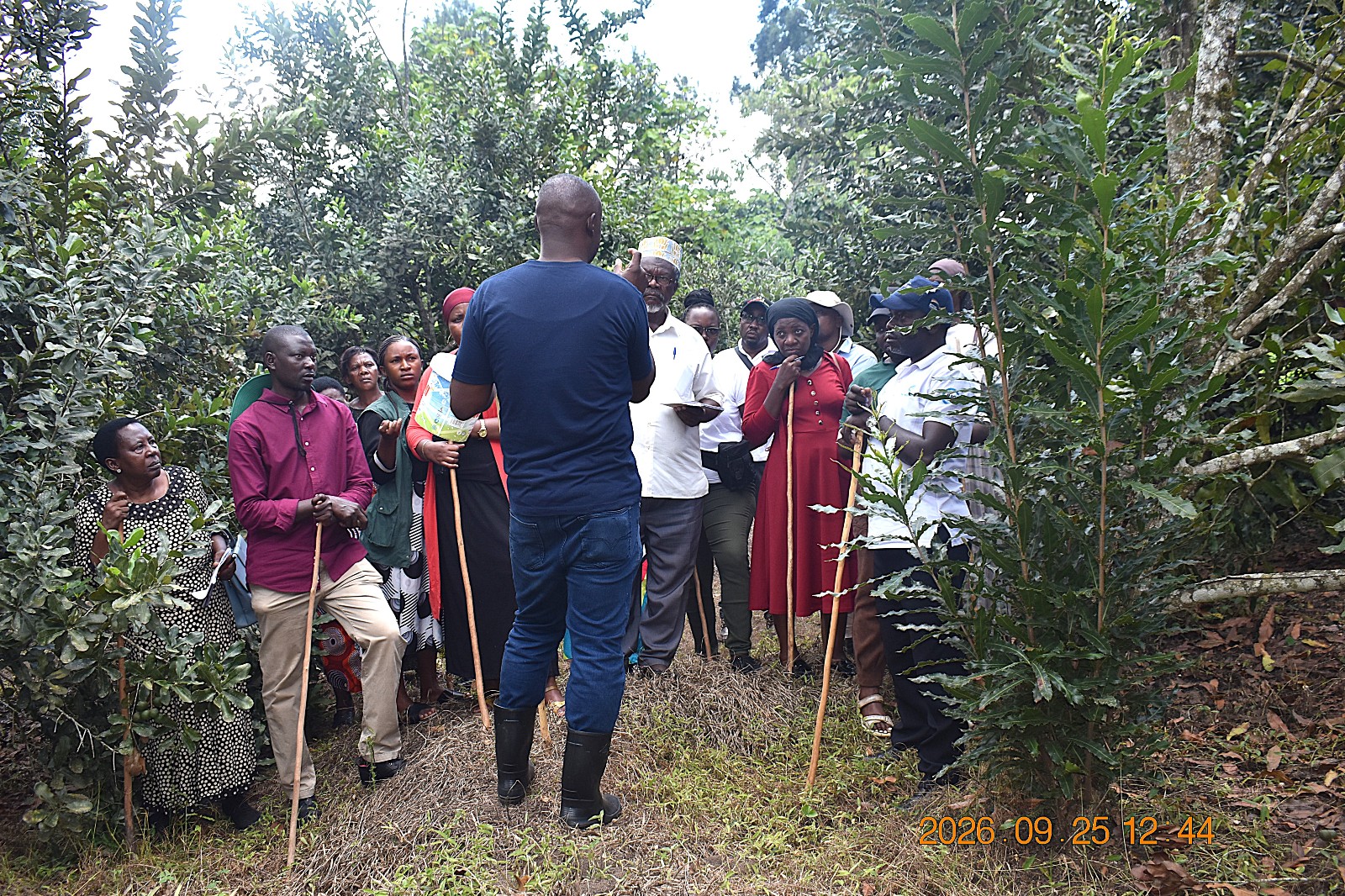
Rebecca’s experience further highlighted the opportunities that arise when farmers move beyond primary production into value addition and other stages of the agricultural value chain. Her hatchery, for example, has created an additional income stream while responding to the needs of other farmers.
Through Citrus Agro-tech Ltd, she also supports small-scale farmers through training in agricultural enterprises and agronomic practices, supplies banana seedlings and provides internship opportunities for agriculture students. Her enterprise has evolved into more than a production site – it is also a space for knowledge sharing, practical learning and mentorship.
Understanding the market has been equally important to her enterprise. In her poultry business, the surrounding community provides a ready consumer base, illustrating how farmers can strengthen their businesses by understanding local demand and aligning production with market needs.
For the Mbale City farmers, Rebecca’s experience provided practical lessons relevant to their own circumstances. It highlighted that progress in farming depends not only on the size of a farm or number of enterprises, but also on how effectively farmers use available resources, learn from experience, respond to challenges and continuously improve their practices.
The learning exchange was not one-way. As they interacted with Rebecca and observed her enterprises, the Mbale City farmers also shared their own experiences and practical suggestions for strengthening her operations. Among the issues discussed was pest management, including approaches that could improve efficiency, reduce wastage and strengthen enterprise performance.
Learning from Other Farms and Mubuku Irrigation Scheme
The learning continued at Sunice Farm, owned by Ms. Eunice Mutooro Sunday, and at the farm of Ms. Masika Nevercate, both in Bulembia Division, Kasese Municipality. Through interactions with the farmers, the Mbale delegation gained practical insights into vegetable production, enterprise management and ways of improving productivity using available resources.
They also learnt from Ms. Grace Masika, a smallholder farmer in Central Division, Kasese Municipality, whose experience offered insights into how small-scale agriculture can contribute to household livelihoods.
At Mubuku Irrigation Scheme, the farmers gained practical insights into irrigated crop production, with a focus on rice and maize. The visit exposed them to different stages of crop production, from land preparation and planting to water management, crop maintenance and harvesting. It also enabled participants to appreciate how irrigation can support more reliable production, improve productivity and reduce dependence on seasonal rainfall.
Lessons Learnt
The programme demonstrated that valuable agricultural knowledge does not only come from formal training or technical experts. Farmers themselves are an important source of practical knowledge, innovation and experience. Direct interaction with fellow farmers gave the Mbale City delegation insights grounded in real-life experience.
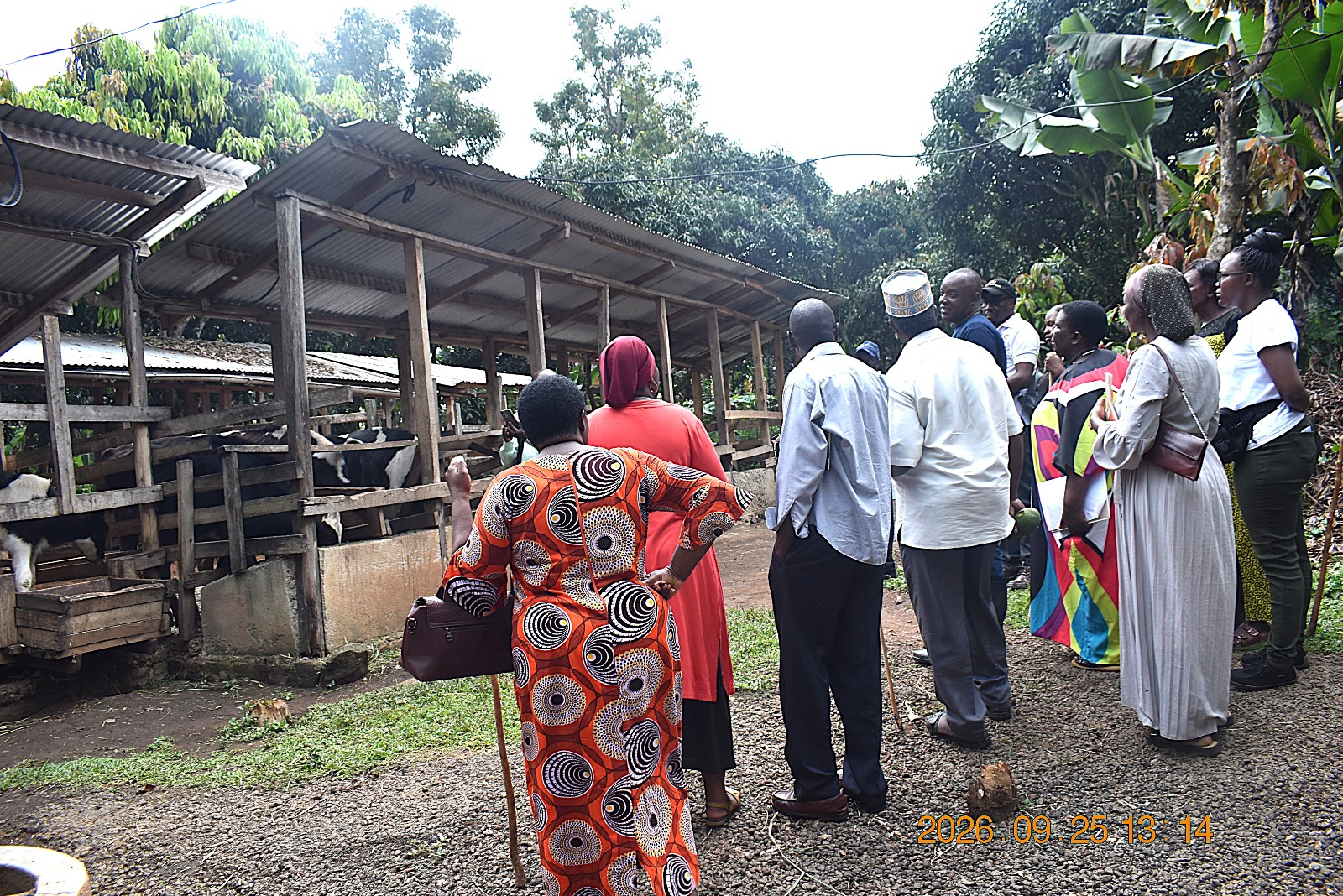
The exposure to diversified agricultural enterprises, agri-tourism, entrepreneurship and irrigation provided practical ideas that farmers could reflect on and adapt to their own circumstances. Key lessons included:
i) Diversification can strengthen household incomes: Farmers learnt the importance of diversifying beyond a single enterprise to spread risk and create multiple sources of income. Combining crop production with livestock, poultry and other complementary enterprises can generate income at different times of the year and reduce dependence on one livelihood source.
ii) Farming requires patience, consistency and passion: Experiences shared by host farmers showed that successful farming takes time. Farmers need to remain committed to their enterprises, learn from setbacks and consistently improve their practices. Passion and persistence were identified as important qualities for sustaining an agricultural business.
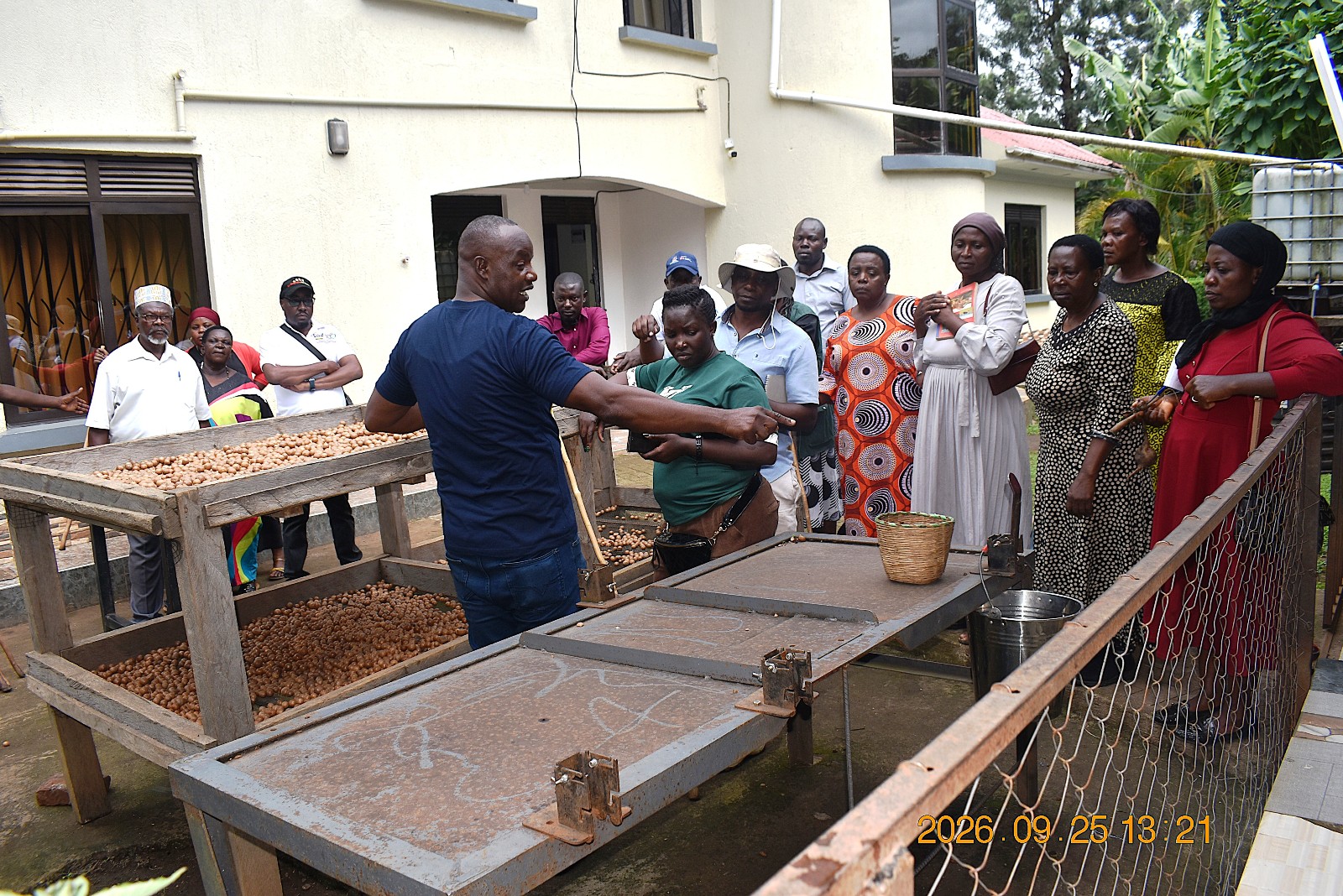
iii) Strong partnerships create opportunities for growth: The exchange reinforced the value of building relationships with fellow farmers, local institutions, technical experts, markets and other stakeholders. Partnerships can provide access to knowledge, skills, inputs, markets and new opportunities that individual farmers may struggle to access on their own.
iv) Make informed investment decisions: The farmers learnt that not every seemingly attractive agricultural venture is necessarily profitable. Before investing, farmers need to consider the costs of production, available markets, expected returns, labour requirements, risks and the time required to generate income. Careful assessment can help farmers avoid putting resources into enterprises that may not provide adequate returns.
v) Every coin earned from sales should be accounted for: Proper financial record-keeping emerged as an important lesson. Farmers need to know how much they spend on inputs, labour, transport and other operational costs and how much they earn from sales. Keeping track of income and expenditure enables farmers to determine whether an enterprise is profitable and make better decisions about reinvestment.
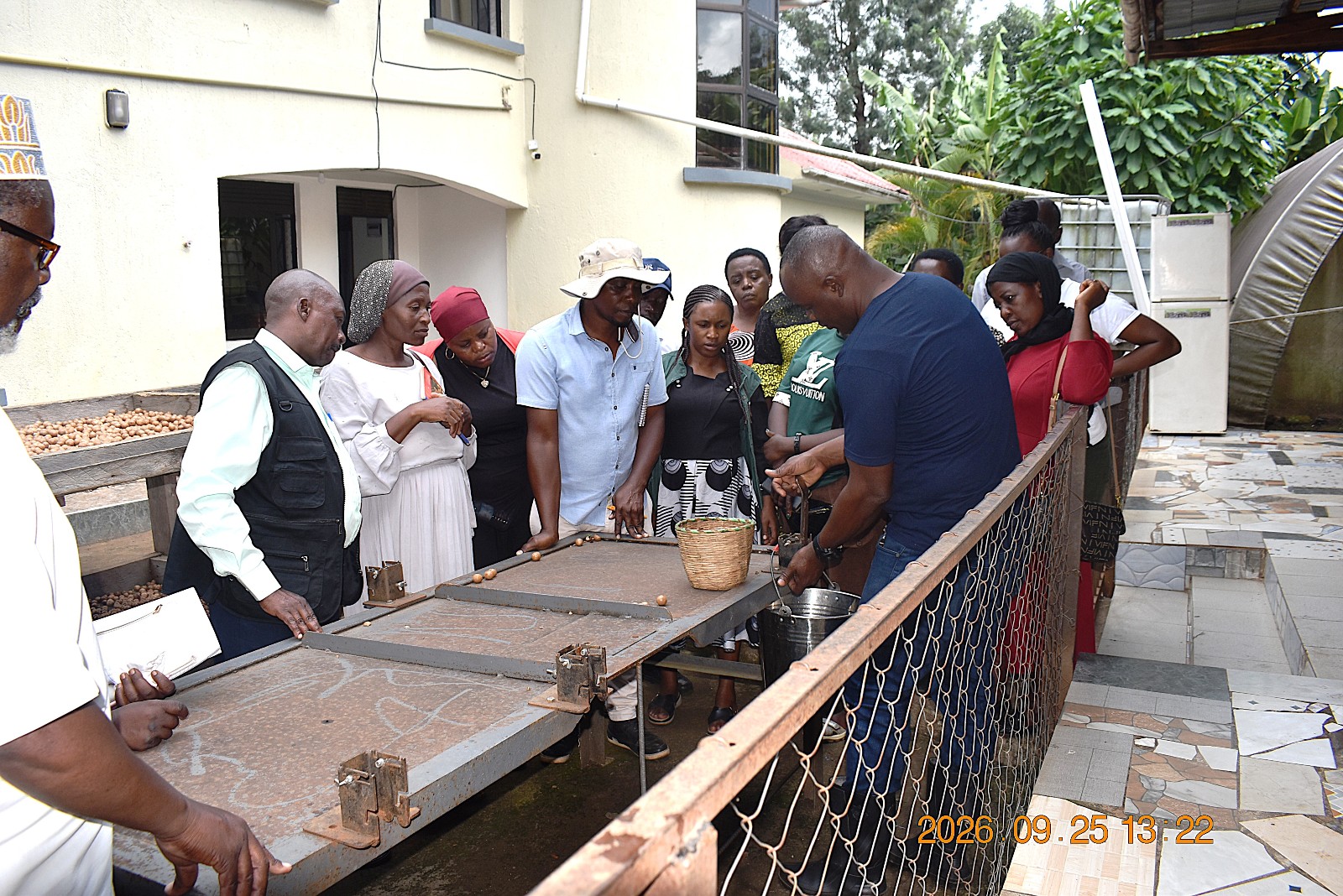
vi) Plan labour strategically to ensure smooth operations: The farmers learnt that relying heavily on casual or seasonal workers can disrupt farm operations. They recognized the importance of planning labour needs in advance, developing reliable sources of labour and, where feasible, adopting practices and technologies that reduce reliance on labour-intensive activities.
vii) Sustainability requires continuity across generations: Engaging younger family members can help ensure continuity of agricultural enterprises, preserve valuable experience and knowledge, and support the long-term sustainability of farming activities.
viii) Farmers should embrace new opportunities: The exchange encouraged farmers to remain open to new ideas and opportunities that can strengthen their farming enterprises.
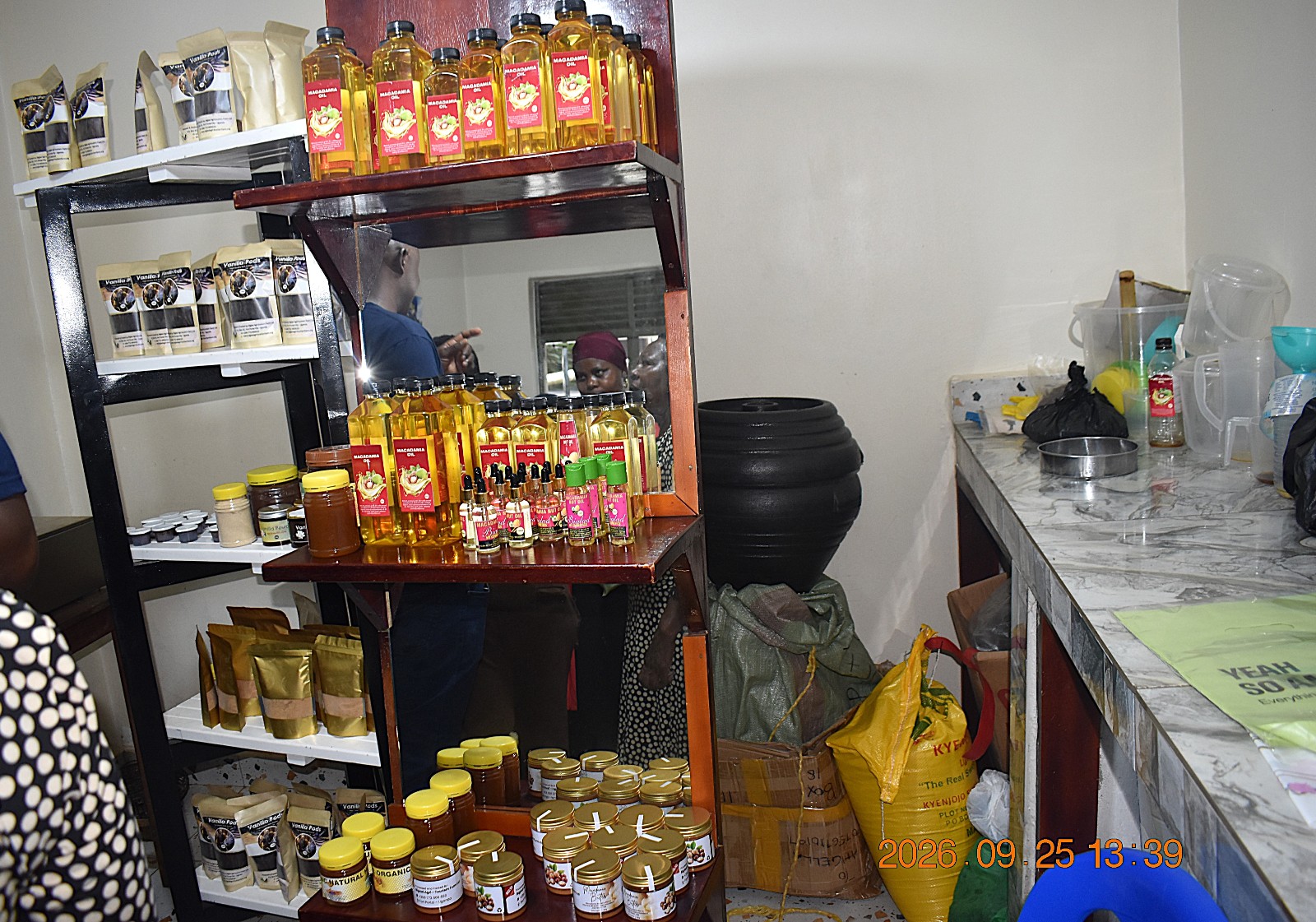
ix) Organic farming can support sustainable production: The farmers appreciated how organic practices can improve soil health, reduce reliance on synthetic inputs, lower some production costs and promote environmental sustainability through better use of locally available resources.
x) Understanding the quality of soil helps farmers make better production decisions: Farmers learnt the importance of observing and understanding their soils before deciding what to plant. Simple observations of soil characteristics, combined where possible with appropriate soil testing and technical advice, can help farmers identify crops that are better suited to particular areas and improve productivity.
xi) Adapt farming practices to local conditions: Farmers learnt that crops and practices suited to one area may not perform similarly elsewhere, making it important to consider local weather, soils and growing conditions.
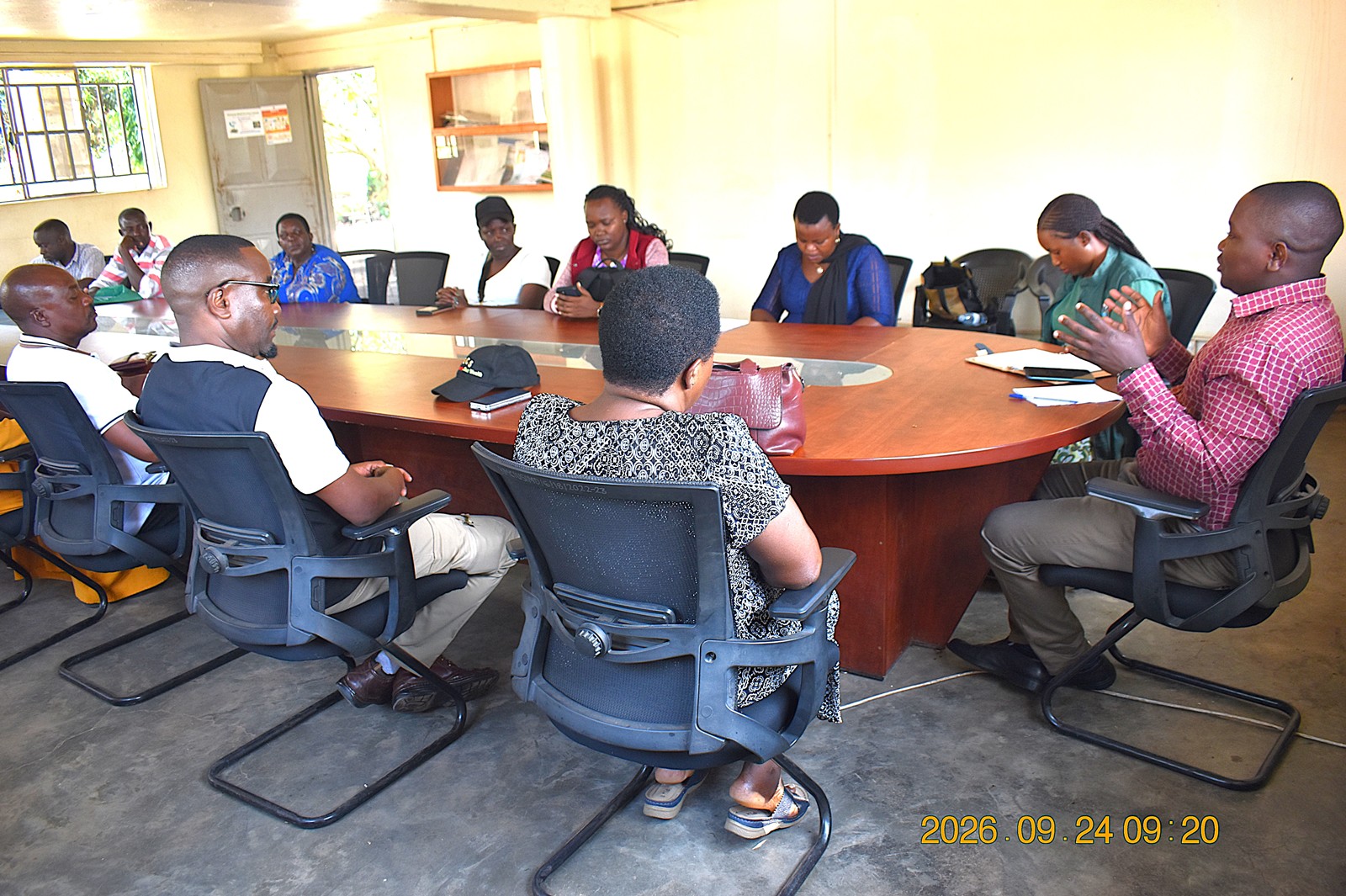
xii) Start small and grow gradually: Farmers do not always need large amounts of capital to start a new enterprise. Beginning on a manageable scale enables them to gain experience, test the market, address challenges and improve their practices before reinvesting and expanding.
Local Government Appreciation
In the course of the field trip in Kasese Municipality, the team interacted with the Deputy Mayor, Mr. Mupango Rabson, who commended the RUFS Project for its timely and forward-looking approach to strengthening urban food systems.
He appreciated the project’s contribution to equipping communities with practical knowledge and solutions for addressing the interconnected challenges of rapid urbanization, food security and livelihoods.
A similar engagement will be held in Mbale City from 7th-10th October 2026.
Link to the pictorial of the activities:
https://drive.google.com/drive/folders/1WyKkMEwefJHufr-ERzcu9NUdI3fzgIYy?usp=sharing
More about RUFS: https://news.mak.ac.ug/2025/08/mak-launches-phase-ii-of-the-rufs-project-to-strengthen-climate-resilience-food-security-in-kasese-mbale-districts/

Agriculture & Environment
Makerere Hosts Inaugural Falling Walls Lab Competition as Innovators Pitch Solutions to National Challenges

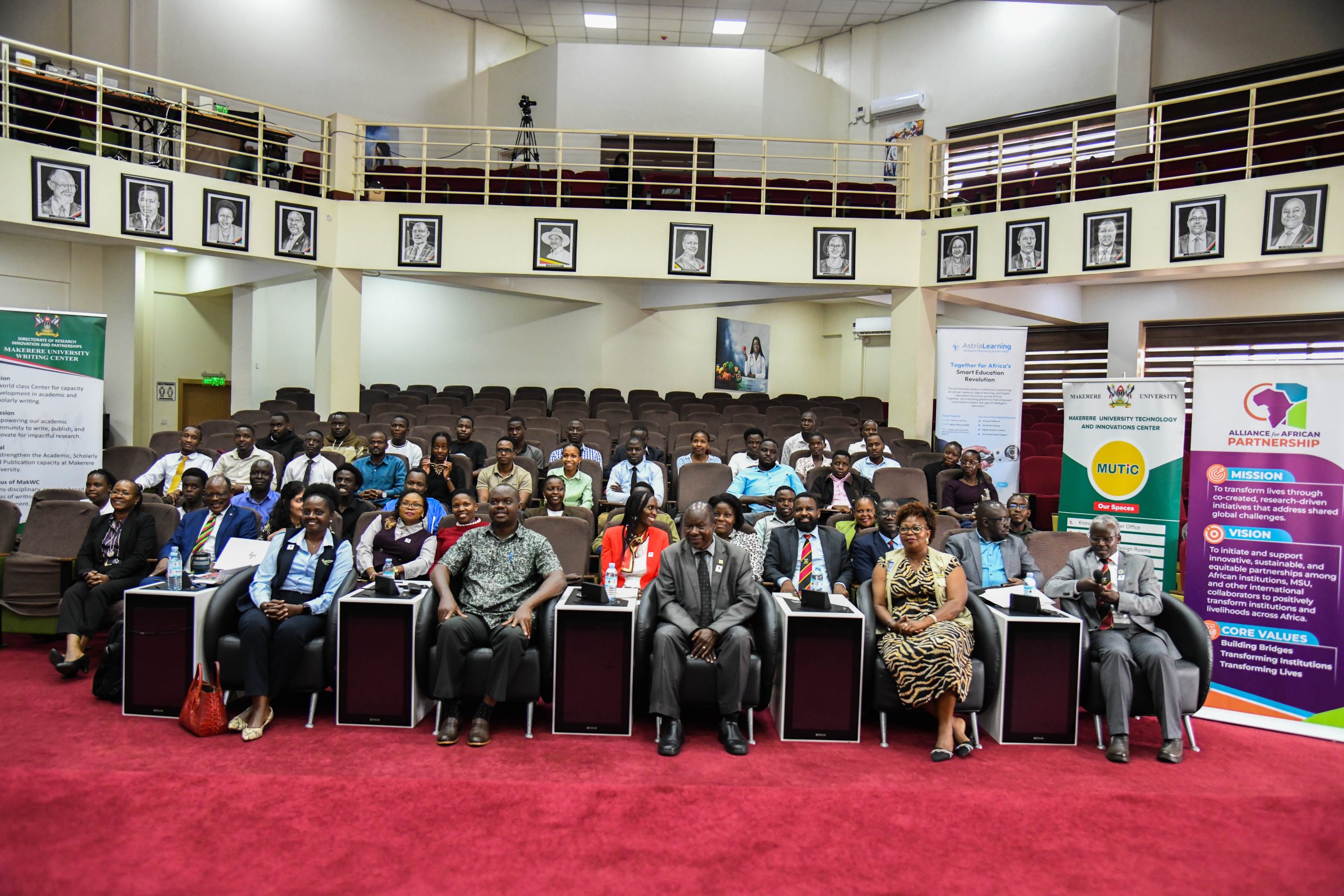
Students and researchers from Makerere University and other institutions pitched 12 innovations addressing challenges in healthcare, clean energy, agriculture, waste management and community resilience during the inaugural Falling Walls Lab Kampala, held at the School of Public Health Auditorium, Makerere University.
The competition brought together emerging innovators to present solutions to practical challenges through a three minute pitch, followed by questions from a panel of judges.
Modelled on the Falling Walls format that originated in Berlin, the event required each participant to identify a “wall” a problem or barrier, and demonstrate how their innovation seeks to break it down.
Mudhasi wins with newborn jaundice screening device
Andrew Mudhasi of Makerere University emerged as the overall winner with a score of 90 per cent for a low cost medical device designed to improve newborn jaundice screening across different skin tones.
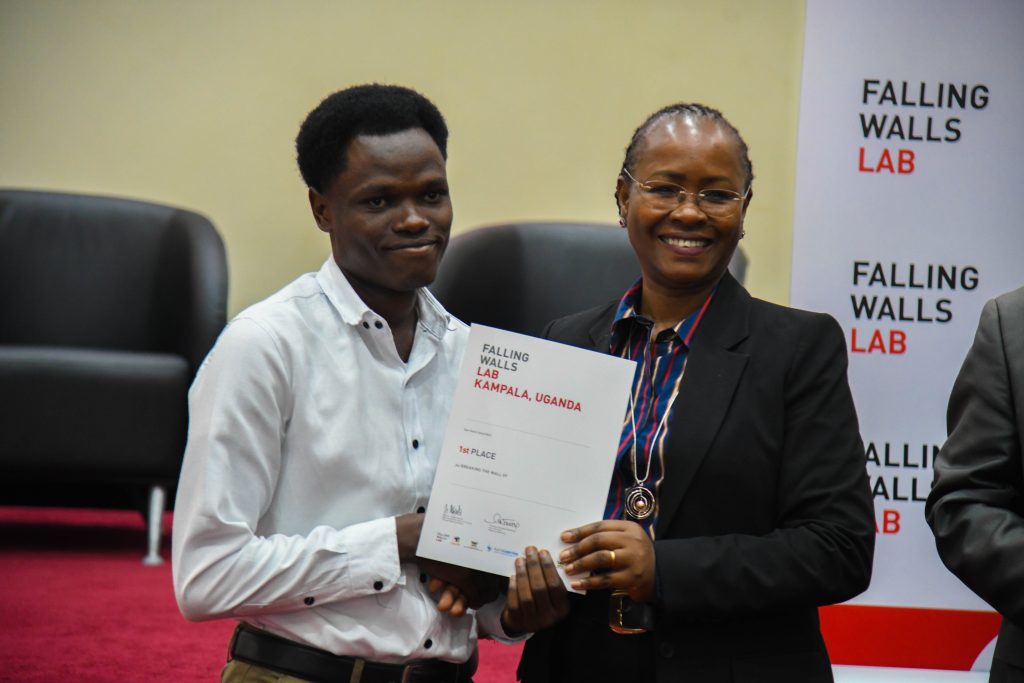
Mudhasi explained that the device uses optical sensor technology and a skin tone targeting algorithm to provide a rapid reading, with the aim of helping nurses and clinicians identify jaundice more efficiently.
During questions from the jury, Mudhasi said the device had not yet been tested on actual babies but had undergone laboratory testing using simulated skin tones.
He reported an accuracy rate of 94 per cent when the device was compared with laboratory spectrophotometers.
The innovation is intended initially for use in clinics and hospitals, with Mudhasi saying the team is also considering a version that could eventually allow mothers to screen babies at home.
Mudhasi’s innovation has previously received recognition at the African Business Concept Challenge and the iF Design Student Award, according to his presentation.
Rhonda’s innovation tackles diaper waste
Rhoda John of the University of Nairobi emerged in second place with 89.6 per cent for an innovation addressing the problem of used diaper waste.
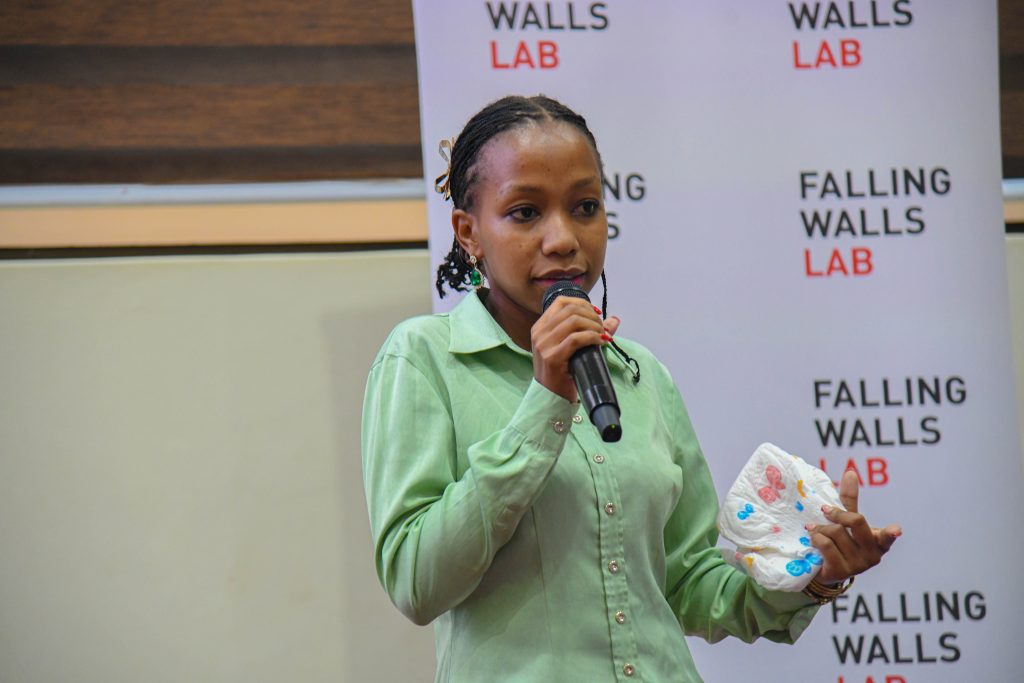
Under the theme “Breaking the wall of diaper waste and drug soils,” Rhonda explained that her team extracts sodium polyacrylate, the absorbent polymer found in diapers, and replaces the sodium with potassium.
The resulting potassium based superabsorbent material is designed to act as a “water battery” in soil by absorbing and retaining water for plants during dry periods.
John said testing showed a 99 per cent increase in germination and a 23 per cent increase in drought resistance.
The innovation also seeks to reduce the amount of used diapers ending up in landfills and the environmental effects associated with their decomposition.
During the question and answer session, John explained that her team was working with government environmental officials in Nairobi on a pilot collection system to address the challenge of gathering used diapers at scale.
Mahera takes third place with herbal peptic ulcer treatment
Stuart Mahera of Makerere University finished third with 86.2 per cent for a herbal formulation targeting peptic ulcers.
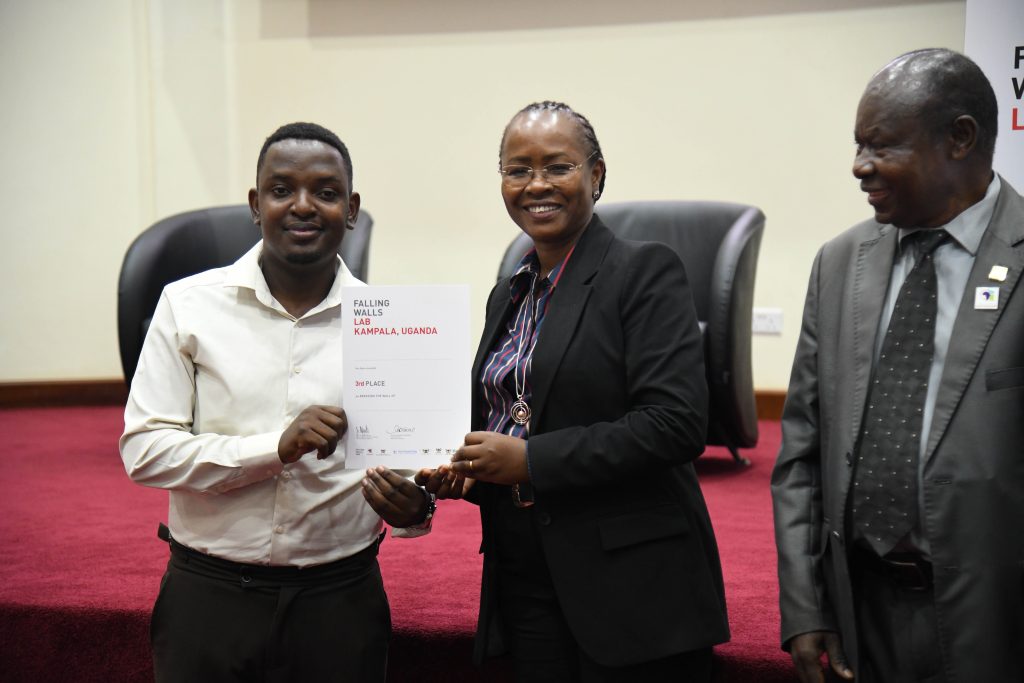
Presenting under the theme “Breaking the wall of Nature and Modern Medicine,” Mahera argued that conventional treatment for peptic ulcers can involve multiple medicines and may be associated with side effects and antimicrobial resistance.
His proposed formulation, MARAC capsules, is intended as a monotherapy, combining properties required for peptic-ulcer treatment in a single capsule.
Mahera said his team had carried out quality control work, including characterisation and dose quantification, and had conducted preclinical trials on laboratory mice.
He also told the jury that an application had been submitted to the National Drug Authority as the team awaits the next stage of the regulatory process.
According to Mahera, the proposed seven day treatment would cost about Shs21,000, compared with the existing 14 day treatment approach.
Innovators present solutions to practical challenges
The remaining presentations covered a wide range of challenges.
Esther Nakungu of Utamu University presented Agri-Track, a digital record keeping solution intended to improve visibility, accountability and management of farm operations and financial information.
Dr. Jimmy Chachiga, a Makerere University participant, presented a solar photovoltaic cooker with a heat storage system designed to provide a cleaner and more reliable cooking option during both sunny and non sunny periods.
His presentation focused on reducing dependence on biomass fuels and addressing the challenges associated with intermittent solar energy.
Abdul Noor Luttamaguzi, a PhD student and senior government fisheries officer, presented a mobile application aimed at helping fish farmers and extension officers report, track and manage disease outbreaks.
Henry Duke Tamale presented a herbal cream targeting antibiotic resistant biofilm infections associated with diabetic foot ulcers.
Marvin Seruwu proposed adapting existing near infrared brain monitoring technology to help detect extra-axial brain bleeds in health facilities where access to CT and MRI equipment is limited.
His proposal seeks to repurpose existing technology towards a diagnostic need that could be particularly important in settings where advanced imaging facilities are not readily available.
Kennedy Kisame presented a poultry alert and diagnosis system combining satellite weather information with computer vision disease detection. The proposed system could be accessed through a smartphone application, SMS or USSD, making it potentially usable by farmers with limited internet access.
Frank Atwiine proposed a solar powered mobile diagnostic van designed to bring ultrasound and other diagnostic services closer to rural communities.
Johnson Makmot, a software and blockchain developer, presented a platform that combines GPS tracking and blockchain-based tokens to incentivise and verify plastic-waste collection in Kampala.
Dr. Nelson Ndugu, from a partner university, presented an artificial intelligence tool designed to translate agricultural research publications into local Ugandan languages and generate voice notes for radio-based extension delivery.
The final presentation came from Dr. Juliet Akola, a Ugandan post doctoral researcher at Mangosuthu University of Technology in South Africa.
Akola presented a community digital resilience initiative focused on mapping risks in Kampala’s informal settlements, including flooding, fire, poor sanitation, waste management and inadequate infrastructure.
Her proposal seeks to combine local community knowledge with geographical information systems and link identified risks to action plans involving municipalities and other stakeholders.
Nawangwe calls for more investment in innovation
Closing the event, Prof. Nawangwe congratulated all the participants and described their presentations as an important beginning for Makerere University, Uganda and the wider region.
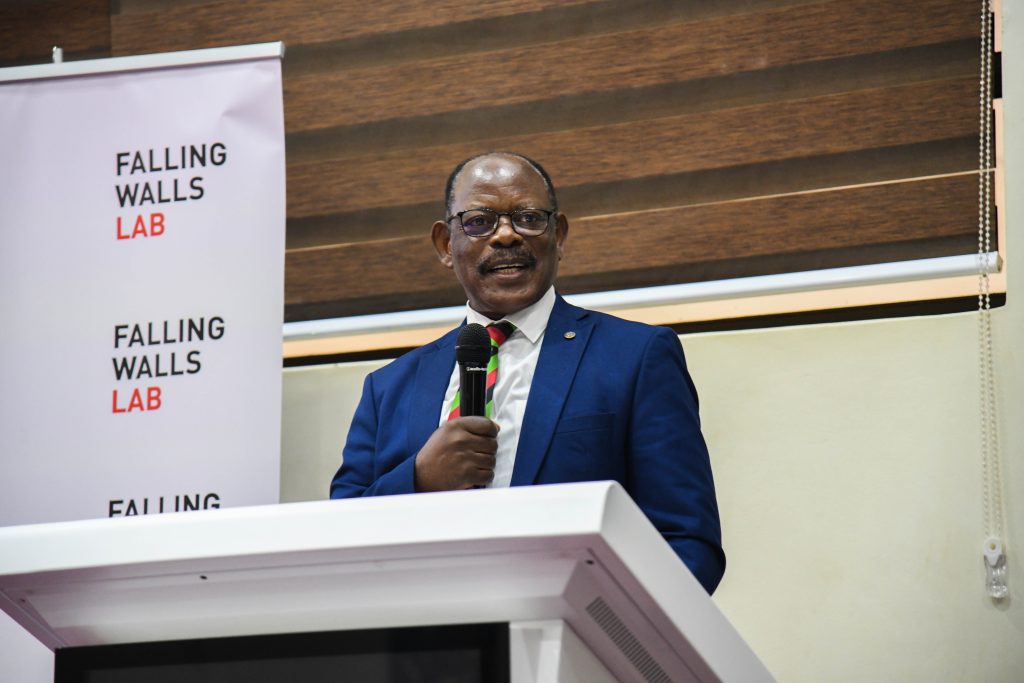
Drawing on his experience attending the Falling Walls conference in Berlin, the Vice Chancellor said initiatives of this nature are important because innovation will play a major role in determining the future of countries.
He encouraged participants to make their pitches more precise by clearly identifying the problem they are addressing, explaining their proposed solution and demonstrating what they have already achieved.
Prof. Nawangwe also welcomed the participation of innovators from other universities and countries, noting that the Kampala event had attracted participants beyond Makerere.
He thanked the Africa Office of the Falling Walls Foundation for its role in bringing the initiative to Makerere and encouraged continued support for innovation.
The Vice Chancellor further linked innovation to Uganda’s growing youth population and the need to develop home-grown solutions to address challenges such as youth unemployment.
The inaugural Falling Walls Lab Kampala ultimately provided a platform for innovators to move ideas beyond the classroom and laboratory and demonstrate how research, technology and creativity can be applied to challenges affecting communities.
| Position | Winner | Institution | Score |
| 1st | Andrew Mudhasi | Makerere University | 90% |
| 2nd | Rhoda John | University of Nairobi | 89.6% |
| 3rd | Stuart Mahera | Makerere University | 86.2% |
-
 General2 weeks ago
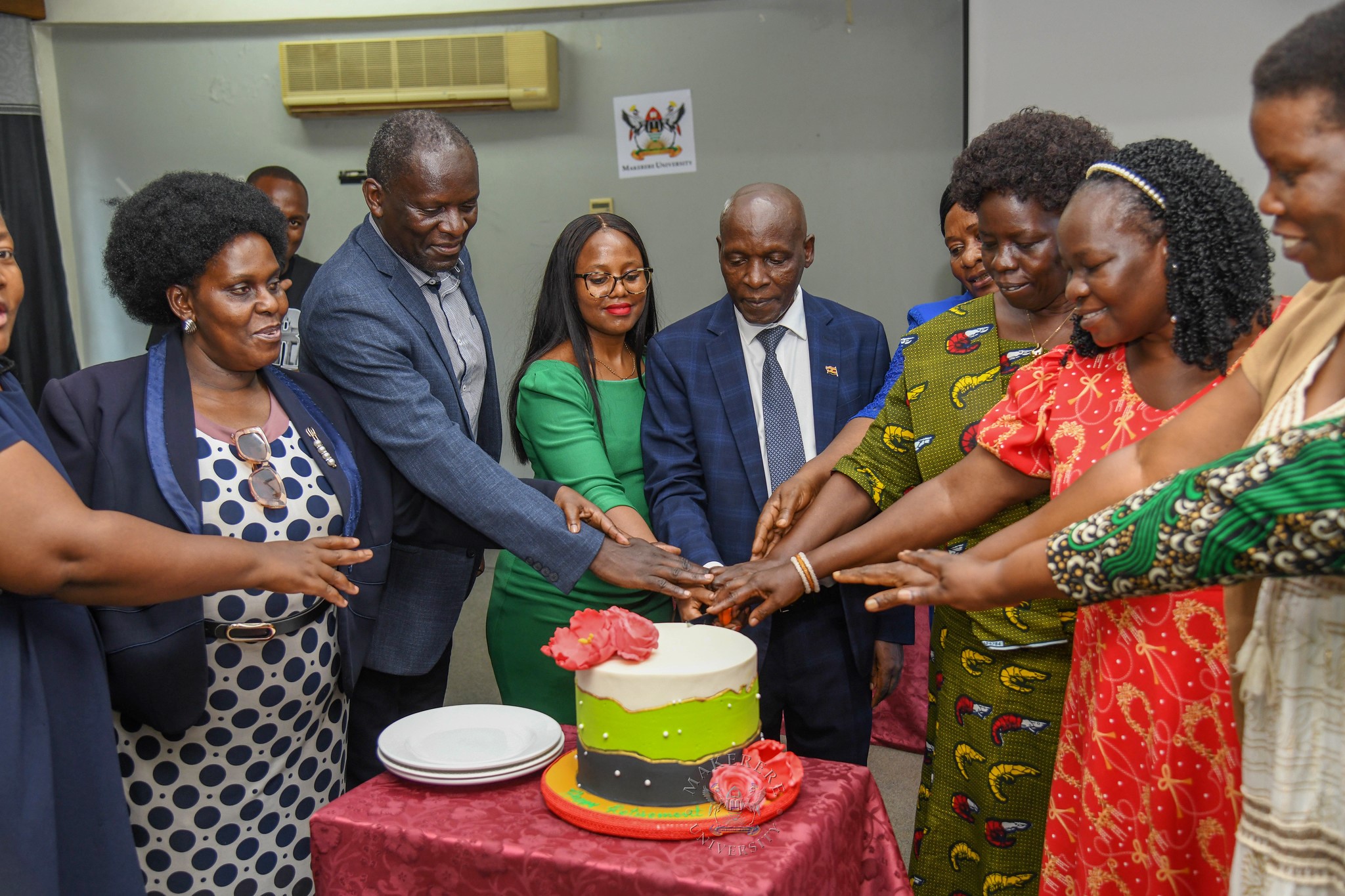
AR Department Bids Farewell to Mr. Ssentongo and Ms. Akoli
-
 General1 week ago
Call for Applications: RLRH Graduate Traineeship Programme
-
 Research2 weeks ago
Science Minister Challenges Makerere to Move Research into Use at Scale
-

 Agriculture & Environment2 weeks ago
Call for Abstracts – 4th International GORILLA Conference 2026
-
 Natural Sciences1 week ago
From World’s Worst Water Weed to Worth: Makerere Researchers Turn Water Hyacinth into Valuable Products