
Health
MakSPH awards Seed Grants to innovative projects in Round 4 of funding scheme

By Stella Kakeeto
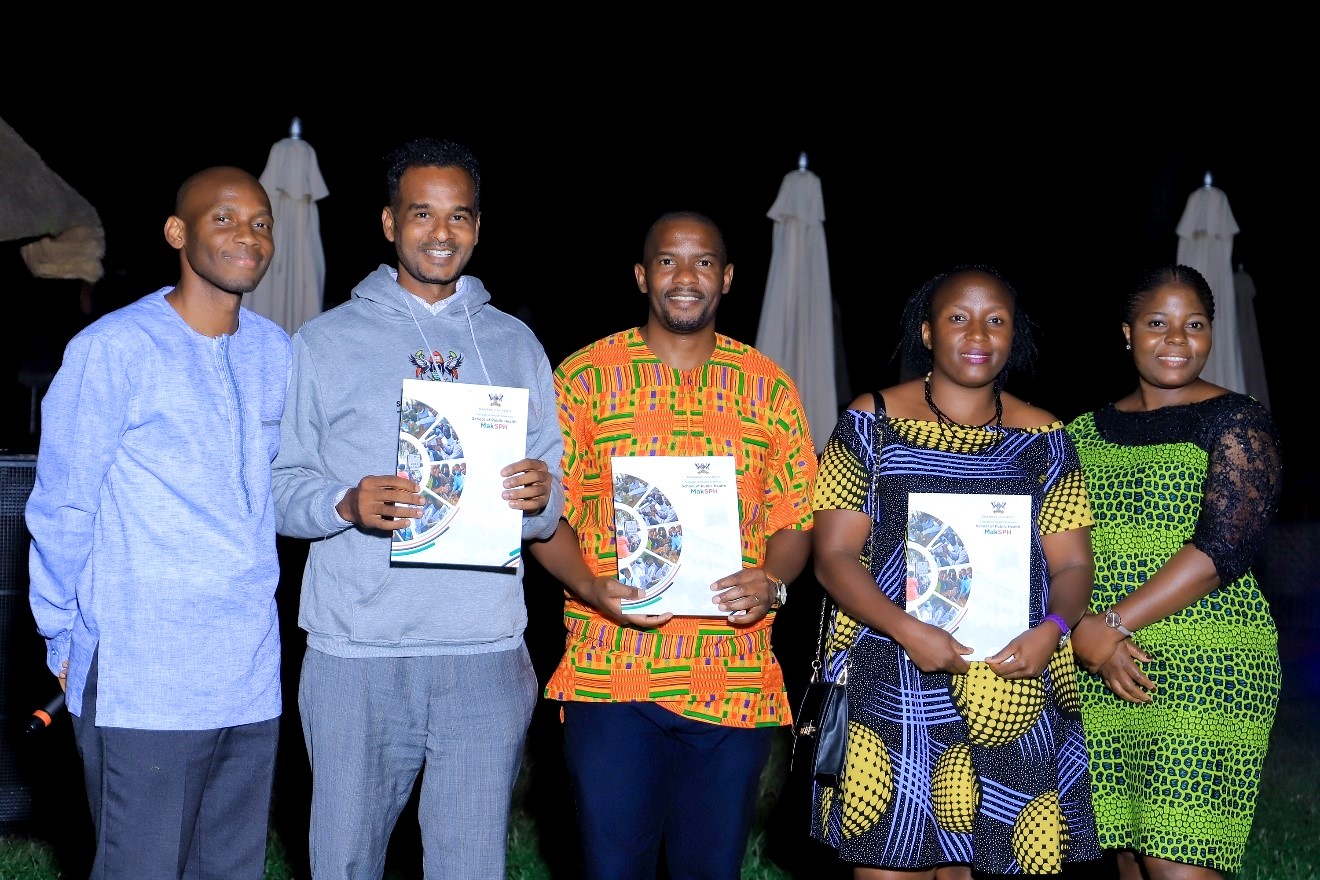
Three early career researchers (ECRs) at Makerere University School of Public Health (MakSPH) have been awarded seed grants as part of the School’s capacity strengthening initiative (4th round). The seed grants were announced at the MakSPH end of year party held on Friday 16th December, 2022.
The scheme was launched in 2018 by the Grants and Research Capacity Building Committee with the support of the Dean’s office at MakSPH to enhance the School’s research capacity in important yet neglected areas of public health in Uganda and the region, as well as equip junior faculty, staff and students with skills to build independent research careers.
To be eligible for funding, an ECR must identify a senior researcher to work with as a promoter/mentor. The projects that have previously received funding in the first 3 rounds focus on several multi-disciplinary public health research subjects such as: urban health, non-communicable diseases, nutrition, Neglected Tropical Diseases, and disaster management. Applications are reviewed by the MakSPH Grants and Research Capacity Building Committee, with support from select faculty content experts.
The Chair of the MakSPH Grants and Research Capacity Building Committee, Dr. David Musoke congratulated the grant recipients upon their awards and encouraged them to conduct quality research so as to be a steppingstone for bigger grants in the future. Dr. Musoke also thanked the Dean of MakSPH Prof. Rhoda Wanyenze for her never-ending support to the work of the committee including the seed grants programme.
Round 4 Funding recipients:
Dr John Ssenkusu an Assistant Lecturer in the Department of Epidemiology and Biostatistics, awarded $10,000 to conduct a scoping review of the WHO Global Preparedness Monitoring Board (GPMB) framework indicators of health emergency preparedness and response: COVID-19 and Ebola response experiences.

Ms. Juliana Namutundu, an Assistant Lecturer in the Department of Epidemiology and Biostatistics, awarded $10,000 for a project that focuses on improving uptake of cervical cancer screening services among HIV positive women in care at rural public health facilities.

Mr. Abdullah Ali Halage, an Assistant Lecturer in the Department of Disease Control and Environmental Health, awarded $10,000 for a project that seeks to understand heavy metal concentration in milk from lactating cows grazed near municipal solid waste dumpsites and human health risk in Kampala metropolitan area, central Uganda.



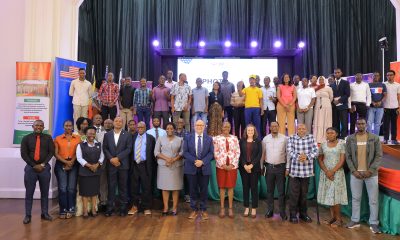




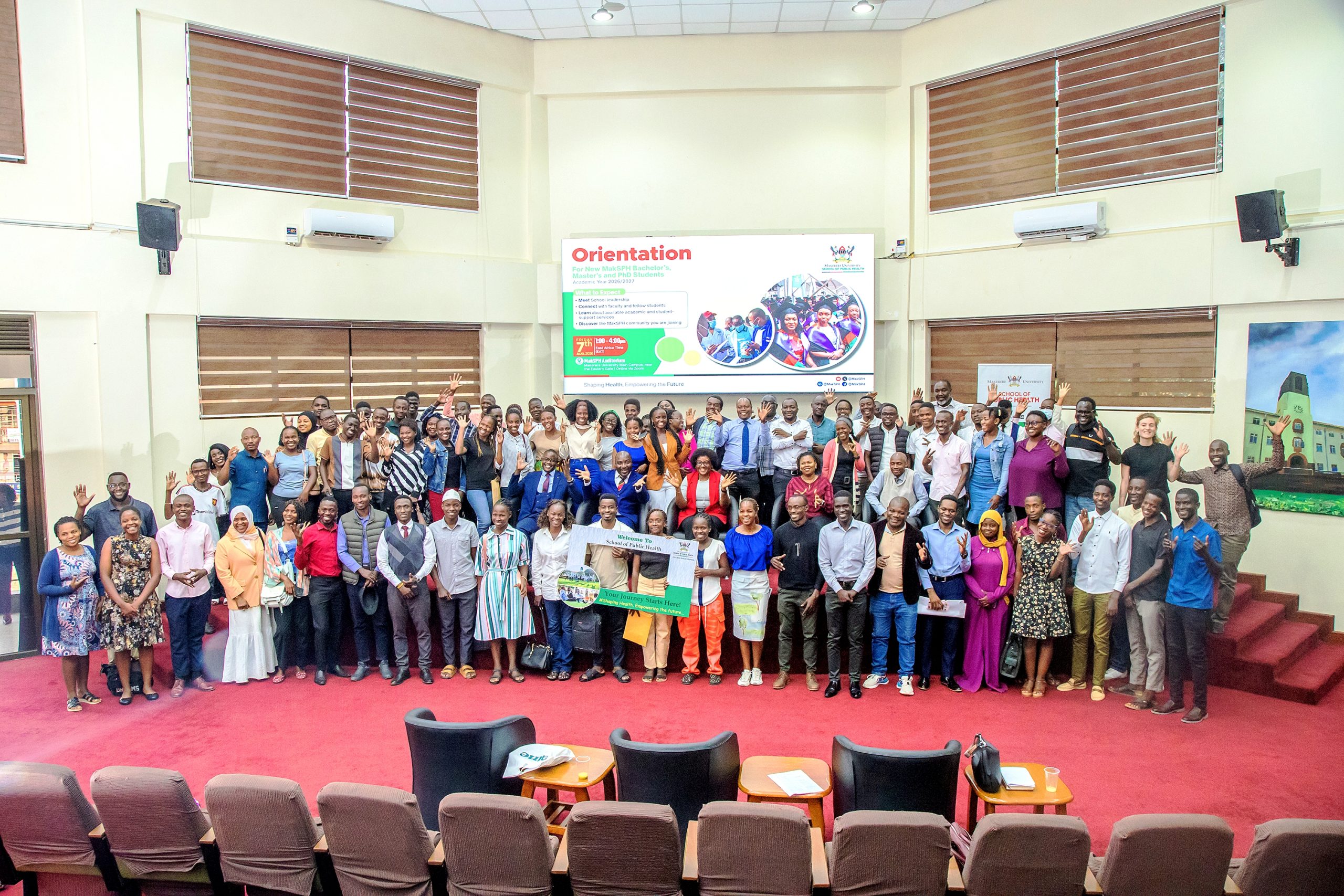
Every academic year, a new group of students enters Makerere University School of Public Health (MakSPH) with different professional backgrounds, questions and ambitions. For the School, each cohort adds to a growing community of professionals and researchers shaping public health practice, policy and research in Uganda and beyond.
On Friday, 7 August 2026, MakSPH held its orientation for newly admitted students for the 2026/2027 academic year at the MakSPH Auditorium. The orientation introduced students to the School’s academic programmes, leadership, departments, academic administration, student support services and expectations for university life.
For this academic year, ending July 2027, Makerere University admitted more than 370 students to academic programmes hosted at MakSPH. The intake comprised 75 students in the Bachelor of Environmental Health Science, the School’s only bachelor’s programme, 277 across the nine master’s programmes, and 21 across the two doctoral programmes, PhD by Research and PhD by Coursework and Research.
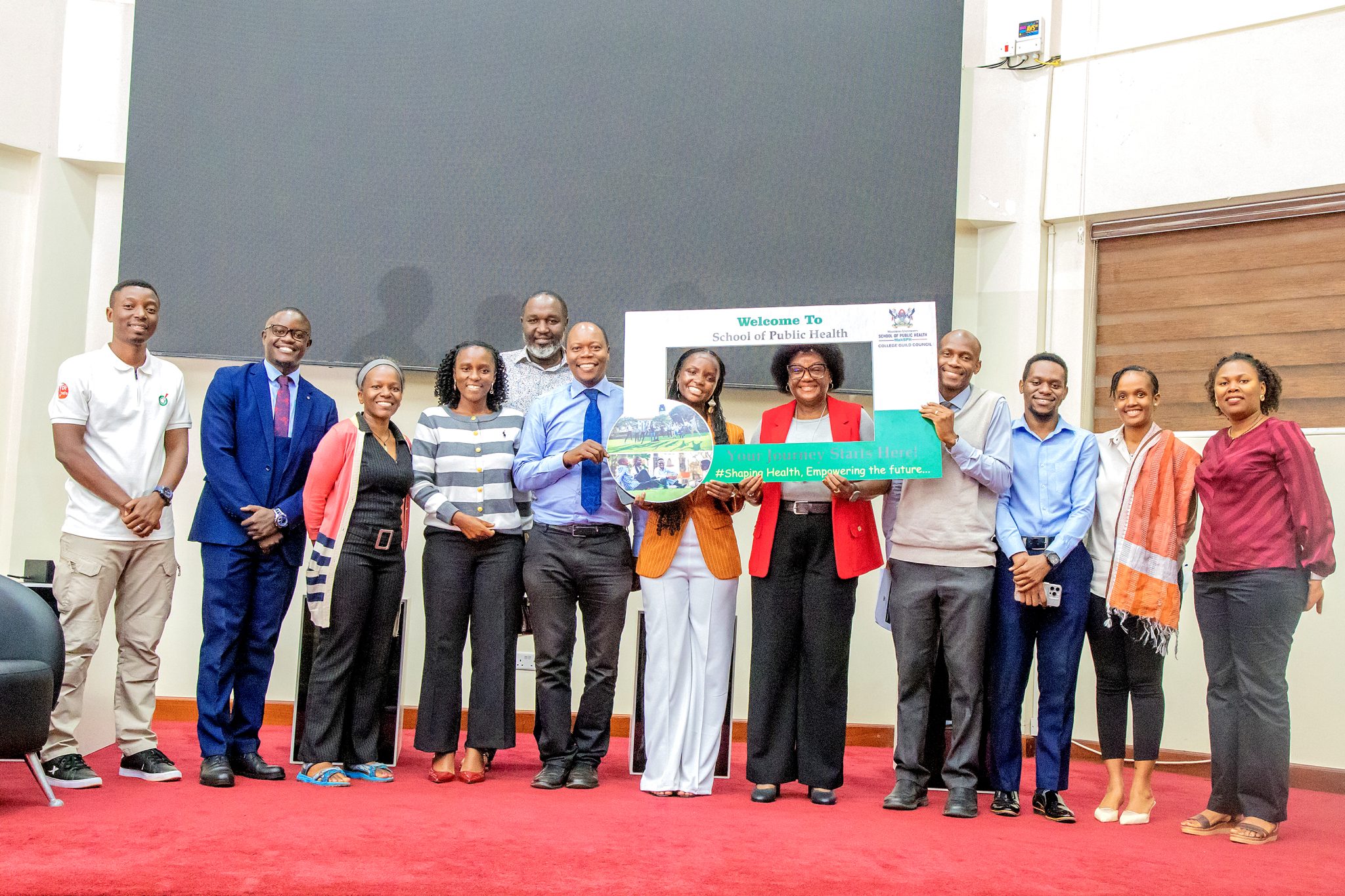
The master’s intake includes 103 students in the Master of Public Health by Distance Education, the highest enrolment for the year, followed by 59 in the Master of Public Health Full-Time. The remaining students joined programmes in Biostatistics, Environmental and Occupational Health, Health Informatics, Health Services Research, Monitoring and Evaluation, Nutrition, and Public Health Disaster Management. Together, the programmes reflect the breadth of knowledge and skills needed to address public health challenges and bring together students pursuing further training from diverse professional backgrounds.
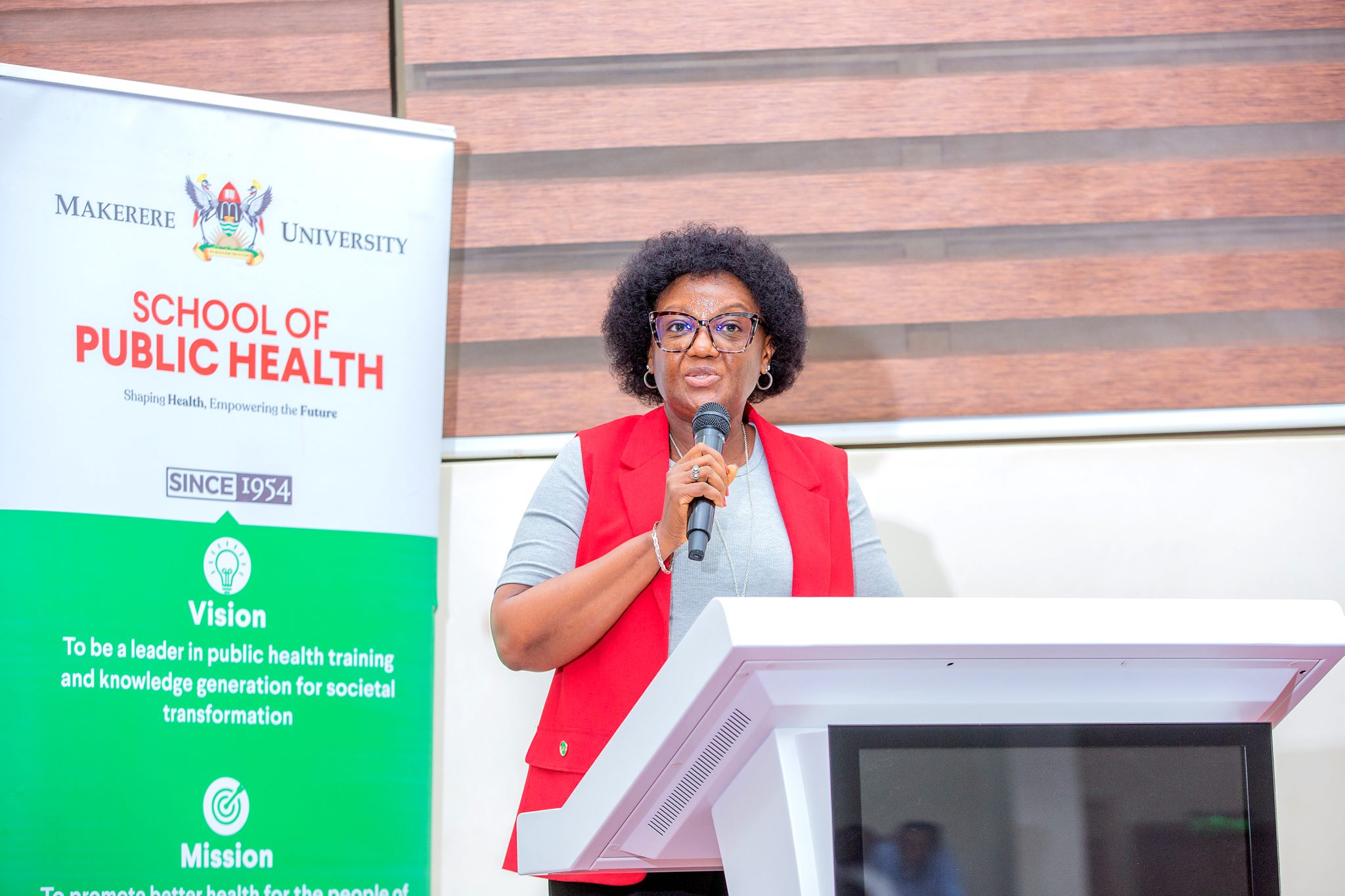
Welcoming the new cohort, MakSPH Dean Prof. Rhoda Wanyenze urged students to approach their studies with purpose, discipline, and resilience, and focus on what they would be able to do with the knowledge and skills they acquire.
“Please find time to enjoy your journey. I know you’re looking ahead to exams and so many other pressures, but let this journey also be one that you enjoy in terms of what you learn and how you grow, so that you leave here better, not because of the paper that you took but because of the capability that you pick up during your time with us.”
The Dean’s message speaks to the different reasons students are beginning their journeys at MakSPH. For some, the opportunity is to build on professional experience and strengthen their capacity in roles they already hold. Among them is Dr. Judith Nalukwago, a dental surgeon, former 85th Vice Guild President of Makerere University, and Makindye Division III Lord Councillor, who serves as Executive Secretary for Education, Gender and Public Health at City Hall and the Office of the Lord Mayor.
“I am back here to study a Master’s in Public Health. I am very excited. I have a clinical background and have been practising as a clinician, and it has been a joyful experience. But when I joined the journey of leadership, there were challenges because, as Executive Secretary for Public Health in Kampala, we deal with everyday people’s health challenges,” said Dr. Nalukwago, adding:
“Now I am in management and leadership, and that posed a challenge to me as an individual. I asked myself, what course can I do to add to my skills? Where can I gain skills that can help me overcome this challenge while I am dealing with people? And I remembered that we have the School of Public Health at Makerere University.”
Watch: Dr. Judith Nalukwago on why she returned to MakSPH for a Master’s in Public Health:
Her experience during the Ebola response, when she served on the task force, further highlighted the need for broader public health knowledge. She said the training would strengthen her ability to contribute to policy and public health management, particularly in her role at City Hall, where councillors develop policies, bylaws, and ordinances.
For Mr. John Othieno, the motivation is similarly grounded in applying his training to practical problems. A Software Engineering graduate who previously completed a Master’s in Health Informatics at MakSPH, he has returned to pursue a PhD under the Department of Health Policy, Planning and Management. His research focuses on using technology and health informatics to address health-system challenges, including the adoption of picture archiving and communication systems for managing healthcare imaging and data. He said he wants his research to produce solutions that can be applied beyond academia.
“I purposed that, in my academic journey, I would not do research for the sake of having it gather dust on the shelves, but that it would actually be actionable research that can be translated into action, into solutions for our population,” he said.
Watch: Mr. John Othieno on why he returned to MakSPH to pursue a PhD in Public Health:
Nalukwago and Othieno reflect the diverse professional backgrounds that come together at MakSPH, where training, research, and community engagement have been central to the School’s work for over seven decades. Their journeys point to a sustained impact on public health education, seen not only in enrolment and graduate numbers but in the skills and expertise those graduates carry into policy, research, and health systems across Uganda and the region. At the close of the 2024/2025 academic year, MakSPH enrolled 1,140 students across 12 degree programmes, more than 90 percent of them in postgraduate training.
At Makerere University’s 76th Graduation Ceremony on 25 February 2026, MakSPH presented 231 graduates, comprising seven doctoral, 195 master’s and 29 bachelor’s graduates, adding to the health workforce within the region. Among the graduates was Dr. Harriet Aber, who completed her PhD on child substance use in Uganda’s health system and shared her experience with the new cohort during the orientation. She spoke candidly about the demands of postgraduate study and the need to remain positive through its challenges.

“It’s not a rosy journey. You’re going to have so many moments where you celebrate, where you’re happy about something, but there are also several moments when maybe you’re stuck with the paper, you have to respond to comments, the proposal is not moving, the concept is not clear. Throughout all those processes, one of the things that you just have to maintain is having a positive attitude,” Aber affirmed.
Her experience offered the new cohort a glimpse of the journey ahead, while Prof. Wanyenze’s message focused on how they could make the most of it. The Dean urged students to plan ahead, pursue research opportunities, think independently, and use artificial intelligence responsibly, while seeking mentorship and making full use of the support and opportunities available at the School.
“Our students are our colleagues, and they are our future workmates. Many of them have ended up staying with us. And I know many of you are going to stay with us in the School,” the Dean said, urging students to take seriously the relationships they build with their classmates and faculty, because “we are a network that’s bound together in the same profession.”
Health
NIH/Fogarty Director Visits MakCHS, Underscores Impact of Research Training and Health Partnerships


On 5th August 2026, Makerere University College of Health Sciences (MakCHS) hosted the Director of the NIH Fogarty International Center (FIC), Dr. Steven Schiff, for a visit highlighting the College’s research, training and institutional partnerships supported through the National Institutes of Health (NIH)/Fogarty International Center.
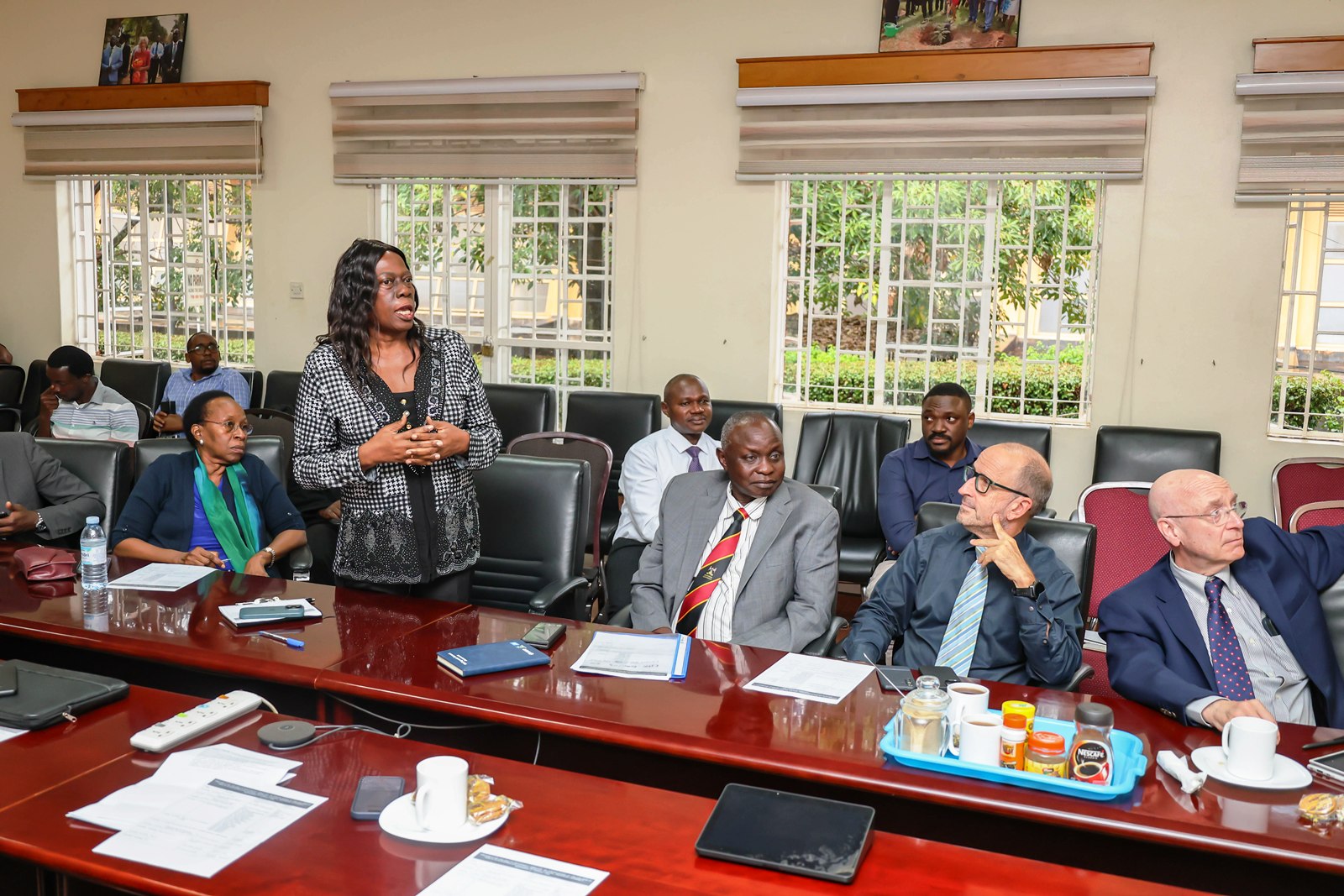
The visit included engagements at MakCHS and Mulago National Referral Hospital, bringing together College leadership, Directors of teaching hospitals affiliated with MakCHS, research investigators and trainees. In attendance were Dr. Joseph Kagaayi who represented the Dean of the Makerere University School of Public Health, Dr. Elias Kumbakumba, Dean of the School of Health Sciences at Mbarara University of Science and Technology (MUST) and Dr. Cissy Kityo Mutuluuza, Executive Director, Joint Clinical Research Centre (JCRC).
A key focus of the visit was the impact of D43 research training programmes supported by NIH/FIC. Principal Investigators presented examples of how the programmes have strengthened research capacity, developed new scientific expertise, supported postgraduate training and contributed to health research and policy in Uganda.
Welcoming Dr. Schiff, Professor Bruce Kirenga, Principal-MakCHS provided an overview of the College, its history, academic programmes, research priorities and extensive network of teaching and research sites. The College, Uganda’s premier centres for health professional education, currently brings together four schools: the School of Medicine, School of Biomedical Sciences, School of Health Sciences, School of Dentistry, alongside a range of research centres and specialised programmes.
Professor Kirenga highlighted the growing breadth of research at MakCHS, including infectious diseases, non-communicable diseases, translational medicine, population health, mental health, digital health, implementation science, biomedical sciences, genomics, bioinformatics and data science.

| CURRENT D43 PROJECTS AT MAKCHS | ||
| No. | Award Title | Principal Investigator |
| 1 | Reducing the Impact of Rheumatic Heart Disease across the Life Span: The Impact Program | Prof. Nelson Sewankambo |
| 2 | Enhancing Research capacity for Sickle Cell Disease and related NCDs across the Lifespan in Uganda. “Enrich Project” | Prof. Sarah Kiguli |
| 3 | Scaling Up advanced genomics and bioinformatics Research training in paediatric HIV/AIDS in Uganda – SURGE | Dr. Kyobe, Samuel |
| 4 | Training in Malaria Epidemiology, Translational Research, and Implementation Science to Strengthen Malaria Policy and Control in Uganda | Prof. Moses Robert Kamya |
| 5 | Strengthening behavioral and social science research capacity to address overlapping stigma, social and psychological challenges among people with HIV in Uganda | Prof. Moses Robert Kamya |
| 6 | Training in non-communicable diseases epidemiological, data science and Implementation Science research to strengthen evidence-based interventions, policy and control in Uganda | Assoc. Prof. Bruce James Kirenga |
| 7 | Building Implementation Science Capacity at Makerere University to Strengthen the Response to the HIV/AIDS Epidemic in Uganda | Prof. Moses Robert Kamya |
| 8 | Training in Malaria Epidemiology, Translational Research, and Implementation Science to Strengthen Malaria Policy and Control in Uganda | Prof. Moses Robert Kamya |
| 9 | Harnessing Health Data Science capacity to strengthen evidence-based interventions, policy and response to the HIV/AIDS Epidemic in Uganda (H-DATA) | Prof. David Patrick Kateete |
From research training to real-world impact
Presentations from D43 Principal Investigators demonstrated how sustained NIH/FIC investment has supported researchers at different stages of their careers while contributing to evidence that can inform health programmes and policy.
In malaria research, trainees have been involved in studies examining the effectiveness of interventions such as insecticide-treated bed nets and the immunological consequences of reduced malaria transmission. Researchers are also investigating how malaria risk and immunity change when transmission is interrupted, generating evidence that can help inform strategies for sustaining the gains made through malaria control.
The implementation science portfolio provided another example of research translating into measurable health outcomes. One study examining enhanced counselling and peer support among young people living with HIV in south-western Uganda reported improvements in HIV-related outcomes, demonstrating the potential of locally-led research to strengthen service delivery.
Researchers in behavioural and social sciences have also been supported to investigate mental health and other health outcomes, illustrating the multidisciplinary nature of MakCHS research and the importance of combining biomedical, clinical and social science approaches.
Building capacity in specialised and emerging fields
The presentations also showcased the role of NIH/FIC-supported programmes in creating expertise in areas that were previously limited or unavailable within Uganda.
A programme focused on HIV research among pregnant women, children and adolescents has supported postgraduate and short-course training in areas including clinical trial design, pharmacokinetics, biostatistics, behavioural science, regulatory and ethical considerations, and implementation science.
Other programmes have contributed to the development of expertise in bioinformatics, genomics and data science, including the establishment and strengthening of postgraduate programmes. Researchers are increasingly applying artificial intelligence and machine learning to complex biomedical and HIV datasets, with the goal of generating evidence that can be translated into policy and practice.
Dr. Cissy Kityo Mutuluuza, Executive Director of the JCRC highlighted emerging work in gene and cell therapy under the NIH/FIC supported project Building Gene Therapy Capacity in Uganda implemented at JCRC. She explained that the programme includes efforts to establish sustainable research and training capacity for HIV cure research in Uganda. The programme brings together institutions in Uganda and international partners, with an emphasis on developing locally relevant expertise, infrastructure and research capability.
Strengthening institutions and developing future leaders
Beyond individual research projects, speakers emphasised the broader institutional impact of Fogarty-supported training.
Over the years, NIH/FIC-supported collaborations have contributed to the development of postgraduate programmes, research laboratories, specialised scientific disciplines and networks of researchers across Uganda. Trainees have progressed into academic and research leadership positions, with some becoming professors, programme leaders and advisors contributing to national health initiatives.
The programmes have also supported short courses, mentorship, international research placements and collaborations designed to enable Ugandan scientists to develop advanced skills and return to strengthen research and training at home.
Presenters stressed the importance of moving beyond individual training to building institutions capable of sustaining research programmes, mentoring future scientists, managing complex studies and translating findings into health interventions.
Research serving Uganda’s health system
The visit also underscored the close relationship between MakCHS research and Uganda’s health system. Researchers and faculty contribute to national programmes in areas including HIV, tuberculosis, malaria, vaccines, maternal and child health and other public health priorities.
Evidence generated through research has helped inform national guidelines, programmes and policy discussions, while College researchers and teaching hospitals continue to provide expertise during public health emergencies and disease outbreaks.
The speakers noted that partnerships such as those supported by NIH/FIC are most valuable when they create lasting local capacity — enabling Ugandan institutions and scientists to generate and use evidence to address the country’s health priorities.
A partnership built on shared learning
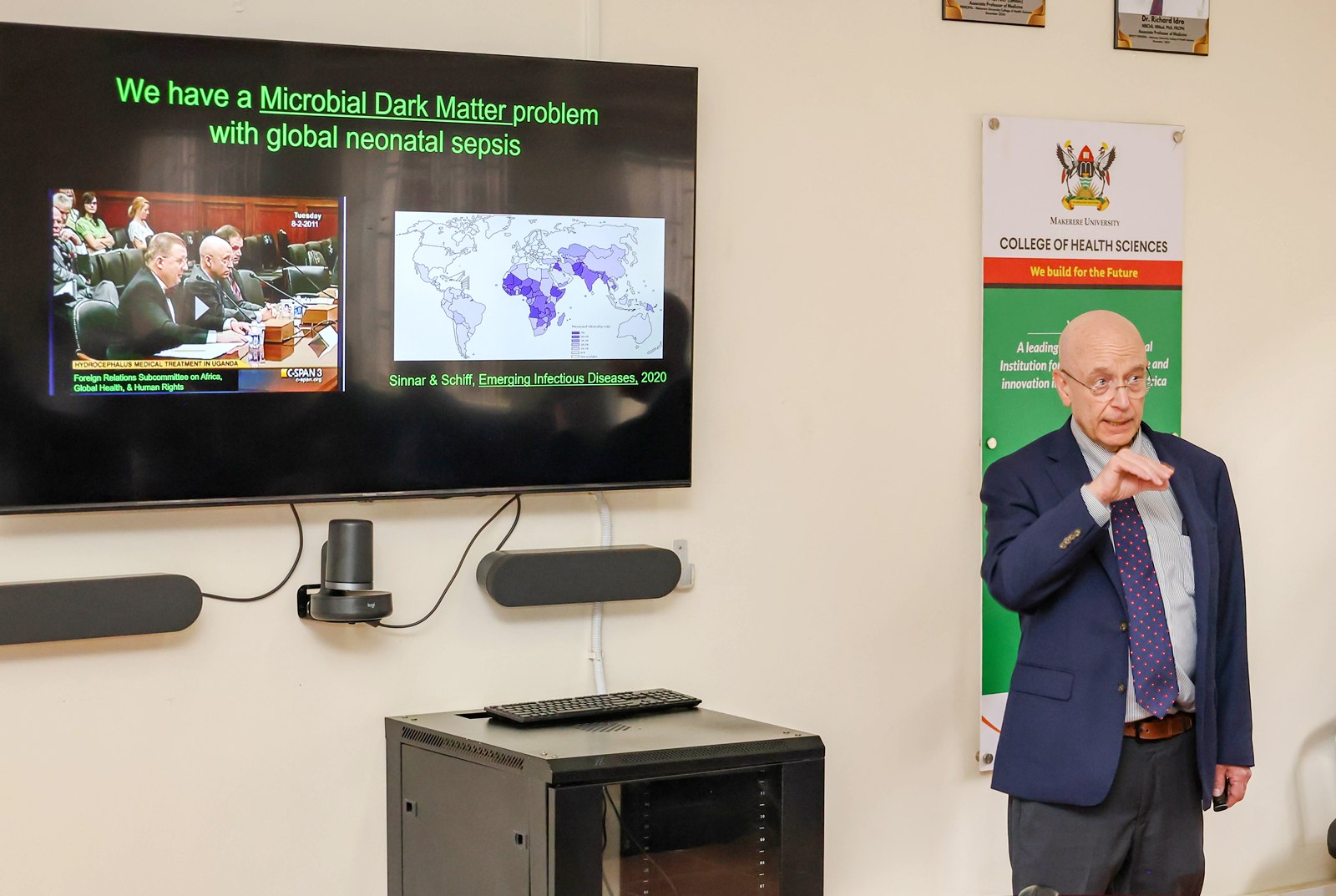
In his engagement with the College, Dr. Schiff reflected on the longstanding relationship between NIH/Fogarty-supported programmes and Ugandan researchers. He acknowledged the depth of expertise and experience that has developed through years of collaboration and emphasised the value of partnerships that support scientific exchange and capacity building in both directions.
Dr. Schiff noted that the presentations demonstrated impact of the partnerships which extends well beyond the number of people trained. Investments in researchers have helped establish new academic programmes, strengthen laboratories and research infrastructure, expand multidisciplinary collaborations and create a growing generation of scientists able to lead research in Uganda and internationally.
The visit therefore provided an opportunity not only to showcase ongoing work, but also to reflect on the evolution of research capacity at MakCHS and its contribution to Uganda’s health priorities.
As MakCHS continues to expand its research portfolio into emerging areas such as artificial intelligence, genomics, precision medicine, translational science and advanced therapeutics, the College reaffirmed the importance of strategic partnerships in developing the people, systems and infrastructure needed to turn scientific discoveries into improved health outcomes.
Health
AFRHiCARE Shares Evidence and Co-Creates Solutions to Strengthen Uganda’s First-Referral Hospitals

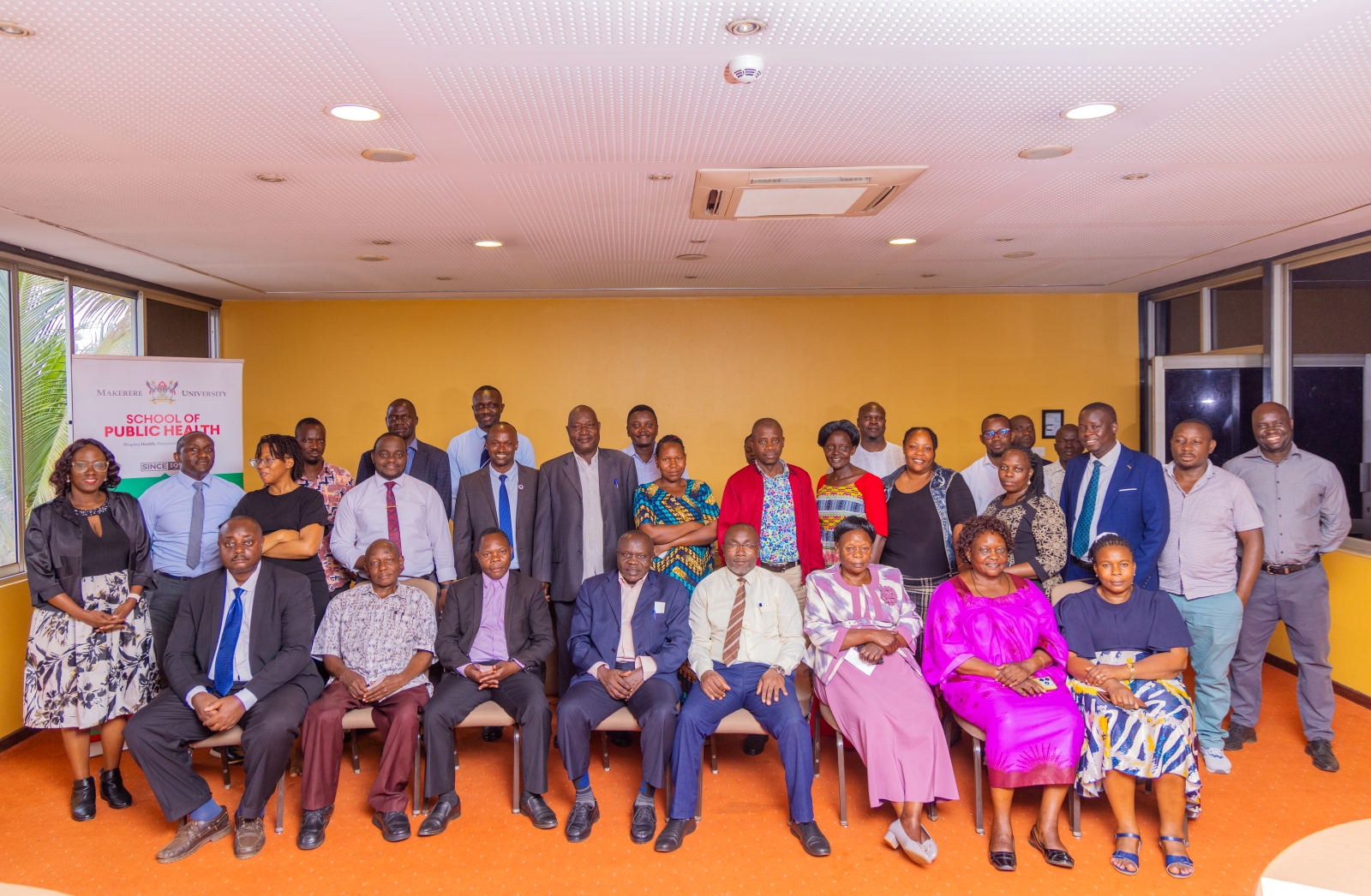
The Future of Africa’s First Referral Hospitals: Innovation and Care (AFRHiCARE) research initiative on August 13, 2026 brought together stakeholders from five first-referral hospitals in Uganda to review research findings, reflect on persistent challenges and identify practical solutions to strengthen hospital performance and quality of care.
Funded by the Wellcome Trust through a 2023–2029 Discovery Award, AFRHiCARE is a partnership between Makerere University, the University of the Witwatersrand, the KEMRI-Wellcome Trust Research Programme and the University of Oxford. The initiative seeks to generate evidence to inform the future development of first-referral hospitals, with a focus on service delivery, health workforce dynamics, leadership, management, governance and technology.
In Uganda, the study is being implemented at Kawolo Hospital, St. Joseph’s Hospital Naggalama, Adjumani Hospital, Kiryandongo Hospital and Masindi Hospital. The hospitals play a critical role within the Primary Health Care (PHC) system, linking lower-level health facilities to higher-level referral services.
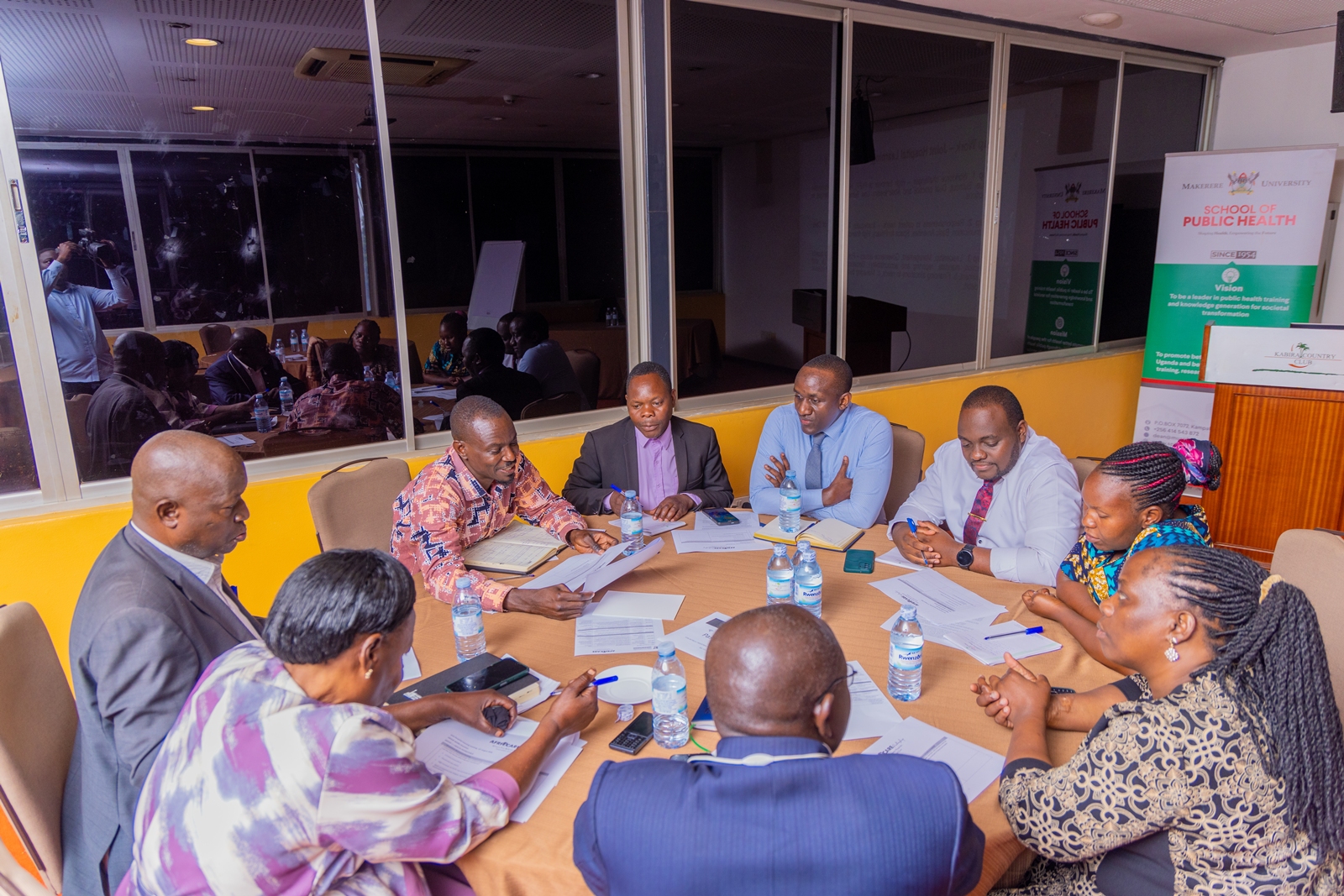
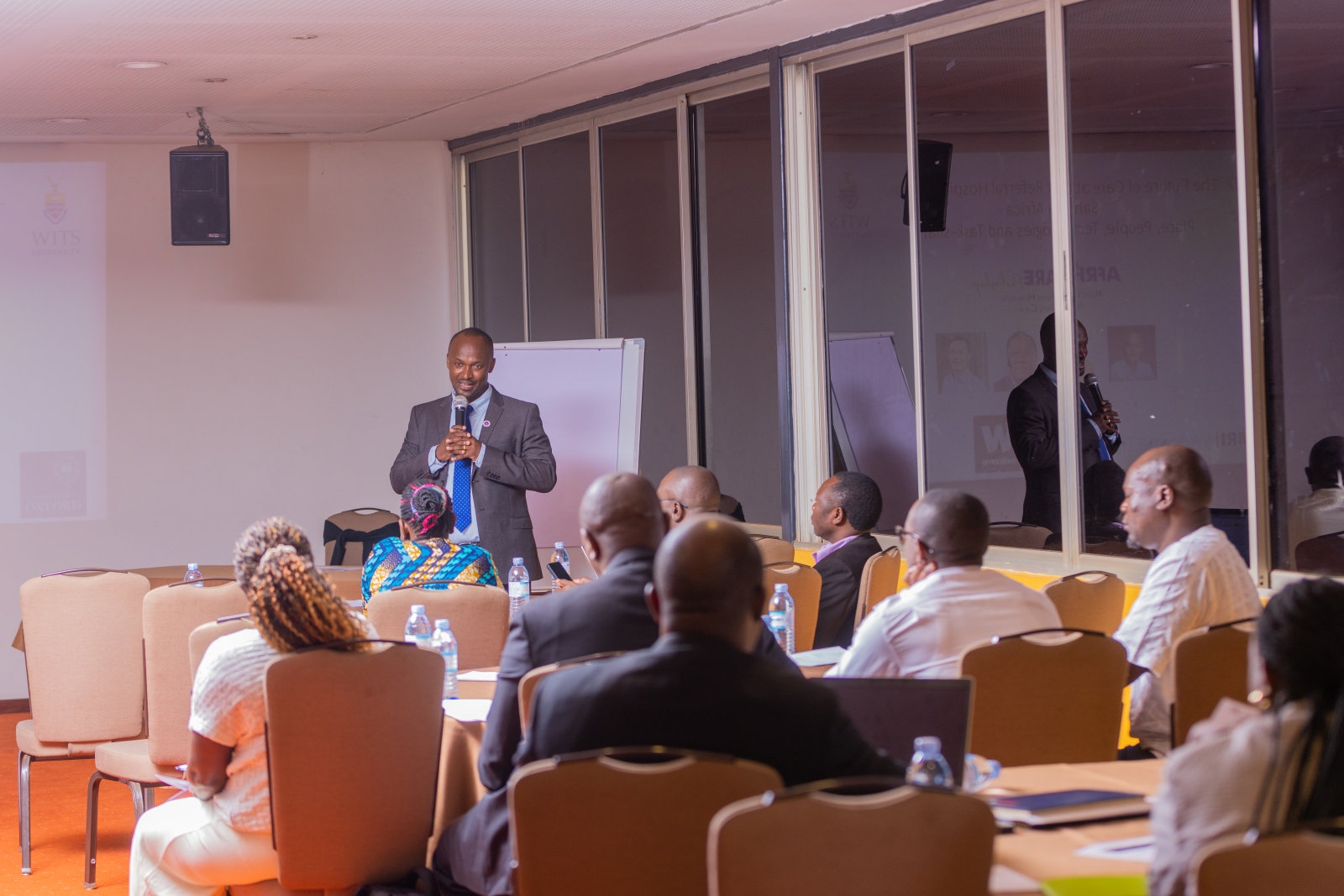
The stakeholder meeting provided an opportunity for the participating hospitals and other stakeholders to move beyond receiving research findings to interrogating the evidence, sharing experiences and identifying actions that can be implemented at hospital, district and national levels. This approach is central to AFRHiCARE, which uses stakeholder engagement to promote cross-learning and support hospitals to develop quality improvement actions.
Evidence from the health workforce
One of the key areas presented was the status of the health workforce across the five hospitals. The first-round assessment surveyed 609 frontline health workers. It examined staffing, job satisfaction and professional quality of life.
The findings show a significant staffing gap. Against the 2023 staffing norm of 343 staff, all five hospitals were operating at less than half of the recommended level. Masindi Hospital had the largest gap, operating at 37.6% of the norm, while Adjumani, Kiryandongo, Kawolo and Naggalama were at 48.1%, 48.7%, 44.9% and 44.6%, respectively.
However, the findings suggest that staff retention is relatively good in the public hospitals. The main challenge appears to be recruitment and filling vacant positions rather than widespread staff turnover.
Health workers identified promotion, workload and salary as the lowest-rated aspects of their jobs across the five hospitals. Overall job satisfaction ranged from 59% in Masindi to 71% in Naggalama.
Despite these challenges, the findings reveal strong commitment among health workers. Compassion satisfaction was high, with many reporting pride in their work. At the same time, workload emerged as a major concern.
Strong relationships among colleagues were also identified as a key strength, suggesting that teamwork and peer support remain important sources of resilience within the hospitals.
Strengthening hospitals within the health system
Speaking during the dissemination, Dr. Raymond Tweheyo, Co-Principal Investigator and Research Manager for AFRHiCARE Uganda, noted that first-referral hospitals have often been neglected in critical areas, including staffing, financing, infrastructure, leadership, management and governance.
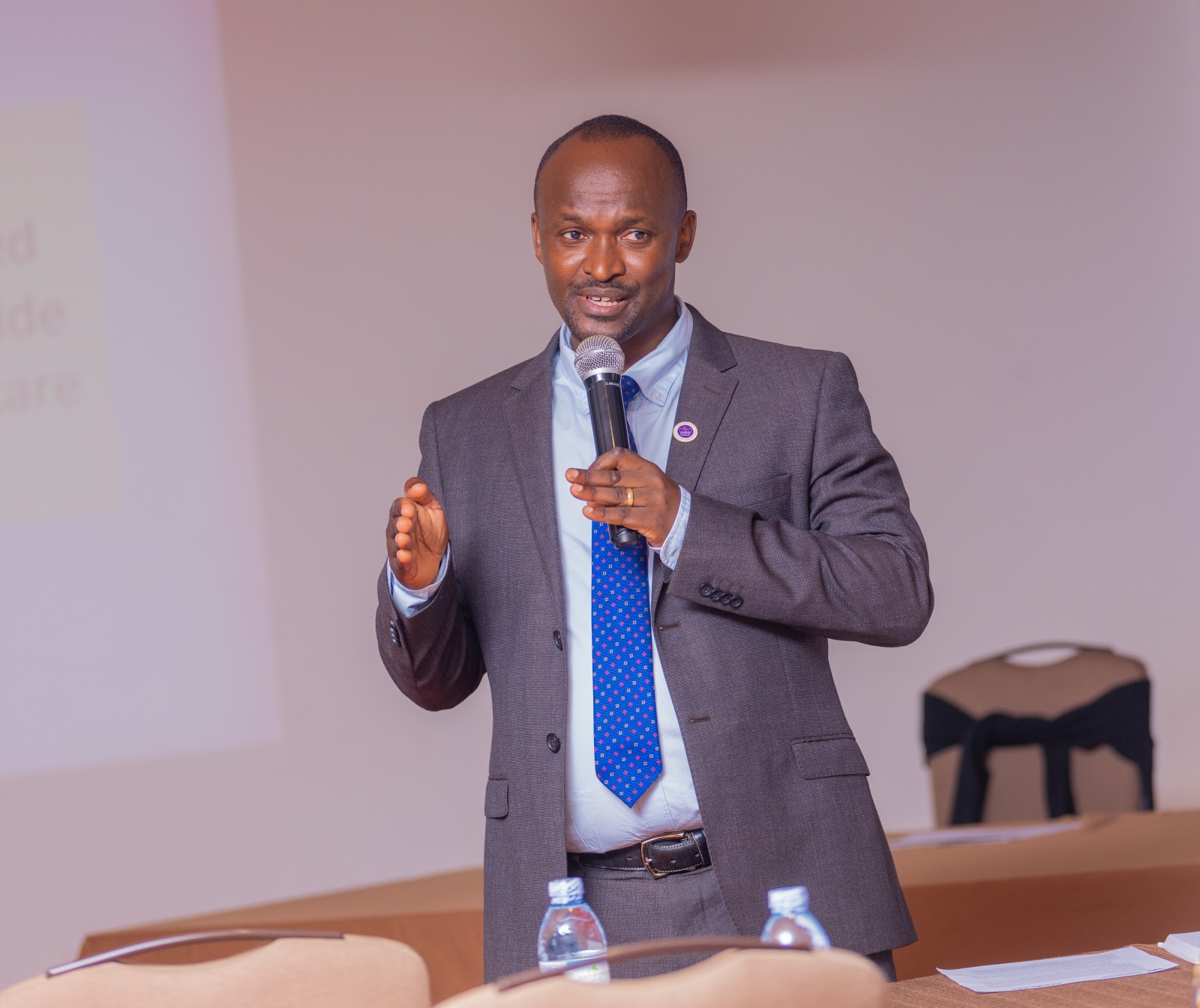
He said these gaps affect hospitals’ ability to deliver services effectively and respond to the needs of the communities they serve.
Dr. Tweheyo re-echoed a message from the Principal Investigator, Professor Frederick Ssengooba, on the importance of situating the district hospital at the apex of the PHC network. This perspective recognises that challenges experienced at district hospitals may be linked to weaknesses elsewhere in the health system.
For example, weak referral systems, shortages of health workers and capacity challenges at lower-level facilities can increase pressure on first-referral hospitals. Addressing these problems therefore requires system-level solutions involving multiple actors.
The AFRHiCARE protocol similarly identifies persistent challenges around resource constraints, service delivery, workforce wellbeing, leadership and management, governance, technology and the ability of hospitals to meet changing community needs.
From research to action
Participants discussed priorities including filling critical staffing gaps, improving transparency and equity around promotion, addressing excessive workloads, strengthening referral systems and reducing the pressure created when patients bypass lower-level facilities. The meeting also considered which challenges can be addressed by hospitals and which require action from district authorities and the Ministry of Health.
-

 General5 days ago
Undergraduate Admission Lists 2026/2027
-
 General2 weeks ago
Call For Applications: ACT-PREP 15 PhD and 10 Postdoctoral Research Fellowships
-

 General7 days ago
72 Makerere University Students Admitted to 2026 Millennium Fellowship
-
 General1 week ago
Makerere jumps 200 positions in latest global rankings
-
 Computing & IS1 week ago
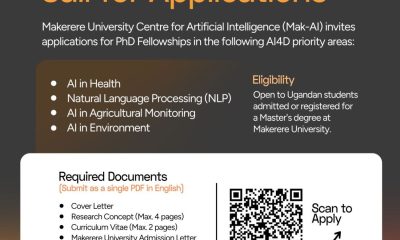
Call For Applications: Mak-AI PhD Fellowship