
Veterinary & Biosecurity
Research Methodology Fellowship Launched

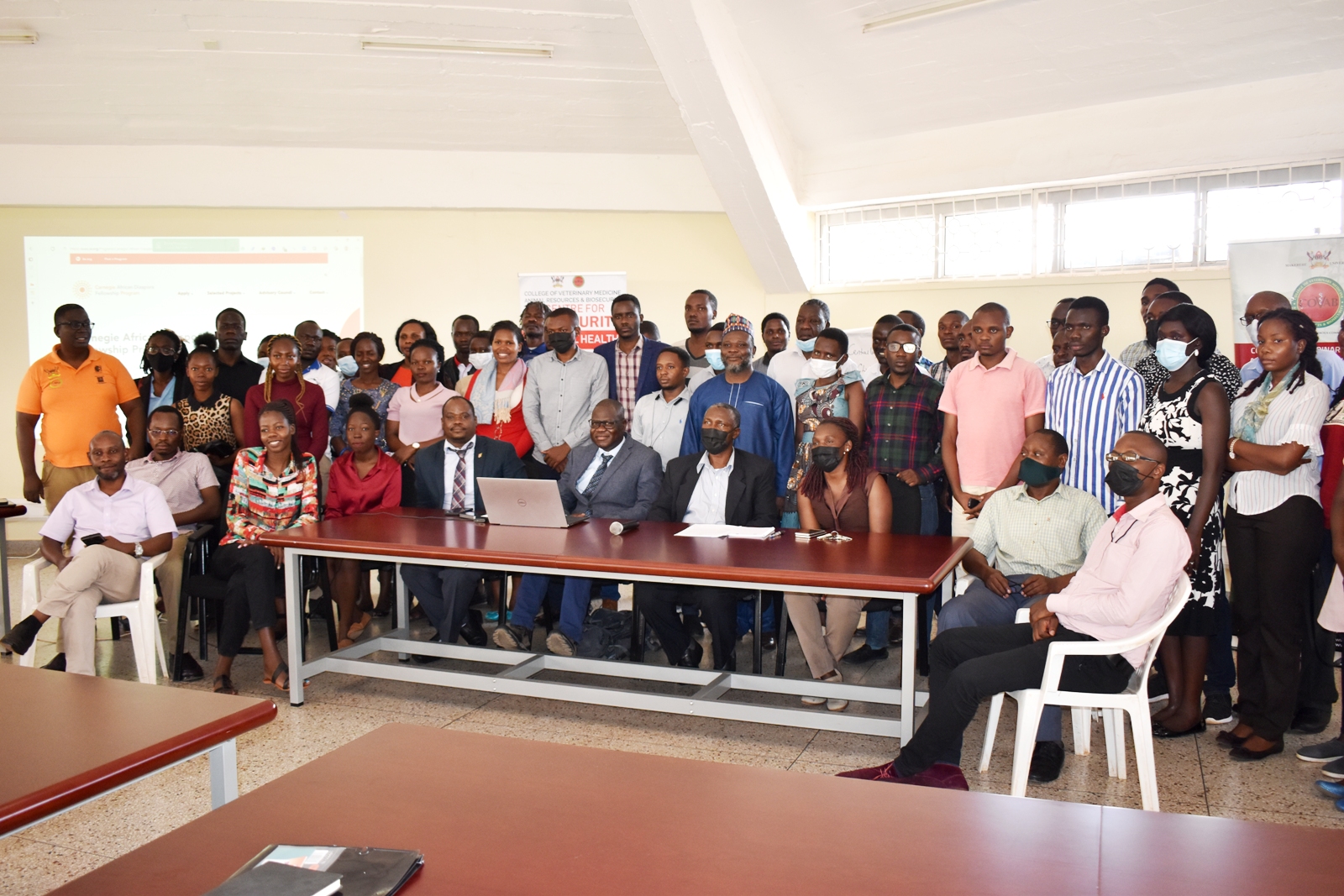
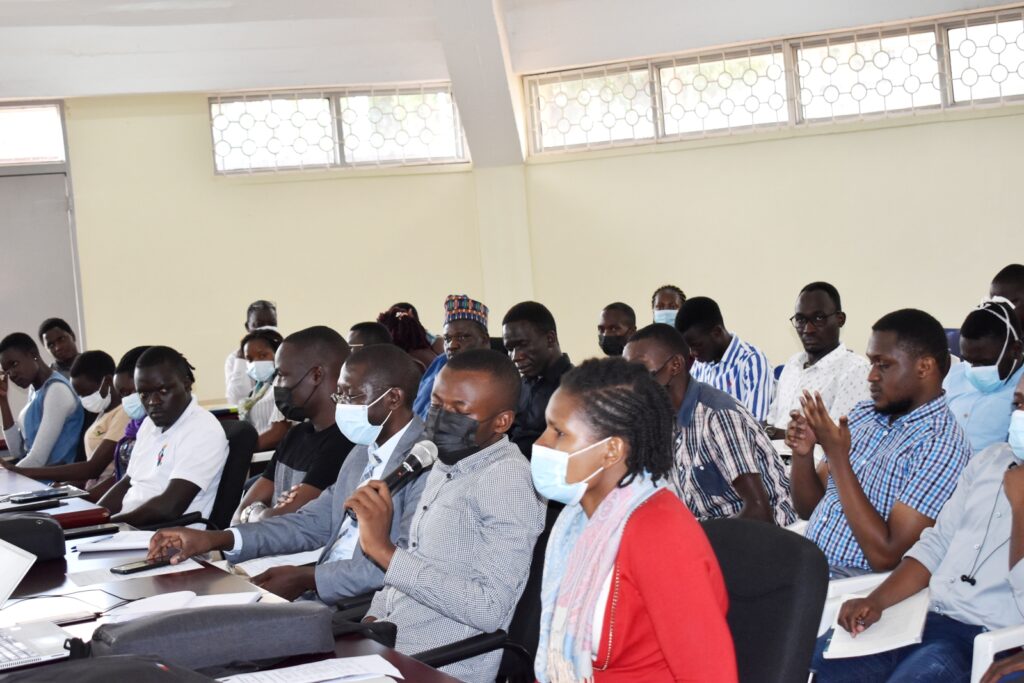
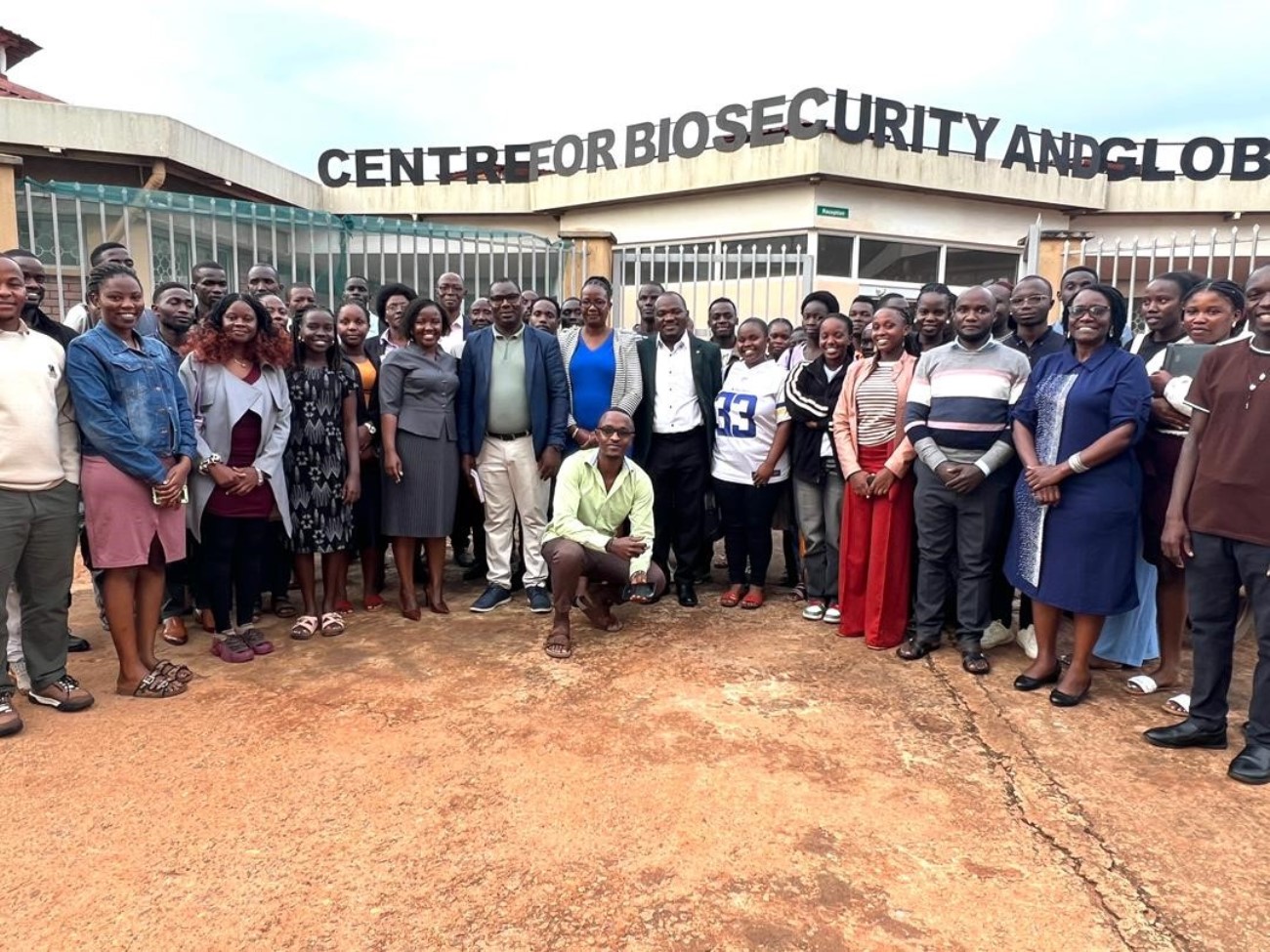
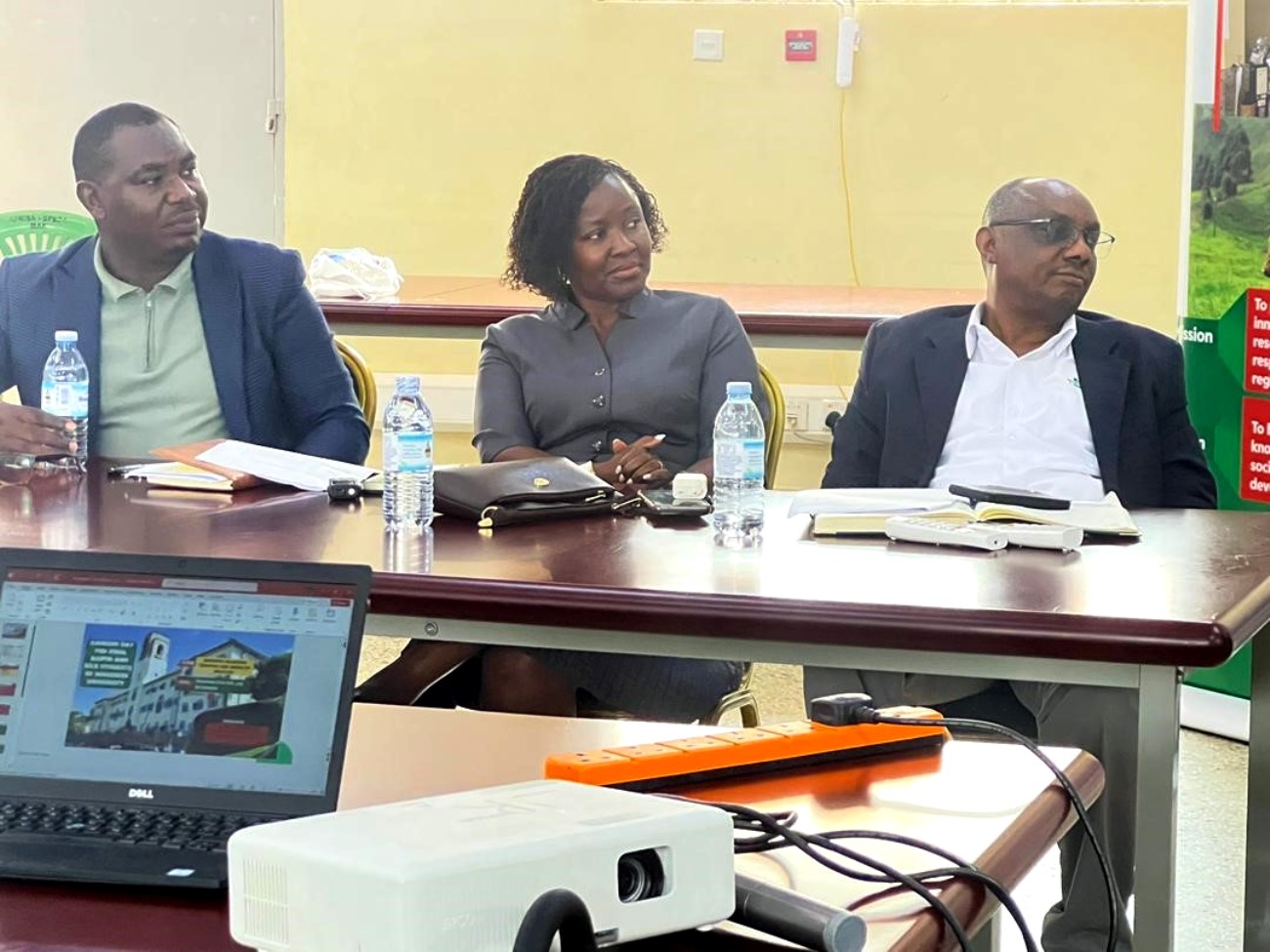
A training in Research Methods, Experimental Design and Data Analysis kicked off on the 1st of April 2022 at the College of Veterinary Medicine, Animal Resources and Bio Security (CoVAB). It is organized under the auspices of the Carnegie African Diaspora Fellowship Program (CADFP) and attracted a number of participants that included researchers, masters and Ph.D students from varied backgrounds. The one month program will run until the end of April 2022.
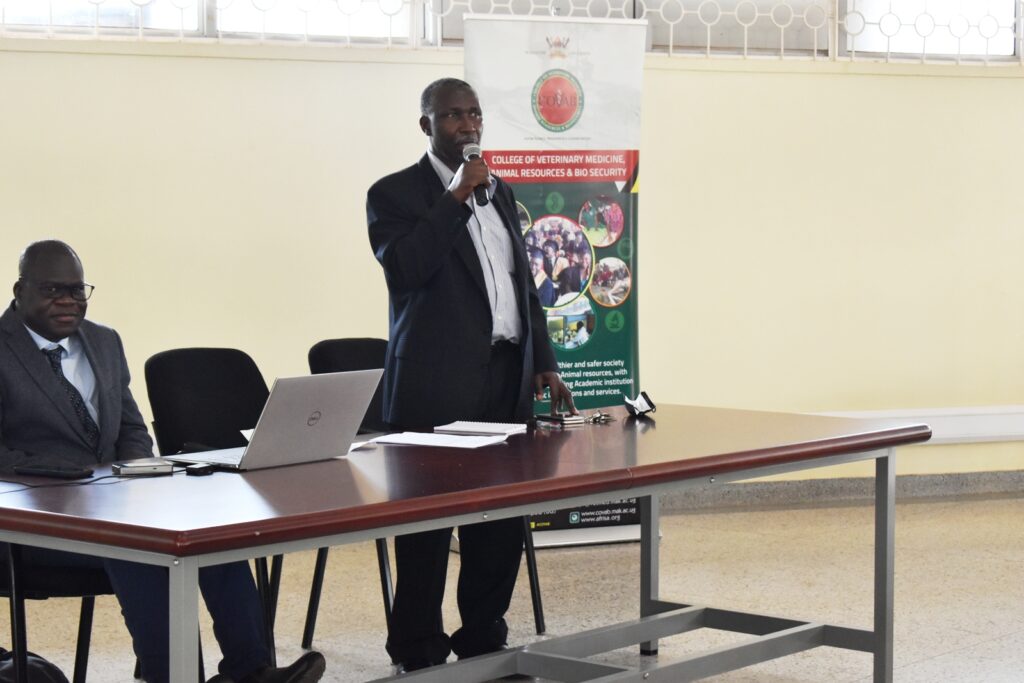
Prof. Robert Tweyongyere, the Dean School of Veterinary Medicine and Animal Resources officiated at the opening on behalf of the Principal, Prof. Norbert Frank Mwiine. In his remarks he urged the participants to make all efforts in ensuring that they gain maximally from the facilitators who had all the requisite skills and experiences in the subject of research. He extended his appreciation to Dr. Patrick Pithua, an alumnus of the College for taking the initiative to come and give back to his alma mater through sharing experiences. He said the facilitators in the training who were both homegrown and from abroad had a lot to share which would make the participants better researchers.
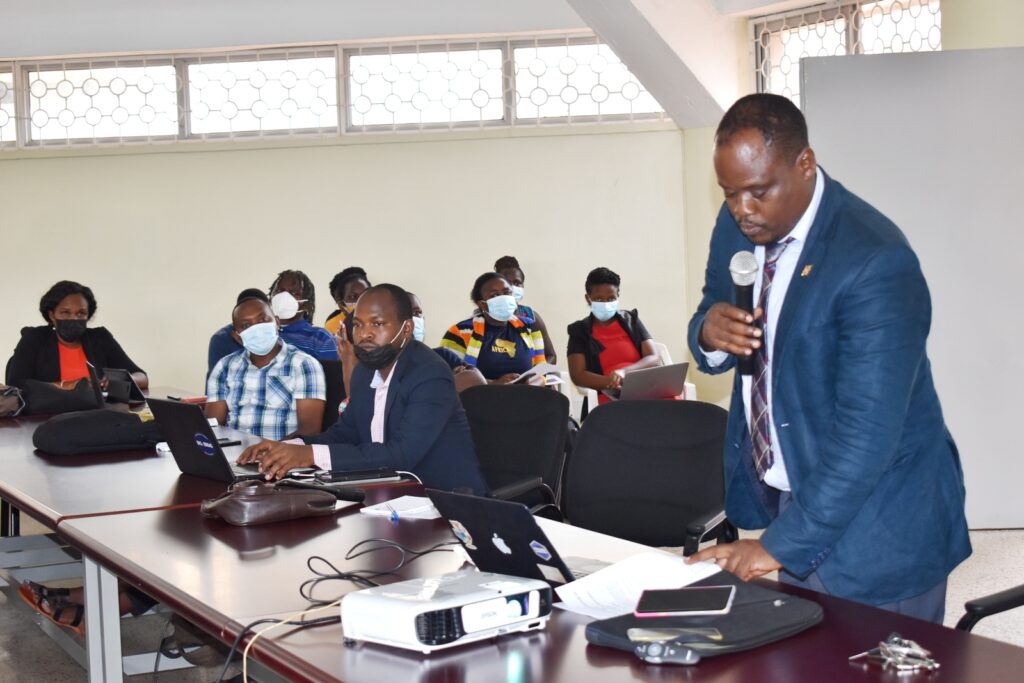
Dr. Lawrence Mugisha from CoVAB explained the essence of the fellowship. He said the African scholars who live and work in the United States of America were given an opportunity to give back to their people in Africa. He said the facilitators like Dr. Patrick Pithua, an Associate Professor in Epidemiology from Virginia-Maryland College of Veterinary Medicine, Population Health Sciences were here to help nurture the next generation of researchers sharing from their own experiences.
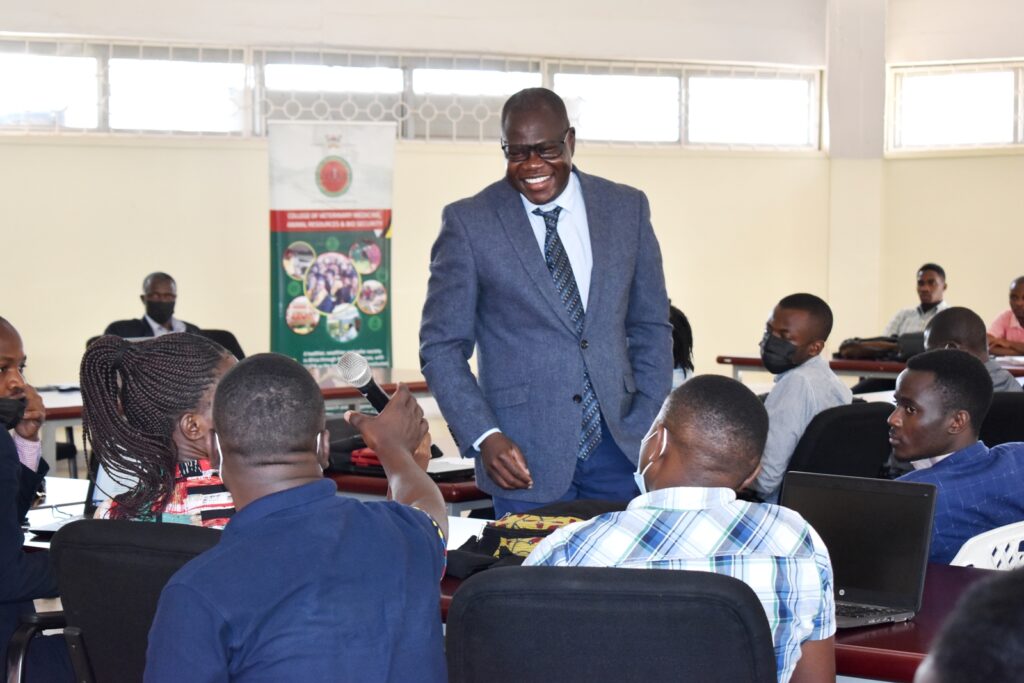
CADFP is a scholar fellowship program for educational projects at African higher education institutions. Offered by IIE in collaboration with the United States International University-Africa (USIU-Africa), the program is funded by a grant from Carnegie Corporation of New York (CCNY).








Veterinary & Biosecurity
Makerere University Equips Livestock Finalist students for a Changing Job Market
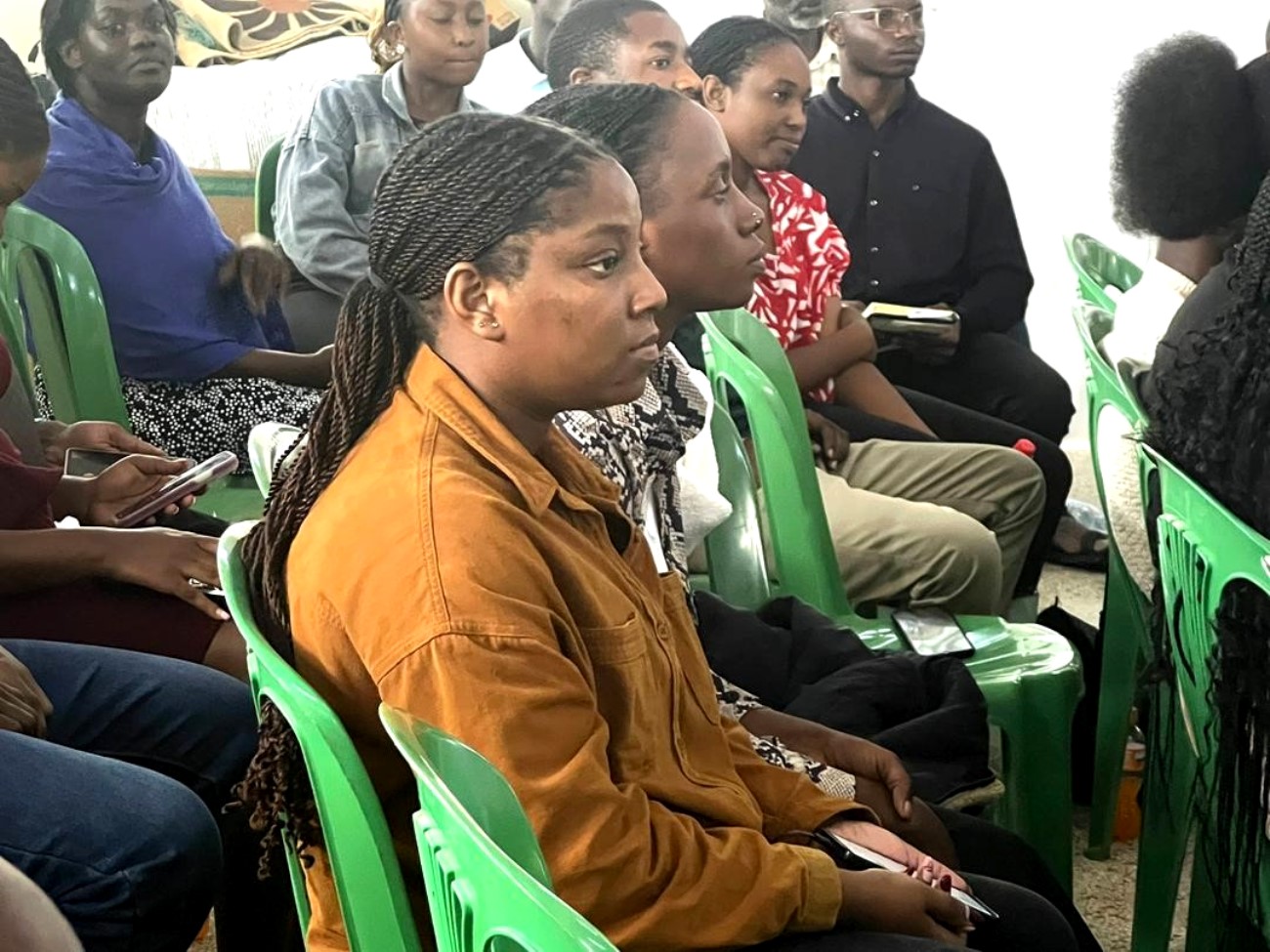
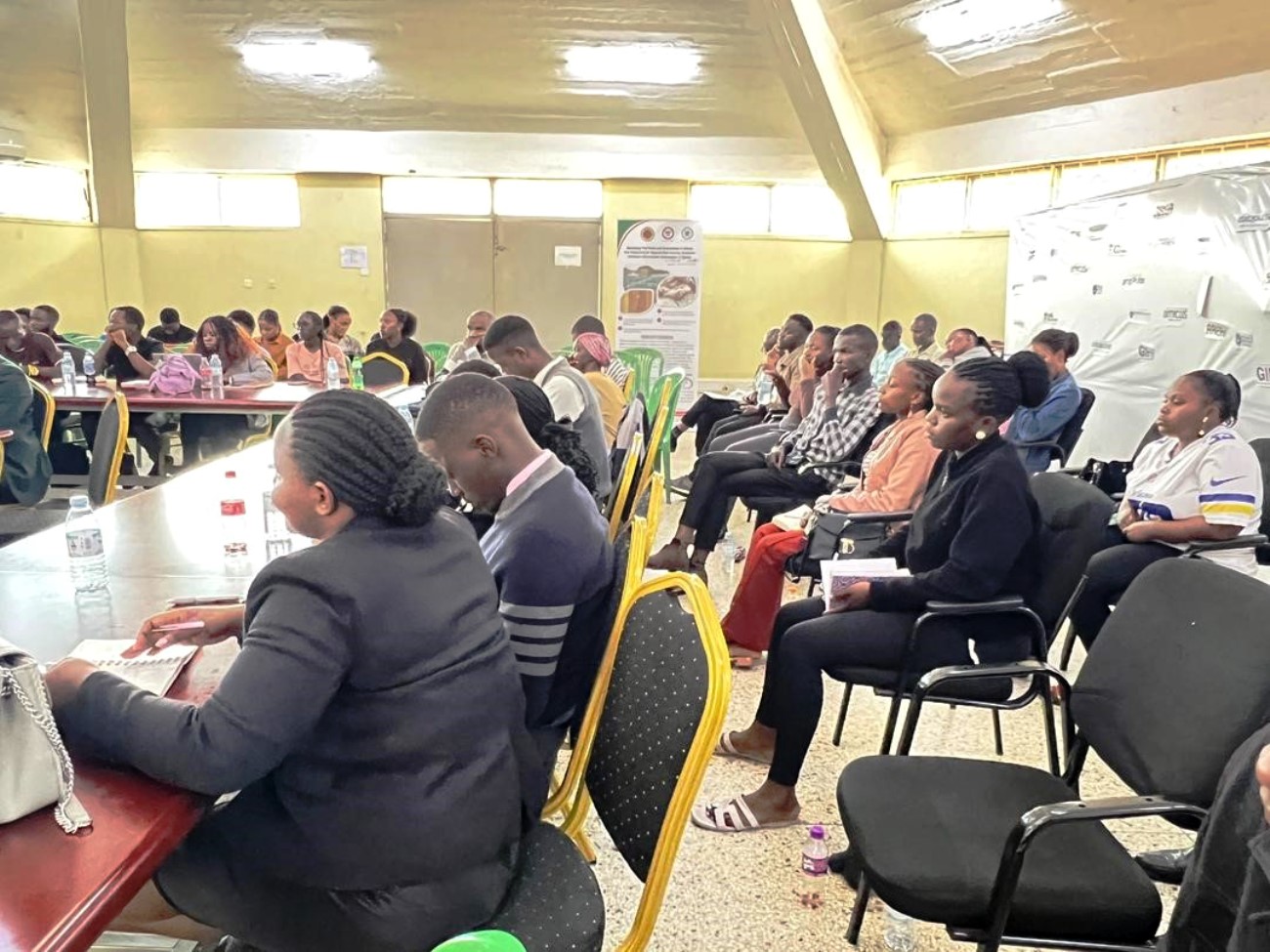
At a time when youth unemployment continues to challenge economies across Africa, Makerere University is taking deliberate steps to prepare graduates for success beyond the classroom. The College of Veterinary Medicine, Animal Resources and Biosecurity (CoVAB) recently hosted a Careers Day for finalists in the Bachelor of Industrial Livestock and Business (BILB) and Bachelor of Animal Production Technology and Management (BAPT) programs.
Held under the theme “Bridging Academic Training and Industry Practice: Preparing Livestock Graduates for Professional Excellence and Sector Transformation,” the event brought together academic leaders, government officials, industry practitioners, and human resource experts to share insights on navigating the transition from university to the world of work.
Inspiring Messages of Integrity and Resilience
Dr. Dorothy Kalule Nampanzira, Head of the Department of Livestock and Industrial Resources, urged students to embrace integrity, resilience, and self-discovery as they step into professional life. “You are now adults, and wherever you go, you carry the name of Makerere University,” she reminded them.
Connecting Students to Opportunities
Dr. Sylvia Baluka introduced the Agricultural Sector Apprenticeship Programme, which provides paid placements to fresh graduates, offering hands-on experience and confidence-building opportunities. She emphasized the need for awareness and proactive applications to maximize access.
Rethinking Education and Work
Professor Anthony Mugisha challenged students to reflect on the difference between schooling and true education, urging them to become problem-solvers and entrepreneurs rather than job seekers.
Government and Industry Perspectives
Speakers from the Ministry of Gender, Labour and Social Development highlighted Uganda’s untapped opportunities in agriculture and livestock, encouraging graduates to approach challenges as openings for innovation. Practical sessions on CV writing and interview preparation reinforced the importance of readiness and professionalism.
Student Reflections
Final-year students described the Careers Day as transformative, noting that it bridged the gap between academic learning and real-world expectations while boosting confidence in their career paths.
Veterinary & Biosecurity
From Classroom to Cattle Farms: Makerere Unleashes 100+ Job Creators in Bold Skills Revolution

By Moses Lutaaya
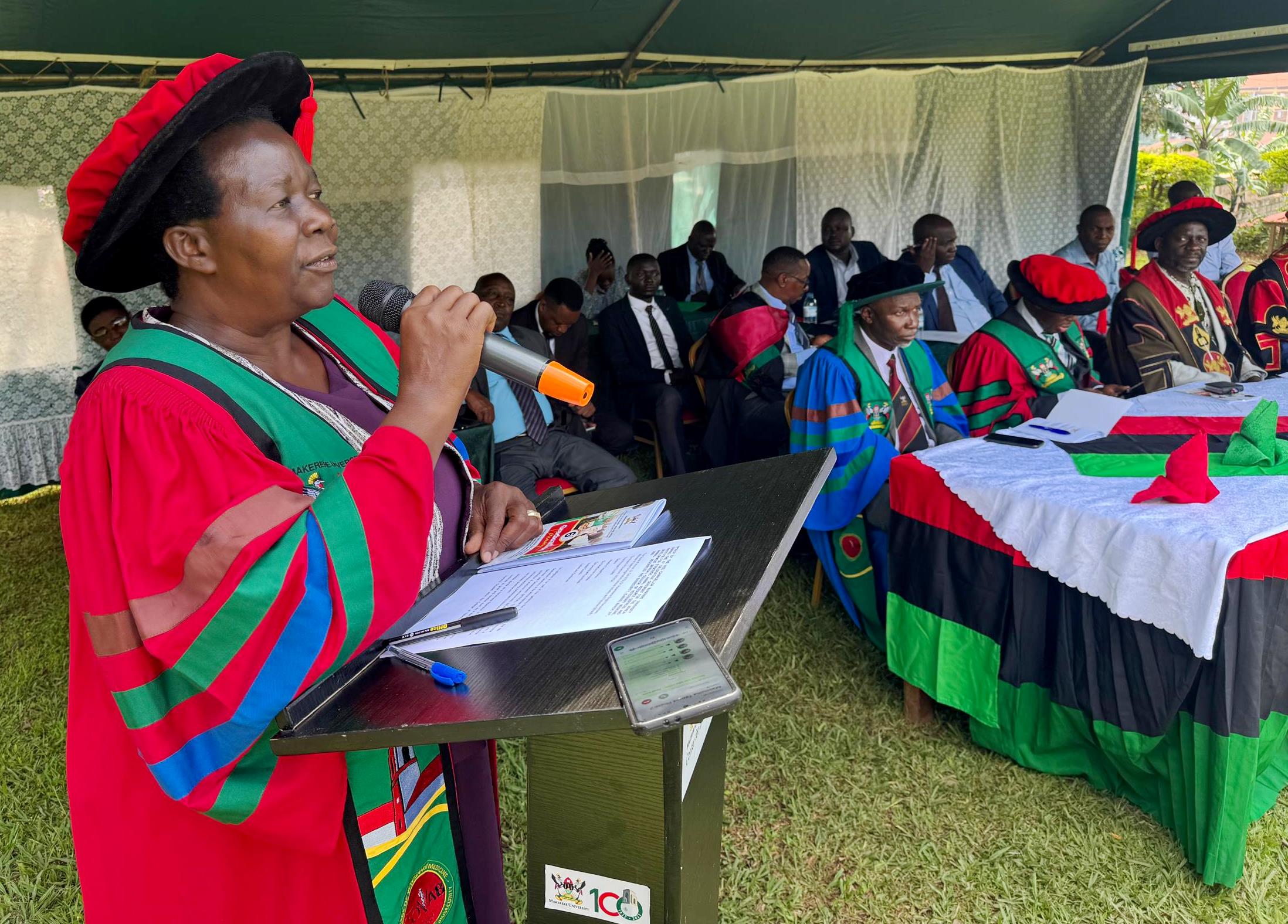
Kampala, March 31, 2026 — A powerful shift from theory to practical skills took center stage as over 100 graduates were unveiled as job creators during the 6th certificate award ceremony of the College of Veterinary Medicine, Animal Resources and Biosecurity (COVAB) at Makerere University.
The graduates, trained under the Africa Institute for Strategic Animal Resources Services and Development (AFRISA) through the Skills, Production, Enterprise Development and Accreditation (SPEDA) programme, were urged to lead Uganda’s transformation through enterprise, innovation and hands-on expertise in the livestock sector.
The ceremony drew strong messages from government and university leaders, all rallying behind one central theme: skills—not just degrees—are the future of Uganda’s economy.
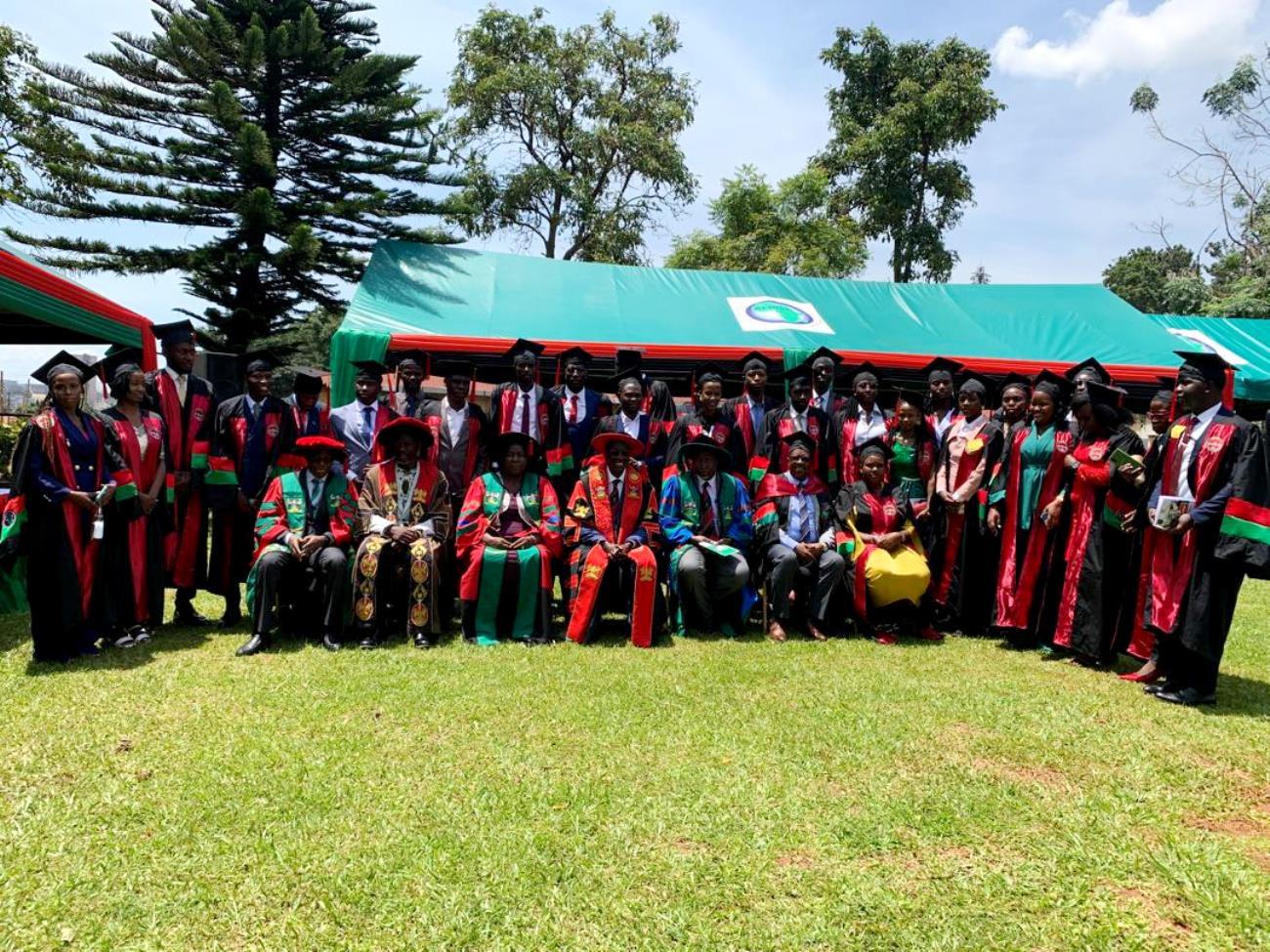
Representing the Minister of State for Agriculture, Animal Industry and Fisheries, the Chief Guest, Dr. Anna Rose Ademun Okurut delivered a compelling address on behalf of Bright Rwamirama, praising AFRISA for closing the gap between farmers and technical expertise.
She conveyed the Minister’s appreciation for the programme and apologized for his absence, emphasizing that the initiative remains a priority for government.
Dr. Okurut did not mince words about the challenges facing Uganda’s agricultural sector. While the country continues to produce veterinary doctors, she noted that many prefer office-based jobs, leaving farmers without critical on-ground support.
“There is a big gap between the veterinary doctor and the farmer,” she said, stressing that diploma and certificate graduates are the backbone needed to deliver real services in communities.
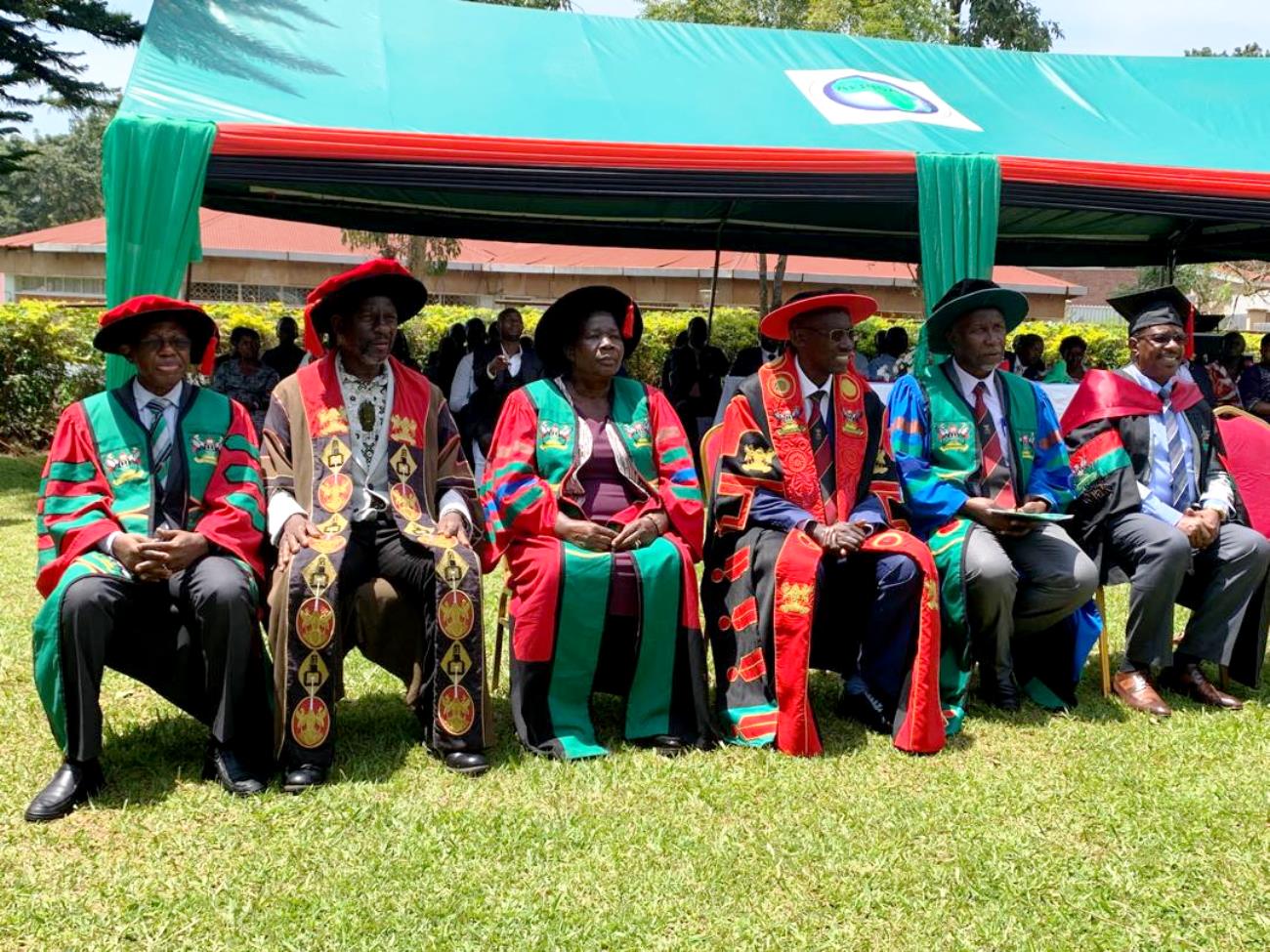
She expressed concern over the low number of skilled graduates in animal production, admitting that her “eyes are not satisfied” with the output. She called on parents and institutions to embrace skills-based education, especially in animal husbandry and health, where interest has declined.
Drawing a stark comparison, she highlighted how many Ugandan youth working in the Middle East remain trapped in low-paying domestic jobs due to lack of skills, while their counterparts from neighboring countries secure better opportunities because of technical training.
“Not everyone must get a degree or PhD,” she emphasized. “Practical skills can equally transform lives.”
Dr. Okurut also pointed to critical inefficiencies in the livestock sector, including poor leather handling—where up to 80 percent of hides are lost—and improper milking practices that lead to diseases like mastitis. She called for expanded specialized training to address such gaps.
Encouraging the graduates, she described their journey as a strong foundation for success.
“You are winners,” she said. “Starting from a certificate is not a weakness—it is strength.”
Speaking on behalf of the Vice Chancellor, the Director Graduate of Training Prof. Julius Kikooma described AFRISA as a game-changing model that is transforming higher education.
He conveyed the university leadership’s excitement about the sixth graduation ceremony, calling it a milestone in Makerere’s mission to drive innovation and community impact.
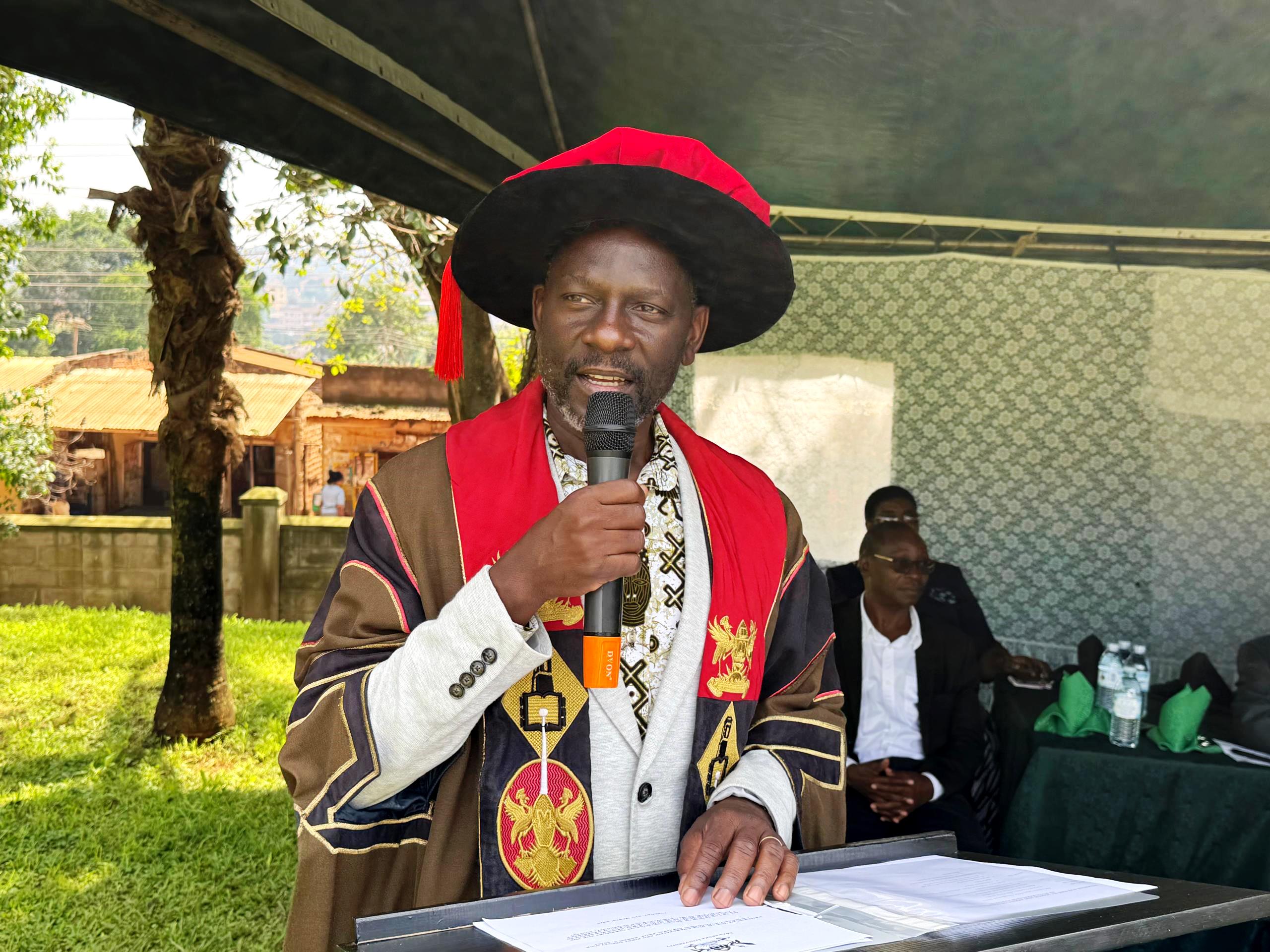
Prof. Kikooma explained that AFRISA was established in 2010 to address a long-standing problem—graduates leaving university with theoretical knowledge but lacking practical skills to change communities.
“AFRISA is not just an institute—it is a dynamic engine for transformation,” he said.
He highlighted its achievements over the years, including training thousands of youth and women, supporting livestock enterprises, and producing graduates who are now entrepreneurs, employers and community leaders.
He emphasized that AFRISA aligns directly with national priorities such as job creation, agricultural productivity and economic growth.
Addressing the graduates, he delivered a clear challenge, “You are not job seekers—you are job creators. You are solution providers.”
He urged them to take their knowledge beyond cities and into rural communities where it is most needed, encouraging them to start small enterprises but think big.
Looking ahead, Prof. Kikooma outlined AFRISA’s ambitious vision—expanding practical programmes, integrating digital learning, and strengthening community outreach to position the institute as a continental leader in animal industry transformation.
The Principal of COVAB, Prof. Frank Mwiine, painted a vivid picture of AFRISA’s journey, describing the graduation as both historic and transformational.
He traced AFRISA’s origins back to 2010 under the vision of Professor John David Kabasa, who sought to address youth unemployment and the disconnect between education and practical skills.
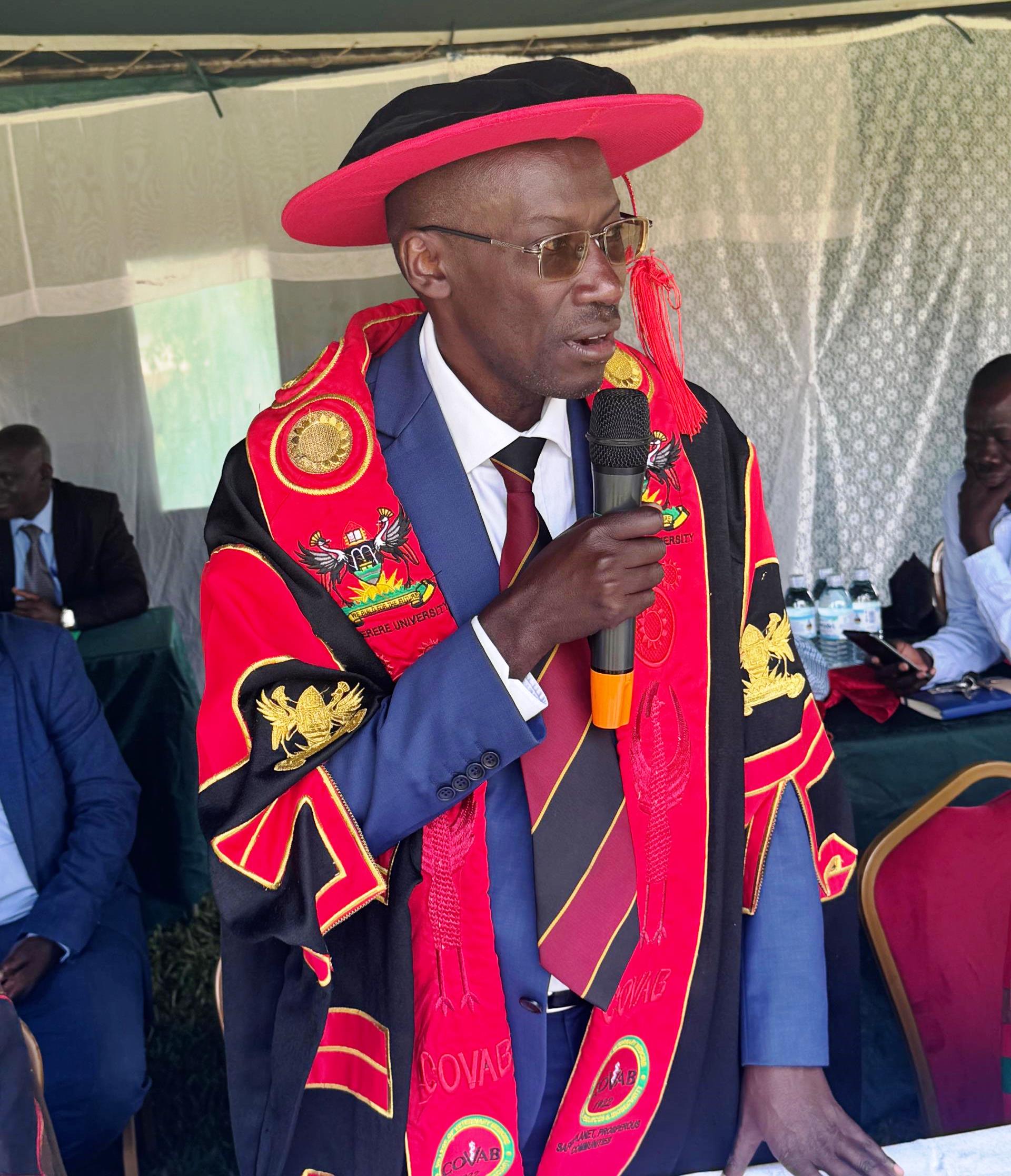
“AFRISA was created to redefine education as a tool for wealth creation and community transformation,” he said.
Over the past 16 years, the institute has evolved into a nationally and regionally recognized centre of excellence, operating as a semi-autonomous unit within COVAB.
Prof. Mwiine highlighted AFRISA’s unique model, which integrates teaching, research and community outreach while emphasizing competence-based, hands-on training.
He pointed to flagship initiatives such as the Nakasajja incubation centre in Wakiso District, where students gain real-world experience by producing, innovating and building enterprises.
The impact, he noted, has been significant, thousands of youth trained, hundreds of enterprises created, and strong partnerships built with government, NGOs and international organizations.
Addressing the graduates directly, he reminded them that they are stepping into the world as innovators and entrepreneurs.
“You have not just studied animal resources, you have turned them into business opportunities,” he said.
He challenged them to take their skills to villages, towns and cities, and use them to transform communities.
“Start small, but think big,” he urged. “Every poultry house, every piggery, every dairy unit can grow into a major enterprise.”
In a passionate closing address, Prof. Buyinza Mukadasi called on graduates to act immediately and apply their skills.
He reminded them that the ceremony marked not just an academic achievement but the beginning of a new chapter of responsibility and impact.
“You have been equipped with hands-on skills. This is your time—go and use them,” he said.
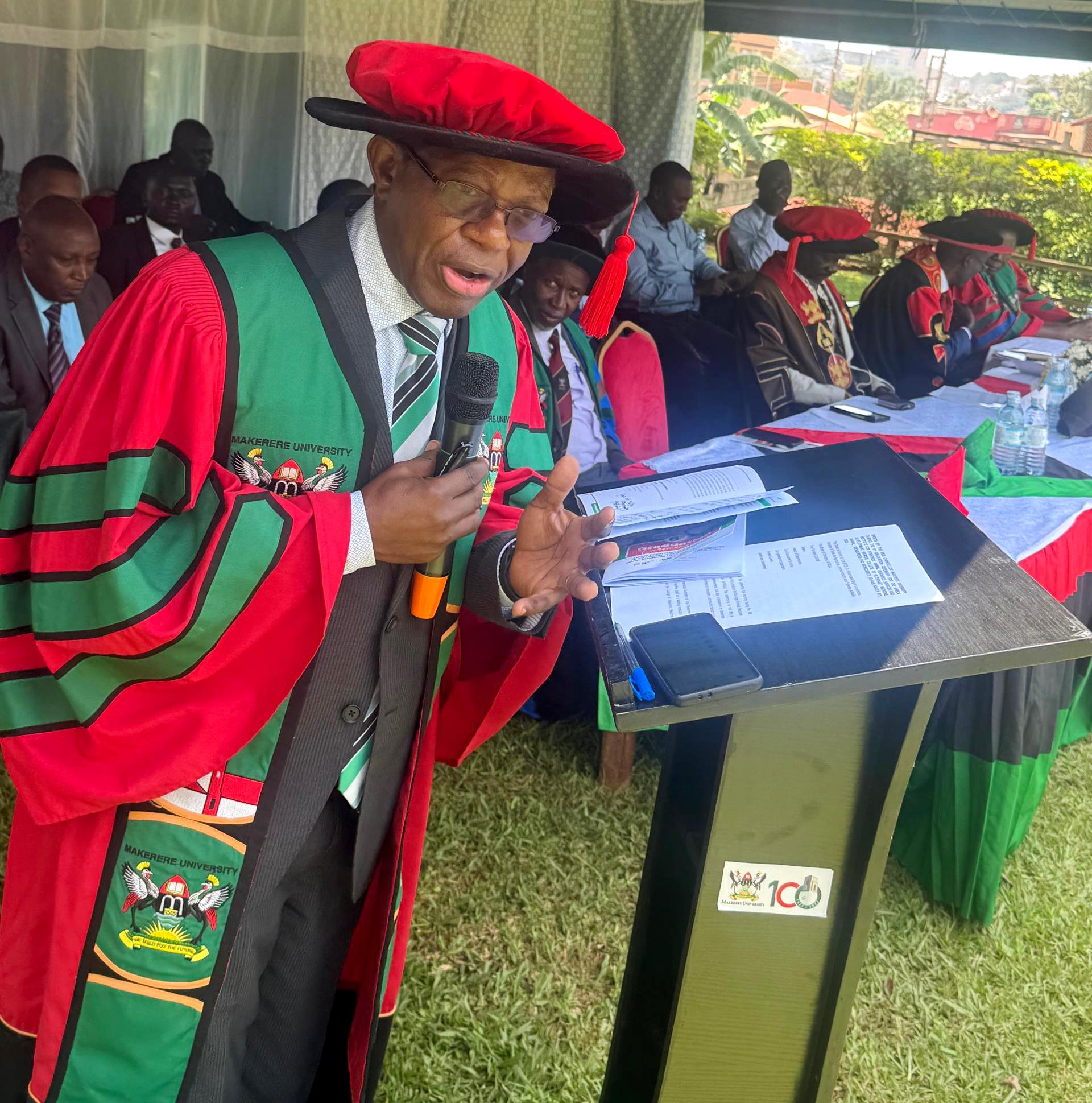
Prof. Buyinza emphasized that graduates had received training across critical sectors including dairy, poultry, feed production, laboratory science and livestock product development.
He urged them to pursue opportunities, embrace challenges and build meaningful careers.
“The biggest betrayal you can do to Makerere is to go back home and wait for employment,” he warned.
Instead, he encouraged them to create jobs, contribute to national development goals such as Uganda Vision 2040, and become part of the university’s legacy of transformation.
Graduates received a wide range of qualifications, including Ordinary Diplomas in Dairy Industry and Business, Feed Industry and Business, Poultry Industry and Business, and Laboratory Science Education and Industry, as well as Diplomas in Livestock Products Development.
Veterinary & Biosecurity
CoVAB – AFRISA Passes Out Over 160 Skilled Livestock Agribusiness Entrepreneurs at the 6th Graduation Ceremony
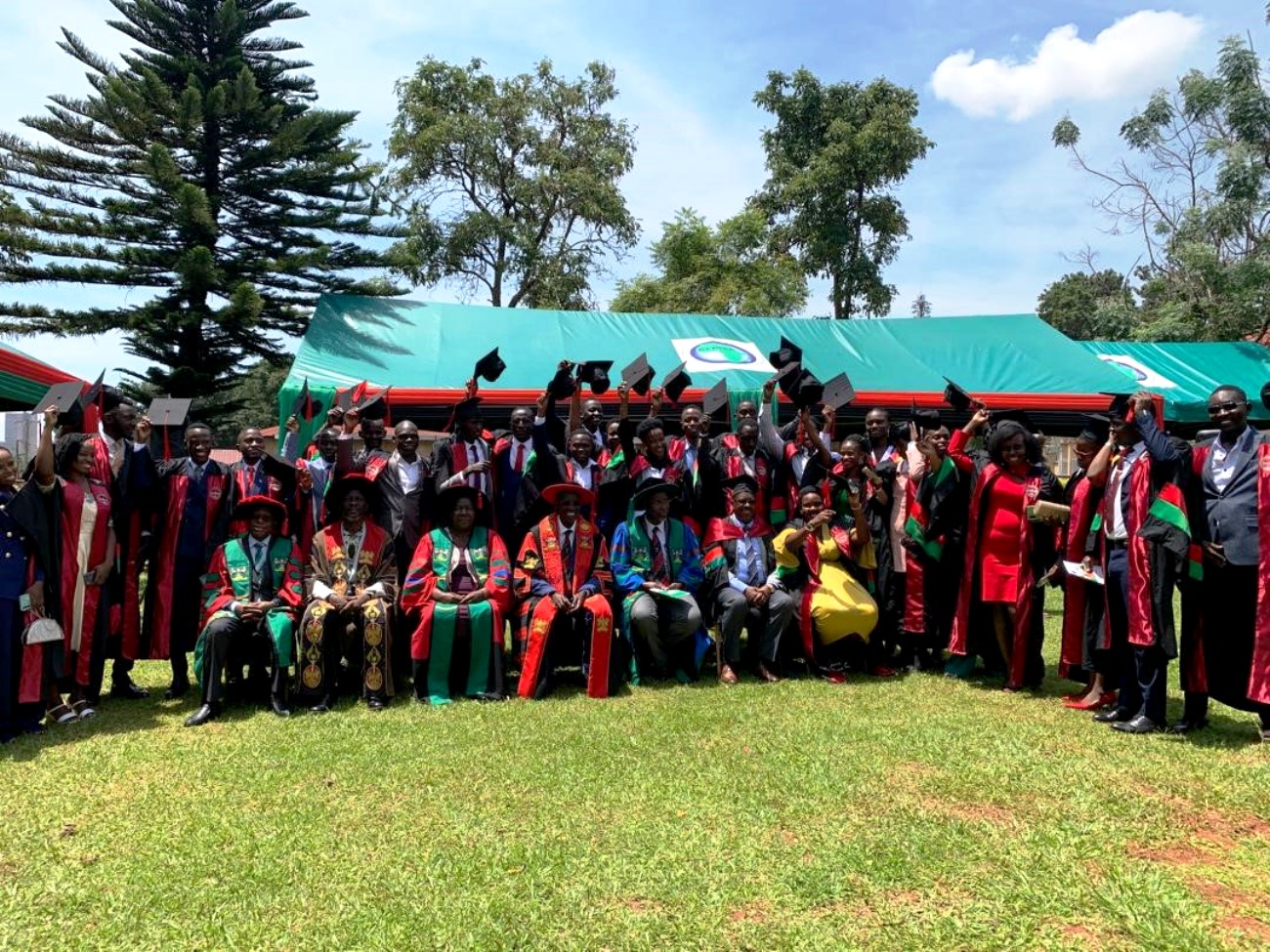
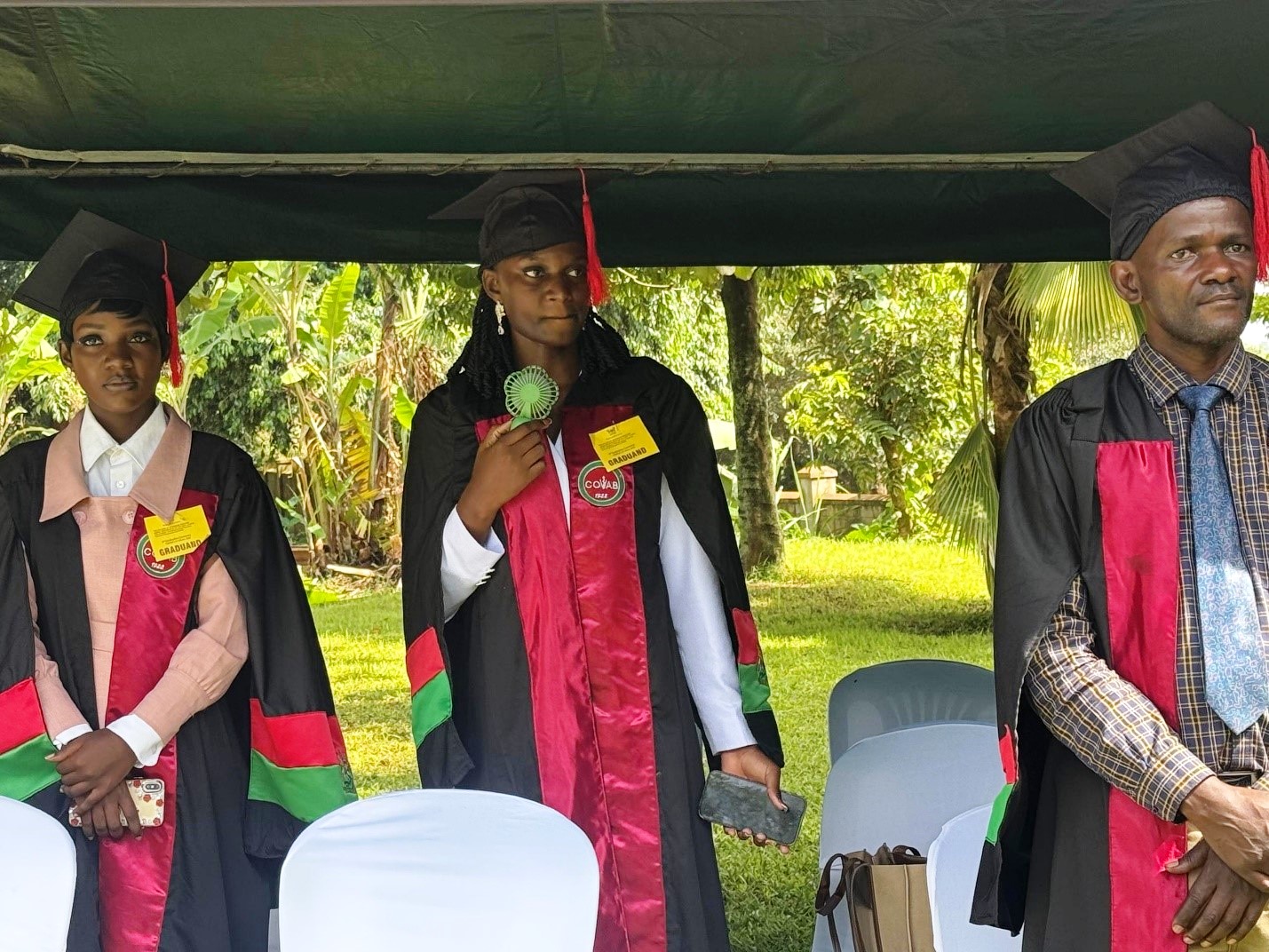
The Africa Institute for Strategic Animal Resource Services and Development (AFRISA), housed under the College of Veterinary Medicine, Animal Resources and Biosecurity (CoVAB), Makerere University, has graduated more than 165 students with certificates and diplomas. The ceremony, held on Tuesday, 31st March 2026 at Ruth Keesling’s Gardens, marked a significant milestone in AFRISA’s mission to blend academic knowledge with practical industry skills.
The Guest of honor, the Minister of State for Animal Industry, Lt. Col. (Rtd.) Hon. Bright Rwamirama, was represented at the AFRISA graduation by Dr. Anna Rose Okurut Ademun, Commissioner for Animal Health at the Ministry of Agriculture, Animal Industry and Fisheries (MAAIF). In his address, he commended AFRISA for its pivotal role in equipping graduates with practical skills that directly contribute to Uganda’s agricultural transformation and livestock sector growth.
He emphasized that AFRISA’s model of combining academic knowledge with industry practice has positioned Makerere University as a driver of innovation and community empowerment. By producing graduates who are not only job seekers but also job creators, AFRISA continues to address challenges of youth unemployment, low productivity, and limited value addition in Uganda’s animal resource sector.
Hon. Rwamirama urged the graduates to take their newly acquired competencies into communities, build enterprises, and embrace innovation in solving real-world challenges. He emphasized that the government recognizes AFRISA’s vital contribution to national priorities and encouraged alumni to uphold integrity and excellence as proud ambassadors of Makerere University and AFRISA. He observed that since its establishment in 2010, AFRISA has emerged as a model of excellence in practical education, equipping youth and women with skills that foster livestock-based enterprises and community transformation. Its graduates have gone on to become agripreneurs, veterinary professionals, and leaders who are reshaping Uganda’s agricultural landscape. The institute continues to position itself as a driver of innovation and empowerment, with alumni expected to play a central role in advancing Uganda’s agricultural priorities, creating employment opportunities, and contributing to sustainable economic growth.
He extended appreciation to CoVAB for running the programs that link the farmers to experts. ‘We need a lot of people of these calibers given that the Veterinary Doctors are few and not evenly distributed, with many of them seeking out white collar jobs at districts where they work as Veterinary Officers, he said.
The Vice Chancellor of Makerere University, Prof. Barnabas Nawangwe, who was represented by the Director of Graduate Training, Prof. Julius Kikoma said AFRISA’s 6th Graduation marked another milestone in the University’s commitment to innovation and community transformation. He said since its establishment in 2010 under CoVAB, AFRISA has grown and continues to address the ivory tower tendencies by extending knowledge to communities through industry practice, directly contributing to Uganda’s agricultural priorities and economic development. While acknowledging the contribution of AFRISA, he said it has trained thousands of youths and women, supported the creation of livestock-based enterprises, and built strong partnerships with government, NGOs, and international institutions. Its graduates have become agripreneurs, veterinary professionals, and community leaders, demonstrating how practical education and innovation can drive transformation across Uganda and the wider region. He said AFRISA was not just an institute, but a movement transforming education, empowering young people, building enterprises, and restoring dignity through productivity. He called upon the graduates to go forth and build, lead, and transform Africa.
Prof. Frank Norbert Mwiine, Principal CoVAB, commended the graduates for choosing specialized skills in the animal industry, noting that many students often opt for simpler subjects. He emphasized that AFRISA’s graduates were leaving with competencies that would enable them to live more productive lives, rather than seeking petty jobs abroad. Prof. Mwiine stressed that not everyone must pursue a university degree, but acquiring practical skills was vital for meeting personal needs and contributing to national development. He cited trades such as the leather industry, where trained professionals are urgently needed to reduce losses in animal handling, and welcomed the graduates into the veterinary profession while cautioning them to remain within their line of specialization, which offers room for growth to higher levels.
While highlighting AFRISA’s legacy and achievements over the past decade, Prof. Mwiine said AFRISA has trained numbers, enabled them to start animal-related enterprises, and built strong networks. He said this was in line with the competence-based education that is being promoted today, using the example of the incubation center at Nakyesasa where the students learn by doing and innovating. This has enabled the students to get a unique educational journey that has equipped them with confidence and skills. ‘You have not just studied animal resources, you have experienced them, managed them, and transformed them. You are therefore not job seekers, so go out and serve.
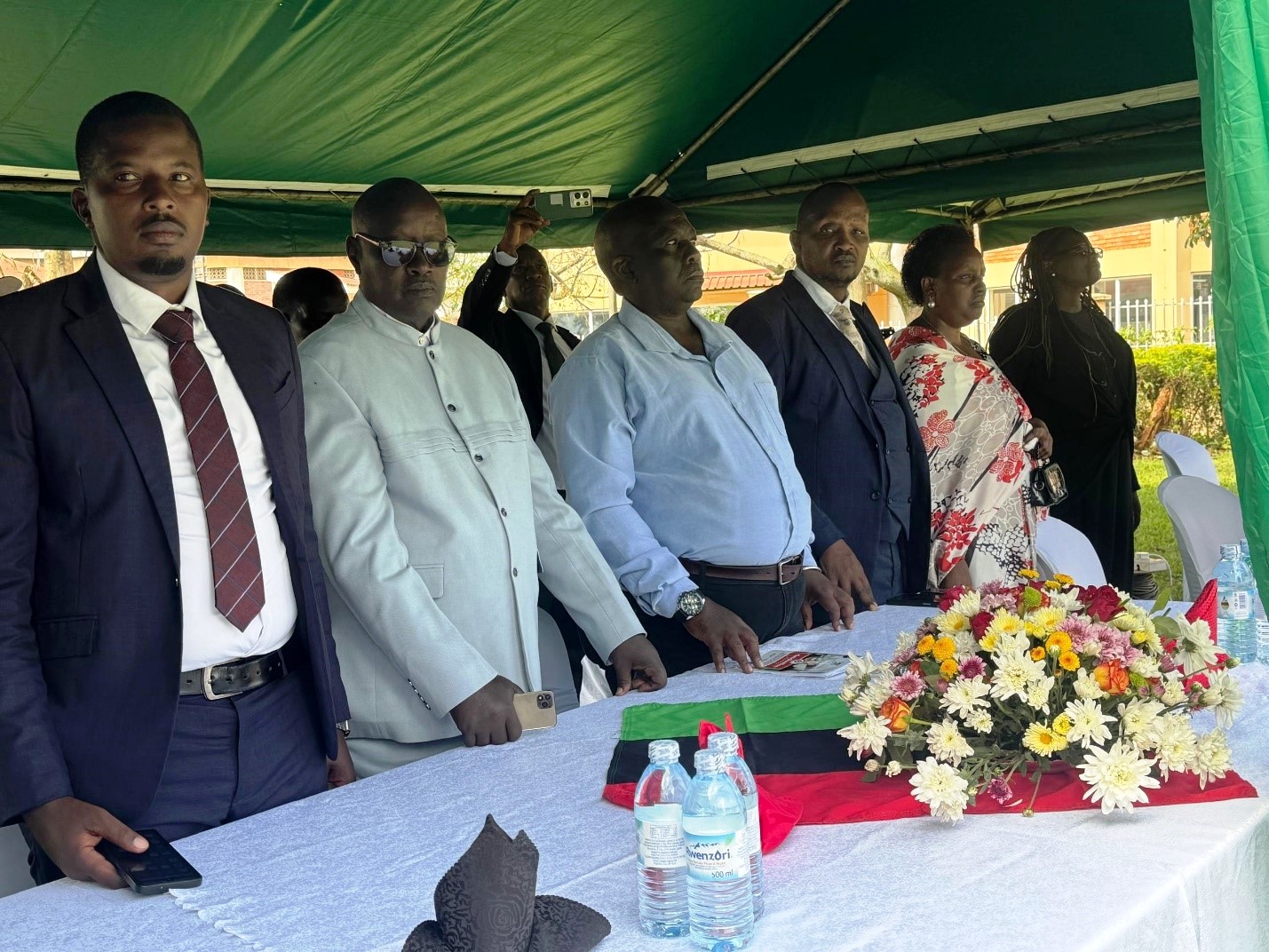
The graduation ceremony was also witnessed by the Academic Registrar, Makerere University Prof. Mukadasi Buyinza, the Deputy Principal, CoVAB Prof. James Acai Okwee, Dean of the School of Veterinary and Animal Resources, Prof. Robert Tweyongyere, and the Dean of the School of Biotechnical and Laboratory Sciences, Assoc. Prof. Claire Mugasa, among other staff.
-
 Agriculture & Environment1 week ago
Tribute To Professor Abwoli Yabezi Banana (1951–2026)
-
 General1 week ago
Freshers’ Joining Instructions 2026/2027
-

 General1 week ago
Sylas Ruhweza: A Brief Life Marked by Meaningful Accomplishments
-
 General1 week ago
Hundreds attend Sylas Ruhweza’s Requiem Mass
-
 General1 week ago
Makerere University Pushes for Stronger Support for Research Ethics Committees amid Growing Research Demands