
Business & Management
School of Business Staff undertake Capacity Building

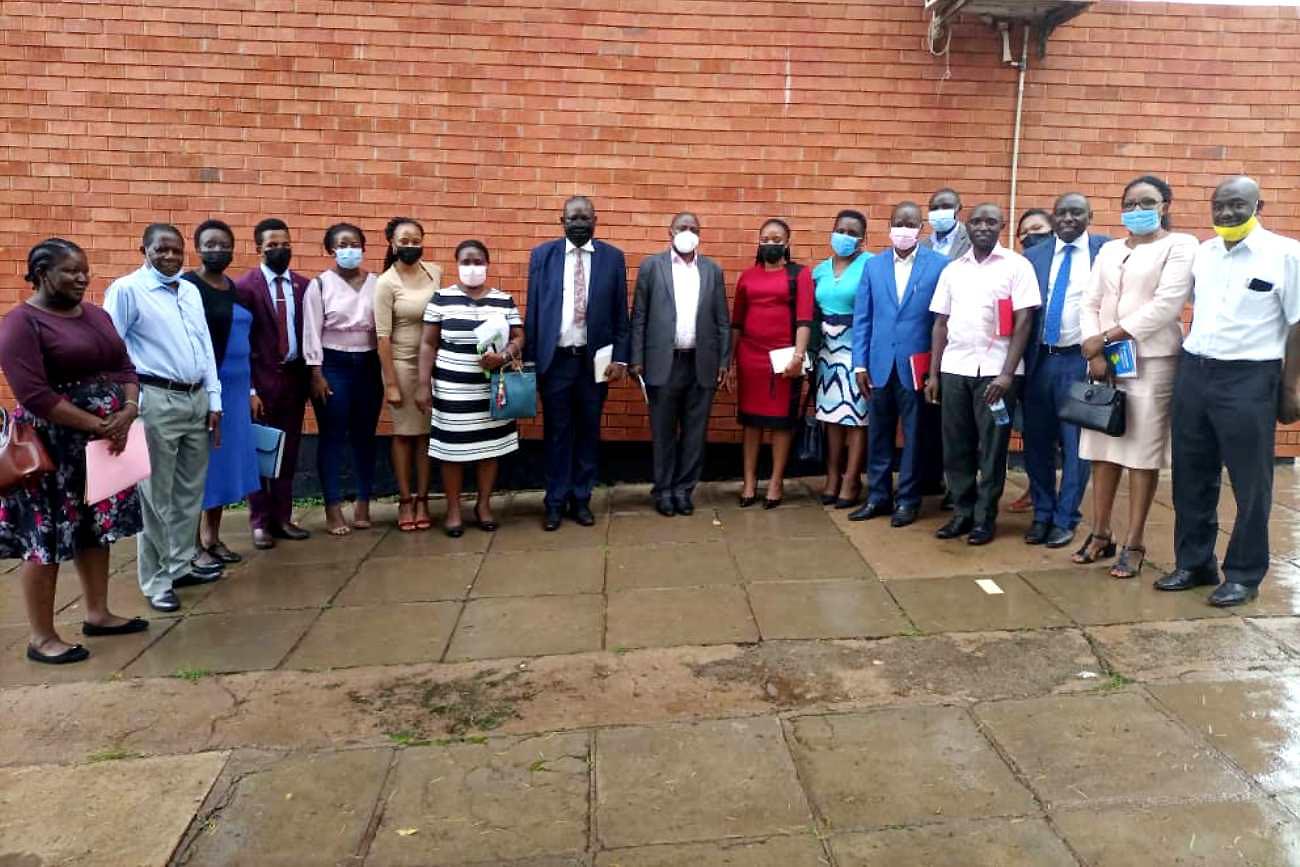
In a bid to keep abreast with the changing trends in the business sector, staff of the School of Business, College of Business and Management Sciences (CoBAMS), led by the Dean Dr. Akileng Godfrey on November 3, 2021 spent the day interacting with players in the private sector. The staff undertook the capacity building as part of their continuous professional development.
The staff heard from Mr. Kakande Robert, the MD of Finca Uganda who shared an analysis of the performance of the financial sector in Uganda. The participants learnt that despite the Covid–19 pandemic, the banks saw an increase in cash deposits by 20% and a decline in the loan portfolios by 14%. This was attributed to the decline in trade, owing to the travel restrictions. This was also compounded by the fact that Ugandans are generally a risk averse population. Many people, about 49%, borrow from informal lenders such as friends, family and investment groups. It was noted that only 11% of the population keep their money in banks. About 43% keep money in saving groups, 27% keep it at home while 23% keep it on mobile phones.
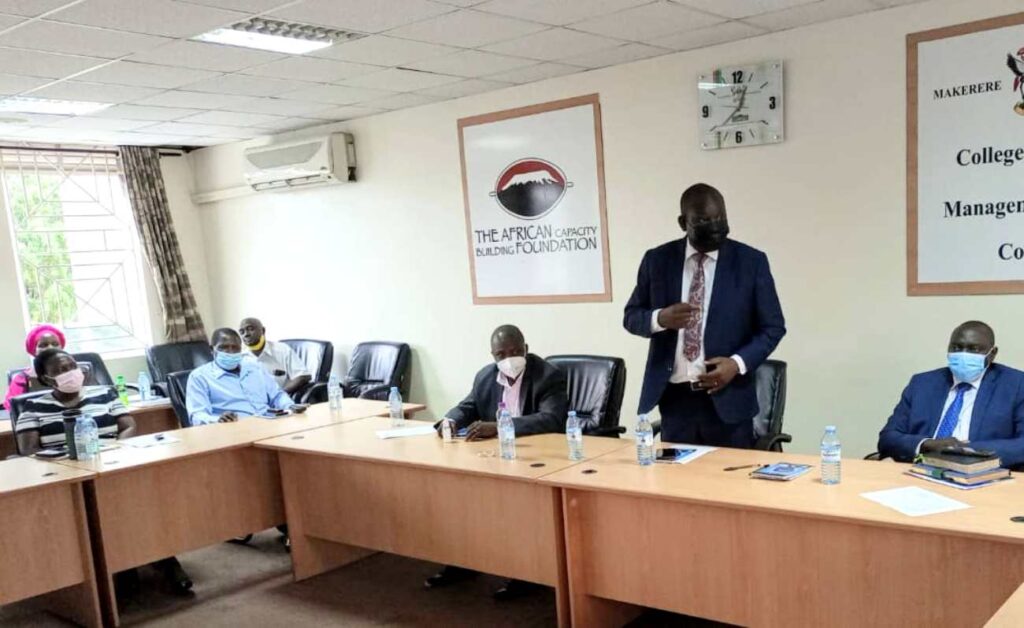
This, Mr. Kakande said calls for a national financial inclusion strategy. Some of the emerging and contemporary issues in the financial sector include digitization. The world is growing exponentially, which calls for new ways of doing things. The development of the internet, artificial Intelligence, Internet of things has forced banks to digitize all their services. This Mr. Kakande said, has helped improve customer experiences and reduce the number of people transacting in the banking hall. Today, Uganda has 28 million mobile phone users, 12.1 million internet users and 3.6 million social media users. This means the financial sector also has got to evolve and meet the demands of these customers. This has seen the development of online banking, bank to phone transactions, which have greatly improved the financial sector.
The participants learnt that Bank of Uganda, had issued new regulations for commercial banks, in an effort to secure depositors money. This, Mr. Kakande called the BASEI 11 Capital Accord Framework. Commercial banks are now required to have operating capital of Shs150 billion up from Shs25 billion, while tier 4 institutions such microfinance institutions are required to have capital of Shs5billion up from Shs500 million. BOU has also set out to regulate the Mobile Money business which is being run by the telecommunication companies.
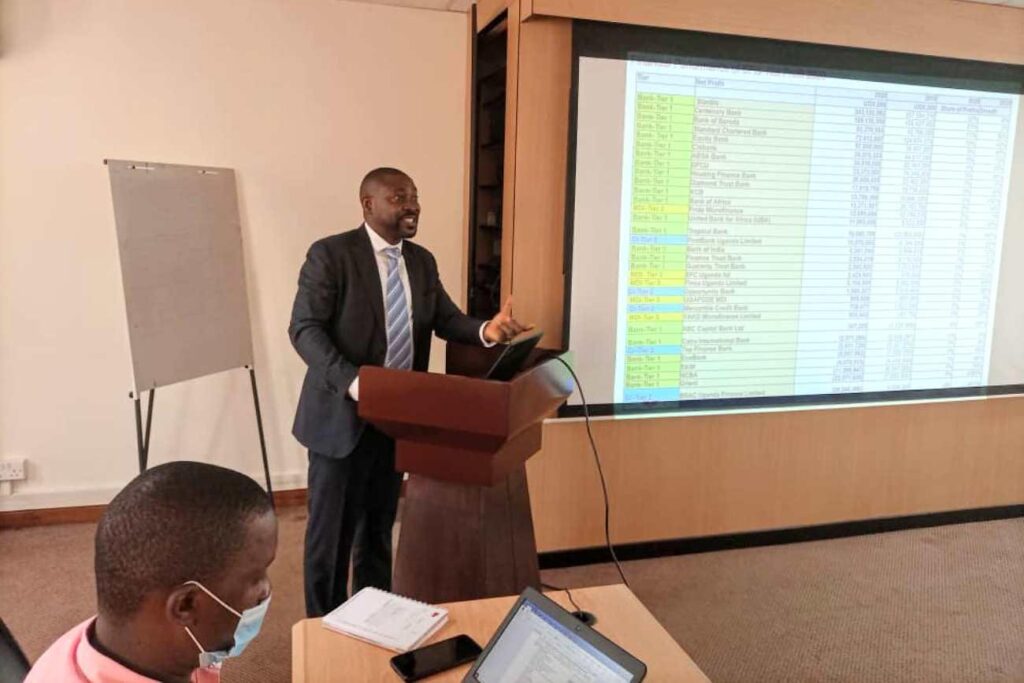
Another emerging issue is Bancassurance. This is a relationship between a bank and an insurance company that is aimed at offering insurance products or insurance benefits to the bank’s customers. In this partnership, bank staff and tellers become the point of sale and point of contact for the customer. Agency banking is another contemporary trend that the financial institutions have adopted. This has also been done in an effort to extend the bank to the clients.
On the issue of high interest rates charged by the banks, Mr. Kakande said, this is because the credit risk among the population is high. The emergence of Infrastructure bonds is something the financial sector players also have to look at in the future.
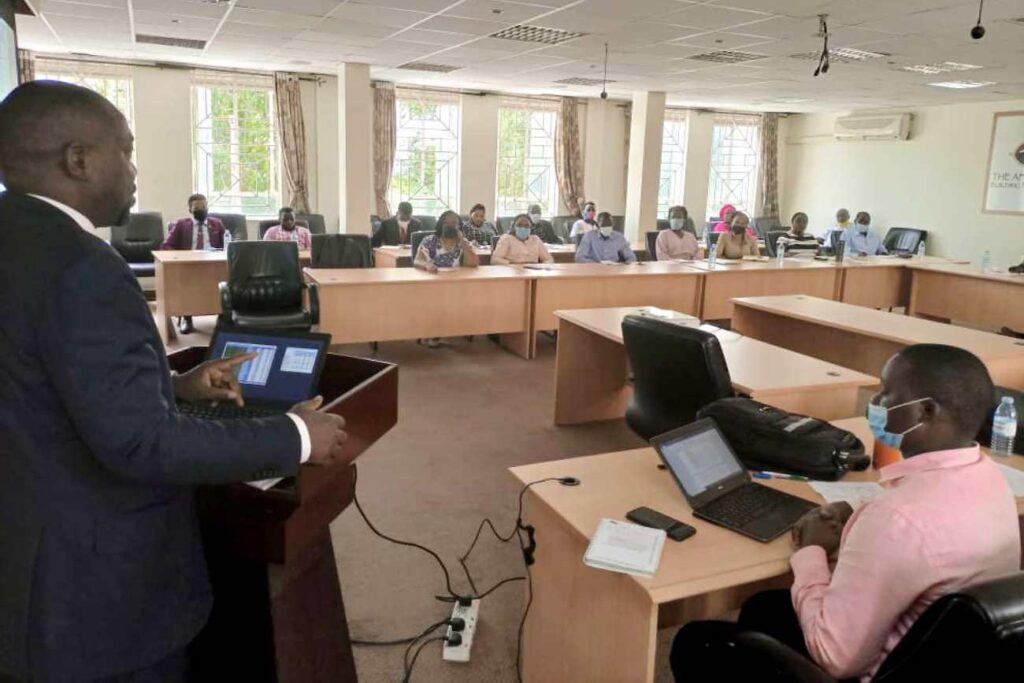
The staff also got an opportunity to interact with Mrs. Immaculate Ngulumi, the Marketing Manager of Centenary Bank. She shared how the service industry has been able to attract and retain clients. Mrs. Ngulumi said that because service is not a tangible product, the service providers have to appeal to the emotions of people. This, she said calls for investment in 3 Ps (People, processes and physical evidence). The people/staff, she said, have to be well trained, motivated and treated well, so that they can pass on this positivity to the clients. The processes have to be quick and seamless while the ambiance must be good. She shared with the team, the 4 aspects of managing services
- Managing customer relationships
- Managing service quality
- Managing service productivity
- Managing staff and positioning services
Mrs. Ngulumi concluded by saying that in the service industry, the customer does not buy a product, they buy the experience, so give them the best experience.
Other topics discussed included the International Financial Reporting Standards and the role of the private sector in public sector procurement.
The Dean School of Business, Dr. Godfrey Akileng thanked the participants for attending and the facilitators for making time to share with his team.
Betty Kyakuwa is the Principal Communication Officer, CoBAMS












Business & Management
Driving Sustainable Growth: Eco-Efficiency and Cleaner Production are vital in shaping the future of Micro, Small and Medium Enterprises

By Ritah Namisango and Christopher Kaahwa
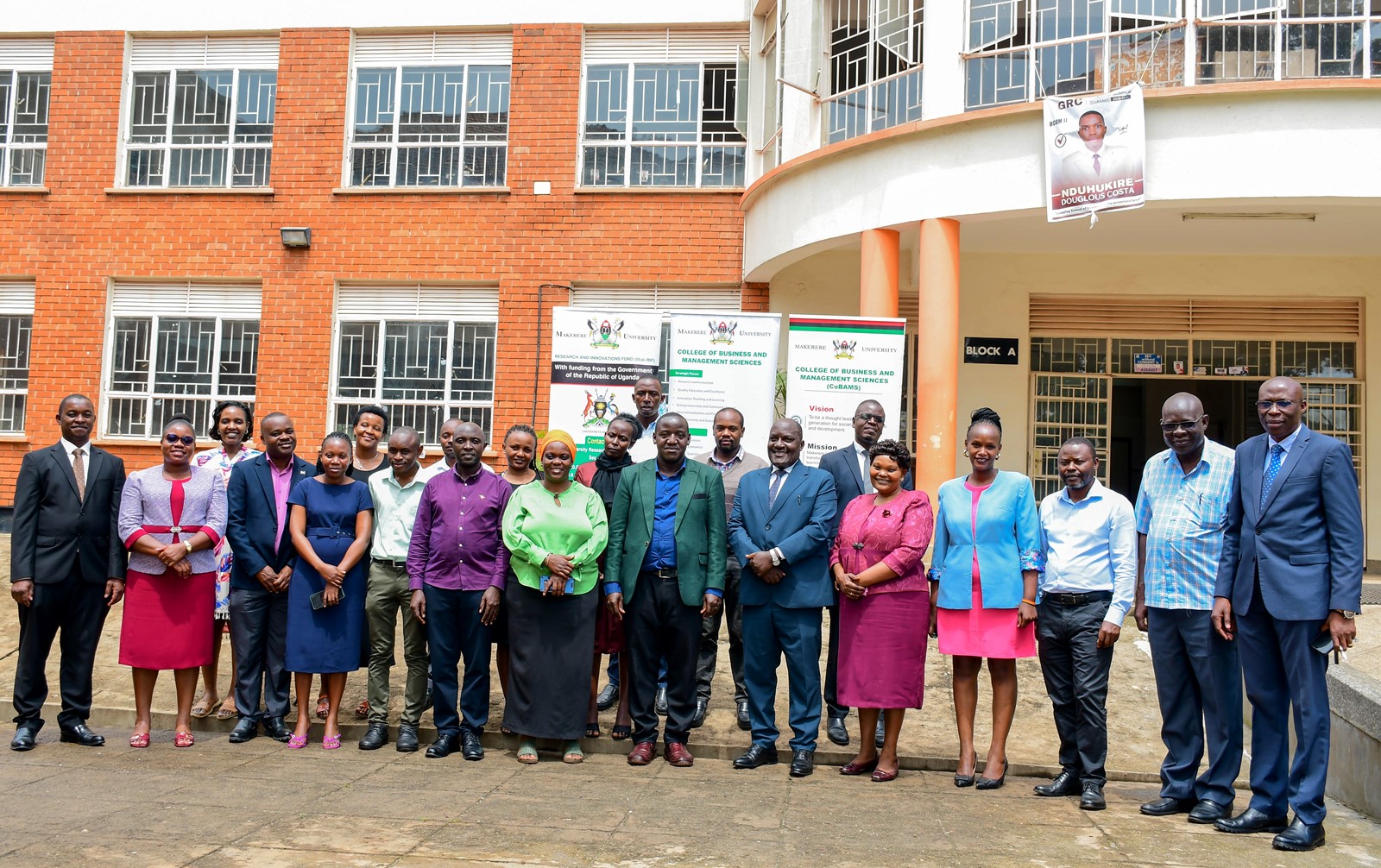
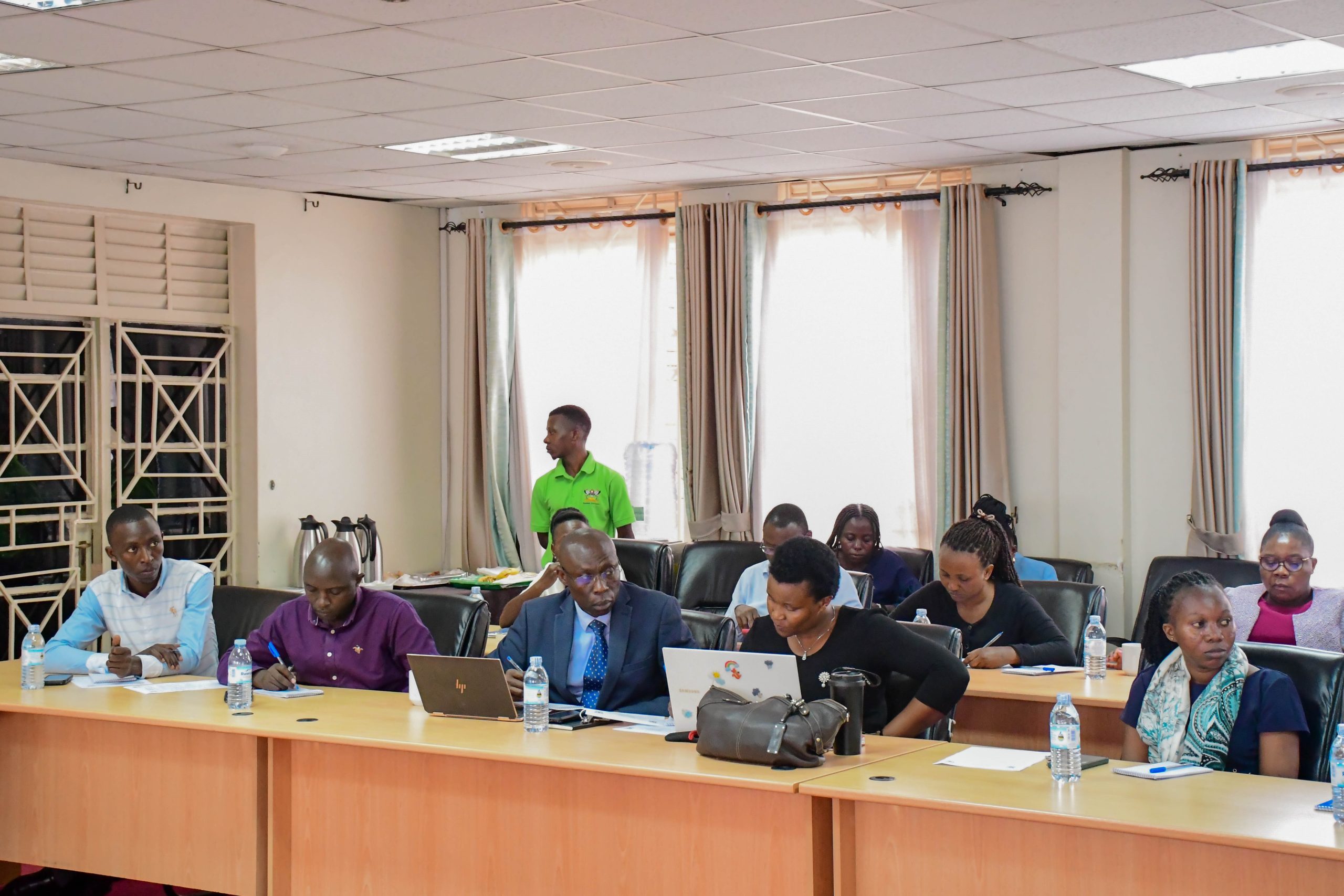
On Wednesday, 15th April 2026, the School of Business under the College of Business and Management Sciences (CoBAMS) at Makerere University hosted a project dissemination workshop that brought together researchers, practitioners, policymakers and faculty members.
The workshop focused on the presentation of findings and policy recommendations from the research project titled: Promoting Eco-Efficiency (EE) and Cleaner Production (CP) for sustainable development of Micro, Small and Medium Enterprises (MSMEs) in Uganda.
Opening the workshop, Associate Professor Godfrey Akileng, the Dean, School of Business represented by Dr. Anthony Tibaingana, the Head, Department of Marketing and Management welcomed participants and highlighted the role of research in connecting Makerere University to the wider community.
He noted that MSMEs form the backbone of Uganda’s economy making up the largest share of businesses across sectors and because of this, any meaningful research must speak directly to their realities.
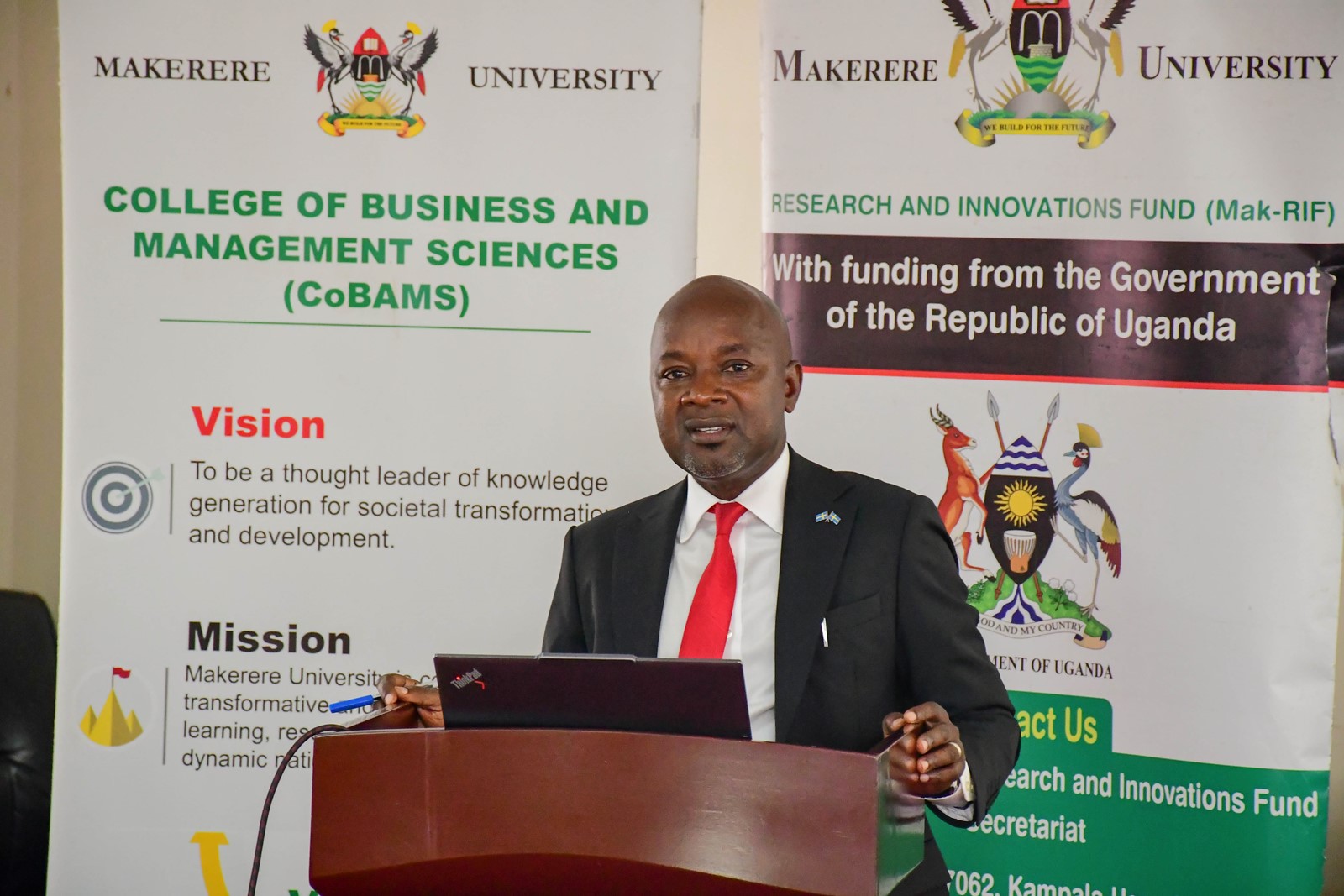
The Dean of the School of Business commended the project team namely Dr. Marion Nanyanzi, Dr. Kasim Sendawula, and Associate Professor Peter K. Turyakira, for positively contributing to the university’s goal of being a research-led institution.
He explained that Eco-Efficiency (EE) is about using available resources wisely not just for today, but for tomorrow and generations to come. “In a country where most businesses operate on a small scale, understanding how to produce more with less is essential,” he said.
Dr. Tibaingana acknowledged the government of Uganda through the Makerere University Research and Innovation Fund (MakRIF) for funding the research project titled, Promoting Eco-Efficiency (EE) and Cleaner Production (CP) for sustainable development of Micro, Small and Medium Enterprises (MSMEs) in Uganda. He recognized Professor Fred Masagazi Masaazi, Chairperson of the Mak RIF Grants Management Committee (GMC) and thanked him, for gracing the dissemination workshop with his personal presence.
Achieving sustainable growth through eco-efficiency and cleaner production
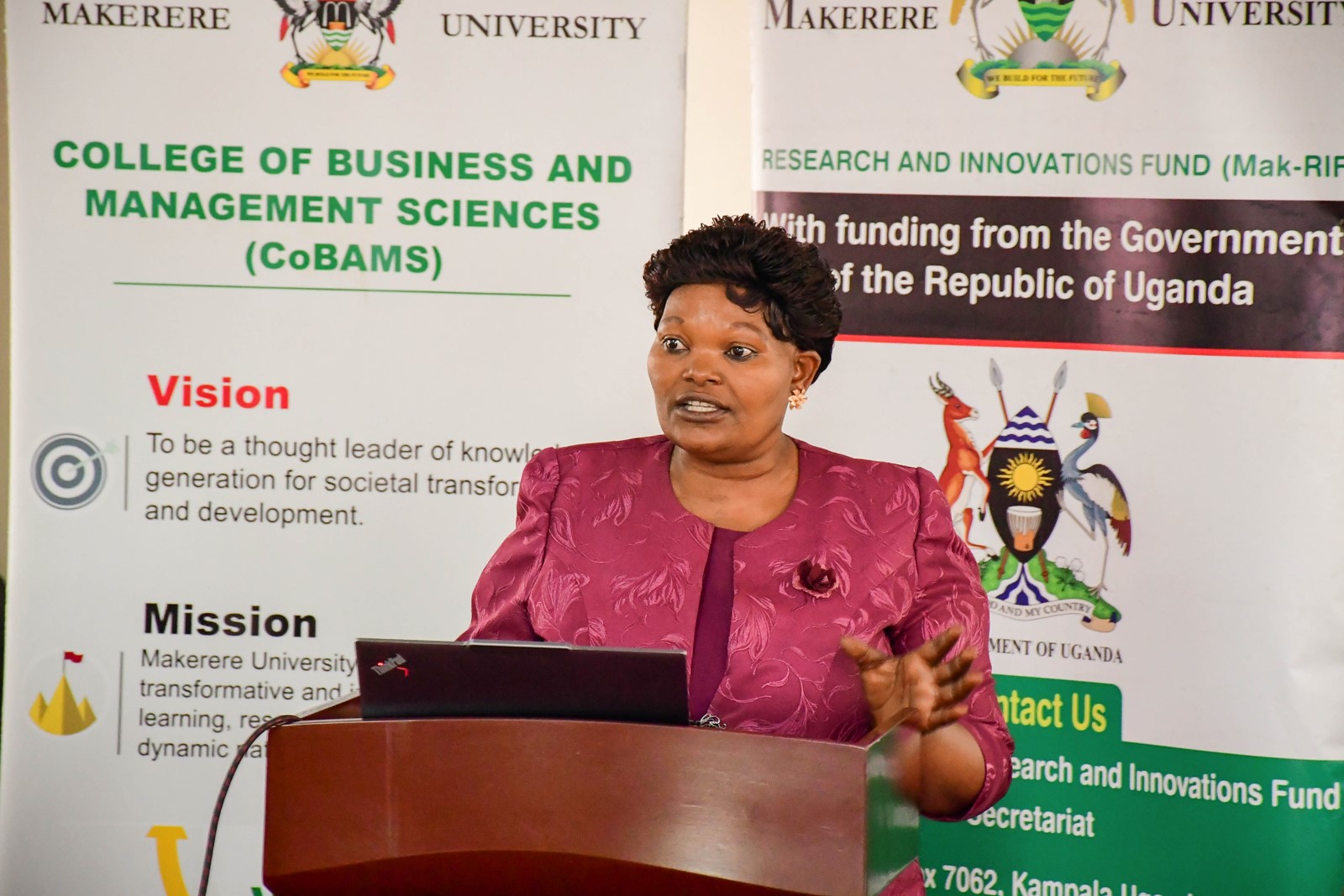
The main presentation led by Dr. Marion Nanyanzi, the Principal Investigator (P.I.) unpacked the research project in a detailed and practical way. At its core, the study explored how MSMEs, particularly in the Food and Beverage (F&B) Service sector in Uganda can achieve sustainable growth by balancing three key areas: economic performance, environmental responsibility and social contribution.
From a social perspective, Dr. Nanyanzi stated that businesses were found to be playing an important role in creating jobs, supporting local suppliers, and contributing to community activities. She added that the study was also focused on reducing environmental harmful practices such as reliance on charcoal and firewood and adopting cleaner energy sources that would economically yield increased profits for enterprises.
The study revealed that while these enterprises significantly contribute to employment and government revenue, they face serious constraints pointing out that high operational costs especially electricity remain a major challenge. “ So, many businesses are forced to turn to cheaper alternatives that are harmful to both health and environment creating a difficult balance between survival and sustainability,” she said.
Amidst these challenges, the study highlighted the resilience and creativity of entrepreneurs. It was found out that many business owners have developed coping strategies to remain operational with some of them adjusting production depending on customer flow especially in areas such as Kampala where demand fluctuates with academic calendars. Dr. Nanyanzi noted that other entrepreneurs have found ways to manage resources more carefully for instance through switching on refrigerators at night when electricity tariffs are lower or re-using water to reduce costs.
Makerere University Guest House highlights its cleaner production strategy
Adding a practical perspective to the study, Mr. Patrick Ojiambo Lwande, the manager of Makerere University Guest House shared how cleaner production is being implemented by the facility in its everyday operations. He mentioned that the facility undertakes waste segregation, recycling and proper waste management as key practices. “Organic waste is separated and repurposed, recyclable materials are re-used and hazardous waste is carefully handled to avoid environmental pollution,” he stated.
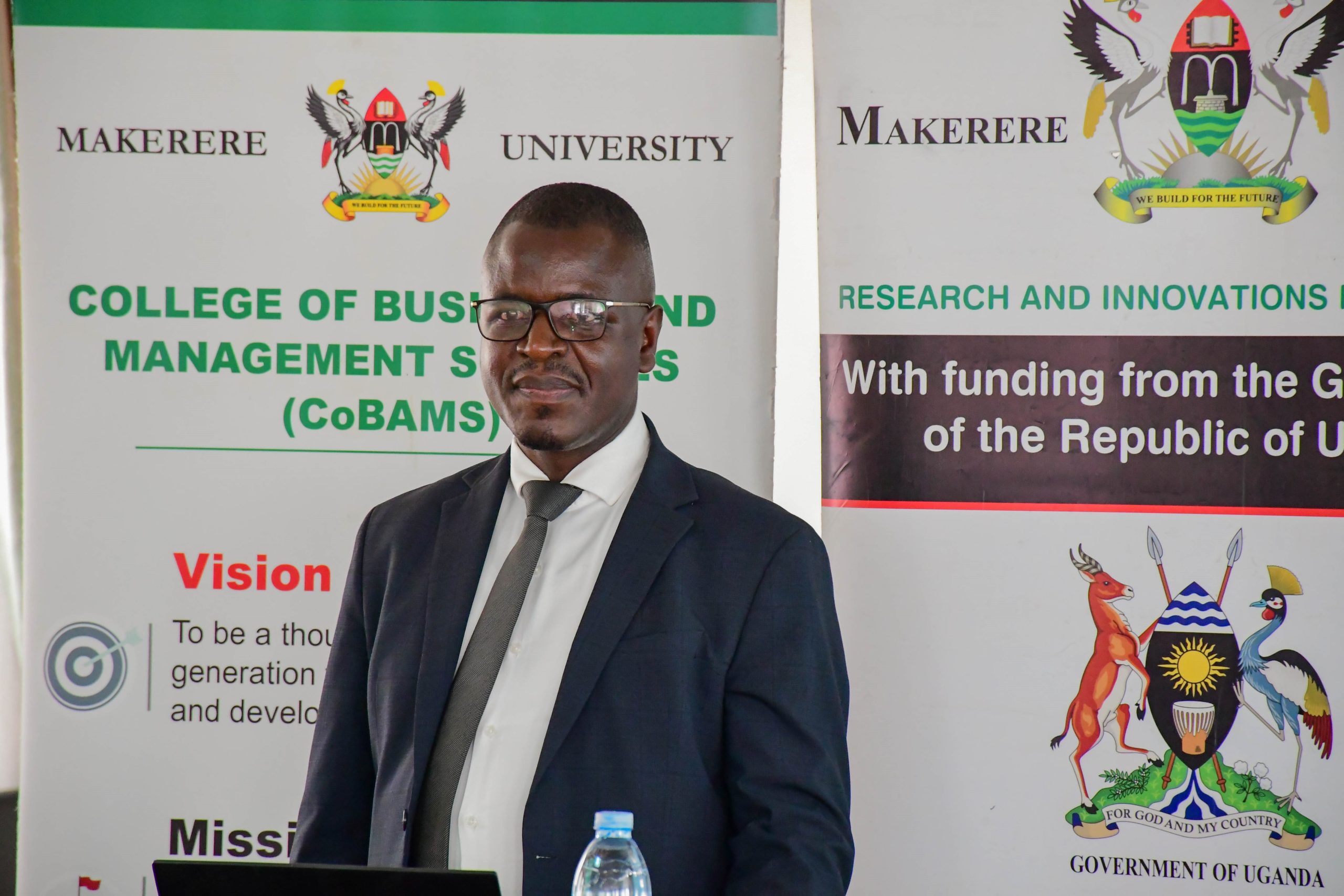
Appreciation of eco-efficiency and cleaner production measures
These practices reflect an emerging understanding of eco-efficiency by business owners who are beginning to recognize that reducing waste and conserving resources can directly improve their production line.
The study also found out that many enterprises are making efforts towards cleaner production. Hygiene standards are being improved, waste is better managed and emissions are controlled through simple measures such as chimneys and ventilation system. In some cases, food waste is used as animal feed while other organic materials are re-used in farming. However, the progress to transition towards more sustainable practices is slowed down by various obstacles including limited financial capacity, lack of technical skills and low awareness among business owners.
Key recommendations
To address these gaps, the project team proposed the following practical recommendations:
- Increasing access to affordable financing by government and financial institutions through introducing subsidies, grants, or low-interest green financing schemes to support investment in cleaner production technologies,
- Promoting public-private partnerships to lower the cost of eco-efficient equipment and infrastructure,
- Undertaking capacity building and training programmes, awareness and sensitization campaigns,
- Strengthening institutional and regulatory frameworks, research and innovation support,
- Providing support for small and informal businesses by designing tailored interventions for micro and small enterprises, and
- Encouraging business clustering and cooperative models to enable shared access to eco-efficient technologies and resources.
MakRIF supports research that addresses national priorities
Professor Fred Masagazi Masaazi, Chairperson of Mak-RIF Grants Management Committee (GMC) emphasized the importance of research that addresses national priorities, noting that government support for research is meant to generate practical solutions.
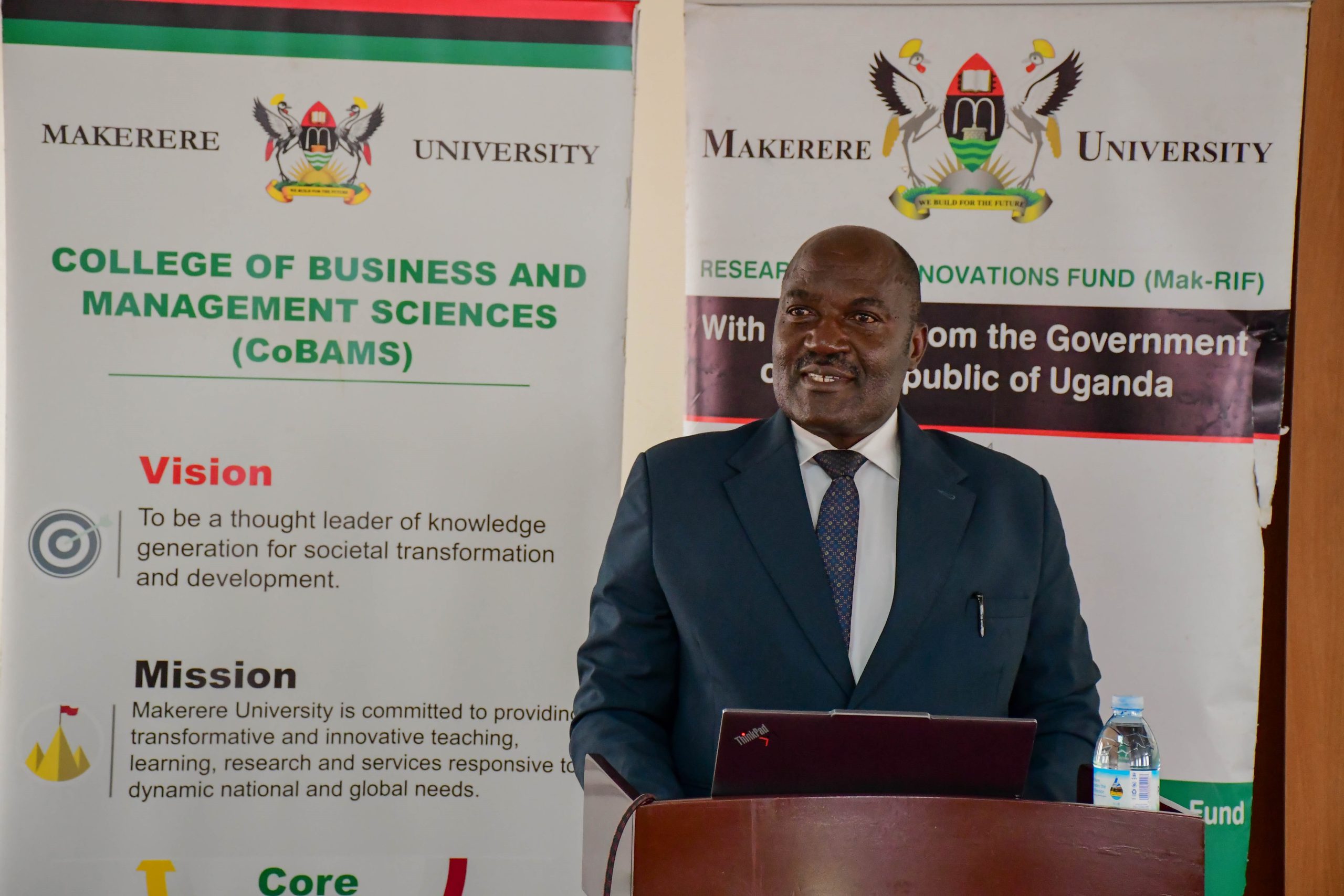
Professor Masagazi Masaazi highlighted the critical role of micro, small, and medium enterprises (MSMEs) in Uganda’s economy, describing the research presented as both timely and relevant. “This is exactly the kind of research Uganda needs — research that directly impacts society and supports economic transformation,” he said.
He encouraged researchers to explore collaborations across disciplines. “Bringing together expertise from different fields can lead to stronger and more impact-oriented solutions that respond to the country’s development needs,” he added. He also called for greater engagement with policymakers and industry players during dissemination.
Research and Industry pathways
The Dean, School of Business, Associate Professor Godfrey Akileng urged researchers, faculty and participants at the dissemination workshop to rethink how research translates into real economic value, emphasizing stronger research to industry pathways at Makerere University and beyond.
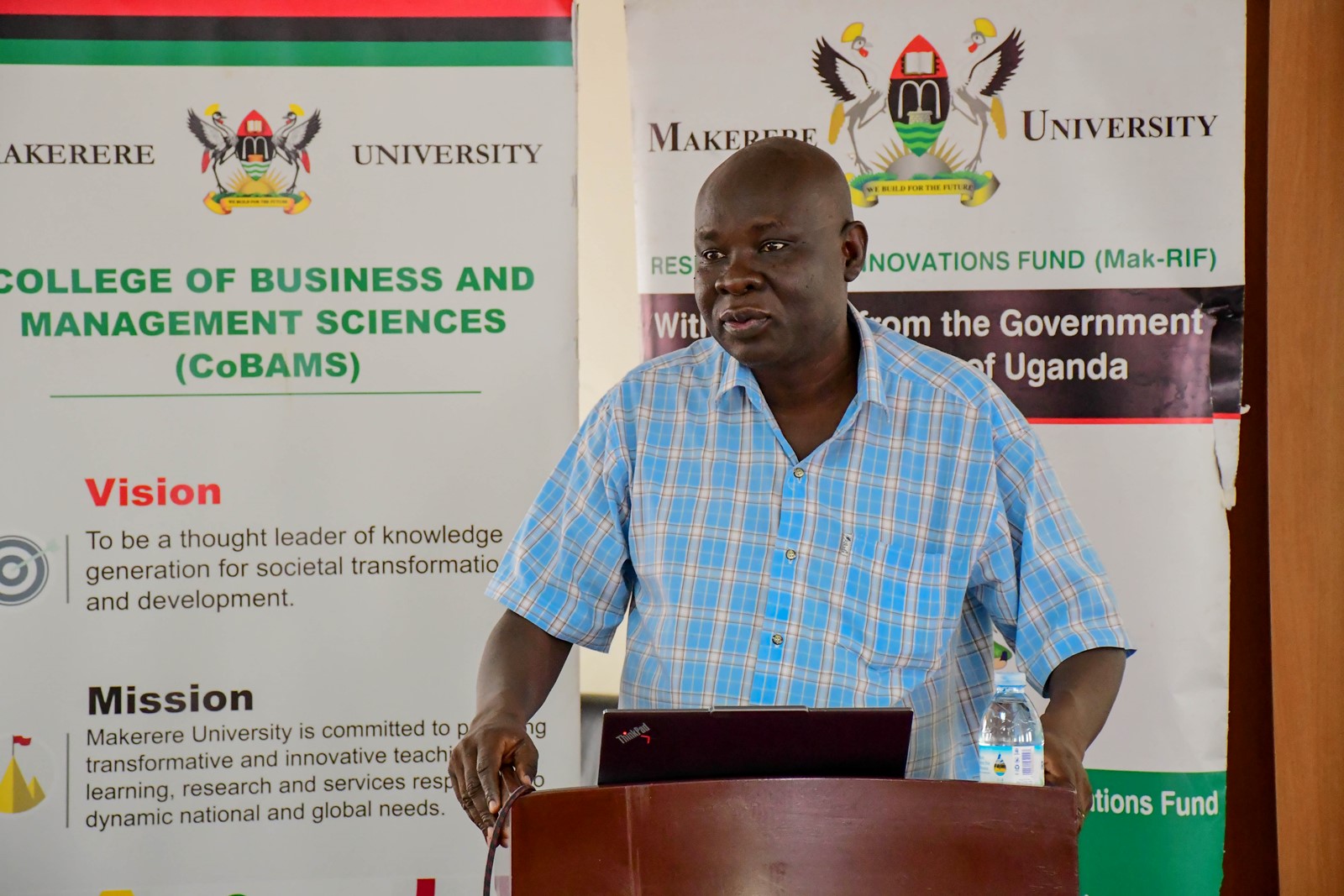
Promoting environmental compliance
Mr. Peter Ssekajja, Senior Environmental Officer (Cleaner Production), National Environment Management Authority (NEMA) informed participants about the ongoing efforts to promote environmental compliance, referencing the establishment of a Compliance Assistance Unit and the introduction of the National Environment Sustainability Awards as some of the supporting measures.
He stated that these initiatives aim to support businesses in adopting sustainable practices while recognizing those that are leading the way. “Environment is no longer just about enforcement, but also about guidance, innovation and collaboration,” he emphasized.
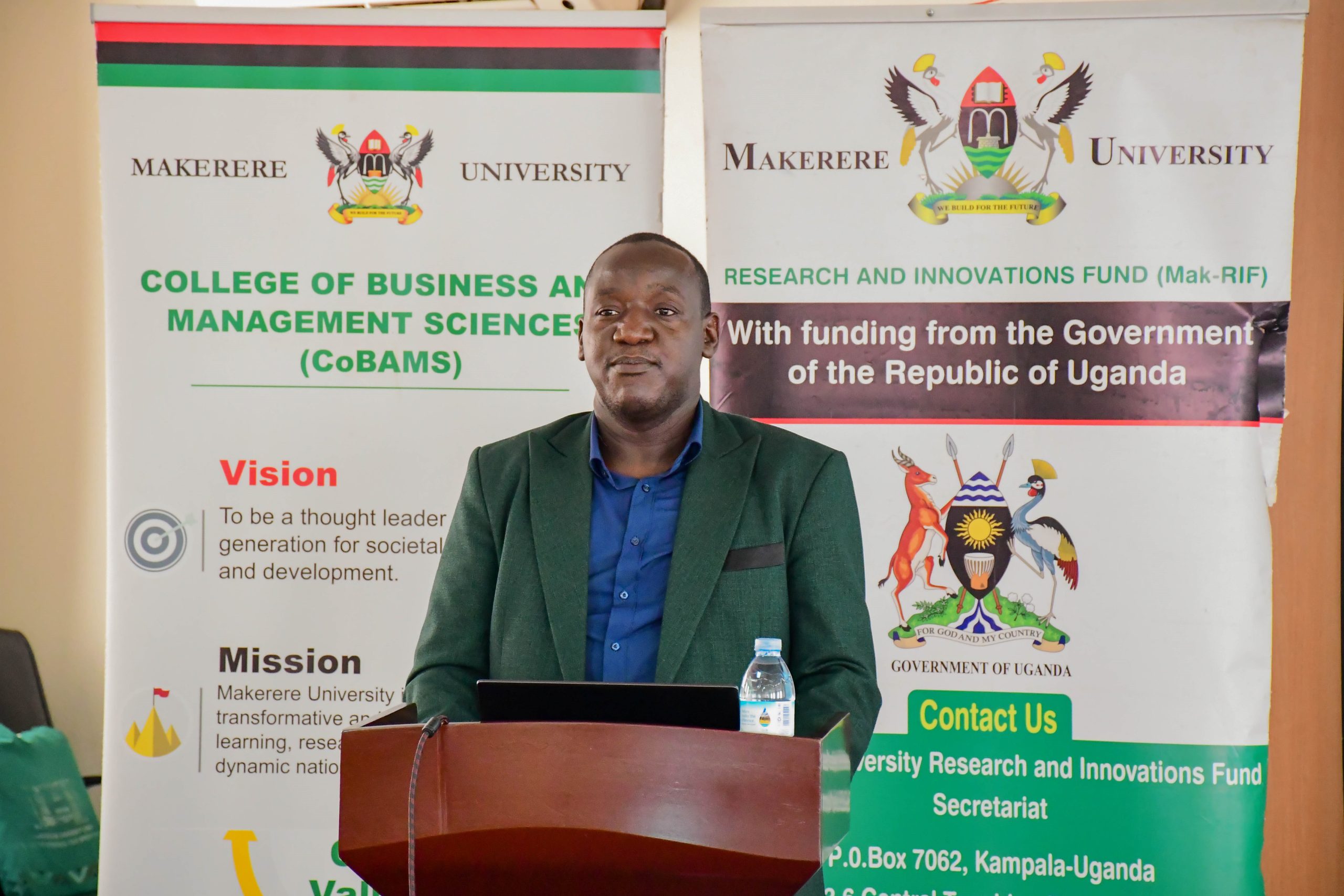
Mr. Ssekajja reflected on the changing nature of environmental challenges as populations grow and resources becoming more strained. He appealed for efficient and responsible use of resources by business owners. He implored the business owners to consider sustainability not as a burden, but as an opportunity.
Participants enlightened on eco-efficiency and cleaner production
Dr. Jude Mugarura, the Head, Department of Marketing and Management, appreciated the dissemination workshop which presented them with an opportunity to listen to both the research project team and two practitioners namely Makerere University Guest House, and the National Management Environment Authority (NEMA). “We are therefore able to bridge the academia and the field of practice,” said Dr. Mugarura.
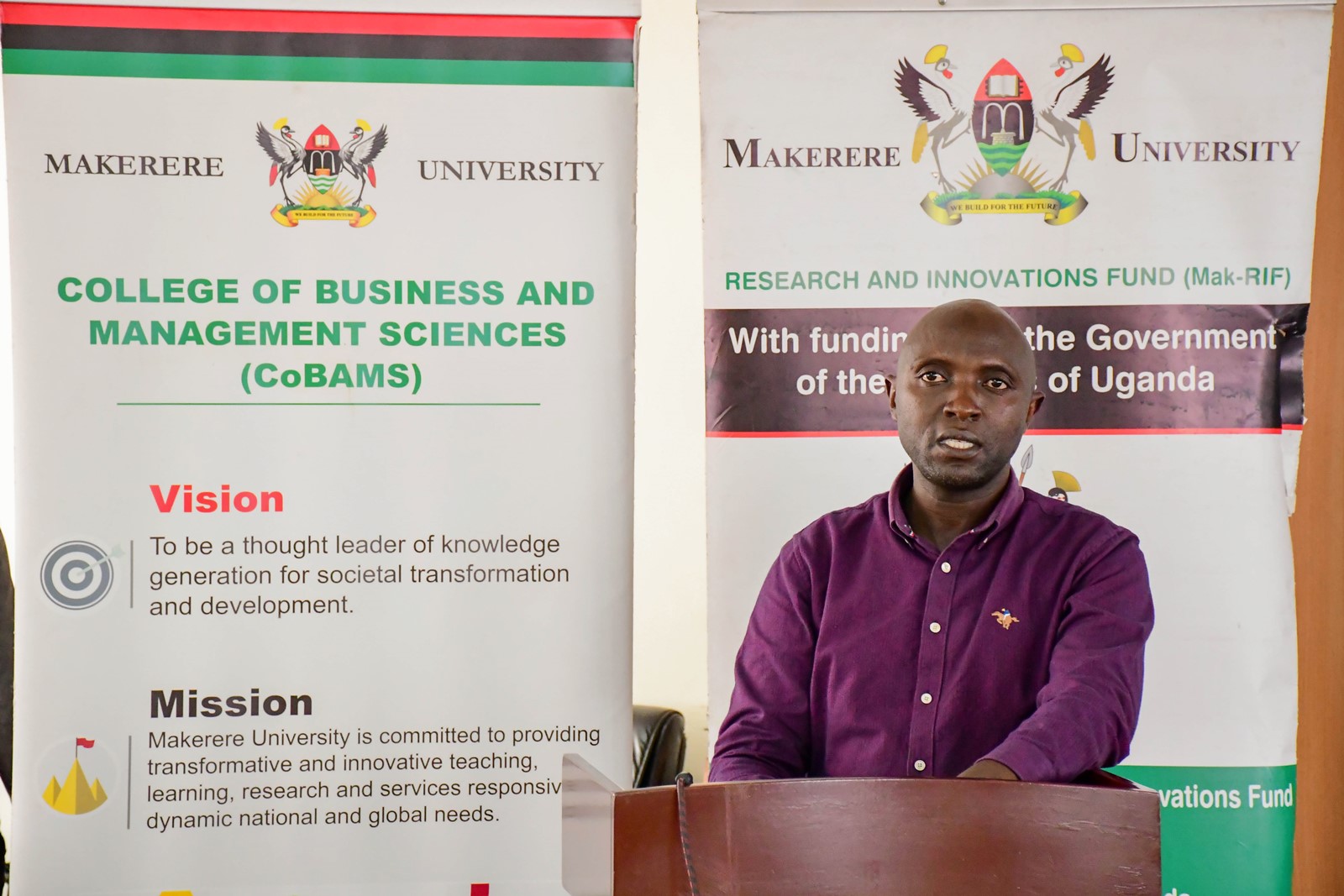
Dr. Seperia Bwadene Wanyama, from the School of Business, thanked Mr. Peter Ssekajja from NEMA for his presentation on cleaner production and eco-efficiency, which demonstrated to the participants some of the day-to-day wasteful practices with respect to resources, that they were engaged in, without knowing the implications. A key highlight focused on the usage of water in toilets which indicates the button to press after a short call, and the one to press after a long call, which would greatly save water consumption. “Learning is a continuous process. I have learned from the presentations of the findings by the research project team, as well as, Mr. Peter Ssekajja, who provided an informative presentation on real life practices on eco-efficiency and cleaner production.”
Conclusion: Toward a Clean and Resilient Economy
The workshop concluded with a strong call for collective action to support MSMEs in adopting eco-efficient practices. With the right support, small businesses can become engines of sustainable development. “This study provides practical insights that, if implemented, can transform MSMEs into drivers of sustainable development,” Dr. Sendawula emphasized.
Overall, the research outlines a clear pathway toward a greener, more resilient Ugandan economy—where MSMEs thrive while contributing to environmental sustainability and social well-being.
Academics, researchers and students at Makerere University have been urged to deepen research into whether international donors cooperate or compete in the provision of aid, amid growing concerns that shifts by major funders could significantly affect service delivery in developing countries.
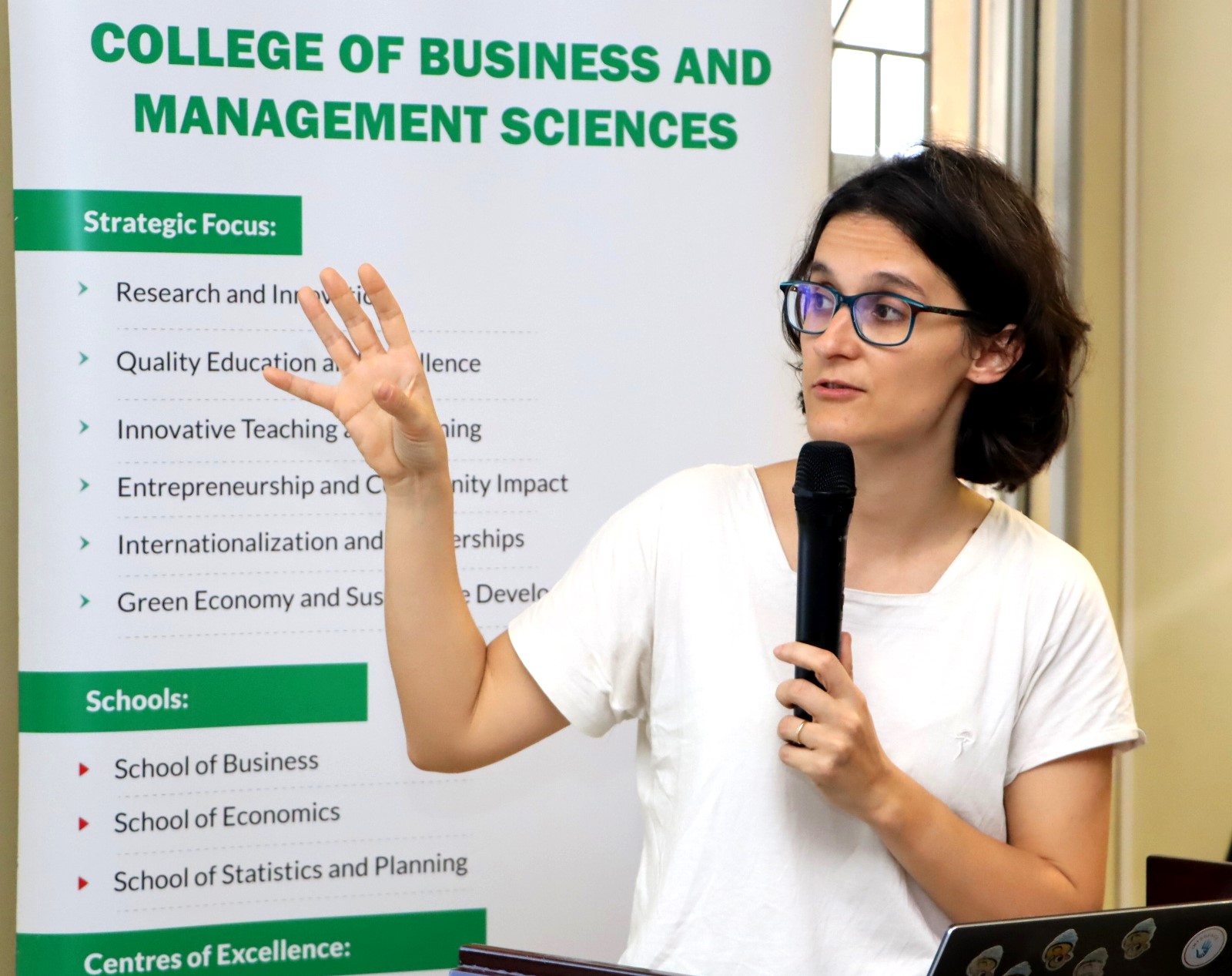
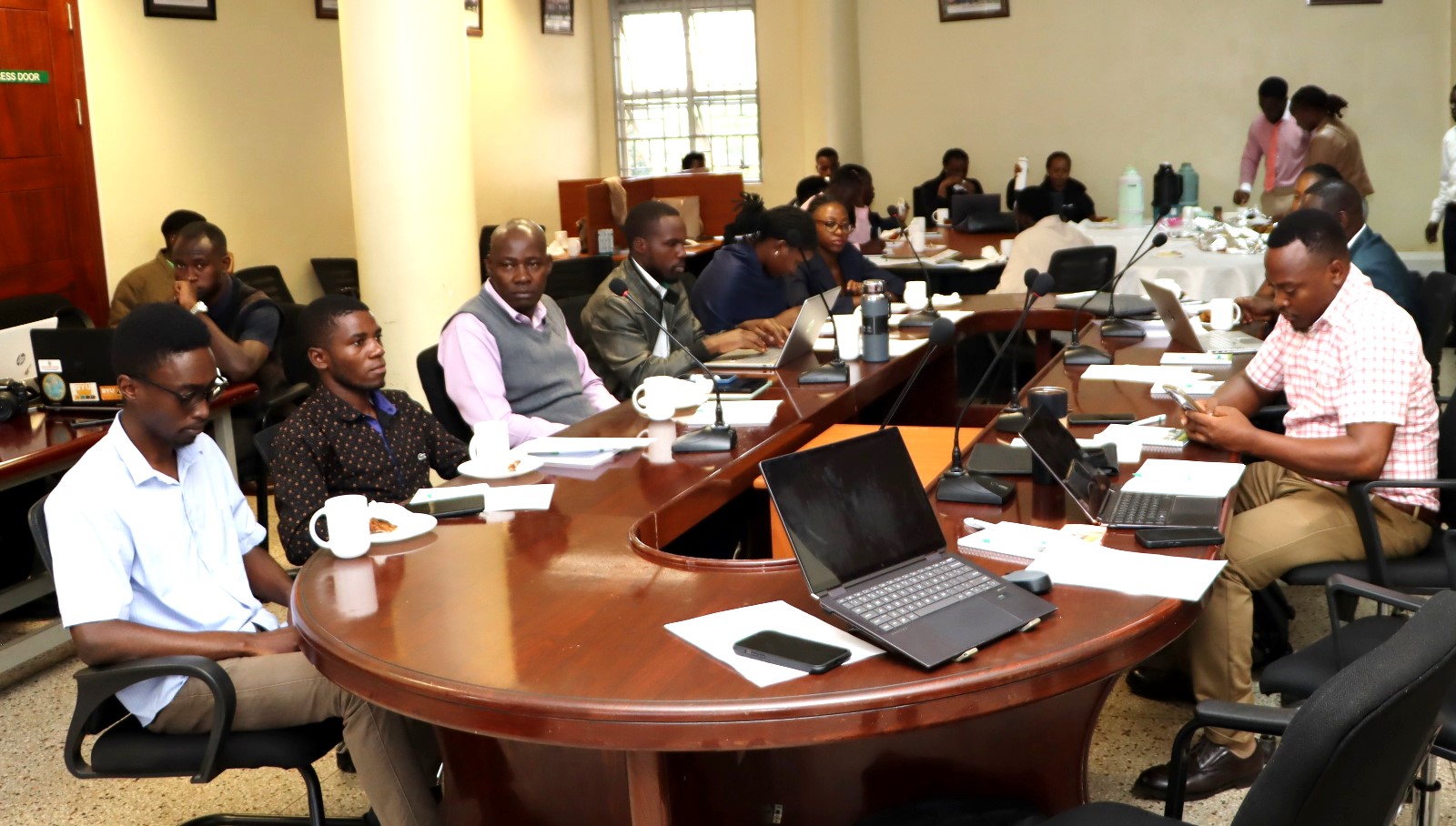
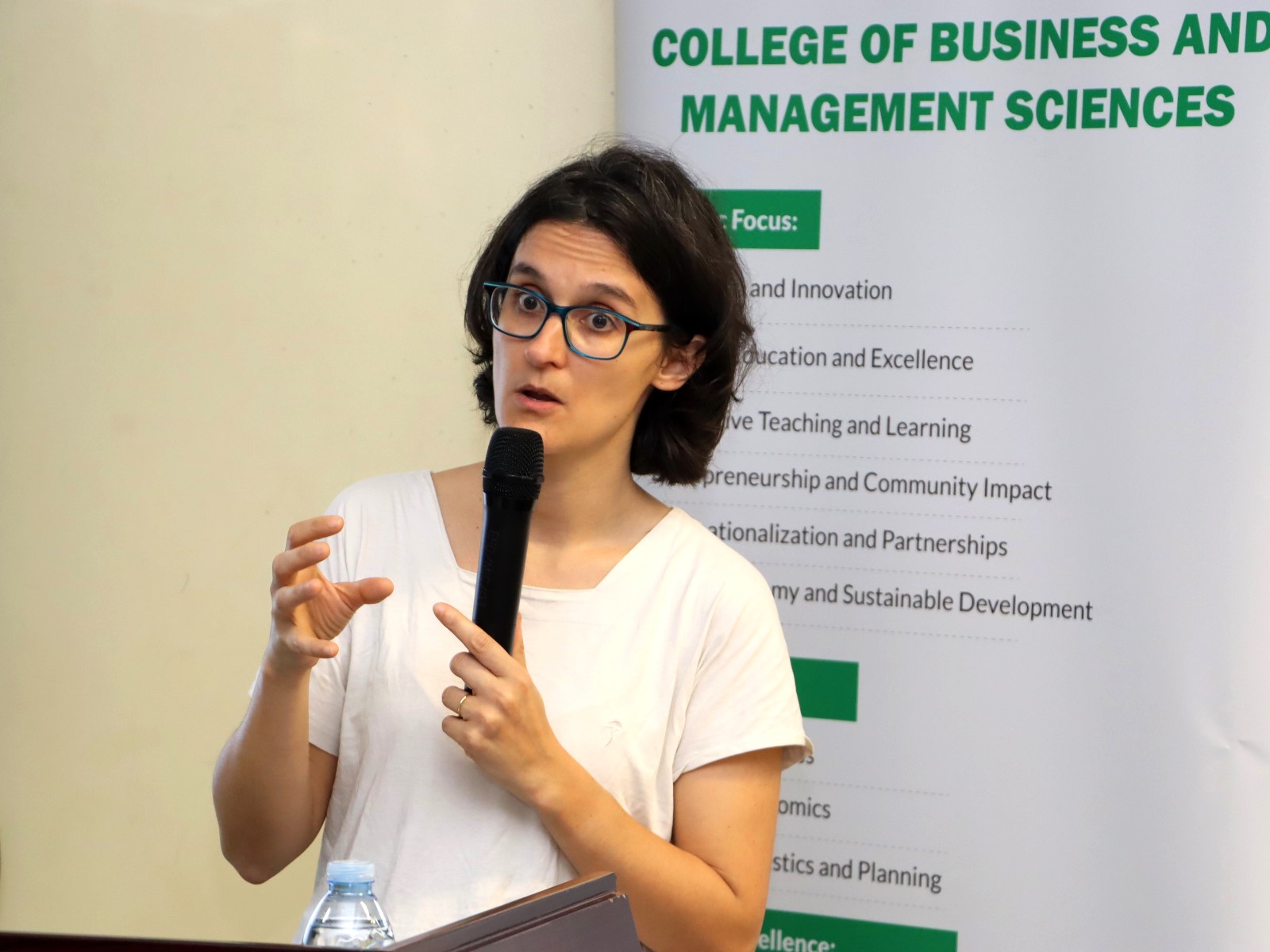
The call was made during a public lecture delivered on April 16, 2026, by French economist Nathalie Ferriere, titled “Donor Cooperation or Competition: What Do We Know from Economics Research and What Should We Investigate.” The lecture, part of the Environment for Development Initiative seminar series, attracted faculty, researchers and students .
Ferriere, an Associate Professor at Sciences Po Aix affiliated with the Aix-Marseille School of Economics, is in Uganda for a two-week research engagement involving consultations with government institutions including the Ministries of Finance and Health as well as local governments.
Study Donor Reactions to Aid Withdrawals
Ferriere said her research focuses on how donors respond when a major funder withdraws support particularly in sensitive sectors such as family planning.
“My research here is about the interaction between family planning providers’ aid. I look at how the withdrawal of US aid in given years affects the spending of other donors,” she explained.
She noted that her findings show a delayed but concerning pattern.
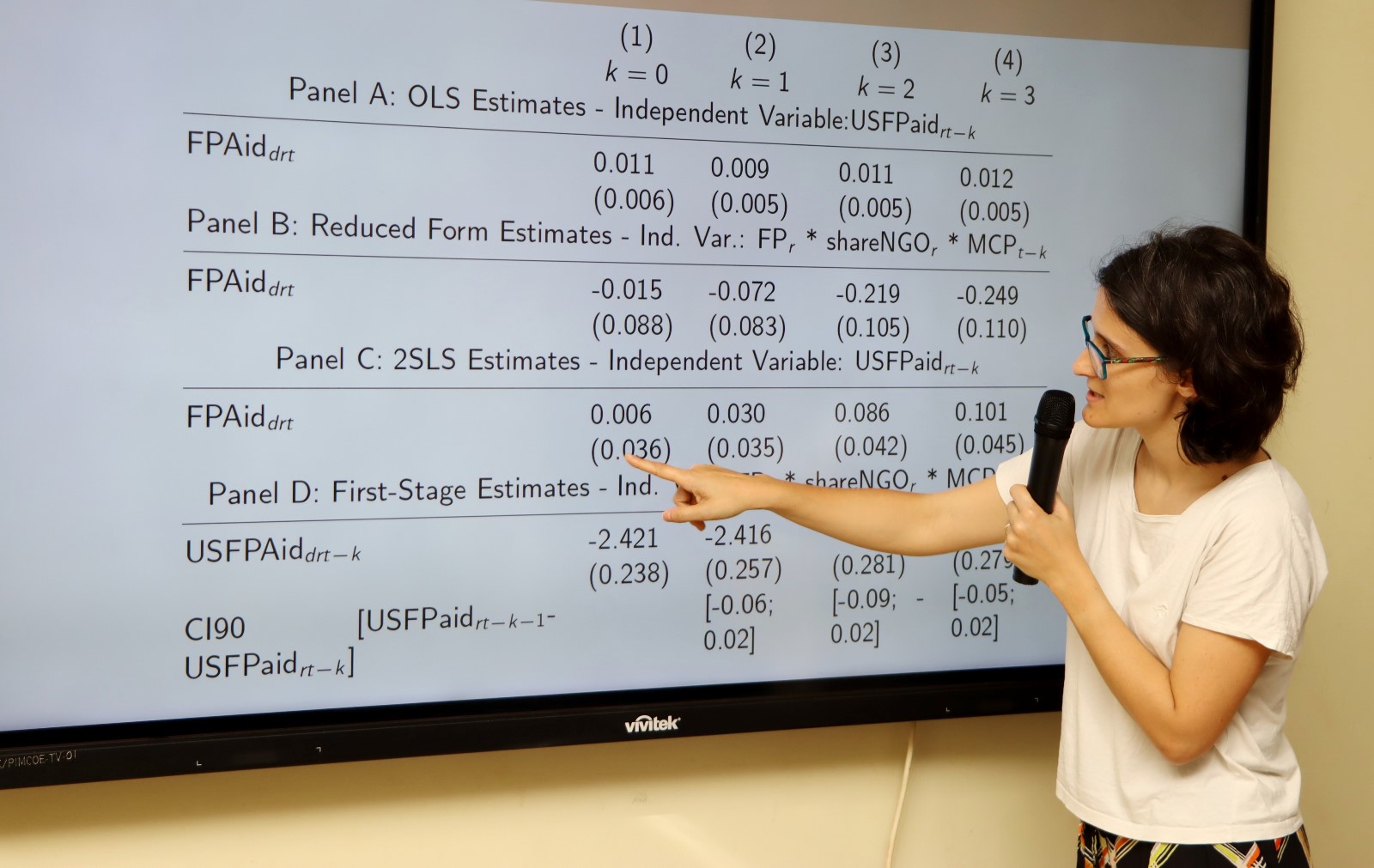
“Once the US stops giving family planning aid, other donors at the beginning do not react for one or two years but after, they also start to reduce funding,” she said.
Ferriere warned that such trends could have direct implications for countries like Uganda, where a significant portion of health services relies on foreign aid.

“If you have a decrease in this aid, you will have a decrease in family planning provision,” she said adding that governments must anticipate such shifts.
“If you want to keep the same level of services, the government should increase its own expenditure. My next research will be to understand how governments respond in such situations,” she added.
Lecture Opens New Research Frontiers
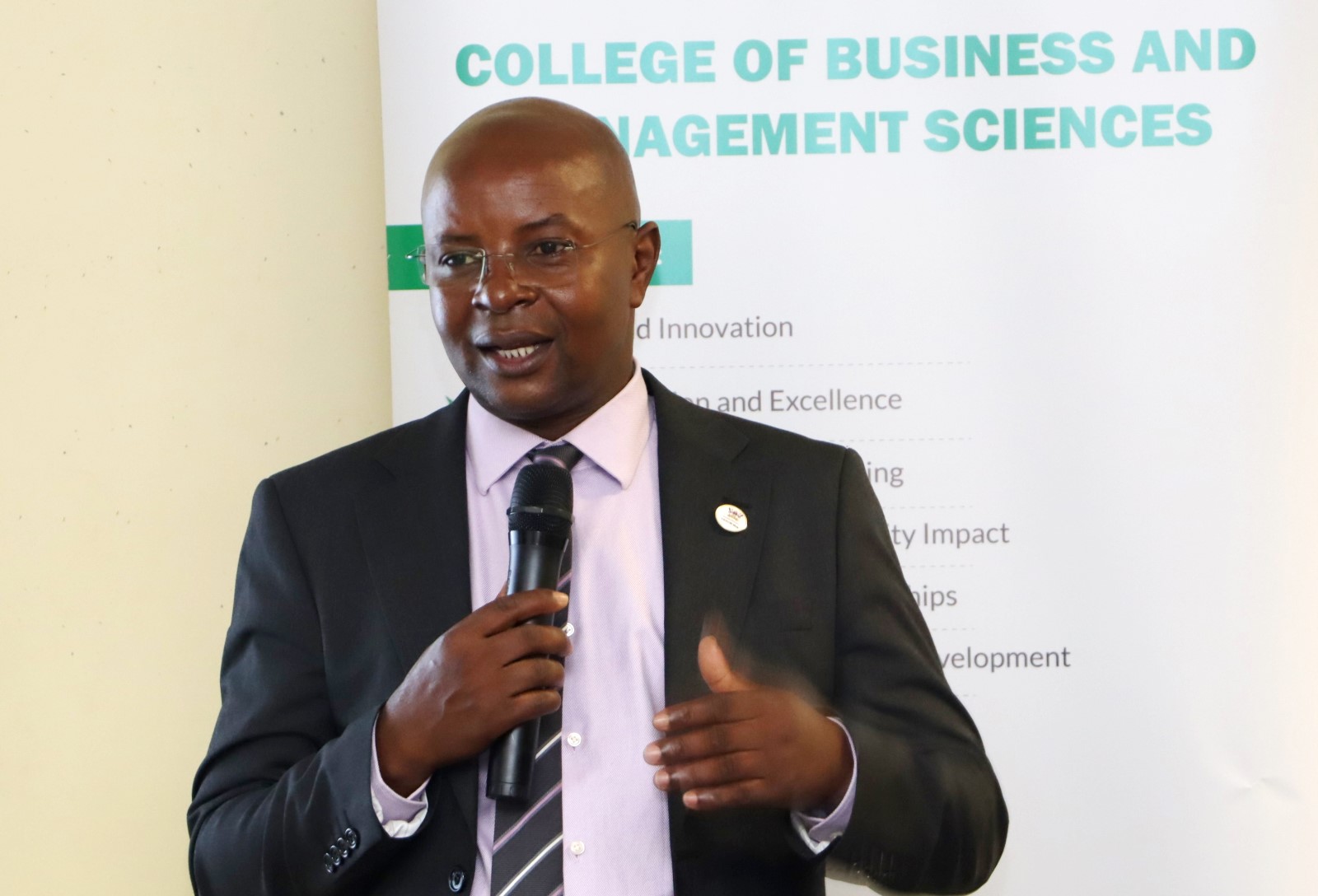
College Principal and EfD centre Director Edward Bbaale described the lecture as timely and aligned with the university’s strategic direction to strengthen research and international collaboration.
“The topic speaks a lot to me because it opens up research frontiers. What should we really take on as researchers? How else can we look at cooperation or competition in terms of aid?” Bbaale said.
He commended Ferriere for partnering with Makerere researchers on aid-related studies, noting that such collaborations are critical for building a research-driven institution.
“We are excited that of all universities in Africa, you chose to work with researchers from Makerere University,” he said.

Bbaale emphasized that the university is positioning itself as a research-led institution, with internationalization and partnerships at its core.
“A research university is not only about teaching. It is about meetings like this to exchange ideas, to understand where we are and where we are going,” he added.
Donor Behaviour Key to Development Outcomes
Lecturer John Bosco Oryema said the lecture underscored the importance of understanding donor dynamics for countries dependent on external funding.
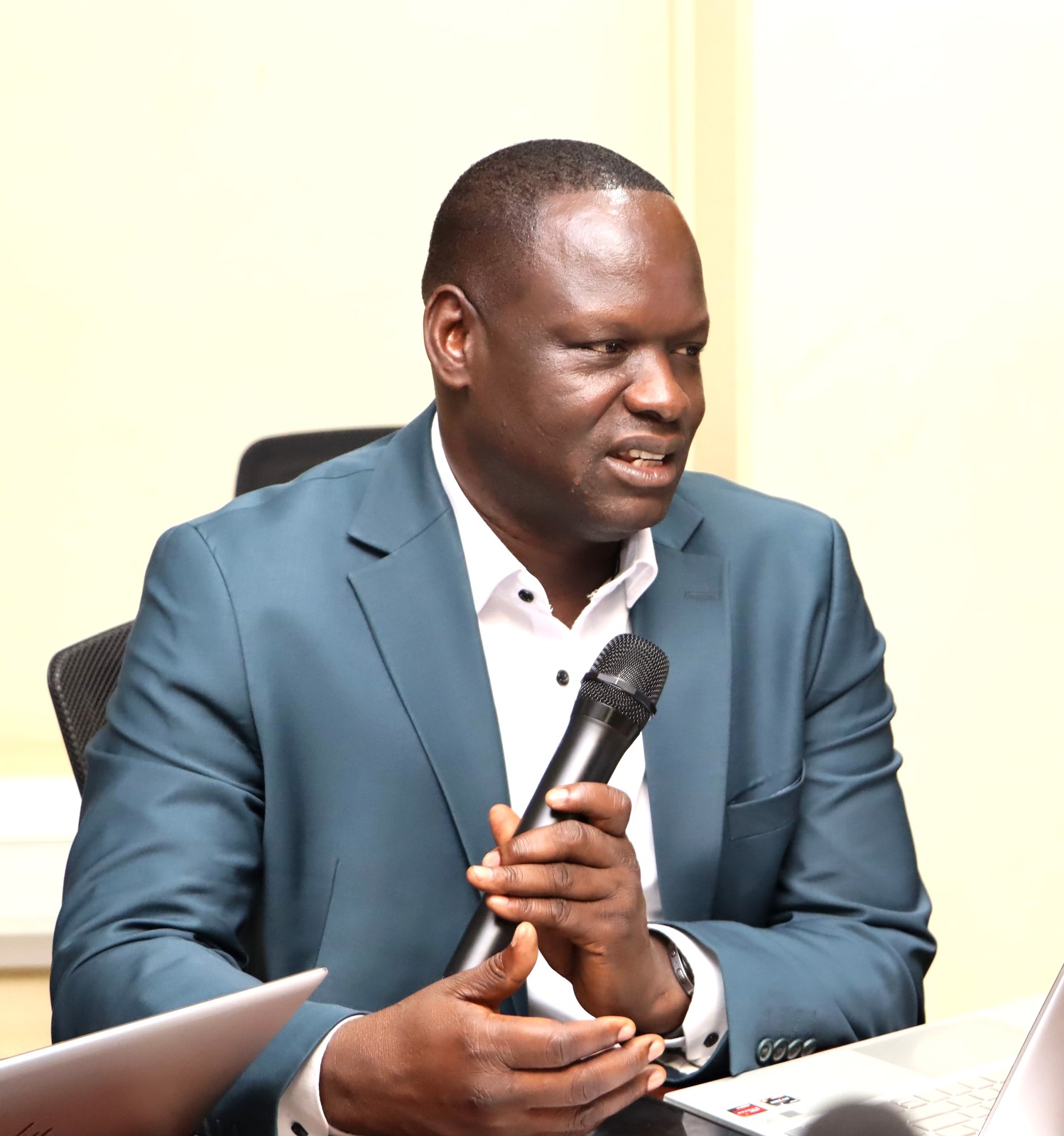
“When a big donor behaves in a specific way, other donors will follow in the same way,” Oryema noted.
“For developing countries that depend on aid, we need to study the behaviour of our donors. When one reduces, others may also reduce, and our development interventions may fail,” he warned.

Researcher Alice Nalwera highlighted the tendency of donors to align their decisions based on actions taken by leading funders.
“Most donors tend to cooperate and follow what others are doing. There is an aspect of information sharing,” she said.

“What the US is doing will greatly influence what other donors do in terms of disbursement,” she added..
Evelyn Nizame, a third-year economics student said cooperation among donors is essential.

“It is very important for donors to cooperate on key projects to deliver quality services to the people,” she said.
Another student, Nabakoza Joan, emphasized the risks of fragmented aid. “When there is a lot of competition, there is fragmentation of funds. But if donors cooperate under one policy, it leads to better outcomes for developing countries,” she explained.
Business & Management
EfD Uganda sends off internee Ruth Asiimwe to African Development Bank, prides in strong mentorship


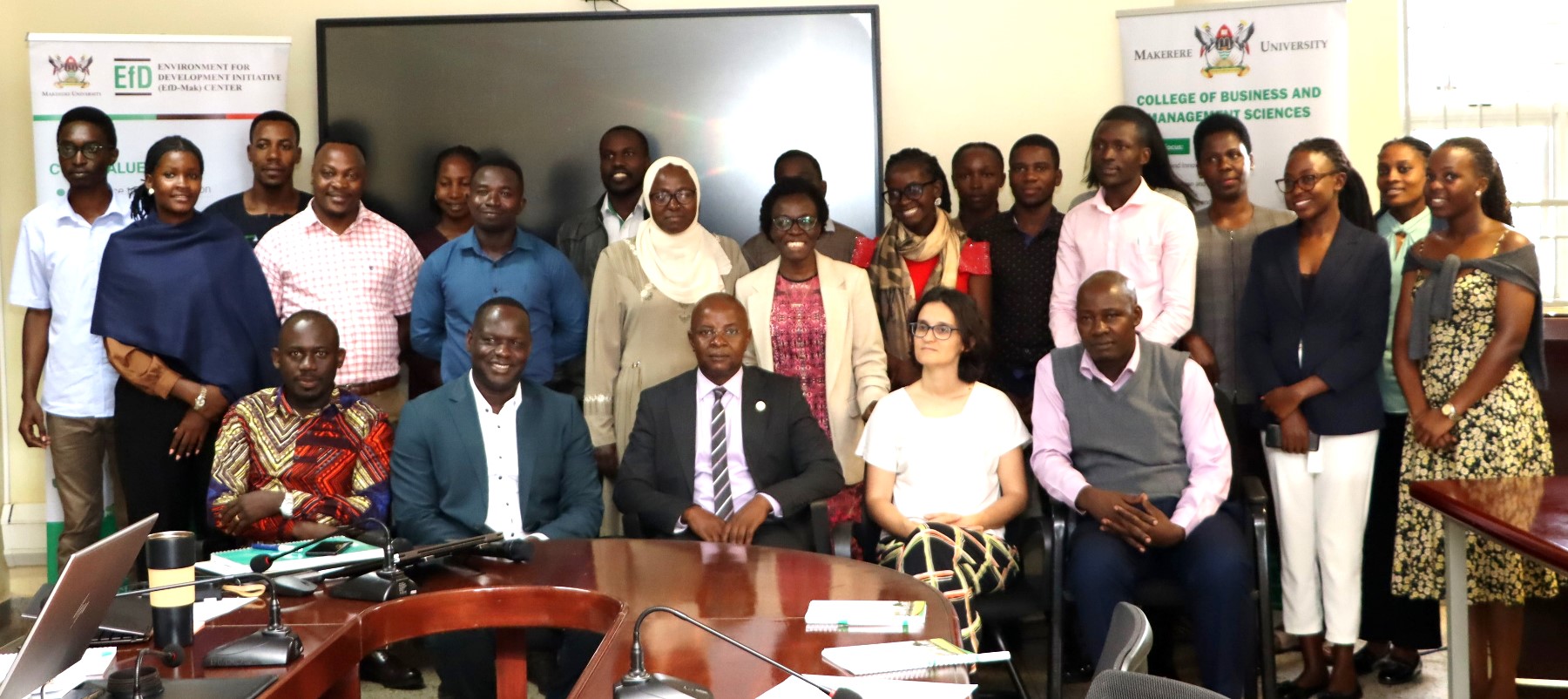
Environment for Development (EfD) Centre at Makerere University on 16th April 2026 bid farewell to its third intern, Ruth Asiimwe, who has secured a position with the African Development Bank in Juba South Sudan, with staff and alumni hailing the programme’s growing record of nurturing top talent.
Asiimwe’s departure adds to a list of successful transitions by EfD interns into key national and international institutions. The centre’s first intern, Alice Nalweera, joined the Economic Policy Research Centre (EPRC) before becoming an assistant lecturer at Makerere University’s School of Economics, while the second, Lean Ankunda, was recruited by the Bank of Uganda.
Speaking at the farewell, Policy Engagement Specialist Peter Babyenda said Asiimwe’s achievement reflects the strength of EfD’s mentorship model.
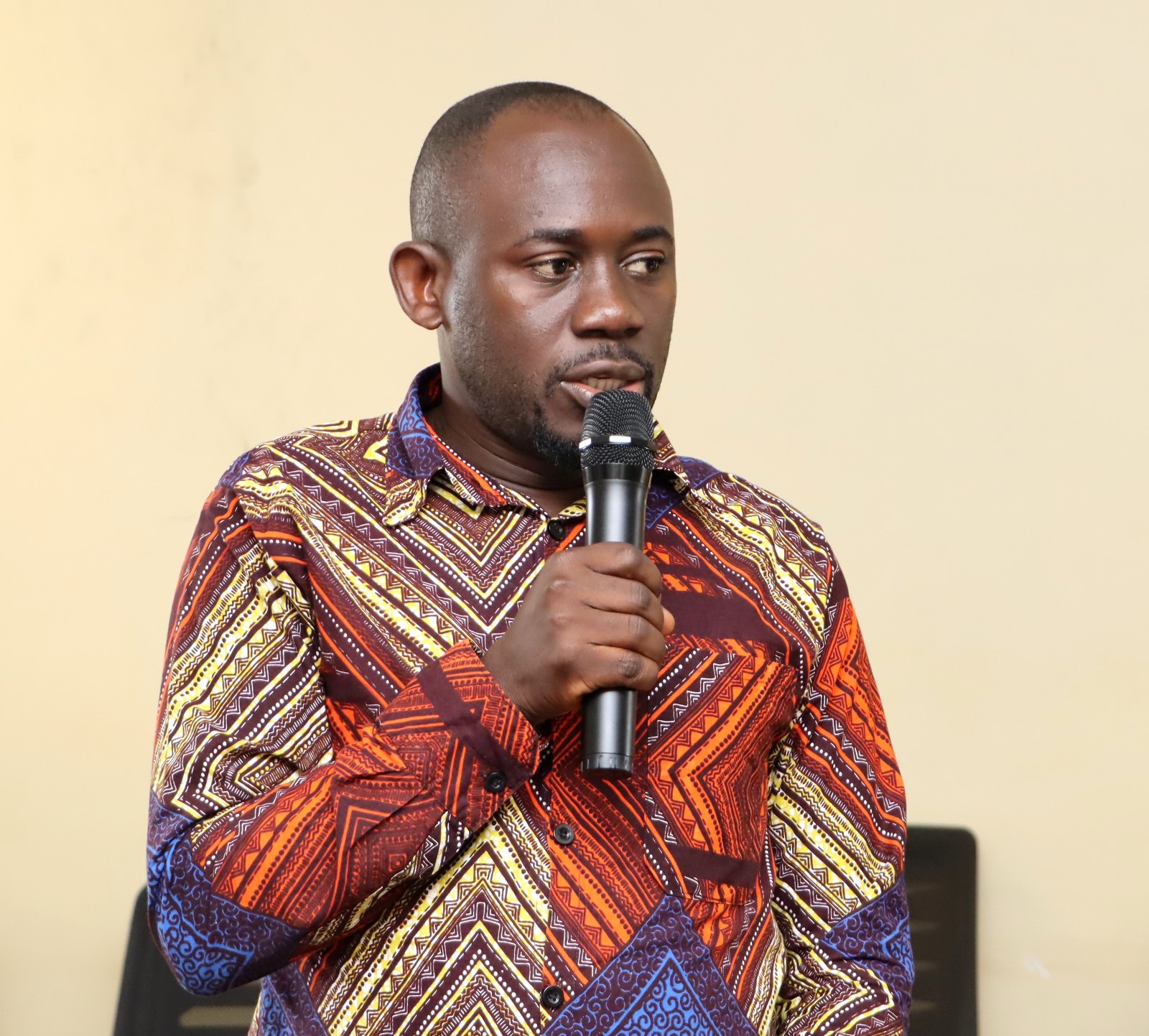
“In the same way we bid farewell to Alice and Lean as they moved on to EPRC and Bank of Uganda respectively, today we are here again because of the mentorship we are providing,” Babyenda said. “Ruth is now joining the African Development Bank in Juba, and we are proud of her.”
Babyenda also credited the EfD leadership and partners, noting that the Sida-funded centre, established in 2019, has consistently invested in building research capacity among young scholars.
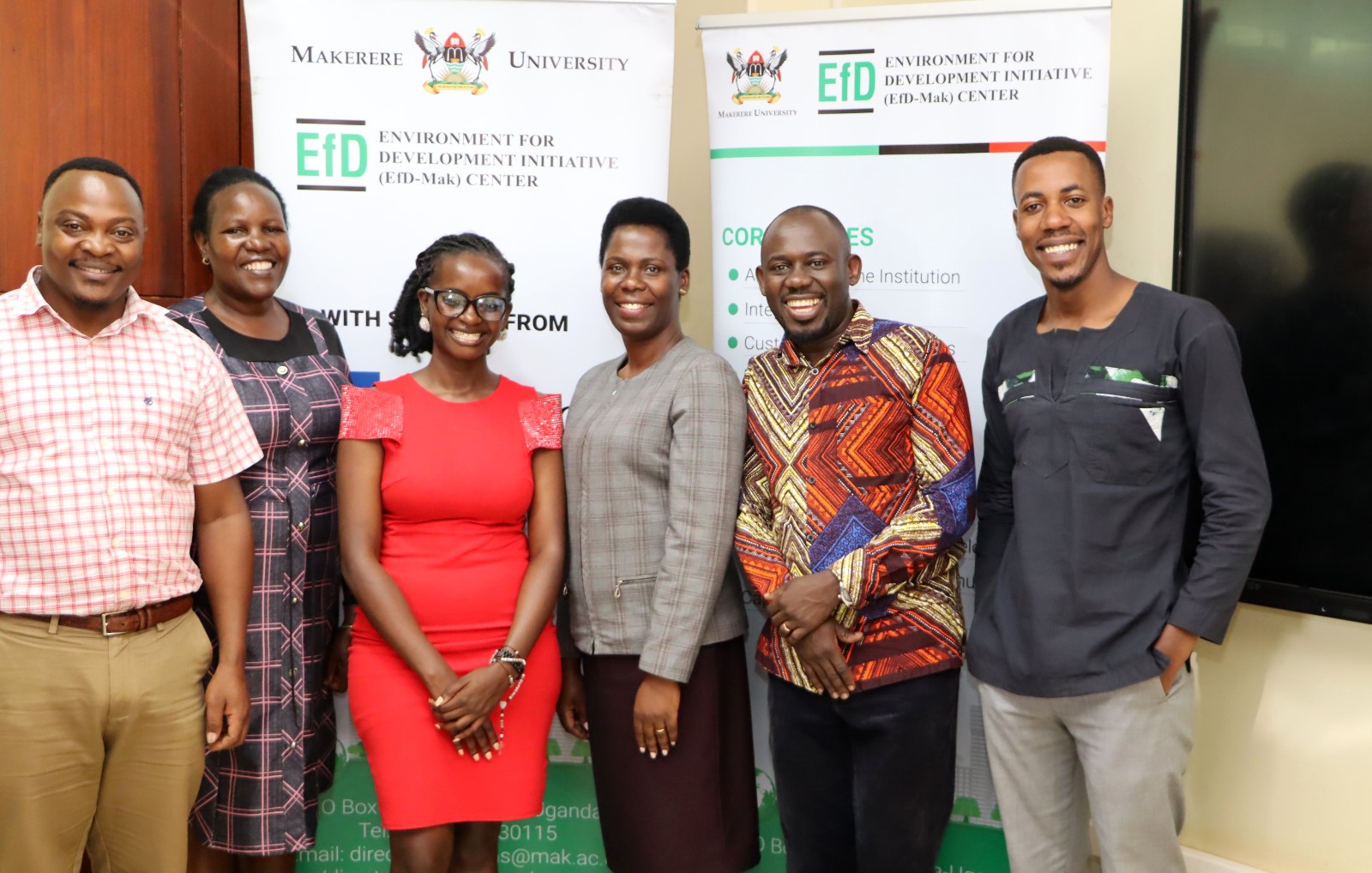
“We started this mentorship programme to help students learn from what we are doing and become researchers. Wherever you go, please represent us well,” he added.
“A nursery bed for young professionals”
The Director of the EfD Makerere Centre, Prof. Edward Bbaale, described the centre as a “nursery bed” for young professionals, emphasizing its role in shaping future leaders.
“EfD is a place where we nurture seedlings and later transplant them into the main garden. Ruth has been very diligent and professional, and I have no doubt she will represent us well,” Bbaale said.
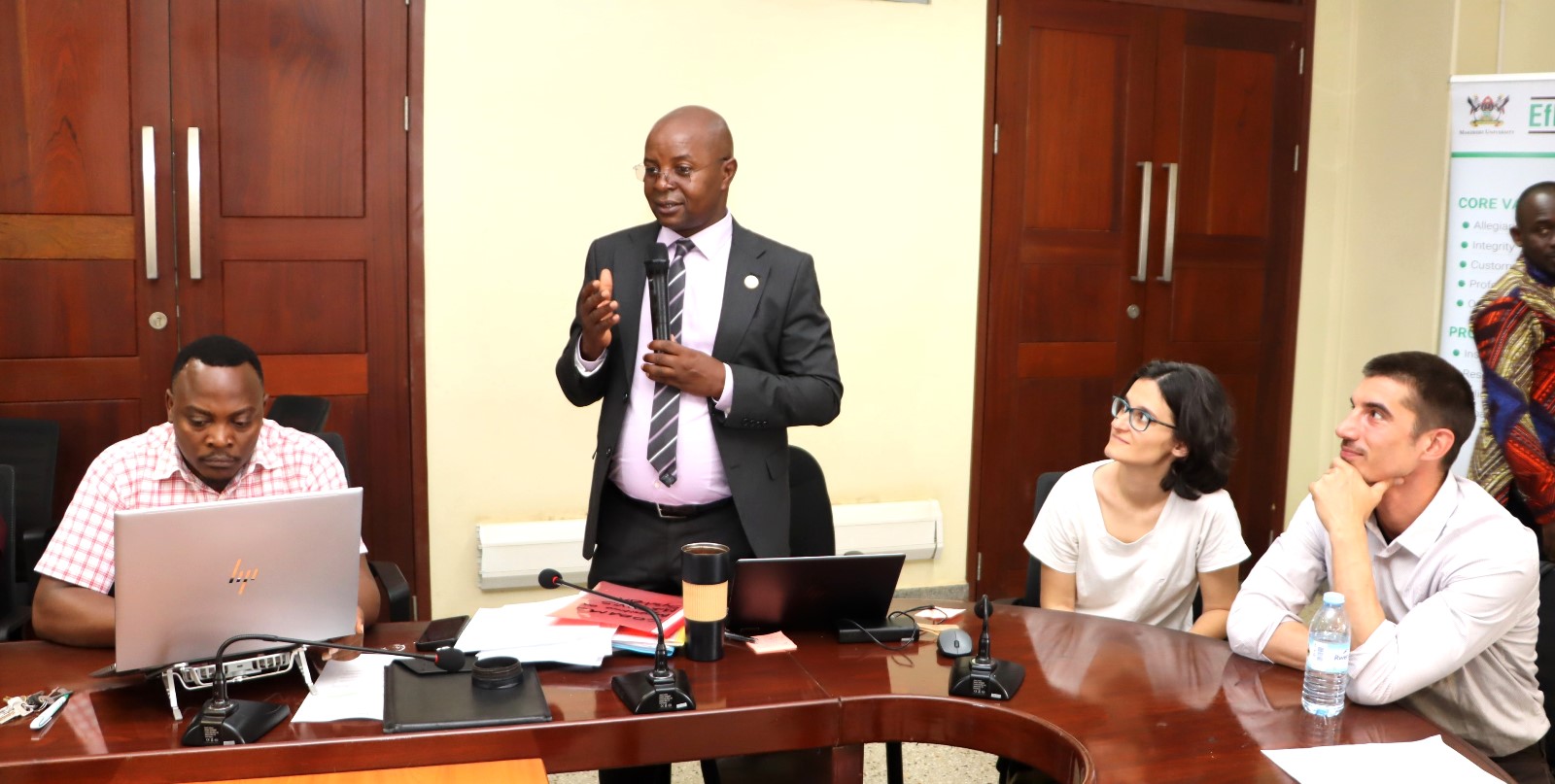
He added that Asiimwe’s move extends the centre’s influence beyond Uganda. “She is not leaving the EfD network; rather, our footprint is expanding to the African Development Bank and to another country. This makes collaboration easier and strengthens our presence.”
Centre Manager and Supervisor Gyaviira Ssewankambo said the internship programme was introduced to strengthen internal capacity and has since evolved into a critical talent pipeline.
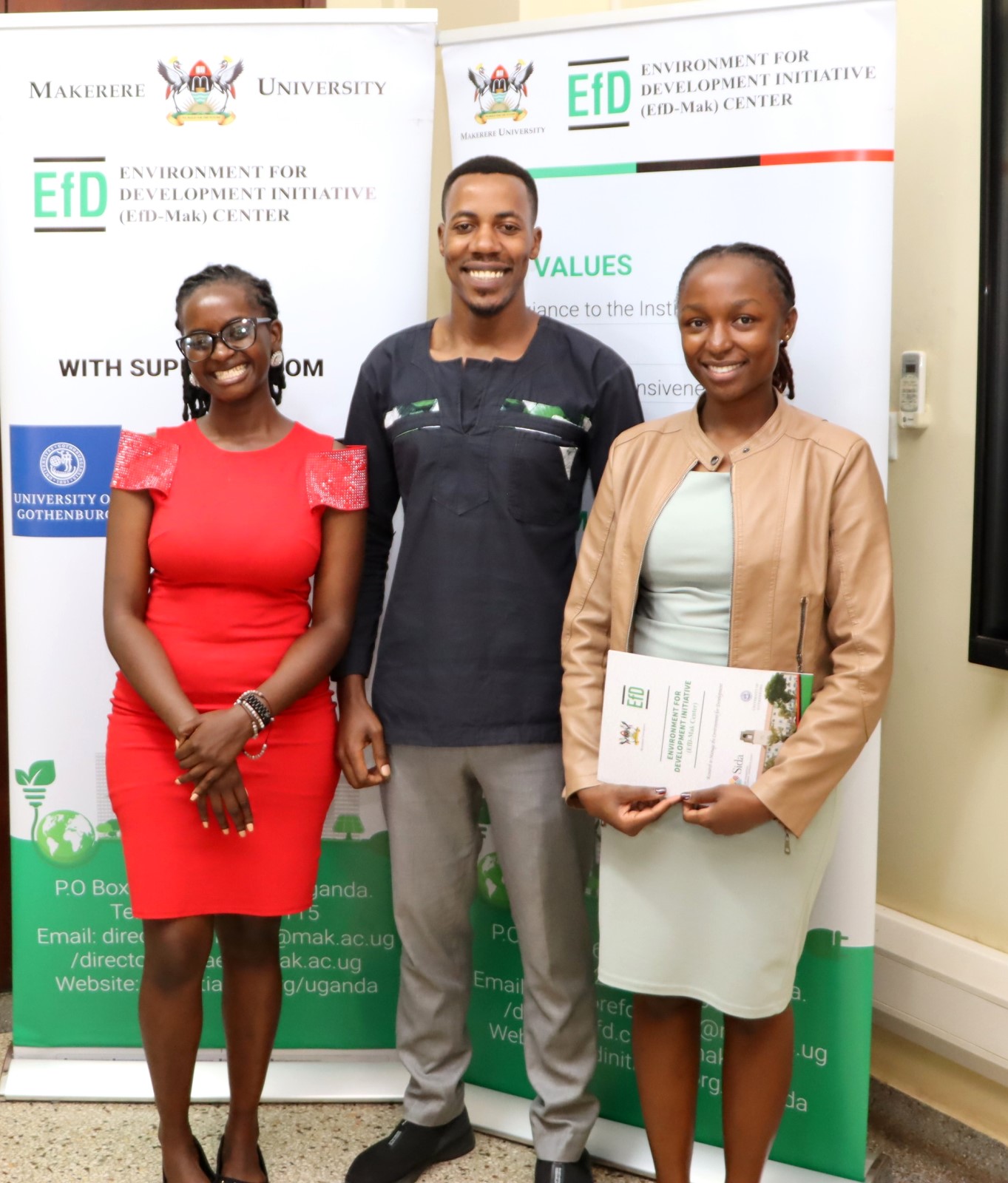
“Ruth has made us proud. She set a high benchmark, and we expect those coming in to build on that,” Ssewankambo said.
Research Fellow Dr. Nicholas Kilimani highlighted the importance of targeted mentorship and talent identification in building a strong team.
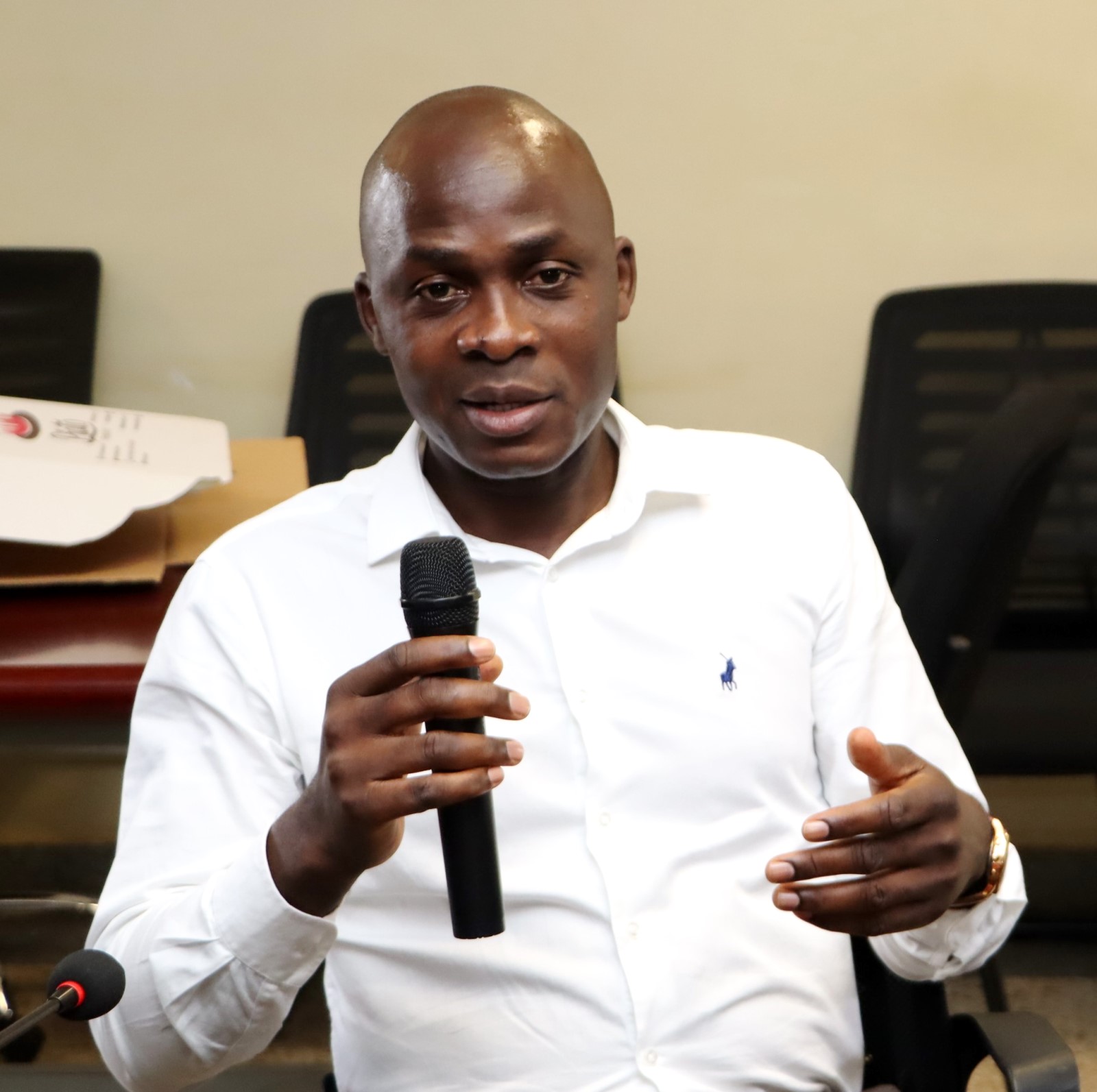
“We are dealing with highly specialised talent. The approach of identifying and nurturing dedicated young professionals has paid off, and Ruth is a clear example,” he said.
Staff members also praised Asiimwe’s character, describing her as humble, disciplined, and professional. Data Manager Fred Kasalirwe noted that beyond academic excellence, her soft skills set her apart.
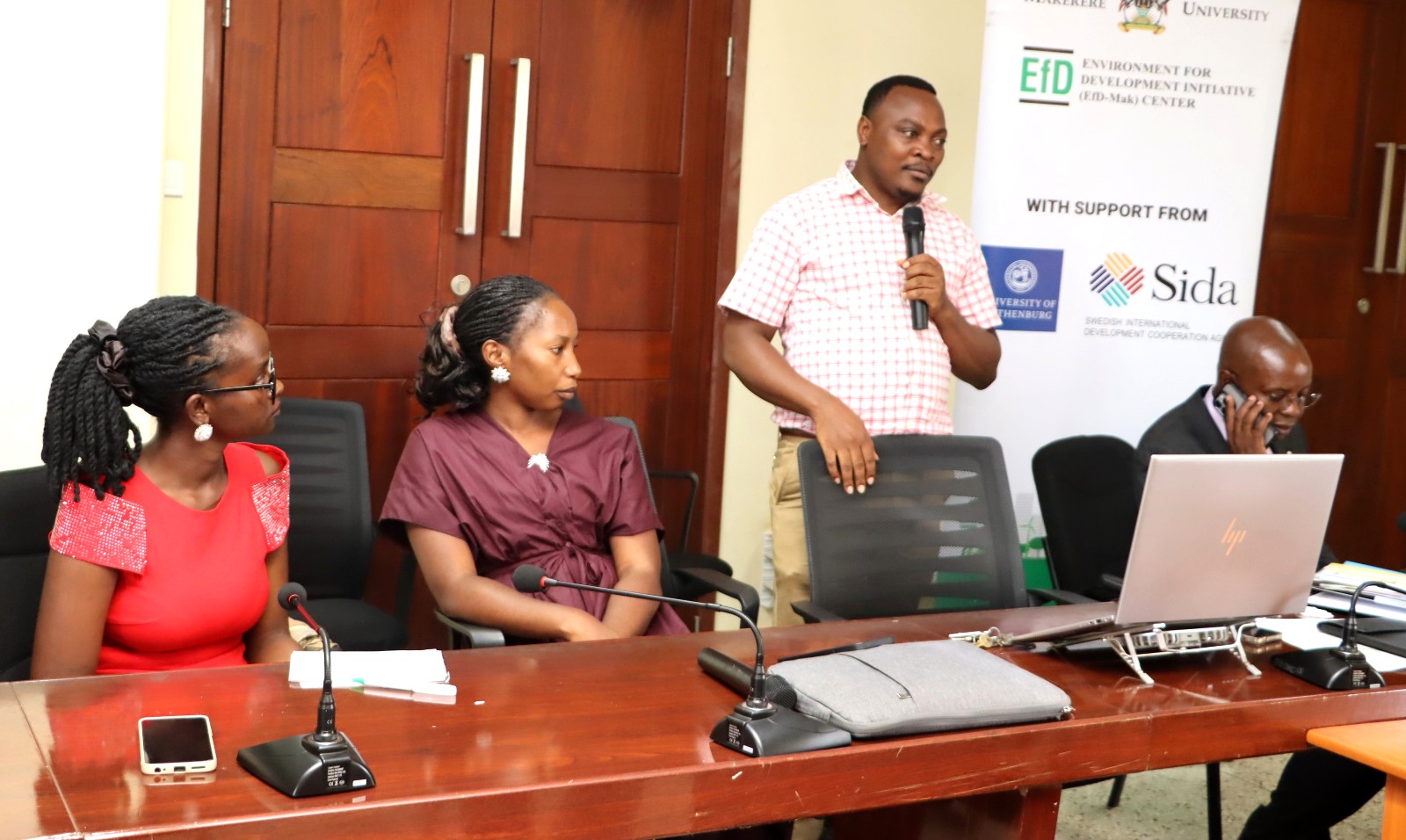
“You may be academically strong, but without soft skills it is difficult to thrive. Ruth is extremely humble and will blend well in any environment,” he said.
Administrative Officer Hilda Makune echoed similar sentiments, saying Asiimwe’s positive attitude and interpersonal skills made her stand out.
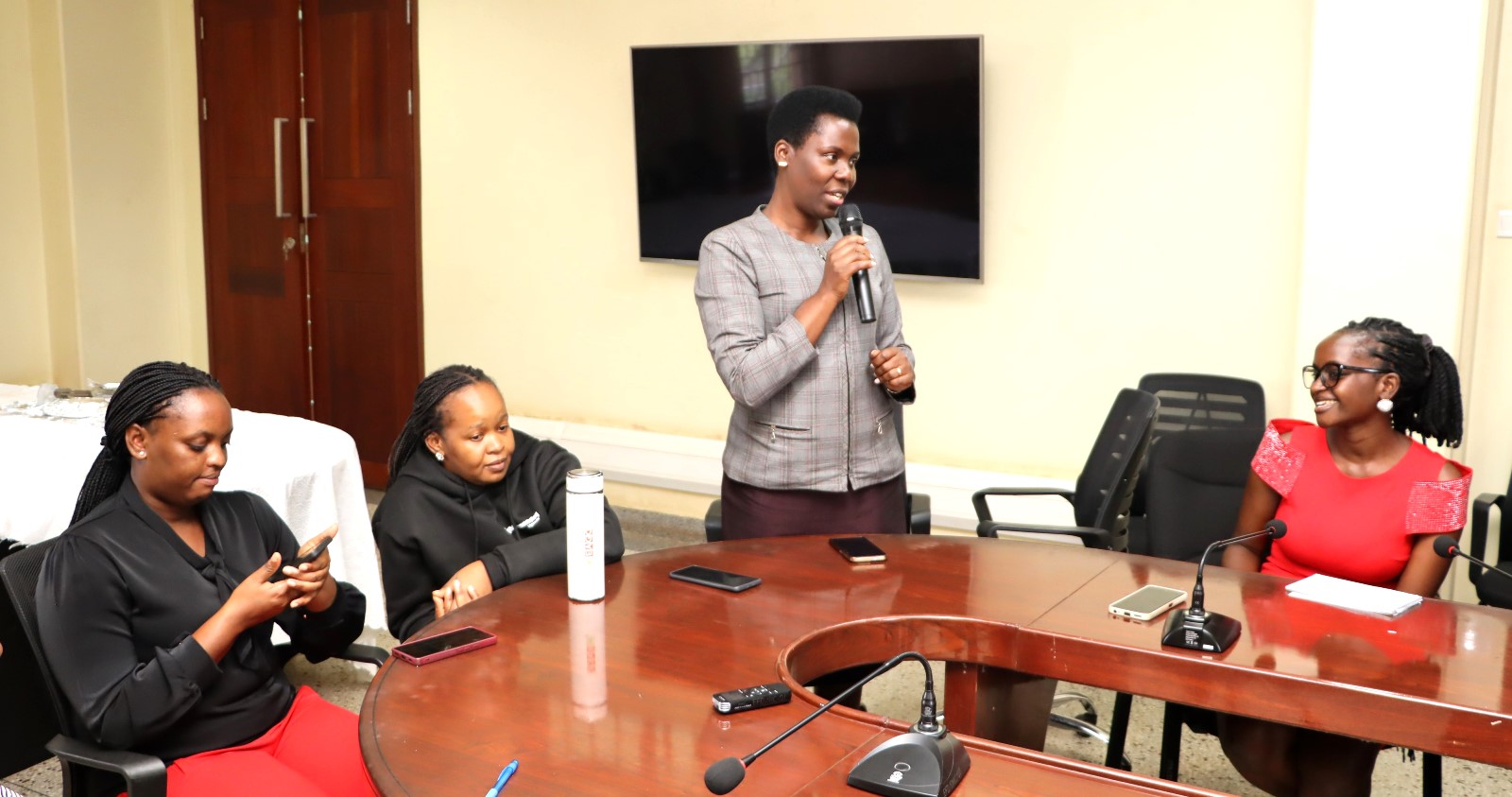
“We will miss her. Her humility and teamwork have been exceptional, and we are confident she will represent us well,” Makune said.
Alice Nalwera, the pioneer intern, urged Asiimwe to uphold the centre’s reputation and inspire others.

“Wherever we go, we carry EfD with us. Talk good about the centre and inspire other young women to follow this path,” Nalwera said.
In her remarks, Asiimwe credited EfD for shaping her professional journey, emphasizing the importance of a supportive work environment.

“I have learned that working in a good environment with supportive leadership motivates you to do better. EfD has given me that foundation,” she said.
She also thanked her supervisors and colleagues for mentorship and guidance, noting that the experience had prepared her for the demands of her new role.

Asiimwe’s departure coincided with the introduction of a new intern, Kevin Apolot, who takes over as the centre continues its mentorship programme aimed at producing the next generation of researchers and policy professionals.

-

 General1 week ago
Applications for Admission to Undergraduate Programmes 2026/27
-

 General2 weeks ago
Admission List to Bachelor of Education External (BED) 2026/27 -Government Sponsorship
-

 General2 weeks ago
Makerere University Kicks Off Semester Two Examinations Amid High Student Expectations
-

 Agriculture & Environment2 weeks ago
Makerere University, Uganda Red Cross Society Sign MoU to Advance Research, Training & Humanitarian Action
-

 General2 weeks ago
Makerere University Newsletter Jan-Mar 2026