
General
Political Science Dept Discusses UNDP-funded Rule of Law Project Papers





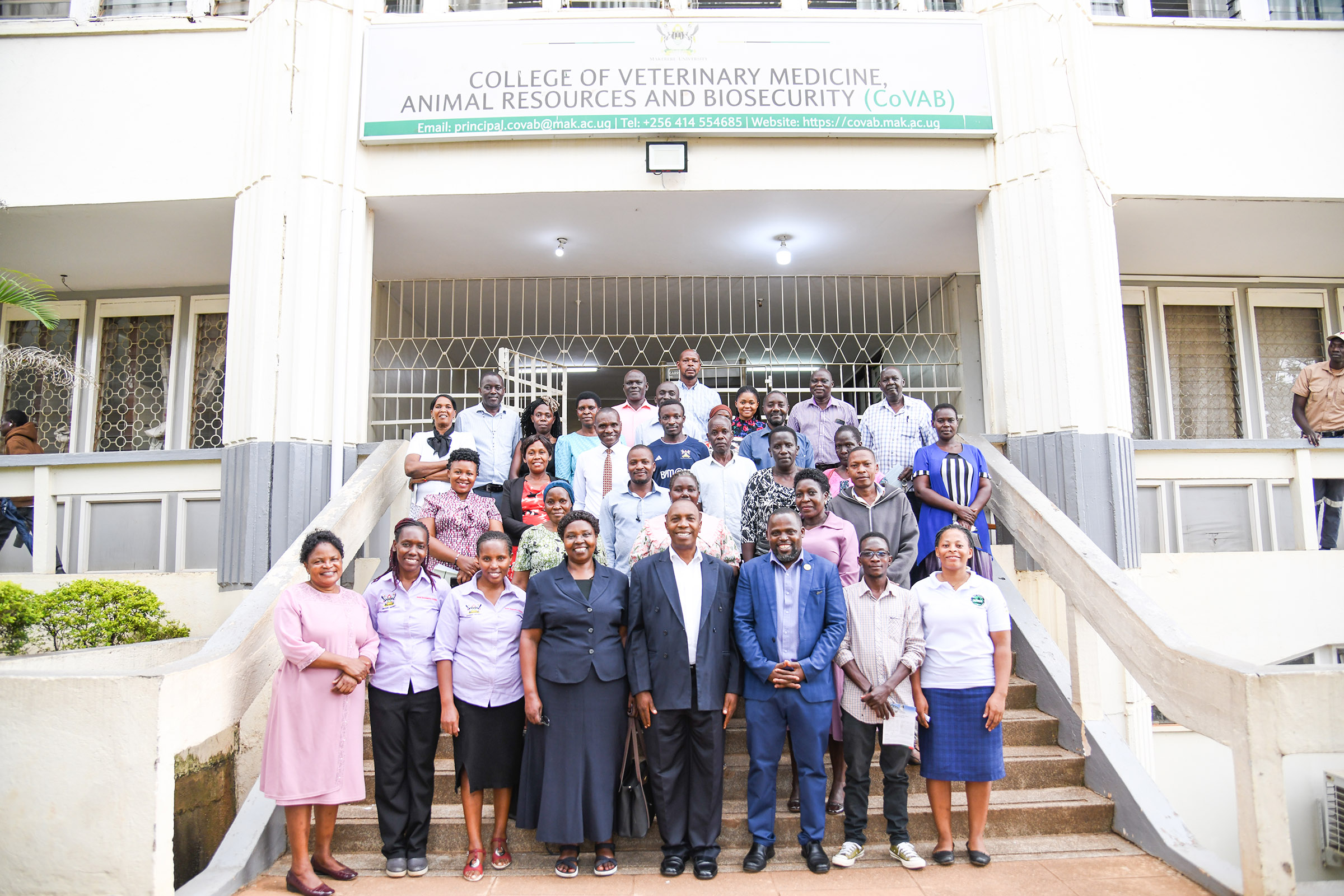
Staff and students at the College of Veterinary Medicine, Animal Resources and Biosecurity (CoVAB) were encouraged to embrace gender-responsive practices as a key step towards building an inclusive, equitable, and productive academic environment.
The call was made during a gender sensitization workshop held on October 28th, 2026, organized by the Directorate of Gender Mainstreaming, which brought together members of the CoVAB community to deepen their understanding of gender issues and their relevance in higher education institutions.
Principal Calls for Active Participation
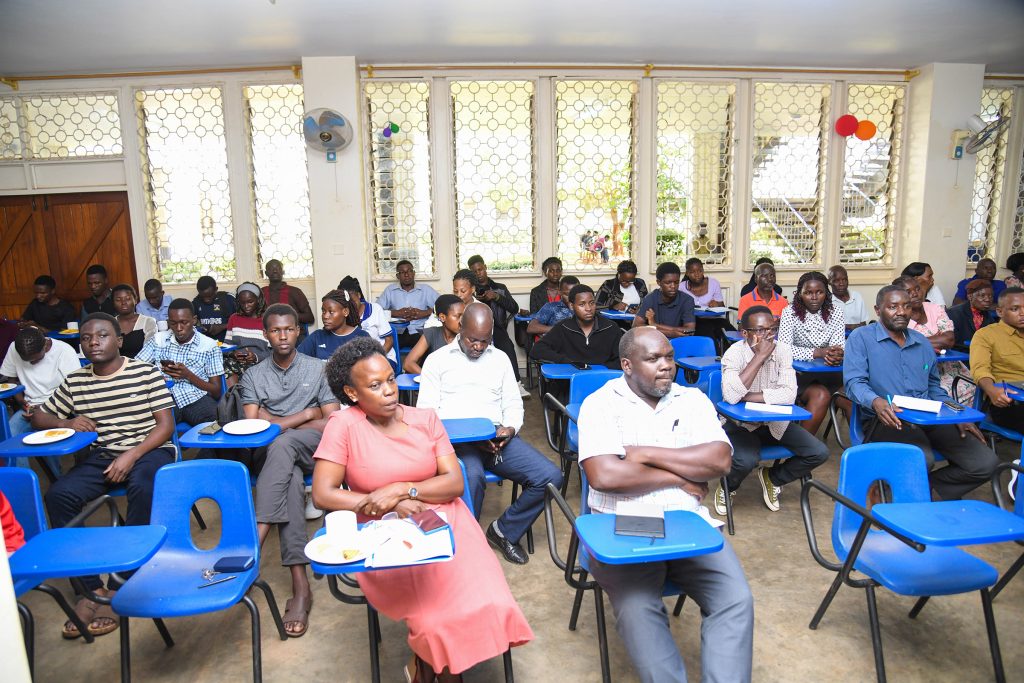
A section of the participants that included academic and administrative staff listen attentively
Welcoming participants to the workshop, CoVAB Principal Prof. Clovice Kankya thanked the Directorate of Gender Mainstreaming for choosing the College to host the engagement and encouraged staff and students to take advantage of such learning opportunities.
He described the meeting as one of his first major engagements with members of the College community since assuming office and emphasized the importance of continuous learning and participation in institutional programs.
“Opportunities such as these should not be taken for granted. When experts come to share knowledge and experiences, it is important that we make time to attend, listen, and learn,” he said.
Prof. Kankya noted that he was one of the staff training gender in the past and noted that to date, there were many gender experts who together work towards ensuring the student community gains the needed knowledge and skills to mainstream gender concerns in the college activities.
Gender Concerns Everyone
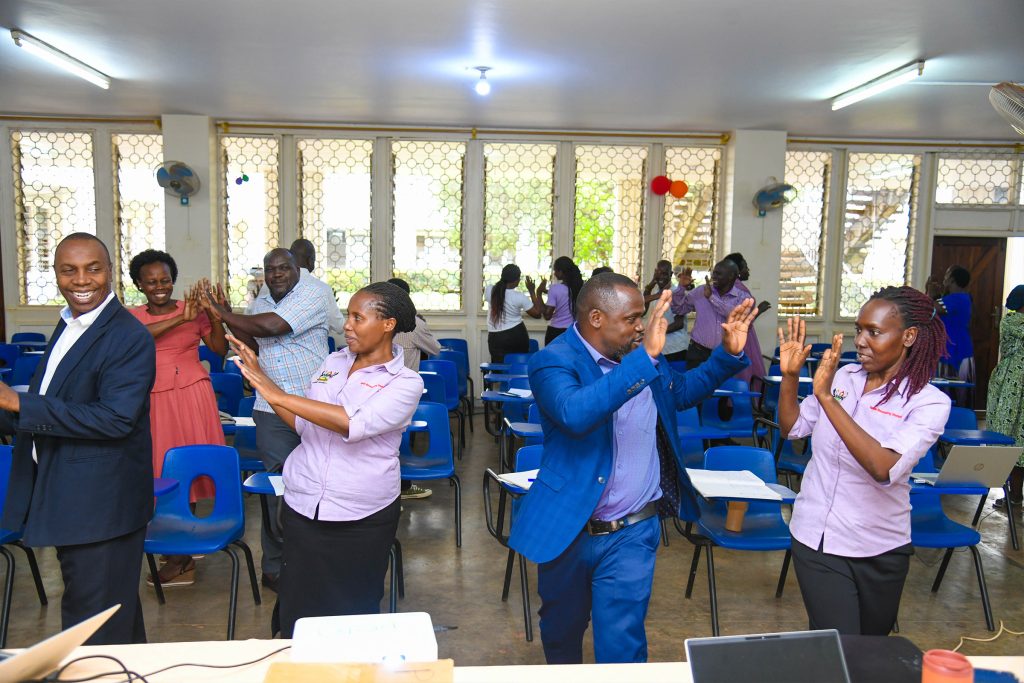
Some energizers to keep the participants fully engaged
Addressing common misconceptions about gender-related discussions, the Principal emphasized that gender is not exclusively a women’s issue but one that concerns all members of society.
“Gender is not all about women. It is about the social roles, responsibilities, and relationships that shape our lives and workplaces. Understanding these issues helps us create a more supportive and inclusive environment for everyone,” he explained.
Drawing from his academic experience, Prof. Kankya noted that gender considerations cut across disciplines and sectors and remain an important component of sustainable development efforts worldwide. He urged participants to appreciate the role of gender mainstreaming in fostering equal opportunities, promoting respectful working relationships, and enhancing institutional effectiveness.
The College of Veterinary Medicine, Animal Resources and Biosecurity (CoVAB) recently hosted a gender sensitization session aimed at increasing awareness of Makerere University’s gender policies and gathering stakeholder feedback to support their effective implementation.
Organized by the Directorate of Gender Mainstreaming, the engagement brought together staff and students to discuss gender equality, prevention of sexual harassment, gender-responsive planning and budgeting, and the role of university stakeholders in fostering an inclusive academic environment.
Principal Welcomes Gender Mainstreaming Directorate
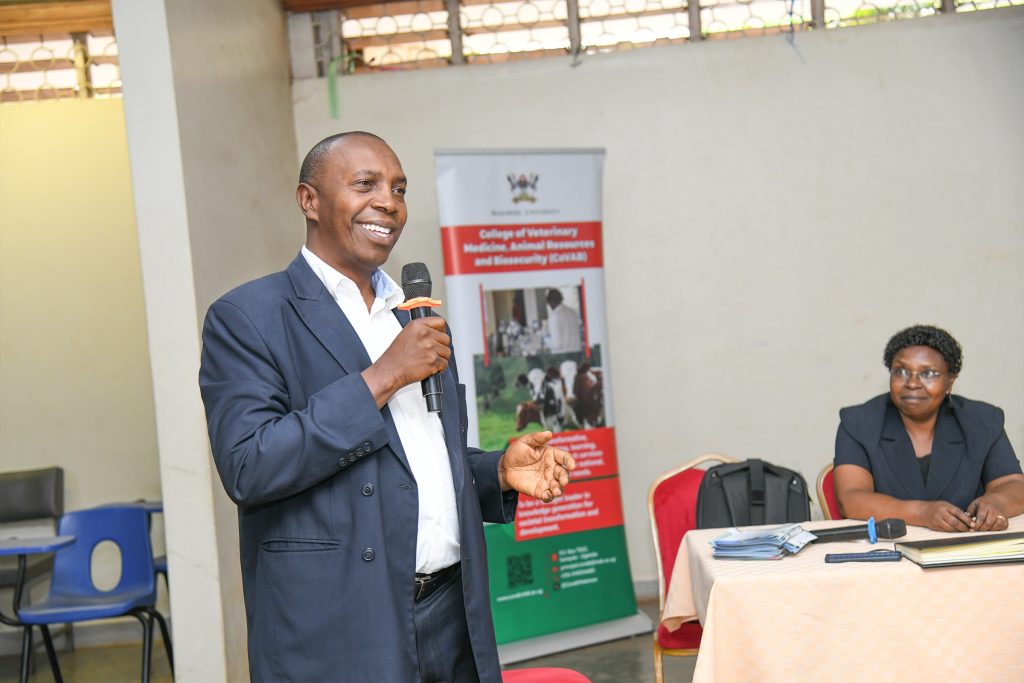
Prof. Clovice Kankya, Principal CoVAB – made welcome remarks, acknowledging the importance of gender in all areas
The session was officiated by the new CoVAB Principal, who thanked the Directorate for selecting CoVAB to host the engagement and encouraged staff and students to take full advantage of opportunities that contribute to professional and personal growth. While challenging the common misconception that gender discussions are solely women’s affairs, he emphasized the importance of participation in university activities, noting that such engagements provide valuable opportunities to learn, share experiences, and contribute to institutional development. “Gender is not all about women. It is about the social roles and responsibilities that shape our interactions and work environments. Understanding these issues is important for all of us.”, he stated.
Disseminating University Gender Policies
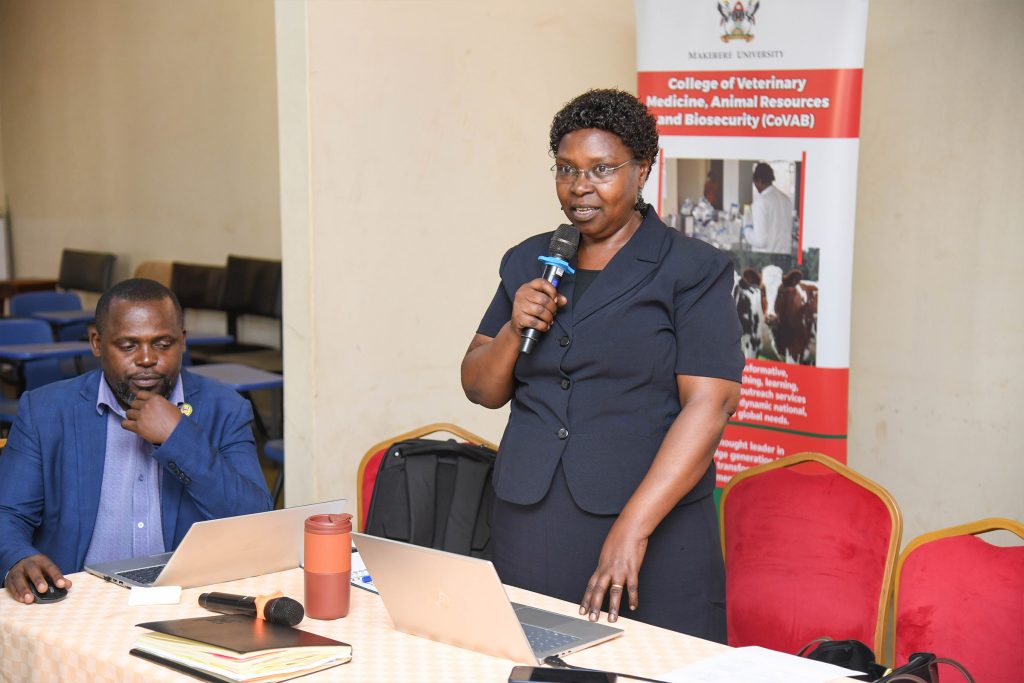
R-L: The Director of the Gender mainstreaming Directorate at Makerere University Dr. Euzobia Baine, and Mr. Eric Tumwesigye facilitated the session.
Facilitators from the Directorate of Gender Mainstreaming led by Dr. Euzobia Baine explained the purpose and scope of Makerere University’s Gender Equality Policy and the Policy and Regulations Against Sexual Harassment. Dr. Baine said the sensitization session aimed to increase awareness and understanding of the University’s gender policies and to obtain feedback from stakeholders to guide their implementation and continuous improvement.
Participants were informed that the policies apply to students, academic staff, administrative staff, and all other individuals who study, work, or undertake activities within university spaces. The Directorate also highlighted its mandate to coordinate policy implementation and provide technical support to colleges, schools, departments, and administrative units across the University.
Promoting Gender Equality across University Functions
The meeting highlighted the broad scope of the Gender Equality Policy, which seeks to integrate gender considerations into teaching, learning, research, outreach, partnerships, and institutional management.
Participants learned that the policy promotes the integration of gender perspectives into curricula and research activities, equitable access, participation, retention, and progression for students and staff, increased participation of women and other underrepresented groups in Science, Technology, Engineering and Mathematics (STEM) fields and leadership positions, Gender-responsive community engagement and university partnerships and a university culture founded on respect, inclusion, equity, and equal opportunity. The facilitators emphasized that gender mainstreaming is not a stand-alone activity but a responsibility that should be incorporated into all university programs and operations.
Addressing Sexual Harassment in University Spaces
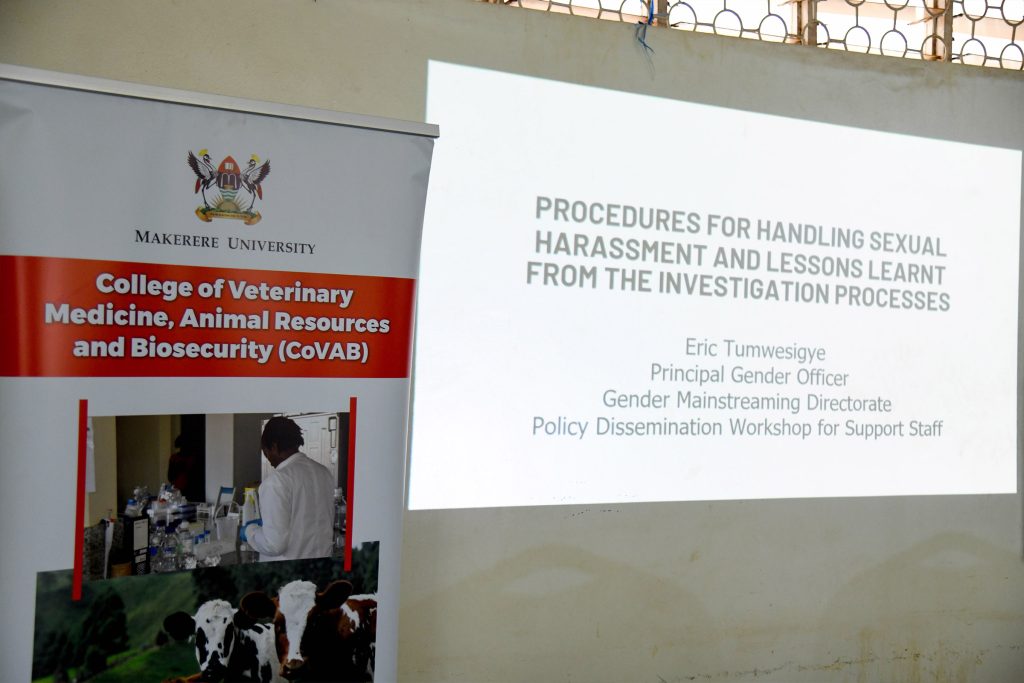
A key component of the sensitization focused on the University’s Policy and Regulations against Sexual Harassment. Participants were informed that the policy was developed in response to evidence showing that sexual harassment was affecting members of the university community and that stronger preventive and response mechanisms were needed.
It was explained that the policy provides guidance on prevention, reporting, investigation, and management of sexual harassment cases while promoting safe and respectful learning and working environments for all and that the was commited to supporting colleges and administrative units in implementing the policy and creating awareness among staff and students.
Gender and Equity in Planning and Budgeting
The session also highlighted the growing importance of gender and equity considerations in institutional planning and resource allocation. Participants were informed that the Public Finance Management Act requires public institutions to mainstream gender and equity concerns in their plans and budgets. They also learned that the Equal Opportunities Commission assesses institutional performance in implementing gender and equity commitments. The discussion prompted reflection on how colleges can strengthen compliance with these requirements and address existing gaps in implementing gender-responsive activities.
Fostering an Inclusive University Community
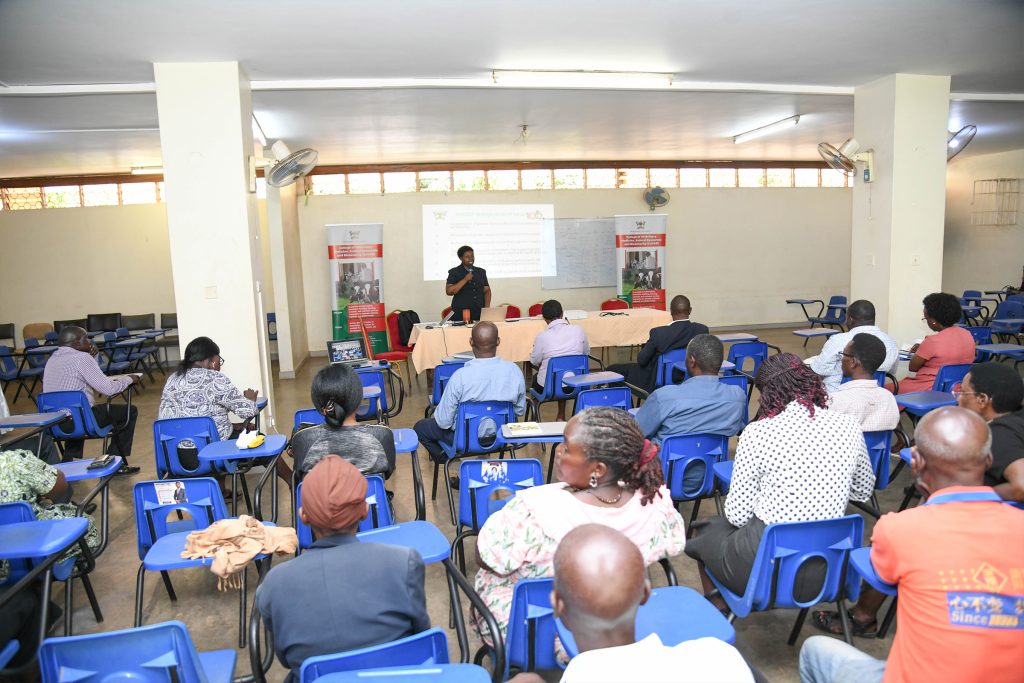
The sensitization session provided an opportunity for participants to share experiences, ask questions, and provide feedback on the implementation of the University’s policies. Participants welcomed the engagement, noting that it enhanced their understanding of gender issues and underscored their role in promoting a respectful, inclusive, and supportive environment for both staff and students.

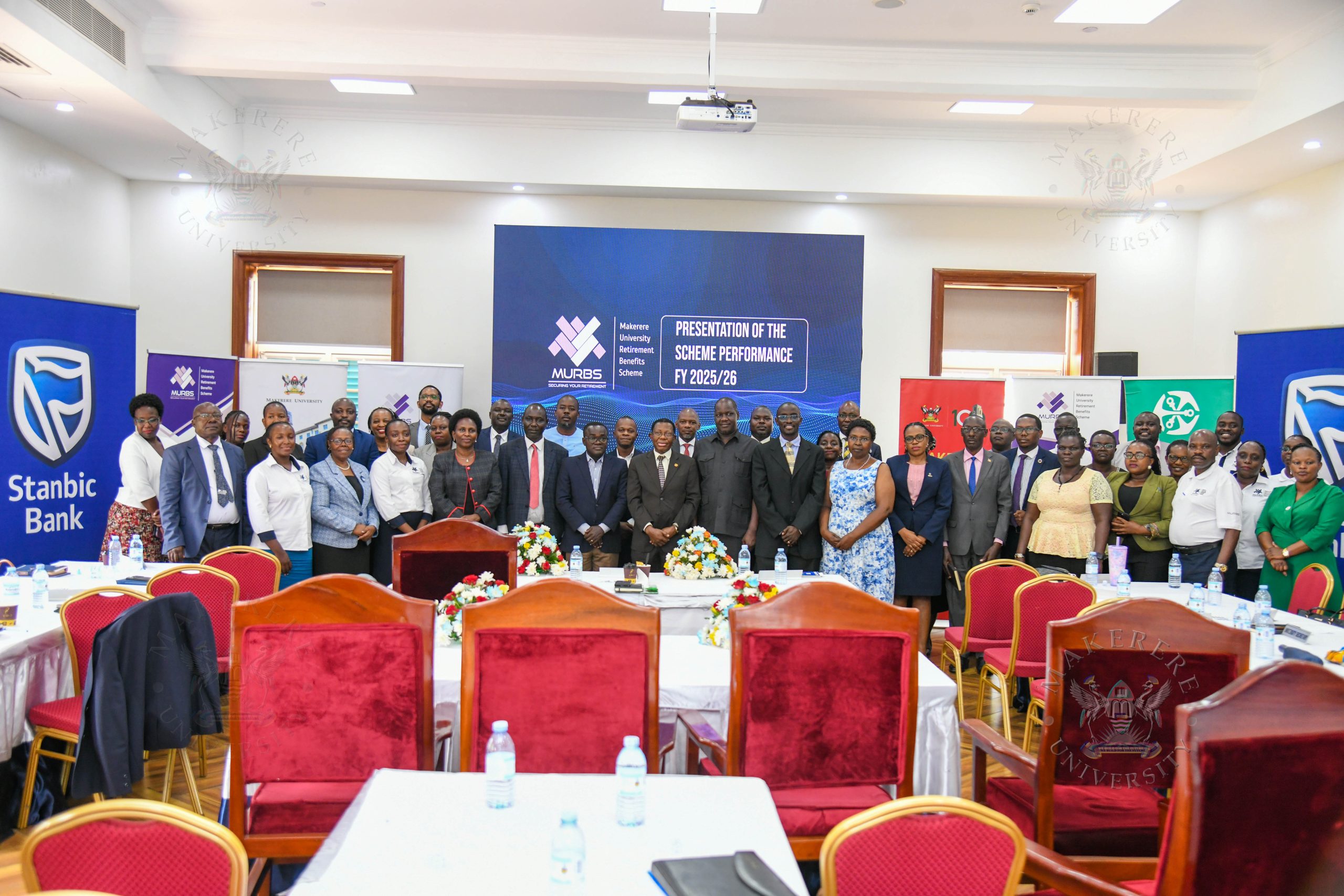
Makerere University Retirement Benefits Scheme (MURBS) has hit a historic UGX 547 billion valuation following an impressive 15.14% growth in the 2025/2026 financial year.
The growth was revealed during a review meeting of the MURBS performance held at Makerere University Main Administrative Building on October 27 2026 where the scheme announced to the sponsor Makerere University, and other stakeholders that the booming portfolio will directly benefit its close to 8,000 members.
This presentation primes the upcoming October 29 MURBS 16th Annual General Meeting (AGM), where they will officially declare this year’s highly anticipated interest rate to the general members.
Chairperson’s Statement on the Scheme’s Performance FY 2025/2026
Dr. Michael Kizito, Chairperson MURBS Board of Trustees, presented the scheme’s success, noting it is rooted in a deep sense of responsibility. He said “prudent stewardship guides our (MURBS) actions, and every contribution invested to MURBS carries an expectation of future security.”
MURBS’ commitment to members is further checked in the scheme’s transition in sync with statutory regulations, and ensuring fairness and transparency for all. In line with this, Dr. Kizito discussed pro rata interest calculation methodology as the new trend for MURBS. Pro rata key features include; contributions earning interest from time of receipt, interest compounding and stopping at exit.
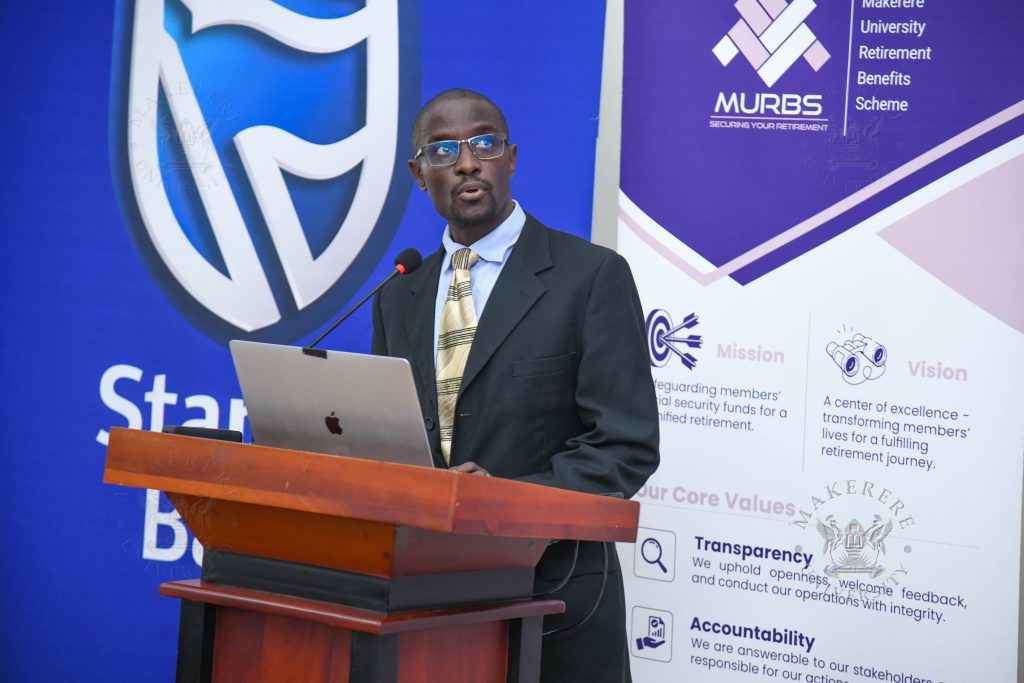
Demonstrating a clear focus on maximising member yields, Dr. Kizito also discussed operational expenditure saying even with an increase in the administrative costs, they have kept below the budgeted percentage.
Going past the balance sheets, Dr. Kizito echoed MURBS’ dedication to the over 3,000 active members building their dreams and the close to 5,000 retired members enjoying the fruits of their long service.
At the back of MURBS dedication, he recognised the ambassadorial framework that was designed to support incoming trustees and the proactive efforts to reach members.
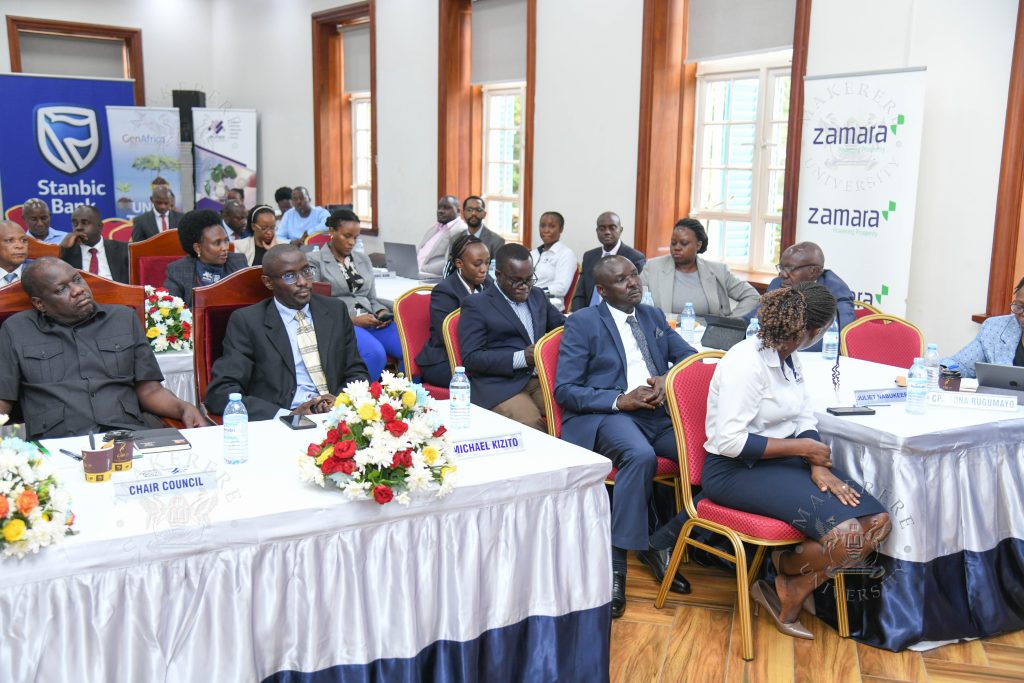
As Dr. Kizito concluded, he expressed gratitude for support and reception from University Council, Management, URBRA Uganda, Trustees, Ambassadors and MURBS members.
He reiterated the scheme’s focus remains on innovation, governance, and growth which will continue to be achieved through digital transformation to improve service delivery and ensuring every member’s records are up to date.
All this is done in effort of ensuring that when the time comes for a member to retire, they do so with confidence and financial peace of mind.
MURBS Evolution From High Risk to a Benchmark Scheme
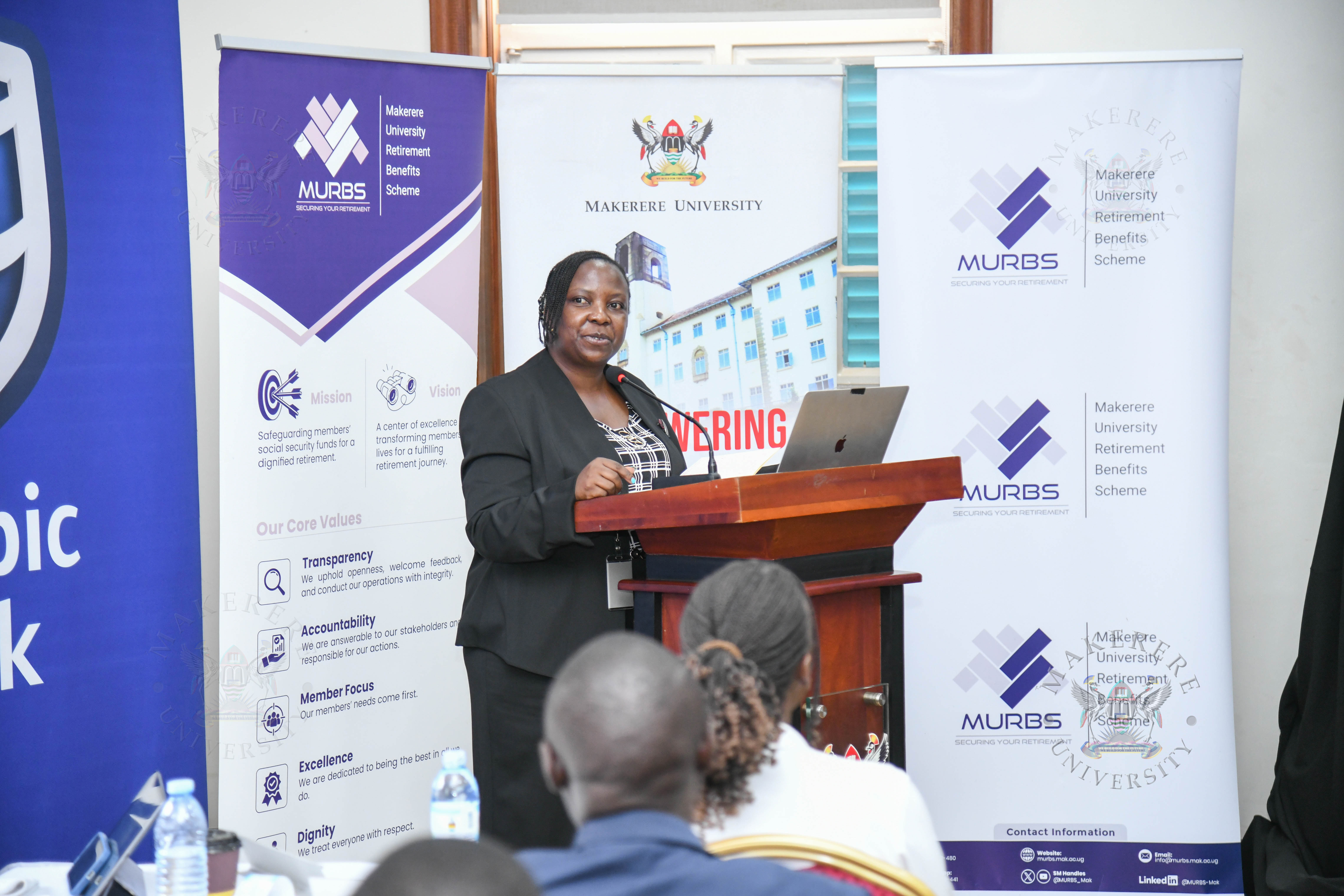
Ms. Daisy Lynda Nabakooza, Chief Manager Supervision and Market Conduct at Uganda Retirement Benefits Regulatory Authority (URBRA) recognised MURBS success saying it “comes from the good working relationship” between its trustees and experts, and that “the MURBS trustees usually have the information on hand,” which “is a plus.”
On the status/impression of the fund, Ms. Nabakooza revealed that ten or so years ago, when she had just joined URBRA, MURBS was one of those schemes that was “high risk” due to “unremitted contributions.” Thankfully, “the sponsor Makerere University has since embarked on having these unremitted contributions, remitted over a period of time.”
Now, “MURBS has become a benchmark for many schemes.” Ms. Nabakooza said as a regulator, they “really commend MURBS on the work done in terms of compliance.”
Ensuring a Dignified Retirement for Staff through MURBS
Professor Henry Alinaitwe, representing the Vice Chancellor emphasised the ultimate goal is the well-being of the university community during and after service. He referenced a local proverb, saying, “Buto n’ekorera bukuru,” explaining that “when we are here, and still young and working, what we are able to do and put aside will help us in the future.”
He expressed the University’s strong commitment to staff welfare, saying, “we do not want to see ourselves or fraternity really suffering when they are leaving university or when they have since left the university. We want to see people living well and prospering even in their retirement.”
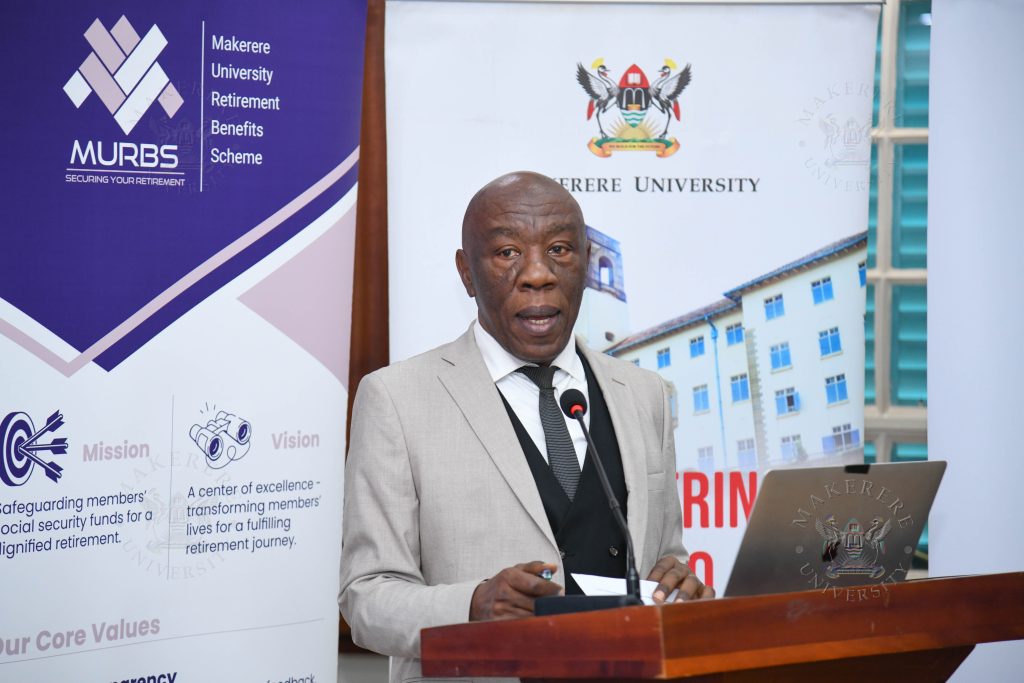
Professor Alinaitwe acknowledged the work done by MURBS team in growing the scheme noting that since 2021, the fund has more than doubled raising from UGX 225 Billion to over UGX 500 Billion. The Vice Chancellor concluded his message by pledging Makerere University‘s good will to ensure sustenance of the fund for a dignified future of its staff.
The Chairperson of Council Dr. Lorna Magara in her message delivered by Hon. Daniel Fred Kidega expressed genuine satisfaction with the current trajectory of the retirement scheme, noting, “I want to congratulate the trustees, the management of MURBS, for maintaining a healthy organisation. When I was looking through the figures, I felt very happy.”
This financial health is not just a statistic but a foundation for the staff’s future. The Chairperson urged the leadership to “maintain the good health of the scheme and let members enjoy their savings.”
Beyond the numbers, the Chairperson Makerere University Council made a heartfelt plea to the board on human impact of the scheme, stating, “I plead with the board of trustees, to avoid delays when it involves the living families of members who are no longer there in service; dead or retired.”
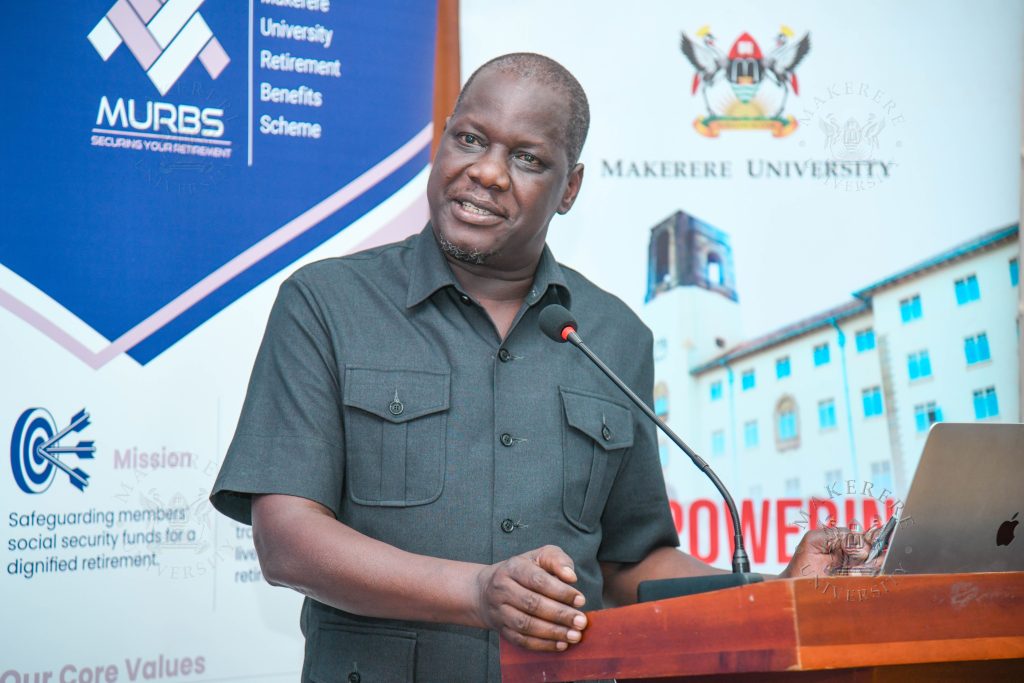
Ultimately, as shared by Hon. Kidega and Professor Alinaitwe, the University vision is ambitious, it involves making MURBS one of the best retirement schemes on the continent and in the world where even those still in service can access resources and make their life better.
About MURBS
Makerere University Retirement Benefits Scheme (MURBS) is a mandatory employer scheme for Makerere University staff, established by the university under an irrevocable trust. On 23 April 2010, MURBS was registered as a corporate body under the Trustees Incorporation Act, CAP. 165, and it commenced operations on July 1 2010.
Following the enactment of the Uganda Retirement Benefits Regulatory Authority Act, 2011, MURBS was established as a voluntary occupational scheme under the new law. The scheme is licensed by URBRA (License Number RBS.0005).
On 21 June 2021, the Minister responsible for Finance, Planning and Economic Development exercised his powers under the law to approve MURBS as a superannuation scheme in the “Exempted Employment” category under the NSSF Act.
-

 Business & Management1 week ago
PIM CoE equips Public Officers to Make Better Public Investment Decisions
-

 Agriculture & Environment4 days ago
What two weeks with Farmers in Mwera, Mityana, taught Makerere’s PhD Students about Agricultural Innovation
-
 General3 days ago
MURBS Presents FY 2025/26 Performance with 15% Growth
-
 General1 week ago
Makerere Strengthens Doctoral Training Through BURST-Excel Research Network
-
 General2 days ago
Gender Sensitization Session to Strengthen Gender-Responsive Practices conducted at CoVAB