
General
Bid notice under open domestic bidding


General
Makerere University Set to Develop Curriculum to Transform Graduate Supervision and Mentorship

By Moses Lutaaya
KAMPALA – Makerere University is set to develop a curriculum for a specialized Certificate Course in Supervision and Mentoring for Graduate Training and Higher Education Management, in a move aimed at professionalizing graduate supervision and strengthening the capacity of academic staff to deliver quality postgraduate education.
The proposed programme will equip academic staff with advanced competencies in graduate-level teaching, research supervision, mentorship, and higher education management, while supporting the University’s agenda of improving the quality and relevance of graduate training.
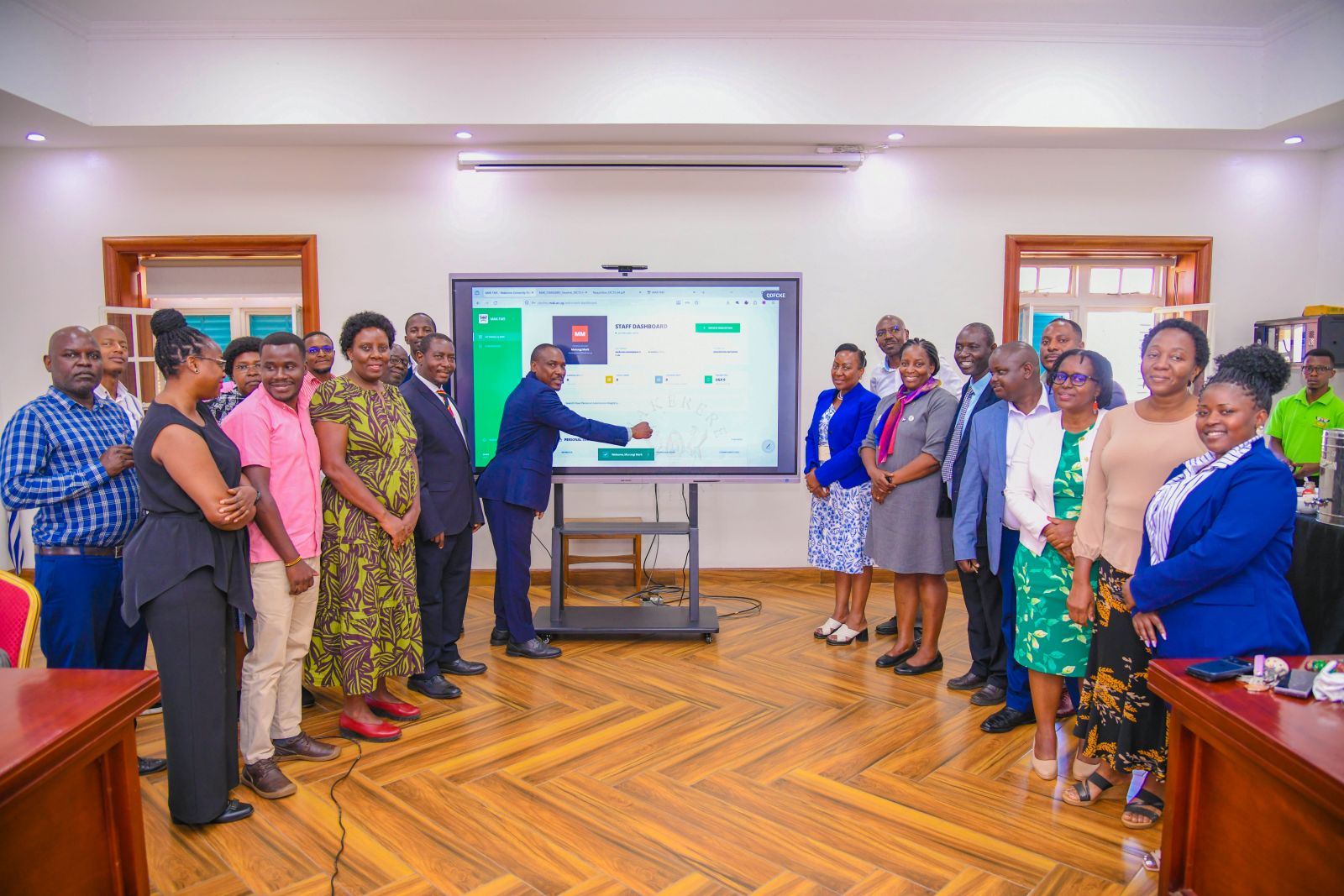
The curriculum development process was discussed during a Stakeholders’ Curriculum Development Consultation Workshop held on Thursday, 18th June 2026 at the Senate Building Telepresence Hall, Makerere University.
The workshop, organized by the Directorate of Graduate Training in collaboration with the Centre for Teaching and Learning Support (CTLS), brought together curriculum specialists, academic staff, and higher education stakeholders to review and enrich the proposed curriculum before it proceeds through the University approval processes.
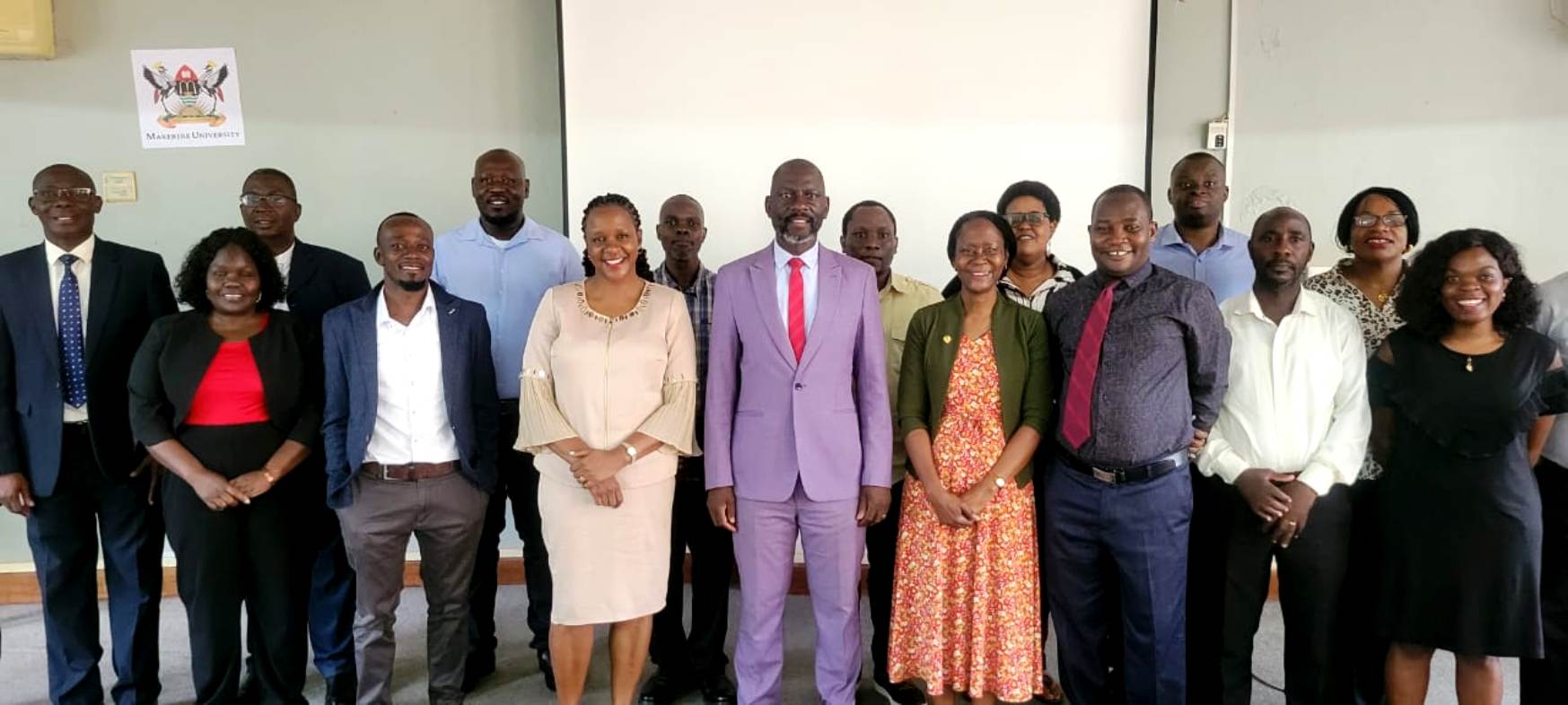
Participants included 11 lecturers from the College of Engineering, Design, Art and Technology (CEDAT), 3 from the College of Agricultural and Environmental Sciences (CAES), 2 from the College of Veterinary Medicine, Animal Resources and Bio-security (CoVAB), 1 from the College of Humanities and Social Sciences (CHUSS), 4 from the College of Education and External Studies (CEES), among others.
The National Curriculum Development Centre (NCDC) was represented by Dr. Patrice Ssembirige, Deputy Executive Director in charge of Curriculum Review and Instructional Materials Development. The Centre for Teaching and Learning team was led by Dr. Dorothy Ssebowa, while Dr. Stephen Wandera coordinated the workshop.
Addressing participants, Prof. Julius Kikooma, Director Graduate Training at Makerere University, said the curriculum development initiative is central to strengthening graduate education and ensuring that academic staff are adequately prepared to support postgraduate learners.
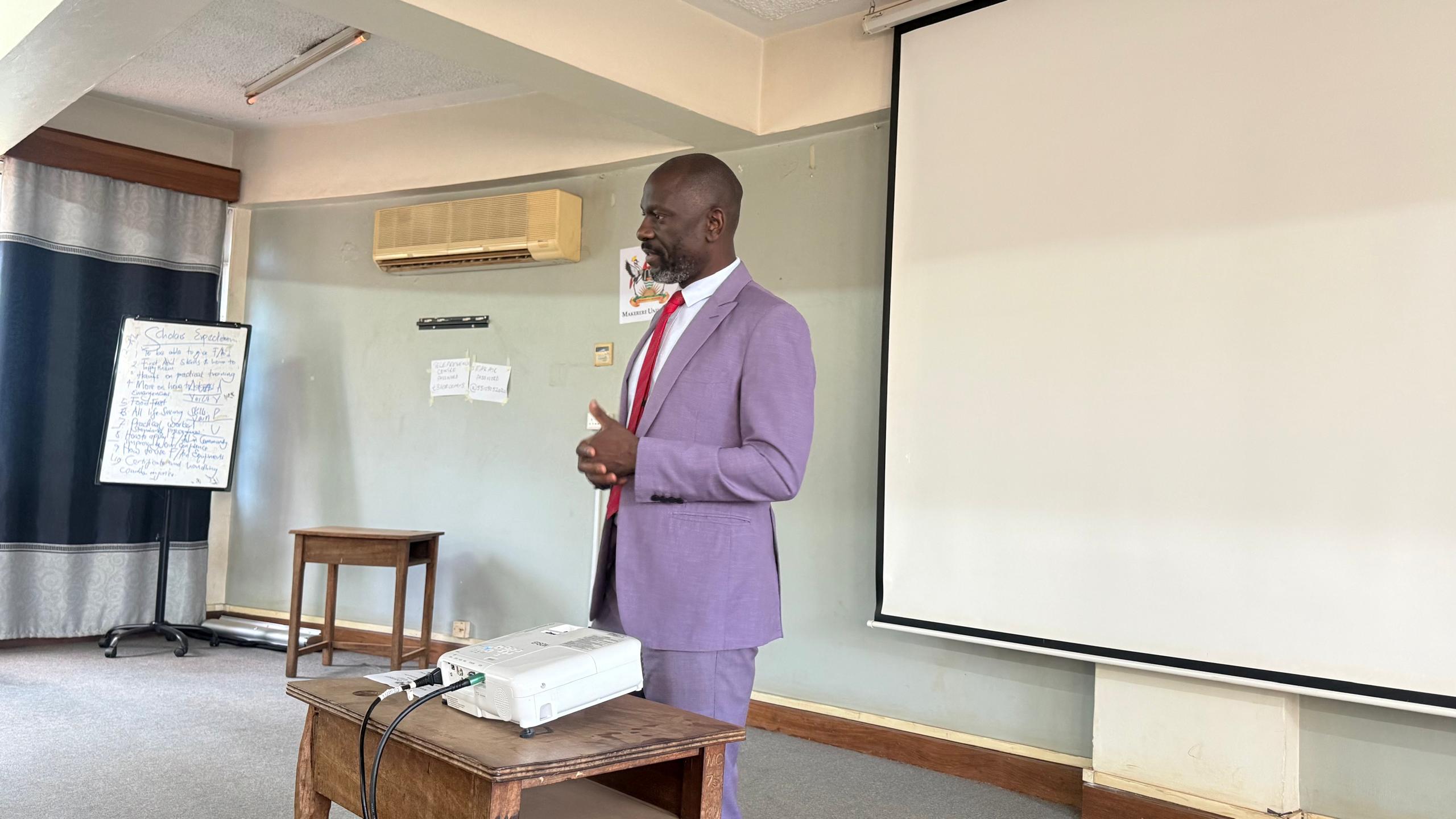
Prof. Kikooma noted that Makerere University is targeting an increase in graduate student enrolment to 50 percent of the total student population, but emphasized that this ambition must be matched with investment in the capacity of academic staff who supervise and mentor students.
“We can get many graduate students, but if the people supporting them do not have the right tools and preparation, we will still have challenges,” Prof. Kikooma said.
He explained that the initiative responds to University policies requiring academic staff teaching graduate students to undergo pedagogical training, while those supervising graduate research must undergo specialized preparation in supervision and mentoring.
Prof. Kikooma said graduate supervision requires deliberate preparation because supervisors play a central role in shaping research quality, student success, and the overall effectiveness of postgraduate programmes.
He further emphasized Makerere University’s responsibility as a leading institution in the region.
“We have a double expectation. We must support the country to achieve its aspirations in national development, but we also have an expectation from other institutions to support them in building graduate training capacity. In that sense, we are a trainer of trainers,” he said.
Speaking on behalf of the National Curriculum Development Centre (NCDC), Dr. Patrice Ssembirige commended Makerere University for adopting a consultative and inclusive approach to curriculum development.
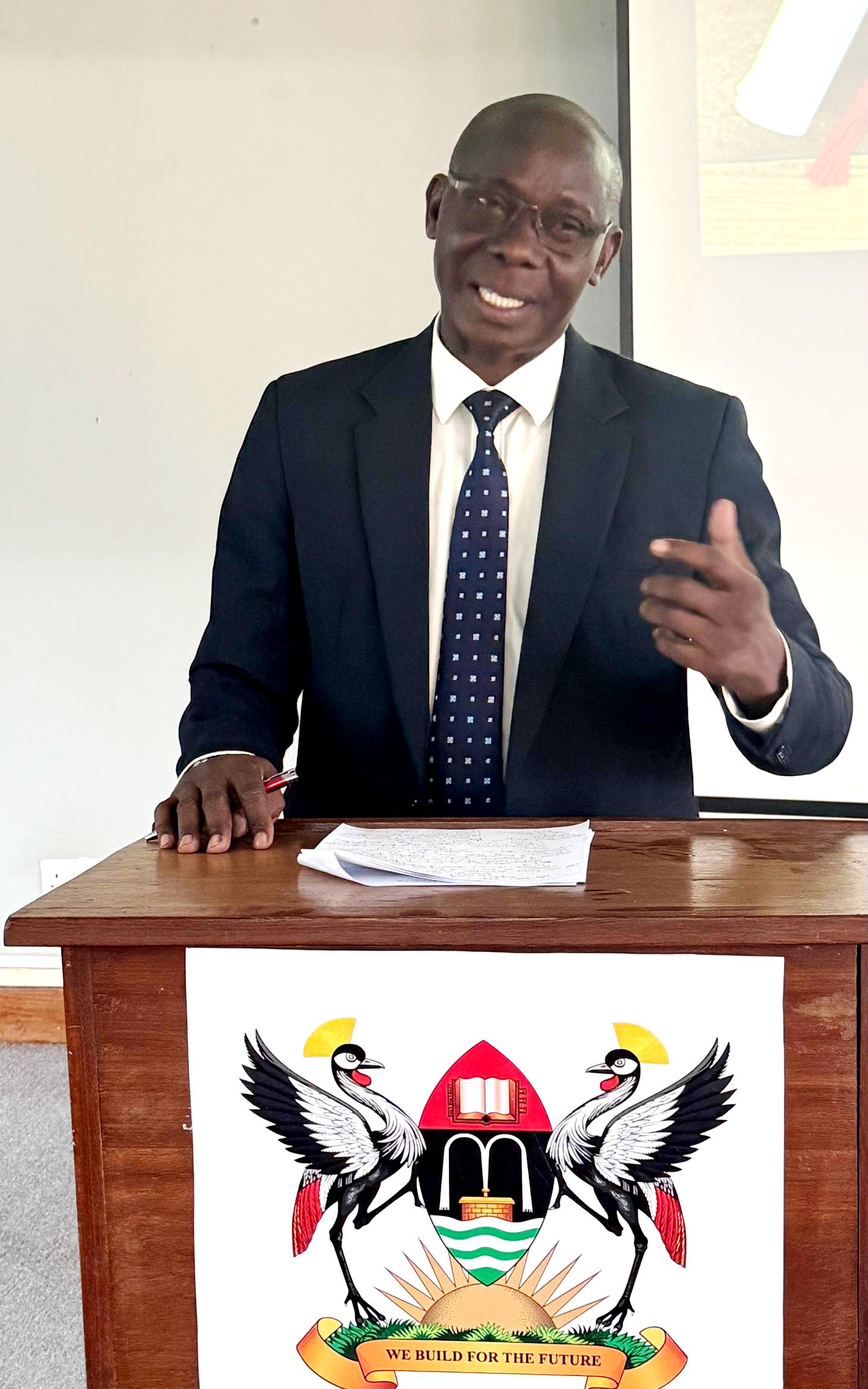
He noted that education systems globally are undergoing significant transformation, requiring continuous curriculum review and alignment with emerging needs.
“Education systems globally are undergoing significant transformation, and in Uganda, NCDC has been leading and spearheading the implementation of the competency-based curriculum,” Dr. Ssembirige said.
He explained that NCDC has developed competency-based curriculum frameworks at primary and lower secondary levels and is currently advancing reforms at upper secondary level, which feeds into higher education institutions.
Dr. Ssembirige said the new curriculum presents an opportunity to align graduate training with global trends, Sustainable Development Goals (SDGs), international best practices, and national development priorities.
“As we develop this curriculum, we need to align with global trends, SDGs and international best practices. We also need to undertake comparative analysis because curriculum reforms are taking place across East African Community states,” he noted.
He encouraged developers to ensure that the programme follows competency-based principles and equips participants with relevant 21st-century skills.
“Since we are talking about competency-based curriculum, we must be cognizant of the principles of competency-based education and ensure that we develop skills that fit the demands of the 21st century,” he added.
Dr. Dorothy Ssebowa, Director of the Centre for Teaching and Learning Support at Makerere University, said the initiative marks an important step in strengthening professional development for academic staff involved in graduate education.
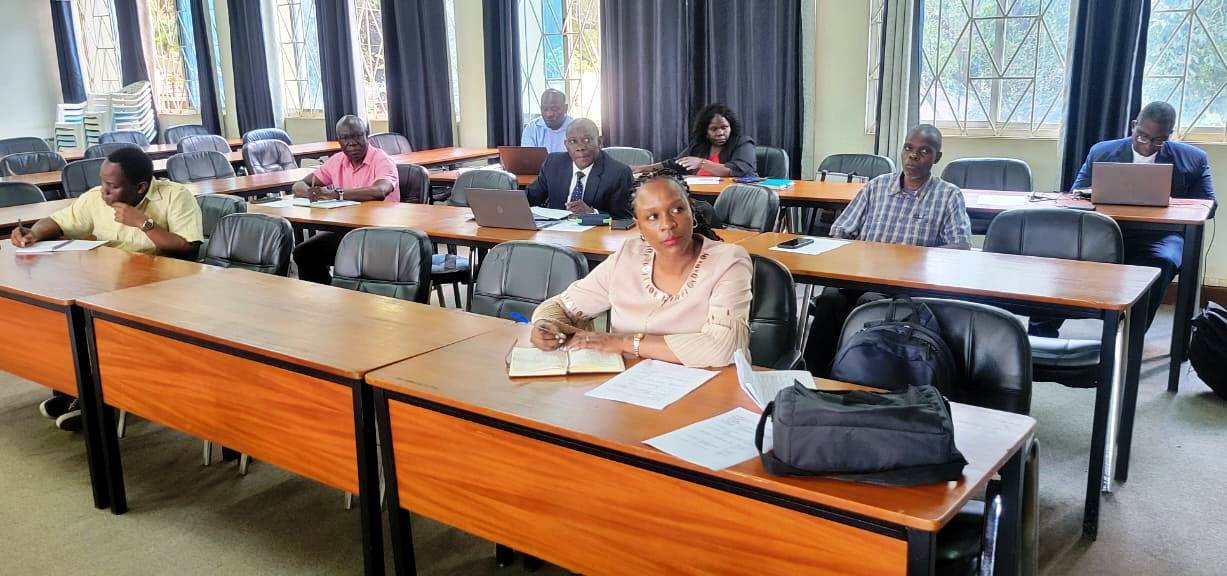
She noted that effective supervision requires more than disciplinary expertise, but also skills in mentorship, communication, research guidance, ethics, assessment, and student support.
“The quality of graduate education depends on the quality of mentorship and supervision we provide. This curriculum will strengthen the capacity of academic staff to guide graduate students effectively, improve research outcomes, and uphold the standards expected of a leading university,” Dr. Ssebowa said.
She added that the Centre for Teaching and Learning will continue working with the Directorate of Graduate Training, academic colleges, curriculum specialists, and regulators to ensure the programme remains relevant and impactful.
During the workshop, stakeholders reviewed the proposed curriculum structure, course content, competency areas, assessment strategies, quality assurance mechanisms, and alignment with national and international standards.
Once finalized, the programme is expected to strengthen graduate supervision at Makerere University and serve as a model for professional development across higher education institutions in Uganda and beyond.
General
Revised Advertisement for Positions of Principal and Deputy Principal at Makerere University

-

 General2 weeks ago
CHS Quality Assurance Guide Book
-
 Law7 days ago
Makerere hosts Chief Justices of Zambia and Uganda
-
 Agriculture & Environment2 weeks ago
Master’s Scholars Engage Lwengo and Rakai Communities to Inform Research Conceptualisation
-
 Research2 weeks ago
Makerere University Rolls Out Thesis Completion Grants to Accelerate PhD Research and Strengthen National Policy Impact
-
 Health2 weeks ago
Call for Applications: Master’s Sponsorship in Genomics and Bioinformatics for Pediatric HIV