
Research
Science Minister Challenges Makerere to Move Research into Use at Scale


Uganda must strengthen the systems that move university research beyond prototypes and publications into policies, public services, products and enterprises that improve people’s lives, Hon. Eng. Jonard Asiimwe Akiiki, Minister in charge of Science, Technology and Innovation in the Office of the President (STI-OP), has said.
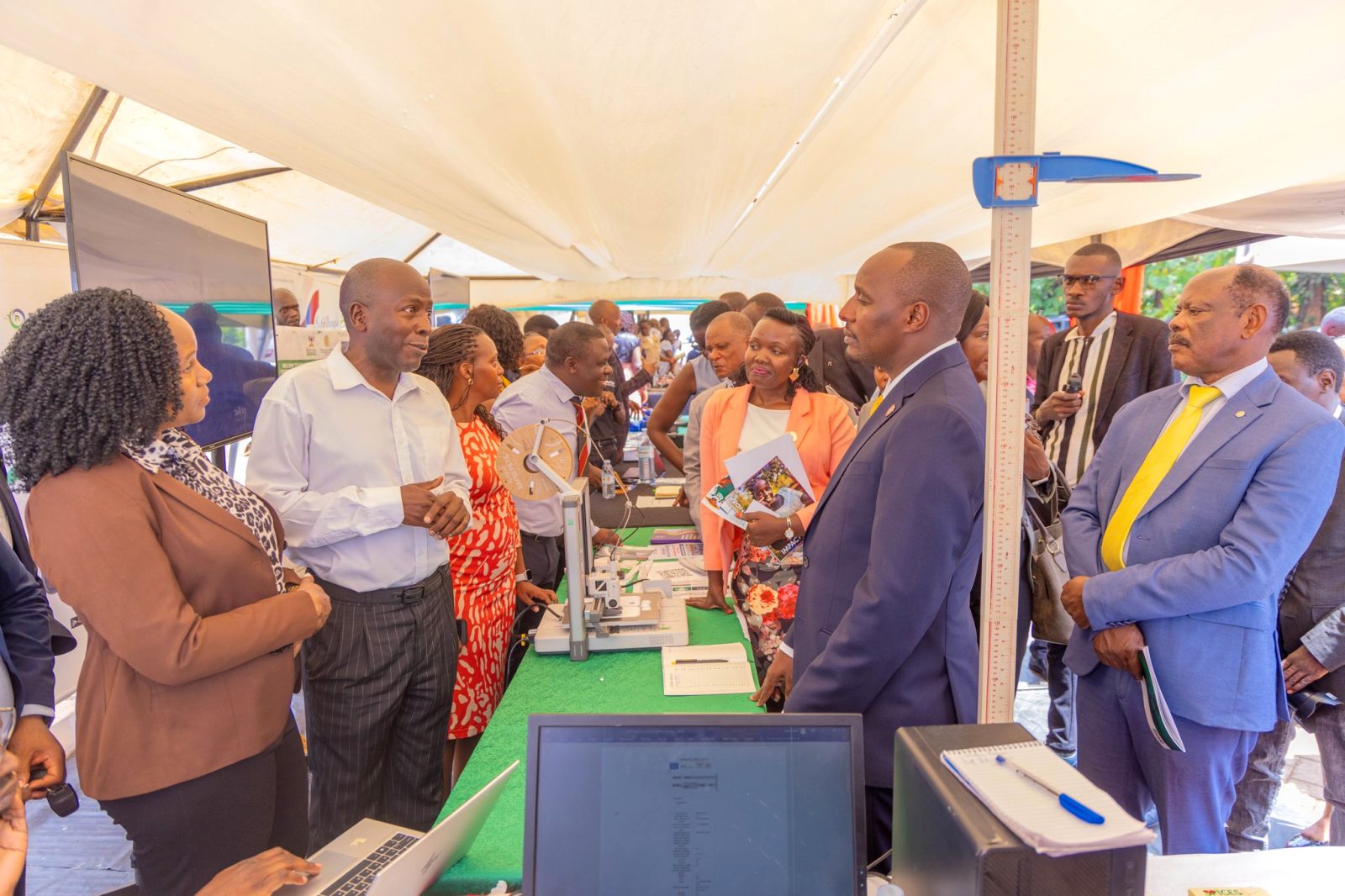
He made the call during a visit to Makerere University School of Public Health on Wednesday, 16 September 2026, as part of his wider engagement with Makerere University’s research and innovation ecosystem. Accompanied by University Management, led by Vice-Chancellor Prof. Barnabas Nawangwe, the Minister met researchers presenting work across major public health priorities before touring the School’s new building.
Hon. Eng. Asiimwe linked the challenge to Uganda’s Tenfold Growth Strategy, which targets expanding the country’s GDP from nearly USD 50 billion in 2023 to USD 500 billion by 2040. He argued that science, technology and innovation must help deliver that ambition by raising productivity, improving public services and creating viable enterprises.
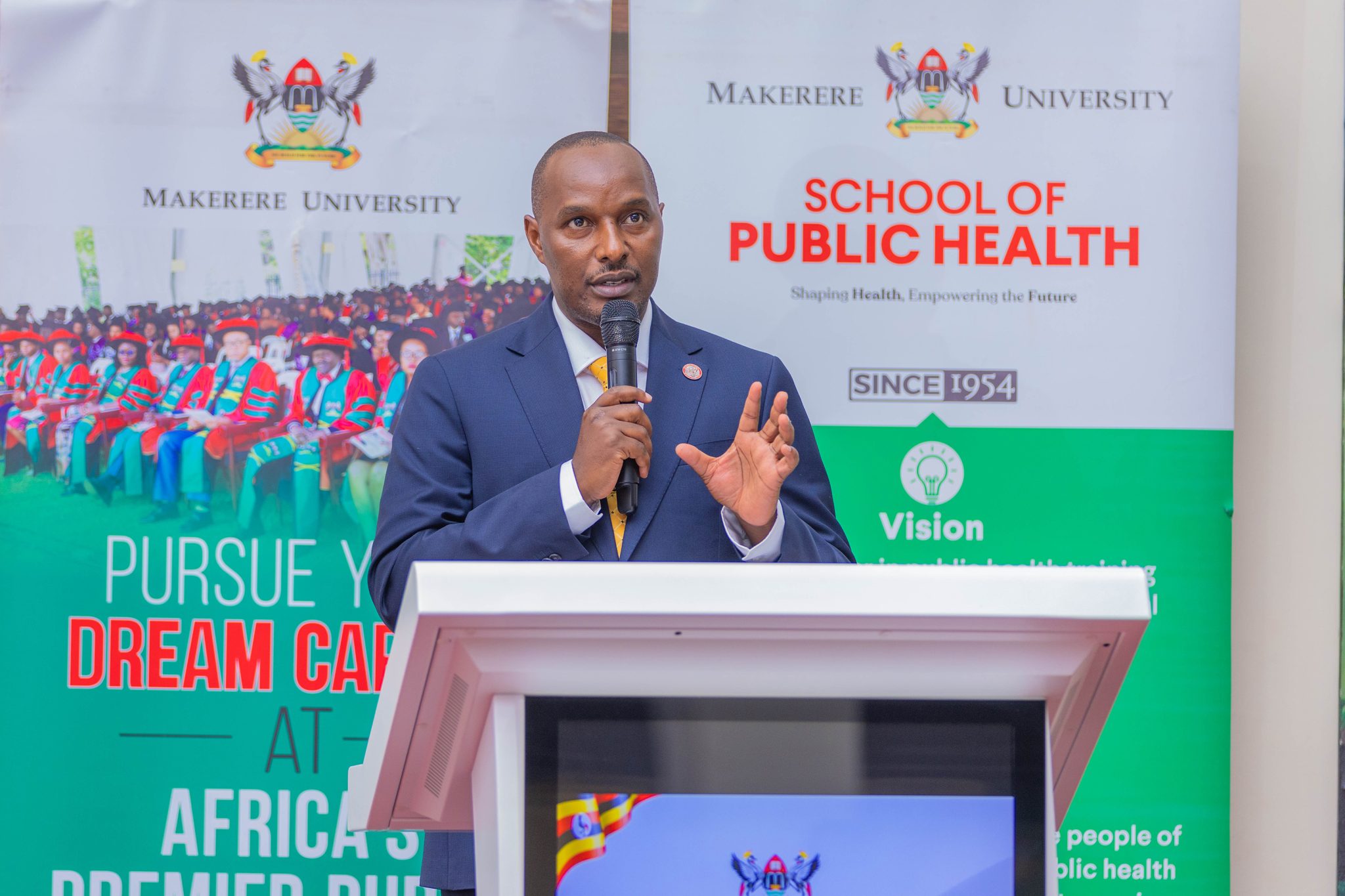
“The Tenfold Growth Strategy will not be achieved by one particular project alone,” he stated. “It will be achieved when science, technology and innovation repeatedly raise the productivity and incomes of millions of ordinary people.”
The work presented at MakSPH showed how public health research can contribute to that ambition by shaping clinical guidance and national policy, strengthening systems that improve services and protect population health, and advancing technologies towards wider testing and adoption.
One such example was the PURPOSE 1 study, a 2022–2024 trial that evaluated Gilead Sciences’ twice-yearly injectable lenacapavir for HIV prevention among adolescent girls and young women. Prof. Noah Kiwanuka served as Site Principal Investigator for MakSPH’s work at Makerere-Kalangala site through the UVRI-IAVI collaboration. The trial recorded no HIV infections among participants who received lenacapavir, contributing evidence that informed regulatory decisions and WHO’s 2025 recommendation of the drug as an additional HIV prevention option.
In maternal and newborn health, MakSPH’s Centre of Excellence for Maternal, Newborn and Child Health recently partnered with St. Francis Hospital Nsambya to establish Uganda’s first human milk bank and generate evidence on the safe use of pasteurised donor milk. The work has now contributed to Uganda’s first National Donor Human Milk Guidelines and provides a model that other hospitals could adopt.
The exhibition also showed how university expertise can strengthen national systems. Through the Monitoring and Evaluation Technical Support (METS) Programme, MakSPH worked with the Ministry of Health for more than 15 years to develop and support platforms for health reporting, disease surveillance and programme management. The U.S. CDC funded the programme through PEPFAR, providing US$103.8 million across three five-year grants. In March 2026, MakSPH transitioned 16 digital health systems developed through METS, together with their supporting infrastructure, to Ministry of Health stewardship.
Makerere University School of Public Health Dean Prof. Rhoda Wanyenze said the School embeds teaching and research within communities, health facilities and public institutions through its “Public Health School Without Walls” model, designing research around the problems it must address and the value it can create.

“For us, translation is not alien. It is where we start when designing our research,” Prof. Wanyenze noted. “We examine what drives ill health and what we can do to solve the problem. As we consider translation and commercialisation, we must define how scientific impact grows into societal impact and track that contribution through health outcomes and economic growth.”
That approach informs VectorCam, an artificial intelligence-enabled smartphone tool that MakSPH is evaluating in Mayuge and Adjumani districts. It enables community health workers to identify mosquitoes by species, sex and feeding status, generating faster data for malaria-control decisions. Prof. Peter Waiswa serves as Uganda Principal Investigator for the Gates Foundation-funded project, which MakSPH implements with Johns Hopkins University. The partners plan to extend it to 22 districts and assess its performance under routine conditions in 12.
Watch how VectorCam uses a smartphone and artificial intelligence to identify mosquitoes and strengthen malaria surveillance:
The School’s national survey work also demonstrates local capacity to generate evidence for policy. Uganda launched the 2024–2025 Uganda Population-based HIV Impact Assessment (UPHIA) in May 2025 with support from the U.S. Government and technical leadership from MakSPH. The Ministry of Health expects to release the findings on 1 October 2026, providing updated evidence on HIV prevalence, new infections, viral suppression, service coverage and associated risk behaviours to guide the country’s future HIV response.
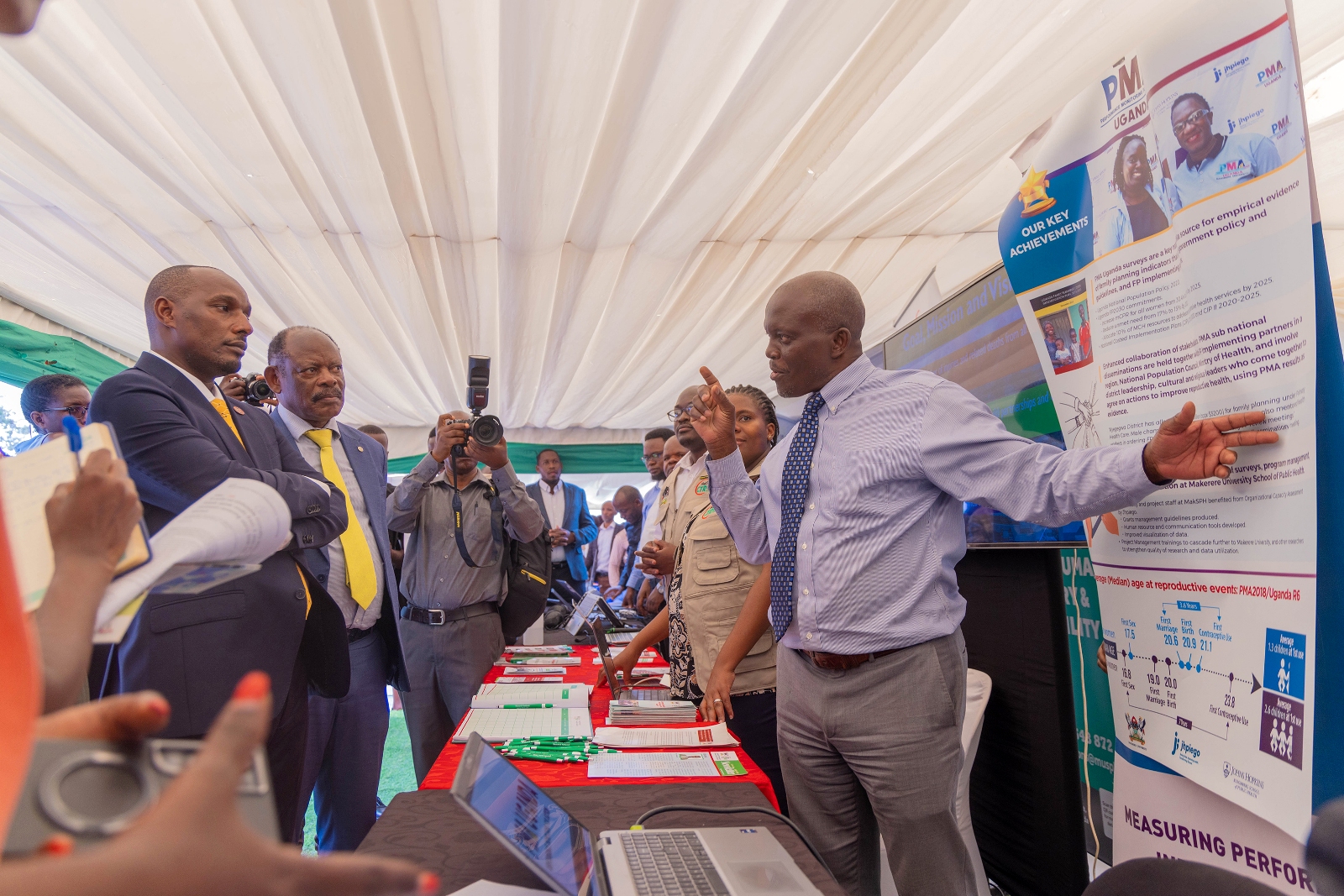
The School also led Performance Monitoring for Action (PMA) Uganda, a nationally representative platform that generated recurring evidence on contraceptive use, access and service quality. Working with the Ministry of Health and other partners, it enabled Uganda to track change, identify persistent gaps and guide family-planning policy and investment.
This combination of evidence generation and local capacity gives practical expression to Makerere University’s Strategic Plan 2025–2030, launched in July 2026, which seeks to build a sustainable, research-led and responsive university. During a visit to MakSPH on 18 June 2026, Prof. Barnabas Nawangwe described the School as a model of that institutional direction.
“I think the School of Public Health is the perfect example of what a research-led unit should be,” Prof. Nawangwe said. “You are really showing the way for the rest of the University and what we should be as a research-led university.”
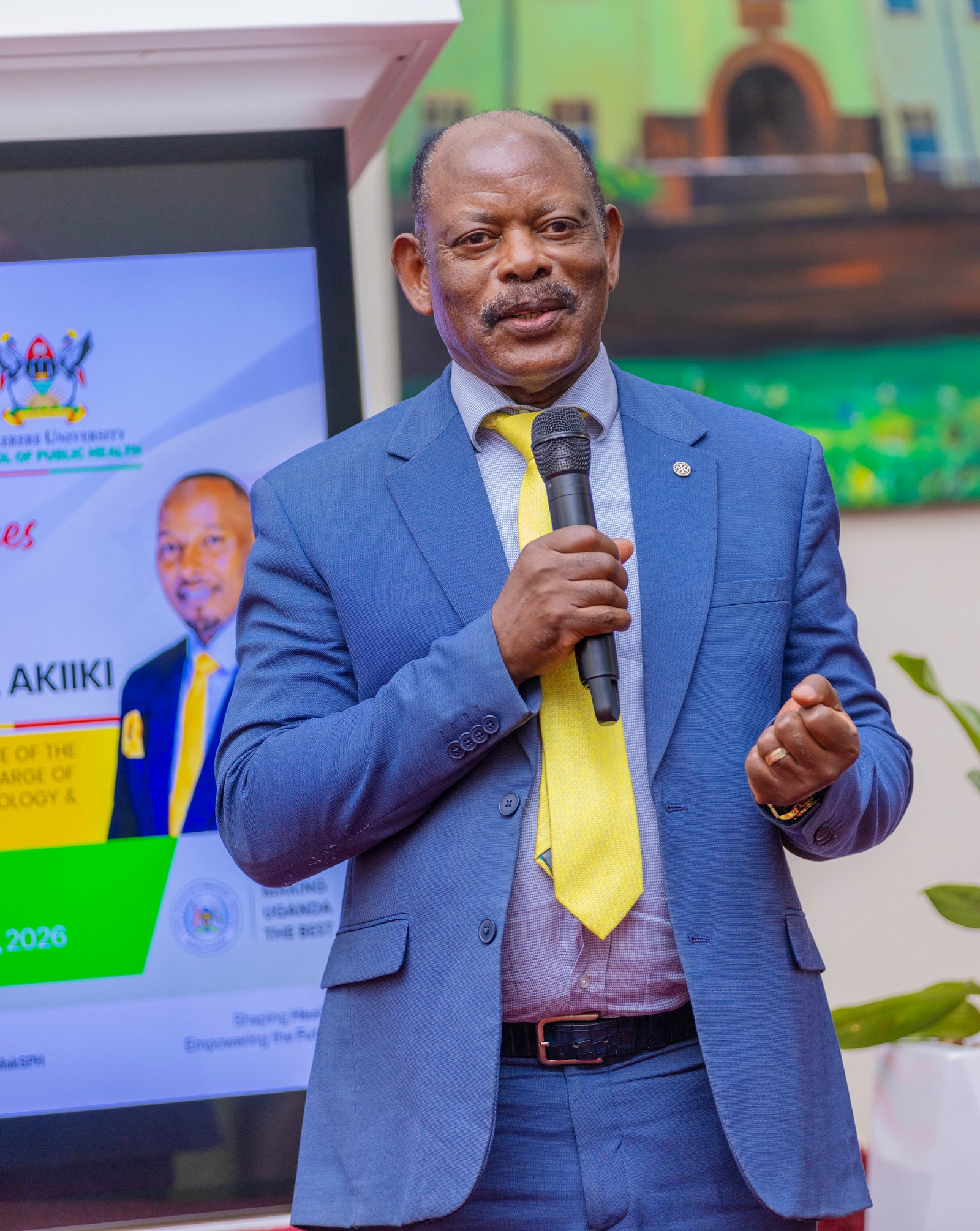
The work supports priorities under Uganda’s Fourth National Development Plan (NDP IV), including stronger health research, innovation and uptake of locally generated solutions. Speaking at a public dialogue on health financing jointly organised by MakSPH and partners in April 2026, Prof. Nawangwe said Makerere attracts more than UGX 1 trillion into Uganda annually through research and urged the Government to increase support for the University’s national role.
Today, the Government allocates about UGX 25 billion annually through theMakerere University Research and Innovations Fund (Mak-RIF) to support research and innovation across Makerere. Beyond Mak-RIF, it recently contributed UGX 14 billion to the construction of the new MakSPH building. Work began in 2020 and remains on course for completion in December 2026.
The facility will expand space for teaching, research, laboratories and collaboration. The School’s next infrastructure priority is a specialised environmental health laboratory to investigate health risks associated with air, water, food and other environmental exposures.

Through STI-OP, the Government also supports the NUTRIMEAL Project. Dr Barbara Eva Kirunda leads the project, which brings together MakSPH and Makerere University’s School of Food Technology, Nutrition and Bioengineering to develop a non-dairy probiotic beverage from locally available finger millet and beetroot for people living with HIV. The team will test its safety and effects on immune and nutritional outcomes among 432 participants.
Hon. Eng. Asiimwe placed that support within a longer pathway from research to use. He said developing and testing an innovation represent only part of the journey and called for stronger systems to move viable innovations into policy, public services, products and enterprises.

“Every innovation should be able to name its user, define the problem it solves and show the value it creates,” he said. “We should move beyond saying, ‘We developed a prototype,’ to showing who uses it, who manufactures it, how it reaches the market and how it will grow.”
Reaching that point requires the capacity to generate and test evidence, alongside collaboration among universities, government and industry in validation, standards, intellectual property, financing, manufacturing, procurement and public trust.
Public health research creates value not only through commercial products but also evidence that changes policy, strengthens surveillance, improves clinical practice and guides national programmes. The challenge now is to move the strongest research into use and turn it into better services, greater productivity and healthier lives, all essential to Uganda’s tenfold growth ambition.













Uganda’s latest national HIV survey reveals lower viral suppression among adolescents and young adults living with HIV than among older adults, even as the country records substantial improvements in controlling the virus. The findings come from Uganda Population-Based HIV Impact Assessment (UPHIA 2025), a national household survey examining HIV prevalence and whether people living with the virus know their status, receive treatment, and achieve viral suppression.
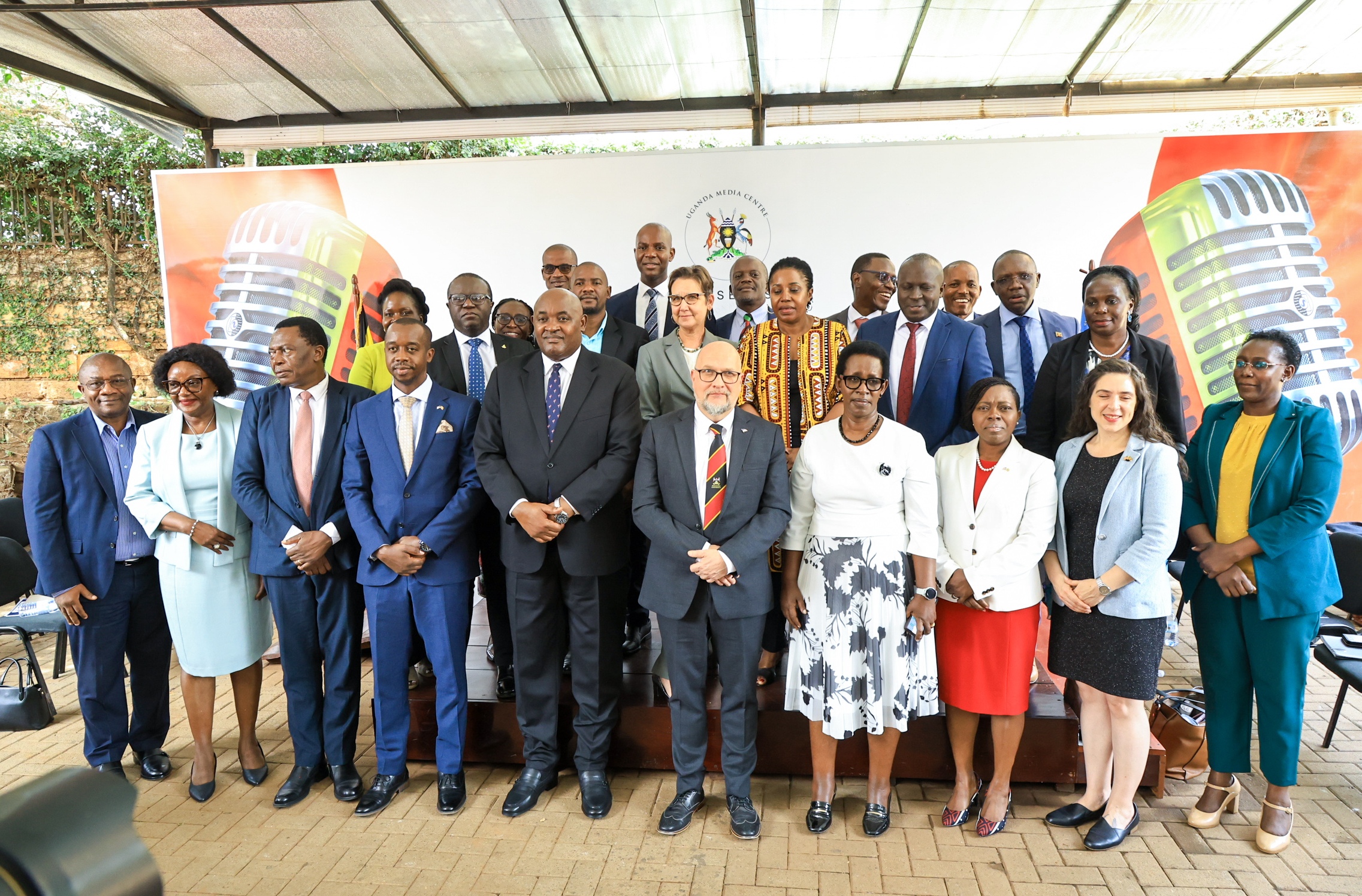
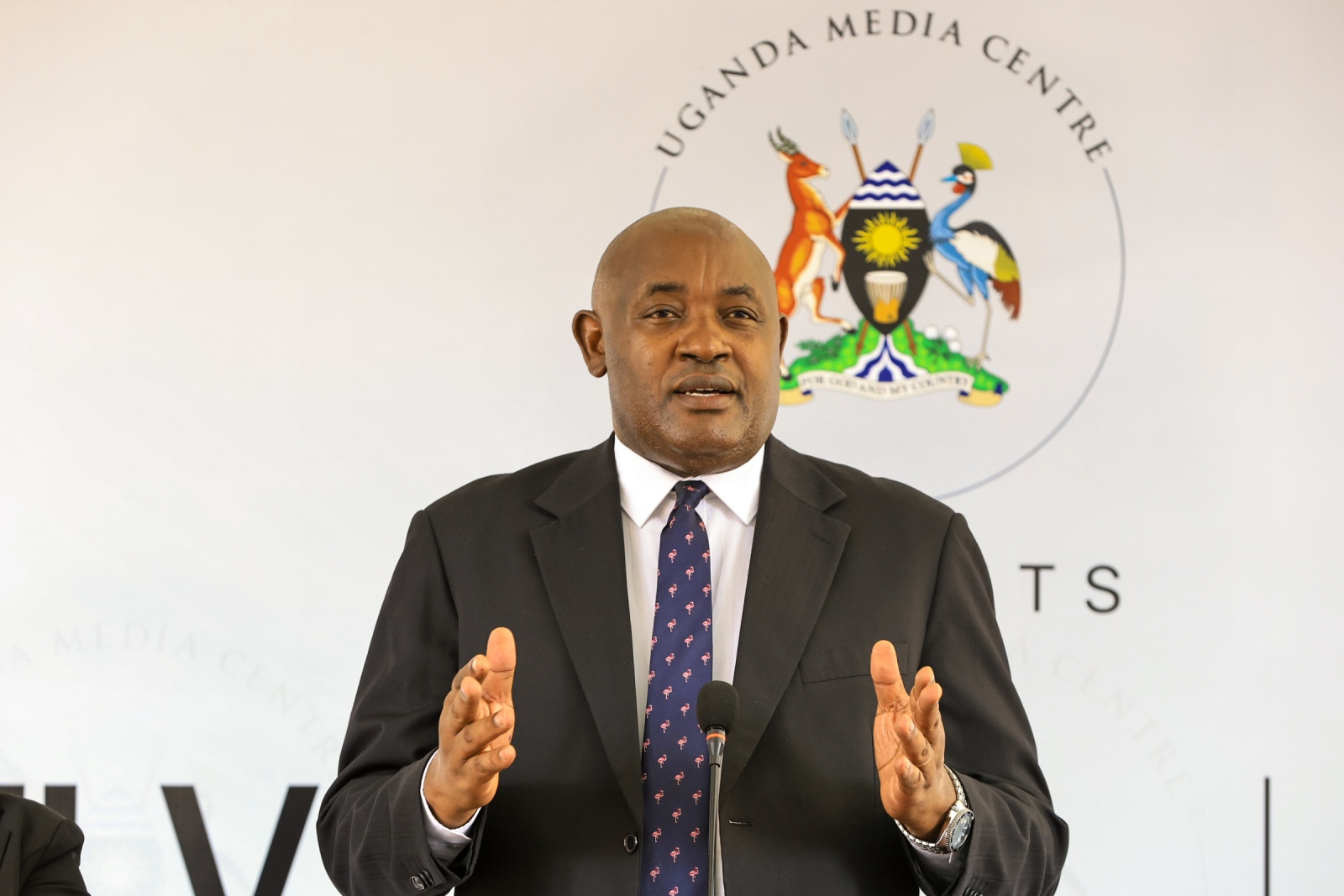
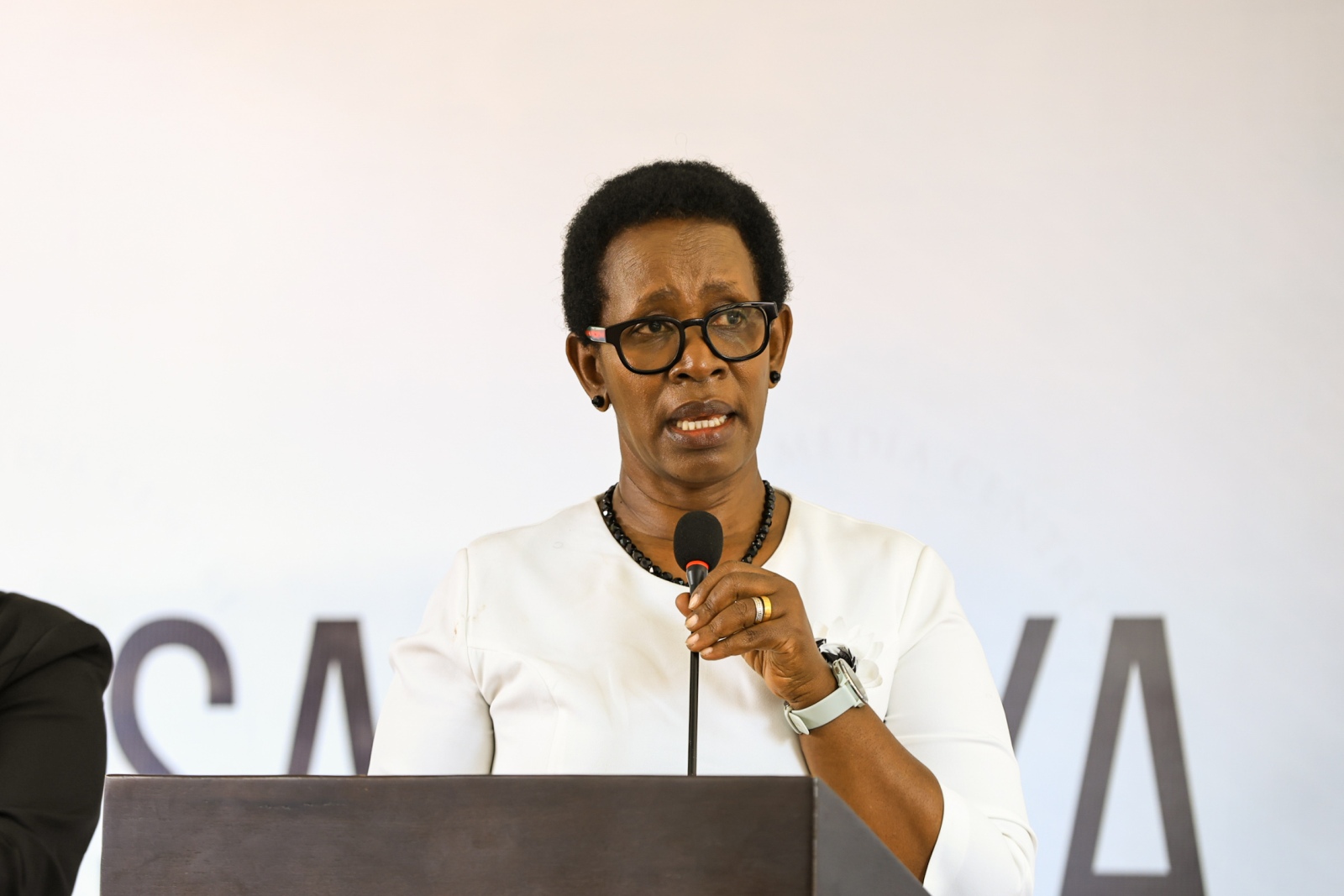
Releasing the preliminary UPHIA 2025 findings at the Uganda Media Centre on 1 October 2026, Minister of Health Hon. Dr. Chris Baryomunsi called for earlier prevention and testing, particularly among adolescent girls and young women, alongside support for treatment adherence. “We must reach out to the young people, ensure that they have information, they test, take treatment, and adhere to the treatment guidance,” he urged.
Hon. Baryomunsi recalled how fear had discouraged testing during his university years: “I remember when we were at university, we went for testing at the university hospital. We sat there for three hours. Some of us left without even testing because it was scary.” Today, he explained, “even if you test HIV positive, you can be initiated on treatment, and you live normally like the rest of those who don’t have HIV.”
UPHIA 2025 was locally led under the Ministry of Health’s overall leadership, with Makerere University School of Public Health serving as the prime implementer, a role ICAP at Columbia University held in the previous two surveys. The Uganda Bureau of Statistics led sampling, while the Uganda Virus Research Institute and National Health Laboratory and Diagnostic Services led laboratory operations. Regional referral hospitals and local governments supported implementation, and the U.S. government provided US$10 million through PEPFAR, along with technical assistance from the U.S. CDC.
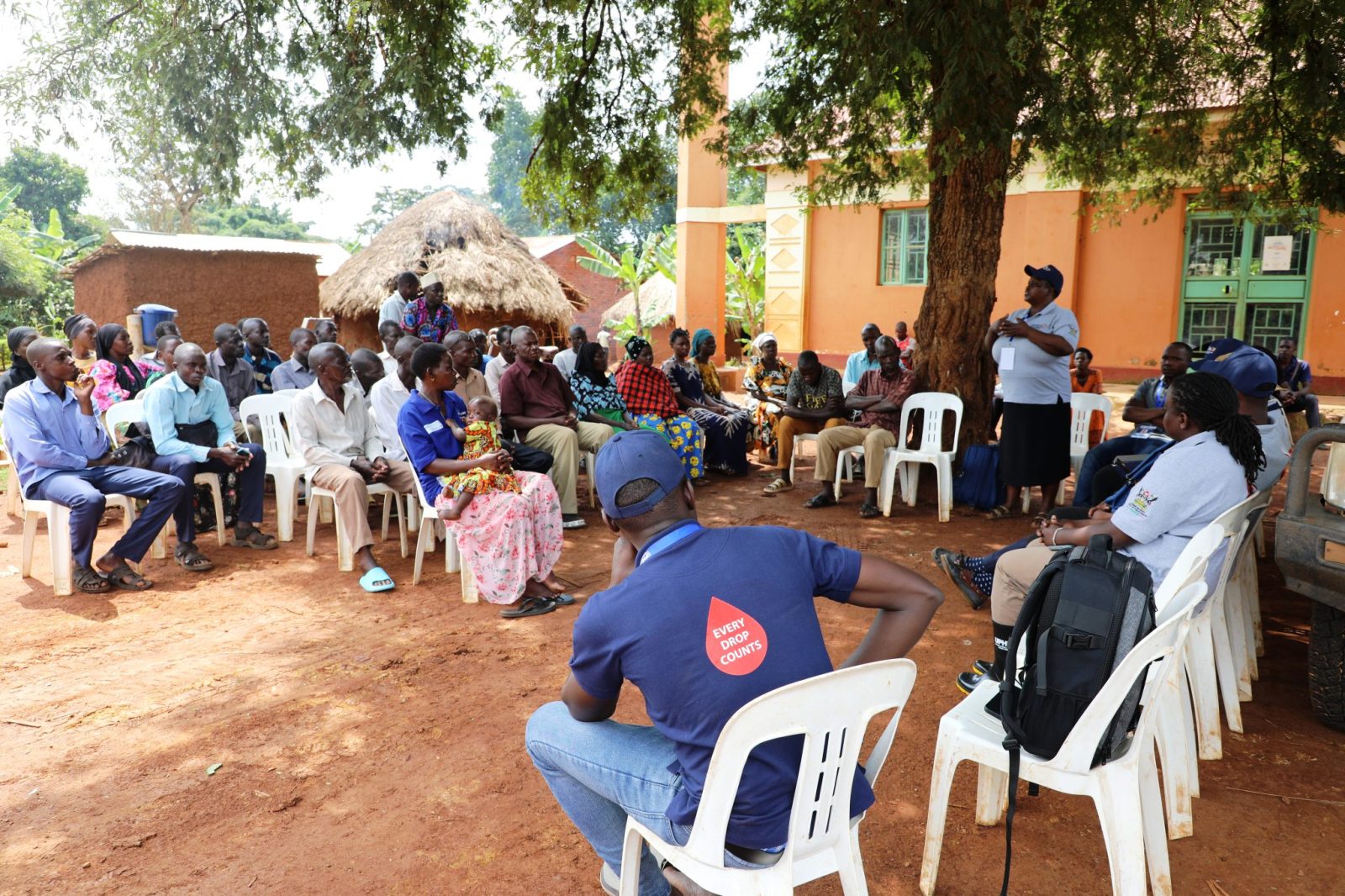
UPHIA collected data from July to September 2025 among people aged 15 and above, including those outside routine treatment services. Of 6,283 eligible households, 94.4% completed interviews. Researchers interviewed 13,801 people and tested 13,477 for HIV.
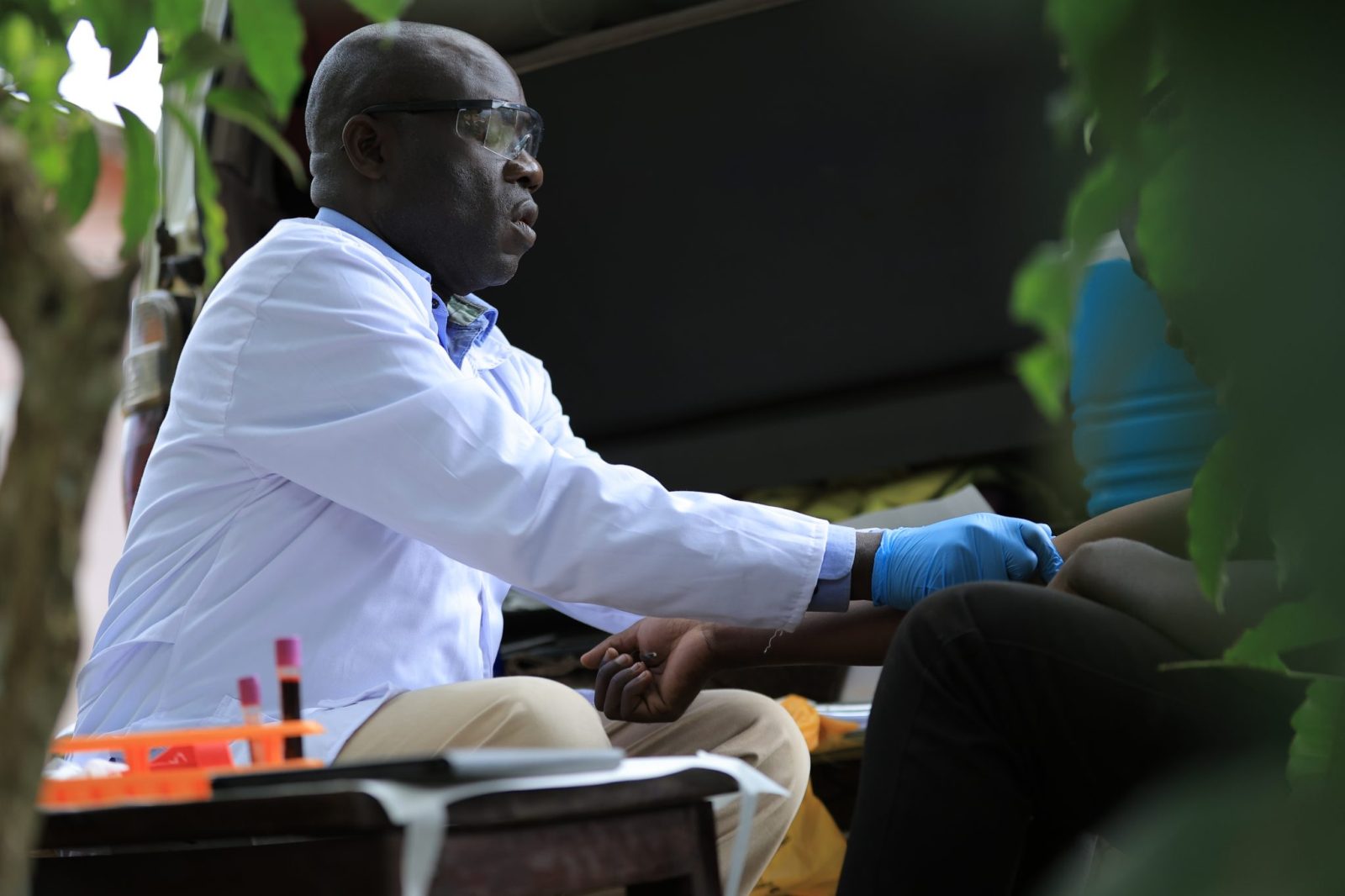
Testing followed Uganda’s national algorithm, with laboratory confirmation of positive samples, viral-load measurement, and checks for antiretroviral medicines to establish treatment use. Researchers weighted the estimates to account for the sampling design. Participants received counselling and results, and those who tested positive were referred for treatment.
Hon. Baryomunsi thanked participants and their families for welcoming survey staff and contributing their time, information and samples, without which the national evidence would not have been available.
National progress and the youth gap
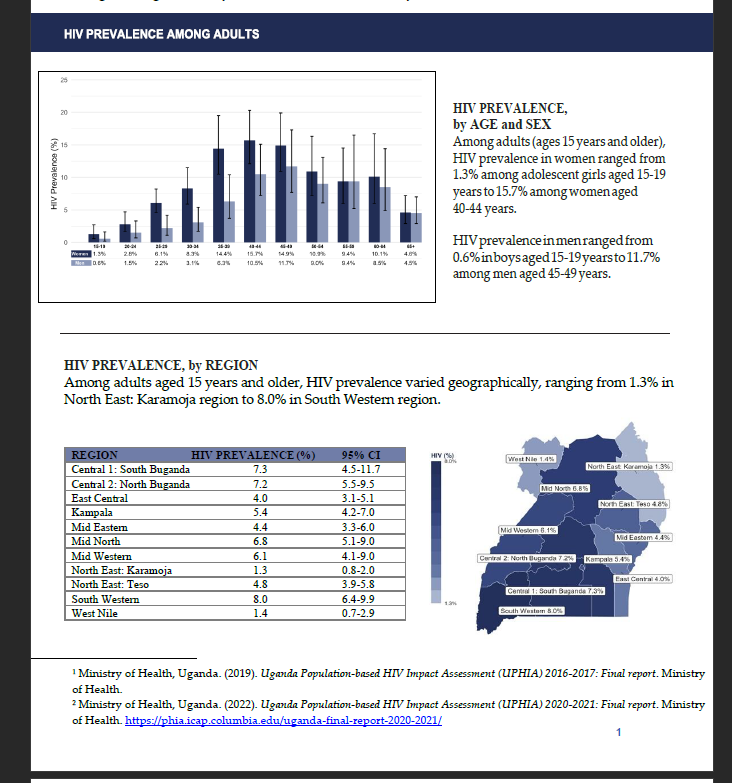
The survey estimated HIV prevalence, which means the proportion of people living with HIV, at 5.9% among those aged 15 and above, corresponding to about 1.496 million people in this age group nationwide. Prevalence was 7.3% among women and 4.1% among men, ranging from 1.3% in Karamoja to 8% in the South Western region.
Among people aged 15 and above living with HIV, 86% had achieved viral suppression, meaning a low amount of HIV in the blood, measured in UPHIA as fewer than 1,000 copies per millilitre. Suppression stood at 69.3% among adolescents and young adults aged 15–24 living with HIV, compared with 89.9% among those aged 50 and above. These estimates cover people living with HIV regardless of whether they know their status or receive treatment.
HIV prevalence among people aged 15–24 was 1.5%, including 2% among young women and 1% among young men. Among young women, prevalence was 1.3% at ages 15–19 and 2.8% at ages 20–24. These differences support attention to earlier prevention and testing, although they do not establish when infections occurred.
The highest prevalence estimates occurred among middle-aged adults: 15.7% among women aged 40–44 and 11.7% among men aged 45–49. Lower suppression among young people therefore requires attention alongside the higher HIV prevalence among middle-aged adults. Comparing the same age group across both surveys, viral suppression among people aged 15–64 increased from 74.9% in 2020–21 to 86.1% in 2025, while HIV prevalence remained at 5.9%.
Diagnosis and the path to 2030
The treatment results identify diagnosis as the main national gap. Among people aged 15 and above living with HIV, 85.3% knew their status. Of those aware, 99.1% were receiving treatment; among those receiving treatment, 96.5% had achieved suppression.
The 95-95-95 targets aimed for 95% of people living with HIV to know their status, 95% of those diagnosed to receive treatment, and 95% of those receiving treatment to achieve viral suppression by 2025. Among people aged 15 and above, Uganda exceeded the treatment and suppression targets, while diagnosis remained below target. UNAIDS’s Global AIDS Strategy 2026–2031 retains these targets towards ending AIDS as a public health threat by 2030.
According to WHO, viral suppression protects health and helps prevent HIV transmission. Uncontrolled HIV weakens the immune system, increasing the risk of serious illness. With continued treatment as prescribed, sexual transmission risk is negligible when HIV remains suppressed but detectable, and zero when undetectable. The Uganda AIDS Commission estimated over 34,000 new HIV infections in 2025, underscoring the importance of early diagnosis, timely treatment, and sustained suppression alongside other prevention measures.

The demographic stakes are substantial. People aged 15–24 constituted 21.2% of Uganda’s population in the 2024 census. The country’s Fourth National Development Plan, covering 2025–2030, prioritises a healthy, knowledgeable, skilled and productive population and reducing HIV through primary health care. Protecting young people’s health, therefore, supports their participation in education, work, and national development; UPHIA helps identify where services need greater attention.
Turning evidence into action
The study’s conclusions identify three priorities: sustain treatment outcomes, find people unaware of their status, and improve suppression among younger people. Permanent Secretary Dr. Diana Atwine connected the findings to the Ministry’s planning.
“We do believe that these results are a true reflection of what is happening in our country as far as the HIV status is concerned, and we do believe that it will give us a very clear direction and the roadmap that we are going to take in the next five years to target and to get our targets achieved.”
Acting on these priorities requires funding for services and research. Hon. Baryomunsi outlined plans to target resources where needs are greatest, strengthen district services and align partner support with government priorities. Responding to journalists’ questions, he noted the government’s intention to increase domestic funding for the HIV response, including research.
“The HIV/AIDS response, including research and surveys such as this one, has largely been funded by partners in the past. The government of Uganda is committed to allocating more resources from our domestic budget to support the response and research,” he noted.
For the first time in the UPHIA series, the survey assessed selected noncommunicable disease indicators among people aged 15 and above: 15.5% had elevated blood pressure, 24.8% were overweight or obese, and 0.9% had raised random blood glucose. These screening findings align with the Ministry’s integration agenda and Hon. Baryomunsi’s call to bring HIV and chronic care services together to address people’s wider health needs.
Speaking at the release of the preliminary results, U.S. Embassy Chargé d’Affaires Mikael (Mika) Cleverley described UPHIA 2025 as the first Population-Based HIV Impact Assessment worldwide fully led and implemented by the country itself.
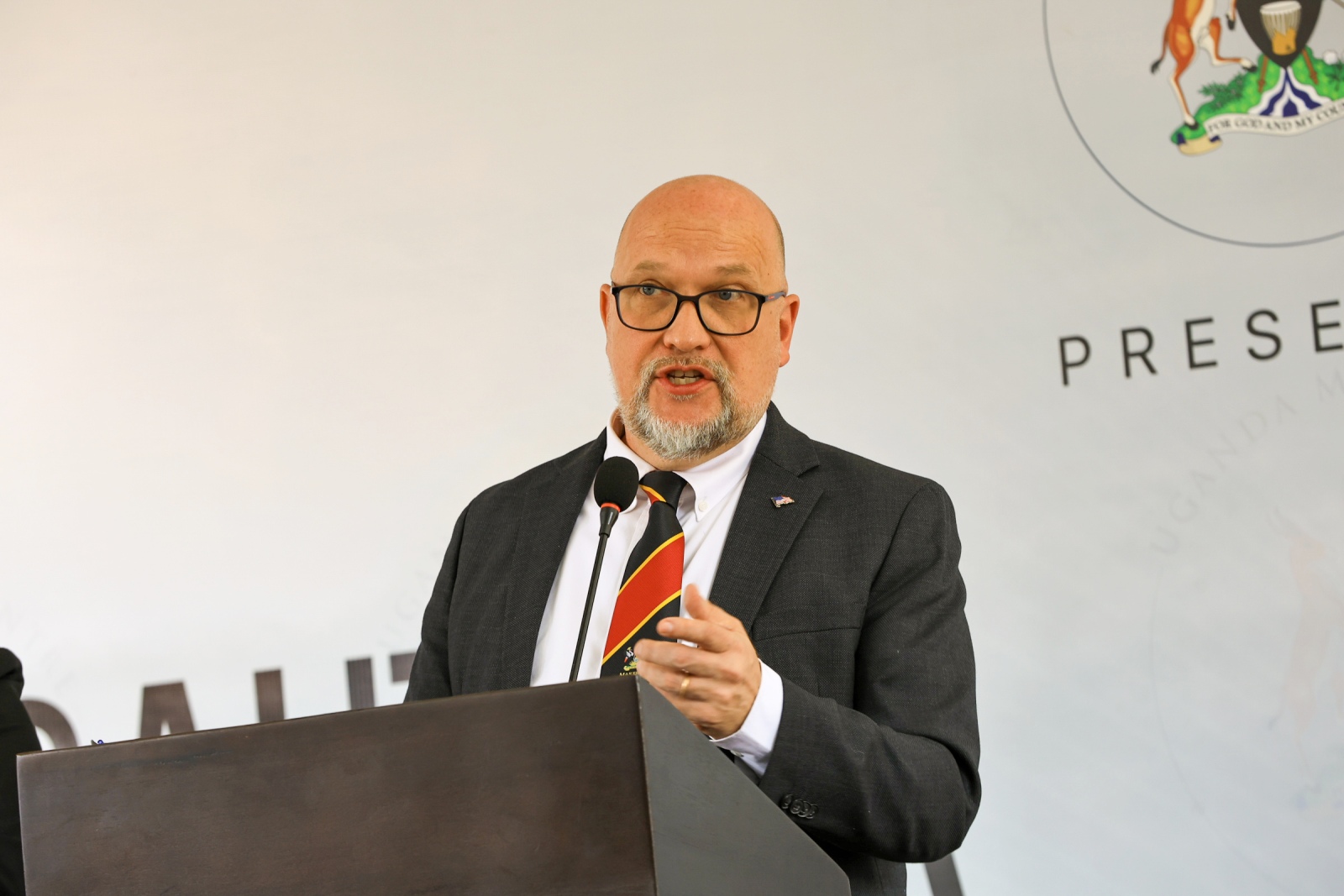
“The study was led by Ugandan scientists, Ugandan managers, Ugandan public servants, Ugandan field teams, from design to data collection to analysis. And this is what two decades of focused strategic U.S. foreign investments in the public health sector was meant to produce, is to reinforce Ugandan leadership and Ugandan-led efforts.”
At the survey launch on 29 May 2025, MakSPH Dean Prof. Rhoda Wanyenze highlighted the partnership’s contribution: “The partnership between Makerere University and CDC has not only helped build national capacity in surveillance and epidemiology, but has also strengthened our ability to lead high-quality, large-scale national surveys.”
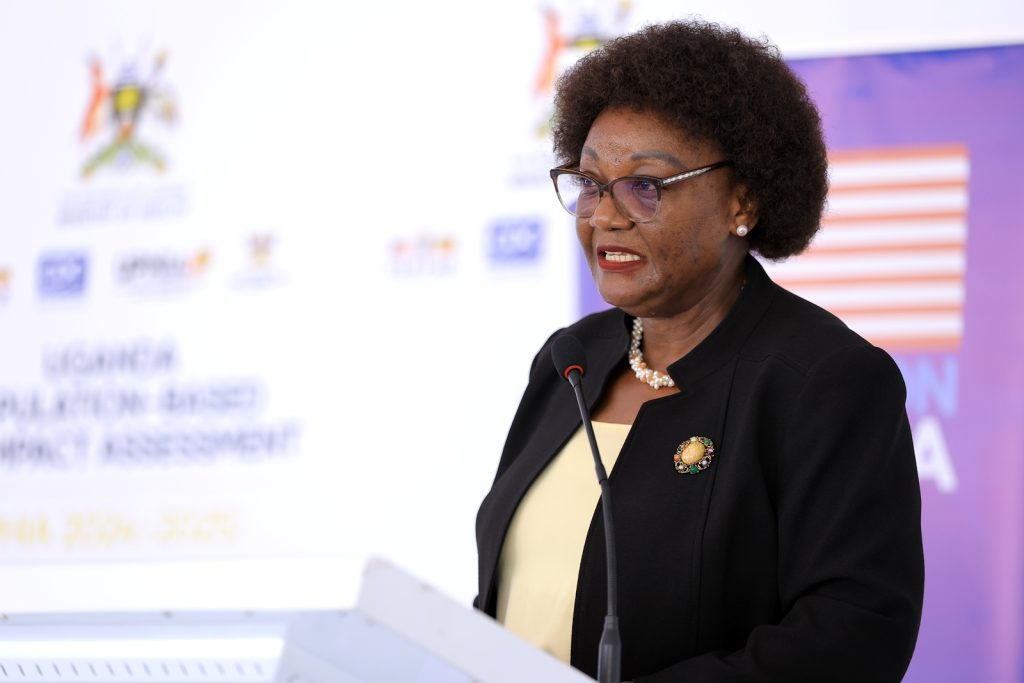
The Dean added: “After two decades of joint work, we are proud that UPHIA is now a fully Ugandan-led effort. This is critical to the sustainability of the skills and knowledge generation to inform our local response.”
UPHIA 2025 shows how far Uganda’s HIV response has advanced and where gaps remain. As the country works towards ending AIDS as a public health threat by 2030, reaching young people with testing, treatment, and continued care will be essential to extending those gains.
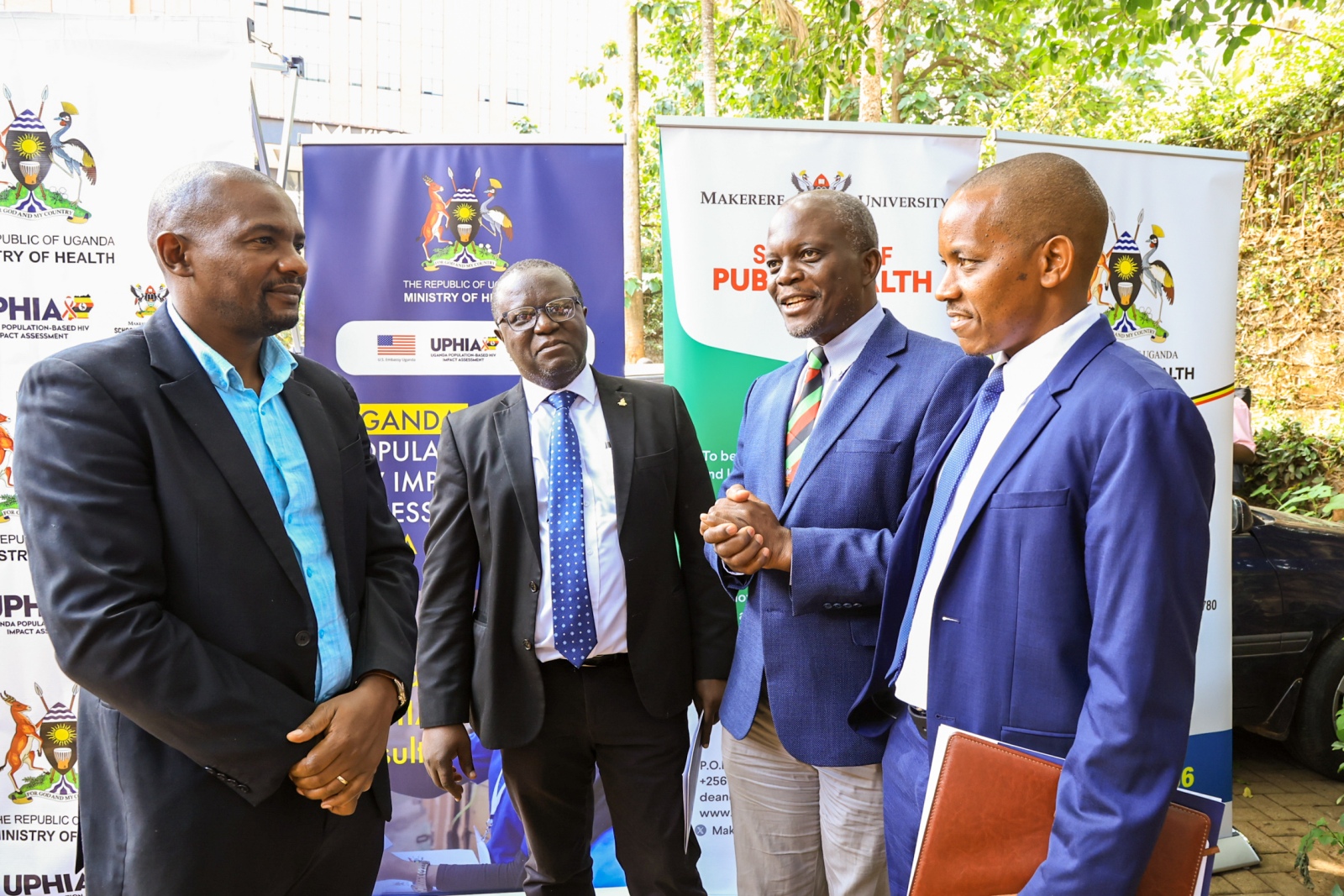
Read the full UPHIA 2025 summary results here:

-

 General2 weeks ago
Statement on Concerns Circulating Regarding a Member of Academic Staff
-

 General1 week ago
Timothy Khabusi: From Barefoot Walks to shaping Uganda’s Eye health Future
-

 General2 weeks ago
Beyond Map Size: Africa’s Agency Should Not Be Funded by Other People
-

 Health1 week ago
Uganda’s HIV Treatment Gains Bring the Youth Gap into Focus
-
 Agriculture & Environment1 week ago
Makerere University Welcomes 50 Youth Skilling Program trainees under the Africa Climate Collaborative, Supported by Mastercard Foundation