
Health
Makerere-Yale Collaboration (MUYU) Celebrates Two Decades

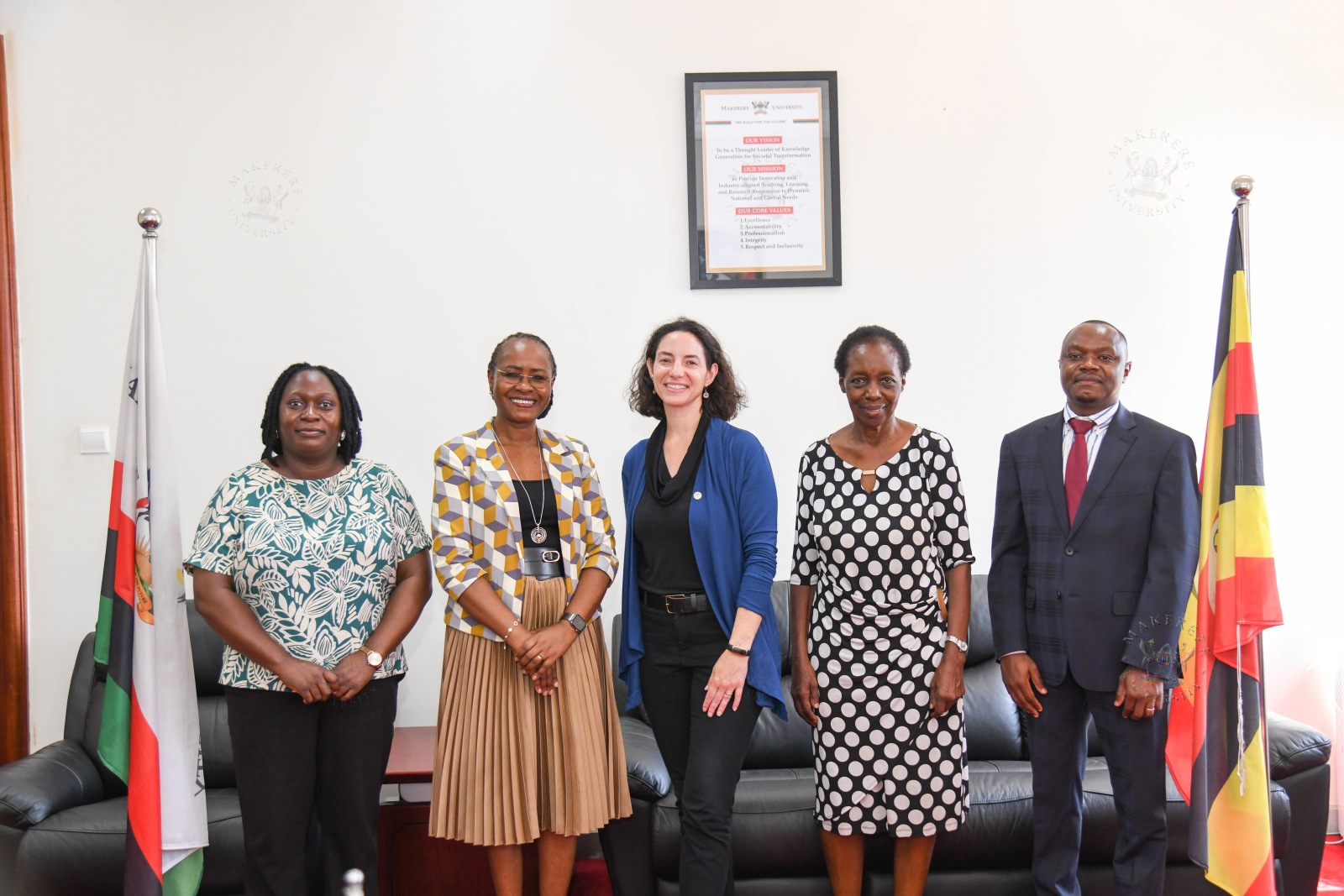
The Makerere University–Yale University (MUYU) partnership is celebrating two decades of collaboration in health education, clinical care, and applied research. What began in 2006 as a focused connection between Yale’s Department of Internal Medicine and the Makerere University College of Health Sciences (CHS) has transformed into a broader relationship that significantly enhances training and patient care in both Uganda and the United States of America.
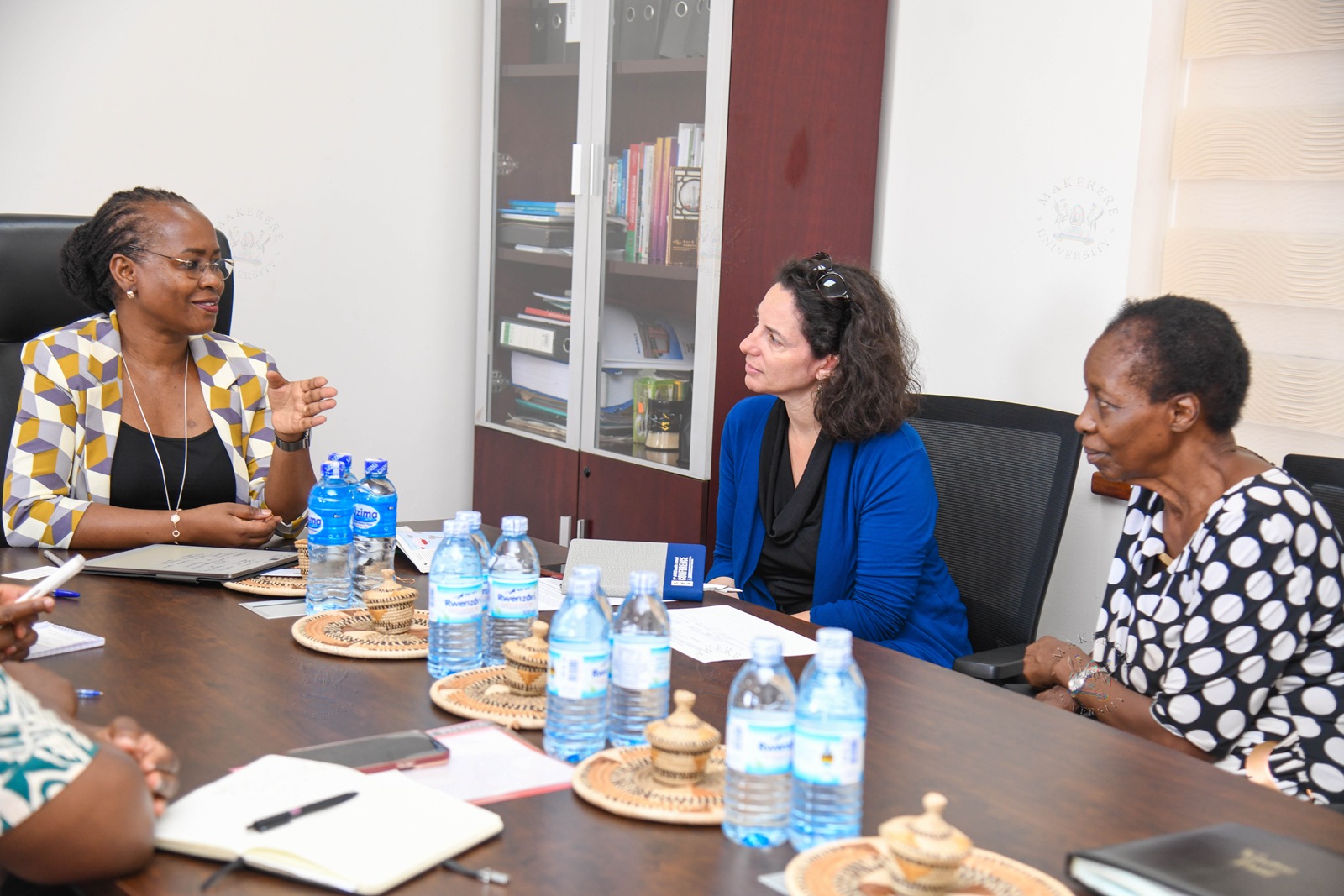
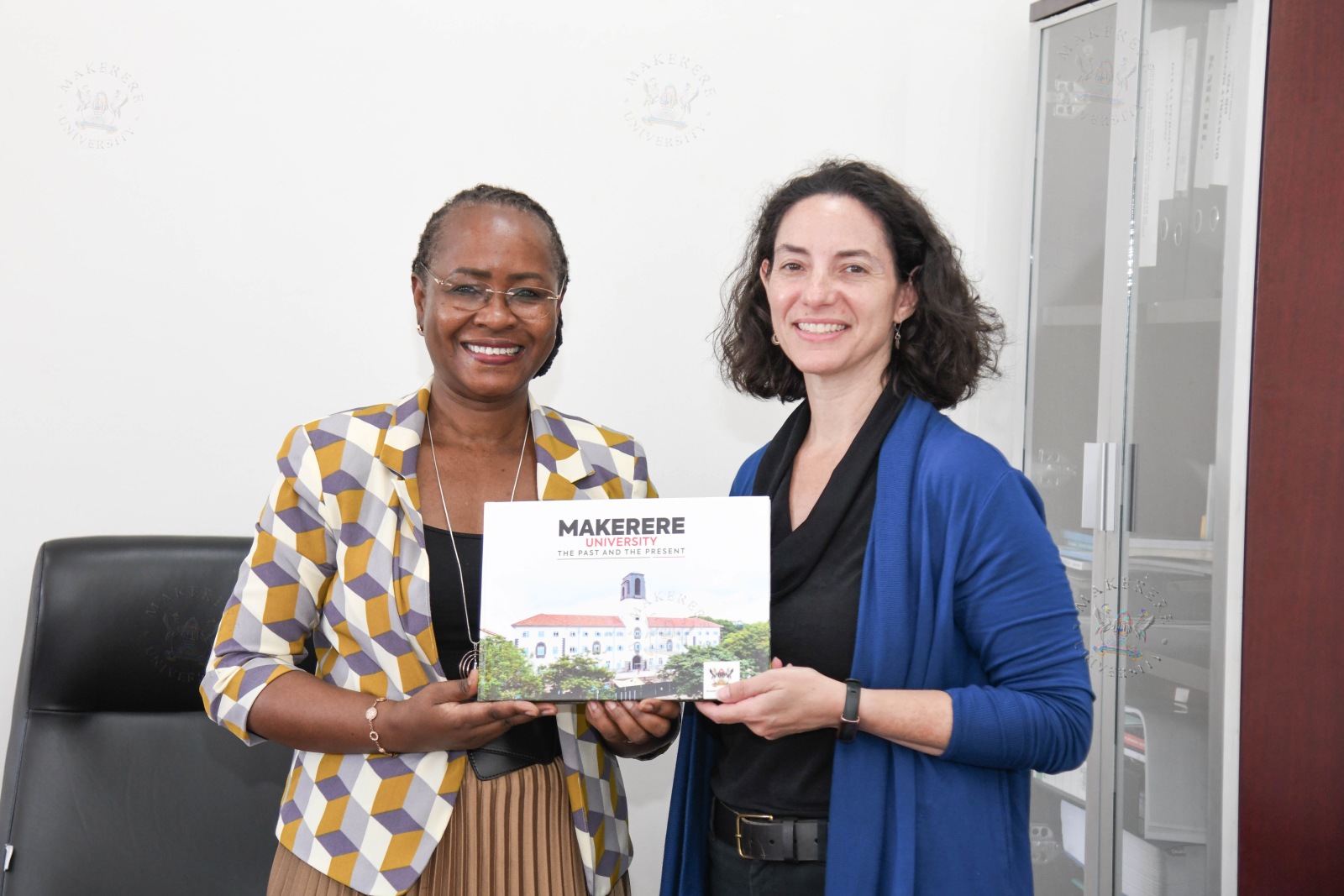
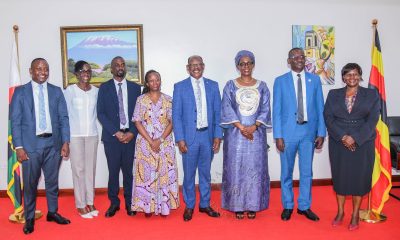
To commemorate this milestone, co-directors; Dr. Tracy Rabin from Yale University and Prof. Harriet Mayanja-Kizza from Makerere University, paid a courtesy call on Prof. Sarah Ssali, the Deputy Vice Chancellor in charge of Academic Affairs (DVCAA), on 27th August, 2026. They shared a summary of their two decades of work and explored opportunities to expand the partnership beyond its original clinical focus.
Reflecting on the Past and Future
Prof. Ssali welcomed the co-directors, expressing gratitude for a partnership that has thrived through successive agreements. The initial Memorandum of Understanding signed in 2006 has since been renewed in 2011 and 2019, with a significant update in 2025 that broadened the collaboration to cover both universities beyond just health sciences.
She thanked the co-directors for keeping the partnership dynamic and aligning their training programs with the key needs of Makerere and Mulago National Referral Hospital. She also mentioned new areas where Makerere seeks support, including Speech and Language Therapy, Oral and Maxillofacial Surgery, Neurosurgery, and creating a Medical Museum to highlight Uganda’s contributions to global health. Dr. Rabin expressed enthusiasm for these suggestions, noting that alumni from their exchanges are now leading local initiatives.
Origin of a Collaborative Effort
The idea for this partnership emerged in the early 2000s when faculty from Yale and Makerere began brainstorming ways to enhance care at Mulago as the hospital developed specialty wards. From the start, the partnership was designed to be reciprocal. Ugandan clinicians would receive specialized training at Yale in areas of local need, especially non-communicable diseases, while Yale students and faculty would learn from their Ugandan counterparts working under challenging conditions.
This equitable approach has been a cornerstone of the collaboration. Training at Yale usually lasts from six weeks to a year and is determined collectively by both institutions’ leadership. The aim has never been to foster dependence on education abroad, but to build local capabilities so that Makerere and Mulago can train their own specialists.
Expanding Skills Across Borders
According to the summary of activities from 2006 to 2026, MUYU has trained thirty-two (32) faculty members, physicians, and postgraduate students, along with two (2) advanced practice nurses at Yale, and supported three (3) additional senior faculty on short administrative visits. Fifty (50) Makerere fourth-year medical students have completed four-week internal medicine clerkships at Yale New Haven Hospital, presenting their experiences to peers upon returning and submitting written reports. Many of these students now begin their training at the African Community Centre for Social Sustainability (ACCESS) in rural Nakaseke, backed by the Balamu project focused on community-based care for non-communicable diseases.
Conversely, one hundred and eighty (180) trainees sponsored by Yale have participated in clinical work and research in Uganda. Mulago has also hosted participants from the Yale/Stanford Global Health Scholar Program, where one hundred and ninety-two (192) residents and seventy-five (75) physicians have gained experience since 2006, collaborating with Makerere’s senior house officers, interns, and students.
Participants from Uganda have represented multiple specialties, including infectious diseases, pulmonology, cardiology, and more.
Enhancing Clinical Infrastructure and Specialties
The capacity-building efforts extend beyond individual fellowships. The Rainer Arnhold Senior House Officers’ Teaching Support (RASHOTS) initiative has provided thirteen (13) years of independent support for postgraduate education within the Department of Medicine. The collaboration in emergency medicine has featured joint mentorship, simulation training, and a long-term educator placement through SEED Global Health.
One notable success story is the Interventional Radiology (IR) program, backed by a SPARK Award from the Yale Institute for Global Health and supported by industry partners and visiting faculty. Makerere/Mulago has graduated five IR fellows, with five more currently in training. Over the past year, the program has seen around 1,800 consultations and over 900 procedures, with consultations increasing by about 27 percent annually. Local faculty and technologist support typically occurs for two weeks each month.
Dr. Eva Nabawanuka, the program’s local leader, first visited Yale as a student through MUYU. She later became a radiologist at Mulago Hospital and played a crucial role in establishing Uganda’s first public-hospital IR service and fellowship. Dr. Rabin highlighted her journey during the courtesy call as a perfect example of the collaboration’s goal: producing alumni who foster sustainable training locally instead of relying solely on opportunities abroad.
Other initiatives include maternal health work that connects Makerere‘s obstetrics and midwifery teams with Yale’s health programs, as well as a 2025 award recognizing innovative interdisciplinary approaches in global health education.
Research, NCDs and Public Health Reach
MUYU has played a vital role in advancing applied research. The Uganda Initiative for Integrated Management of Non-Communicable Diseases (UINCD), established in 2013 as a spin-off, brings together Makerere University, Yale University, the Ministry of Health, and various civil-society organizations. It has welcomed students and researchers from both universities and Toronto, co-hosted the Uganda NCDI Poverty Commission, and has become the Ministry’s primary partner for the PEN-Plus pilot and the National Hypertension Control Programme. Dr. Rabin and Prof. Mayanja-Kizza are members of the UINCD board.
Additional initiatives include NIH Fogarty funding for Makerere’s Master of Midwifery program (2017–2023), an NIH R21 grant focused on HIV and rheumatic and musculoskeletal diseases led by Dr. Mark Kaddu Mukasa and Dr. Evelyn Hsieh, and translating the Ministry of Health’s Ebola FAQs into 15 local languages, alongside a WHO Marburg fact sheet in Kiswahili.
Beyond Health Sciences
At a recent meeting, Prof. Ssali highlighted MUYU’s role within the larger network of partnerships at Makerere University. The university maintains numerous institutional relationships and has established a Partnerships Lead function under the Advancement Office to ensure that memorandums of understanding remain active even after individual projects conclude. She pointed out challenges in areas like speech and language therapy, where recruiting locally has proven tough, and she highlighted the potential for existing oral and maxillofacial surgery training to attract more international support. She also noted that Neurosurgery remains a historically and currently underserved area.
The DVCAA underscored the importance of the Makerere University Library as a national reference library and legal deposit center, housing Africana collections, university archives, and the history of medicine in Uganda at the Albert Cook Medical Library. Prof. Ssali advocated for a dedicated medical museum to preserve early medical instruments, document diseases first identified or studied in Uganda, and showcase both indigenous knowledge and the complex history of missionary and colonial medicine, including early successful cesarean sections and practices that were later suppressed. Dr. Rabin, who was unaware of the library’s national significance, expressed a desire to reconnect Yale librarians who had visited in the past with their Makerere counterparts.
A Milestone Celebration Planned for 2027
Dr. Rabin noted that the twentieth anniversary in 2027 warrants a prominent celebration. She mentioned that Yale’s Vice Provost for International Affairs, Sunil Amrith, is interested in attending an event that would reaffirm the university’s commitment to the partnership and encourage conversations about collaboration beyond health sciences.
Dr. Rabin indicated that the list of trained faculty will help her brief Yale colleagues in relevant specialties and explore new connections now that the MoU fully encompasses both institutions. Prof. Ssali mentioned that the Makerere team would assess additional needs in areas like linguistics and language sciences and consider how a broader celebration might shape the agenda for the next decade.
Photos by Benite Uwase, Public Relations Office, Makerere University













Uganda has released the preliminary findings of the 2025 Uganda Population-Based HIV Impact Assessment (UPHIA 2025), a national household survey that provides a current picture of the country’s HIV response and selected non-communicable disease indicators.
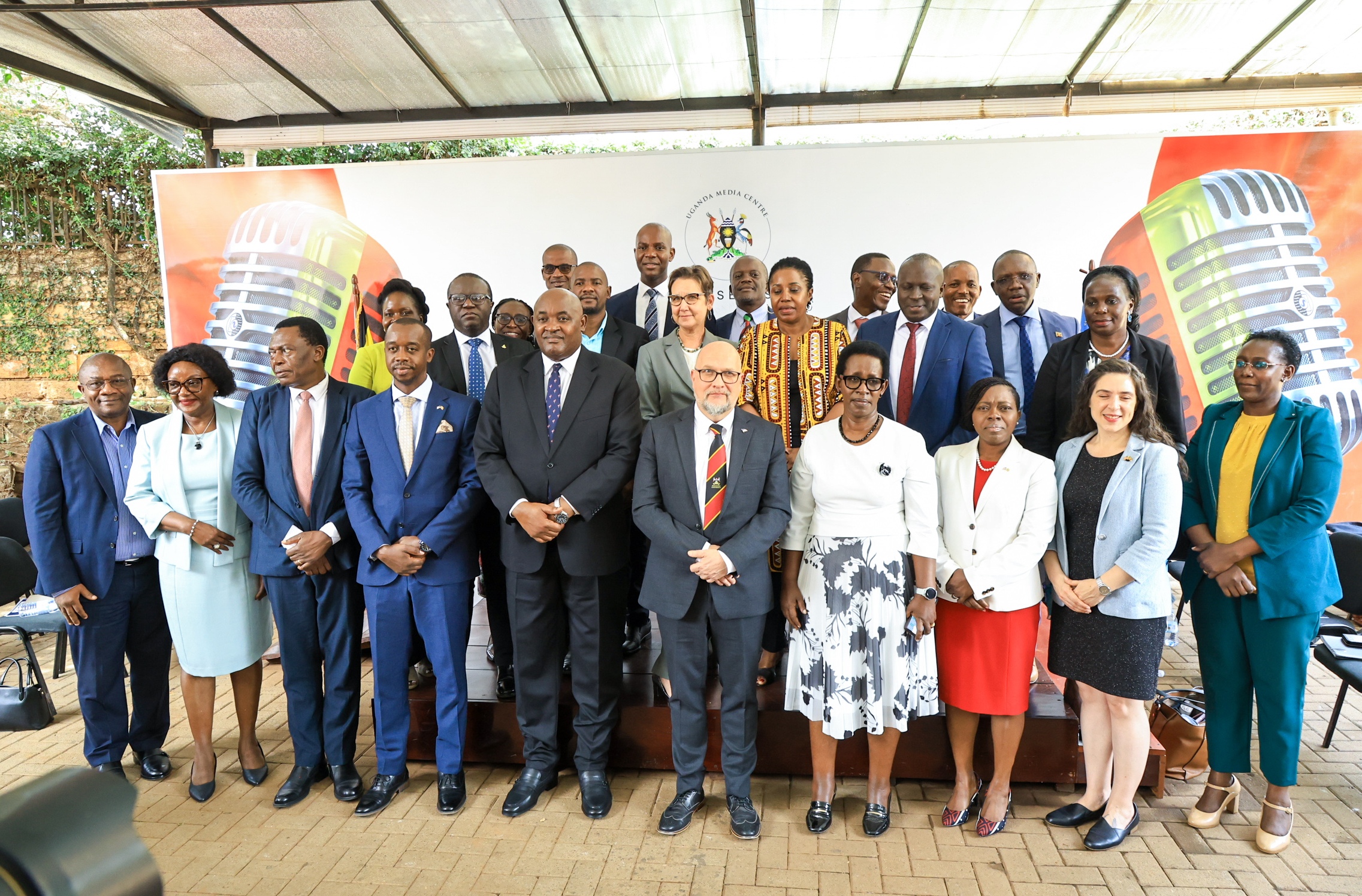
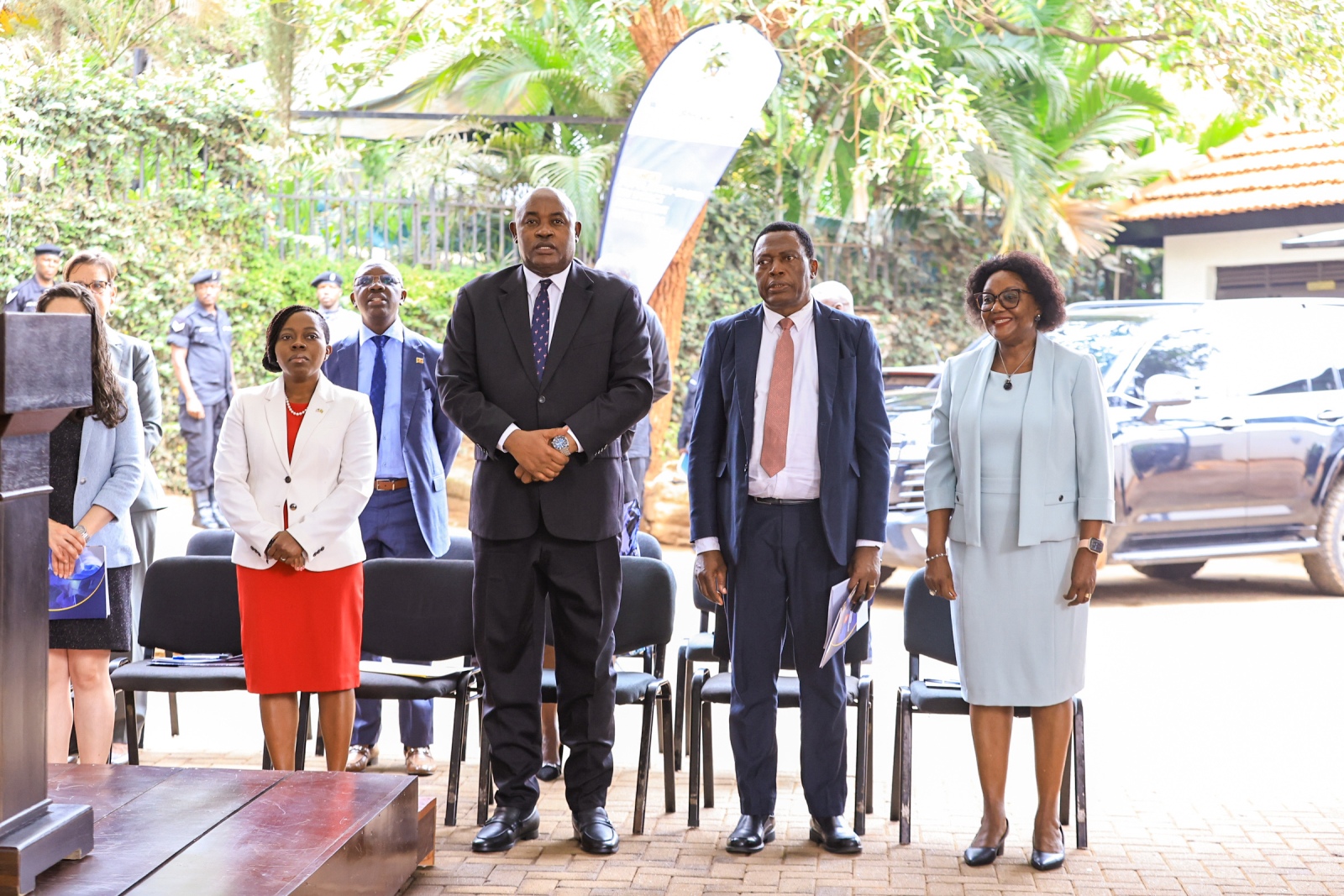
At the Uganda Media Centre today, 1 October 2026, the Minister of Health, Hon. Dr Chris Baryomunsi, released the preliminary results and said the evidence would guide policy, resource allocation and service improvement, with particular attention to people and communities with the greatest gaps. He urged Ugandans to know their HIV status, use prevention services and, when diagnosed, start treatment promptly and adhere to it.
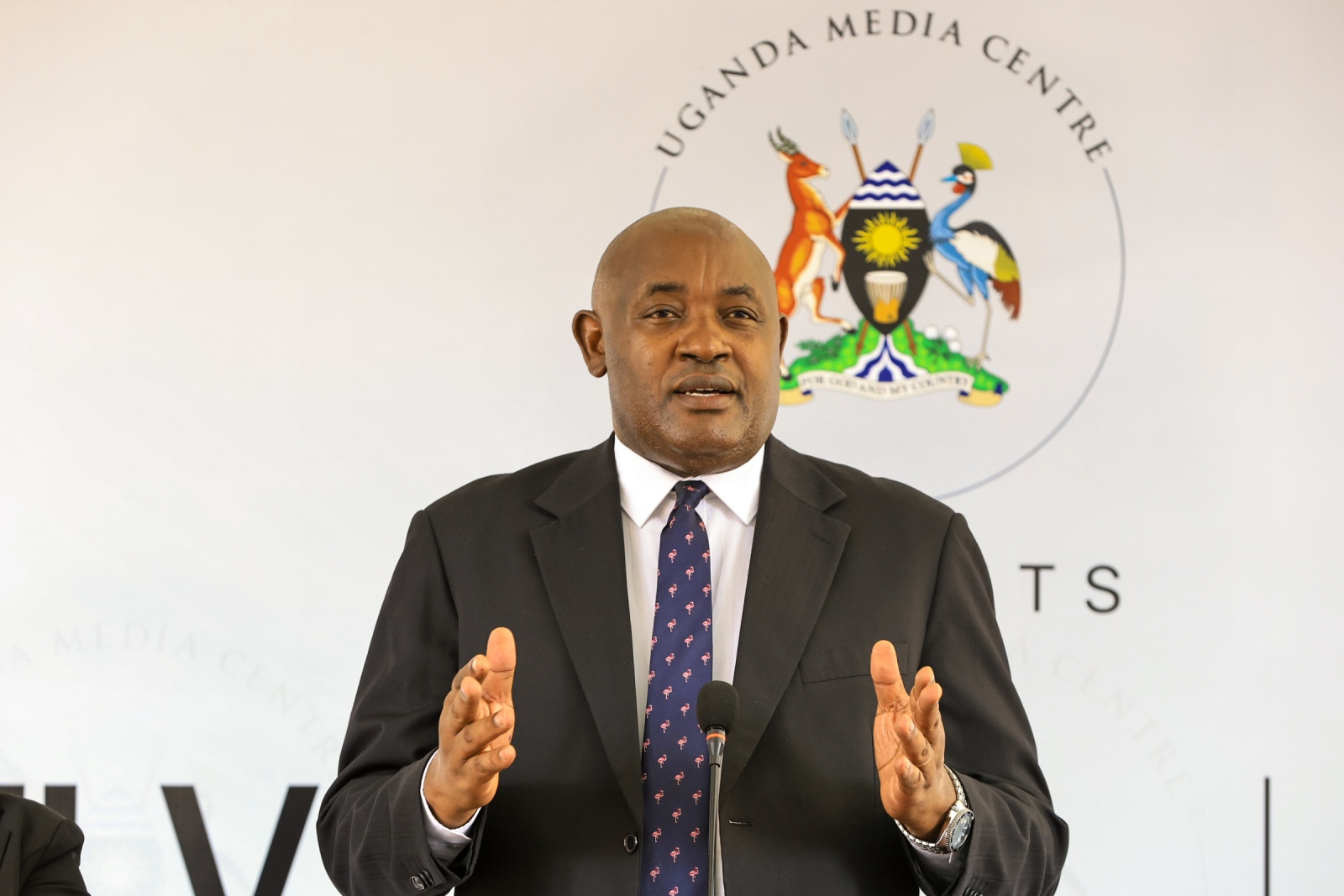
Among adults aged 15 years and above, HIV prevalence was 5.9 percent, including 7.3 percent among women and 4.1 percent among men. Among adults aged 15–64, prevalence was also 5.9 percent, unchanged from 2020/21. Across the country, prevalence ranged from 1.3 percent in Karamoja to 8.0 percent in the South Western region. Of adults living with HIV, 85.3 percent knew their status; 99.1 percent of those aware were on treatment; and 96.5 percent of those on treatment had achieved viral load suppression. HIV-status awareness remains the central gap in the 95-95-95 cascade.
The survey also measured selected non-communicable disease indicators for the first time. Elevated blood pressure affected 15.5 percent of adults, while 24.8 percent had overweight or obesity and 0.9 percent had raised blood glucose.
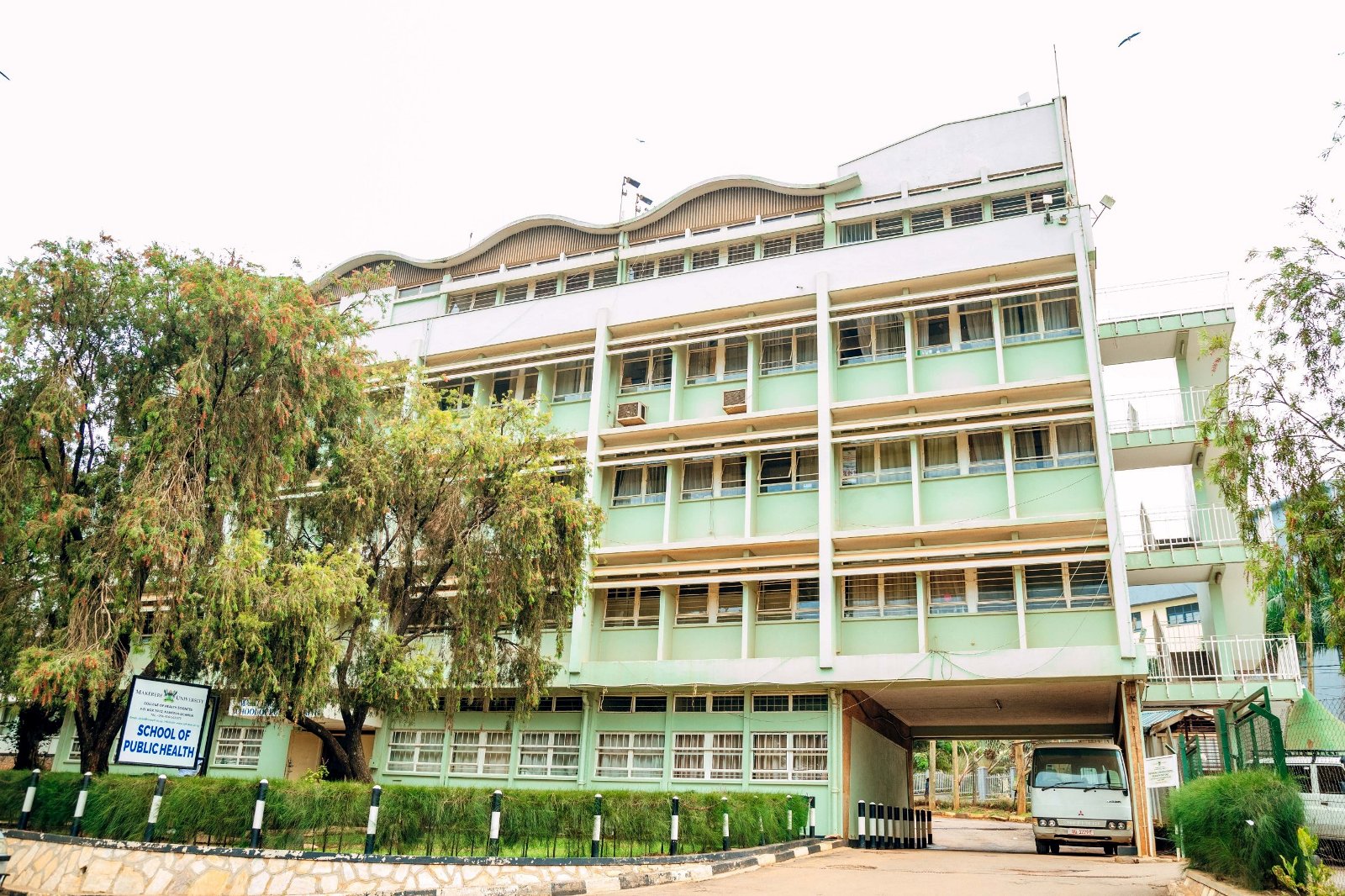
Conducted from July to September 2025, UPHIA 2025 was the first population-based HIV impact assessment to be fully country-led. The Ministry of Health provided overall leadership, while Makerere University School of Public Health served as the prime implementing organisation, working with UVRI, UBOS, regional referral hospitals and local governments. PEPFAR funded the survey through the U.S. CDC.
Watch the UPHIA 2025 preliminary results launch:
https://www.youtube.com/live/QfHFBaJ-L-w
Read the UPHIA 2025 summary results:
https://drive.google.com/file/d/1nElGNwgcAcZyAo9CLCQKRpO2jJgyxjSc/view?usp=drive_link
-
 General2 weeks ago
Call for Applications: RLRH Graduate Traineeship Programme
-

 General5 days ago
Statement on Concerns Circulating Regarding a Member of Academic Staff
-
 Natural Sciences2 weeks ago
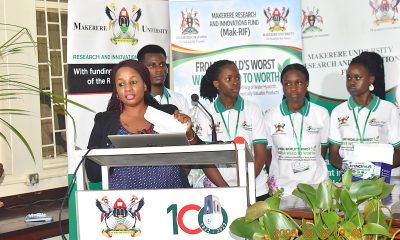
From World’s Worst Water Weed to Worth: Makerere Researchers Turn Water Hyacinth into Valuable Products
-

 Research2 weeks ago
Call for Makerere Staff PhD Completion Grant Applications, 2026-27
-

 Engineering, Art & Tech2 weeks ago
Public Art Talk Sparks Dialogue on Contemporary Art Practices at MTSIFA