
General
From Information to Innovation: ‘This Is a Marathon, Not a Sprint’—Academic Registrar and Director of Graduate Training Urge PhD Cohort 11

By Moses Lutaaya
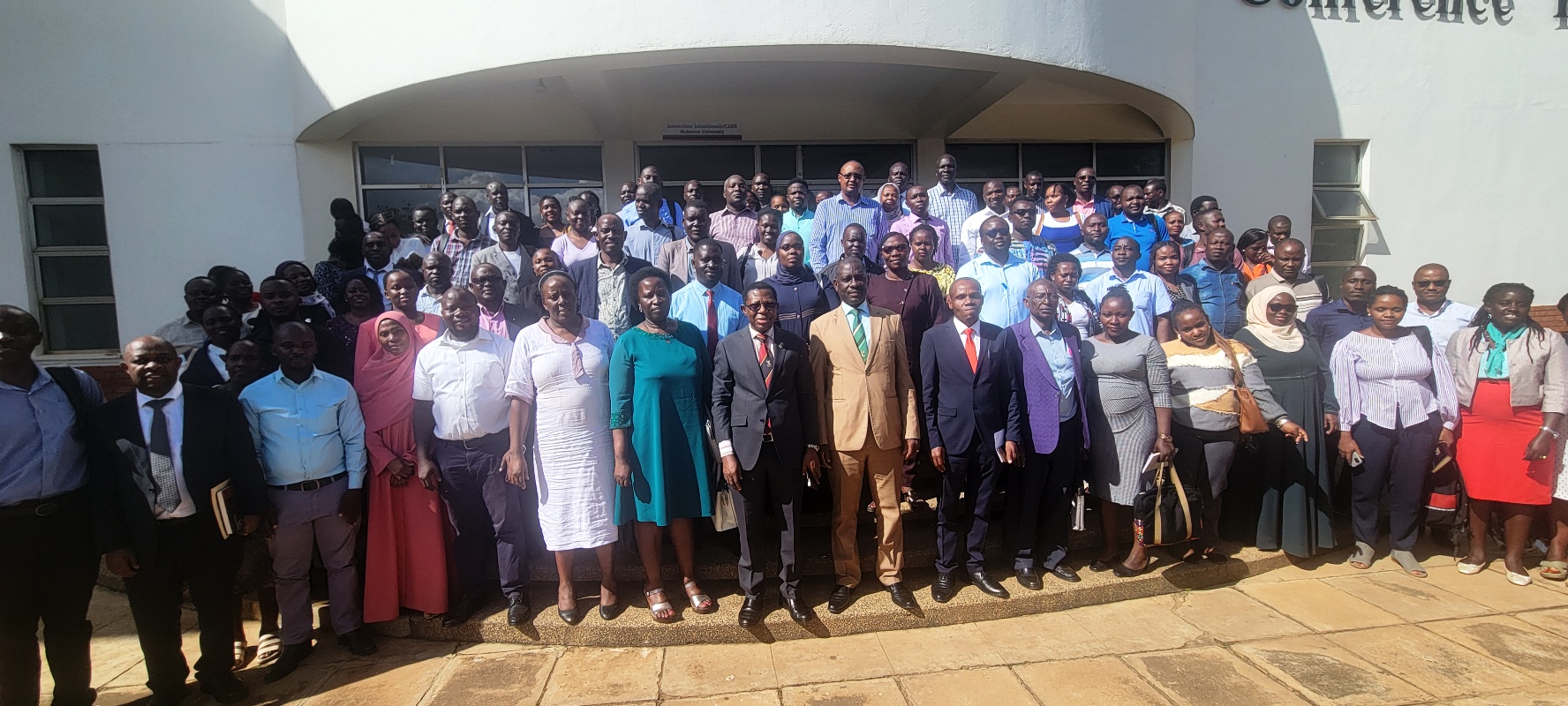
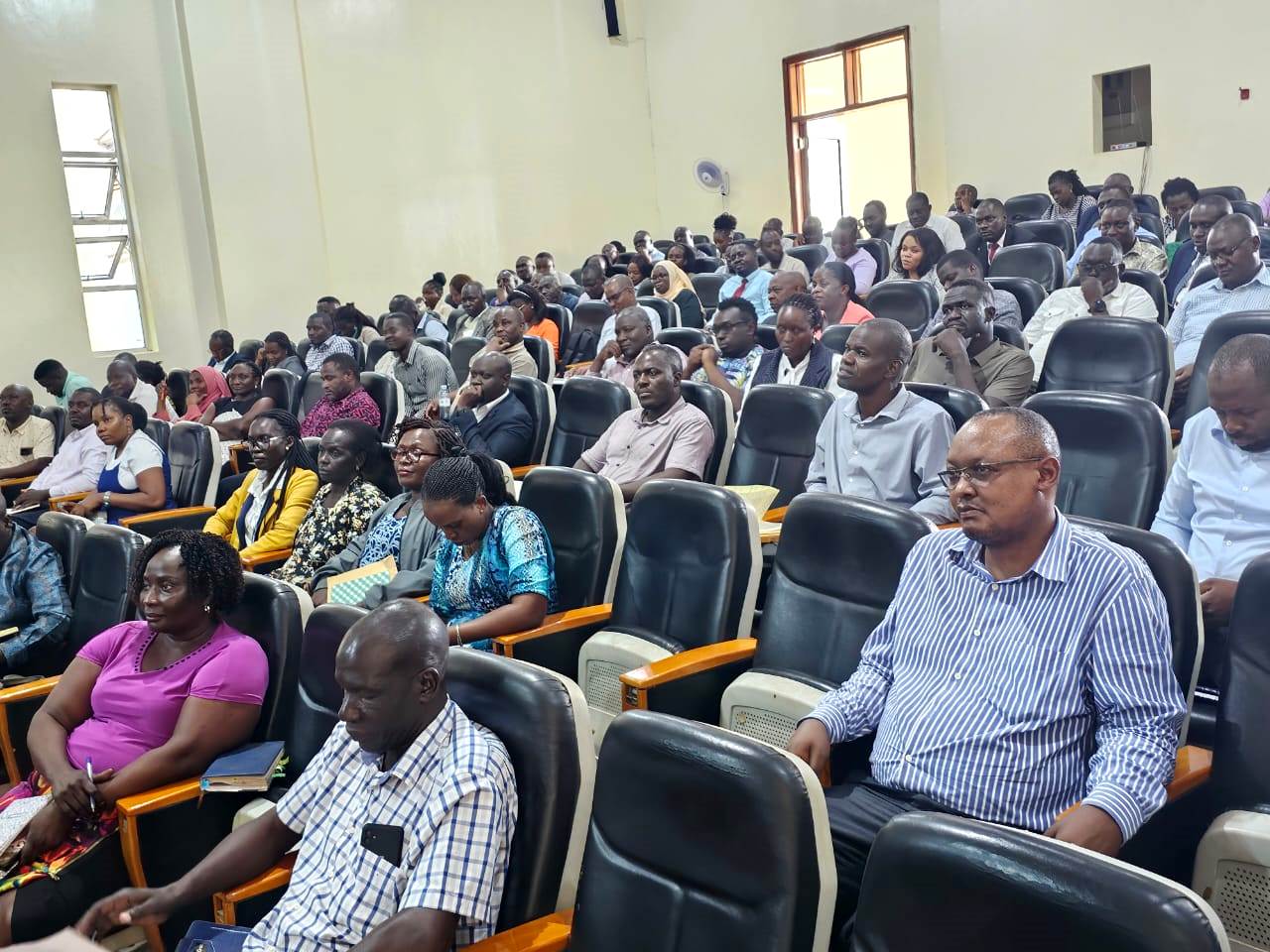
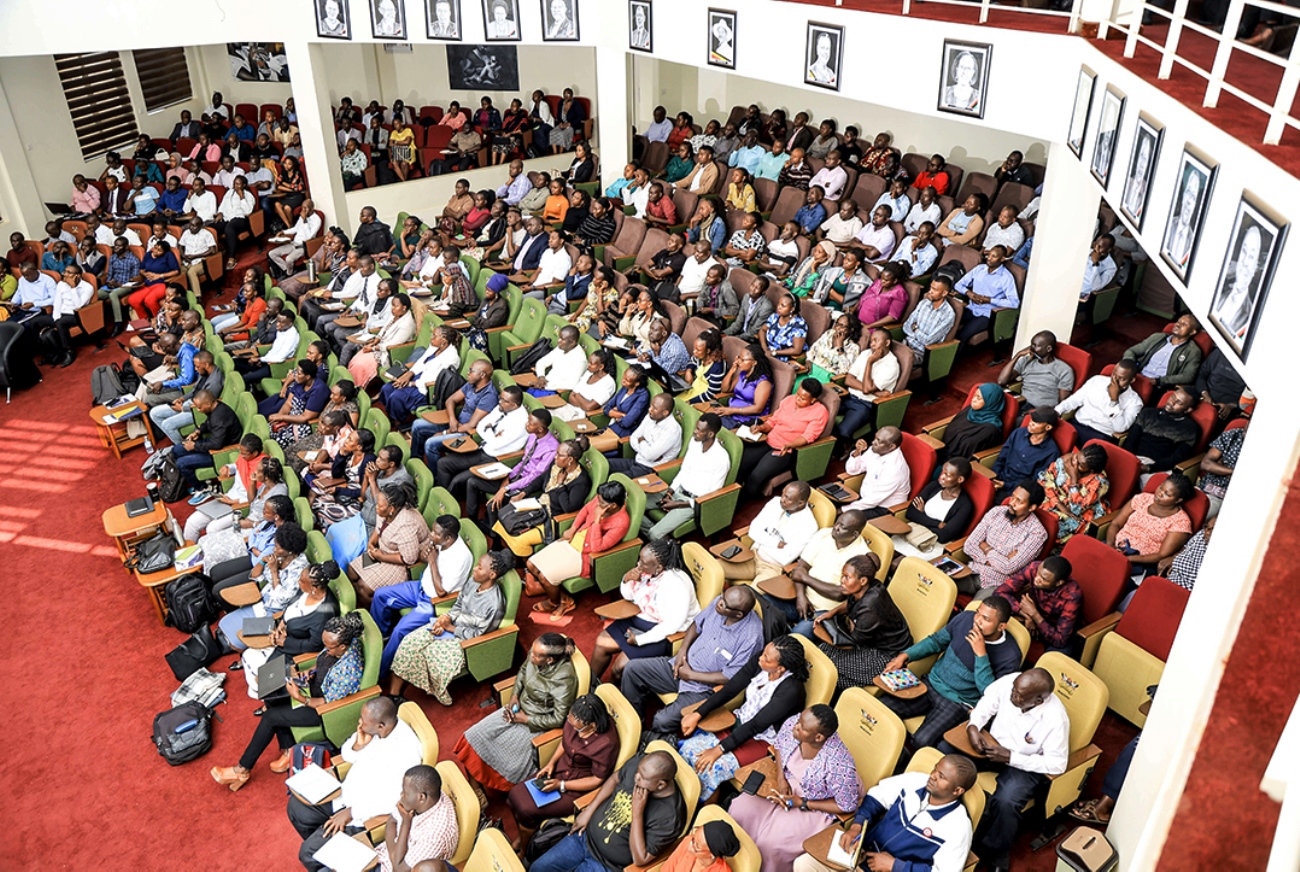
A strong message of transformation, resilience, and purpose defined the orientation of PhD Cohort 11 (2025/2026) held on Thursday, April 30, 2026 at the Makerere University School of Food Technology, Nutrition and Bioengineering Conference Hall, with academic leaders urging students to rethink what it means to pursue doctoral education in the 21st century.
Presiding over the function, the Academic Registrar, Prof. Buyinza Mukadasi, delivered an expansive and deeply reflective message, challenging the new doctoral candidates to embrace a fundamentally different academic journey.
Welcoming the students, he reminded them that their admission followed a highly competitive process, placing them among a select group entrusted with shaping the future through research.
“You have come from a competitive pool of deserving Ugandans to embark on a journey that may turn out to be the most challenging in your life, but also the most transformative and rewarding intellectual experience,” he said.
Drawing a clear distinction between earlier academic stages and doctoral study, Prof. Buyinza emphasized that PhD candidates must now take full ownership of their learning journey.“The first time you were here, someone was driving you. This time, you are going to sit in your own seat and drive it.”
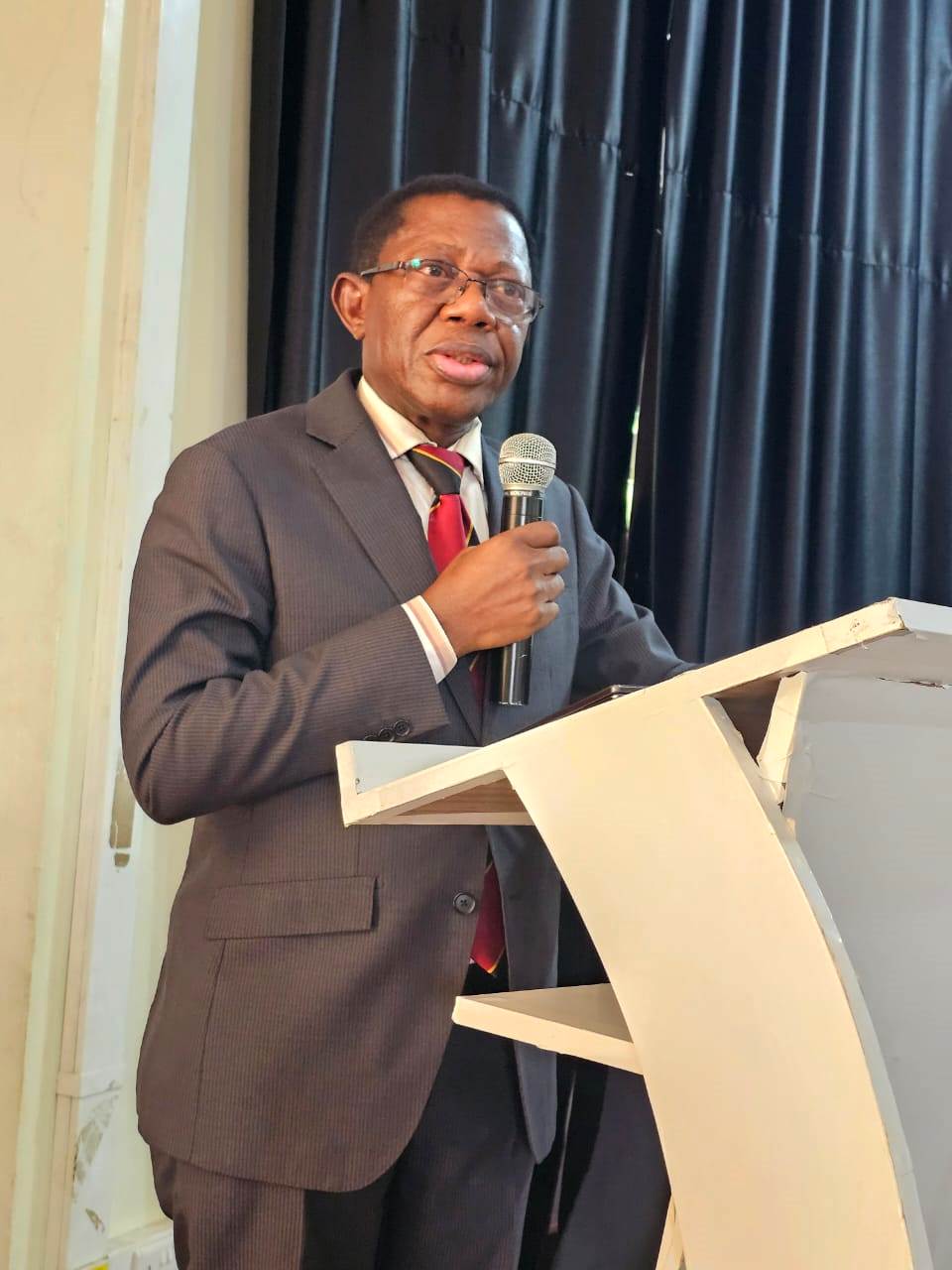
He stressed that doctoral study is not a quick academic exercise but a long-term intellectual commitment requiring discipline and endurance. A PhD is not a sprint, it is a marathon. Don’t burn out so fast. Build your stamina, be consistent, and be resilient.”
In a powerful reflection on global change, he noted that today’s complex challenges can no longer be solved within single disciplines. “No single discipline can solve the challenges of the day. You need multi-disciplinarily, inter-disciplinarily, and collaboration to address complex problems.”
He urged students to abandon disciplinary silos and embrace collaborative thinking. “Gone are the days when one discipline could despise another. The world has changed; we need all of these fields working together.”
Prof. Buyinza further emphasized the shift from the information age to the innovation age, challenging students to move beyond consuming knowledge to producing new ideas. “Artificial intelligence can tell us the known. For you, we want you to tell us the unknown.”
He dismantled the traditional image of isolated doctoral study, calling it outdated in the modern academic environment. “That mental image of being hidden away in a library for years is outdated. A PhD in 2026 is very different and the landscape has changed dramatically.”
He emphasized that success in doctoral education depends heavily on collaboration and global academic engagement. “No scholar has ever flourished in isolation. Success today requires peer-to-peer collaboration, cross-cultural learning, and a global mindset.”
In a striking moment, he reframed failure as an essential part of the research process. “Ninety-nine percent of what you try may fail, but the PhD is about using that failure as data to improve your next step.”
He also cautioned against overdependence on artificial intelligence, stressing academic integrity and independent thinking. “Use AI to strengthen your thinking—not to replace it. There are no ghostwriters in scholarship. You must be the thinker.”
Addressing mental health, he urged students to build supportive academic communities. A PhD can be emotionally exhausting. Build communities around you. Take care of your mental health, we need you alive.”
He further called for structured planning and accountability in the doctoral journey. “Write your study plan from day one, how you will move from semester one to semester six. This must be well-structured, well-managed, and supervised.”
Warning against perfectionism, he added: “Perfection is the enemy of completion. If you want everything to be perfect, you may never finish. The world will judge you immediately as a PhD holder. It has no time for excuses. You must be ready.”
In his opening remarks, the Director of Graduate Training, Prof. Julius Kikooma, welcomed the cohort and reinforced the university’s structured approach to doctoral education.
He explained that the cohort system is designed to ensure students progress together and support one another throughout their studies. “You are coming in as a group, and we have put systems in place to ensure you move as a group. This reduces the feeling that you are alone.”
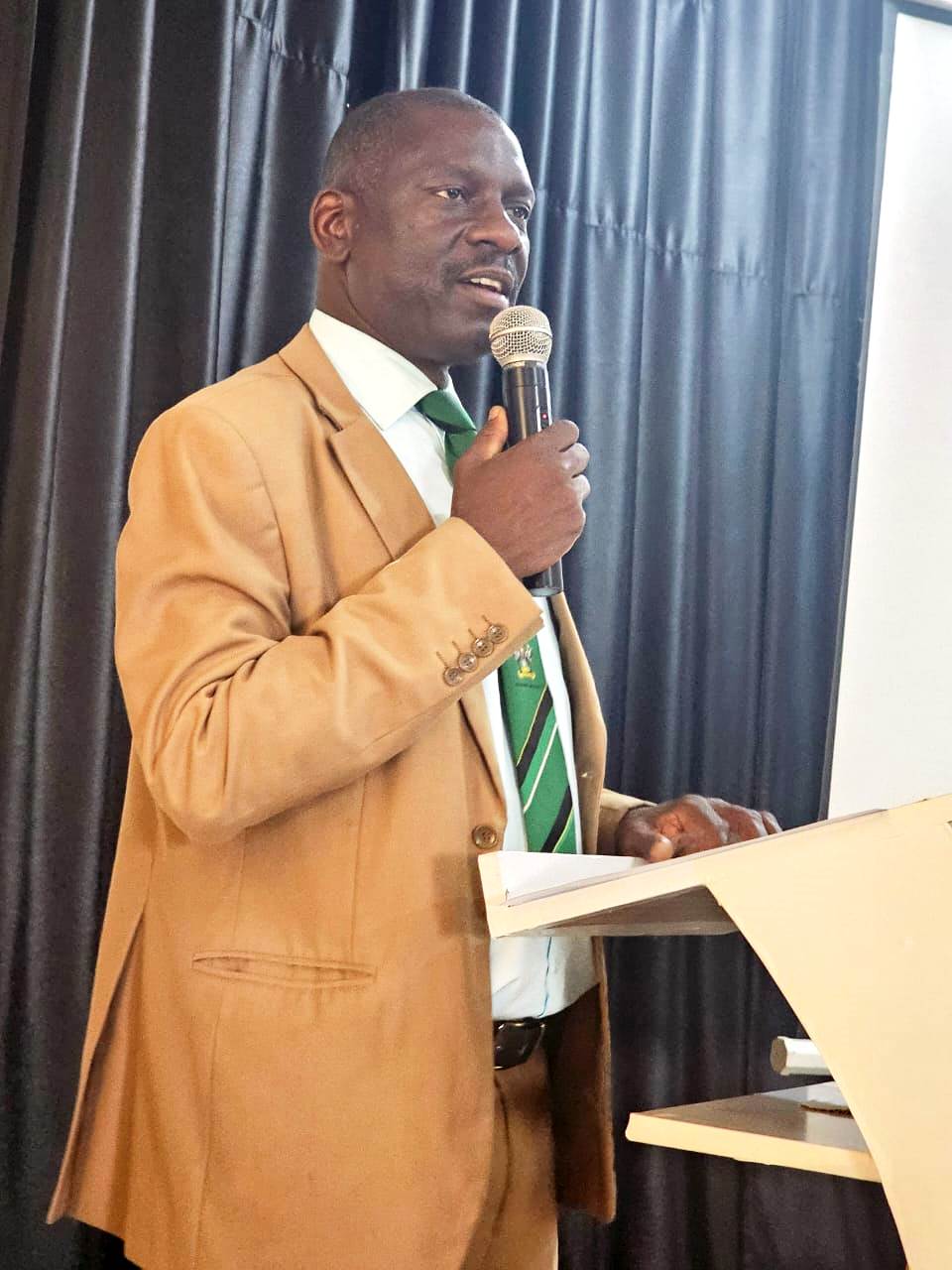
He emphasized that doctoral research must be aligned with national and global priorities. “You are not here for research for its own sake. Your research must be fit for purpose and aligned to the challenges facing society.”
He reminded students of the structured three-year timeline for completion. “We have a contract with you for three years. It may look long, but it is also short. It requires commitment and responsibility on both sides.”
On technology, he cautioned against intellectual dependency on artificial intelligence. “AI is part of our reality, but it must not take over your thinking. Do not outsource the skills you are supposed to acquire.”
He concluded by reaffirming institutional support while stressing student responsibility. “We will do everything possible to ensure you complete in time, but you must also play your part.”
Speaking on behalf of the students, PhD outgoing President Habibu Malyamungu encouraged his colleagues to embrace practical habits and peer support systems.
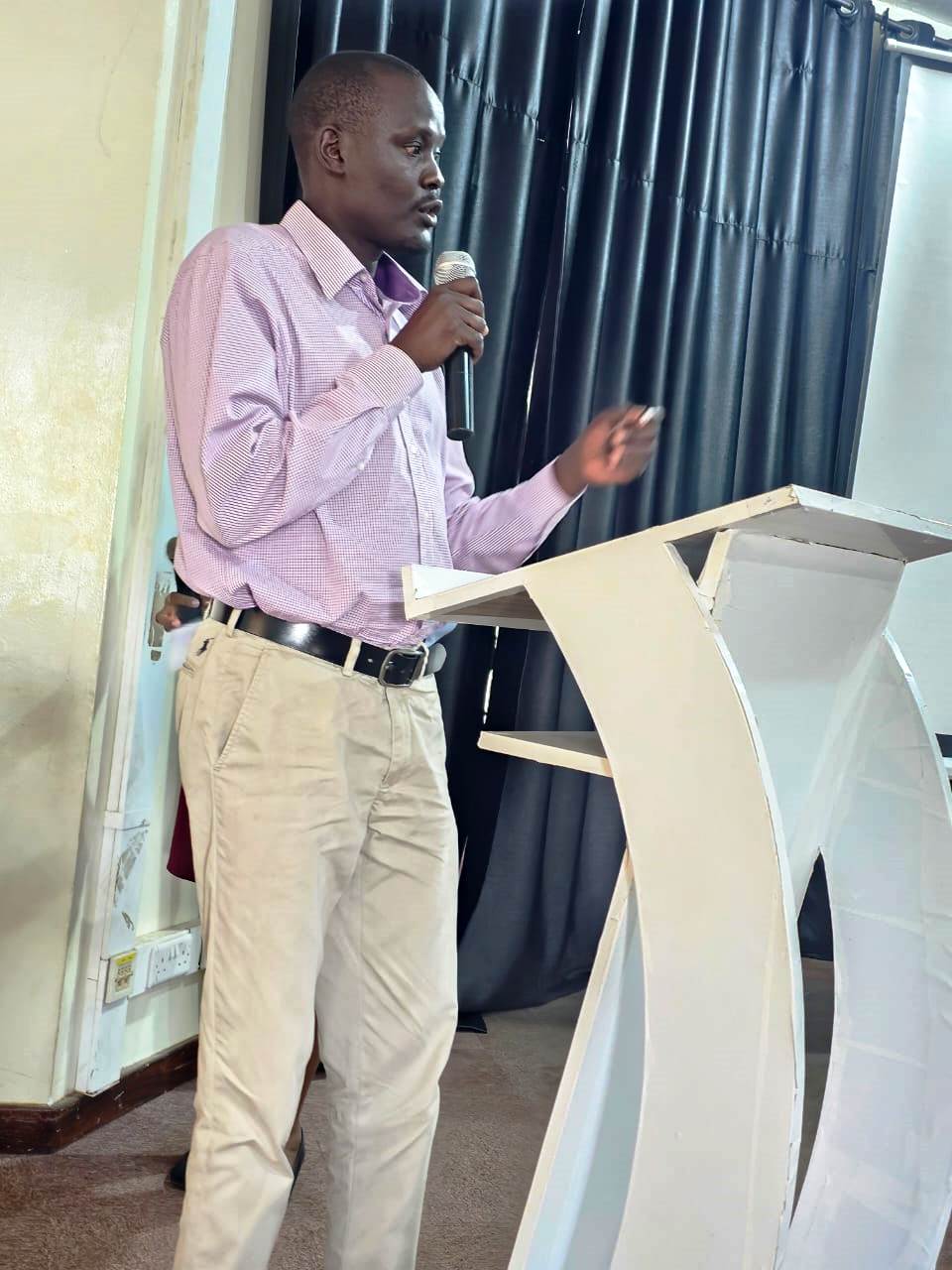
He urged students to celebrate their achievement but remain grounded in discipline. “You need to congratulate yourselves for joining this program, it is a very important step.”
He challenged the perception that PhD study must be unnecessarily long and difficult.“A PhD is not necessarily a long journey. Sometimes simple things, like writing a few paragraphs before checking your phone can make a big difference.”
He emphasized the importance of collaboration among students.“A colleague can give you a solution that helps you overcome a problem in seconds.”
He further announced psychosocial support initiatives aimed at improving student well-being. “We are planning sessions to help you relax, engage, and relieve stress. These moments are important and they help the brain reset.”
The event closed with a unified message: doctoral training at Makerere University is evolving into a journey of innovation, interdisciplinary, and real-world problem solving—anchored in collaboration and resilience.








General
Makerere University and Xiangtan University Advance Strategic Partnership in Chemical Engineering

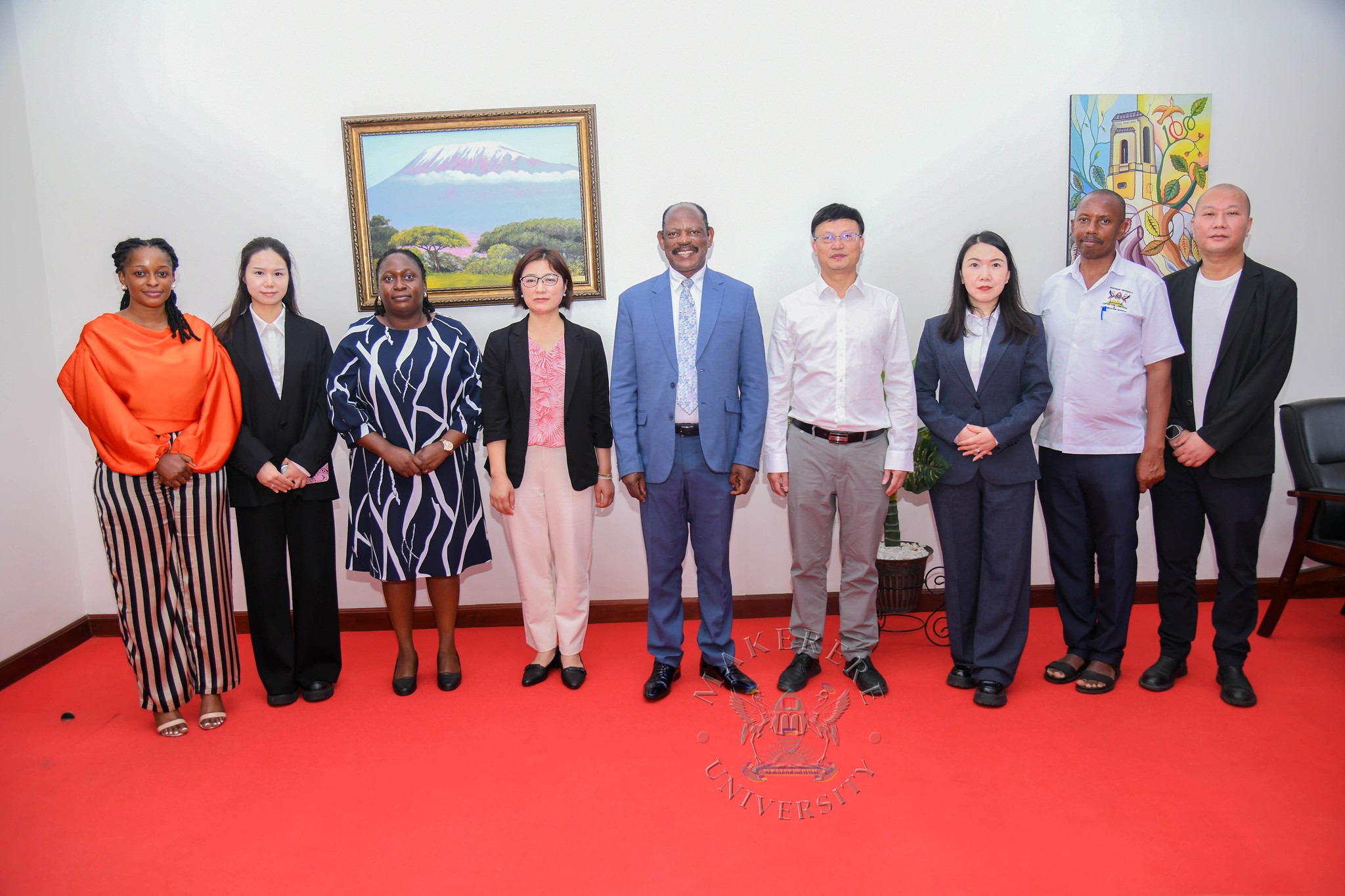
Makerere University and Xiangtan University are set to update their close to 20-year academic partnership, with a new focus on launching a joint Master’s degree program in Chemical Engineering and expanding student and staff exchange initiatives.
The commitment was reaffirmed during a recent visit by a delegation from Xiangtan University to Makerere University headed by Professor Dingyu Ou, in the company of Mr. Tang Fei and Professor Gilbert Gumshabe, the Chinese and Ugandan Directors of the Confucius Institute at Makerere University respectively.
While addressing the delegation, Professor Nawangwe highlighted that this initiative is part of a broader strategy to diversify academic offerings and contribute to national development through training in Chemical Engineering. Through this new initiative, the University will better prepare graduates for the petrochemical industry and support the country’s industrial growth.
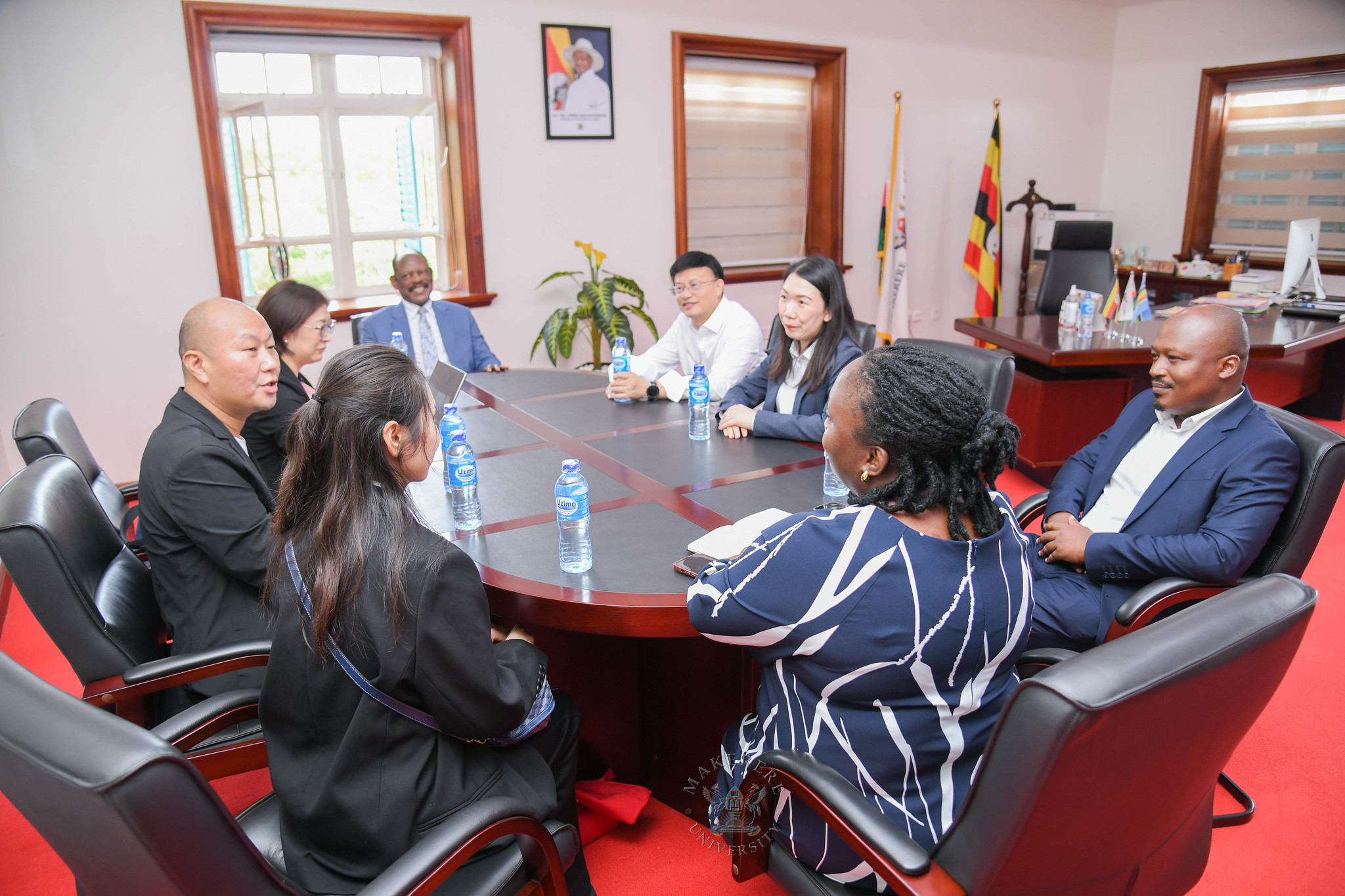
The Vice Chancellor appreciated that the proposed collaboration aims to address Uganda’s growing need for industrial expertise, particularly as the country develops its petroleum sector. The two universities here are working toward a 1+2 training model, which will enable Makerere students to gain practical experience and access advanced laboratory facilities at Xiangtan University.
Professor Nawangwe further reiterated that “our relationship with the people of China, not just for Makerere but also for a big part of Uganda, has been opened wider by the establishment of the Confucius Institute, considering that many other collaborations like one being discussed now have come through this collaboration.”
The head of the Xiangtan delegation, Professor Dingyu Ou, expressed appreciation for the meeting, and acknowledged the history between the institutions. “As mentioned, we have a very long relationship and a very stable friendship between our two universities.”
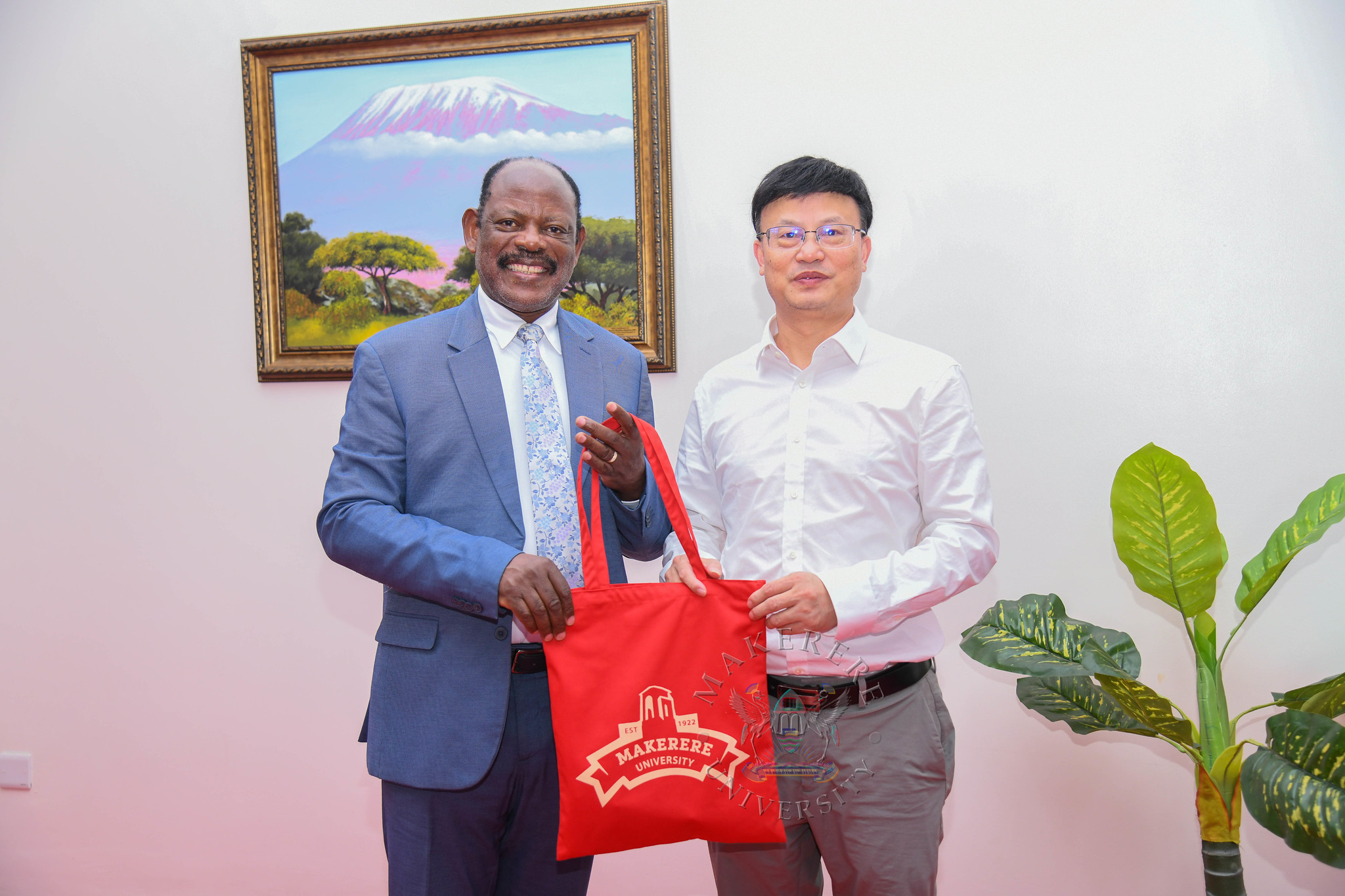
Professor Ou extended appreciation for the support provided to the Confucius Institute at Makerere, the care shown to his colleagues, and looked forward to the successful start of the Chemical Engineering collaboration.
Assuring the delegation of Makerere’s readiness for the collaboration, Ms. Hawa Ndagire Kajumba the Lead, Partnerships and Stakeholder Engagement, Makerere University Advancement Office, aligned with the Vice Chancellor’s emphasis of University goal to have both theory and practice imparted to the students.
She said “the curriculum of the university and Uganda as a whole is moving towards competence-based education training to ensure students are equipped to demonstrate those skills in the actual field, particularly regarding petroleum exploration.”
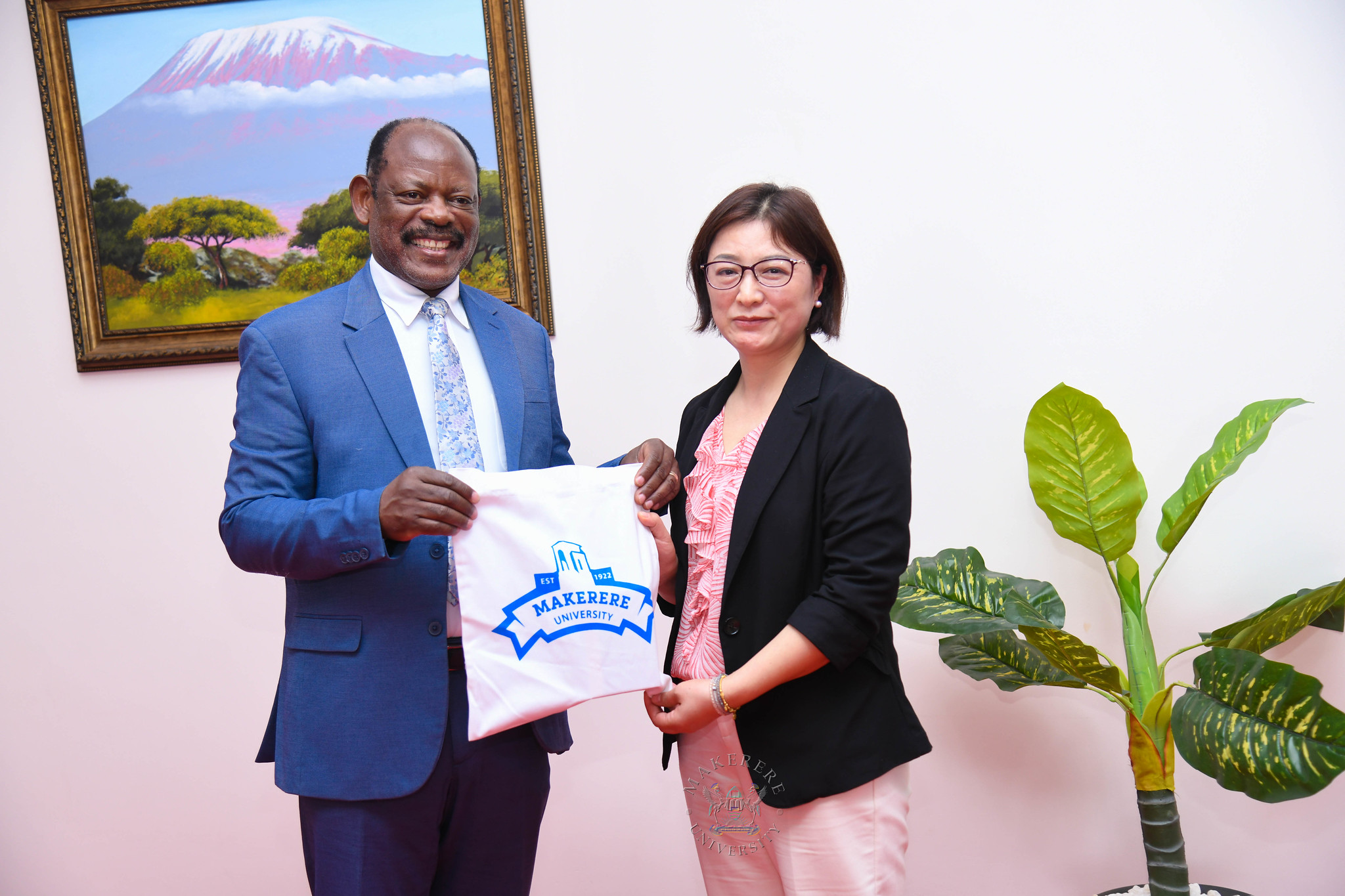
Ms. Ndagire Kajumba also emphasised a shift in strategy for the partnership office, saying, “we are moving away from just signing MOUs that collect dust, and moving towards those that are more collaborative to benefit our faculty and students, just like this one.”
Professor Gilbert Kumushabe aligned his remarks with those of the Vice Chancellor and Ms. Ndagire Kajumba, and described the method used at Xiangtan University as “actually competence-based teaching.”
Based on his recent visit, Prof. Gumoshabe shared that students in China are divided into groups with dedicated teachers to perform practical, hands-on work beyond the theoretical lecturers. He expressed gladness that the same was being adopted for the Ugandan context.
Both institutions are now working to finalise the specific agreements for the joint degree and exchange programs. Beyond academic training, the collaboration will advance cultural and professional exchange.
-

 General2 weeks ago
Statement on Concerns Circulating Regarding a Member of Academic Staff
-

 General1 week ago
Timothy Khabusi: From Barefoot Walks to shaping Uganda’s Eye health Future
-
 General2 weeks ago
Beyond Map Size: Africa’s Agency Should Not Be Funded by Other People
-
 Health1 week ago
Uganda’s HIV Treatment Gains Bring the Youth Gap into Focus
-
 Agriculture & Environment1 week ago
Makerere University Welcomes 50 Youth Skilling Program trainees under the Africa Climate Collaborative, Supported by Mastercard Foundation