
Health
Sickle Cell Disease Stakeholders’ Engagement calls for raising awareness at grassroots

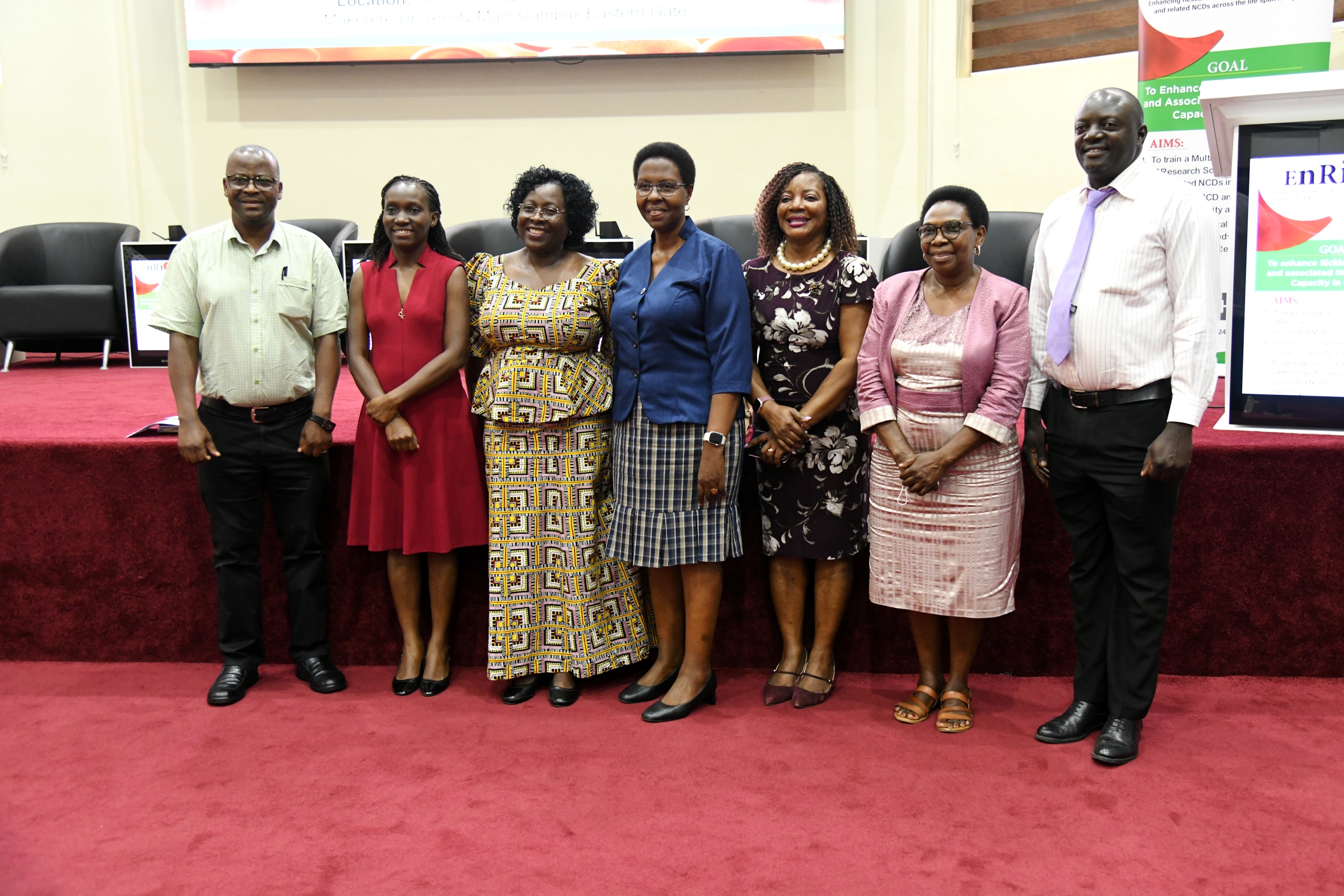
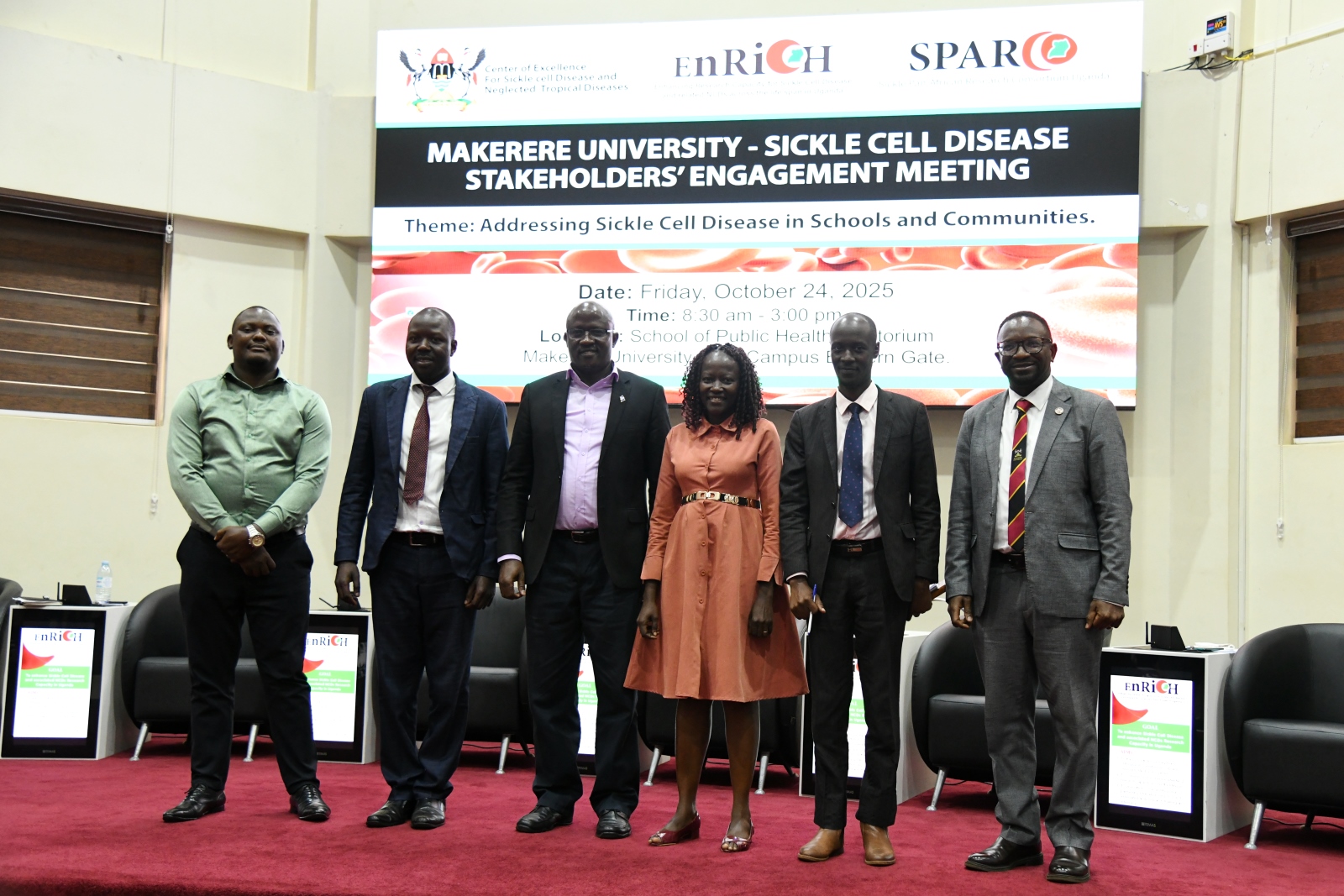
Makerere University, through the College of Health Sciences (CHS), hosted the Sickle Cell Disease Stakeholders’ Engagement Meeting on 24th October 2025. The event was organized by the Center of Excellence for Sickle Cell Disease and Neglected Tropical Diseases, in partnership with Enhancing Research Capacity for Sickle Cell Disease and Related Non-Communicable Diseases Across the Lifespan in Uganda (ENRICH) and the Sickle Pan Africa Research Consortium (SPARCo). The meeting brought together a diverse group of stakeholders, including religious leaders from the Catholic Medical Bureau, Protestant Medical Bureau, and the Uganda Muslim Supreme Council, as well as members of academia and public health practitioners.
During the Stakeholders’ Engagement Meeting held under the theme; Addressing Sickle Cell Disease in Schools and Communities, panelists emphasized the importance of early detection and effective communication in managing the disease. One of the speakers highlighted the critical role of medical interns as the first point of contact in identifying symptoms such as unexplained anemia and limb swelling, urging them to take detailed patient histories for timely diagnosis and referral. Another panelist, Ms. Penina Agaba, a lecturer at the Makerere University, underscored the need to translate data-driven research into simple, accessible formats for policymakers and community leaders. She noted that findings should be communicated in local languages through channels such as workshops, radio programs, and community meetings to ensure wider understanding and practical policy action.
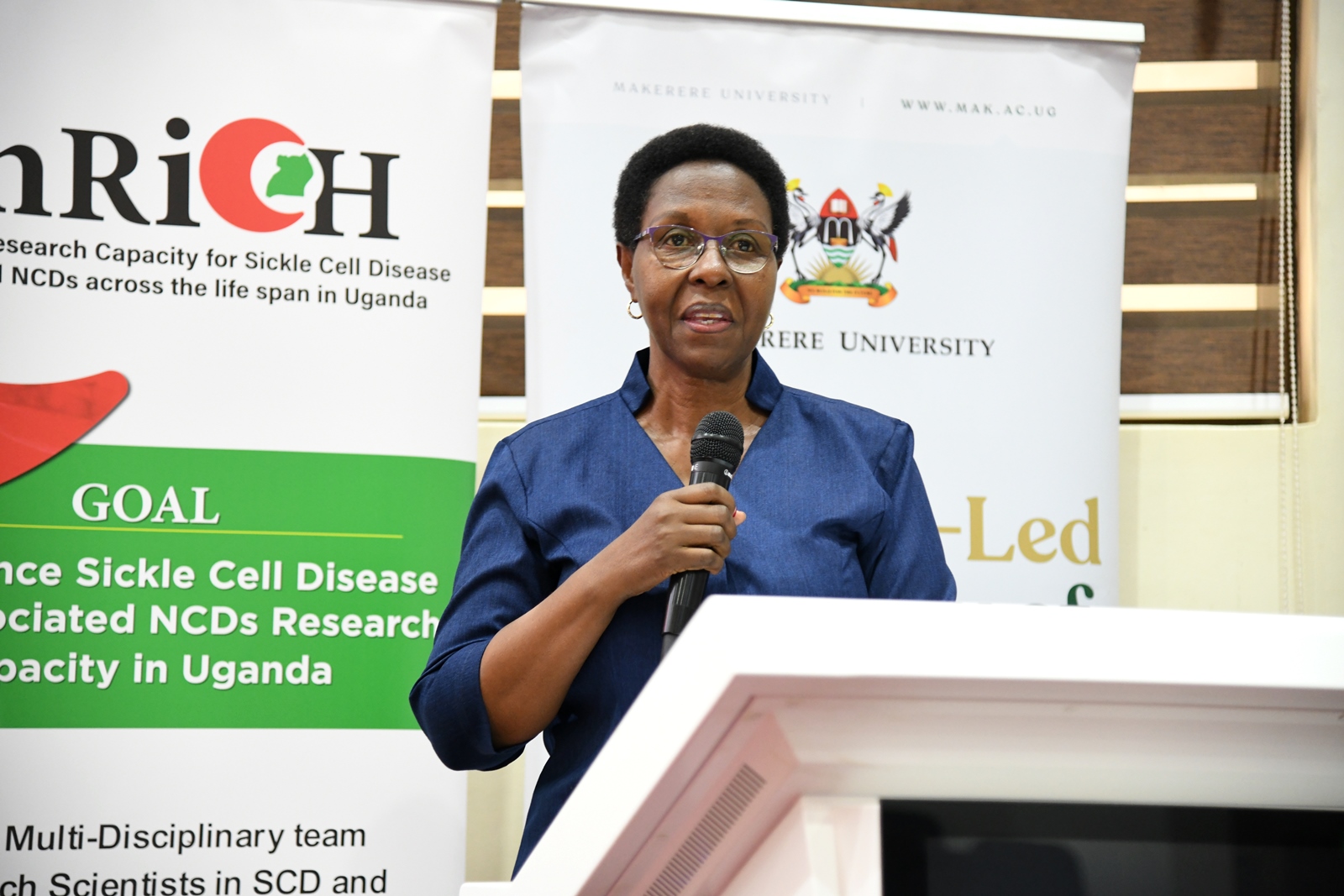
In her remarks, Dr. Rosemary Byanyima, the Executive Director of Mulago National Specialised Hospital, shared her personal and professional commitment to improving the management of sickle cell disease in Uganda. A sickle cell warrior herself, Dr. Byanyima revealed that Mulago is planning to establish a medical campus that will offer specialized care, including hip replacements for patients suffering from sickle cell disease. She also noted that the hospital has supported the establishment of several service centers in Mukono General Hospital, Pallisa District, and Kayunga, aimed at bringing services closer to the communities. Dr. Byanyima urged all stakeholders to work together to raise awareness, increase testing, and encourage early healthcare seeking among those affected by the disease.
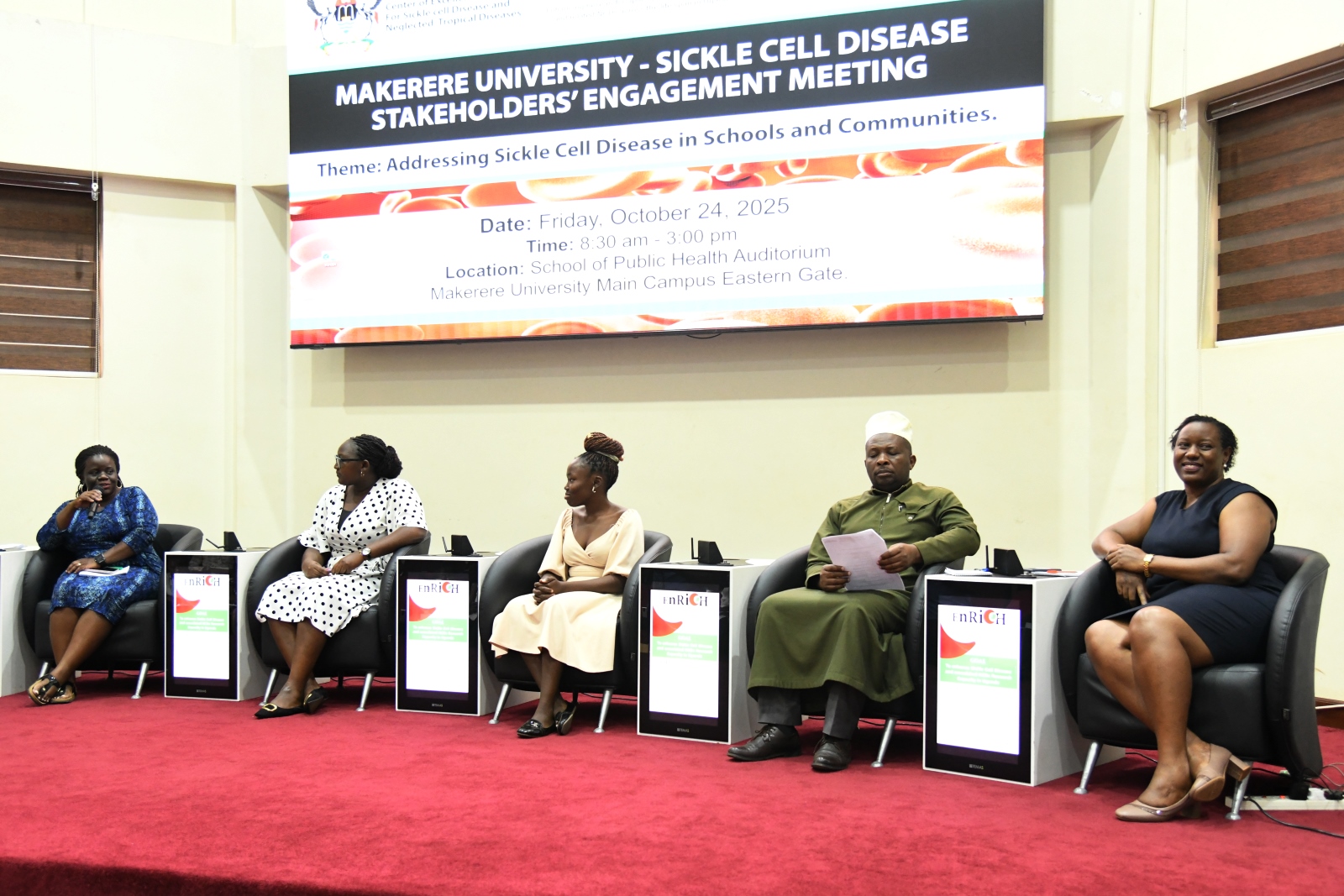
The panel discussions at the Sickle Cell Disease Stakeholders’ Engagement Meeting underscored the shared responsibility of all sectors in creating a more inclusive and informed society for people living with the condition. The conversations, moderated by Dr. Deo Munube and Ms. Evelyn Mwesigwa, explored how schools, faith institutions, and communities can work together to support those affected. Speakers emphasized the need for inclusive school policies that accommodate children with sickle cell disease—such as allowing extra clothing, flexible restroom access, and special exam arrangements—alongside guidance and counseling services to combat stigma and nurture self-esteem. They also stressed the importance of honesty from parents in disclosing their children’s health conditions to enable appropriate care.
From a broader perspective, panelists like Mr. Kajiiko Shafik from the Uganda Muslim Supreme Council highlighted the potential of faith-based structures to advance community sensitization and advocacy. The discussions collectively called for greater collaboration between the Ministries of Education and Health, improved psychosocial support, and stronger legal and policy frameworks to ensure that every child and adult living with sickle cell disease can thrive in a compassionate and supportive environment.
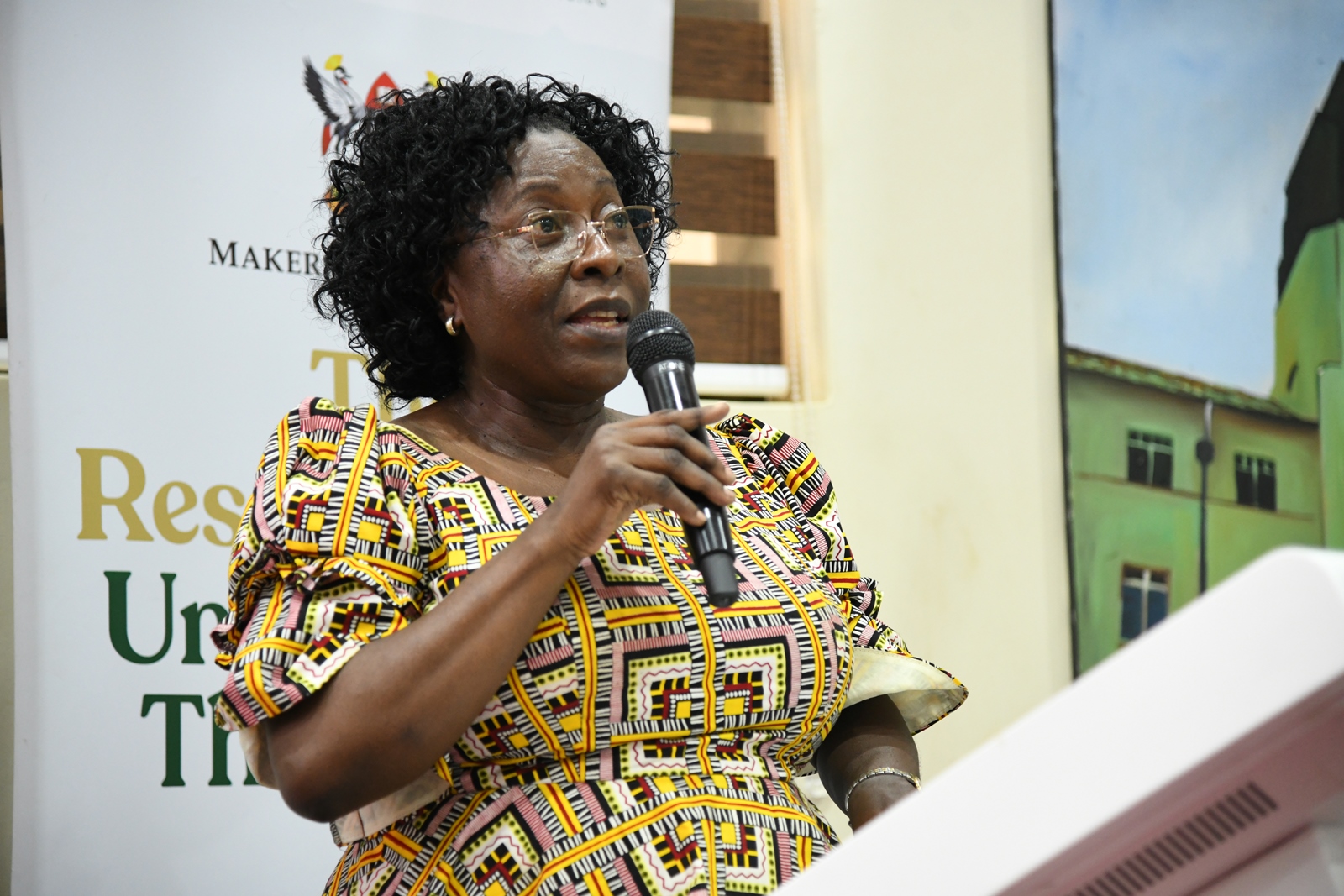
In her closing remarks, Dr. Sarah Kiguli, the Director of the Centre of Excellence for Sickle Cell Disease and Neglected Tropical Diseases at Makerere University, expressed gratitude to all stakeholders for their active participation and thoughtful contributions. She noted her optimism about the existing systems that can be leveraged to strengthen collaboration and awareness efforts, saying, “I’m happy that there are systems already in place that we can use to engage everyone on this cause.” Dr. Kiguli emphasized the importance of collective responsibility in the fight against sickle cell disease, adding, “It is impossible for us here in Makerere to reach everyone, but I love the message of ‘train the trainers’ so that sensitisation work can be efficient and far-reaching.”
Makerere University’s continued commitment to public health research extends beyond academia into real community impact. Through the College of Health Sciences, the University has strengthened partnerships with the Ministry of Health and regional hospitals to enhance early screening, diagnosis, and management of Sickle Cell Disease. Recent efforts include supporting the expansion of the national Sickle Cell Registry and developing community-based counselling programs to raise awareness at the grassroots level. Despite progress, Uganda still faces significant gaps in screening and treatment, with thousands of children born each year with the condition remaining undiagnosed. Makerere’s initiatives, therefore, aim to bridge these gaps through research, training, and collaboration with government, faith-based, and cultural institutions to ensure that no child or family faces Sickle Cell Disease in silence.











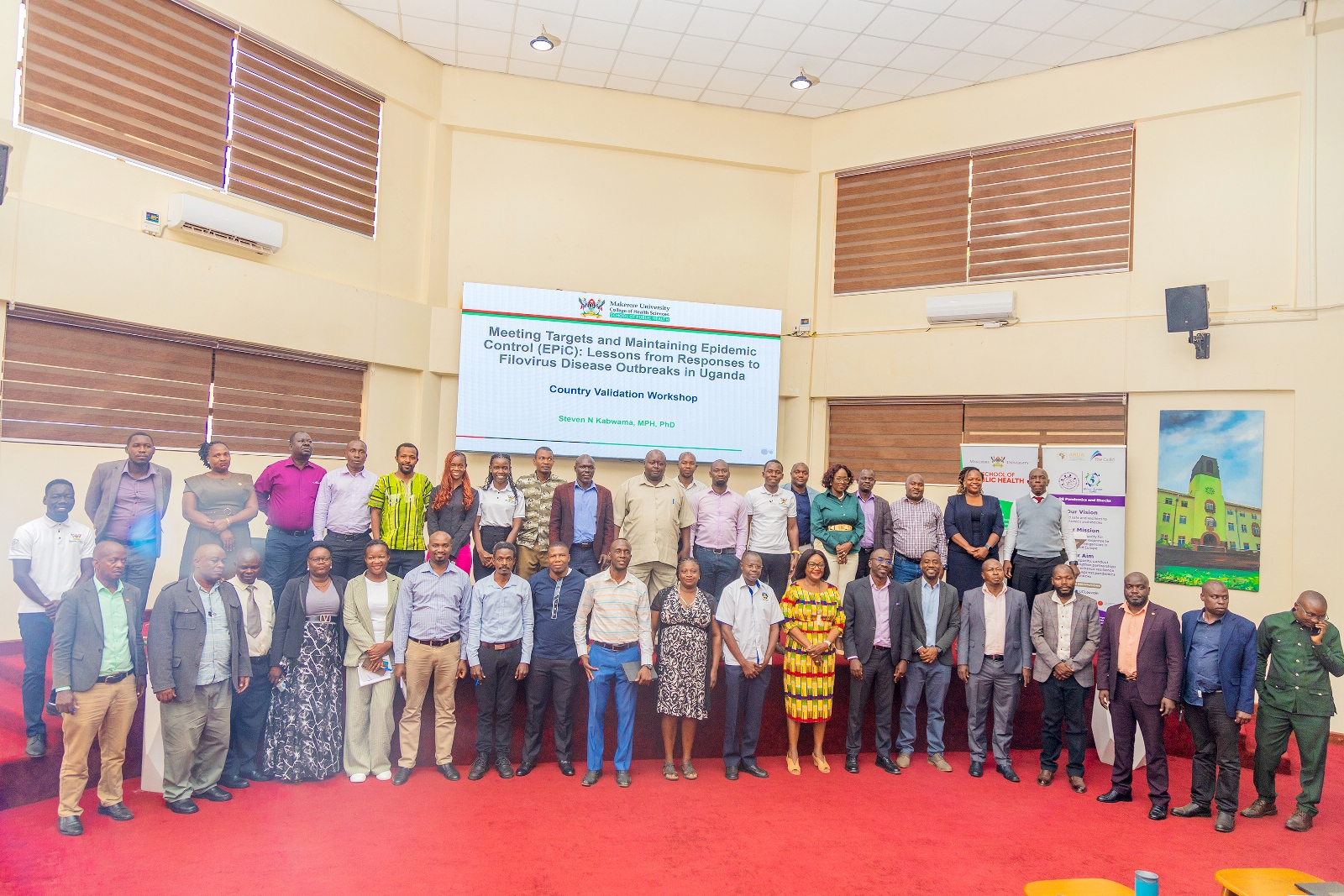
Uganda has strengthened its ability to respond rapidly to Ebola and Marburg outbreaks once cases are confirmed, but delays in frontline detection, health worker exposure, emergency financing bottlenecks and incomplete implementation of lessons from previous outbreaks continue to undermine preparedness, a study has found.
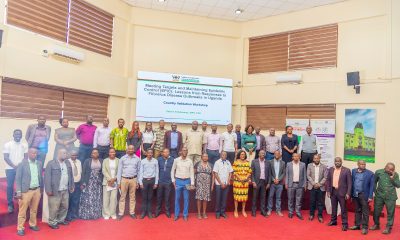
The findings were presented today, October 6, 2026, during a country validation workshop convened by the Meeting Targets and Maintaining Epidemic Control (EPiC) project, to examine lessons from Uganda’s response to filovirus disease outbreaks. The study was undertaken by Makerere University School of Public Health and FHI 360.
Presented by Dr. Steven Kabwama, the synthesis examined Uganda’s experience with recurrent Ebola virus disease (EVD) and Marburg virus disease (MVD) outbreaks between 2000 and 2026, drawing particularly on After-Action Reviews from the 2017 Marburg outbreak and the 2019, 2022 and 2025 Ebola outbreaks. The work seeks to consolidate recurring strengths, weaknesses, innovations and lessons that had previously been documented separately.
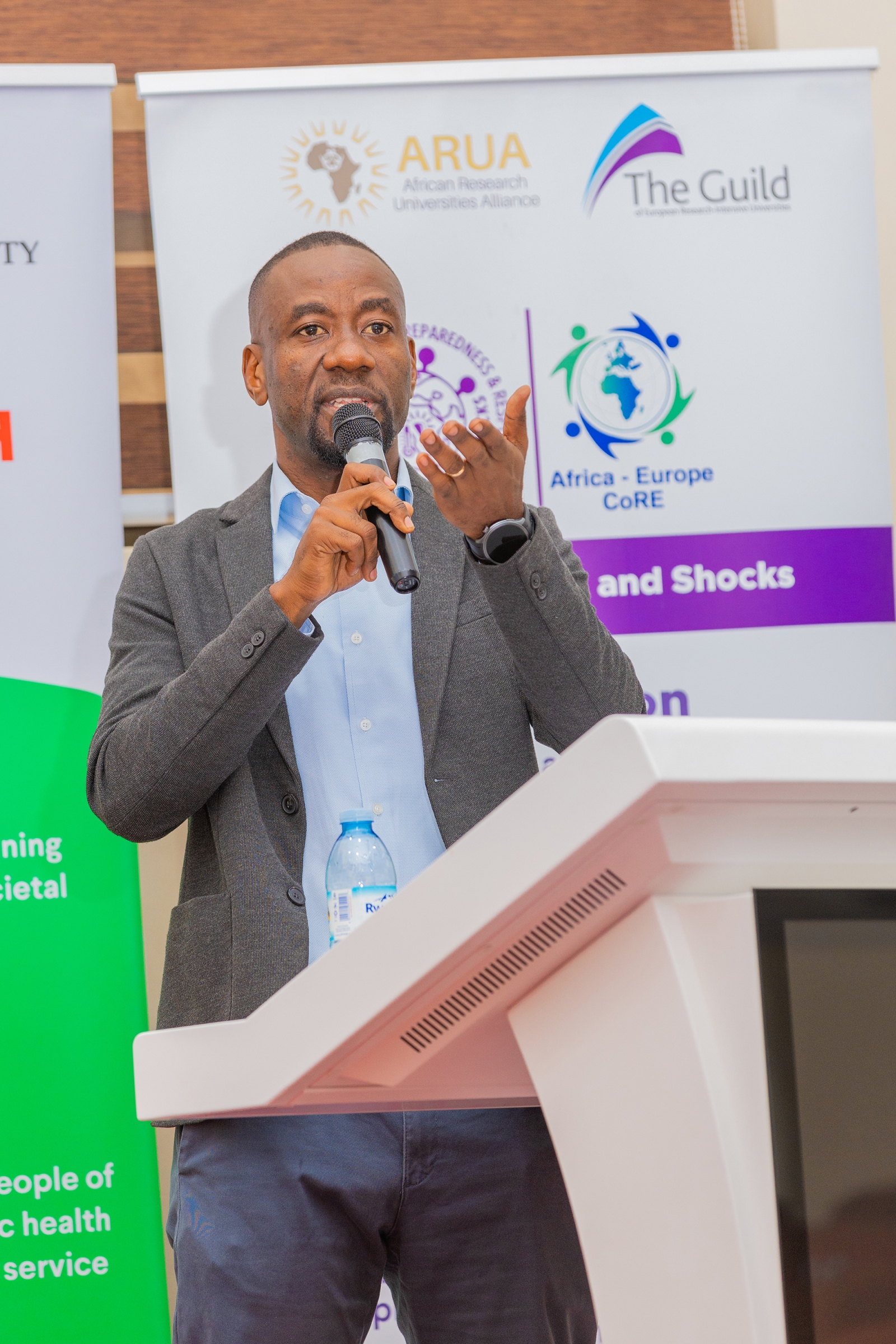
Uganda has recorded 12 filovirus outbreaks over the 26-year period, including nine Ebola and three Marburg outbreaks, according to the research team. Among the four outbreaks examined closely were the 2017 Marburg outbreak in Kween and Kapchorwa, the cross-border Ebola outbreak in Kasese in 2019, the multi-district Sudan Ebola virus outbreak in 2022, and the 2025 outbreak whose index case was a health worker.
Strong systems after confirmation
Across the outbreaks reviewed, the synthesis found that Uganda has developed significant capacity to mobilise after laboratory confirmation. National and district task forces and technical response structures are activated quickly, supported by strong laboratory capacity, established coordination mechanisms and increasingly sophisticated surveillance systems.
The country has also built laboratory capacity around the Uganda Virus Research Institute, mobile laboratories, genomic sequencing, sample referral systems and the Results Dispatch System. Digital surveillance tools, Village Health Teams, survivor champions and established national and district coordination structures have further strengthened response capacity.
Detection remains a weak point
However, the findings point to a critical problem before confirmation: recognising a possible outbreak early enough.
For outbreaks originating within Uganda, the synthesis found that the period between a patient’s first presentation and confirmation ranged from nine to 27 days. This the study found is linked to low clinical suspicion and weaknesses in screening. Other recurring challenges included delayed access to emergency financing, infections among health workers, disruptions to essential health services, community mistrust and stigma, and limited follow-through on recommendations from previous After-Action Reviews.
Opening the workshop, the Dean, Prof. Rhoda Wanyenze, said understanding these delays requires going beyond identifying broad weaknesses to examining where response systems fail in practice.
“We can identify a broad challenge such as delayed detection from the literature, but your experience on the ground can help us understand the specific factors that create that challenge,” Prof. Wanyenze said while addressing district health officials from across the country.
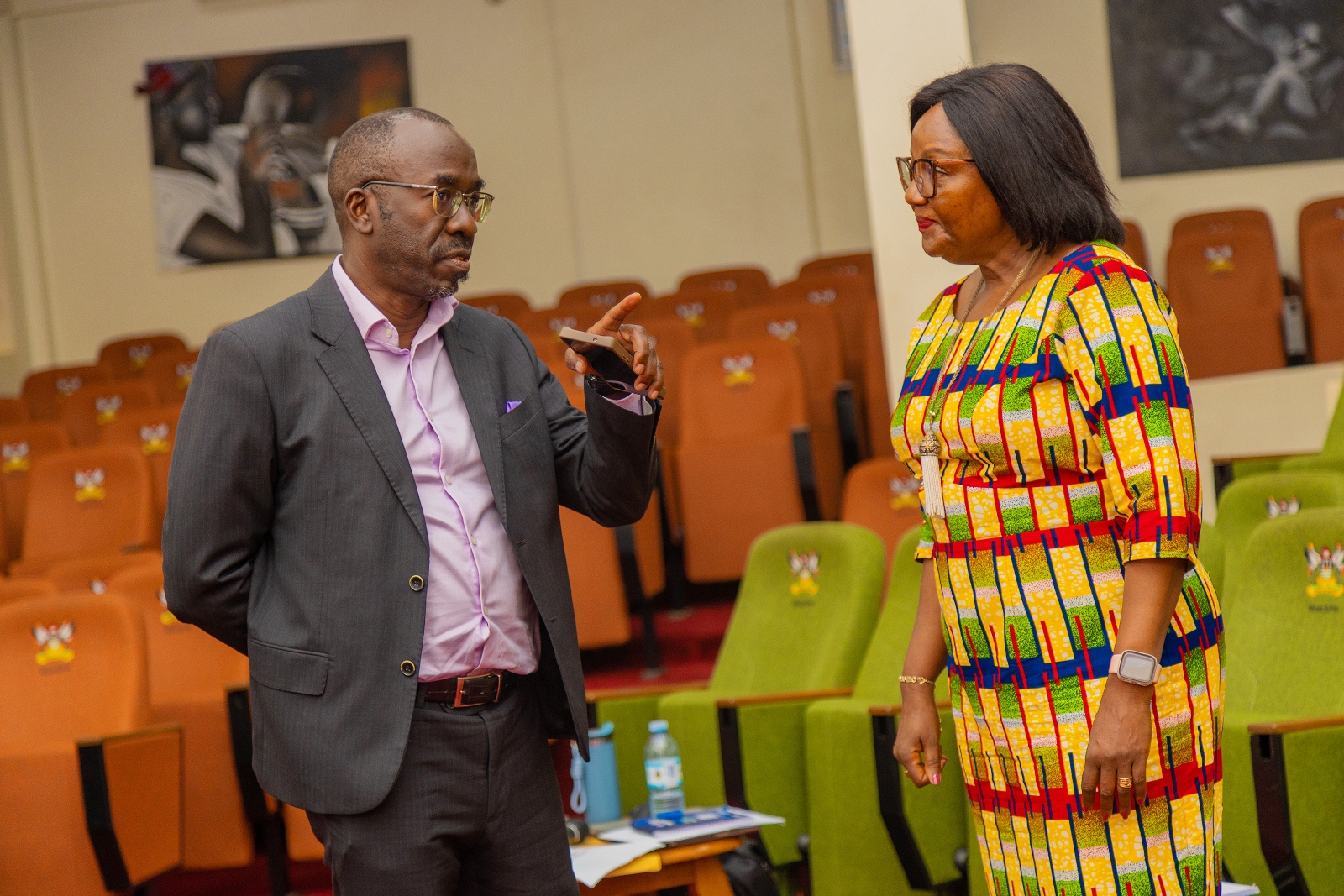
“When we begin looking for solutions, we need to be able to target the actual problems rather than simply identifying broad challenges.”
The workshop brought together partners and colleagues from districts, including people directly involved in outbreak response, to validate the synthesis against frontline experience. Prof. Wanyenze noted that published literature, scientific papers and response reports cannot capture every operational reality, making practitioner experience essential to understanding where delays occur and what interventions have worked. Remarks validation workshop
Turning outbreak experience into continuous readiness
Among the priority actions proposed are stronger screening and alert systems for earlier detection; ring-fenced emergency financing and more reliable responder payment systems; routine infection prevention and control training; stronger occupational protection for health workers; continued investment in laboratories and genomic sequencing; and preparedness extending beyond districts traditionally considered outbreak hotspots. The study also recommends stronger community engagement and a formal mechanism to track and finance implementation of recommendations from After-Action Reviews.
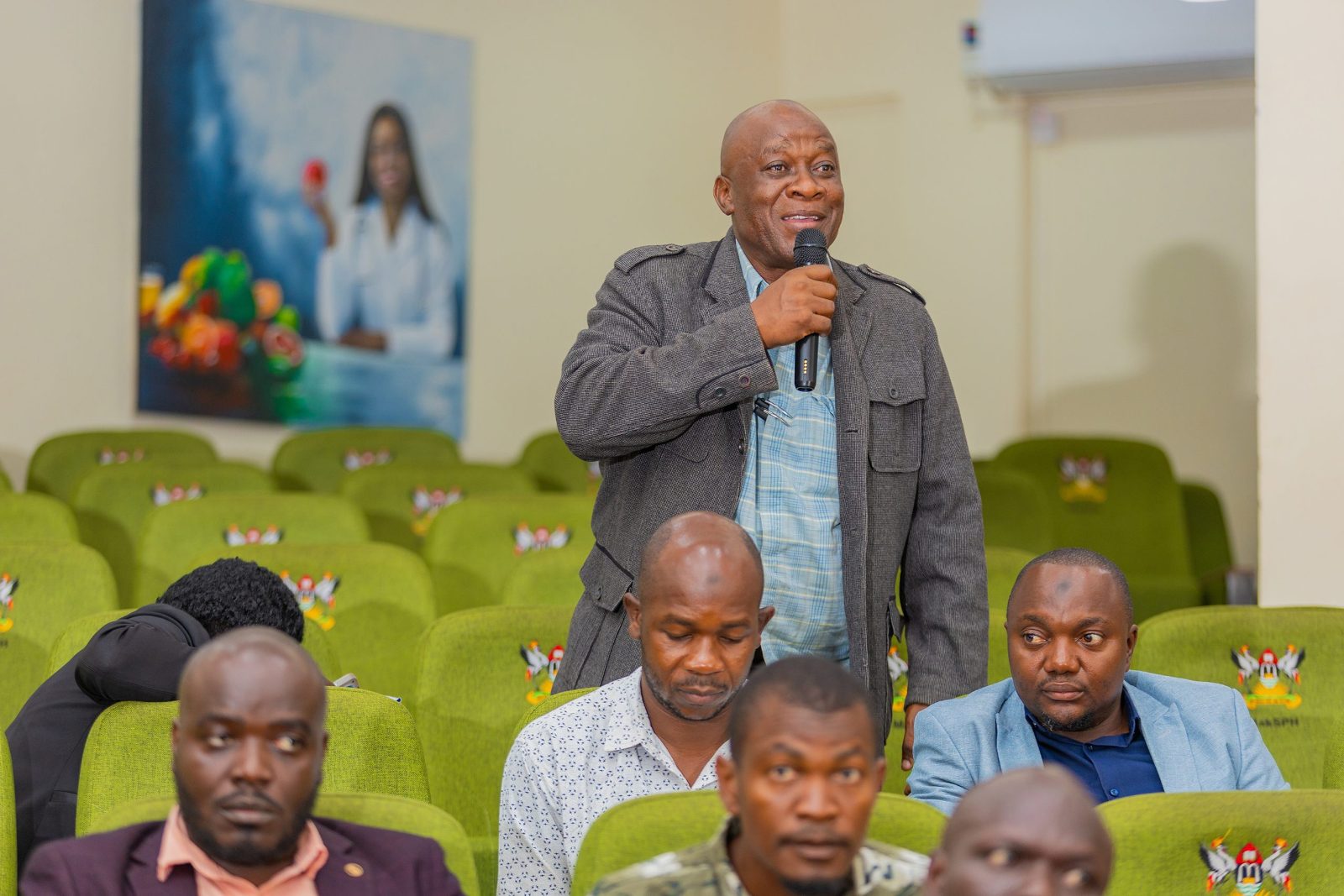
Dr. Andrew Acero, Director of the EPiC project at FHI 360’s Uganda Office said the central challenge is ensuring that experience accumulated during successive outbreaks translates into lasting institutional capacity.
“The real value lies in ensuring that what we learn changes what we do. Our findings should inform policy, shape guidelines and training, strengthen systems and ultimately improve practice.”
He noted that preparedness cannot begin only after an emergency has been declared, but must be built through sustained relationships, systems and capacity before outbreaks occur. Remarks validation workshop
The EPiC project is led by FHI 360 with core partners including Right to Care, Palladium and Population Services International.

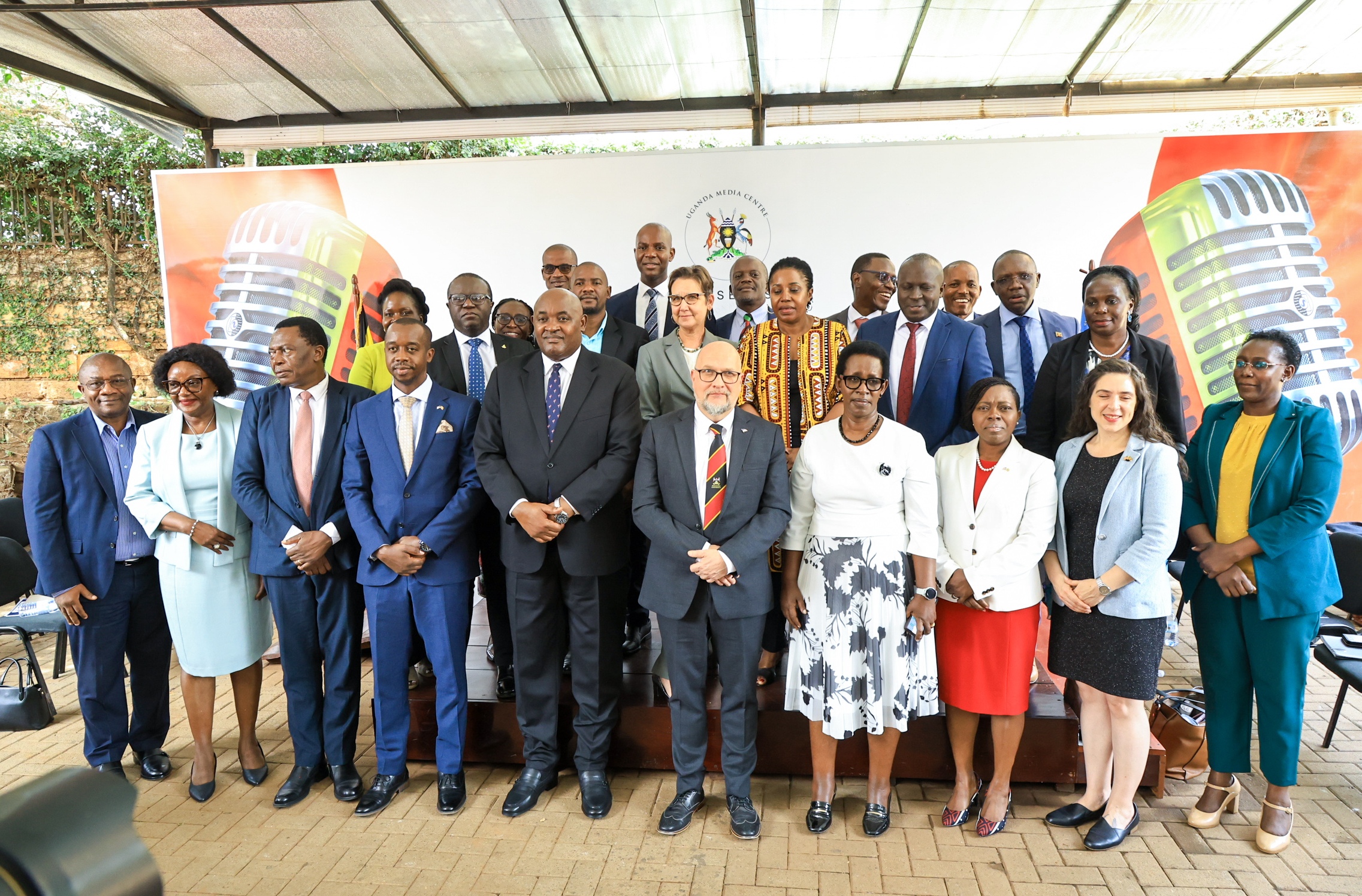
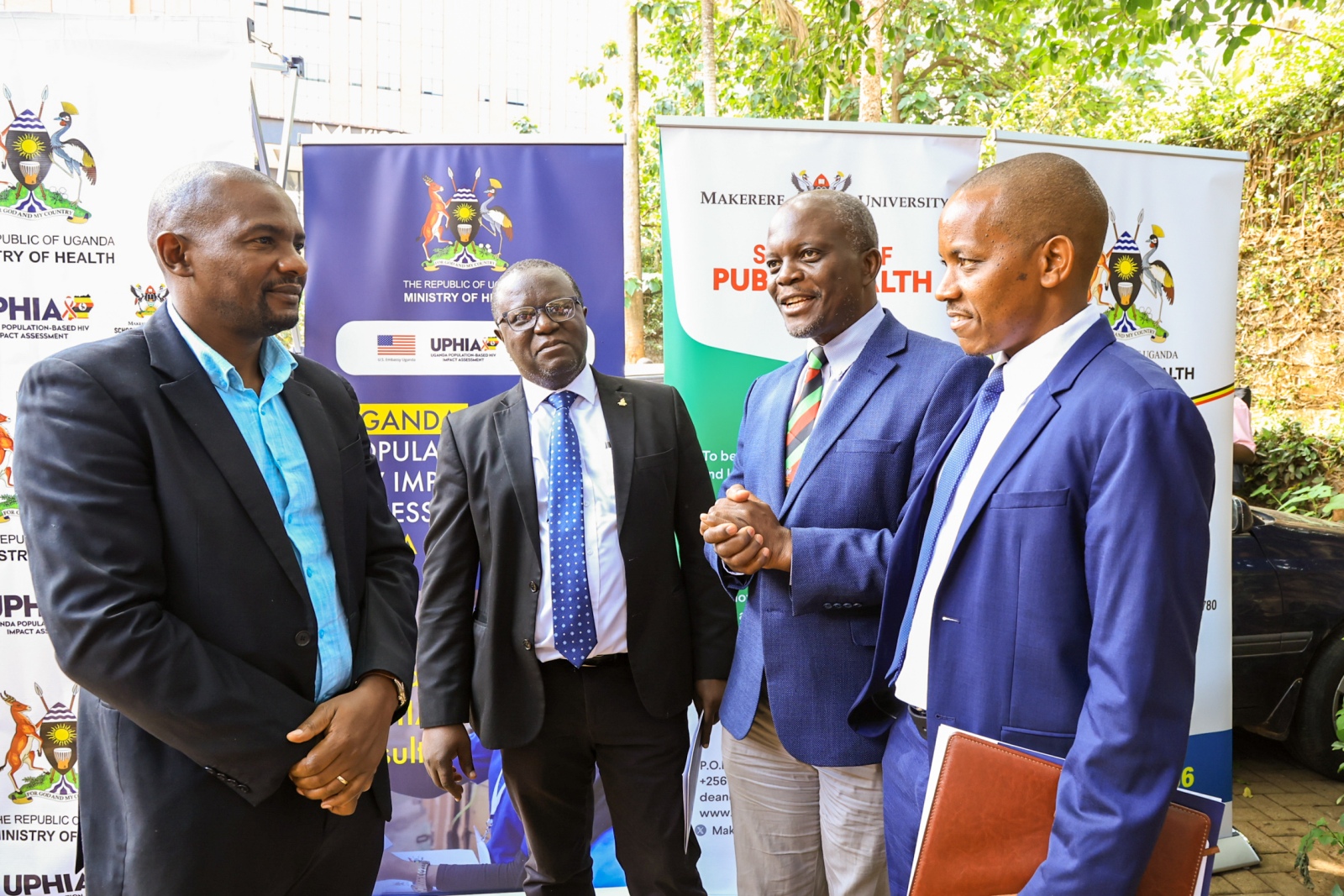
Uganda’s latest national HIV survey reveals lower viral suppression among adolescents and young adults living with HIV than among older adults, even as the country records substantial improvements in controlling the virus. The findings come from Uganda Population-Based HIV Impact Assessment (UPHIA 2025), a national household survey examining HIV prevalence and whether people living with the virus know their status, receive treatment, and achieve viral suppression.
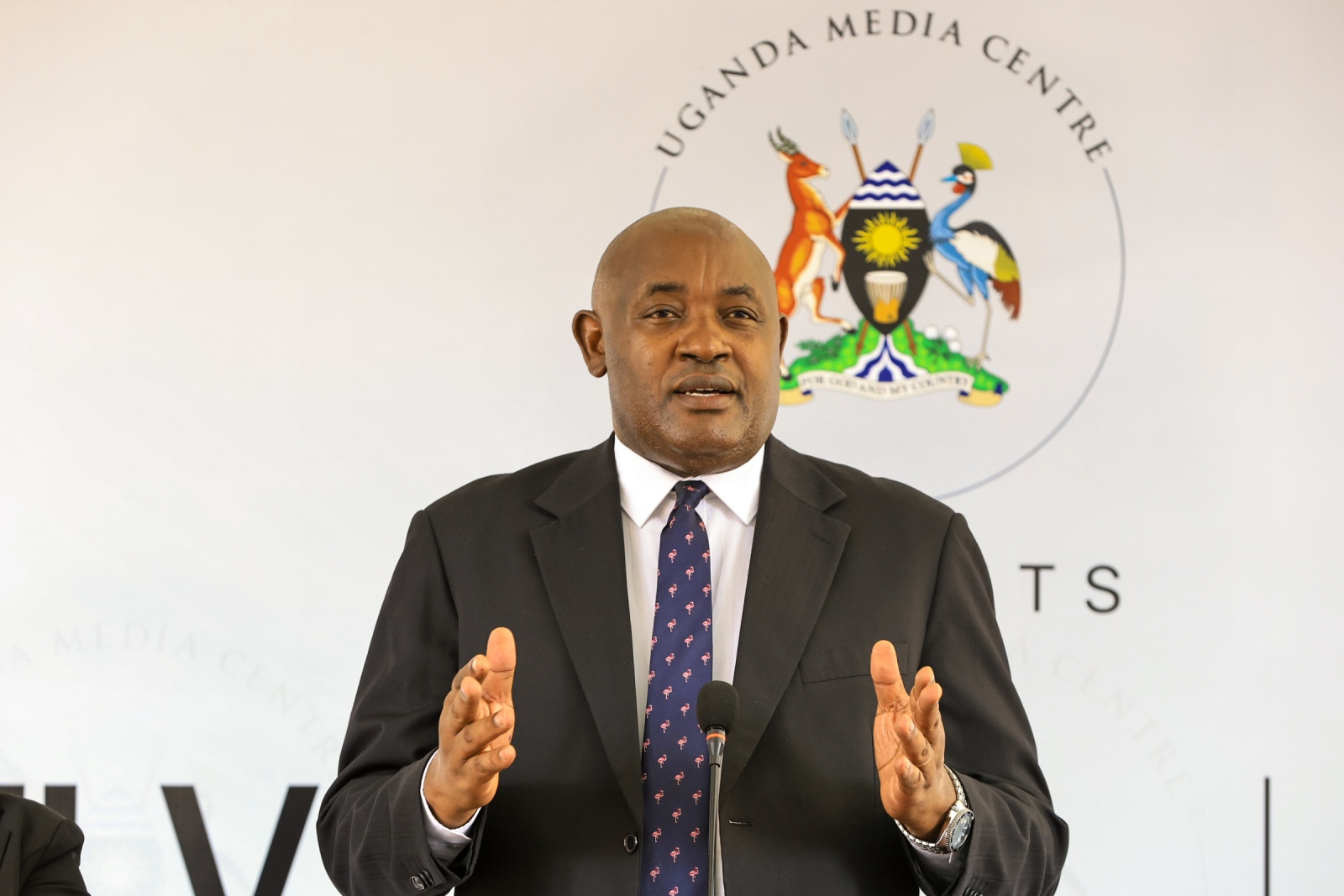
Releasing the preliminary UPHIA 2025 findings at the Uganda Media Centre on 1 October 2026, Minister of Health Hon. Dr. Chris Baryomunsi called for earlier prevention and testing, particularly among adolescent girls and young women, alongside support for treatment adherence. “We must reach out to the young people, ensure that they have information, they test, take treatment, and adhere to the treatment guidance,” he urged.
Hon. Baryomunsi recalled how fear had discouraged testing during his university years: “I remember when we were at university, we went for testing at the university hospital. We sat there for three hours. Some of us left without even testing because it was scary.” Today, he explained, “even if you test HIV positive, you can be initiated on treatment, and you live normally like the rest of those who don’t have HIV.”
UPHIA 2025 was locally led under the Ministry of Health’s overall leadership, with Makerere University School of Public Health serving as the prime implementer, a role ICAP at Columbia University held in the previous two surveys. The Uganda Bureau of Statistics led sampling, while the Uganda Virus Research Institute and National Health Laboratory and Diagnostic Services led laboratory operations. Regional referral hospitals and local governments supported implementation, and the U.S. government provided US$10 million through PEPFAR, along with technical assistance from the U.S. CDC.
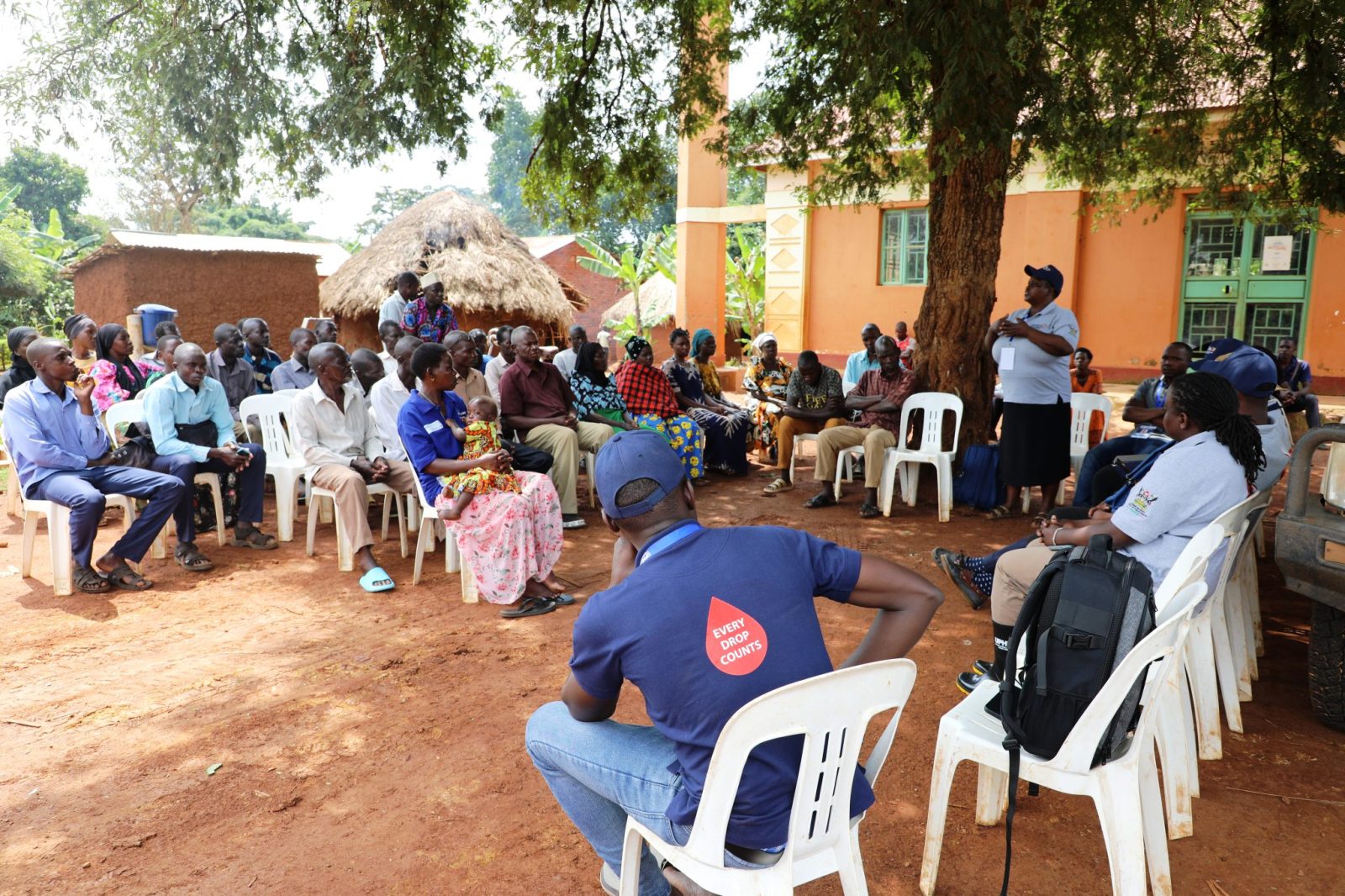
UPHIA collected data from July to September 2025 among people aged 15 and above, including those outside routine treatment services. Of 6,283 eligible households, 94.4% completed interviews. Researchers interviewed 13,801 people and tested 13,477 for HIV.
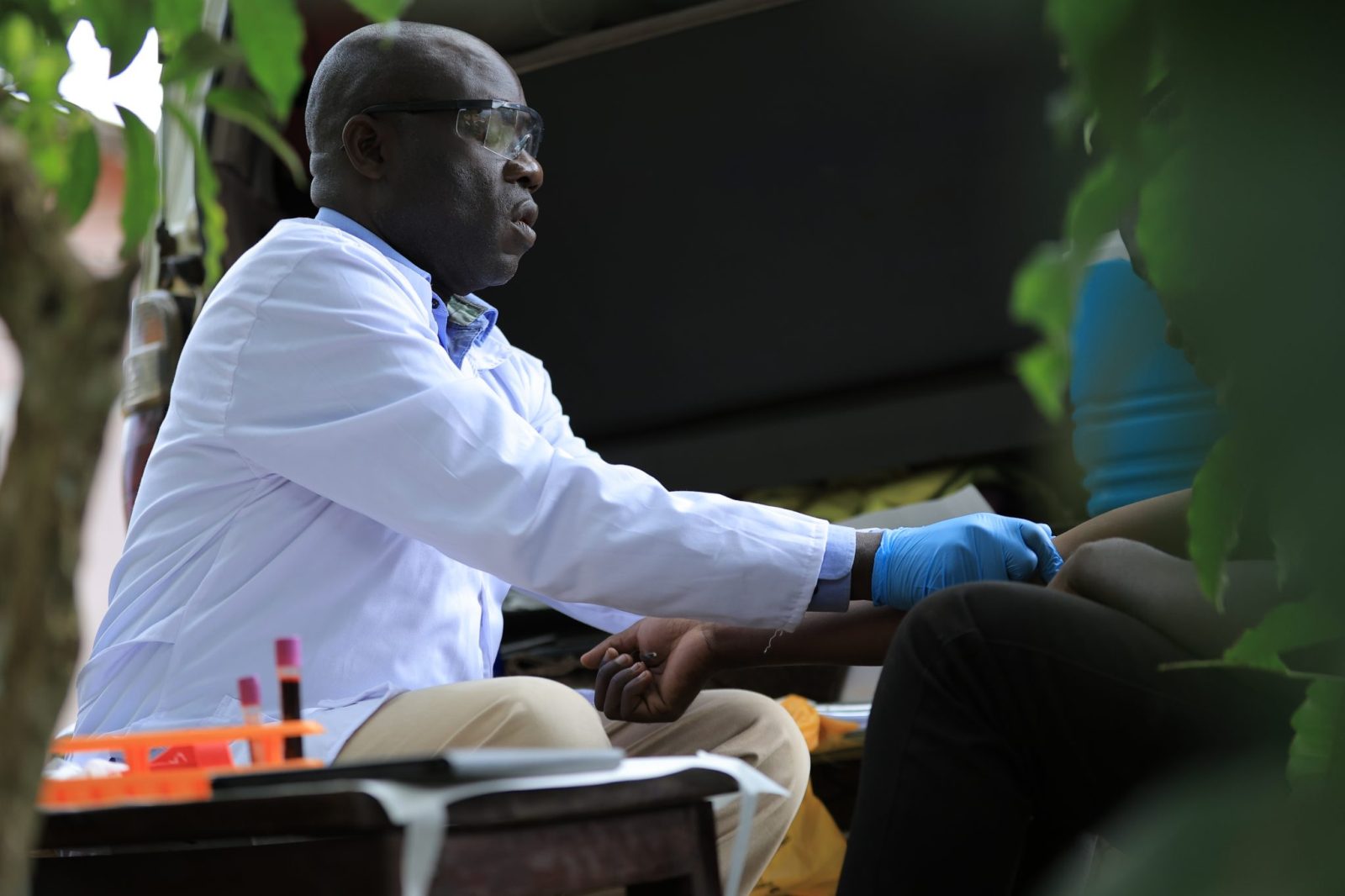
Testing followed Uganda’s national algorithm, with laboratory confirmation of positive samples, viral-load measurement, and checks for antiretroviral medicines to establish treatment use. Researchers weighted the estimates to account for the sampling design. Participants received counselling and results, and those who tested positive were referred for treatment.
Hon. Baryomunsi thanked participants and their families for welcoming survey staff and contributing their time, information and samples, without which the national evidence would not have been available.
National progress and the youth gap
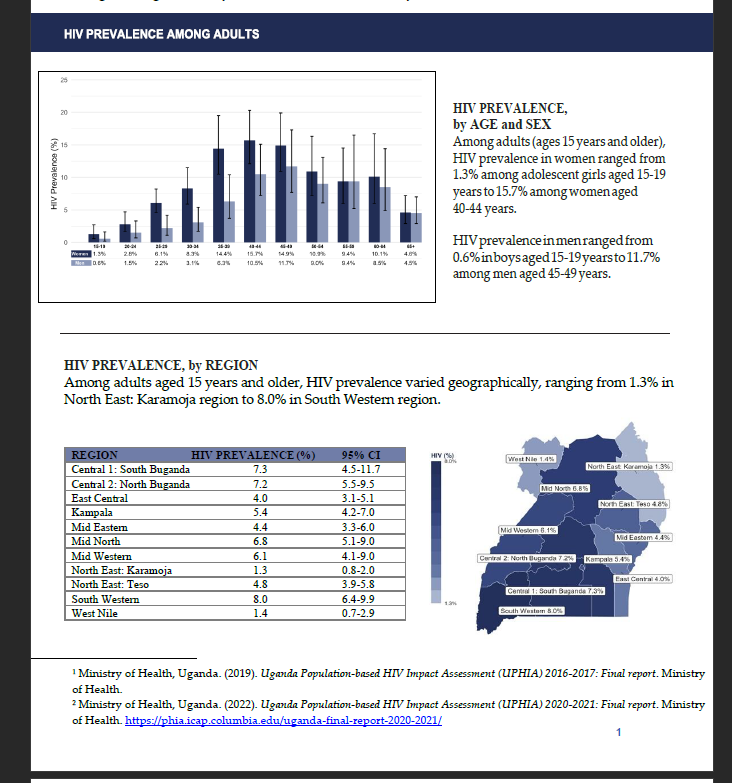
The survey estimated HIV prevalence, which means the proportion of people living with HIV, at 5.9% among those aged 15 and above, corresponding to about 1.496 million people in this age group nationwide. Prevalence was 7.3% among women and 4.1% among men, ranging from 1.3% in Karamoja to 8% in the South Western region.
Among people aged 15 and above living with HIV, 86% had achieved viral suppression, meaning a low amount of HIV in the blood, measured in UPHIA as fewer than 1,000 copies per millilitre. Suppression stood at 69.3% among adolescents and young adults aged 15–24 living with HIV, compared with 89.9% among those aged 50 and above. These estimates cover people living with HIV regardless of whether they know their status or receive treatment.
HIV prevalence among people aged 15–24 was 1.5%, including 2% among young women and 1% among young men. Among young women, prevalence was 1.3% at ages 15–19 and 2.8% at ages 20–24. These differences support attention to earlier prevention and testing, although they do not establish when infections occurred.
The highest prevalence estimates occurred among middle-aged adults: 15.7% among women aged 40–44 and 11.7% among men aged 45–49. Lower suppression among young people therefore requires attention alongside the higher HIV prevalence among middle-aged adults. Comparing the same age group across both surveys, viral suppression among people aged 15–64 increased from 74.9% in 2020–21 to 86.1% in 2025, while HIV prevalence remained at 5.9%.
Diagnosis and the path to 2030
The treatment results identify diagnosis as the main national gap. Among people aged 15 and above living with HIV, 85.3% knew their status. Of those aware, 99.1% were receiving treatment; among those receiving treatment, 96.5% had achieved suppression.
The 95-95-95 targets aimed for 95% of people living with HIV to know their status, 95% of those diagnosed to receive treatment, and 95% of those receiving treatment to achieve viral suppression by 2025. Among people aged 15 and above, Uganda exceeded the treatment and suppression targets, while diagnosis remained below target. UNAIDS’s Global AIDS Strategy 2026–2031 retains these targets towards ending AIDS as a public health threat by 2030.
According to WHO, viral suppression protects health and helps prevent HIV transmission. Uncontrolled HIV weakens the immune system, increasing the risk of serious illness. With continued treatment as prescribed, sexual transmission risk is negligible when HIV remains suppressed but detectable, and zero when undetectable. The Uganda AIDS Commission estimated over 34,000 new HIV infections in 2025, underscoring the importance of early diagnosis, timely treatment, and sustained suppression alongside other prevention measures.

The demographic stakes are substantial. People aged 15–24 constituted 21.2% of Uganda’s population in the 2024 census. The country’s Fourth National Development Plan, covering 2025–2030, prioritises a healthy, knowledgeable, skilled and productive population and reducing HIV through primary health care. Protecting young people’s health, therefore, supports their participation in education, work, and national development; UPHIA helps identify where services need greater attention.
Turning evidence into action
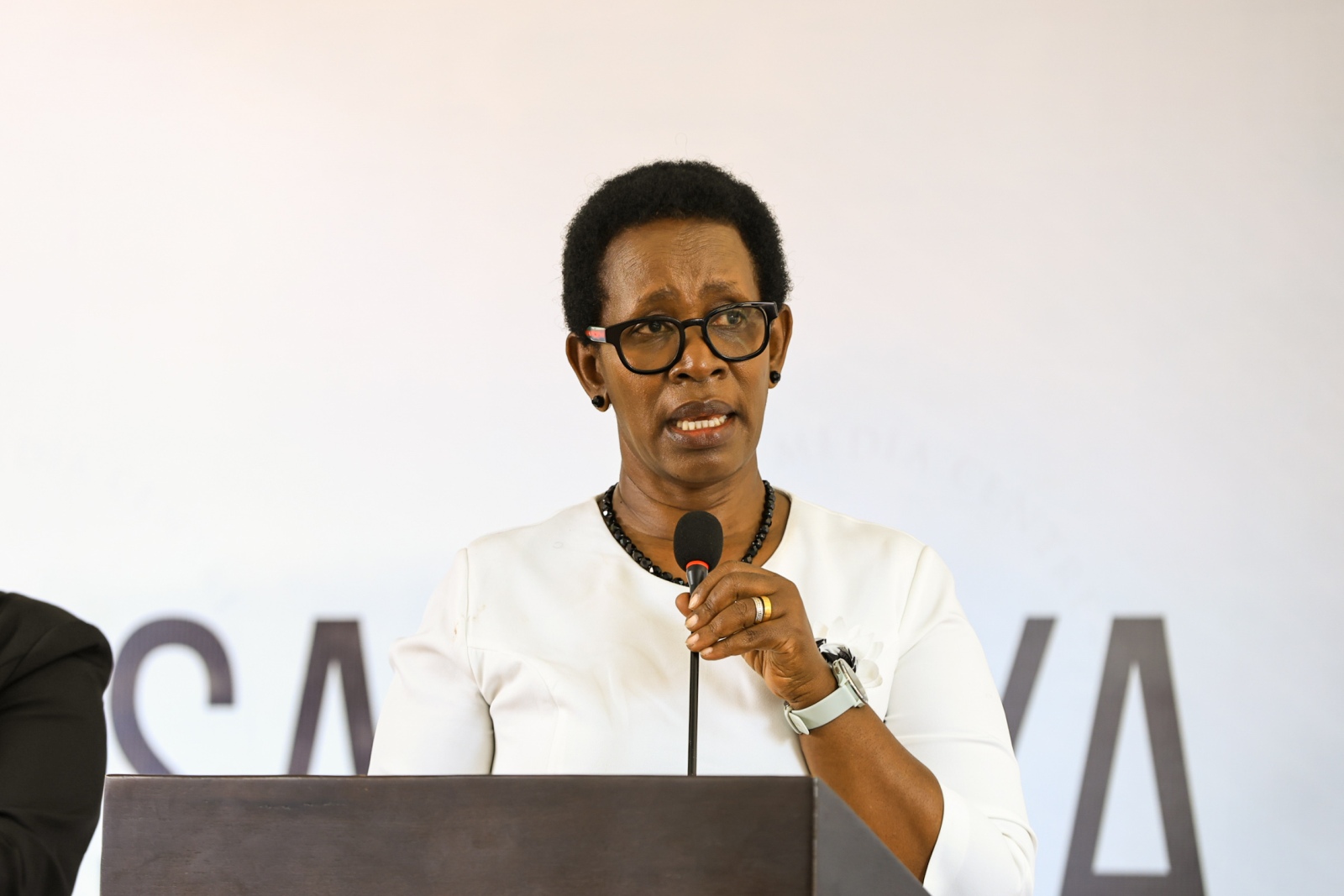
The study’s conclusions identify three priorities: sustain treatment outcomes, find people unaware of their status, and improve suppression among younger people. Permanent Secretary Dr. Diana Atwine connected the findings to the Ministry’s planning.
“We do believe that these results are a true reflection of what is happening in our country as far as the HIV status is concerned, and we do believe that it will give us a very clear direction and the roadmap that we are going to take in the next five years to target and to get our targets achieved.”
Acting on these priorities requires funding for services and research. Hon. Baryomunsi outlined plans to target resources where needs are greatest, strengthen district services and align partner support with government priorities. Responding to journalists’ questions, he noted the government’s intention to increase domestic funding for the HIV response, including research.
“The HIV/AIDS response, including research and surveys such as this one, has largely been funded by partners in the past. The government of Uganda is committed to allocating more resources from our domestic budget to support the response and research,” he noted.
For the first time in the UPHIA series, the survey assessed selected noncommunicable disease indicators among people aged 15 and above: 15.5% had elevated blood pressure, 24.8% were overweight or obese, and 0.9% had raised random blood glucose. These screening findings align with the Ministry’s integration agenda and Hon. Baryomunsi’s call to bring HIV and chronic care services together to address people’s wider health needs.
Speaking at the release of the preliminary results, U.S. Embassy Chargé d’Affaires Mikael (Mika) Cleverley described UPHIA 2025 as the first Population-Based HIV Impact Assessment worldwide fully led and implemented by the country itself.
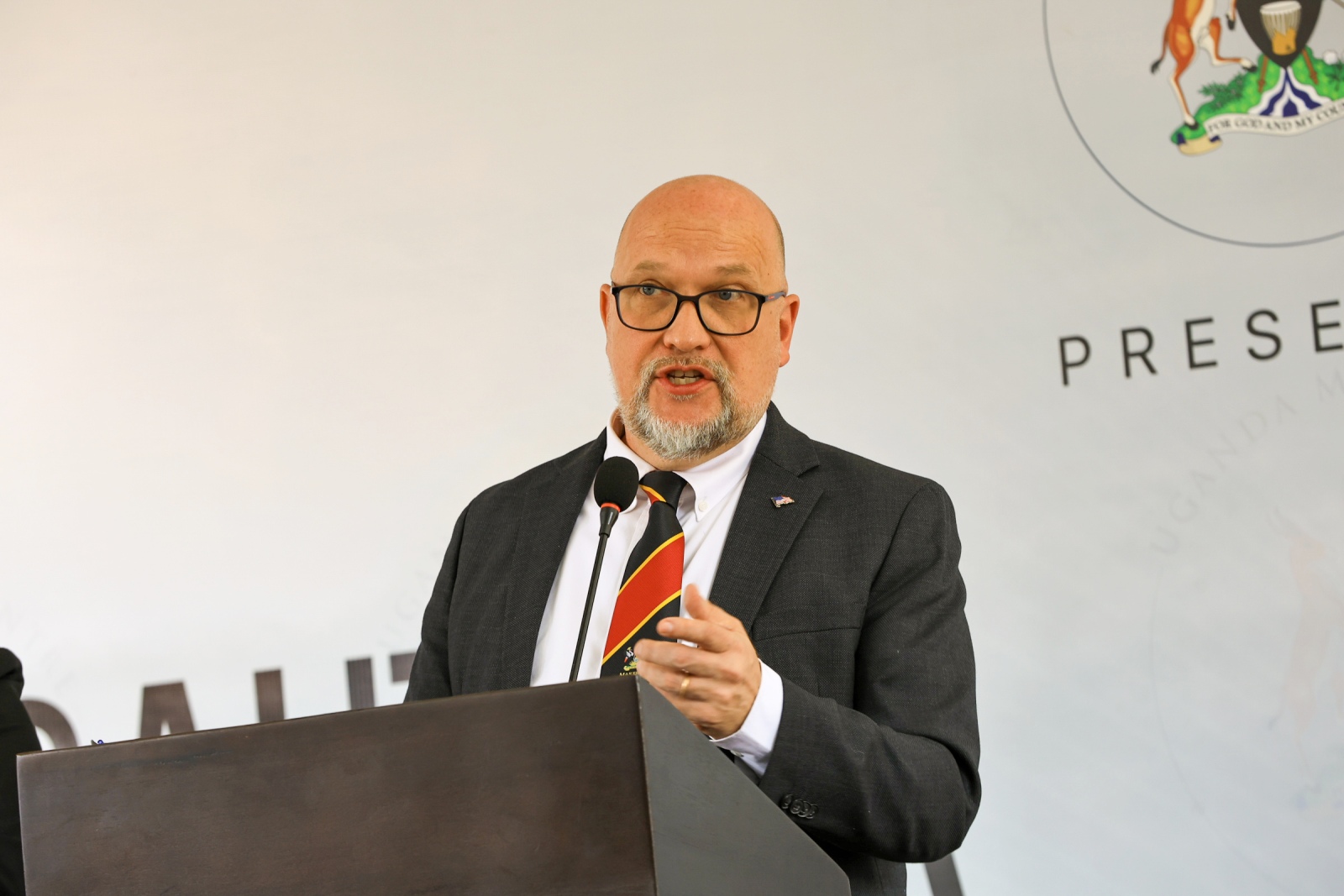
“The study was led by Ugandan scientists, Ugandan managers, Ugandan public servants, Ugandan field teams, from design to data collection to analysis. And this is what two decades of focused strategic U.S. foreign investments in the public health sector was meant to produce, is to reinforce Ugandan leadership and Ugandan-led efforts.”
At the survey launch on 29 May 2025, MakSPH Dean Prof. Rhoda Wanyenze highlighted the partnership’s contribution: “The partnership between Makerere University and CDC has not only helped build national capacity in surveillance and epidemiology, but has also strengthened our ability to lead high-quality, large-scale national surveys.”
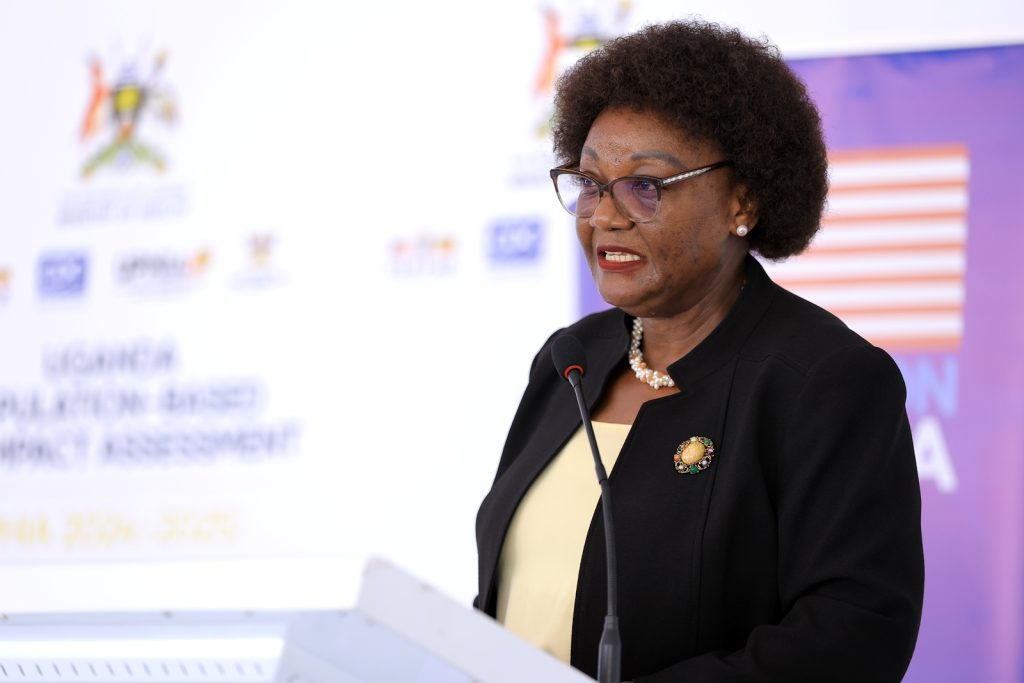
The Dean added: “After two decades of joint work, we are proud that UPHIA is now a fully Ugandan-led effort. This is critical to the sustainability of the skills and knowledge generation to inform our local response.”
UPHIA 2025 shows how far Uganda’s HIV response has advanced and where gaps remain. As the country works towards ending AIDS as a public health threat by 2030, reaching young people with testing, treatment, and continued care will be essential to extending those gains.
Read the full UPHIA 2025 summary results here:

-

 General1 week ago
Statement on Concerns Circulating Regarding a Member of Academic Staff
-

 Research2 weeks ago
Call for Makerere Staff PhD Completion Grant Applications, 2026-27
-

 General1 week ago
Press Statement: Incident Involving Death of a Student at Makerere University
-
 General2 weeks ago
Makerere Marathon 2026 – Running to Equip the Disability Support Center
-

 General1 week ago
JNLC Leadership Symposium Equips Young Leaders for Responsible and Transformative Leadership