
Humanities & Social Sciences
Makerere Hosts 17 Erasmus+ Students from 16 Countries in Humanitarian Response Programme

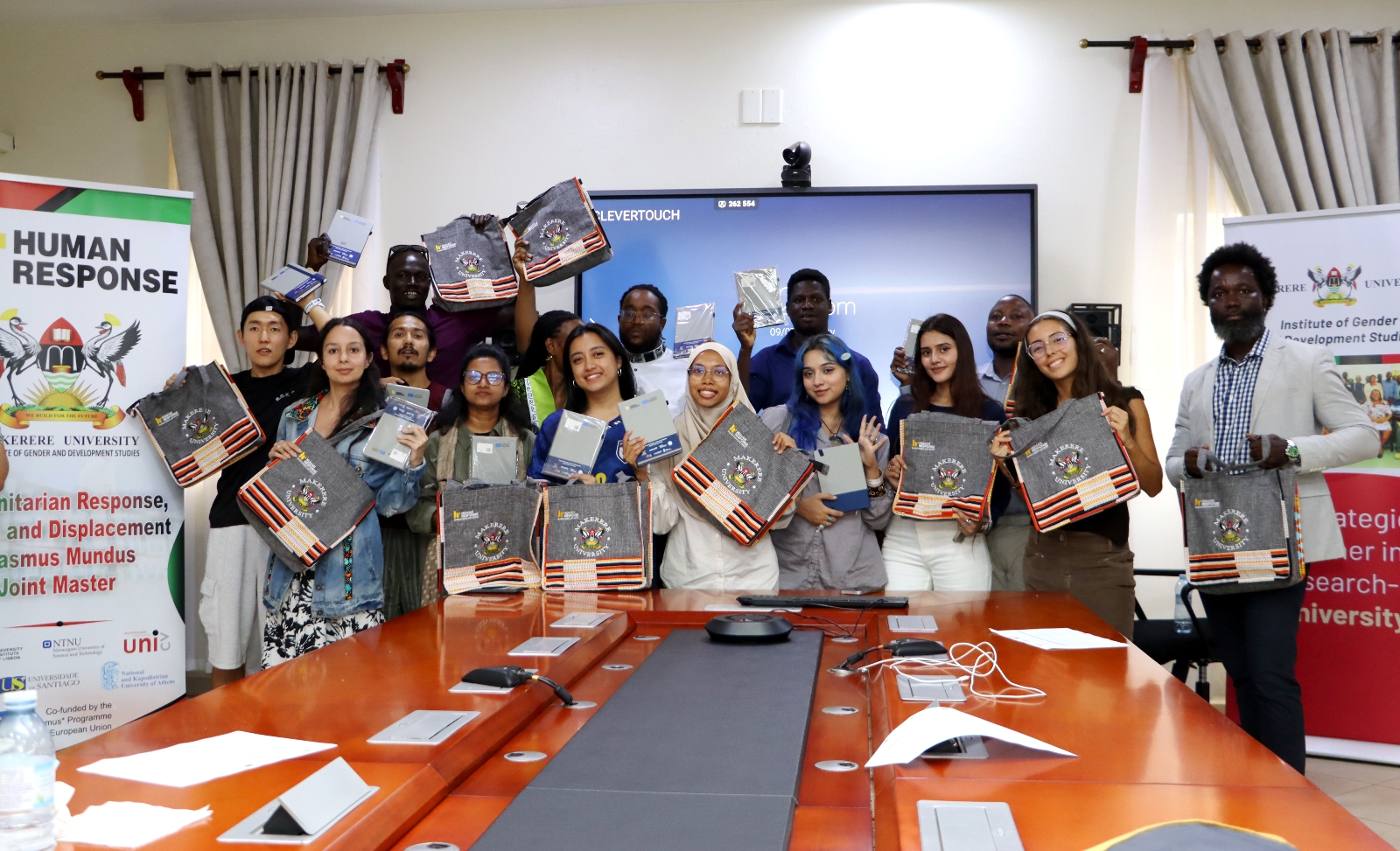
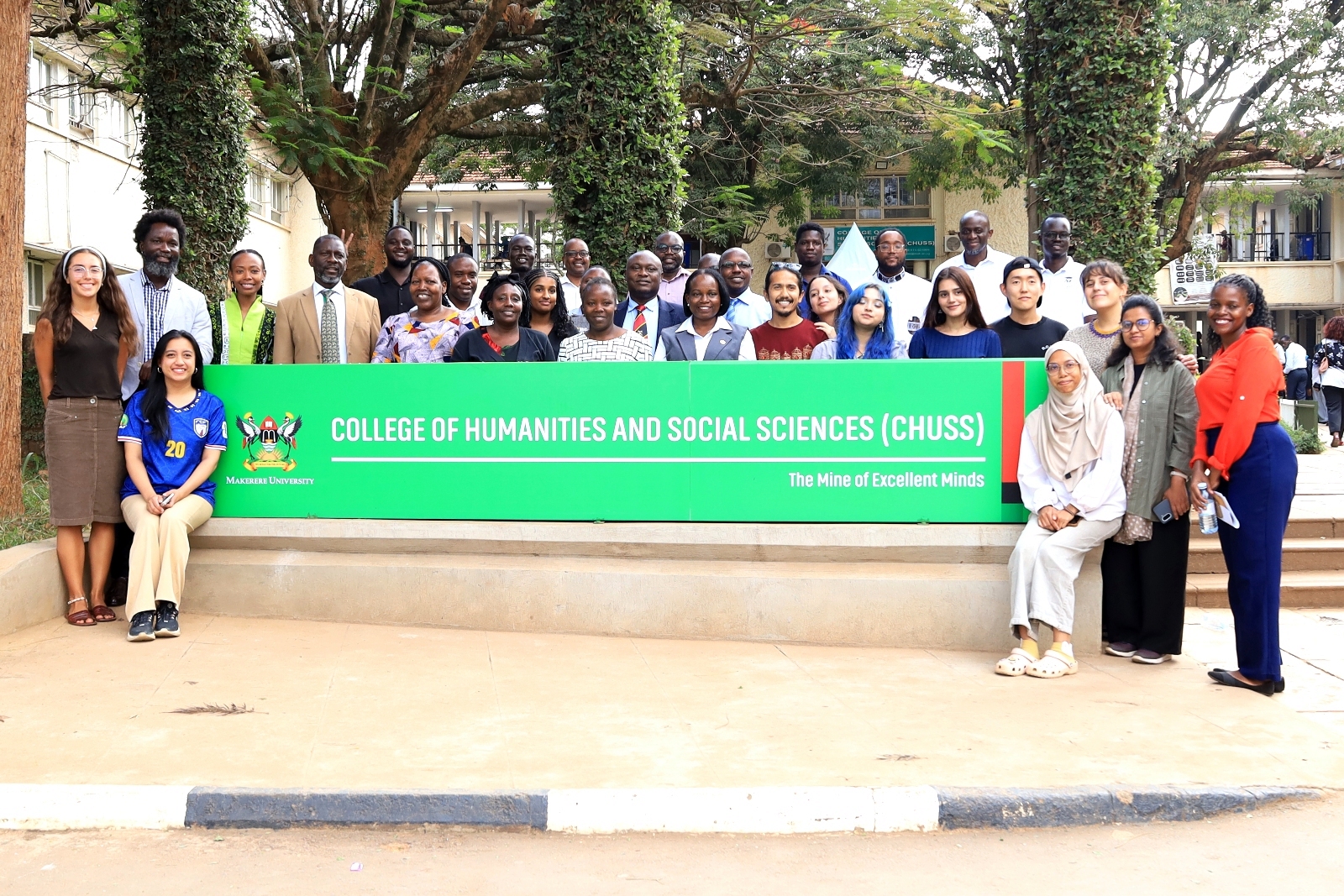
Makerere University has welcomed 17 students from 16 countries under the Erasmus+ funded Master of Humanitarian Response, Health and Displacement (Human Response) programme, bringing together an international cohort to study humanitarian crises, displacement, health, migration and development.
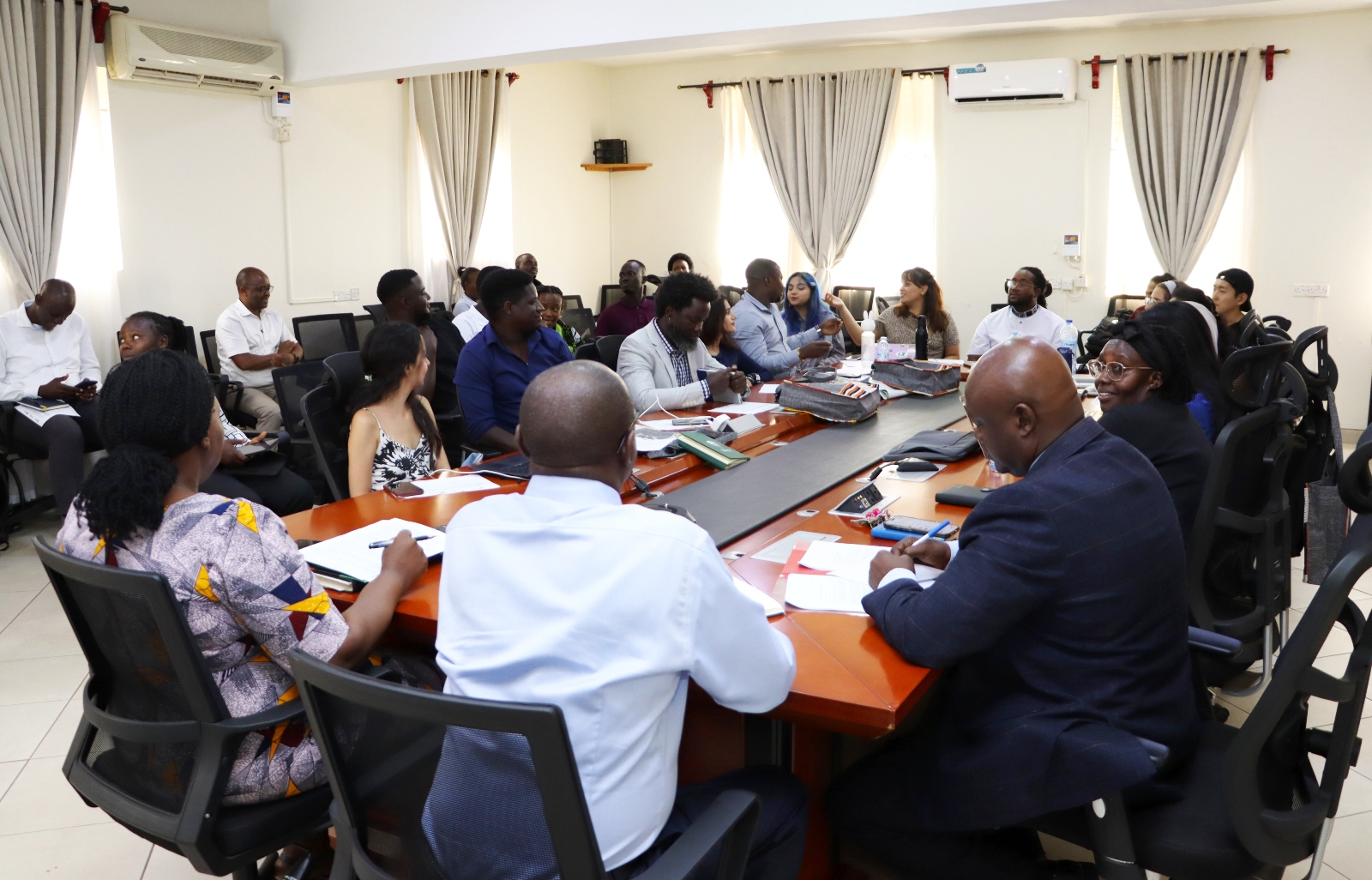
The students were officially welcomed and oriented at Makerere University on September 7, 2026, in a ceremony attended by senior university officials, academic staff, programme investigators, humanitarian organisations and other implementing partners in the Social Sciences Smart room.
The students come from Canada, Cape Verde, Uganda, Spain, Sierra Leone, South Sudan, Colombia, South Korea, The Gambia, India, Nepal, Kenya, Pakistan, Myanmar, Bangladesh and Malaysia.
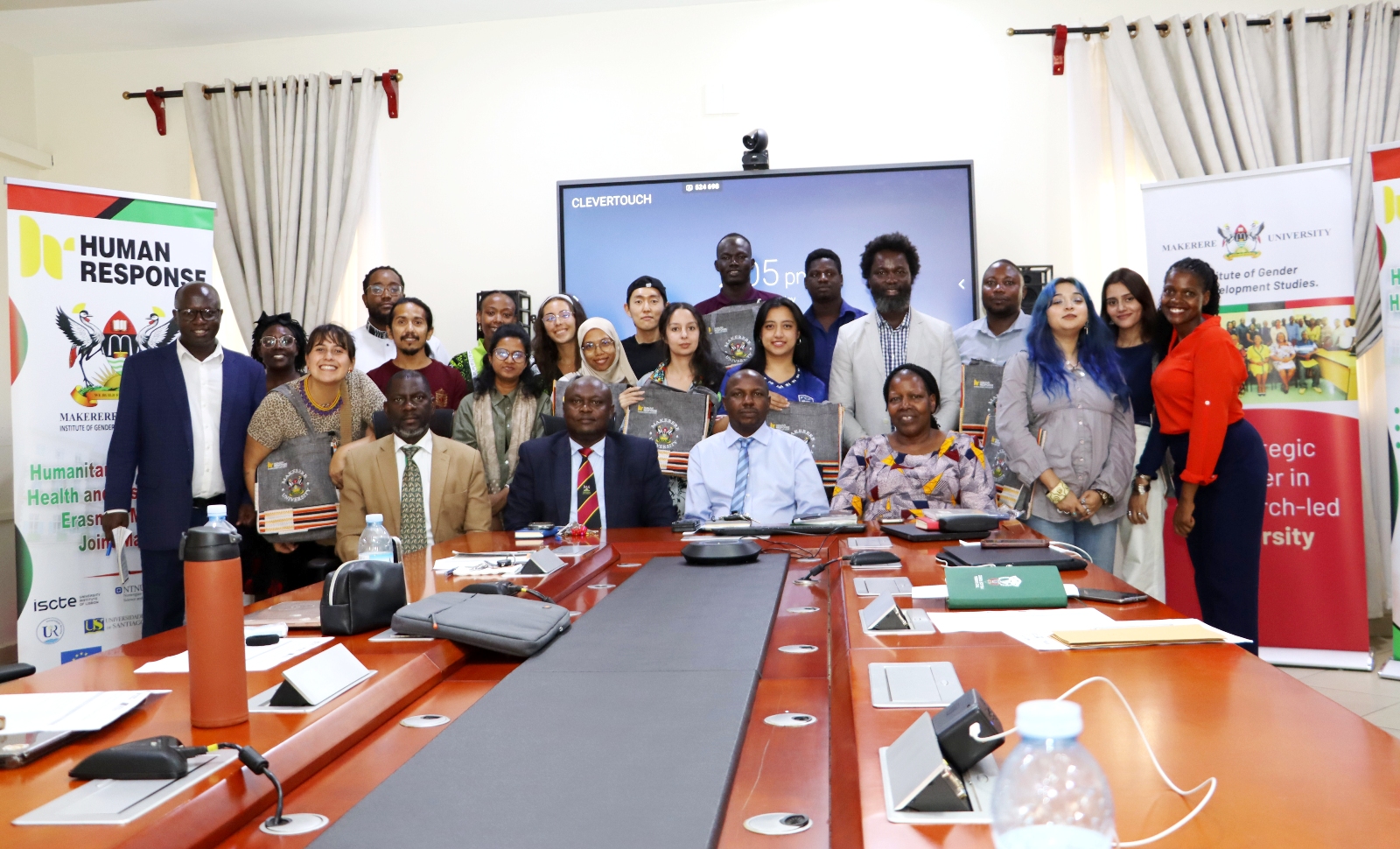
The programme is hosted by the Makerere University Institute of Gender and Development Studies and the Department of Social Work and Social Administration in the College of Humanities and Social Sciences (CHUSS).
The cohort brings together students from diverse academic backgrounds, including social sciences, medicine, nursing, management, engineering, architecture and design, who are interested in acquiring specialised competencies or reskilling in humanitarian response.
The Human Response programme is funded by the European Union through the Erasmus+ Programme and is implemented through a consortium of seven universities: Iscte-University Institute of Lisbon in Portugal, which coordinates the programme; the Norwegian University of Science and Technology (NTNU) in Norway; Makerere University in Uganda; the University of Cape Verde; the University of Santiago in Cape Verde; the University of Athens in Greece; and the University of Rovuma in Mozambique.
The programme also works with humanitarian and government institutions to provide students with practical learning and field-placement opportunities. In Uganda, the associate partners include the Ministry of Water and Environment, Alight Uganda, Uganda Red Cross Society and the Refugee-Led Organization Network (RELON).
The programme is intended not only to expose students to academic knowledge but also to equip them with practical skills and international perspectives needed to respond to complex humanitarian challenges.
Students must turn international exposure into community transformation
Representing the Deputy Vice Chancellor, Academic Affairs, Professor Ruth Nsibirano welcomed the students to Makerere and congratulated them on being selected for the programme.

She described the programme as a rich academic opportunity and said the students had joined a university with a 104-year history and a diverse, peaceful and welcoming academic community.
Nsibirano urged the students to become ambassadors of Makerere by sharing their experiences of the university and Uganda with people in their home countries.
“You are going to be our ambassadors for what it is like to be in Makerere University.”
She assured the students that the university community was ready to support them in overcoming challenges during their stay and welcomed them specifically to the Institute of Gender and Development Studies.
She explained that the institute brings together three academic units: the Department of Development Studies, the Department of Women and Gender Studies, and Communication Skills.
Nsibirano said the institute has a university-wide mandate to ensure students benefit from cross-cutting courses, particularly Communication Skills, Development Studies, Gender and Political Economy.
She said these courses are intended to produce graduates who can communicate effectively, understand development and gender issues and critically analyse political and economic factors affecting their countries.
She placed particular emphasis on communication skills, arguing that many graduates struggle to communicate effectively despite having academic qualifications, which can negatively affect their employment prospects.
She said students should be able to write strong curricula vitae and application letters and confidently respond to interview panels.
Nsibirano also challenged the students to examine why many African countries continue to struggle with poverty despite having abundant natural resources.
She pointed to Africa’s lakes, flora, fauna and other resources and questioned whether graduates are adequately equipped to transform those resources into opportunities.
She encouraged the students to think about how their knowledge and skills can be converted into practical solutions instead of simply lamenting poverty and limited resources.
She also highlighted the importance of gender in development, noting that cultural expectations continue to restrict women and girls in many societies by dictating what they can do, how they should behave and even how they should move.
The diversity of the cohort, she said, provides an opportunity to challenge such limitations and develop a community of students capable of contributing to social transformation.
Nsibirano said the students should not treat their academic achievements as personal accomplishments alone but should consider how their knowledge can benefit their countries and communities.
“Only then shall we be able to transform our societies from what is not yet there to what we envisage that should be.”
She further encouraged students to use the programme to compare practices across countries, learn from Uganda and share positive practices from their home countries.
She said students should critically examine assumptions about Africa and other parts of the world and use their experiences to develop informed perspectives rather than relying on stereotypes.
Nsibirano also linked the programme to emerging humanitarian challenges, including pandemics and conflicts, noting that the delayed arrival of the students itself demonstrated the relevance of humanitarian response training.
She said graduates should be able to contribute to pandemic preparedness, community awareness, resilience building and responses to conflicts and other crises.
She emphasised interdisciplinarity, saying the programme’s combination of social work, development, gender, refugee and conflict studies and peace studies was deliberate.
According to her, humanitarian challenges require multiple disciplines and cannot be effectively addressed through a single area of knowledge.
She also encouraged students to develop soft skills and exercise caution while living in Uganda, including being careful about their movements, transport, accommodation, electronic devices and the people they interact with.
She particularly urged female students to remain aware of their surroundings and pay attention to people in their neighbourhoods and those who may be following or observing them.
She advised the students to seek information and directions from reliable people rather than approaching anyone indiscriminately.
Nsibirano concluded by assuring the students that Uganda was welcoming and urging them to enjoy their stay while remaining responsible and security-conscious.
Erasmus+ cohort advances Makerere’s internationalisation agenda
The Director of the Directorate of Graduate Research and Training, Associate Professor Julius Kikooma, welcomed the students on behalf of the directorate, which coordinates graduate studies at Makerere University.
He explained that the Directorate of Graduate Research and Training handles admissions for graduate students across the university.
Kikooma said the international students were in the process of becoming Makerere students and would fall under the university’s policy on short-term students.
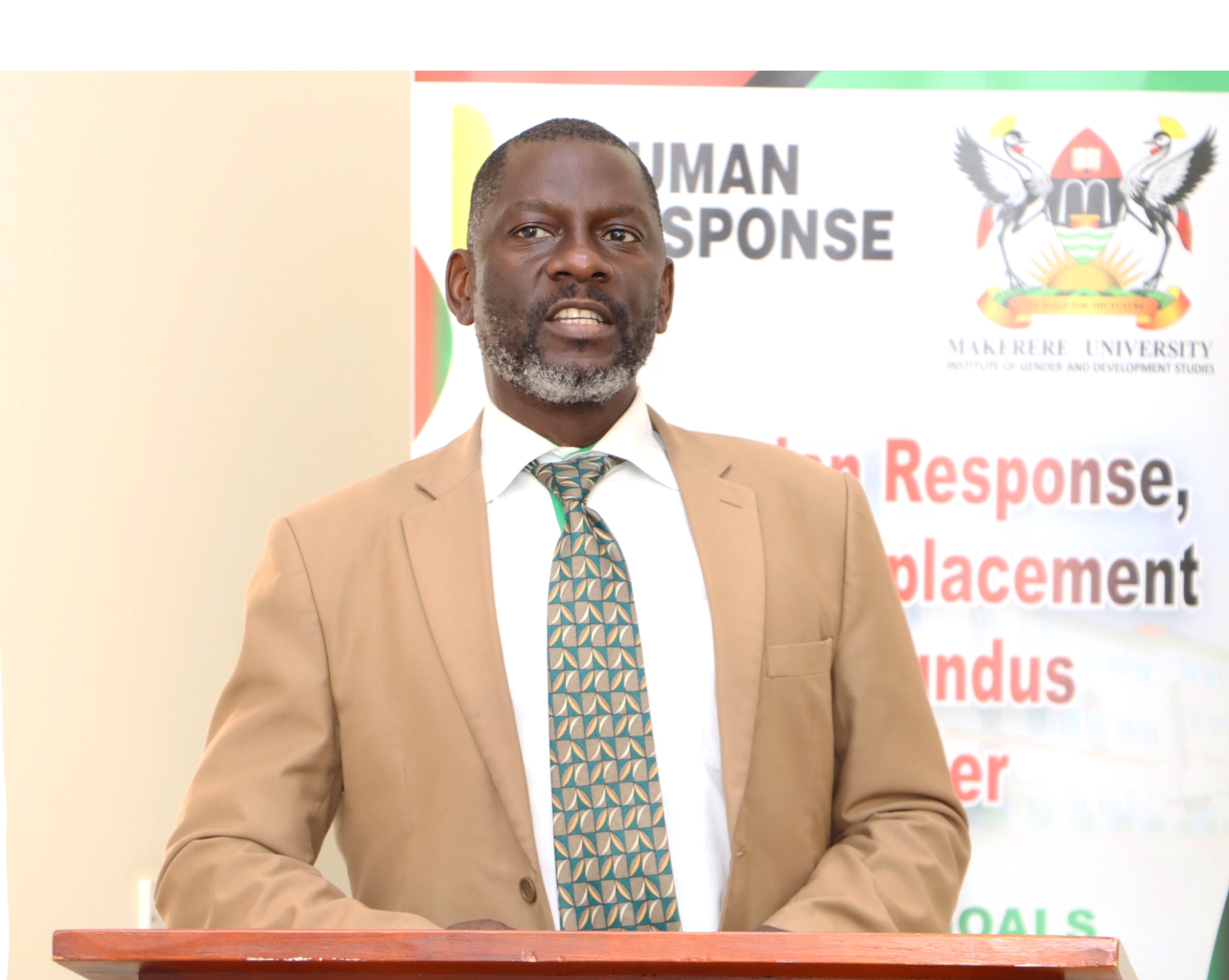
He explained that students admitted under this arrangement must still have their academic qualifications assessed to ensure they meet Makerere’s standards.
“A short-term student is one who comes, qualifies, they must qualify.”
Kikooma said the Directorate was particularly pleased that the students had been placed in the College of Humanities and Social Sciences, which he described as one of Makerere’s most dynamic colleges in terms of curriculum and its ability to attract students from different countries.
He said a review of Makerere’s international graduate students showed that many were enrolled in CHUSS.
He attributed this to the college’s experience in managing students from diverse backgrounds and offering programmes capable of attracting international students.
He said the students had joined a college with a strong academic heritage and encouraged them to make the most of its intellectual environment.
Kikooma also connected the programme to Makerere’s broader post-centenary transformation.
He said that after celebrating its first 100 years, Makerere recognised that while it had been highly successful in producing human resources for Uganda and the region, it had not been equally recognised for producing graduates for countries farther afield.
He said the university had consequently placed greater emphasis on attracting international students and encouraging academic units to develop curricula capable of attracting learners from around the world.
“We are keen on encouraging units to actually write curriculum that should be attracting students from afar.”
He said the presence of students representing 16 countries was significant because some institutions struggle to attract even a small number of different nationalities.
Kikooma noted that the current cohort was only one programme among many at CHUSS, which he said already attracts a wide range of international students.
He praised the college’s dynamism and its contribution to Makerere’s internationalisation agenda.
He also recalled his previous service in the college administration, where the institution used the mantra “CHUSS on the move”, describing its ambition to remain dynamic.
He noted that the college now describes itself as a “mine of excellent minds” and said the description was supported by Makerere’s historical record.
According to Kikooma, many of the scholars who contributed to Makerere’s past reputation as the “Harvard of Africa” were associated with the humanities and social sciences.
He encouraged the international students to learn from this academic heritage while also experiencing Uganda’s cultural diversity.
He pointed out that although Uganda is not among Africa’s largest countries by land size or population, it is highly diverse and has more than 56 languages.
Kikooma said that diversity provides lessons for the students about how different communities can coexist and how diversity can be transformed into an asset for development.
He urged university staff to ensure that the students have a memorable experience that could encourage them to maintain links with Makerere after completing the programme.
He told the students that if their decision to join the programme was voluntary, they had made the right choice and should take advantage of the opportunity.
International students can strengthen Makerere’s global networks
The Acting Principal of CHUSS, Associate Professor Eric Awich Ochen, welcomed the students on behalf of the college, Makerere University and Uganda.
Awich said he was pleased that many students had already developed a positive impression of Uganda.
Drawing from his own academic and research collaborations, particularly with institutions in Norway, he highlighted the value of international academic partnerships.
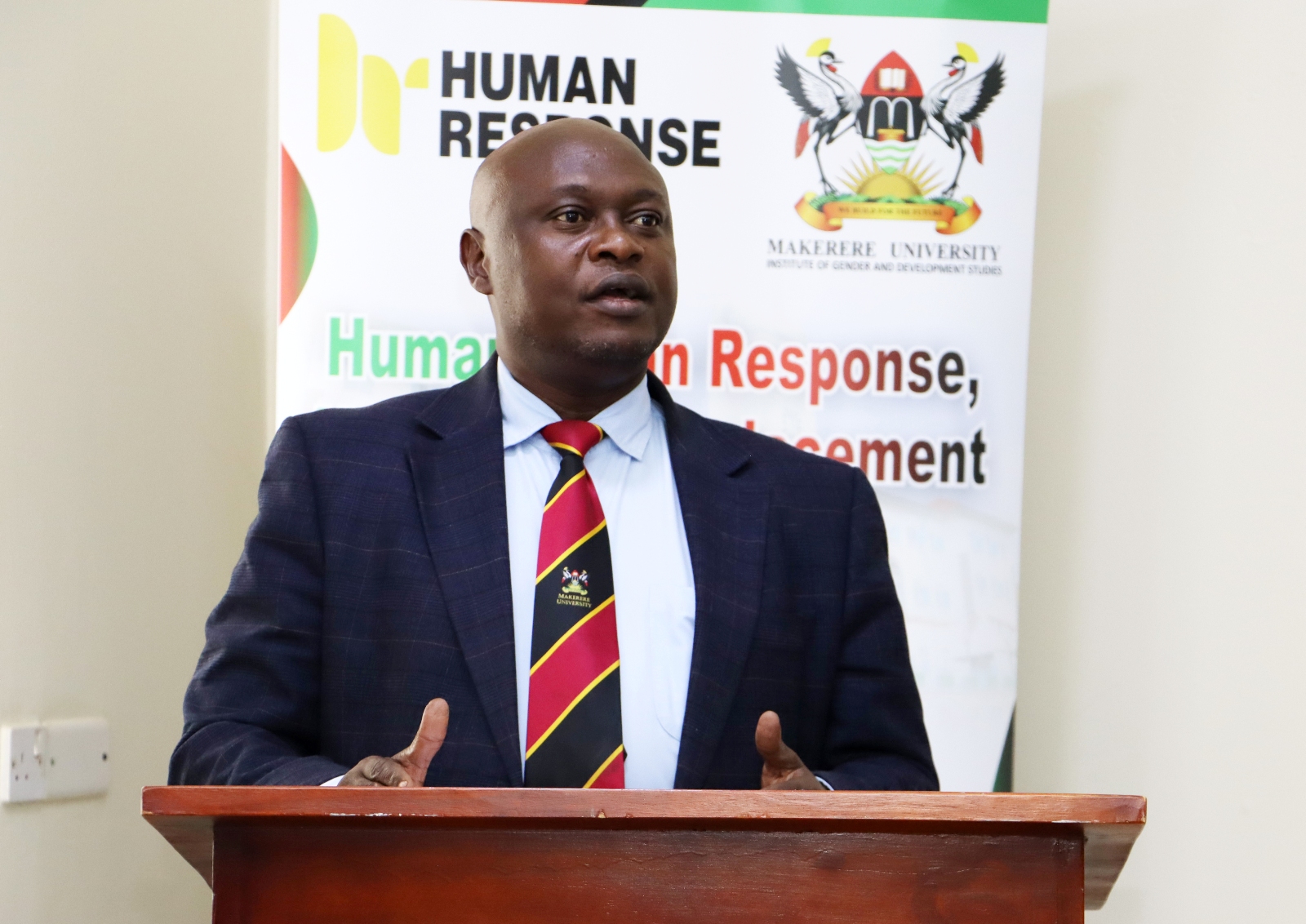
He spoke positively about Norway and his experiences there while also recognising the humanitarian challenges faced by countries represented in the cohort.
Awich expressed sympathy to students from Nepal over the recent flash floods that resulted in loss of lives and destruction, commending the response of the Nepalese government and international community.
He also encouraged the students to experience Uganda’s natural and cultural environment.
He highlighted the country’s fresh fruits, juice and organic food and urged the students to make use of the opportunity to explore different parts of Uganda.
“Uganda is one of the most beautiful countries in the world as well. The people here are very warm, they are welcoming.”
Awich encouraged the students to make friends with Ugandan families, visit different regions and learn about communities beyond Makerere.
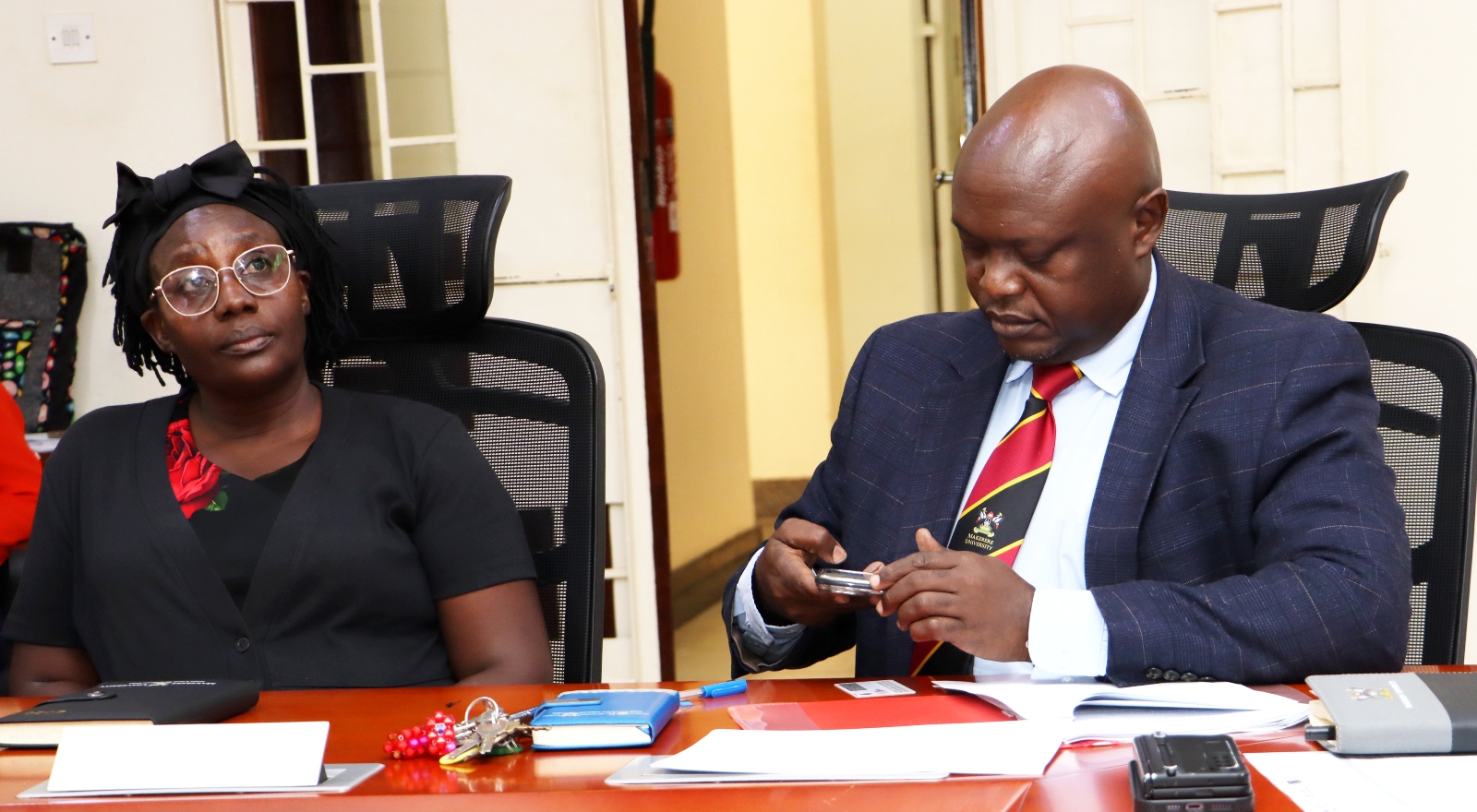
He said he comes from Gulu in northern Uganda and noted the region’s rich food culture and significant refugee population.
He said the students could benefit from learning about different parts of Uganda if their programme activities allowed them to travel.
Awich also disclosed that Makerere University Council Chairperson Dr Lorna Magara had been informed about the Human Response programme and was pleased by the number of nationalities it had attracted.
He explained that the chairperson of council has overall responsibility for the university and holds the institution’s leadership accountable.
According to Awich, the university leadership sees the programme as an opportunity for CHUSS to demonstrate its capacity to host international students and build relationships with institutions and professionals around the world.
He said students could become important links between Makerere and organisations in their home countries.
“You are going to help us build more networks. You’ll bring us more grants that can help us to serve humanity better.”
Awich said such networks could eventually result in additional partnerships, grants and collaborations that would strengthen Makerere’s ability to serve communities.
He nevertheless cautioned the students to prioritise their personal safety.
He acknowledged that although Uganda is generally welcoming, students should be aware of a few security and social challenges and follow the guidance provided by university administrators.
He urged them to enjoy Uganda while remaining careful and responsible.
Uganda’s refugee burden makes humanitarian training timely
The Head of the Department of Social Work and Social Administration, Dr Dennis Muhangi, welcomed the students and introduced the department as one of the principal academic hosts of the programme.
Muhangi explained that several members of the programme team were from the Department of Social Work and Social Administration, including Professor Faminus Mugumya and Dr Justus Twesigye.
He said the department was excited to host the first batch of students under the programme.
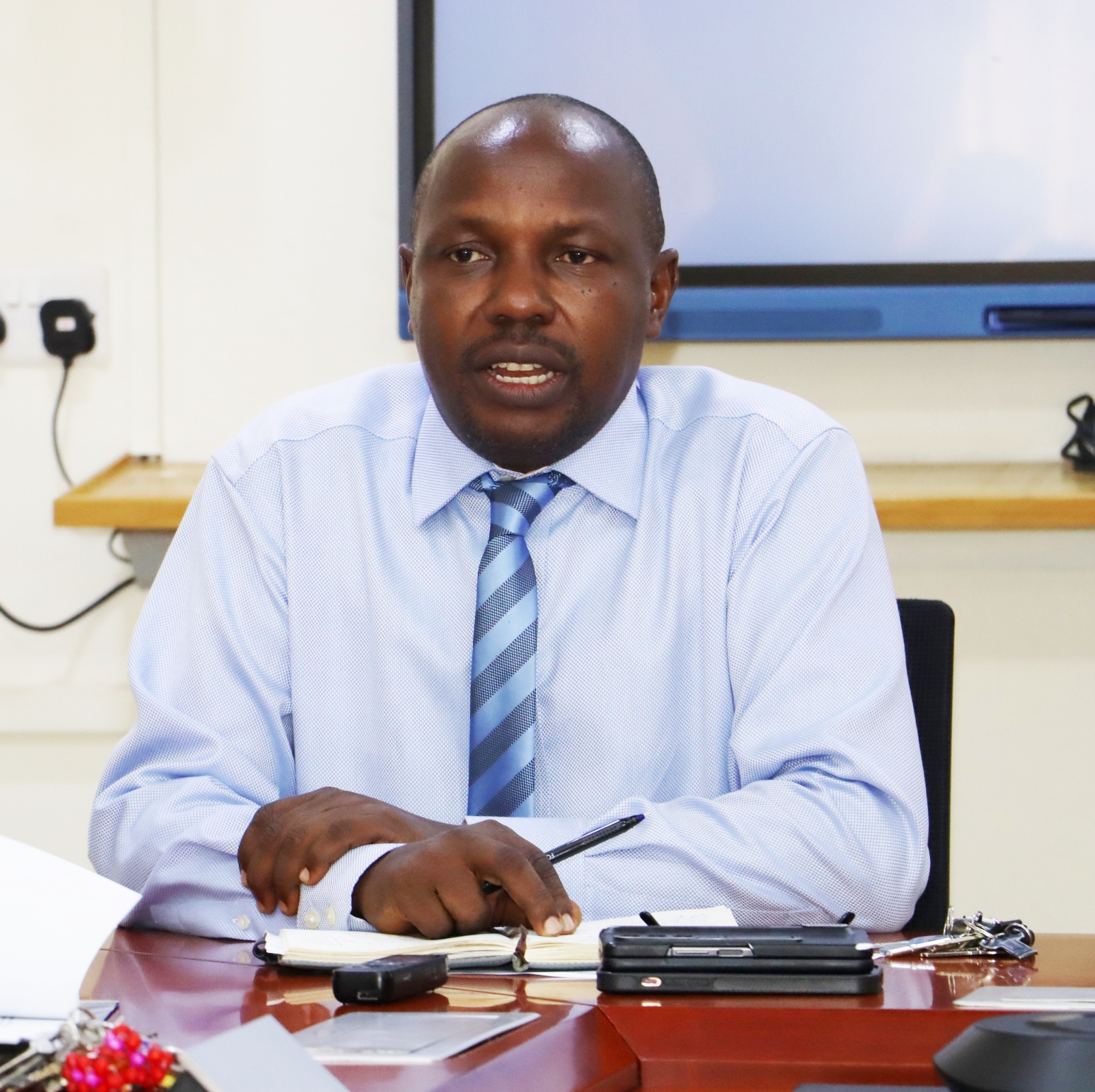
According to Muhangi, the programme fits directly into the department’s academic focus because social work deals extensively with humanitarian response, migration, refugees, displacement and disasters.
“This programme is really relevant to our issues of concern.”
He said the department would support the students academically while exposing them to the realities of humanitarian situations in Uganda.
Muhangi said the exchange would benefit both international and Ugandan students because knowledge would move in both directions.
He particularly highlighted Uganda’s position as one of the world’s leading refugee-hosting countries, saying this makes Uganda an important setting for humanitarian studies.
He described the programme as timely and thanked its investigators and coordinators for developing it.
Muhangi also praised the diversity of the cohort, saying students from developing countries can learn from one another because many of their countries face related development challenges.
He said no country has a universal solution to development problems, making experimentation, learning and exchange of best practices essential.
“We have to continue learning from each other. We have to continue experimenting as we address these challenges.”
Muhangi said the department has a long history of international collaboration, including previous programmes involving institutions in Portugal, Norway and Sweden.
He cited the M-Family Programme as an example of a previous collaboration through which Ugandan students obtained master’s degrees, while international students were hosted at Makerere and conducted research in Uganda under the supervision of Makerere academics.
He expressed confidence that the Human Response programme would achieve similar success.
Muhangi said the programme also fits Makerere’s strategic plan, particularly the university’s internationalisation agenda and focus on graduate education.
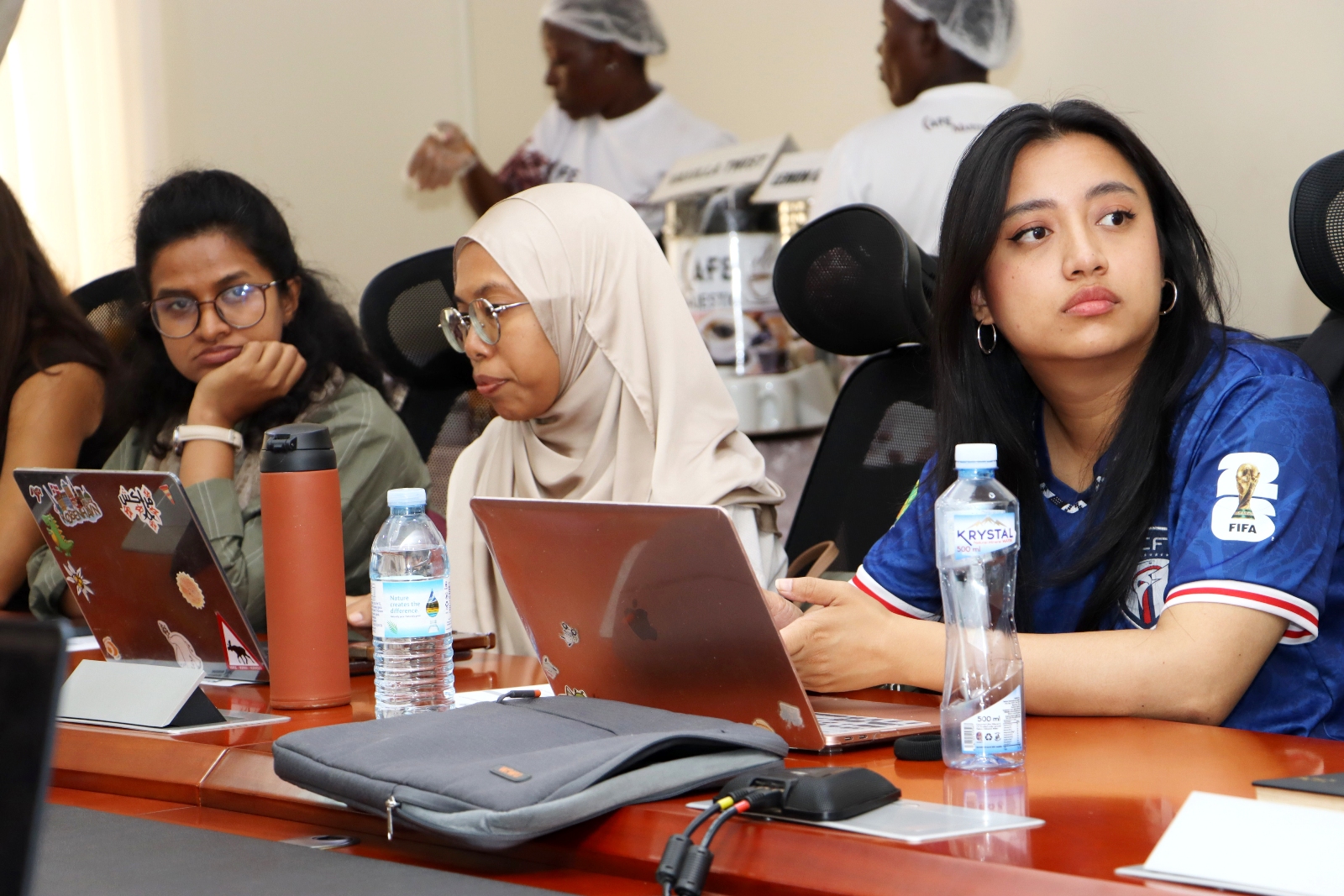
He encouraged the international students to interact with local graduate students and Makerere researchers.
He said the department planned to organise more formal interactions between the international cohort, local graduate students and members of staff so that students could learn about research interests, publications and ongoing academic work at Makerere.
Muhangi also encouraged the students to experience everyday Ugandan life while remaining cautious, joking about the popularity of boda bodas and warning them against attempting to ride motorcycles on Kampala’s roads without adequate experience.
He further praised students who had already begun participating in activities outside their accommodation, saying engagement with communities, religious institutions and other social spaces could enrich their experience.
Alight to expose students to practical refugee-response work
Andrew Edwin Mubanda, Alight Operations and Future Kind Portfolio Lead, thanked Makerere for establishing a programme that facilitates learning across borders and prepares the next generation of humanitarian professionals.
He explained that Alight is an international humanitarian organisation headquartered in the United States that works with displaced people, refugees and asylum seekers.
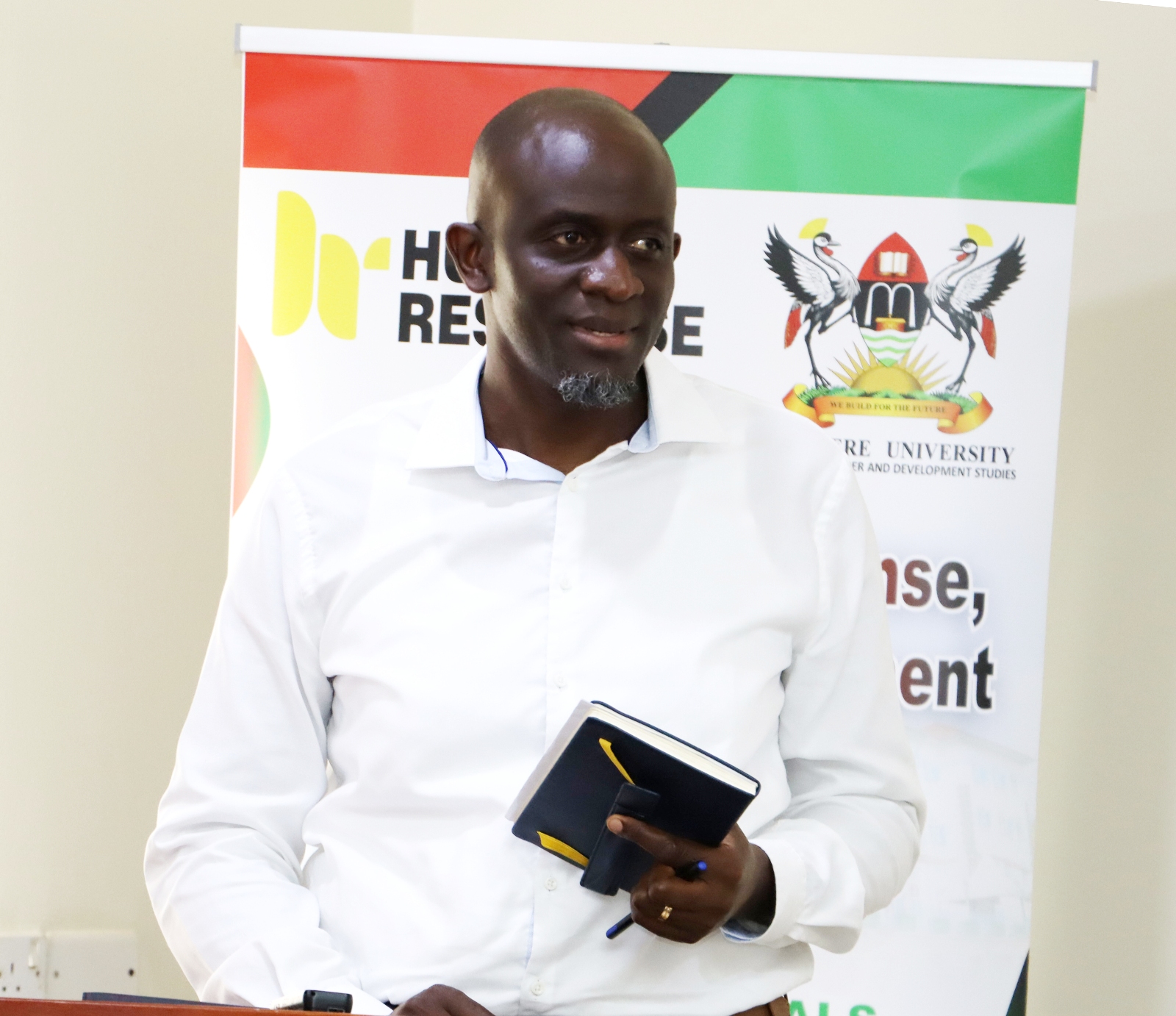
Mubanda said Alight refers to displaced people it serves as “customers” and works with them from the time they arrive in a country through transit and reception centres and into refugee settlements.
He said the organisation’s central focus is preserving the dignity of displaced people rather than limiting its interventions to basic survival.
“What we are looking at, you heard the word future kind, it means how can you live your life and progress to where you wanted to be even in refugee status.”
Mubanda said Alight supports refugees to develop livelihoods, acquire skills and generate income so that they can continue building their lives even while displaced.
He outlined several areas of Alight’s work, including protection, legal assistance, mental health, gender-based violence prevention and education.
He said the organisation also operates a library in Nakivale Refugee Settlement serving children and adults and works with the National Library Network and Uganda Communications Commission to improve digital and library skills among refugees.
Mubanda said Alight also implements a project supported by UN Women in Natchi Valley and Chakatu refugee settlements in Kyegegwa, focusing on protection, legal support, gender-based violence and mental health.
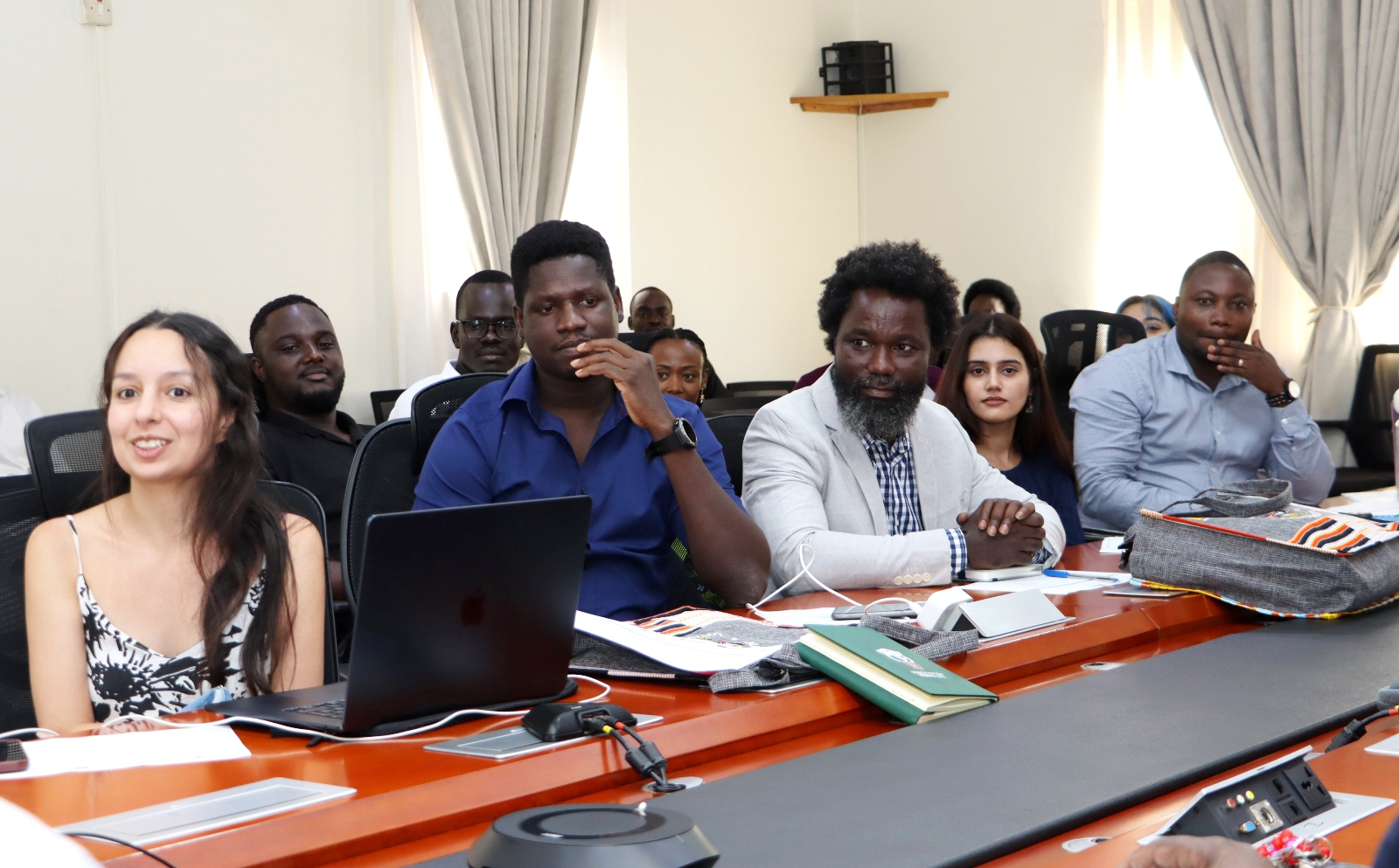
He also described Alight’s livelihoods interventions, including its Self-Right flagship project.
Under the initiative, motorcycles are provided on loan to members of refugee and host communities, particularly refugees, who repay the loans over a period of about two years through weekly payments.
He said participants can eventually graduate from the scheme after completing their repayments and that the programme has produced several success stories.
Mubanda said these interventions demonstrate how humanitarian assistance can move beyond immediate survival towards long-term self-reliance.
He invited the students to learn from Alight’s programmes in Uganda and develop a broader understanding of the organisation’s humanitarian operations globally.
“We’ll be very excited to see you work with us and learn from ALIGHT and what we do in Uganda and also have a picture of what we do around the world.”
Red Cross offers wider humanitarian experience beyond blood donation
Uganda Red Cross Society Director of Operations Dr Racheal Harriet Kagoya told the students that the organisation’s humanitarian work extends far beyond the commonly known areas of blood donation and emergency medical services.
She said Uganda Red Cross has a formal memorandum of understanding with Makerere University covering research and training, providing a foundation for collaboration under the Human Response programme.
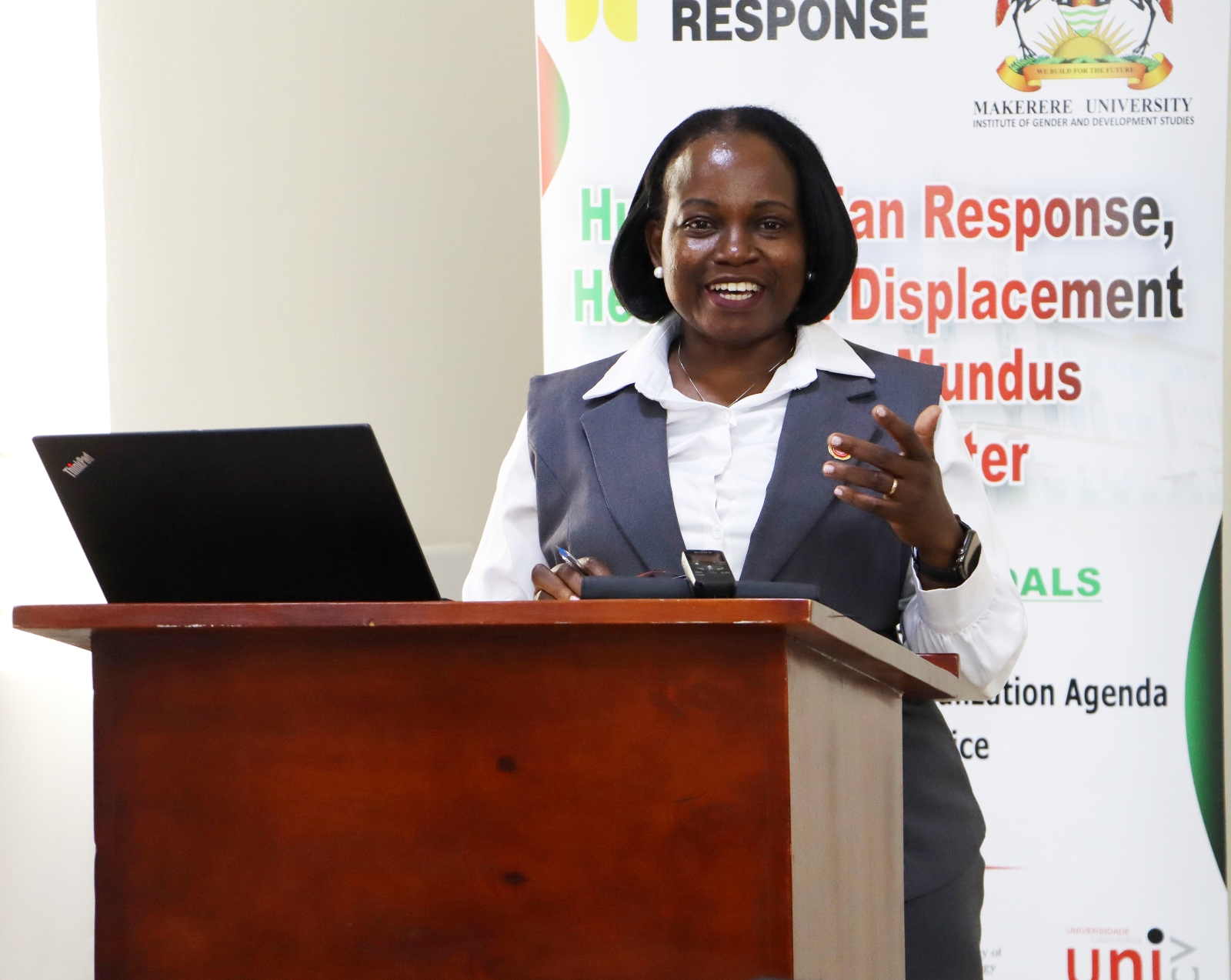
Kagoya explained that Uganda Red Cross was established through an Act of Parliament in 1964 and now operates through 51 branches across the country.
She said the organisation is one of 191 national societies within the global Red Cross and Red Crescent Movement.
She outlined the organisation’s work in disaster risk management, particularly preparedness and response to climate-related disasters.
She cited the organisation’s response to a landslide disaster in Kampala that claimed about 35 lives and its preparations for periods of heavy rainfall and other climate-related emergencies.
Kagoya also highlighted the organisation’s work on population movement, saying Uganda Red Cross operates in all 13 refugee settlements and is particularly active in Kiryandongo, where large numbers of refugees are hosted.
“Anything disaster, preparedness and response, we have interventions.”
She said Uganda Red Cross also works in health and social services, emergency response, road traffic accident response and epidemic preparedness, including current Ebola preparedness and response activities.
The organisation also supports blood donor mobilisation and works with Uganda Blood Transfusion Services to increase the country’s blood supply.
Kagoya said Uganda Red Cross has helped mobilise more than half of the blood collected for Uganda’s population over several years.
Beyond emergency interventions, she said the organisation implements programmes covering food security, livelihoods, nutrition and sexual and reproductive health.
She said research is another important area, with the organisation conducting studies aimed at generating evidence for humanitarian programming and improving the quality of its interventions.
Kagoya also emphasised the organisation’s growing focus on community engagement and accountability, protection, gender and inclusion, mental health and psychosocial support.
She said Uganda Red Cross works closely with government institutions including the Ministry of Health, Ministry of Water and Environment, Ministry of Gender and Ministry of Education.
She also highlighted the organisation’s youth networks in universities and schools, where Red Cross chapters provide opportunities for young people to participate in humanitarian activities.
Kagoya encouraged the students to use their time in Uganda to interact with humanitarian organisations and, where possible, visit communities served by the Red Cross.
“If you choose to come to Uganda, Red Cross will be more than glad to share the experiences, and where possible, you have an opportunity to interface with some of the communities.”
Field placements will connect students to real humanitarian crises
The Dean of the School of Social Sciences, Dr Justus Twesigye, said the official welcome by senior university leadership had given the programme team confidence to proceed with the next stages of implementation.
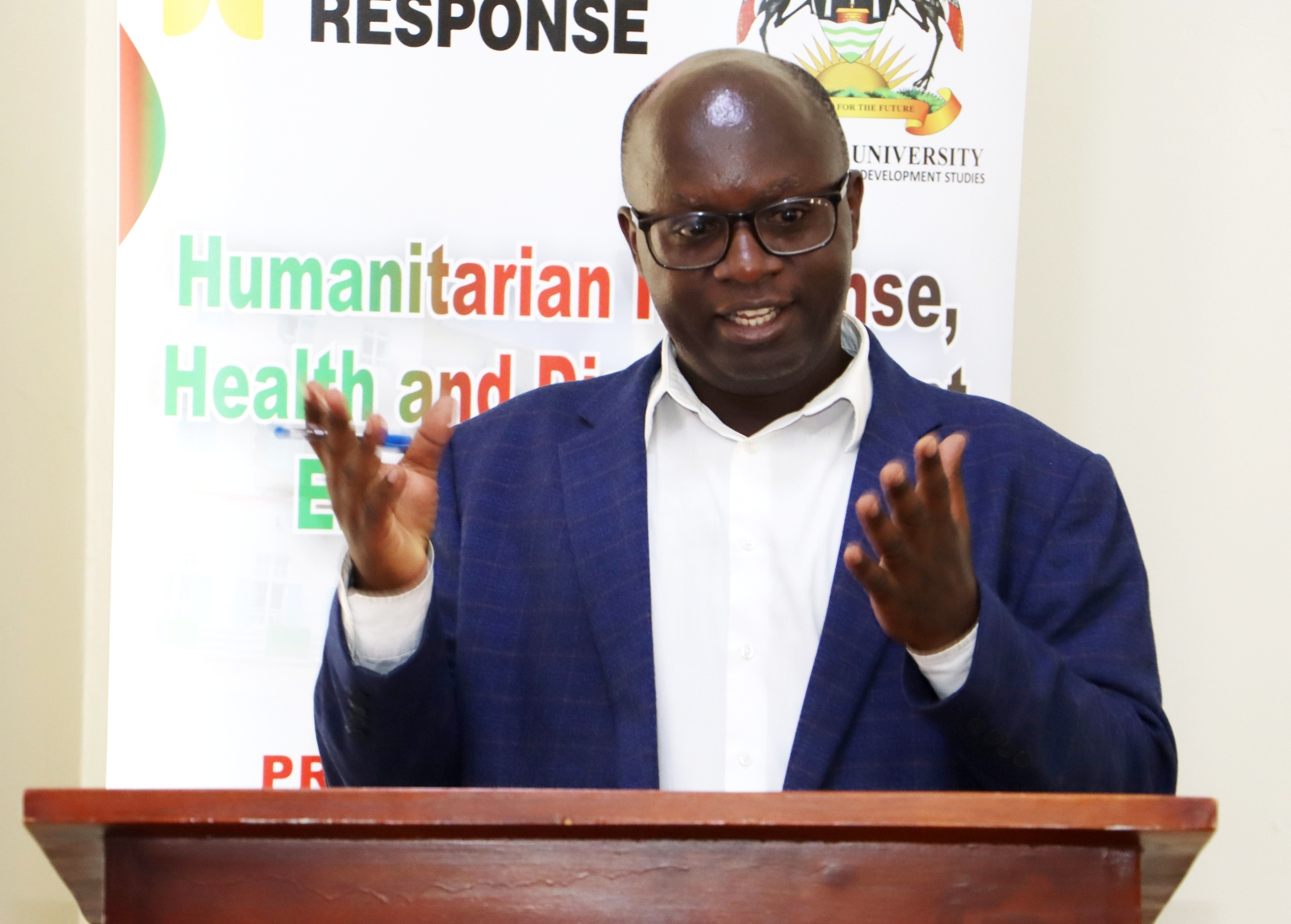
He thanked the university’s top management, including the representative of the Deputy Vice Chancellor, the Directorate of Graduate Research and Training and the Deputy Principal of CHUSS, for prioritising the programme despite competing institutional commitments.
Twesigye said the programme team still had administrative work to complete, particularly ensuring that the international students were fully registered.
He assured the students that the registration process would be expedited because becoming fully registered students was one of the immediate priorities.
He also thanked the Department of Social Work and Social Administration and members of the programme team for their contribution to establishing the initiative.
Twesigye highlighted the role of associate partners in making the programme practical.
He said the humanitarian organisations would not simply remain external partners but would participate directly in classroom teaching, bringing field experience into academic discussions.
“It is not us being here, and we teach things theoretically, and then… If we would not be in the field, they are there.”
He said several associate partners were expected to participate in teaching while students would also visit the field and work with humanitarian organisations.
The practical component, he said, would allow students to understand humanitarian response beyond theoretical discussions and directly engage with the communities and organisations involved in humanitarian work.
Twesigye said two associate partners were already present during the orientation, while additional partners were expected to participate in the programme.
He outlined planned interactions involving students, teachers and humanitarian partners, including opportunities for photographs and networking.
He also thanked university service providers and individuals who contributed to the establishment and implementation of the programme.
Among those recognised were Makerere’s public relations personnel, International Relations staff and others who supported the programme’s application and approval processes.
Twesigye particularly recognised International Relations staff for their role in ensuring that critical documentation and approvals were completed before deadlines during the programme’s application stage.
He also thanked those who provided refreshments and logistical support for the welcome event.
The dean concluded by encouraging continued cooperation among university management, academic staff, students and humanitarian partners as the programme progresses.
The concept outlines Erasmus+ Human Response as a multidisciplinary, internationally delivered programme focused on preparing professionals to address increasingly complex humanitarian crises.
Erasmus+ Master of Humanitarian Response, Health and Displacement Programme
The Master of Humanitarian Response, Health and Displacement (Human Response) is an Erasmus+ programme funded by the European Union under Grant Agreement No. 101180512. It is implemented by a consortium of seven universities from Europe and Africa, coordinated by the University Institute of Lisbon (Iscte) in Portugal, with partners from Norway, Uganda, Cape Verde, Greece and Mozambique.
The programme brings together expertise in humanitarian action, global public health, social support, displacement, research, humanitarian coordination, disaster response, human rights, technology and development. It is designed to train multidisciplinary professionals with the knowledge and practical skills needed to analyse complex humanitarian crises and develop innovative responses across the full humanitarian response cycle.
Human Response combines classroom teaching with field-based and experiential learning, internships, summer schools and research. Makerere University leads training in social support, displacement and the relationship between humanitarian and development assistance, while other partner universities provide specialised training in public health, humanitarian management, disaster response, refugee and migrant protection, research methodology, technology and humanitarian innovation.
The programme also works with humanitarian organisations and government institutions, including the Ministry of Water and Environment, ALIGHT Uganda, Uganda Red Cross Society and the Refugee Led Organization Network, to provide students with practical field experience and opportunities to engage with communities and humanitarian practitioners.
A key feature of Human Response is its emphasis on South-South, South-North and local collaboration. Students study across partner institutions in both the Global North and South and undertake internships, summer schools and dissertation research in different humanitarian contexts. This approach strengthens internationalisation while promoting the exchange of knowledge and experiences between countries facing diverse humanitarian challenges.
The programme responds to growing humanitarian needs arising from armed conflicts, displacement, climate-related disasters, disease outbreaks, pandemics and other social and economic uncertainties. It seeks to strengthen evidence-based humanitarian practice, university-community engagement and the capacity of local actors to respond effectively to crises.
The current cohort comprises 17 students representing 16 countries, reflecting the programme’s strong international and multidisciplinary character. By combining academic knowledge, practical experience and research, the Erasmus+ Human Response programme seeks to produce professionals capable of developing context-specific and sustainable solutions to humanitarian crises.
Jane Anyango is the Principal Communication Officer CHUSS
Photo credits: Peninah Nalubega, Year 4 student of Journalism and Communication



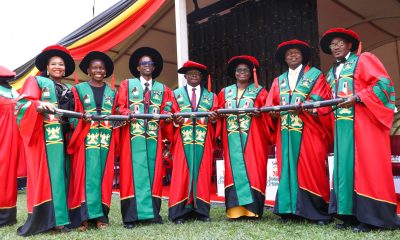






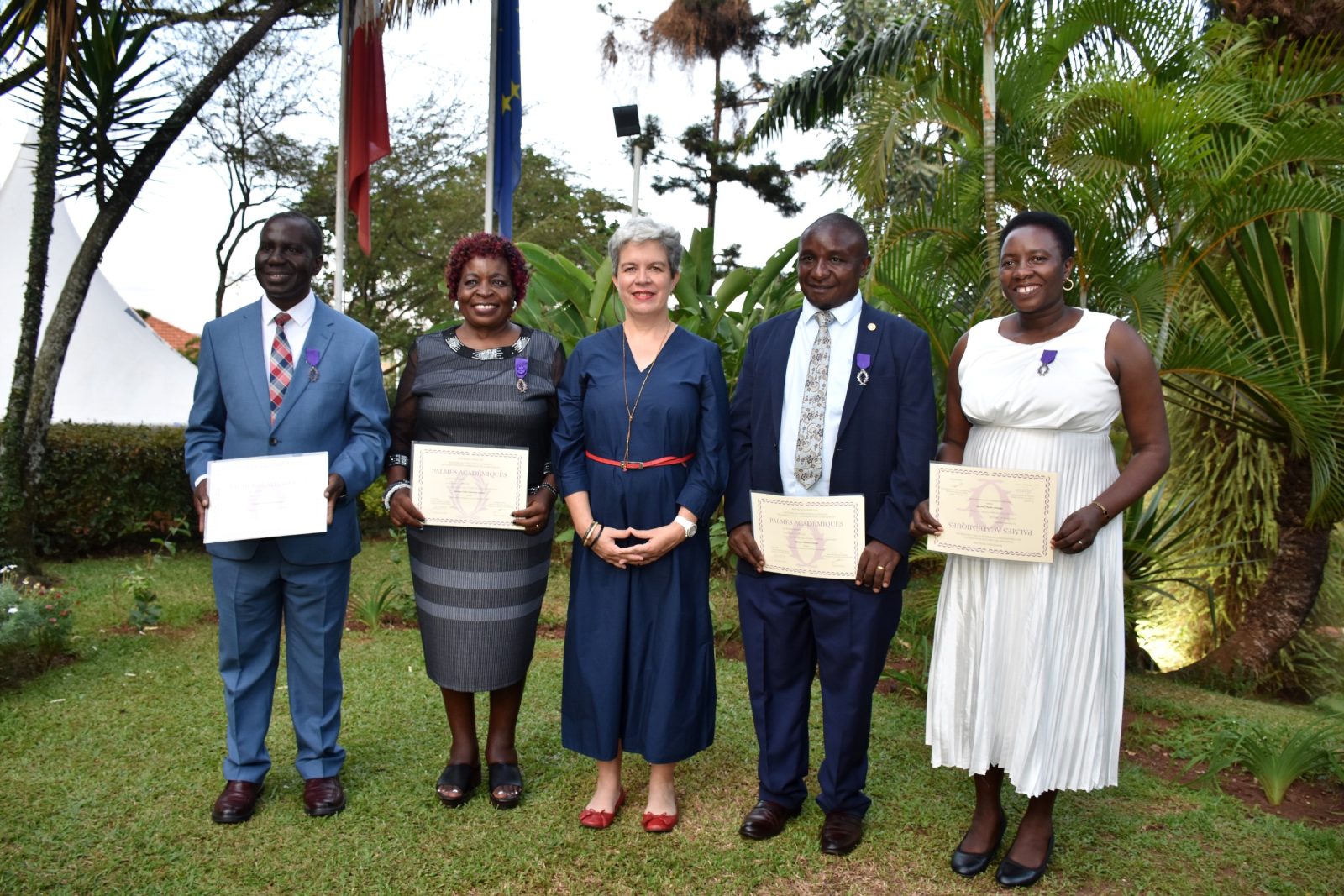
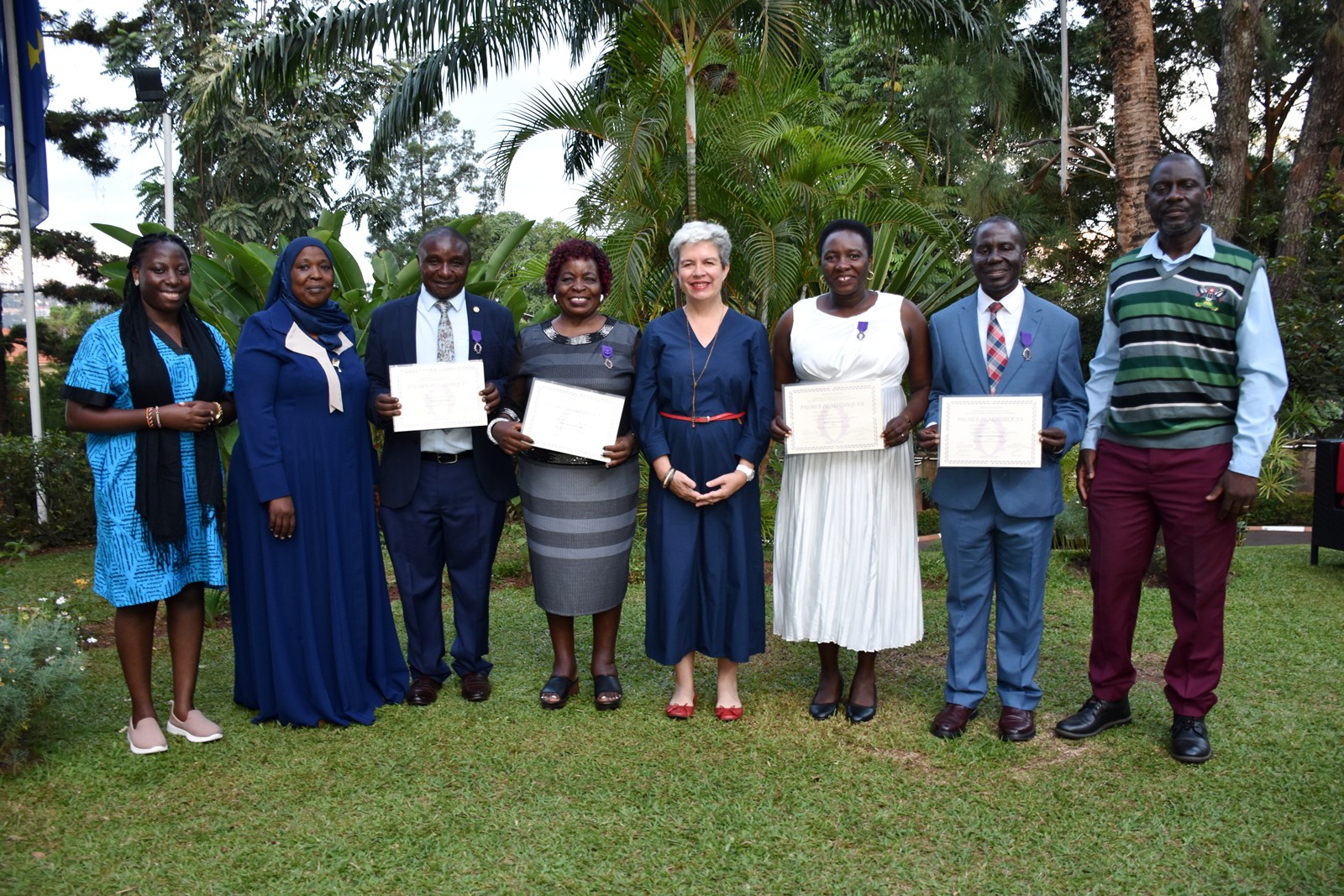
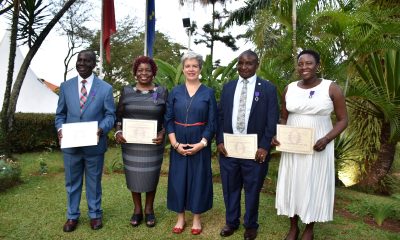
During a ceremony hosted by The French Embassy in Uganda on Wednesday, October 7 2026, four Makerere-affiliated academics were honoured with French Order of Academic Palms for their effort in strengthening working relations between France and Uganda.
The individuals recognised for their dedication to education, research, and the teaching of French include; Professor Edith Ruth Natukunda Togboa, Dr Agatha Tumwine, Professor Christian Kakuba, and Professor Enoch Sebuyungo.
During the ceremony, the French Ambassador H.E. Virginie Leroy highlighted that the partnership between France and Uganda partly thrives on the commitment of teachers and researchers who facilitate dissemination of knowledge and build lasting connections between the two nations.
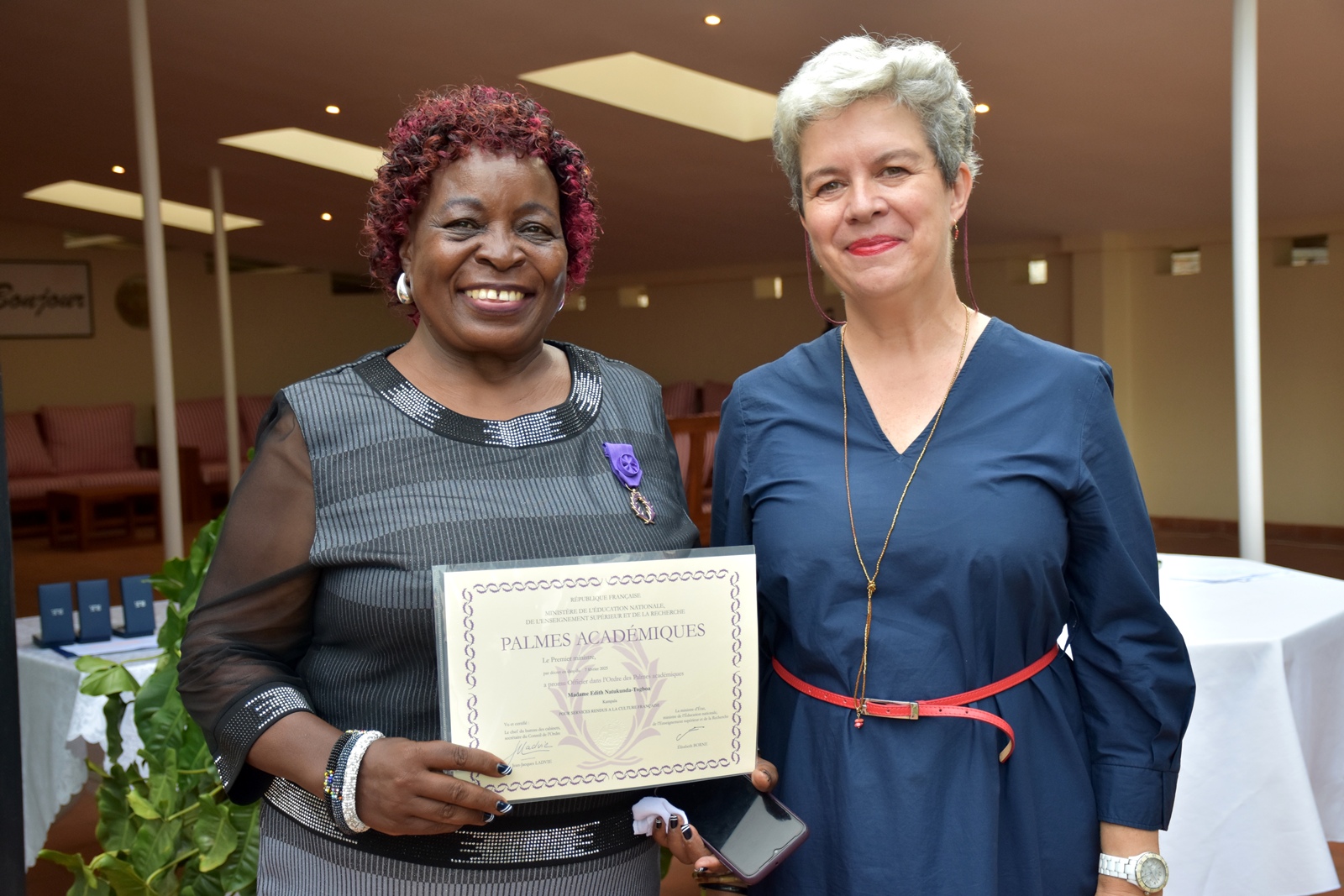
One of the recipients, Professor Edith Ruth Natukunda Togboa, who was promoted to the rank of Officer of the Academic Palms is a long-time French instructor at Makerere University.
Professor Natukunda Togboa focused her career on bilingualism, translation, and language policy since returning from her studies in France in the 1980s.
Dr Agatha Tumwine the other recipient was appointed Knight of the Academic Palms.
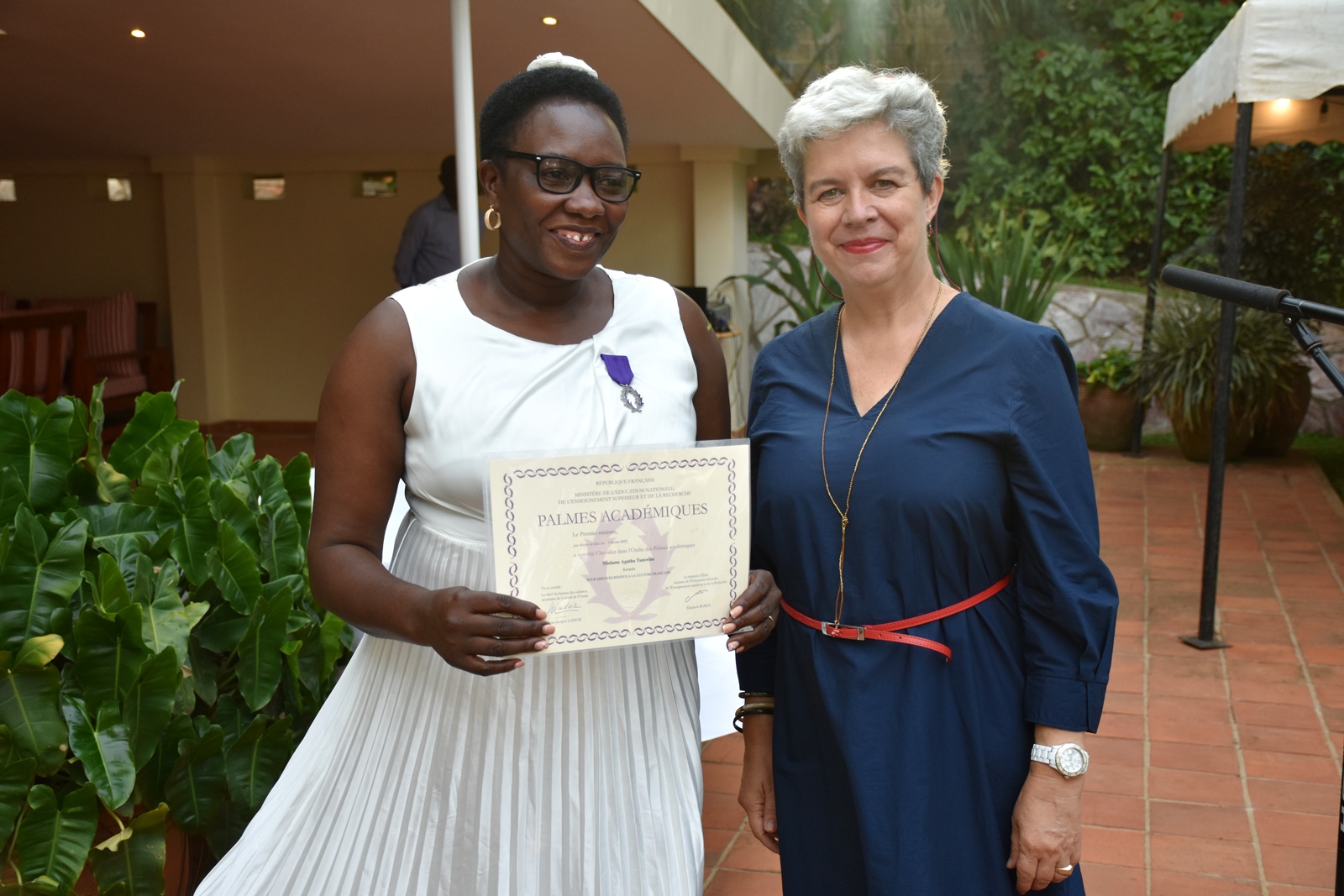
As a Lecturer at Makerere University and President of the Association of French Teachers in Uganda (APFO), Dr Tumwine is recognised as instrumental in strengthening the French-teaching community and facilitating cooperation with the French Embassy.
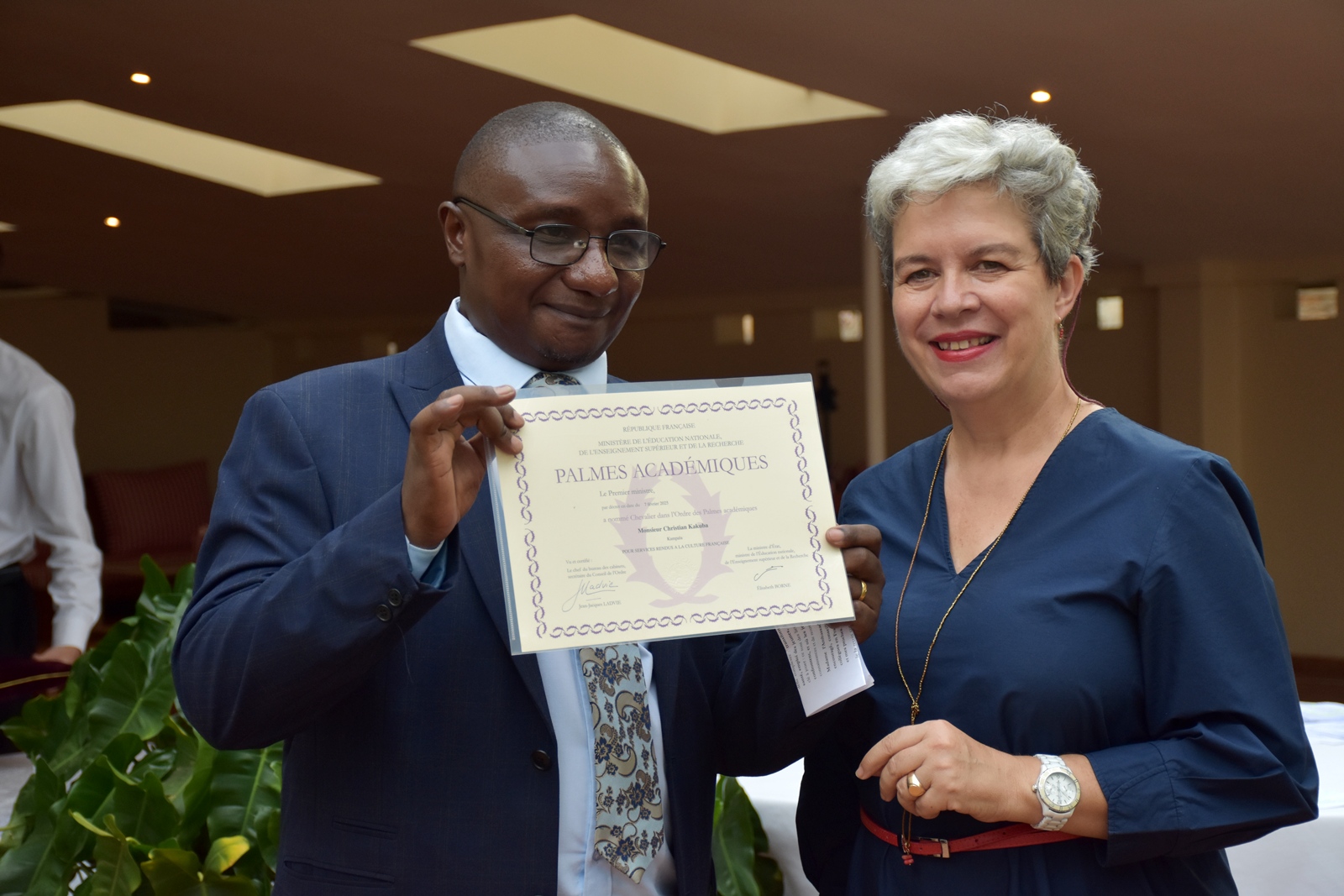
The third is Professor Christian Kakuba who also received the rank of Knight. With nearly 30 years of experience at Makerere University in socio-demography and applied statistics. He has been a key figure in training new researchers and maintaining ties with the French National Institute for Demographic Studies (INED).
The fourth, Professor Enoch Sebuyungo, was equally appointed Knight of the Academic Palms.
Professor Sebuyungo is a linguist trained in France, and has worked to promote French as a tool for professional training and dialogue. He has also supported French-speaking refugees through translation services.
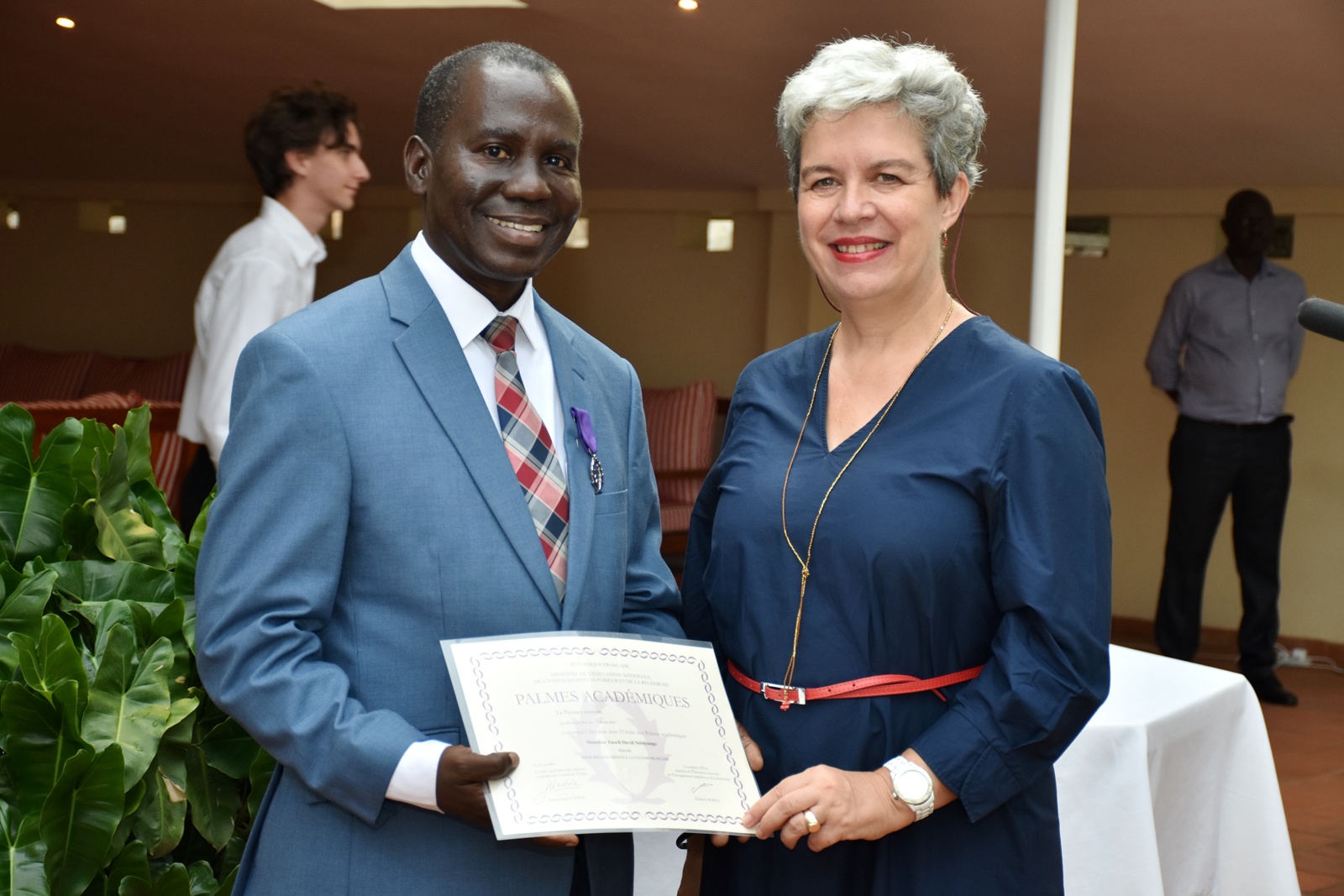
The Academic Palms (Ordre des Palmes Académiques) is an official National Order of Merit bestowed by the French Republic to honor distinguished academics, teachers, and individuals who have made valuable contributions to universities, education, science, and French culture.
Humanities & Social Sciences
MISR Director Assoc. Prof. Lyn Ossome Publishes New Book, Democracy’s Subjections

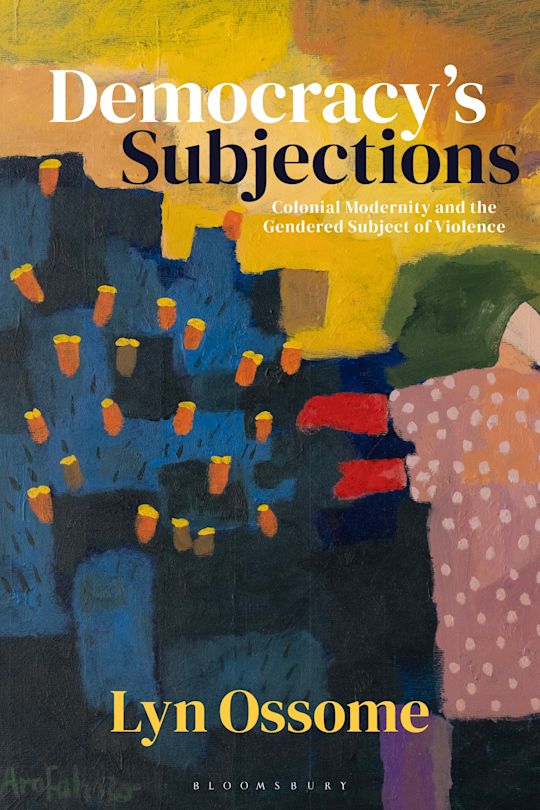
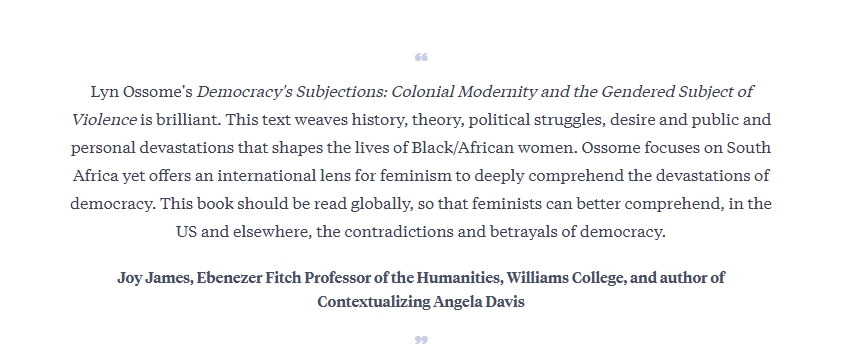
We are pleased to announce the publication of a new book by the Director, Makerere Institute of Social Research (MISR), Assoc. Prof. Lyn Ossome titled Democracy’s Subjections: Colonial Modernity and the Gendered Subject of Violence. It was published by Bloomsbury Academic.
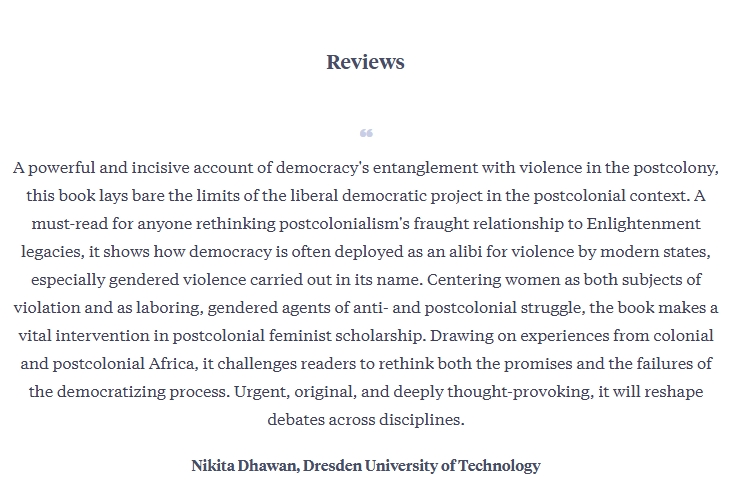
In this ground-breaking study, Lyn Ossome offers an authoritative, interdisciplinary theory of how postcolonial capitalist democracies reproduce the gendered forms of violence essential to colonial rule.
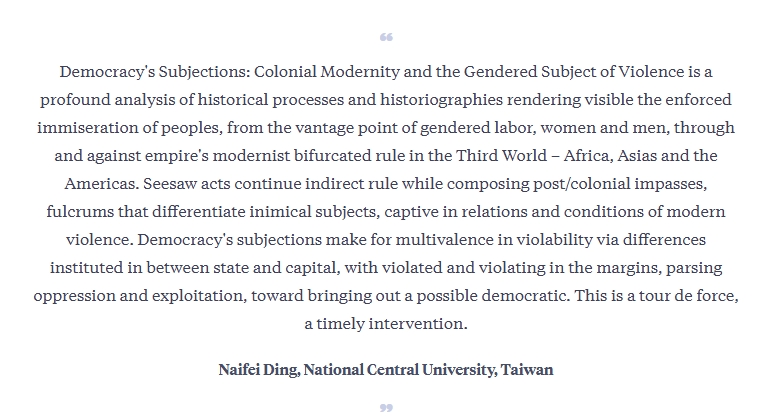
Through an interdisciplinary methodology traversing political studies, feminist political economy, historical and literary studies, Ossome shows how postcolonial, capitalist democracies in Africa, like their colonial antecedents, use various identity-markers to determine whose rights and bodies are violable, to what extent, and whether and how the violated have a right to resist. The book critically reflects on the dilemmas and contradictions produced by the colonial encounter and its subjugative orders for the postcolonial democratizing state, interrogating why the failures of democratic institutions target gendered, labouring bodies. Through evidence gathered from colonial archives in Kenya, Zimbabwe, and South Africa, as well as through critical comparisons of two artistic responses to gender-based violence and rape in South Africa and India, Ossome offers a trenchant critique that, beyond the contexts analysed, is relevant across the postcolonial Global South.
The Makerere University community heartily congratulates Assoc. Prof. Lyn Ossome on this new milestone!
Book cover
Reviews
Humanities & Social Sciences
Prof. Walakira takes over as CHUSS Deputy Principal, pledges research-driven leadership
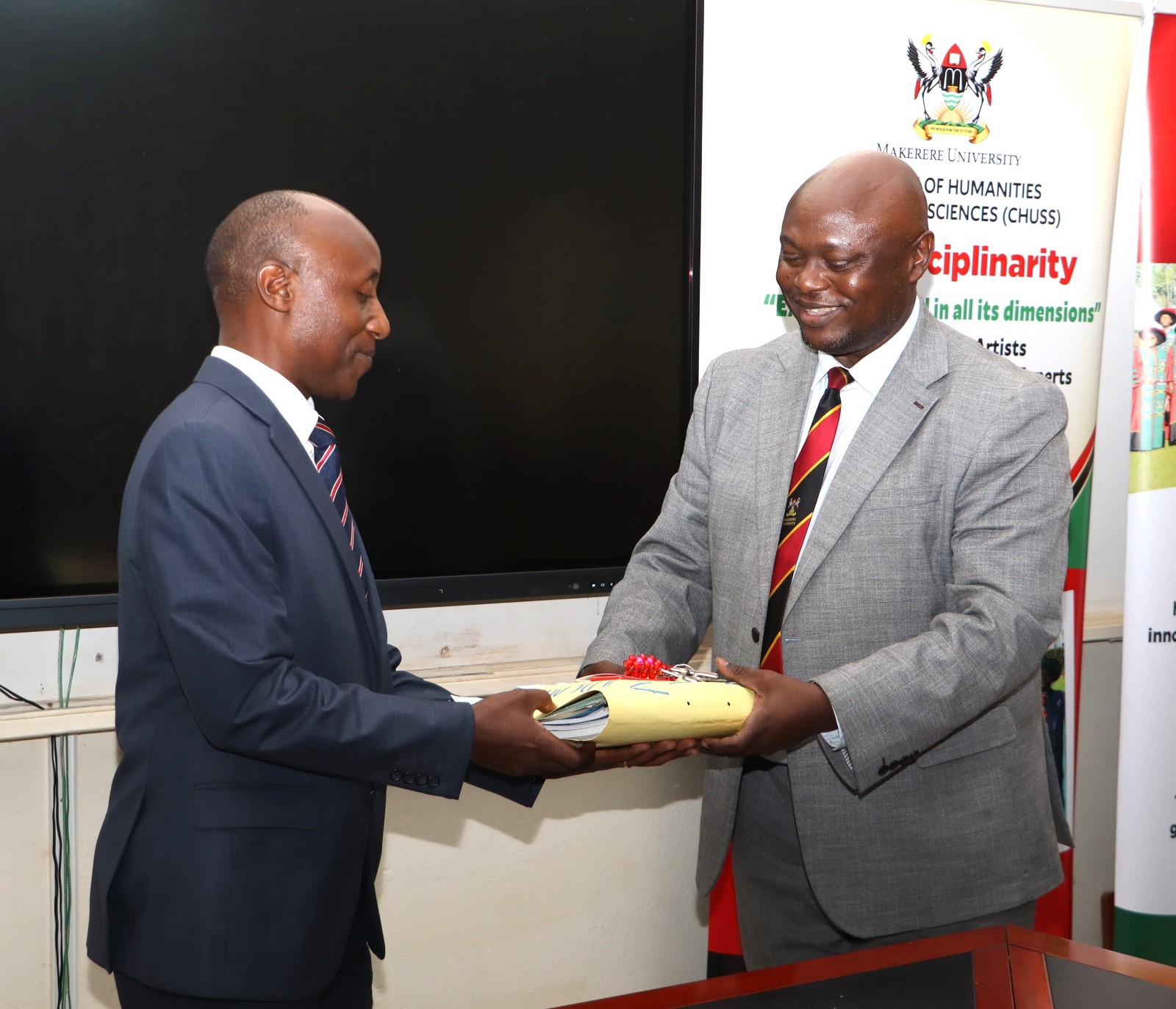
New Deputy Principal Prof. Eddy Joshua Walakira has pledged to build on the existing foundations at Makerere University’s College of Humanities and Social Sciences (CHUSS), with a focus on strengthening research, innovation, partnerships and the college’s income-generating capacity.
Prof. Walakira made the pledge on Monday, September 14, 2026, after officially taking over as Deputy Principal of CHUSS from Associate Prof. Eric Awich Ochen, who completed his four-year tenure after assuming office in April 2022.
The handover ceremony, held at the CHUSS Smart Room, brought together the College Principal, Associate Prof. Helen Nambalirwa Nkabala, deans, heads of departments, academic, administrative and support staff, as well as representatives from the Directorate of Internal Audit.
Walakira said he was taking over at a time when CHUSS had established a strong foundation and pledged to work with the Principal and staff to take the college to greater heights.
“I’m coming in with a lot of hope, a lot of courage and a lot of optimism because the foundations are already in place and the structures are already in place,” Walakira said.
He said his immediate priority would be to understand the needs of the different schools and departments and develop practical interventions, particularly in research, innovation and partnerships.
The incoming Deputy Principal said he intends to undertake a tour of CHUSS schools and departments to assess their research, innovation and partnership needs. said the exercise would help management identify existing capacities, gaps and opportunities that could be developed into practical plans for the college.
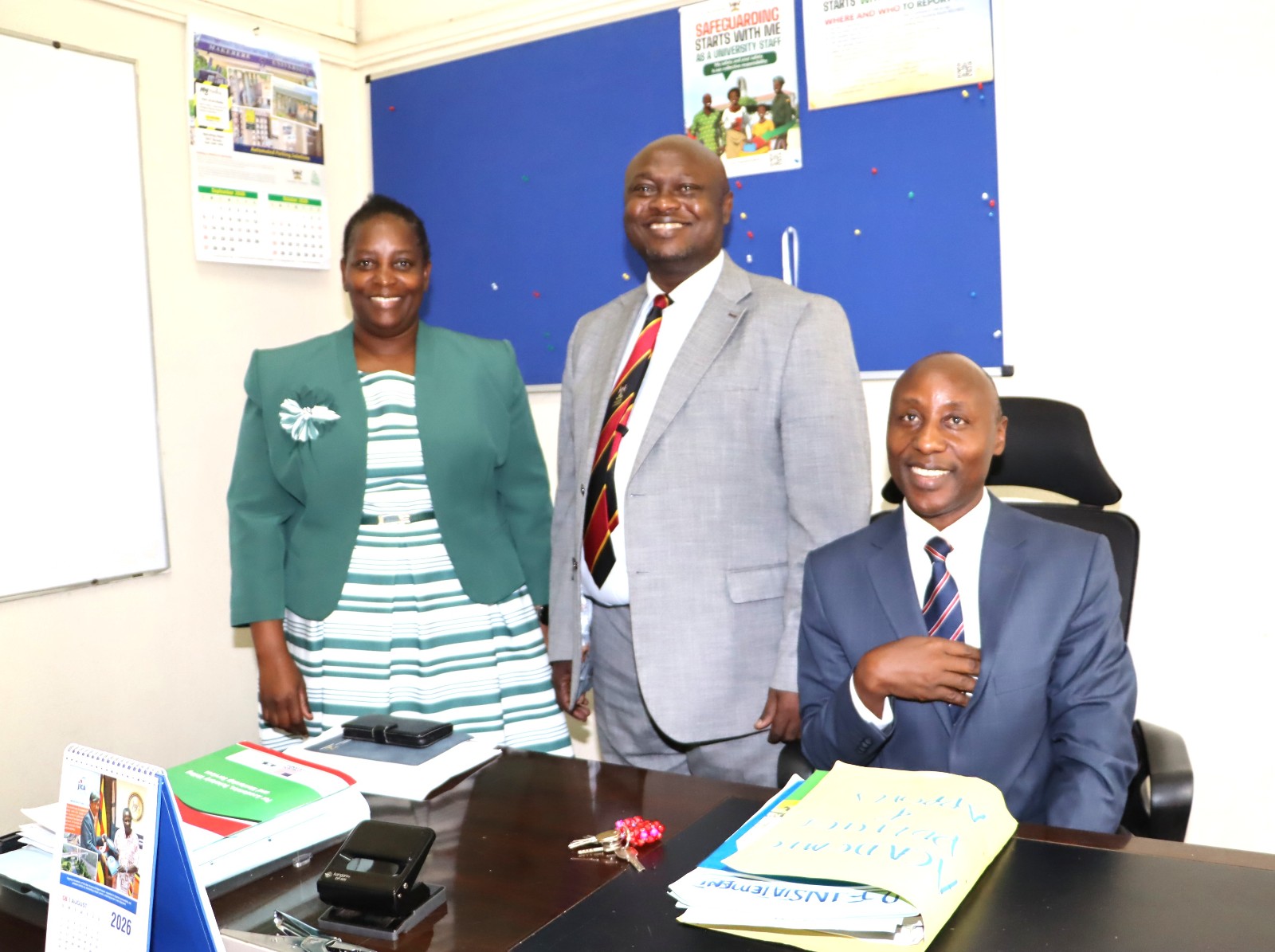
“My thinking is that we are going to form the best team ever that has led CHUSS,” he said, stressing that the college has the human and institutional capacity to become a leading unit within the University.
Walakira said CHUSS should make greater use of the networks and partnerships already established by its academic units, arguing that these could provide opportunities for research collaboration, innovation and resource mobilisation.
He also challenged departments that have faced long-standing equipment shortages to explore sustainable solutions rather than relying entirely on external funding.
“If the Department of Journalism for the last 20 years is still crying about equipment, I don’t think that is a good song. There must be a way out from within,” Walakira said. He pledged to work closely with Principal Nambalirwa Nkabala and other college leaders to identify opportunities for strengthening research capacity, publication and partnerships.
Walakira pledges loyal and collaborative leadership
Walakira pledged to work closely with the Principal, deans, heads of departments and staff while respecting University policies and structures. He said his leadership approach would be based on humility, consultation and practical problem-solving.
“My pledge, first of all, is to be loyal and humble to my boss and, above all, to serve in the fear of the Most High and to respect the rules, the principles and the structures of the University,” he said.
Walakira said he would seek to strengthen existing research groups and explore opportunities for the college to generate more resources internally. He urged staff to embrace a collective vision and work together to address challenges facing the college.
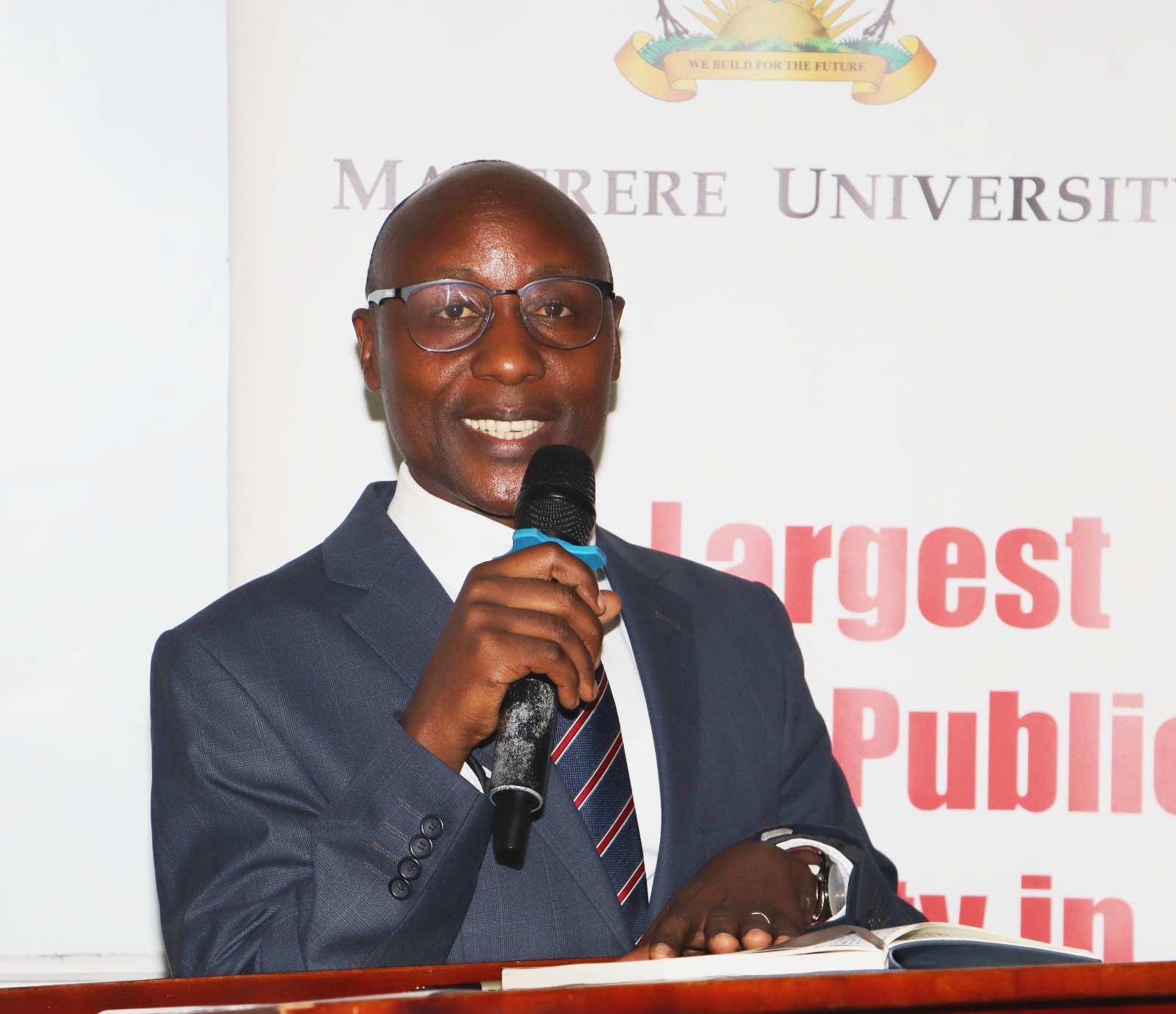
He expressed confidence that CHUSS could become a leading college within Makerere University if its existing human resource and institutional capacity were effectively harnessed.
“We have people who can work in leadership, but we have to develop a collective vision. We have to respect and accept the capabilities that we have, and also accept to work together to address the challenges that confront us,” he said.
Assoc. Prof. Ochen highlights four years of academic and research gains
In his handover report, outgoing Deputy Principal Prof. Eric Awich Ochen highlighted progress made during his four-year tenure, including improvements in teaching and learning, academic programme development, research, internationalisation, staff capacity building and digitalisation.
Ochen said he assumed office in April 2022, in the immediate aftermath of the COVID-19 pandemic, and worked under two College Principals—Prof. Josephine Ahikire and Associate Prof. Helen Nambalirwa Nkabala.
He attributed the achievements recorded during his tenure to collective efforts by the Principal, deans, heads of departments and staff.
“Whatever I did in the office of the Deputy Principal for the last four years has been in the best interest of the students. I tried to act in good faith,” Ochen said.
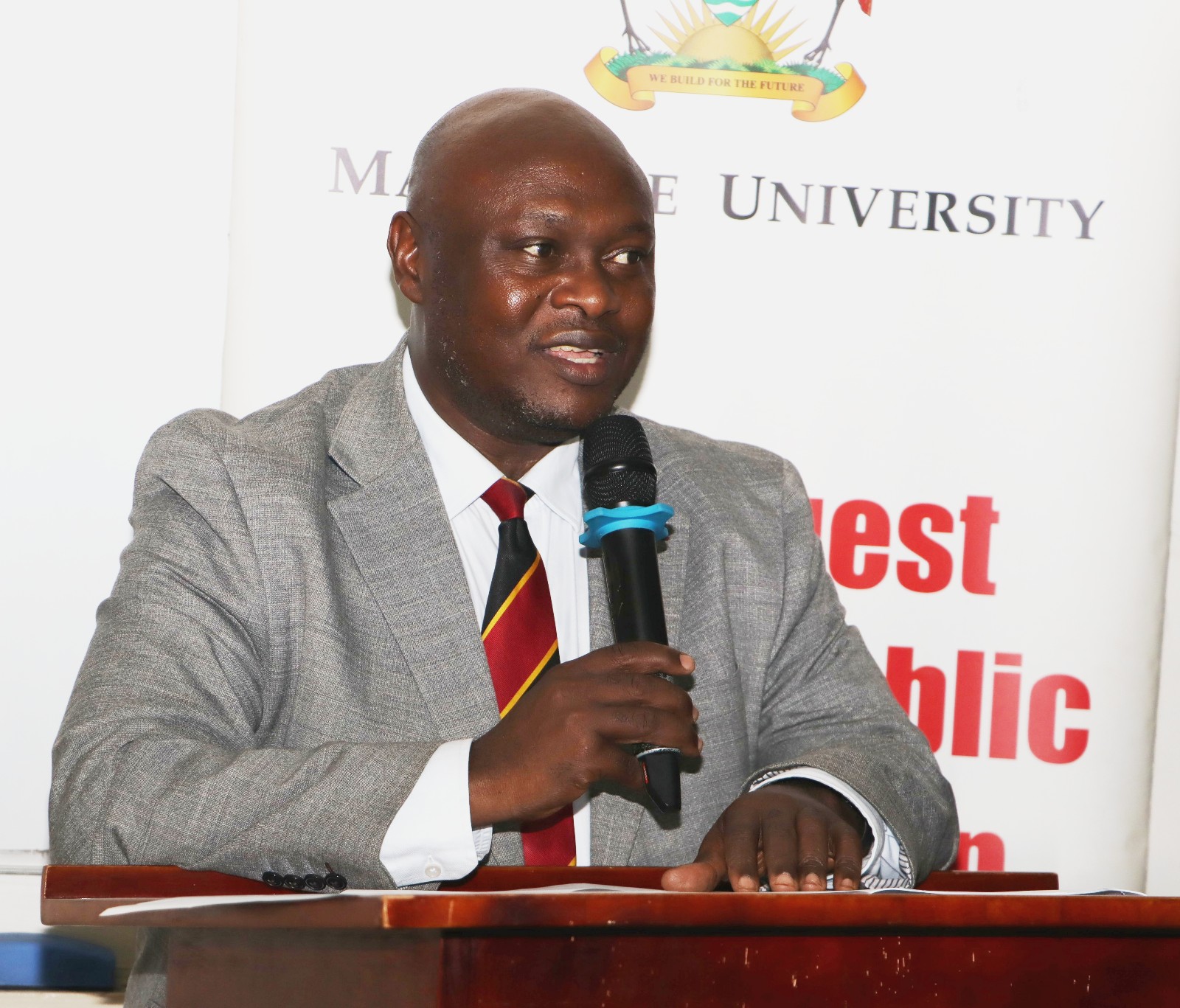
He acknowledged that leadership involves mistakes and said one of his major lessons had been the importance of consultation before making decisions.
Ochen advised his successor to maintain close consultation with the Principal, particularly when dealing with issues requiring clarification.
Ochen reported that the college had developed and revised several academic programmes during his tenure, including postgraduate programmes in French language studies, African languages and anthropology.
He said several existing programmes had also undergone accreditation and urged deans and heads of departments to begin preparations early for programmes due for re-accreditation.
He warned that delays in accreditation could disrupt student admissions and programme delivery, citing previous cases where some programmes were temporarily affected.
The outgoing Deputy Principal also highlighted efforts to revive and establish scholarly journals within CHUSS, including journals in history, peace, humanities, literature and communication.
He called for greater regularity in journal publication and continued digitisation to improve the visibility and accessibility of the college’s scholarly output.
Ochen said CHUSS had also made progress in modernising teaching and learning through the adoption of digital academic management systems.
He noted that staff had transitioned from the Academic Information Management System to ACMIS for the management and uploading of students’ results.
Timetable coordinators had also been trained to upload teaching timetables and workloads electronically.
The college also installed smart interactive screens in several lecture rooms, which Ochen said had improved the teaching environment and supported blended learning.
He urged the incoming leadership to continue investing in digital infrastructure, particularly for smaller postgraduate teaching spaces.
Ochen reported that CHUSS had significantly expanded its research and grants portfolio, with the college managing grants estimated at about US$12 million.
He attributed the growth partly to the development of research groups across departments and encouraged the new leadership to strengthen these groups to increase grant applications and scholarly publications.
“I believe in the last four years we have grown as a college. I think we have quite a higher portfolio of grants,” Ochen said.
He also cited numerous conferences, public lectures and international academic events as having contributed to CHUSS’s visibility nationally and internationally.
These included philosophy events, social work conferences, peace-related events, language celebrations, history and climate-migration conferences and other scholarly engagements.
Ochen said CHUSS had expanded its international collaborations through mobility programmes, academic partnerships and international conferences.
He pointed to Erasmus+ programmes and other collaborations involving universities in Europe, Africa and other parts of the world.
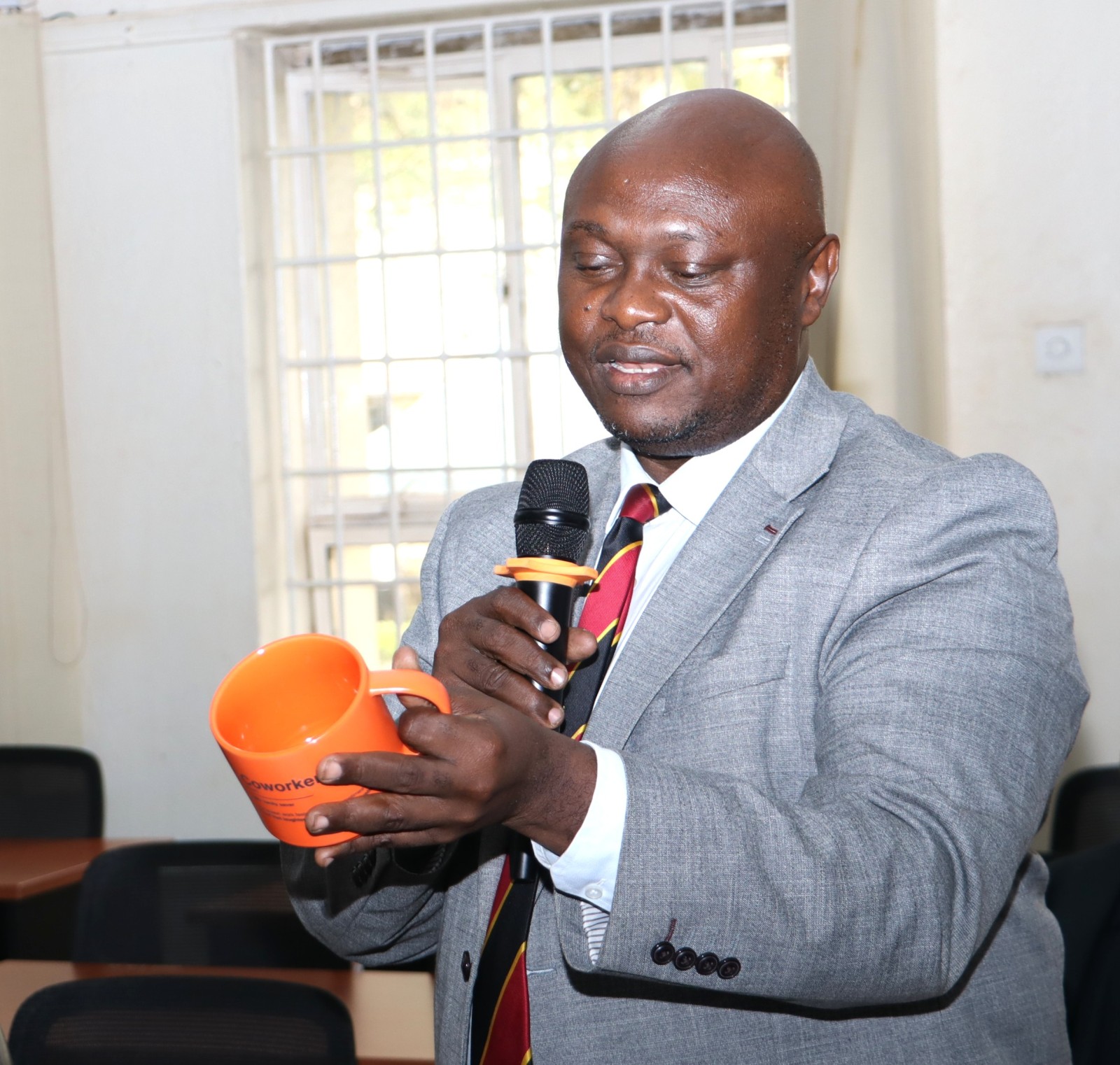
He also highlighted the Rotary Peace Centre and its growing international student community as important contributors to the college and University’s internationalisation agenda.
Despite the progress, Ochen identified inadequate equipment, particularly in journalism and multimedia production, as one of the challenges requiring attention.
He also cited concerns around support for staff supervising students, marking dissertations and other academic work, as well as the need to better recognise academic work conducted outside normal university hours.
He urged the incoming leadership to continue engaging staff and seeking practical solutions to these challenges.
Leadership transition will not disrupt CHUSS
Principal Associate Prof. Helen Nambalirwa Nkabala thanked Ochen for his service and said the transition would not destabilise the college.
She described Ochen as a committed colleague whose passion, energy and humility had contributed to the college’s progress.
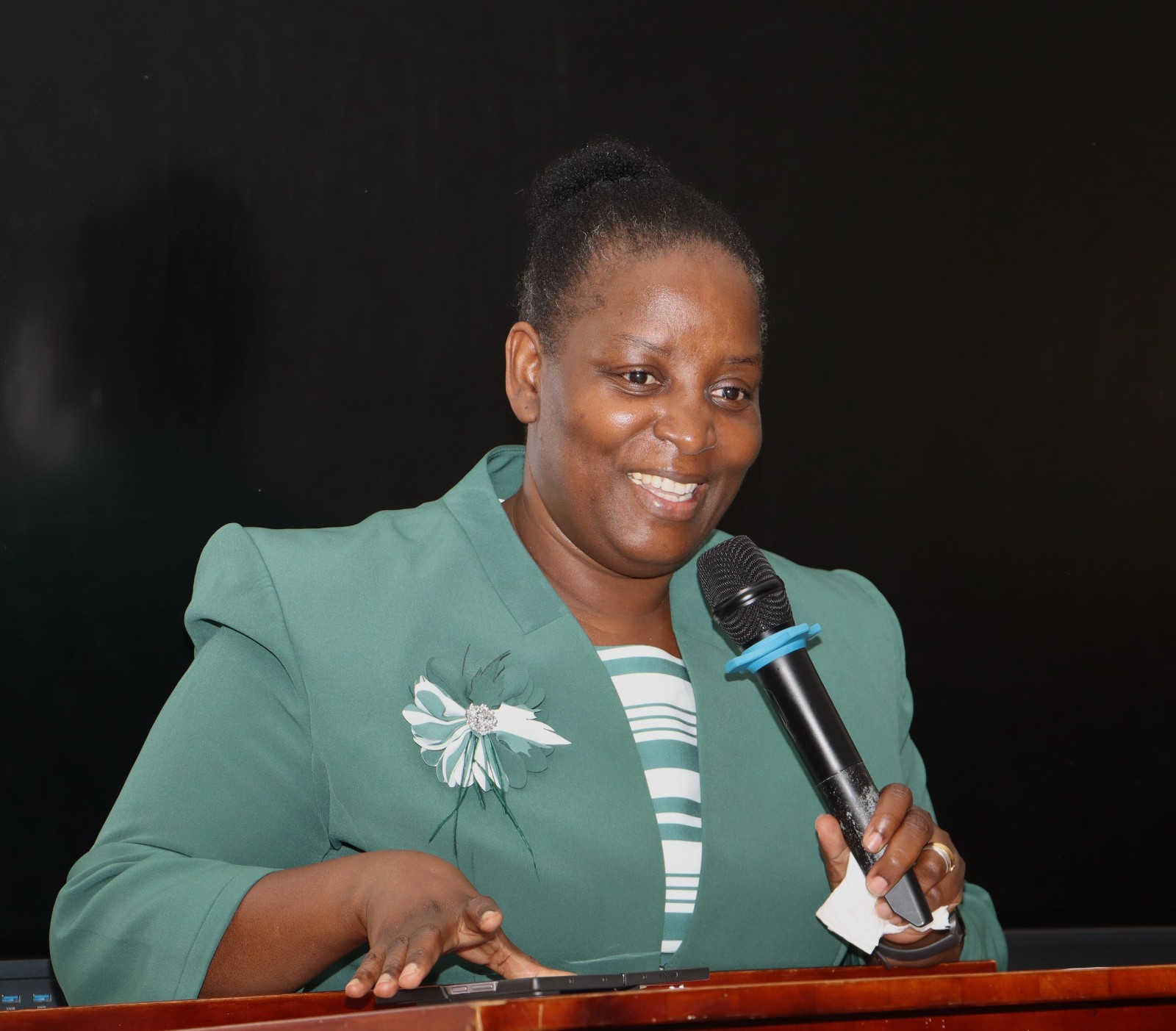
Nambalirwa said the college was entering a new phase under Walakira, whose appointment comes as CHUSS implements its strategic priorities.
She said the college’s newly developed strategic plan provides a framework for advancing research, social protection, innovation, partnerships and other institutional priorities.
“We are very ambitious. We are hoping that we shall get a lot of wealth. For this college to move further, we are moving with stability,” Nambalirwa said.
The Principal also urged staff to continue supporting the new Deputy Principal as they had supported Ochen.
“Please, support that you have given Professor Ochen should be extended to Professor Walakira, because service is only fun when you have all your hands,” she said.
Staff commend Ochen, welcome Walakira
Staff members who spoke during the ceremony commended Ochen for his leadership and commitment to students while welcoming Walakira to the new role.
Mr. Gidange Moses from the Directorate of Internal Audit praised the Principal for nurturing staff and creating opportunities for them to take up leadership responsibilities.
He commended Ochen for completing his tenure and urged Walakira to embrace the responsibility of leading the college alongside the Principal.
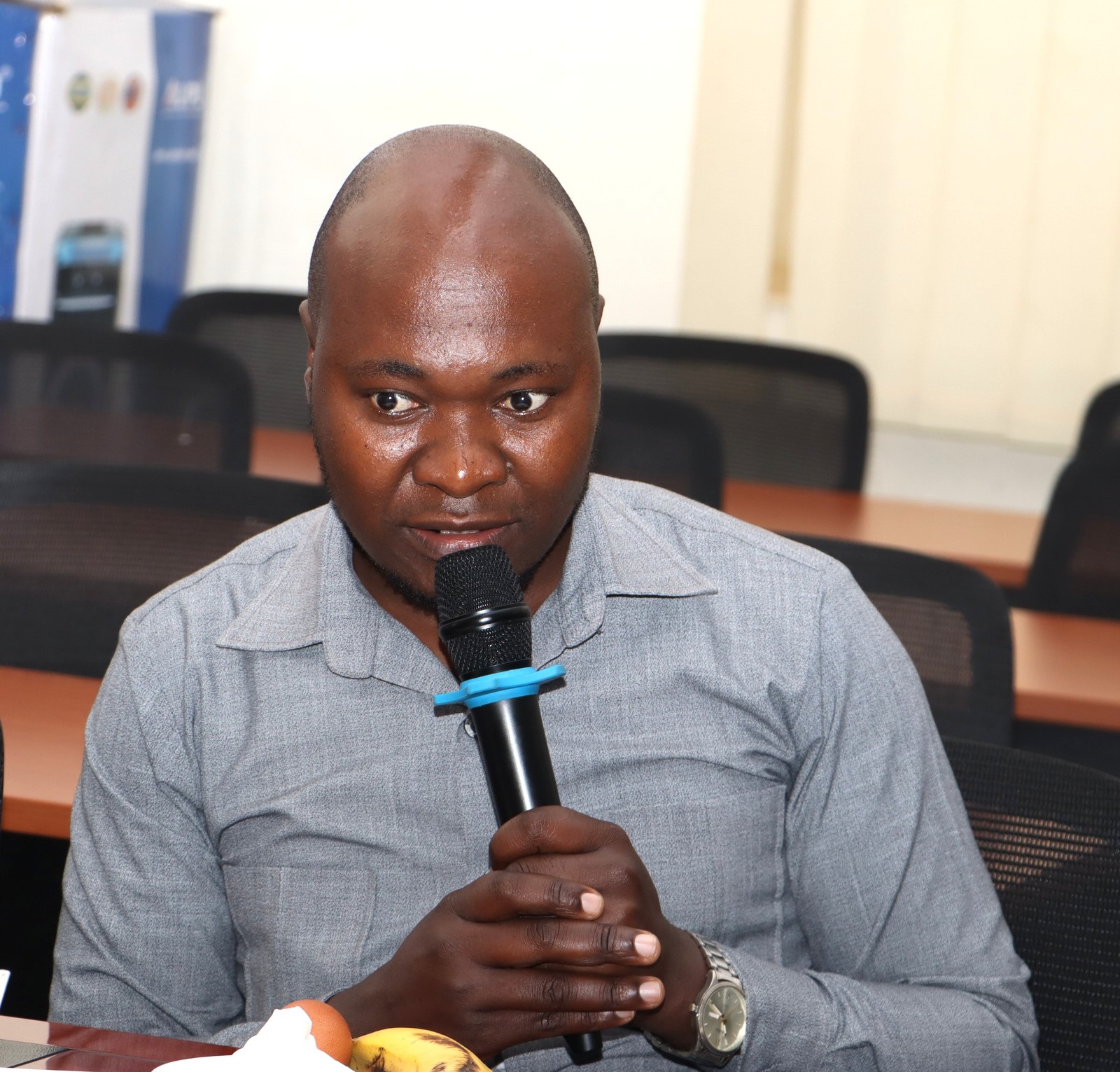
Dr. Charlotte Mafumbo, Head of the Department of History, Archaeology and Heritage Studies, described Ochen as a passionate leader and thanked him for his contribution to the college.
She pledged the department’s support to the incoming Deputy Principal.
Dr. Denis Muhangi, Head of the Department of Social Work and Social Administration, representing the Dean of the School of Social Sciences, praised Ochen for his resilience in following up decisions and his commitment to student welfare.
He assured Walakira of the school’s support as he takes on his new responsibilities.
Maria Gyezaho, from the Principal’s office, also thanked Ochen for his guidance and leadership, saying the skills he had imparted to staff would continue to benefit them.
The handover formally marked the end of Ochen’s tenure as Deputy Principal and the beginning of Walakira’s term, with the college leadership calling on staff to maintain the momentum achieved over the previous four years while pursuing new opportunities for growth.
For details about Prof. Eddy Joshua Walakira, please click on the link below:
https://chuss.mak.ac.ug/en/personnel/eddy-joshua-walakira/
Jane Anyango is the Principal Communication Officer CHUSS
-
 Agriculture & Environment2 weeks ago
Makerere University Welcomes 50 Youth Skilling Program trainees under the Africa Climate Collaborative, Supported by Mastercard Foundation
-
 General2 weeks ago
Timothy Khabusi: From Barefoot Walks to shaping Uganda’s Eye health Future
-
 Humanities & Social Sciences1 week ago
French Embassy Presents Four Makerere Scholars with Academic Palms
-
 General2 weeks ago
Makerere Hosts EU Uganda Research and Study Fair
-
 Agriculture & Environment2 weeks ago
After 10 Years Out of Education, Africa Climate Collaborative at Makerere University Opens a New Chapter for Okello