
Veterinary & Biosecurity
CoVAB Prepares Future Educators with One Health Skills to Address Zoonotic and Climate Risks

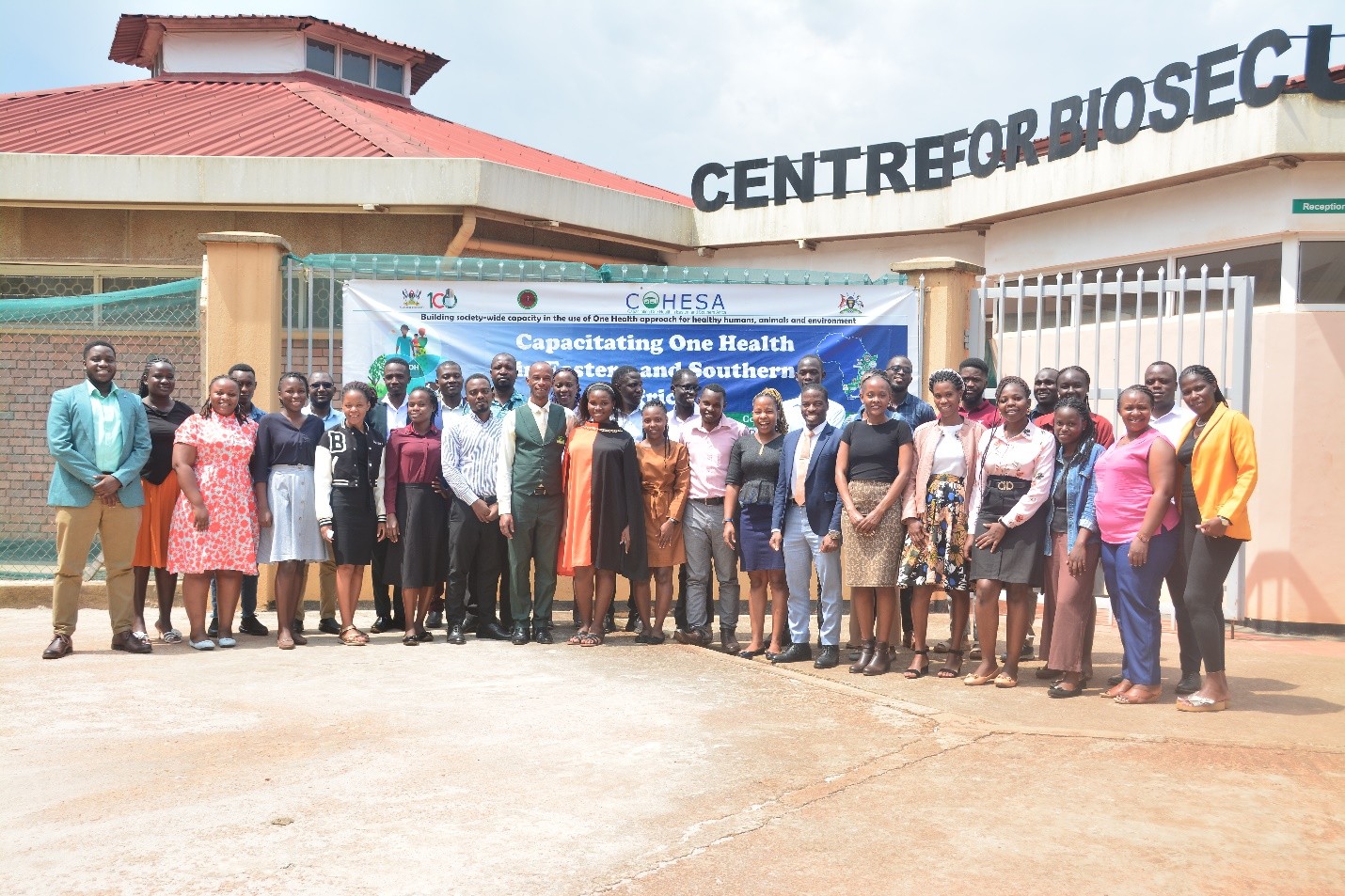
On Monday, 22nd September 2025, the Department of Biosecurity, Ecosystems and Veterinary Public Health (BEP) at the College of Veterinary Medicine, Animal Health and Biosecurity (CoVAB), Makerere University, launched a four-day intensive training program aimed at equipping Uganda’s next generation of educators with foundational knowledge in One Health. This initiative seeks to foster interdisciplinary understanding among future teachers, emphasizing the interconnectedness of human, animal, and environmental health in addressing emerging public health challenges.
The initiative, titled “One Health Training of Uganda’s Next Generation of Teachers,” targets selected third-year education students from Makerere University, Kyambogo University, Uganda Christian University (UCU), and Kabale University, along with newly graduated teachers from across the country. The training is one of the activities of the broader Capacitating One Health in Eastern and Southern Africa (COHESA)project, a regional program spanning 12 countries aimed at strengthening interdisciplinary collaboration and promoting integrated approaches to health education and practice.
Prof. Clovice Kankya, Head of the BEP Department at CoVAB and Principal Investigator of the COHESA project in Uganda, underscored the transformative impact of the training, describing it as a strategic investment in the nation’s future health resilience. He noted that by equipping educators with foundational knowledge in One Health, Uganda is fostering a sustainable network of informed leaders capable of influencing both formal education systems and grassroots communities. These teachers will not only embed One Health principles into their curricula but also serve as local ambassadors and champions for improved sanitation, climate adaptation, and disease prevention within their communities.
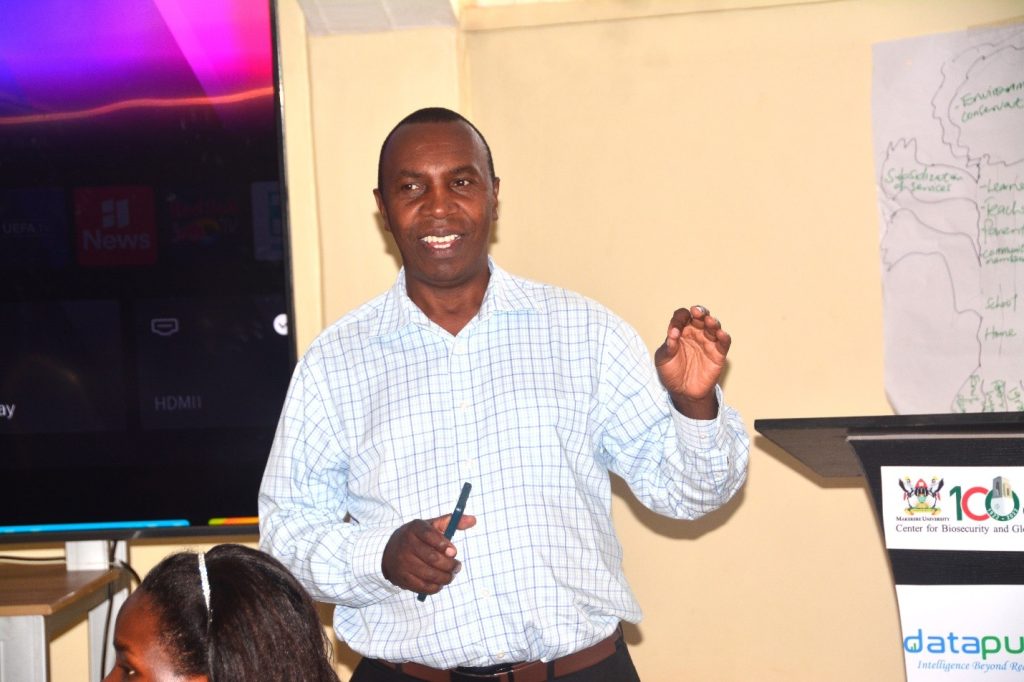
“This is more than a training,” Prof. Kankya remarked. “It’s a movement to embed One Health thinking into the social fabric of Uganda, given that educators are trusted voices in society. When they grasp the interconnectedness of human, animal, and environmental health, they become powerful catalysts for behavioral change and community-driven action.”
He emphasized the pivotal role of teachers as agents of change, stressing that One Health, a multidisciplinary approach integrating human, animal, and environmental health, is vital for addressing today’s complex health challenges. Despite its growing global relevance, he observed that the concept of One Health remains largely underrepresented in Uganda’s education and public health sectors. This gap, he argued, makes the involvement of teachers especially critical, as they can serve as catalysts for a multiplier effect, extending the reach and impact of One Health principles across both formal education systems and local communities.
Prof. Clovice Kankya further highlighted that the ripple effect of empowering teachers will extend beyond schools, reaching homes, villages, and regional networks. In doing so, the initiative aims to build a generation of citizens who are not only aware of health risks but are also equipped to respond collaboratively and sustainably.
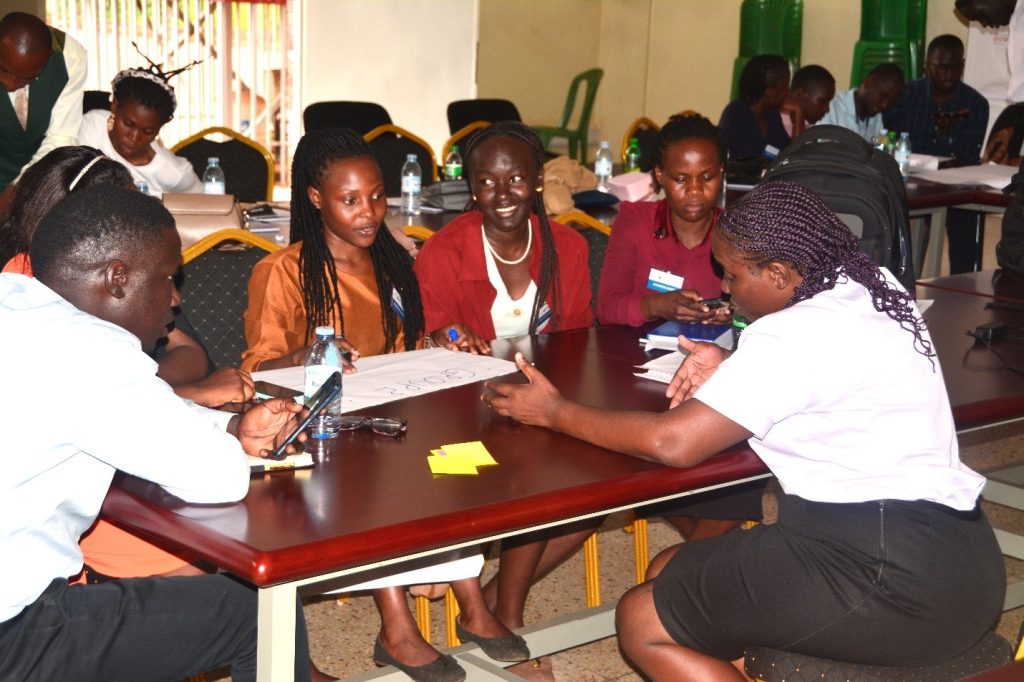
The trainees, drawn from diverse teaching disciplines, received instruction in key areas such as an introduction to One Health principles, zoonotic diseases and outbreak investigation, risk communication strategies, community engagement, and exit protocols, among others. Facilitators from AFROHUN and CoVAB were carefully selected for their expertise in outbreak response, strategic communication, and community-based education. The curriculum is enriched with social science perspectives to strengthen community entry approaches and promote culturally sensitive messaging, ensuring that participants are well-equipped to engage effectively with local populations.








Veterinary & Biosecurity
Prof. Clovice Kankya Assumes Leadership at the College of Veterinary Medicine, Animal Resources and Biosecurity (CoVAB)
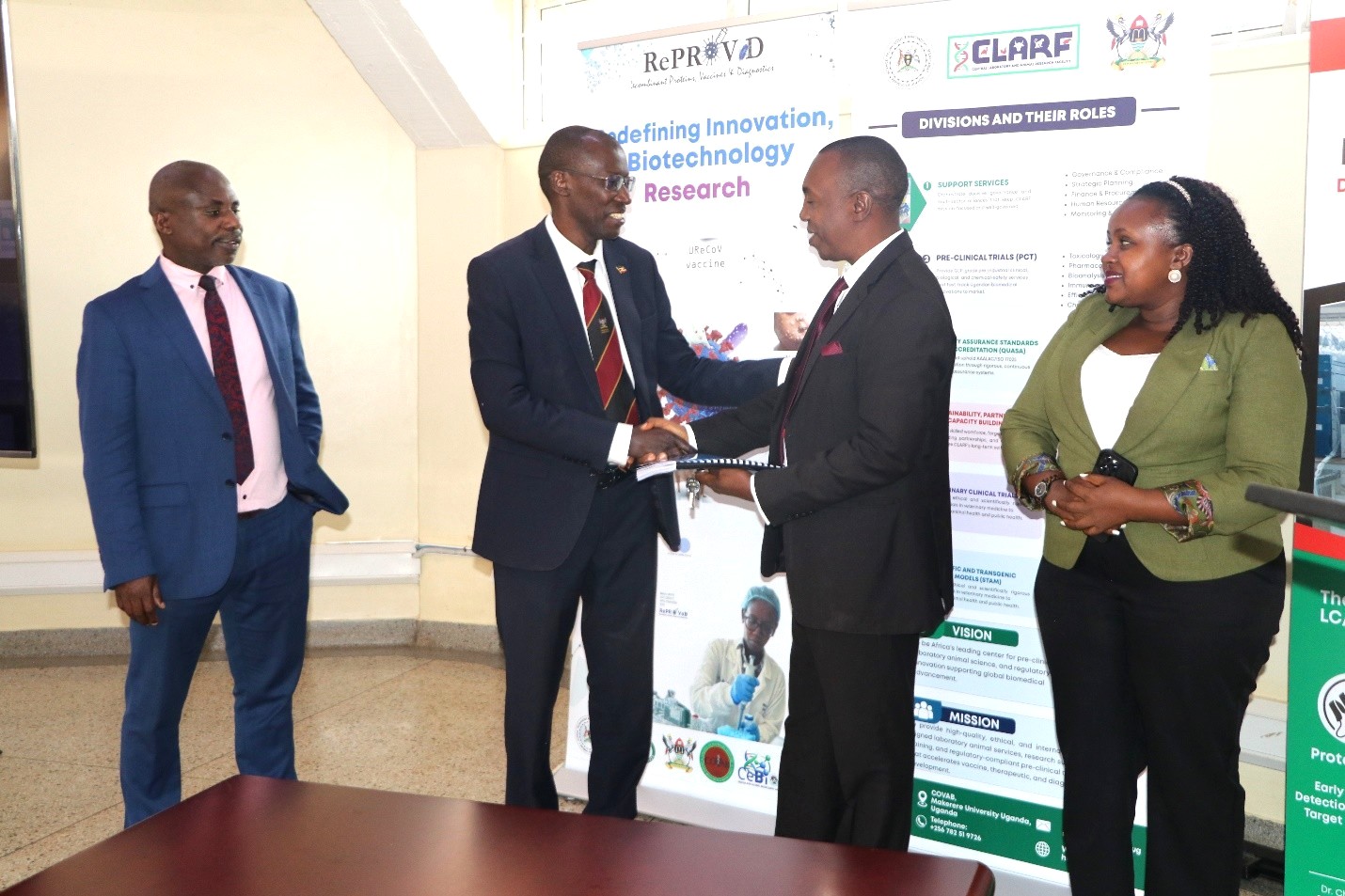
Prof. Clovice Kankya officially assumed leadership of Makerere University’s College of Veterinary Medicine, Animal Resources and Biosecurity (CoVAB) on Thursday, September 17, 2026, taking over from outgoing principal Prof. Frank Norbert Mwiine in a handover ceremony presided over by Chief Human Resources Officer Deus Mujuni.
Upon assuming office, Prof. Clovice Kankya has laid out a six-pillar vision to transform the College of Veterinary Medicine, Animal Resources and Biosecurity (CoVAB). The vision focuses on shifting from lecture-based to competence-driven teaching, advancing impactful research that translates into innovation and national development.
Further, he said his leadership will support building valuable partnerships that strengthen staff capacity and global contribution. He emphasized treating people as the greatest resource by addressing staff attrition and fostering mentorship, while reinforcing governance and accountability to ensure institutional trust. Finally, he pledged to create a listening college with open communication channels between staff and students, positioning CoVAB as a hub of excellence, innovation, and impact.
Prof. Clovice Kankya, in his maiden address as Principal CoVAB, began with heartfelt appreciation: “I stand before you with a profound sense of gratitude, humility, and responsibility.” He pledged to confront challenges honestly, build on existing achievements, and transform ideas into measurable outputs. Emphasizing his leadership philosophy, he declared that it is anchored on “continuity where continuity serves, change where change is necessary, and innovation where innovation can create greater impact.”
A Call to Collective Action

Prof. Kankya urged students to challenge the college intellectually and prepare to become solution creators rather than job seekers. He called on staff for active participation and constructive criticism, and encouraged researchers and partners to form multidisciplinary teams tackling Uganda’s pressing problems.
Further, he pledged to lead with consultation, accountability, and consensus-building. “Today marks the beginning of a new chapter. It’s not a chapter that I write alone; it’s a chapter that we shall write together,” he said. “Together, let us move CoVAB from retention to practice, from knowledge to innovation, and from innovation to impact.”
Prof. Kankya envisions CoVAB as a hub of academic excellence, innovation, and impact — with improved infrastructure, digital transformation, enhanced staff development, and financial sustainability. His leadership is expected to strengthen academic programs, enhance resource mobilization, and steer the college toward greater influence in veterinary medicine and animal resources, both in Uganda and beyond.
Legacy of Prof. Frank Norbert Mwiine at CoVAB
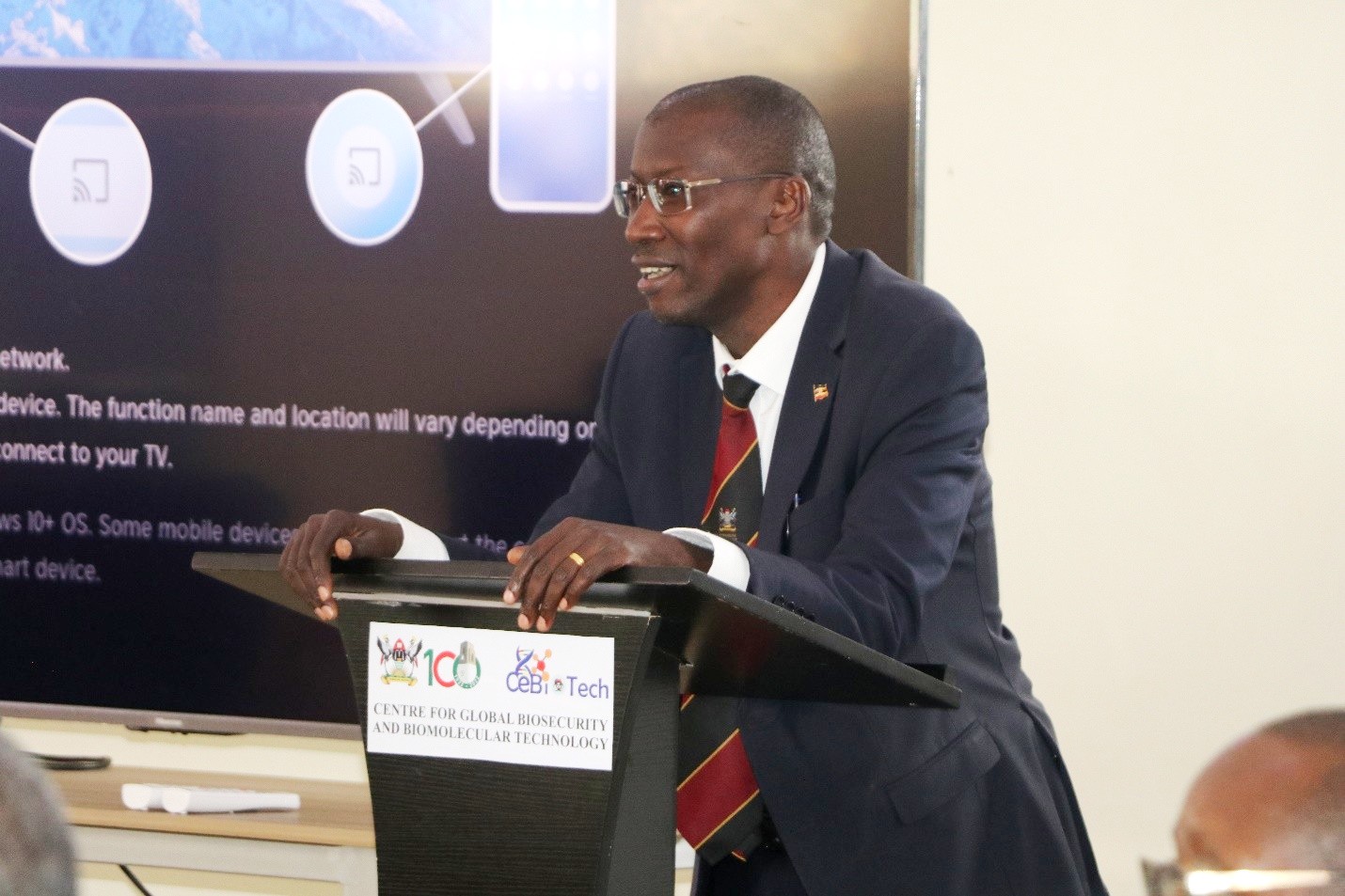
Outgoing Principal Prof. Mwiine highlighted milestones during his tenure, including the construction of a 980-million-shilling hostel at Buyana Stock Farm, roofing of the CoVAB building, acquisition of a bus for student transport, provision of 500 lecture hall seats, and painting of the college building without drawing on university funds. Yet, he also pointed to persistent challenges such as staffing gaps, unimplemented departmental restructuring, and high staff attrition. He urged his successor to remain resilient, stressing that resource mobilization often comes with resistance and criticism.
The Chief Human Resources Officer for Makerere University, Mr. Deus Mujuni commended Prof. Mwiine for leaving an indelible mark on the college and urged Prof. Kankya to build on that legacy. He emphasized continuity, urging the new principal to consult past leaders and rely on institutional memory, while reminding staff to extend the same trust and dedication to the incoming leadership.
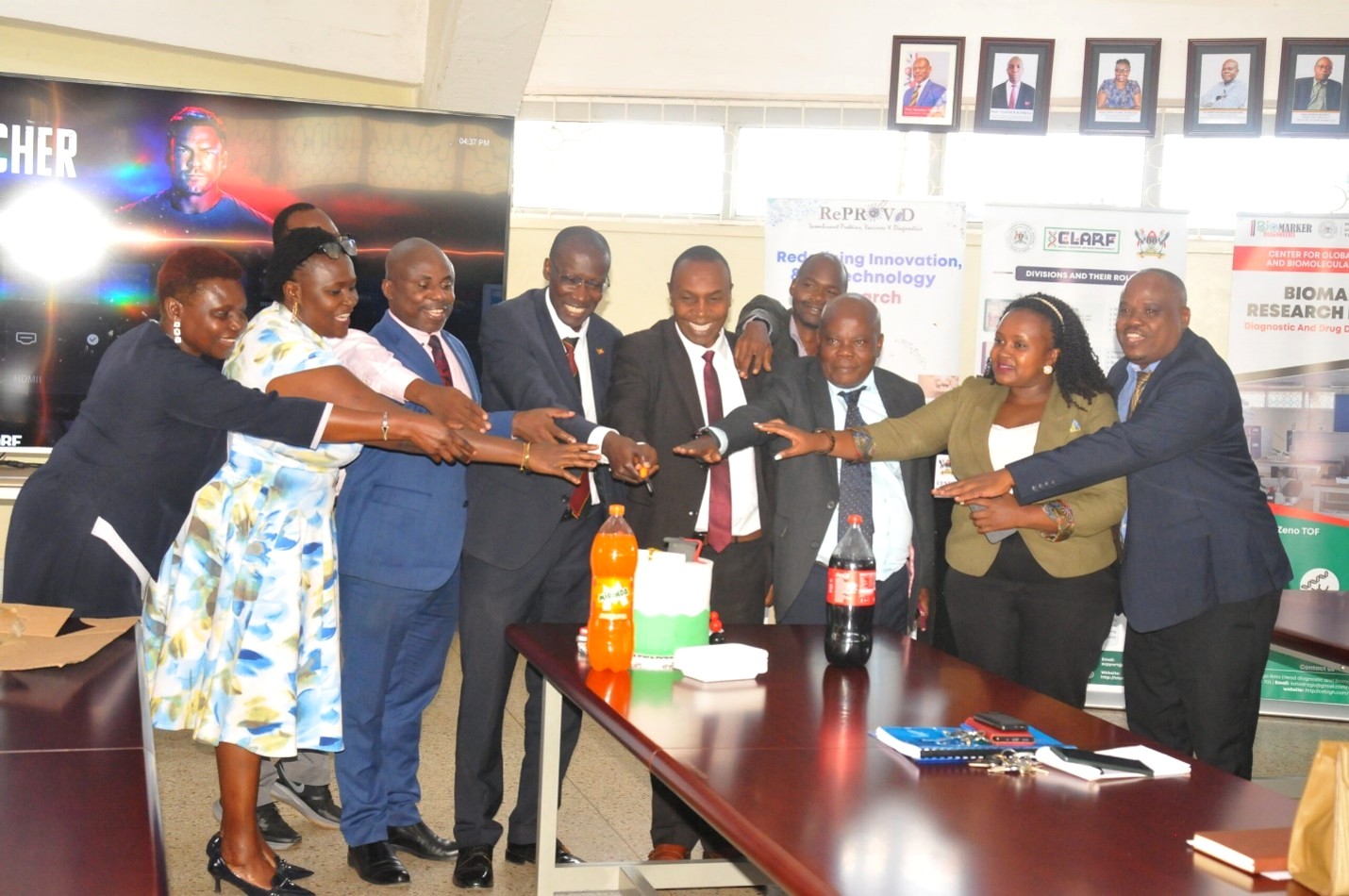
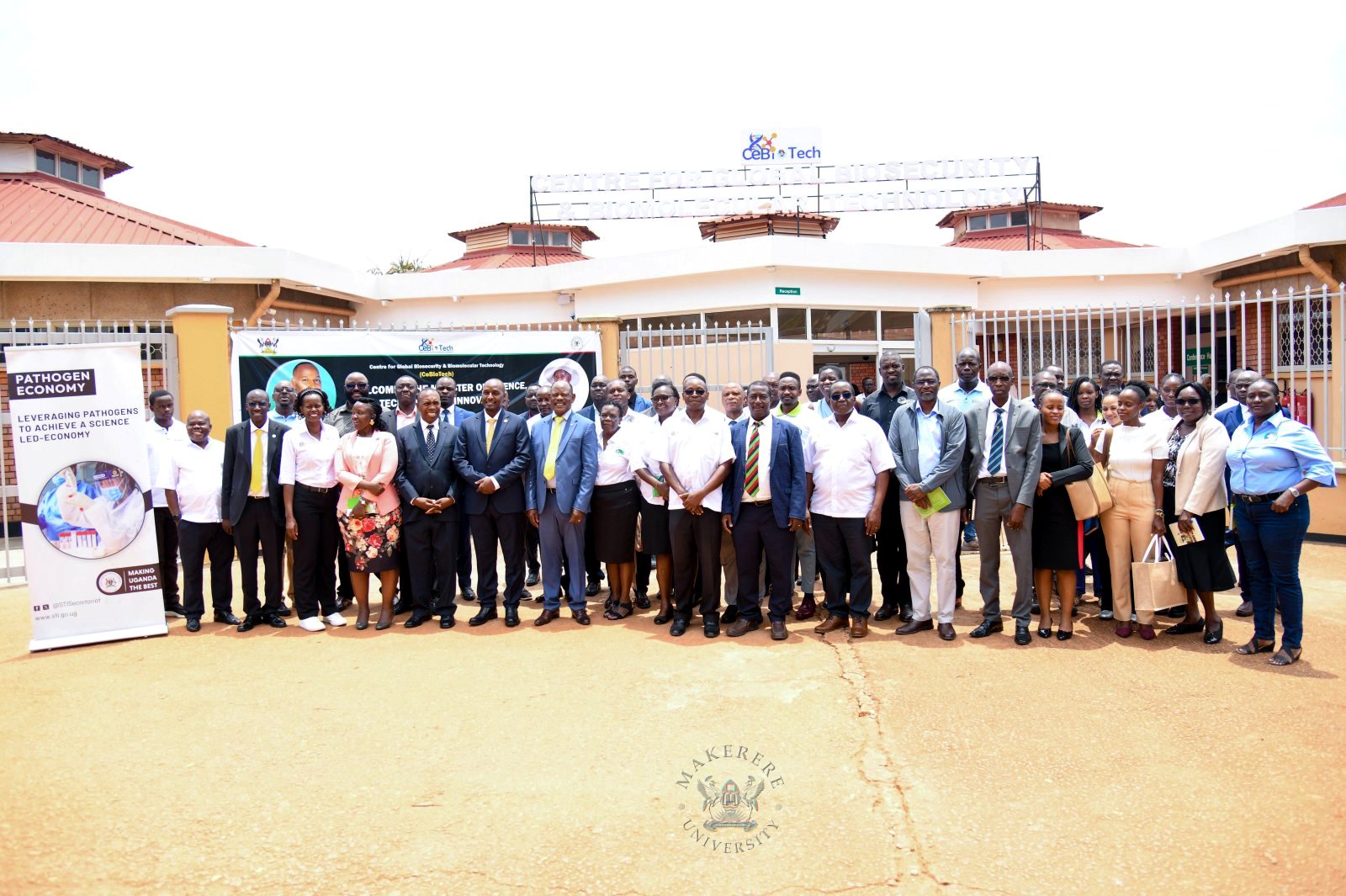
The Minister for Science, Technology and Innovation, Rt. Hon. Eng. Asiimwe Jonard, visited the College of Veterinary Medicine, Animal Resources and Biosecurity (CoVAB) during his maiden official visit to Makerere University, commending the tremendous research work ongoing at CoVAB and across the University.
In his remarks, the Minister noted that his visit to the University highlighted the pivotal role of research, technology, and innovation in shaping Uganda’s economic transformation and showcased Makerere’s capacity to translate groundbreaking scientific discoveries into practical solutions that address both national and global challenges.
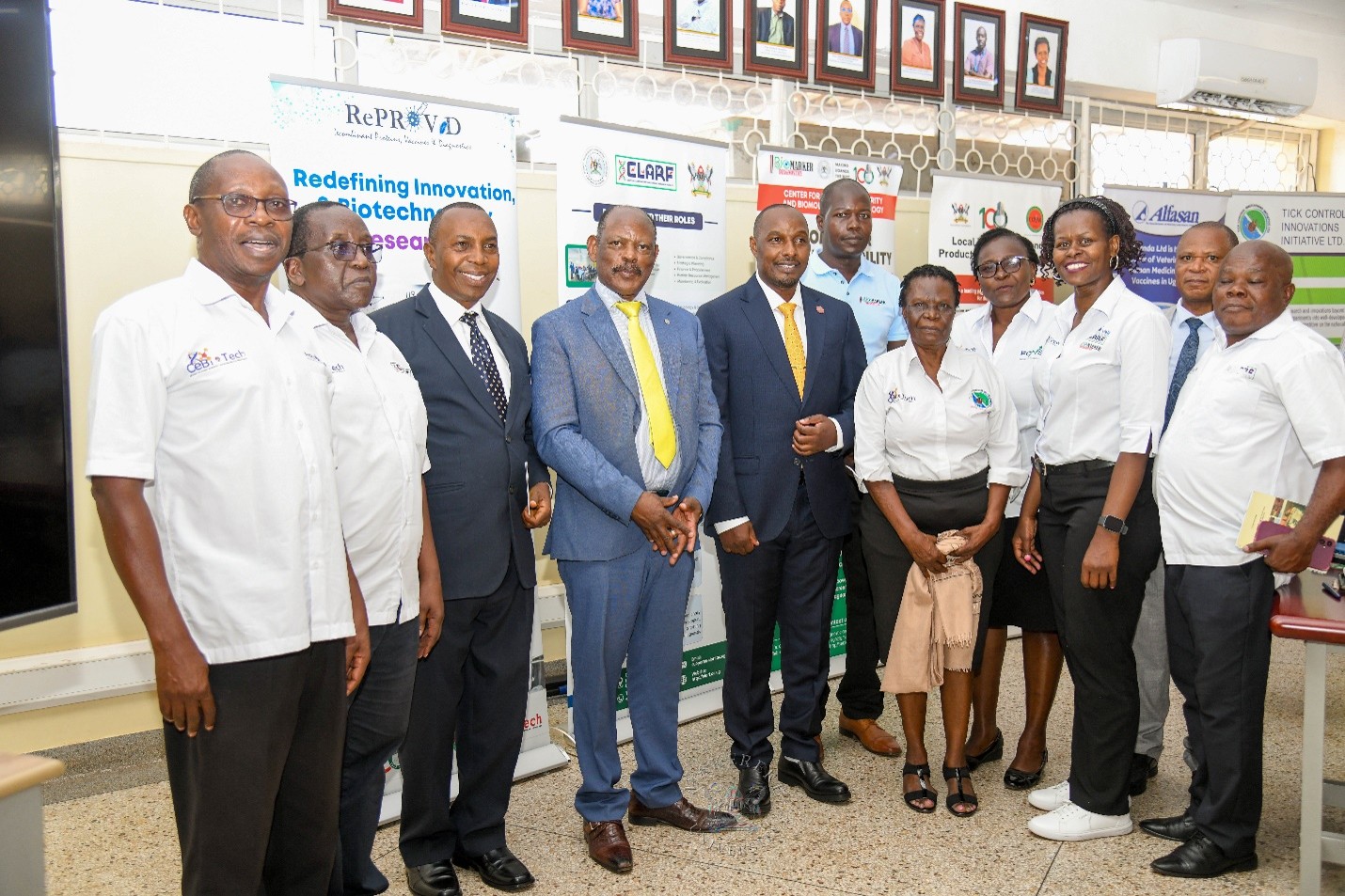
The visit, held on September 16th, 2026, was anchored under the theme “Research Infrastructure, Emerging Technologies and Enterprise Creation.” It offered the Minister an opportunity to tour CoVAB’s state-of-the-art facilities at the Centre for Global Biosecurity and Biomolecular Technology (CeBioTech) and engage directly with faculty, researchers, and students. He commended the college for its tremendous contributions to animal health, food security, and biosecurity, emphasizing that these areas are vital to building a resilient and sustainable economy for Uganda.
While addressing college staff, researchers, and other stakeholders, the Minister emphasized that universities must serve as engines of innovation, moving beyond scholarly work to commercialization. He commended CoVAB’s vaccine development for both humans and animals, describing it as a cornerstone of Uganda’s biosecurity agenda. He further highlighted the importance of integrating social sciences into innovation, noting that project management and product development strategies are essential to fast-track research outputs into viable enterprises.
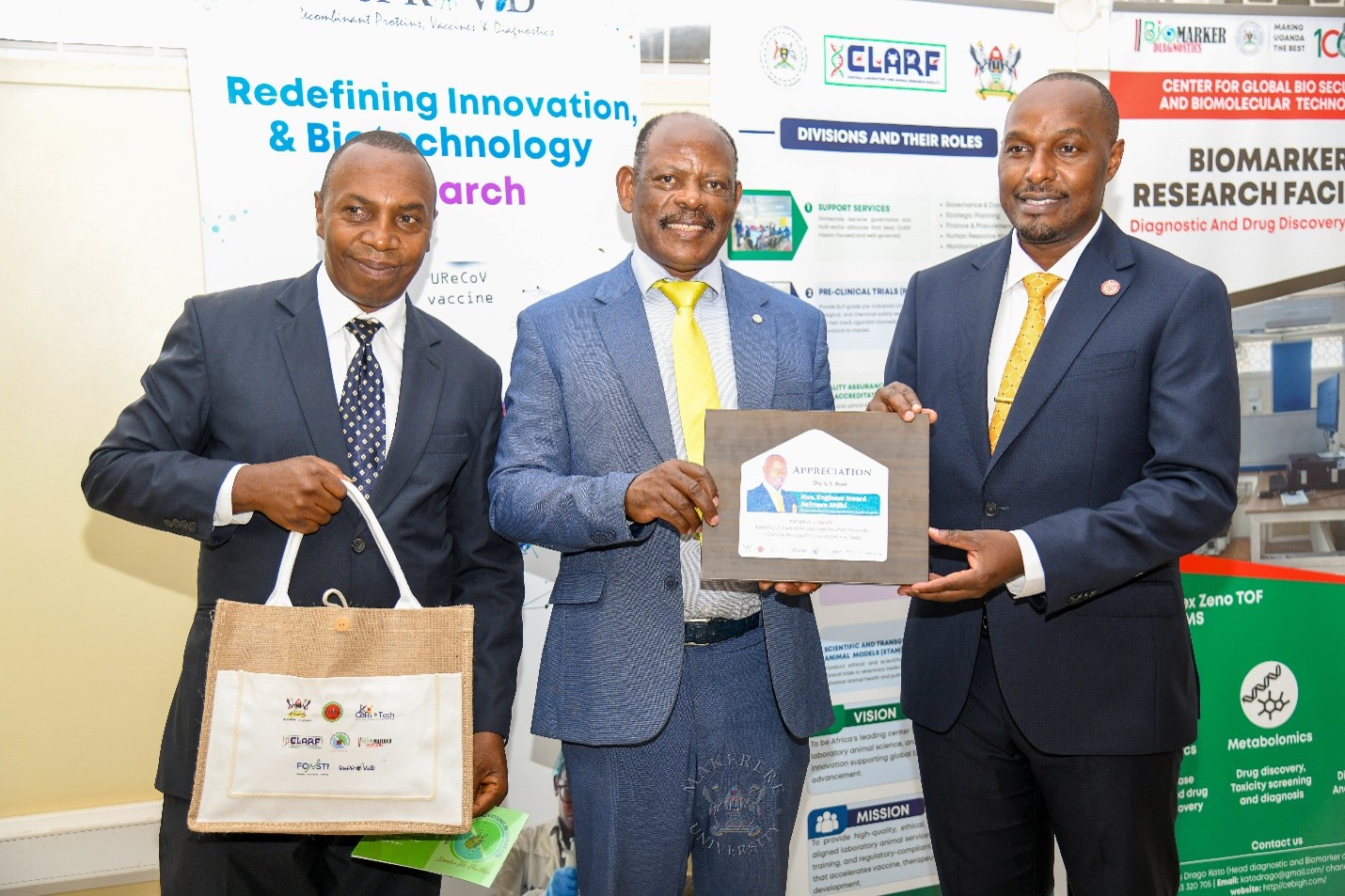
The Minister toured several flagship facilities at CoVAB, including the Central Laboratory Animal Research Facility, which provides laboratory animal services and pre-clinical trial support; RePROVaD, which designs recombinant proteins and subunit vaccines for emerging infectious diseases such as COVID-19 and Mpox; the Anti-Tick Vaccine project, which addresses the persistent challenge of ticks and tick-borne diseases affecting livestock productivity; and BIOMARKER, which develops antibody-based diagnostics to strengthen disease detection. These initiatives, he noted, demonstrate Makerere University’s capacity to contribute meaningfully to both national and global health challenges.
Looking ahead, the Minister outlined priority actions where CoVAB is expected to play a leading role. These include advancing veterinary innovations toward certification and commercialization, leveraging artificial intelligence to strengthen Uganda’s pathogen economy, positioning veterinary science as a driver of agro‑industrialization, developing sustainable models for shared diagnostic and biosecurity laboratories, and providing commercialization support for innovators in areas such as intellectual property, regulation, standards, and market access. By focusing on these areas, he emphasized, CoVAB will not only enhance Uganda’s scientific capacity but also accelerate the country’s journey toward economic resilience and prosperity.
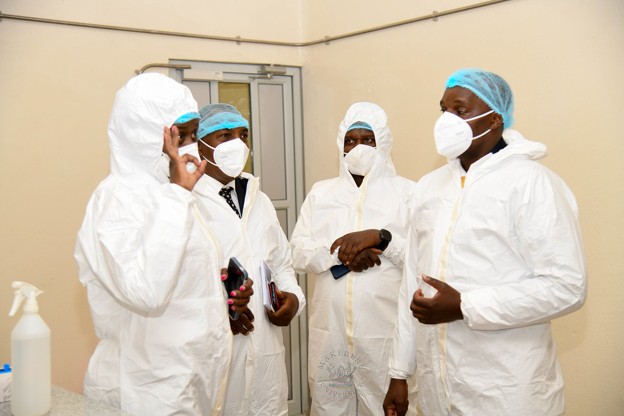
Asiimwe pledged continued support for Makerere University and encouraged the development of structured University–Industry exchange models to ensure veterinary research translates into enterprise creation. He also emphasized the importance of self-sustainability for research centers, noting that revenue generation is key to long-term impact.
The Vice Chancellor, Prof. Barnabas Nawangwe, thanked the Minister for recognizing CoVAB’s strategic role and reaffirmed Makerere’s commitment to advancing veterinary science and innovation for Uganda’s prosperity.
Veterinary & Biosecurity
Parliamentary Committee on Science, Technology and Innovation Reviews Uganda’s Emerging Science Ventures

By Jacinta Nakaye
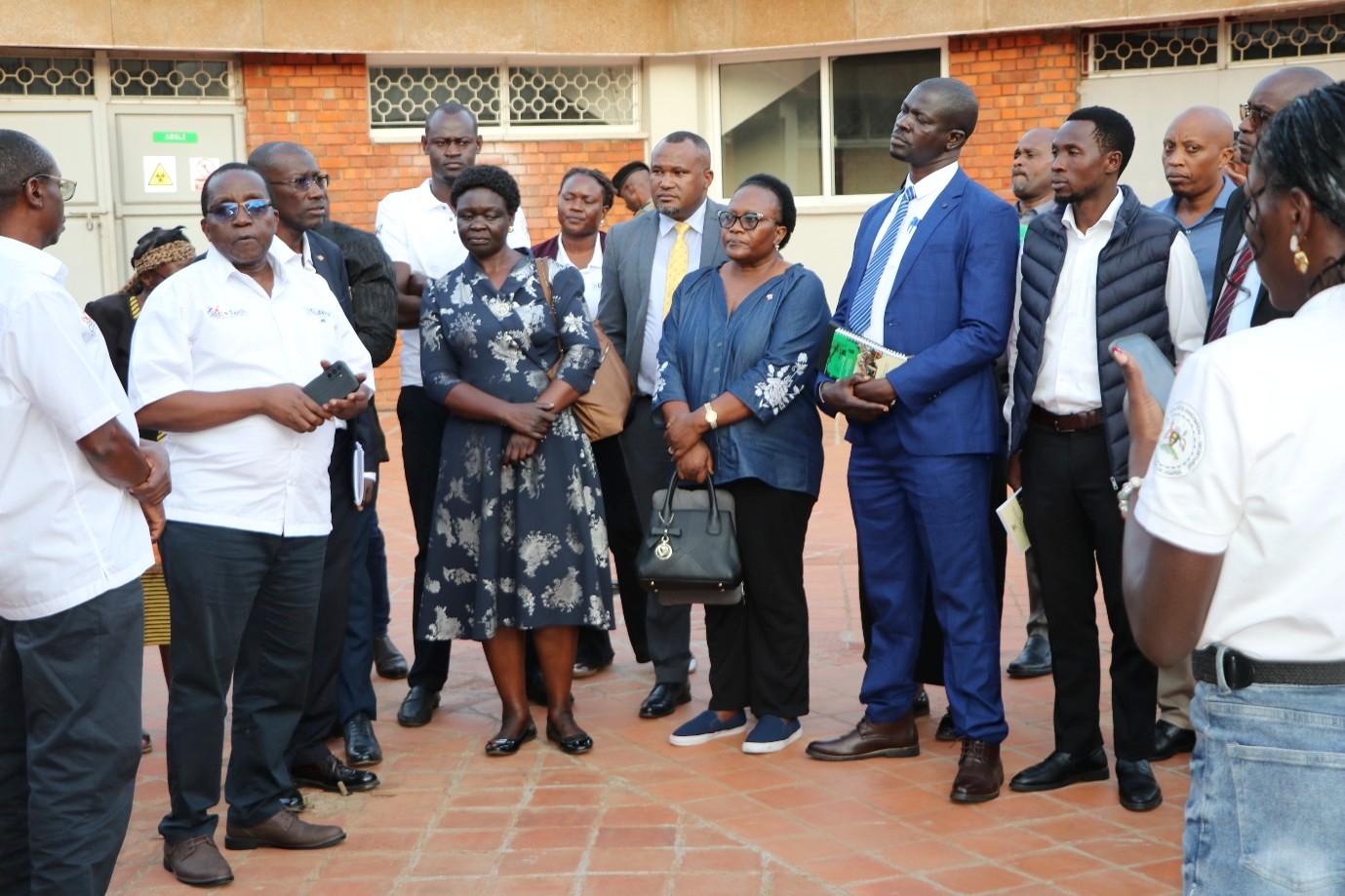
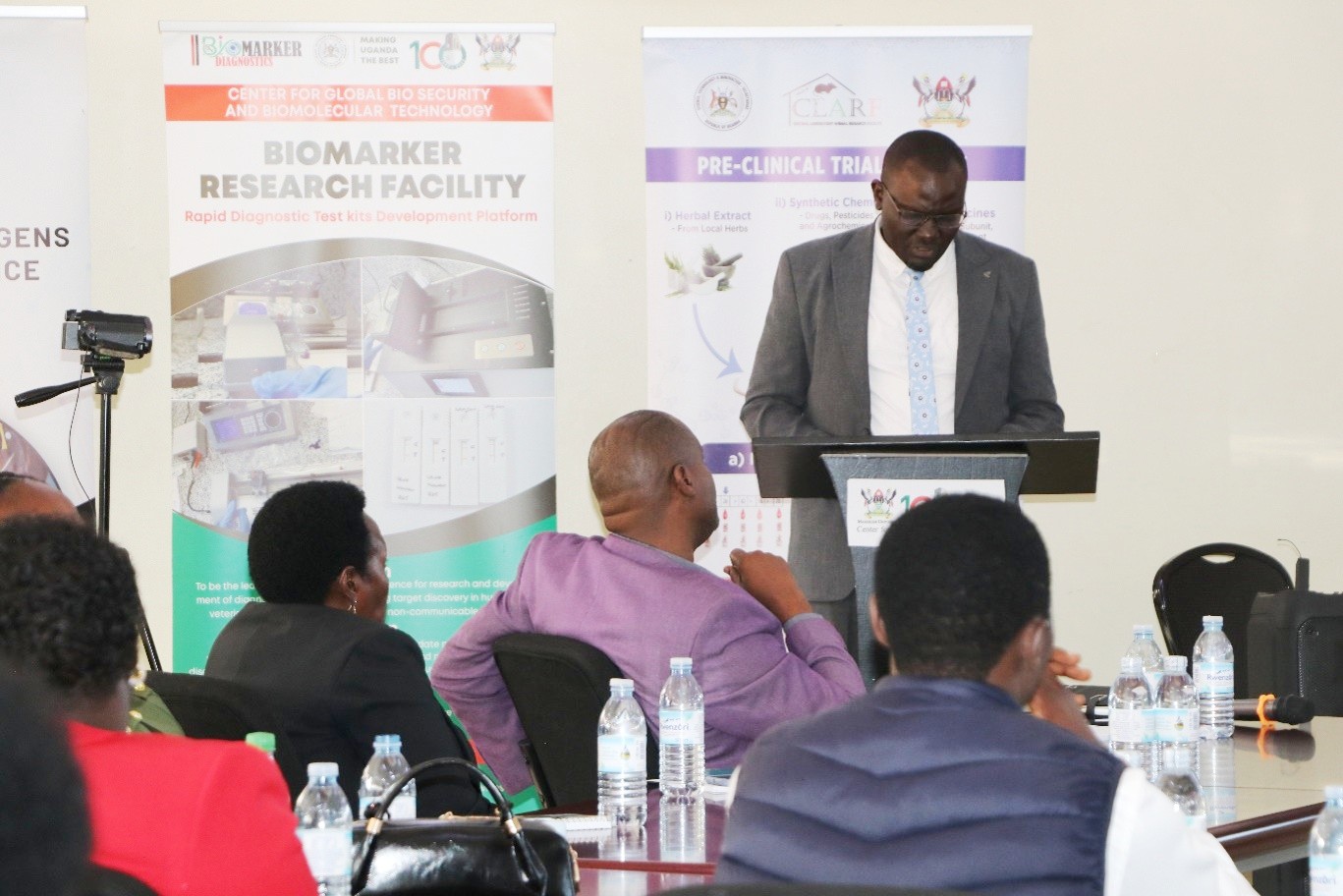
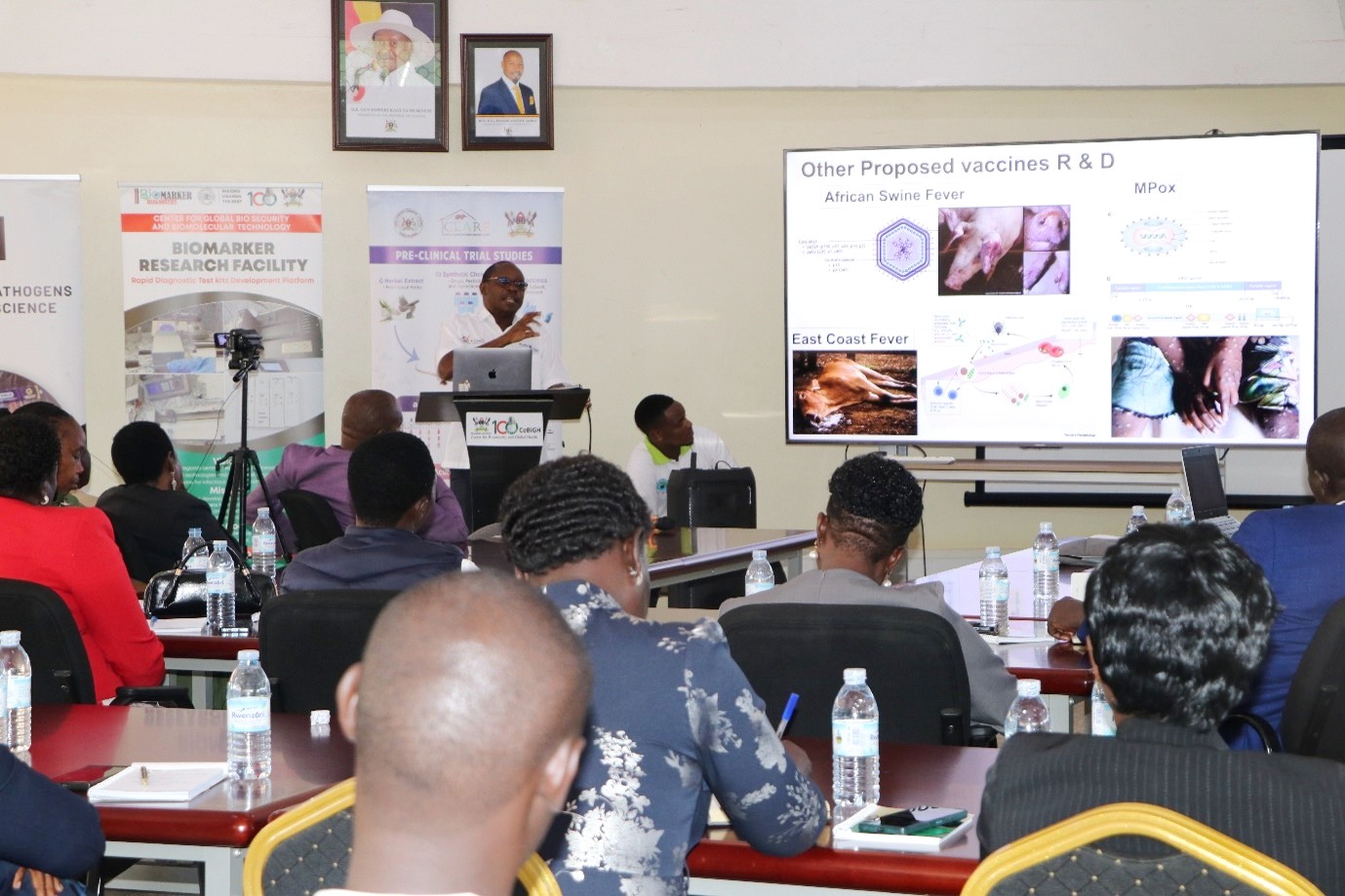
Uganda’s drive to strengthen science, technology and innovation took center stage as the Parliamentary Committee on Science, Technology and Innovation toured Makerere University’s Centre for Biosecurity and Biomolecular Technology (CeBIOTECH). The centre is hosted at the College of Veterinary Medicine, Animal Resources and Biosecurity (CoVAB). The visit aimed to assess the progress of ventures supported under the Science, Technology and Innovation–Office of the President (STI-OP).
The visit brought legislators, scientists, and innovators together around a shared question: How can Uganda turn investments in scientific research into practical technologies, enterprises, and solutions that respond to national development challenges?
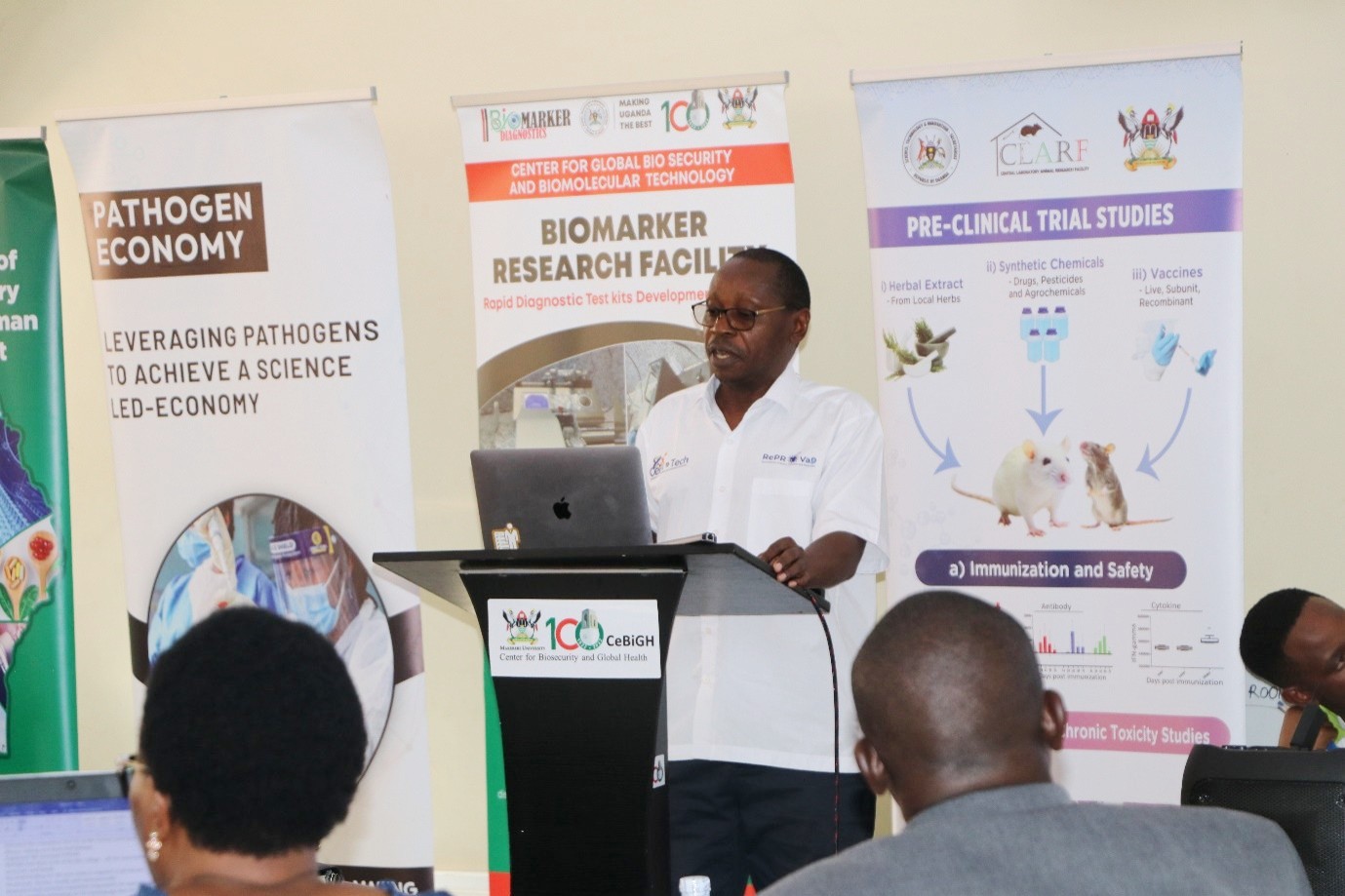
At CeBIOTECH, the Committee was taken through a portfolio of emerging science ventures, including Central Laboratory Animal Research Facility, which focuses on providing lab animal services, pre-clinical trial support, and specialized training to accelerate biosecurity and health solutions; RePROVaD, which focuses on designing and manufacturing recombinant proteins and subunit vaccines for emerging infectious diseases such as COVID-19 and Mpox; the Anti-Tick Vaccine venture focused on addressing the challenge of ticks and tick-borne diseases; and BIOMARKER focused on developing Antibody-based diagnostics.
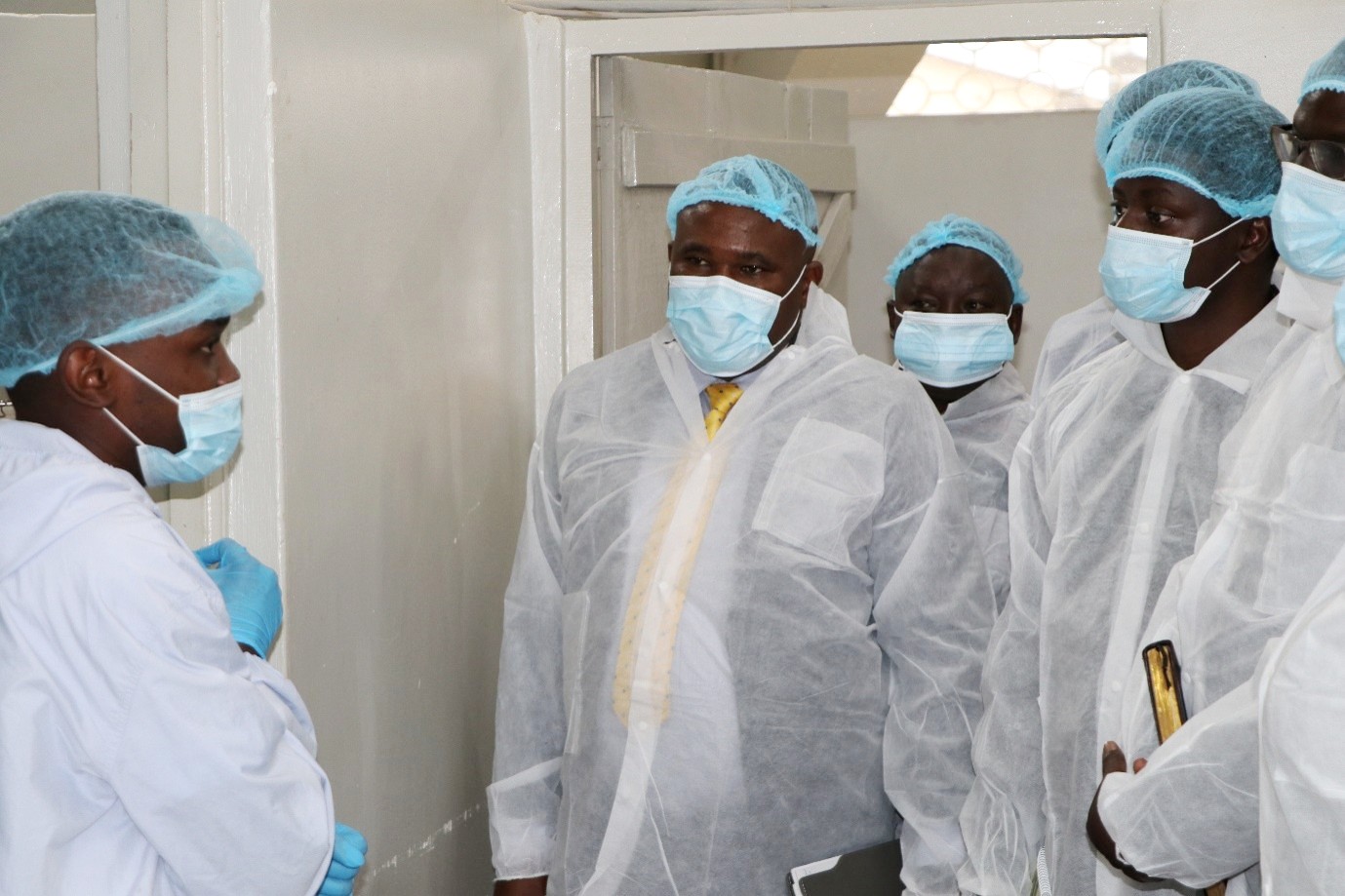
The delegation also toured laboratories within the Centre where research, product development and other activities supporting the ventures are undertaken.
The engagement offered the Committee a first-hand view of the scientific infrastructure, expertise and processes underpinning Uganda’s efforts to move research beyond academic discovery and towards innovation, enterprise development and eventual application.
Where science meets national priorities
For years, Uganda has invested in research and generated scientific knowledge across universities and research institutions. However, converting that knowledge into products and services that reach communities and markets remains one of the country’s most important innovation challenges. The ventures showcased at CeBIOTECH represent an attempt to bridge this gap.
Although they operate in different areas, the ventures share a common pathway using scientific research and technological expertise to develop solutions with potential to address challenges facing Ugandans while contributing to economic growth.
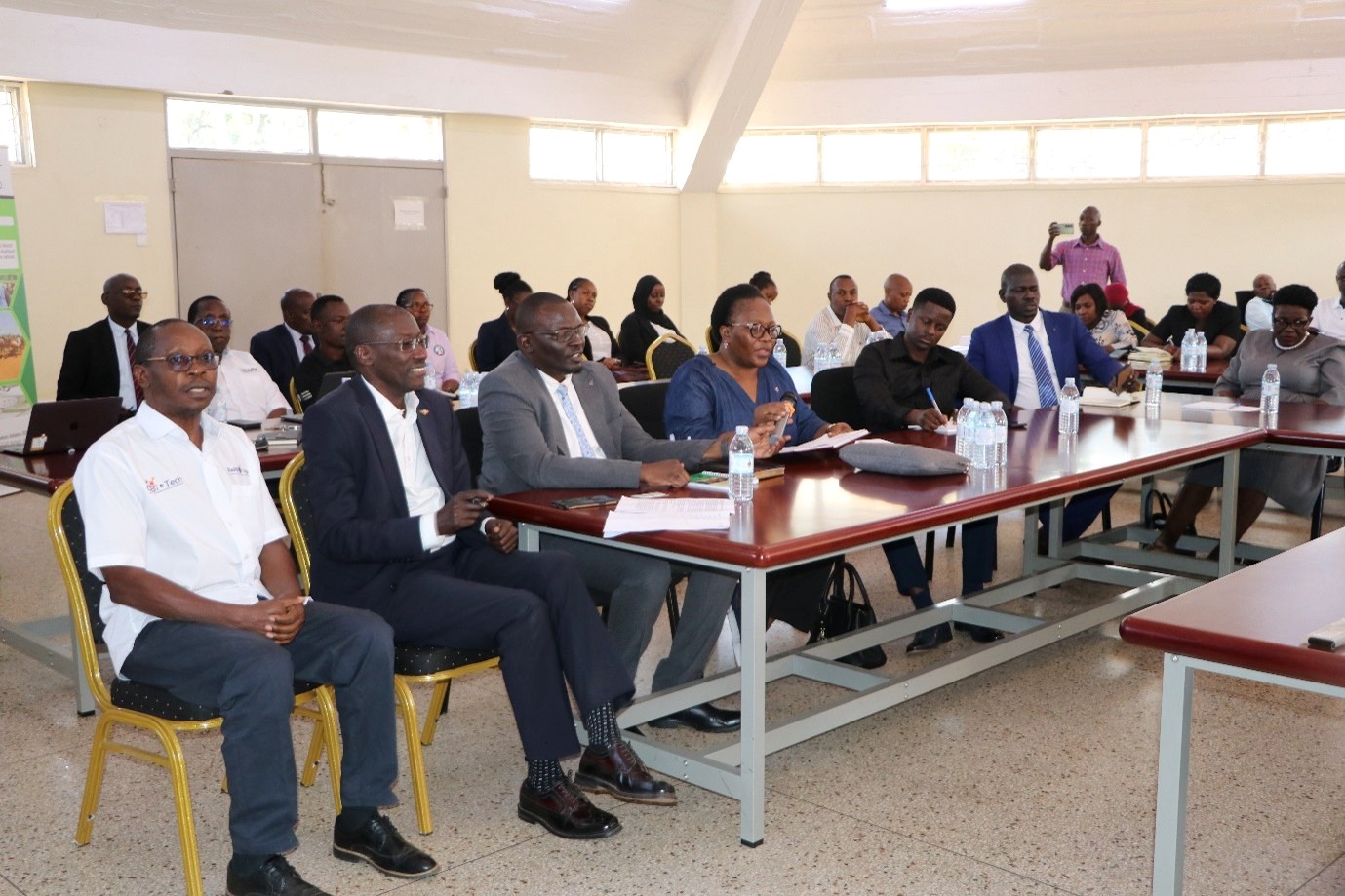
The Parliamentary Science Committee’s visit consequently provided more than an opportunity to observe ongoing research. It created a platform for legislators to interact with the scientists behind the innovations and gain insight into the journey from research concept to a potentially viable product or enterprise.
That journey can involve years of research, laboratory experimentation, testing, validation, regulatory requirements, intellectual property protection, investment, and commercialisation.
A diverse portfolio of innovation
The diversity of ventures at CeBIOTECH reflects the broad scope of Uganda’s science and innovation agenda.
The CLARF, REPROVaD, and BIOMARKER ventures demonstrate the range of scientific work being pursued. At the same time, the Anti-Tick Vaccine Venture highlights efforts to address one of the persistent challenges affecting livestock production.
Rather than viewing the ventures as isolated projects, the visit highlighted the importance of building an ecosystem in which scientific discoveries can be nurtured into sustainable enterprises.
Such an ecosystem requires more than laboratory facilities. It depends on skilled human resources, research financing, modern infrastructure, regulatory support, partnerships, intellectual property management, manufacturing capacity, and market access.
Taking the fight against ticks beyond conventional control
One of the ventures presented to the Committee was the Tick Control Innovations Initiative Ltd.’s Anti-Tick Vaccine Venture, which is developing a vaccine aimed at controlling ticks and reducing the burden of tick-borne diseases in cattle.
Ticks and tick-borne diseases continue to present significant challenges to livestock production, affecting animal health and productivity and placing additional costs on farmers.
The development of an anti-tick vaccine represents an innovative approach to complement conventional tick-control measures and potentially provide farmers with an additional tool for managing the problem.
The inclusion of the venture among the STI-OP innovations showcased to Parliament demonstrates how scientific research can be directed towards challenges with direct implications for agriculture, livestock production and rural livelihoods.
For Uganda, the significance of such innovations lies not only in the scientific breakthrough itself, but also in the possibility of developing locally generated technologies that can eventually reach farmers and contribute to a more productive livestock sector.
The laboratories behind the innovations
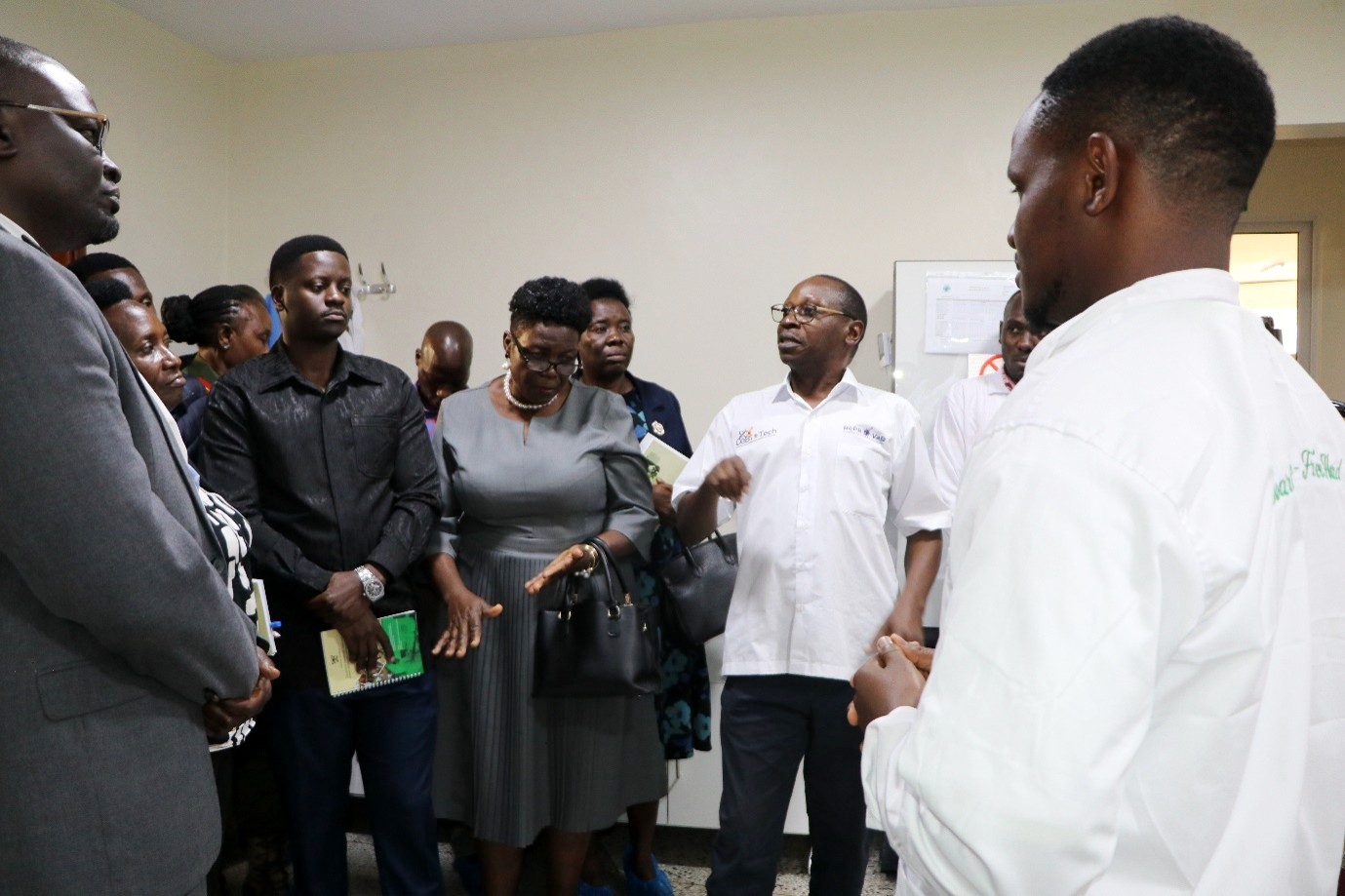
A significant part of the Committee’s programme was the tour of CeBIOTECH’s laboratories. The tour offered members an opportunity to see the facilities where scientific investigations and activities supporting the various ventures are undertaken.
Behind every innovation that eventually reaches the market is a substantial amount of work that is rarely visible to the public: laboratory experiments, sample analysis, quality control, testing, documentation, and validation.
The laboratory visits therefore helped demonstrate that successful innovation requires sustained investment in scientific infrastructure and the people who operate it. For Uganda’s science ventures to mature into viable enterprises, maintaining and strengthening such infrastructure will remain critical.
Parliament and the science agenda
The engagement also highlighted the important role Parliament can play in creating an environment in which scientific innovations can thrive.
While researchers generate knowledge and innovators develop technologies, policy and public investment can determine whether promising innovations receive the support needed to progress.
The Parliamentary Science Committee’s interaction with the ventures therefore provided an opportunity to understand the realities of research and innovation. Such an engagement strengthened the connection between policymakers and scientists, ensuring that decisions concerning science, technology and innovation are informed by the practical experiences of those working within the sector.
A step towards an innovation-driven Uganda
The Parliamentary Committee on Science, Technology, and Innovation’s visit to CeBIOTECH comes at a time when Uganda continues to position science, technology, and innovation as central to national transformation. The ventures visited provide a glimpse into what this ambition can look like in practice; scientists working on locally relevant challenges, laboratories supporting research and development, and emerging enterprises seeking to convert scientific knowledge into usable solutions.
The visit also underscored the importance of sustained collaboration among government, Parliament, universities, research institutions, private-sector players and investors. For the innovators at CeBIOTECH, the engagement provided an opportunity to demonstrate progress, highlight the potential of their work and draw attention to the support required to move their innovations to the next level. For Parliament, it offered a closer look at the people, facilities, and scientific processes behind Uganda’s emerging innovation landscape.
Ultimately, the story unfolding at CeBIOTECH is not simply about laboratories or individual ventures. It is about Uganda’s capacity to generate its own solutions, build enterprises around scientific knowledge, and turn research investment into tangible national value.
As the country pursues a more knowledge-driven economy, the progress of ventures such as CLARF, SUBUNIT, the Anti-Vaccine Venture, RePROVaD, and BIOMARKER will be an important measure of how effectively Uganda can move from research to innovation, from innovation to enterprise, and from enterprise to impact.
-

 General1 week ago
Statement on Concerns Circulating Regarding a Member of Academic Staff
-
 General1 week ago
Press Statement: Incident Involving Death of a Student at Makerere University
-
 General2 weeks ago
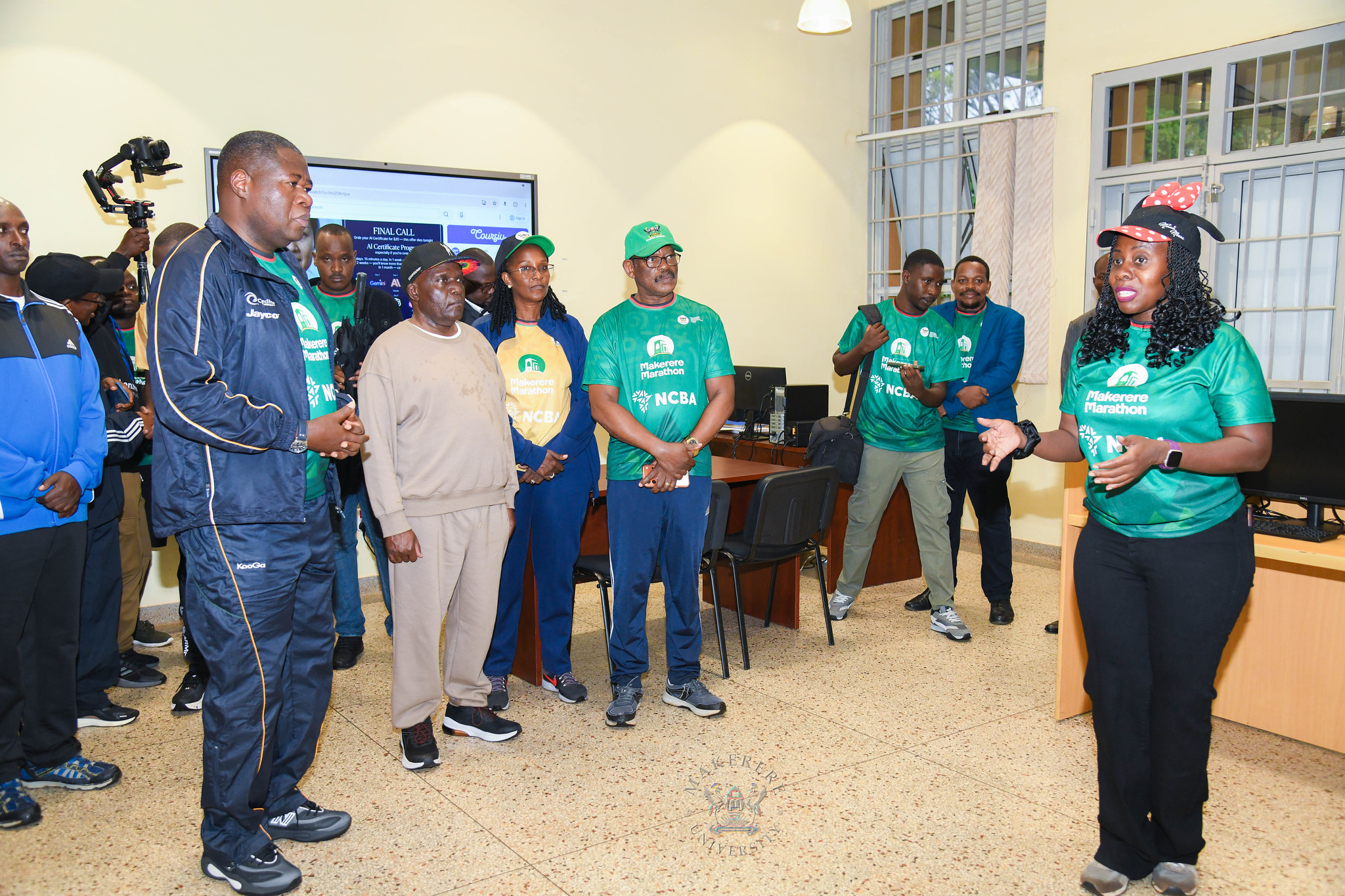
Makerere Marathon 2026 – Running to Equip the Disability Support Center
-
 General1 week ago
Beyond Map Size: Africa’s Agency Should Not Be Funded by Other People
-
 General1 week ago
JNLC Leadership Symposium Equips Young Leaders for Responsible and Transformative Leadership