
Humanities & Social Sciences
Makerere Screens Tuko Pamoja, Scholars Call for Creative Arts to Be Recognized as Research Output


Kampala, Uganda – May 13, 2025
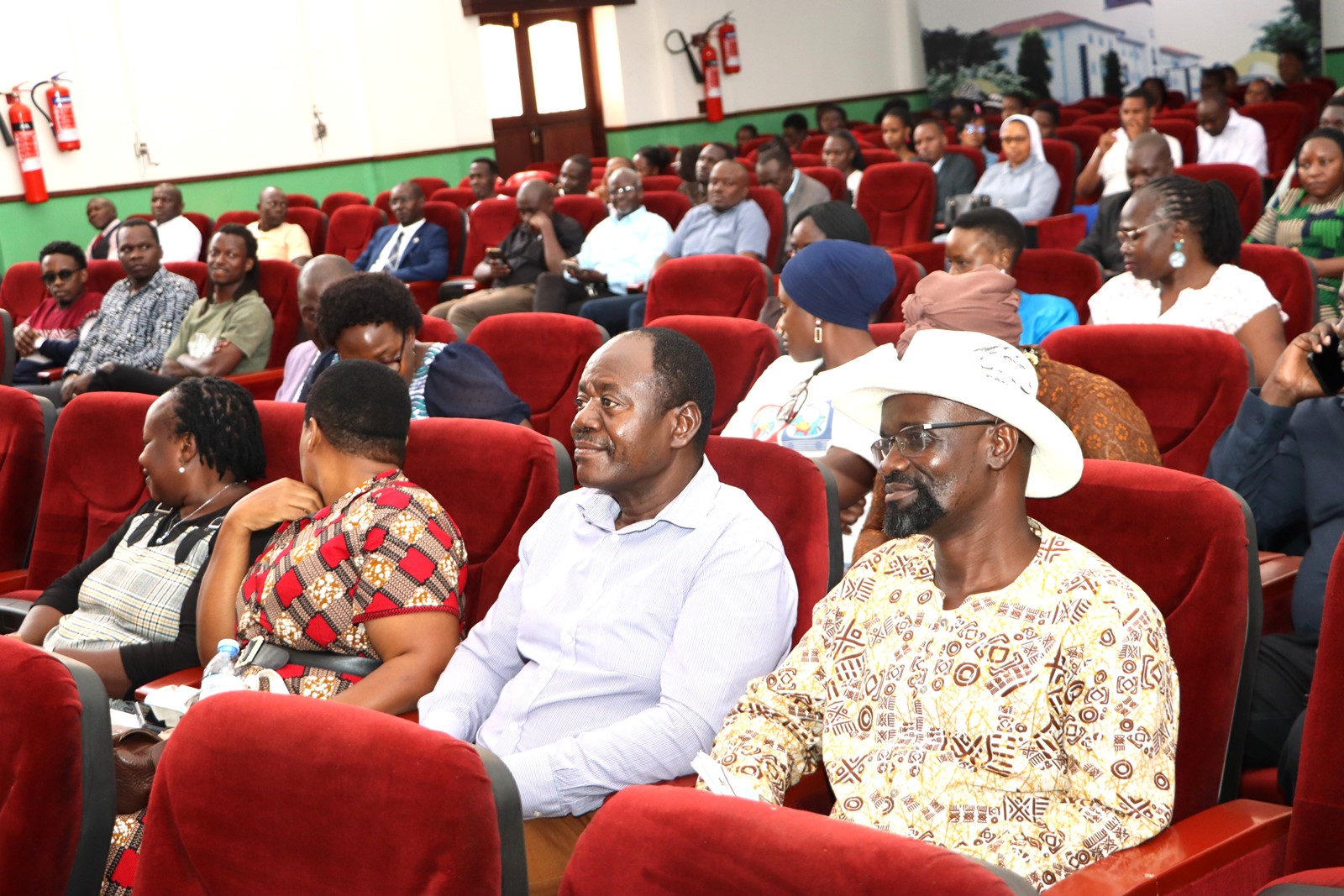
Makerere University on Tuesday screened Tuko Pamoja, a documentary by Dr. Cindy Magara, as part of a wider push by humanities scholars to have creative works recognized as valid academic research output.
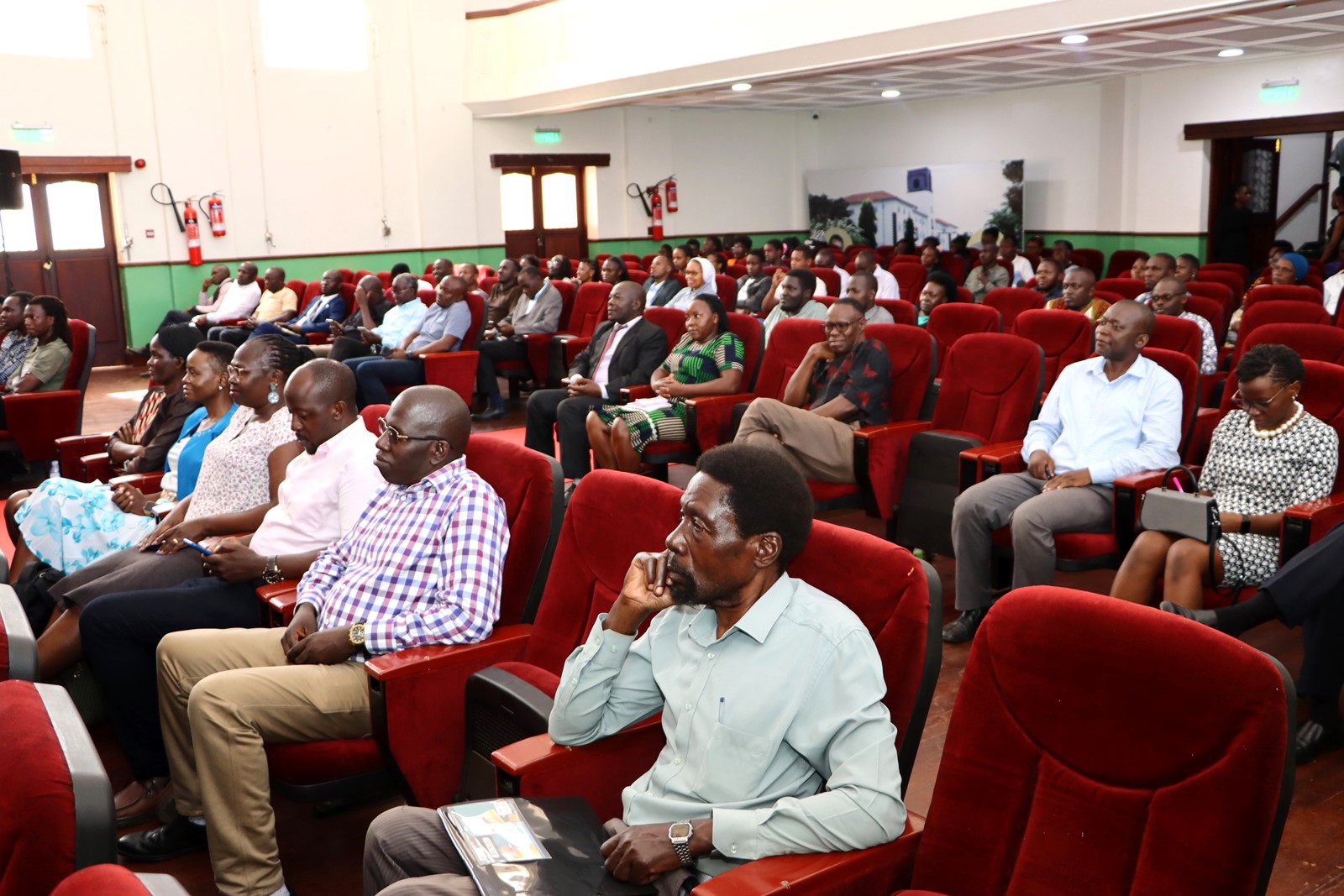
The screening, held at the University Main Hall, drew senior university officials, faculty, students, and representatives from national education bodies. The event highlighted growing calls to integrate creative arts into the university’s research and promotion frameworks.
Speaking on behalf of the Dean of the School of Languages, Literature and Communication, Dr. Levis Mugumya emphasized that creative works such as documentaries should be formally considered during academic staff promotions.
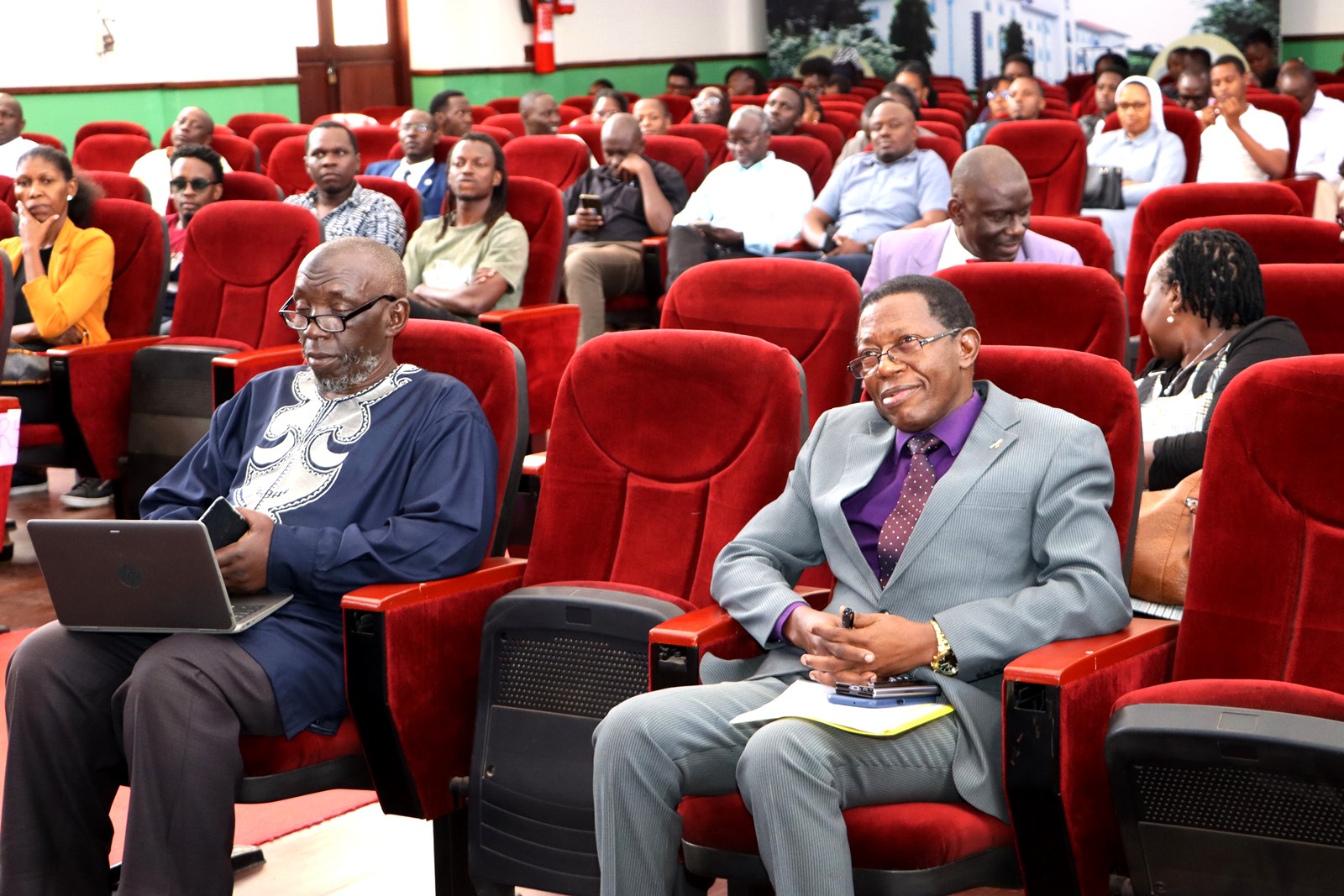
“Creative art should be considered as input that contributes to staff promotion,” Mugumya said. “We need to rethink what counts as academic output.”
Tuko Pamoja—Swahili for We Are One—is a docuseries exploring Uganda’s ethnic diversity and shared historical experiences prior to colonial nation-state formation. Dr. Magara, a literature scholar and filmmaker, was praised for creating a culturally significant work that transcends traditional academic formats.
“This is a great tool for promoting patriotism. It contributes to national development and deepens our understanding of ethnicity and nationhood in Uganda,” Mugumya added.
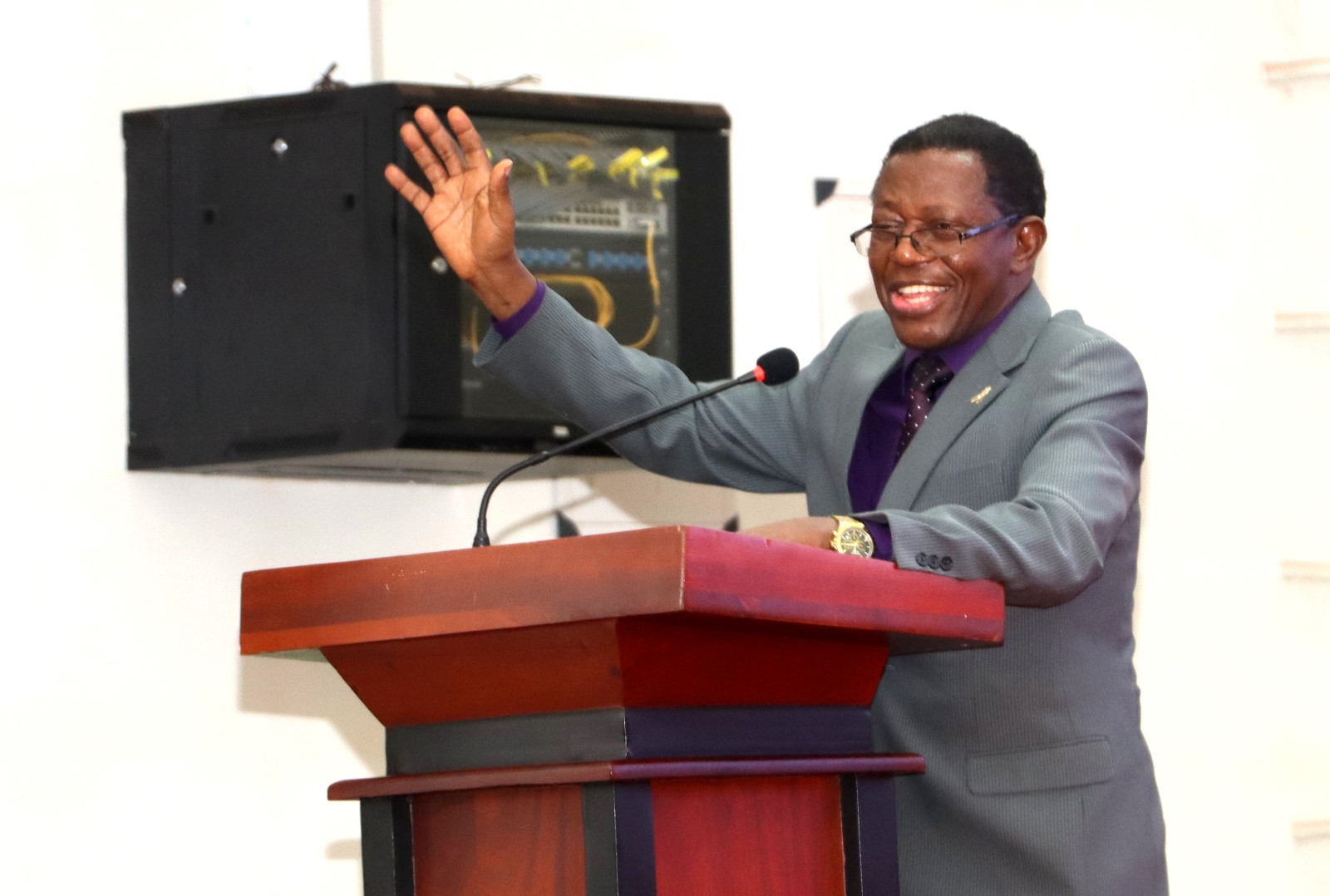
The event was officiated by Professor Mukadasi Buyinza, who represented Vice Chancellor Barnabas Nawangwe. In his speech, Buyinza reiterated Makerere’s commitment to supporting research in the creative arts.
“We cannot promote research only in the STEM disciplines. Resilient communities need a sense of humanity—and creative arts are central to that,” said Buyinza. “Film-making and research are expensive, and we must find partners to support such initiatives.”
He also called for greater collaboration among faculty and students to promote and disseminate creative research outputs like Tuko Pamoja.

Associate Professor Helen Nkabala, Principal of CHUSS, stressed the importance of storytelling in shaping national consciousness and academic relevance.
“At the College of Humanities, we are telling you that we need to unite to tell our story if we are to make meaning to our communities,” she said. “This film shows how humanities research can be innovative, relevant, and impactful.”
Dr. Magara, a former student in the department, was commended by senior colleagues for bridging academic and artistic expression. The event follows a recent management dialogue on the role of humanities in nation-building.
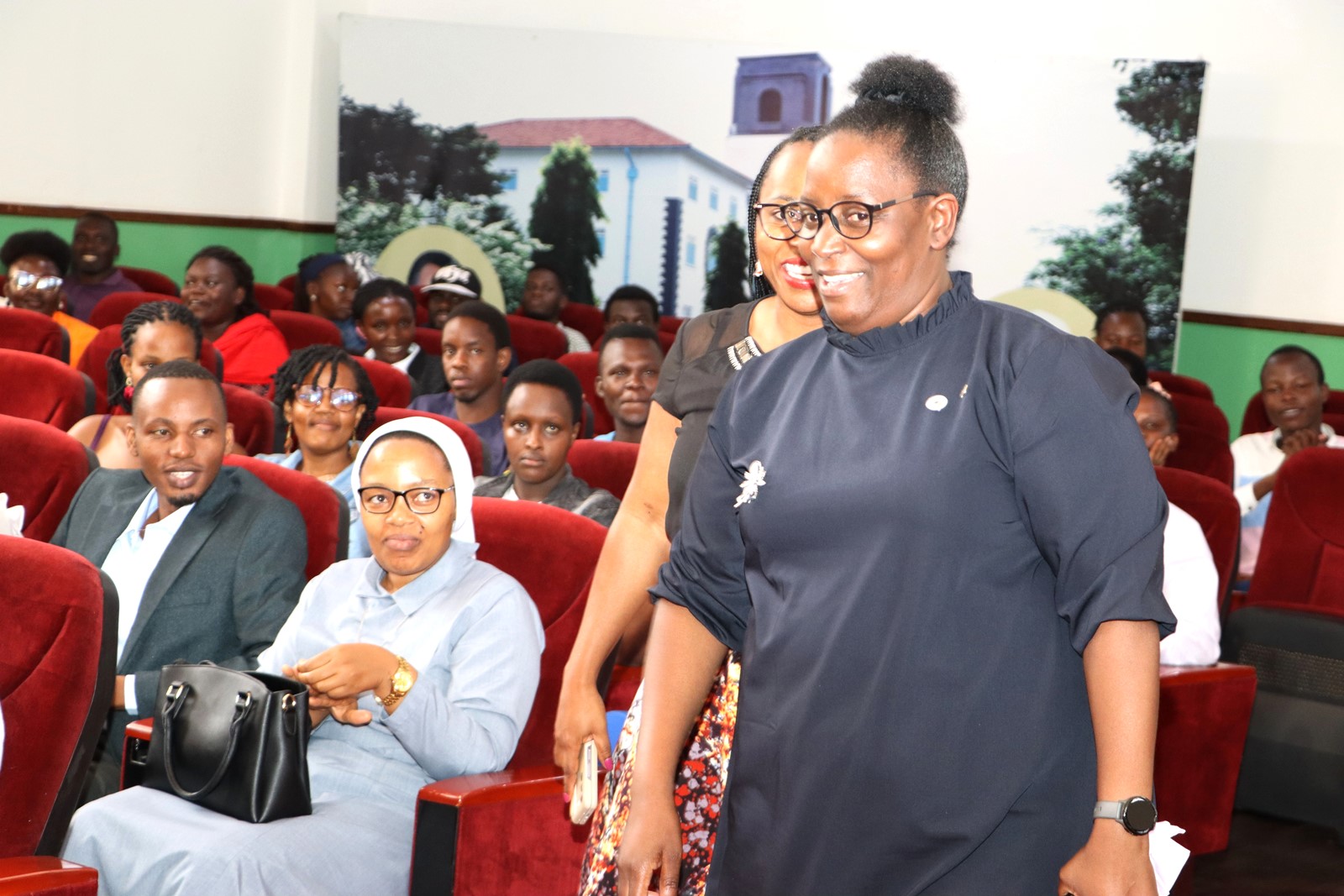
“We need events like this to remind us who we are,” Buyinza concluded. “Unity is not given—it is built through conscious effort and shared history.”
Dr. Cindy Magara Traces Journey from Classroom to Cinema with Launch of Tuko Pamoja Docuseries
Dr. Cindy Evelyn Magara, a literature scholar and pioneering filmmaker recounted her two-decade journey into film-making at Makerere University during the screening of her latest documentary project, Tuko Pamoja. The event was part of a broader discussion on the role of creative arts in academia.
Dr. Magara shared her evolution from a student in Uganda’s first film studies class in 2005 to becoming one of the country’s most recognized female filmmakers. She credited her start to Professor Sister Dominic Dipio, who introduced artesian cinema at Makerere University.

“If it wasn’t for Sister Dipio, possibly I wouldn’t be here. I wouldn’t be a filmmaker,” Magara said. “From the time I made my first film, I knew that was going to be my career path.”
After graduating in 2006, Magara founded Nyati Motion Pictures, a production company named after her clan totem—Mbogo (buffalo). Her first film, Fate, became a historic milestone as the first Ugandan film screened at Cineplex Cinemas and aired on Africa Magic.
She went on to direct Fair Play, an EU-funded project, and Windows of Hope, before pausing her film career to pursue advanced academic studies. “I had to juggle marriage, motherhood, and a master’s degree,” she explained. With mentorship from Professors Susan Kiguli and Dipio, she transitioned into academia and later earned a PhD.
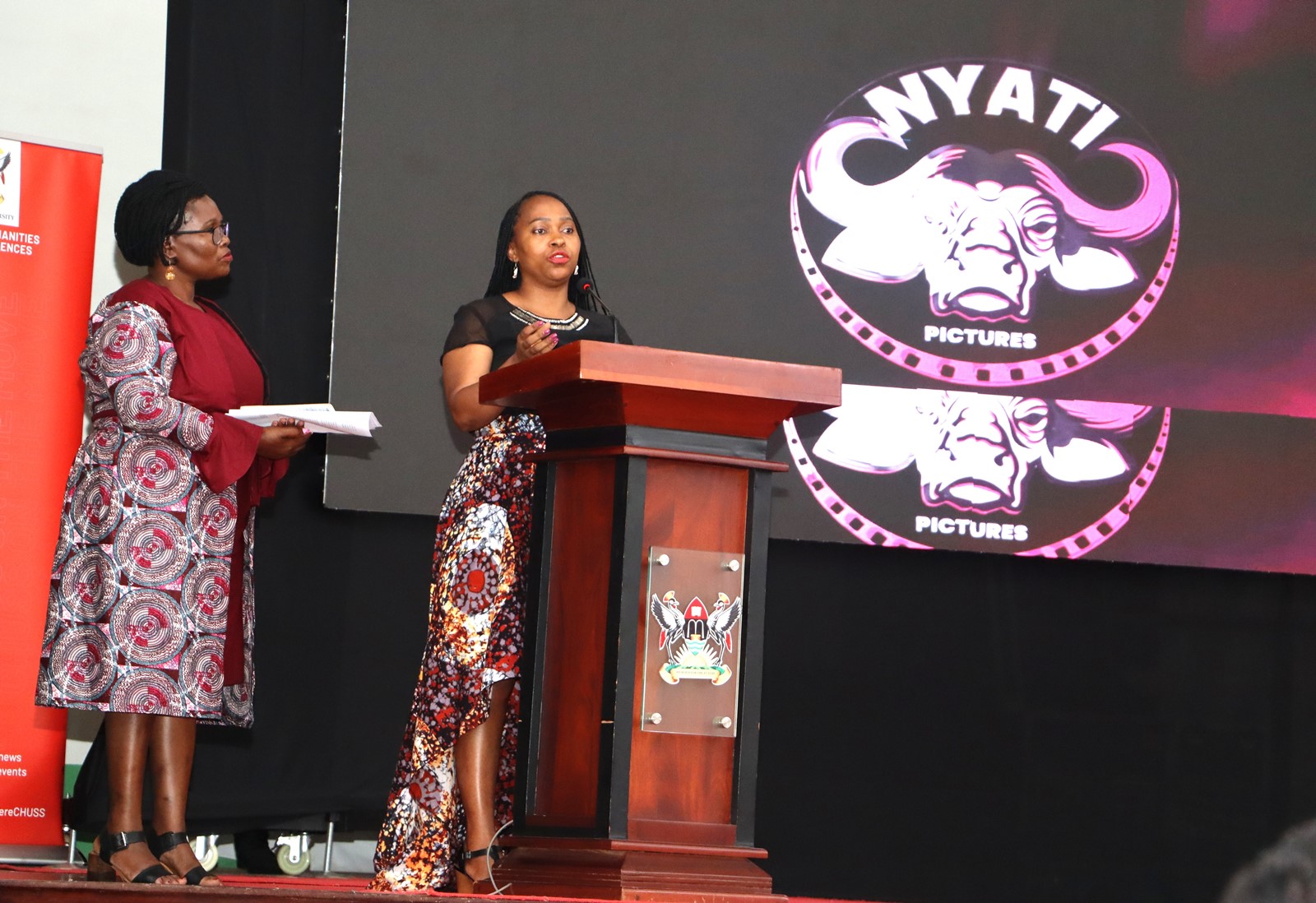
After completing her studies, Magara returned to filmmaking with Tuko Pamoja (Swahili for We Are One), a 13-part documentary series exploring Uganda’s pre-colonial ethnic unity and shared cultural heritage. The project blends various documentary techniques—observation, exposition, interaction, and reflection.
“The documentary seeks to foster cohesion by examining our interconnected past,” she said. “If we were relating together, then we were one.”
Magara revealed that the idea for the series was inspired by the political intrigue of Game of Thrones, likening Uganda’s 19th-century power dynamics—particularly involving historical figures like Kabalega and Mwanga—to an epic African saga.

Originally intended as a single short film to attract funding for a full-length feature, the project evolved into a full series following extensive community research. Magara interviewed historians, cultural leaders, and opinion makers across Uganda. “This became my classroom,” she noted. “I learned so much—I think the Department of History should give me an honorary PhD.”
Tuko Pamoja was premiered in the very communities where the research was conducted, receiving support from local media houses and sponsors. Magara credited UBC, NBS, and Vision Group for providing extensive free media coverage. “UBC told me, ‘We are sorry you’re doing what we should have done long ago,’” she recalled.
The series, currently accessible via nyatimotionpictures.com and the upcoming Nyatiflix app, has also generated academic interest, prompting calls to recognize such creative works as legitimate research outputs.

“We must think of film not only as an art but as research and business,” Magara emphasized. “Film is the evening class. If we fail to tell our stories, someone else will do it for us.”
Magara expressed gratitude to her mentors, students, sponsors, and family—including her husband, who helped finance the production. Plans are underway for wider distribution on local television stations and digital platforms.
As the event concluded, Magara left a message for aspiring creatives: “Film is powerful. It’s how we entertain, educate, and decolonize the screen.”
“Lighting the Screen: A Story of Art, Identity, and Nation”
“We need to cultivate an audience. We need to teach our people that consuming art is not luxury—it is culture. It is growth.” Prof. Sr. Dipio Dominica
It was a warm afternoon, and the hall was alive with quiet anticipation. At the front sat three figures who had long walked the corridors of Uganda’s most prestigious institution—each one a torchbearer in the creative arts. Professor Abasi Kiyimba, long known for his eloquence and firm grasp of literature, stood to open the conversation. His voice, familiar and thoughtful, welcomed the audience into a dialogue not just about film, but about the soul of a nation.
“In the Department of Literature,” he began, “we’ve always believed in crossing boundaries. We have mothered other departments—film, drama, music. And now, here we are, watching Uganda retell herself through the lens of the camera.”
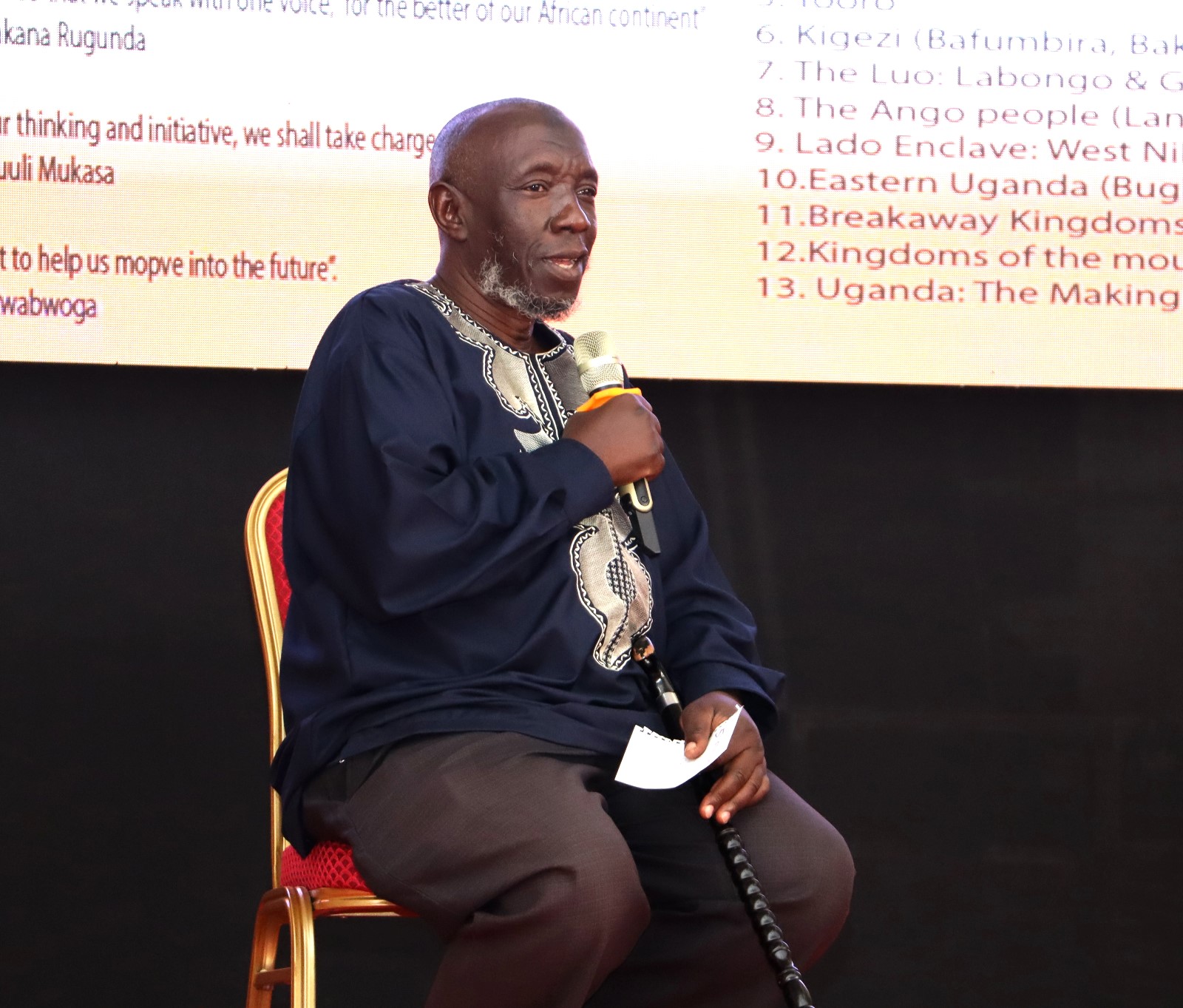
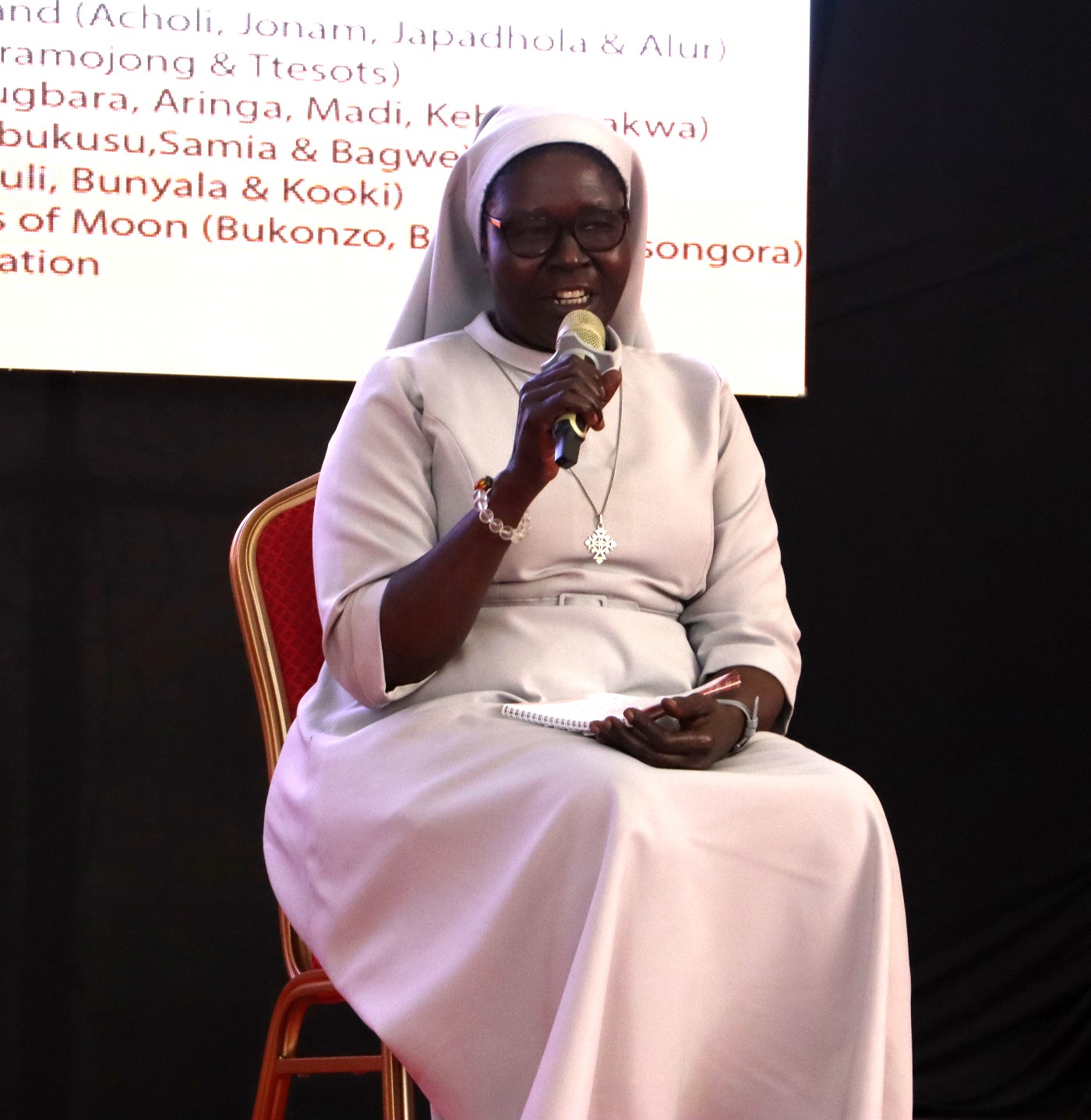
He turned to Professor Dominica Dipio, a former student of his who had become a pioneer in Ugandan film. With a soft smile, he asked, “At what point did you realize that film had to be added to the menu of your literary journey?”
Professor Dipio’s response was part memory, part reflection. She traced her path back to the Pontifical Gregorian University in Rome, where she had gone to study literature. But to her surprise, there was no African literature course. Instead, she was nudged by wise Jesuit professors toward film—a medium they described as an art form closely tied to literature.
“It made sense,” she said. “Storytelling is at the heart of both. Writing with a camera—this is what film allows us to do. It was as though I had been prepared for this all along.”
When she returned to Uganda, she found a generation of students hungry for a new kind of expression. They weren’t waiting to be told what to do. They were already calling themselves filmmakers.
“I had taught them just the basics,” she chuckled, “and they were already making films and introducing themselves as directors. I thought, ‘Please, let’s be humble.’ But inside, I was proud. They had vision.”
From there, Makerere’s halls began to echo not only with poetry and novels but with the buzz of editing software, the click of cameras, and scripts written in digital ink. Film festivals like Maisha, Amakula, and Zanzibar became essential spaces of collaboration. The National Theatre turned into a second campus.
And sitting beside Dipio was another creative soul with his own journey—Dr. Milton Wabyona, a man who had nearly disappeared from the education system.
“I’m a school dropout,” he confessed quietly. “Few people know that. I was studying physics, economics, and math. But I couldn’t pay fees.”
It was music—specifically a dance troupe—that pulled him back. A woman named Dr. Jessica Kawa recognized his talent and gave him a chance.
“I told her, ‘I don’t care what I study. I just want to go back to school.’ That’s how I entered the creative arts.”
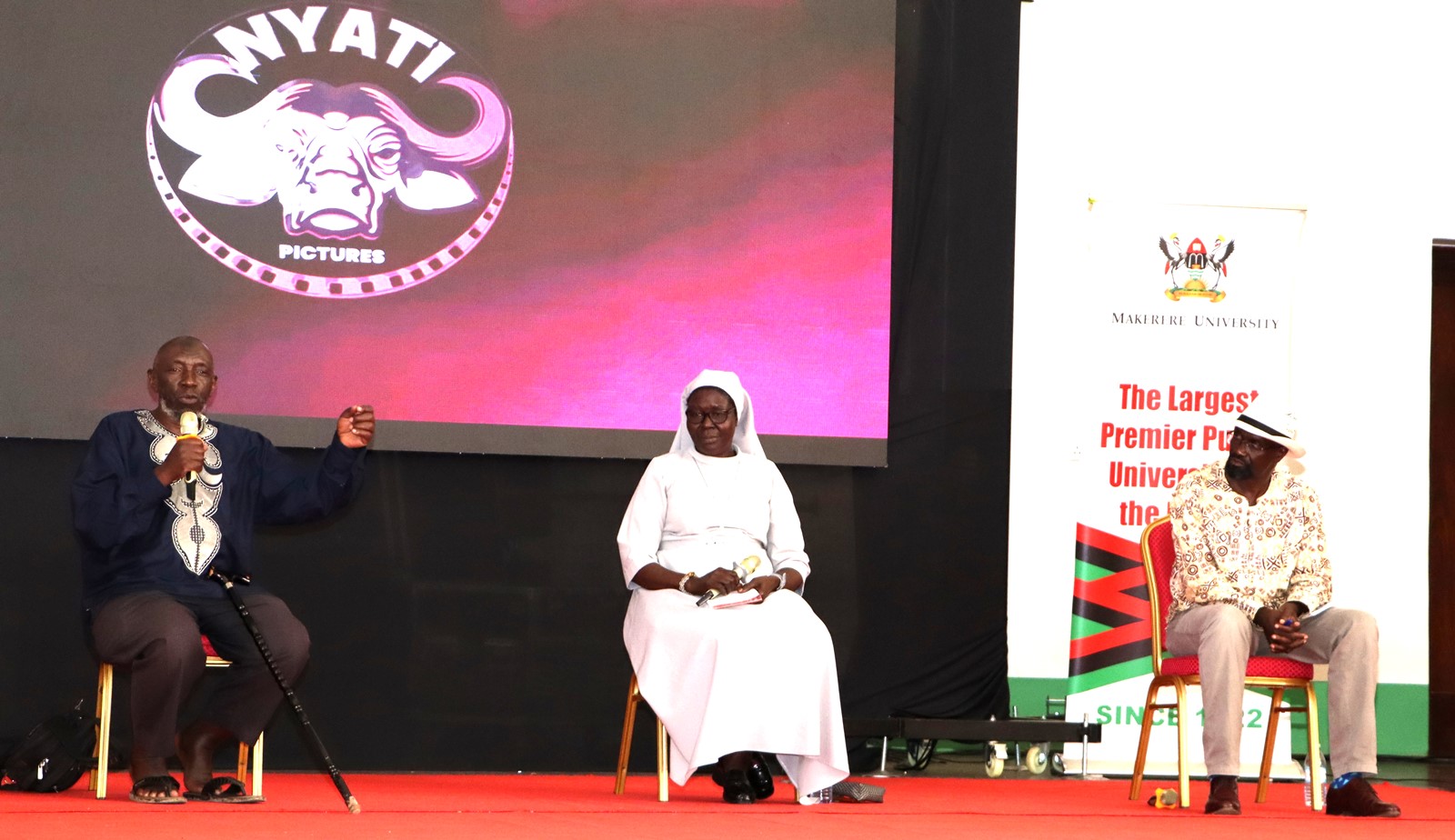
Music, he argued, is more than melody. It teaches collaboration, humanity, and interdependence.
“No matter how gifted I am, I can’t sing harmony alone,” he said. “I need others.”
He quoted Plato, reminding the room that the arts were once central to shaping good citizens and preserving culture. The arts, he said, are not just subjects—they are the soul of education.
As the discussion deepened, Prof. Kiyimba asked a profound question: What is this film we just watched? Is it literature? History? Art?
Professor Dipio leaned back and explained that film, as the “seventh art,” gathers all other forms—literature, painting, music, theatre, sculpture—and weaves them into one cohesive experience. She invoked Aristotle to explain how literature and history are both rooted in reality, but art reshapes that reality, making us see it anew.
“Film is a representation,” she said. “It tells history not by simply stating facts, but by shaping them, giving them voice and character.”

Characters like Queen, Mwanga, Kabelega, and others in the film weren’t just historical names—they had become people with motivations, fears, and contradictions. That was the power of art.
Then Dr. Wabyona took the floor once more.
“Music speaks in ways plain words never can,” he said. “You don’t need to understand Lingala to dance to Congolese music. That’s how powerful rhythm and pitch are.”
But behind the excitement lay a persistent concern—money. Could Ugandan cinema be self-sustaining?
Dipio paused before answering. She didn’t sugarcoat it.
“We are not yet consuming enough art,” she said. “We don’t have the culture of going to the cinema like in Burkina Faso, where the whole country stops for the FESPACO film festival.”
Comedy, she admitted, was one area where Ugandans paid. But serious artistic films struggled.
“We need to cultivate an audience. We need to teach our people that consuming art is not luxury—it is culture. It is growth.”
Wabyona agreed. He shared how many Ugandan productions, like Ndere Troupe, offer free shows, yet the audiences are overwhelmingly foreign.
“When your own people don’t show up,” he said, “you begin to understand the kind of crisis we’re in.”
Then, quietly, the conversation turned to the political dangers of art.
“Have you ever censored yourself?” Kiyimba asked Dipio.
She smiled.
“So far, my films have been harmless. But make no mistake—art is political. Even saying it’s not political is a political act.”
She quoted a colleague: “Art disturbs.” And that’s what makes it powerful—and dangerous.
“Where the state seeks to unify, art challenges. It asks hard questions. It stirs the water.”
And yet, art also carries hope.
As the discussion ended, the audience was left with a simple but profound idea: A society can be judged by the art it consumes. In that sense, the future of Uganda’s creative arts isn’t just about budgets, scripts, or shows—it’s about whether its people choose to see themselves on the screen, in the music, in the dance, in the story.
And that choice, perhaps, is the most powerful act of all.
Jane Anyango is the Principal Communication Officer, CHUSS


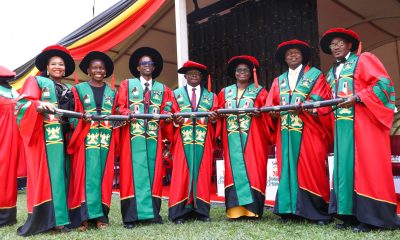

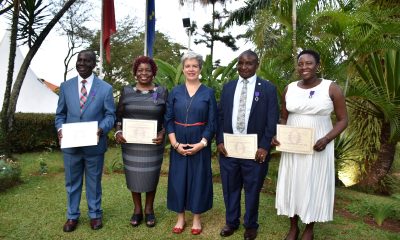





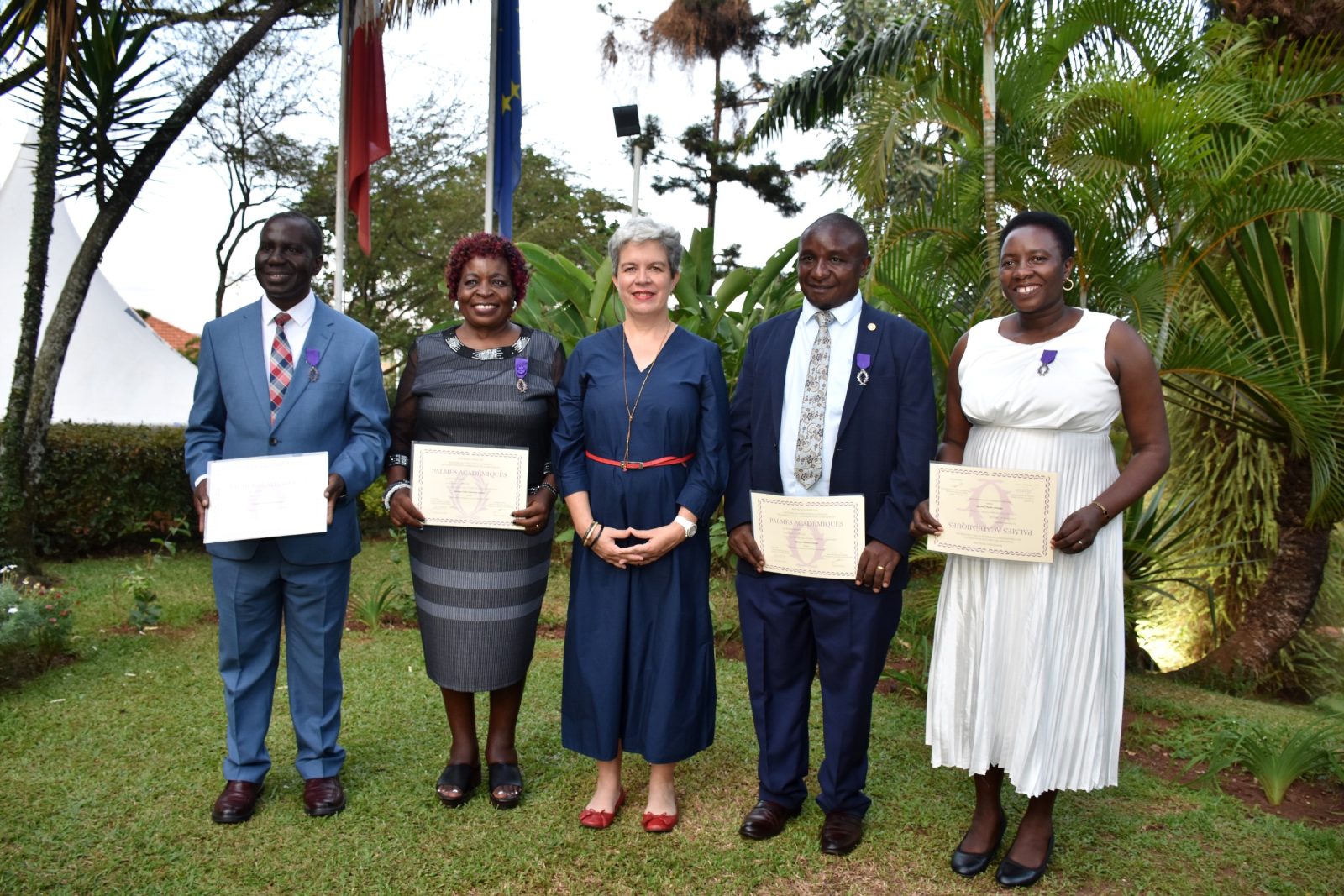
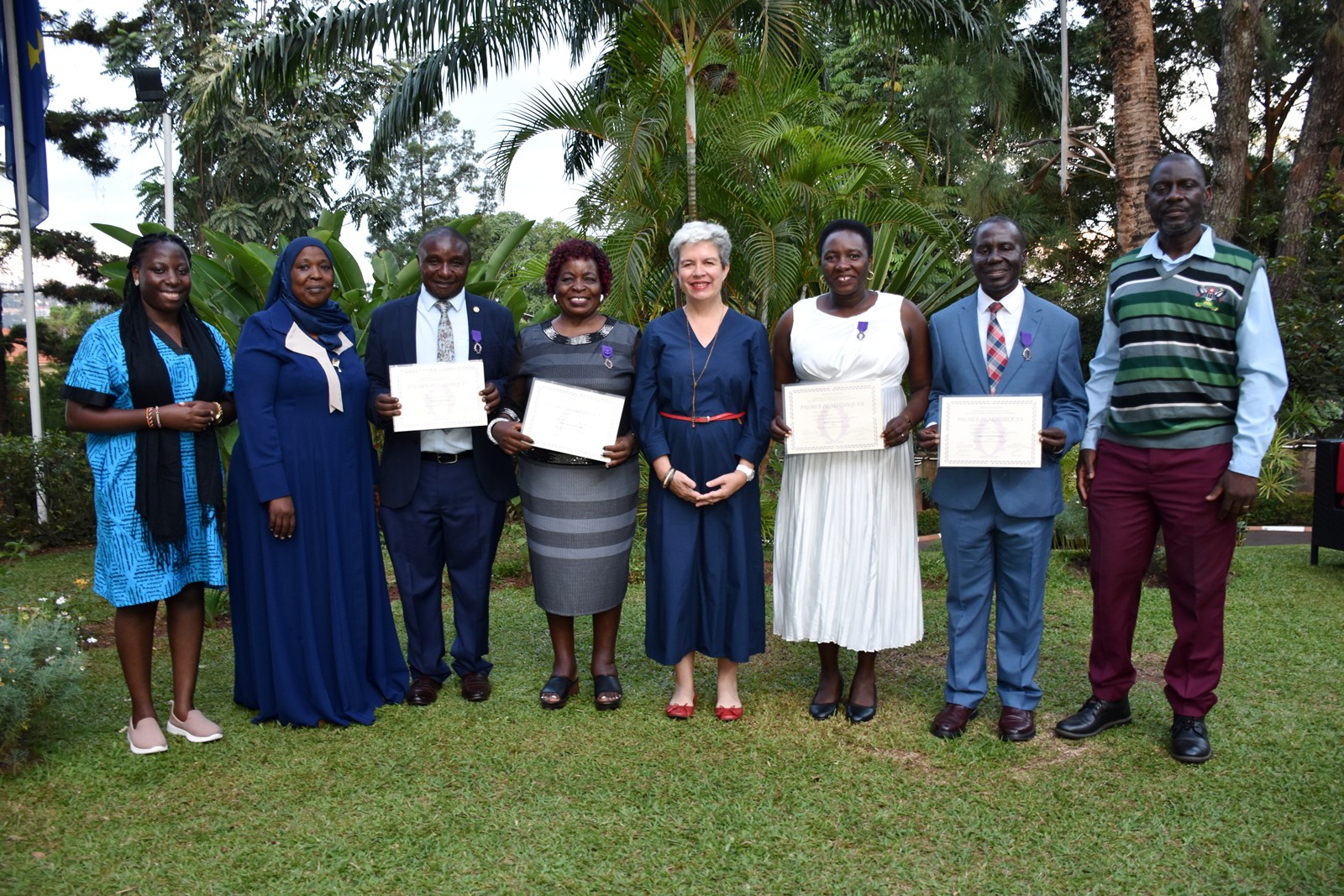
During a ceremony hosted by The French Embassy in Uganda on Wednesday, October 7 2026, four Makerere-affiliated academics were honoured with French Order of Academic Palms for their effort in strengthening working relations between France and Uganda.
The individuals recognised for their dedication to education, research, and the teaching of French include; Professor Edith Ruth Natukunda Togboa, Dr Agatha Tumwine, Professor Christian Kakuba, and Professor Enoch Sebuyungo.
During the ceremony, the French Ambassador H.E. Virginie Leroy highlighted that the partnership between France and Uganda partly thrives on the commitment of teachers and researchers who facilitate dissemination of knowledge and build lasting connections between the two nations.
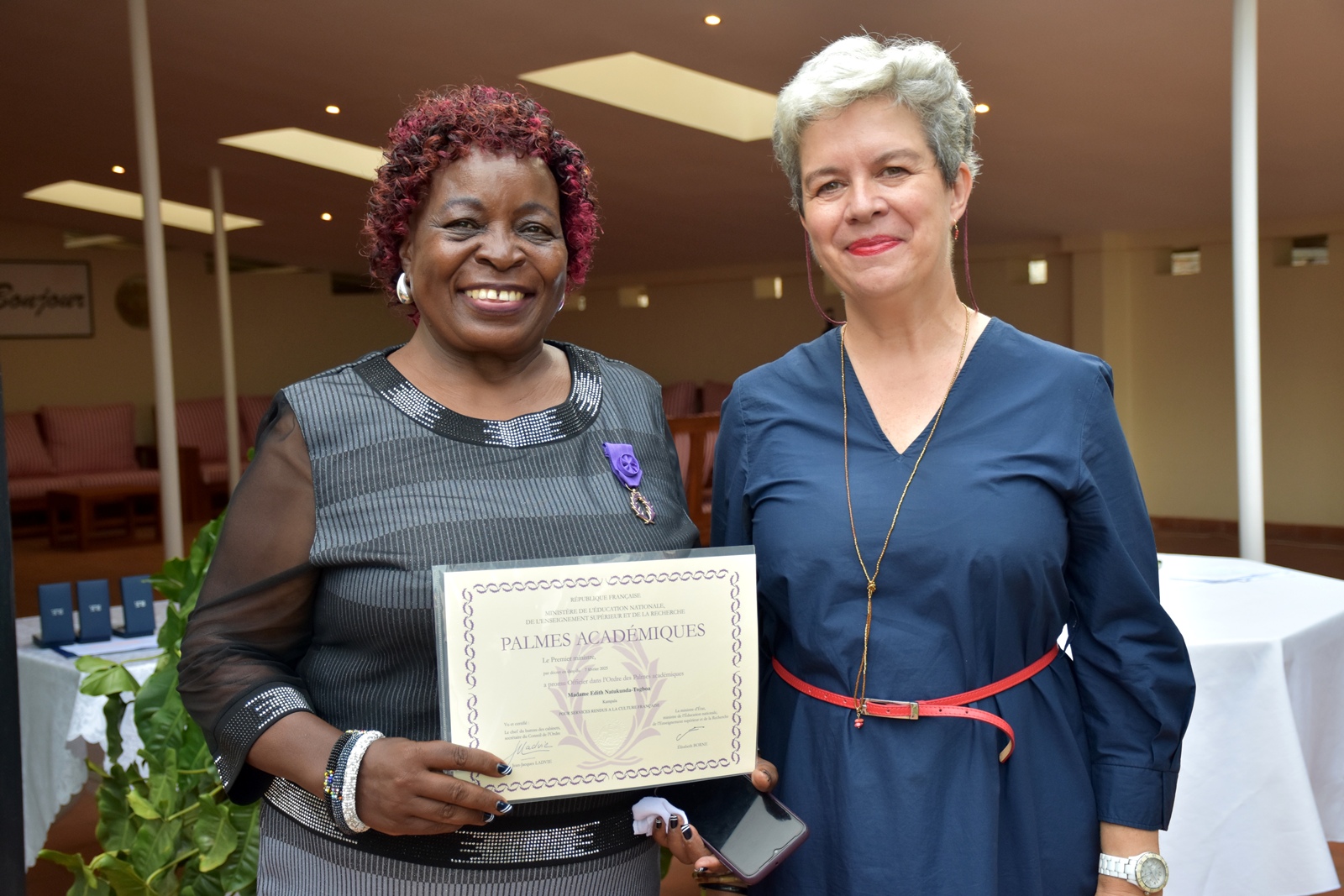
One of the recipients, Professor Edith Ruth Natukunda Togboa, who was promoted to the rank of Officer of the Academic Palms is a long-time French instructor at Makerere University.
Professor Natukunda Togboa focused her career on bilingualism, translation, and language policy since returning from her studies in France in the 1980s.
Dr Agatha Tumwine the other recipient was appointed Knight of the Academic Palms.
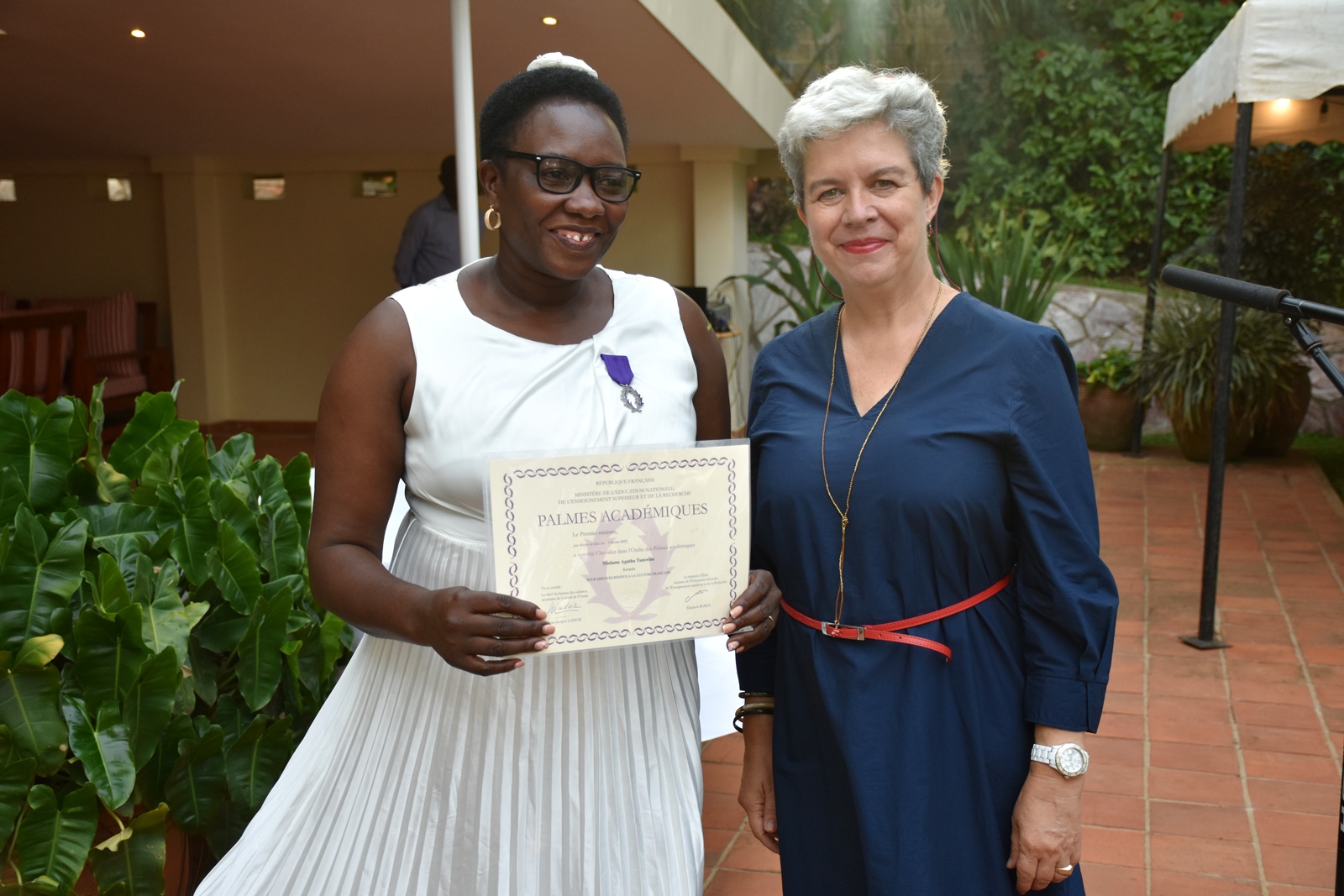
As a Lecturer at Makerere University and President of the Association of French Teachers in Uganda (APFO), Dr Tumwine is recognised as instrumental in strengthening the French-teaching community and facilitating cooperation with the French Embassy.
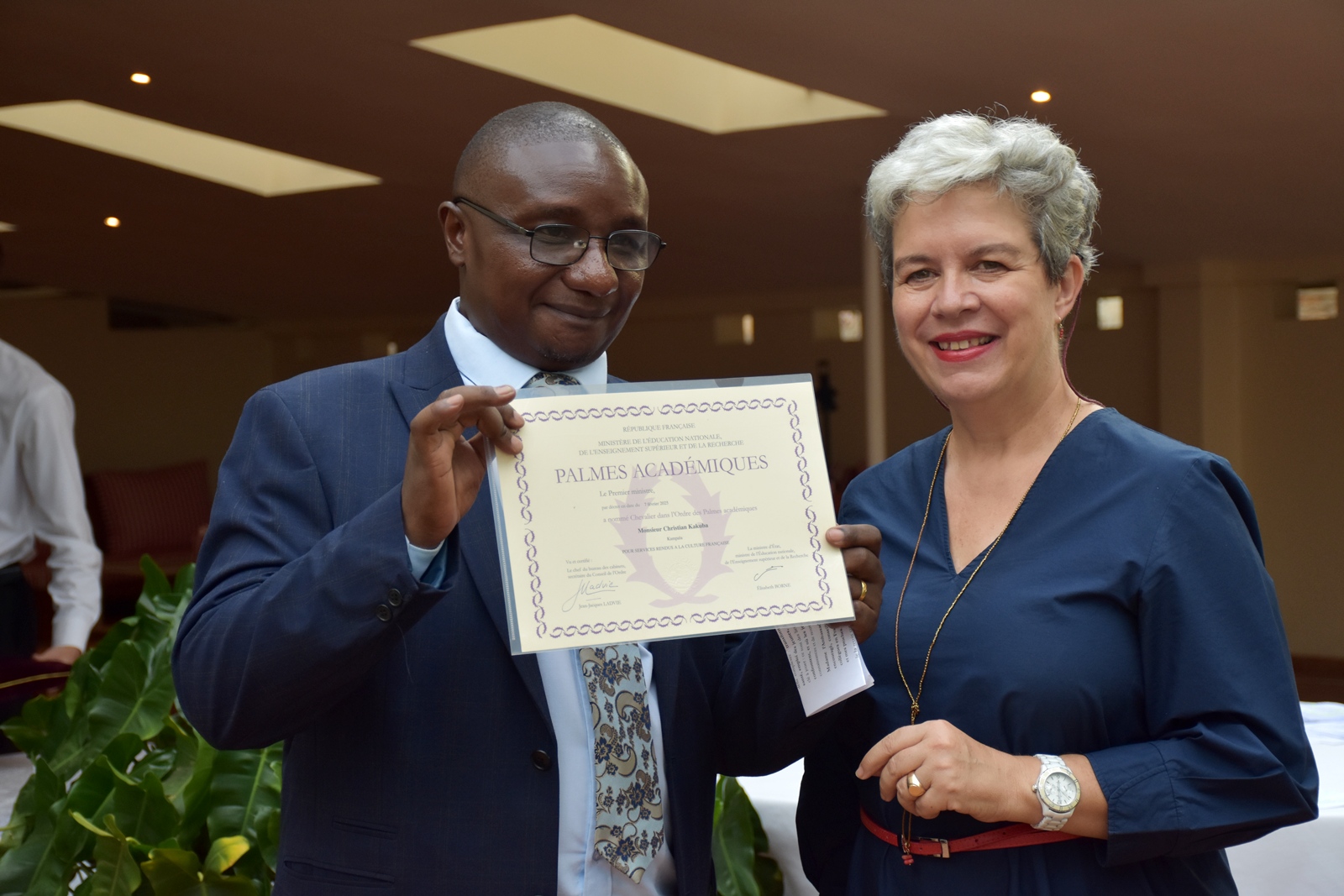
The third is Professor Christian Kakuba who also received the rank of Knight. With nearly 30 years of experience at Makerere University in socio-demography and applied statistics. He has been a key figure in training new researchers and maintaining ties with the French National Institute for Demographic Studies (INED).
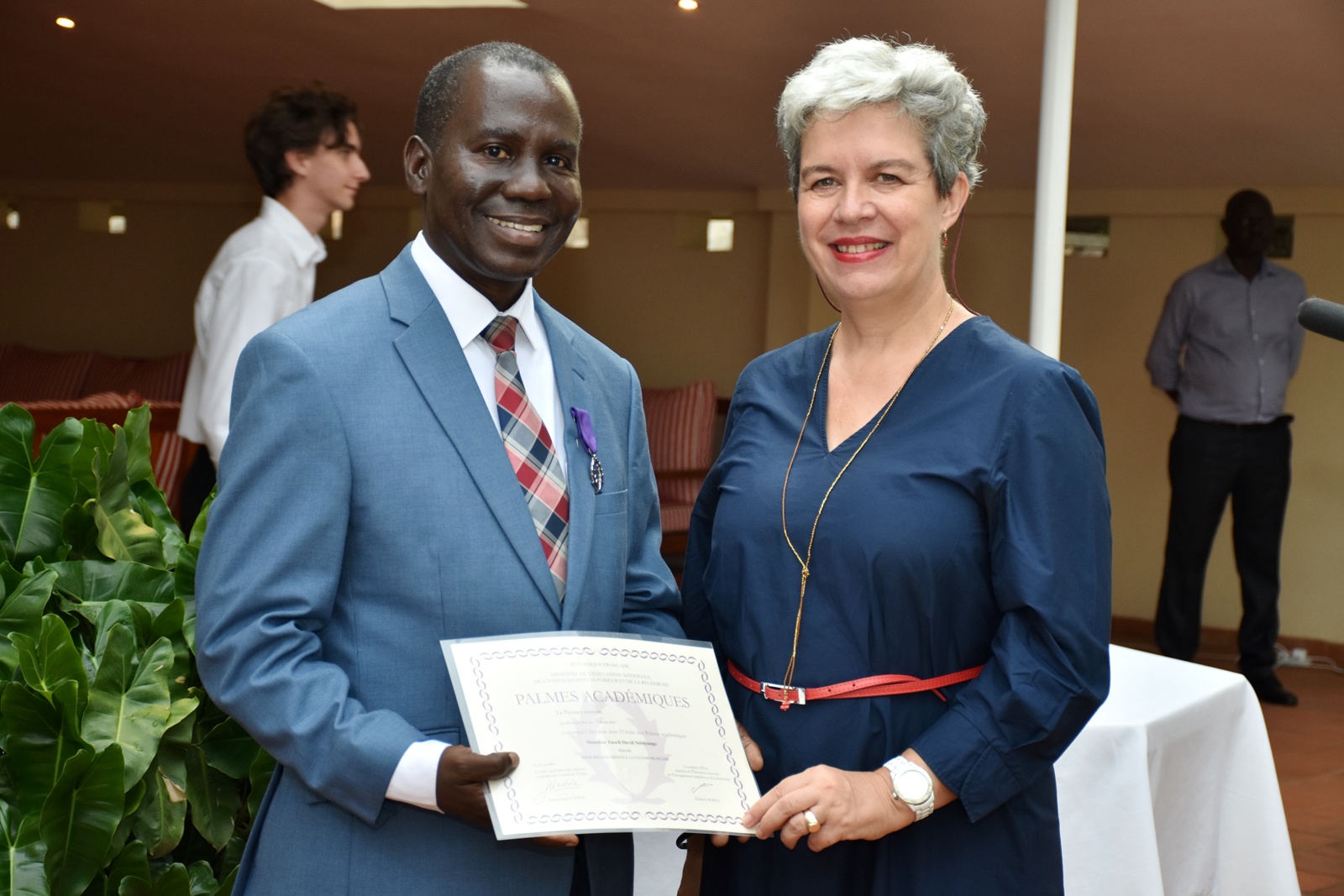
The fourth, Professor Enoch Sebuyungo, was equally appointed Knight of the Academic Palms.
Professor Sebuyungo is a linguist trained in France, and has worked to promote French as a tool for professional training and dialogue. He has also supported French-speaking refugees through translation services.
The Academic Palms (Ordre des Palmes Académiques) is an official National Order of Merit bestowed by the French Republic to honor distinguished academics, teachers, and individuals who have made valuable contributions to universities, education, science, and French culture.
Humanities & Social Sciences
MISR Director Assoc. Prof. Lyn Ossome Publishes New Book, Democracy’s Subjections

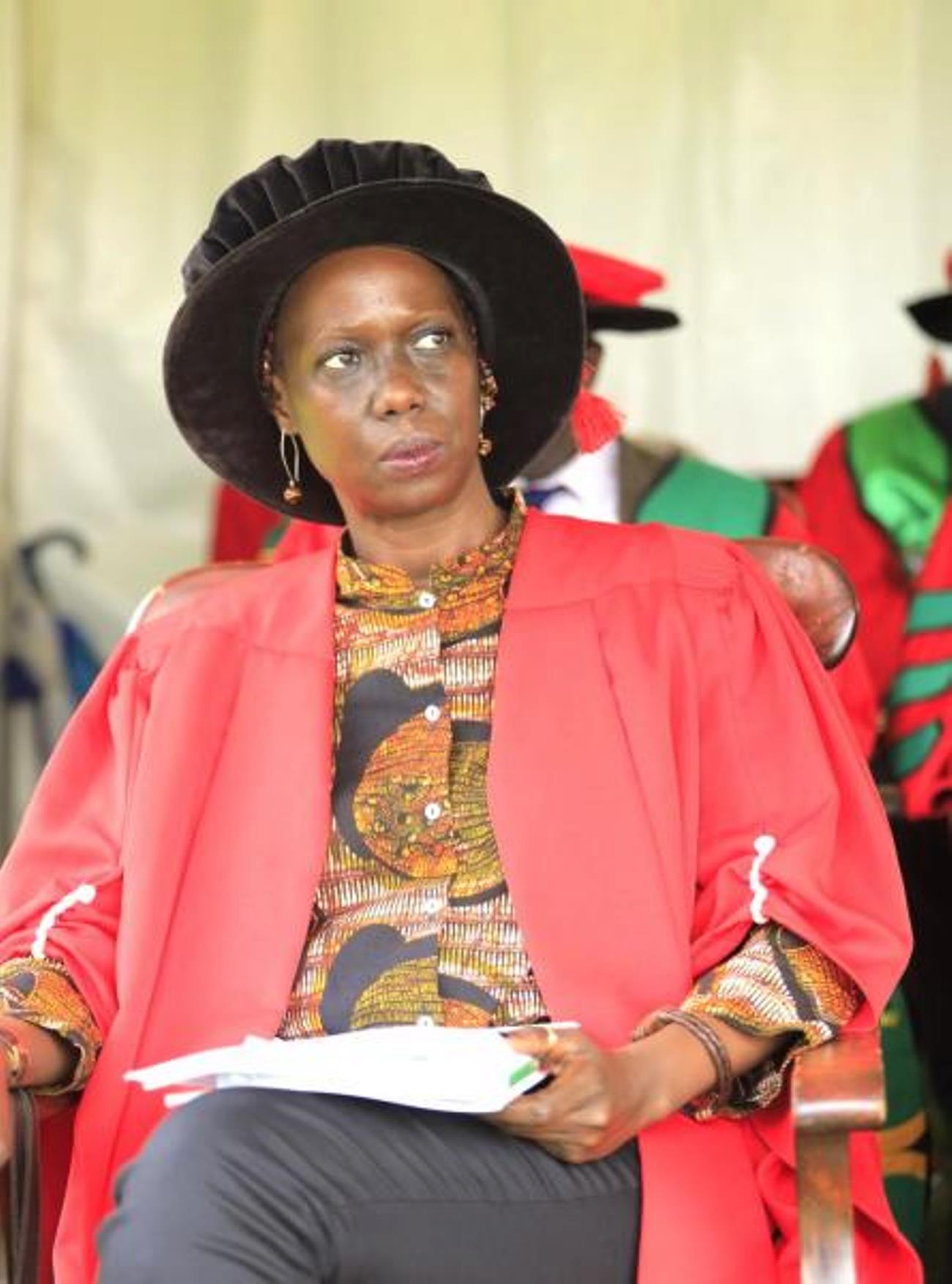
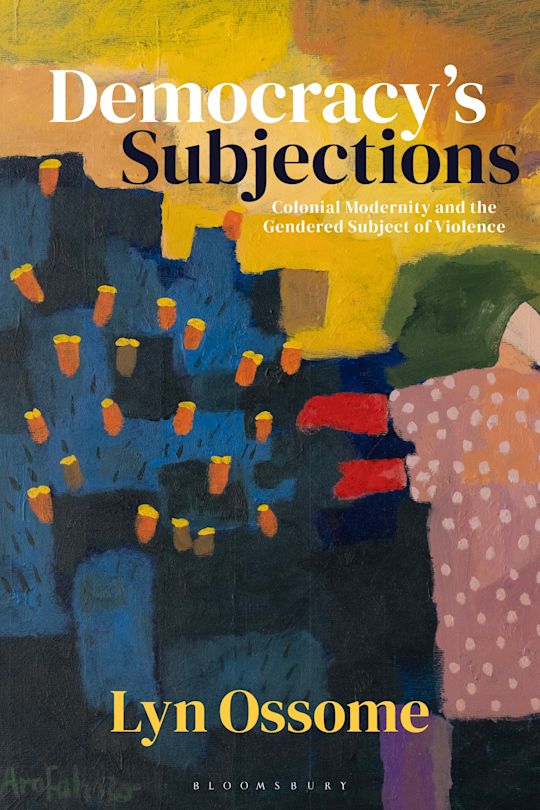
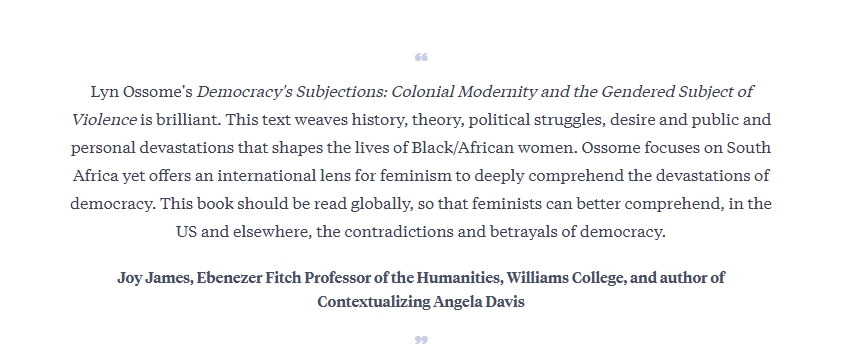
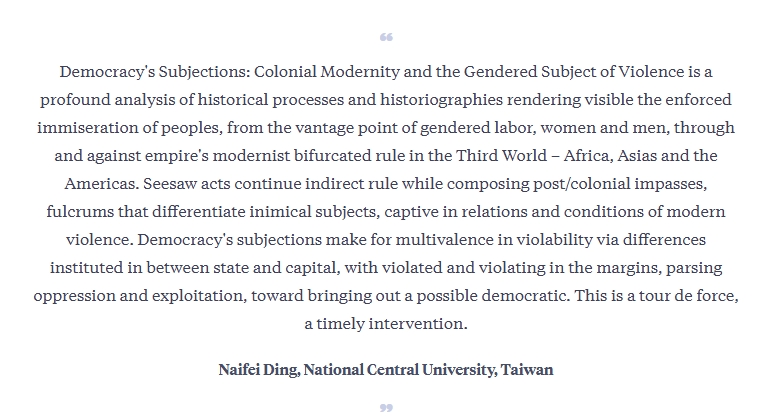
We are pleased to announce the publication of a new book by the Director, Makerere Institute of Social Research (MISR), Assoc. Prof. Lyn Ossome titled Democracy’s Subjections: Colonial Modernity and the Gendered Subject of Violence. It was published by Bloomsbury Academic.
In this ground-breaking study, Lyn Ossome offers an authoritative, interdisciplinary theory of how postcolonial capitalist democracies reproduce the gendered forms of violence essential to colonial rule.
Through an interdisciplinary methodology traversing political studies, feminist political economy, historical and literary studies, Ossome shows how postcolonial, capitalist democracies in Africa, like their colonial antecedents, use various identity-markers to determine whose rights and bodies are violable, to what extent, and whether and how the violated have a right to resist. The book critically reflects on the dilemmas and contradictions produced by the colonial encounter and its subjugative orders for the postcolonial democratizing state, interrogating why the failures of democratic institutions target gendered, labouring bodies. Through evidence gathered from colonial archives in Kenya, Zimbabwe, and South Africa, as well as through critical comparisons of two artistic responses to gender-based violence and rape in South Africa and India, Ossome offers a trenchant critique that, beyond the contexts analysed, is relevant across the postcolonial Global South.
The Makerere University community heartily congratulates Assoc. Prof. Lyn Ossome on this new milestone!
Book cover
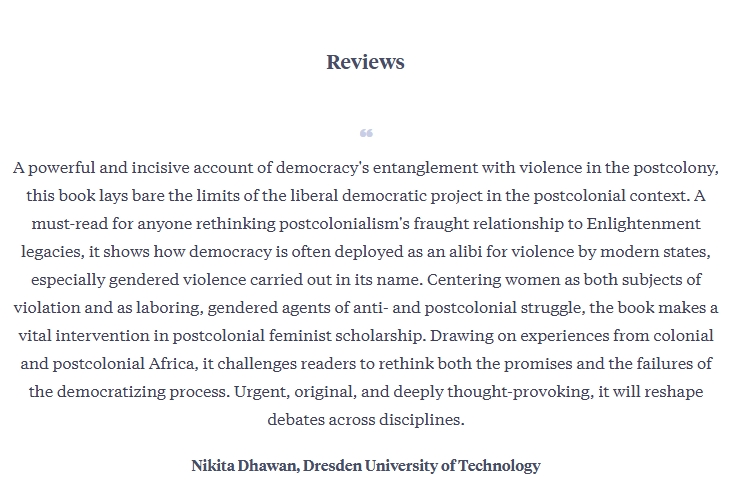
Reviews
Humanities & Social Sciences
Prof. Walakira takes over as CHUSS Deputy Principal, pledges research-driven leadership
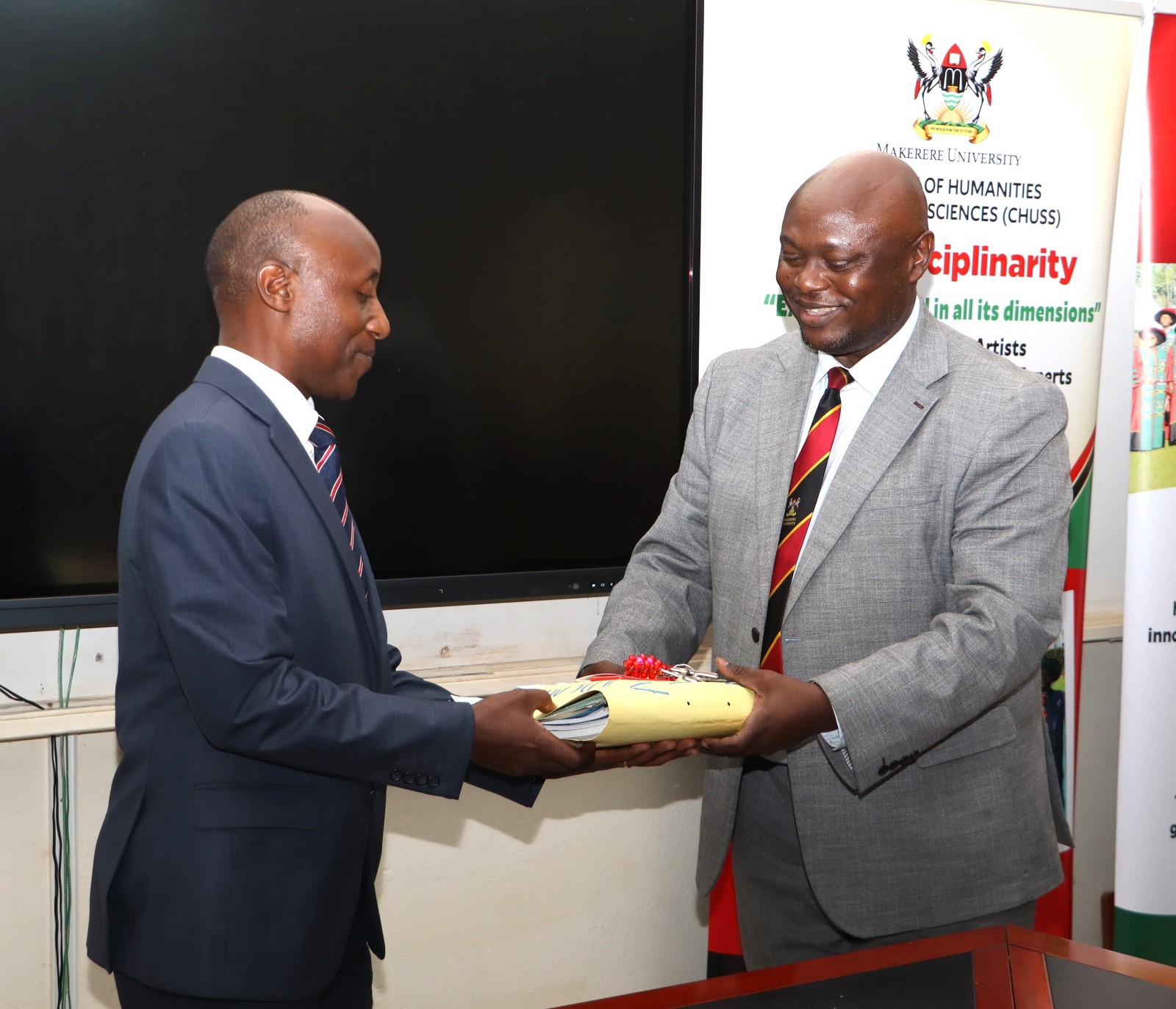
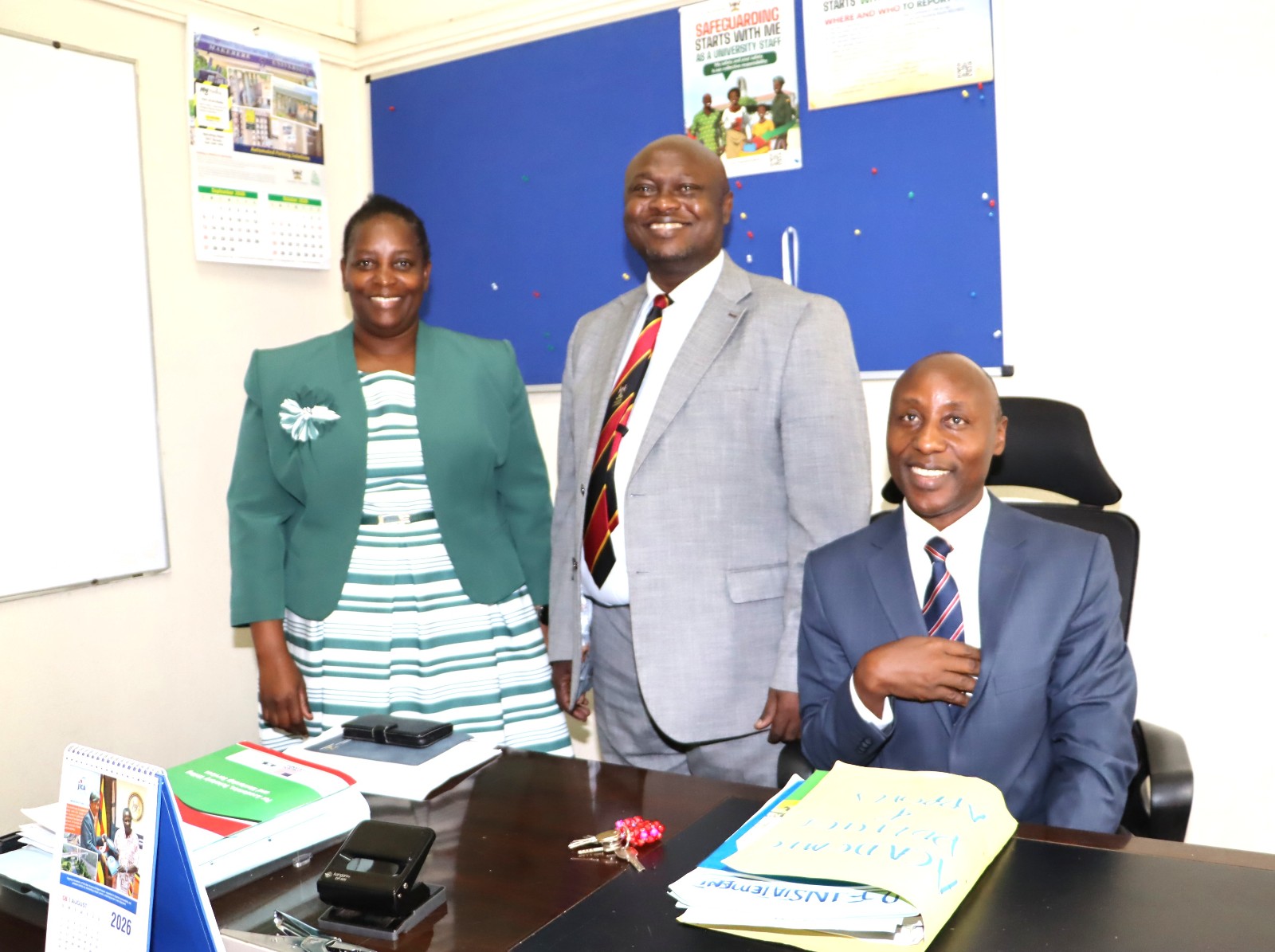
New Deputy Principal Prof. Eddy Joshua Walakira has pledged to build on the existing foundations at Makerere University’s College of Humanities and Social Sciences (CHUSS), with a focus on strengthening research, innovation, partnerships and the college’s income-generating capacity.
Prof. Walakira made the pledge on Monday, September 14, 2026, after officially taking over as Deputy Principal of CHUSS from Associate Prof. Eric Awich Ochen, who completed his four-year tenure after assuming office in April 2022.
The handover ceremony, held at the CHUSS Smart Room, brought together the College Principal, Associate Prof. Helen Nambalirwa Nkabala, deans, heads of departments, academic, administrative and support staff, as well as representatives from the Directorate of Internal Audit.
Walakira said he was taking over at a time when CHUSS had established a strong foundation and pledged to work with the Principal and staff to take the college to greater heights.
“I’m coming in with a lot of hope, a lot of courage and a lot of optimism because the foundations are already in place and the structures are already in place,” Walakira said.
He said his immediate priority would be to understand the needs of the different schools and departments and develop practical interventions, particularly in research, innovation and partnerships.
The incoming Deputy Principal said he intends to undertake a tour of CHUSS schools and departments to assess their research, innovation and partnership needs. said the exercise would help management identify existing capacities, gaps and opportunities that could be developed into practical plans for the college.
“My thinking is that we are going to form the best team ever that has led CHUSS,” he said, stressing that the college has the human and institutional capacity to become a leading unit within the University.
Walakira said CHUSS should make greater use of the networks and partnerships already established by its academic units, arguing that these could provide opportunities for research collaboration, innovation and resource mobilisation.
He also challenged departments that have faced long-standing equipment shortages to explore sustainable solutions rather than relying entirely on external funding.
“If the Department of Journalism for the last 20 years is still crying about equipment, I don’t think that is a good song. There must be a way out from within,” Walakira said. He pledged to work closely with Principal Nambalirwa Nkabala and other college leaders to identify opportunities for strengthening research capacity, publication and partnerships.
Walakira pledges loyal and collaborative leadership
Walakira pledged to work closely with the Principal, deans, heads of departments and staff while respecting University policies and structures. He said his leadership approach would be based on humility, consultation and practical problem-solving.
“My pledge, first of all, is to be loyal and humble to my boss and, above all, to serve in the fear of the Most High and to respect the rules, the principles and the structures of the University,” he said.
Walakira said he would seek to strengthen existing research groups and explore opportunities for the college to generate more resources internally. He urged staff to embrace a collective vision and work together to address challenges facing the college.
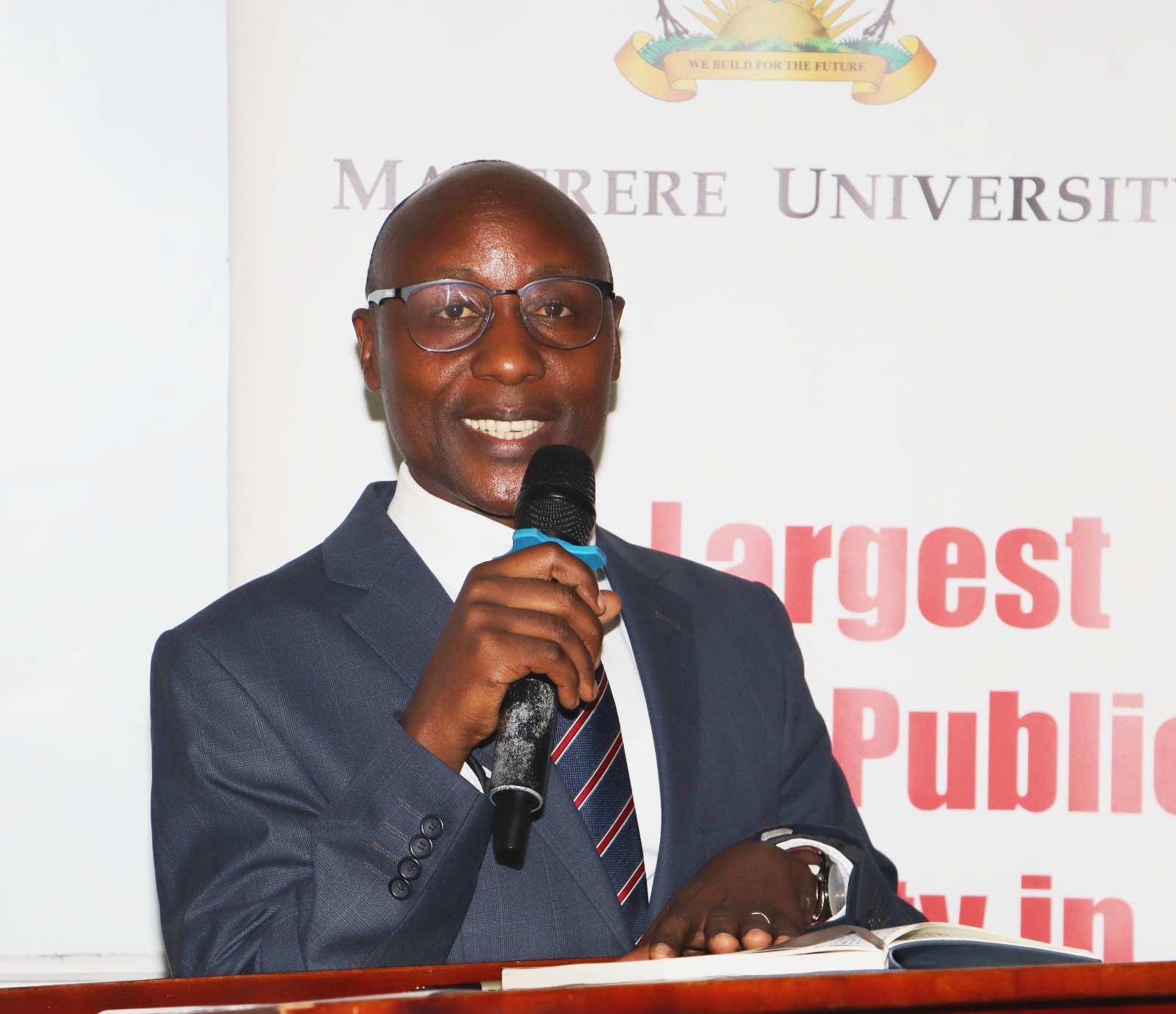
He expressed confidence that CHUSS could become a leading college within Makerere University if its existing human resource and institutional capacity were effectively harnessed.
“We have people who can work in leadership, but we have to develop a collective vision. We have to respect and accept the capabilities that we have, and also accept to work together to address the challenges that confront us,” he said.
Assoc. Prof. Ochen highlights four years of academic and research gains
In his handover report, outgoing Deputy Principal Prof. Eric Awich Ochen highlighted progress made during his four-year tenure, including improvements in teaching and learning, academic programme development, research, internationalisation, staff capacity building and digitalisation.
Ochen said he assumed office in April 2022, in the immediate aftermath of the COVID-19 pandemic, and worked under two College Principals—Prof. Josephine Ahikire and Associate Prof. Helen Nambalirwa Nkabala.
He attributed the achievements recorded during his tenure to collective efforts by the Principal, deans, heads of departments and staff.
“Whatever I did in the office of the Deputy Principal for the last four years has been in the best interest of the students. I tried to act in good faith,” Ochen said.
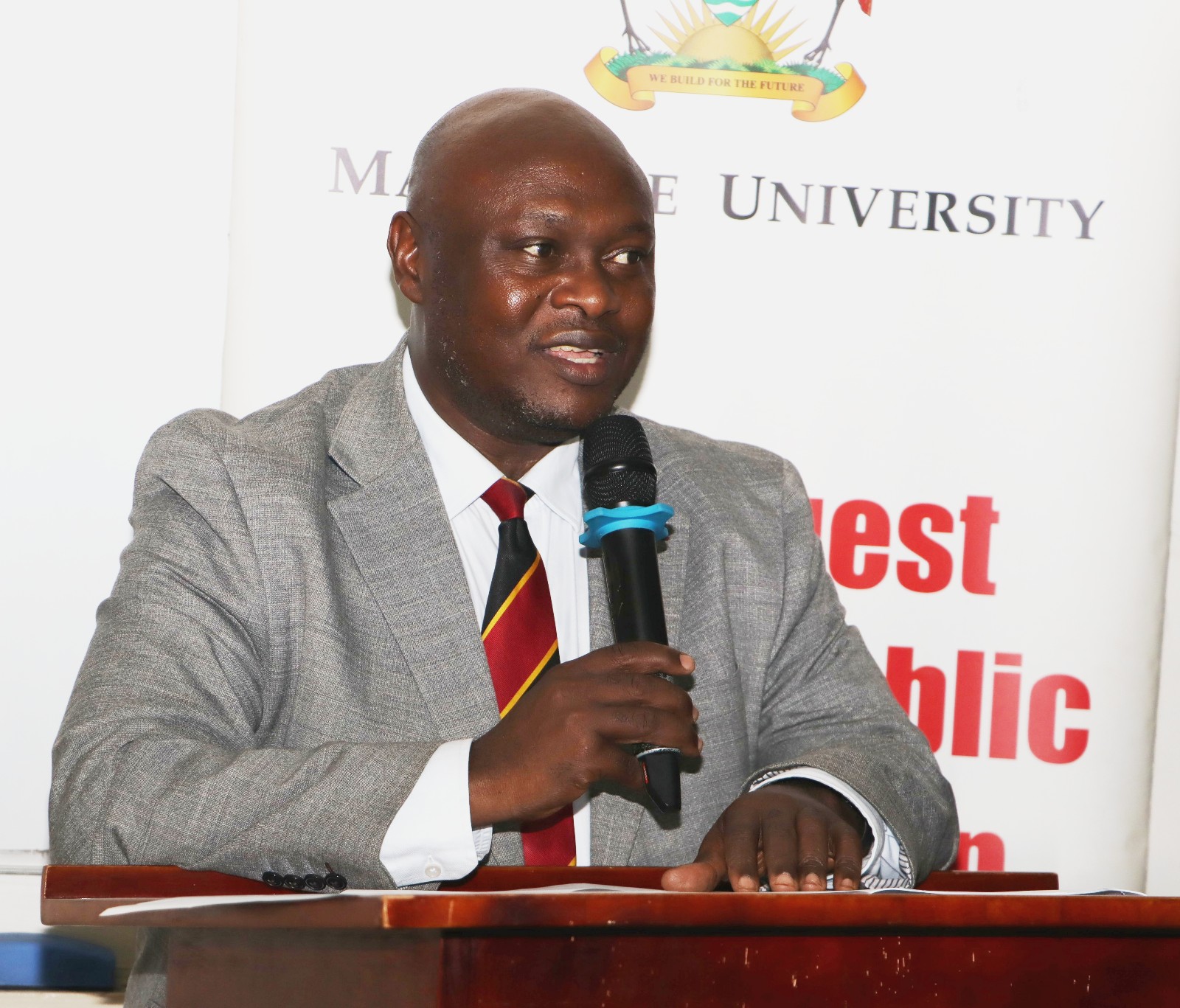
He acknowledged that leadership involves mistakes and said one of his major lessons had been the importance of consultation before making decisions.
Ochen advised his successor to maintain close consultation with the Principal, particularly when dealing with issues requiring clarification.
Ochen reported that the college had developed and revised several academic programmes during his tenure, including postgraduate programmes in French language studies, African languages and anthropology.
He said several existing programmes had also undergone accreditation and urged deans and heads of departments to begin preparations early for programmes due for re-accreditation.
He warned that delays in accreditation could disrupt student admissions and programme delivery, citing previous cases where some programmes were temporarily affected.
The outgoing Deputy Principal also highlighted efforts to revive and establish scholarly journals within CHUSS, including journals in history, peace, humanities, literature and communication.
He called for greater regularity in journal publication and continued digitisation to improve the visibility and accessibility of the college’s scholarly output.
Ochen said CHUSS had also made progress in modernising teaching and learning through the adoption of digital academic management systems.
He noted that staff had transitioned from the Academic Information Management System to ACMIS for the management and uploading of students’ results.
Timetable coordinators had also been trained to upload teaching timetables and workloads electronically.
The college also installed smart interactive screens in several lecture rooms, which Ochen said had improved the teaching environment and supported blended learning.
He urged the incoming leadership to continue investing in digital infrastructure, particularly for smaller postgraduate teaching spaces.
Ochen reported that CHUSS had significantly expanded its research and grants portfolio, with the college managing grants estimated at about US$12 million.
He attributed the growth partly to the development of research groups across departments and encouraged the new leadership to strengthen these groups to increase grant applications and scholarly publications.
“I believe in the last four years we have grown as a college. I think we have quite a higher portfolio of grants,” Ochen said.
He also cited numerous conferences, public lectures and international academic events as having contributed to CHUSS’s visibility nationally and internationally.
These included philosophy events, social work conferences, peace-related events, language celebrations, history and climate-migration conferences and other scholarly engagements.
Ochen said CHUSS had expanded its international collaborations through mobility programmes, academic partnerships and international conferences.
He pointed to Erasmus+ programmes and other collaborations involving universities in Europe, Africa and other parts of the world.
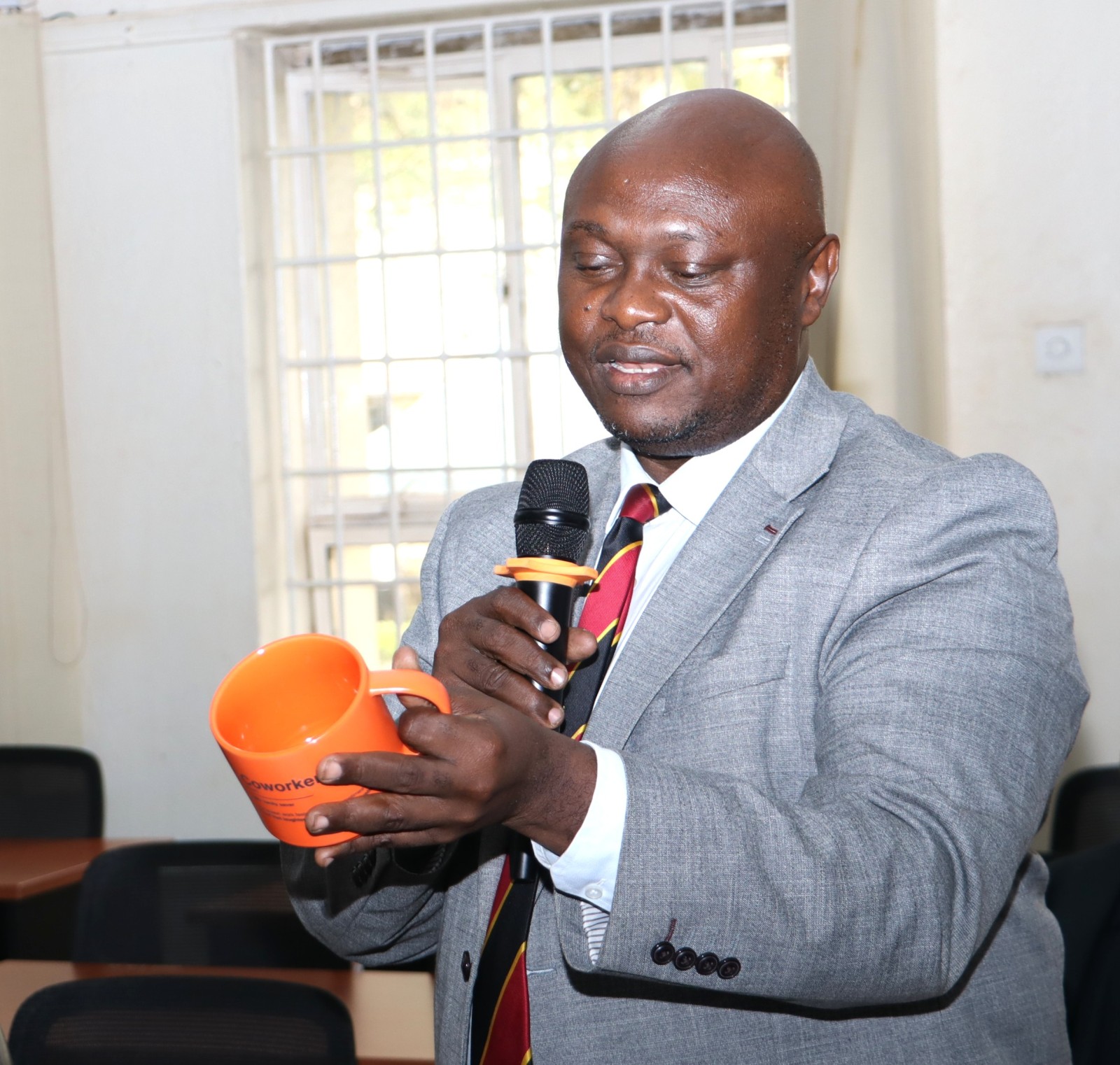
He also highlighted the Rotary Peace Centre and its growing international student community as important contributors to the college and University’s internationalisation agenda.
Despite the progress, Ochen identified inadequate equipment, particularly in journalism and multimedia production, as one of the challenges requiring attention.
He also cited concerns around support for staff supervising students, marking dissertations and other academic work, as well as the need to better recognise academic work conducted outside normal university hours.
He urged the incoming leadership to continue engaging staff and seeking practical solutions to these challenges.
Leadership transition will not disrupt CHUSS
Principal Associate Prof. Helen Nambalirwa Nkabala thanked Ochen for his service and said the transition would not destabilise the college.
She described Ochen as a committed colleague whose passion, energy and humility had contributed to the college’s progress.
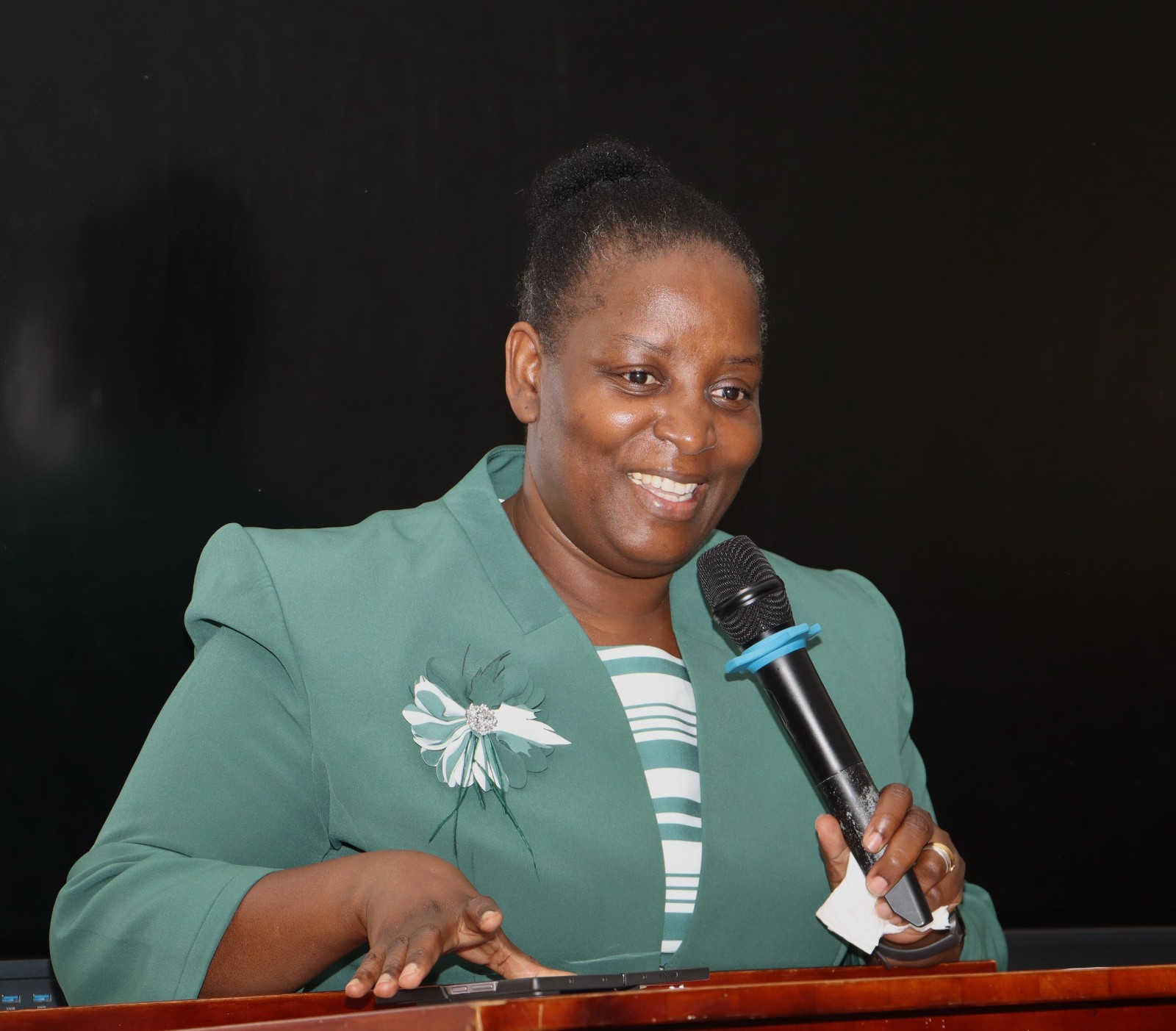
Nambalirwa said the college was entering a new phase under Walakira, whose appointment comes as CHUSS implements its strategic priorities.
She said the college’s newly developed strategic plan provides a framework for advancing research, social protection, innovation, partnerships and other institutional priorities.
“We are very ambitious. We are hoping that we shall get a lot of wealth. For this college to move further, we are moving with stability,” Nambalirwa said.
The Principal also urged staff to continue supporting the new Deputy Principal as they had supported Ochen.
“Please, support that you have given Professor Ochen should be extended to Professor Walakira, because service is only fun when you have all your hands,” she said.
Staff commend Ochen, welcome Walakira
Staff members who spoke during the ceremony commended Ochen for his leadership and commitment to students while welcoming Walakira to the new role.
Mr. Gidange Moses from the Directorate of Internal Audit praised the Principal for nurturing staff and creating opportunities for them to take up leadership responsibilities.
He commended Ochen for completing his tenure and urged Walakira to embrace the responsibility of leading the college alongside the Principal.
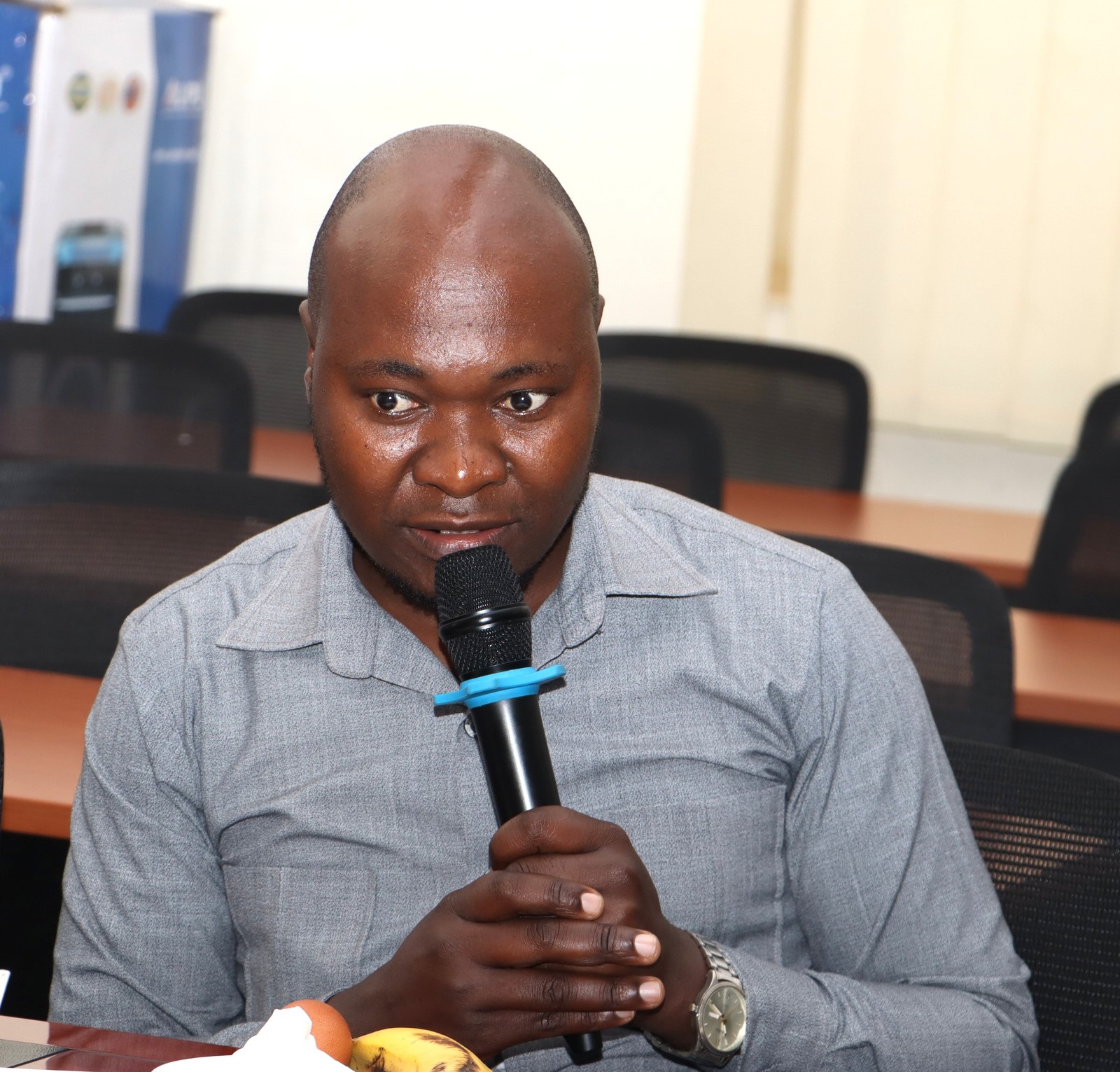
Dr. Charlotte Mafumbo, Head of the Department of History, Archaeology and Heritage Studies, described Ochen as a passionate leader and thanked him for his contribution to the college.
She pledged the department’s support to the incoming Deputy Principal.
Dr. Denis Muhangi, Head of the Department of Social Work and Social Administration, representing the Dean of the School of Social Sciences, praised Ochen for his resilience in following up decisions and his commitment to student welfare.
He assured Walakira of the school’s support as he takes on his new responsibilities.
Maria Gyezaho, from the Principal’s office, also thanked Ochen for his guidance and leadership, saying the skills he had imparted to staff would continue to benefit them.
The handover formally marked the end of Ochen’s tenure as Deputy Principal and the beginning of Walakira’s term, with the college leadership calling on staff to maintain the momentum achieved over the previous four years while pursuing new opportunities for growth.
For details about Prof. Eddy Joshua Walakira, please click on the link below:
https://chuss.mak.ac.ug/en/personnel/eddy-joshua-walakira/
Jane Anyango is the Principal Communication Officer CHUSS
-

 General2 weeks ago
Statement on Concerns Circulating Regarding a Member of Academic Staff
-
 General2 weeks ago
Beyond Map Size: Africa’s Agency Should Not Be Funded by Other People
-
 General6 days ago
Timothy Khabusi: From Barefoot Walks to shaping Uganda’s Eye health Future
-
 General2 weeks ago
Press Statement: Incident Involving Death of a Student at Makerere University
-

 Agriculture & Environment2 weeks ago
Makerere Students Win Inter-University Tourism Quiz Competition