
Business & Management
Public Investment Management Centre Concludes 4th Cohort Training on Financial Implications Guidelines

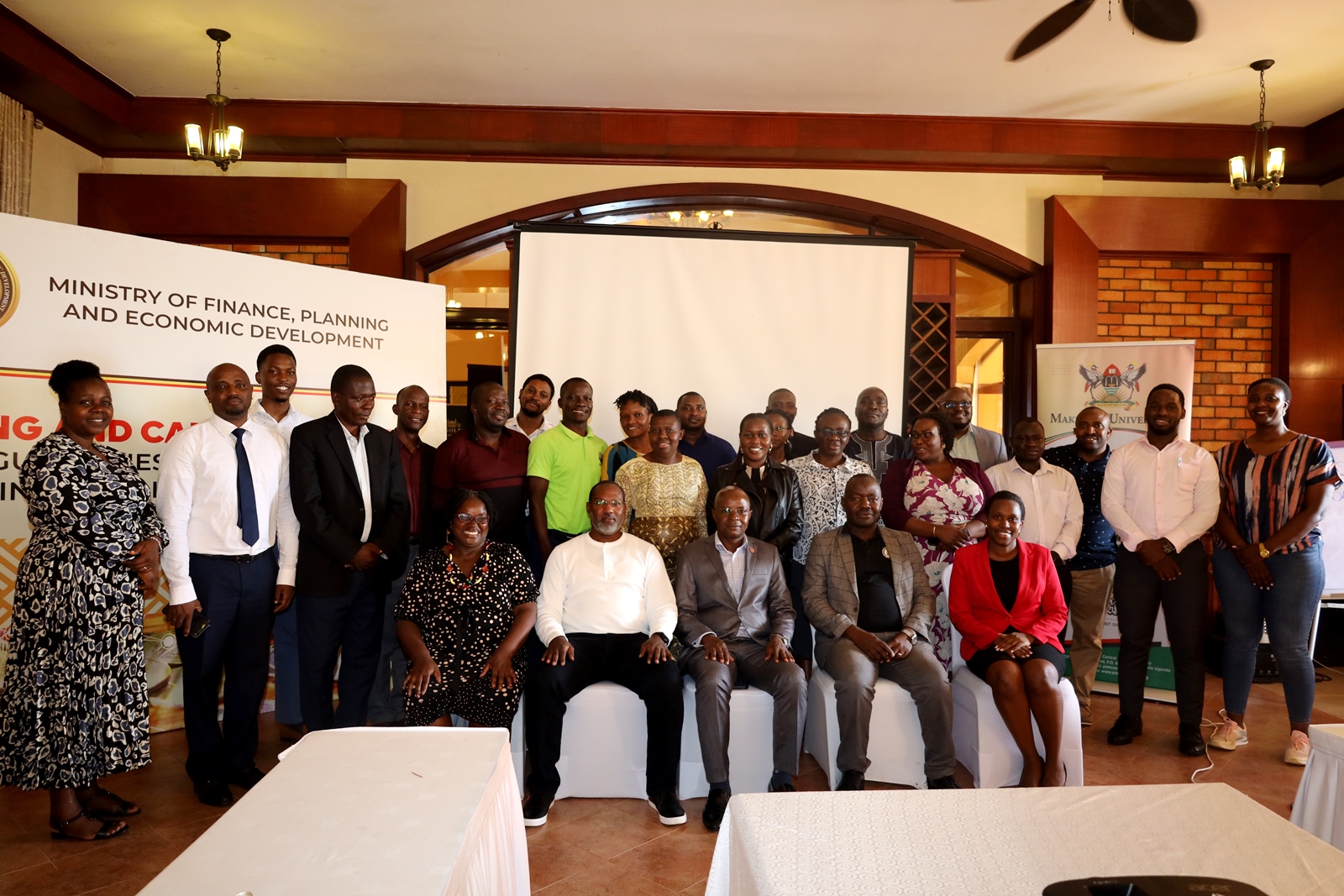
The Public Investment Management Centre of Excellence (PIMCoE), hosted by the College of Business and Management Sciences at Makerere University, successfully concluded the training of its 4th cohort of public officers on November 15, 2024. This capacity-building program focused on the User Acceptance Training on Guidelines for Clearance of Financial Implications, a critical process mandated by Section 76 of the Public Finance Management Act (PFMA), 2015.
Under the PFMA, every bill presented to Parliament must include a Certificate of Financial Implications (CFI) issued by the Ministry of Finance, Planning and Economic Development (MoFPED). The preparation of the Statement of Financial Implications (SFI), which forms the basis for the CFI, is the responsibility of Ministries, Departments, and Agencies (MDAs). This statement provides detailed revenue and expenditure estimates and projected savings over a minimum of two years’ post-enactment.
Empowering MDAs with Essential Skills
The training sessions, which began last week and will continue into the following week, aim to equip MDAs with the skills required to prepare robust SFIs. These competencies are essential for MoFPED Budget Analysts to review and draft CFIs or Letters of Financial Clearance effectively.

The 4th cohort comprised officers from key institutions, including the Ministry of Lands, Ministry of Agriculture, National Environmental Management Authority (NEMA), Uganda Land Commission, Ministry of Local Government, National Agricultural Research Organization (NARO), and the Ministry of Kampala, among others.
A Step Toward Transparent and Accountable Governance
Speaking at the closing ceremony, Mr. Moses Sonko, Principal Economist at MoFPED, commended the initiative and acknowledged the value it brings to Uganda’s public policy and legislative processes. Representing the Permanent Secretary of MoFPED, Mr. Sonko highlighted the importance of the training in strengthening governance frameworks.
“This training was developed to equip us with tools and knowledge essential for our roles in ensuring that Uganda’s policy and legislative proposals are financially sound, transparent, and align with national priorities,” Mr. Sonko remarked. He encouraged participants to apply their newly acquired skills to enhance policy preparation and implementation.
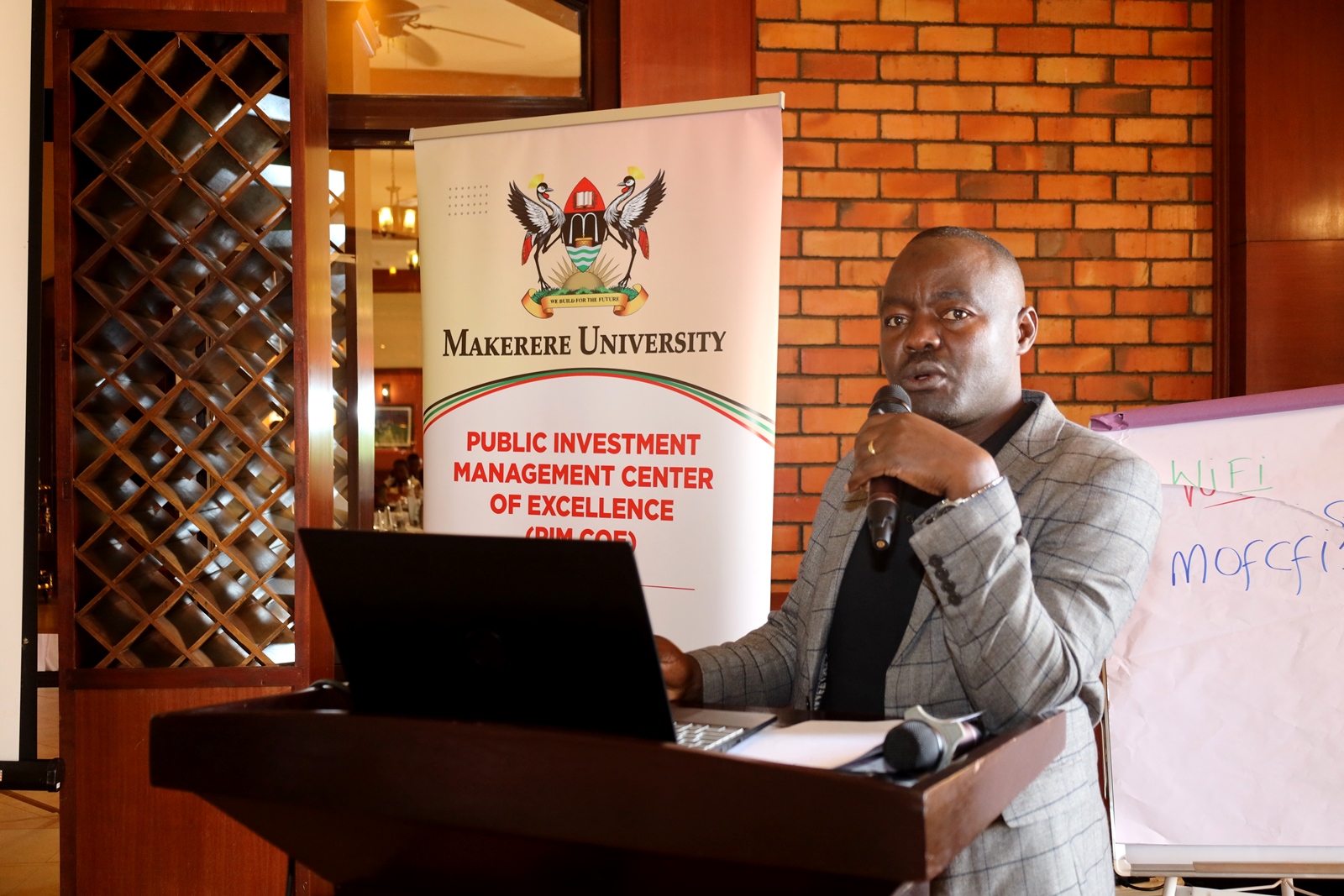
He also emphasized the multi-dimensional nature of the training, which enables officers to identify the financial, social, environmental, and economic impacts of proposed bills and policies.
Participant Feedback
Participants expressed their enthusiasm and gratitude for the training. Mr. Davis Kwizera from the National Animal Genetic Resources Centre and Data Bank (NAGRC&DB) shared his positive experience, stating: “This training has offered a wealth of knowledge and an in-depth understanding of policy processes. It will significantly enhance our ability to prepare relevant policy documents. If you’ve taken the courses on Financial and Risk Analysis as well as Investment Appraisal and Risk Analysis, this program completes the package.”
The new guidelines for the clearance of financial implications will officially take effect in July 2025. PIMCoE remains committed to building the capacity of public officers to ensure that Uganda’s legislative and policy frameworks are underpinned by sound financial and risk analyses, fostering a culture of accountability and sustainable development.
For more updates on PIMCoE programs and upcoming training sessions, visit PIMCoE’s official website.










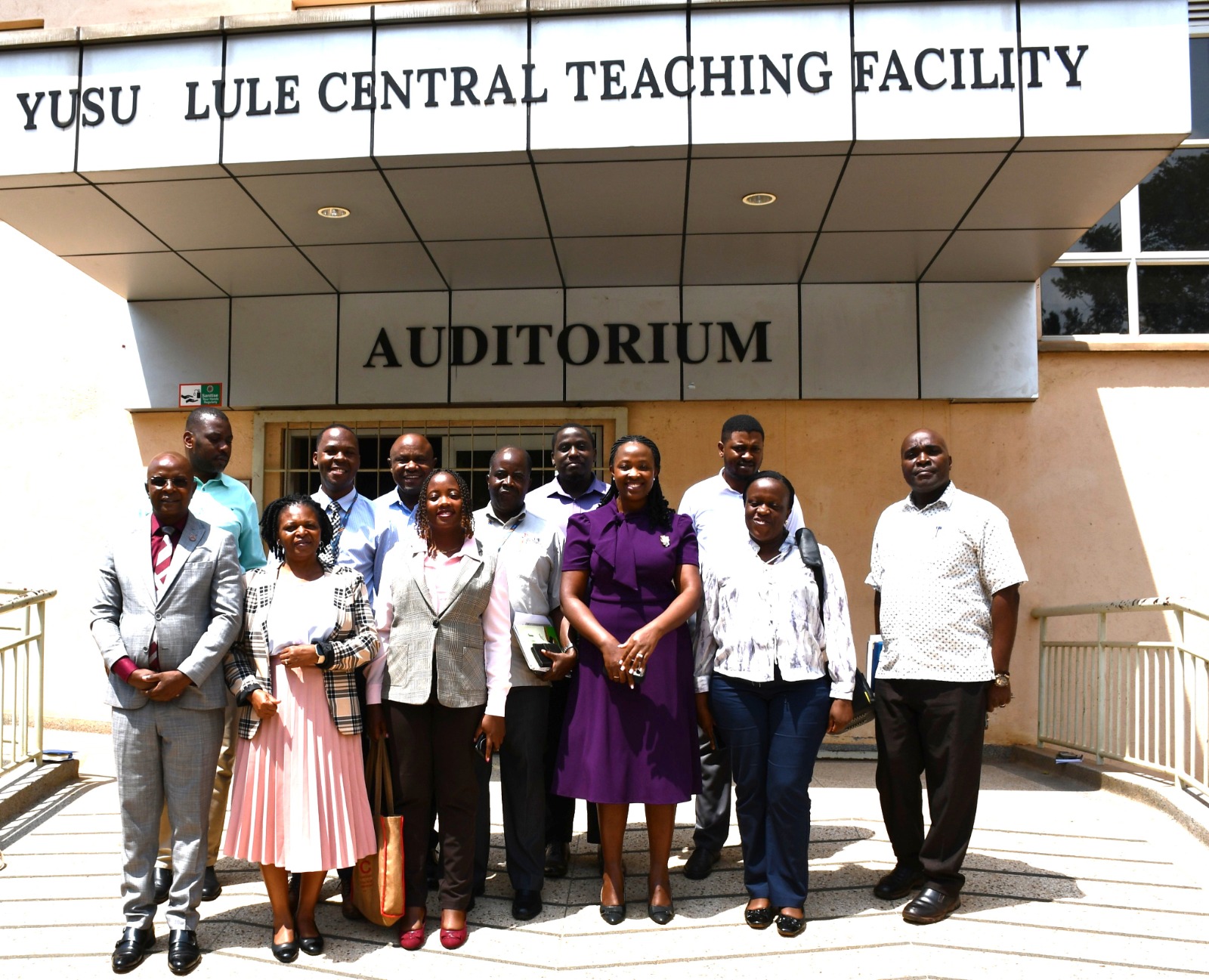
The Public Investment Management Centre of Excellence (PIM CoE) at Makerere University is set to benefit from a grant under the World Bank-supported PIM-Plus Project, an initiative aimed at strengthening Public Investment Management Systems and enhancing the capacity for effective project planning, appraisal, implementation, and monitoring in Uganda.
Through the project, the Centre is expected to receive funding of approximately USD 8 million to support the construction of a modern teaching and residential facility. The proposed infrastructure is intended to enhance the Centre’s capacity to deliver high-quality training, research and technical advisory services in Public Investment Management (PIM) to government institutions and other stakeholders across the region and beyond.
The project’s construction activities are anticipated to commence in the next financial year following the completion of the necessary preparatory processes, including feasibility studies and project design.
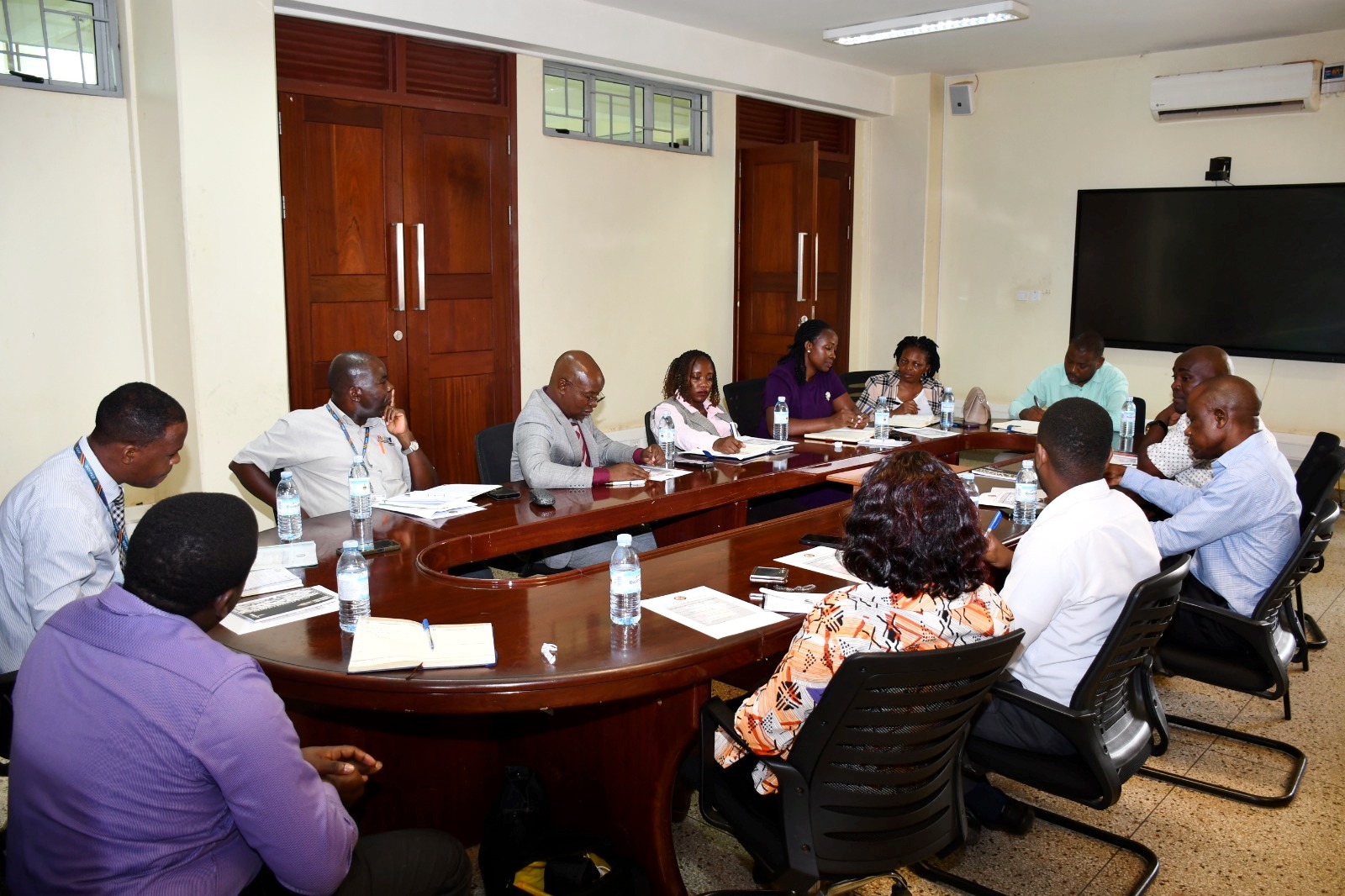
As part of the ongoing project preparation activities, the PIM CoE today hosted a delegation of officials from the Ministry of Finance, Planning and Economic Development (MoFPED), who visited the Centre to assess progress made towards the implementation of the PIM-Plus Project. The visit provided an opportunity for the Ministry team to review the Centre’s readiness, discuss key project milestones, and identify areas requiring further attention to ensure timely project execution.
The Ministry delegation was led by Ms. Esther Ayebare, Ag. Assistant Commissioner, Public Investments and Project Analysis Department who commended the Centre for the progress registered thus far. She emphasized the importance of adhering to the project preparation timelines and urged the PIM CoE team to expedite the completion of the feasibility studies and other prerequisite activities necessary for project approval and commencement.

Ms. Ayebare noted that the successful implementation of the project will significantly strengthen the Centre’s role as a national and regional hub for capacity building, research and knowledge dissemination in Public Investment Management. She further underscored the Government’s commitment to supporting initiatives that enhance the quality of public investments and contribute to improved service delivery and sustainable economic development.
The Director of the PIM Centre, Prof. Edward Bbaale reaffirmed the Centre’s commitment to ensuring that all project preparation requirements are completed within the stipulated timelines. He noted that the planned facility will provide a conducive environment for training, accommodation and collaborative learning thereby strengthening the Centre’s ability to support the Country in developing and managing high-quality investment projects.
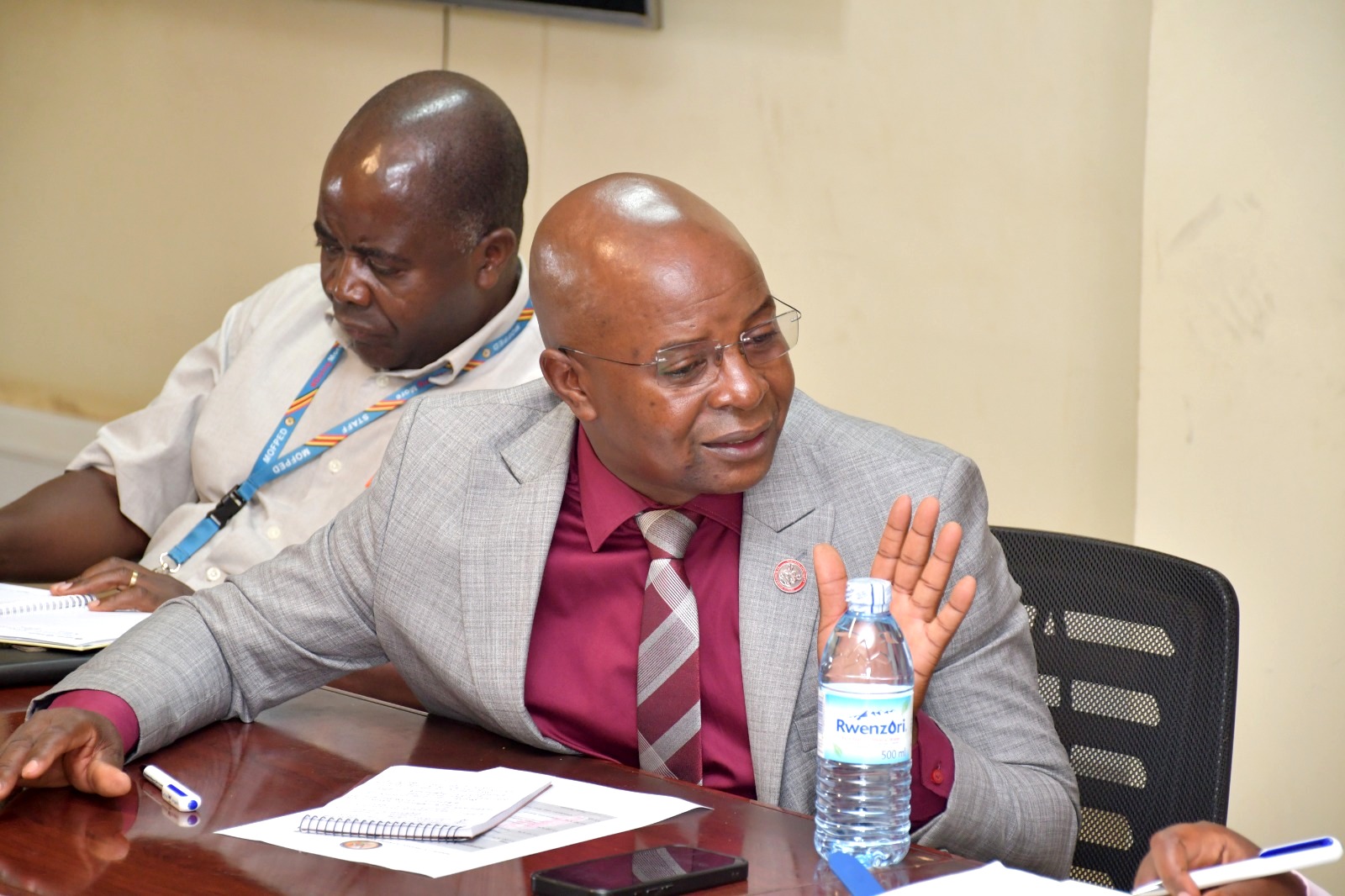
Dr. John Sseruyange, the Manager of the PIM Centre of Excellence emphasized that the Centre remains committed to delivering high-quality, demand-driven training courses that respond to the evolving needs of Public Investment Management practitioners and contribute to the successful implementation of Uganda’s Public Investment Management reform agenda. He further noted that the project will enable the Centre to effectively fulfil its mandate and contribute more meaningfully to addressing PIM capacity constraints in the region. The PIM-Plus Project forms part of broader efforts by the Government of Uganda and its development partners to improve the efficiency, effectiveness and impact of public investments, ensuring that public resources are directed towards projects that deliver maximum socio-economic benefits for citizens.
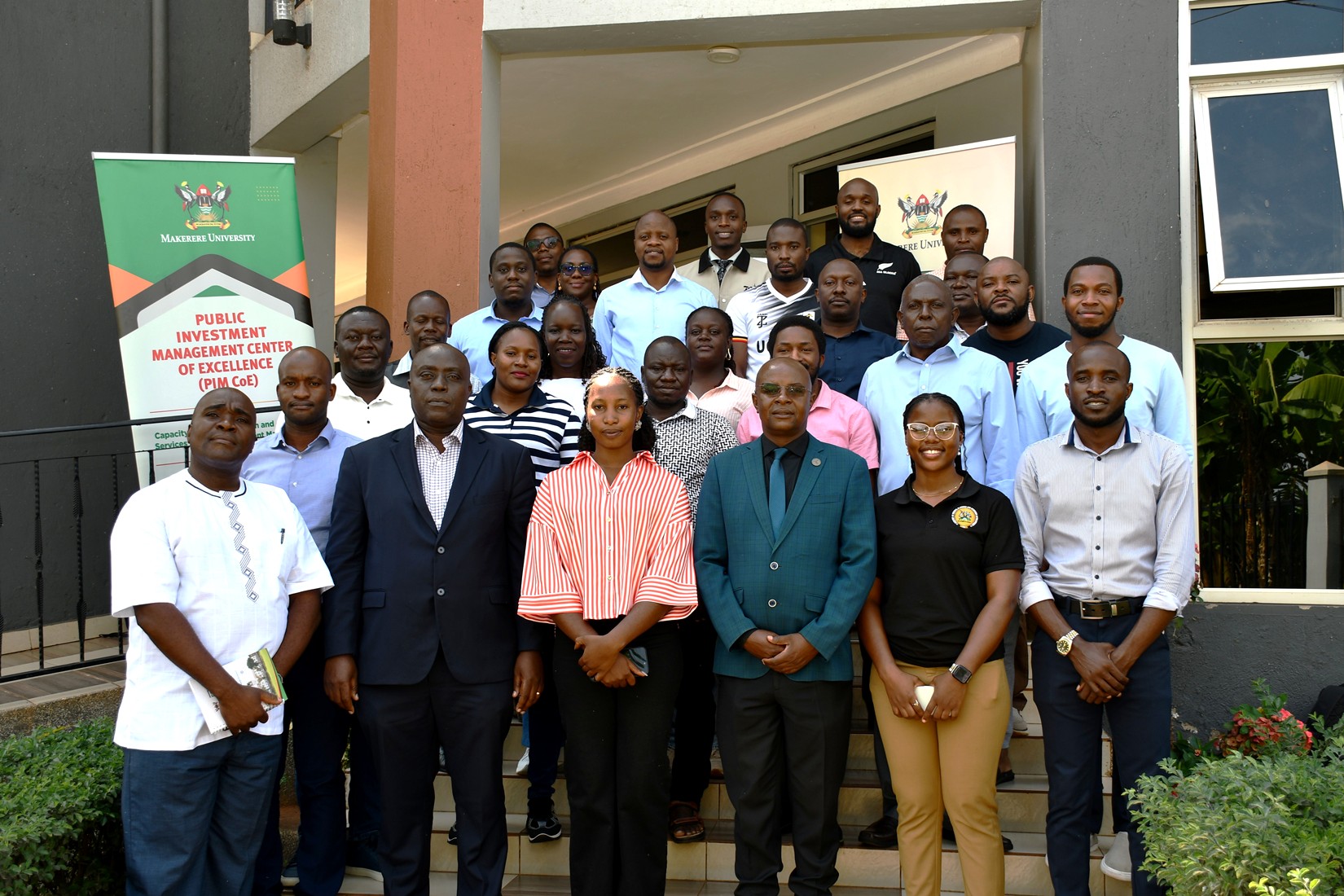
Jinja | July 3, 2026
The Public Investment Management (PIM) Centre of Excellence at Makerere University, in partnership with the Ministry of Finance, Planning and Economic Development (MoFPED), has graduated the fourth cohort of officers trained in Integrated Regulatory Cost-Benefit Analysis (IRCBA) and the preparation of Certificates of Financial Implications (CFIs), marking another milestone in strengthening evidence-based policymaking and fiscal governance in Uganda.
A total of 40 officers from various Ministries, Departments and Agencies (MDAs) successfully completed the intensive two-week Capacity Building Training on the Guidelines for Financial Clearance, culminating in the award of certificates during a closing ceremony held in Jinja.
The programme, jointly implemented by the PIM Centre of Excellence and the Ministry’s Infrastructure and Social Services Department (ISSD), equips public officers with practical skills to prepare robust Statements of Financial Implications that support the issuance of Certificates of Financial Implication (CFIs) in accordance with the revised Guidelines that came into effect on 1 July 2025.
Building a critical mass of public sector analysts
Representing the Ministry of Finance, Commissioner Henry Mwanja, Commissioner for the Infrastructure and Social Services Department, congratulated the participants for successfully completing the demanding programme despite their responsibilities related to implementation of the Fourth National Development Plan, the Tenfold Growth Strategy and the FY2026/27 Budget.
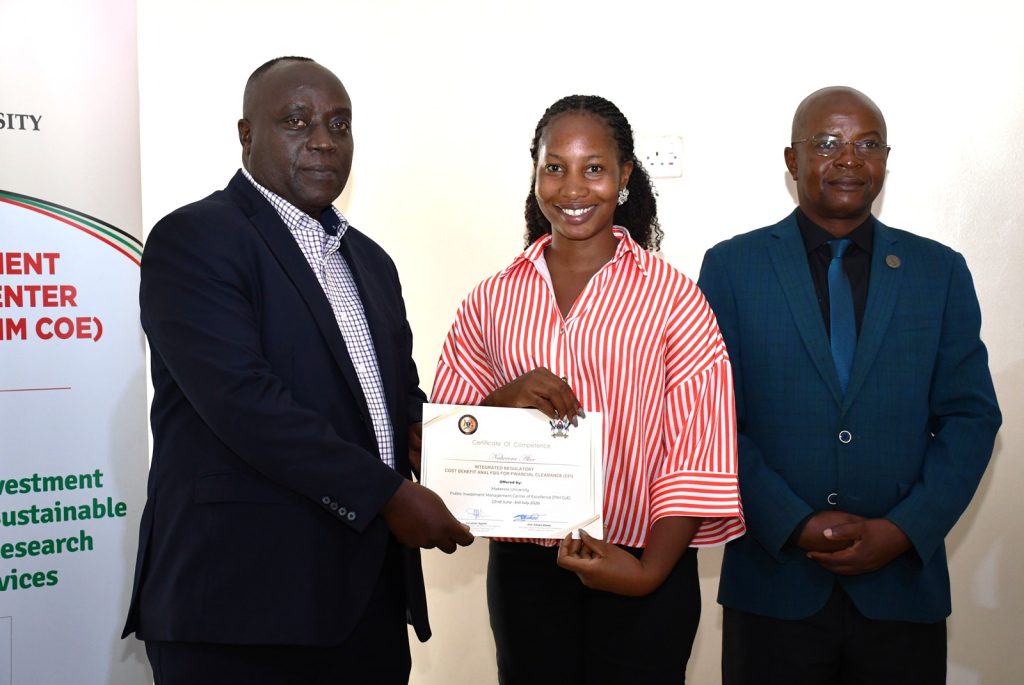
He described the revised Guidelines for the Issuance of Certificates of Financial Implication as a major reform aimed at making public policy development more transparent, consultative and analytically rigorous.
According to the Commissioner, participants are now better equipped to assess fiscal implications, evaluate broader economic impacts, identify distributional effects, manage uncertainty and undertake Integrated Regulatory Cost-Benefit Analysis in a structured and consistent manner.
However, he reminded participants that the value of the training would only be realised through practical application.
“The knowledge, tools and skills you have acquired must now be consistently applied in your day-to-day work. Analytical rigour must become routine practice, not an occasional exercise,” he emphasized.
He added that the Ministry would continue expanding the programme to train more officers across Government as part of efforts to institutionalize evidence-based policymaking and strengthen fiscal sustainability.
Participants urged to champion evidence-based policymaking
Prof. Edward Bbaale, Director of the PIM Centre of Excellence, commended participants for their dedication, discipline and active engagement throughout the programme.
He noted that the training had equipped participants with analytical tools to assess the financial, socio-economic, distributive and risk implications of proposed Bills, policies and legislation, enabling them to prepare stronger and more credible Statements of Financial Implications.
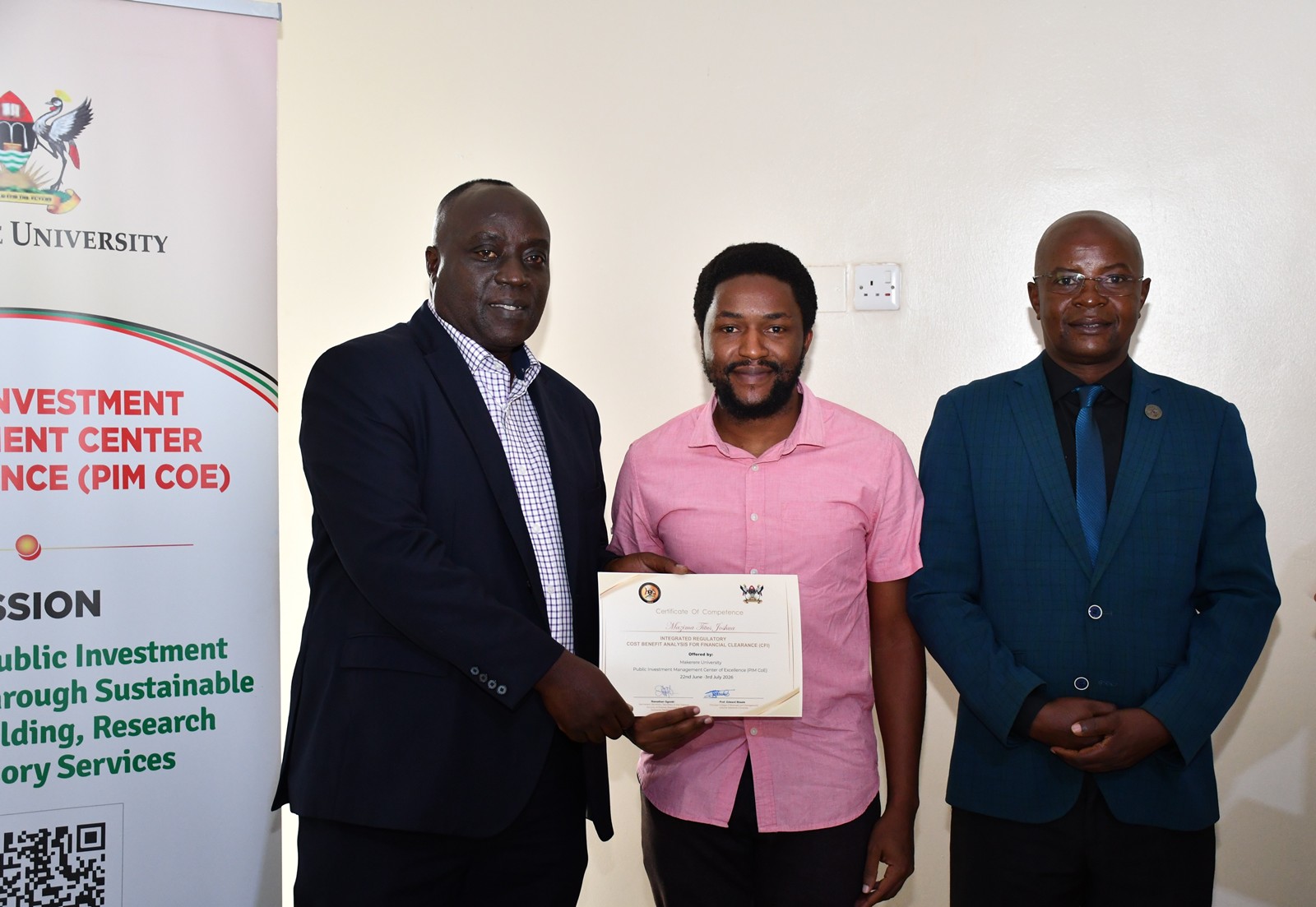
“The true success of this training will not be measured by the discussions held here, but by how effectively you apply this knowledge within your respective Ministries, Departments and Agencies,” Prof. Bbaale said.
He challenged participants to become ambassadors of Integrated Regulatory Cost-Benefit Analysis by promoting analytical rigour, mentoring colleagues and strengthening evidence-based decision-making across government institutions.
Prof. Bbaale also applauded the long-standing collaboration between Makerere University and the Ministry of Finance, describing it as a model partnership that successfully bridges academia and public service to strengthen public financial management in Uganda.
Beyond capacity building, he highlighted the Centre’s growing contribution to public investment reforms through research, policy advisory and technical support, including its role in revising Development Committee Guidelines and assessing Uganda’s public investment performance.
Highest-performing cohort celebrated
Speaking on behalf of the PIM Centre of Excellence, Dr. John Sseruyange, Manager of the Centre, thanked the Ministry of Finance, particularly the Infrastructure and Social Services Department, for its continued partnership in implementing the programme.
He observed that each successive cohort had benefited from continuous improvements in the curriculum and delivery of the training.
Dr. Sseruyange also applauded the PIM Centre faculty, facilitators from the Ministry of Finance, Uganda Development Bank (UDB) and the Office of the Prime Minister, as well as the communications, administrative and logistical teams whose efforts contributed to the success of the programme.

He reserved special praise for the participants, describing them as one of the most engaged groups the Centre has trained.
“They asked thoughtful questions, managed time exceptionally well and demonstrated remarkable commitment throughout the two weeks,” he said.
Dr. Sseruyange revealed that the fourth cohort had achieved the highest average assessment score among all the cohorts trained so far, attributing the performance to participants’ attentiveness and dedication.
He encouraged the graduates to continue practising the analytical skills acquired during the training, assuring them that the PIM Centre of Excellence would remain available to provide technical support whenever needed.
“Keep improving yourselves. When you improve your skills, your institutions benefit from your expertise,” he advised.
Participants applaud facilitators
Delivering remarks on behalf of the trainees, Baguma Asuman expressed gratitude to the Government, sponsors and facilitators for delivering what he described as an enriching and transformative learning experience.
He noted that despite the intensive nature of the programme, participants had gained practical knowledge that would significantly improve the preparation of Statements of Financial Implications.
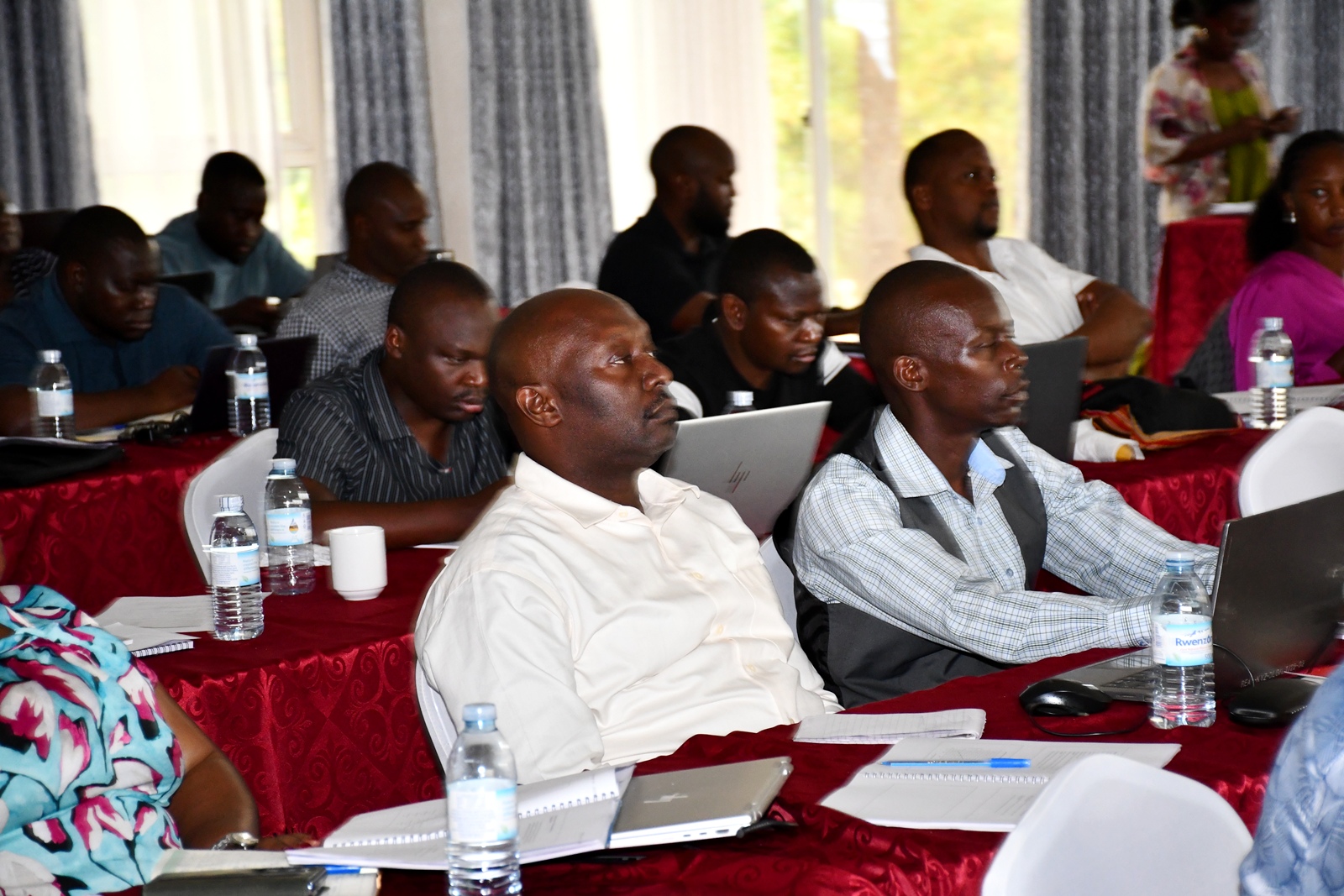
Baguma commended the facilitators for patiently responding to every question raised during the sessions and ensuring that every participant fully understood the concepts taught.
He also thanked fellow participants for their active contributions and encouraged them to apply the knowledge gained in their respective institutions to improve public policy analysis and financial planning.
The participants further appreciated the organizers and hotel management for the excellent coordination and hospitality throughout the two-week residential programme.
The ceremony concluded with the award of certificates to the 29 participants, marking the successful completion of the fourth cohort and reaffirming the commitment of Makerere University and the Ministry of Finance to building a cadre of public officers capable of strengthening evidence-based policymaking, improving fiscal discipline and enhancing the quality of public investment decisions in Uganda.

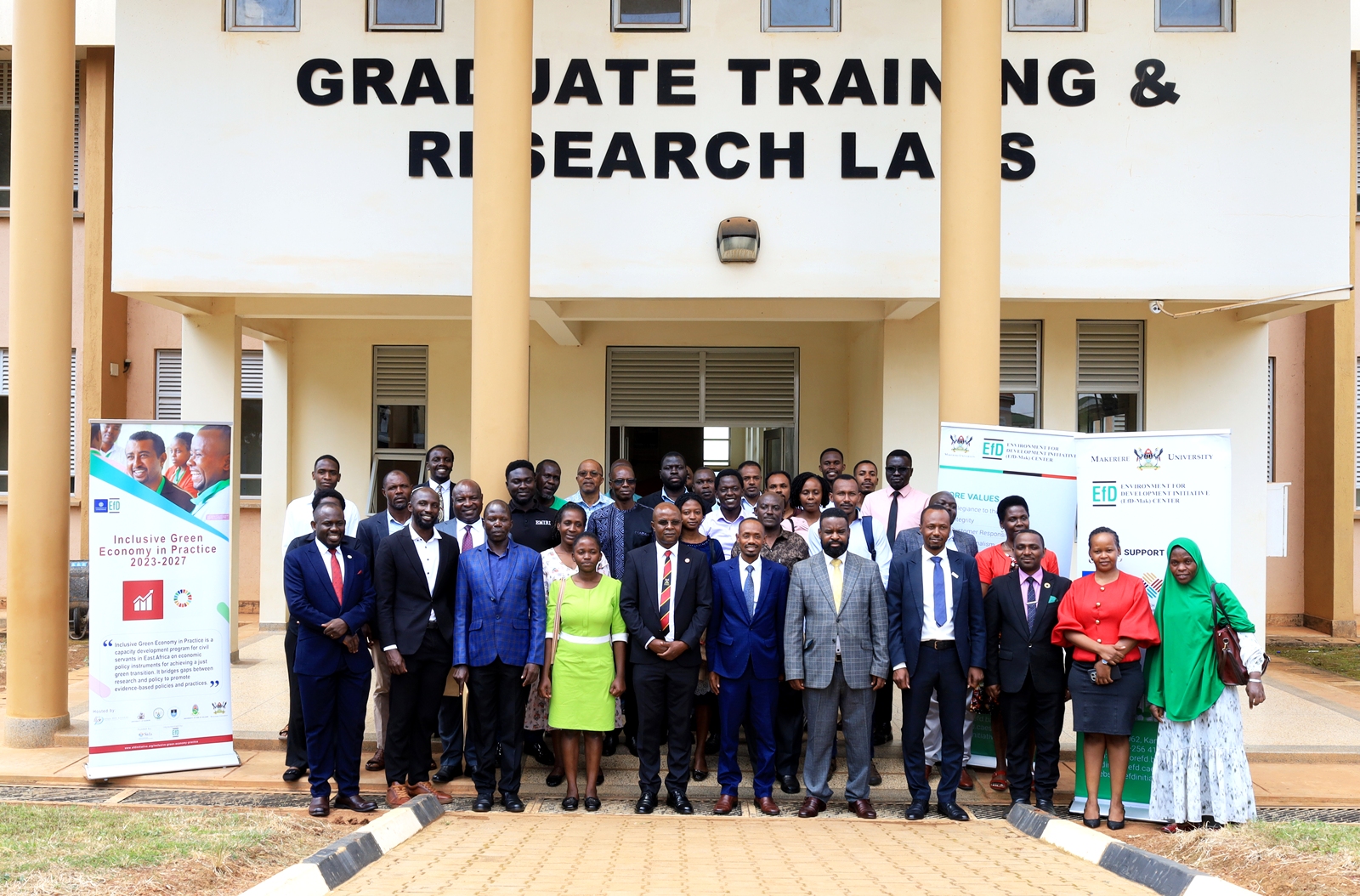
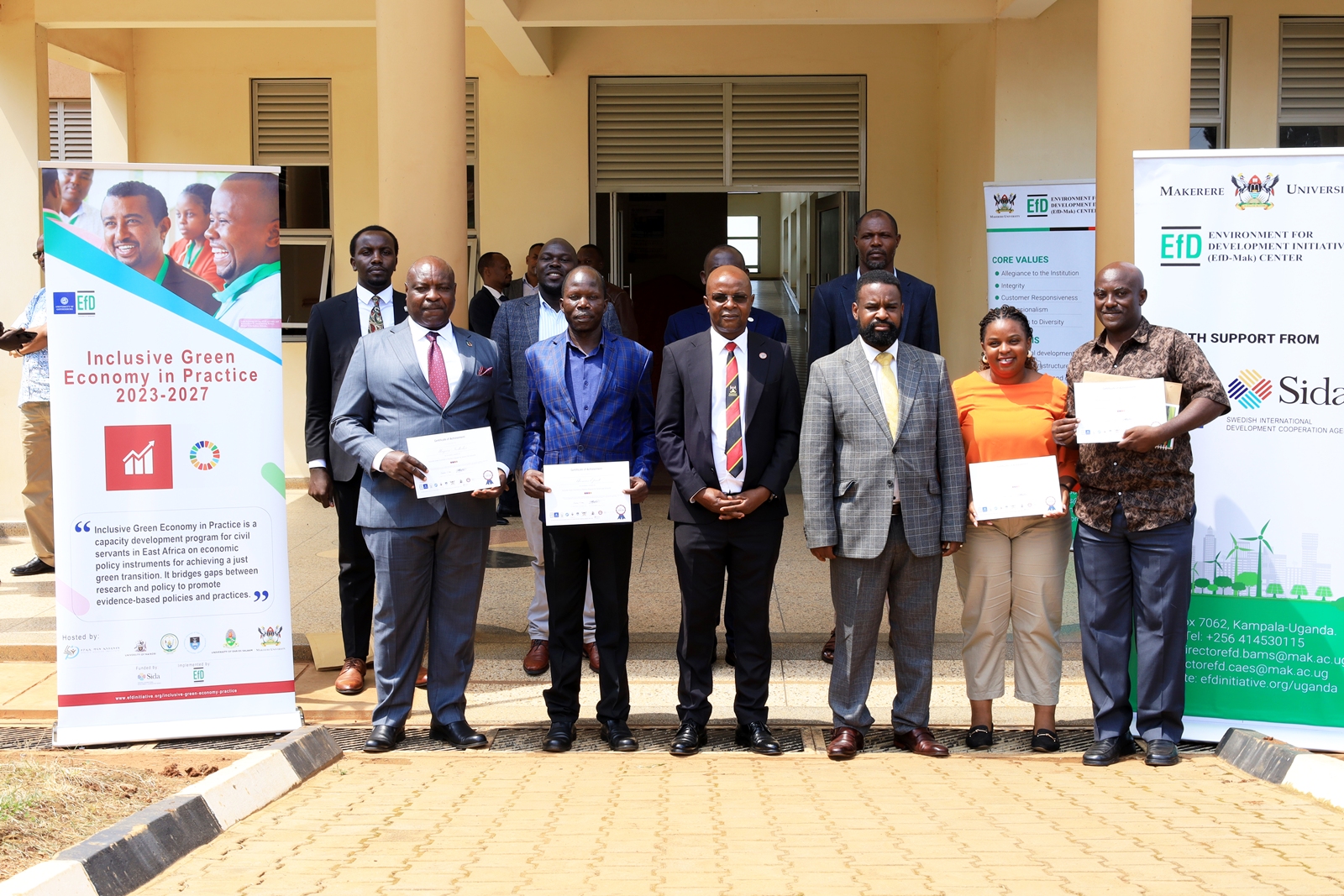
Makerere University Environment for Development Initiative (EfD- Mak Centre) has graduated five senior government officials under the 2025 Inclusive Green Economy (IGE) Fellowship Programme, equipping them with advanced knowledge and skills to champion climate-smart agriculture (CSA) and sustainable development in Uganda.
The fellows graduated during a ceremony held on Thursday June 25, 2026 at the Makerere University Agricultural Research Institute, Kabanyolo (MUARIK), where university leaders, government representatives, development partners, researchers and policymakers gathered to celebrate the completion of the year-long training programme.
The graduates included Eng. Thomas Epeet from the Ministry of Agriculture, Animal Industry and Fisheries; Ms. Getrude Basiima, a Commissioner in the Ministry of Finance, Planning and Economic Development; Mr. Nicholas Magara from the Ministry of Water and Environment; Ms. Irene Kemigisha from the Ministry of Lands, Housing and Urban Development; and Mr. Boaz Tumusiime Mboijana from the Ministry of Tourism, Wildlife and Antiquities.
Representing the Vice Chancellor, Professor Robert Wamala congratulated the fellows for successfully completing what he described as a rigorous and impactful programme that lasted one year.
“Today’s graduation is more than a celebration of academic achievement. It is a testament to our collective commitment to building the knowledge, skills and partnerships required to address one of the defining challenges of our time — climate change and its effects on agriculture, livelihoods and sustainable development,” Wamala said.
He noted that the 2025 cohort undertook training under the theme, “Accelerating the Adoption of Climate-Smart Agriculture,” which aligns closely with Makerere University‘s research agenda on agricultural transformation, food security and livelihoods.
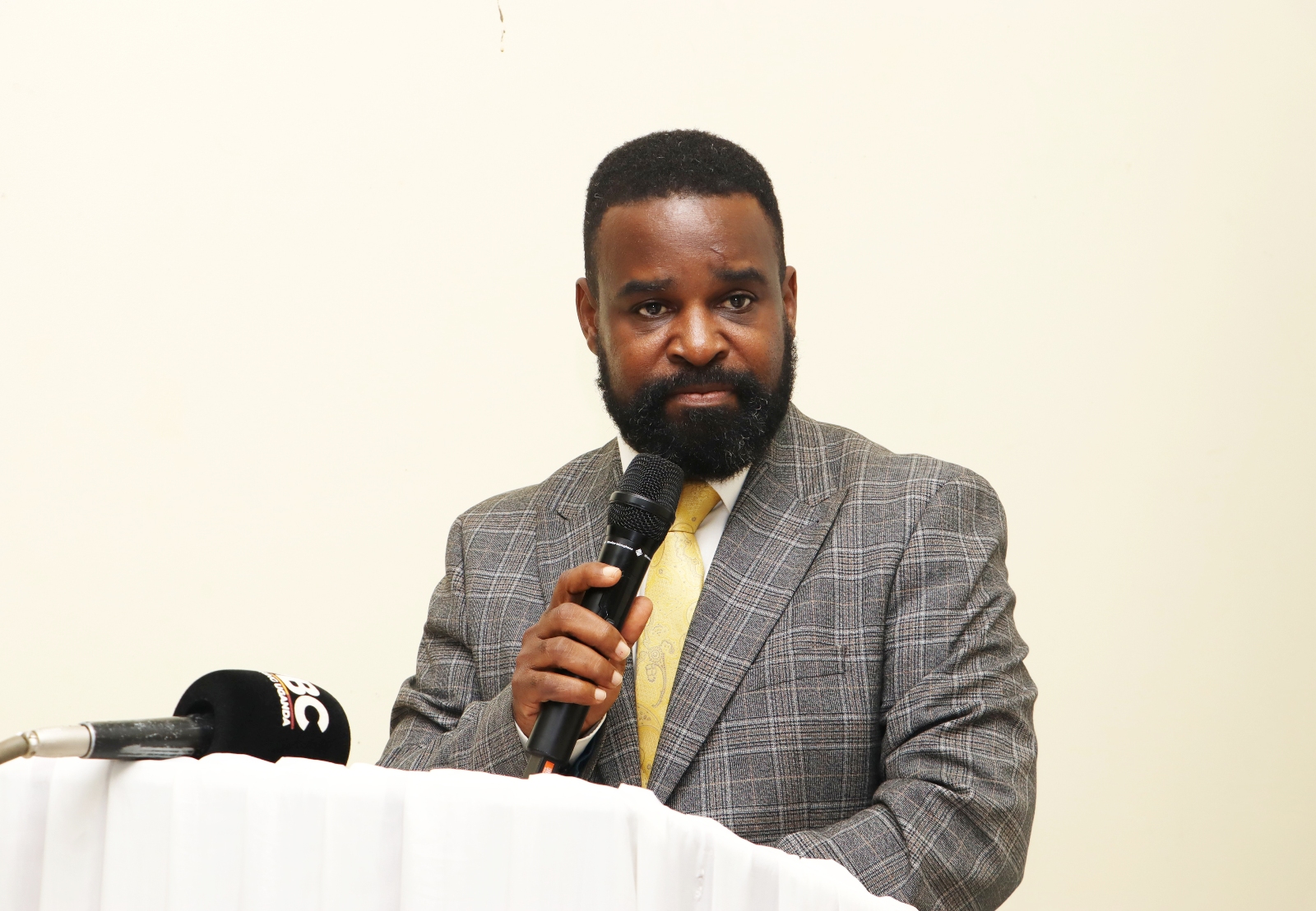
According to Wamala, climate variability and environmental degradation continue to threaten agricultural production, food security and rural livelihoods, making the need for innovative, evidence-based and scalable solutions increasingly urgent.
Through the fellowship, participants gained practical exposure to climate-smart irrigation technologies, resilient farming systems, soil and water conservation practices, and other innovations aimed at strengthening agricultural productivity and resilience.
“The experiences have equipped our fellows not only with technical competencies but also with the capacity to translate knowledge into practical solutions for communities and institutions,” he said.

The programme is implemented by the Environment for Development (EfD) Initiative through the EfD-Makerere Centre and is funded by the Swedish International Development Cooperation Agency (Sida). It seeks to strengthen evidence-based policymaking by bridging the gap between research and policy while promoting the use of economic policy instruments to support a just green transition.
Speaking at the ceremony, Professor Edward Bbaale, Director of the EfD-Makerere Centre and Principal of the College of Business and Management Sciences(CoBAMS), said the fellowship targets senior civil servants and policymakers from Eastern Africa to strengthen their capacity to formulate and implement green economy policies.
“The goal is to promote the use of economic policy instruments to achieve a just green transition. The programme bridges gaps between research and policy and between researchers and policymakers to strengthen evidence-based decision-making,” Bbaale said.
Since its inception, the programme has trained 30 senior policymakers drawn from ministries, departments and agencies across the region.
Bbaale said, one of the programme’s unique features is its regional approach, which enables fellows from Uganda, Kenya, Rwanda, Ethiopia, Tanzania and South Africa to share experiences and learn from one another’s policy interventions.
“We are able to learn from what other governments are doing in these Eastern African countries, compare with our policy environment and identify solutions that can work back home,” he said.
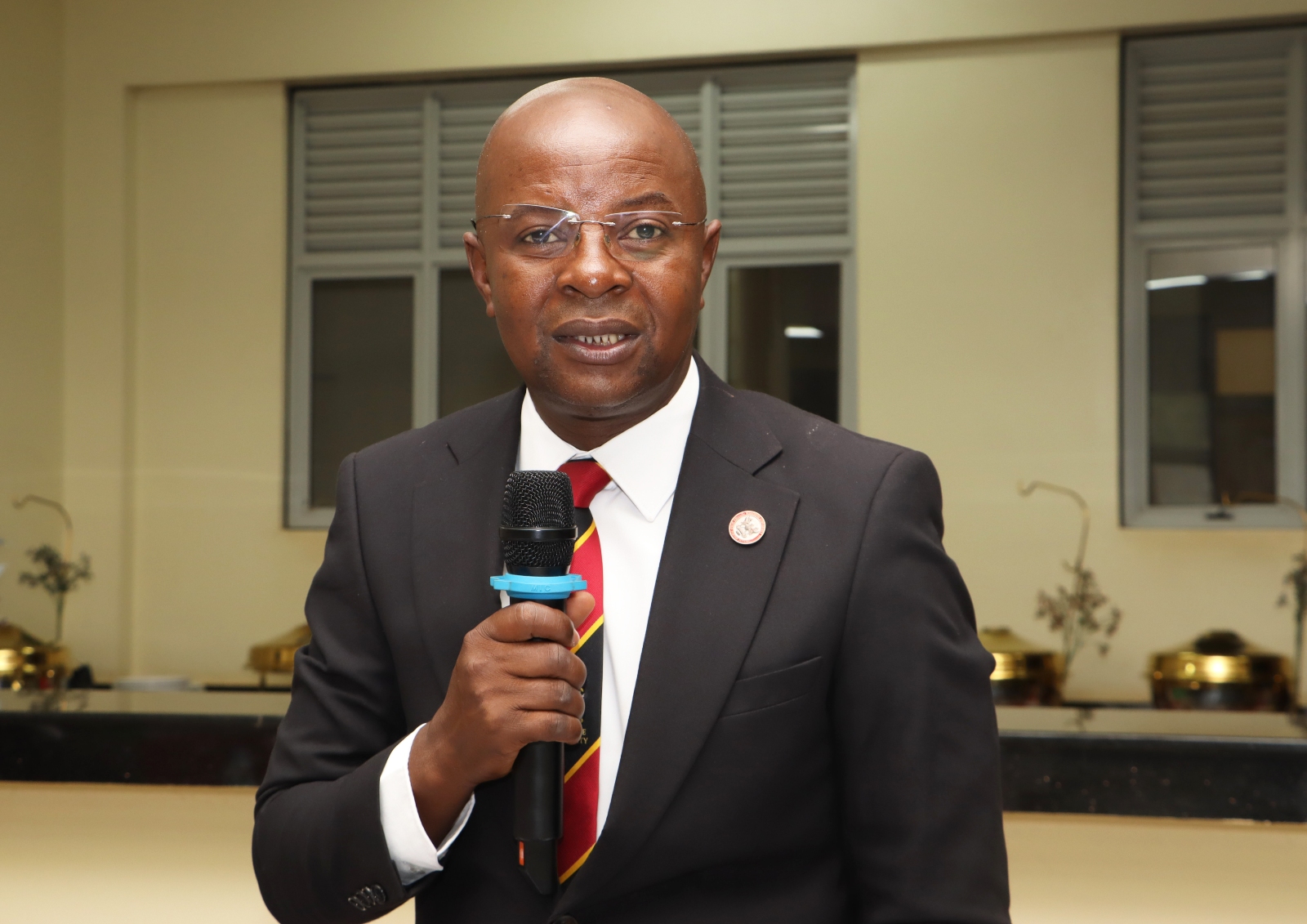
The 2025 cohort focused on accelerating climate-smart agriculture adoption, a priority area as governments seek to mitigate the impacts of climate change on food production and rural livelihoods.
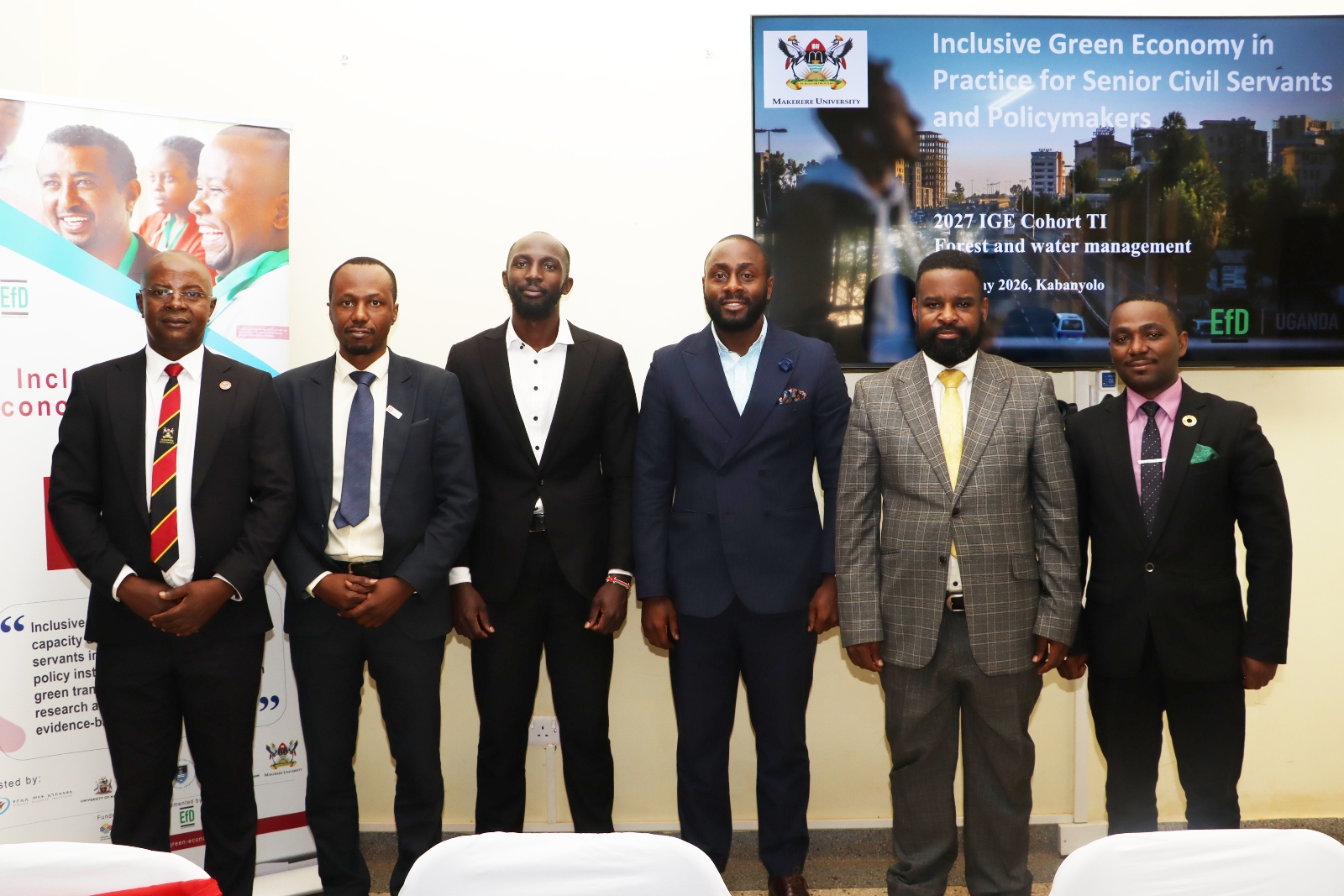
Bbaale announced that the next cohort, to be recruited later this year, will focus on forestry and water management. The programme intends to recruit five additional senior government officials from institutions including the Ministry of Water and Environment, the National Environment Management Authority (NEMA), the National Planning Authority (NPA), and the Ministry of Finance.
Host institution MUARIK also used the occasion to highlight its contribution to agricultural research and innovation.
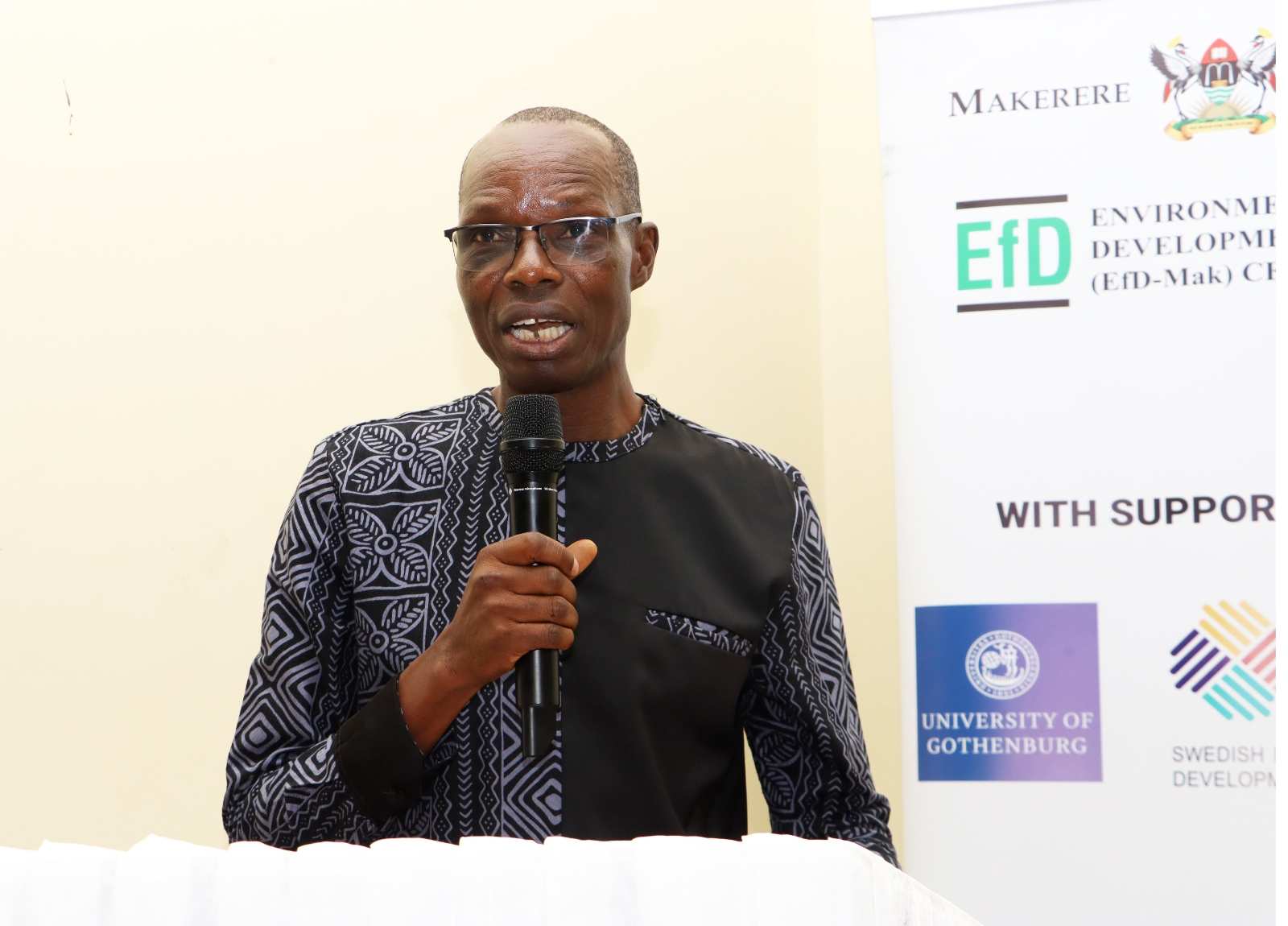
Welcoming guests to the institute, MUARIK Director Dr. Peter Ebanyat described the facility as a leading centre for agricultural research, training and innovation whose history dates back to 1953.
He noted that the institute has played a significant role in developing agricultural technologies that have had national impact, including the development of soybean varieties grown across Uganda.
“Our vision is to be a thought leader in sustainable agricultural and environmental innovations. Our mission is to generate and disseminate knowledge, innovations and technologies through research, training and community engagement for improved agricultural productivity, environmental sustainability and rural livelihoods,” Ebanyat said.
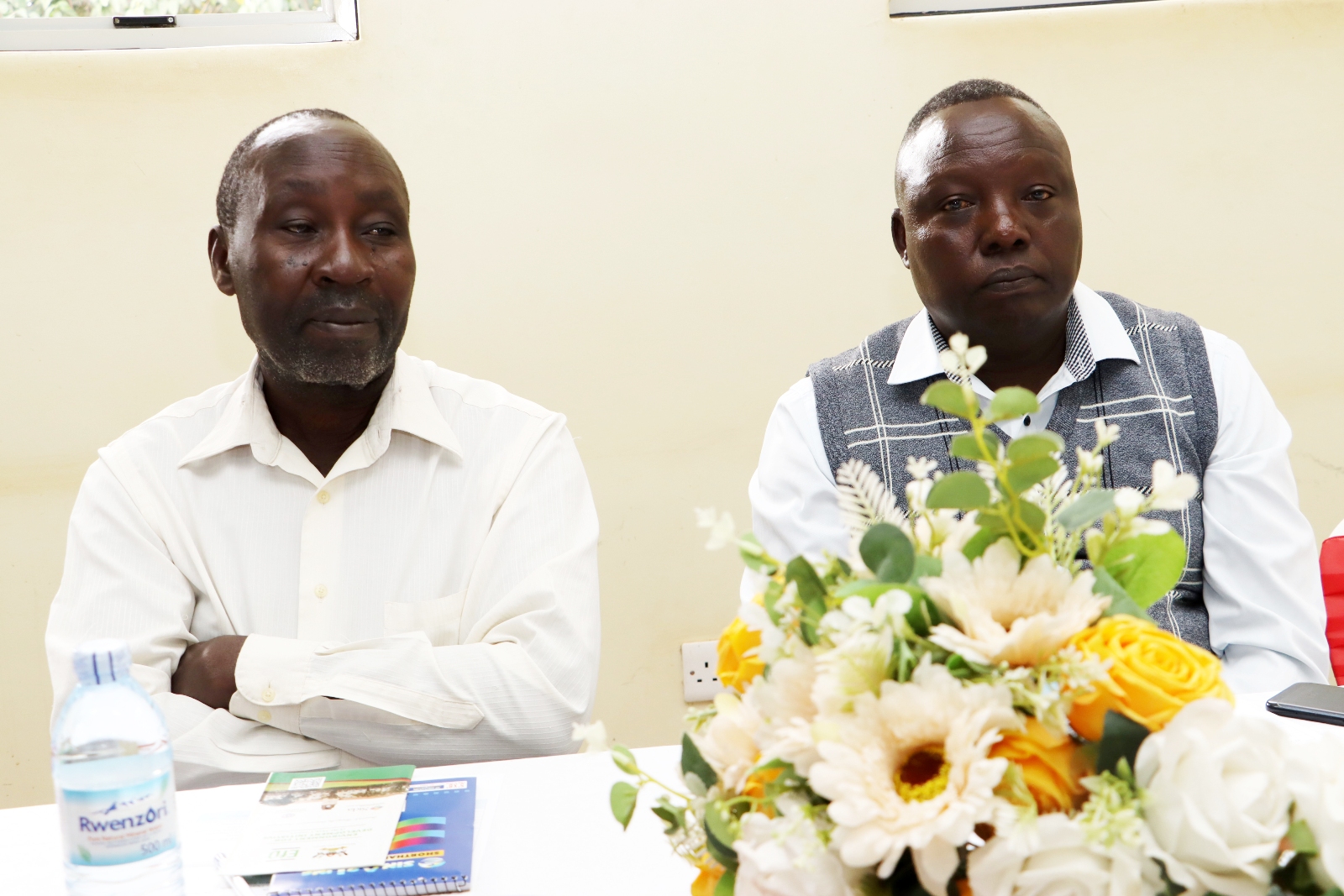
He said hosting the graduation was particularly significant because MUARIK serves as a living laboratory where researchers, students, policymakers and development practitioners interact to generate solutions to challenges facing the agricultural sector.
The graduation ceremony underscored the growing importance of partnerships among universities, governments and development agencies in addressing climate change, promoting food security and advancing inclusive green growth across Uganda and the wider East African region.
As the fellows return to their respective institutions, university leaders challenged them to become ambassadors of climate-smart agriculture and champions of sustainable development, using the knowledge acquired through the programme to influence policies, strengthen resilience and improve livelihoods in their sectors.
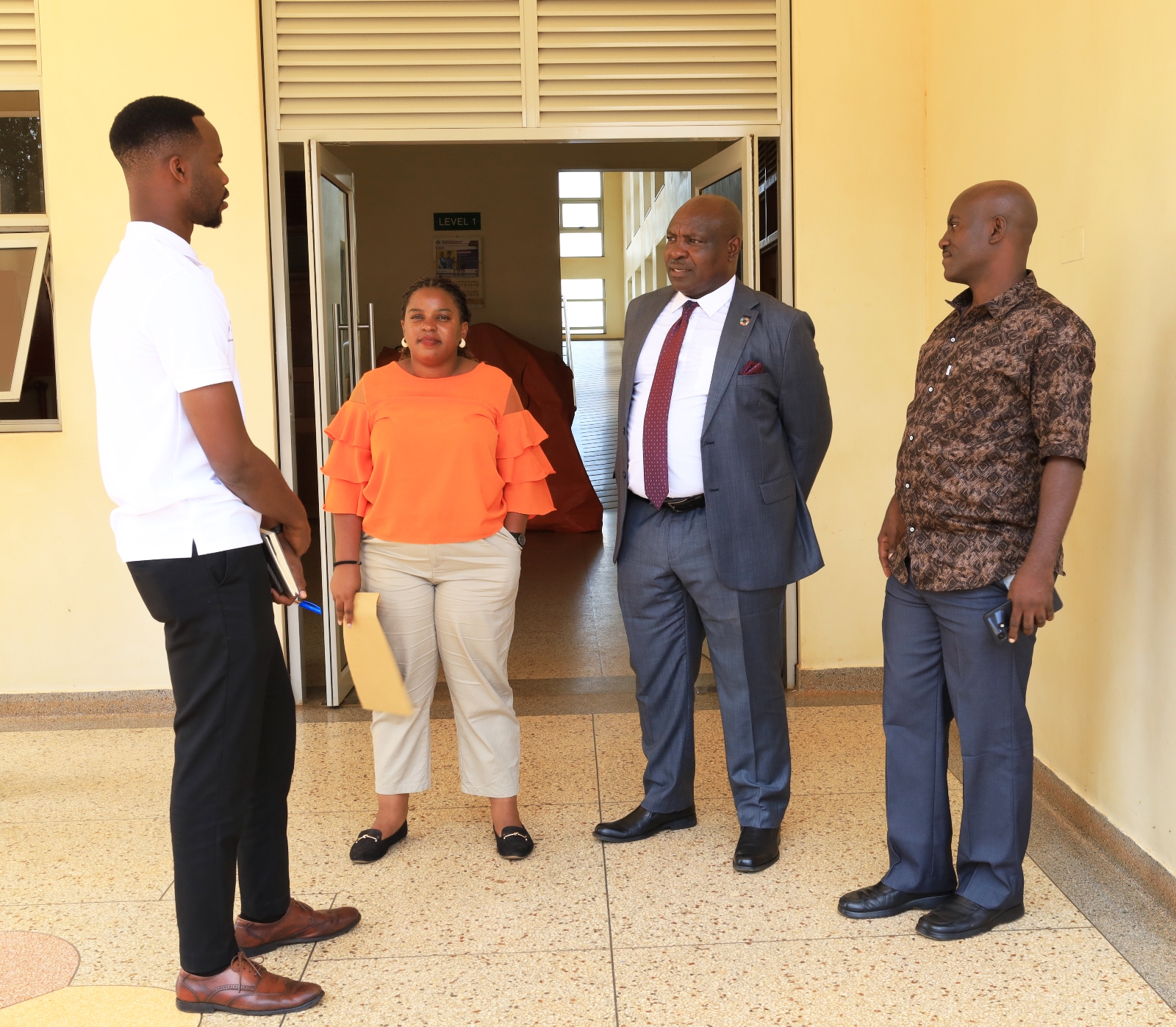
The Inclusive Green Economy Fellowship Programme will continue until 2027 under Sida funding, with Makerere University remaining one of the key regional centres driving research, policy engagement and capacity building for sustainable development.
Graduating Fellows Call for Stronger Climate-Smart Agriculture Policies
Senior government officials who completed Makerere University‘s IGE Fellowship Programme called for stronger policy interventions, increased investment and wider public awareness to accelerate the adoption of climate-smart agriculture in Uganda.
The senior civil servants highlighted climate change as a growing threat to agriculture, food security and rural livelihoods.
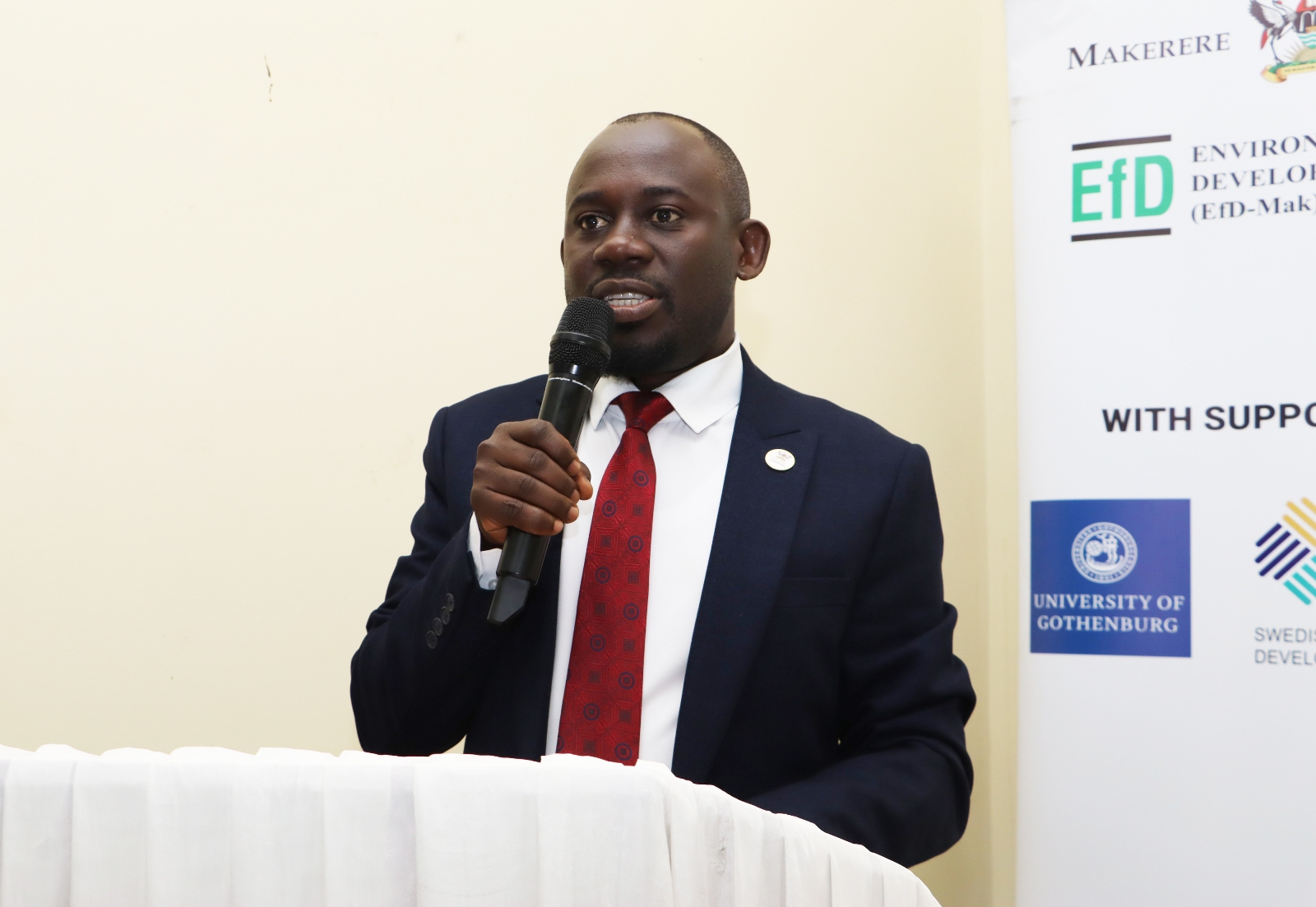
Speaking on the sidelines of the graduation ceremony, Makerere University‘s Policy Engagement Specialist and coordinator of the programme, Dr. Peter Babyenda, said the 2025 cohort focused on developing policy instruments that can accelerate the adoption of climate-smart agricultural practices across the country.
“This cohort has been looking at accelerating the adoption of climate-smart agriculture because agriculture remains the backbone of Uganda’s economy and one of the sectors most affected by climate change,” Babyenda said.
He explained that the year-long fellowship trains senior civil servants and policymakers to design economic and policy incentives that promote environmentally sustainable development.
According to Babyenda, previous cohorts focused on issues such as clean cooking energy, biomass reduction and electric mobility, while the latest group examined how government can encourage farmers to adopt climate-smart technologies such as solar-powered irrigation systems and sustainable farming practices.
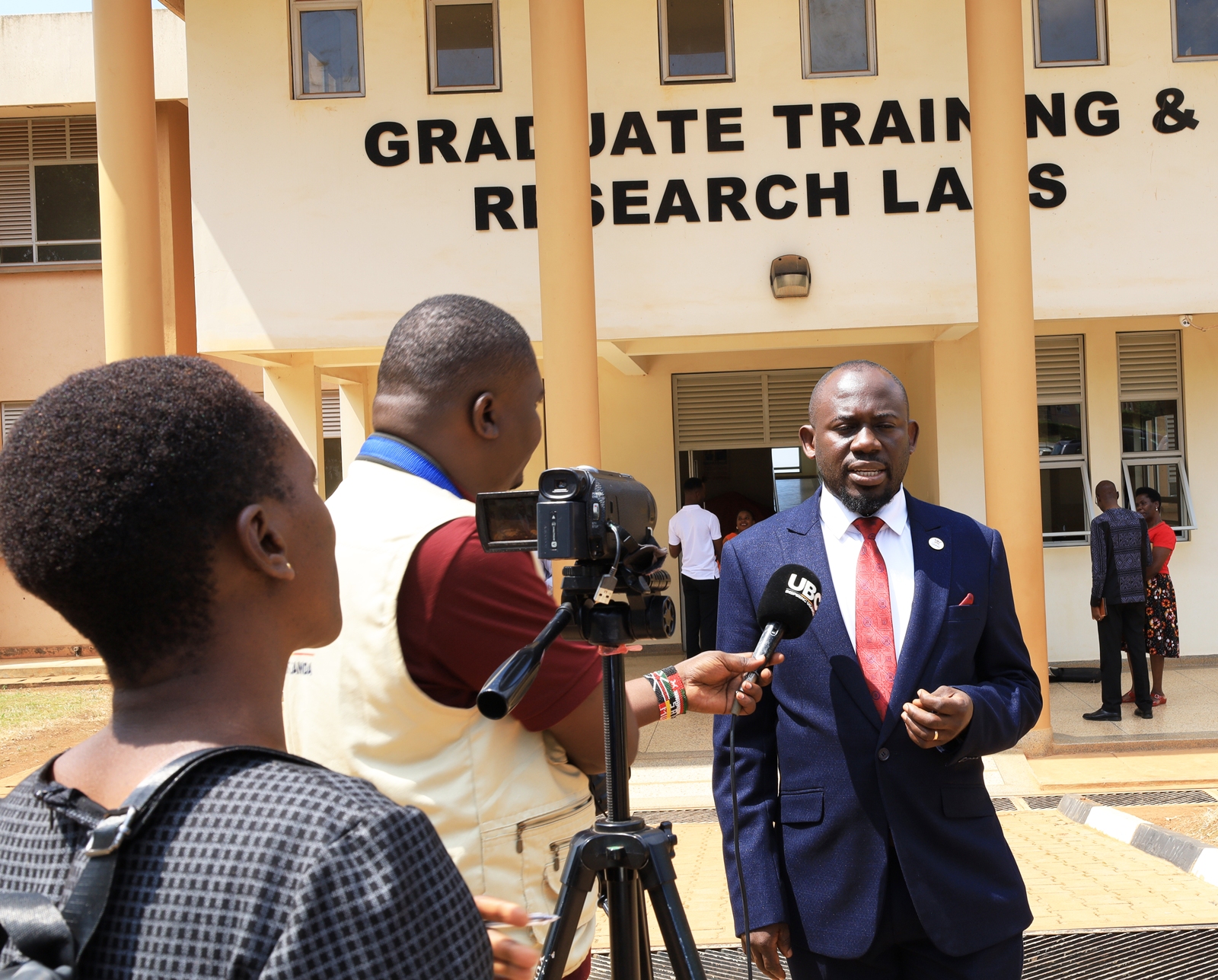
“We have trained them on how to design policy packages and interventions that encourage adoption of climate-smart agriculture and improve resilience among farming communities,” he said.
The graduation brought the number of fellows trained under the Sida-funded programme to 30 since its inception. The initiative is implemented by Makerere University‘s Environment for Development (EfD) Centre in partnership with the University of Gothenburg in Sweden.
Babyenda revealed that the next cohort, expected to be recruited later this year, will focus on forestry and water management as part of efforts to reduce emissions and strengthen climate resilience.
He also disclosed that Makerere University is considering upgrading the fellowship into an academic programme offering diploma and master’s qualifications in green economy studies.

“We are already developing a curriculum. The idea is to transform this capacity-building programme into an academic award programme that could eventually offer both diploma and master’s degrees in green economy,” he said.
Representing the graduating fellows, Engineer Thomas Epeet from the Ministry of Agriculture, Animal Industry and Fisheries said climate-smart agriculture is critical to safeguarding Uganda’s agricultural sector against the effects of climate variability.
“Agriculture contributes significantly to employment, rural livelihoods and the country’s GDP. However, prolonged droughts and erratic rainfall patterns are threatening production, making climate-smart agriculture more important than ever,” Epeet said.

The fellows identified weak extension services, limited awareness, counterfeit agricultural inputs and inadequate access to modern technologies as some of the major barriers to the adoption of climate-smart agriculture.
Epeet said the cohort’s research found that women farmers face particular challenges, including limited access to land ownership and agricultural resources, which affects their ability to adopt climate-smart practices.
He called for stronger involvement of the private sector in supplying quality agricultural technologies and inputs needed to support sustainable farming.
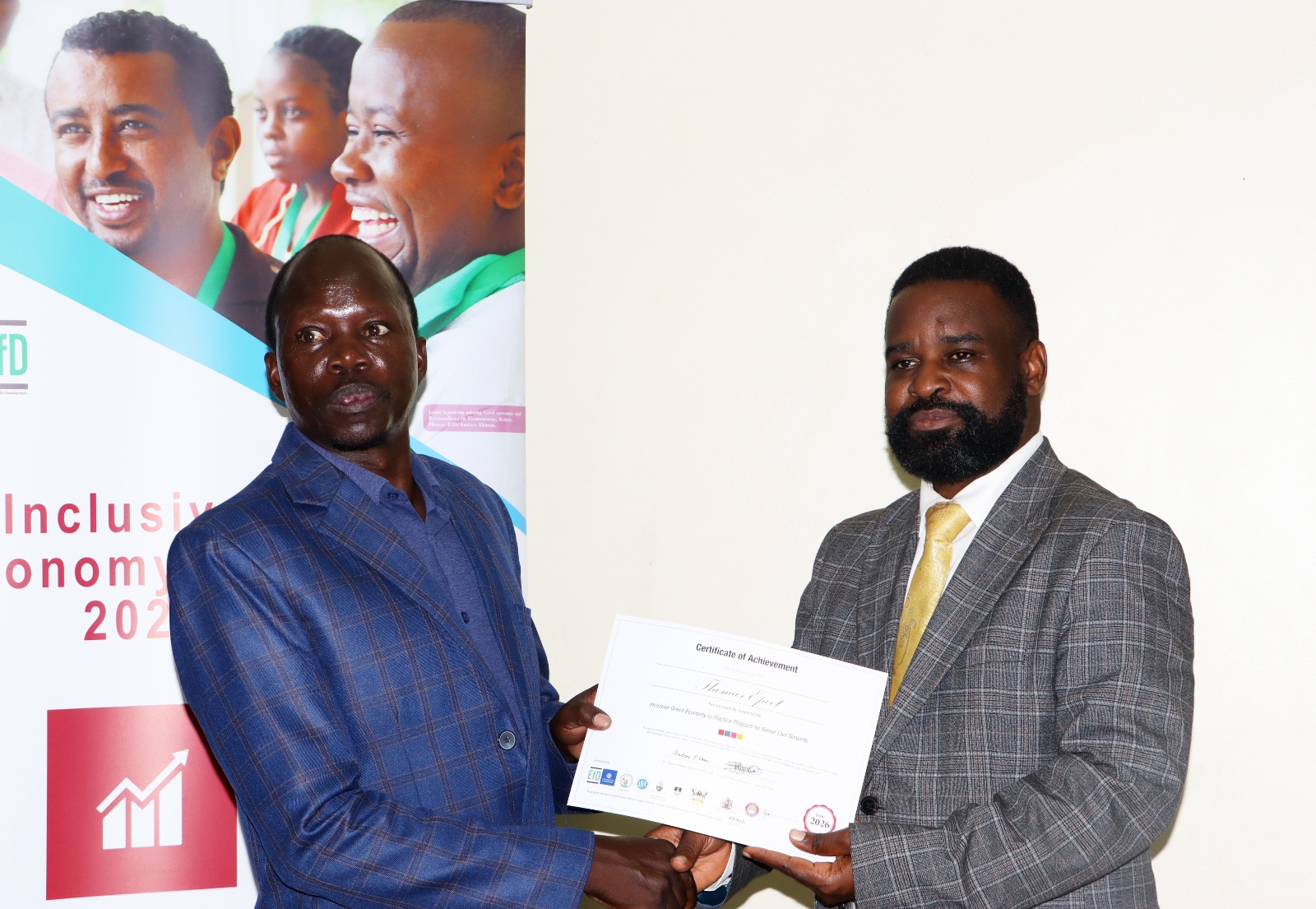
“The private sector has a critical role in providing irrigation equipment, improved seeds and other technologies that farmers need. Without a strong private sector, government interventions alone may not achieve the desired impact,” he said.
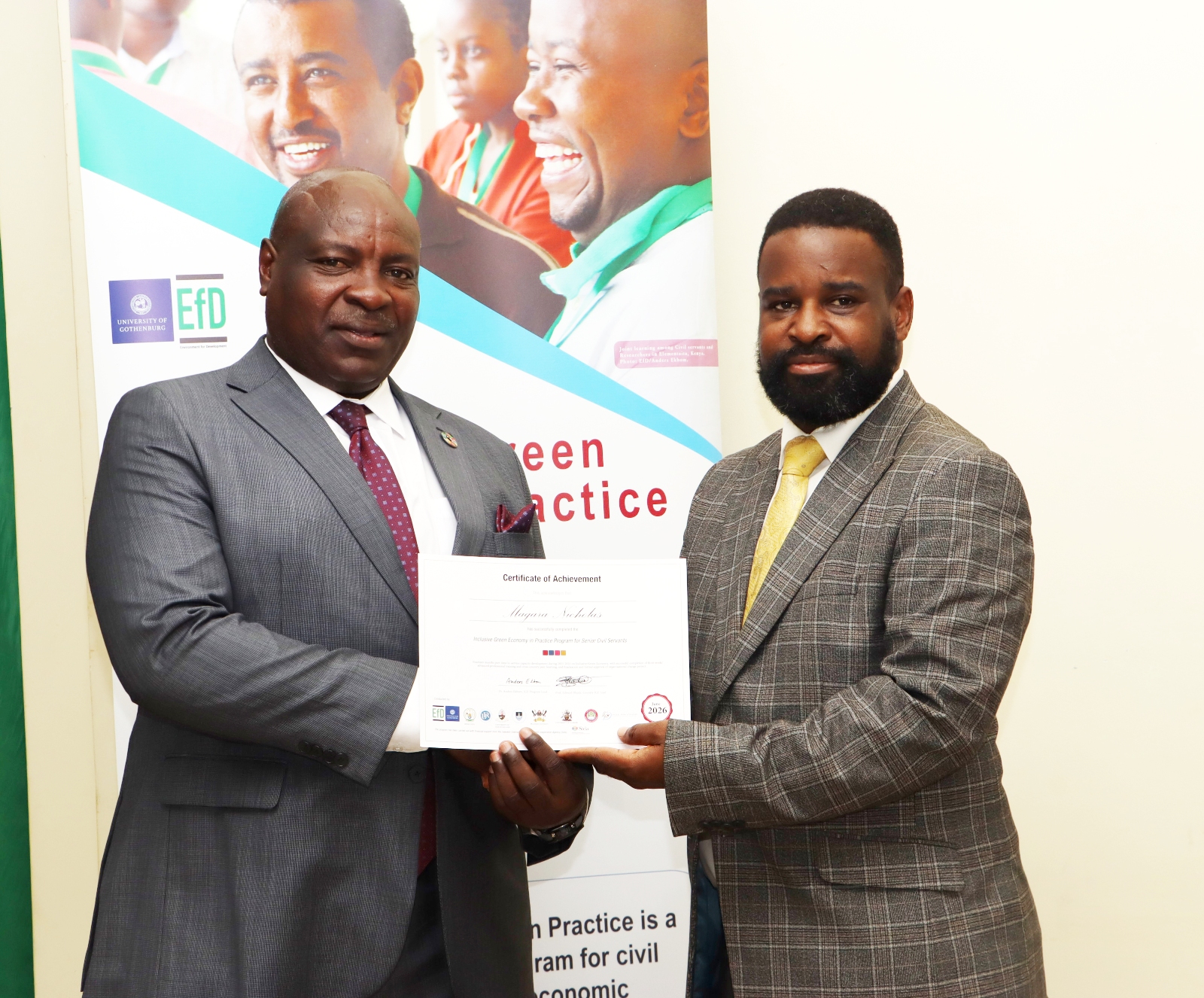
Nicholas Magara, Acting Assistant Commissioner in the Ministry of Water and Environment, said the training had equipped him with practical knowledge on how economic incentives can be used to address climate-related challenges.
He noted that environmental degradation, including forest and wetland destruction, continues to affect rainfall patterns and agricultural productivity.
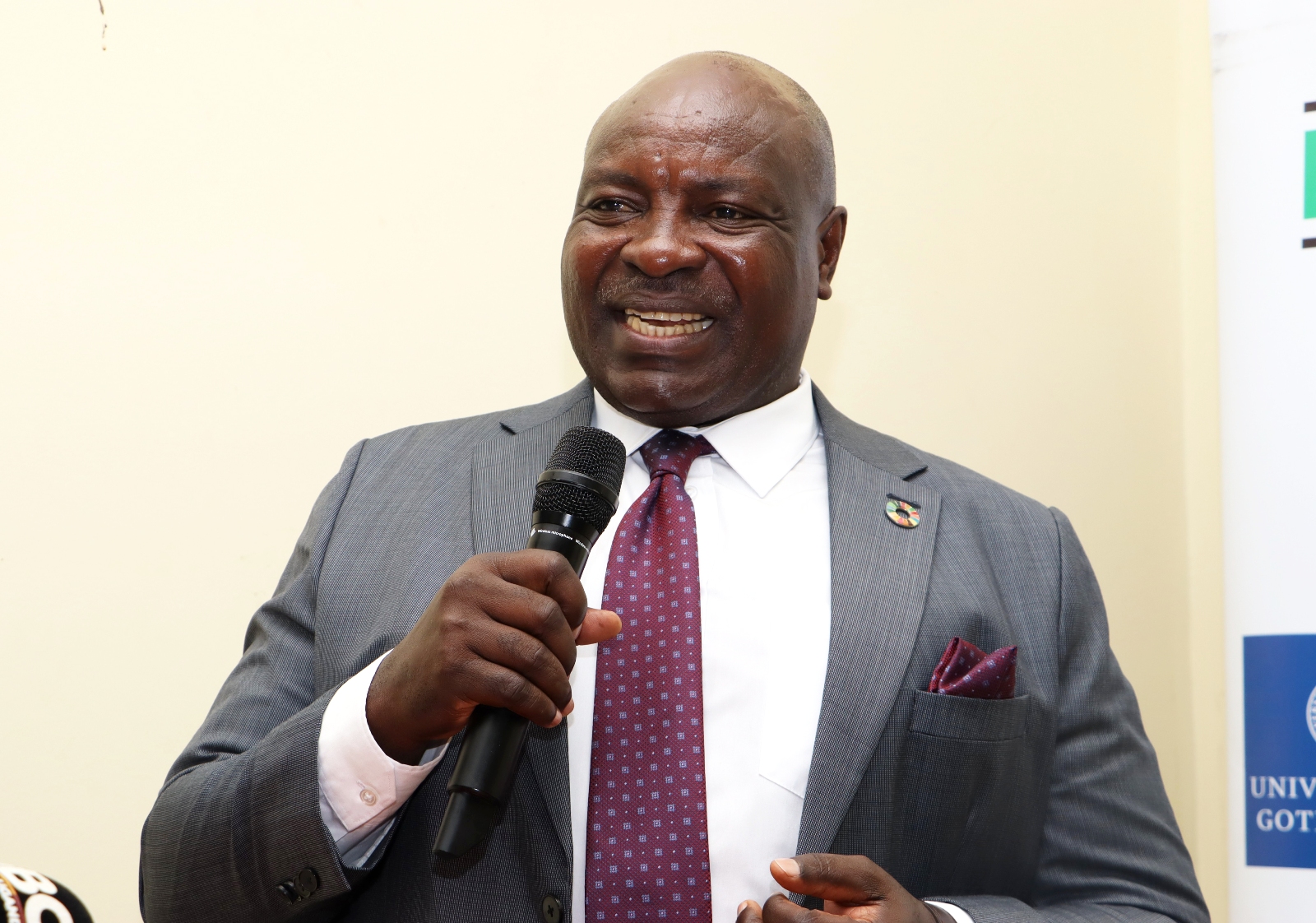
“As policymakers, we must encourage farmers not to depend solely on natural weather patterns. Technologies such as irrigation, mulching and minimum tillage are becoming increasingly important in ensuring year-round production,” Magara said.
He recommended expanding the programme to accommodate more participants and upgrading it from a certificate programme to a diploma-level qualification.
“The content is extensive and highly professional. It deserves a higher academic recognition,” he added.
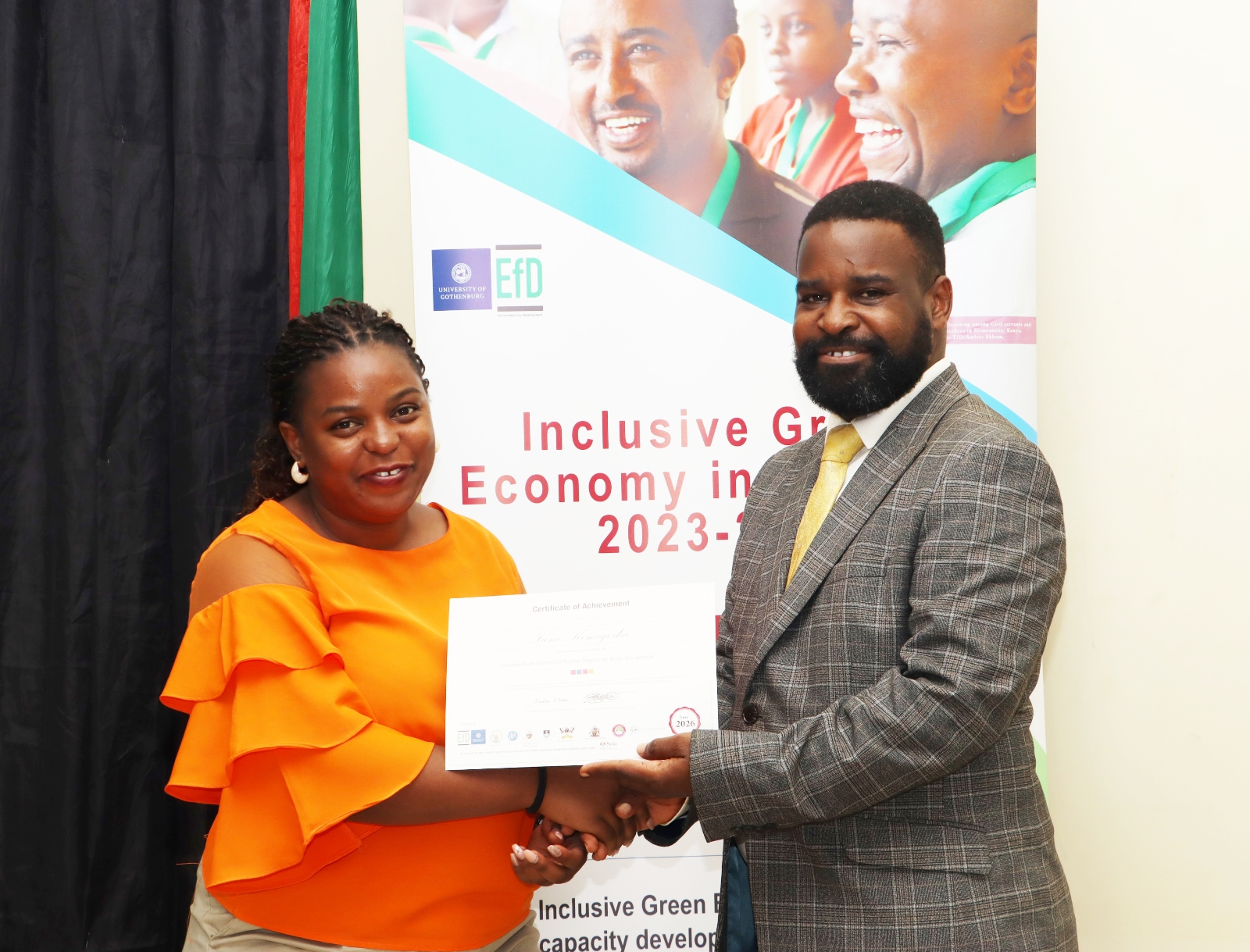
Irene Kemigisha, an economist from the Ministry of Lands, Housing and Urban Development, emphasized the need to strengthen land tenure security, particularly for women, to improve access to credit and increase investment in climate-smart agriculture.
She said many women are unable to access agricultural financing because they lack land ownership documents that financial institutions require as collateral.

“We need to ensure that women have secure land rights and access to affordable agricultural credit if we are serious about increasing adoption of climate-smart agriculture,” Kemigisha said.
She also called for stronger agricultural extension services and improved market access for farmers to ensure that increased productivity translates into higher incomes.
Meanwhile, Boaz Tumusiime from the Ministry of Tourism, Wildlife and Antiquities said the programme had highlighted the strong links between climate change, agriculture and tourism.
He said participants discovered that many climate-smart solutions already exist, but limited dissemination of information continues to slow adoption.
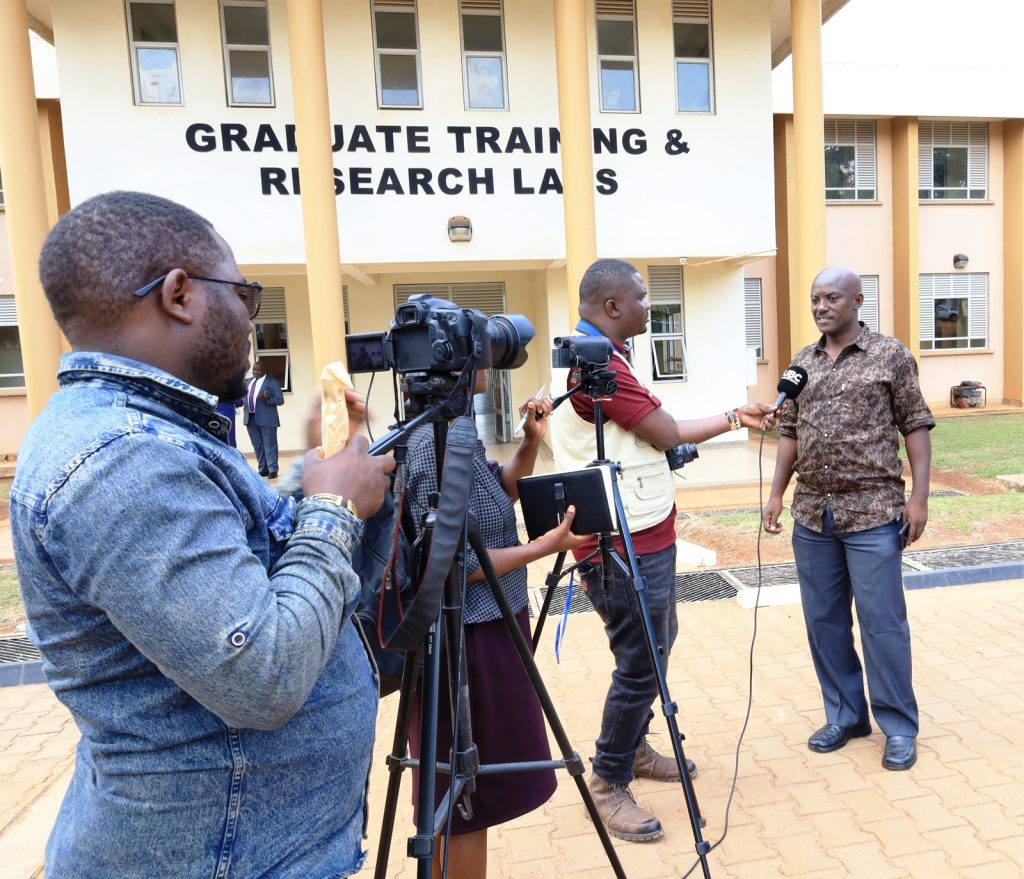
“Our transformative initiative focused on improving access to information and climate-smart solutions because the biggest challenge is often the gap between researchers, policymakers and the public,” Tumusiime said.
He praised the programme’s regional approach, which allows participants from Uganda, Kenya, Rwanda, Tanzania and Ethiopia to share experiences and learn from successful policies implemented across East Africa.

The fellows urged government, development partners and academic institutions to expand climate-smart agriculture training beyond senior civil servants to include private sector actors and grassroots agricultural practitioners.
They argued that broader participation would help accelerate the adoption of sustainable farming practices needed to strengthen food security, improve rural livelihoods and support Uganda’s climate adaptation efforts.

Panelists Call for Climate-Smart Agriculture Integration
The graduation ceremony was also marked by a roundtable discussion moderated by Prof. Edward Bbaale.and focused on how Uganda can integrate climate-smart agriculture into its national development agenda. The dialogue brought together leading academics, policymakers and development practitioners to explore strategies for sustainable agricultural transformation.
Key discussants included Prof. Robert Wamala, Director of Research, Innovations and Partnerships at Makerere University; Michael Ahimbisibwe from the National Planning Authority (NPA), representing Dr. Ronald Kaggwa; Victor Olejje from SunCulture Uganda; Wilson Asiimwe from the Ministry of Finance, Planning and Economic Development, representing Dr. Sam Koojo; and Robert Turyakira from AGHNET.

The discussions highlighted Makerere University‘s commitment to research translation and intellectual property protection, the National Planning Authority’s emphasis on climate-smart agriculture as a key driver of economic growth, and the Ministry of Finance’s focus on integrated financing and market alignment. The panel also underscored the importance of ensuring that climate-smart interventions are properly costed, financed and implemented.
Responding to a question on how Makerere University is strengthening the translation of research into climate-smart solutions, Prof. Robert Wamala, Director of Research, Innovations and Partnerships at Makerere University, explained that the institution coordinates research across its nine colleges under strategic themes, including agricultural transformation. He noted that Makerere has established an Innovation and Technology Support Centre to help researchers protect intellectual property, build industry partnerships, and commercialize innovations.
“We are developing a Research Impact Framework so that every project considers its long-term effect on policy and community livelihoods right from the design stage,” Prof. Wamala said.
He added, “An idea is not truly yours until it is protected,” emphasizing the importance of patents and copyrights in transforming research into sustainable livelihoods.

Addressing the role of climate-smart agriculture in advancing Uganda’s Tenfold Growth Strategy, Michael Ahimbisibwe, representing the National Planning Authority, emphasized that climate-smart agriculture is central to both the strategy and Uganda’s Vision 2040. He outlined its contribution to ensuring sustainable raw material supplies, building resilience to climate change, enhancing export competitiveness, supporting inclusive livelihoods and unlocking access to green financing.
“By embedding these approaches, agriculture becomes the backbone of our growth strategy,” Ahimbisibwe said, pointing to drought-tolerant crop varieties, water harvesting technologies, and compliance with international trade standards as critical interventions.
Responding to a question on how public investment and financing mechanisms can support climate-smart agriculture, Wilson Asiimwe from the Ministry of Finance argued that climate-smart agriculture must be approached holistically, with policies integrated across sectors. He explained that government investments, such as valley dams for livestock production, should be aligned with existing development programmes, while additional financing can be mobilized through carbon credit schemes, climate funds, and international grants.
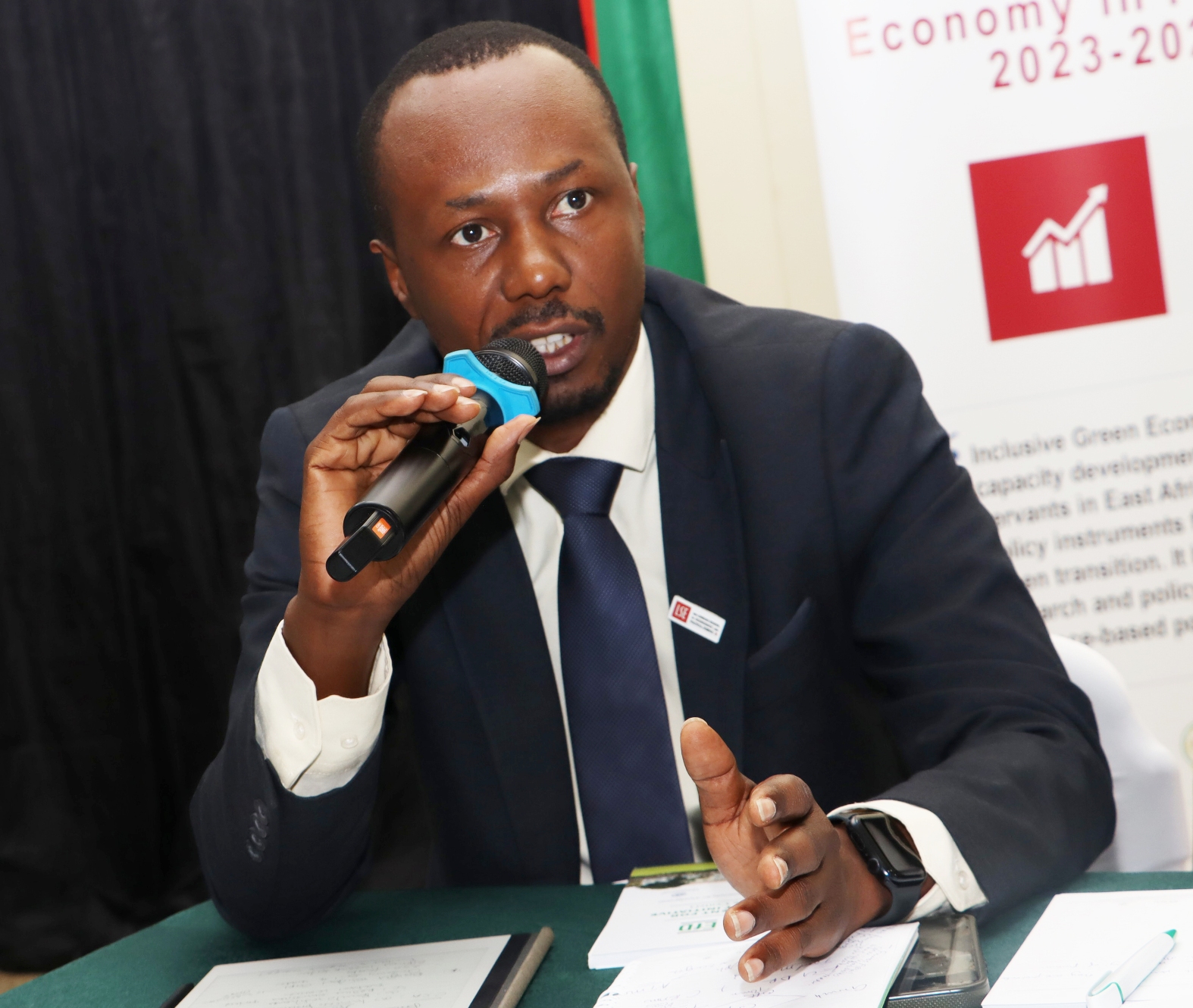
“Productivity must be matched with markets; otherwise, we risk food mountains with no buyers,” Asiimwe cautioned.
He further noted that emerging export regulations, such as the European Union’s deforestation requirements, make climate-smart agricultural practices essential not only for environmental sustainability but also for maintaining trade competitiveness.
Explaining how planning processes ensure that interventions are properly costed and implemented, Ahimbisibwe further noted that planning serves as the bridge between policy and financing. Under Uganda’s National Development Plan IV, the government employs a programme-based approach, with agro-industrialization identified as a key programme. Each programme includes costed interventions that are monitored annually through compliance assessment mechanisms.
“This way, climate-smart agriculture is not just a policy idea but a funded and monitored reality,” he said, stressing that planning ensures government allocations, releases, and expenditures remain aligned with national development priorities.

The panel underscored a shared vision in which Makerere University drives research translation and intellectual property protection, the National Planning Authority positions climate-smart agriculture as a pillar of economic growth, the Ministry of Finance ensures integrated financing and market alignment, and planning frameworks guarantee effective implementation of costed interventions. Together, these efforts aim to embed climate-smart agriculture at the heart of Uganda’s long-term development strategy.
Compiled and written by Jane Anyango, Communication Officer
Photo Credits: Peninah Nalubega
(Fourth-Year Journalism and Communication Student)
-

 General2 weeks ago
Undergraduate Admission Lists 2026/2027
-
 General1 week ago
Makerere University Launches First Writing Summer School
-

 Health2 weeks ago
Makerere University becomes Africa’s new nerve centre in the fight against Ebola
-

 General6 days ago
Stakeholders of Mastercard Foundation Initiatives at Makerere University Convene to Review Progress and Strengthen Collaboration
-

 General1 week ago
RE-ADVERT: Admission to Undergraduate Programmes 2026/27