
Health
MNCH e-Post Issue 120: Uganda needs to double efforts to save babies at the time of birth-Experts






Health
Mak Staff Receive Prestigious International “Future of the Field” Recognition in Global Research Administration Class of 2026.



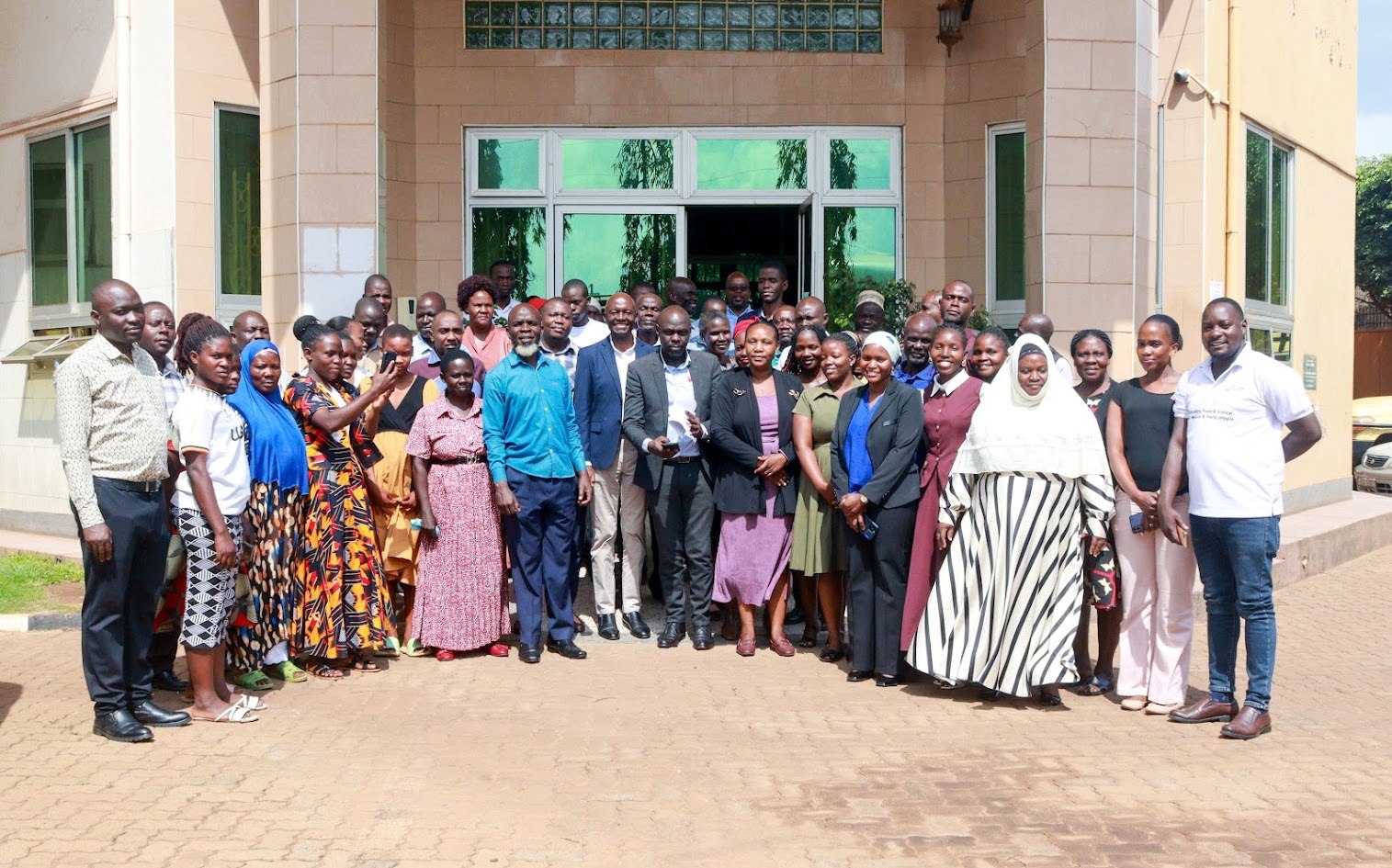
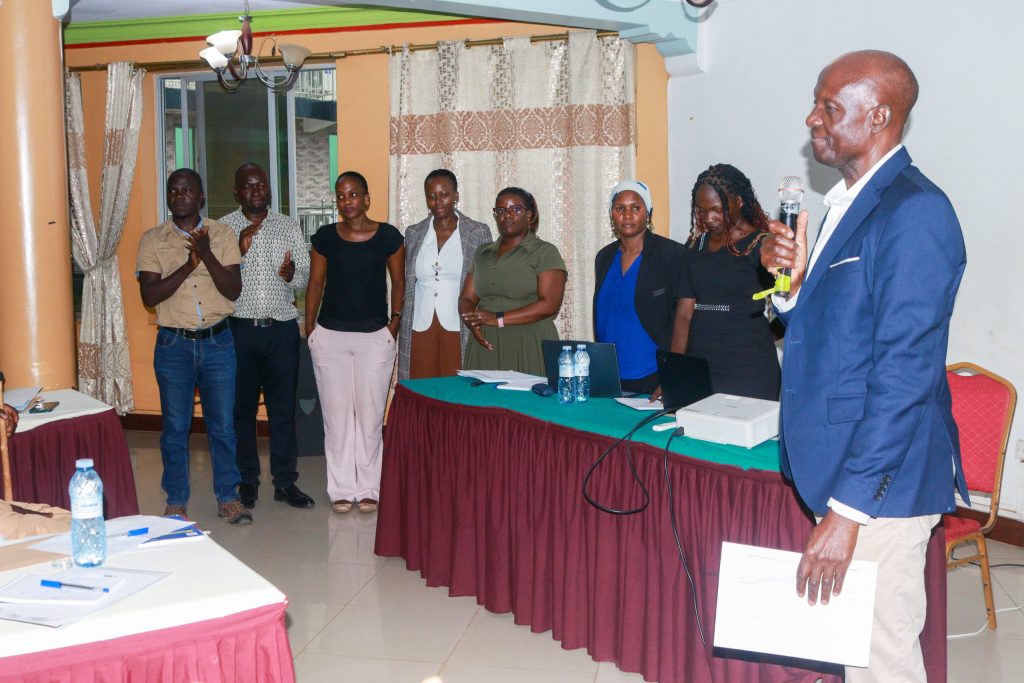
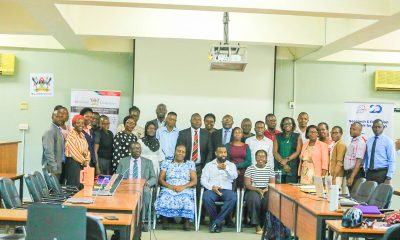
Prof. David Guwatudde, Principal Investigator (centre), and Dr. Justine Bukenya with researchers and stakeholders at the ARISE-NUTRINT dissemination meeting in Iganga, 1 October 2026.
Adolescence is a consequential period for health, when diets, behaviours and other risks can form and persist into adulthood. In Mayuge District, new evidence from Makerere University School of Public Health is showing how some of these early vulnerabilities could contribute to the later risk of non-communicable diseases (NCDs), and what can change when interventions begin early.
The evidence comes from the ARISE-NUTRINT project, a three-year EU-funded study led by Prof. David Guwatudde and Dr. Justine Bukenya. The project examines health and behavioural risks among adolescents and young adults, with a particular focus on nutrition-related NCD risks, and tests interventions designed to improve nutrition fluency and diet quality.
The work comes against a substantial NCD burden in a country where 73.2% of the population is below 30. WHO estimates that NCDs accounted for 42.2% of deaths in Uganda in 2023, while the country’s latest national NCD risk-factor survey found significant risk factors persisting in the population, with little overall change from the previous survey in 2014. Together, the evidence strengthens the case for prevention much earlier in life.
“There is strong evidence from literature demonstrating that most behavioral NCD risk factors, including nutrition-related, are established during childhood, persisting into adulthood. This may lead to development of actual NCDs if such risks are not reversed early,” Prof. Guwatudde said.
The study, he explained, linked assessment of young people’s health risks with developing responses suited to their circumstances. Since enrolling 1,206 participants aged 10–24 in Mayuge District in March 2024, the team has conducted three annual rounds of data collection, with young people and local stakeholders also helping evaluate interventions to reduce the risks identified.
A problem that starts early
The findings, shared with community and district stakeholders in Iganga on October 1, 2026, show that some vulnerabilities were already evident at baseline. Nearly one in three participants had anaemia, 49% had low nutrition literacy, while about one in ten reported symptoms of anxiety and a similar proportion reported depressive symptoms.
Anaemia, a condition in which the blood does not have enough healthy red blood cells or haemoglobin to carry adequate oxygen around the body, was highest among the youngest participants. Overall, 375, or 31%, had anaemia, rising to 35.7 per cent among 10–14-year-olds, compared with 18.9% among those aged 15–19 and 10.6 per cent among young adults aged 20–24.
Nutrition presented another challenge. At baseline, 49% of participants had low nutrition literacy and 13% had poor overall diet quality. Low nutrition literacy was associated with more than four times the odds of poor diet quality.
Gaps also emerged in sexual and reproductive health knowledge and behaviour. About 14 per cent of participants did not know that HIV cannot be transmitted by sharing food with a person living with HIV, 10% believed a condom could be used more than once, and 13 per cent did not know pregnancy could occur during first sexual intercourse. Among 168 participants who reported having had sex, more than half reported using no method to prevent pregnancy during their first or most recent sexual intercourse.
Mental health findings added another dimension. Anxiety symptoms were reported by 10 per cent of participants, depressive symptoms by 9.5% and loneliness by 6.3 per cent. Among 534 participants aged 13–24 assessed for suicidal ideation, 1.9% reported suicidal thoughts.
Together, the baseline findings show that vulnerabilities extended beyond any single health issue. For nutrition, the study went further to examine what shaped everyday food choices and whether those influences could be changed.
Nutrition literacy goes beyond knowing which foods are healthy. It includes understanding nutrition information and applying it to everyday choices. The study found those choices were also shaped by parents, peers, food vendors, culture, prices, seasons, and what was available locally. Improving diets, therefore, required reaching beyond individual knowledge to the households and communities where food choices are made.
What early action changed
The baseline evidence informed the Adolescent Nutrition Fluency Intervention. Working with adolescents and young adults, caregivers, Community Health Workers (CHWs), district teams and other stakeholders, the project adapted nutrition messages to local foods, language and household realities. Ten trained CHWs delivered nine monthly household sessions covering balanced diets, physical activity, vitamins and minerals, meal planning and anaemia prevention.
The household approach reached young people in and out of school. The nutrition literacy, diet-quality and intervention analyses form part of the PhD research of Mr. Thomas Buyinza, supported through ARISE-NUTRINT. At endline, participants who received the sessions recorded higher nutrition literacy and overall diet-quality scores.
“The improvement in nutrition literacy and diet quality suggests that practical education, grounded in local foods and household realities, can support healthier choices among adolescents and young adults. In addition, involving parents and caregivers is important because they influence what families buy, prepare, and eat,” Dr. Bukenya said.
She stressed that nutrition education needed to be complemented by better access to affordable, nutritious foods. Dr. Bukenya also called for continued follow-up, including the use of nutrition and dietary data from DHIS2, to assess whether improvements were maintained and guide district planning.
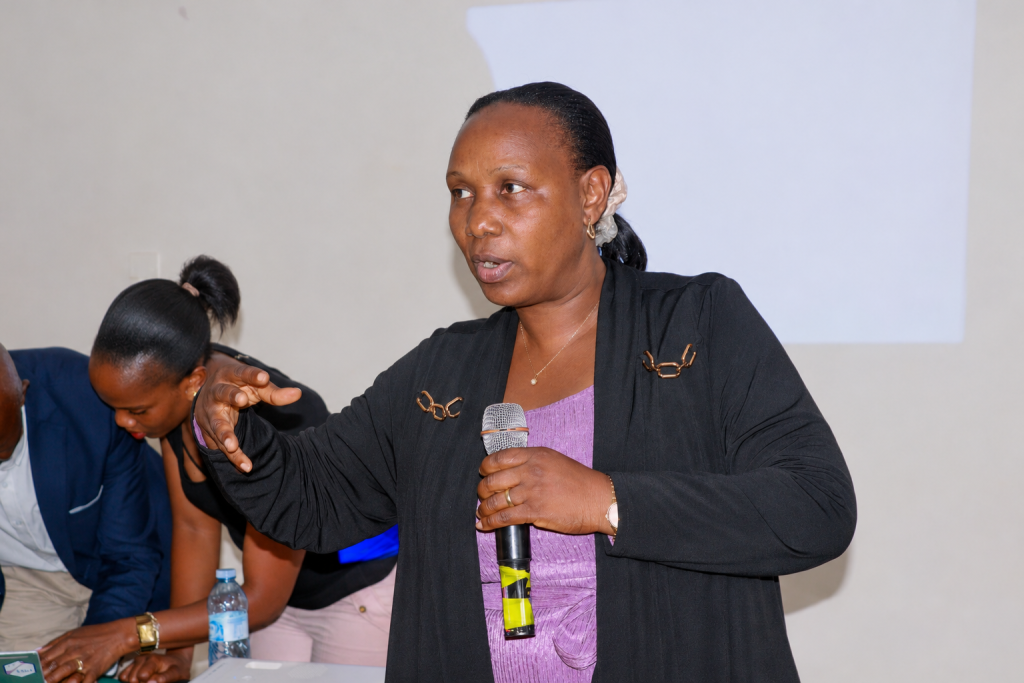
Changes in other outcomes were mixed. Participants reporting no physical activity fell from 22.6% to 7.4%, while those active on four to seven days a week increased from 46% to 54.8%. But activity duration did not improve: those reporting more than 60 minutes a day declined from 28.2% to 21.1%. Underweight fell modestly from 6.2% to 5%, while overweight and obesity did not change significantly.
Anaemia recorded the largest change, falling from 31.1% before the intervention to 9.9% afterwards. During the intervention period, participants received weekly iron and folic acid supplementation and deworming alongside nutrition education on iron-rich foods, dietary diversity and practices that improve iron absorption.

Mayuge District’s Assistant District Health Officer, Ms. Elizabeth Kawaala, said the findings reflected problems recognised locally and highlighted the need for a response involving families and other stakeholders.
“There is a serious challenge that needs to be tackled with many stakeholders, with parents at the centre because these are children. We also learnt that many parents, I think, lack the skills to communicate with their adolescents,” she said.
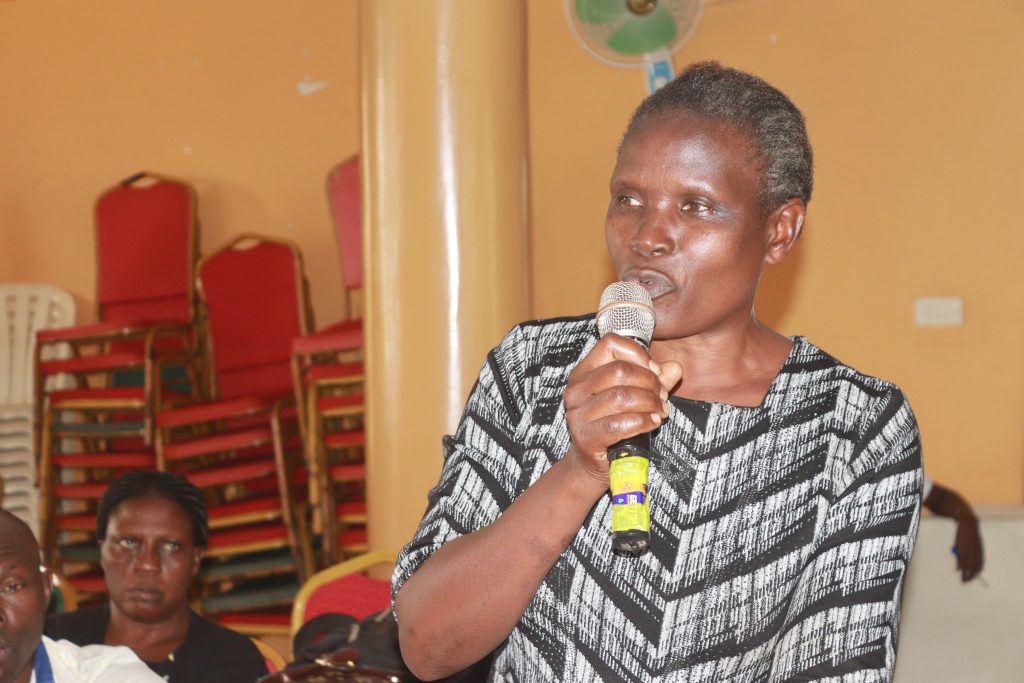
She said the findings had been shared with colleagues and described integrating health education and sensitisation into services. She also called for departments to use the evidence when planning activities in their workplans.
Beyond Mayuge
Seen alongside Uganda’s 2023 STEPS survey, the Mayuge findings add an earlier-life dimension to the national evidence. Makerere University School of Public Health contributed to both studies, with Prof. Guwatudde contributing to the national STEPS survey and now leading ARISE-NUTRINT. While STEPS found significant NCD risk factors persisting among adults, ARISE-NUTRINT shows that some behaviours and vulnerabilities relevant to later NCD risk are already evident during adolescence and young adulthood. The Mayuge research goes further by testing what can change when interventions begin during this period.
The findings leave Mayuge with more than a measure of the problem. They show where vulnerabilities are emerging, what changed when interventions were introduced and where challenges remain. For ARISE-NUTRINT, the evidence now turns attention to which approaches can be sustained and how lessons from Mayuge can inform efforts to support healthier transitions from adolescence into adulthood.

-

 General2 weeks ago
ADVERT: Mature Age Entry Scheme Examinations – 2027/2028
-

 General2 weeks ago
MURBS Presents FY 2025/26 Performance with 15% Growth
-
 General2 weeks ago
Gender Sensitization Session to Strengthen Gender-Responsive Practices conducted at CoVAB
-

 General5 days ago
Update On Payment of Endowment Fund Fees
-
 General6 days ago
Institutionalizing ORCID at Makerere University: Strengthening Researcher Identification, Visibility and Research Output Tracking