Connect with us

Education

International Exchange Opportunity for Master Students UiA, Norway

Published

on

The School of Distance and Lifelong Learning, Department of Adult and Community Education, Makerere University, in collaboration with the Faculty of Social Sciences, Department of Global Development and Planning, University of Agder, Norway announces 2 Erasmus+ global mobility Scholarship (5 months) for Master Students of Adult and Community Education for the Autumn semester, tenable at the University of Agder in Norway.

The autumn semester starts 14th of August and ends in the middle of December. The semester starts with an orientation day for international students. Students should preferably arrive in Kristiansand, Norway on the 10th of August.

One semester at the University of Agder is 30 ECTS and includes typically 3 courses. Master students may choose to combine coursework and master thesis work. A list of courses offered by the Faculty of Social Sciences in the Autumn Semester can be found on their web page. Details will be provided to the successful candidates. 

To qualify for the scholarship, one must meet the following conditions: Be a fully registered student of Makerere University in the Master of Adult and Community Education programmeShould have completed coursework by 1st August 2023Should have at least a research proposal and be in position to have collected data from the field by 1st August 2023The successful candidates will be required to sign a contract committing to return to Uganda after the exchange period to complete their studies at Makerere University.

Application Deadline: 27 March 2023
Scholarship per Month: Euros 900 x 5 months
Travel: Euro 820 turn/return
Visa and travel insurance: Expenses will be covered

How to Apply:

Qualifying candidates should submit an application cover letter indicating the level of their studies and a motivation statement to the Dean School of Distance and Lifelong Learning on Email:  twineb@gmail.com and Copy to: Exchange Coordinator, Mr. Joseph Watuleke on Email: at joseph.watuleke@yahoo.com and to Chair, DACE on email:  rahmansanya@gmail.com, And the Postgraduate Coordinator DACE at:  nampijjadianah@amugalu

Selected candidates will then be nominated by the exchange coordinator for admission by the International office at the University of Agder and will receive more information about the visa process, housing, and orientation. 

Mak Editor

Education

CEES 2026 Students Orientation: Newly Admitted Students tipped on Integrity, Academic Excellence, Safety and Responsible AI usage

Published

on

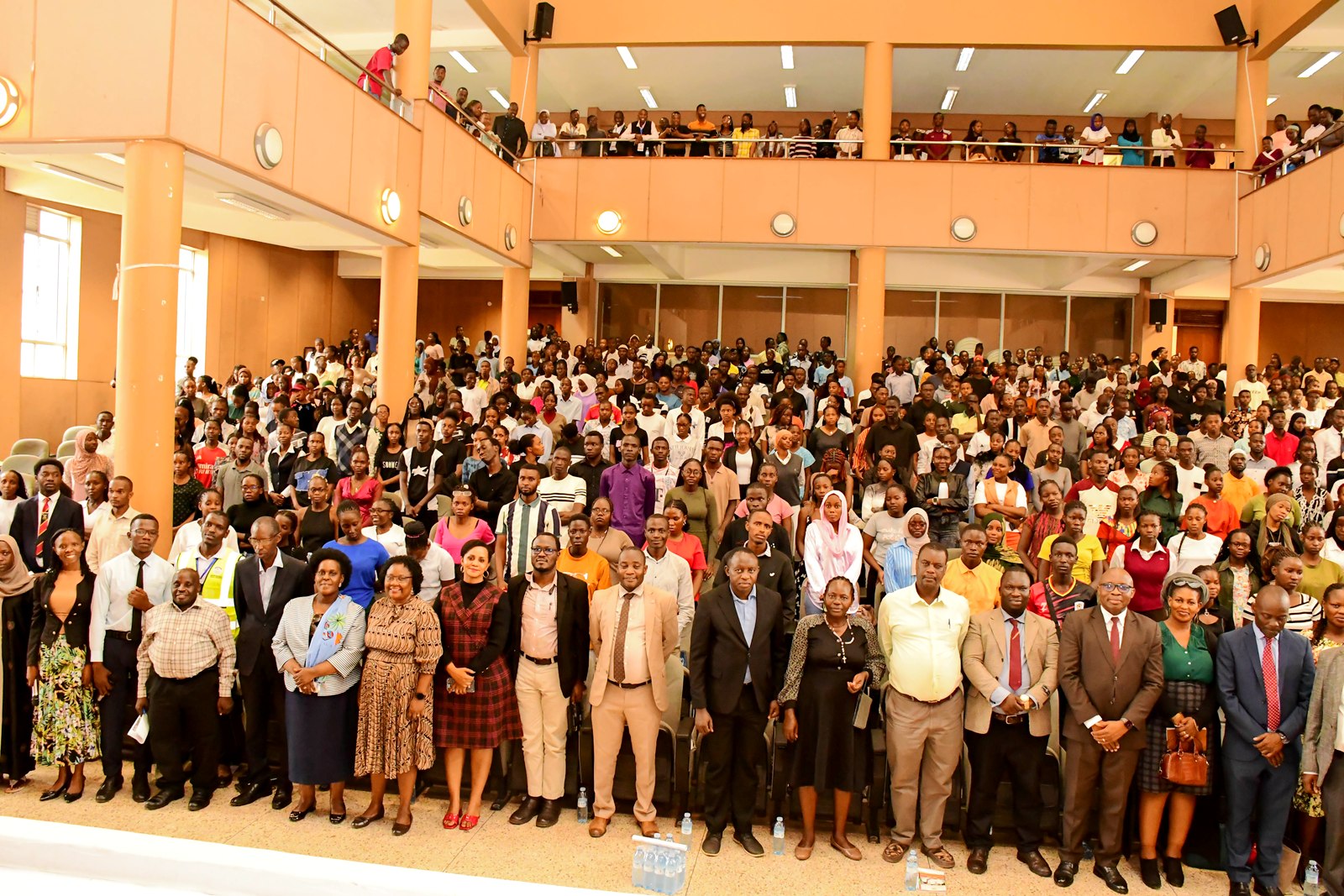
CEES Leadership and University Officials with first year students admitted to the various undergraduate academic programmes during the orientation on 6th August 2026. Orientation of first year students admitted to various undergraduate academic programmes at the College of Education and External Studies (CEES), 6th August 2026, Yusuf Lule Central Teaching Facility Auditorium, Makerere University, Kampala Uganda, East Africa.

On 6th August 2026, the first year students admitted to the various undergraduate academic programmes at the College of Education and External Studies (CEES) convened at the Makerere University Yusuf Lule Central Teaching Facility Auditorium for a specialized orientation session with the College leadership, selected University Officials, staff and student leaders.

Bringing together over 900 first year students, the colourful orientation session organized by the Office of the Principal, in collaboration with the College Registrar, College Communication Office, and the Student leaders, kicked off with the singing of the Anthems. The first year students were impressed by the vocals courtesy of the College of Education and External Studies Choir.

The interactive orientation session, which involved interludes of respecting the Makerere University Culture (with the entire audience speaking with energy, Eeh, Makerere Oyee!) was aimed at equipping the newly admitted students with the essential knowledge to transition into University life, guidance to successfully navigate their academic journey, and developing a deeper sense of belonging and love for the College of Education and External Studies (CEES).

The orientation focused on promoting academic excellence, responsible conduct, personal well-being, financial management, digital learning, safeguarding, and effective utilization of university resources to support students’ growth and development.
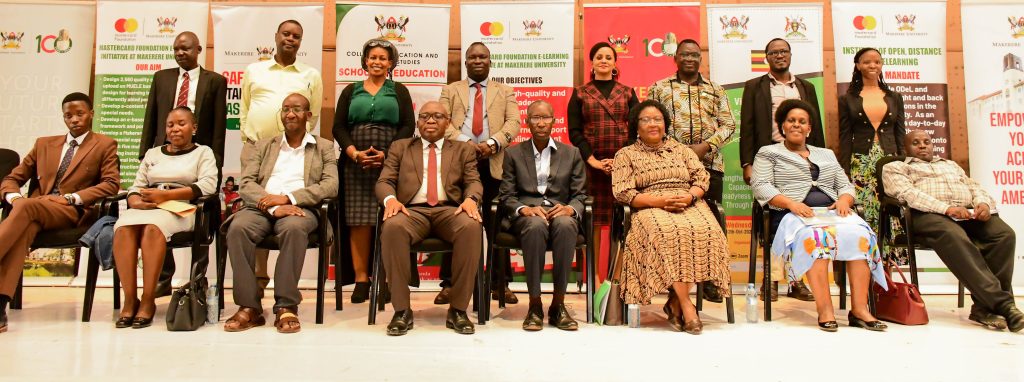
R-L (Seated): Dr Godfrey Mayende, Mrs. Joanna Kayaga Kiwana, Dr Harriet Nabushawo, Prof. Anthony M. Mugagga, Prof. Ronald Bisaso, Ms Frascesca Musimenta, Mr. Anthony Bakashaba. R-L (Standing): Ms. Ritah Namisango, Mr. Moses Wang’koko Ebil, Dr Benon Kigozi, Ms. Molly Nantongo, Dr Joseph Watuleke, Dr Dianah Nampijja, Mr. Godfrey Wasikye, Mr. Sanderson Acati.

The orientation programme featured presentations from university administrators, academic leaders, student representatives, and support service providers including the College Principal-Prof. Anthony Muwagga Mugagga, Deputy Principal-Prof. Ronald Bisaso, Dean-School of Distance and Lifelong Learning- Dr. Harriet Nabushawo, Dean-School of Education- Assoc. Prof. Mathias Mulumba, the Director of IODeL-Dr. Godfrey Mayende, the Manager-Makerere University Counselling and Guidance Centre Dr. Henry Nsubuga, the College Chairperson-Mr. Anthony Bakashaba, and among other members of staff  and student leaders.

Commitment to Academic Excellence and Responsible Conduct
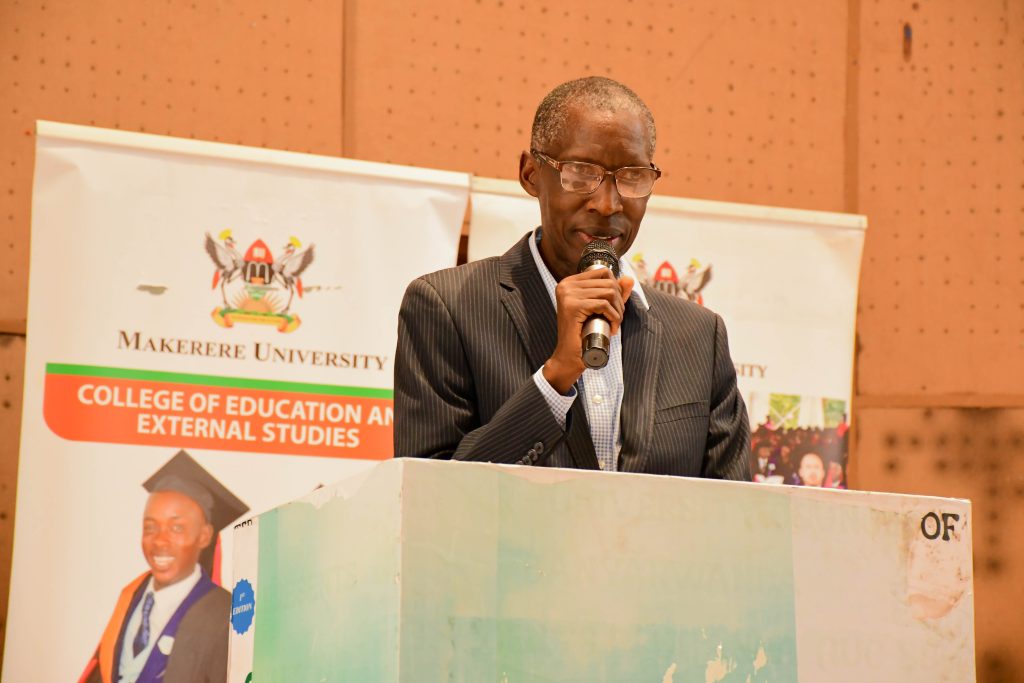
The Principal – College of Education and External Studies, Professor Anthony Muwagga Mugagga

Opening the engagement, the Principal, College Principal, Prof. Anthony Muwagga Mugagga, congratulated the first-year students upon being admitted to Makerere University, and specifically to the College of Education and External Studies. He highlighted that the College consists of three (3) Schools namely: The School of Education, the School of Distance and Lifelong Learning, and the East African School of Higher Education Studies and Development.

Recalling the lived experiences from his youthful days as a student, and his various attempts in different academic disciplines such as religious studies, economics, philosophy, education, he informed the students that they had made the right choice to study education.

“I am a professor of education. I have served as a teacher, education policy specialist, and rose up to the rank of Professor. I am the College Principal. I am here to re-assure you that you have made the right decision to study education,” he said.

The Principal encouraged the first-year students to embrace their academic journey with determination and utilize their stay to effectively tap into the opportunities available at Makerere University.

“Prioritize your studies, maintain healthy relationships, and avoid behaviours that could compromise your safety, well-being, and academic progress,” Prof. Muwagga Mugagga guided.
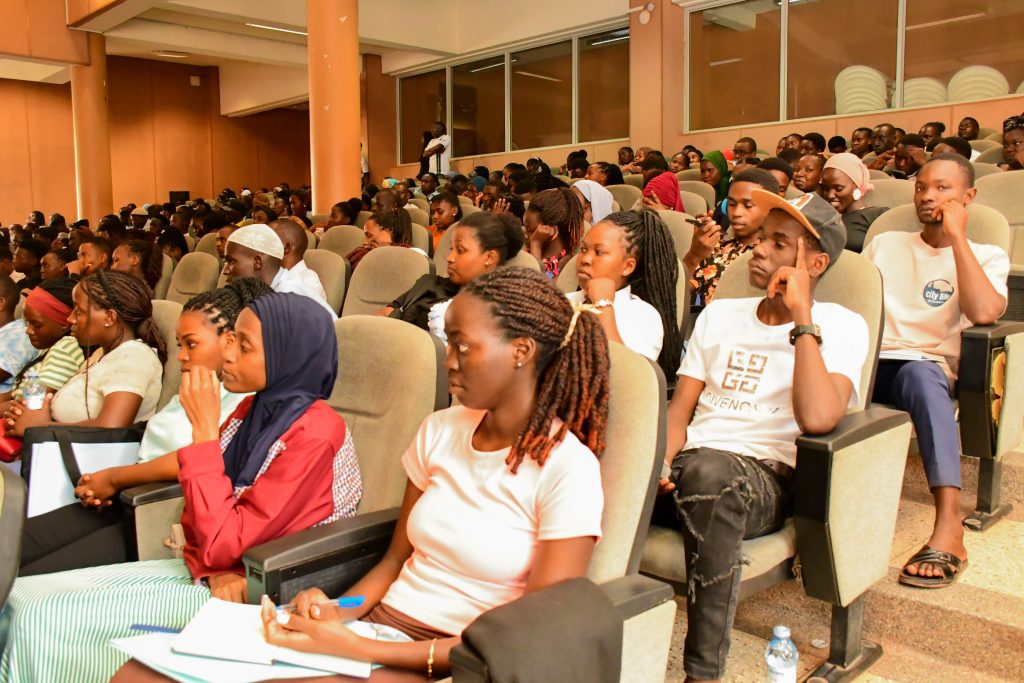
Newly Admitted students listening to the proceedings of the CEES 2026 Orientation

He advised the students to attend lectures consistently, actively participate in class, establish professional relationships with lecturers, and familiarize themselves with university policies and support services.

He called upon the students to manage their finances responsibly by prioritizing essential needs, such as tuition and academic requirements, and exploring available work-study opportunities when faced with financial challenges.

Prof. Muwagga Mugagga reminded students to understand their rights and responsibilities as members of the university community and to uphold the values and standards that guide life at Makerere University.

Striving for Excellence and Time Management

The Deputy Principal, Prof. Ronald Bisaso implored the students to remain focused on their academic goals, adhere to university policies, and to use their freedom wisely throughout their university journey.  
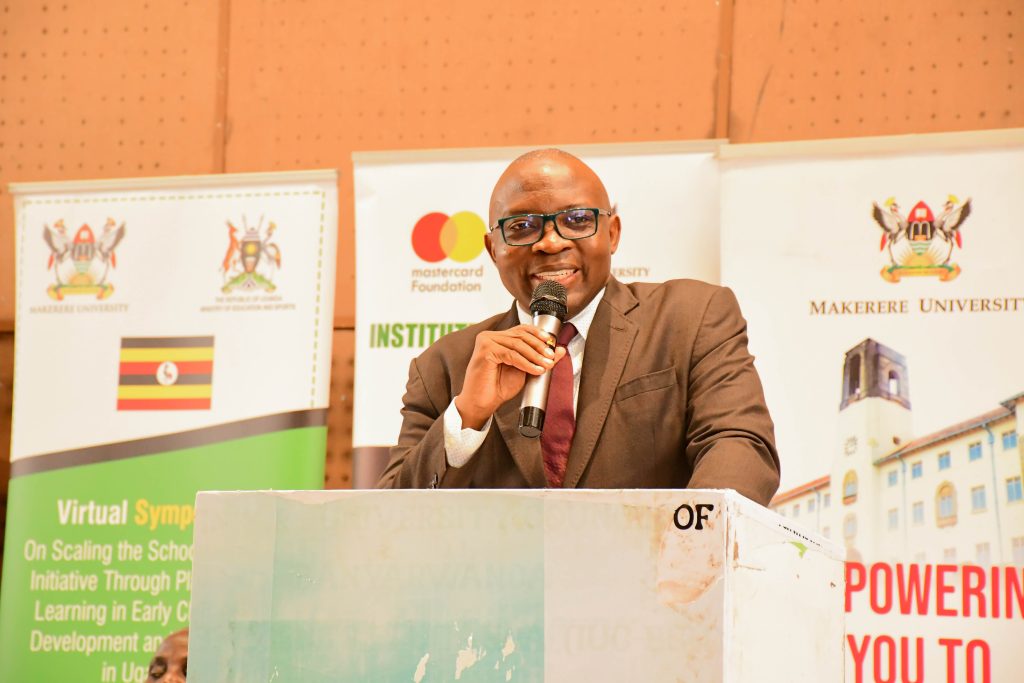
The Deputy Principal – College of Education and External Studies, Professor Ronald Bisaso

Prof. Bisaso also tipped the students on professionalism, the standards and right set of values that society expects from prospective teachers and educators. He encouraged the students to dress appropriately and make reference to authentic online platforms that describe the dress code for official, business, and casual engagements.

 “Students’ conduct and appearance contribute significantly to the professional image they project within the university and the wider community,” he noted.

Academic Success and Professional Conduct
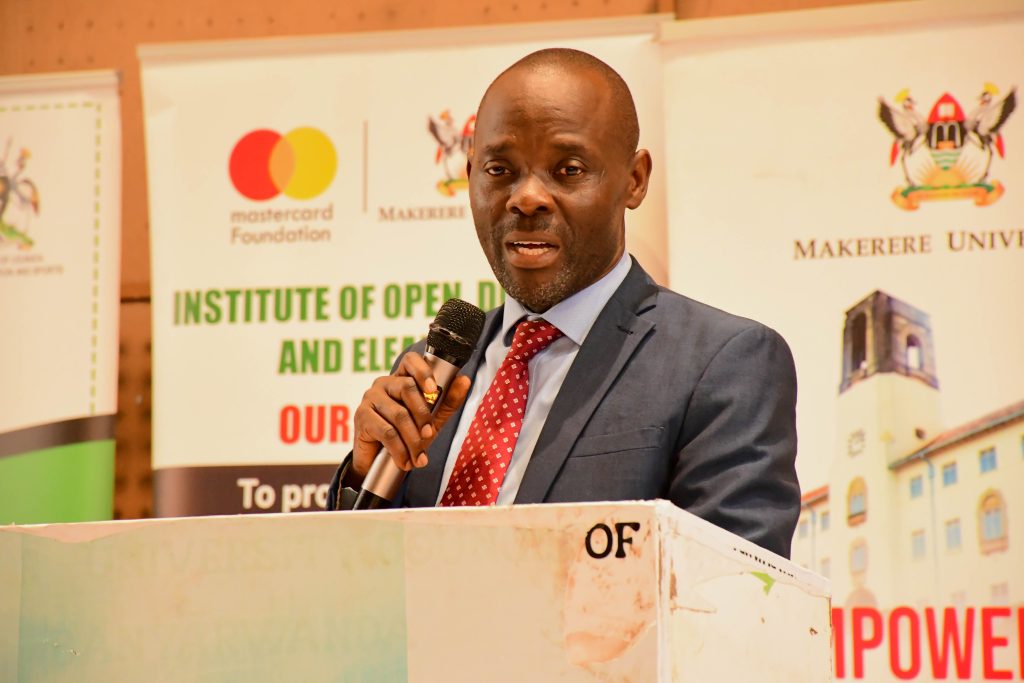
The Dean – School of Education under MakCEES, Assoc. Prof. Mathias Bwanika Mulumba

The Dean of the School of Education, Associate Professor Mathias Mulumba Bwanika articulated that the transition to the Competency-Based Education, which implies that the student/learner takes responsibility for his or her studies.

“Schools and institutions in Uganda shifted from a content-based curriculum to the competency-based one. The teacher guides, but the student takes full responsibility for his or her learning,” he remarked.

To excel under the competency-based mode of delivery, Associate Professor Mulumba Bwanika urged the students to value time, plan their schedules, form discussion groups, and tap into the benefits of group learning, including innovation, creativity, and reading ahead of their lecturers.

Associate Professor Mulumba Bwanika reminded the students to uphold high standards of professionalism by following the professional code of conduct for teachers. He tipped the students on personal hygiene, respectful behaviour, character and development.

The Dean of the School of Education, emphasized the importance of cultivating habits that promote academic success. “If you want to succeed in a university setting, you need to consult the student leaders and staff, embrace group learning, and read consistently.”

Embracing Learning Opportunities Beyond the Classroom

The Dean, School of Distance and Lifelong Learning, Dr Harriet Nabushawo reaffirmed Makerere University’s commitment to producing knowledgeable, skilled, and socially responsible graduates.
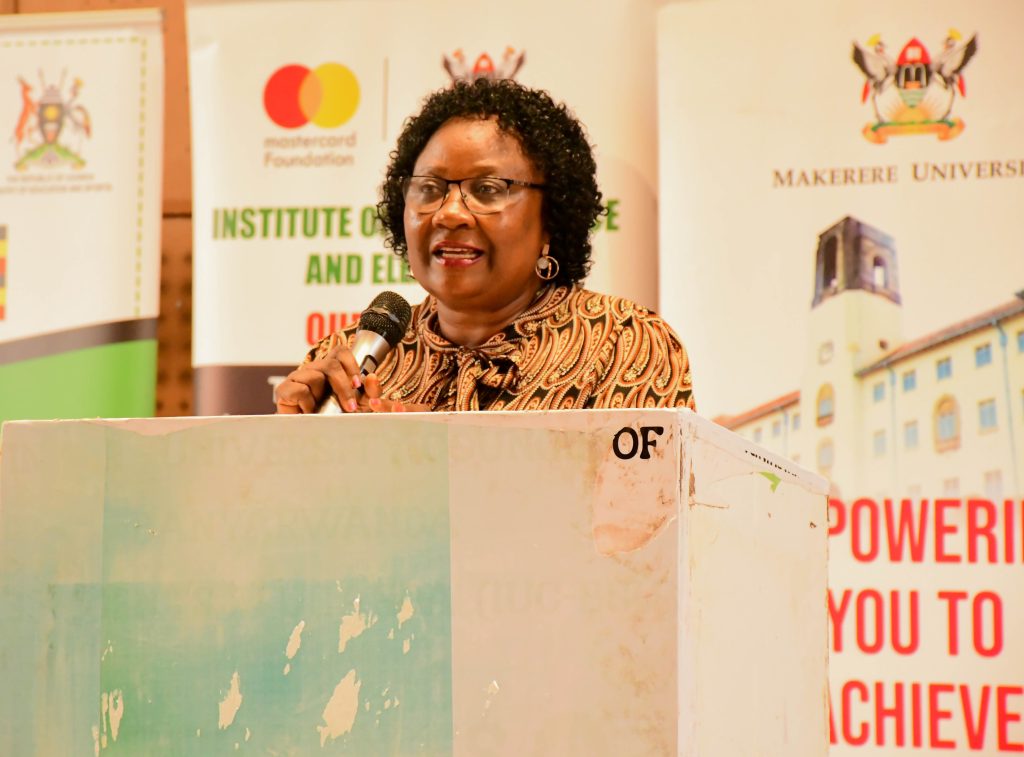
The Dean – School of Distance and Lifelong Learning, Dr Harriet Nabushawo

She implored the students to take ownership of their learning, remain organized and disciplined, and develop habits that promote academic excellence and lifelong growth.

Dr Nabushawo highlighted opportunities beyond classroom learning, including research, innovation, leadership, teamwork, and community engagement, noting that these experiences help students develop professional competencies, problem-solving abilities, communication skills, and teamwork.

She rallied students to actively participate in university programmes and collaborative learning experiences to broaden their perspectives and prepare themselves for meaningful contributions to society.

Effective Digital Learning and Responsible Use of Artificial Intelligence (AI)
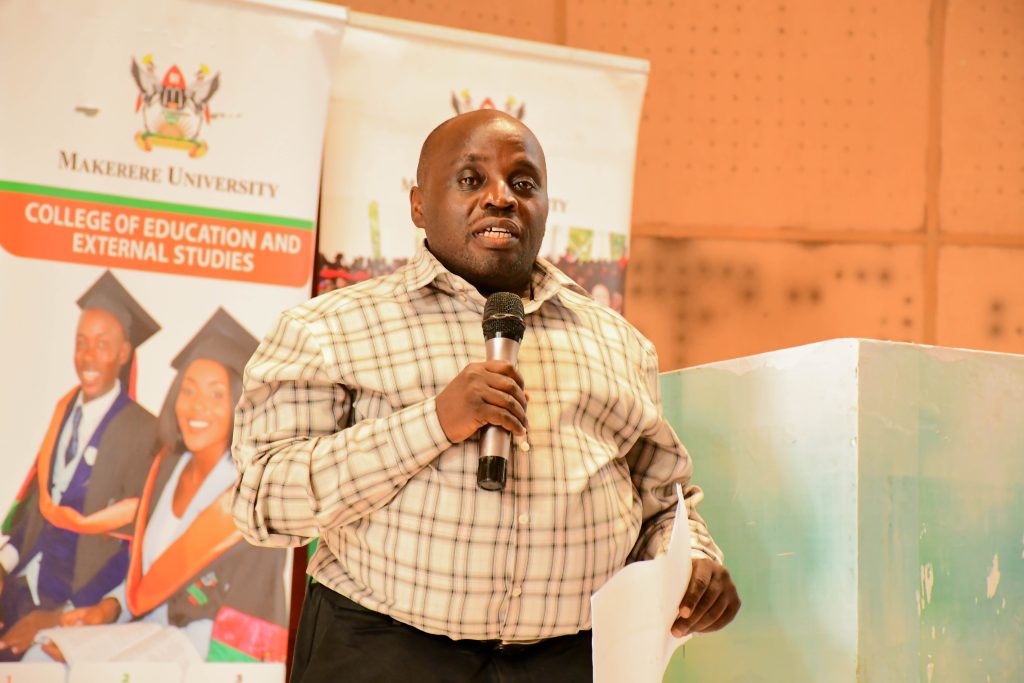
The Deputy Director of the Institute of Open, Distance and eLearning (IODeL) – Dr Godfrey Mayende

Dr Godfrey Mayende, the Deputy Director of the Institute of Open, Distance and eLearning (IODeL), advised students to embrace digital learning as an important component of their academic journey.

He urged students to regularly access the Makerere University E-Learning Environment (MUELE), participate in online discussions, check university communication platforms, and seek support when they encounter academic challenges.

Highlighting the growing role of Artificial Intelligence (AI) in higher education, Dr Mayende encouraged students to use AI responsibly as a learning companion for understanding concepts, generating ideas, improving writing, summarizing notes, and practising academic tasks.

He emphasized the importance of ethical use of technology, independent thinking, and academic integrity in preparing students for future professional environments.

“Use artificial intelligence wisely. AI should not corrupt your personal knowledge. AI should not replace human thinking,” he guided.

Prioritize Mental Health and Seek Support Early

In his remarks, the Manager-Makerere University Counselling and Guidance Centre, Mr. Henry Nsubuga called upon the students to prioritize their wellbeing, utilize their time as an opportunity for personal growth, resilience building, and professional development.
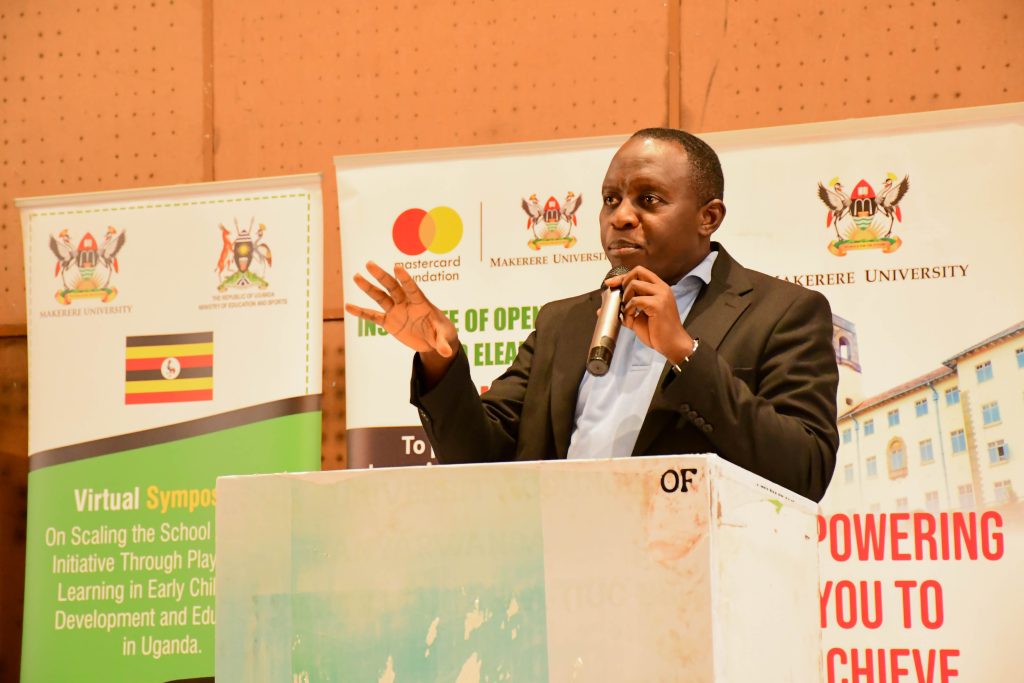
The Manager-Makerere University Counselling and Guidance Centre, Mr. Henry Nsubuga

Mr. Nsubuga disclosed that Mental Health is one of the biggest challenges affecting the wellbeing of humans. He therefore advised students experiencing mental health issues to always seek professional counselling and guidance services, stressing that early access to support contributes to a successful, healthy, and a fulfilling university experience.

He appealed to students to support members within the University community who could be dealing with mental health issues due to pressures from home, workload, retakes, hunger, financial difficulties, painful relationships, poor performance in class, anxiety, drug and substance abuse, loss of loved ones, neglect and discrimination, by referring them to the Makerere University Counselling and Guidance Centre.

Ensuring a Safe University Environment

Dr Michael Walimbwa, a Staff Safeguarding Champion at CEES accompanied by Ms. Agnes Nambuya and the Student Safeguarding Champions at CEES presented some of the safeguarding tips and principles.
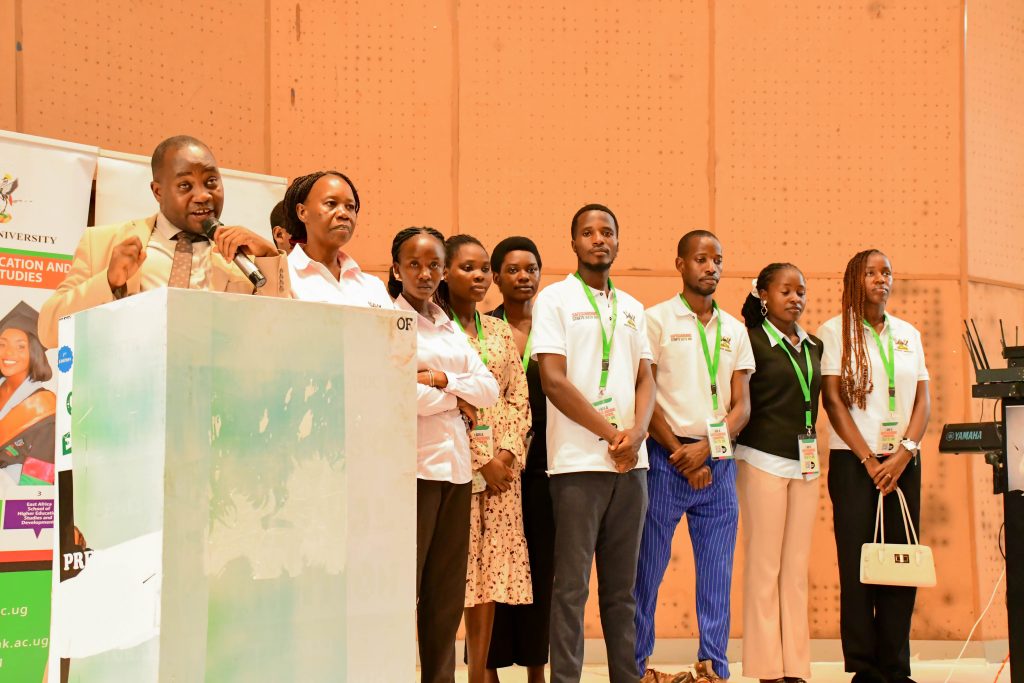
Staff Safeguarding Champion at CEES,Dr Michael Walimbwa accompanied by Ms. Agnes Nambuya and the Student Safeguarding Champions at CEES

The Staff Safeguarding Champions at CEES namely Dr Michael Walimba and Ms Agnes Nambuya accompanied by the CEES Student Safeguarding Champions sensitized the first year students on the concept of safeguarding.

“Safeguarding is about protecting members of Makerere University from harassment, neglect, and any behavior that threatens safety,” explained Dr Walimbwa.

Dr Walimbwa reminded the students that creating a safe university environment is a collective responsibility. He challenged students to report any cases of harassment, misconduct, or situations affecting their well-being through established university safeguarding channels, including safeguarding champions, academic leaders, and reporting platforms.

Academic Procedures and Policies
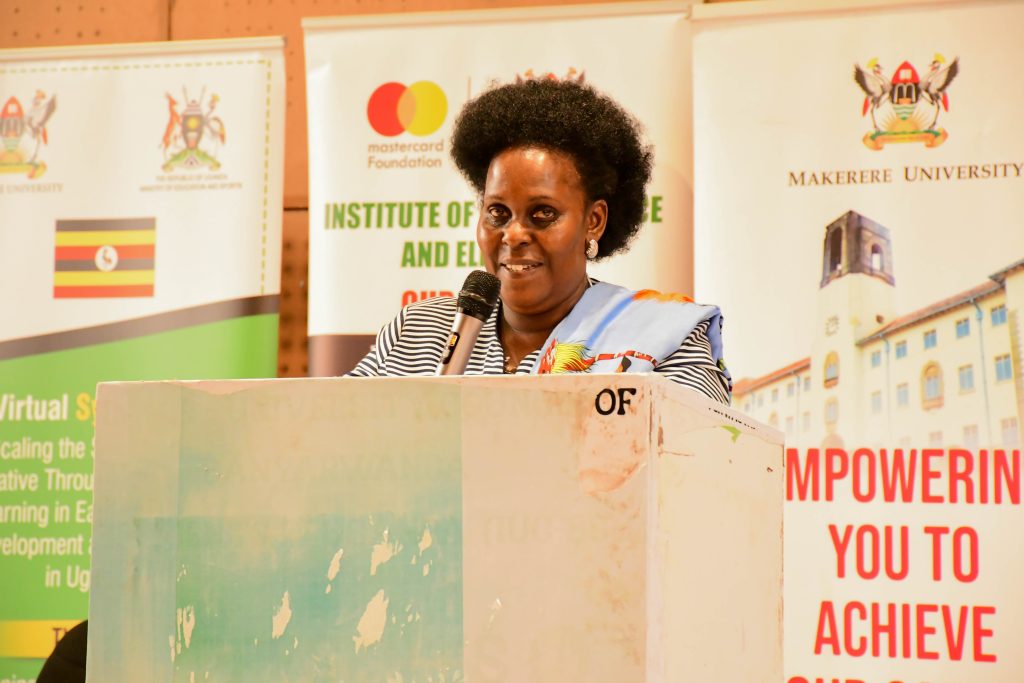
College Registrar – Mrs. Joanna Kayaga Kiwana

During the CEES Orientation, the Office of the College Registrar was effectively represented by Mrs. Joanna Kayaga Kiwana-College Registrar, Ms. Molly Nantongo-School of Education Registrar, and Mr. Sanderson Acati-Registrar at the East African School of Higher Education Studies and Development.

Mrs Kayaga Kiwana outlined some of the key academic policies and regulations to guide the first year students during the course of study. She advised the students to follow the respective timetables and ensure that they are in the right place at the right time. She equally emphasized the need to follow the registration procedures and guidelines, and stressed the need to provide authentic information during the documentation and registration process.

Mrs Kayaga Kiwana outlined some of the key academic policies and regulations to guide the first year students during the course of study. She advised the students to follow the respective timetables and ensure that they are in the right place at the right time. She equally emphasized the need to follow the registration procedures and guidelines, and stressed the need to provide authentic information during the documentation and registration process.

Financial Discipline and Timely Fees Payment

The College Bursar, Mr. Stephen Kayima and the Accountant-Mr. Godfrey Wasikye underscored the need to follow the University financial procedures and ensure timely payment of tuition and other University fees.
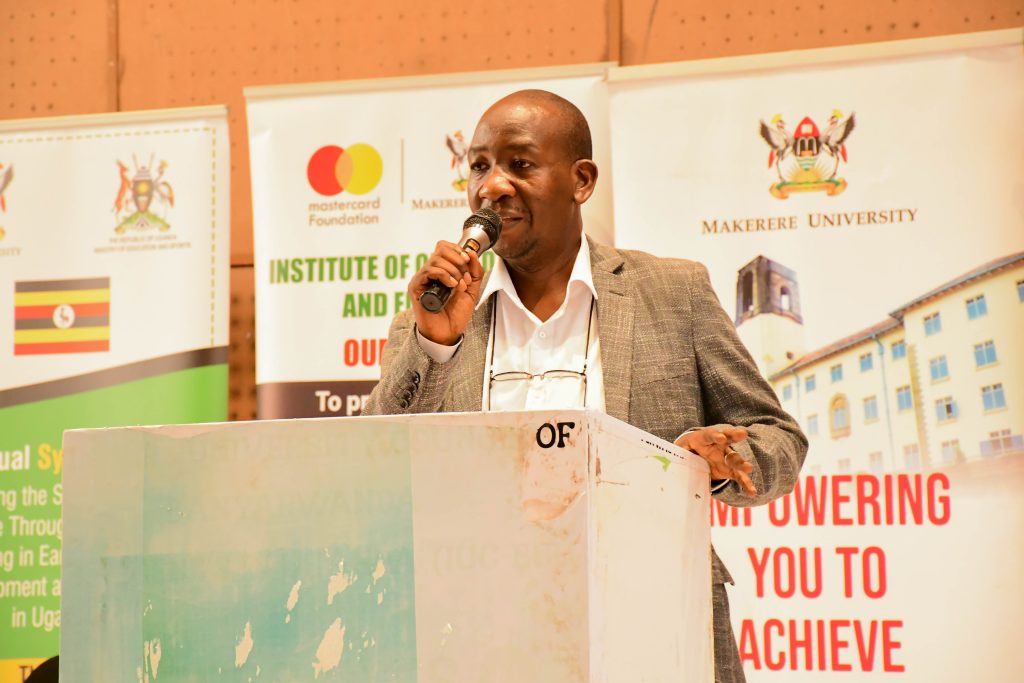
The College Bursar – Mr. Stephen Kayima

Mr. Kayima emphasized that all tuition and functional fees should be paid through the official university payment system using a Payment Registration Number (PRN), cautioning students against relying on unofficial payment channels.

Mr. Kayima urged students to prioritize tuition payments within the stipulated timelines to maintain uninterrupted access to university services and academic activities.

Library Support Services and Promoting a Reading Culture

Ms Frascesca Musimenta, from the CEES Library, encouraged students to develop a culture of reading, conduct research, and utilize library services throughout their academic journey.
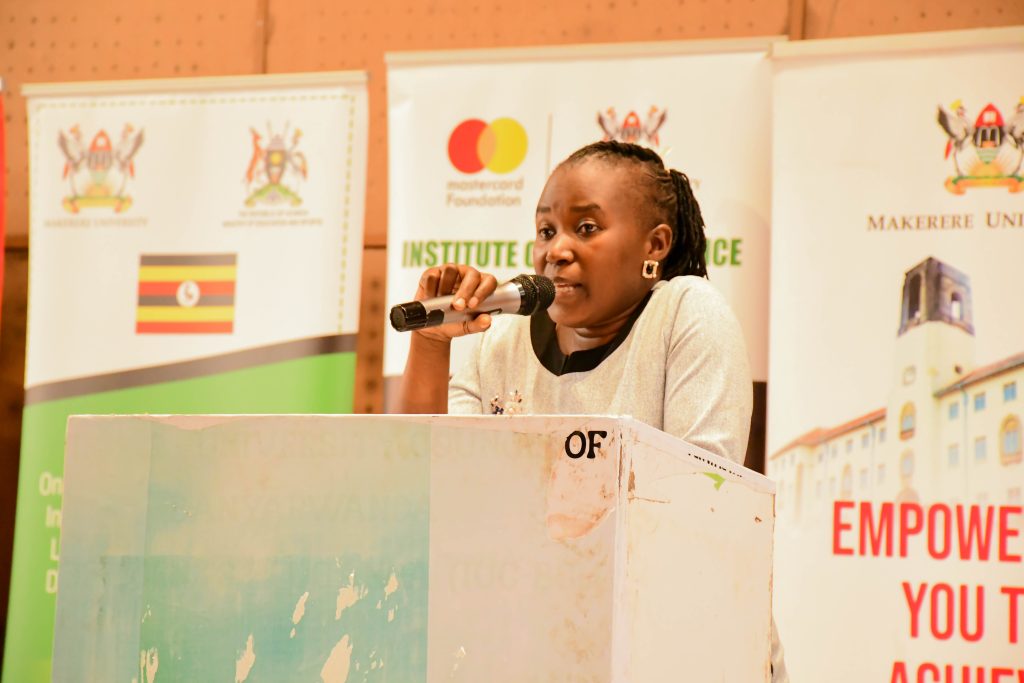
Ms. Frascesca Musimenta from CEES Library

She highlighted the role of the university library in supporting learning through access to books, journals, research materials, and study spaces, encouraging students to take advantage of these resources.

 Balancing Academics with Campus Engagement

The 92nd Guild Minister for Academic Affairs, Makerere University, Hon. Neena Elsie Kalazani, congratulated the first-year students upon their admission and advised them to approach their studies with commitment and discipline.
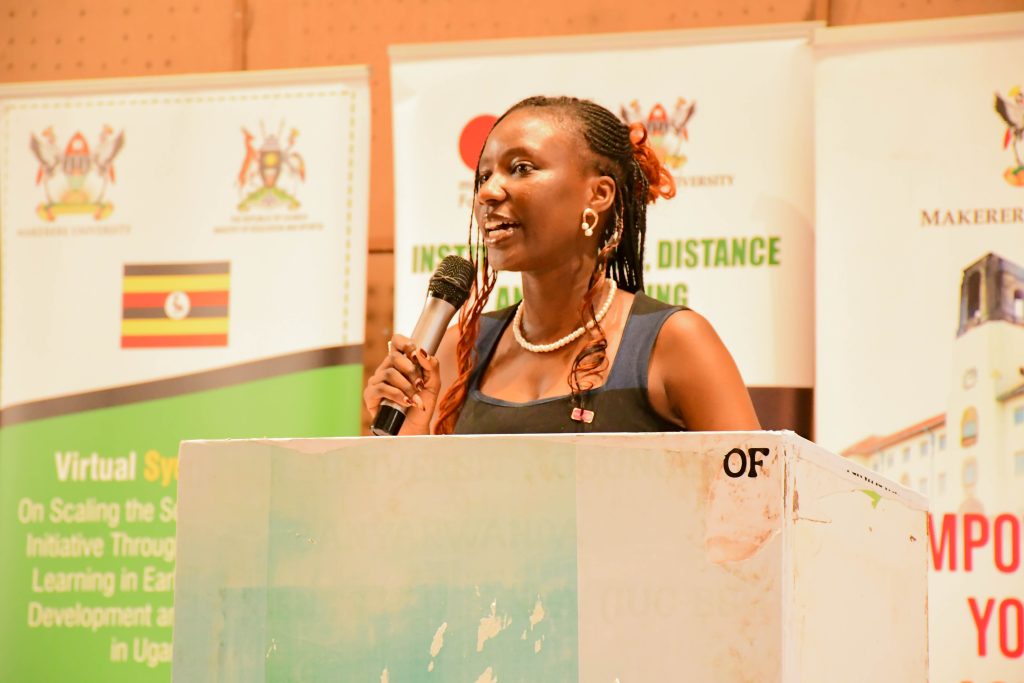
The 92nd Guild Minister for Academic Affairs, Makerere University, Hon. Neena Elsie Kalazani

She urged students to attend lectures consistently, complete coursework on time, read beyond classroom requirements, and strive for academic excellence.

Beyond academics, Hon. Neena Kalazani encouraged students to participate in clubs, associations, and leadership opportunities, noting that such engagements help develop leadership skills, build networks, and create a more enriching university experience.

She called upon students to embrace the wider Makerere community and balance academic excellence with active participation in campus life.

The orientation program concluded with student leaders presenting the various clubs and associations within the College, encouraging first-year students to actively participate in co-curricular activities that promote leadership, teamwork, networking, and personal development.

The engagement provided students with essential guidance on navigating university life, emphasizing academic excellence, responsible conduct, personal well-being, and effective utilization of available university resources.

The Orientation session was moderated by Ms. Ritah Namisango, Principal Communication Officer at Makerere University, and Hon. Peter Kisakye, the Speaker, Makerere Education Students Association (MESA). Ms. Namisango acknowledged the College Chairperson, Mr. Anthony Bakashaba and his entire student leadership team for the selfless service exhibited during the orientation activities lined up at the College (Monday 3rd to Friday 7th August 2026). She also recognized the CEES Choir led by Dr Benon Kigozi for participating in the College Orientation.
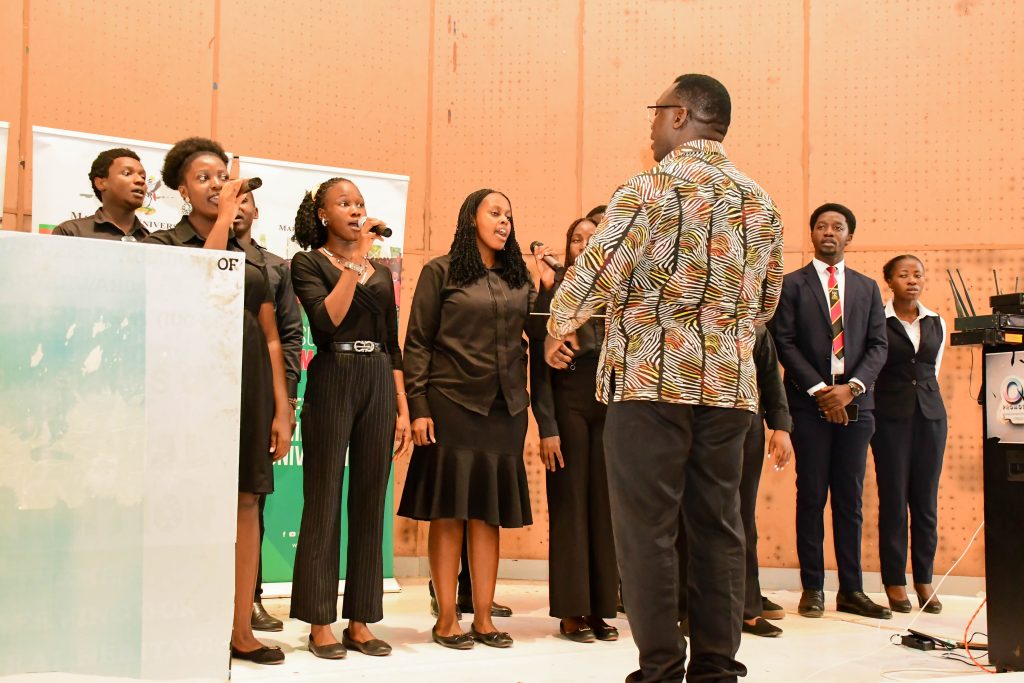
The CEES Choir led by Dr Benon Kigozi performing during the Orientation

View on CEES

Ritah Namisango
Ritah Namisango

Continue Reading

Education

Building Education System Resilience in a Poly-Crisis: Regional Perspectives

Published

on

Building Education System Resilience in a Poly-Crisis: Regional Perspectives. Photo: RAN, Makerere University School of Public Health (MakSPH), Kampala Uganda, East Africa.

By Israel Muwanguzi

In this blogpost, part of #TheSouthAlsoKnows blog series, Aranza Ballesteros, Cathrine Brun, Santiago Cueto, Khoi Vinh Dang, Thi Ly Le, Roy William Mayega, Krishneel Reddy, Rachel Saliba, Maha Shuayb, Anthony Ssebagereka, Julius Ssentongo, and Tetiana Zheriobkina bring together six regional perspectives on education system resilience as part of the GPE KIX Observatory on Education System Resilience initiative.      

In the context of a growing poly-crisis, complex challenges such as climate change, forced migration, conflict and economic shocks increasingly intersect and compound one another. These overlapping crises have direct and indirect effects on education systems, which are deeply vulnerable to the uncertainties of rapid change. Strengthening education system resilience — the capacity to not only withstand shocks but adapt and evolve over time — is therefore critical. While resilience sometimes risks becoming another buzzword, it has important implications for how education systems are understood, governed and supported. Yet there is still no clear consensus on what education system resilience means in theory or practice.

Through the Observatory on Education System Resilience initiative, implemented under the Global Partnership for Education (GPE) Knowledge and Innovation Exchange (KIX), six regional observatories are helping fill this gap. They are examining potential future disruptions to education systems and how resilience is understood and practiced within these systems — across GPE partner countries in Latin America and the Caribbean (LAC), sub-Saharan Africa, the Middle East and North Africa (MENA), Eastern Europe, the Caucasus and Central AsiaSouth and Southeast Asia, and the Pacific.

Emerging findings suggest that while understandings of resilience vary across contexts, and use of the term remains uneven in education policy documents, education systems in each region are integrating elements of risk reduction and preparedness planning, though often in reaction to past or ongoing crises. Findings also suggest that while policies recognize the needs of vulnerable learners disproportionately affected by shocks and disruptions, this rarely translates into targeted action, though gradual progress is being made.

Understanding resilience across contexts, knowledge systems and languages

Education system resilience is neither a fixed concept nor universally understood. Instead, it is shaped by local contexts and lived realities, Indigenous knowledges and the perspectives of different stakeholders. These influences are further reflected in language, as many local terms associated with resilience do not align neatly with the English concept. Resilience is often articulated through related ideas     —     such as school safety, disaster preparedness, learning continuity and educational quality improvement.

In countries frequently affected by disasters, resilience is often framed around awareness raising, preparedness, risk management and adaptation. This includes building safer schools, integrating disaster risk reduction (DRR) into curricula, and training teachers to respond to emergencies. Hurricane-prone Caribbean island states, for example, prioritize disaster-resilient infrastructure and plan for distance learning during hurricane season. In conflict-affected settings, resilience centres on finding alternative ways to keep education going when national systems falter or collapse. In South Sudan, amid conflict and climate shocks, resilience is closely linked to maintaining educational continuity through community-based contingency planning and by aligning school calendars with seasonal realities.

Indigenous knowledge systems frame resilience in ways that challenge narrow or technical definitions. In the Pacific region, resilience is inseparable from Indigenous ways of knowing which foreground communal identities and relational systems that connect people to land, ocean and spirit. Rather than a system’s ability to “bounce back”, resilience is understood as sustaining continuity across generations, preserving culture and collective wellbeing. Accordingly, resilience is cultivated through networks of kinship and communities that share responsibility for learning and survival. It is experienced as an ongoing cycle of adaptation that is deeply ecological and spiritual.

Language itself gives resilience distinct meanings in different contexts. In Arabic, several translations of “resilience” exist, each with distinct implications. The most common term, murūna (flexibility or adaptability), refers to adjusting to and coping with crises. Another widely invoked concept, sumūd (steadfastness), looks beyond survival to include resistance, dignity, liberation and the pursuit of a just future. With murūna, the focus is on whether a system can continue to function under pressure, whether or not that functioning aligns with community aspirations or meaningful educational outcomes.

Across regions, these nuances mean that resilience is often articulated through context-specific concepts rather than the term itself. In South and Southeast Asia, resilience is conveyed through a cluster of terms that emphasize coping with disruption, adaptation and the need to sustain learning under crisis conditions. In Eastern Europe, the Caucasus and Central Asia, educational resilience is more often described in terms of effectiveness, stability, adaptability, relevance, modernization, quality enhancement and sustainability.

The framing of resilience also varies by stakeholder, reflecting differing roles and priorities. In sub-Saharan Africa, national policymakers emphasize maintaining teaching and learning during crises while aligning resilience efforts with broader national agendas. Local communities and civil society organizations focus on community‑based action, resource availability and partnerships that safeguard learning at the local level. Teachers tend to define resilience as their ability to adapt pedagogical practices, manage changing learning environments, and continue teaching despite constraints.

Resilience in policy documents

Across regions, the term “resilience” is used unevenly in education policies, with more frequent references to related concepts like disaster risk management or system strengthening. It is often framed around selected components of system functioning rather than whole-system perspectives. In many contexts, individual resilience is emphasized over system-level capacities. Moreover, the term tends to appear mainly in documents produced or influenced by international development actors, who play an active role in shaping resilience agendas in both policy and practice.

In Eastern Europe, the Caucasus and Central Asia, “resilience” appears mainly in broad national development strategies: in education-specific documents, related concepts associated with crisis management and preparedness, DRR and climate adaptation are more commonly used instead. In LAC, resilience is largely absent from education laws and curricula but appears more often in education strategic plans — particularly in Caribbean countries — where it is linked to infrastructure, technology and innovation, student wellbeing and climate resilience. Across Pacific Island countries, the term is beginning to feature in education sector plans and regional frameworks such as the Pacific Regional Education Framework 2018-2030, albeit unevenly. When “resilience” appears, it is typically situated within adaptation and DRR rather than as a comprehensive education system resilience framing.

The emphasis placed on individual versus system-level resilience also varies. In LAC, resilience is more often framed around developing students’ skills for coping with shocks and disruptions. By contrast, education policies in Timor-Leste, the Philippines and Vietnam tend to reference both individual and system-level dimensions of resilience.

International development actors have played a central role in introducing resilience into policy discourse and shaping how it is operationalized, including through funding targeted areas such as DRR, emergency preparedness and school infrastructure improvement. Although this has expanded the space for resilience‑related work, it raises important questions about local ownership, cultural grounding and alignment with local priorities and practices. In the Pacific, Indigenous notions of resilience are rarely referenced by international actors, while in MENA, more local, justice‑oriented and transformative interpretations such as sumūd are overlooked.

Resilience in practice

Although the term is not always explicitly used, countries have developed a wide range of practices that align closely with resilience, shaped by lived realities and the dominant risks they face. Most of these practices focus on system strengthening, planning and responding to shocks and disruptions.

In the Pacific, recurrent natural hazards have led to school safety programs, emergency school feeding, multimodal learning, community-based contingency planning and investment in resilient infrastructure. In MENA, issues of conflict and displacement have led to measures such as double-shift schooling and digital and hybrid learning. In line with their understandings of resilience, most countries focus on practices that strengthen systems so they can withstand disruptions and ensure learning continuity and system functioning, rather than practices such as anticipation, planning, prevention and mitigation. This is the case in sub‑Saharan Africa, where education strategic plans refer to anticipation, planning, prevention and mitigation but concentrate primarily on system strengthening — such as by investing in ICT for distance learning, integrating DRR and decentralizing decision‑making to enable local action during crises.

Most existing practices tend to be reactive, addressing crises after they occur. Where forward-looking risk analytics and early warning systems exist, they are typically embedded in national DRR frameworks rather than education-specific plans. These frameworks call for continuous hazard monitoring, risk assessment that identifies vulnerable groups, and checks on infrastructure and school safety. Since the COVID-19 pandemic, many countries have placed greater emphasis on forward-looking monitoring and reporting. For instance, Saint Vincent and the Grenadines have started to promote school safety committees to strengthen preparedness. But approaches remain uneven across regions. In practice, anticipation still leans on lessons from past shocks, with initiatives centered mainly on natural hazard forecasting and preparedness. While this focus is necessary, it can overlook other significant disruptions and limit readiness for new risks emerging at greater speed and scale.

Disproportionate impacts on vulnerable learners

Vulnerable groups are disproportionately affected during disruptions, as crises amplify existing inequalities and deepen barriers to education access and retention. Across regions, policy recognition of vulnerable learners rarely translates into targeted action to address their specific challenges. Resilience efforts tend to prioritize access and continuity, without adequately addressing the needs of vulnerable learners or tackling structural barriers that drive their marginalization.

In Eastern Europe, the Caucasus and Central Asia, countries have established legal frameworks promoting inclusive education, but implementation gaps remain: materials adapted for students with disabilities are limited, qualified teachers are concentrated in urban areas, and crisis response protocols rarely explicitly address vulnerable groups. In MENA, Africa and LAC, strategic plans likewise call for inclusion and identify barriers facing marginalized populations, but lack clear measures to overcome them.

Across regions, resilience efforts tend to prioritize maintaining access to education and continuity of learning. Far less attention is given to learning quality, socio-emotional wellbeing and the underlying issues that make some students more vulnerable to disruptions. This omission risks inadvertently reinforcing inequalities. For example, in Lebanon, inclusion is often framed around the enrolment of refugees or children with disabilities — without addressing intersecting inequalities such as poverty and unequal resource distribution that disproportionately limit access among these groups.

Despite these challenges, countries are taking steps to address the needs of vulnerable groups, including during crises. Remedial programs to reintegrate out-of-school children, enhanced digital connectivity for remote learning, more accessible school infrastructure and adapted learning materials are just a few examples. Sierra Leone’s National Policy on Radical Inclusion prioritizes access to quality education for marginalized groups — particularly children with disabilities, pregnant girls, rural learners and those from low-income households — by promoting inclusive learning environments and community engagement. Kyrgyzstan and Mongolia are strengthening digital access and skills to better connect students in remote and nomadic communities.

While the risks and crises differ across regions, the impacts on vulnerable groups tend to converge. Whether due to conflict, climate extremes or economic collapse — crises compound the barriers already faced by marginalized learners.

A need for comprehensive, locally owned resilience planning

Evidence from the Observatory initiative shows that education system resilience remains an evolving concept, with understandings in different regions shaped by lived realities, local knowledge and stakeholder perspectives. These differing views of resilience can be broadly seen as a spectrum — from reactive, short-term responses that focus on coping to more proactive, anticipatory and holistic approaches that strengthen systems over the long term and reduce reliance on crisis response. Resilience can be framed around specific system components or seen as a comprehensive, whole-system approach. Understandings of its aim range from sustaining existing education systems — including their flaws — to transforming these systems by addressing the root causes of vulnerability and fragility. These different framings have important implications for how education systems are governed and supported in the era of poly-crisis.

As disruptions become more frequent, complex and interconnected, we need to move beyond a narrow focus on emergencies toward a more comprehensive systems perspective. Making this shift requires integrating resilience into long-term planning and financing, with greater investment in foresight and anticipatory approaches. Regional observatories are addressing this gap by conducting horizon scans, developing future scenarios and promoting foresight practices among stakeholders. However, many countries have limited funding to address immediate crises, let alone build toward long-term education system resilience. Any such efforts tend to rely on technical and funding support from international development actors, which can create path dependency and limit national ownership.

Moving forward, reorienting education systems will likely require innovative approaches to financing and supporting their resilience. In a world of growing and intersecting disruptions, resilience can no longer be an add-on — it must become a core capability of education systems.

About the authors

The authors of this blog post are implementing partners of the GPE KIX Observatory on Education System Resilience initiative. Details about each regional observatory and implementing partner can be found on the GPE KIX website. Author names appear in alphabetical order by last name to reflect their equal authorship.

Article originally posted on RAN

Mak Editor

Continue Reading

Education

Makerere University Signs MoU with Fukui University to enhance Research, Teacher Development and STEM Education
Published

on

By Ritah Namisango and Monica Meeme

In June 2026, Makerere University and the University of Fukui in Japan, formalized their collaboration by signing a Memorandum of Understanding (MoU) to advance education through collaborative research, knowledge exchange and professional development of teachers.

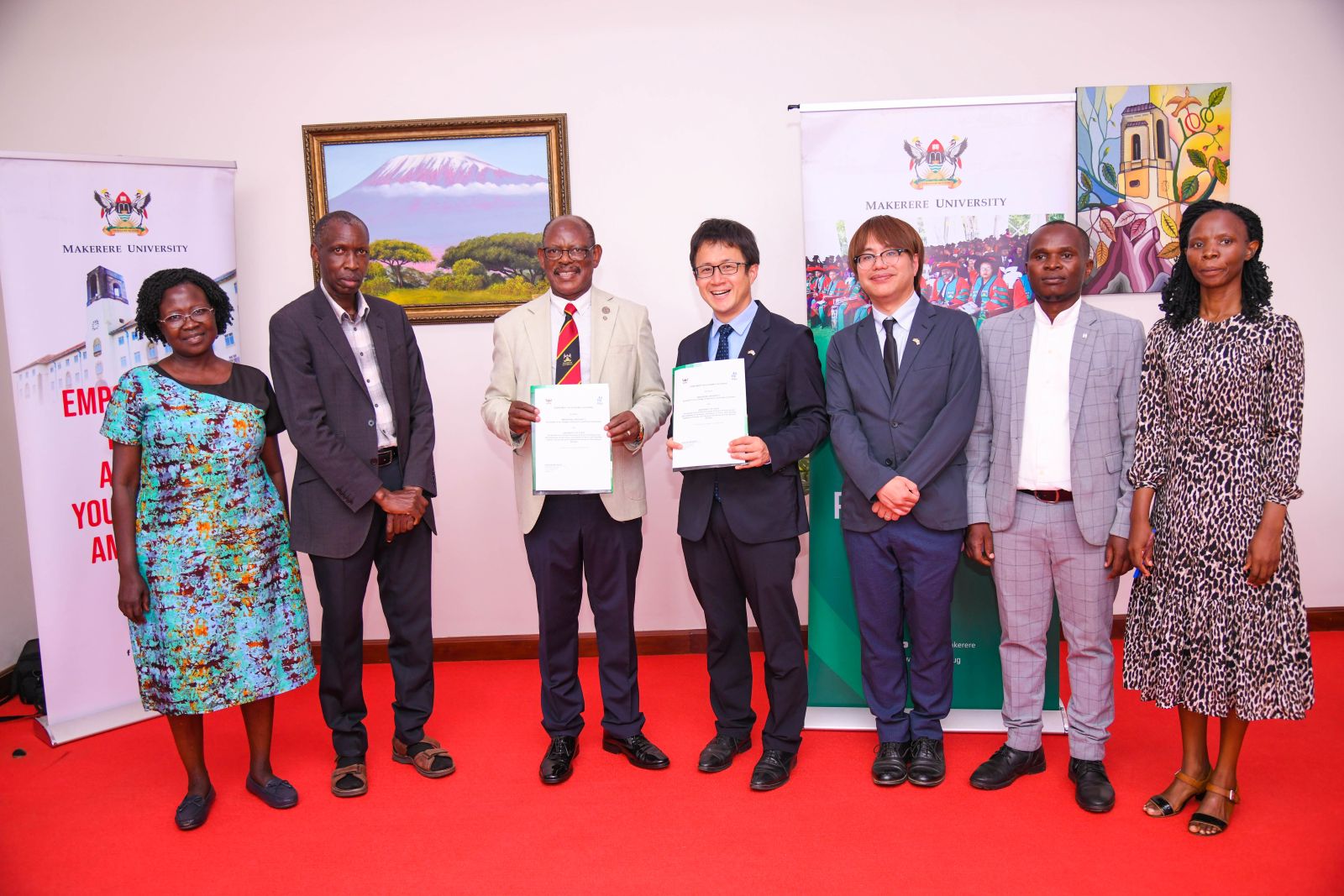
The MoU was signed by the Vice Chancellor, Prof. Barnabas Nawangwe on behalf of Makerere University, and Dr. Yuu Kimura, the Dean, the United Graduate School of Professional Teachers on behalf of the University of Fukui.

The University of Fukui aims to promote world-class education and research in science and technology for people’s well-being, while providing advanced medical services to local residents. Makerere University is one of the oldest and leading institutions of higher learning in Africa. It is a renowned centre of academic excellence, research and innovations.

In the MoU, both universities commit to undertake academic and educational research, strengthen partnerships in education and ICT, promote joint international engagements, and enhance knowledge exchange and cooperation for mutual institutional development.

At Makerere University, the MoU signed by the Vice Chancellor on 12th June 2026, will be implemented through the College of Education and External Studies, Department of Science, Technology and Vocational Education (DSTVE). The Programme Coordinators include: Dr. Reymick Oketch-Principal Investigator, and Associate Professor Josephine Esaete with the College Principal-Prof. Anthony M. Mugagga providing the oversight function.  At the University of Fukui, the Programme Coordinators include: Associate Professor Kosaka Masato and Associate Professor Takuya Numajiri.

Exchange of the MoU between Makerere University and the University of Fukui

On 19th June 2026, the Vice Chancellor of Makerere University, Prof. Barnabas Nawangwe presented the MoU to the University of Fukui, Japan represented by Associate Professor Takuya Numajiri and Associate Professor Masato Kosaka.

The signing parties explained that the MoU institutionalizes the collaboration between Makerere University, College of Education and External Studies, Department of Science, Technology and Vocational Education (DSTVE) and the University of Fukui, the United Graduate School of Professional Teachers, which began in 2024.

Through this collaboration, the parties have been implementing the Japanese Lesson Study approach, a model that promotes teamwork among teachers through joint lesson planning, classroom observation, co-teaching, and reflective learning. “The initiative is aimed at improving teaching practices and enhancing the implementation of competence-based and activity-based learning in schools.”

As part of the partnership, Dr. Oketch reported that Makerere University works closely with secondary schools, including King’s College Budo and Kalinabiri Secondary School, where lecturers and teachers collaborate to improve classroom instruction.

Dr. Oketch pointed out that the collaboration encourages teachers to work together, share experiences, observe one another’s lessons, and adopt active teaching methods that improve learning outcomes.

“The programme also supports joint research to assess the effectiveness of these interventions in improving teacher performance and student learning outcomes,” stated Dr. Oketch.

Vice Chancellor proposes setting up of the Centre for Teacher Professional Development

In his remarks, the Vice Chancellor, Prof. Nawangwe praised the growing collaboration between Makerere University and the University of Fukui of Japan, describing it as a valuable partnership for strengthening teacher professional development through engagement, mentorship, and innovative teaching practices.

Reflecting on his earlier visits to Japan, the Vice Chancellor noted that his connection with the country has left a lasting impression on him and demonstrated the kindness, trust, and hospitality of the Japanese people.

The Vice Chancellor called upon the University of Fukui to support the ongoing efforts aimed at establishing a Centre for Teacher Professional Development at Makerere University, which would provide a strong platform for expanding collaboration and enhancing professional learning among educators.

“The Centre for Teacher Professional Development in Science in STEM (Science, Technology, Engineering and Mathematics) at Makerere University, will benefit educators in Uganda and beyond,” said the Vice Chancellor.

Valuable opportunities for addressing educational challenges

In his address, Associate Professor Masato Kosaka from the University of Fukui commended Makerere University for the growing partnership, describing the collaboration as an important milestone in advancing educational research and professional development.

He noted that the collaboration has already yielded valuable opportunities for engagement, including visits to secondary schools and discussions on joint research initiatives aimed at addressing educational challenges. “The interactions with secondary schools in Uganda have strengthened the shared commitment of both universities to improving education through collaboration, innovation, and research,” he said.

He expressed optimism that the signed MoU will deepen collaborative research, promote academic exchange, and create meaningful opportunities for students, educators, and researchers from both institutions in the years ahead.

A brief about the activities that led to the Signing of the MoU

In an interview with the CEES Communication Office, Dr. Reymick Oketch, the Principal Investigator and a Biology Teacher Educator, explained that the MoU was signed during the two-week visit by delegates from the University of Fukui, Associate Professor Takuya Numajiri and Associate Professor Masato Kosaka, to Makerere University, College of Education and External Studies, Department of Science, Technology and Vocational Education.

He highlighted the growing impact of the collaboration in strengthening teacher education and STEM learning. He emphasized the importance of teacher capacity development that promotes teamwork, peer support, and reflective learning.

Dr. Oketch disclosed that the partnership extends beyond research and classroom practice to include staff and teacher exchange programmes between Uganda and Japan. “Educators from both countries have been presented with opportunities to observe teaching methods, share experiences, and learn from one another,” he said.

The collaboration has opened pathways for further education, with selected teachers receiving opportunities to pursue advanced studies in Japan. He encouraged educators and student teachers to embrace collaborative teaching, reflective practice, and learner-centered approaches that place students at the heart of the learning process.

Mak Editor

Continue Reading

Trending